Arid scrub and rich farmland, amazing coastal scenery, mineral wealth, seafood, fascinating ornithology and the occasional ferocious bushfire. It’s interesting. On this occasion our journey took us around the triangle. If we weren’t traveling with a dog it would have included the Lake Gillies conservation park. We spent two nights at Streaky Bay and two at Coffin Bay. Port Lincoln has a population between 16 and 17 thousand, Whyalla is a mining town, the rest of the place is lovely!
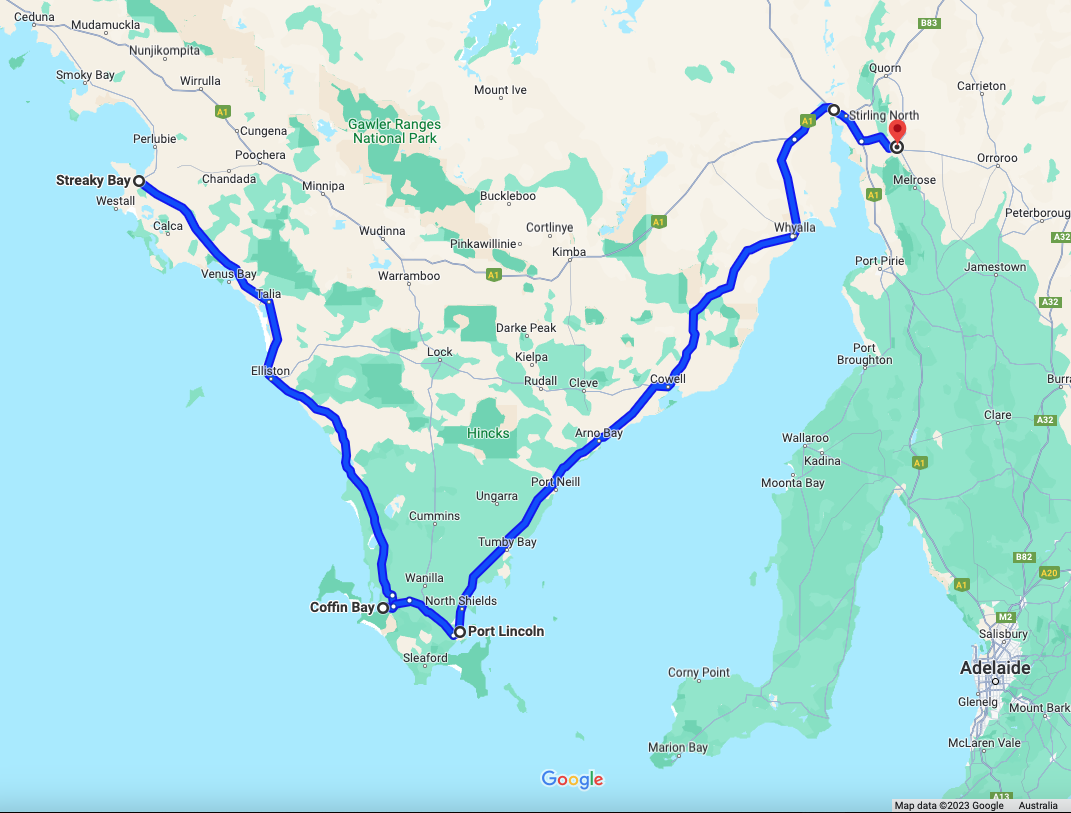
No trip to Streaky Bay would be complete without driving the Cape Bauer Loop and another trip to the Sealion colony at Cape Labatt. You could throw in Murphy’s Haystacks if you’re geologically inclined.


A short diversion at Elliston takes you on the Elliston Clifftop loop. If you are impressed by Victoria’s Great Ocean Road prepare yourself for something even more splendid. There are also some sculptures that can be seen along the way … they don’t stand a chance against the scenery.

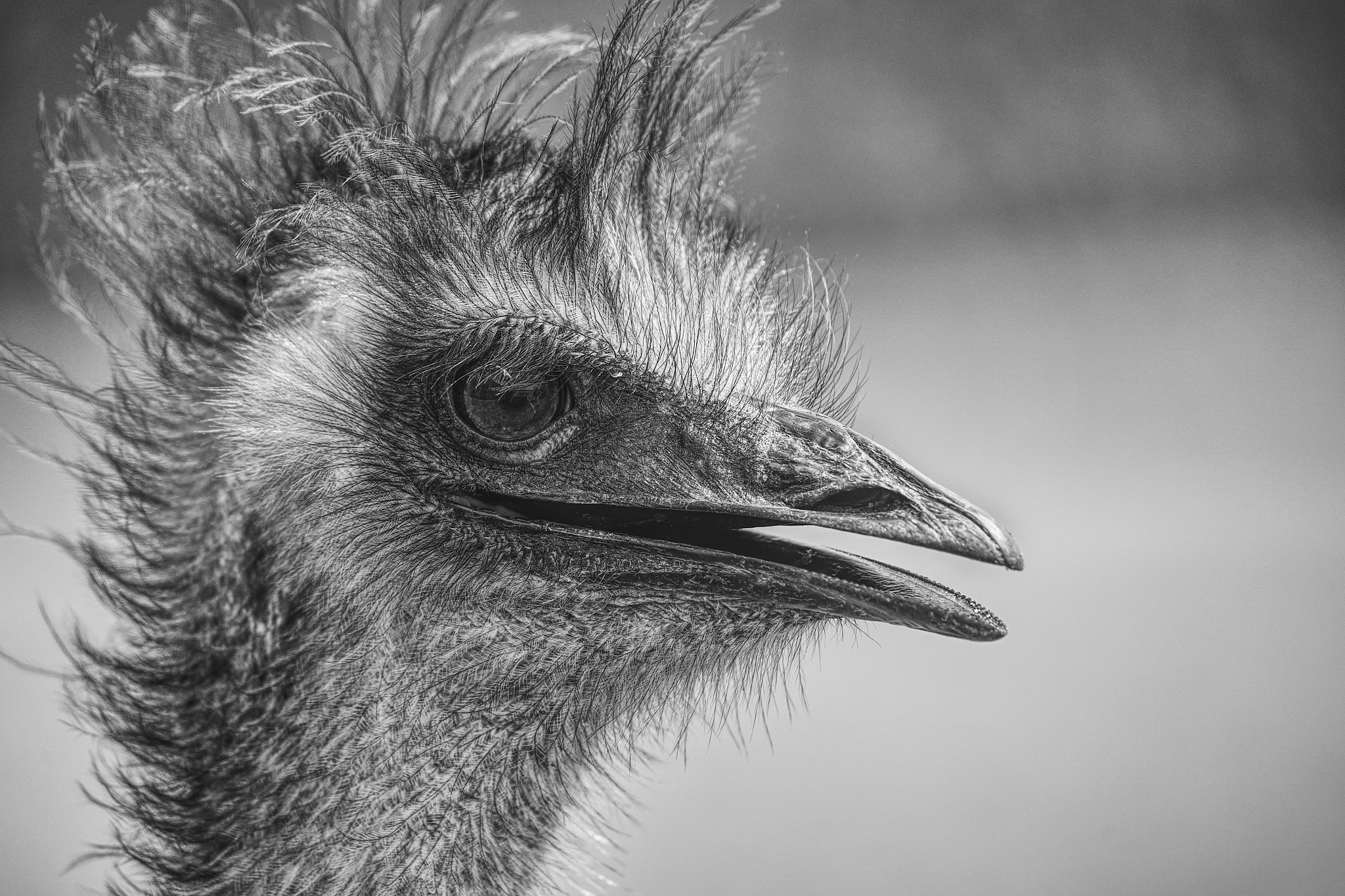
Coffin Bay sounds like a place with a story attached and there is one, but it’s very tame. Matthew Flinders put the bay on the map in 1802 and named it after his friend Sir Isaac Coffin, later a rear admiral. It is famous for its oysters and a wonderful national park. Emus roam the streets and remarkably photogenic they are.

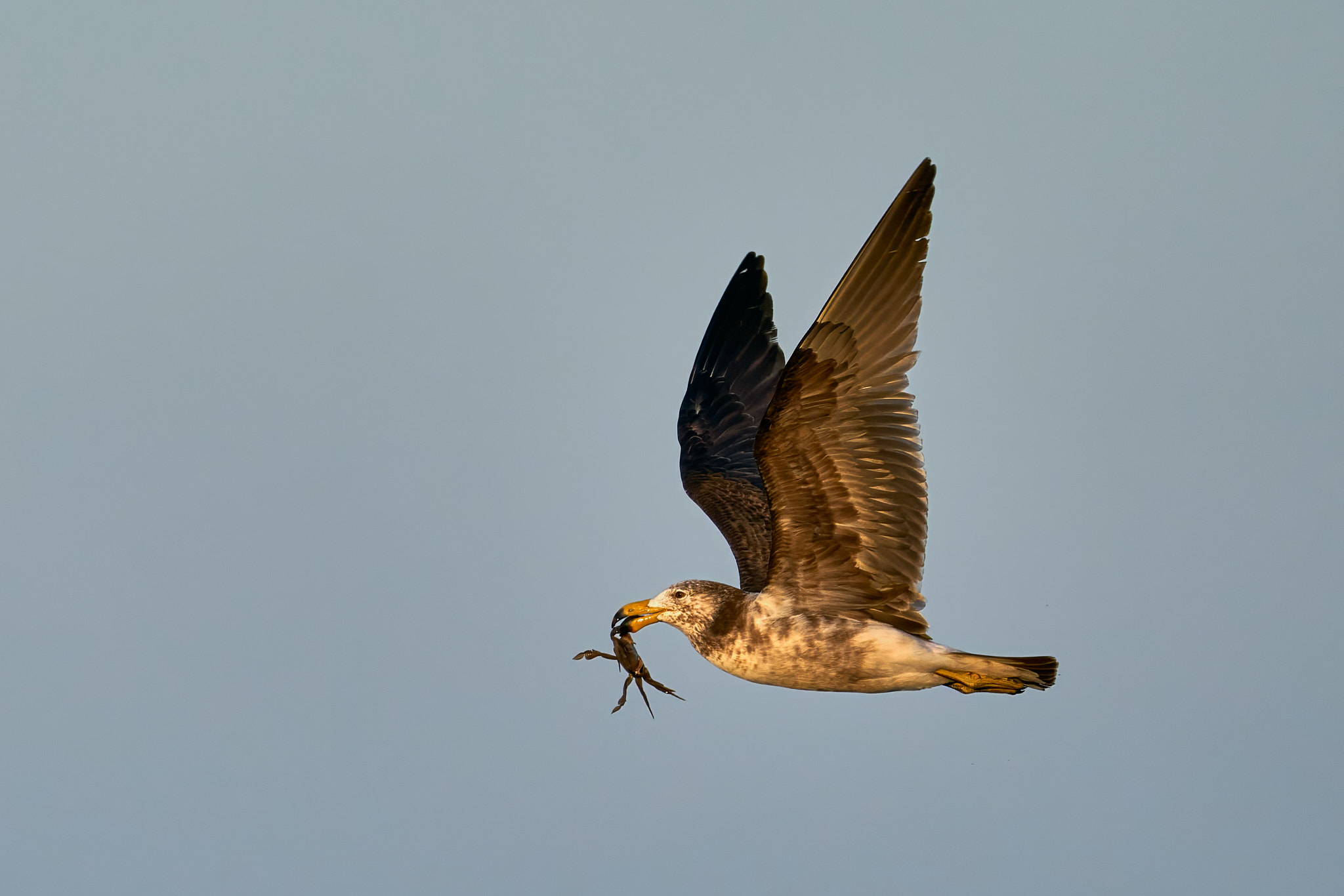
The Eyre Peninsula is very interesting ornithologically. It is a thousand kilometers around the Great Australian Byte to Esperance in Western Australia and there is some very inhospitable country in between yet there are a number of birds that are found in southwest WA and the Eyre Peninsula and not further east. They include birds from quite different genera, the Blue-breasted Fairywren,Rufous Treecreeper and Western Yellow Robin. The Western Whipbird, Western Whistler, Rock Parrot and Elegant Parrot almost qualify but their ranges stretch a little further east. There must have been a time when Australia’s climate permitted suitable habitat for these birds to extend right across the Nullarbor. Somehow the Laughing Kookaburra failed to make that journey. They are common in southwest WA now but were introduced deliberately about 120 years ago. It’s a similar story for Rainbow Lorikeets but they are much more recent aviary escapees.
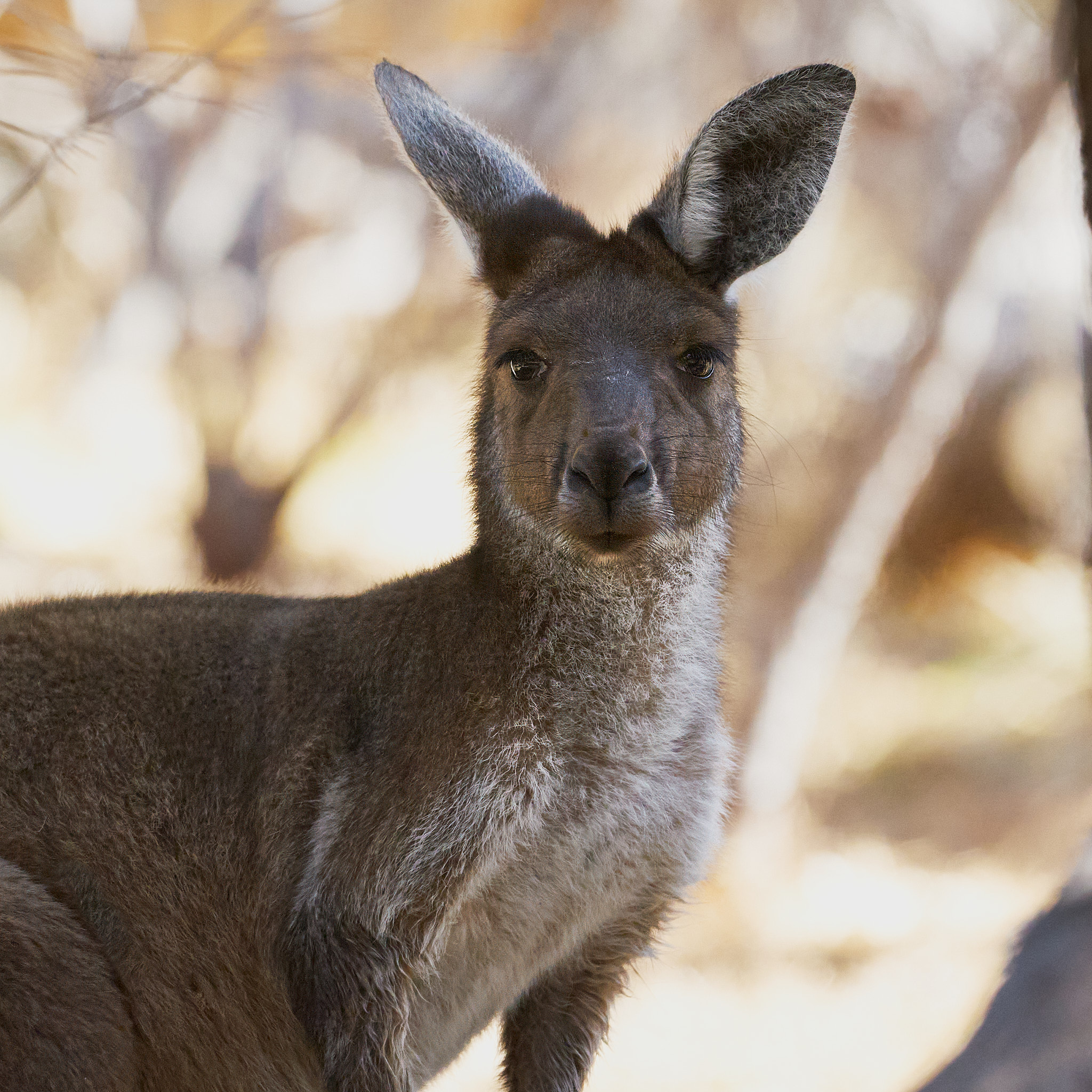
Birding around Coffin Bay was most productive and some of the wildlife even posed for a photo.



We left Coffin Bay on a hot and windy day, 43°C, gale force winds, extreme fire danger.
We passed a couple of silo masterpieces on the way north.


Tonight we are at Wilmington. It was originally called Beautiful Valley. I can understand why they changed the name.
 bobmcgee