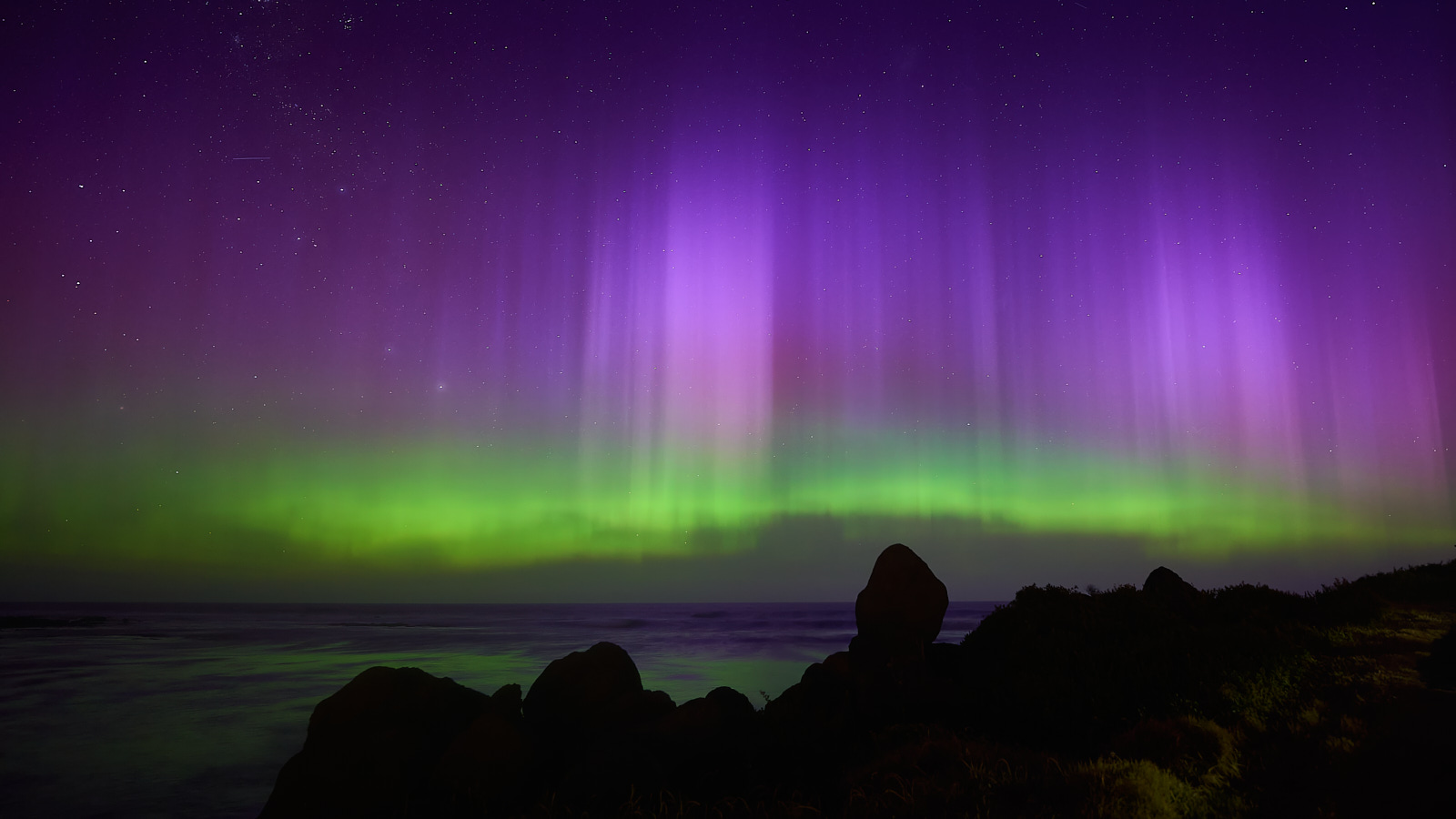
Once again it is my older son who is the brains behind this photo. He keeps a close eye on space weather and phoned me yesterday evening to get out there after dark. I thank him for the alert especially since he’s in Sydney for work, too far north to get a photo of his own.
The photo was taken from the car park overlooking the popular Port Fairy surfing spot known as the passage. For the nerds it was a Sony full frame camera with a 14mm prime lens at f/2, ISO 1600, 4 second exposure.
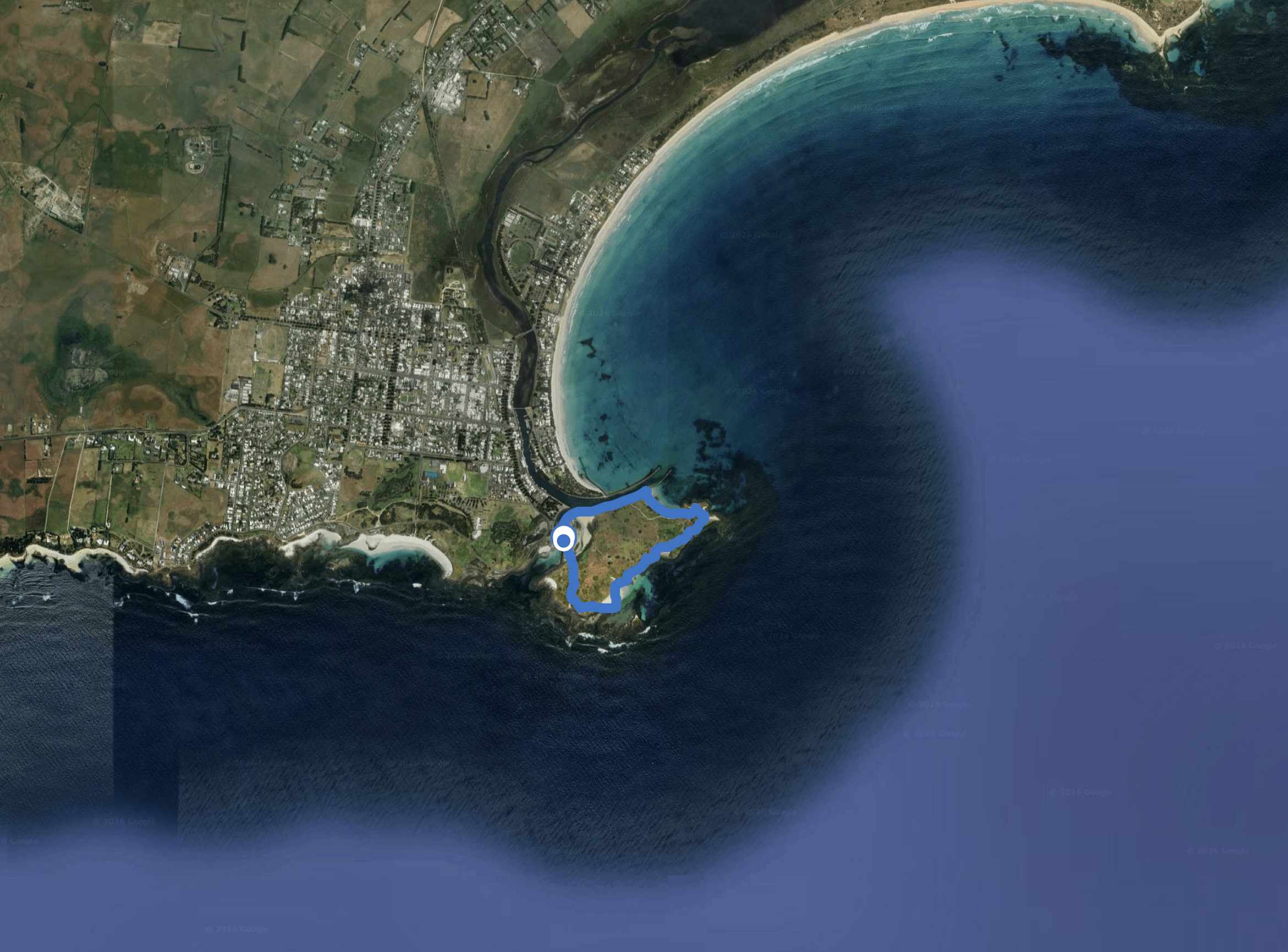
A causeway joins Griffith’s Island to the mainland. It’s about a 2.6km walk to get around the island. There is a well formed path around most of it but there is a little scrambling over rocks in one spot. Much of the interior is a Short-tailed Shearwater breeding colony. At this time of the year adults are coming and going under the cover of darkness. You see nothing of them during the day except for the occasional dead one, although you may be lucky and see a flock foraging not too far off the coast. There’s plenty to see around the edges.
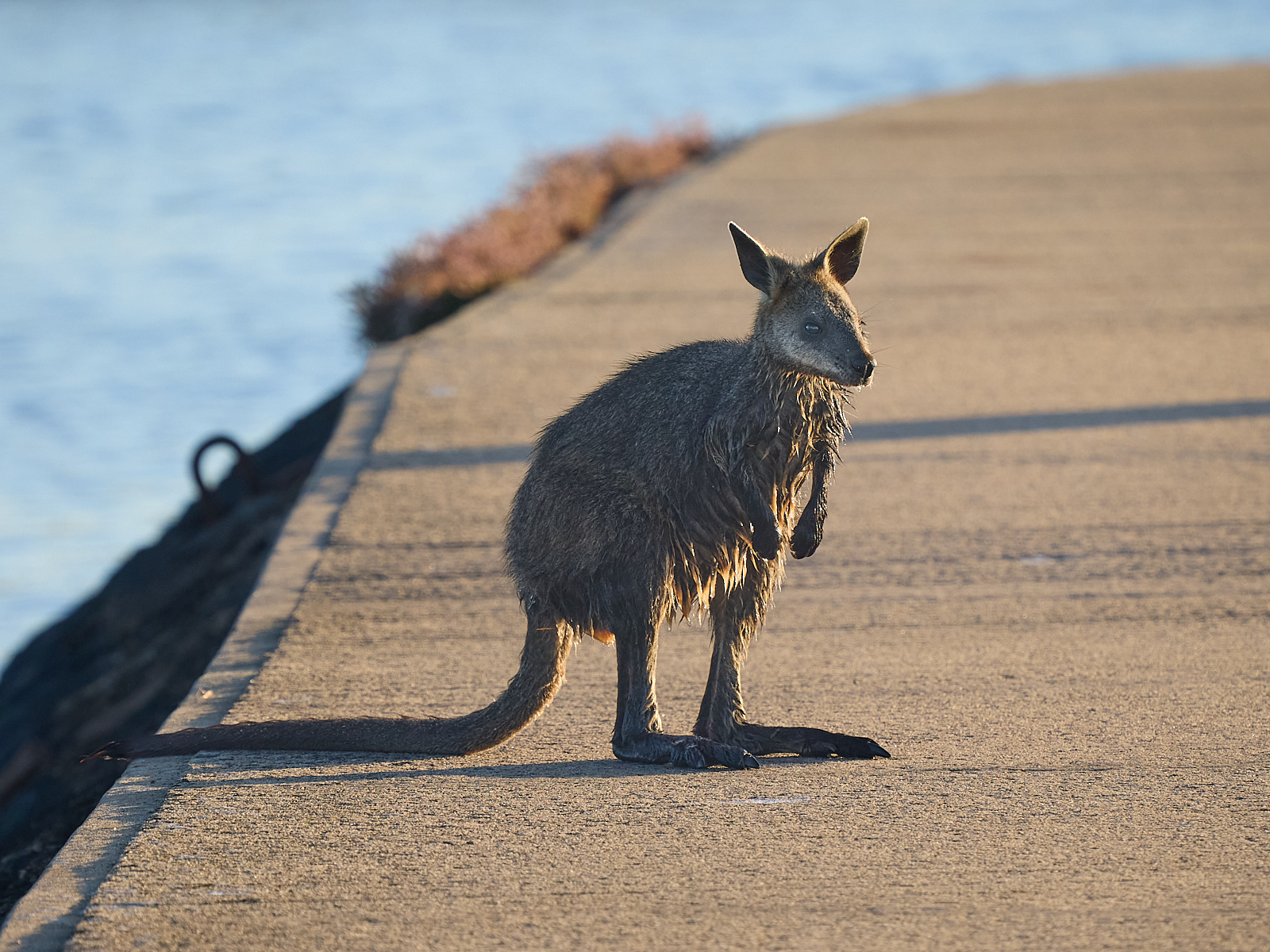
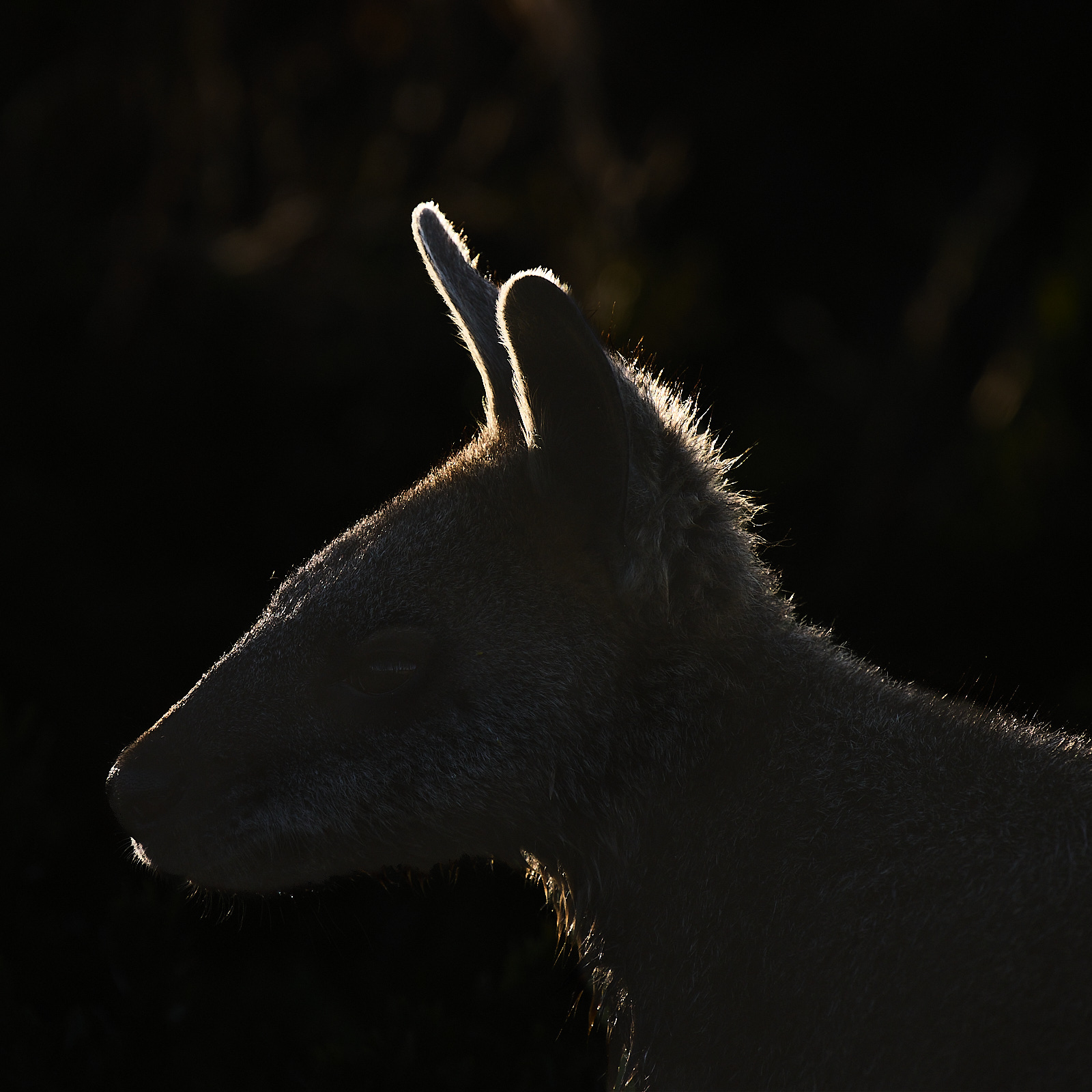
This little guy clambered up onto the causeway to Griffiths Island, Port Fairy. It’s a Swamp Wallaby. They are quite common on the island and sometimes come and go via the causeway. This is the first time that I have seen one choose to swim the Moyne River to get there. Kangaroos and Wallabies swim well as you can see in this Youtube clip …
You can see in the photo that the early morning sun is casting a long shadow. A few minutes later I was able to take advantage of that to get a back lit photo …
There is a little slice of paradise hidden away on the road between Warrnambool and Cobden in south west Victoria. It’s owned by the Trust for Nature, preserves some beautiful riparian forest and is home to the endangered Long-nosed Potoroo. It’s the Ralph Illidge Sanctuary. Admission is $2, no dogs and closed on days of total fire ban.
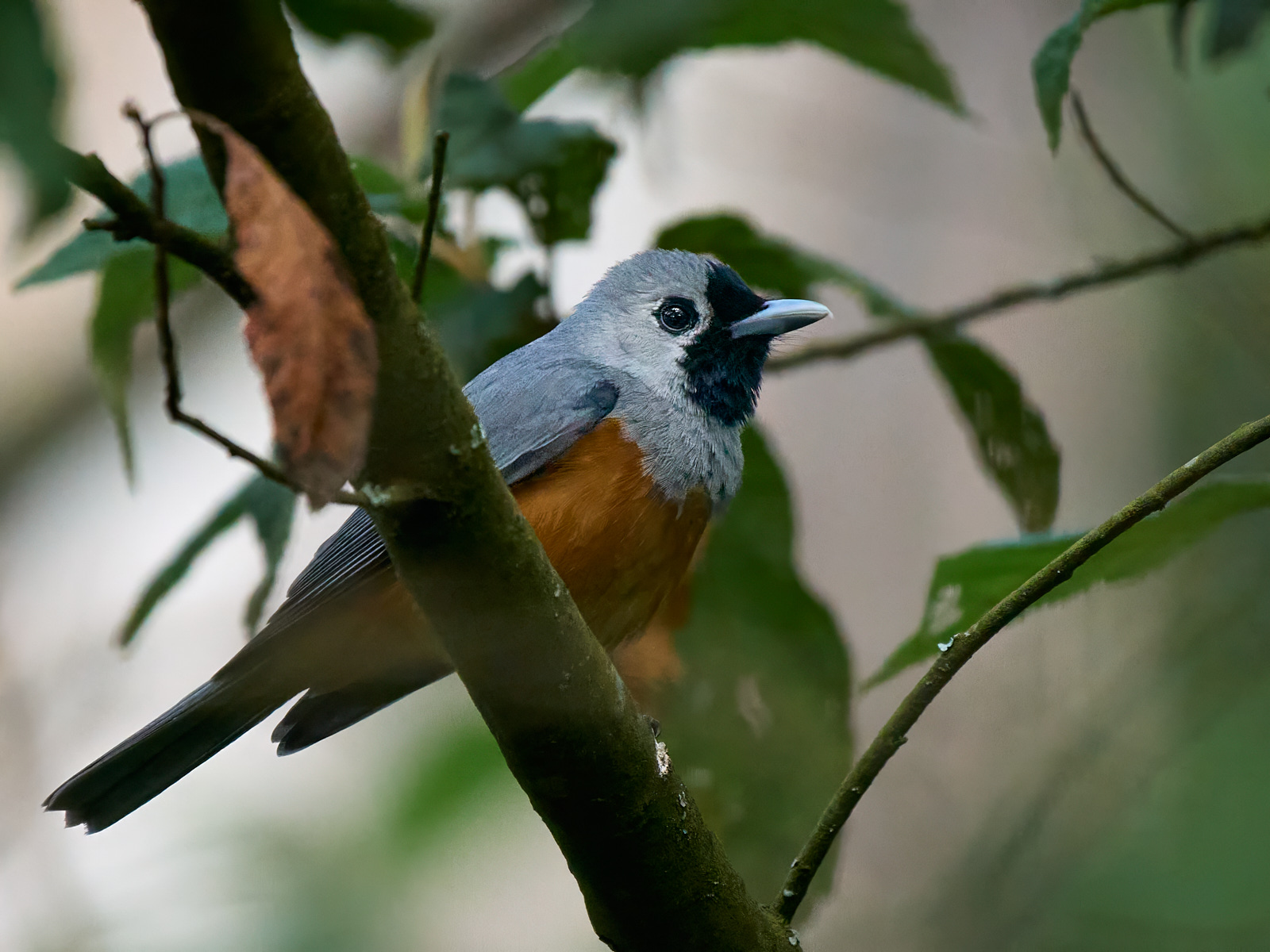
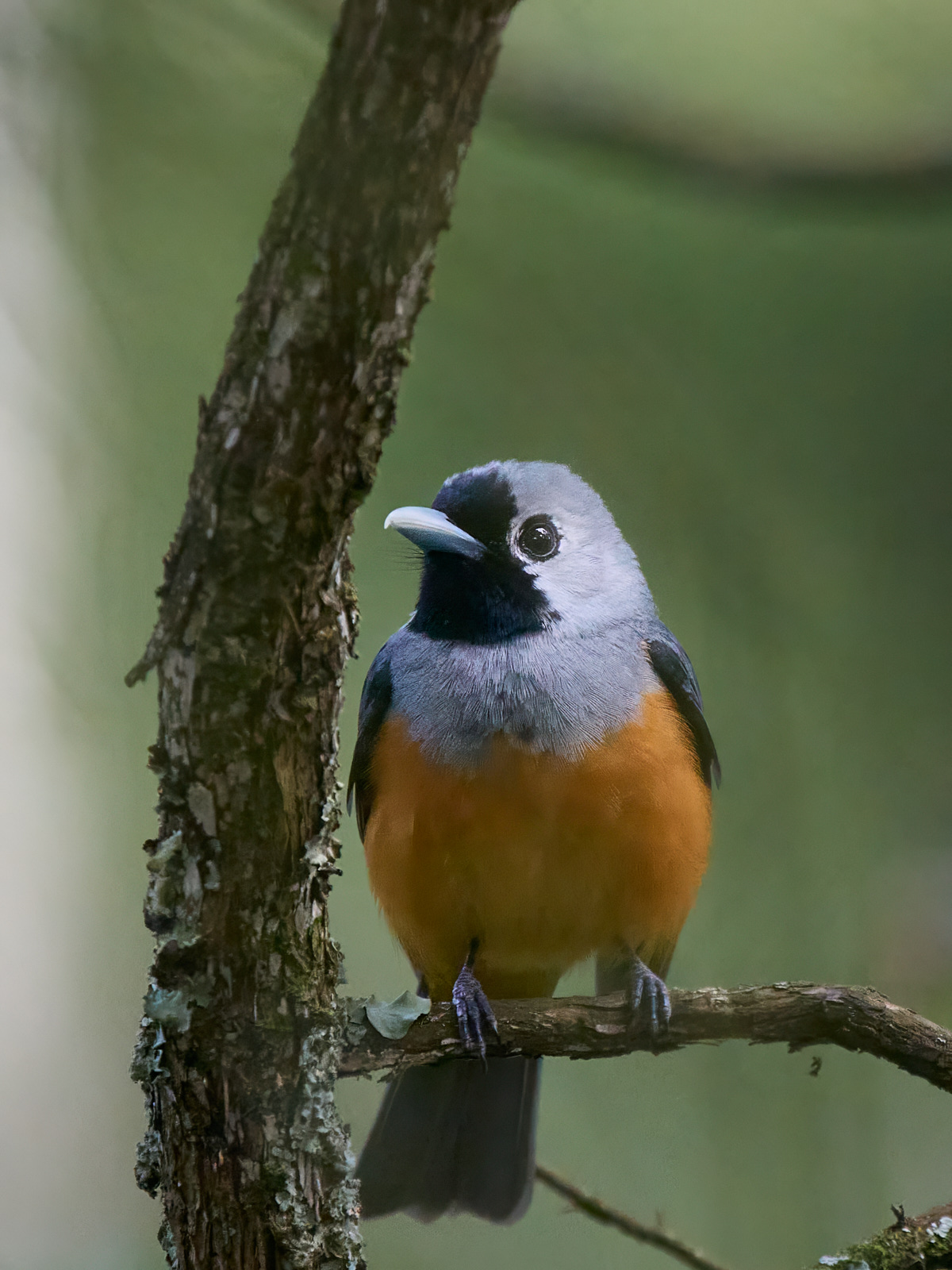
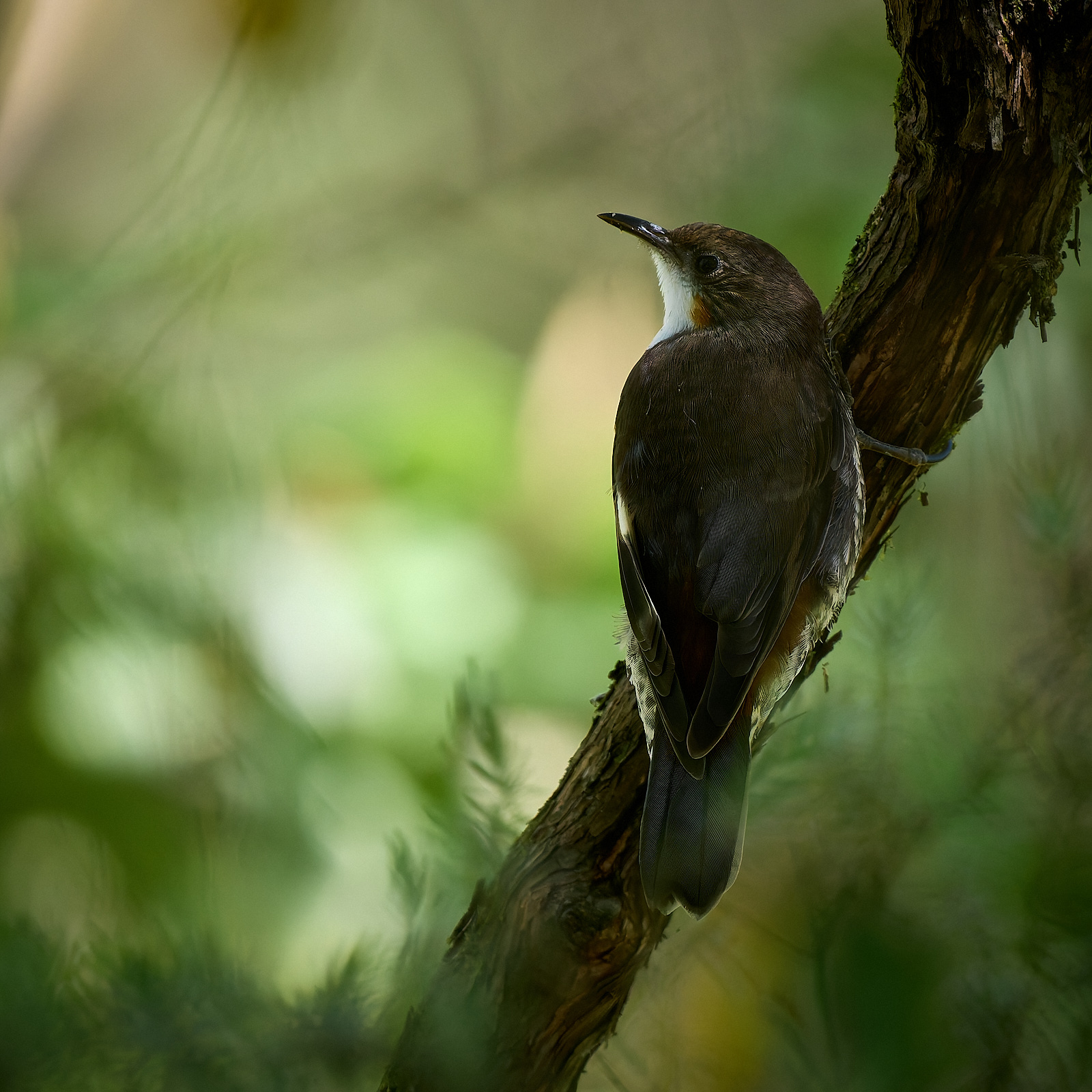
I’ve been giving it quite a lot of attention lately because a Black-faced Monarch turned up there in mid December and every twitcher in the shire has seen it. Except me. Until this morning. Although the previous time I was there another birdo did show me a very nice photo on the back of his camera.
The Monarch in question is a breeding migrant to the east coast of Oz, spending winters in New Guinea. A few come around the corner to the south coast in Gippsland (eastern Victoria). This one is the furthest west I’ve encountered one, and it does seem to be on its own. There is a price to be paid for being a pioneer.
The sanctuary is an excellent spot for forest birding well worth a visit any time. The Potoroo is nocturnal and elusive so don’t count on seeing one. The sanctuary website also mentions the Rufous Bristlebird. The last eBird record was is in 2015, the Great Ocean Road is a much better bet for this species.
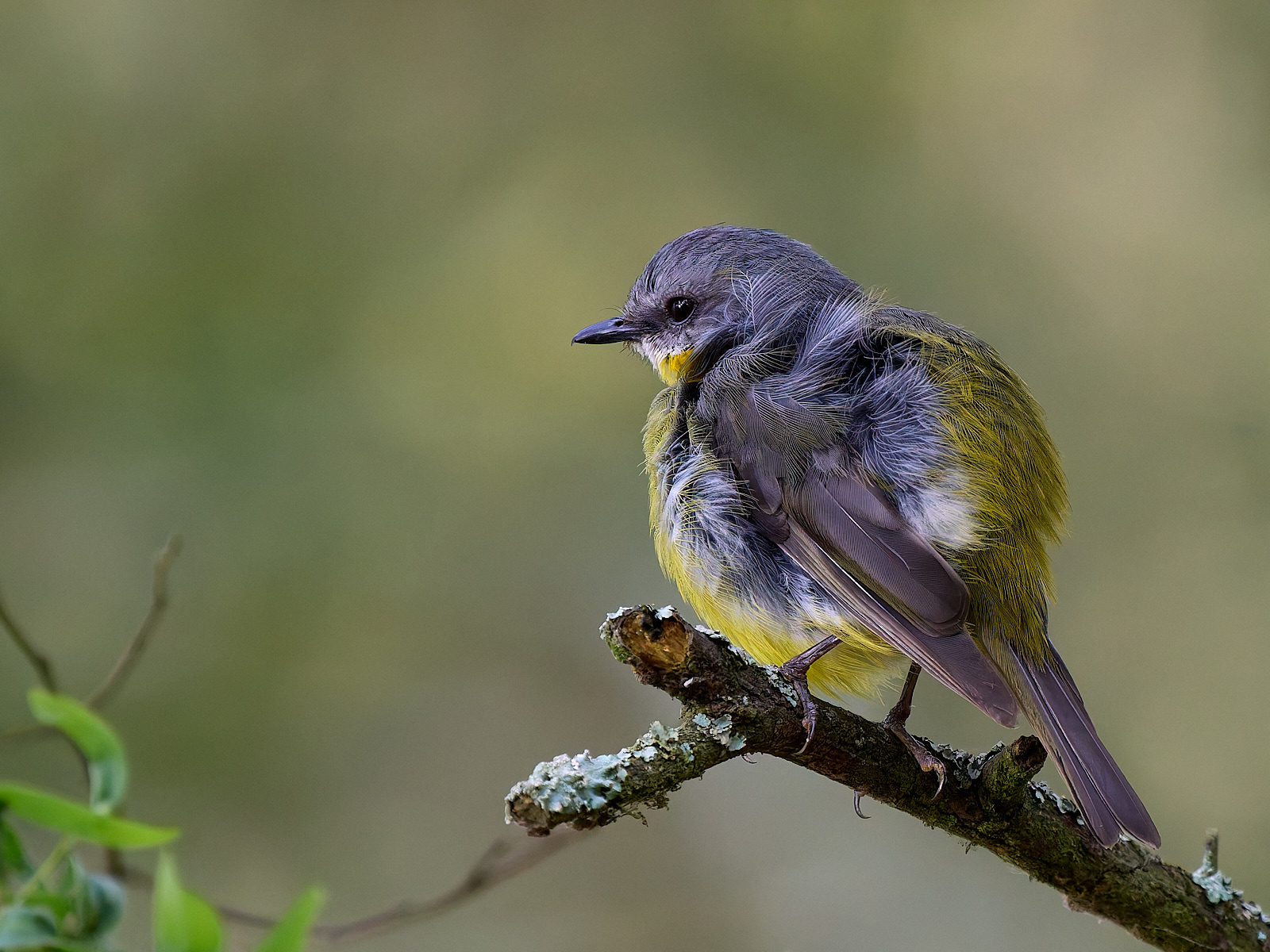
The photos in this gallery were all taken in the sanctuary in the last month …
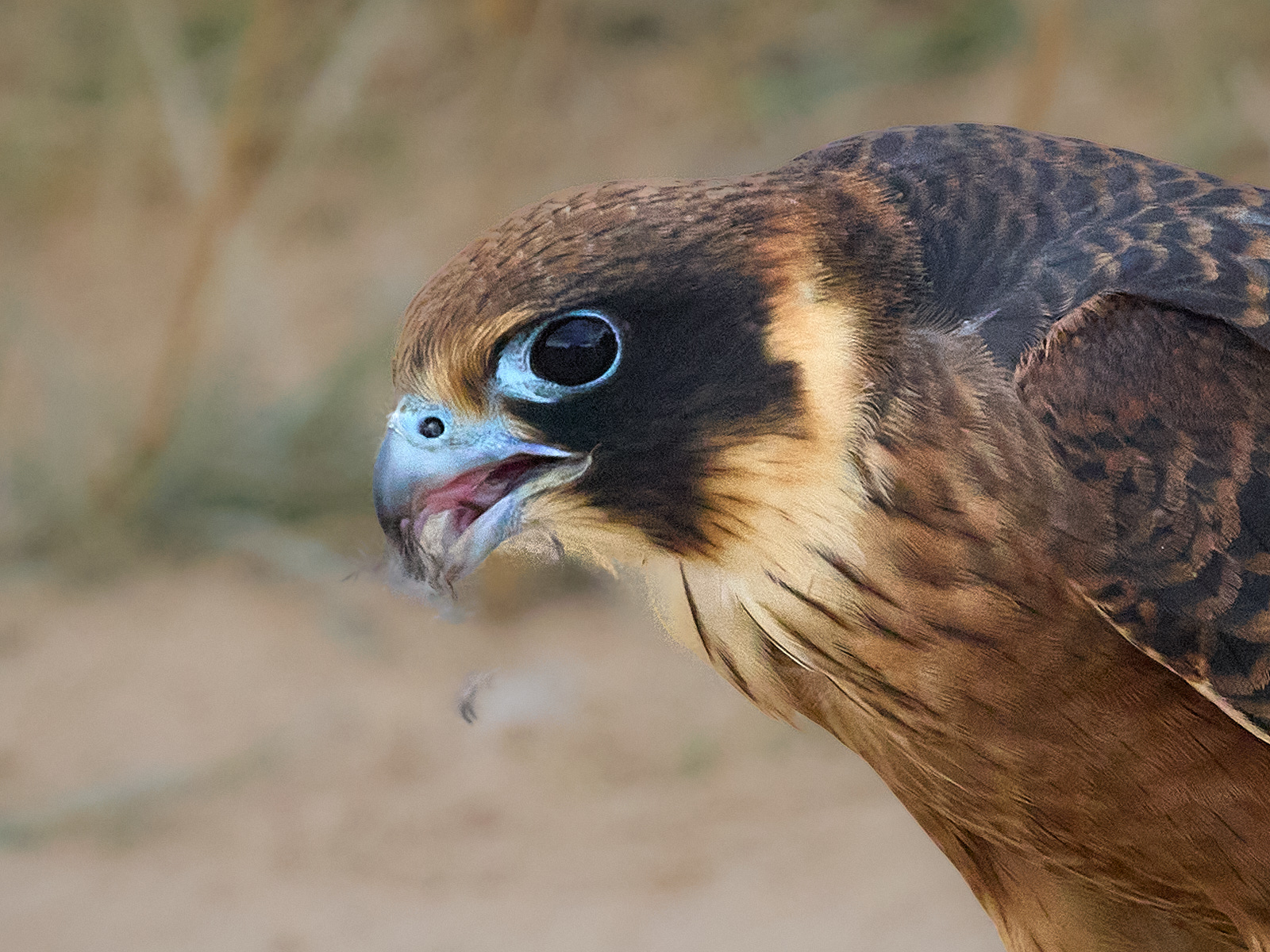
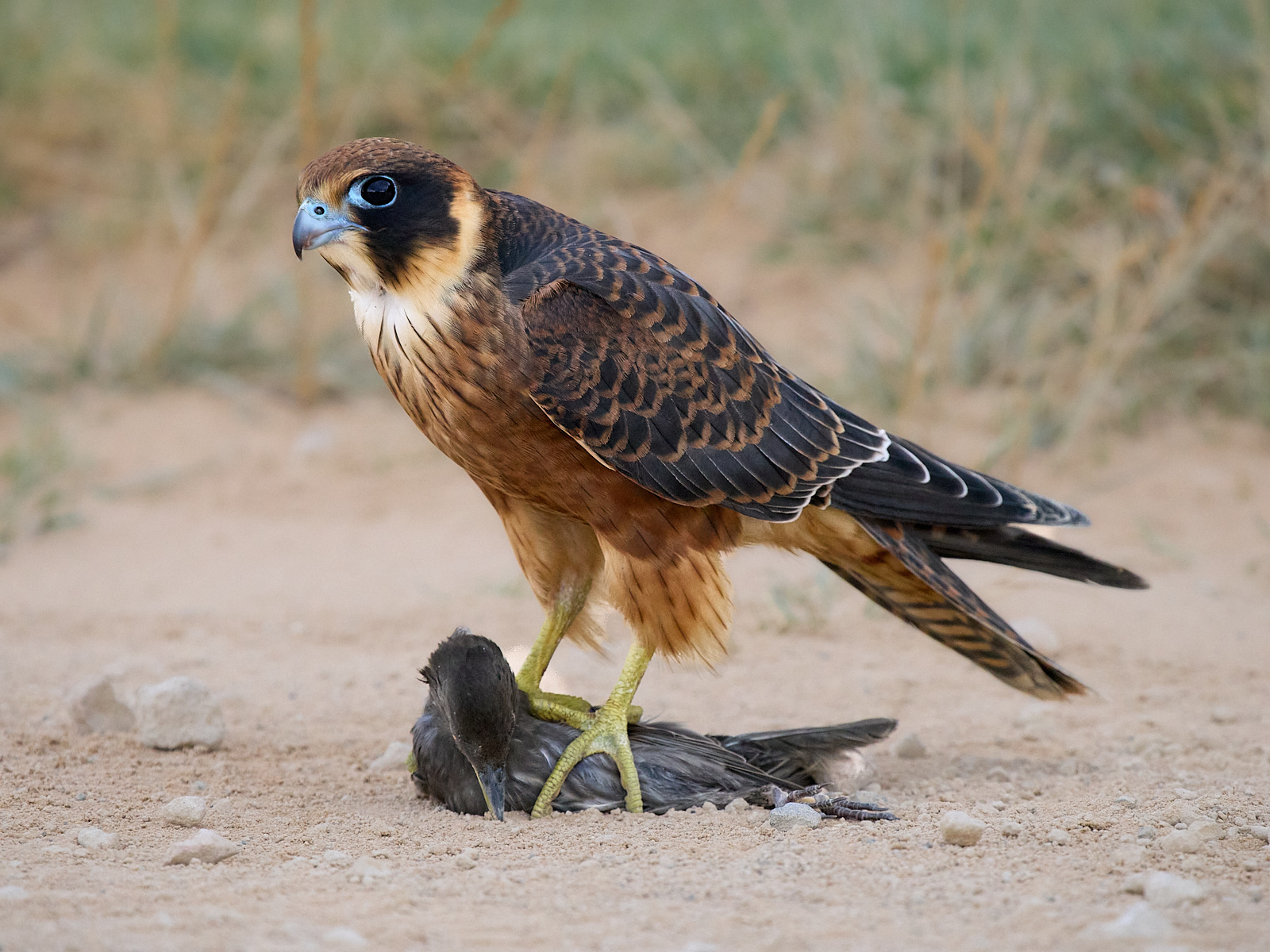
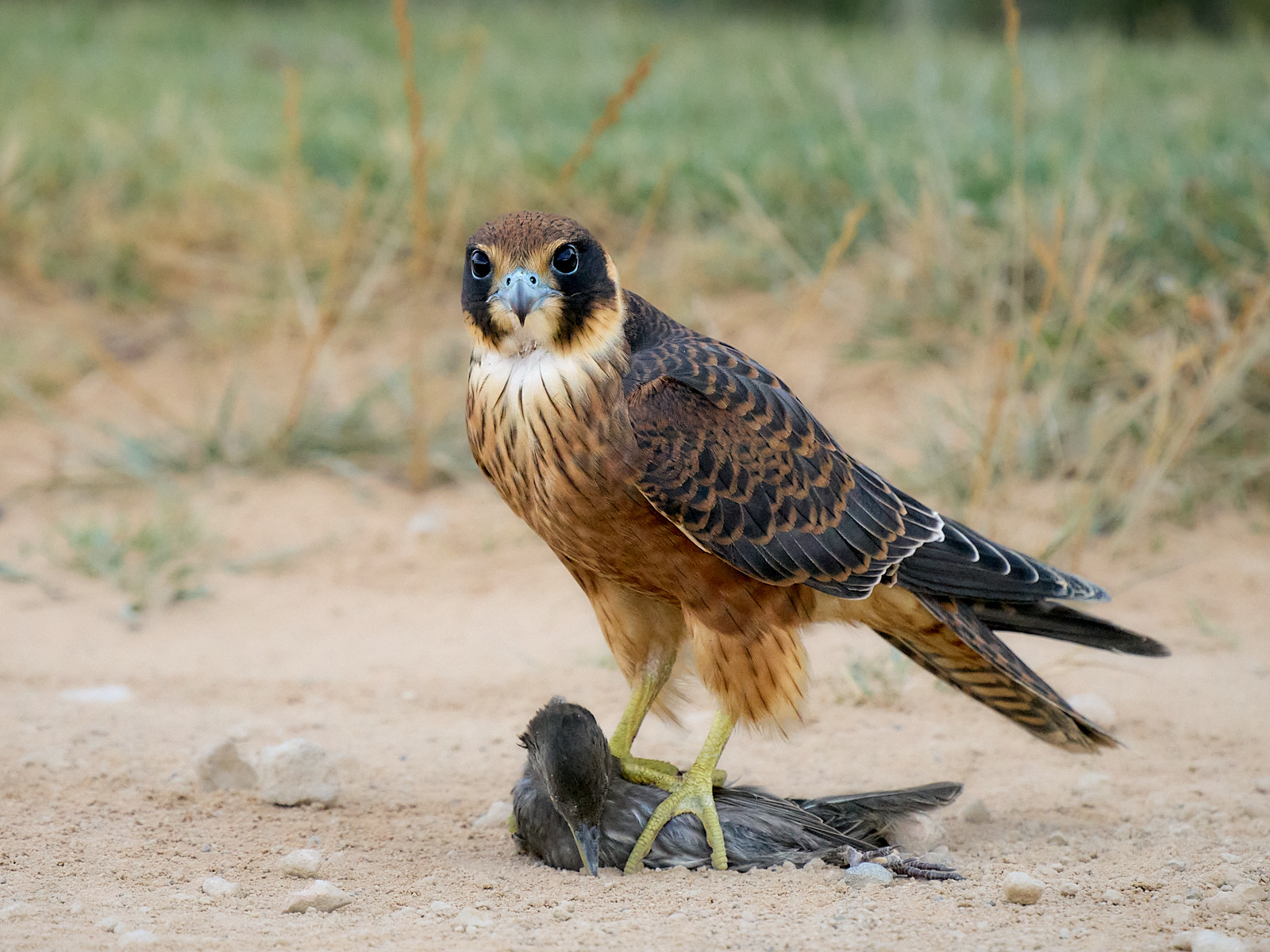
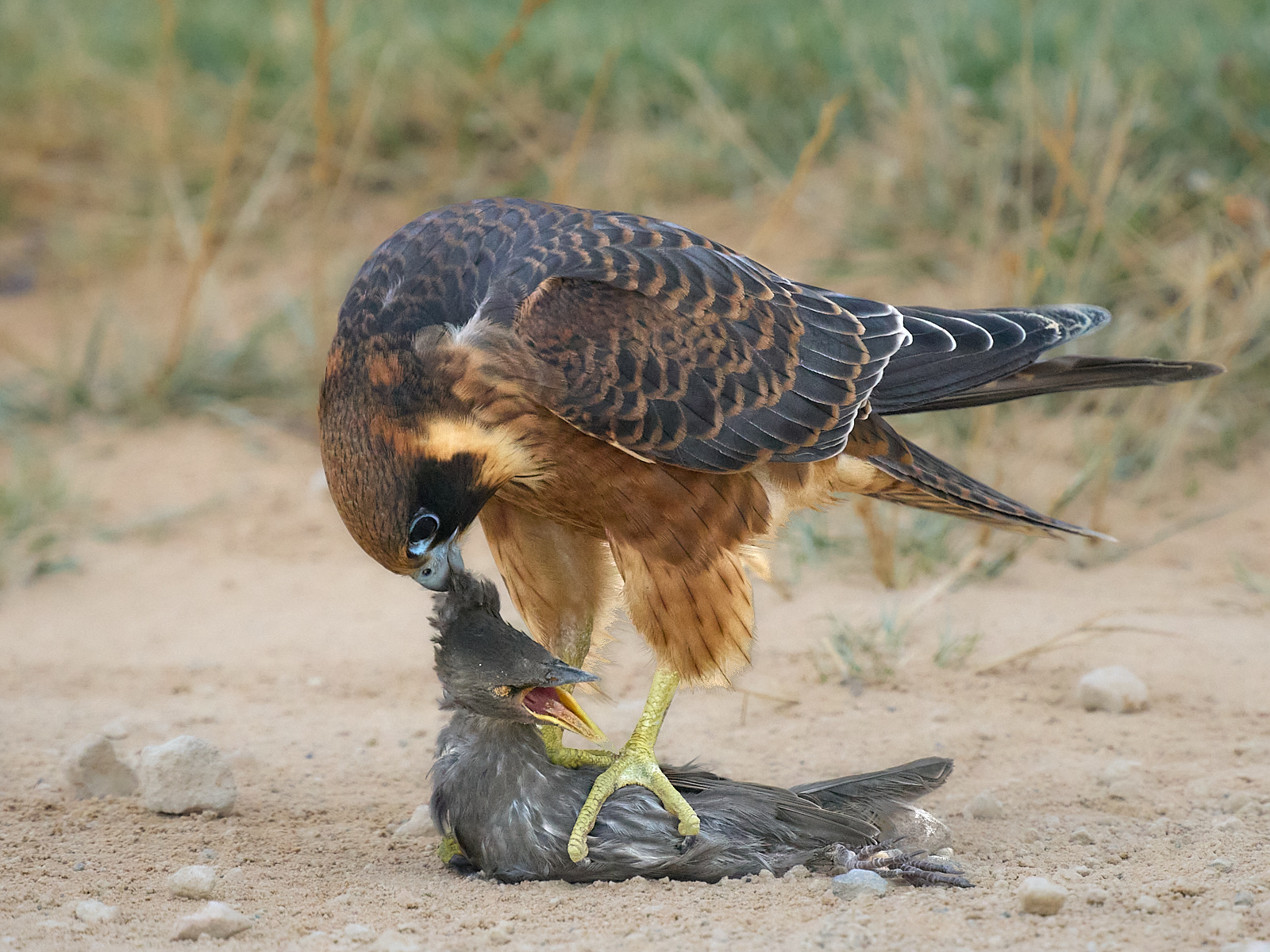
The Australian Hobby is found throughout Australia and also in islands to the north. It’s a bird eater that likes to hunt after dawn and at dusk. They’ve adapted quite well to urban life and have been reported swooping low over roof tops to surprise birds in back yards.
I came across this guy on a country road dismantling a Starling.
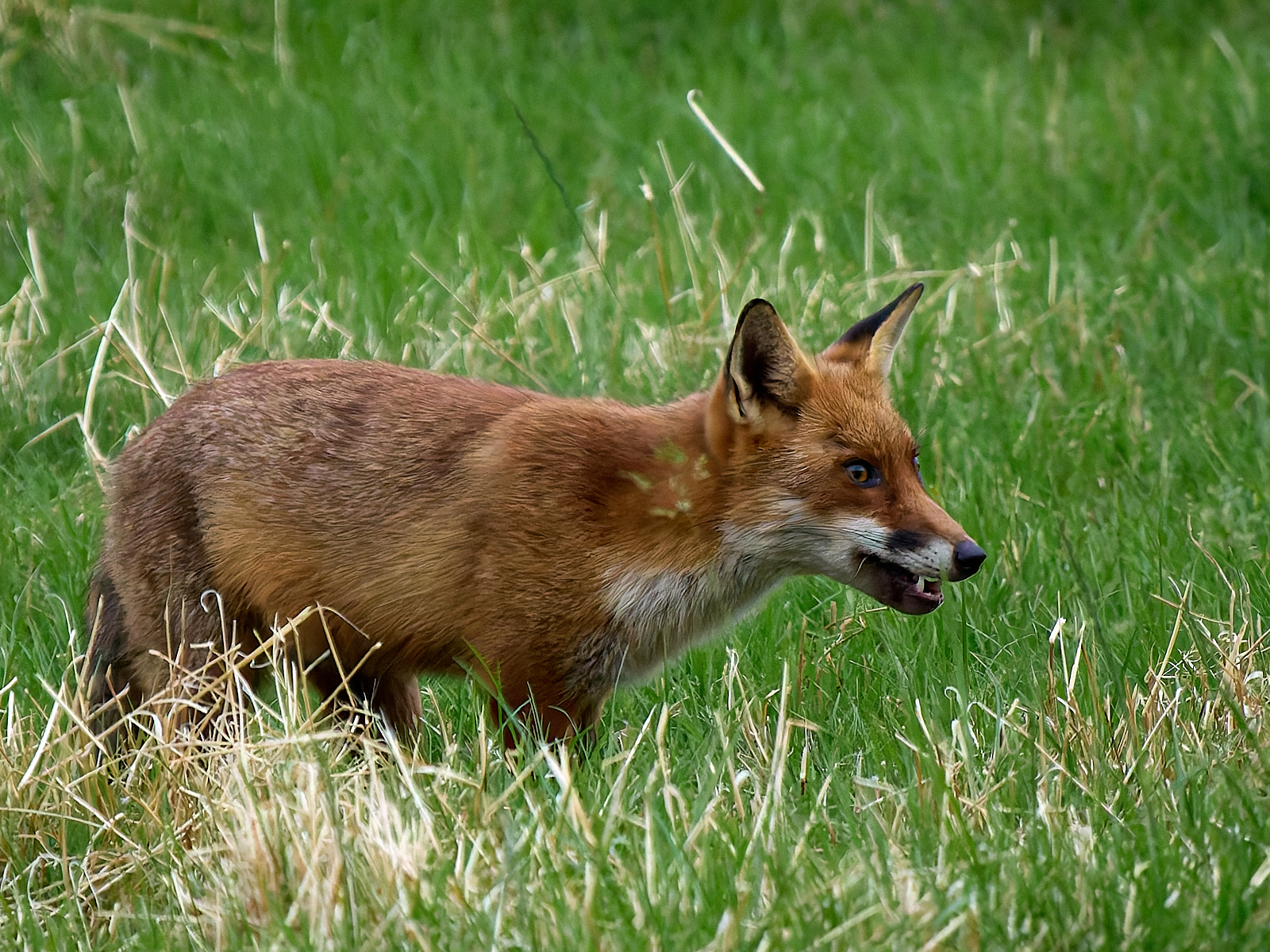
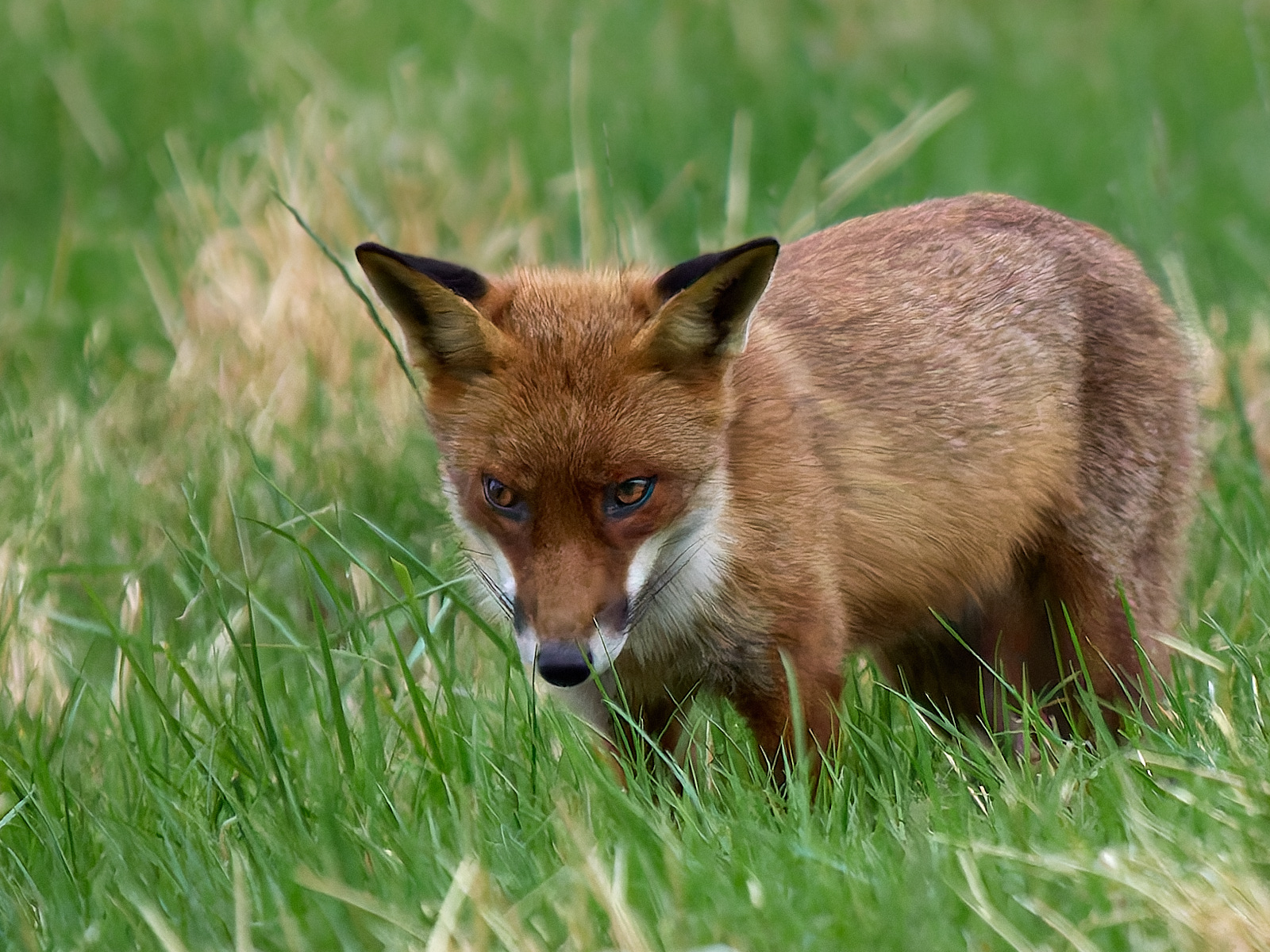
The Red Fox was introduced to Australia. Van Dieman’s Land received them in 1833 or thereabouts but that introduction was a failure. The mainland was next in the 1840’s and that proved more successful. All so the landed gentry could don their red coats and hunt with hounds. They are now established in all the mainland states although they have not been particularly successful in the tropics.
They have been blamed for the loss of a number of native species although untangling the cause of extinctions is complicated by the success of feral cats and the Dingo that preceded both. Foxes are a major problem in nesting colonies of the Little Penguin and other ground nesting birds. Not that they are confined to the ground. They climb well and have been implicated in killing young Koalas.
They can become tame in urban settings but in the bush they remain wary. I spotted this one coming across a field well before it spotted me and kept very still as it approached. When it saw me it bolted.
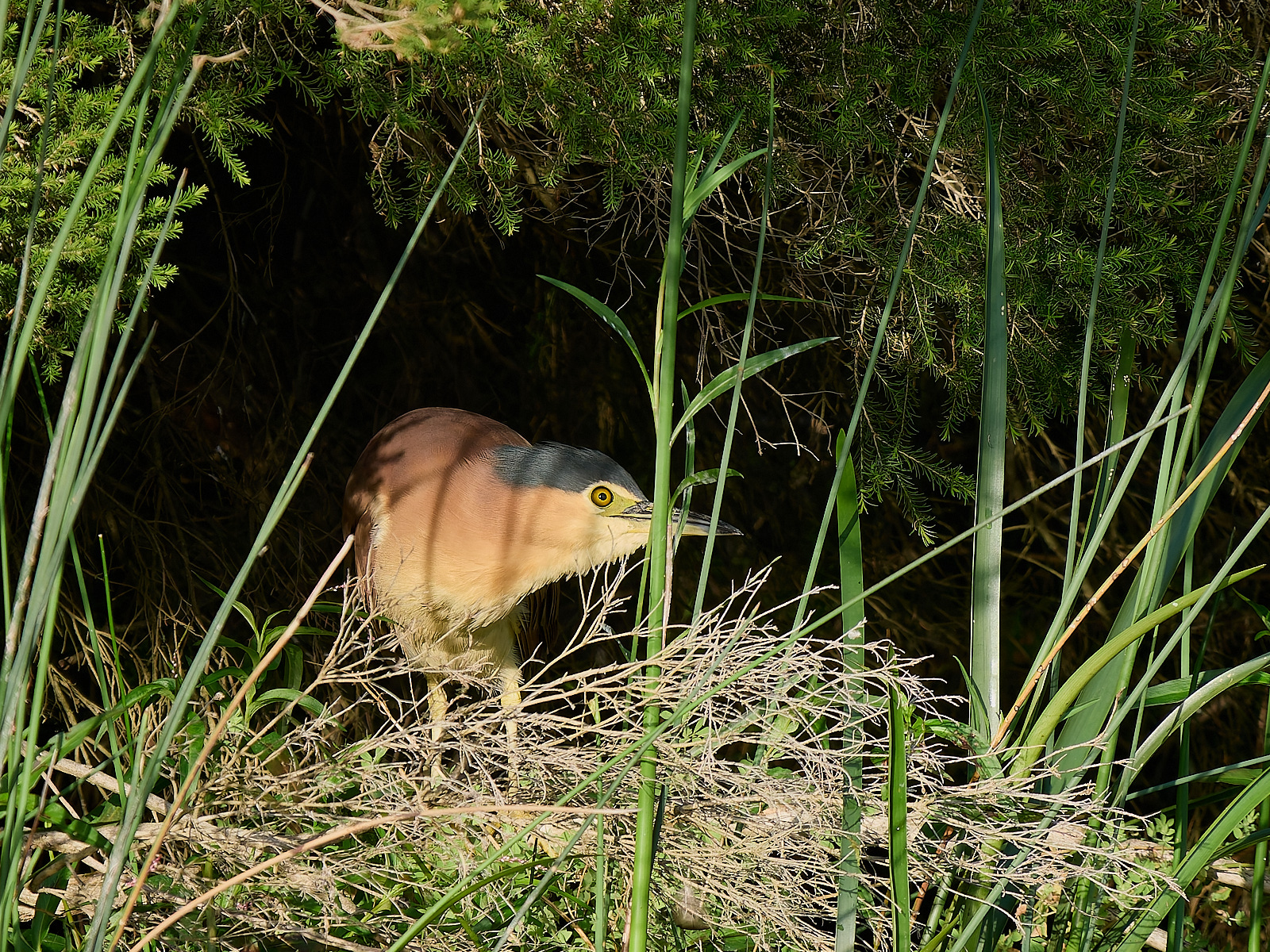
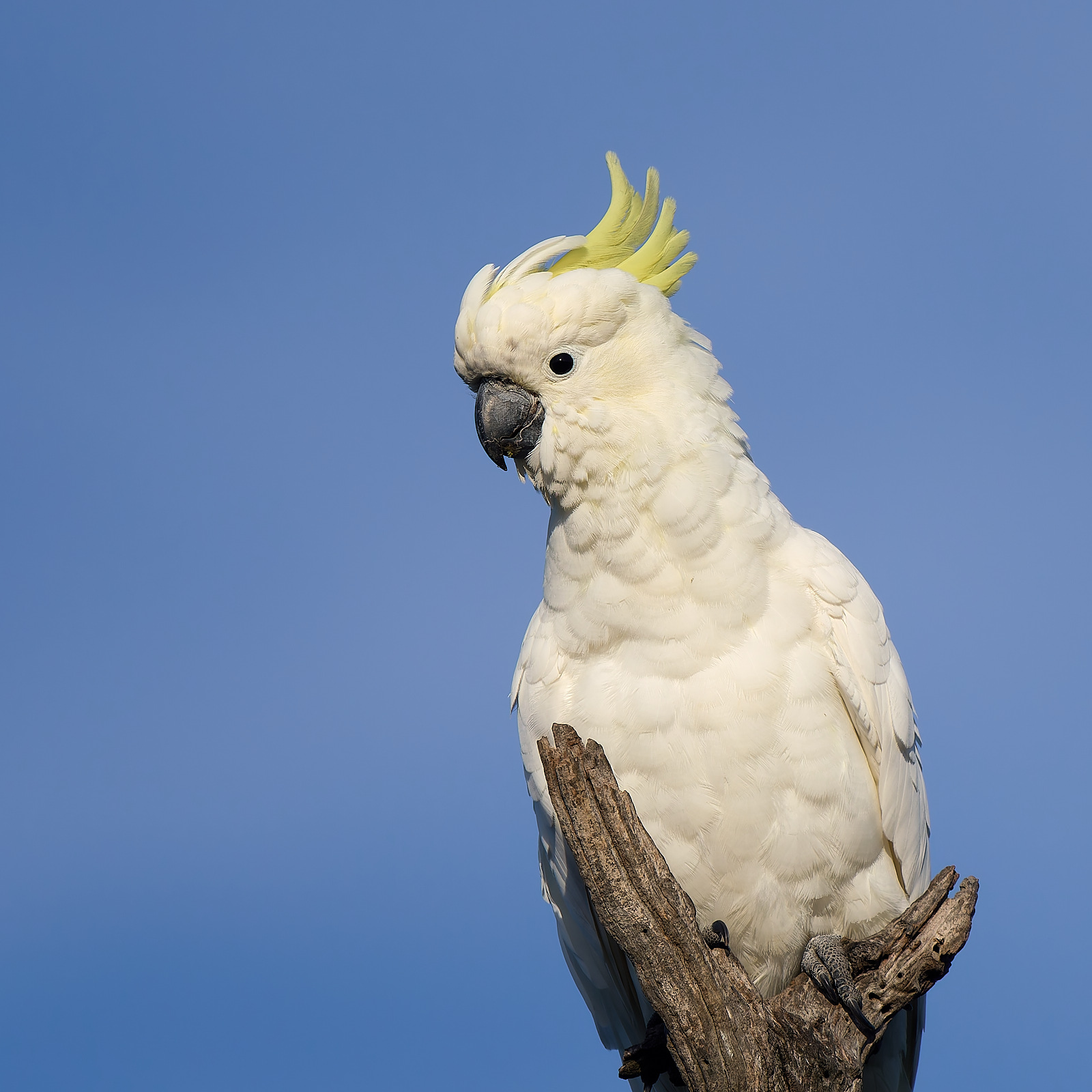
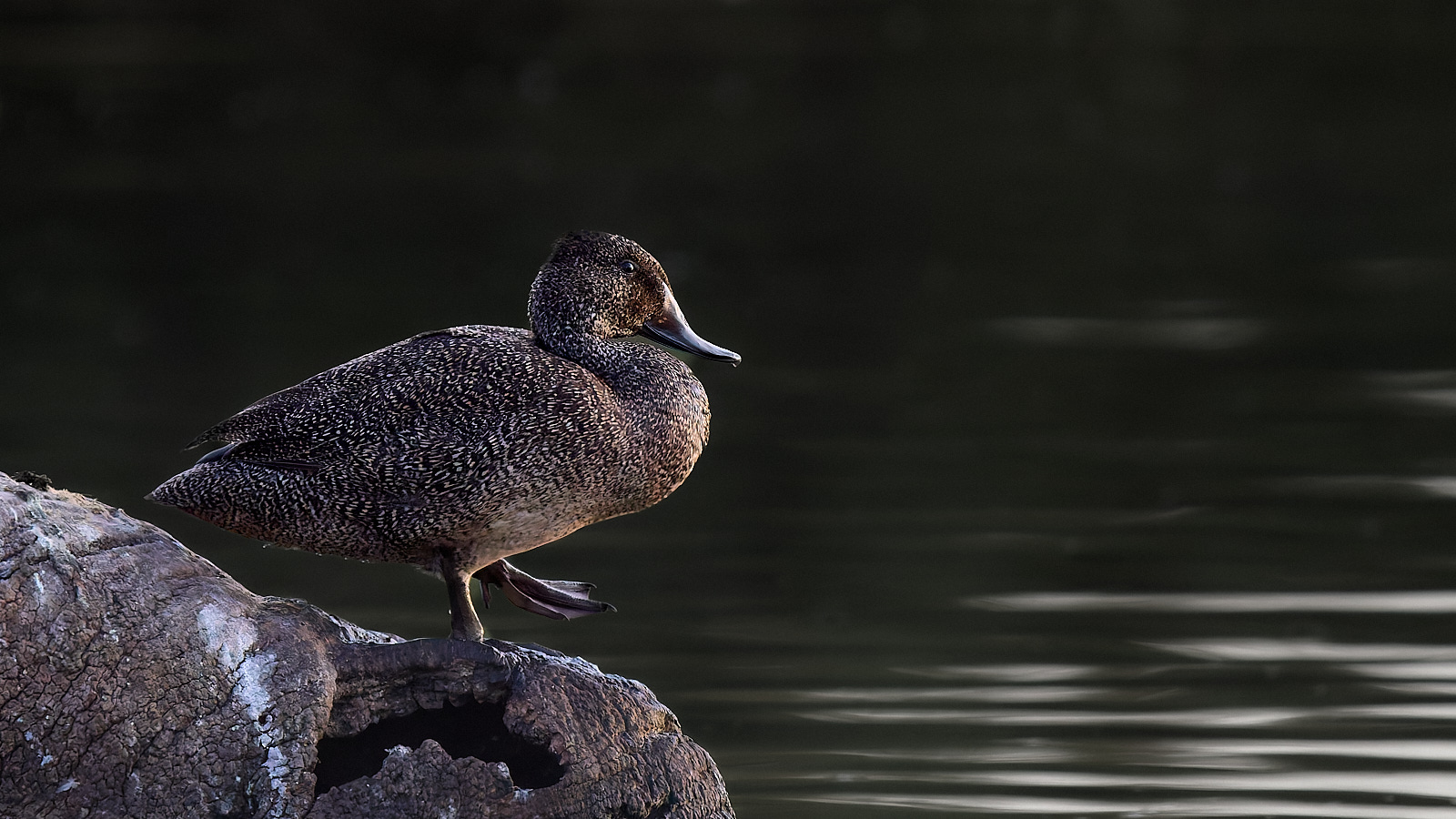
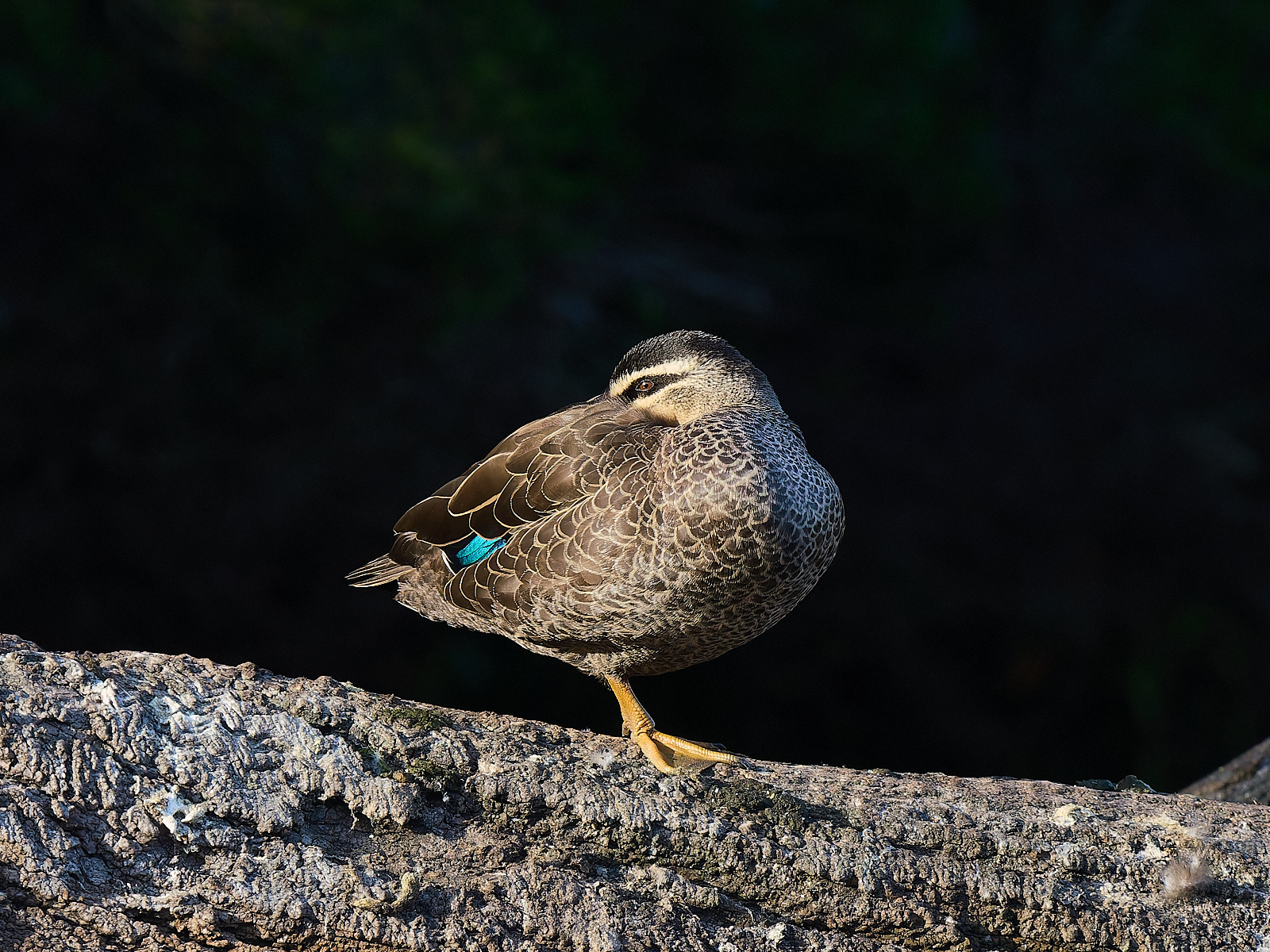
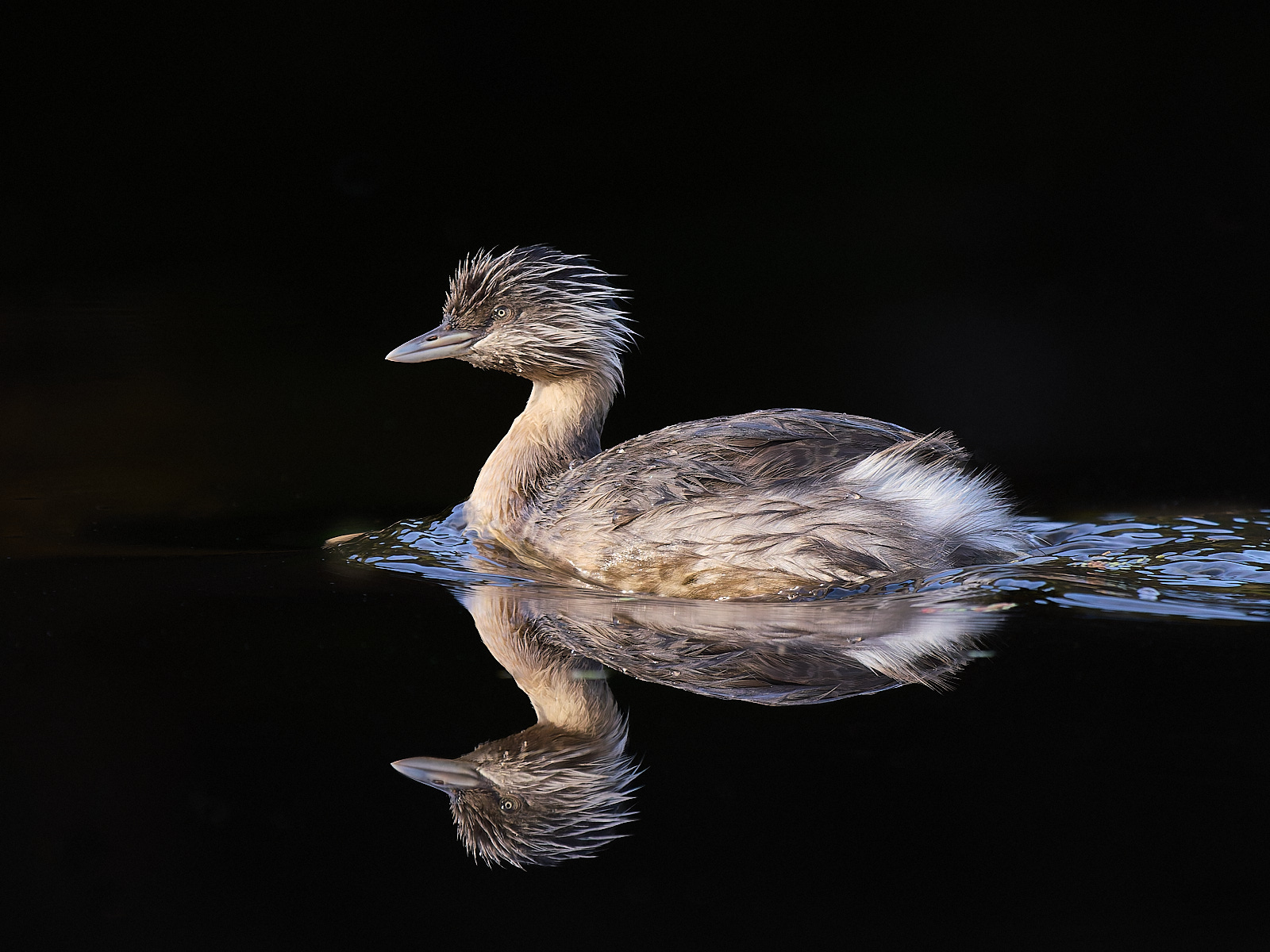
I have become a bit of a fan of dark backgrounds. At Braeside Park the other day found a few opportunities to frame a bird in the light against a background in shadow. That’s not to say I reject all other opportunities.
Australian ReedwarblerNankeen Night HeronSulphur-crested CockatooFreckled DuckPacific Black Duck
At one place I had the sun behind me, brightly lit water to my right and water in shade to my left. A Hoary-headed Grebe swam from the light into the shadow giving me the chance to shoot high key followed by low key. Which do you prefer? Let me know.
A happy and prosperous new year to everyone who deserves it, which is almost everyone after subtracting the despotic, criminal and corrupt.
January the first. A new calendar game. Go for quantity or quality? Early to bed last night up at four this morning. I decided on some forest birding and headed about 90 minutes drive east of Melbourne to Mount Worth State Park. Tall forest of Mountain Ash with Blackwood beneath and Tree Ferns in between. Epiphytic ferns on everything and enough fungi to poison your whole family. Beef Wellington anyone?
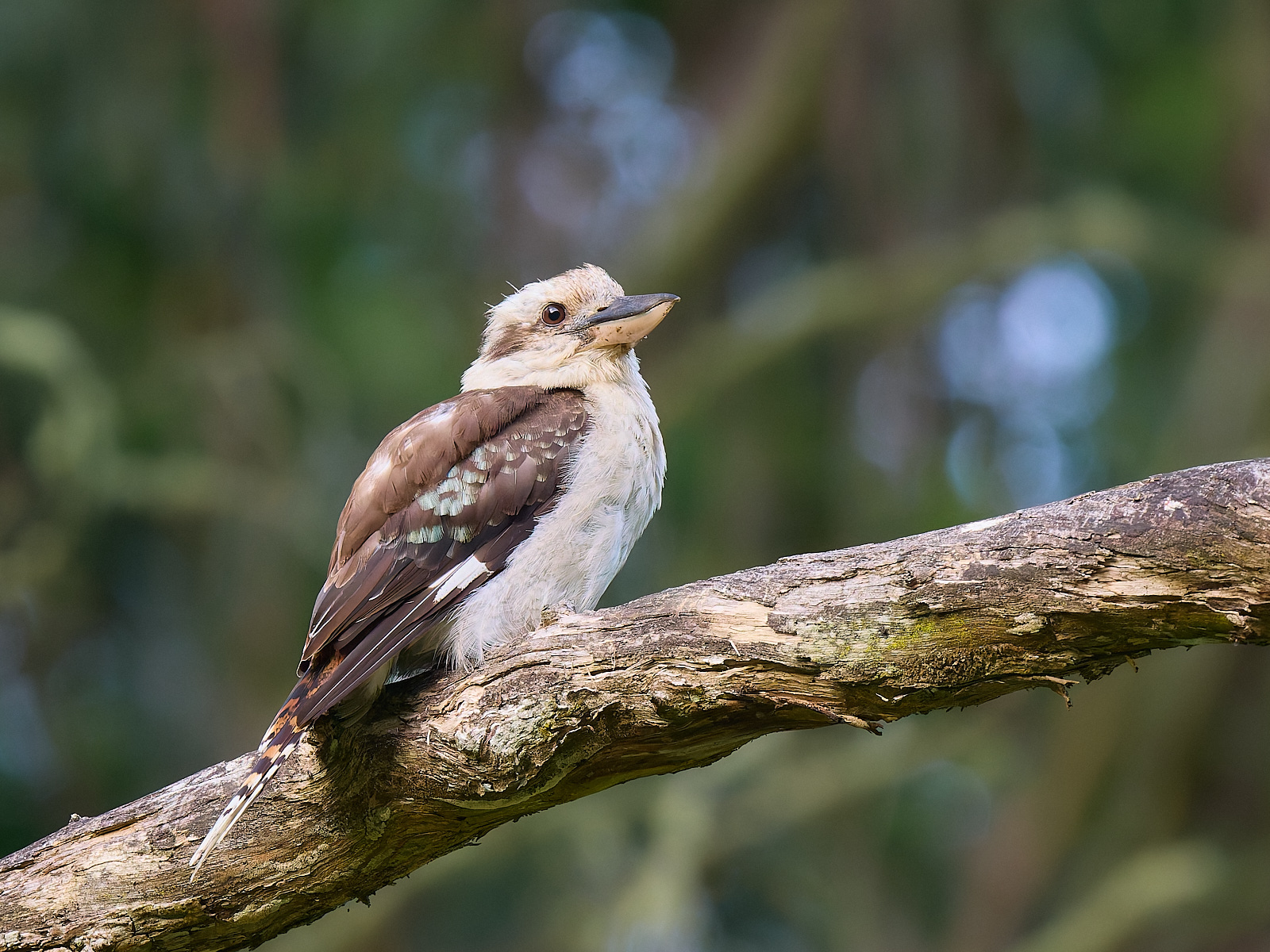
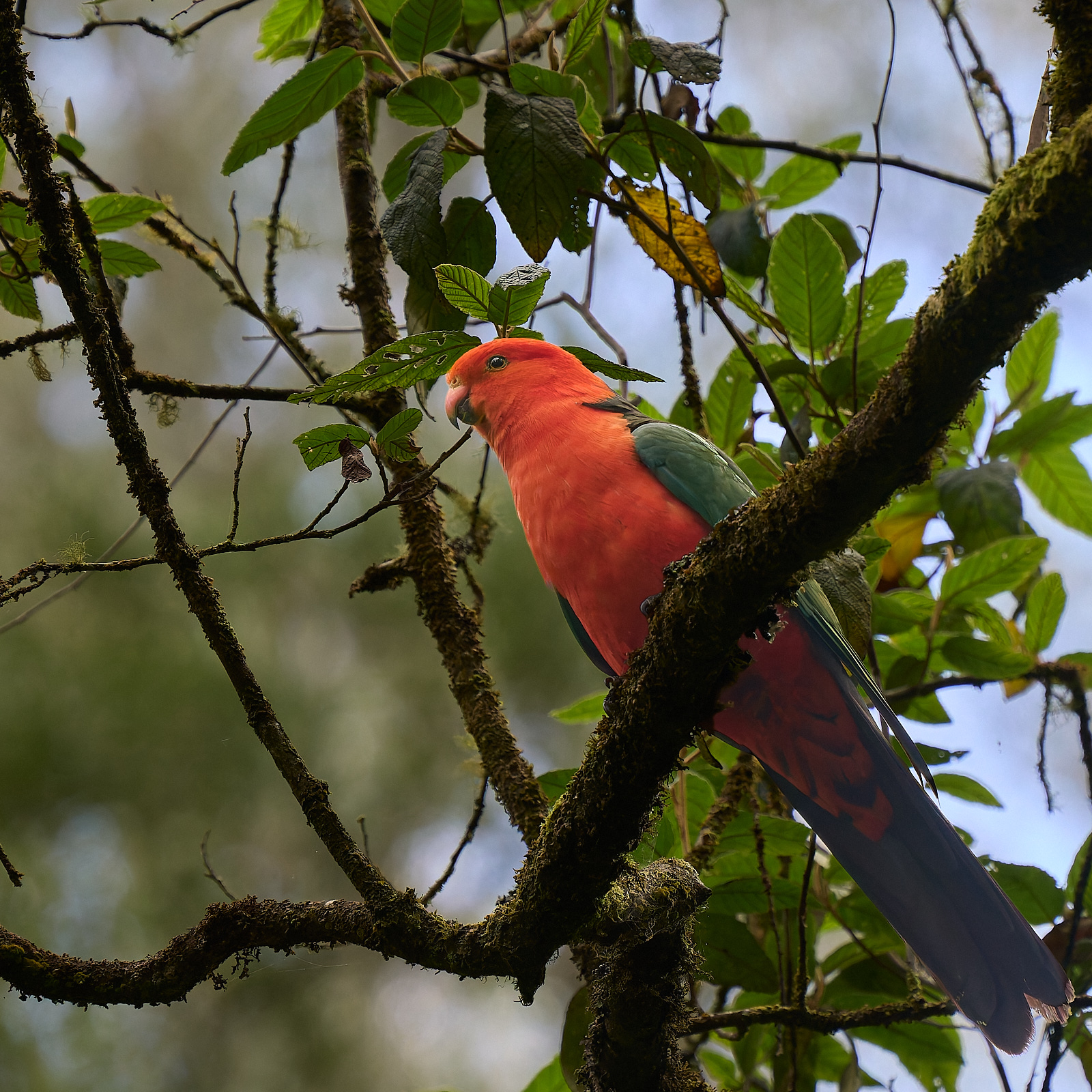
The first birds on the list were quintessentially Australian – King Parrot, Laughing Kookaburra and Australian Magpie. First native mammal was a Wombat running for its life. They run with rather more grace than you would expect from such a short legged stocky creature.
Laughing KookaburraAustralian King Parrot
The list extended to just 21 bird species but included Lyrebird and Large-billed Scrubwren and it’s unlikely that I’ll see them again until late in the year.
For a nice introduction to the trails in the park click this <LINK> but be aware that the Giants Circuit is currently closed (cos Parks Vic, what can I say).
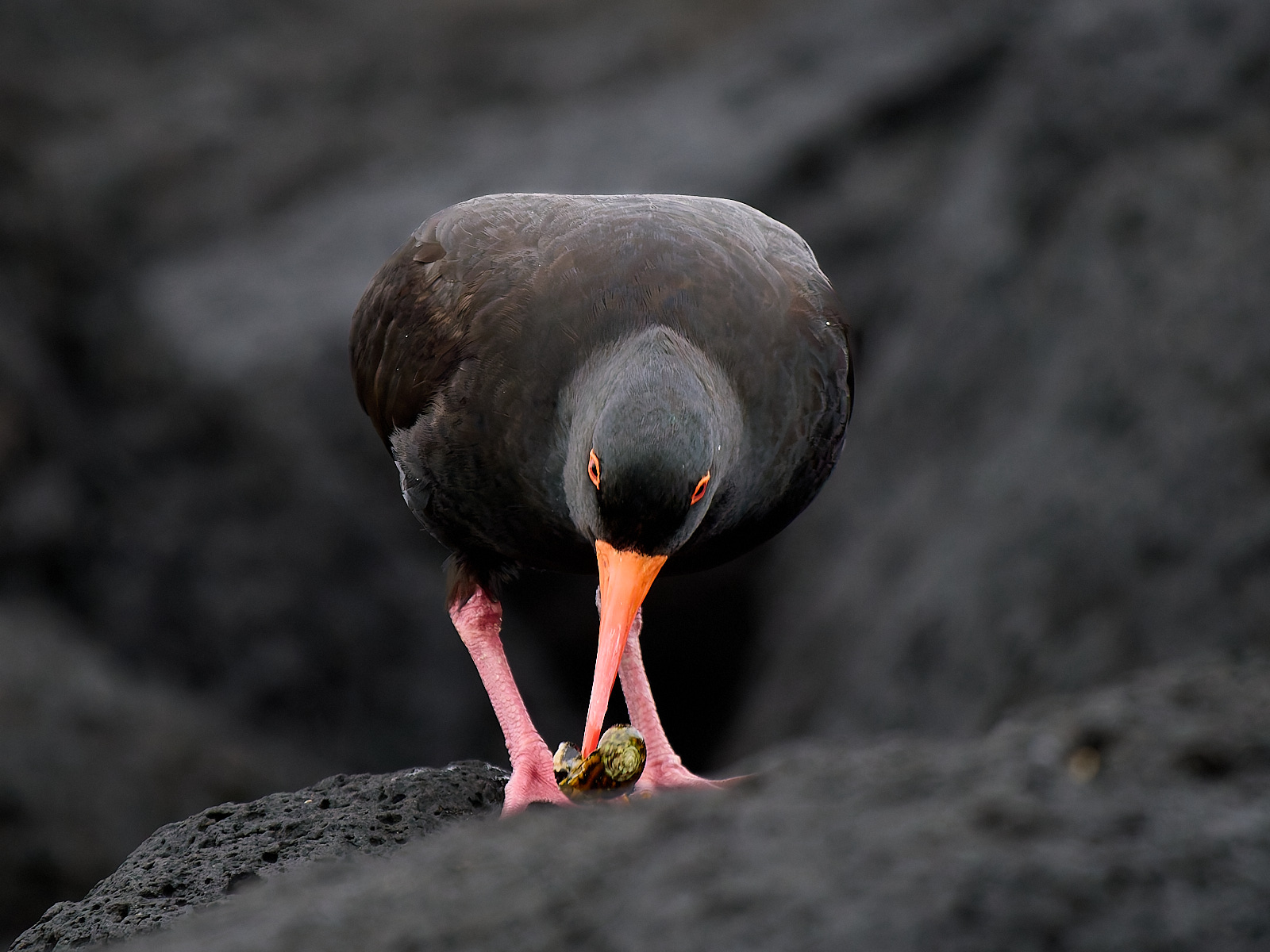
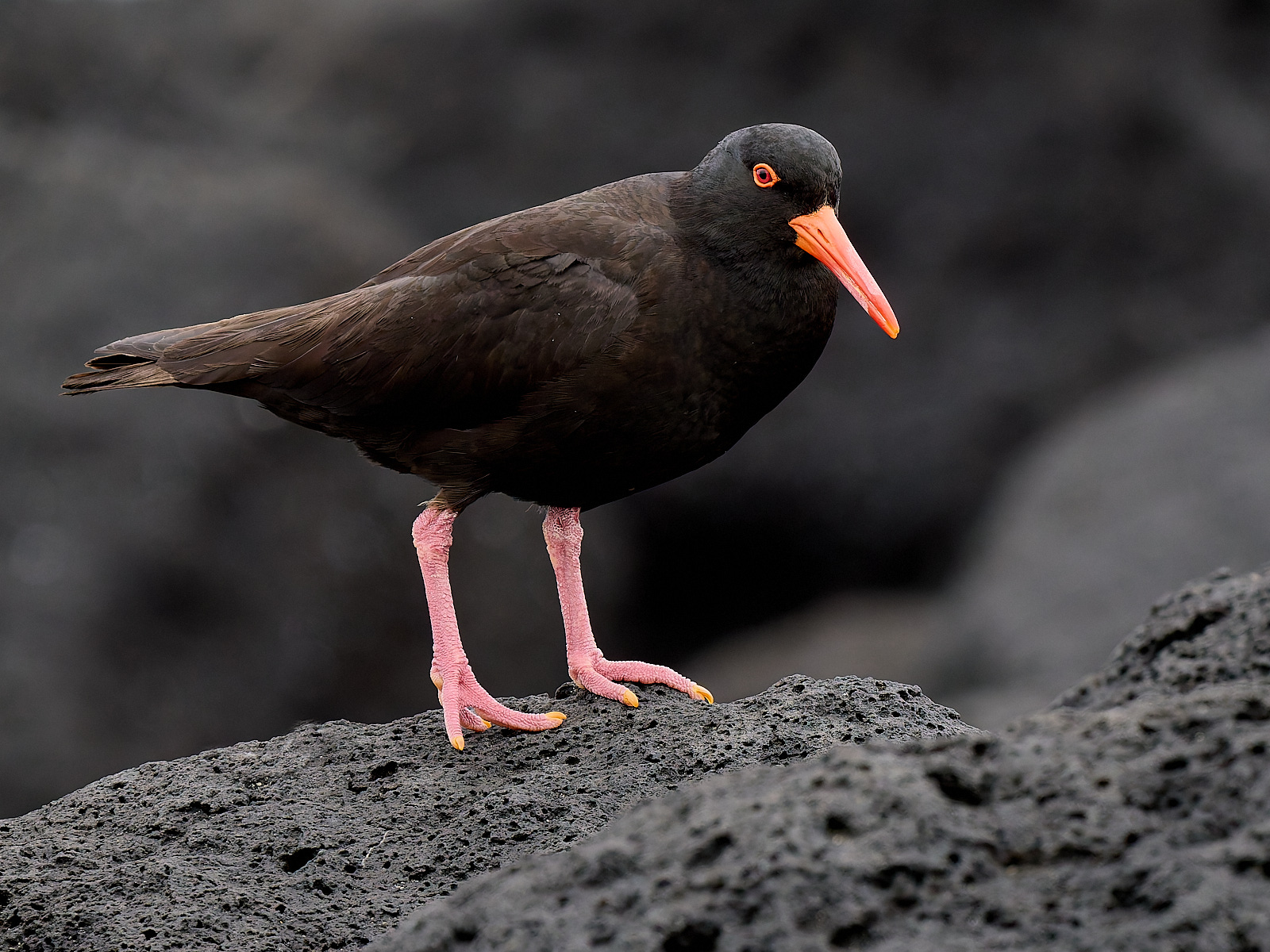
Your word of the day is Fuliginous. You’ll never guess what it means. I suspect that trying to broaden your vocabulary by a word a day type strategy will only lead to a collection of words that no one has ever heard spoken and are too unwieldy for Scrabble. But yes, fuliginous means sooty. The root is Latin.
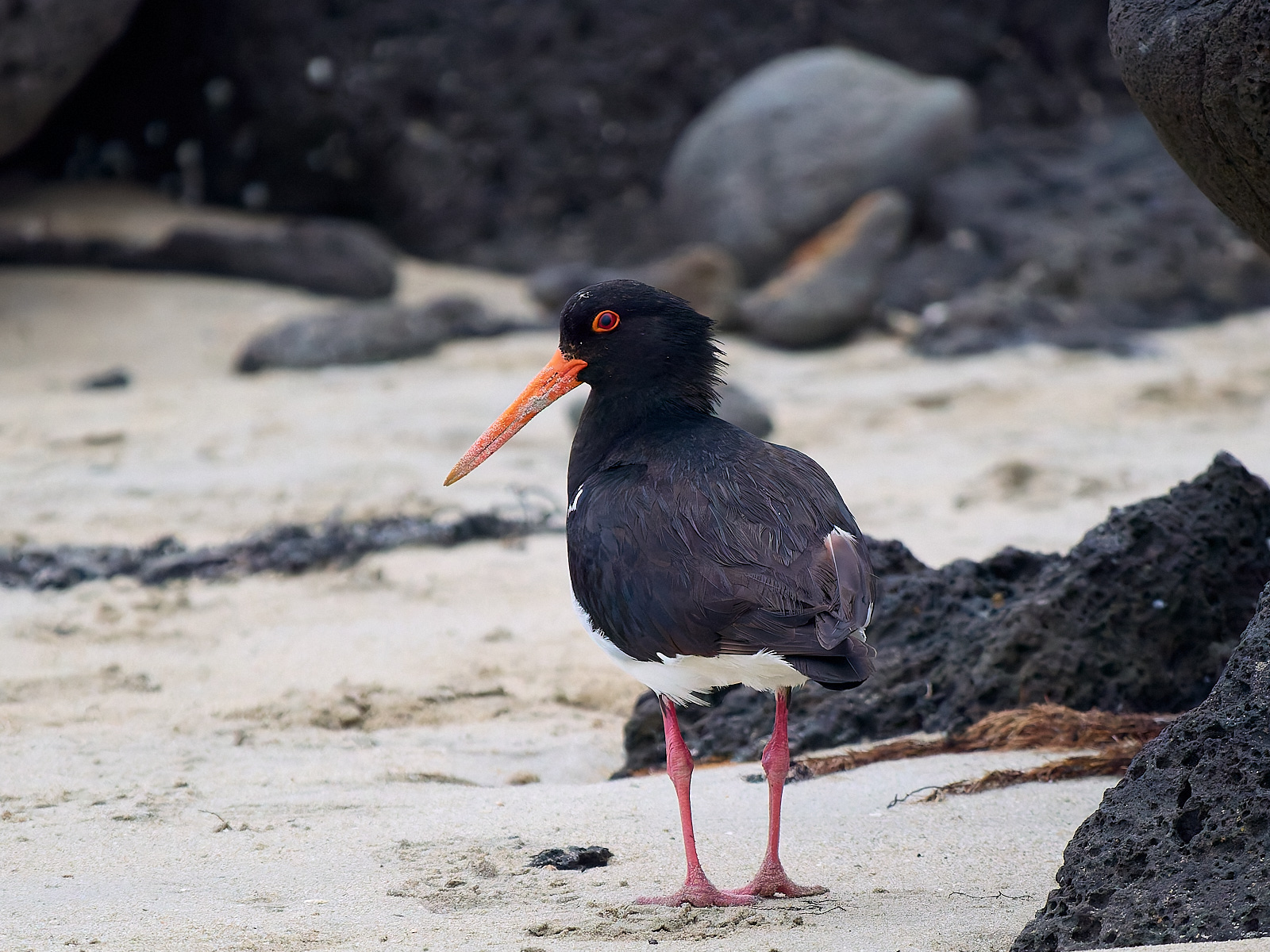
The rocks are fuliginous and the bird is fuliginous. What better way to show off the red bits? It’s the Sooty Oystercatcher. The first of its group to be described was the Eurasian Oystercatcher, Linnaeus 1758. It was the red bits that inspired the genus he created for it, Heamatopus, from the Greek, blood and foot. No surprise then that the Sooty Oystercatcher is Haematopus fuliginosus.
Currently there are eleven species of Oystercatcher, a twelfth, from the Canary Islands, was last collected in 1913 (ain’t science wonderful). Any survivors were gone by the 1940’s. Not to worry I’m sure there’s a committee somewhere on the verge of splitting an existing species. And indeed the Sooty is a candidate. There is a northern subspecies, Haematopus fuliginosusophthalmicus which is a little smaller than the southern subspecies and has a yellow/orange eye ring. Here is a pair photographed in Broome, WA.
H.f.ophthalmicus
The Sooty can be distinguished from the Australian Pied Oystercatcher by its all black plumage. It prefers rocky coasts but I have seen them probing sand on beaches. The girls are heavier and have longer and more slender bills. The boys, with shorter stouter bills, have a higher proportion of shelled creatures in their diet. Parents help feed their young. This is unusual in shorebirds and is likely due to the difficulty involved in prizing molluscs off rocks and breaking open their shells with immature bills.













 bobmcgee