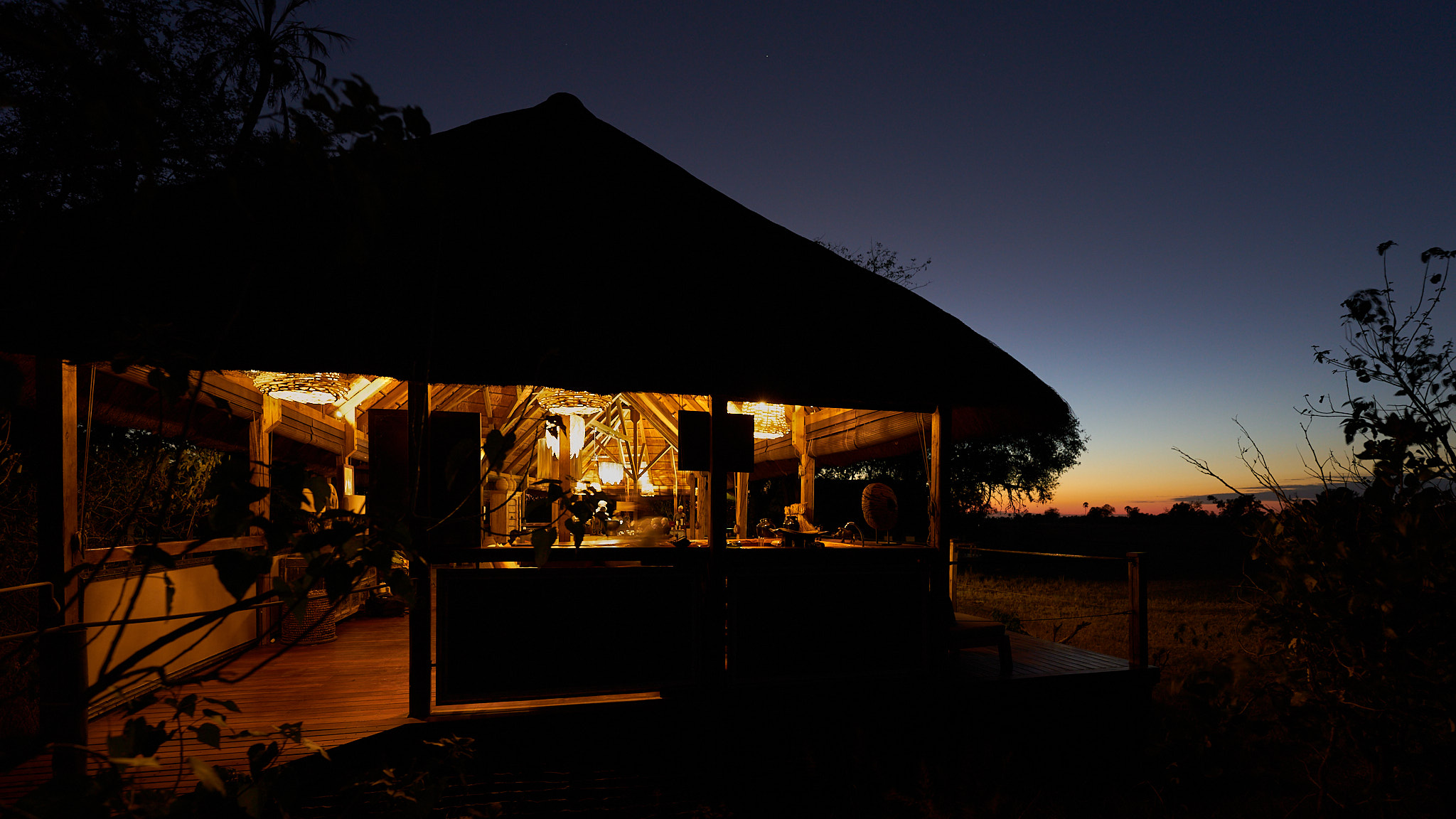
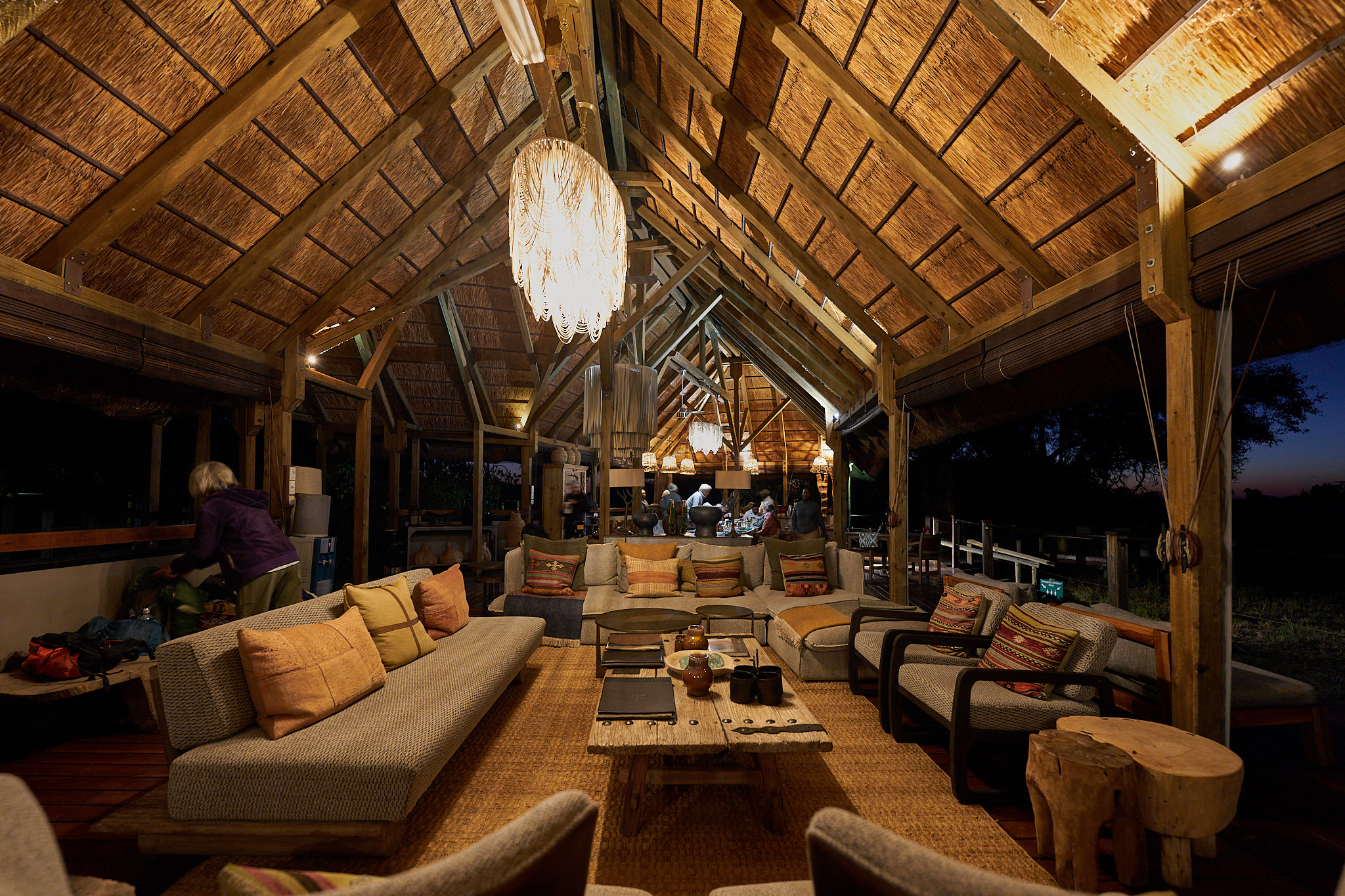
Was our third and final camp in Botswana, a savanna camp and very charming. Lediba, we were told, is Setswana for lake. The recent very dry period had turned the lake into a grassy meadow but the watercourses nearby were filling quickly, not because of rain but with water flowing steadily south from the Angolan highlands.
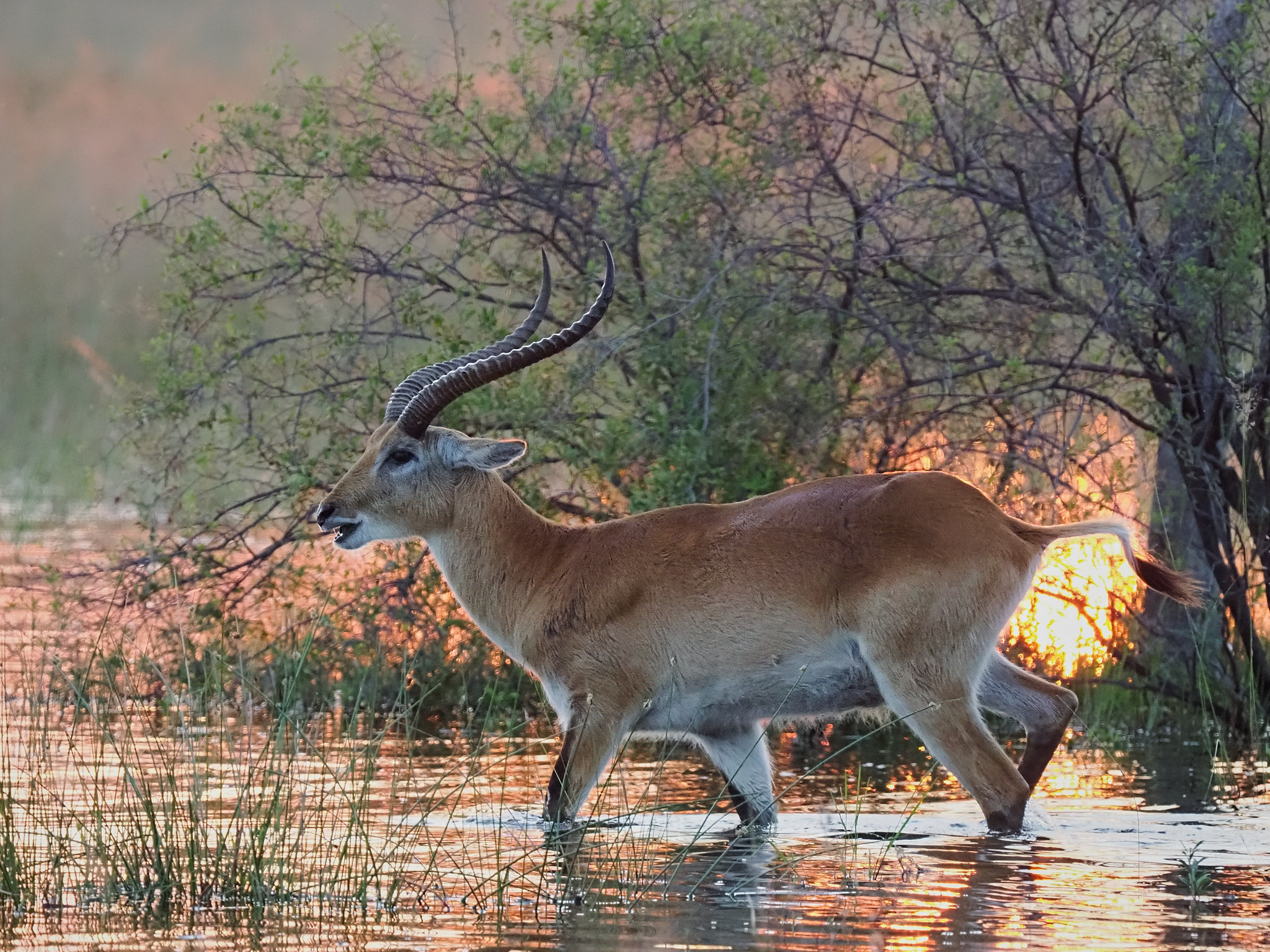
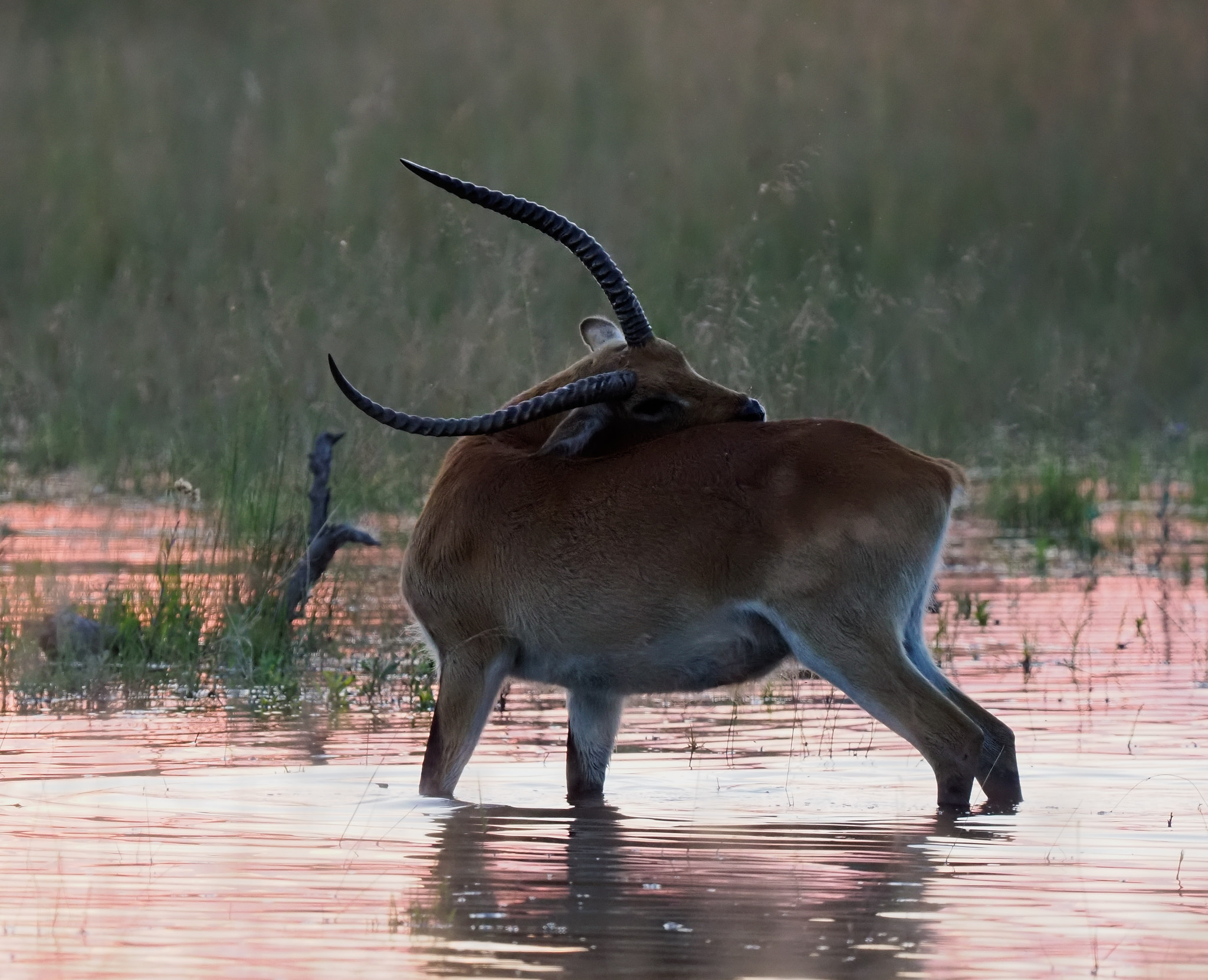
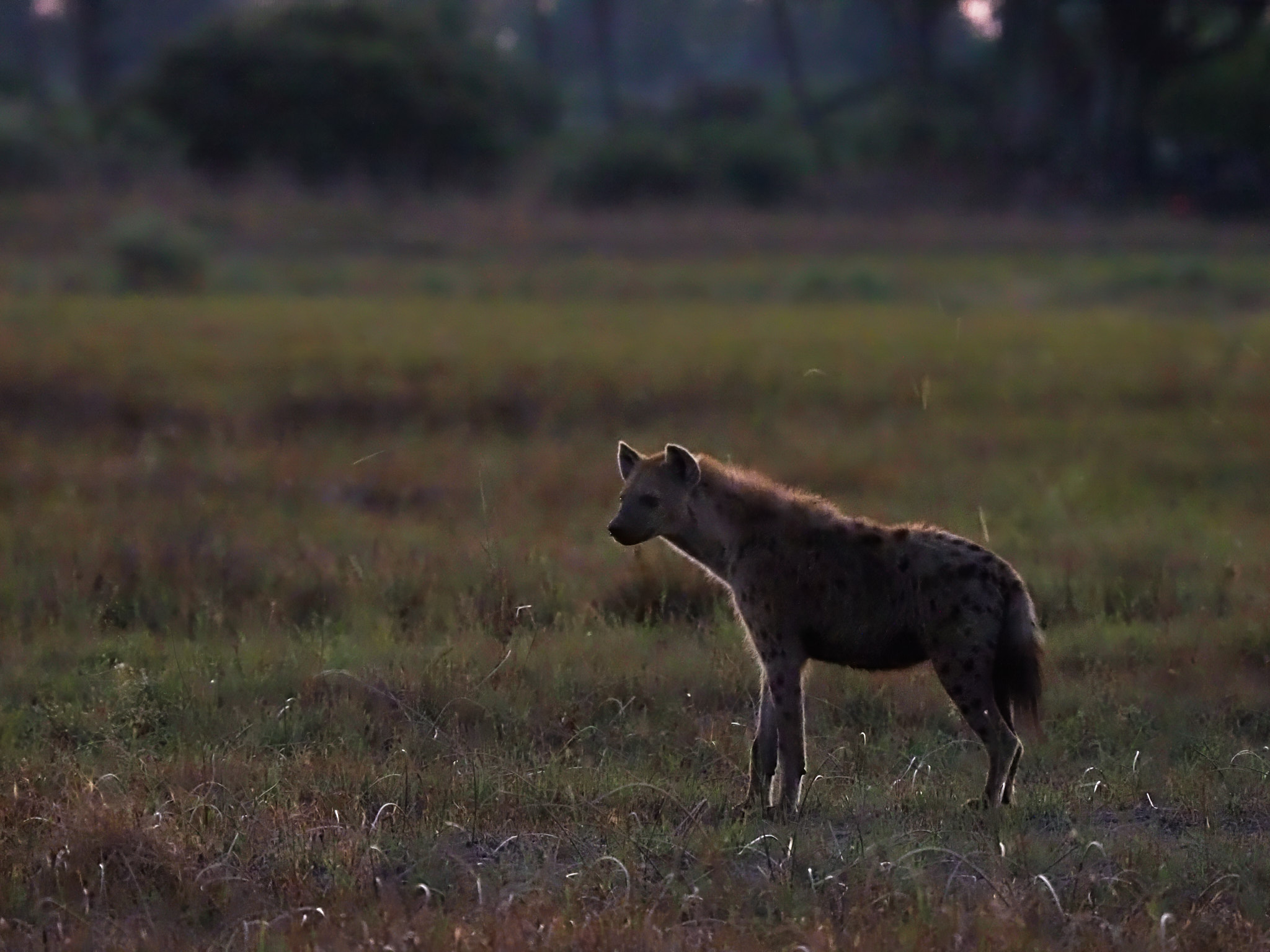
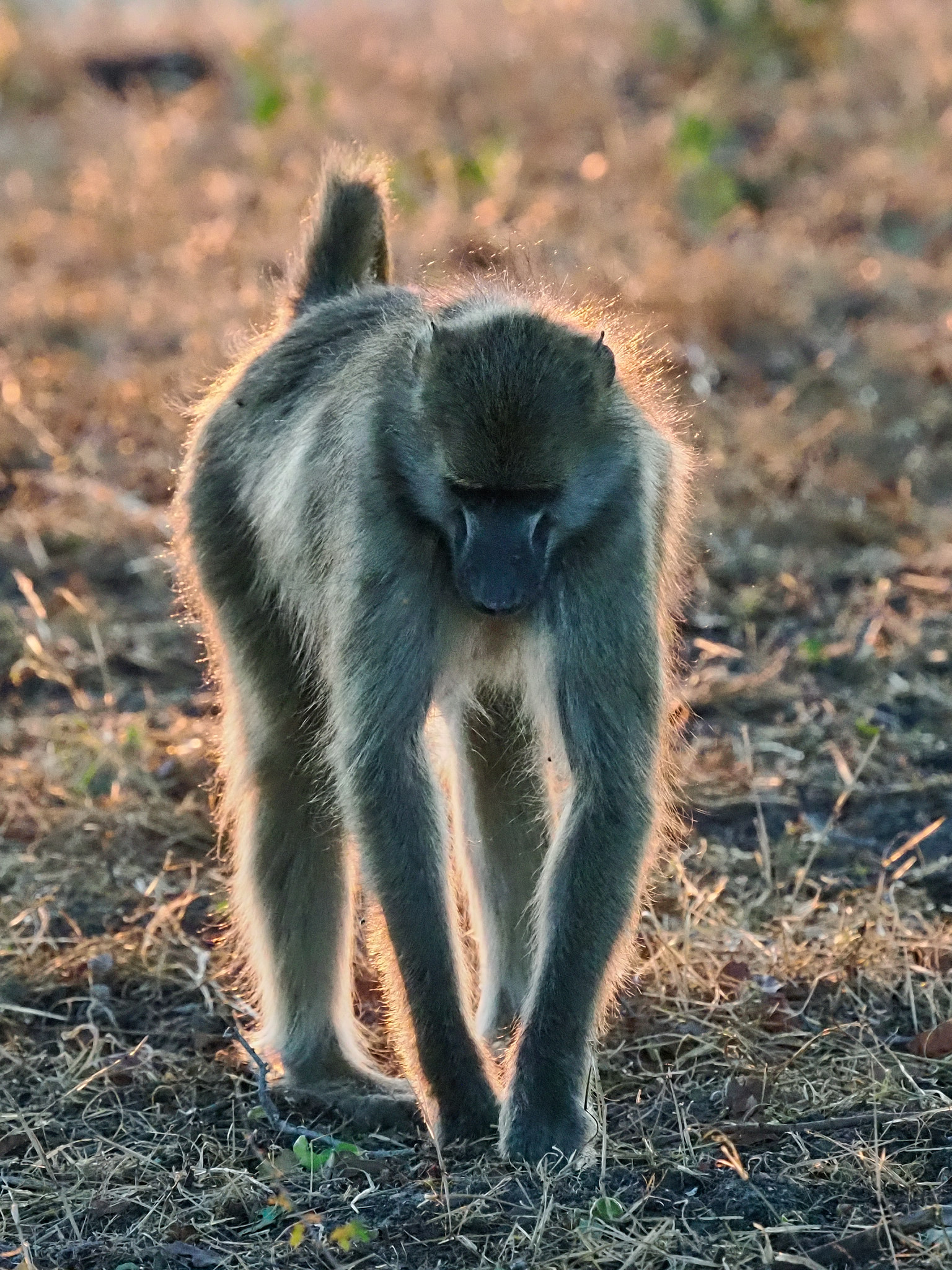
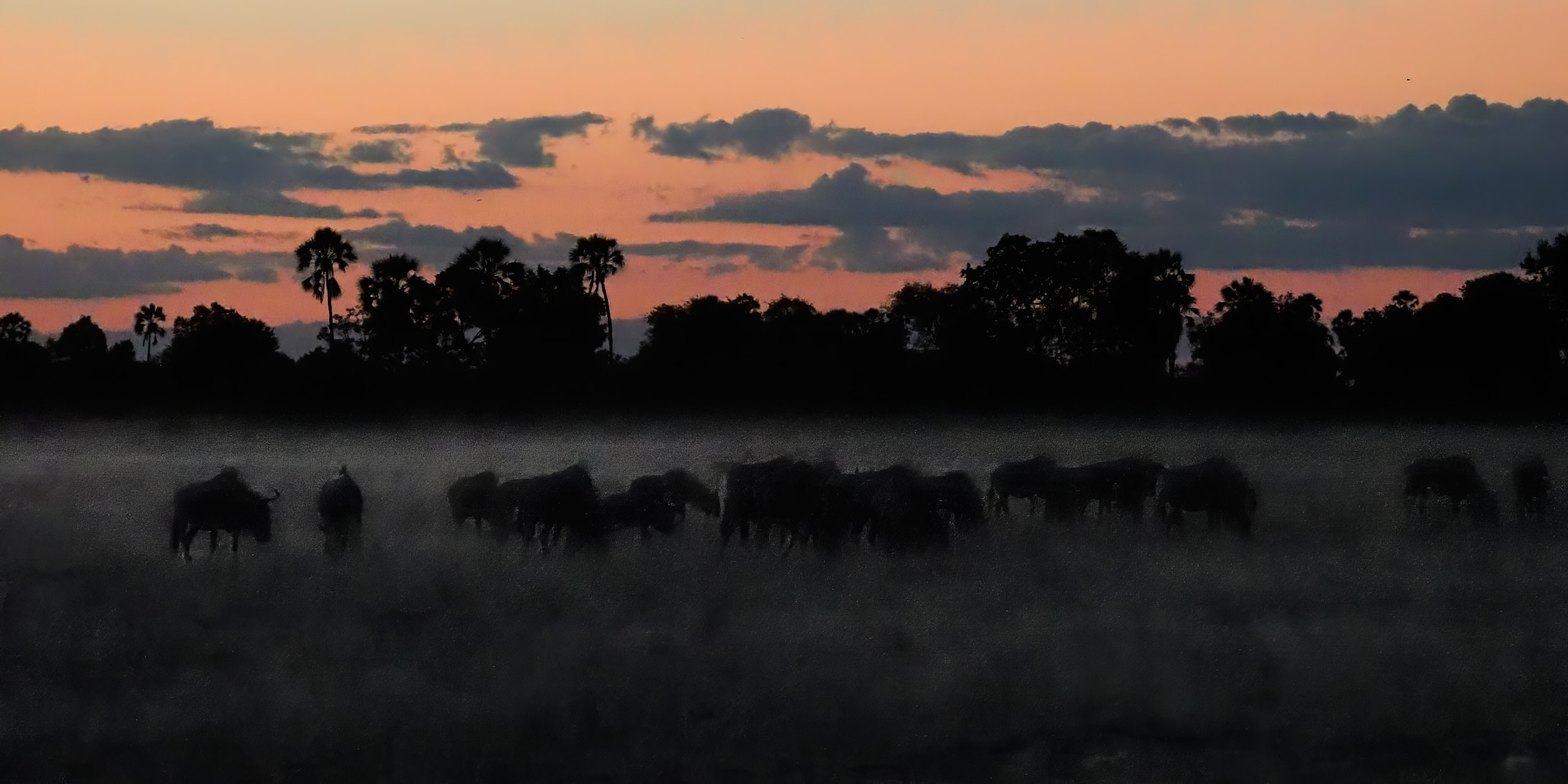
The light is very special during first and last hour of the day. A memorable encounter can occur at any time but if you are very lucky in the timing the light will help you turn it into a memorable image.
… was I up to? A few days in the Australian bush are behind me. My eyes will now focus further than a computer screen. Back to Botswana with Pete Oxford Expeditions.
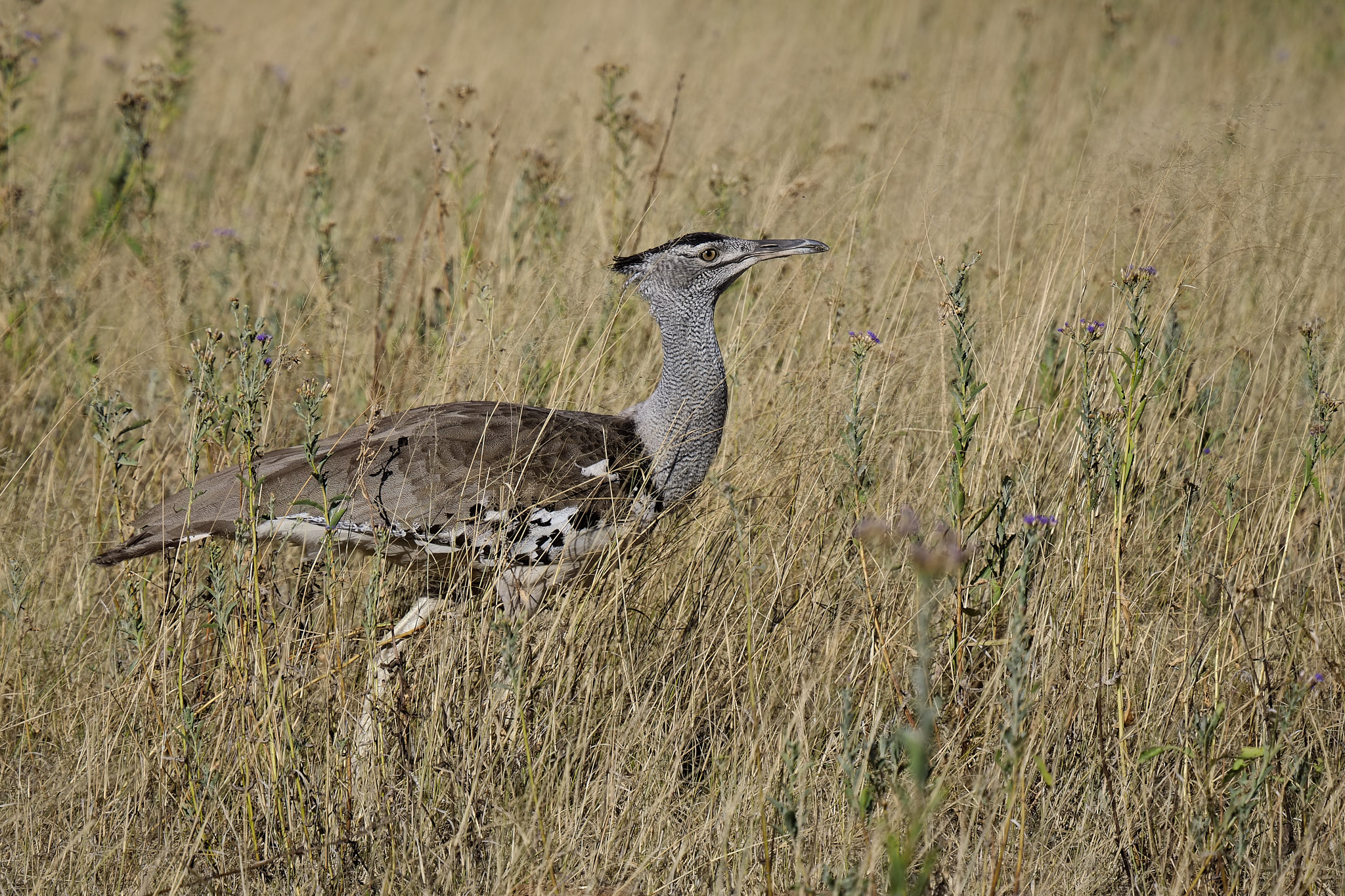
… of Botswana is the Kori Bustard, the subject of many traditional stories and a symbol of strength, power, and resilience. Frequently a motif in traditional art and craft, they are large, graceful and beautifully camouflaged.
Kori BustardKori Bustard
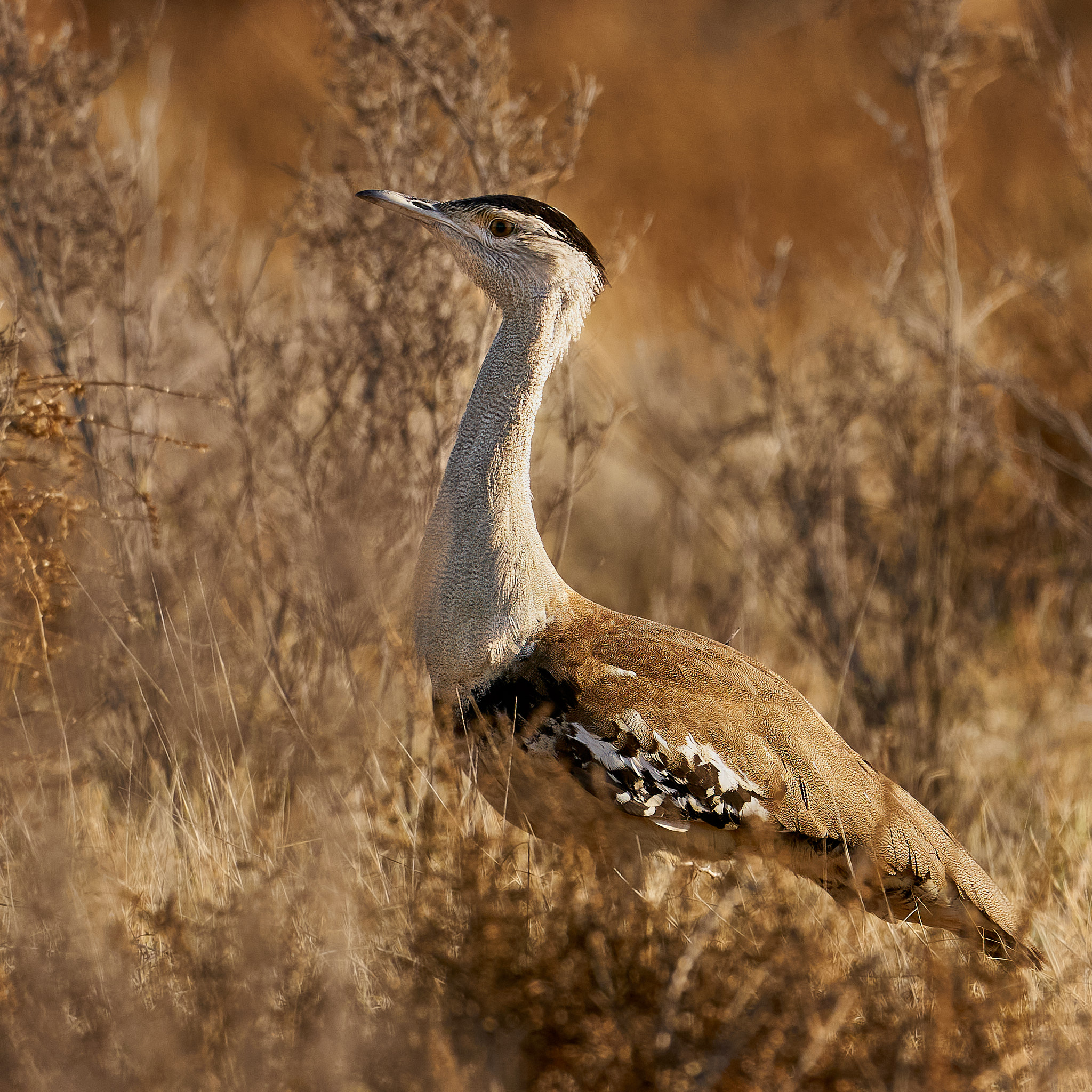
I will be missing for a few days. I’m going camping. The area I’ll be visiting looks very much like parts of Botswana. The Australian Bustard (when I typed Australian Bustard the spell checker signaled an error. Is it guilty of racial vilification?) – get to the point, Robert. I took the next photo there on my last visit, similar country, similar bird.
Australian Bustard
One major difference in the Australian bush is that I can go behind a termite mound for a pee without worrying about lions …
In 1850 Alfred Lord Tennyson published the poem In Memoriam A.H.H. It commemorated the life of his friend Arthur Henry Hallam who had died at just 22 years of age 17 years earlier. It was at a time when science and religion were posing different answers to the fundamental questions. It was an immense work (2,916 lines and getting bigger in subsequent editions). Tennyson wasn’t the first or last to wonder if God is the great and good creator of all why He is so careless with individual lives …
Are God and Nature then at strife, That Nature lends such evil dreams? So careful of the type she seems, So careless of the single life;
Darwin’s Origin of Species came in 1859. One of Tennyson’s 2,916 lines, perhaps the most memorable of them all, came to sum up the implications of the survival of the fittest.
Who trusted God was love indeed And love Creation’s final law Tho’ Nature, red in tooth and claw With ravine, shriek’d against his creed
I once went on a walking safari. You can read about it. Day 1 is <HERE>. The safety briefing was a gem. In it I learnt that most charges that I could expect to face would be mock charges. But if it was a buffalo it would be for real.
Our pick up point was 20 km away. It soon became apparent that there was a very strung out herd of buffalo in between. This meant a significant detour. Late lunch that day.
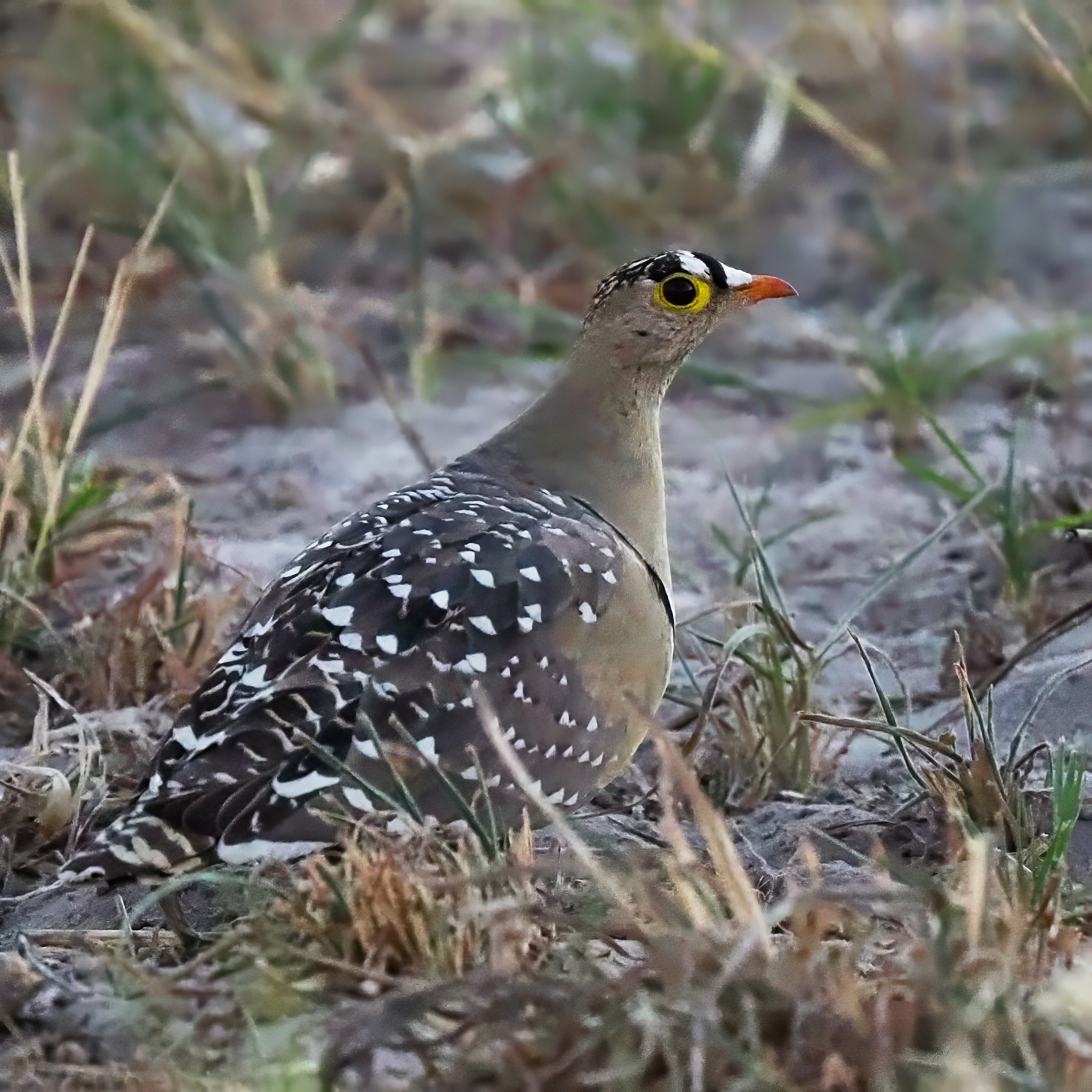
Inhabitants of dry open country, sixteen species spread across Africa, Asia and just making it across the Mediterranean into Spain. They are primarily seed eaters. They are well camouflaged and usually seen exploding out of close by vegetation and flying quickly away. Their belly feathers are adapted to absorb and transport water enabling them to raise chicks at some distance from the drinking supply.
Got lucky with this pair of Double-banded Sandgrouse. They stuck around long enough for a couple of shots, male on the left …
I am in the process of writing an essay on safari photography. It will eventually drop on the blog. I am rarely seen with a camera lens shorter than a bazooka but I know that some people take some very nice photos with their phones. If you have a few wildlife shots that you are proud of and are happy to share please send them my way. I’d like to know the make and model of your phone as well. If you have my email that’s easy. If not drop a comment below and I’ll be in touch.
I will acknowledge your work in any way you like, name, pseudonym, whatever. Any way, that is, except pay for them!











 bobmcgee