You’ve got this …
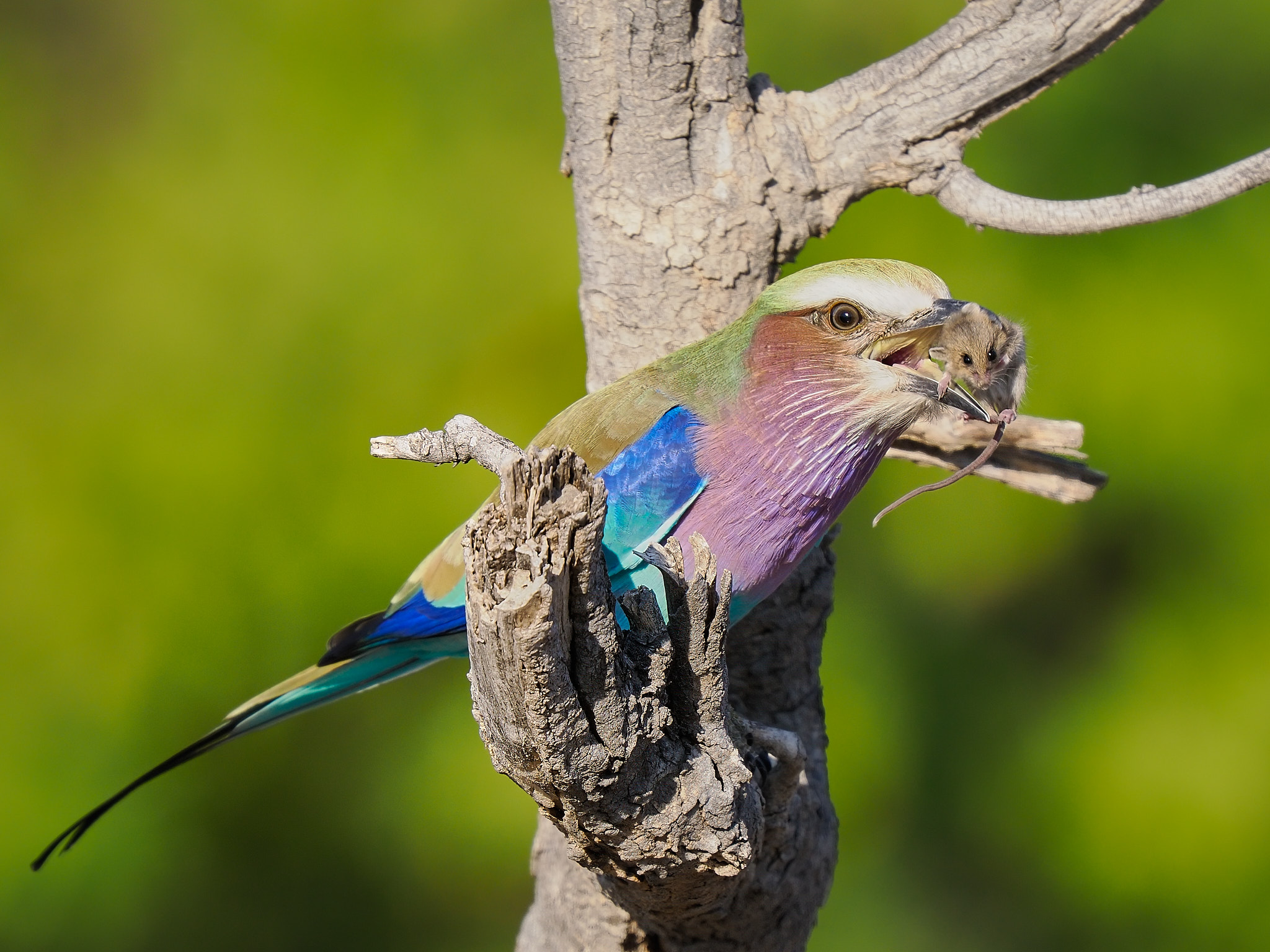

and pray that there's intelligent life somewhere out in space
You’ve got this …
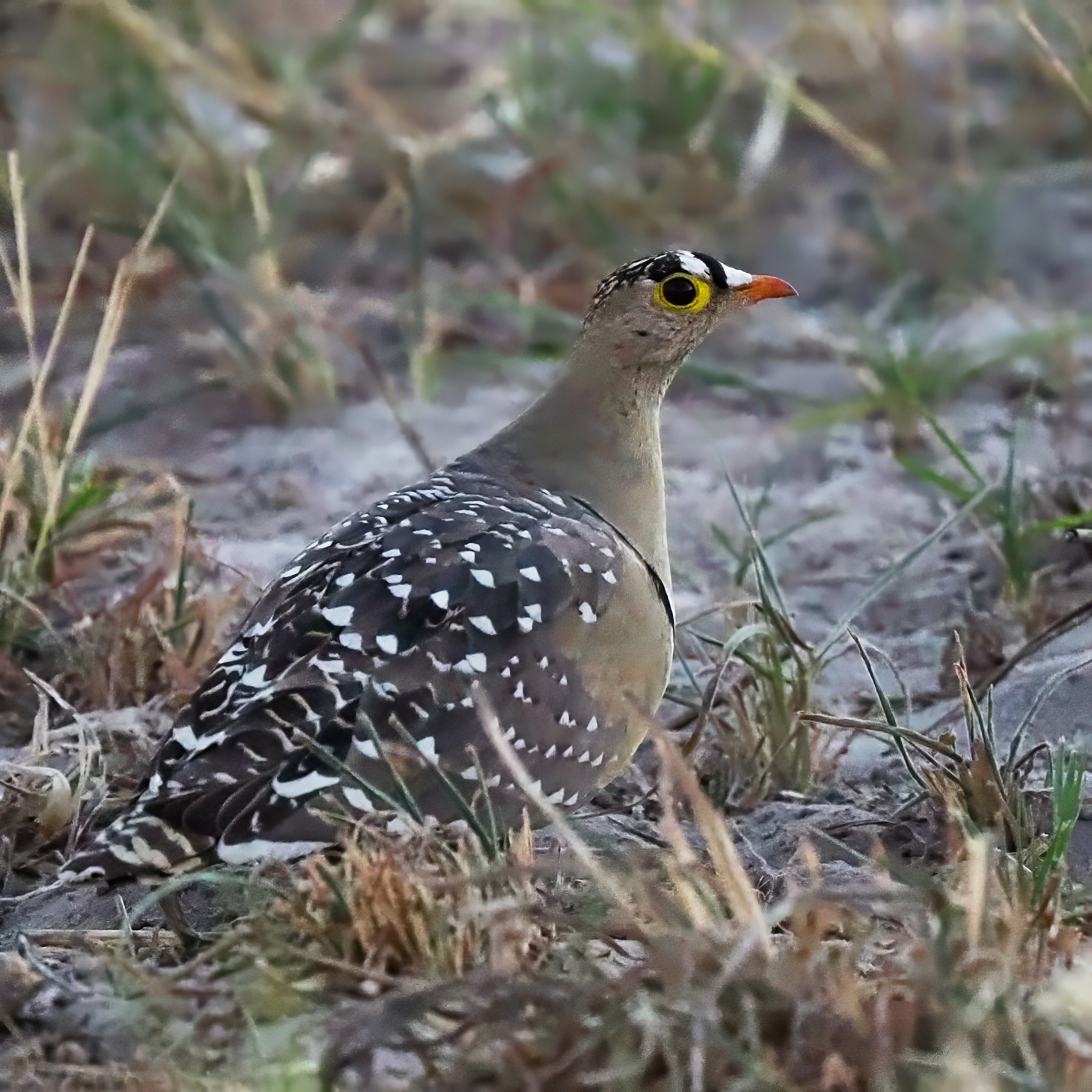
Inhabitants of dry open country, sixteen species spread across Africa, Asia and just making it across the Mediterranean into Spain. They are primarily seed eaters. They are well camouflaged and usually seen exploding out of close by vegetation and flying quickly away. Their belly feathers are adapted to absorb and transport water enabling them to raise chicks at some distance from the drinking supply.
Got lucky with this pair of Double-banded Sandgrouse. They stuck around long enough for a couple of shots, male on the left …

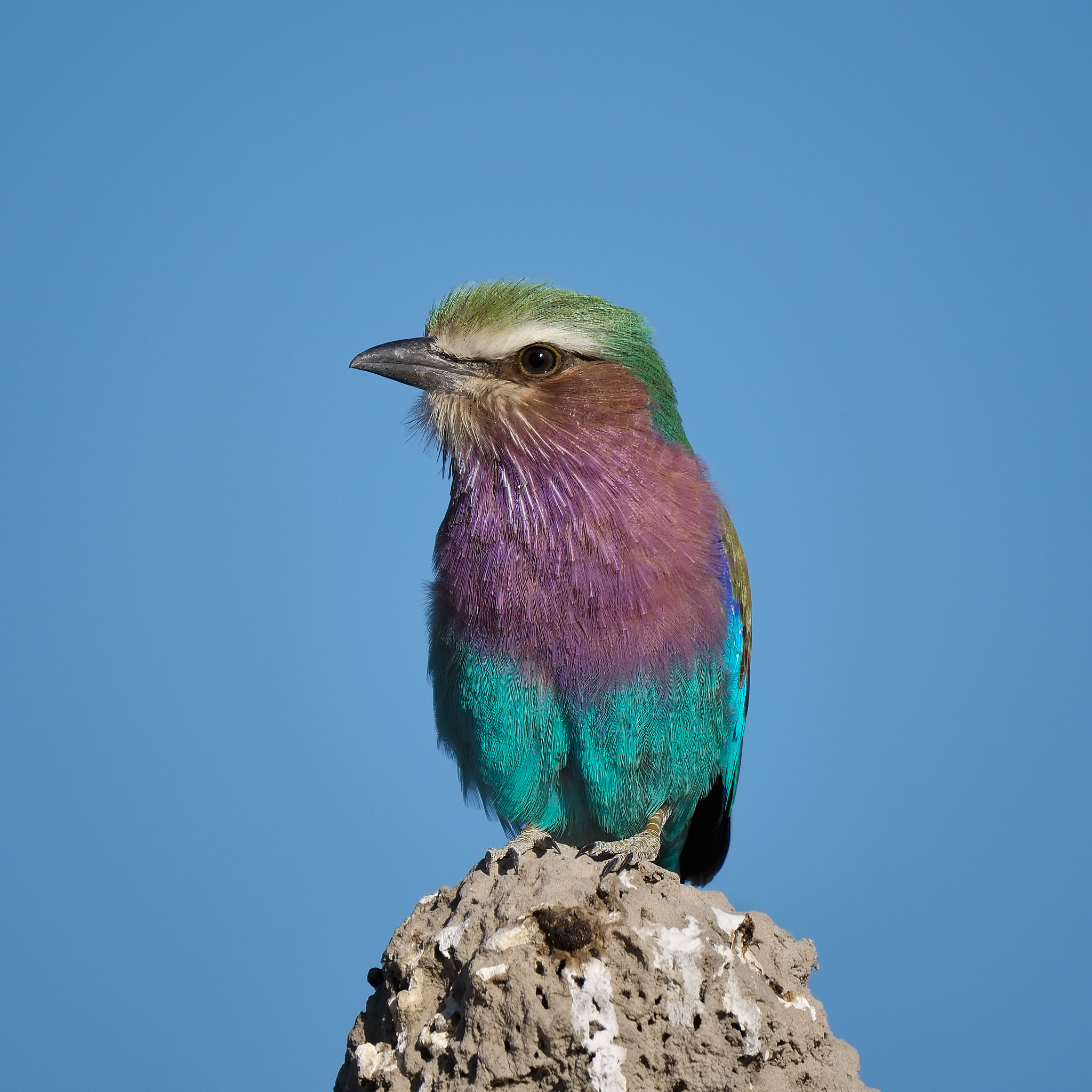
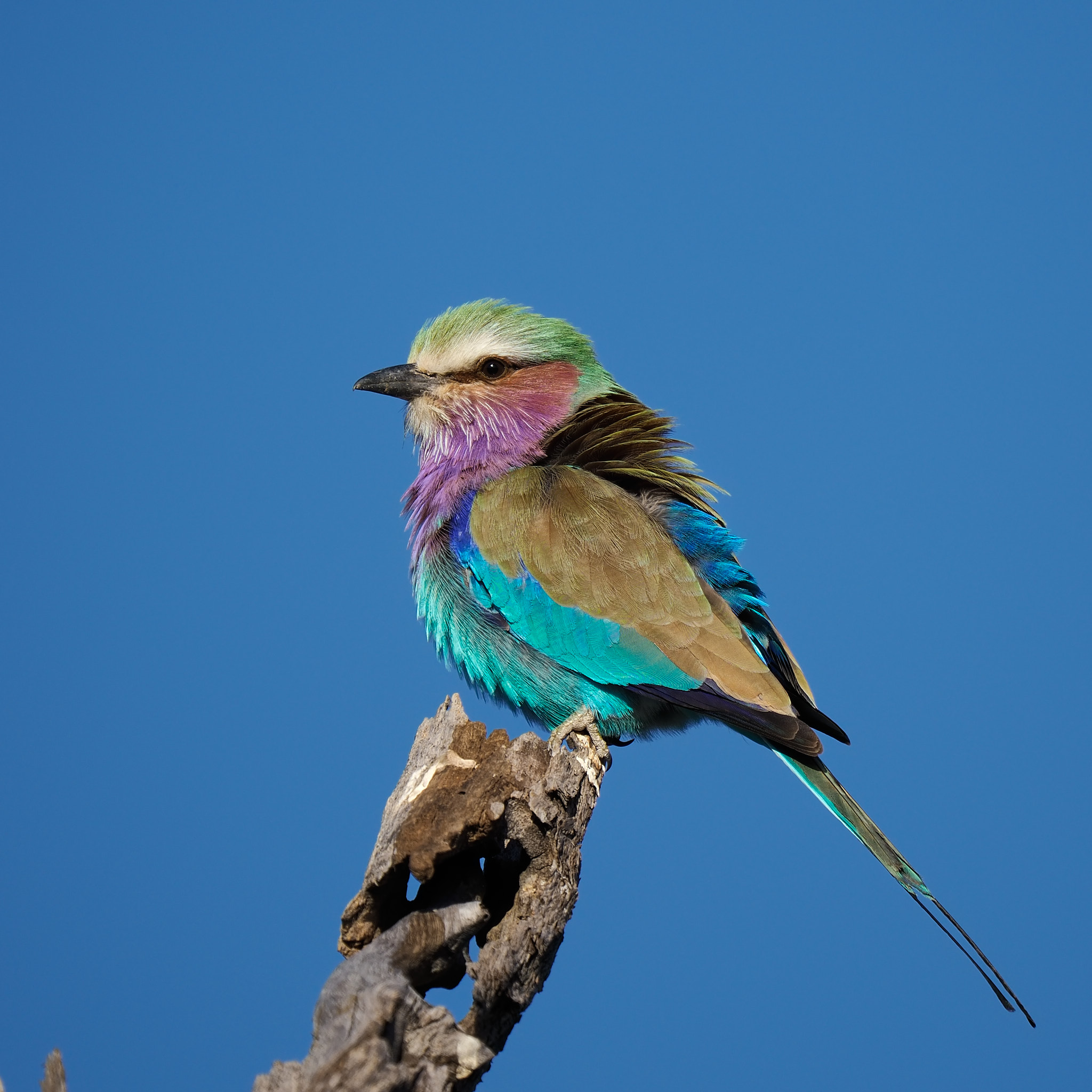
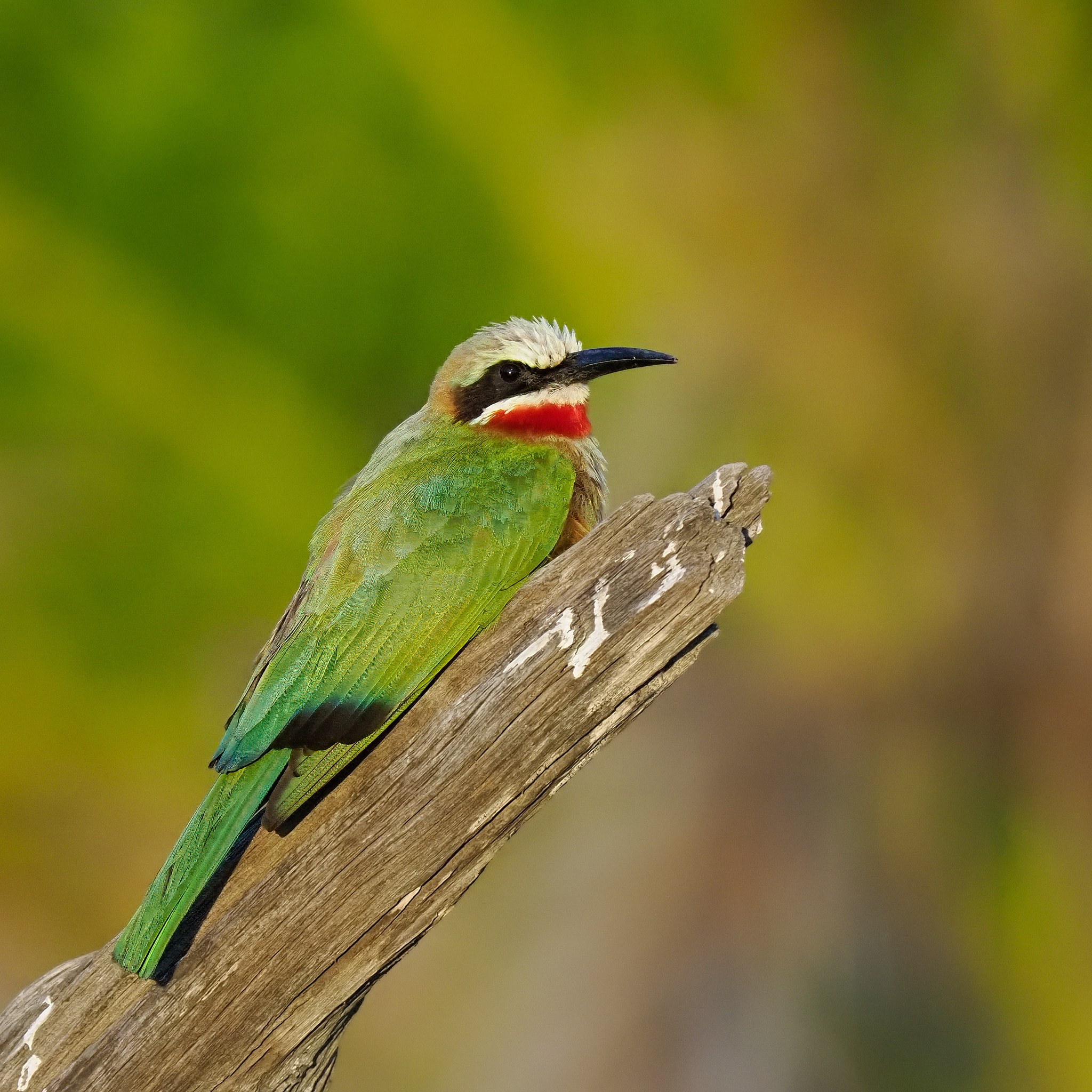
That’s right. More bloody Rollers.

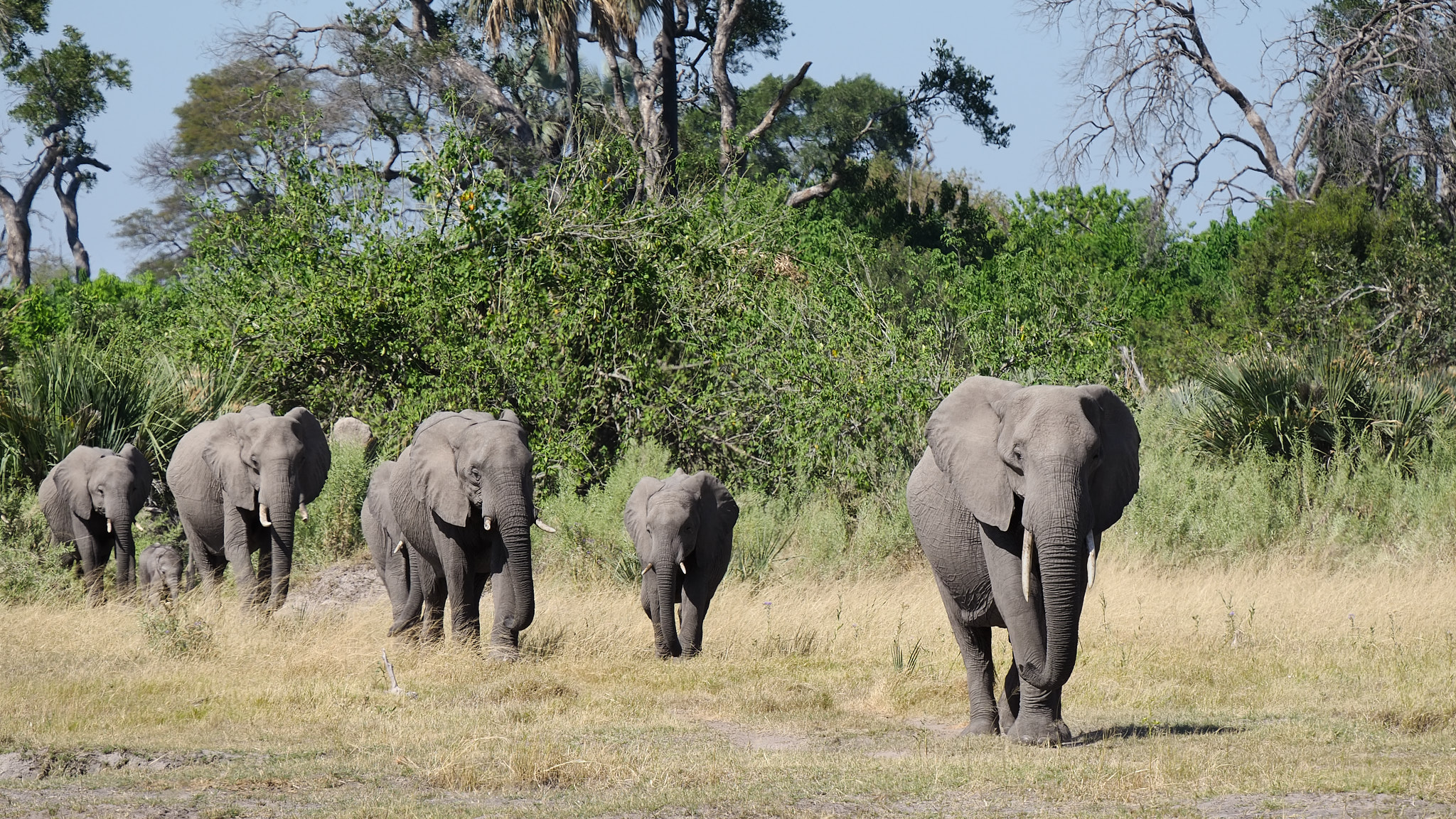
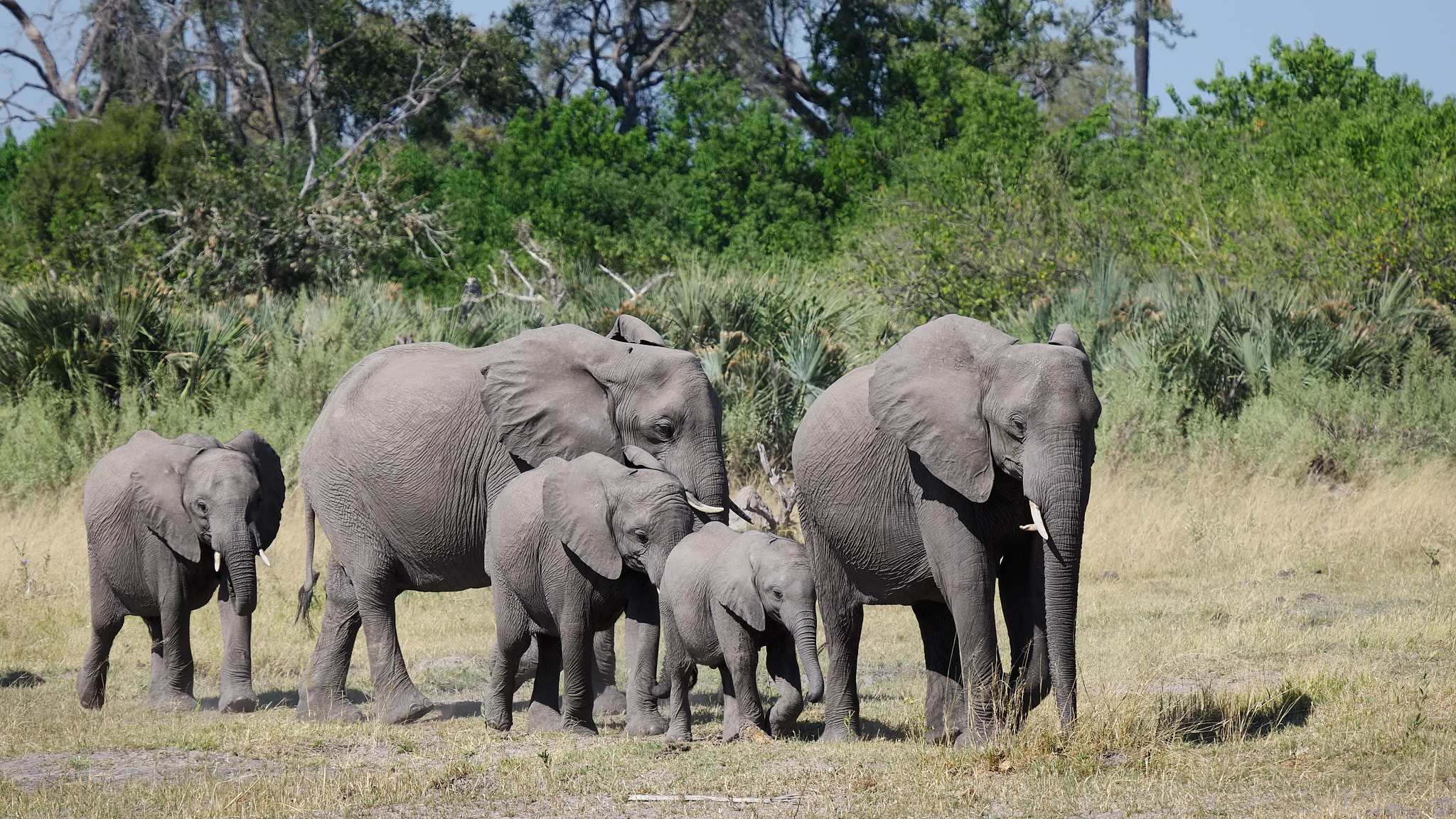
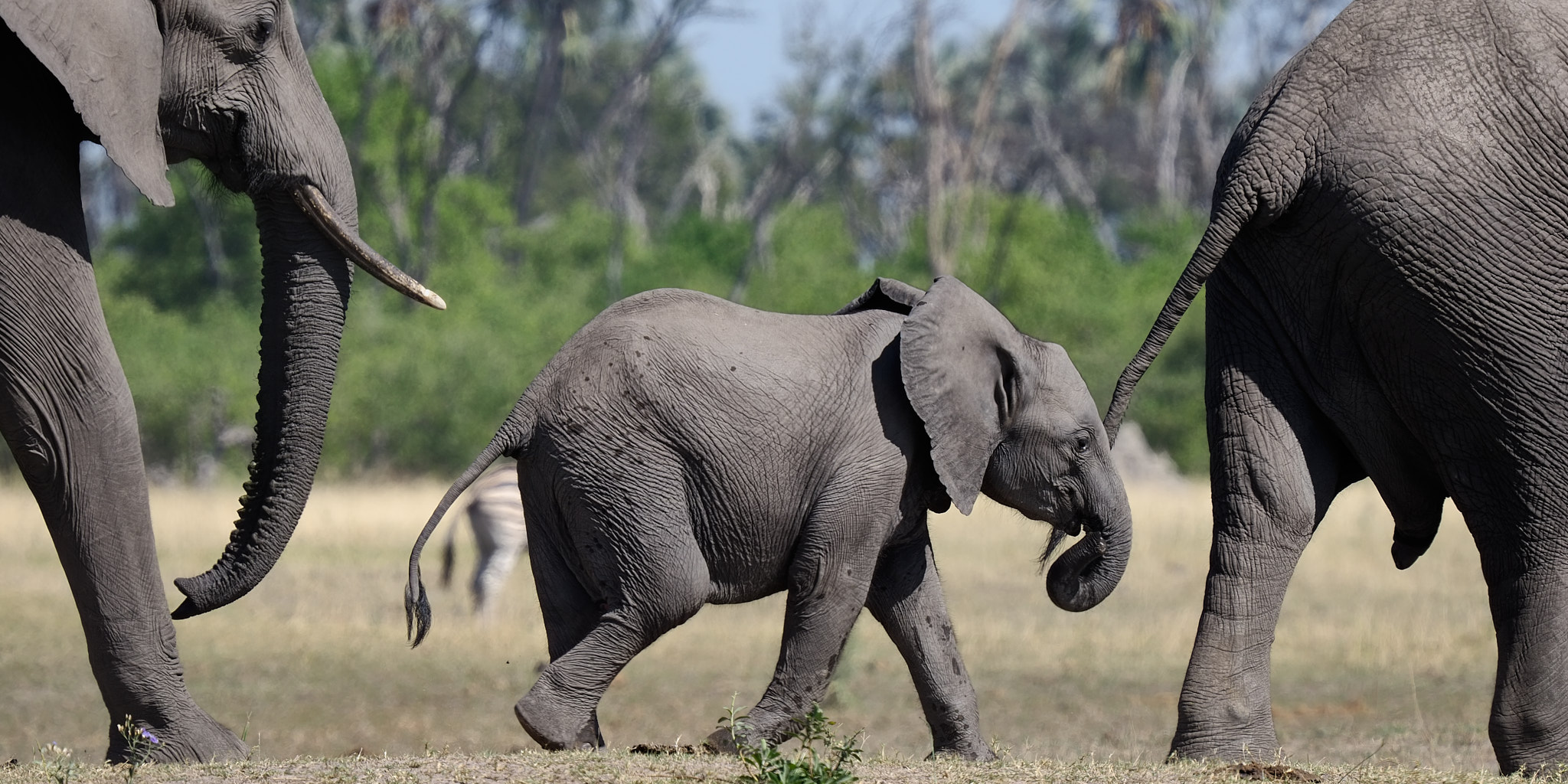
I met my first wild Elephant on the 16th of August 1997. You never forget your first.
It was first thing in the morning of our first day on safari, Mombo, Botswana. I had the rear seat of an open safari vehicle. We came upon a youngish male. He was running along thrashing the vegetation. The driver/guide pointed out the secretion of temporin running down its face and the seminal fluid dripping from its penis. Told us that its testosterone levels were through the roof. Its mania was due to the state of musth, an annual event for bull elephants over about 30 years of age. After a while we overtook it and continued on our way.
About 15 minutes later we came upon our first collection of Impala. We stopped with our rear wheels in a bit of a ditch and turned off the engine. Our driver/guide pointed out that this was a male and his harem and began to explain the exhausting and competitive life of the male Impala. Turned three quarters around to address his guests he was well placed to notice a maniacal male elephant charging the back of the vehicle. He immediately started the engine and set about rectifying the situation.
But forgot that the rear wheels were in a bit of a ditch and stalled the engine. Valuable moments were lost. The engine was restarted, many more revs were injected and we were on the way again. The elephant had its head down, fortunately for me because those tusks could easily have impaled me. Its forehead hit the rear end of the vehicle but by that stage our relative velocities dampened the impact to a minor blow.
Those were the days of single shot exposures and 200 ASA colour slide film. The head filled the frame but it wasn’t a keeper, poor focus and too much motion blur.




Another bloody Roller …
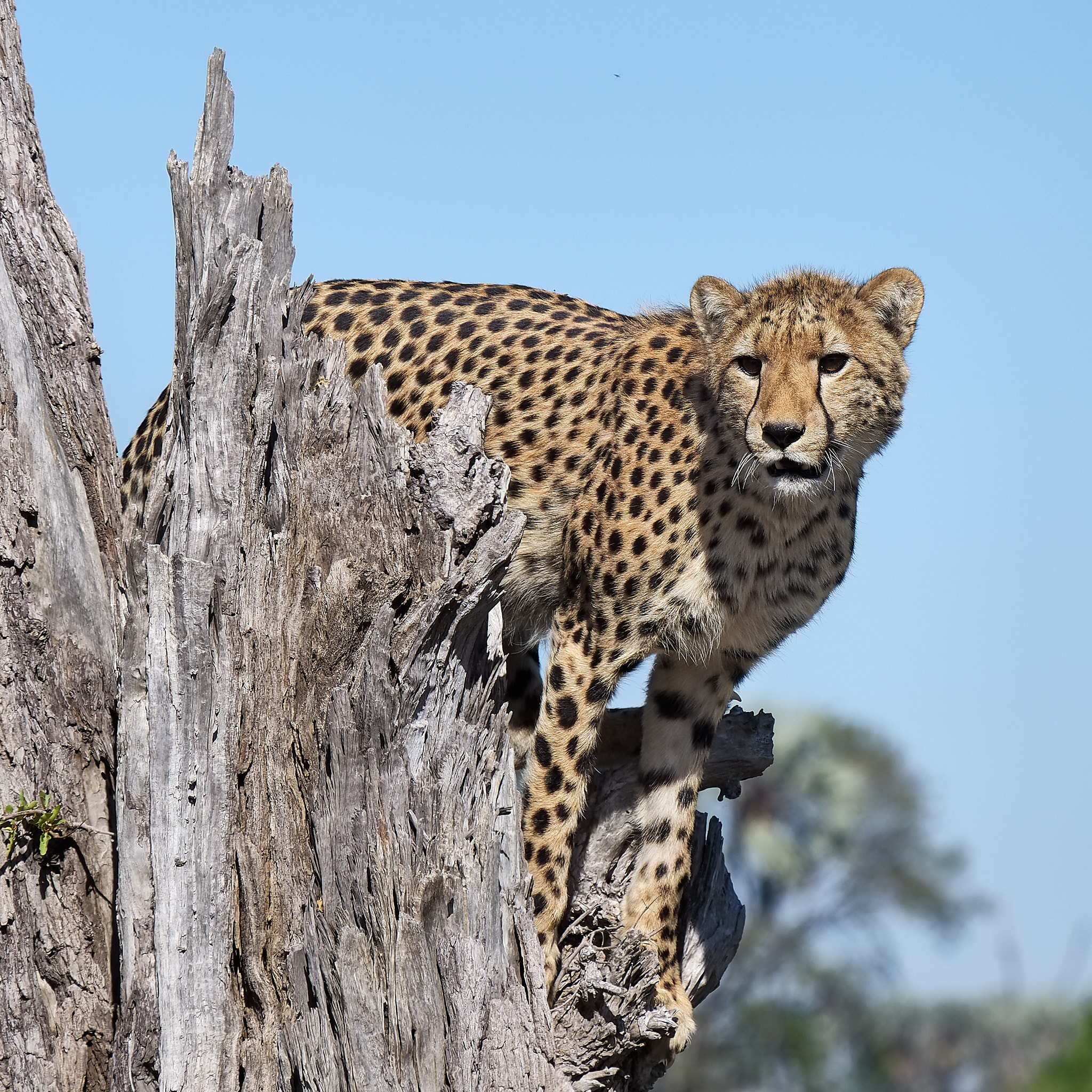
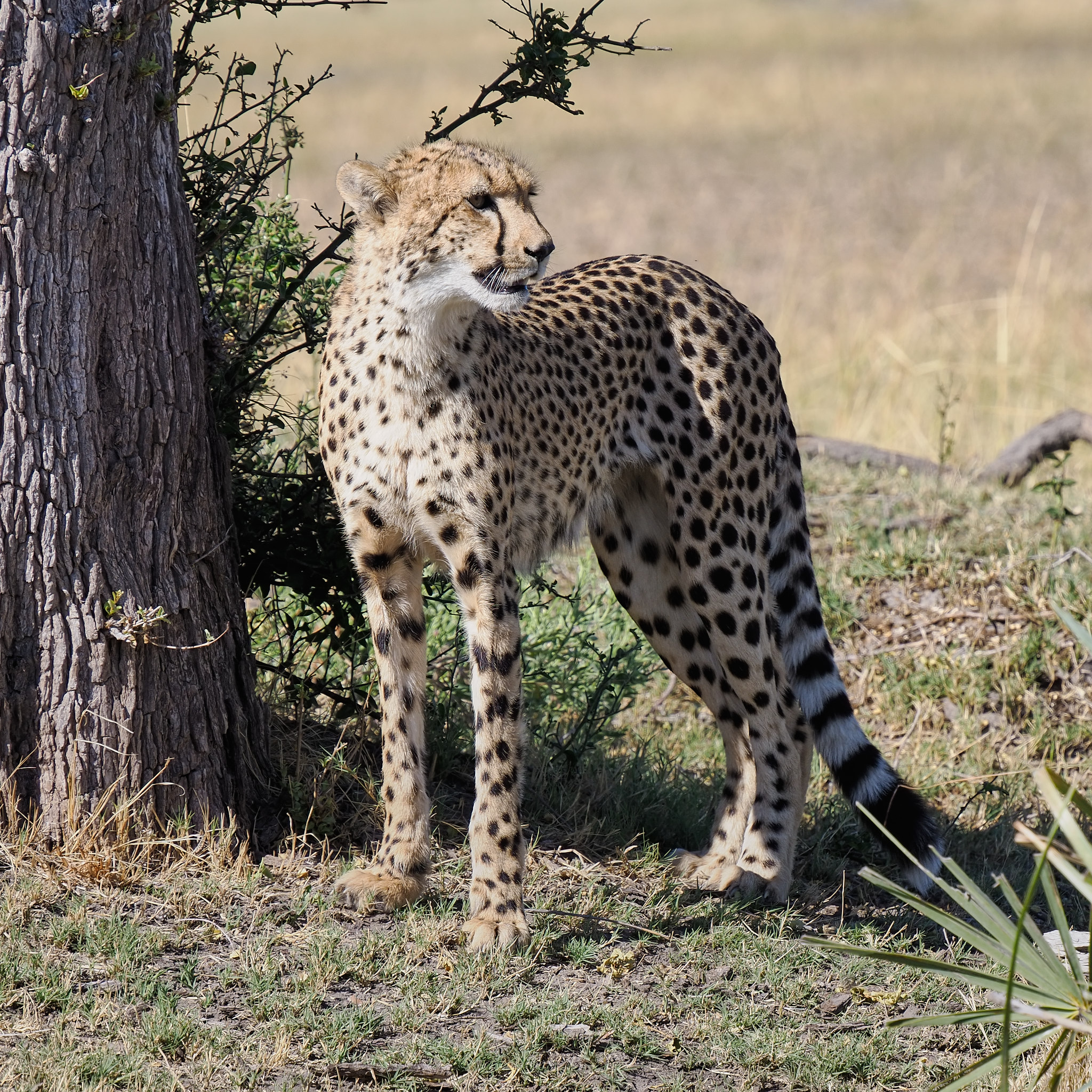
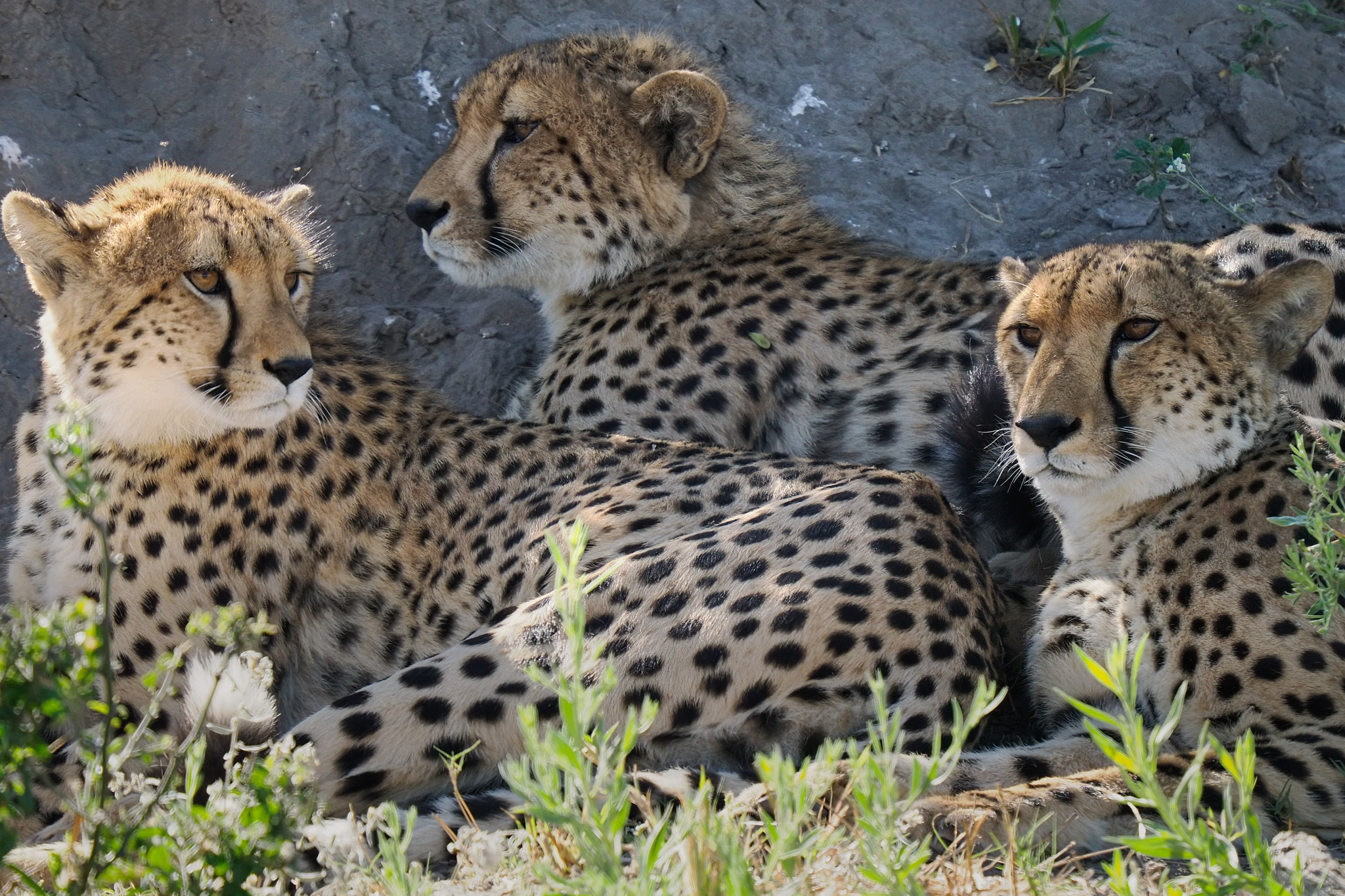
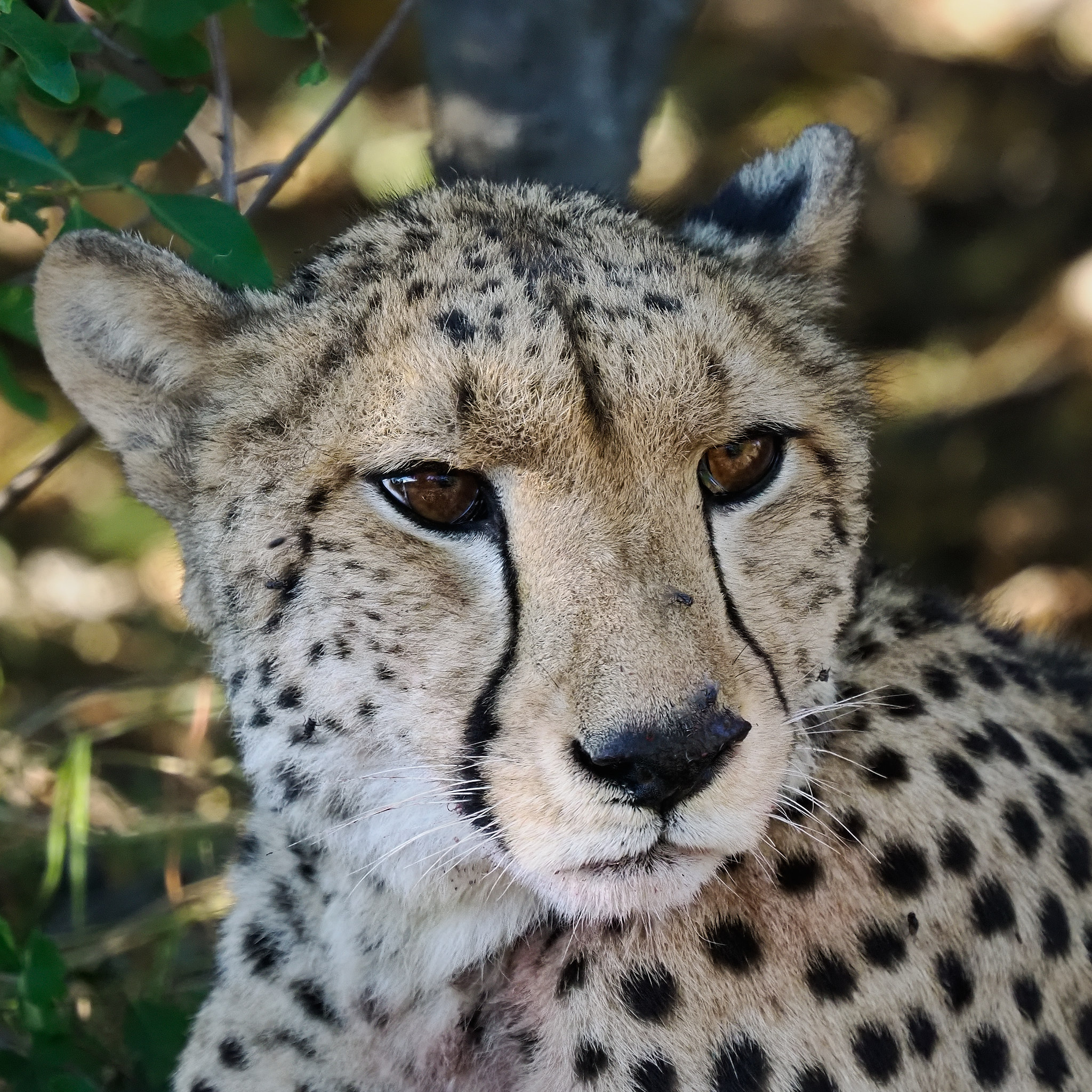
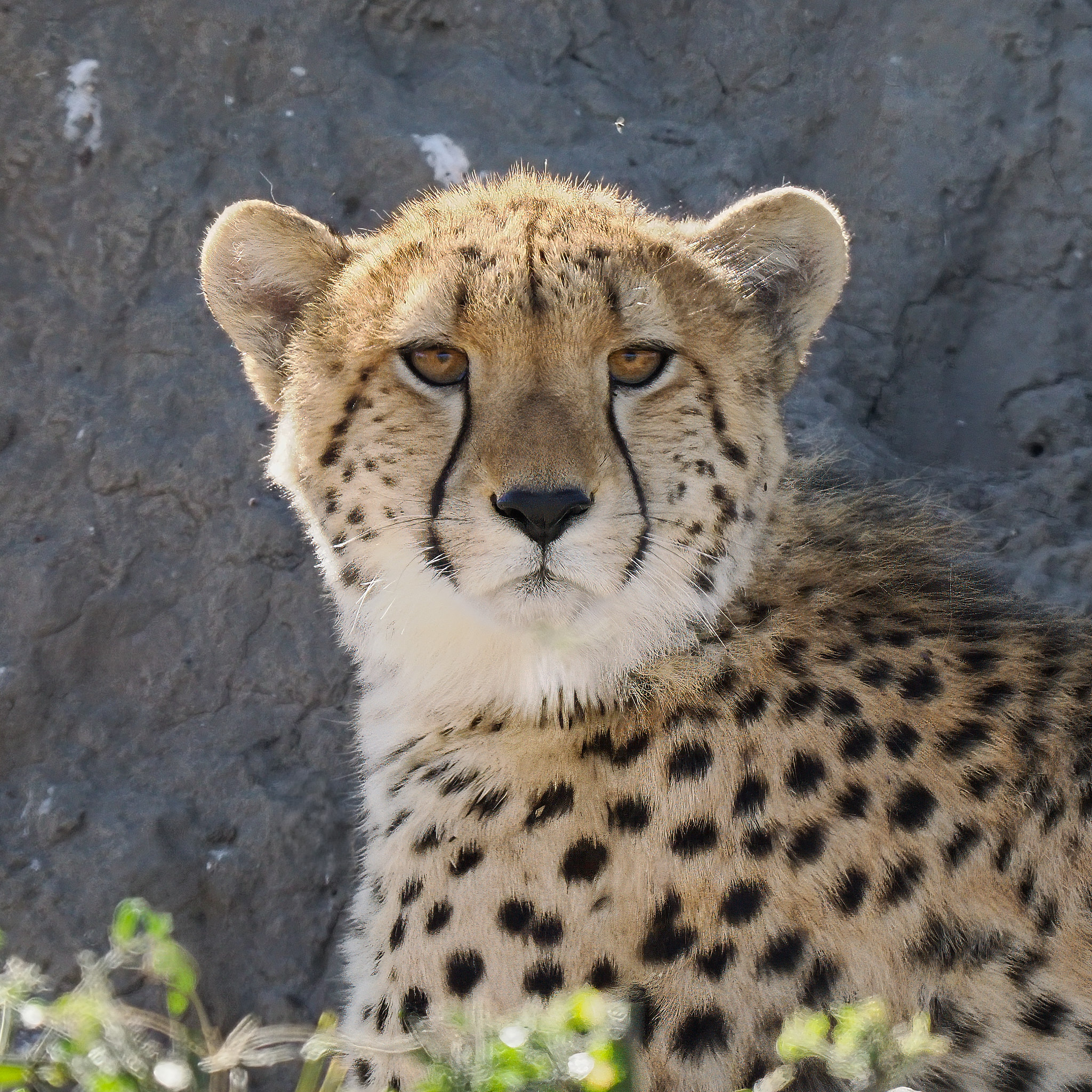
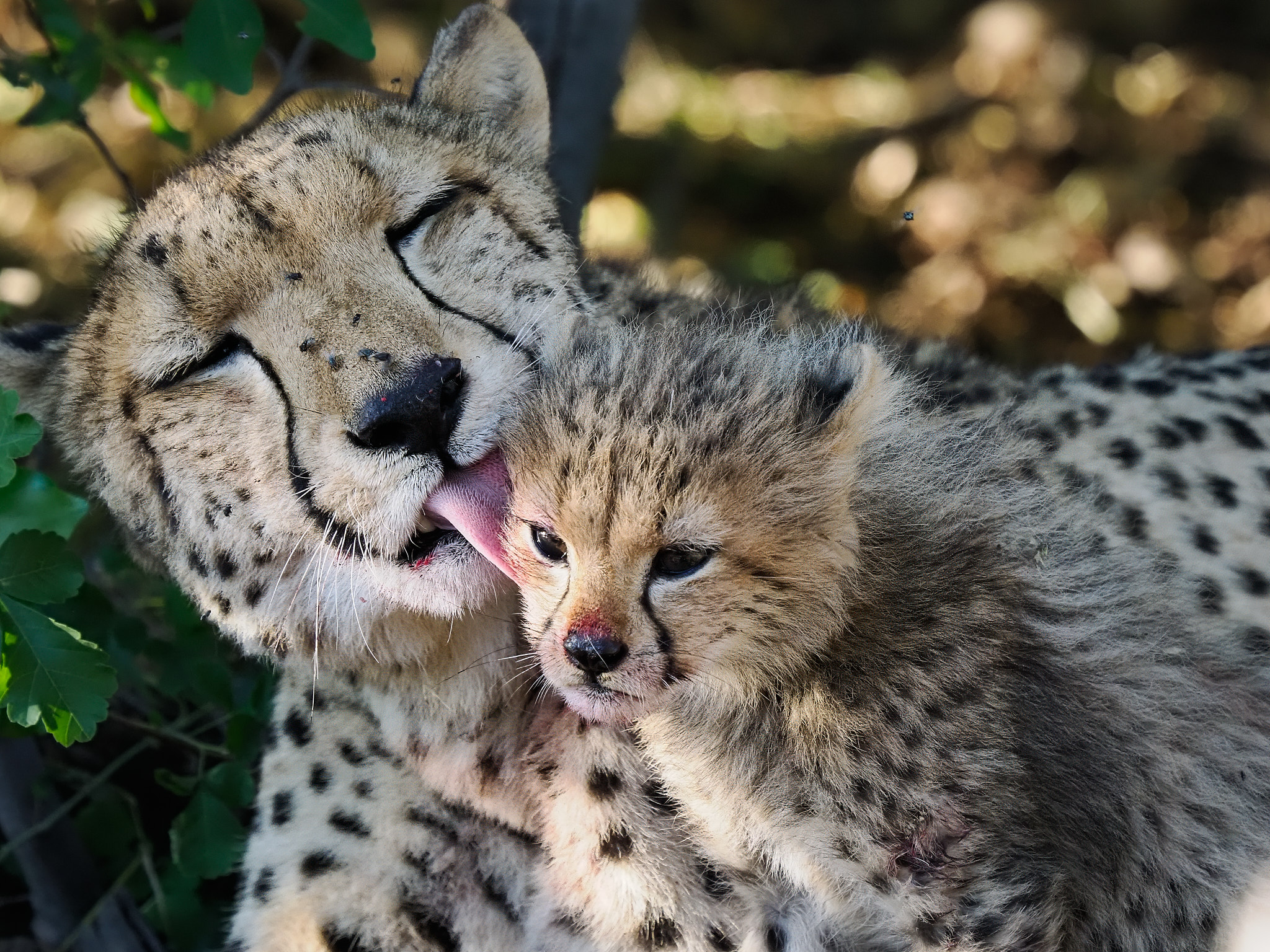
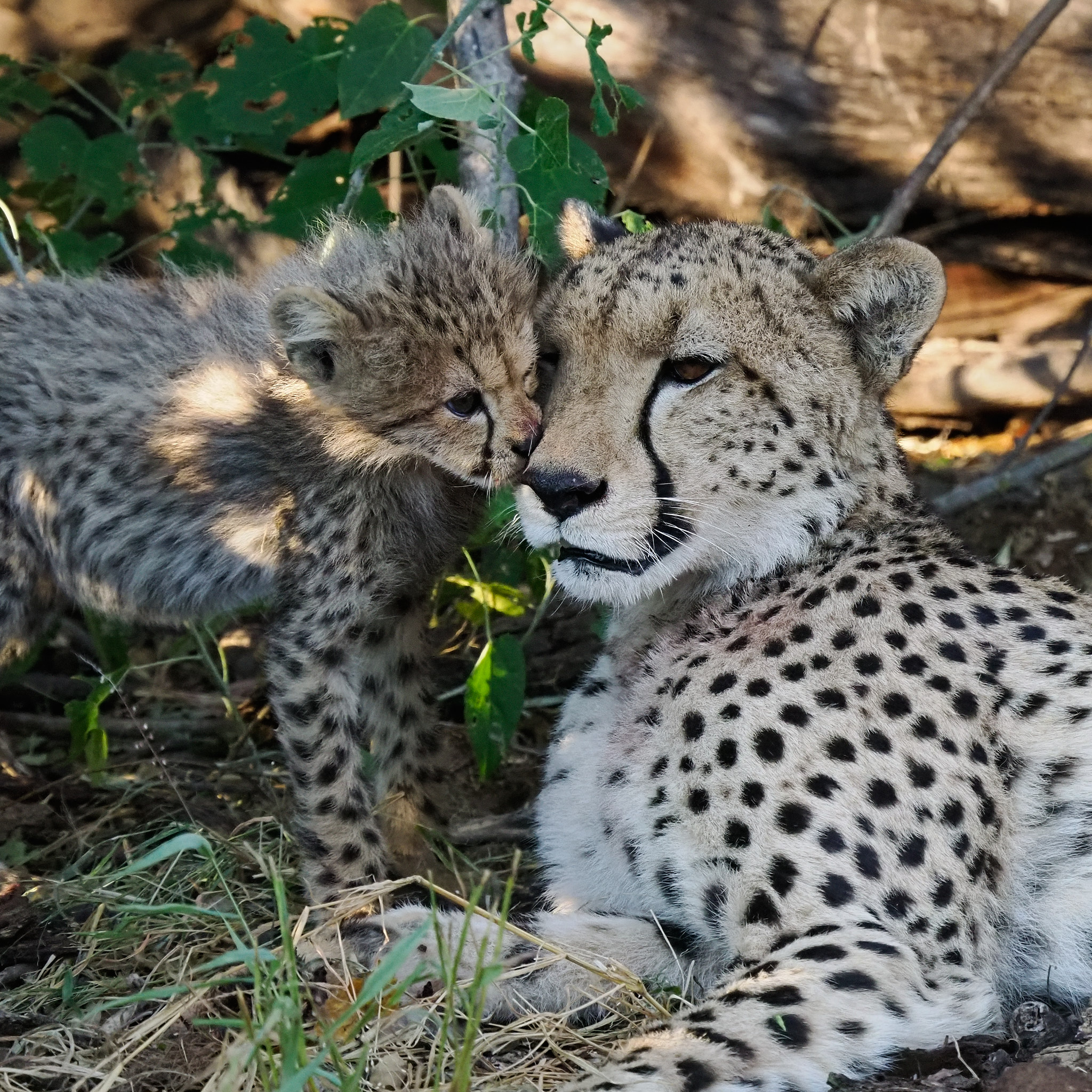
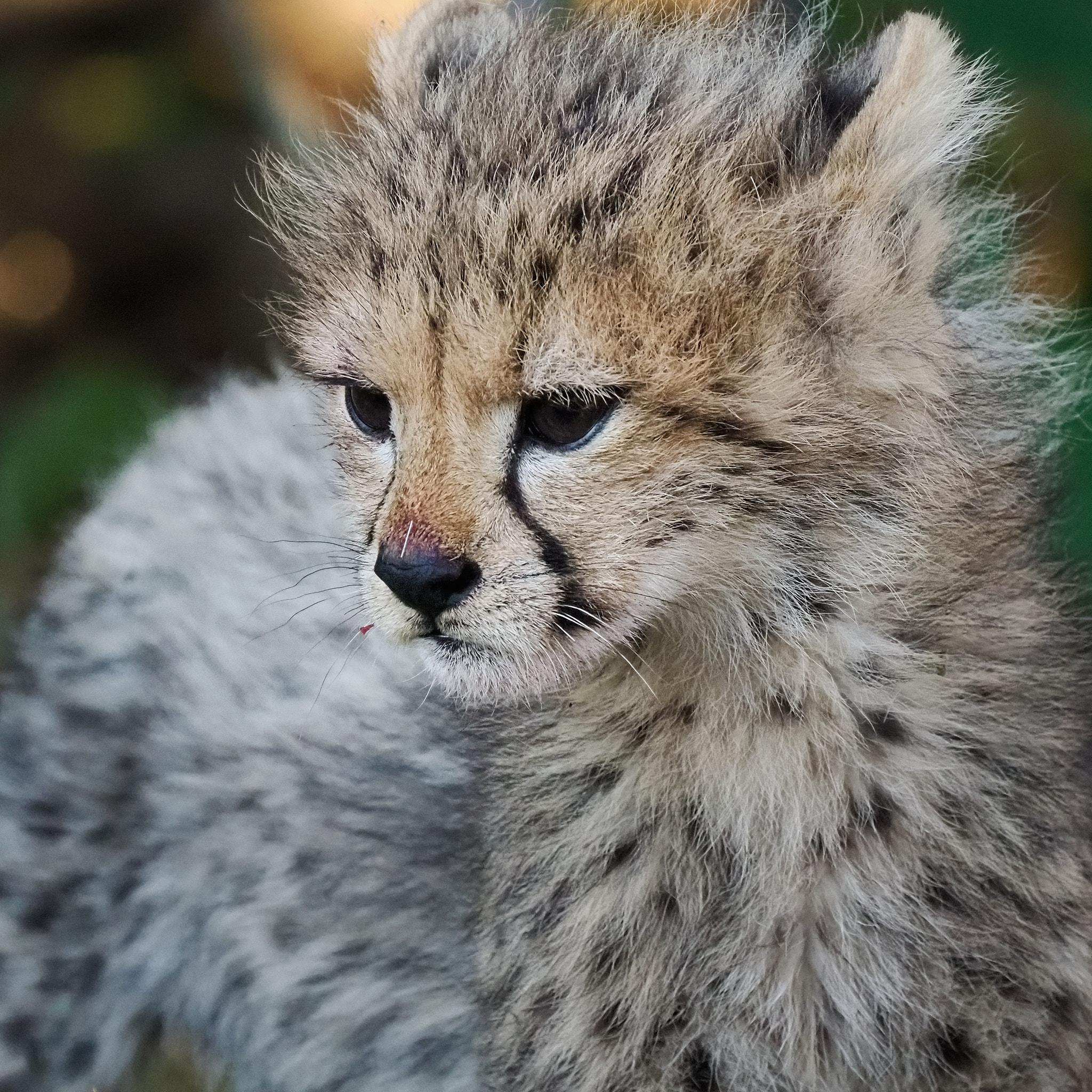
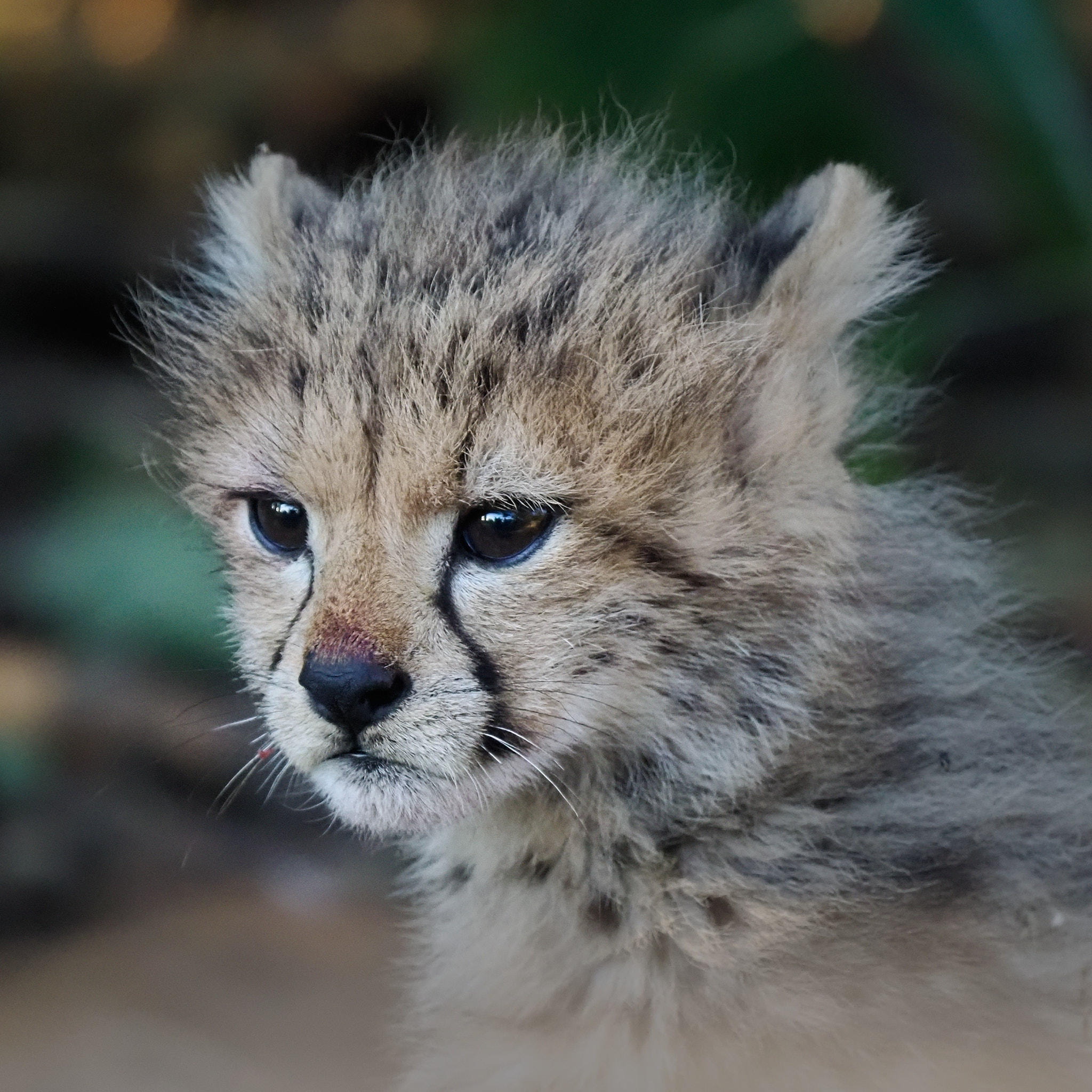
Nought to 70 in two and a half seconds, a top speed of 100 kph plus, 7 meters per stride. Impact. Choke hold. Suffocation. Consumption. No time wasted. The chase occurs over a maximum of about 200 meters and has a success rate of about 50%. The Cheetah is the obvious choice as the falconer’s cat and has been tamed and used for hunting for perhaps 5000 years, probably in ancient Sumer, certainly in early Egypt.
Today the Cheetah, Acinonyx jubatus, is confined to Africa plus a small isolated population in Iran. It was once far more widely distributed disappearing from North America at the end of the last ice age. Then dwindling in Asia in the last few centuries. There appears to have been a couple of population bottlenecks along the way indicated by a very high level of homozygosity.
Males tend to live territorial lives in small coalitions usually of brothers. Females roam more widely on their own or with their youngsters. Males and females come together only to mate.
Hunting usually takes place in the morning or evening. Loss of their kill to other predators is common. They usually eat immediately, don’t return to a carcass and don’t scavenge.
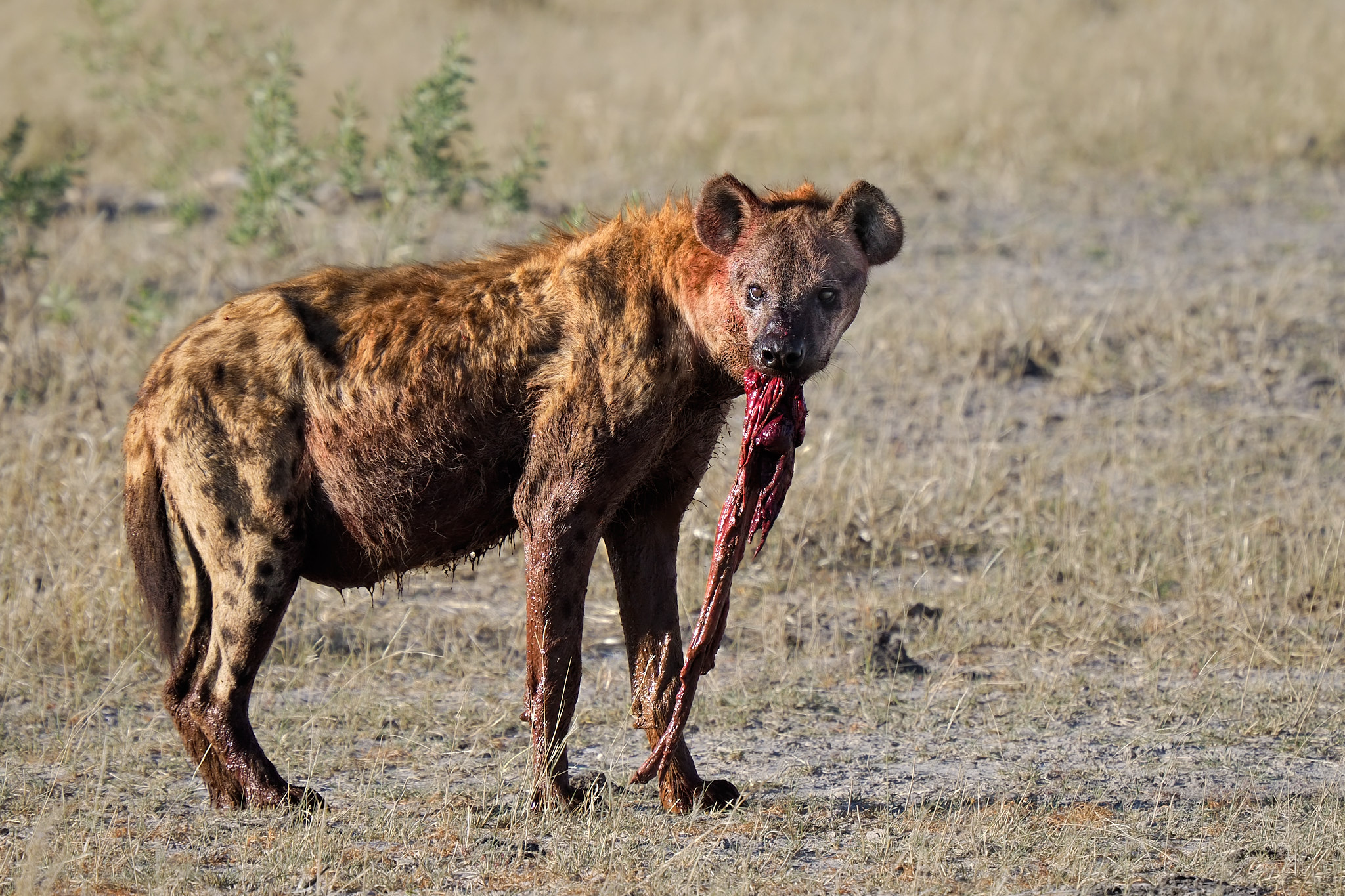
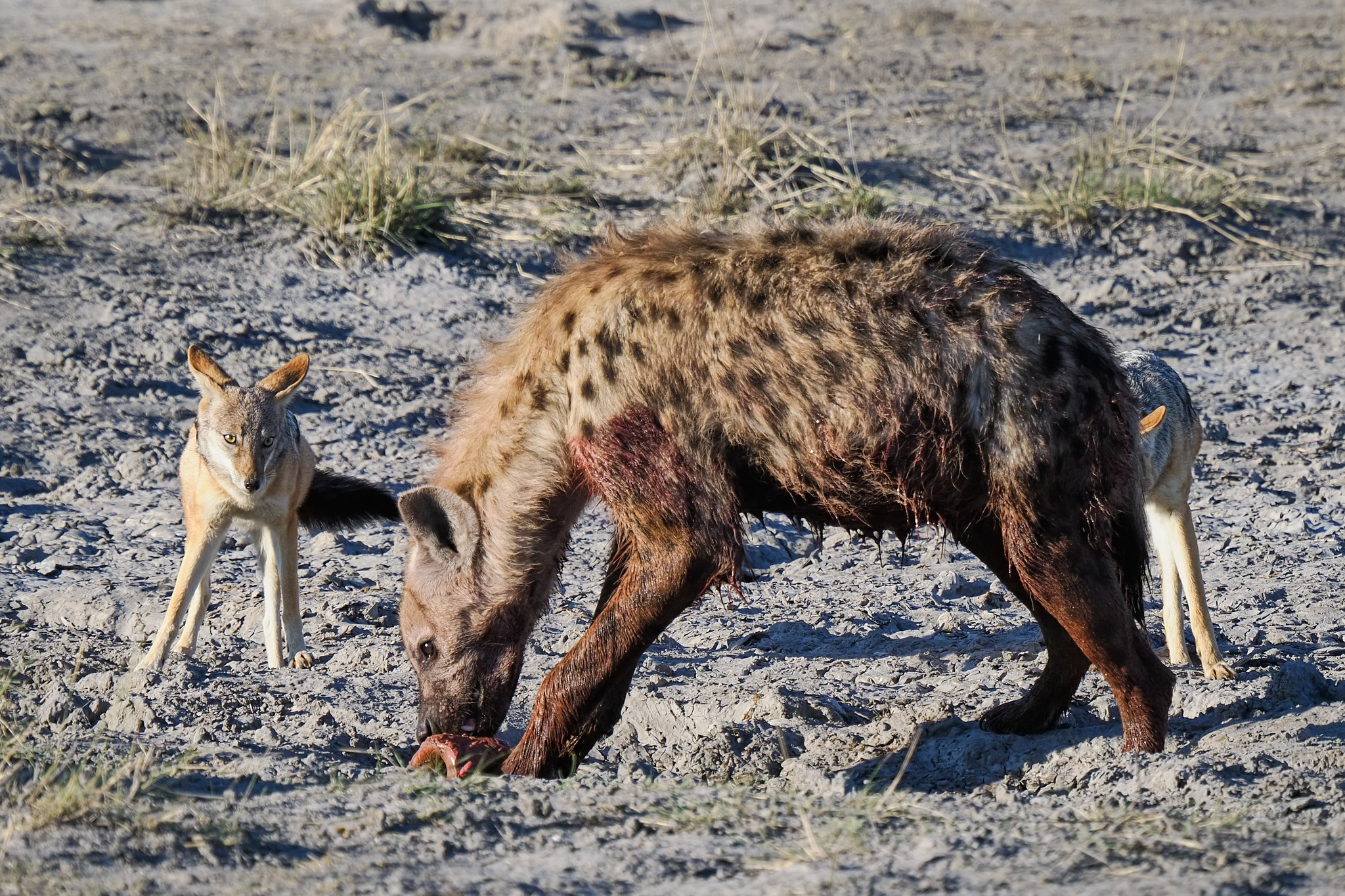
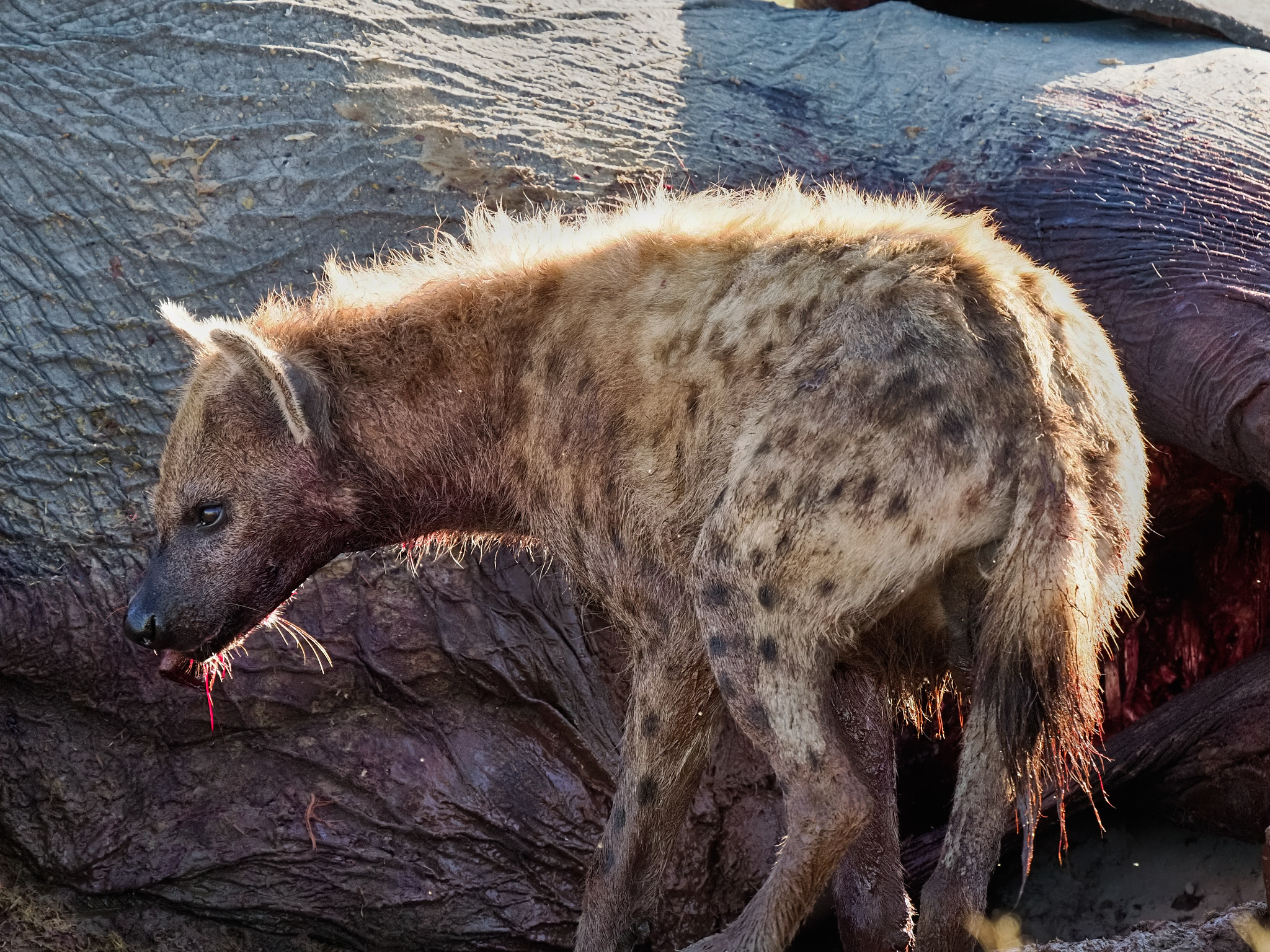
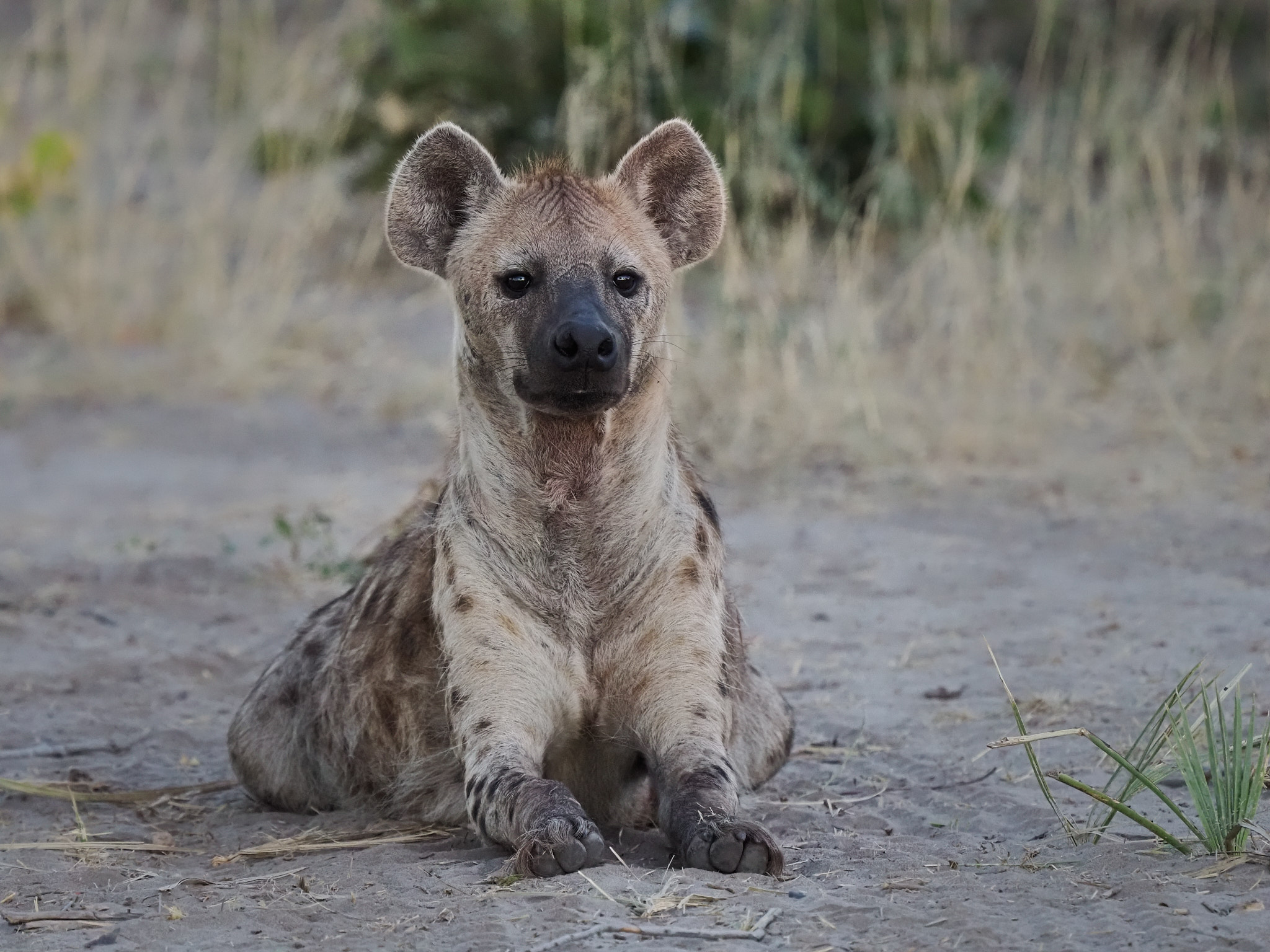
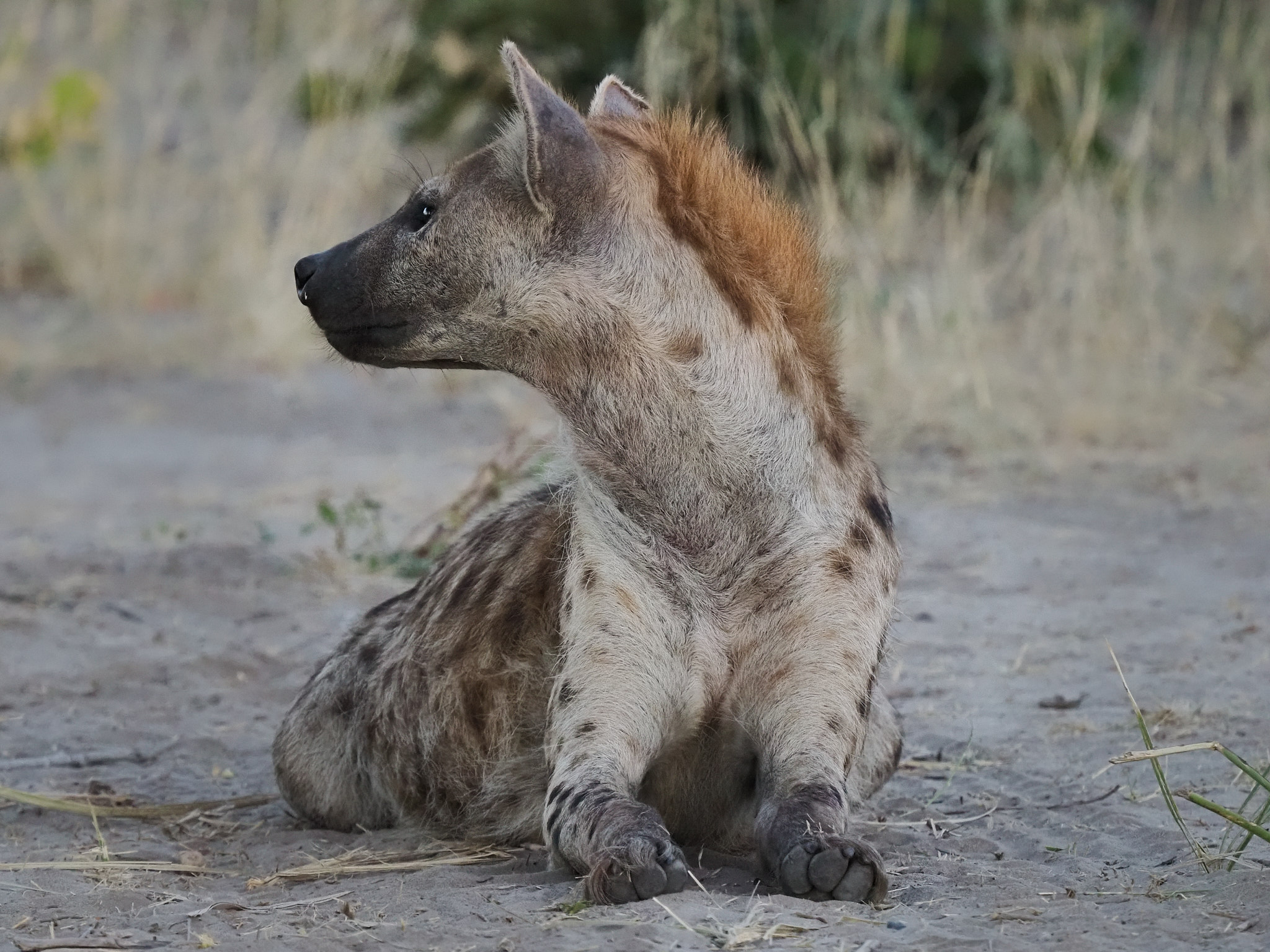
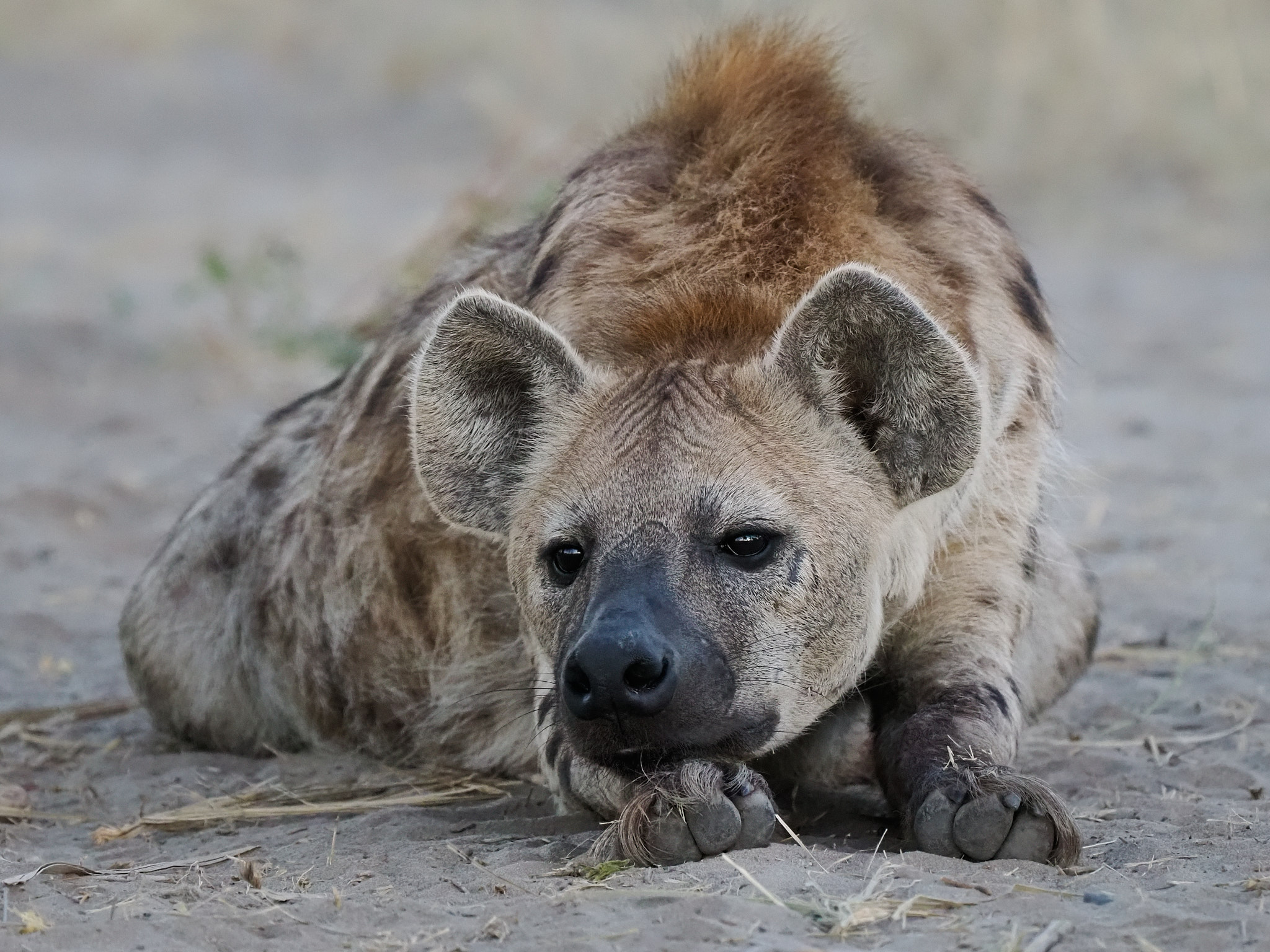
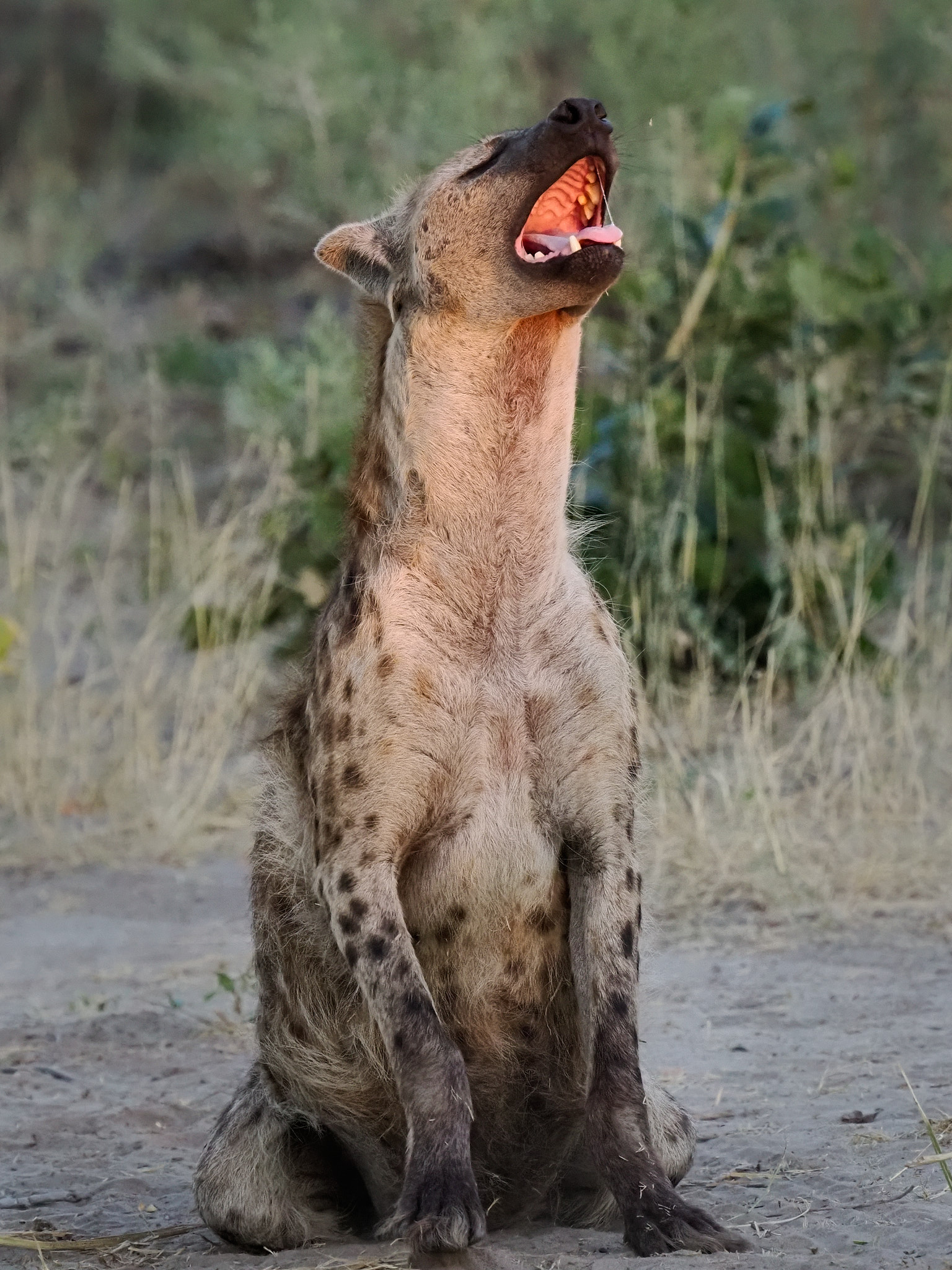
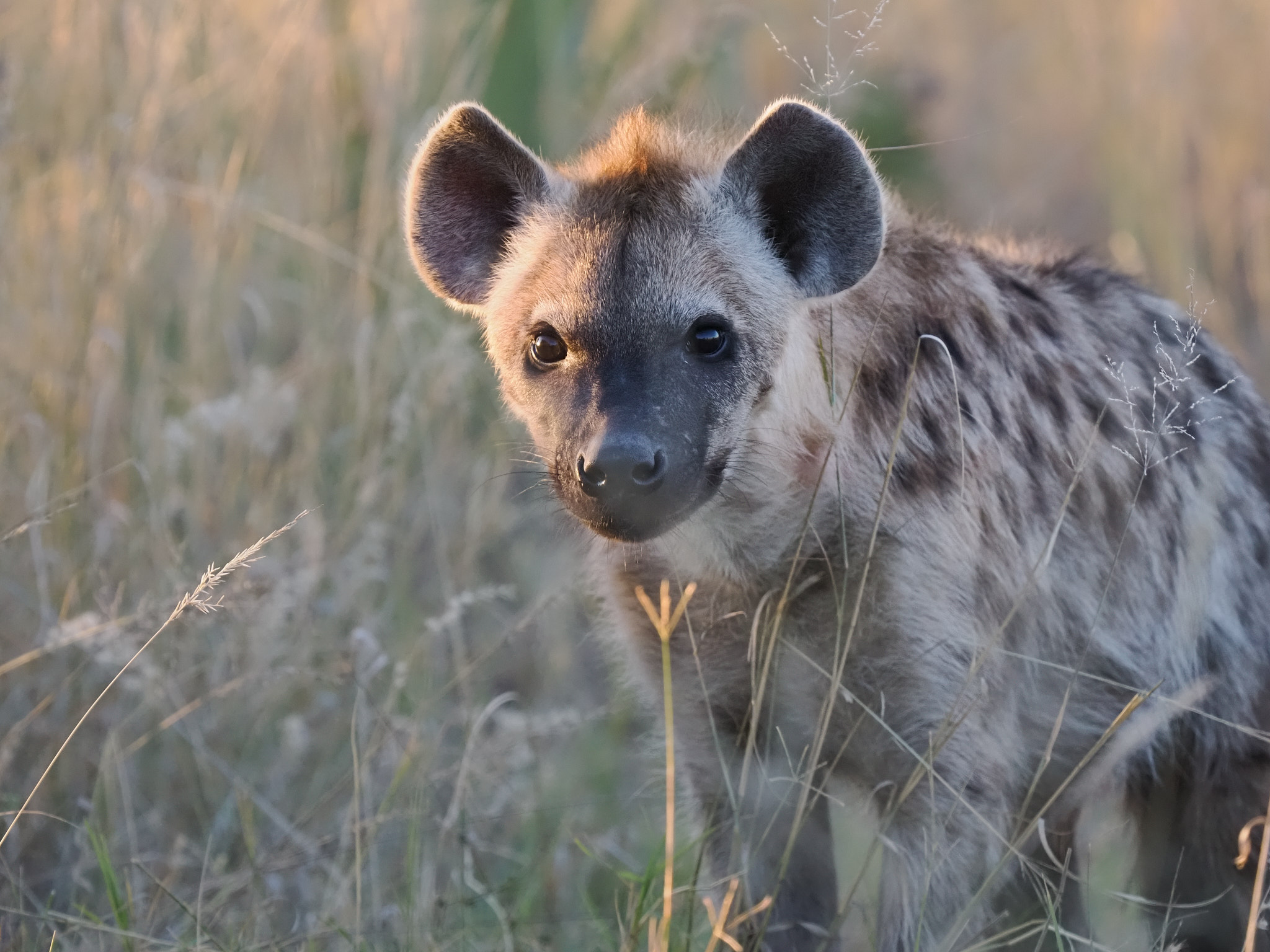
Bold, beautiful, smart and really really weird. Very capable hunters, social, ferocious and, did I mention, really really weird. Crocuta crocuta, the Spotted Hyena. For a very interesting account of just how weird go <HERE>.
But briefly, the girls are bigger and stronger and have bigger dicks than the boys. The alpha female rules the clan. Their genitalia mimic the male genitalia so well that to be sure you need to squeeze the scrotum (presumably the boys then burst into tears).
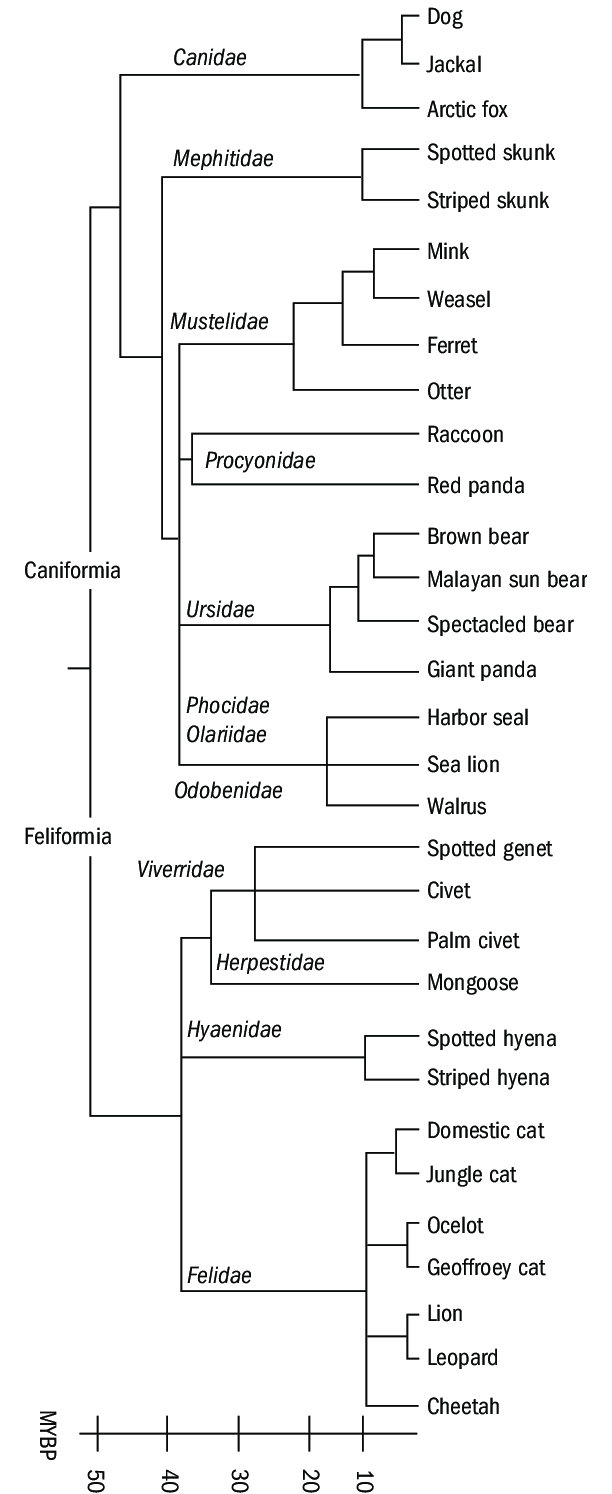
It looks like a dog, hunts like a dog, and very successfully too, taking down Zebra and Buffalo and killing far more than scavenging. But the last time it shared a common ancestor with the dogs was 50 million years ago when the feliforms and the caniforms went their separate ways.
Lilac-breasted Roller.

Just kidding about the wildflowers. Although my camera was easily distracted my focus was on carnivora.
God tossed a meteor at the dinosaurs about 64 million years ago clearing the way for the mammals. The carnivora emerged in the next 10 million years or so and soon diverged into two main groups, the feliformia and the caniformia. A few more mutations later and we had the house cat and a state on the west coast of America.
Actually we can be a bit more precise than that. A recurring question on the expedition was which group belongs where. I have appended a diagram showing the broad outline of relationships to the bottom of this post. Hopefully whoever holds the copyright won’t notice.
Meanwhile, dogs.
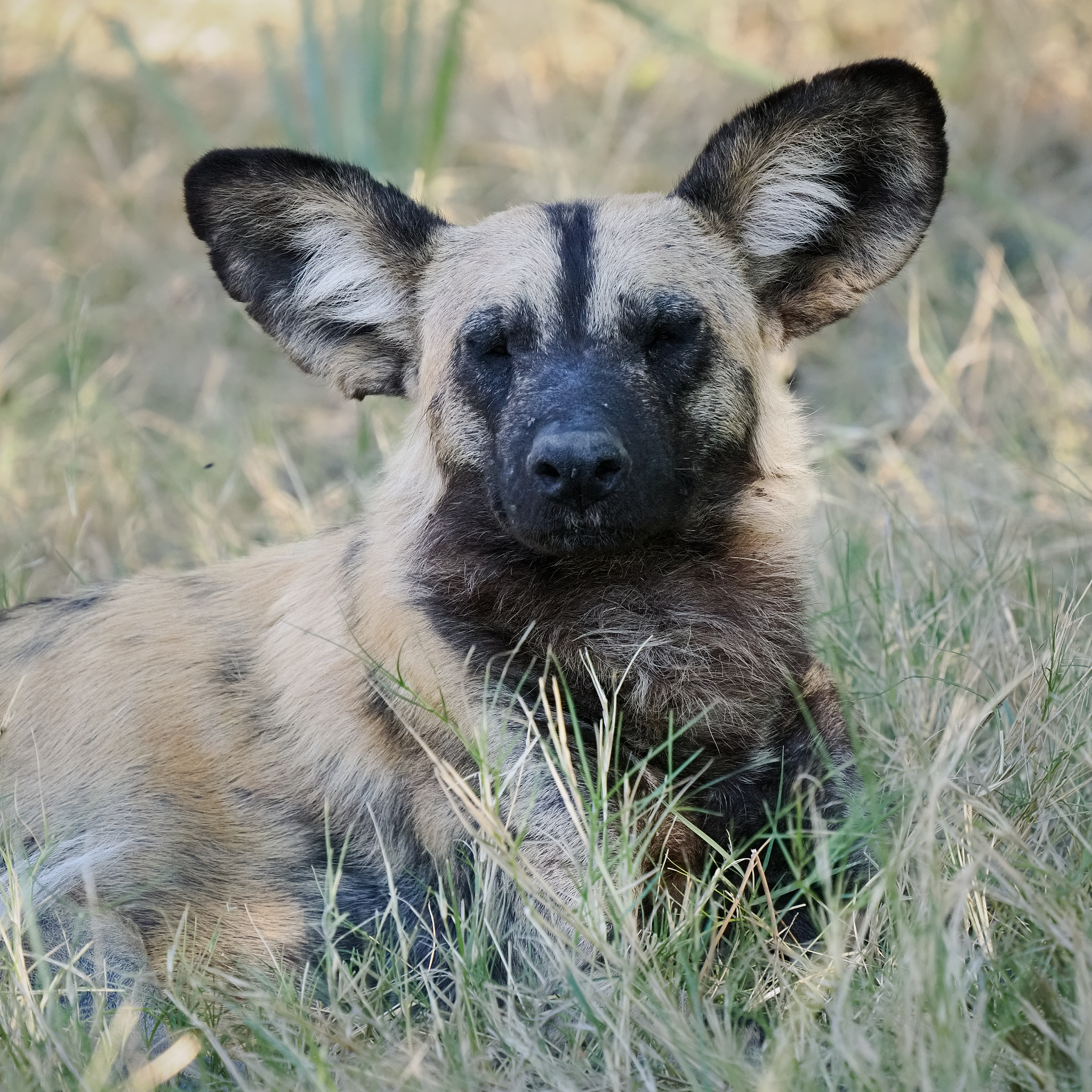
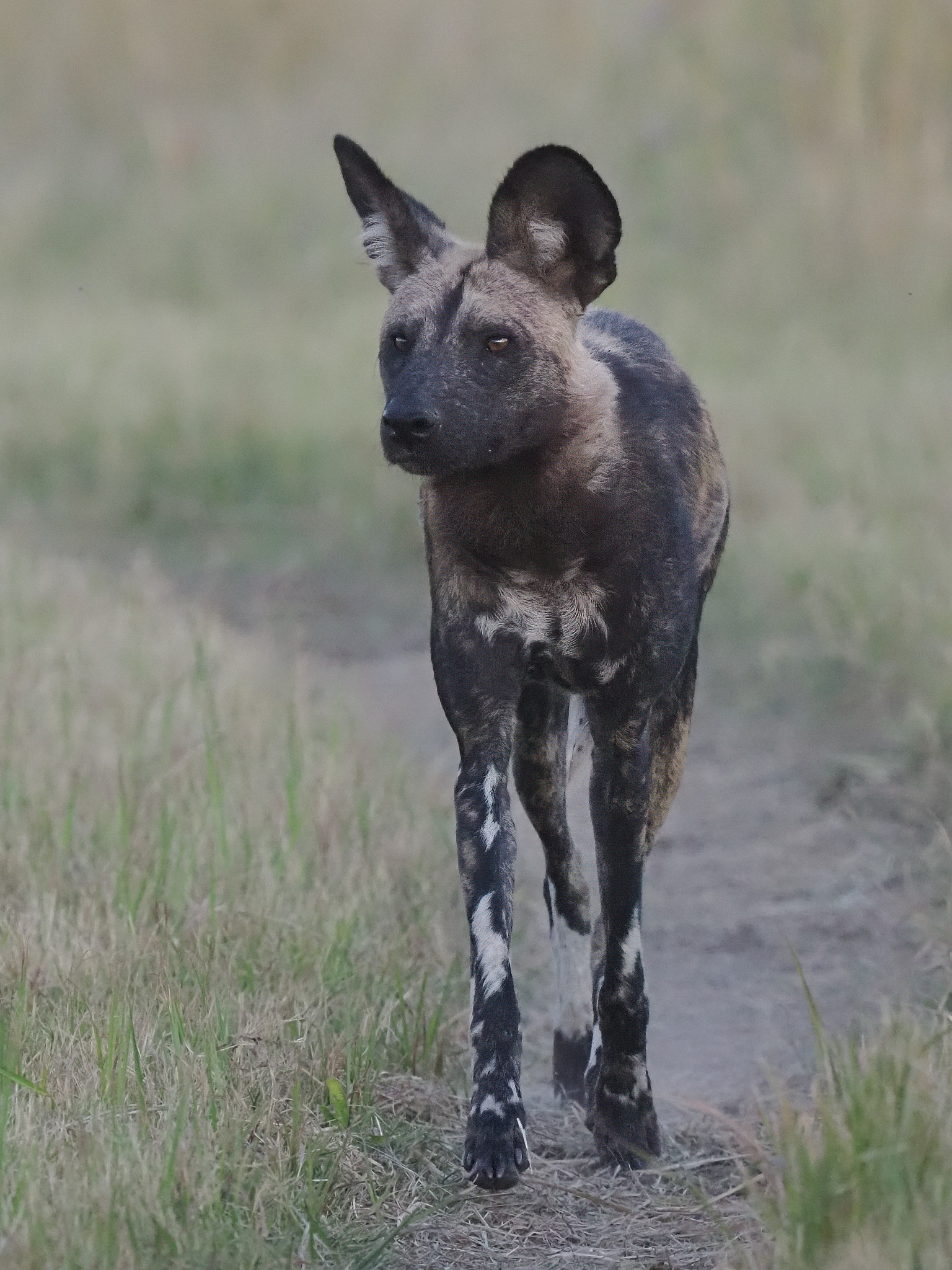
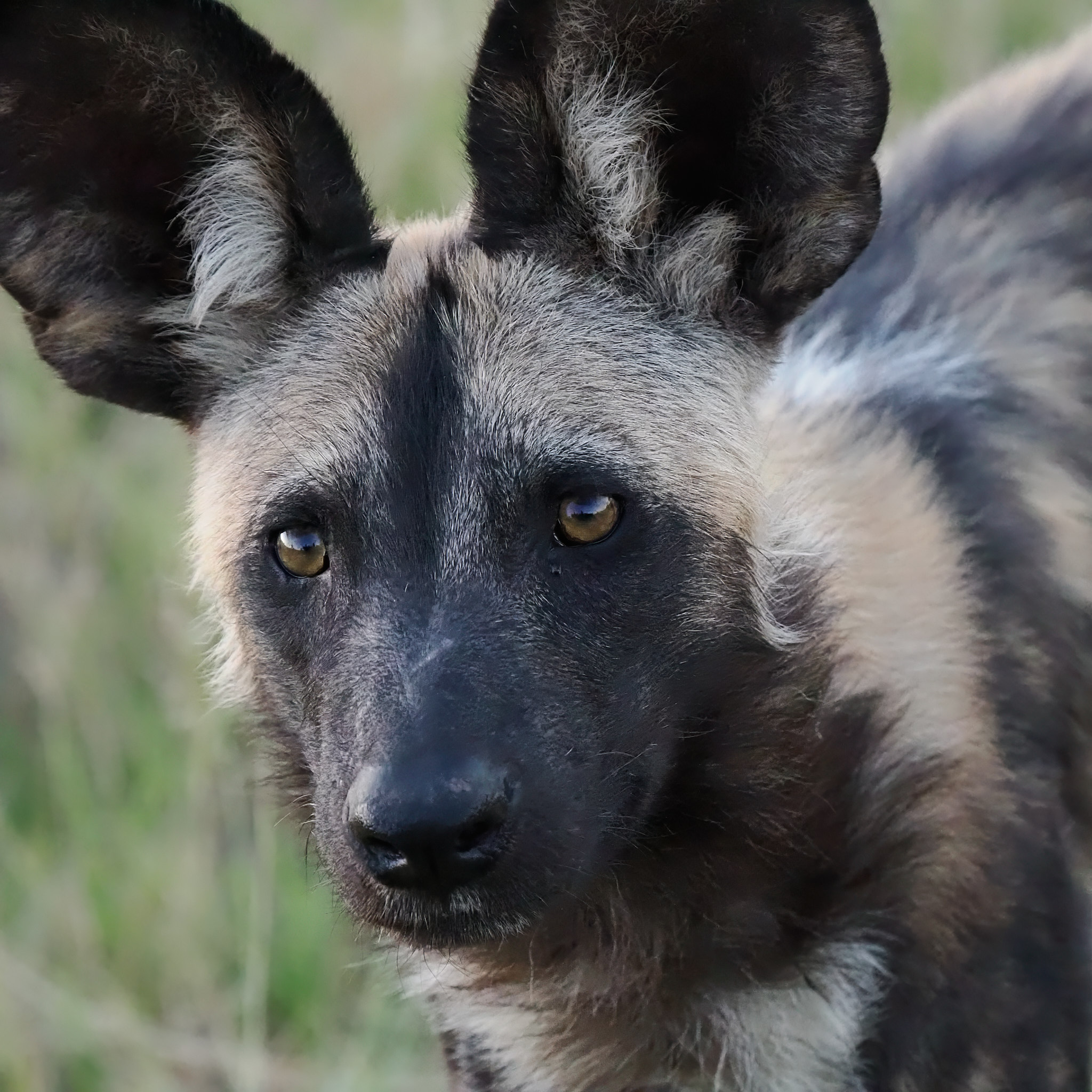
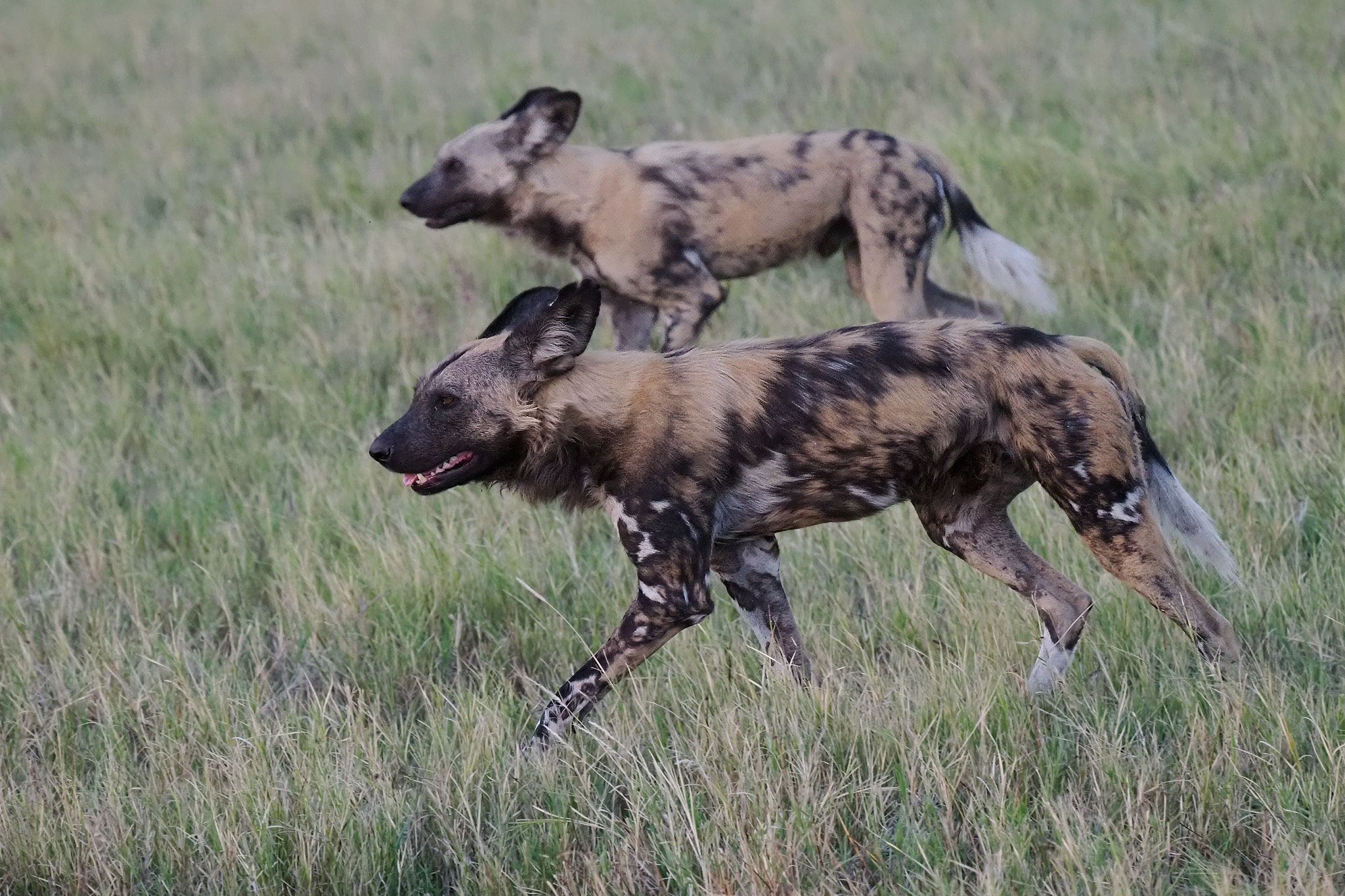
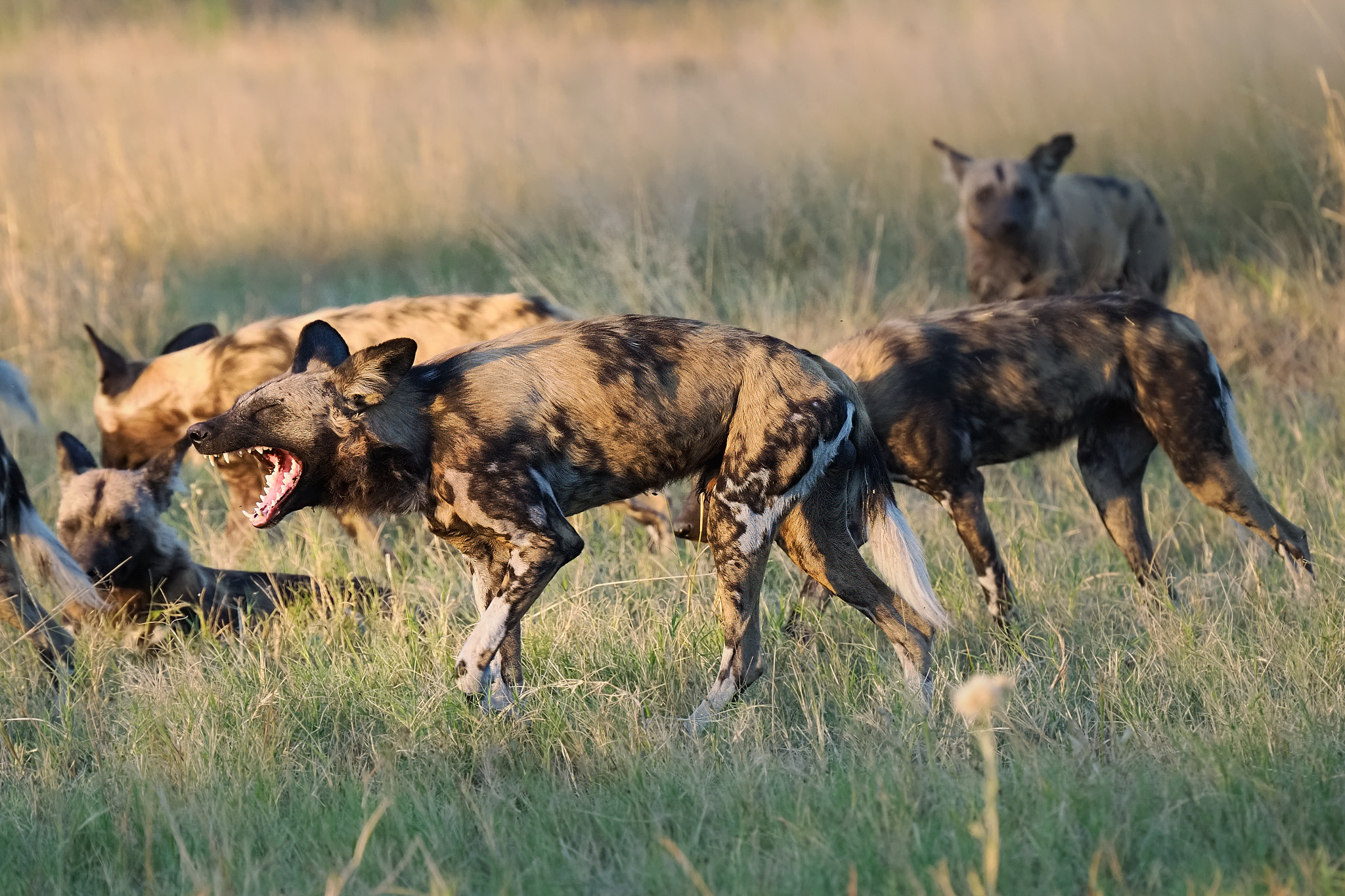
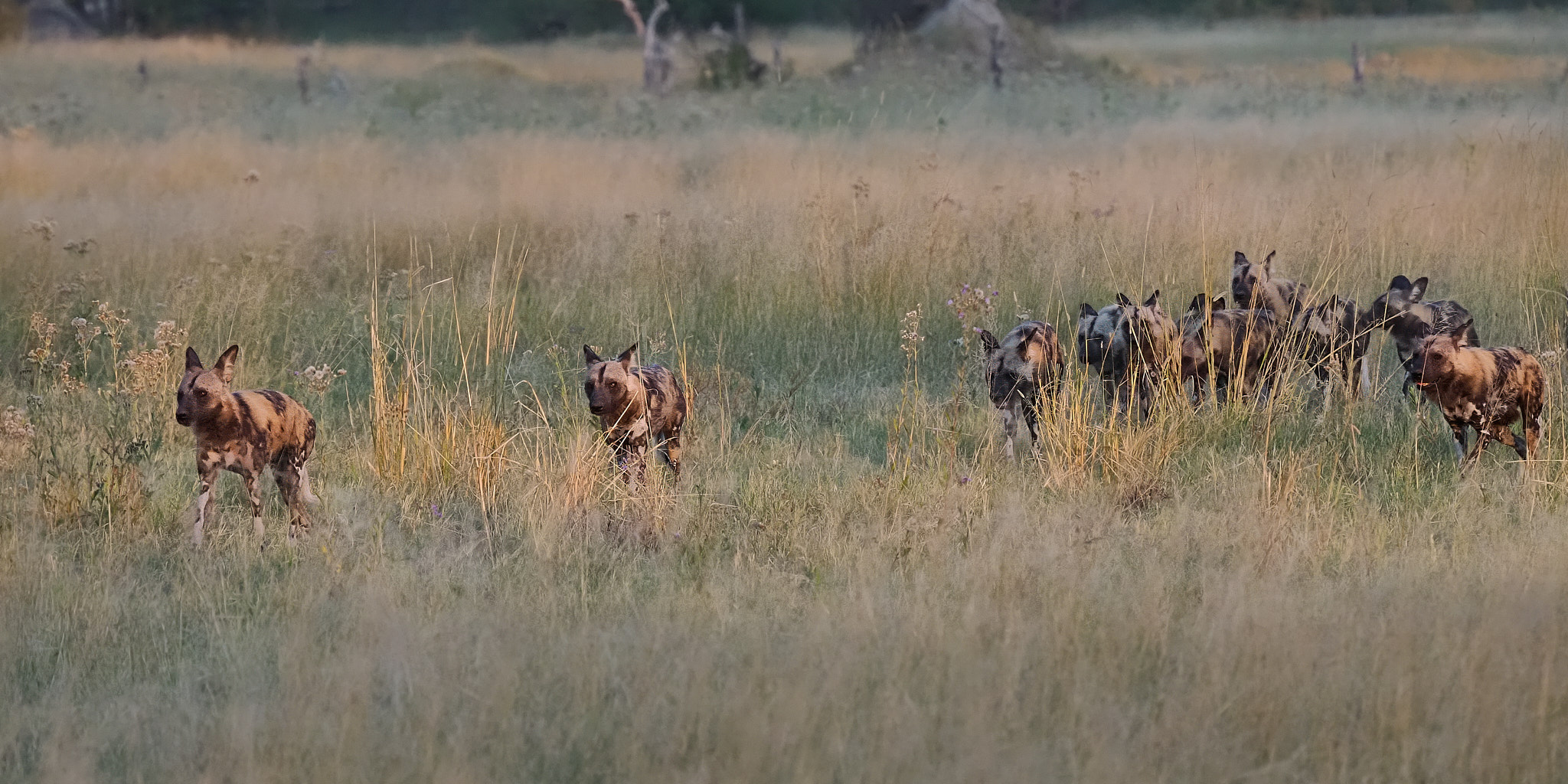
Lycaon pictus from the Greek meaning Wolf-like and Latin painted. Some conservation minded groups prefer the name Painted Dog to the traditional Wild Dog. Gives it a better spin. The local people often nominate it as their favorite animal. It’s social, shares food, hunts cooperatively and very successfully relying on stamina and persistence rather than speed and power. So a lot of characteristics that we admire in people.
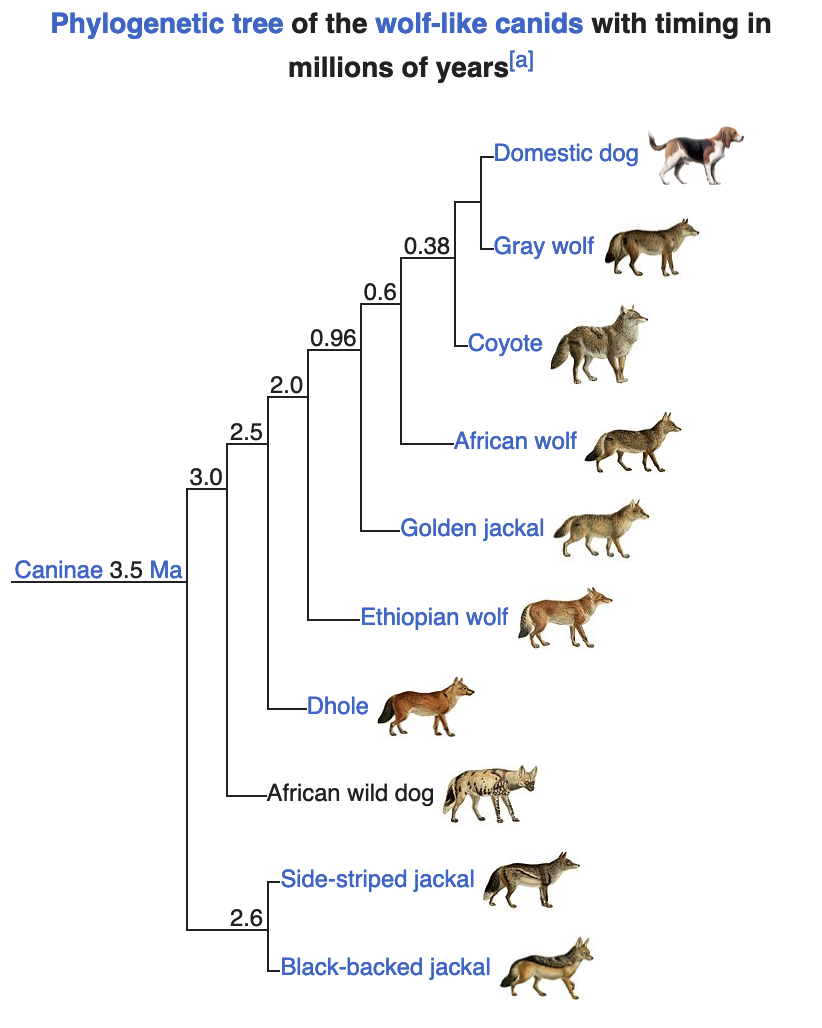
Now, as promised, an overview of the carnivora.
Relationship of carnivores based on DNA hybridization data (Wayne et al. 1989). Family and suborder groupings are indicated. Time scale in millions of year before present (MYBP) is based on comparisons of DNA sequence divergence to first appearance times in the fossil record.
Our Pete Oxford Expedition rolled on like a well-oiled machine. We were eight guests, six unusually pleasant Americans, two unusually sober Aussies, shepherded by the inimitable Pete and Renee. Although Pete occasionally compared the task to herding octopus it all worked well. Journeys between camps were by Cessna Caravan. Very civilised.

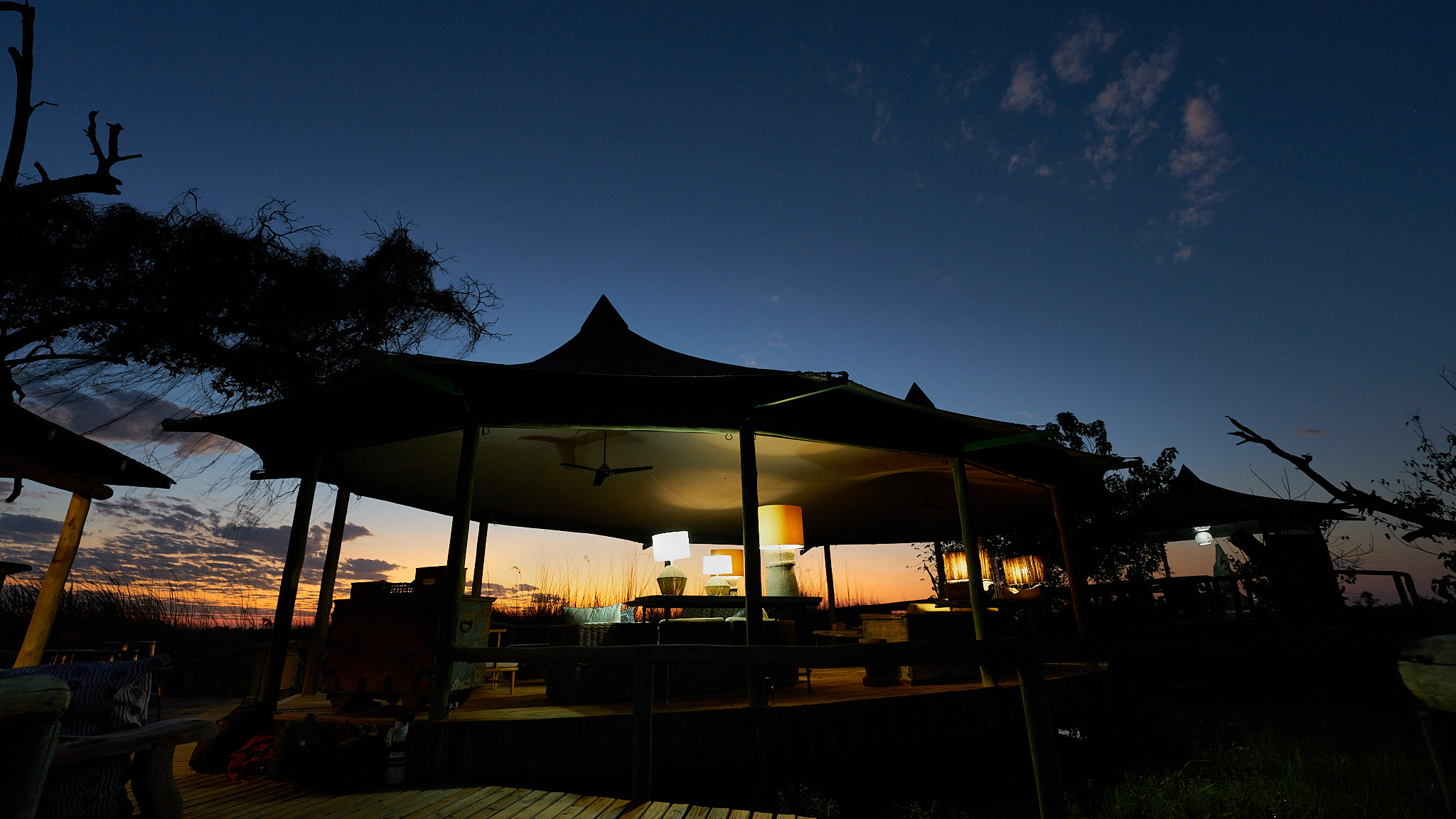
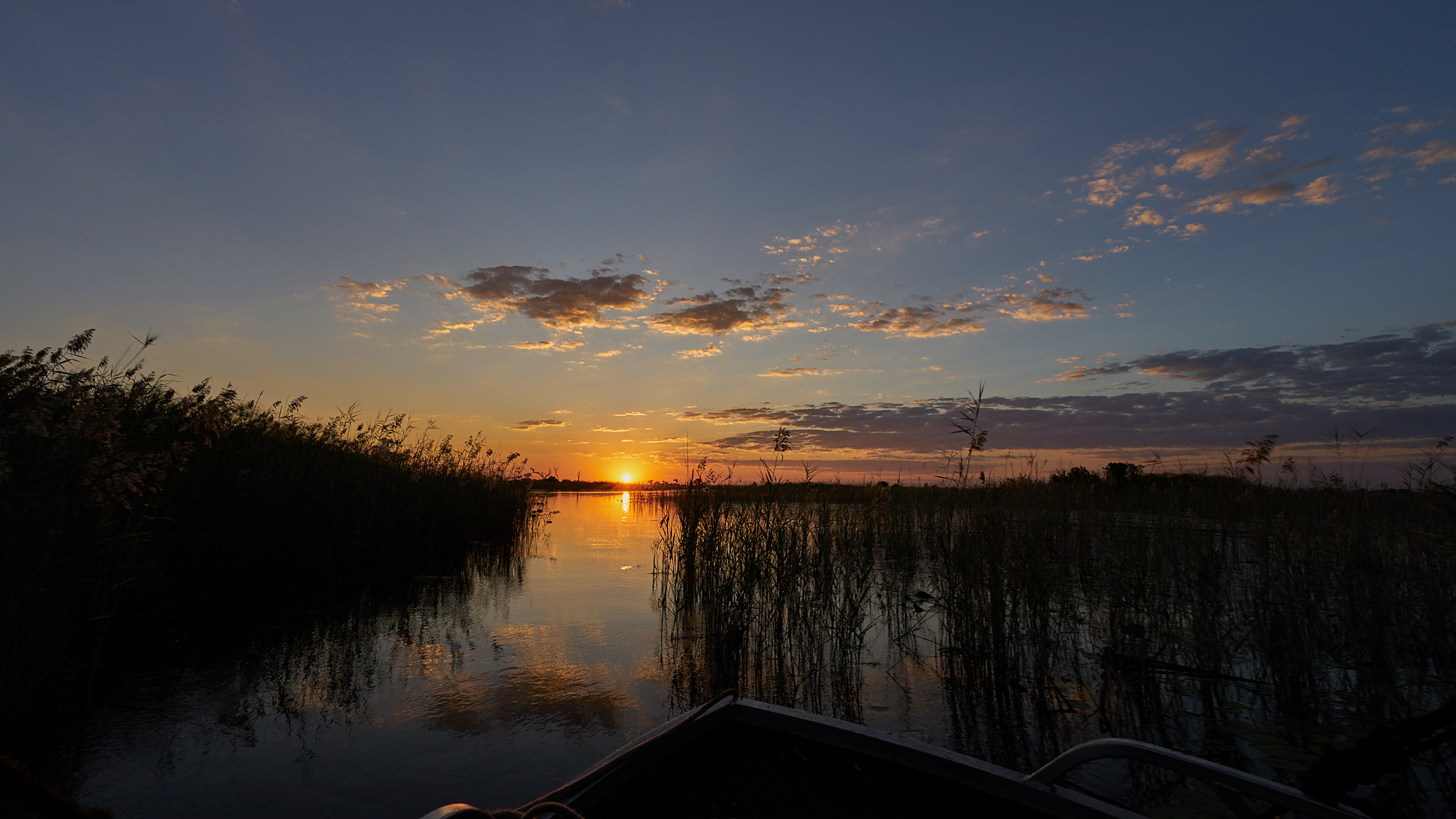
Which brought us to our second camp – Little Vumbura. This is a water camp. Water is life. Life is precious. Never more so than when you’re in a small boat in the company of Africa’s deadliest vegetarians. Not to mention the crocodiles.

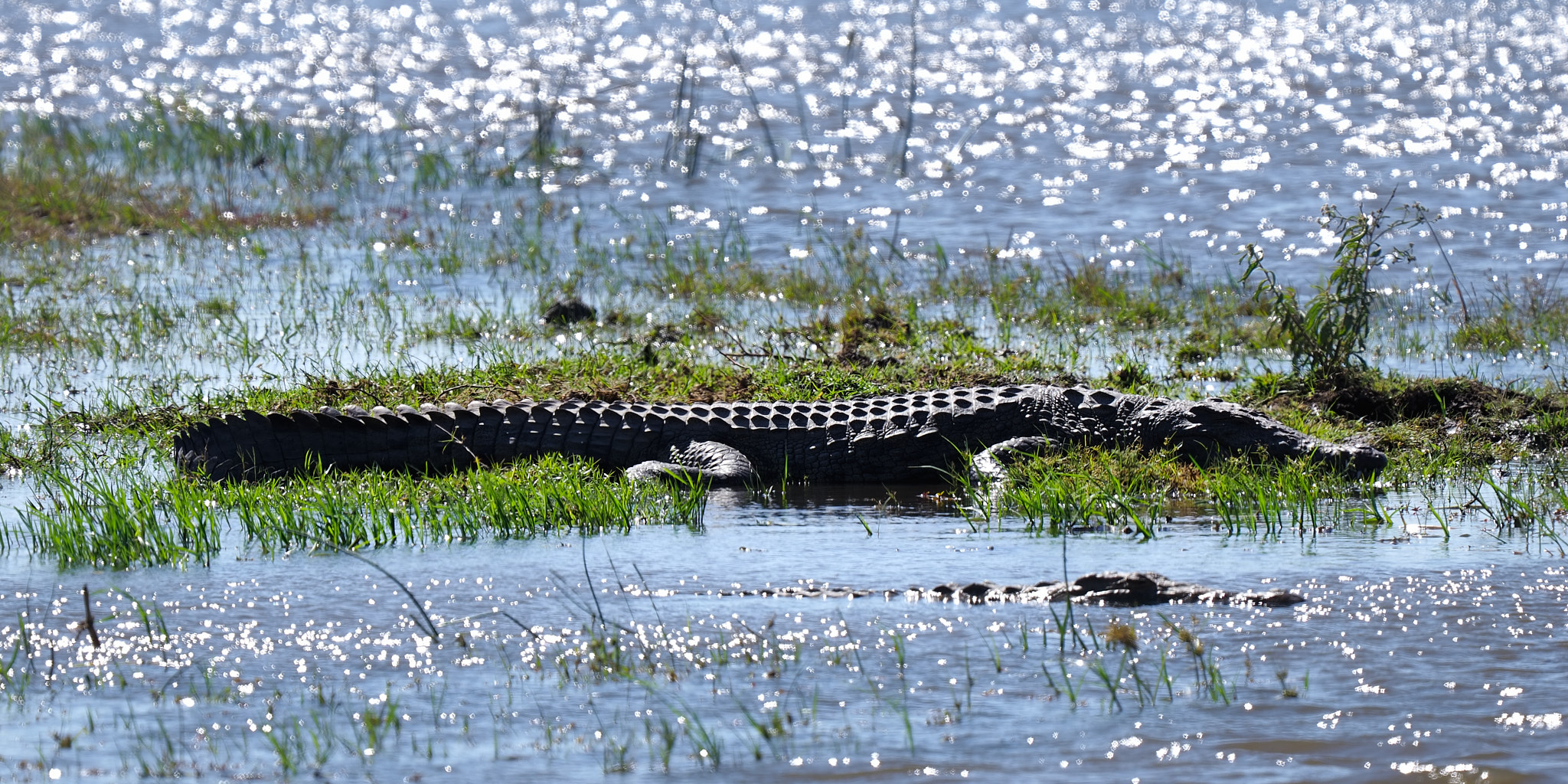
One afternoon we traded a game drive for a boat ride. On other occasions it was difficult to tell the difference. And once off the island there was still plenty of savanna to explore. The best of both worlds.


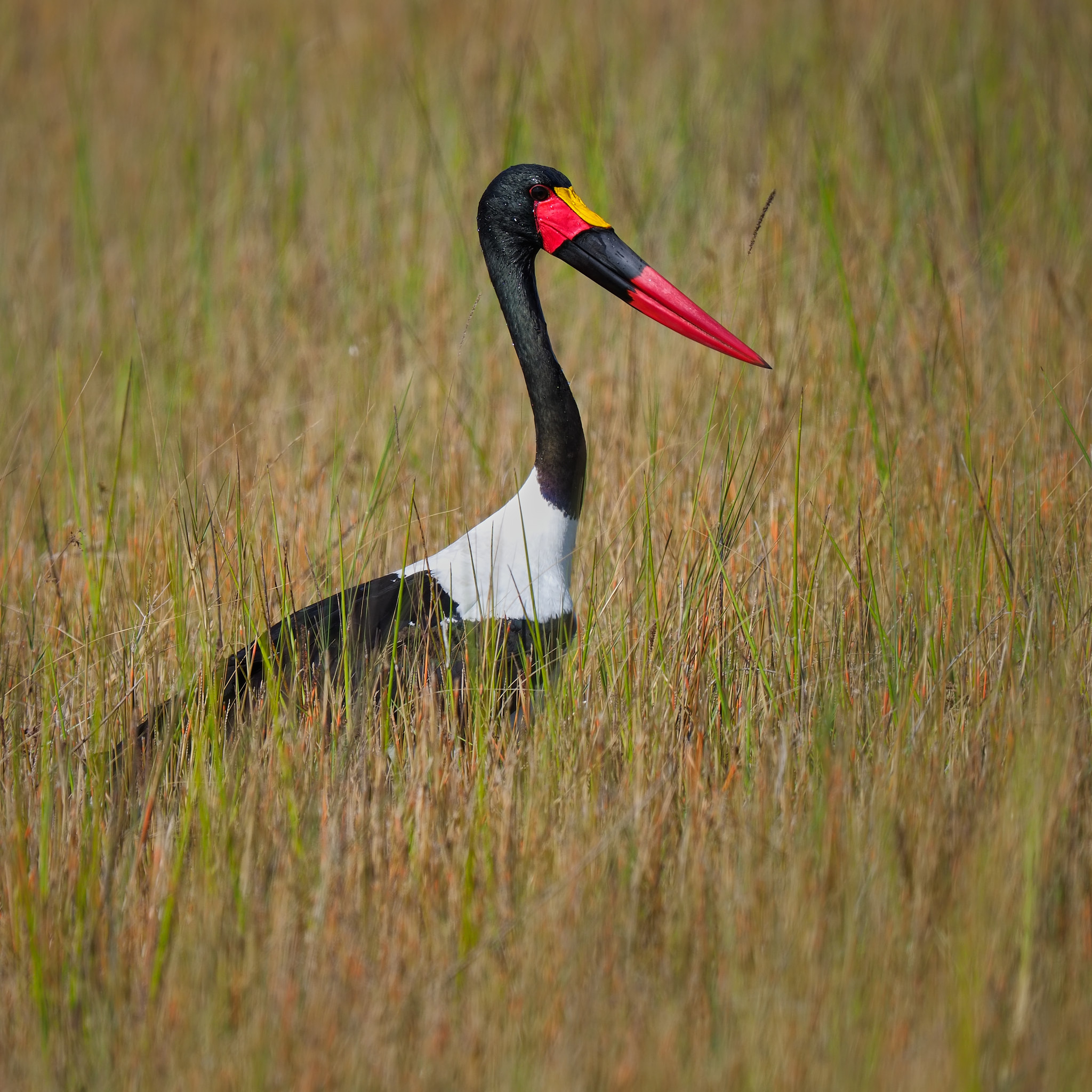
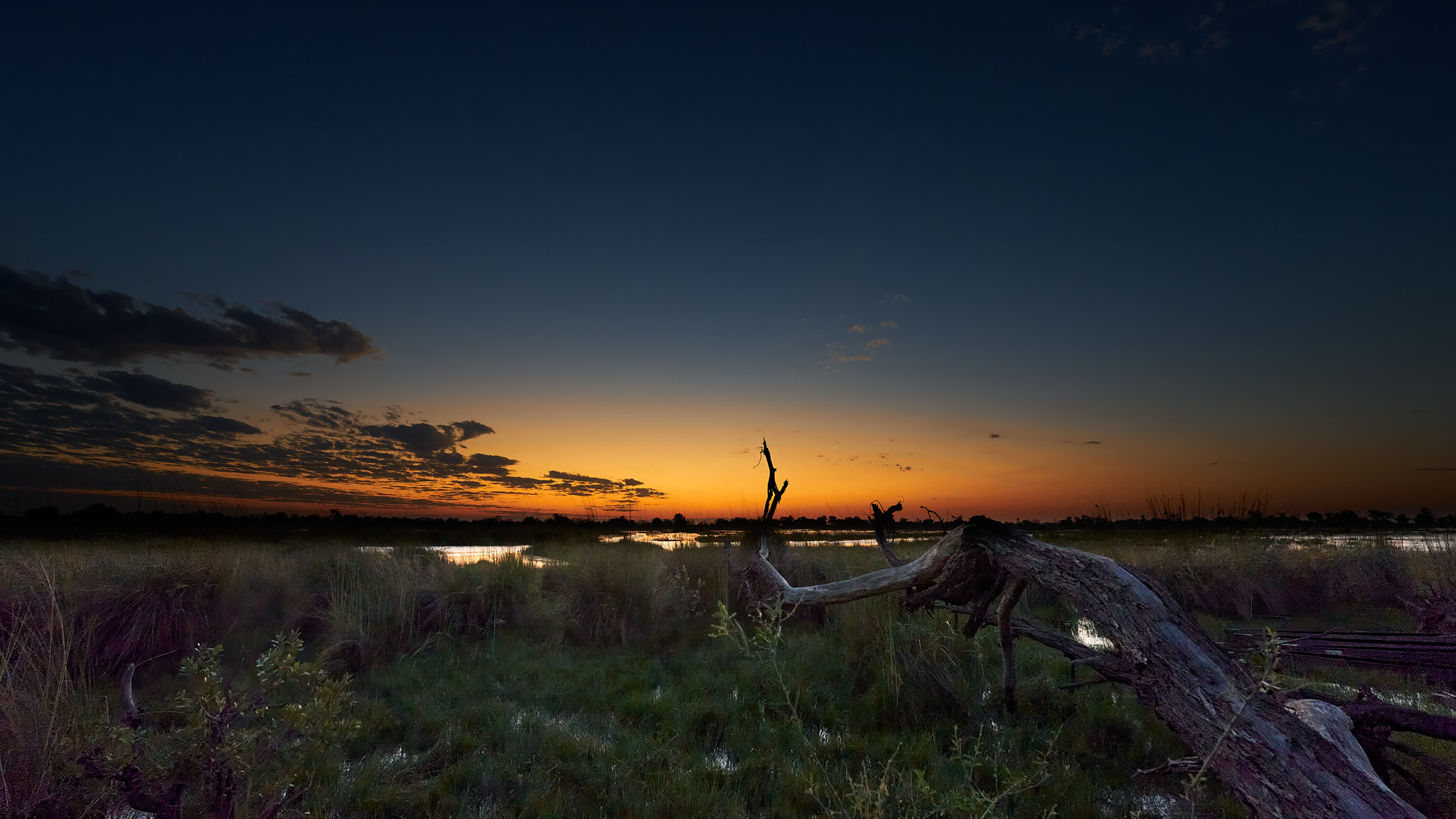
The camp had charm and the environs were scenically splendid.





I took a tripod. It was heavy and awkward to pack. It had to go in the checked luggage, of course. Gayle’s checked luggage.

Stay tuned for the next exciting episode – wildflowers …

 bobmcgee