Redressing the balance …
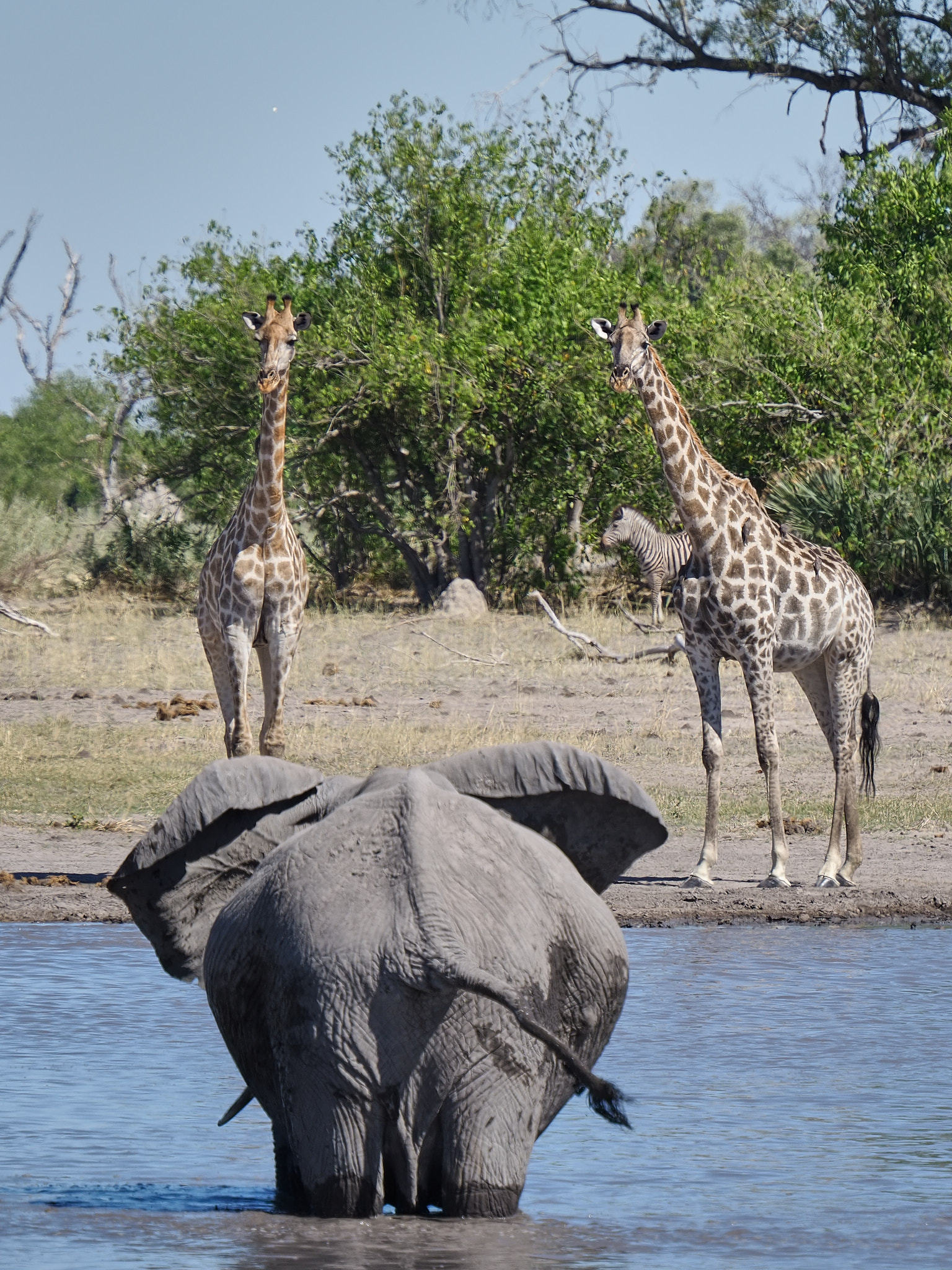
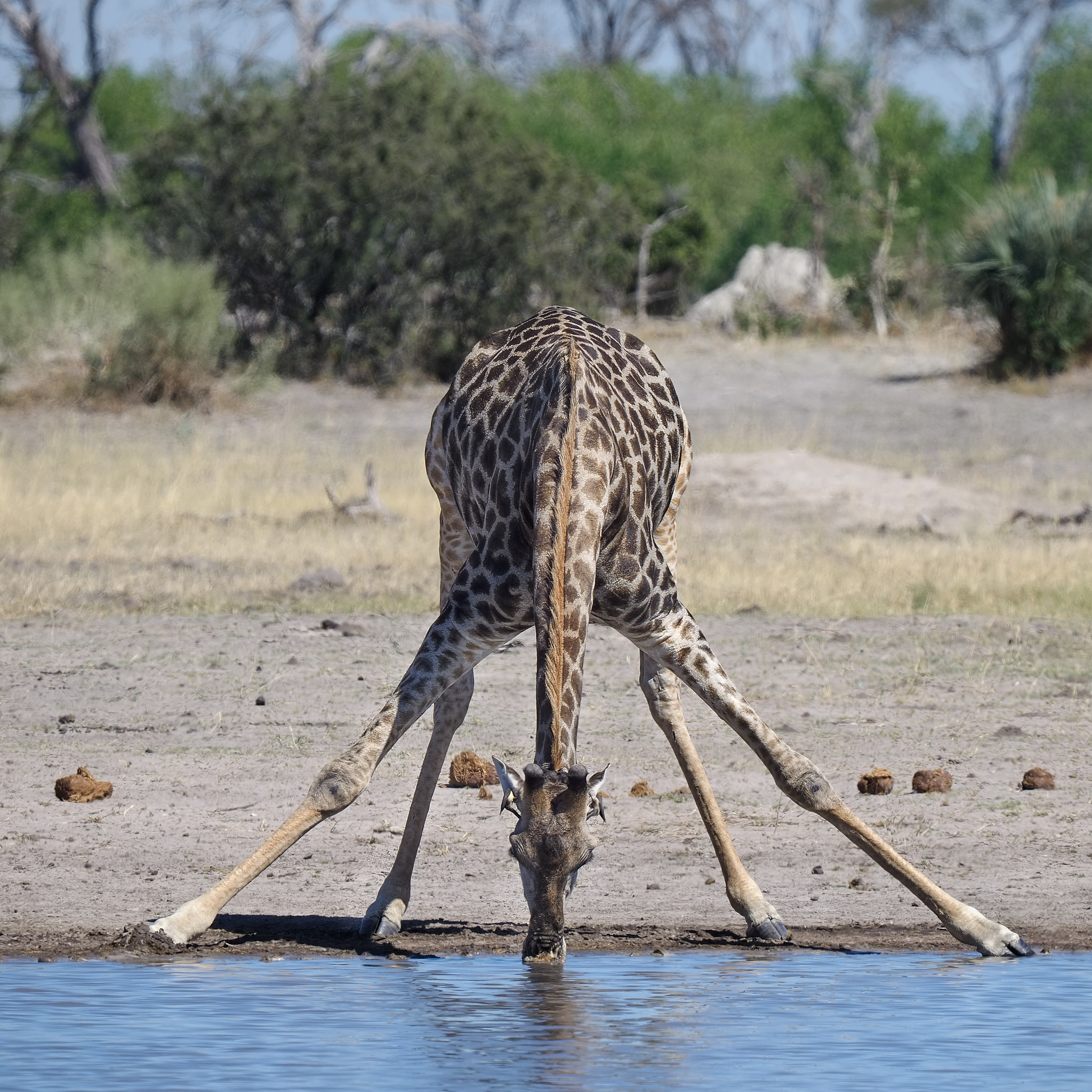

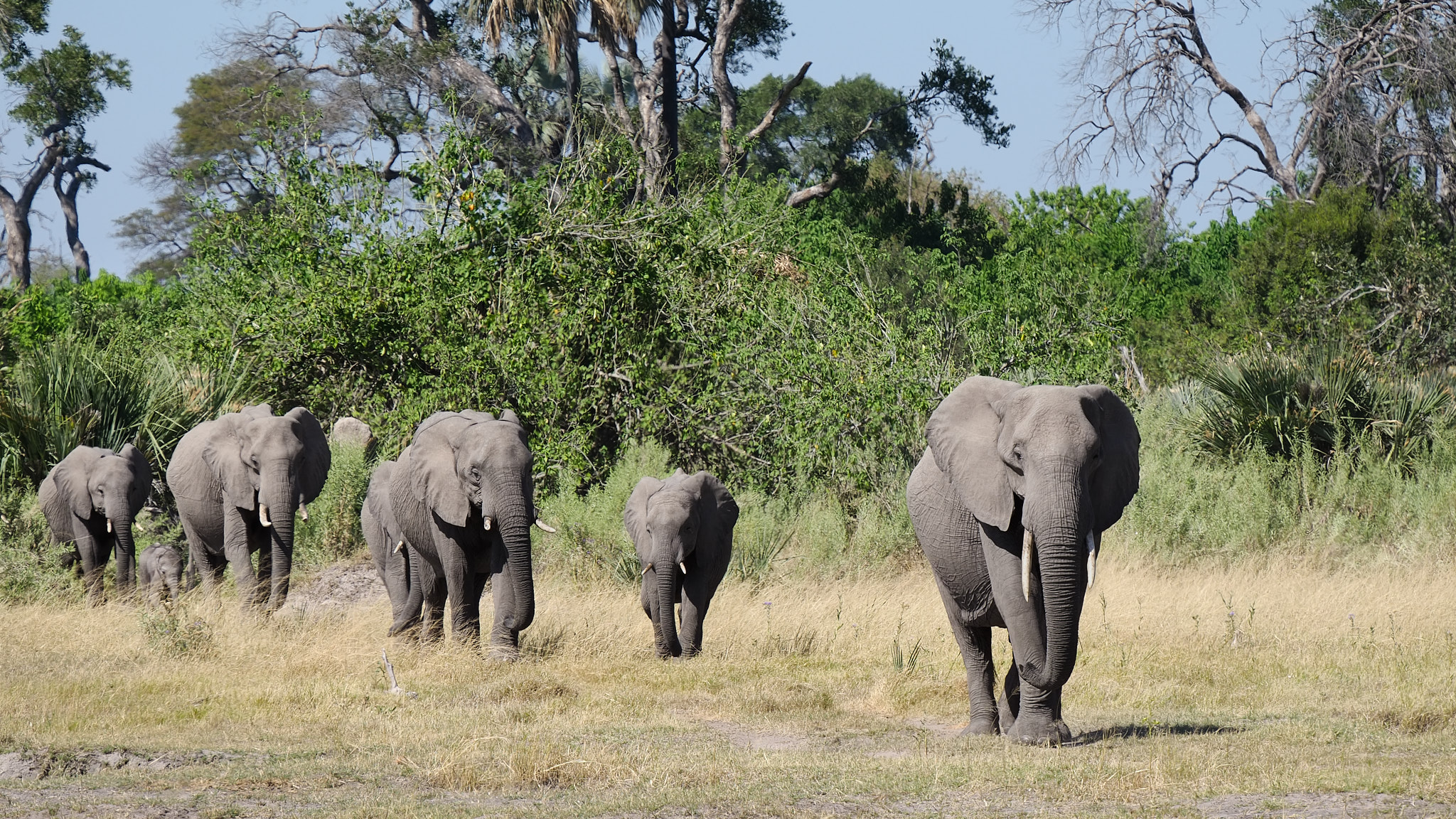

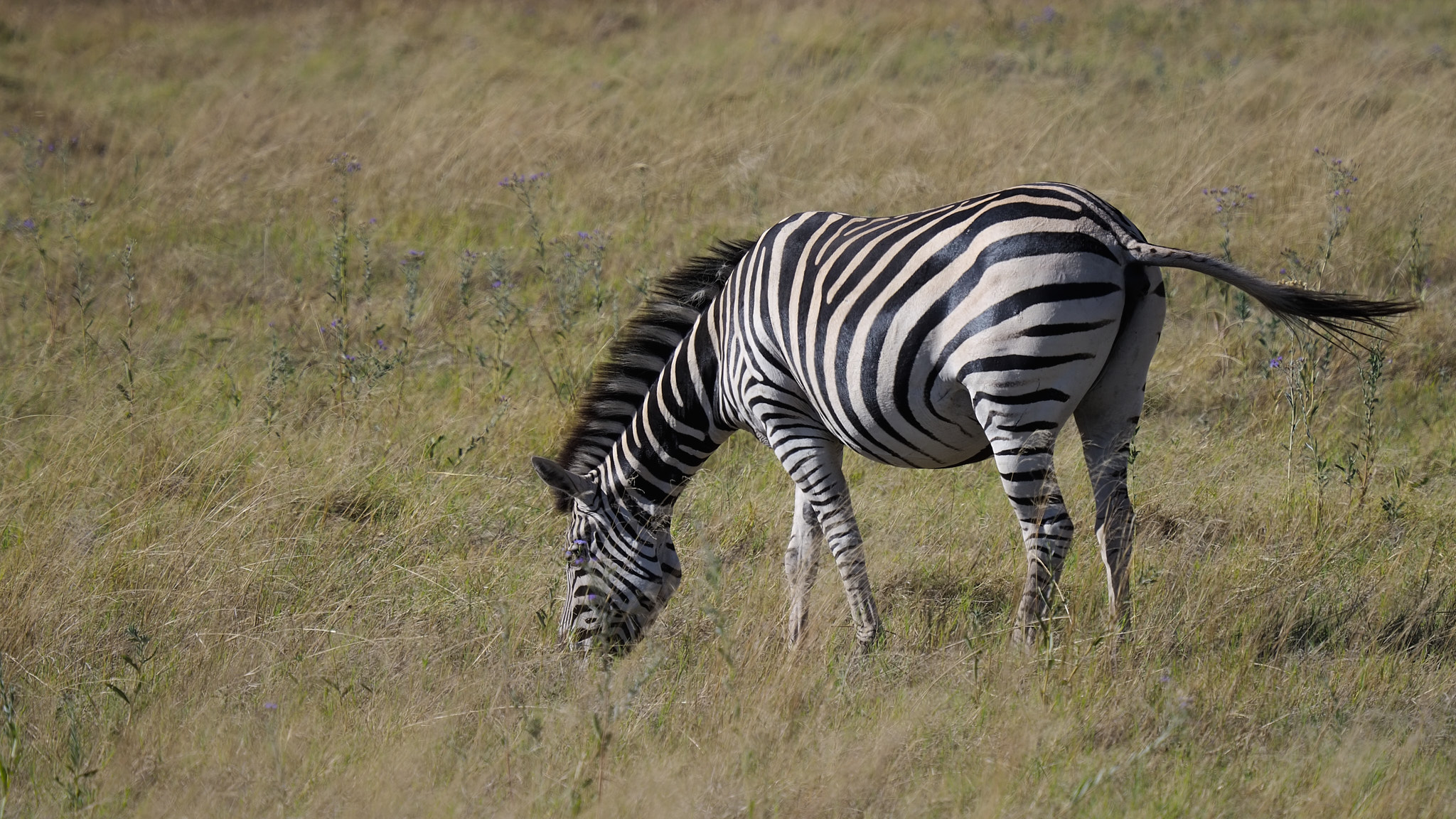
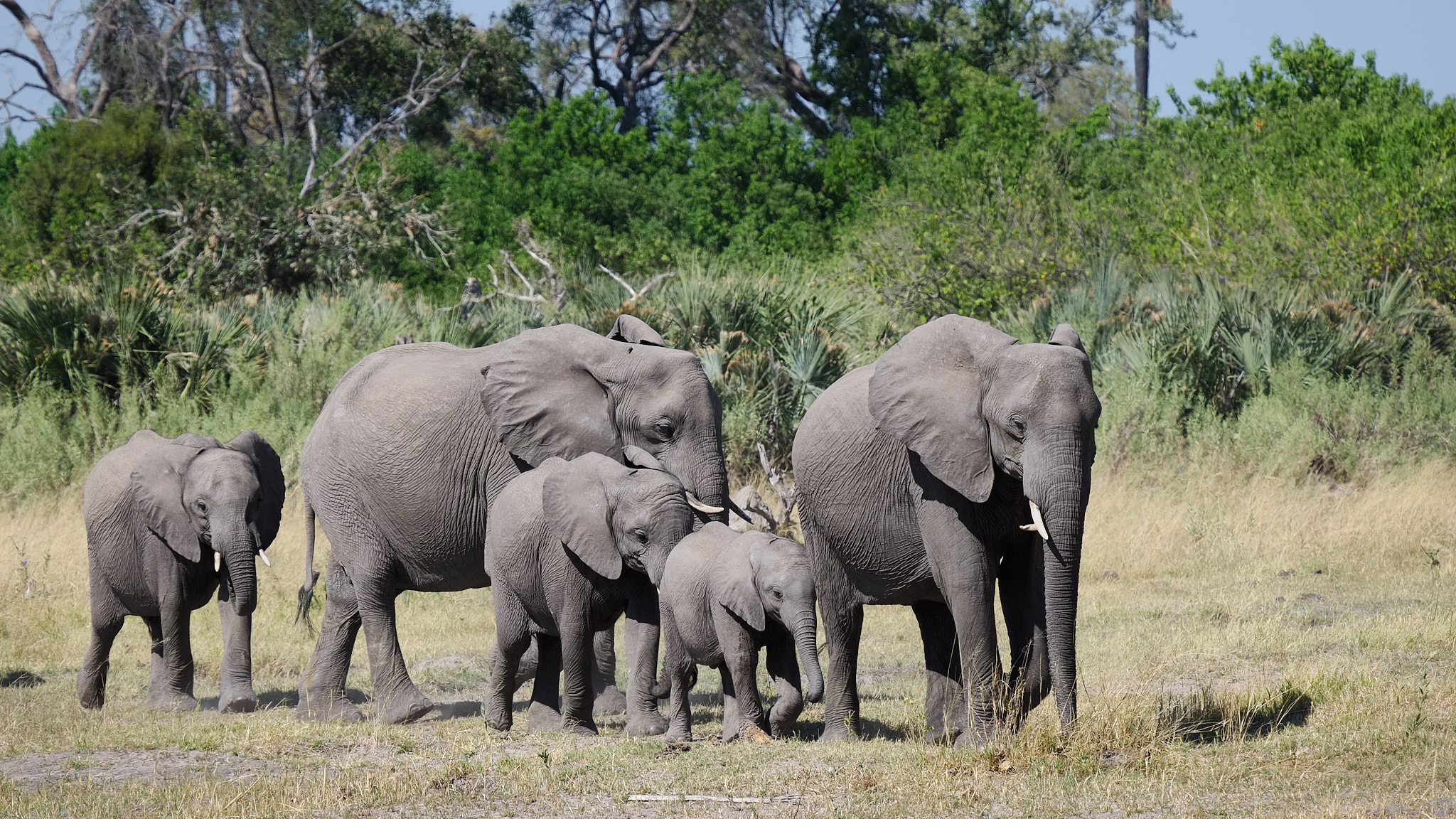
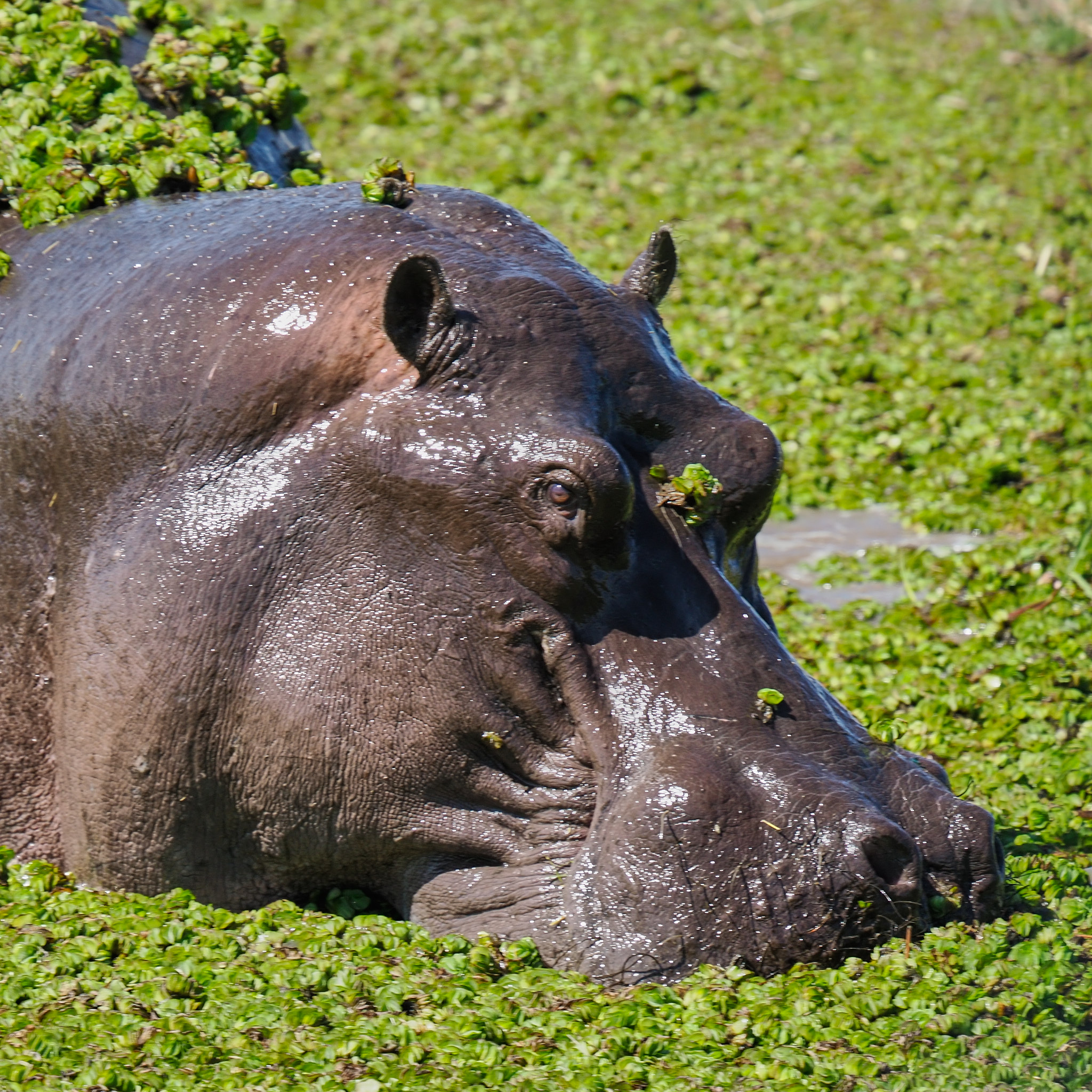
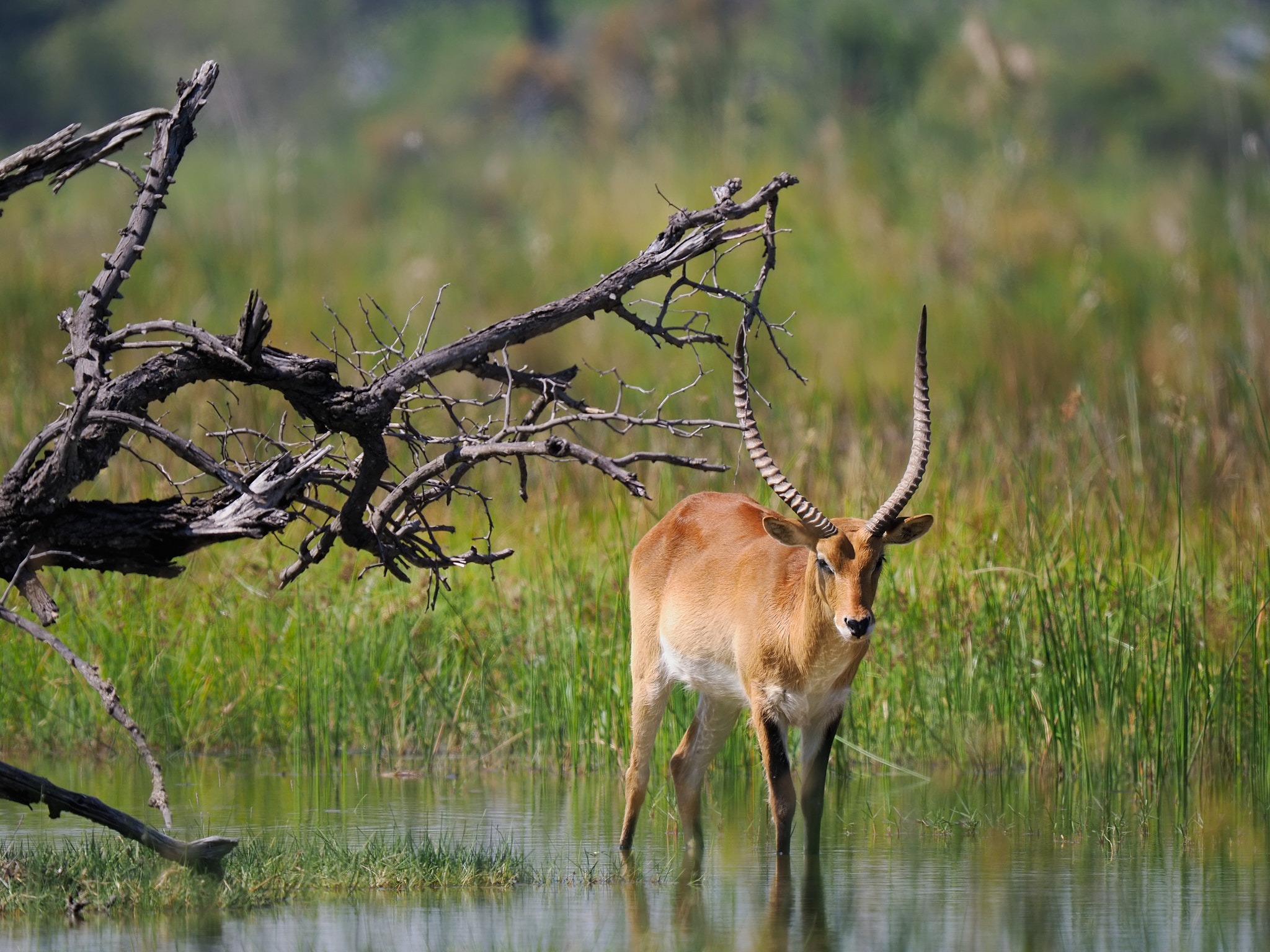
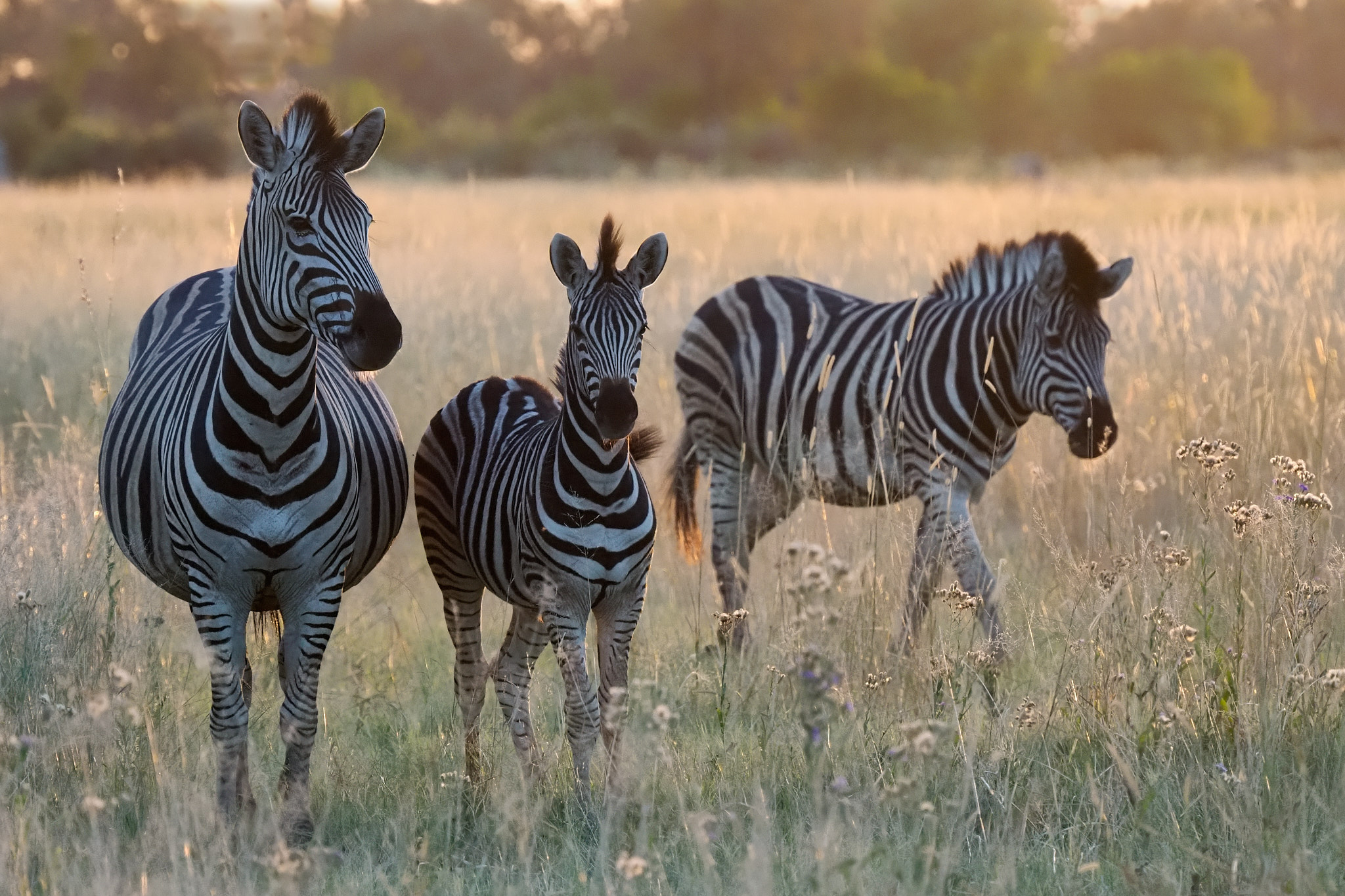
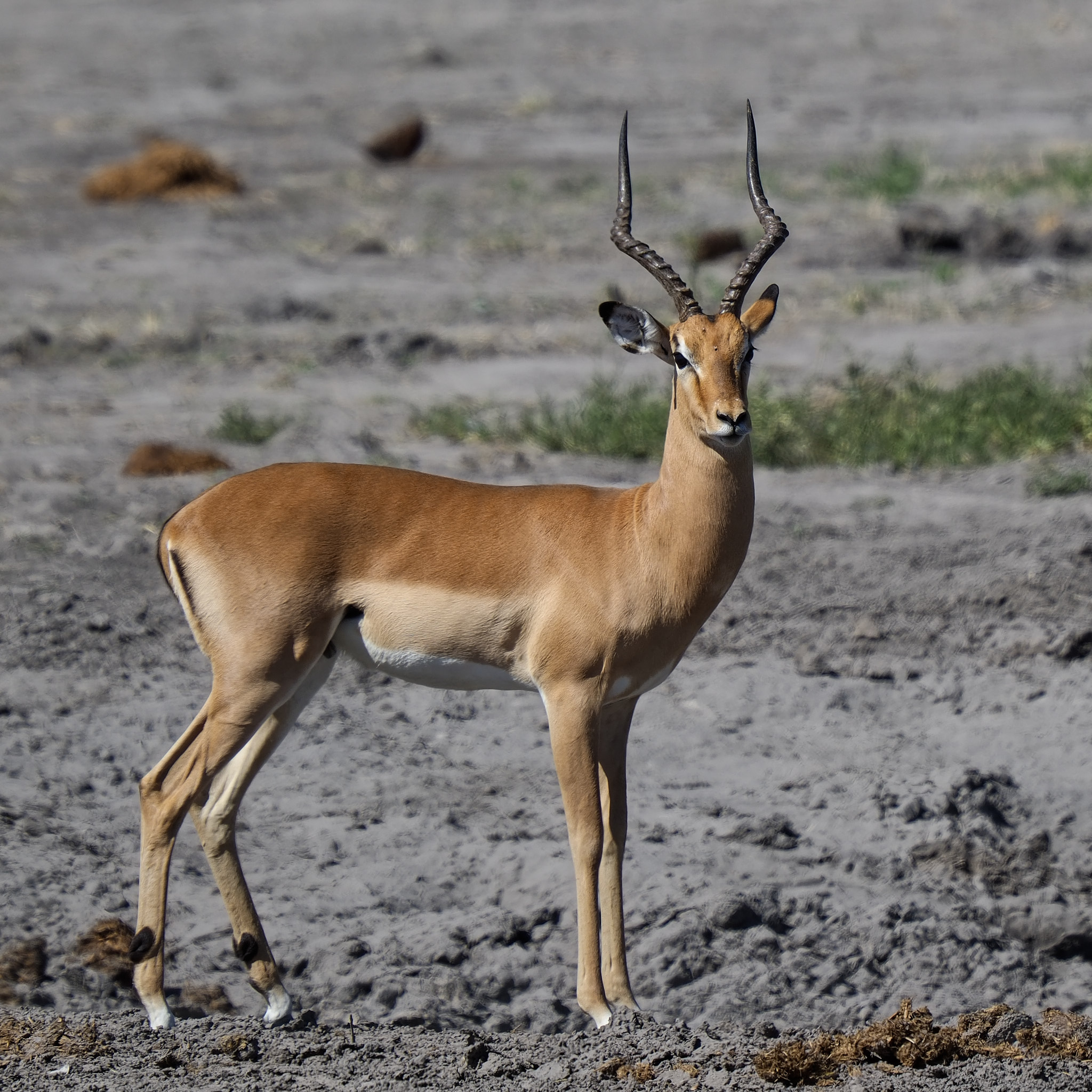
and pray that there's intelligent life somewhere out in space
Redressing the balance …
Would Lions find the elephant? We would not know the answer because we would move to our next camp before they showed up but there was no shortage of lions.
We had the opportunity to see them at work and at rest, adults and young, hunting, feeding, copulating, suckling, grooming. We were not present at a kill but witnessed close escapes by Impala and Warthog and a standoff with a herd of Buffalo.
How much do they hunt and how much do they scavenge? The world wide web suggests that they might scavenge somewhere between 10 and 50 per cent of their food varying with pride size, season, territory and gender. Male Lions are said to be lazier than the females as well as bigger. If they have a lioness to do the work they just eat, if not then they take the easy option and scavenge when they can, hunt when they can’t.
For every kilogram of carnivore there needs to be about 10kg of herbivore. For every 10kg of herbivore there needs to be about 100kg of herbs. And providing all the energy for the herbs is the sun.


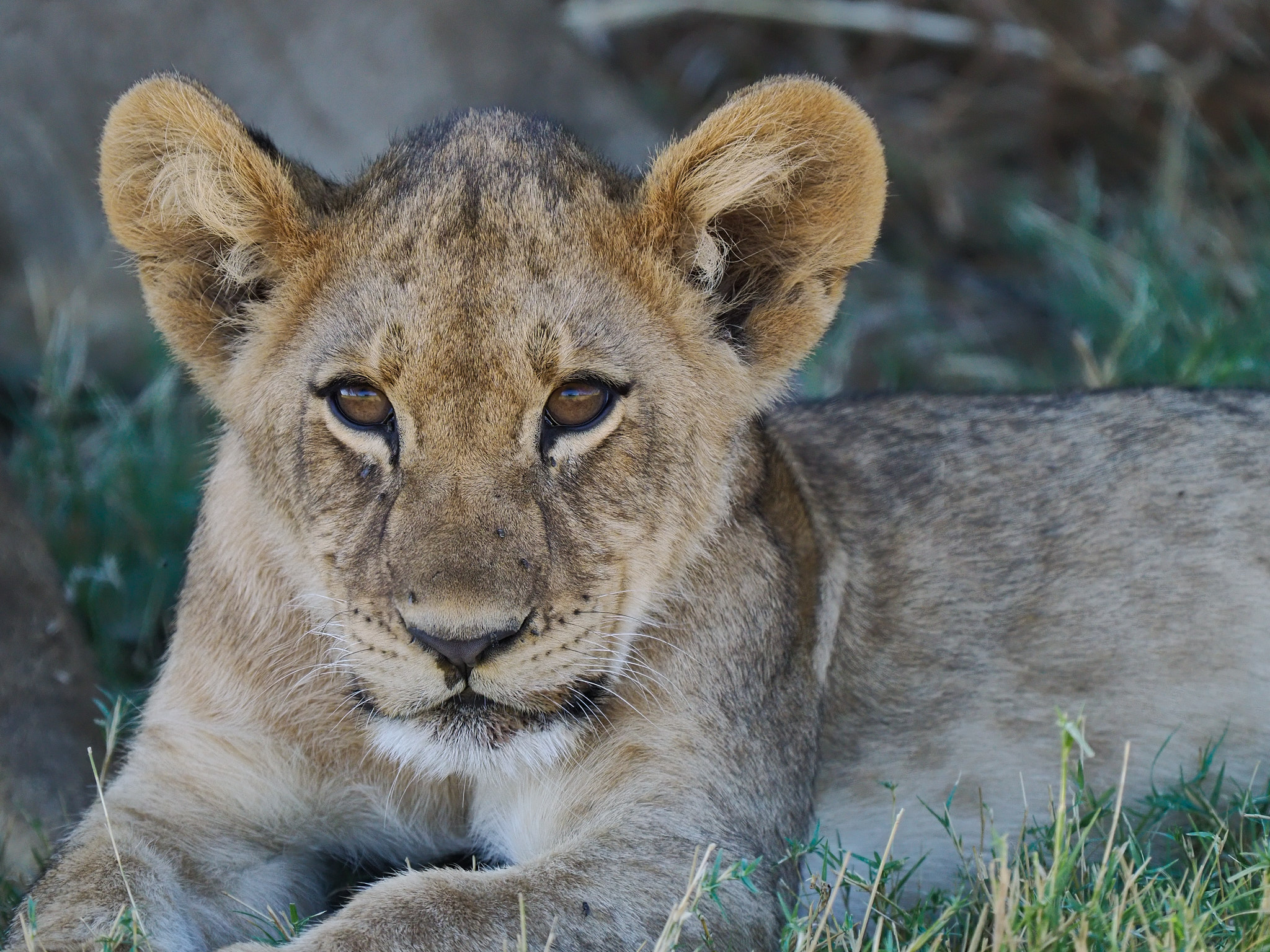


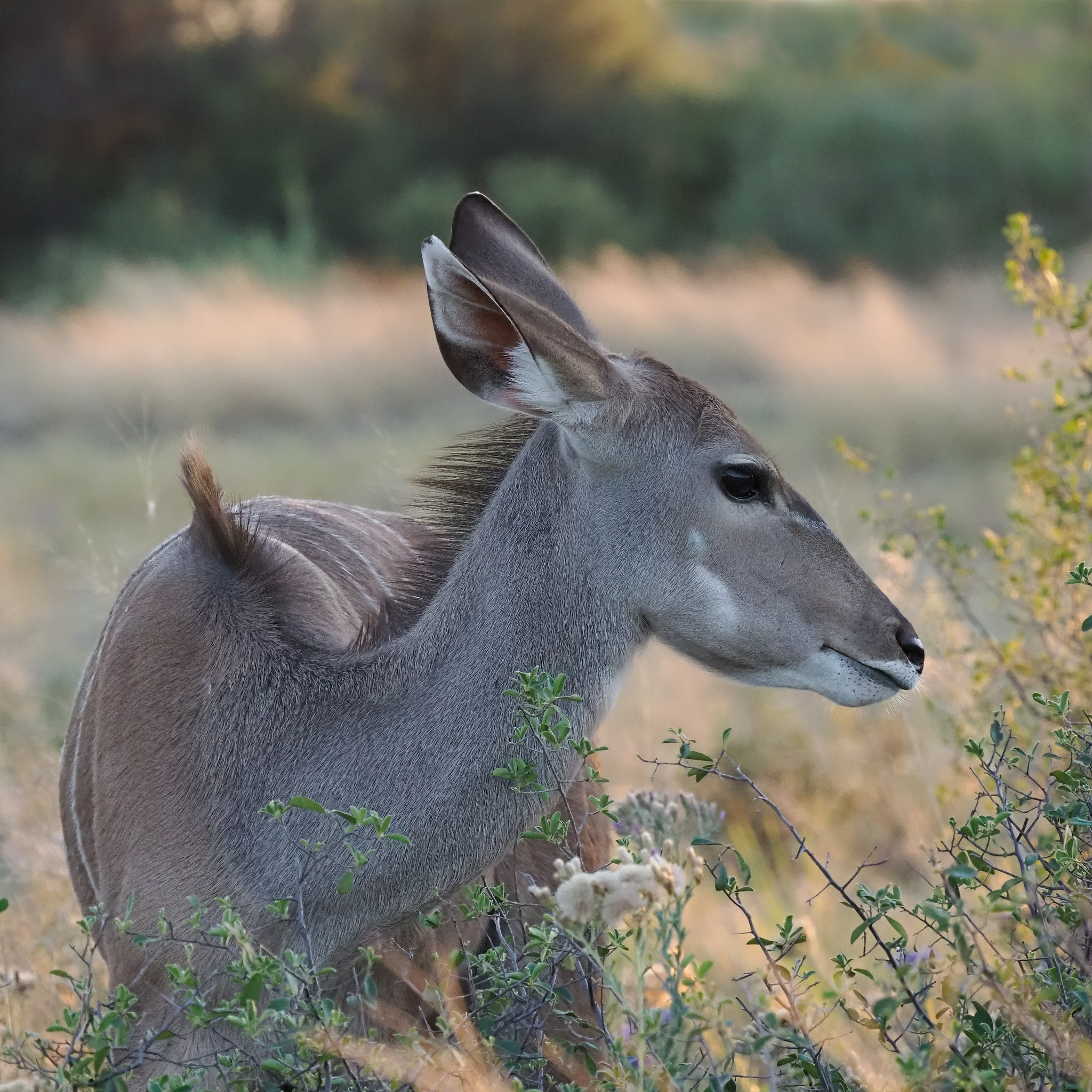
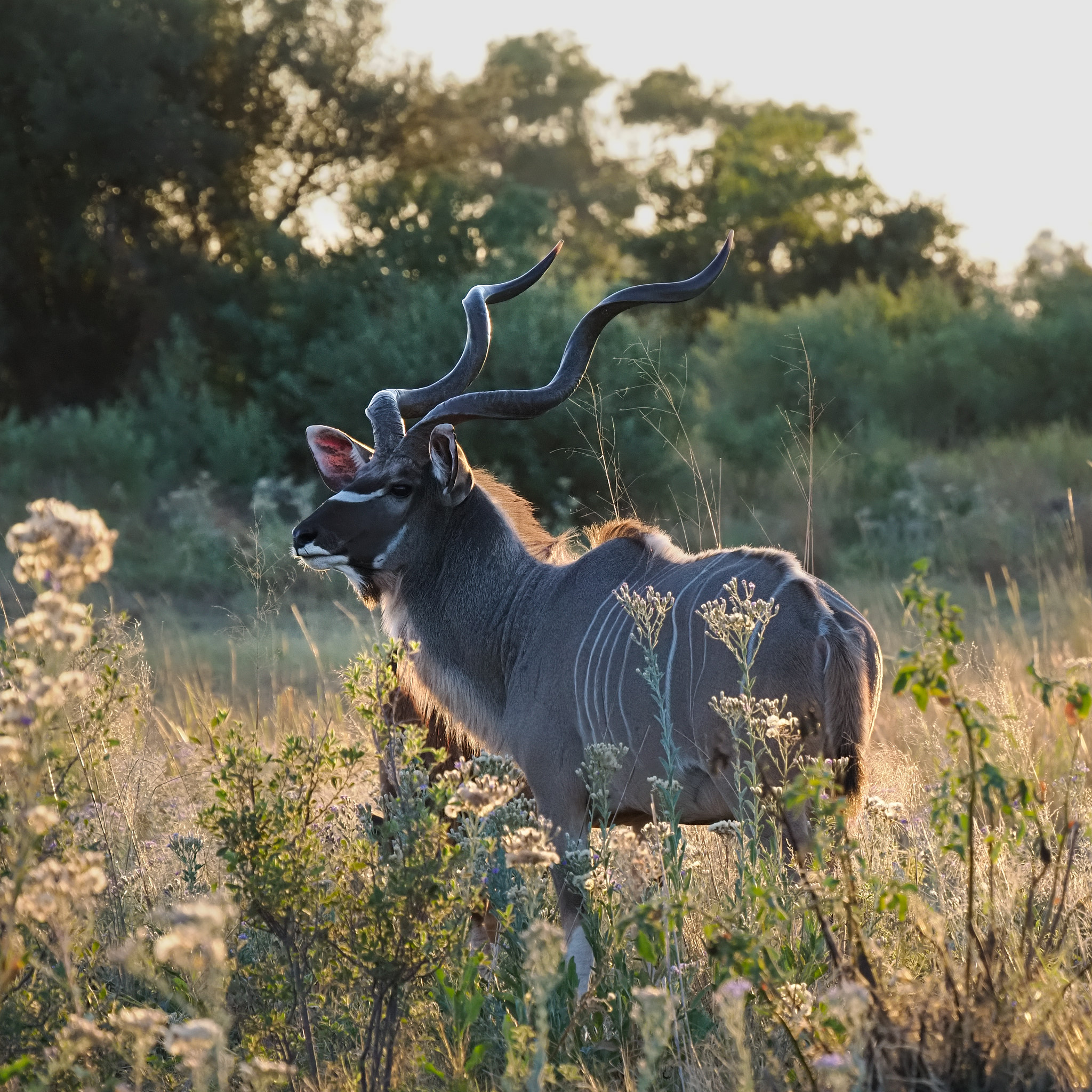
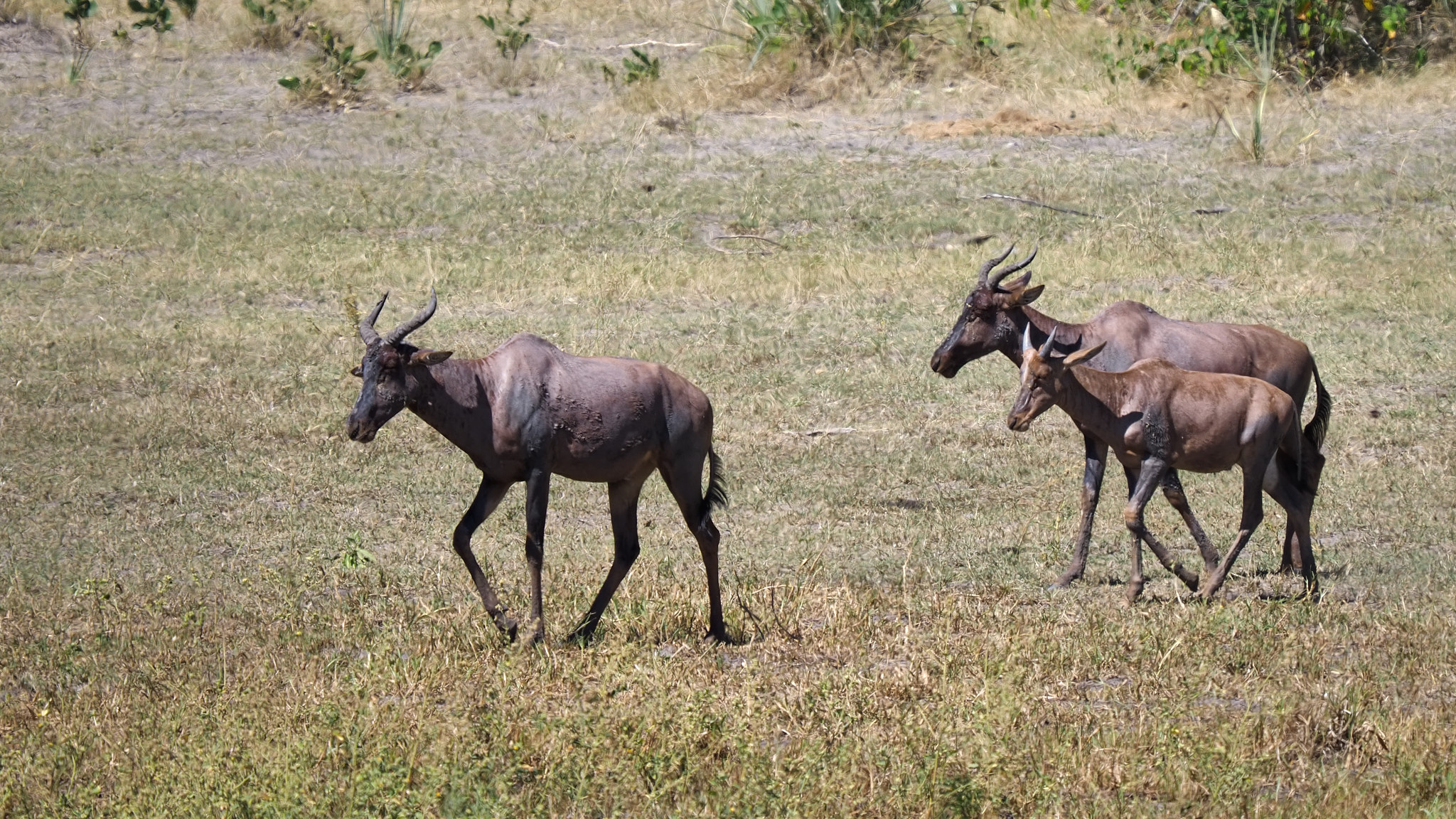
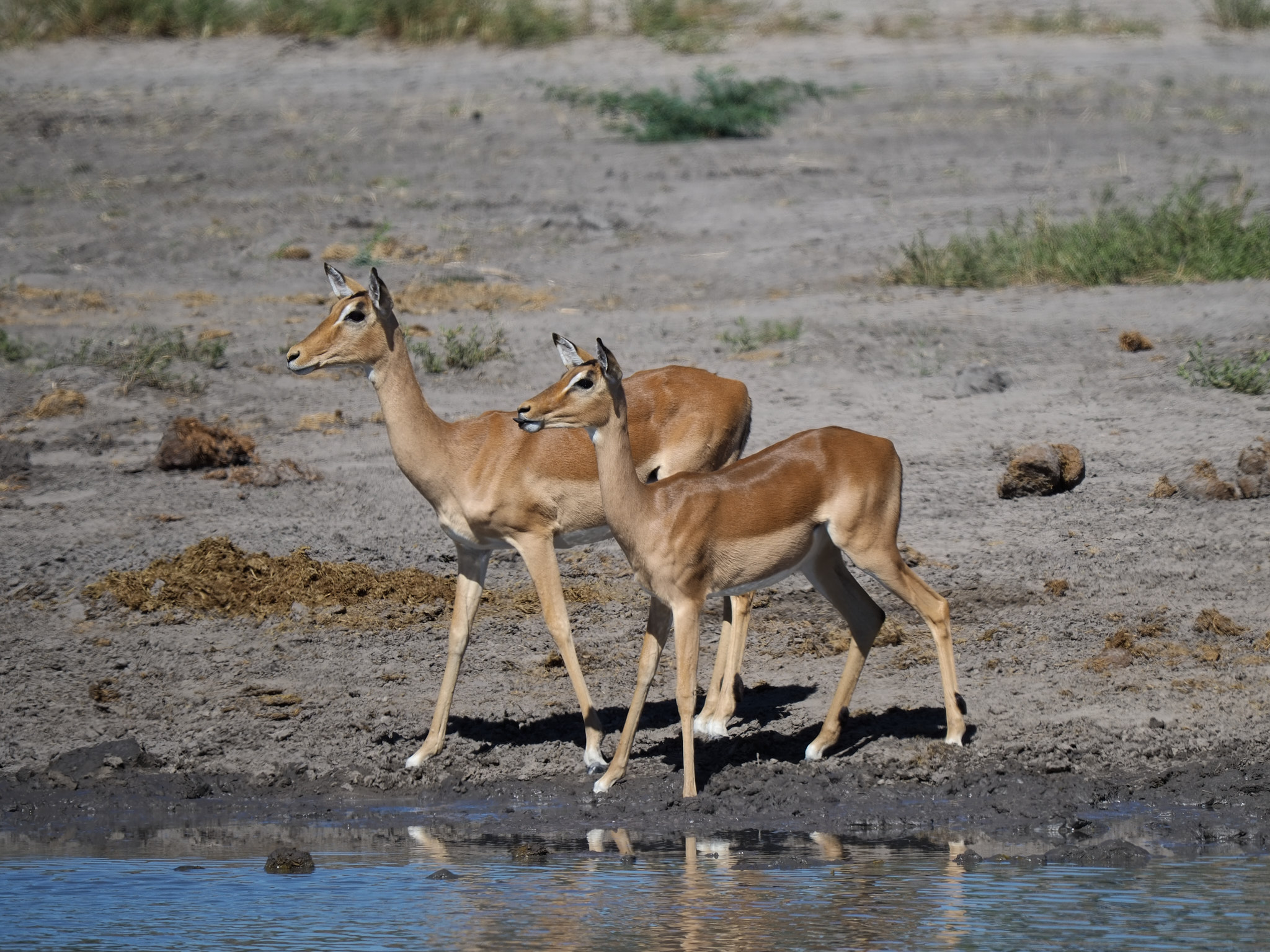
Corollary. For every photograph of a carnivore there should be ten photographs of herbivores. That’s not the way it works though, the carnivores get the lion’s share even in a figure of speech. There will be more …
… had arrived by the next day.

A chaotic horde of them clambering and quarreling over the remains of the elephant. By now the belly was open, the lower jaw bone was visible. But there were still plenty more calories to be had.
Hyenas and jackals were still around but seemed to have had their fill for the time being. There wasn’t much interaction away from the carcass but there were hundreds of vultures in the trees and on the ground. A few Marabou Storks were also waiting about.
There seemed less of a smell than the day before. Perhaps because the surface was nibbled away as fast as it was uncovered.
The vast majority of the vultures were White-backed. There were a few Hooded and just a couple of Lappet-faced. Each has its own specialisation. The White-backed Vultures were clearly the primary demolition experts. Hooded Vultures are smaller, have proportionally longer, finer, sharper looking bills. Good for cleaning up the hard to get at left overs. Lappet-faced are more powerful looking outfits that I imagine could deal with the tougher materials.


Birds have a third eyelid, the nictitating membrane, that runs fore and aft protecting and lubricating the eye. It can be seen clearly in the next photo. A powerful hooked bill is useful for tearing flesh. A naked face is easy to keep clean and a pompom-like collar helps keep blood from running down and soiling the wing feathers.
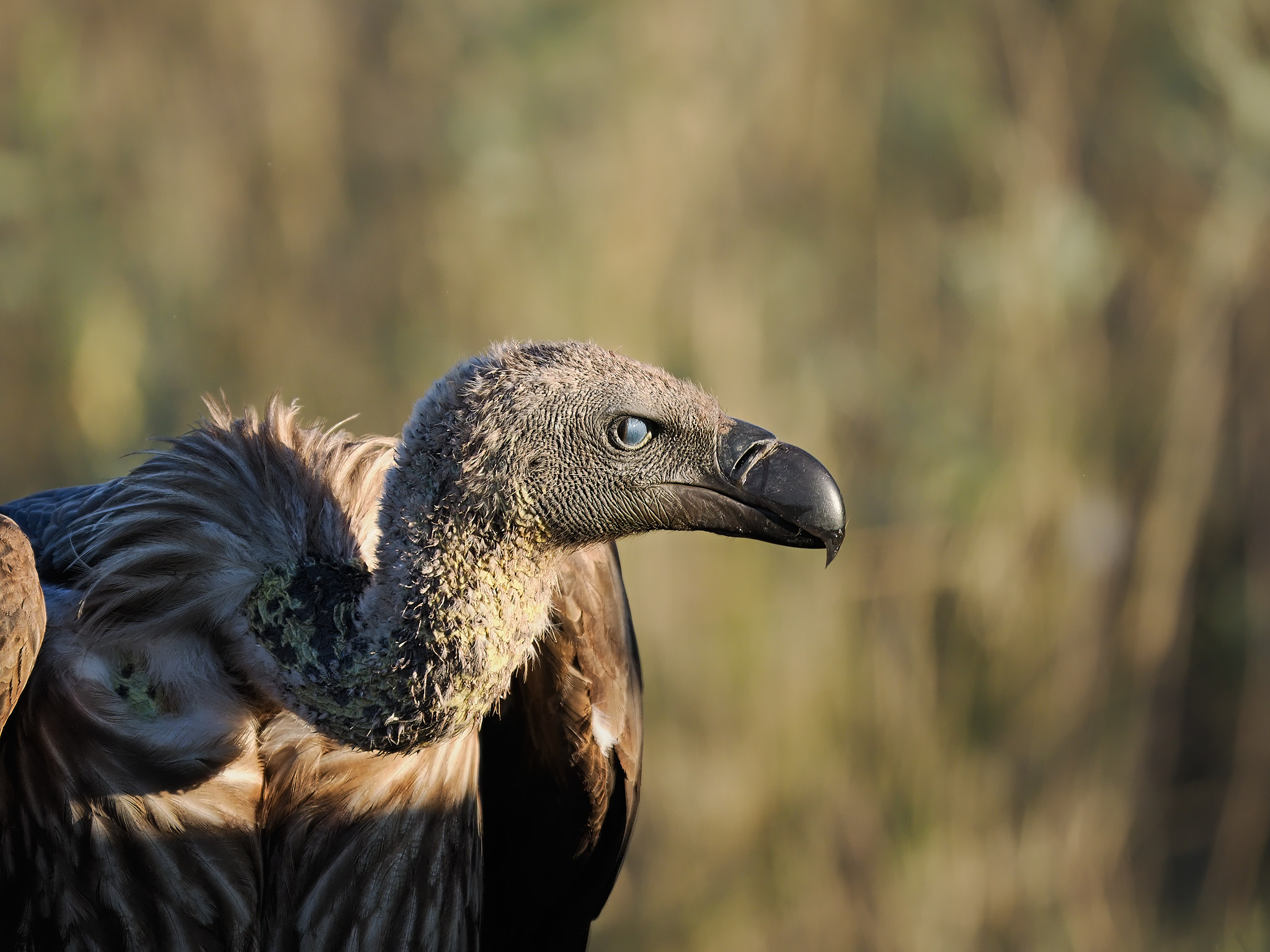

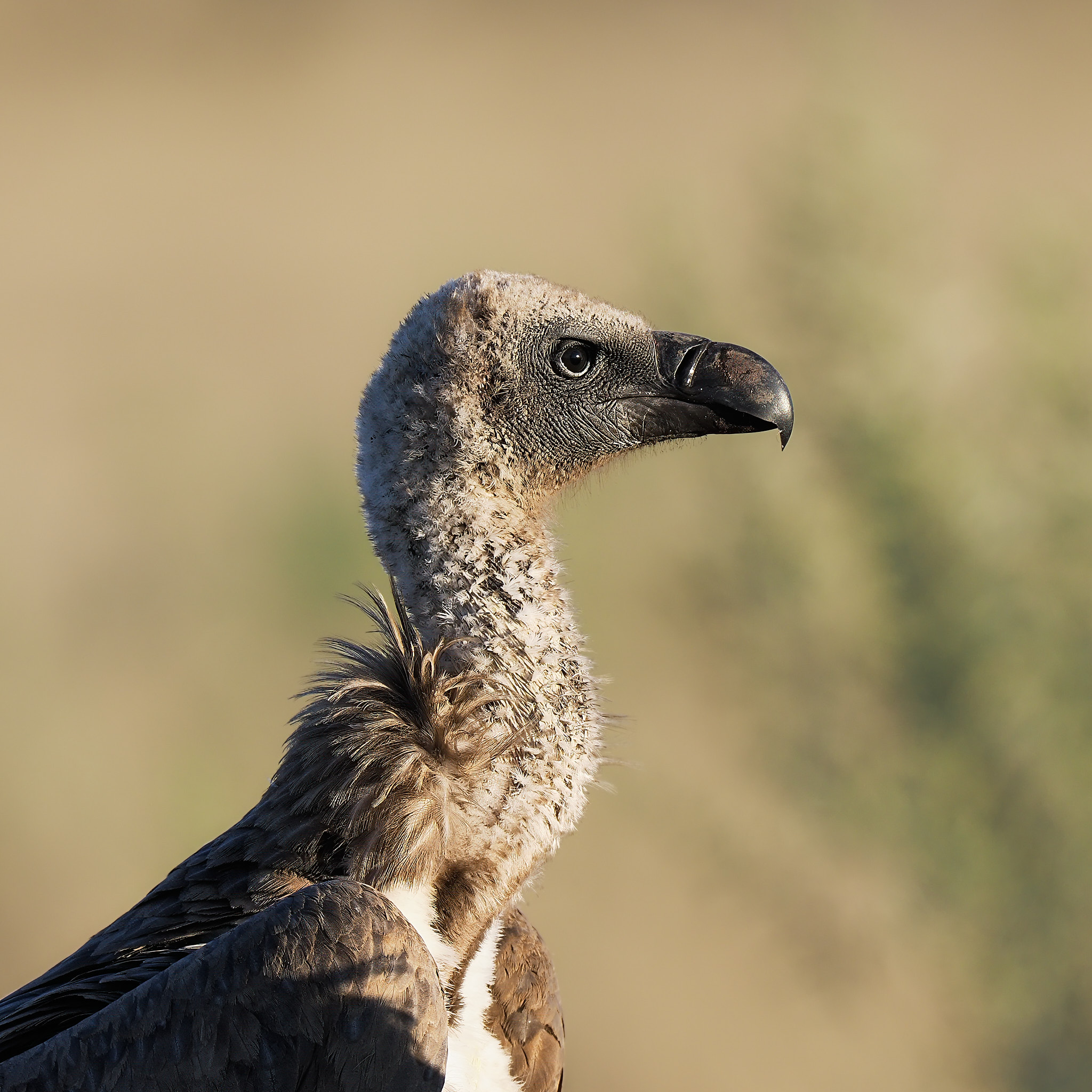
So far all the illustrations have been of White-backed Vultures. Time to have a look at all the cast …
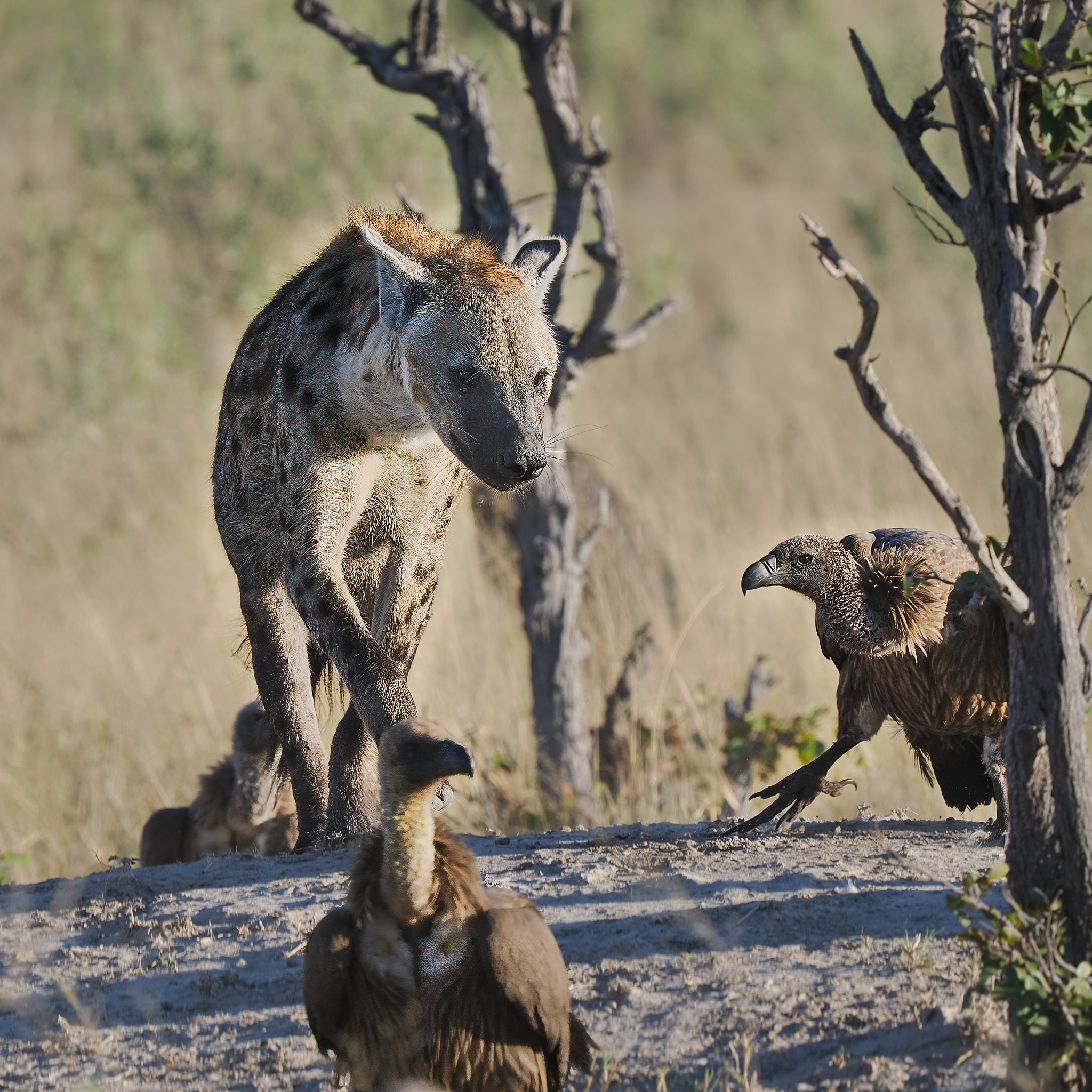
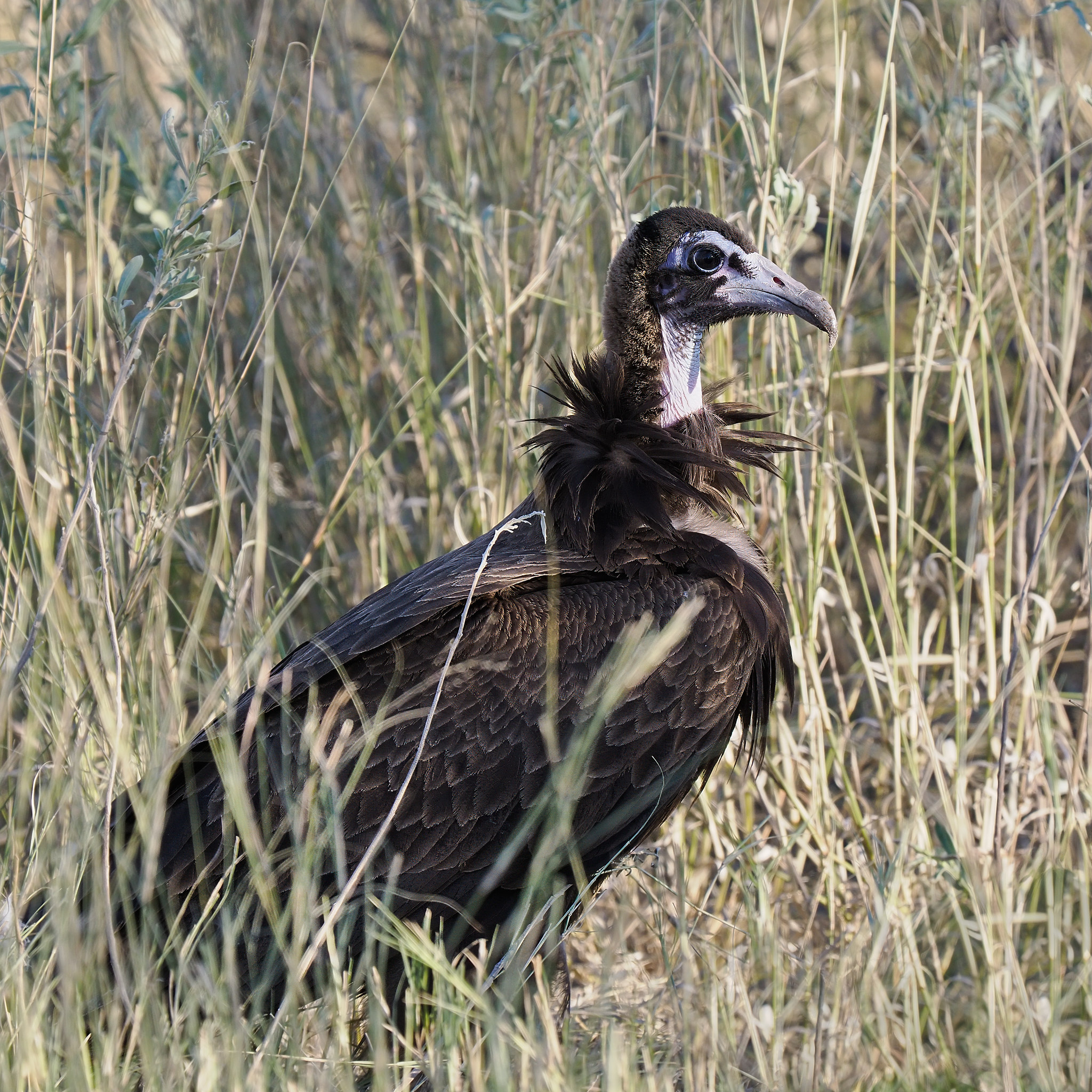


Lions had still not turned up. It was not because there were none around.
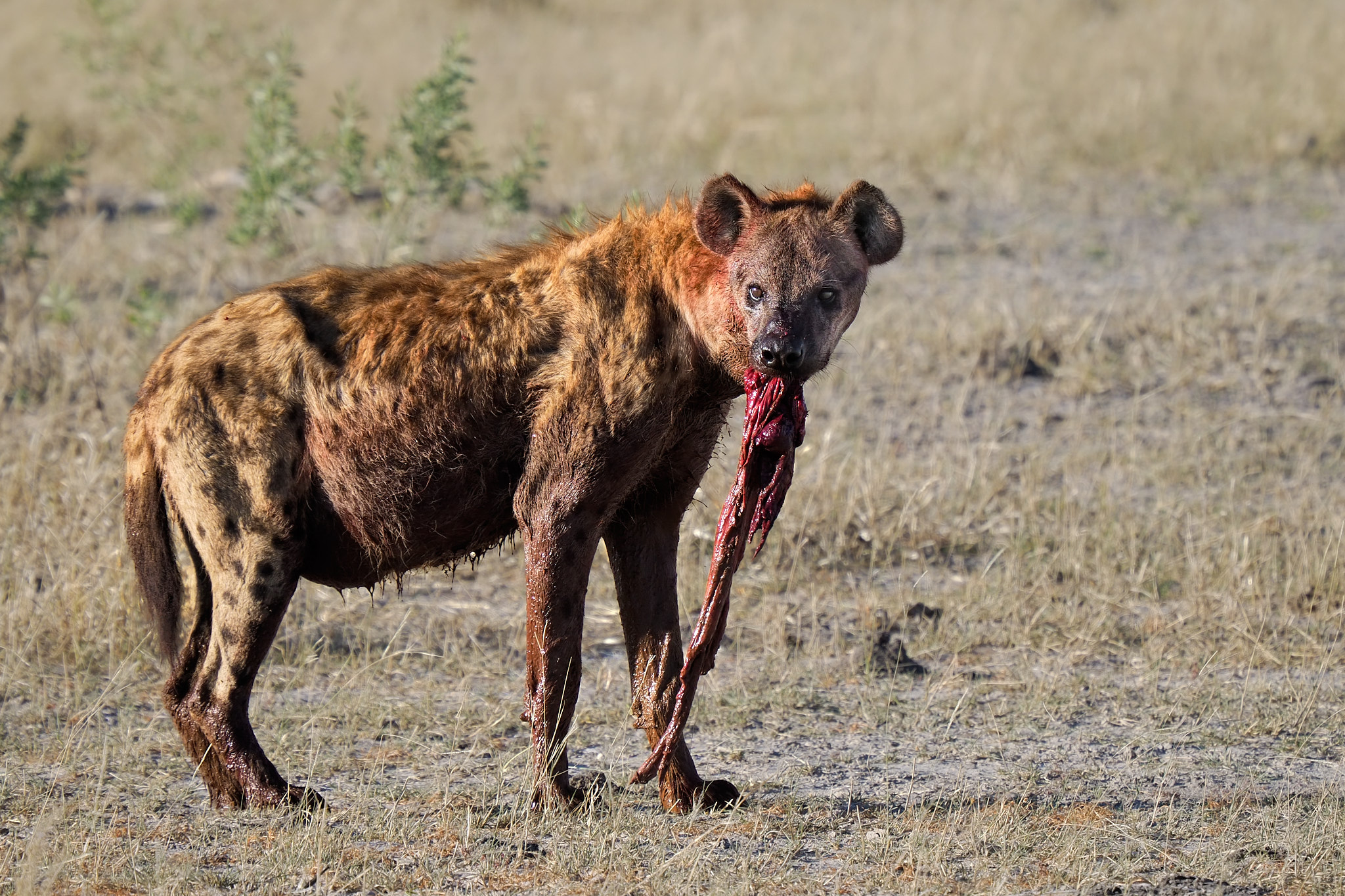
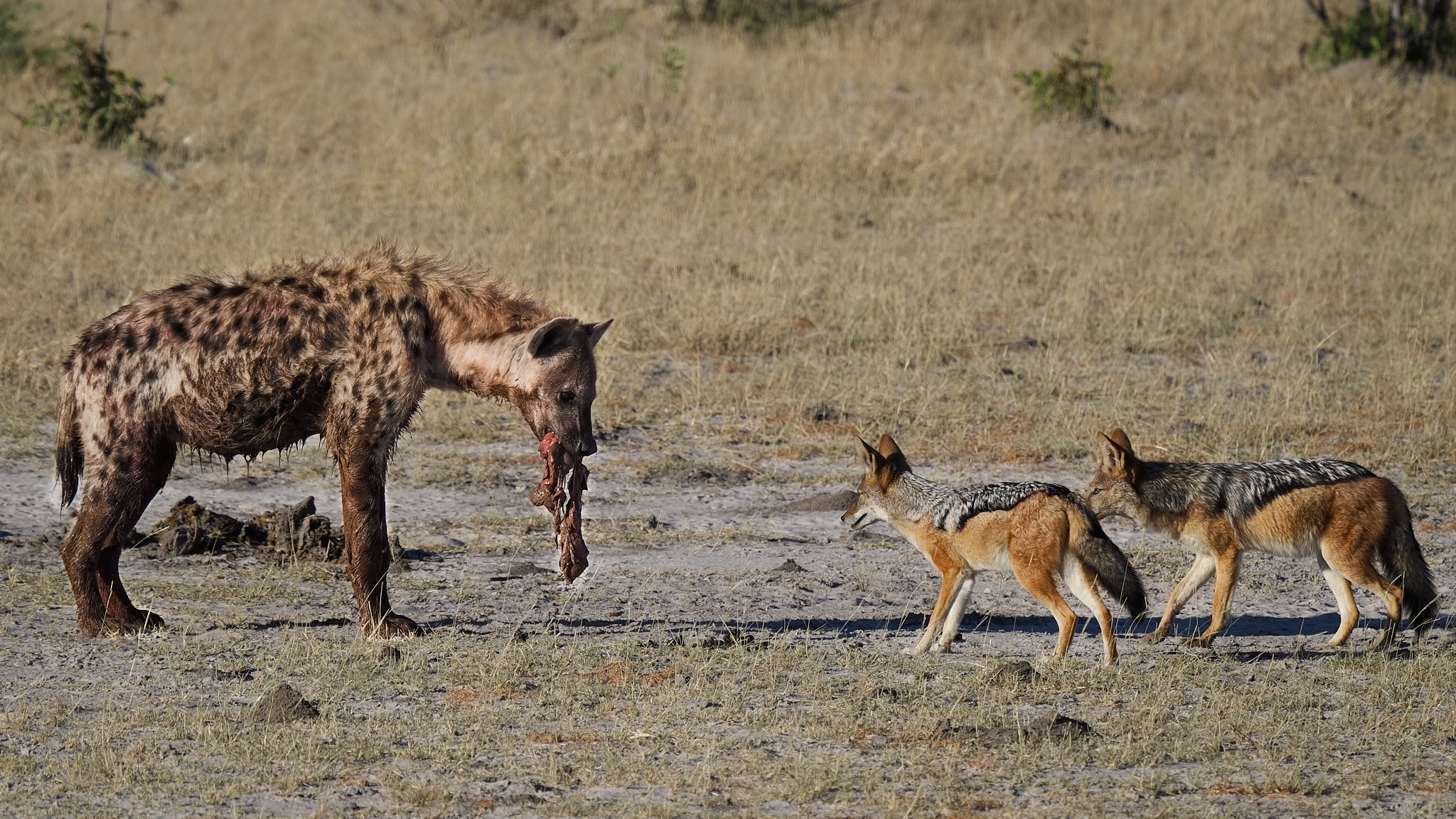
We came across a happy Hyena, caked in blood and carrying food. A couple of Black-backed Jackals were keen to share. The Hyena was not. It was a sign. So was an aroma carried on the wind. It wasn’t long before we found the mother lode, a dead Elephant.
Cause of death was unclear, probably old age. It was about the size one would expect of an adult female so likely represented three to four thousand kilograms (7,000 lbs) of meat.
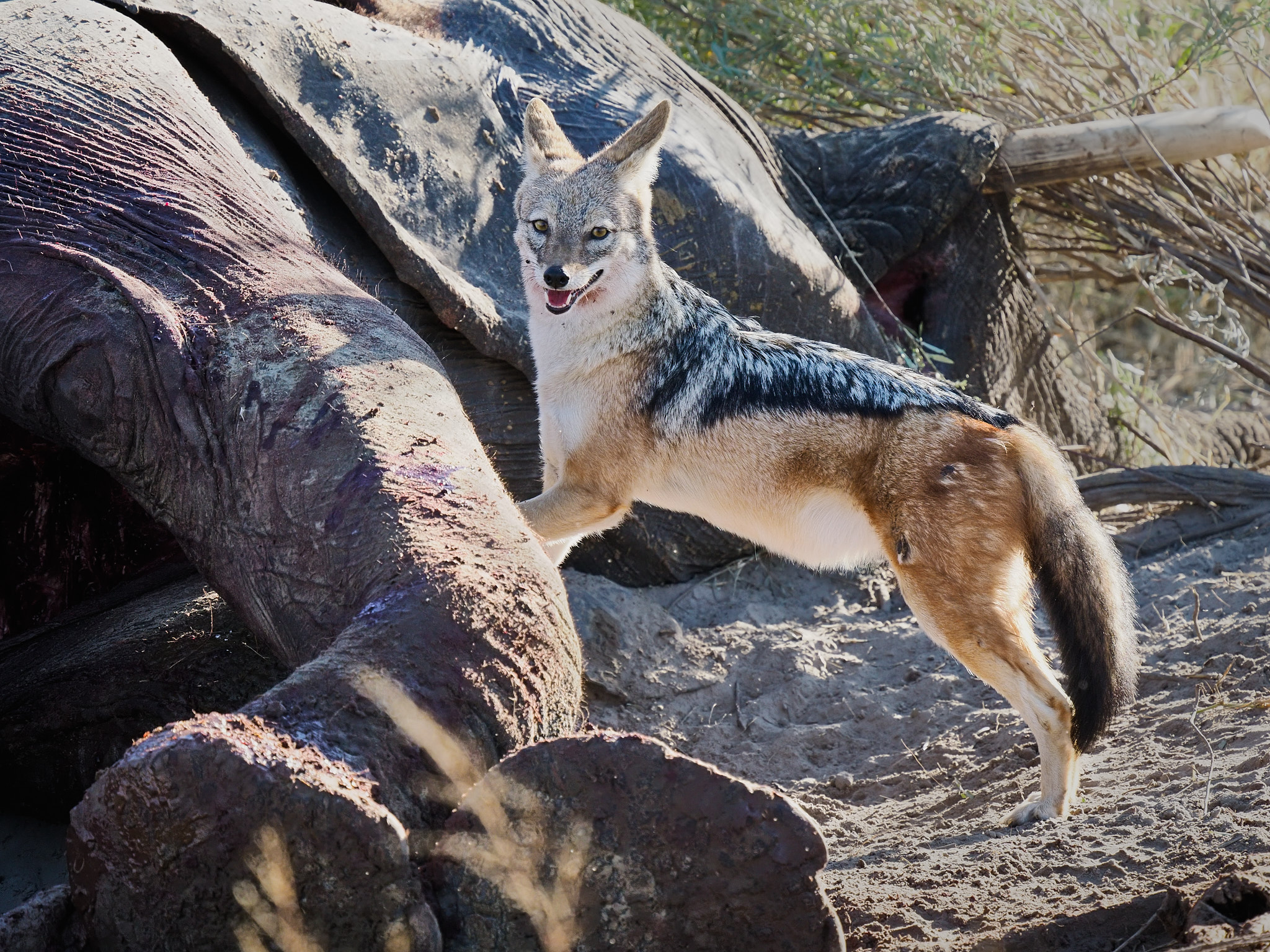
As a young child I remember hearing an old music hall song on the radio. My mother was horrified – which may be why it was so memorable. The version I heard started like this …
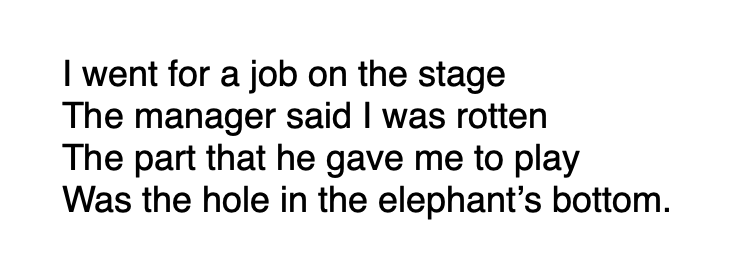
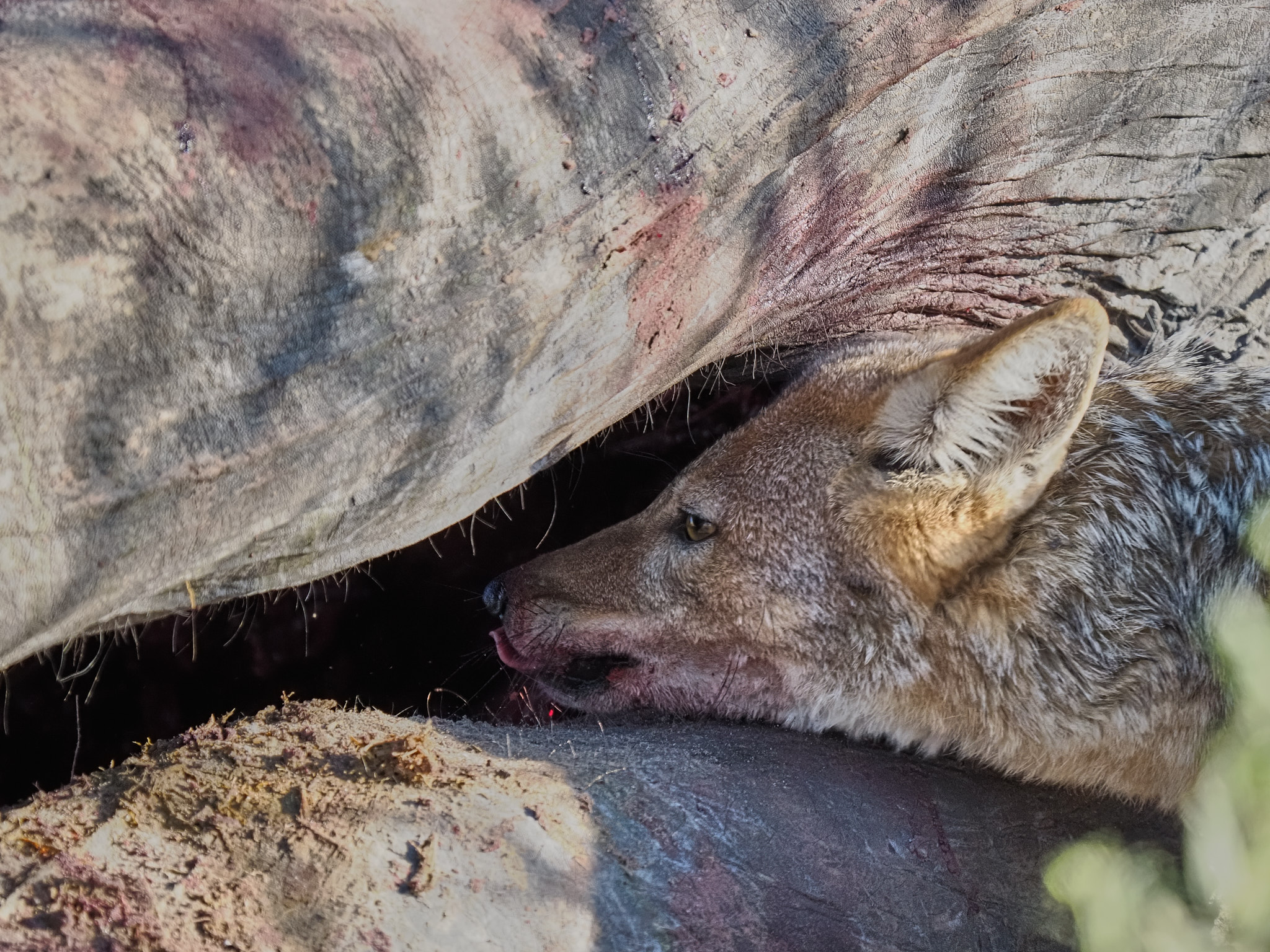
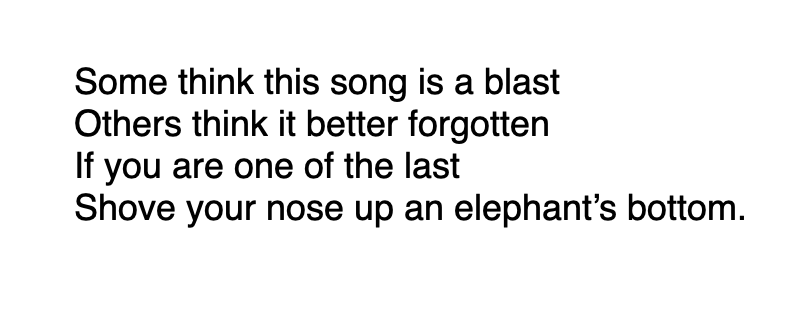
It was popular in its time . There are many verses and many versions. Be that as it may, Elephant skin is very tough. Access to the resource within is a problem. The hole in the elephant’s bottom was the solution and had been enlarged considerably by the time we found it. Not an enviable job that.




From time to time I remind my readers to click on the galleries to get the full picture (especially when the thumbnails are missing body parts).
Jackals and Hyenas were disappearing inside the carcass for a feast but were always vigilant. To be trapped inside by a larger predator would have dire consequences. At this stage some of the actors are missing from the stage. No vultures, no Lions.
Early breakfast, game drive, late lunch, three hours down time compressed into one and a half by the late lunch, high tea, game drive, late dinner, drop exhausted into bed. That sentence may seem longer than you get for murder but there was an awful lot in it and Pete Oxford made sure there was an awful lot in every single day.
Early morning is magical. It’s cool enough to send a shiver through you, the world seems huge and so much more special than you. The light is gentle. This is the time that you get your best photographs, initially in cool colours becoming warmer as the sun rises. In the tropics at this time of year blue hour plus golden hour combined last about 45 minutes. Treasure the moment.
One morning, just as the sun was breaking the horizon we encountered an Aardwolf, a creature I had never seen before. The Earth Wolf from Dutch via Afrikaans. Or if you prefer a cocktail of pseudo-classical languages Proteles cristatus the first word from Greek, the second from Latin. A Hyenid, but unlike it’s cousins not a killer or scavenger of other mammals. Its diet is almost exclusively termites, as many as a quarter of a million in a night. Unlike the Aardvark (Earth Pig) it does not break into termite mounds it laps them up off the ground. They depend on termites of the family Hodotermitidae which themselves depend on dead grasses thus tying the Aardwolf to savanna country.
Aardwolves are territorial, mark their domain frequently with their anal glands (see the first photo), feed almost exclusively at night and late afternoon and spend their days in a burrow. We were truly fortunate to get stunning views as the sun rose …


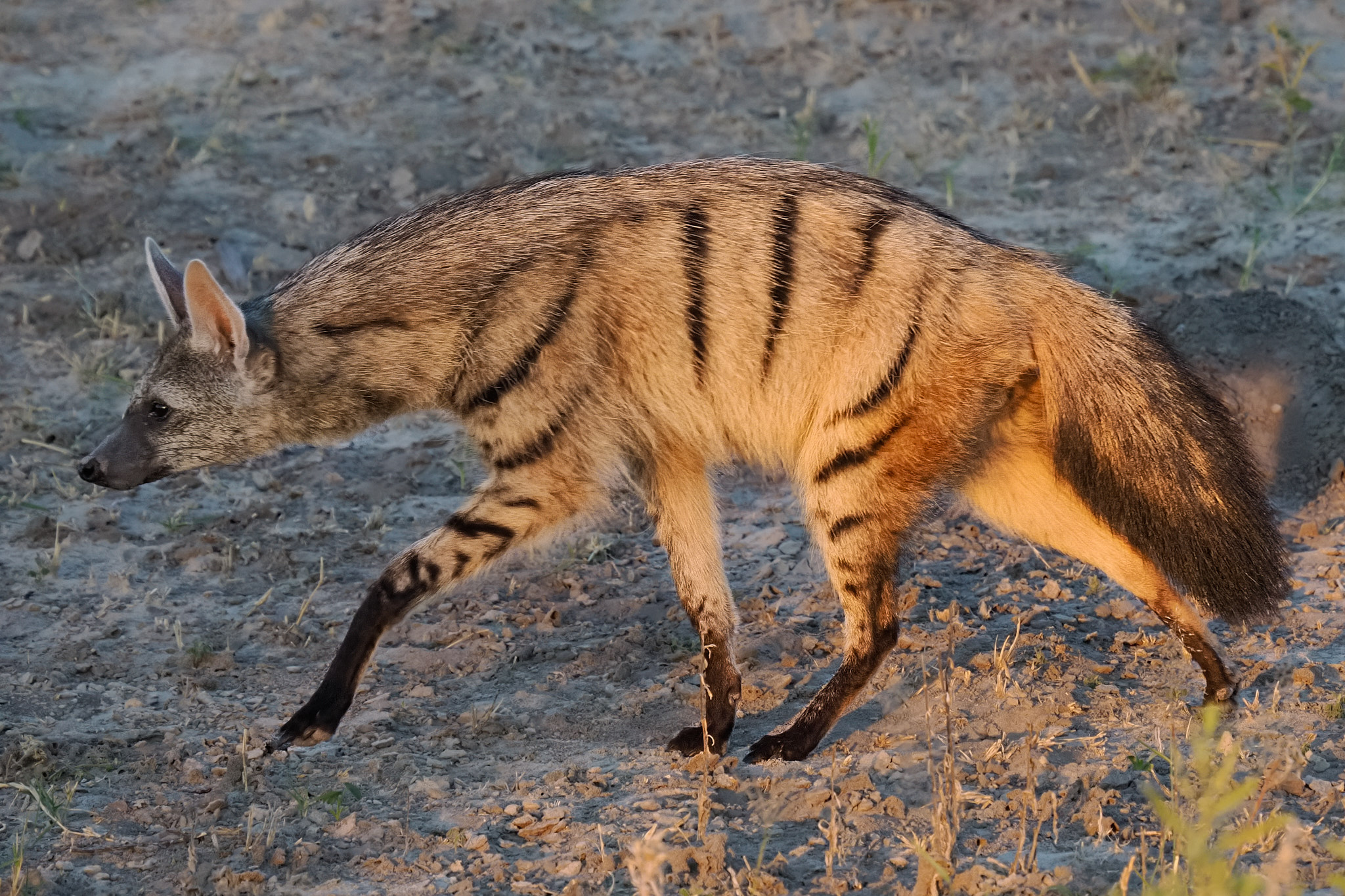

We left a few footprints, we took more than a few photos.
Six guests were in the very capable hands of Pete Oxford Expeditions. Pete and his wife Renee are energetic, knowledgeable and passionate. Pete is charismatic, a biologist and renowned photographer (it’s worth visiting their web page just for the stunning headline images). Renee is the organisation and in her spare time godmother to the baboons of Bettys Bay on the south coast of South Africa, and they are probably more easily managed than Pete.

Botswana is one of Africa’s success stories. It has a population of 2.63 million, the capital is Gaborone. You’ve probably not seen the president in the news – for all the right reasons. His name is Mokgweetsi Masisi. Most people speak Tswana but English is the official language and is spoken very well indeed.

The country is landlocked, surrounded by Namibia, Zimbabwe and South Africa. It touches Zambia at a single point on the Zambezi River and is separated from Angola by the narrow Caprivi strip of Namibia. It is largely an arid land. The exception is the Okavango Delta which receives its waters from the Angolan highlands.
The expedition started at Maun and visited three lodges, Qorokwe, Little Vumbura and Chitabe Ladiba. Little Vumbura is situated on an island accessed by small boats. The other two are savanna camps. All were comfortable, the service was impossible to fault. I have a fondness for timber and thatch. The latter two were the epitome of rustic charm.
So much for a few details. Stand by for some highlights.
This is how our days started …

Zimbabwe at the beginning of the journey and Broome at the end, not the route most traveled. In fact it’s a journey of connections that don’t quite connect. As a consequence Gayle and I will be over-nighting in Johannesburg tonight and then again in Perth. There’s a time change of 6 hours to contend with as well.
There’s one problem we won’t be having at home …
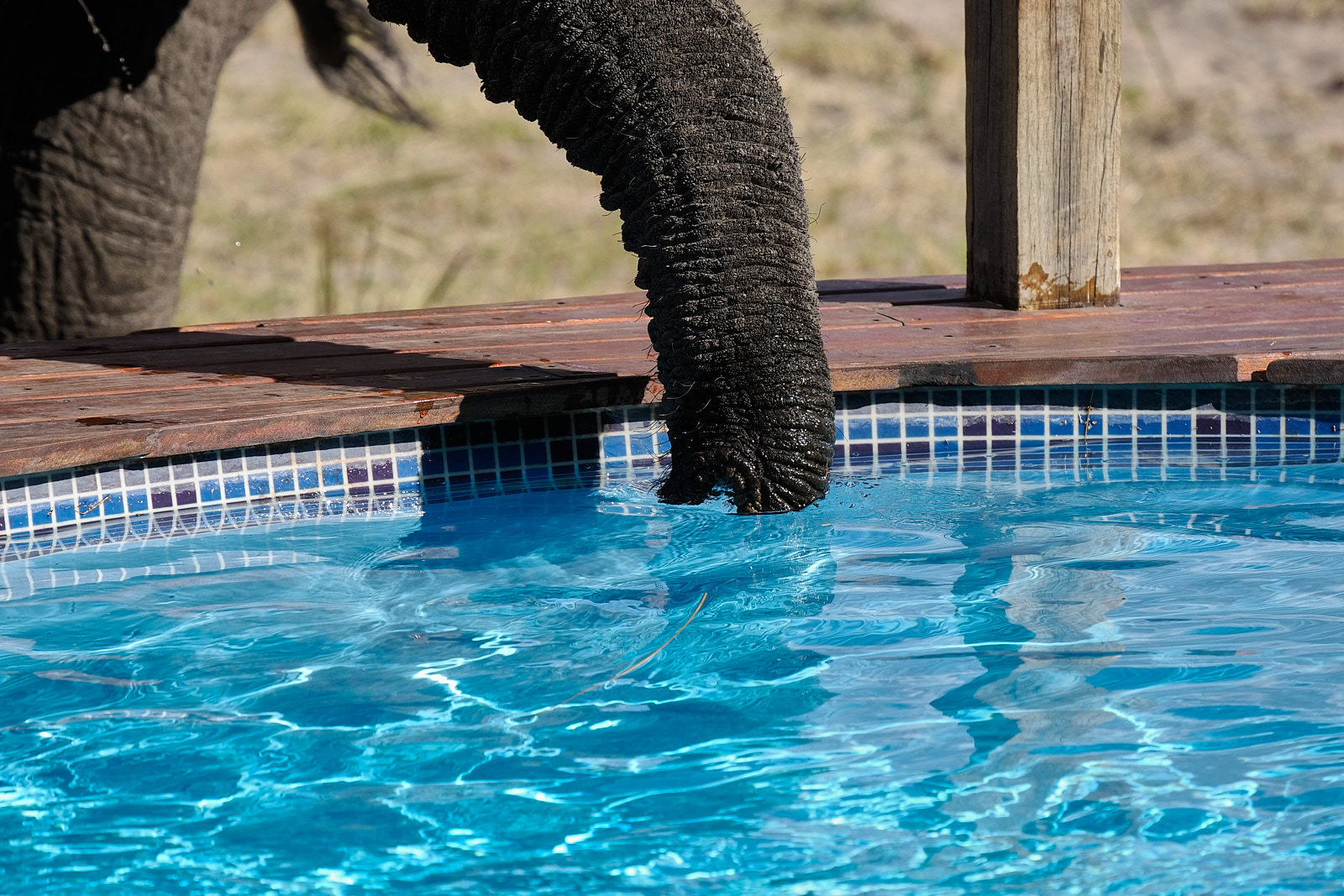
Not a moment left spare, game drives, night drives, river cruises. Details will have to wait until I’ve caught up on sleep! Next stop a very brief visit to Zimbabwe.

The Thalamakane River is due to arrive in June. Like some inland Australian rivers it depends on rainfall in distant parts, in this instance it’s the highlands of Angola. Meanwhile I can forget about hippos and crocodiles and wander along the river bed with the cattle, donkeys and goats.

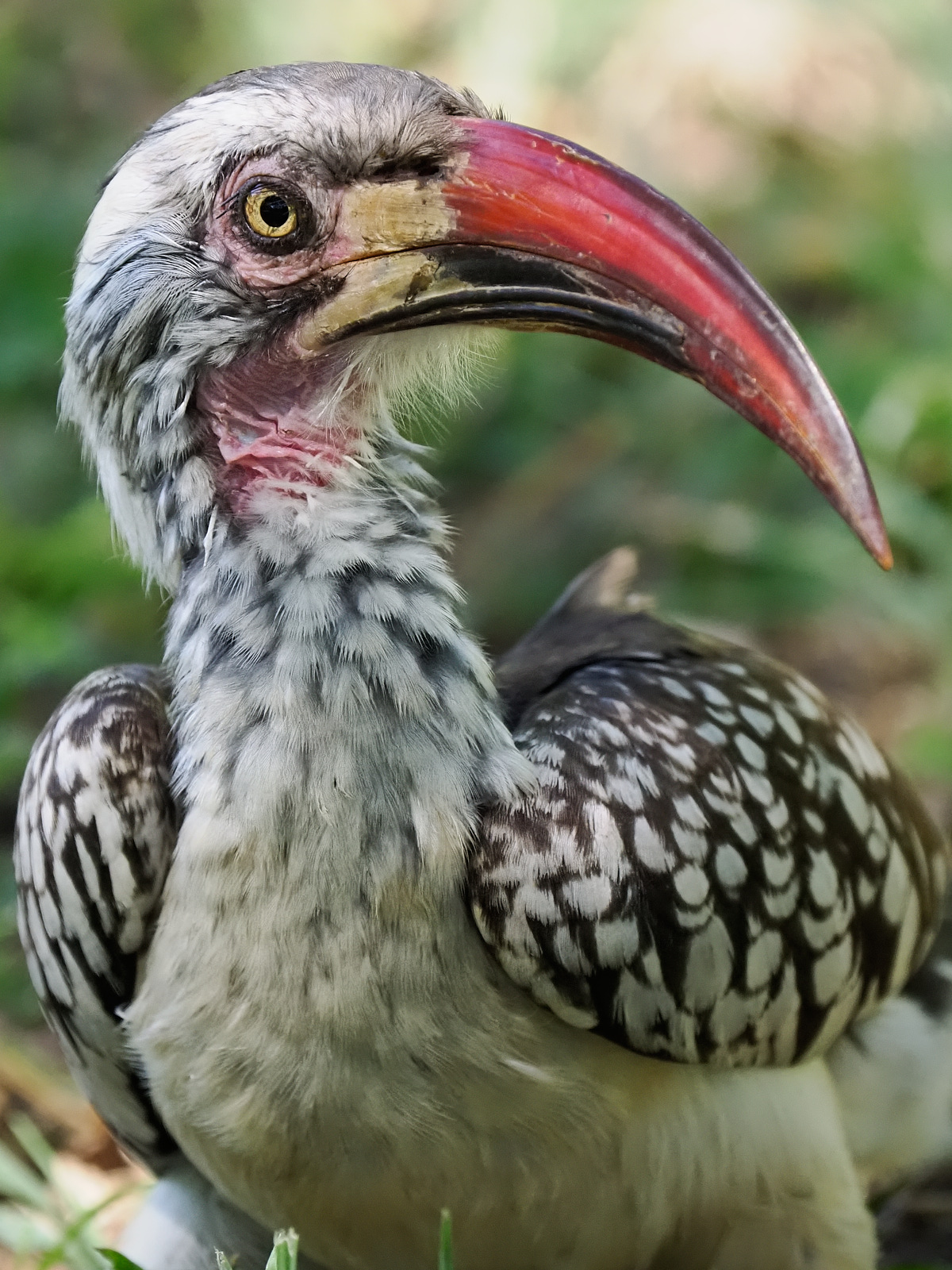


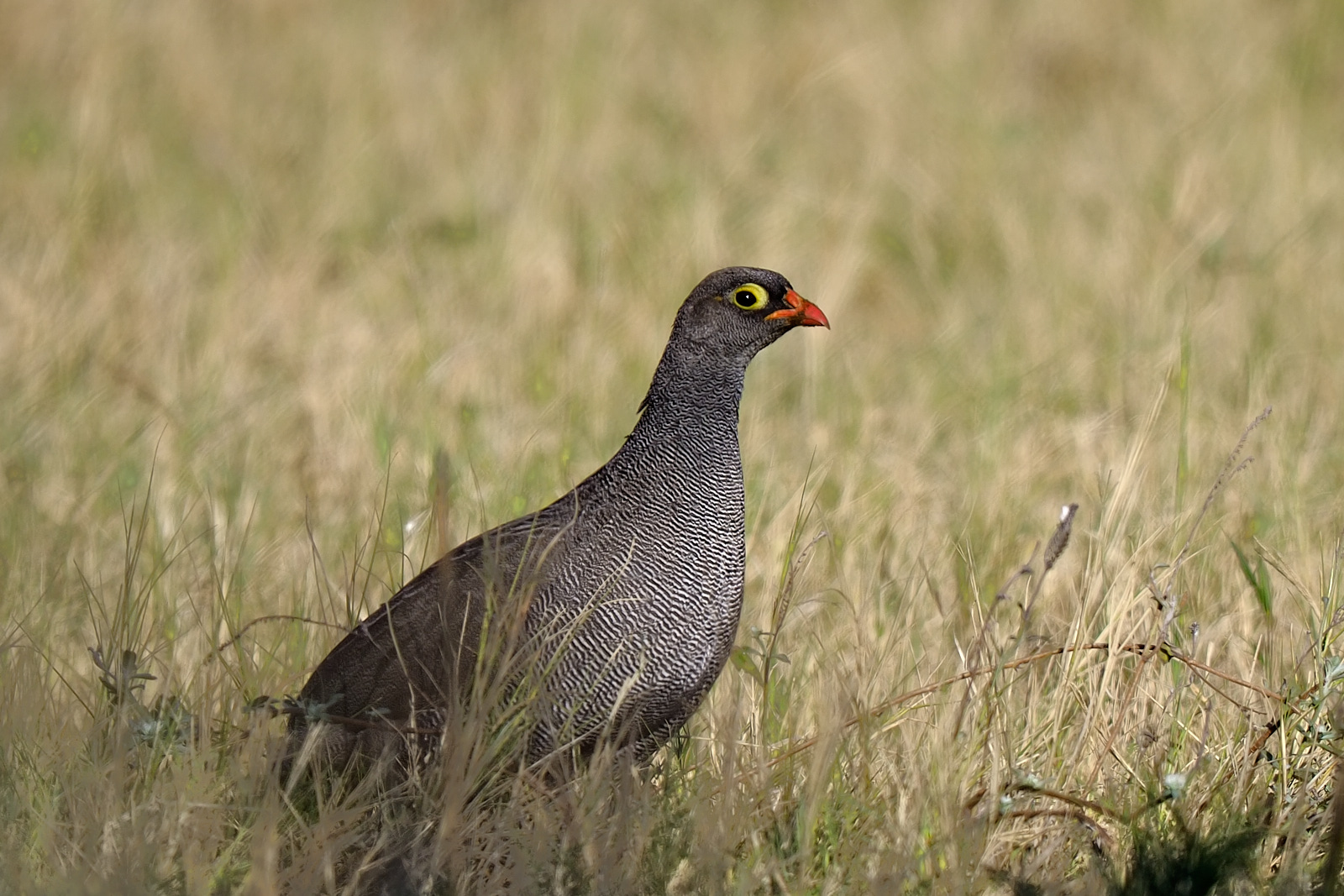
Today we fly from Maun into the Okavango Delta. I’ll post when I can. Internet speeds are excellent at the Thalamakane River Lodge. So is the food.
Only four letters. How many ways can you pronounce it? So far I’ve heard a lazy two syllable version – mah oon, or make the au a diphthong and say it quicker as a single syllable. Or make it rhyme with lawn. Or from our pilot (white South African from the voice) – Marn. The local who drove us from the airport to the Thalamakane River Lodge said mound without the final D. Should be definitive.
However you choose to say it Maun is in the north of Botswana, the fifth largest town in the country with a population getting on for 66,000. It’s close handy to the Okavango Delta so it’s the unofficial tourist capital of Botswana. Presently it’s dry and dusty.
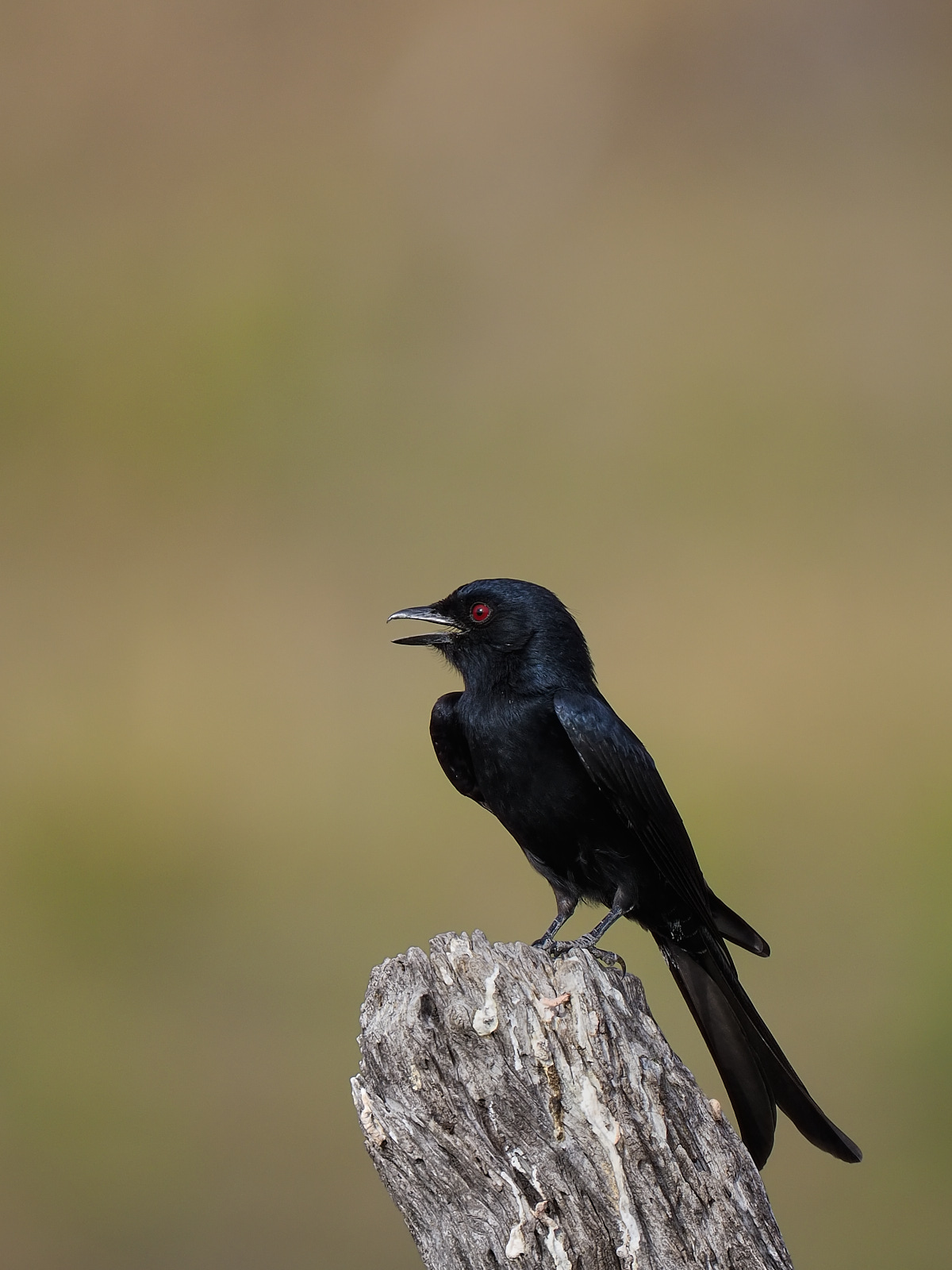
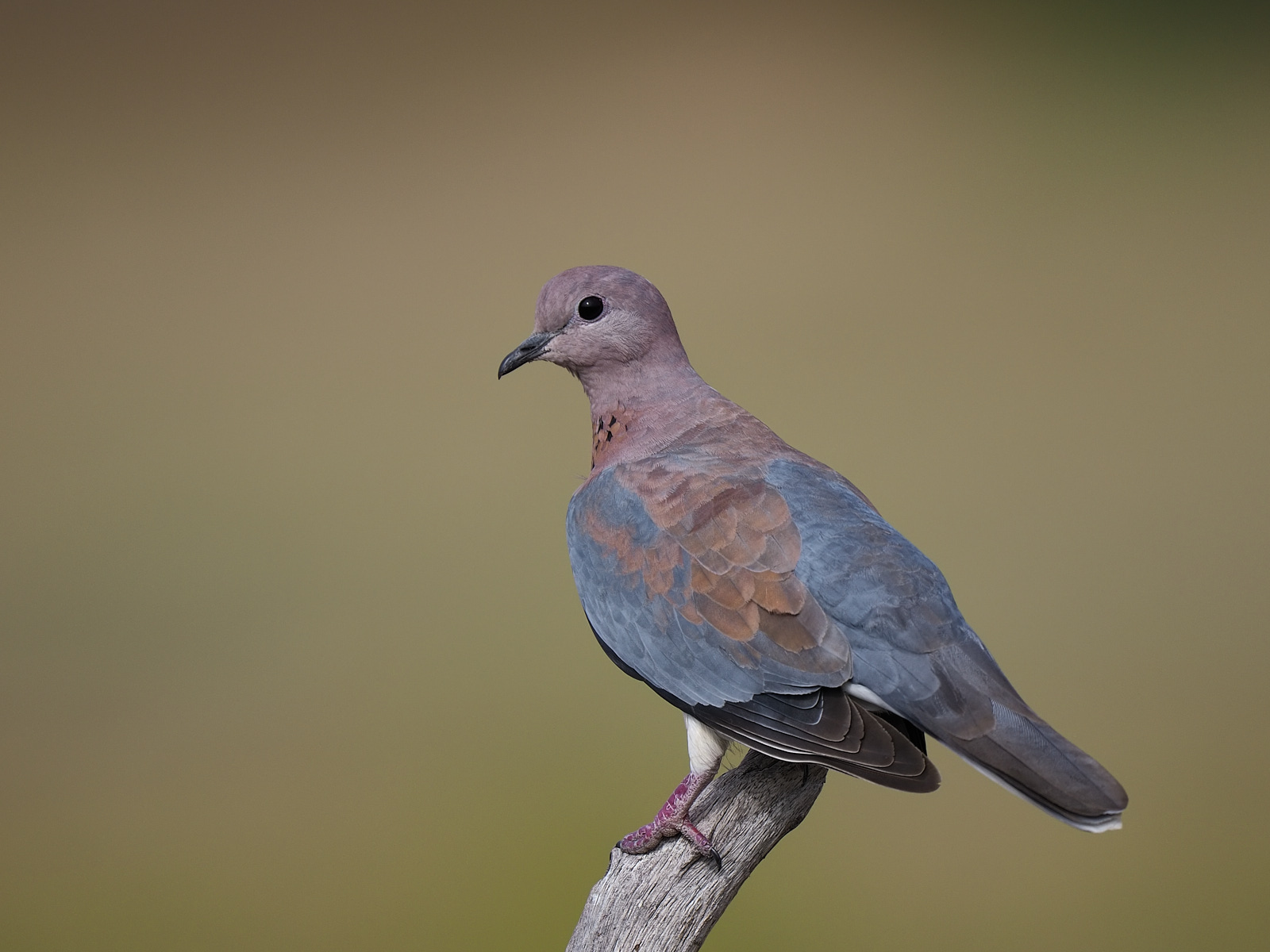
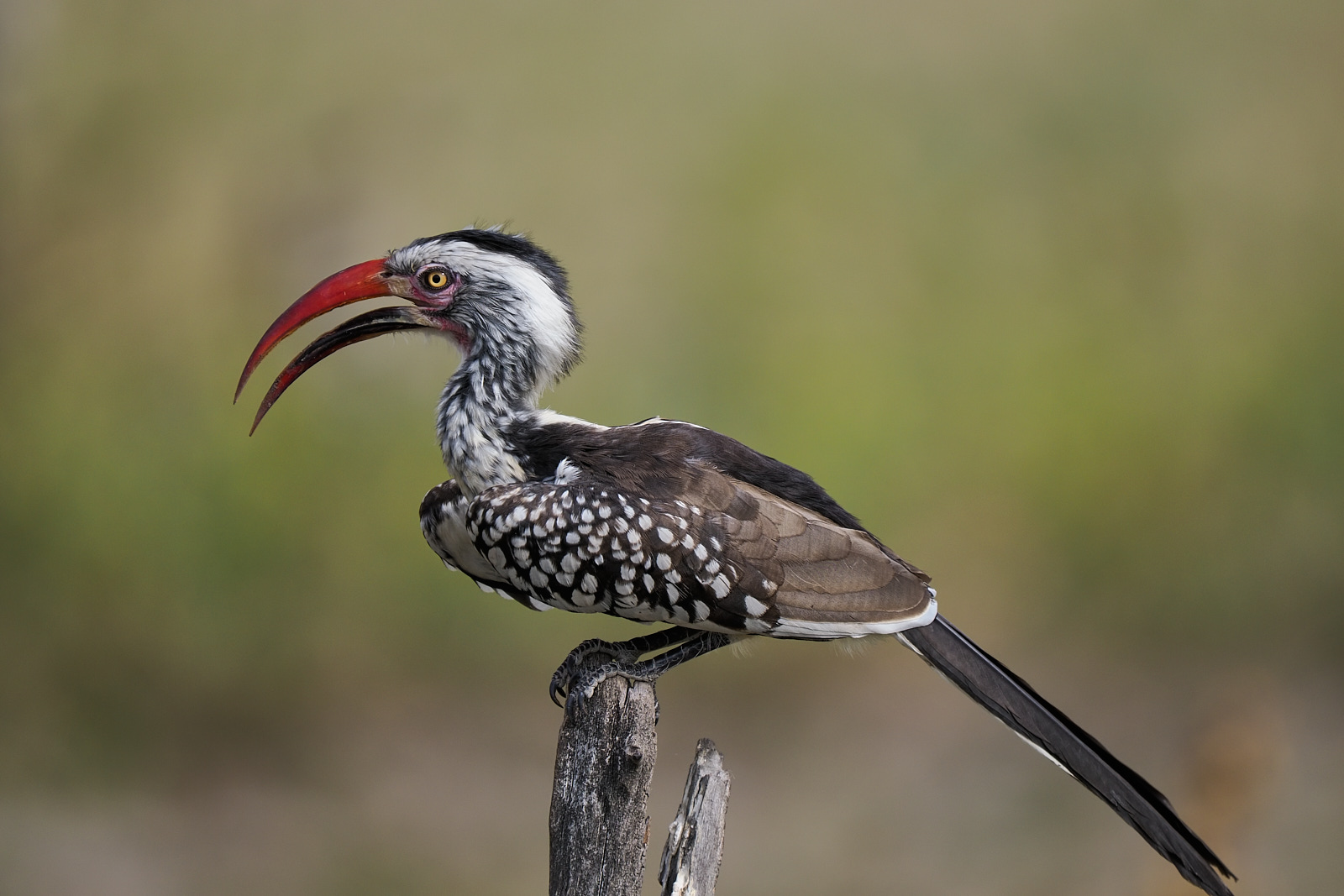
The Thalamakane River Lodge is lovely but no river cruises or risk from crocodiles just at the moment – the river is bone dry. I had a couple of hours yesterday afternoon to get a handle on some of the common local birds. More revision today. Tomorrow on safari.

 bobmcgee