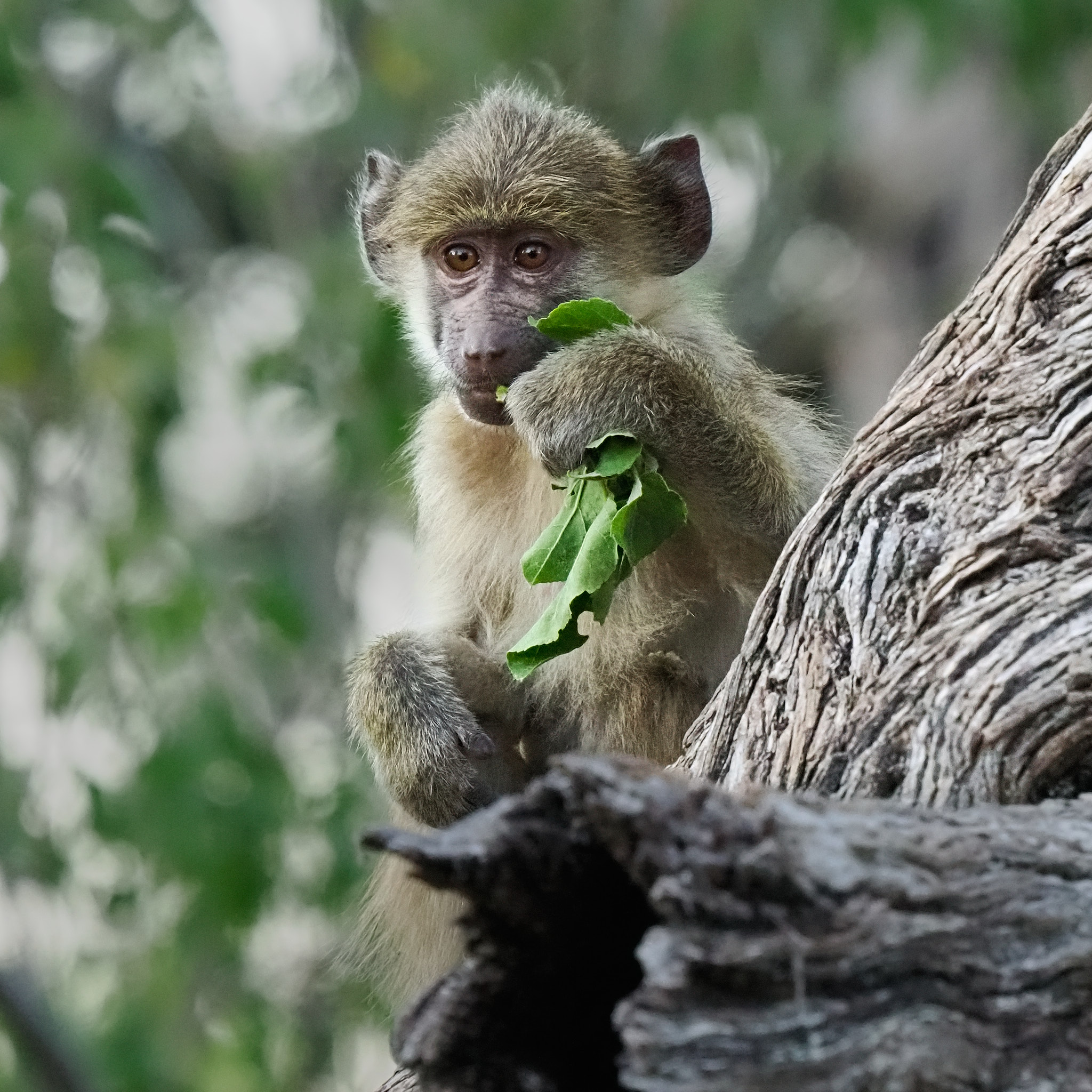
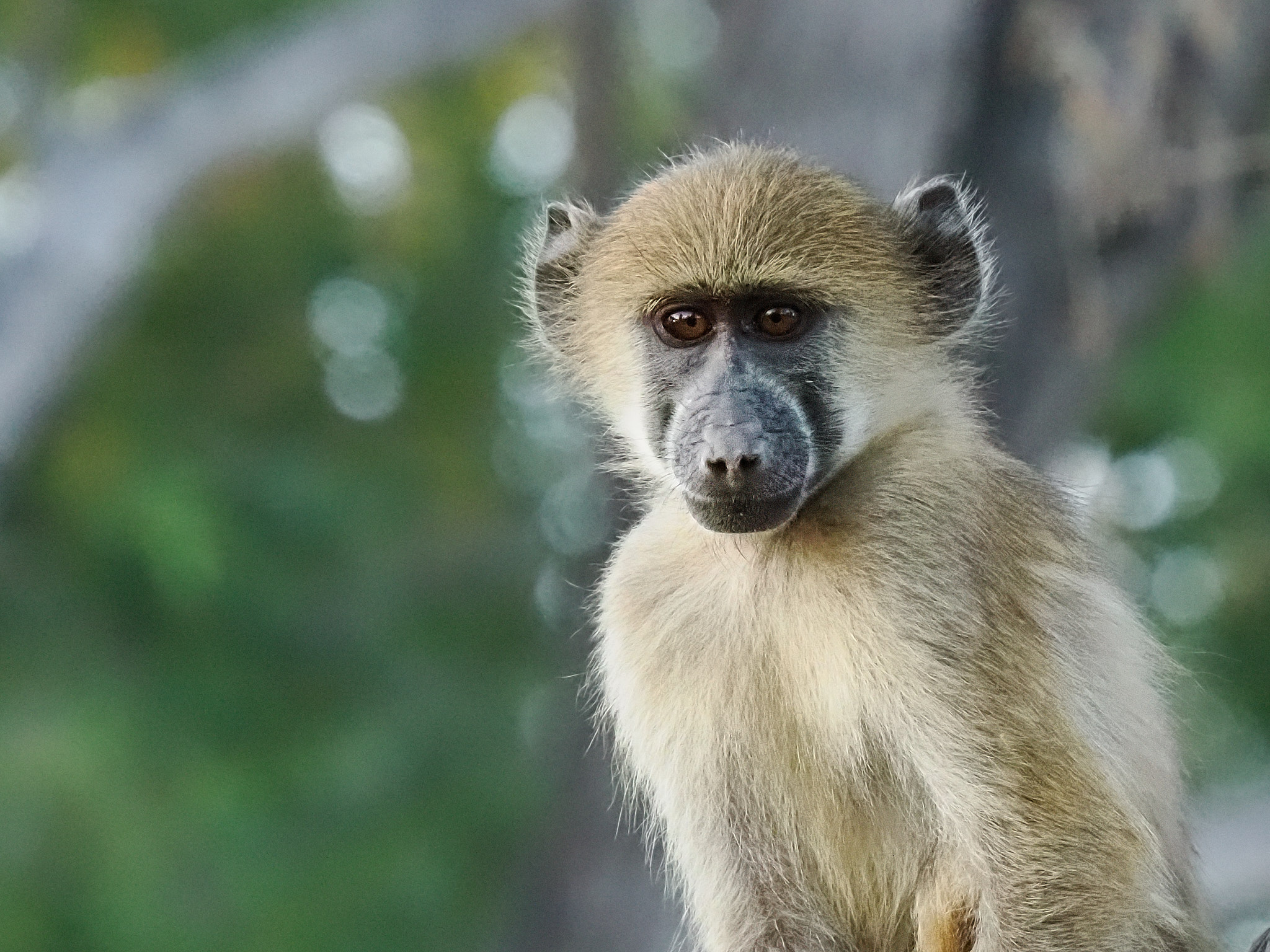
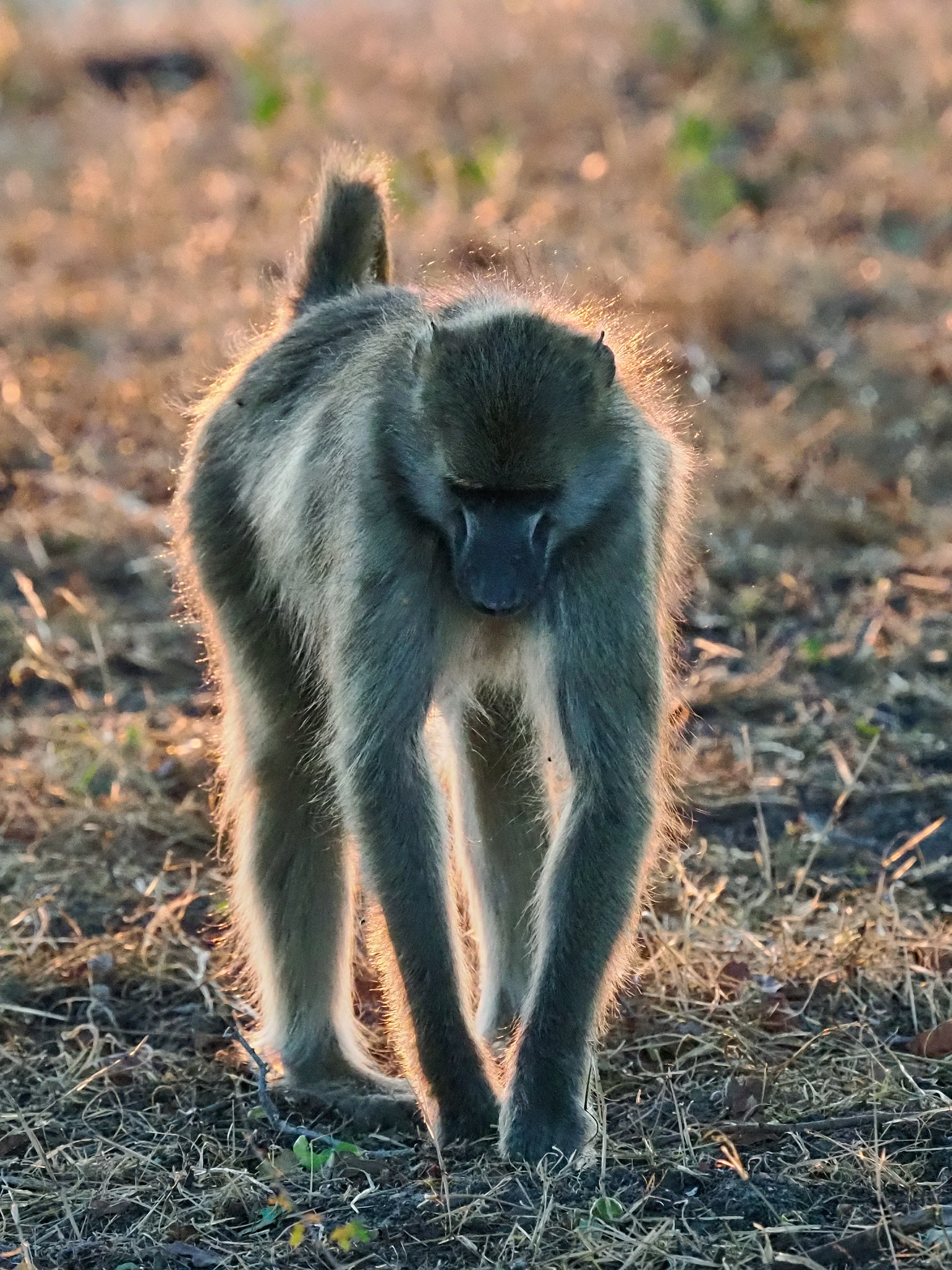
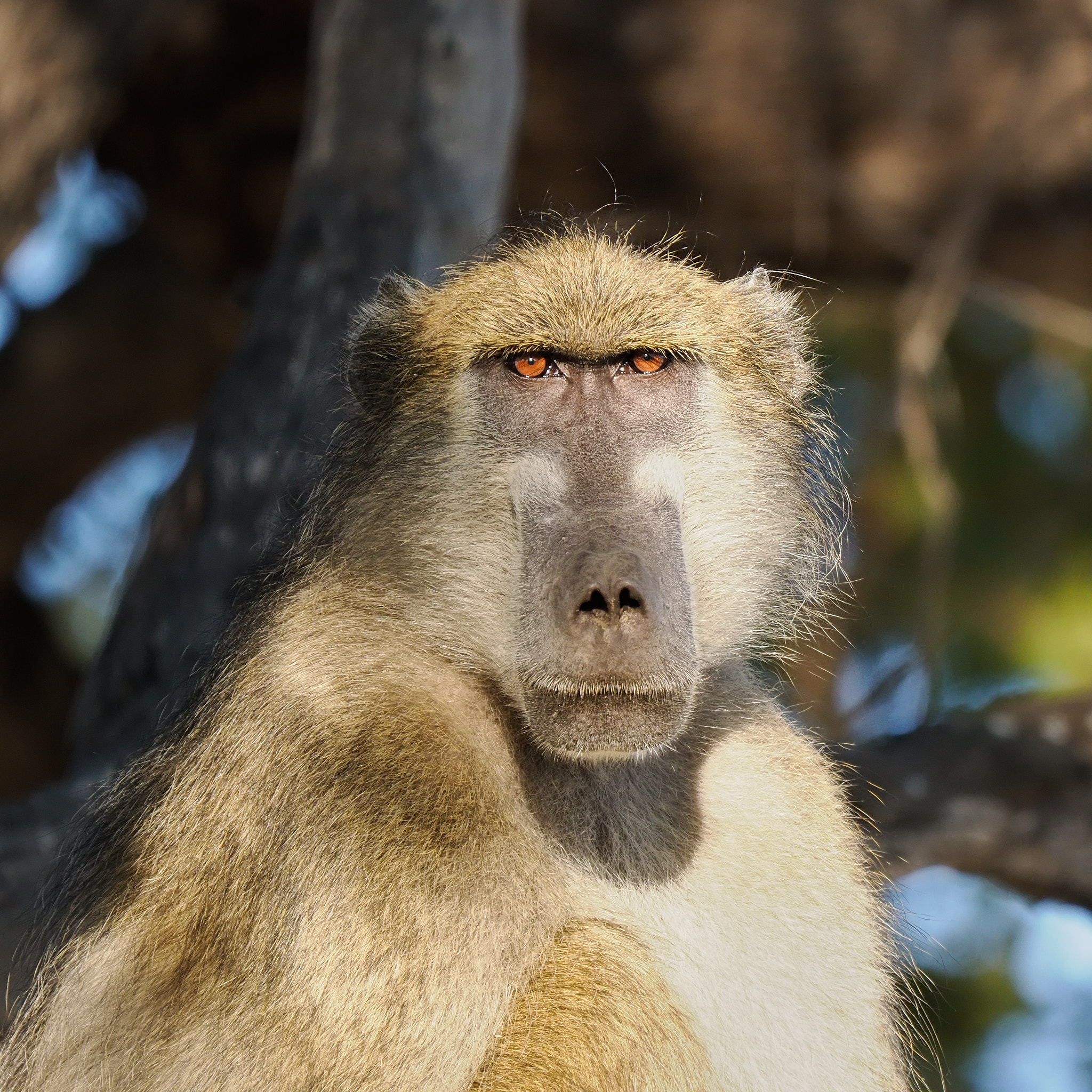
Are they gorgeous or will they rip you to shreds? Yet another animal that is much misunderstood. Male baboons are much the same size as a large dog, have canine teeth that are way more impressive and sharp claws. They could do some damage. But by and large they don’t. If cornered or threatened they may fight their way to safety but they are prey animals not predators. Dogs on the other hand are a different story. Animals24-7.org keeps a log of fatal dog attacks in South Africa. They run at about two per year, about half are children. I haven’t been able to find a single instance of a human killed by a baboon. The dog you bought to keep you safe is a far greater threat to you and your family than a baboon.
Baboons are big monkeys in the genus Papio. Mammals of the World volume 3, Primates lists six species each of which is further divided into subspecies. The boundaries of the species has been blurred by hybridisation to such an extent that there are places where there’s a PhD to be had in working out which species is present. It’s generally accepted that the Chacma Baboon is the one found in Botswana but the mitochondrial DNA differs from those further south. The Kinda Baboon is present in Angola and the Yellow Baboon in Zambia and they all interbreed freely at points of contact.
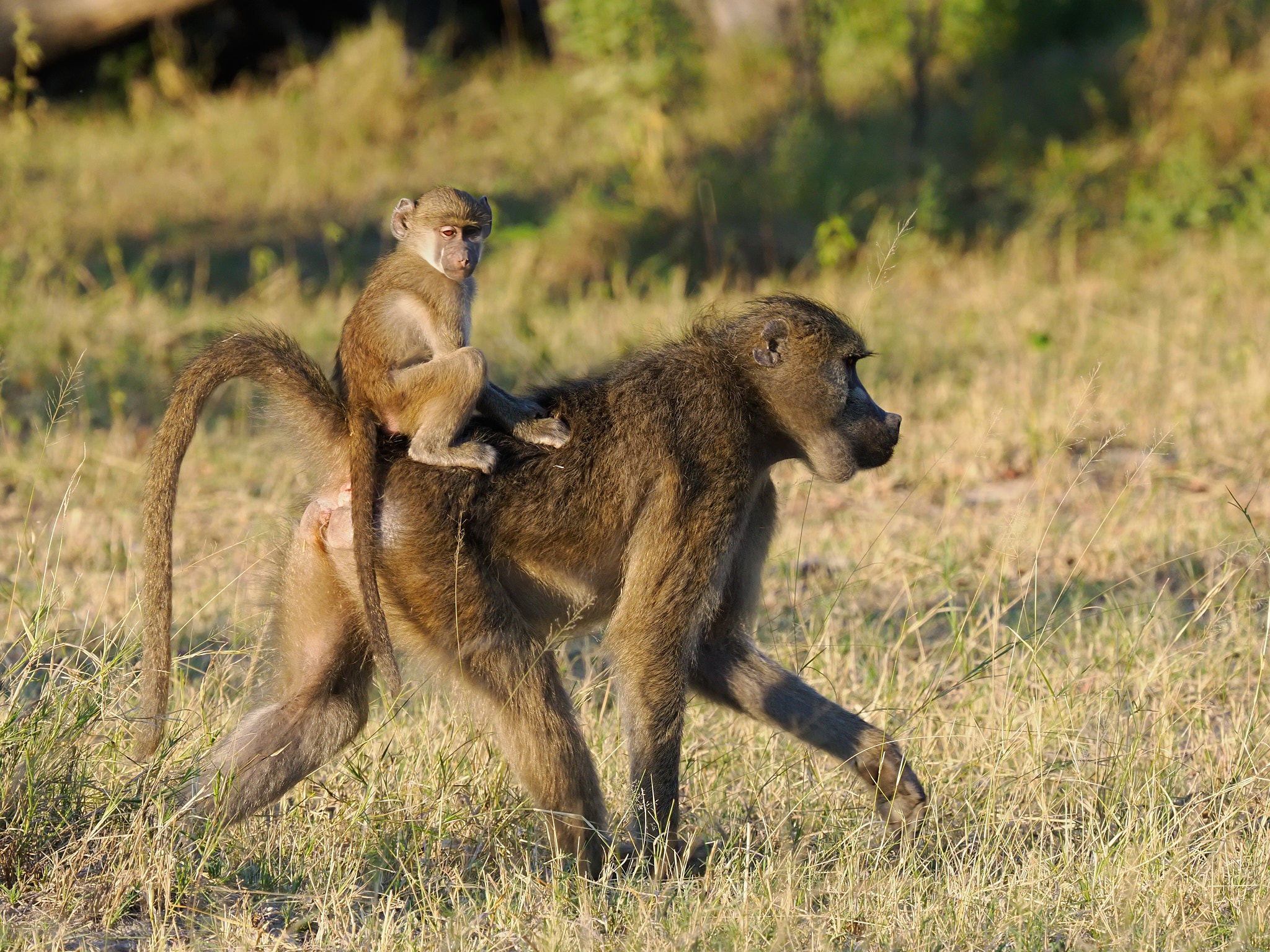
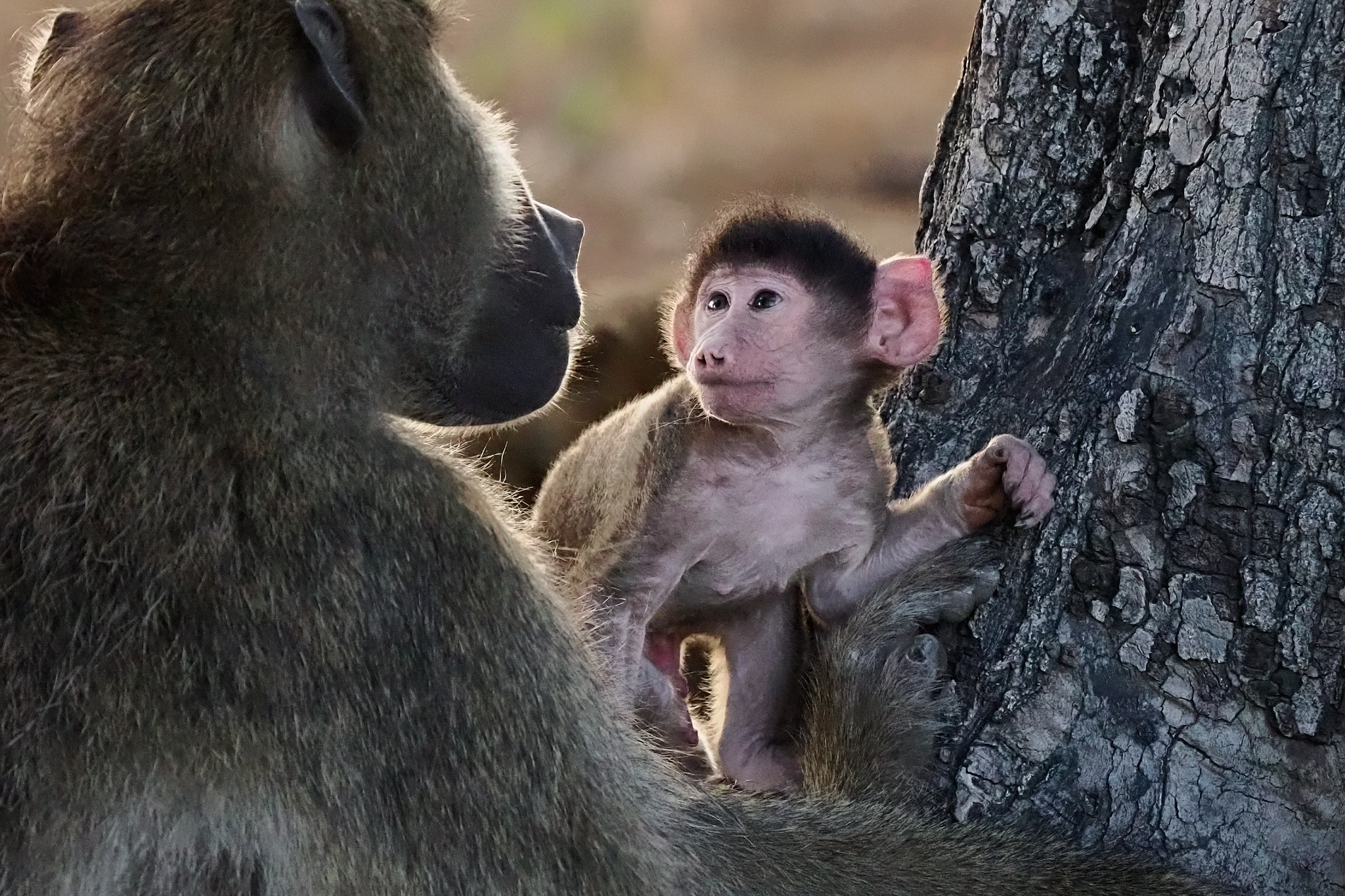
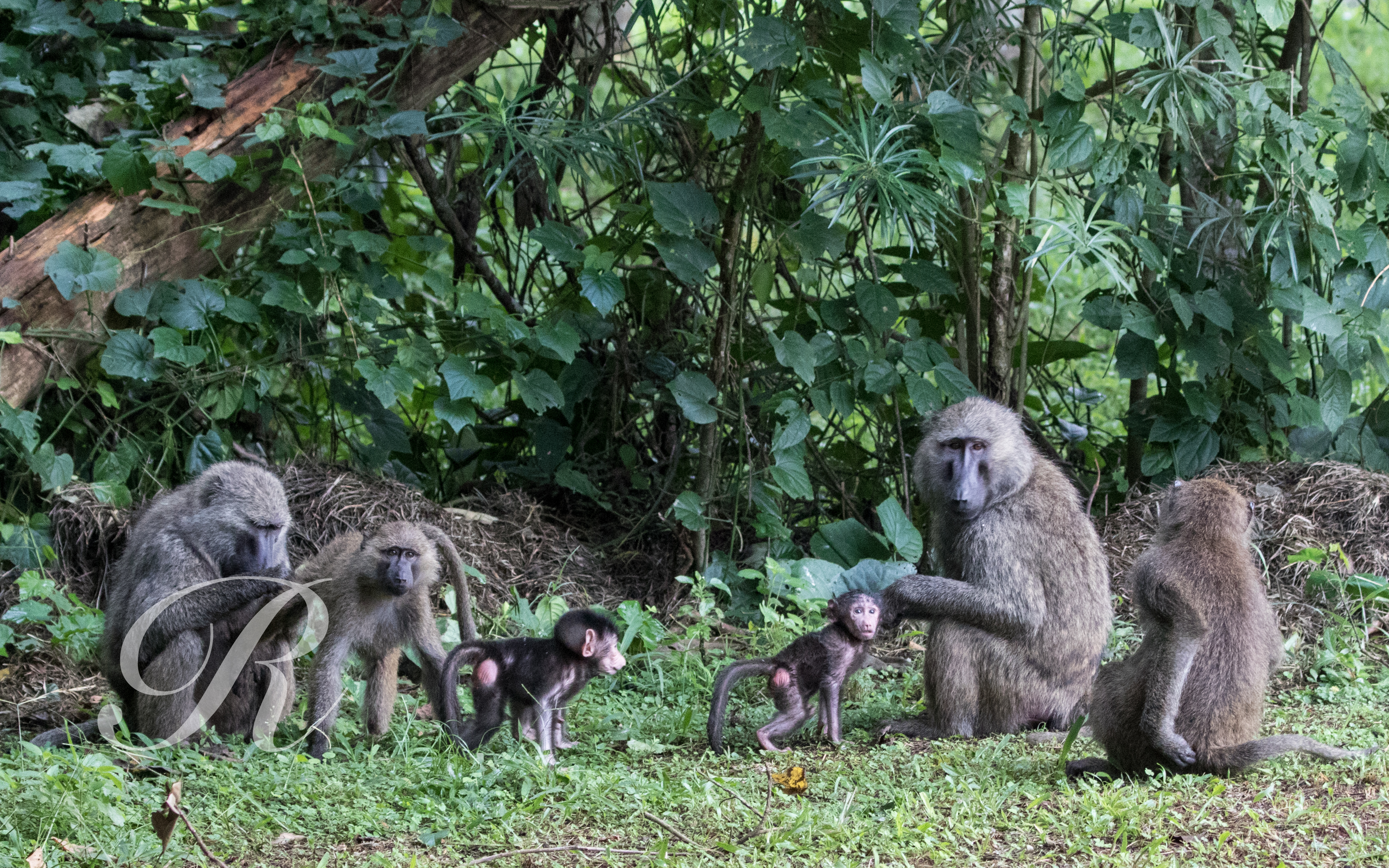
Life for a Baboon is communal. Groups vary in size but are typically 30 to 40 strong. Females and their young are at the core of the group. Females spend their lives in their natal group, males leave home at about four years of age and may switch groups again subsequently. Status is important to Baboons, the females inherit theirs from their mother. The boys have to work it out for themselves.
The group as a whole has the job of keeping other groups off their turf and keeping individual members out of the jaws of predators.
Conflict with people arises because Baboons raid crops and will enter houses in search for food. The response tends to be tinged with fear and spite.
The answer to the initial question is Baboons are gorgeous. They are never cruel to people.




 bobmcgee