Leichhardt’s Lagoon …

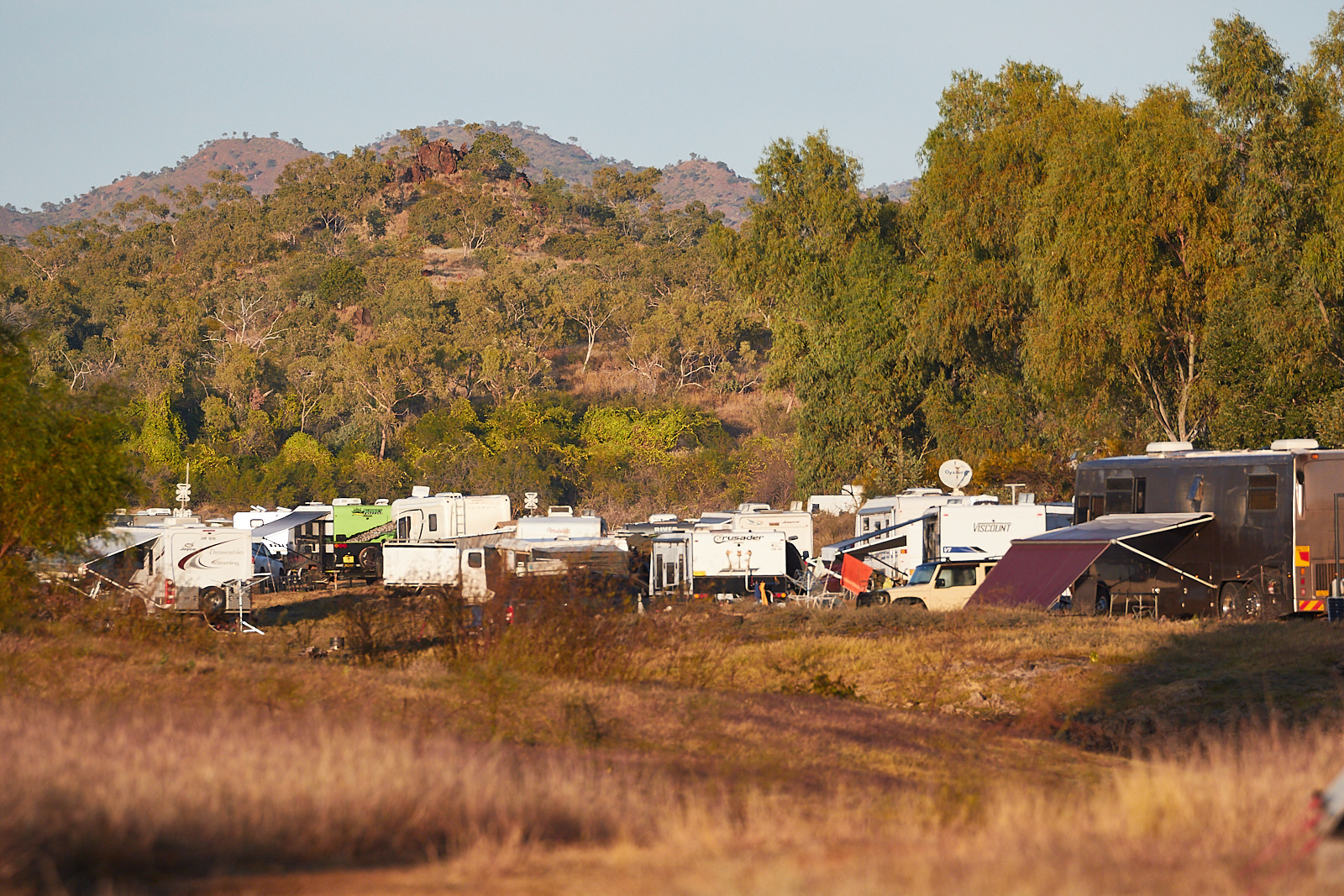
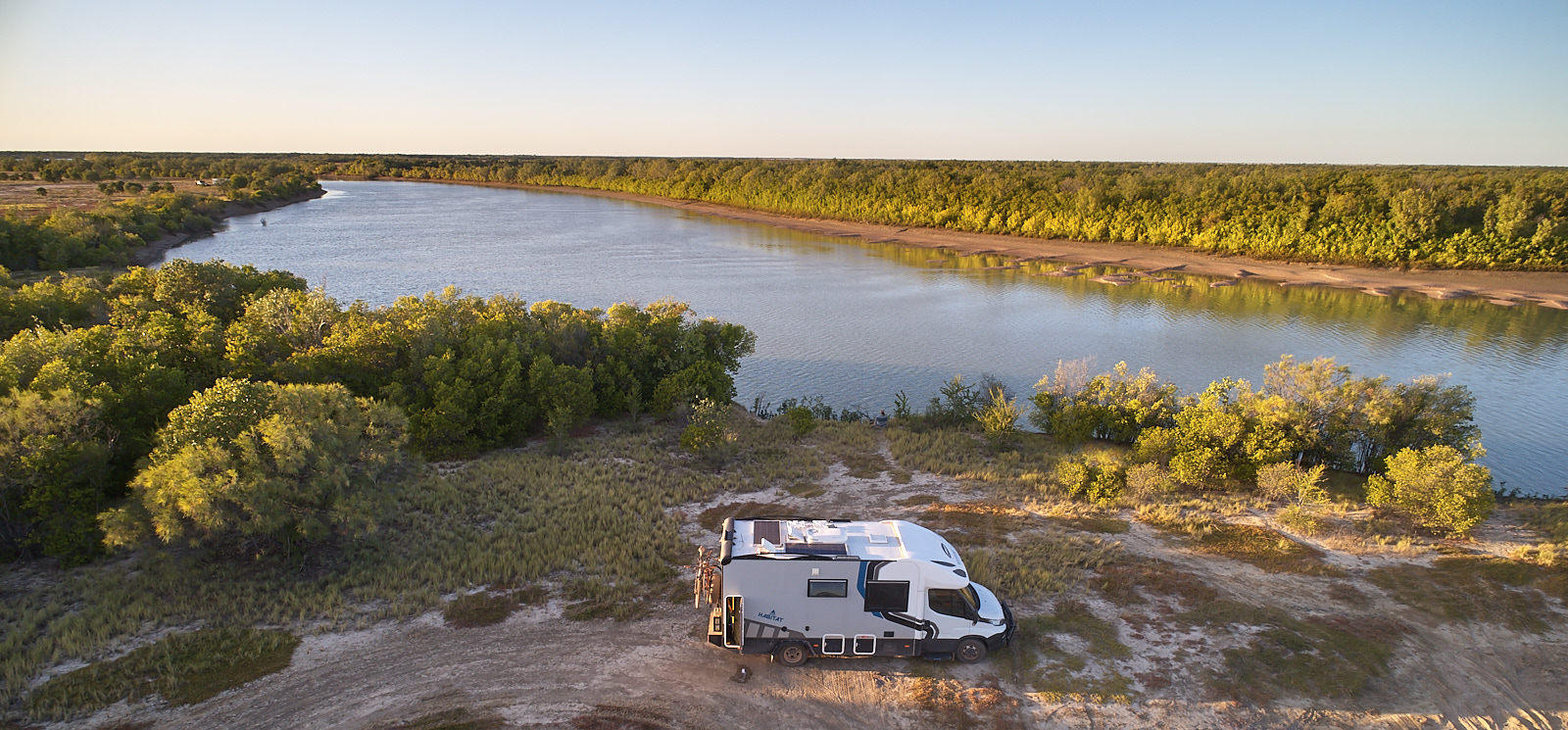
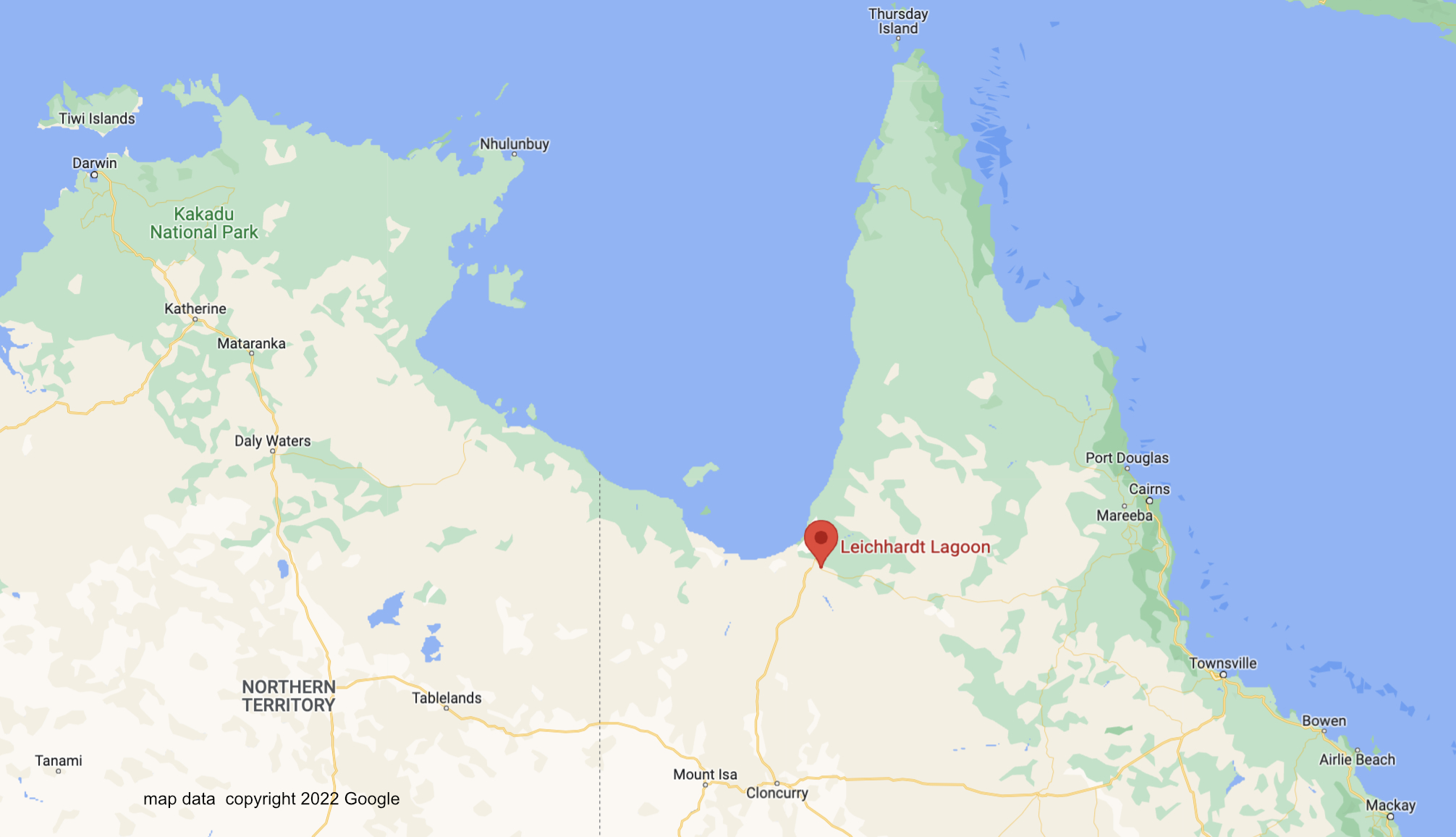
Coming from the east on Highway 1 from Croydon you cross the Norman River a little more than 20km shy of Normanton. Leichhardt’s Lagoon is on the left soon after. It’s one of my favourite camp grounds. No streams run in or out. Flood waters from the river fill the lagoon in summer, the level drops during the dry but it remains a refuge for water birds until the next wet. It’s not a flash camp site but for ambiance and natural values it’s hard to beat and the manager is the most obliging man in the gulf.

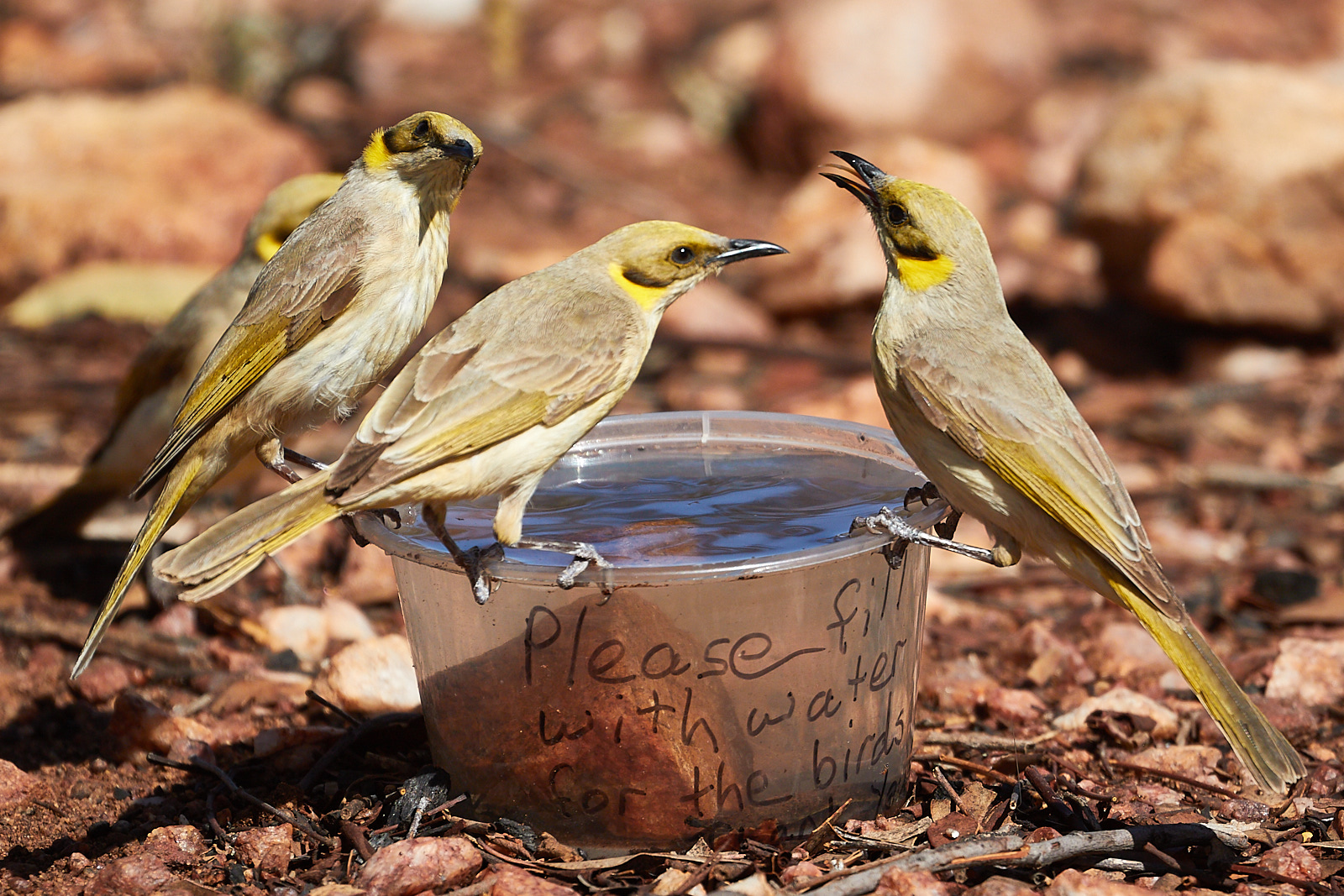
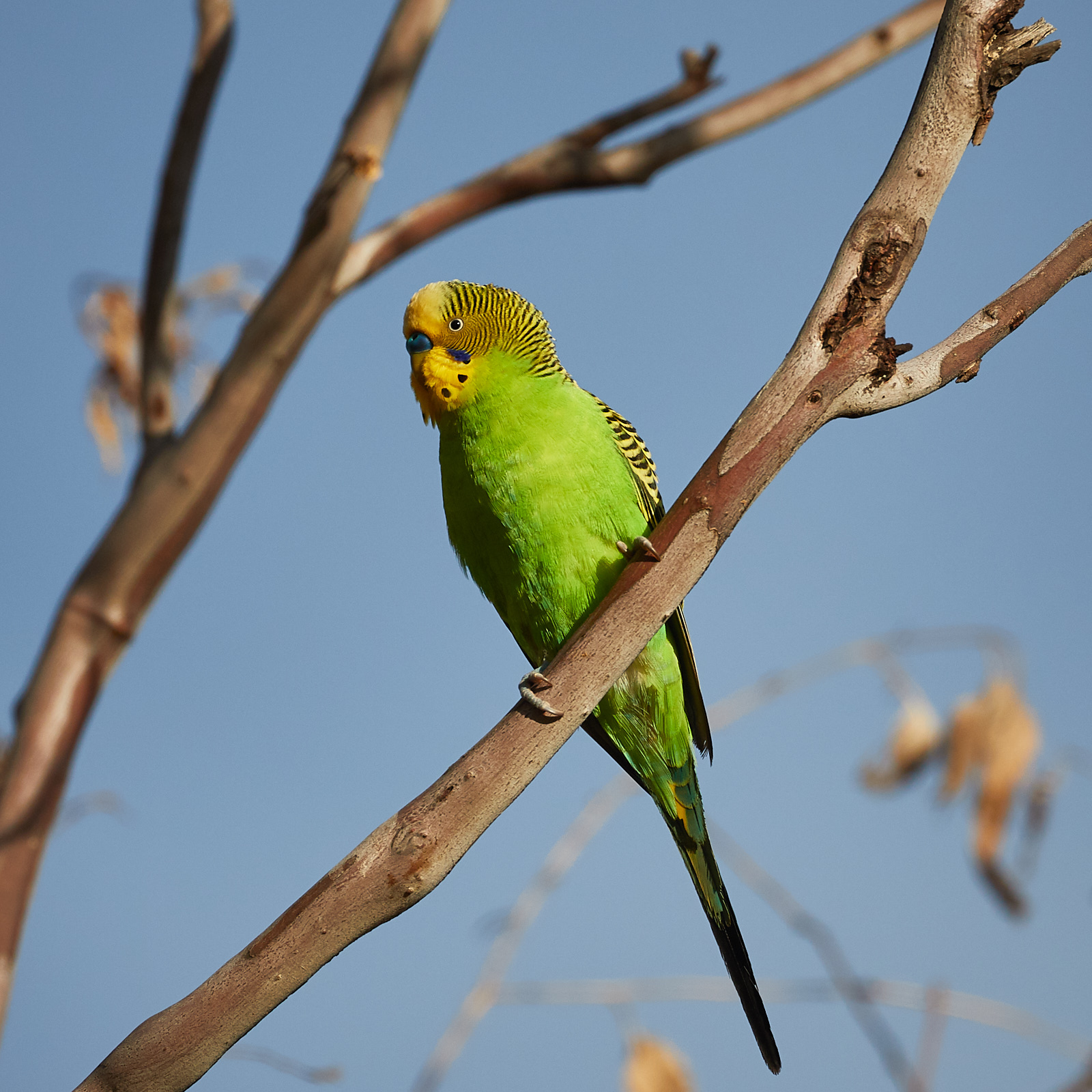
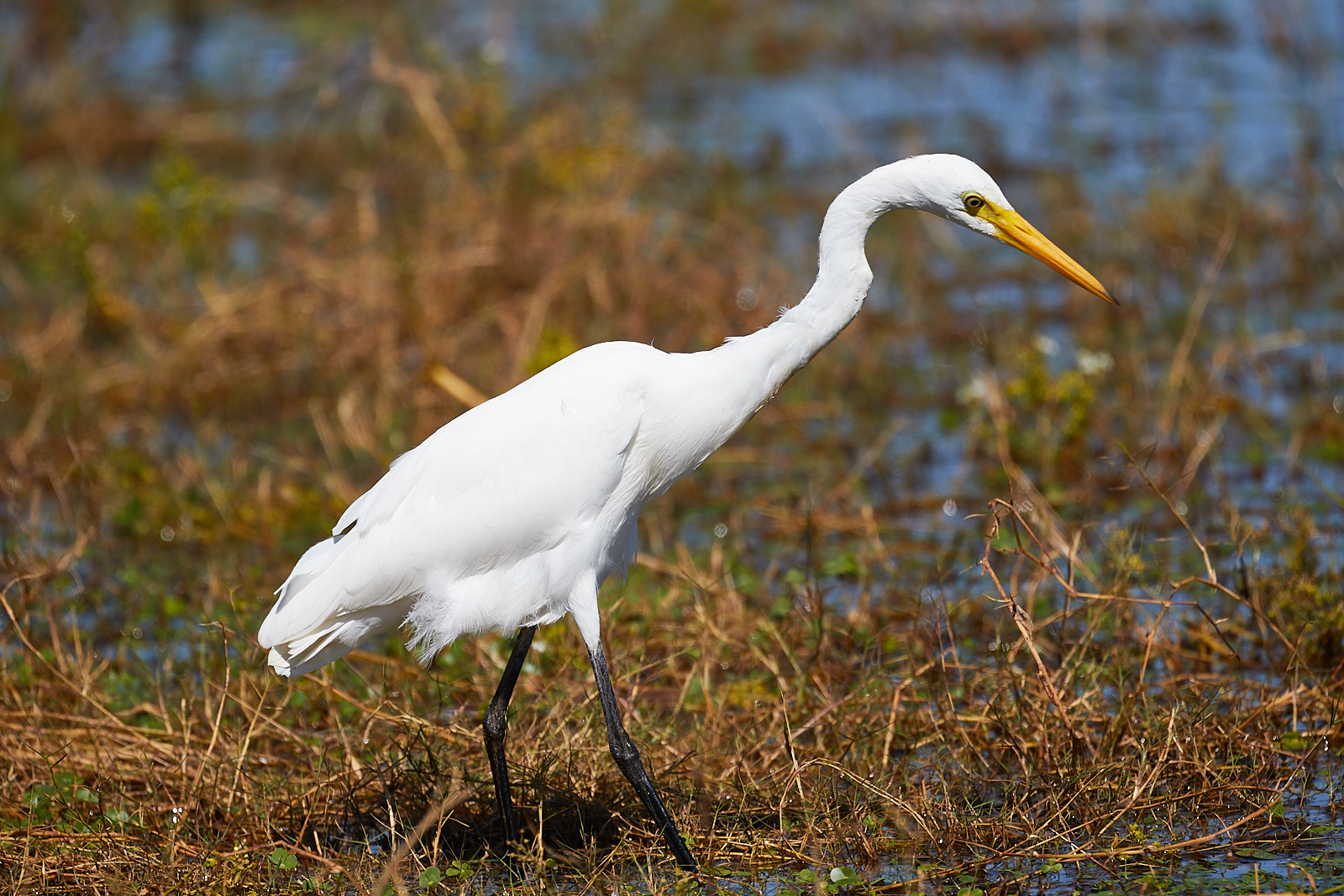
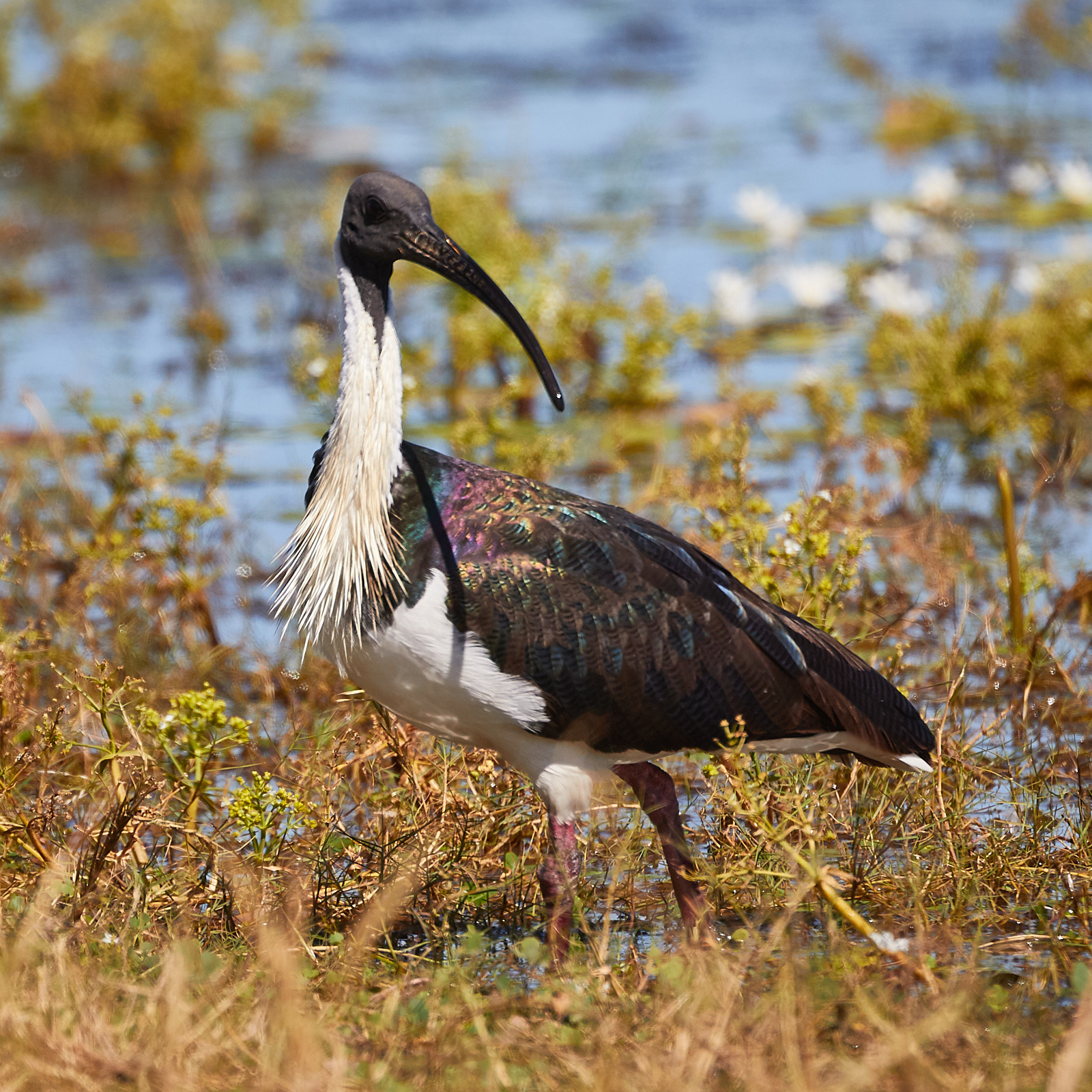
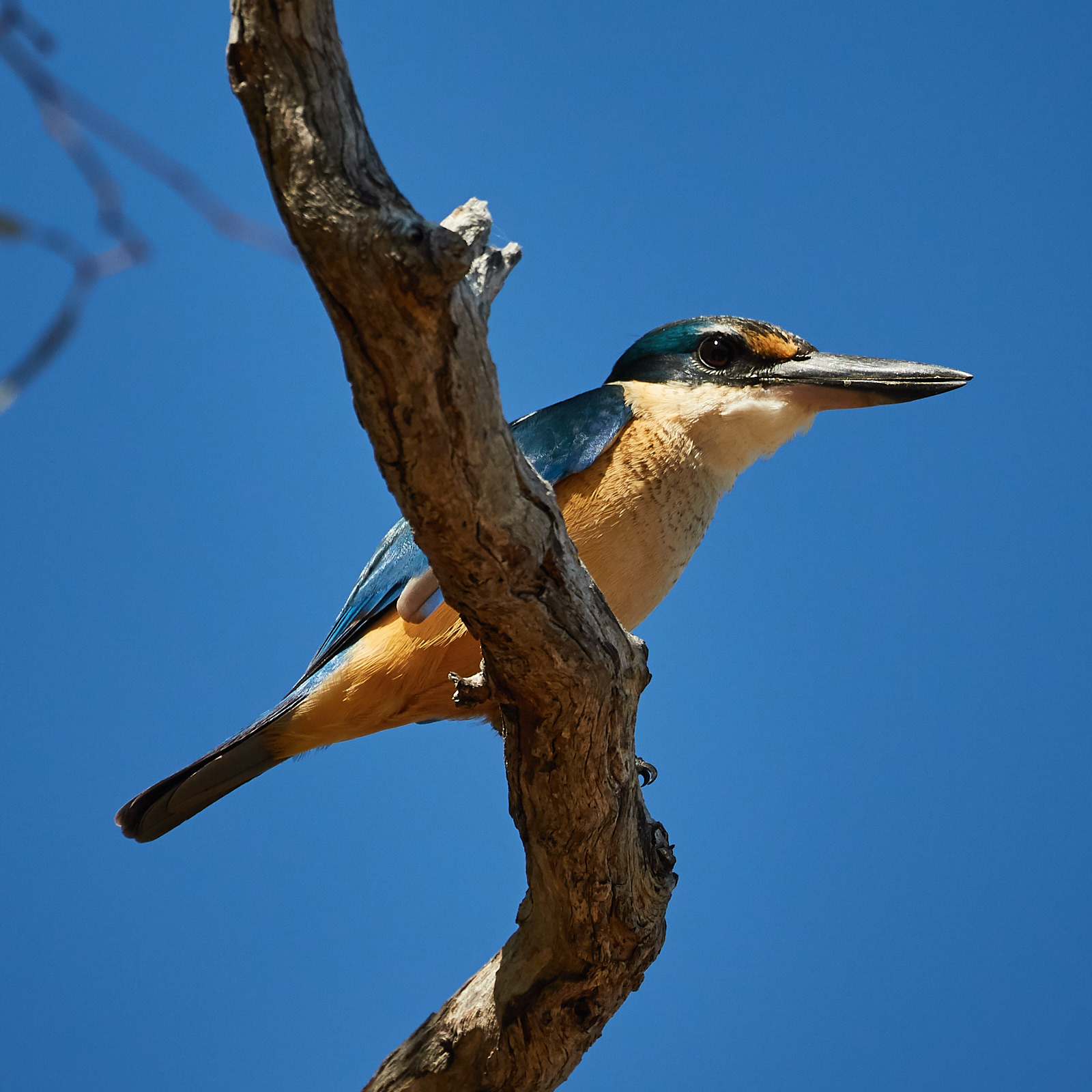
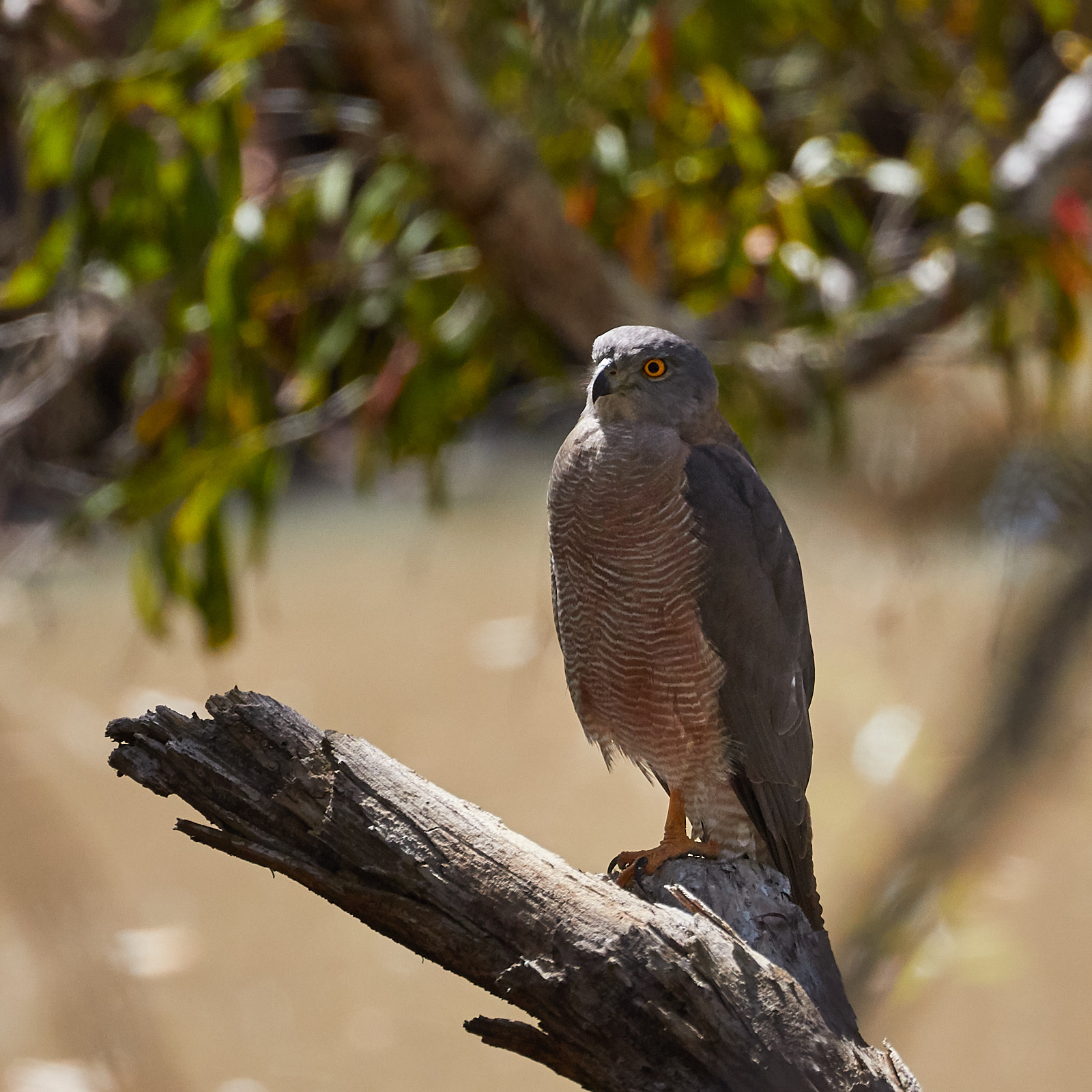
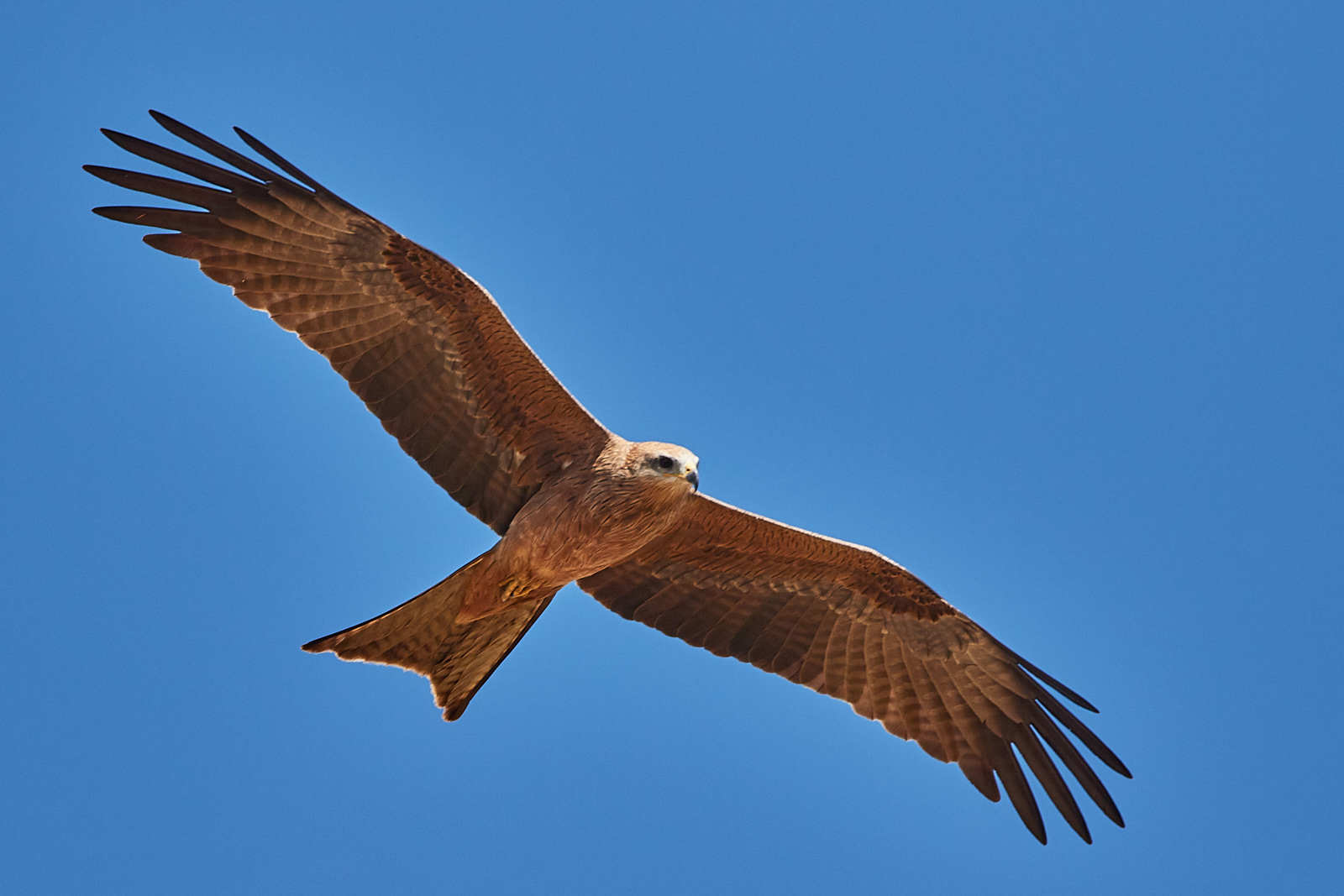
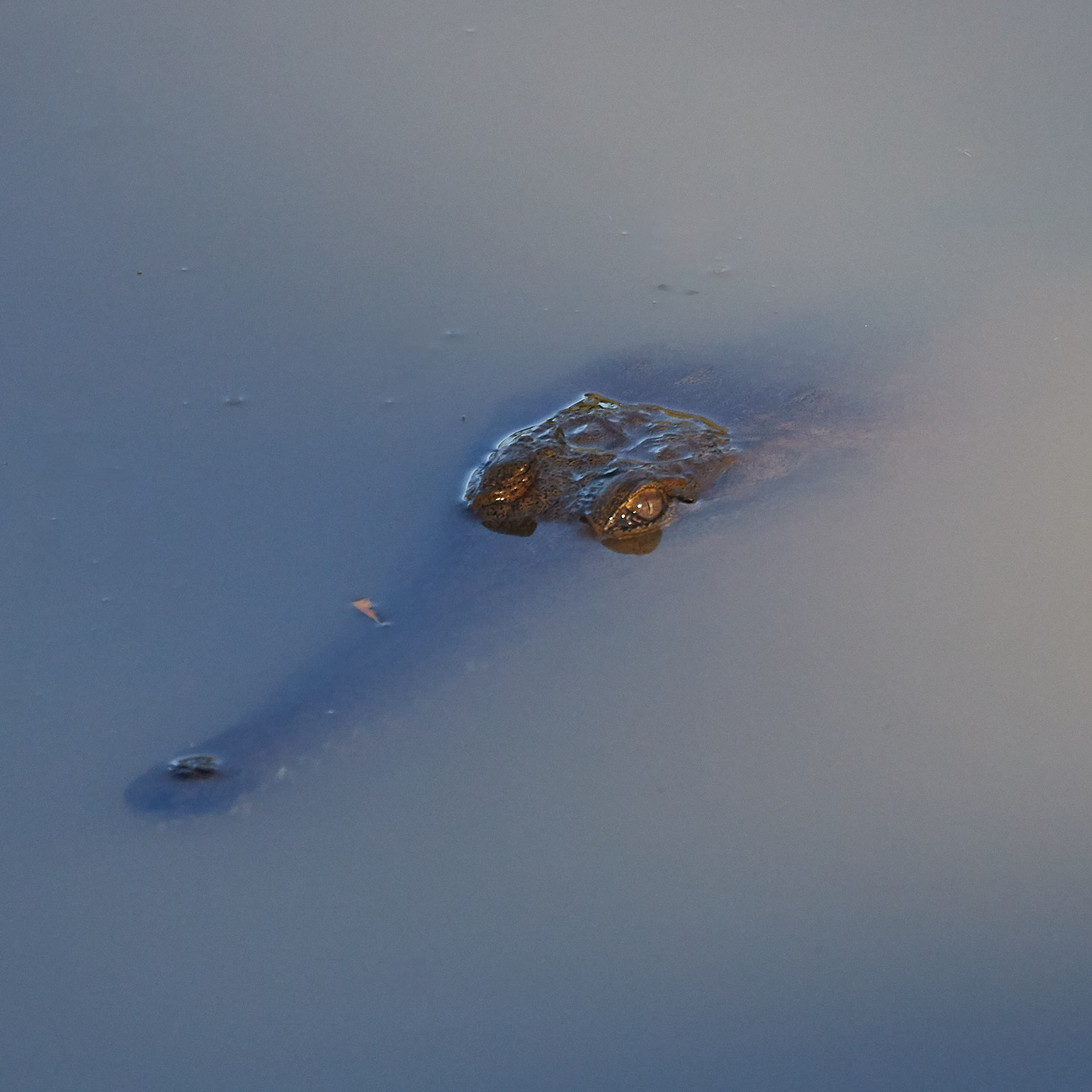
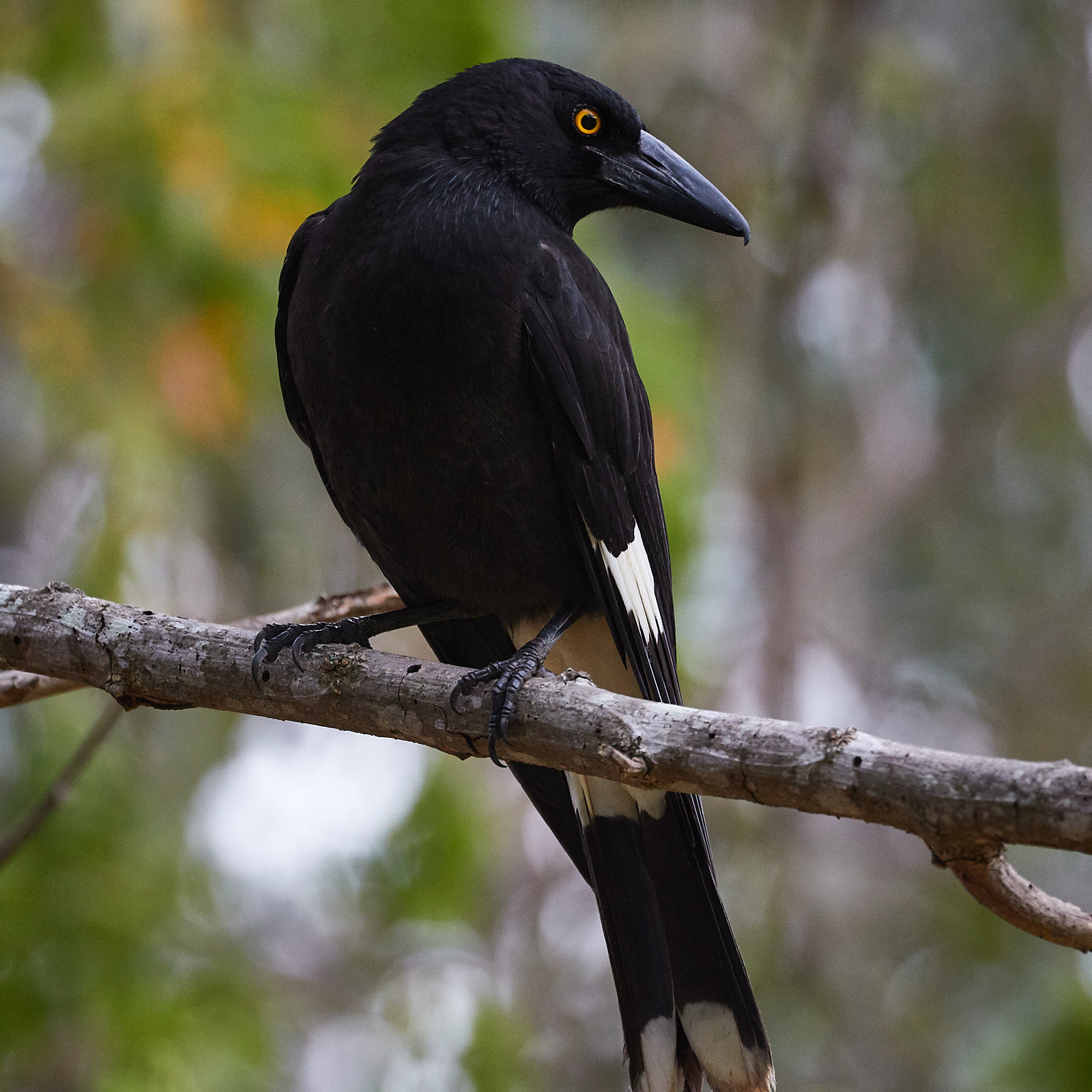
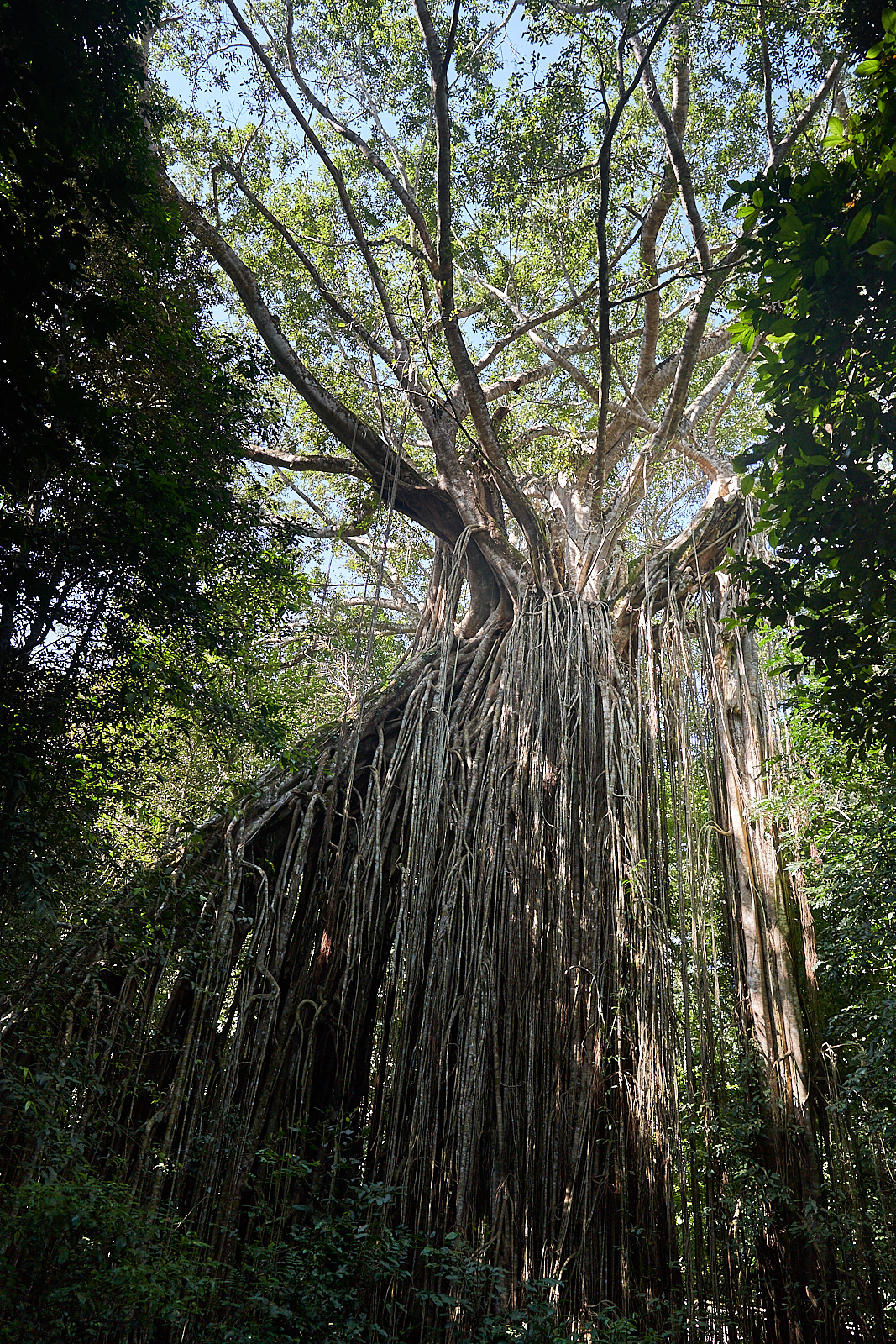
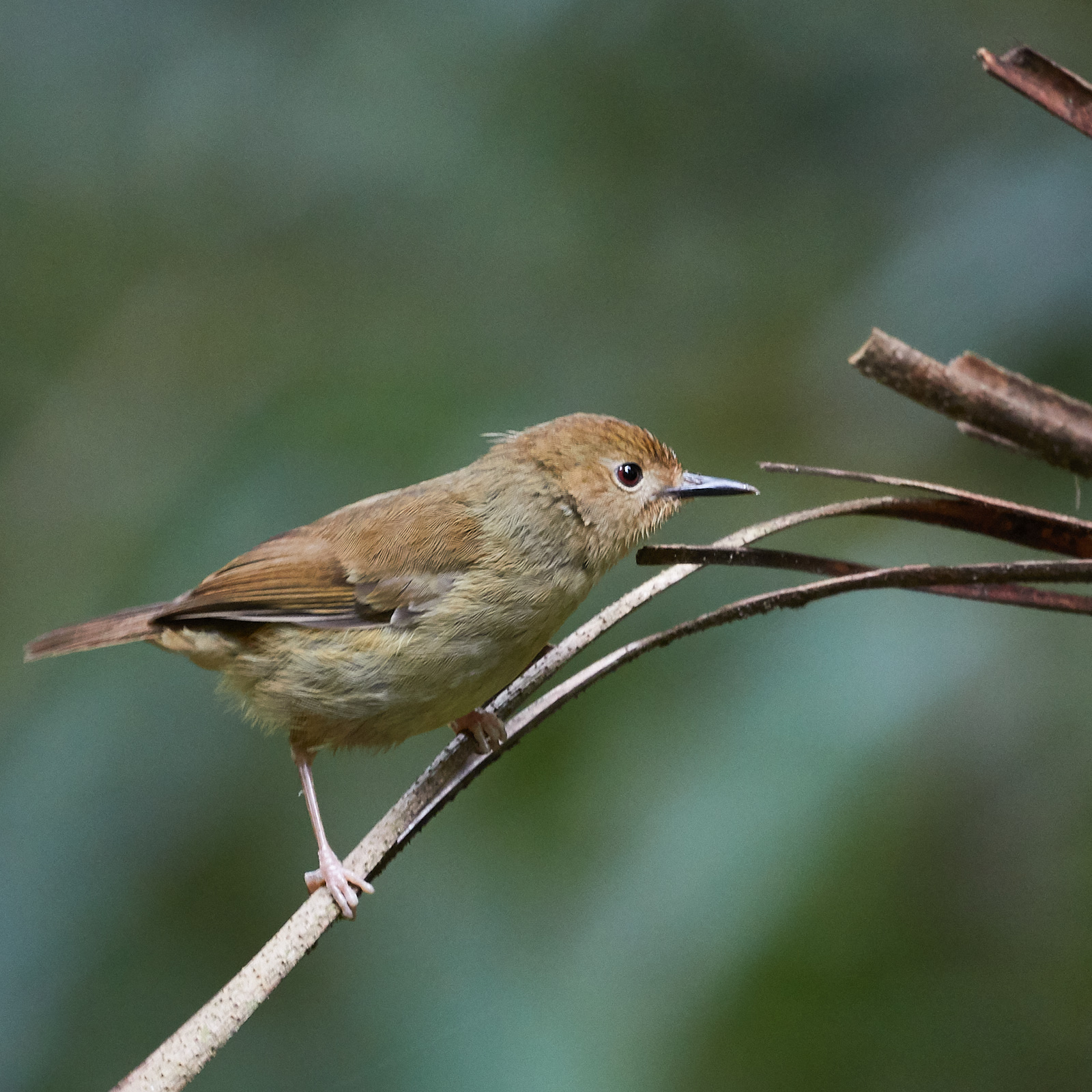
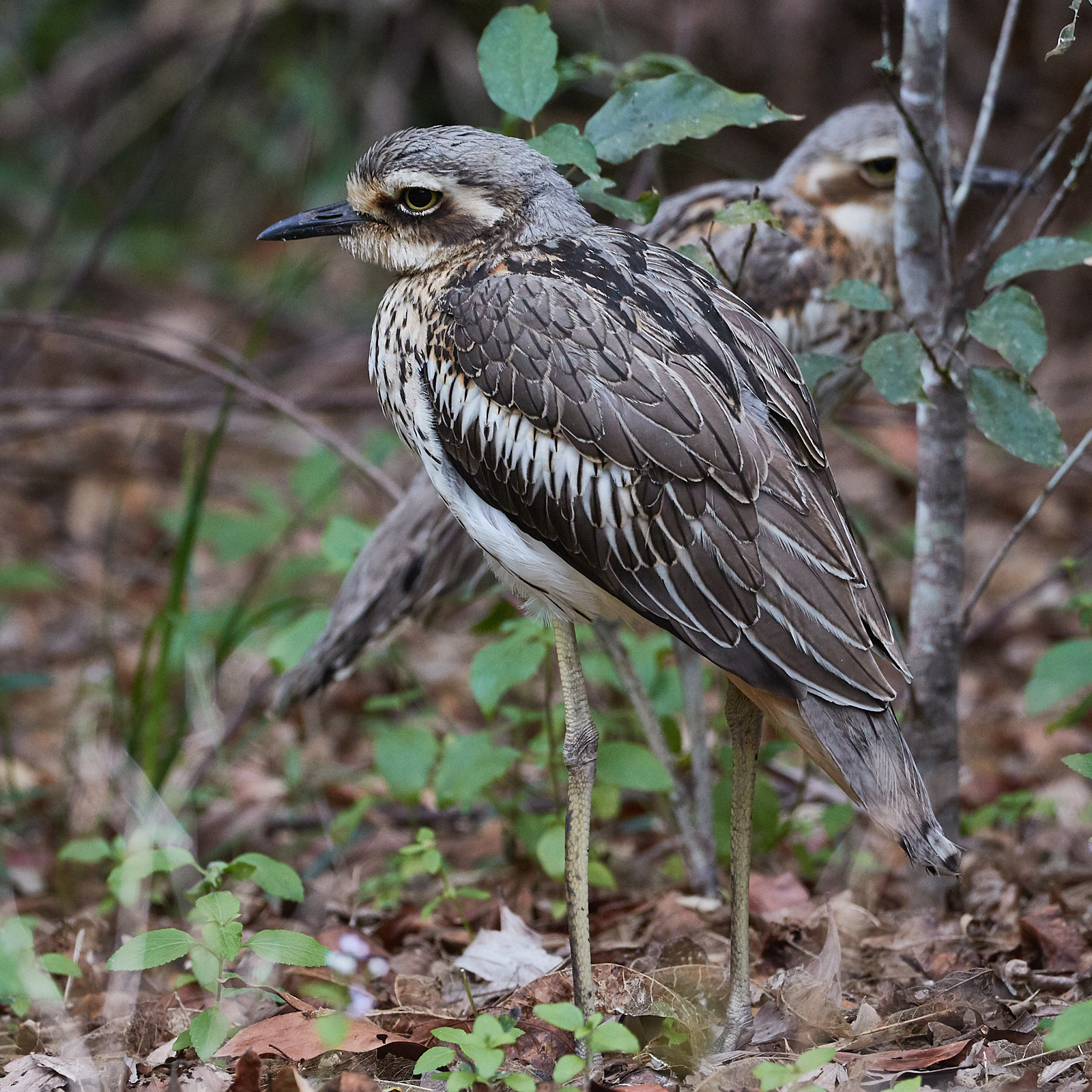
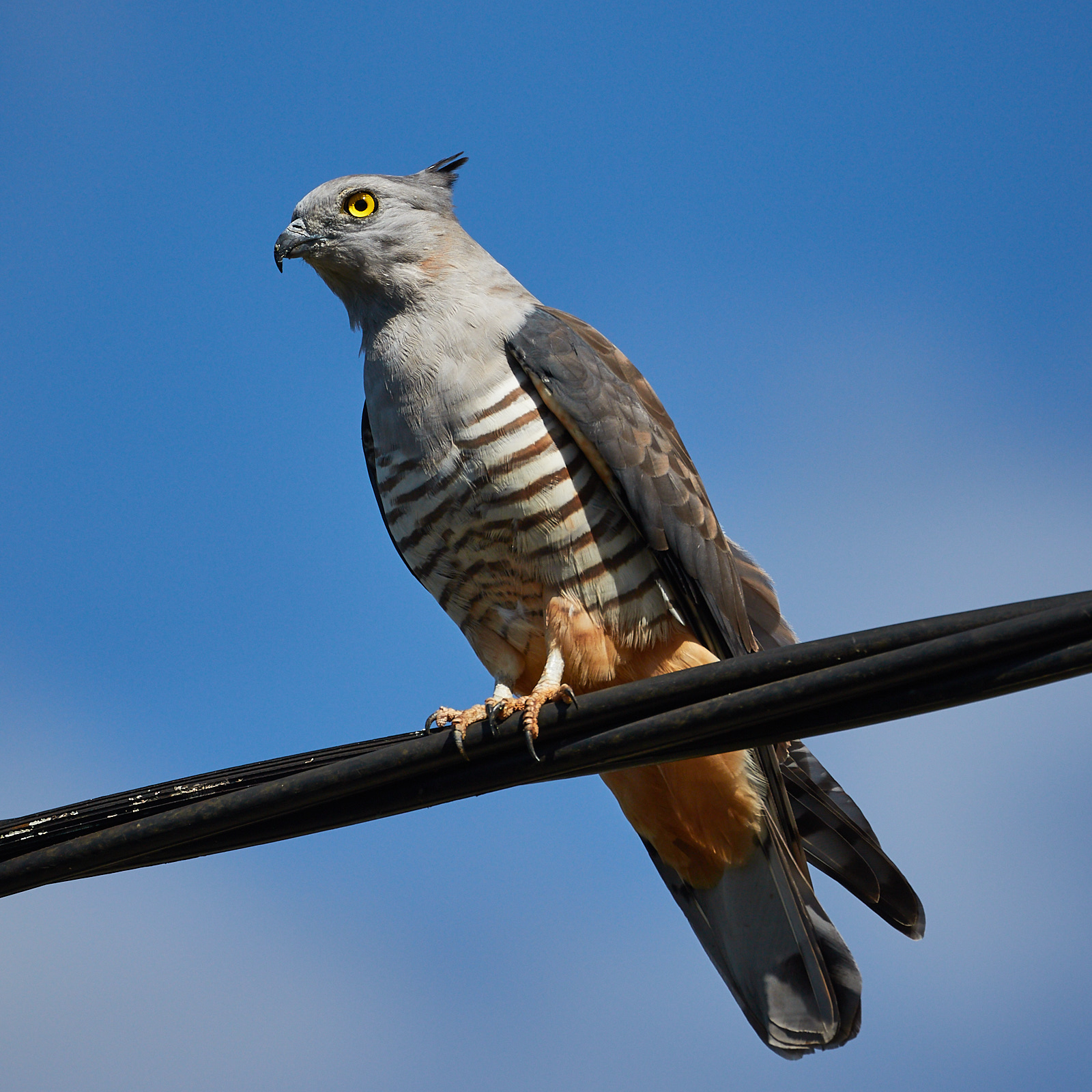
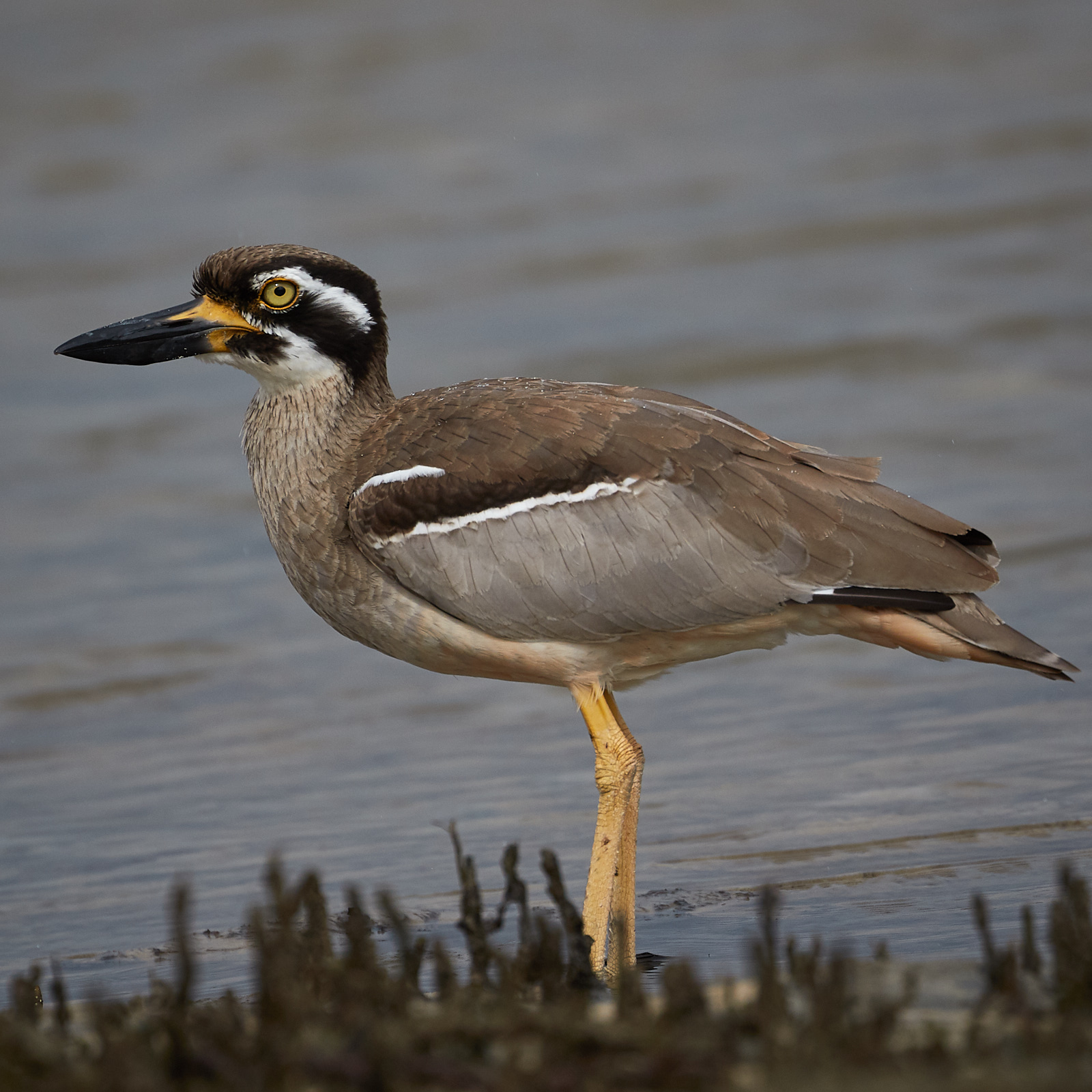
Bee-eaters and Kingfishers plied their trade around the van while Egrets and Cranes wandered along the shore 25 meters away. Magpie Geese browsed in the shallows, Cormorants and Darters fished in deeper waters. On the far bank a crocodile sunned itself. The raptors patrolled overhead.

Click on any of these photos for a closer look.

Time for a swim?

Heading West …

Our last night in the Atherton Tablelands was spent at Innot Hot Springs. The west side of the tablelands is drier, the forest in the uncleared areas tends to be eucalypt rather than rainforest and the birdlife slowly changes too but we were there mainly for the hot springs. You can enjoy the raw product just by wading into the creek. The disadvantage of that is choose the wrong spot and you could be on your way to the burns unit or you could be up to your knees in cold water wondering what all the fuss is about.

Somewhere in between is the place that is just right. It’s a shallow pool scraped out of the gravel. Goldilocks has already claimed it, she’s nowhere near as attractive as you imagined and she’s probably brought the three bears with her.

The better option is to stay at the campground and enjoy the nice man-made pools within. Entry is included in the price of your accommodation. The pools are deep enough to immerse yourself in and you can choose one at a temperature that suits. Some are outdoors but the hottest are indoors. It’s not quite up to Japanese standard, you would be out of place naked, but very refreshing and extremely relaxing.

As a bonus the campground is quite pleasantly grassed and treed and adjacent to a billabong. The birds like it here too.

Innot Hot Springs is on Highway 1. That is the gentler road across the base of Cape York which is the way we went this time, via Croyden to the eastern corner of the Gulf. The adventurous can take a more northerly route via the Burke Development Road – carry an extra spare wheel and don’t forget the jack!

Lake Eacham …

Moving south on the Atherton Tablelands brings you in easy reach of the crater lakes and some fine rainforest remnants. Lake Eacham and its surrounding forest survived because of its scenic splendour when surrounding land was carved up for agriculture and is now preserved as national park in the World Heritage listed Wet Tropics. It makes a good base for exploring the region.

The lake originated when molten magma came into contact with ground water suddenly producing so much steam that an explosion ensued. In other words it’s a maar. Lake Barrine is another example. The Atherton Volcanic Province covers an area of 1800 square kilometers with 52 eruptive centres. It’s been quiet for the last 10,000 years which may mean it’s extinct … or perhaps not.

The avid bird watcher will want to visit both these lakes as well as other rainforest remnants, Hasties Swamp and Hypipamee National Park. One evening the sunset should be enjoyed at Bromfield Crater where hundreds of Brolga and Sarus Cranes fly in to spend the night. Spectacular but dress warmly!

Scarlet Honeyeater

Atherton Tablelands …

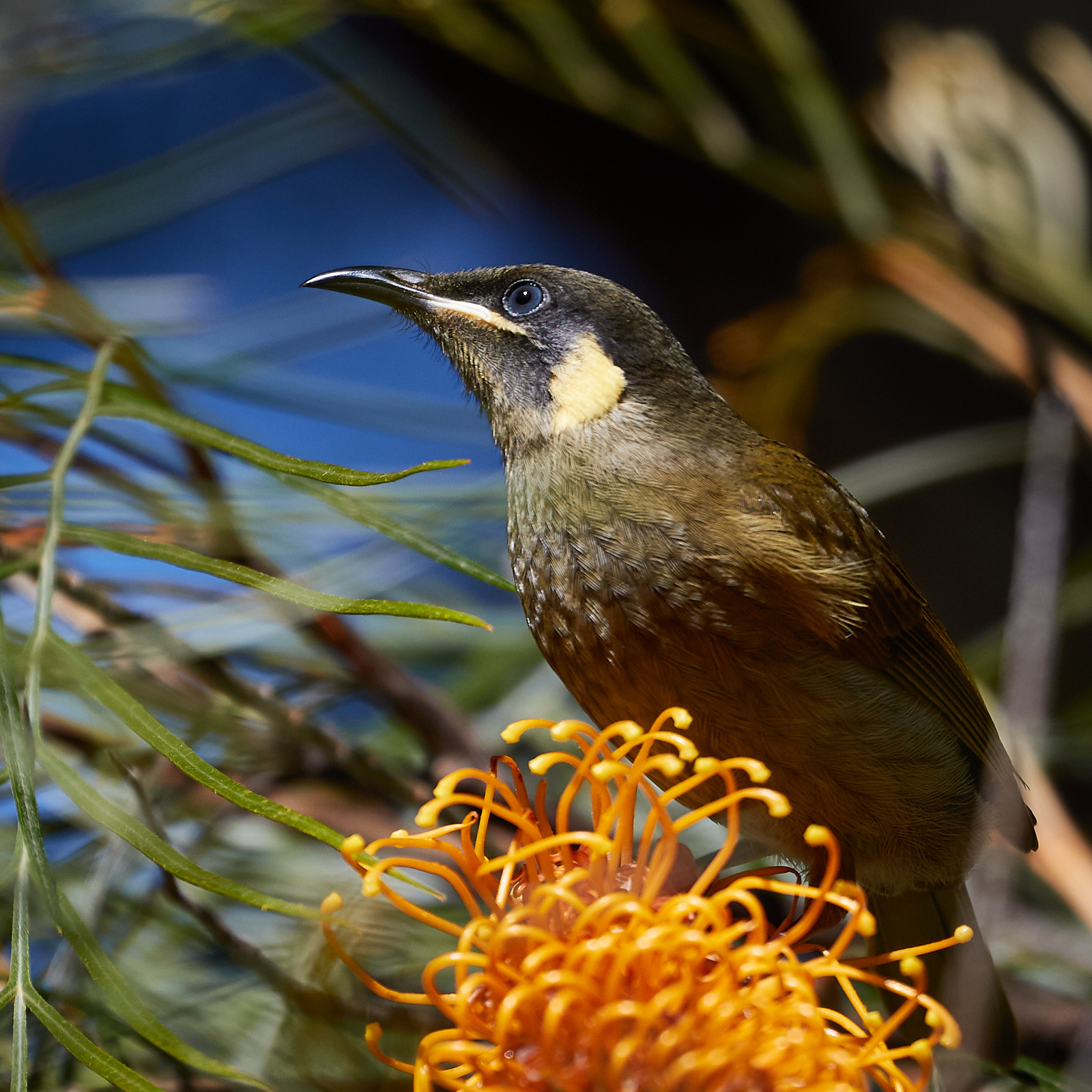
Macleay’s Honeyeater

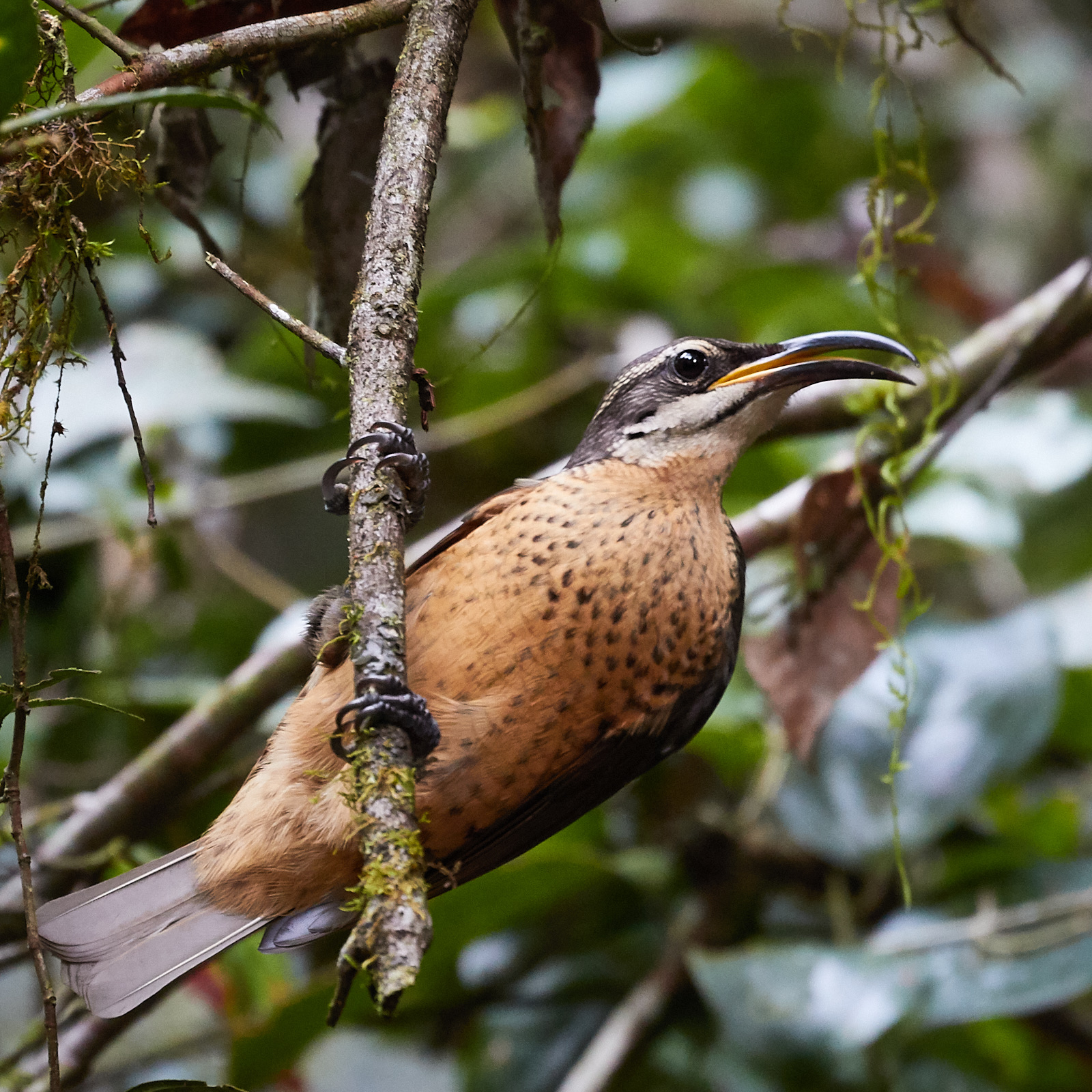
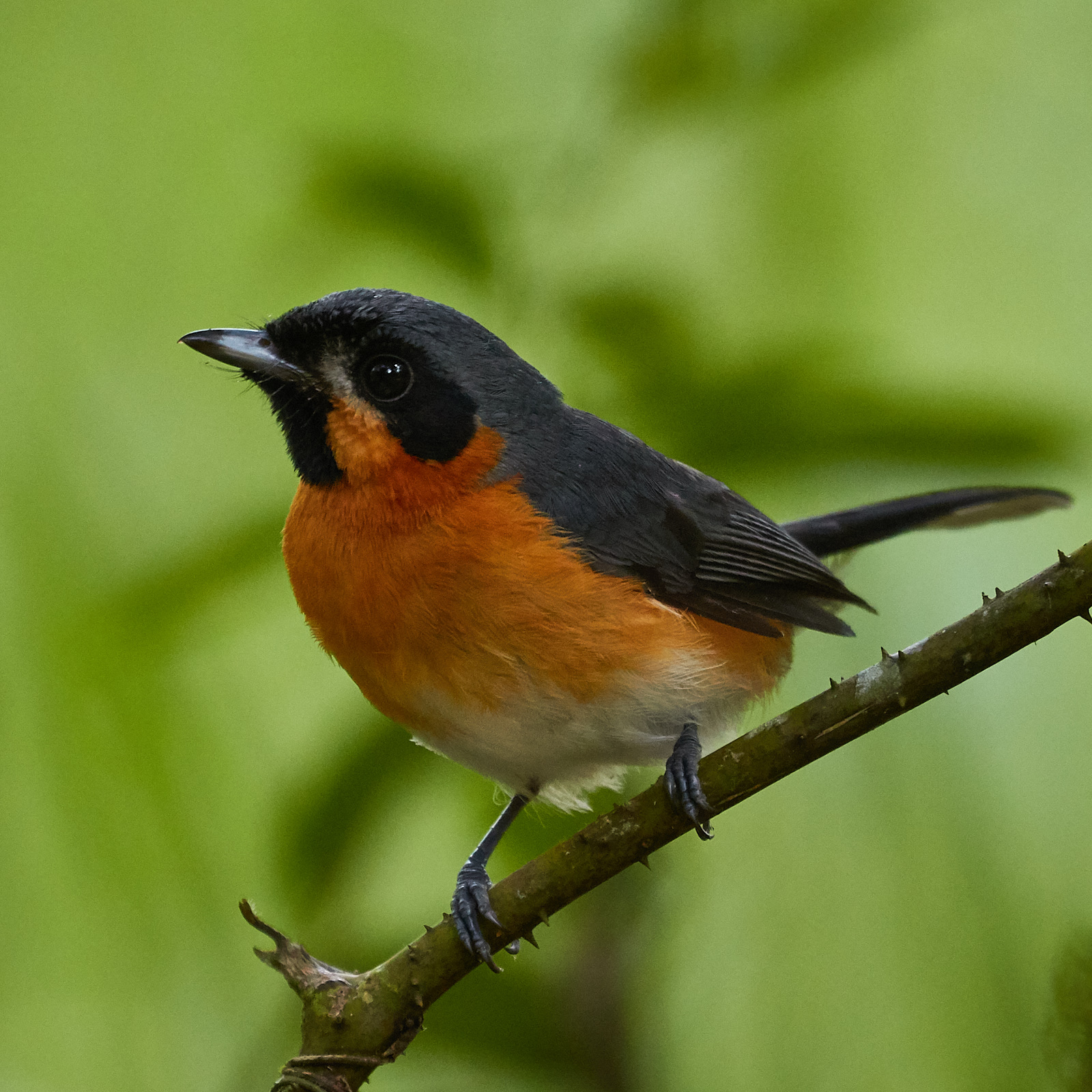
The Atherton region is the richest birding hot spot in Australia. From mangroves and mudflats at the coast via lowland rainforest, wetlands, agricultural country to cool tropical forest at the top of Mount Lewis there is diversity every step of the way. Any budding birder would do well to make it their next holiday destination.

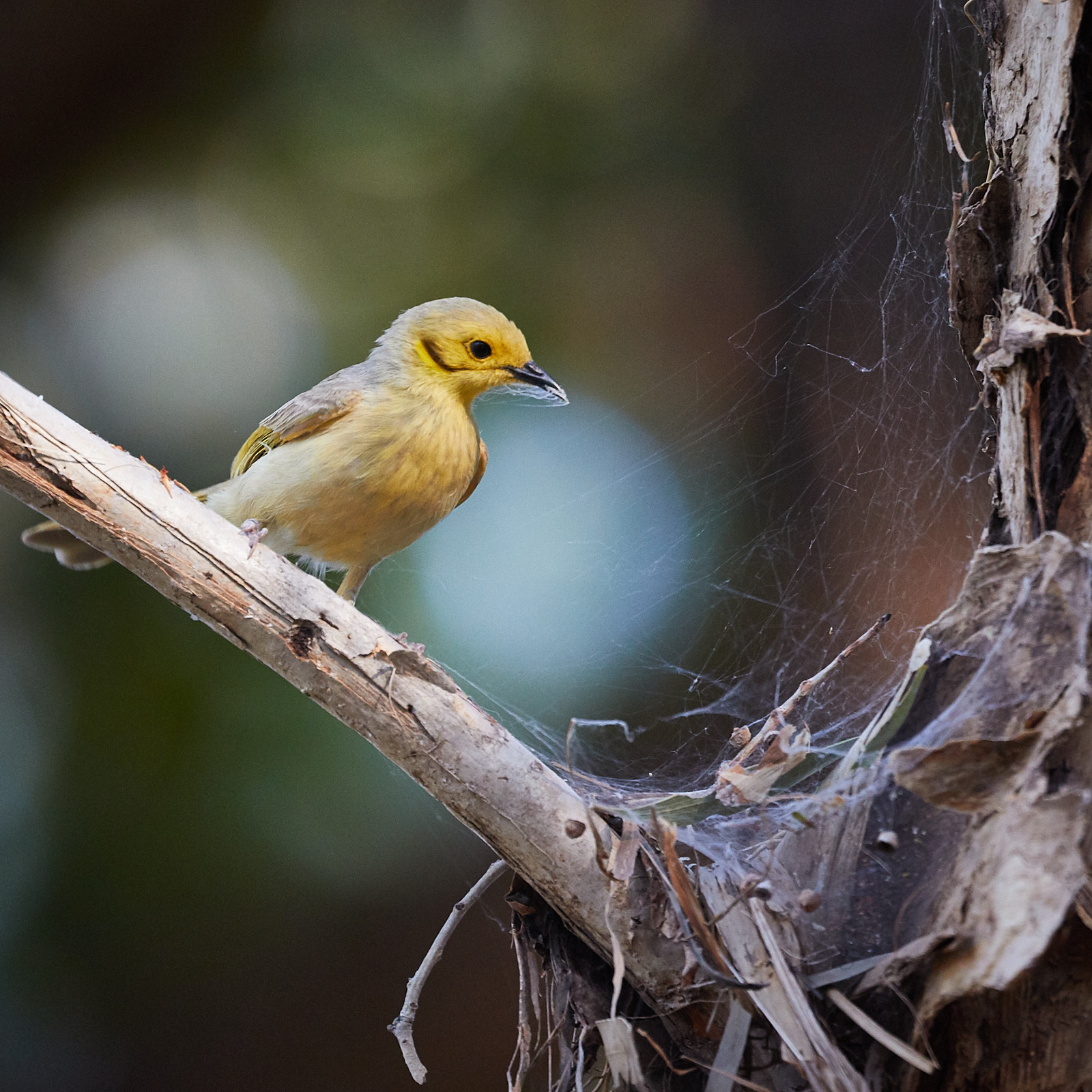
We stayed at Wetherby Station for a few days. It’s an old favorite of mine because it is handy for Mount Lewis and beautiful in its own right. It is a working cattle property which offers some accommodation options. It seemed to be just waking up from a covid induced slumber, hopefully it will be in full swing again soon. Without going out the gate you have three lagoons, some gardens, woodland and pasture. Just down the road along Rifle Creek there is some rainforest where you can find Pale Yellow Robin and Lovely Fairywren.

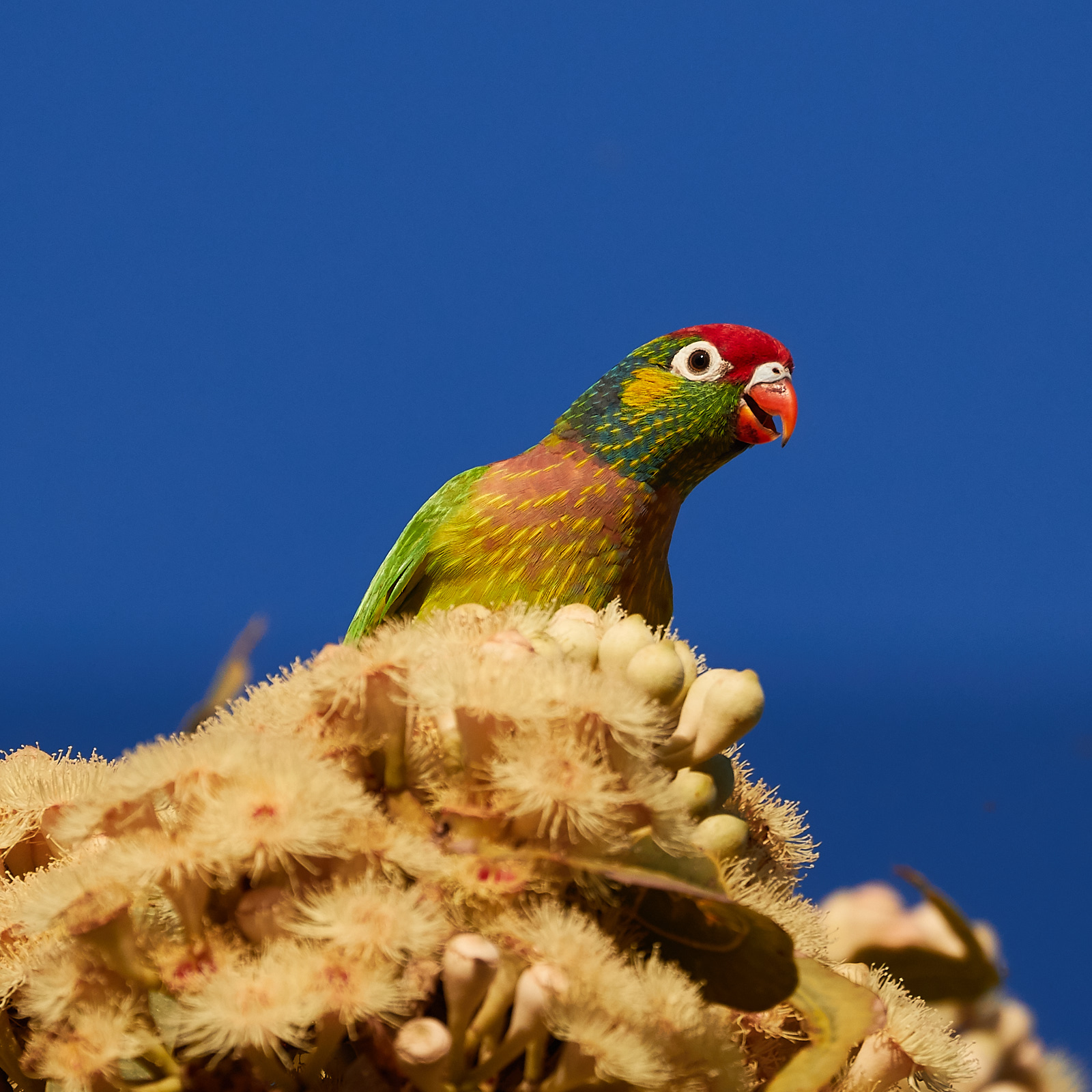
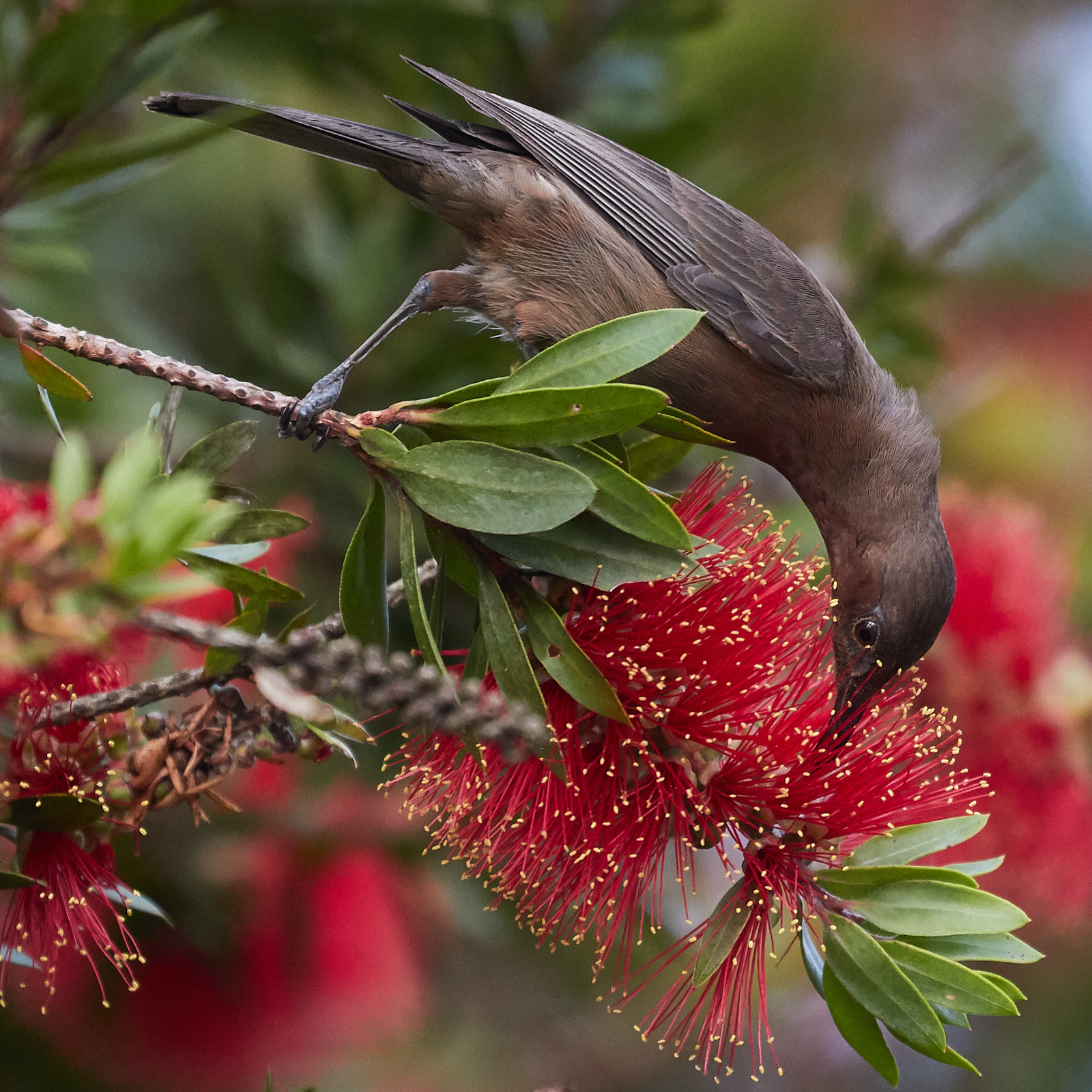
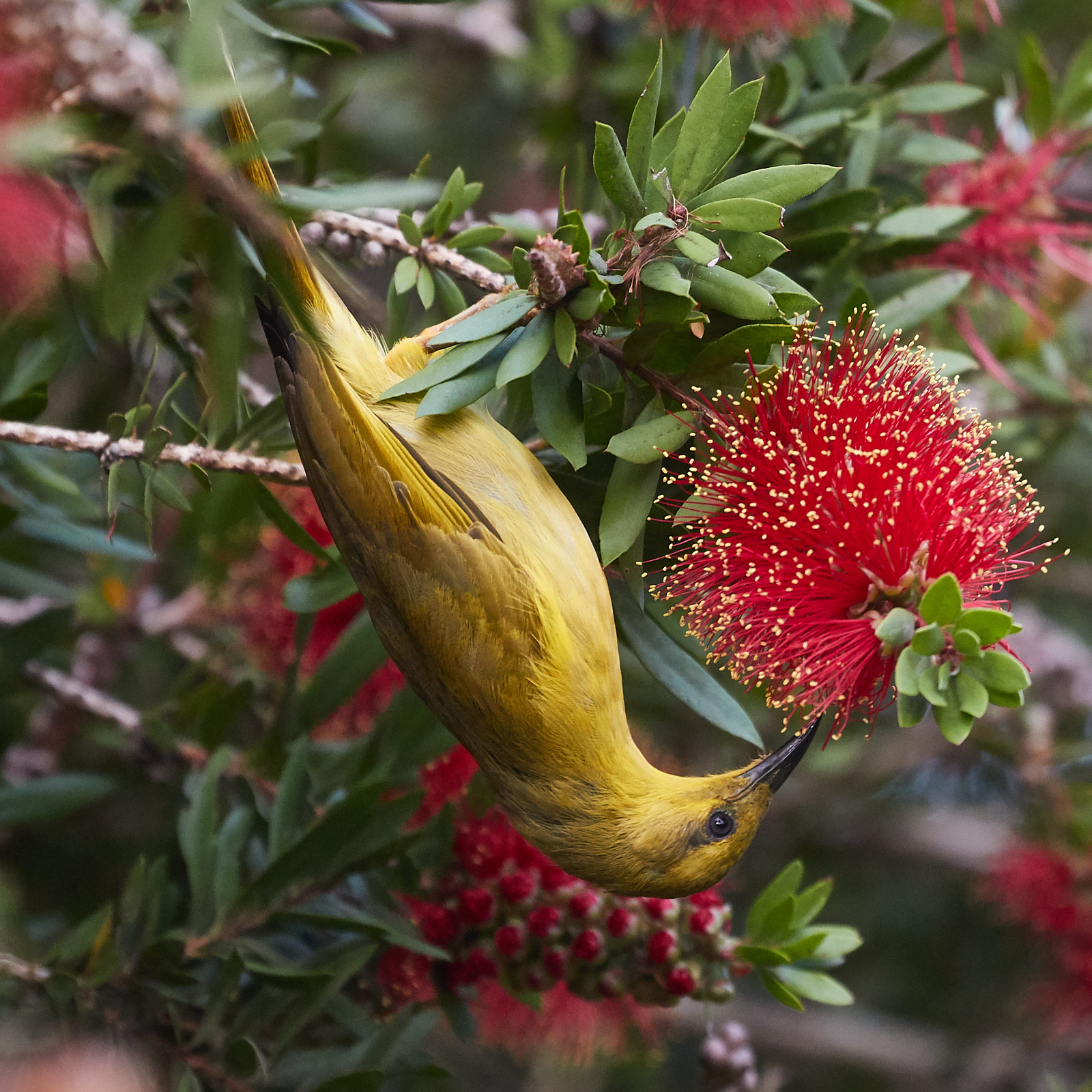
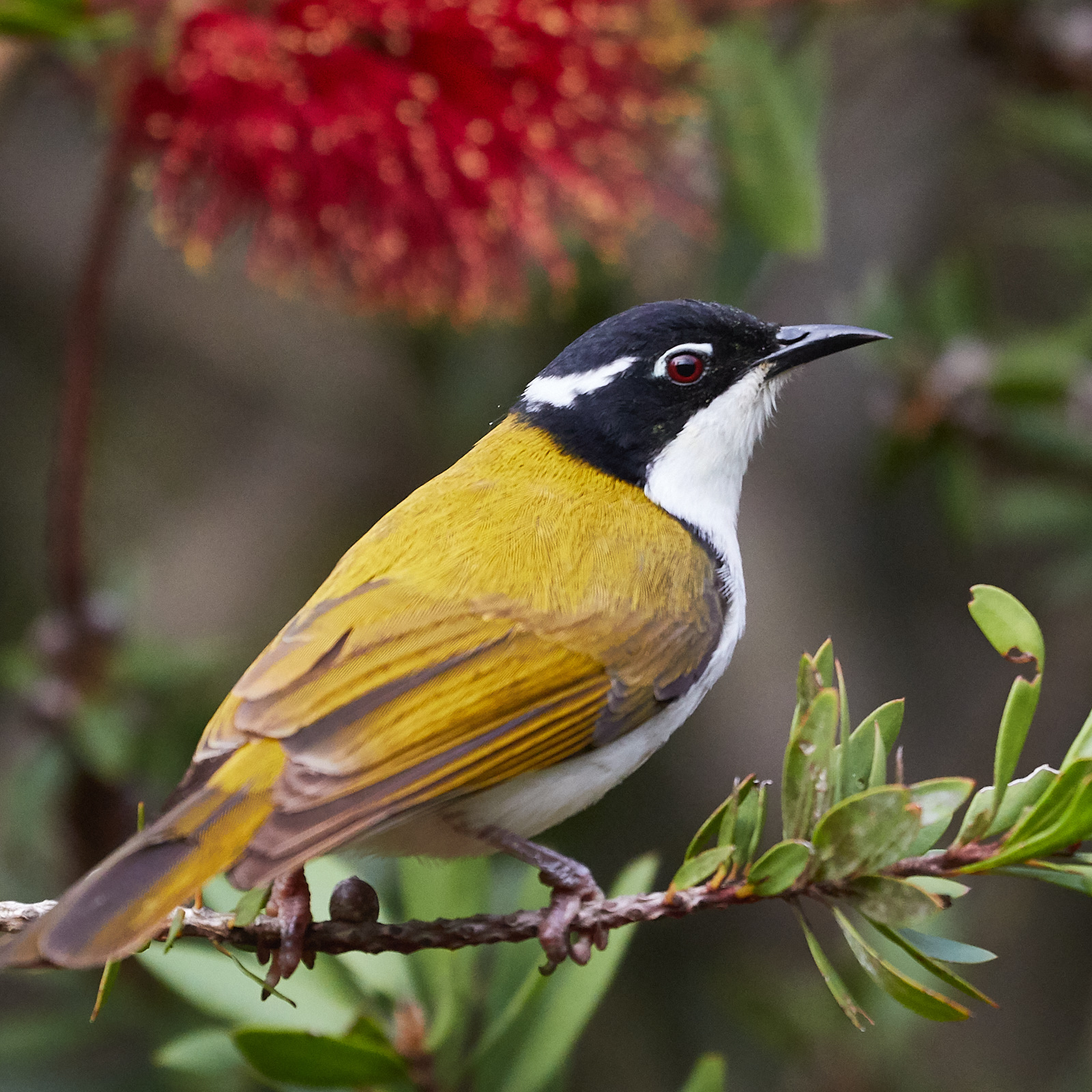
Some time in the garden was well rewarded. You’ve gotta love callistemon …
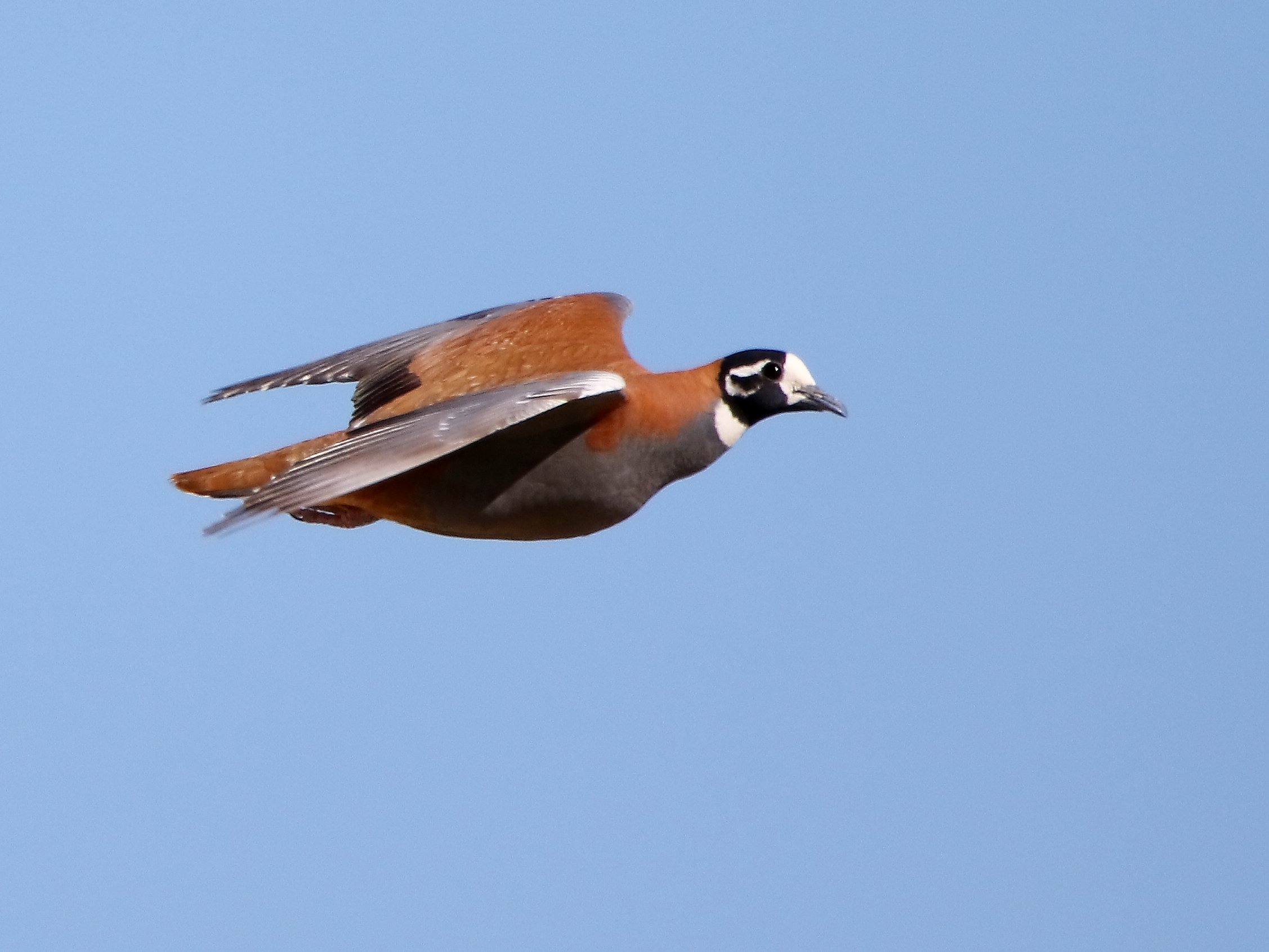
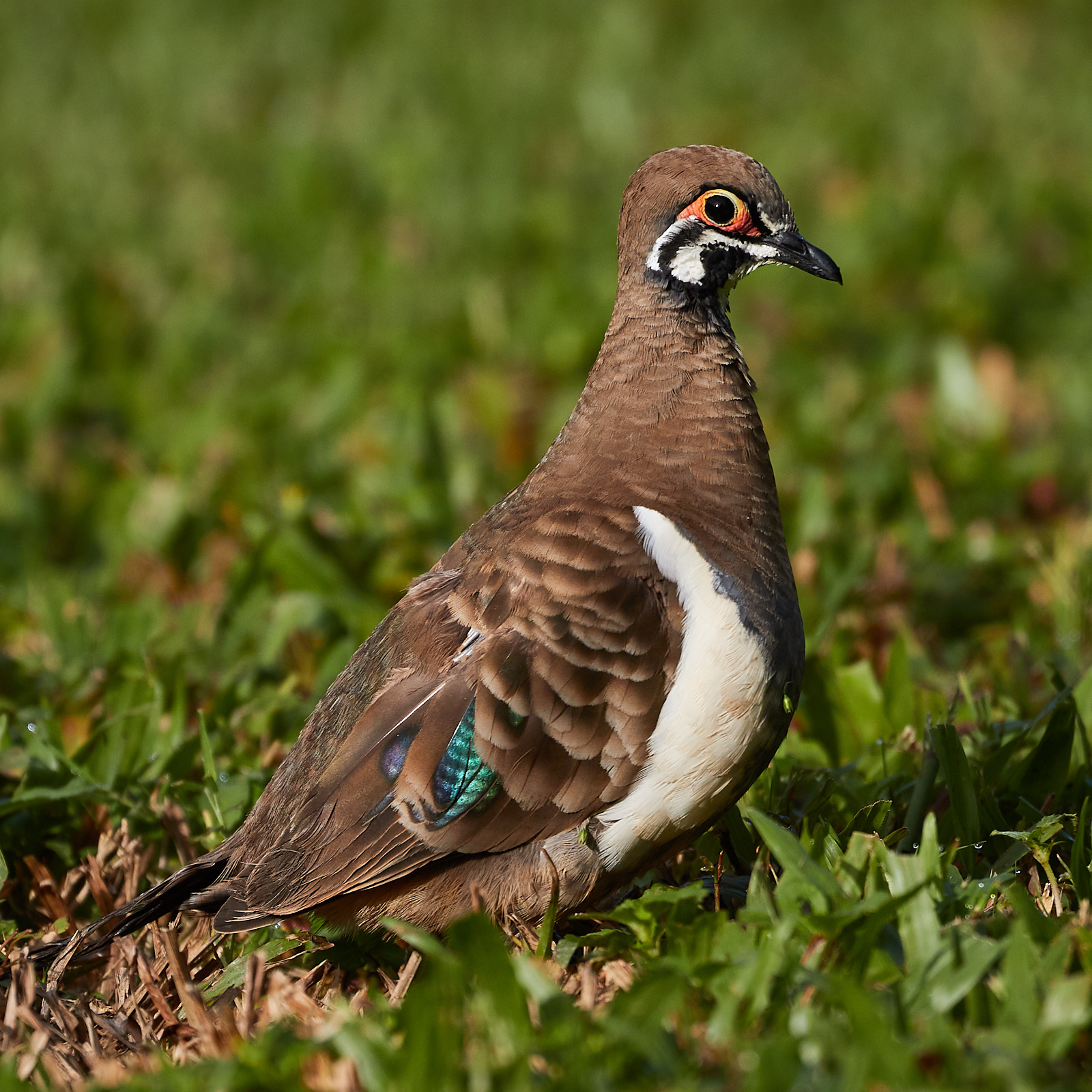
Along the entrance road I found something larger …

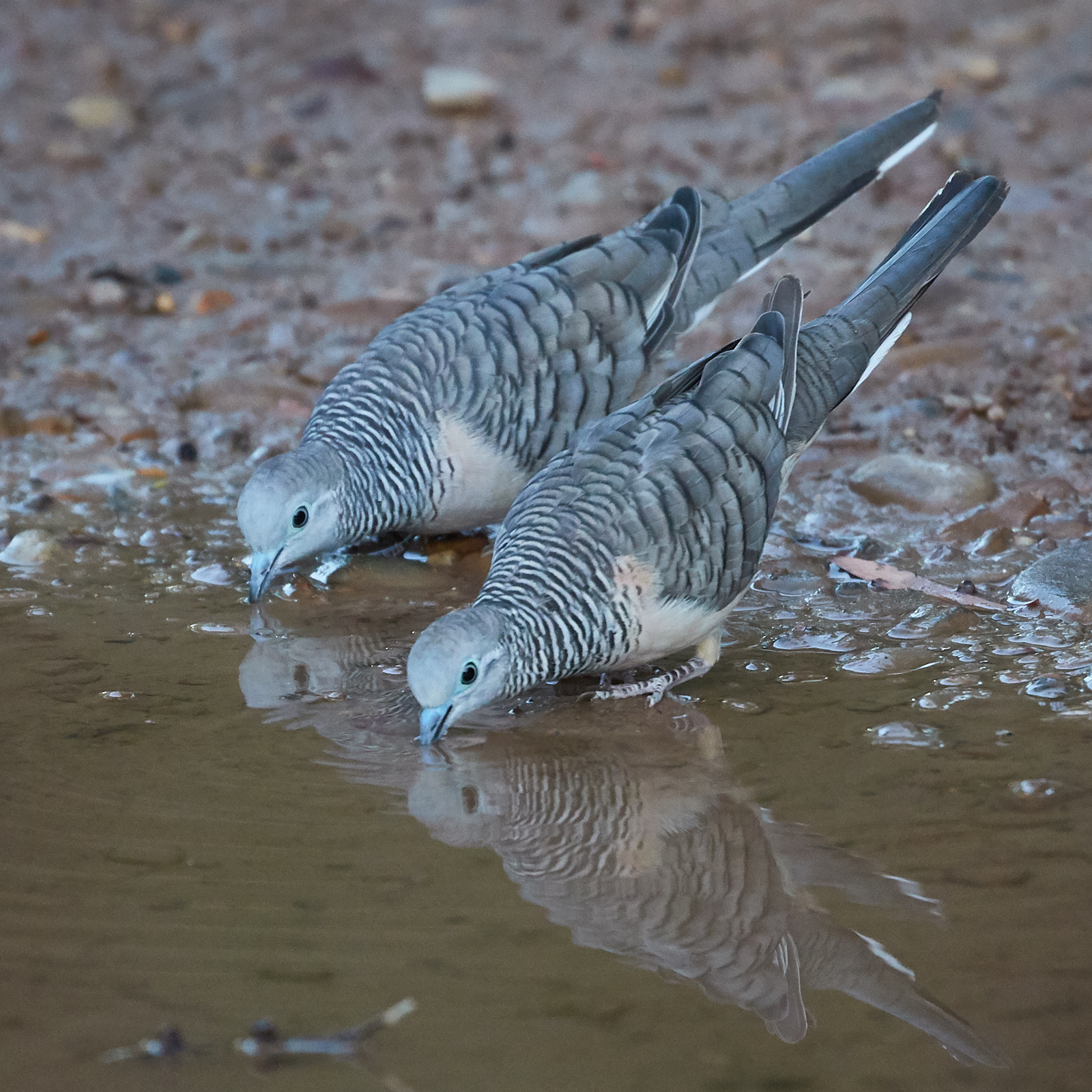
Squatter Pigeon

Moving North …

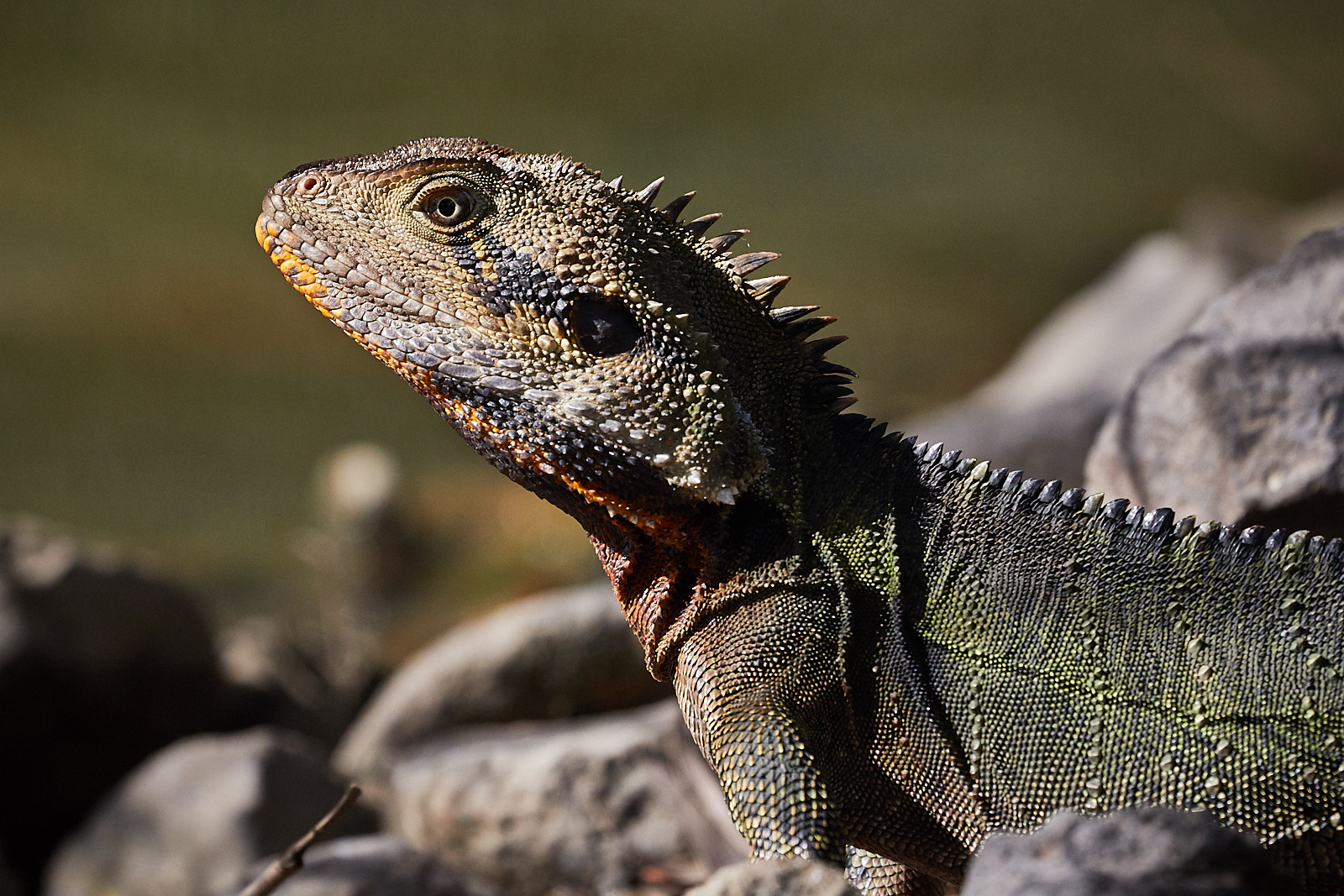
We left Hervey Bay and Southeast Queensland heading north on the Bruce Highway. Sugar and bananas soon the order of the day. Bundaberg turns sugar into rum and ginger beer and it also has a very lovely botanical gardens where the Kreffts Turtles will chase after you as you walk around the pond. They show little more than their nostrils so not particularly photogenic. On the other hand these guys are way more impressive …
Eastern Water Dragon

… not to be confused withe the accounts lady at the Water Supply company.

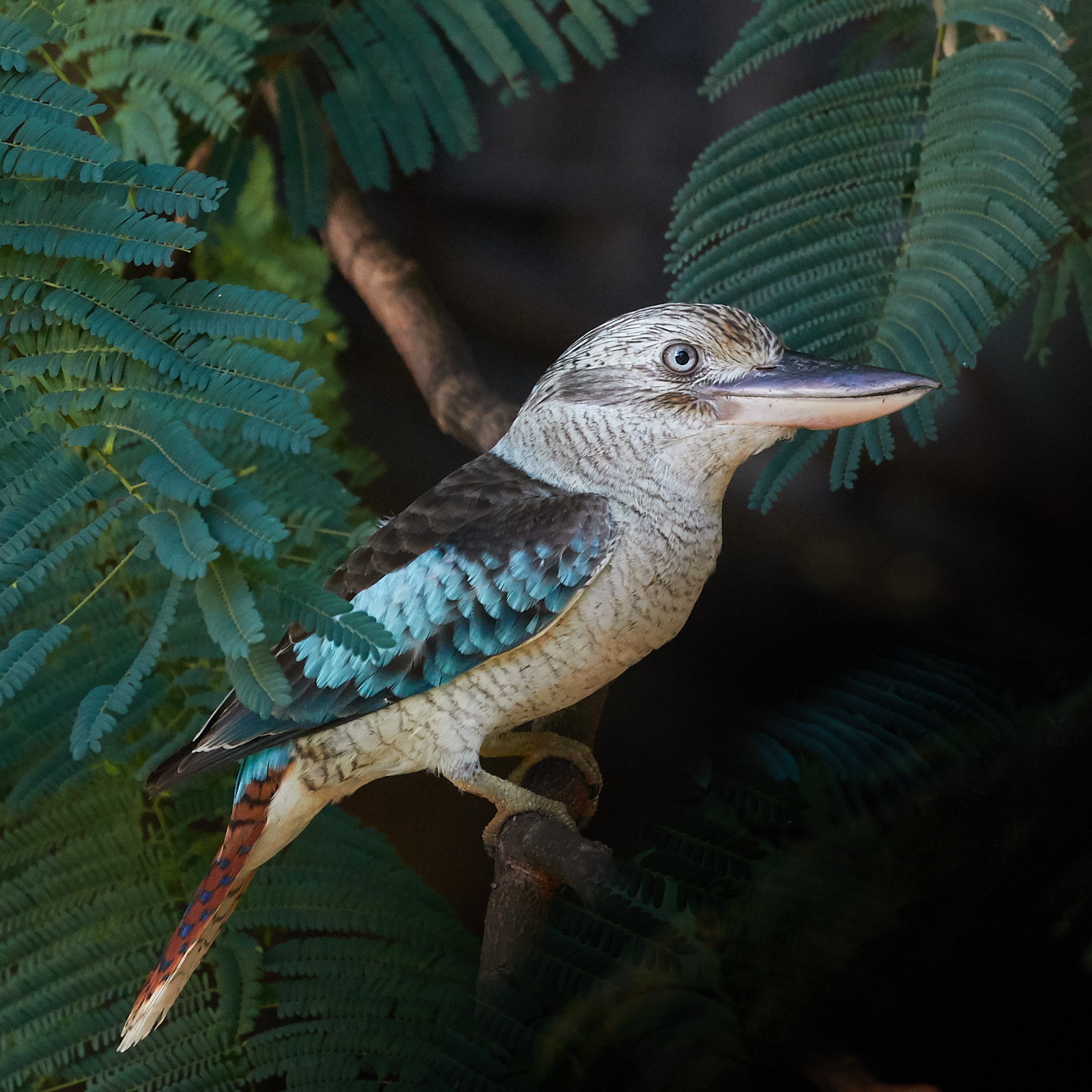
You cross the Tropic of Capricorn just before reaching Rockhampton. From now on a swim in the sea comes with the risk of Saltwater Crocodiles, Irukandji and Box Jellies. Kookaburras that do not laugh become more common …

The Blue-winged Kookaburra has a pale eye and a hoary head. The Laugher has a broad dark line through its dark eye and the crown of its head is pale. Both have some blue in the wings, one more than the other. The Blue-winged Kookaburra has a raucous call but never breaks into a full hearty laugh.

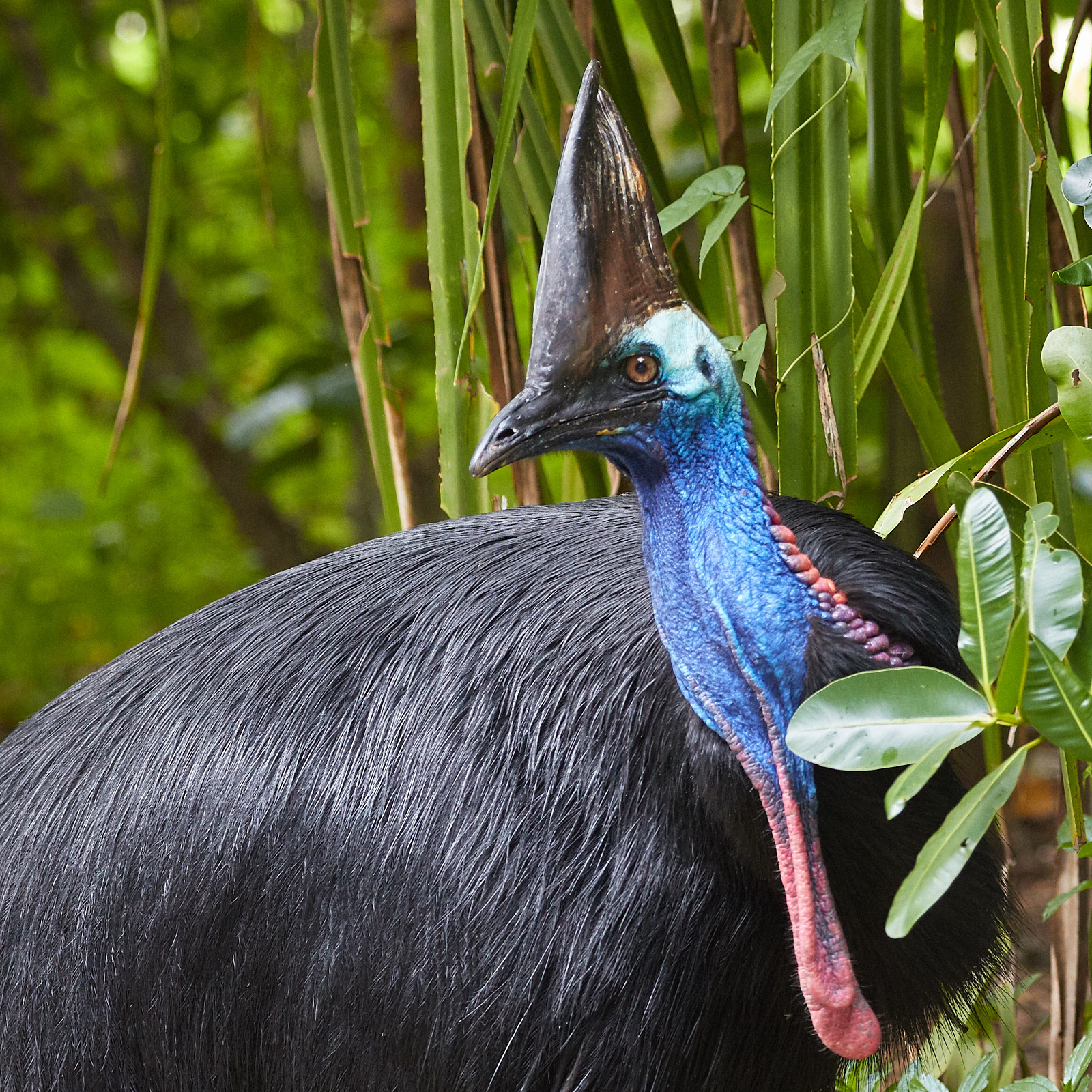
The Cassowary Coast is next and Etty Beach and Coquette Point near Innisfail are fairly reliable spots for finding the elusive and magnificent Cassowary …

Southern Cassowary

Queensland at last …

Another world, beautiful one day perfect the next, where education is so lacking that beer is spelt XXXX and the premier can’t even pronounce her own name. But beautiful nonetheless, even in the rain. First priority in South East Queensland was the endemic Black-breasted Buttonquail. I recruited expert help in the form of Roy Sonnenberg, bird guide extraordinaire. We found many good things …

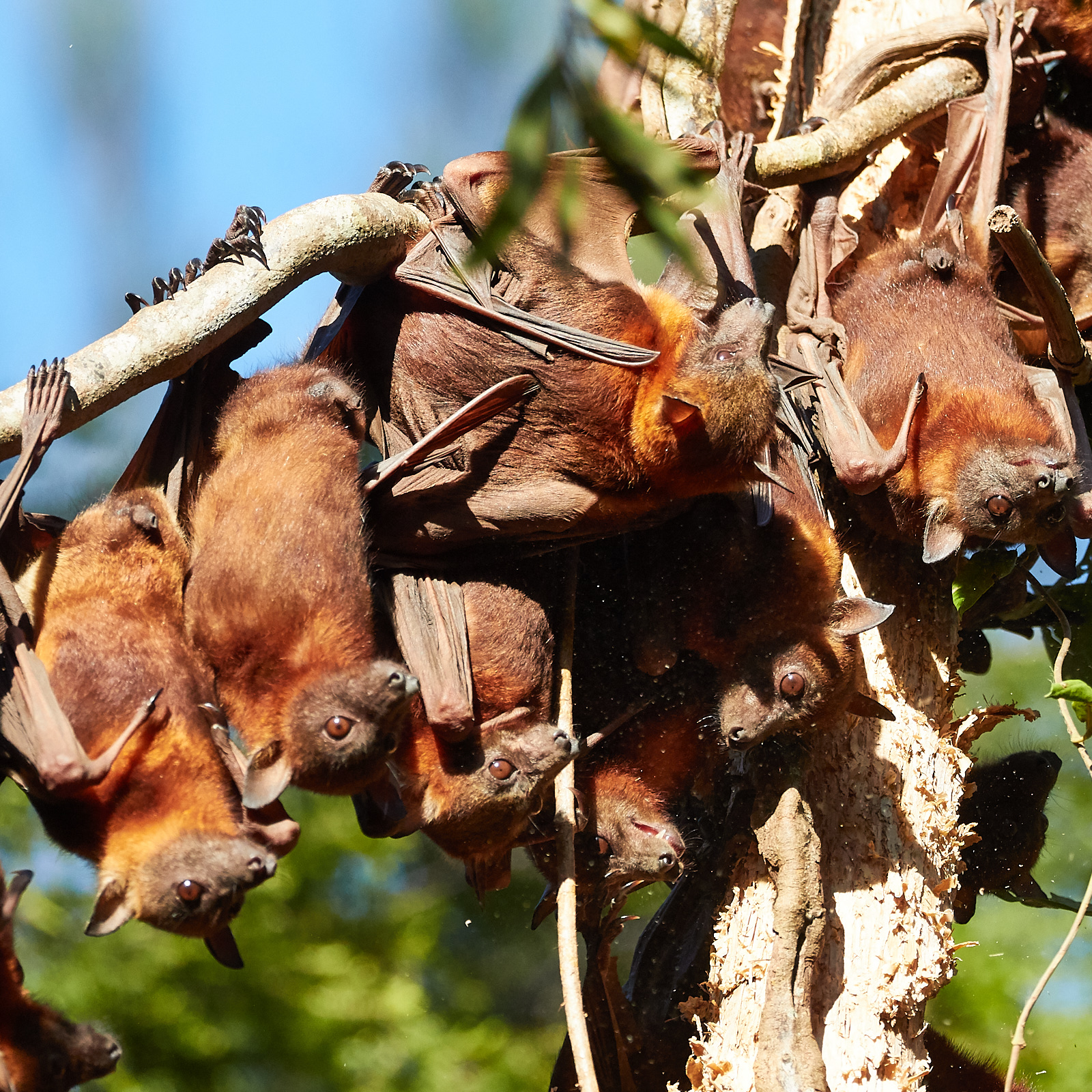
and not all were birds …

Little Red Flying-fox

but we did not find the Buttonquail. As they feed they clear away the leaf litter leaving cleared circular areas called platelets. Roy regaled me with tales of the many occasions he had watched them at work rapidly churning out platelet after platelet. He found me excellent examples of platelets. The Buttonquails themselves were not to be found.

Good reason to come back.

Byron …

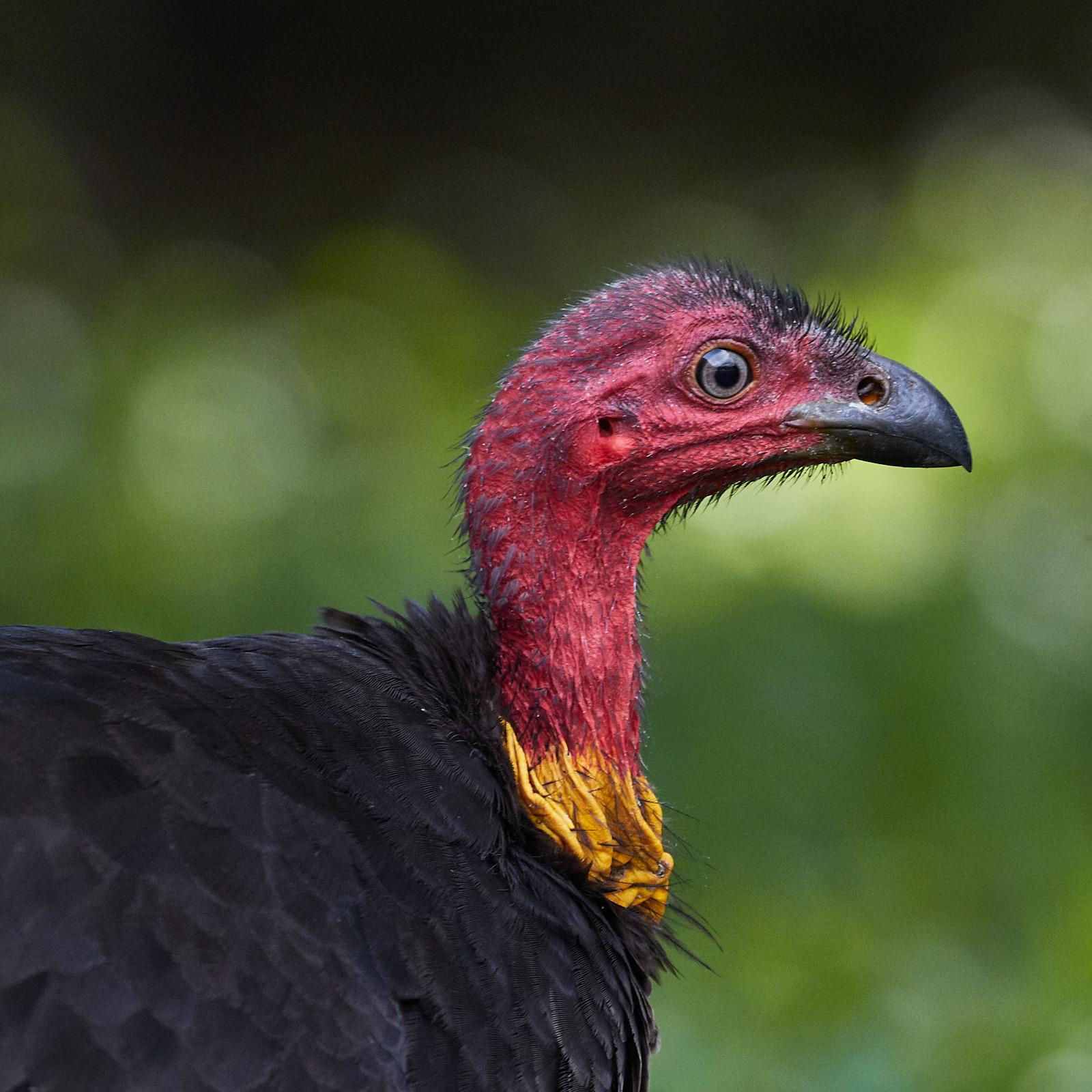
We hit the coast at Byron Bay, the most easterly point of the continent. A lot of the locals lead an unhealthy lifestyle tending to be red in the face and prematurely wrinkled …

Australian Brushturkey

But not everyone is so debauched …

The Terricks …

The lovely Gayle and I are soon to embark on a road trip and I used the weekend to iron out any problems with the camper trailer which has recently undergone some modifications. Terrick Terrick National Park is a couple of hours drive from home. It’s 65km north of Bendigo, 225km north-west of Melbourne.

The park protects four quite heavily wooded blocks, the two eastern blocks include some impressive granite outcrops while the western blocks are home to a rapidly recovering forest of Callitris pines. The surrounding grasslands were lightly grazed sheep country in the past, the land management favoured the rare and endangered Plains Wanderer. Indeed it was their Victorian stronghold.  A patchwork of old farms has been added to the park for its protection. Despite this the odd one still turns up occasionally.

The campsite is at the foot of Mt Terrick Terrick which is probably the most visited feature of the park. In its great wisdom Parks Vic put it on a slope that enjoys a flash flood every time it rains, this in a park where 75% of the terrain is flat. They do provide a composting toilet which is very pleasant after cleaning which I think happens sometime in June. Do remember to take your own toilet paper.

The weather forecast was dire but it was fine when I arrived and I explored the granite boulders with camera in hand.

But before sunset the cloud rolled in rapidly and a rainy night followed. The following morning was misty and somewhat atmospheric …

Some good birds turn up in the Terricks but on this occasion I encountered nothing out of the ordinary. Still, Galahs and Hooded Robins are always good to see.

Then it was a case of packing a wet tent and heading for another spot – the Barmah National Park.


Bristling …

at Aireys Inlet

The strip of coast running from Melbourne west along Victoria’s coast is both splendid and accessible. I am particularly fond of Port Fairy at the western end but lets not get parochial. Anglesea and Aireys Inlet also have their assets a major one being Margaret Lacey. She has recently produced a very beautiful book on the birds her of patch. The photography is superb.

The region has a variety of habitats and Margaret gives the reader very useful information on where to find them all. You should buy the book! It’s well worth the $55. You can get it <HERE>. Mention this page and the postage will be free. Actually the postage is free.

Anyway, while I was there I ran around trying to emulate her …

Singing Honeyeater

Birds with limited distribution are always very special. The Rufous Bristlebird is only found along a coastal strip from Torquay west to the mouth of the River Murray in South Australia (except around Port Fairy!) It is a denizen of coastal heath and dense stands of Coast Wattle. It’s a skulker and can be very elusive. I have seen it in varying places but the success rate at Aireys Inlet is exceptional. Look for it on the footpaths to the west of the lighthouse early or late in the day.

Rufous Bristlebird