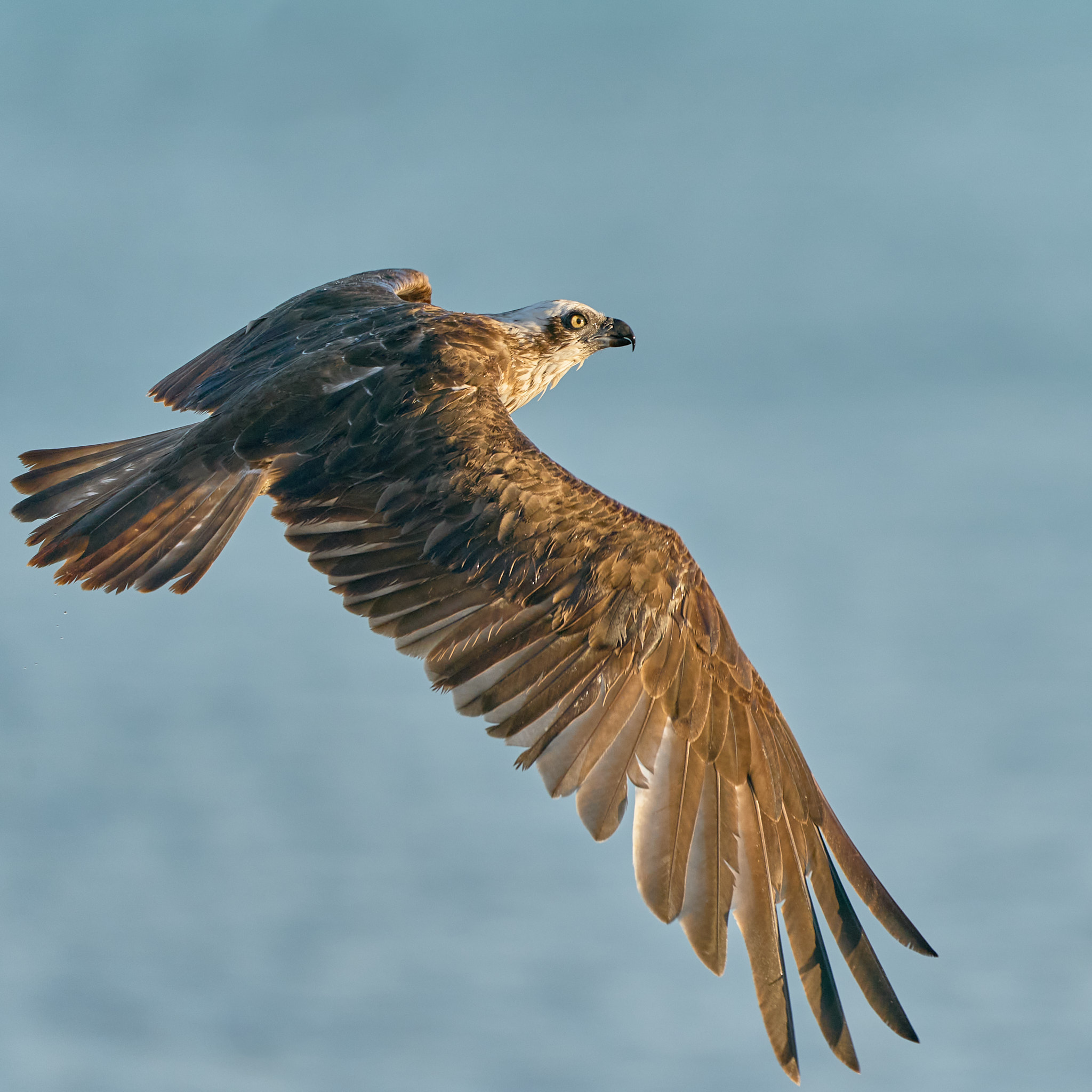
Ospreys have taken to nesting on man made structures. This can be inconvenient. The answer has been to put up a more attractive platform nearby. The most accessible of these from a human’s point of view is at Broome’s Town Beach. The platform there has a mess of sticks on top and a solitary bird is frequently in attendance. One day I hope to see a partner.
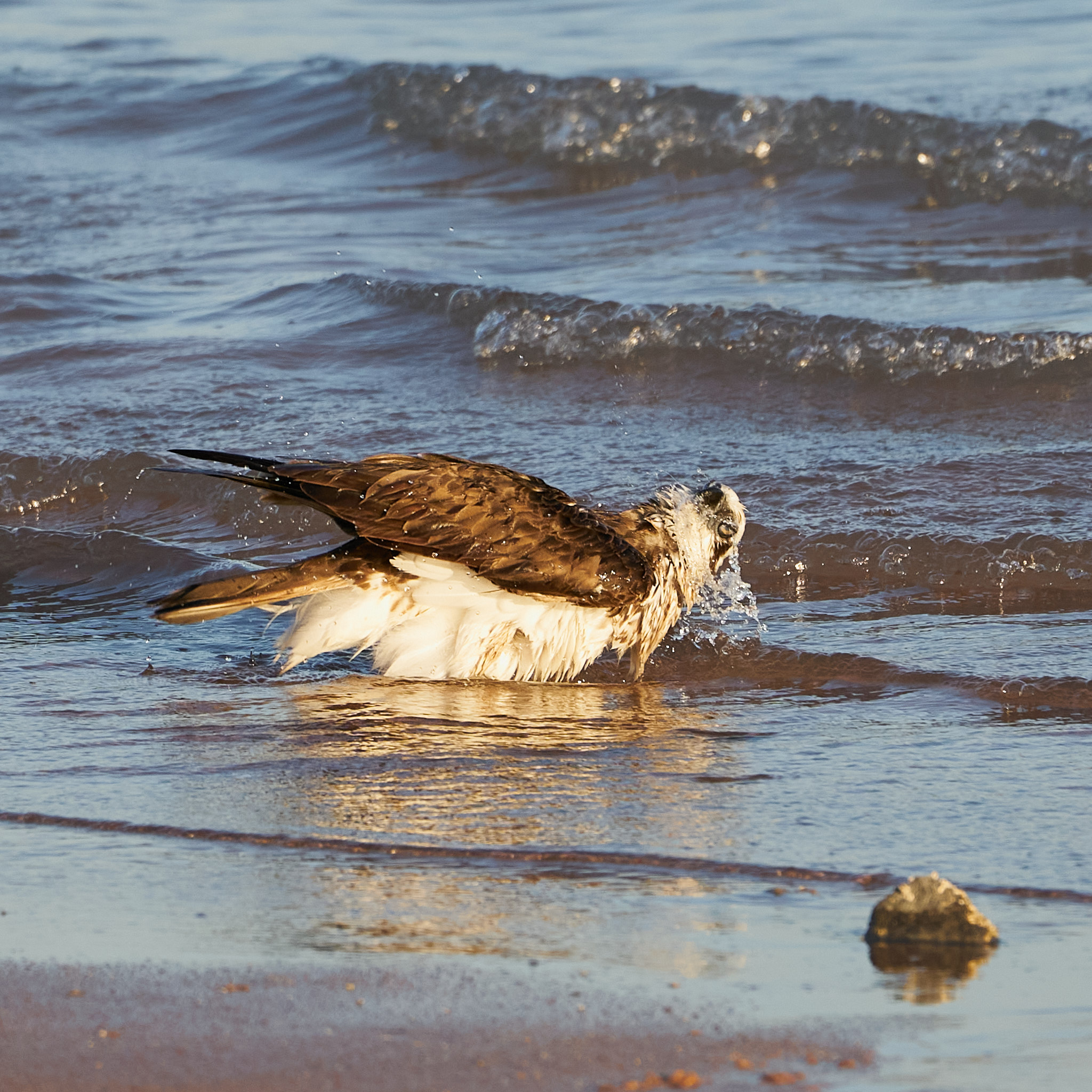
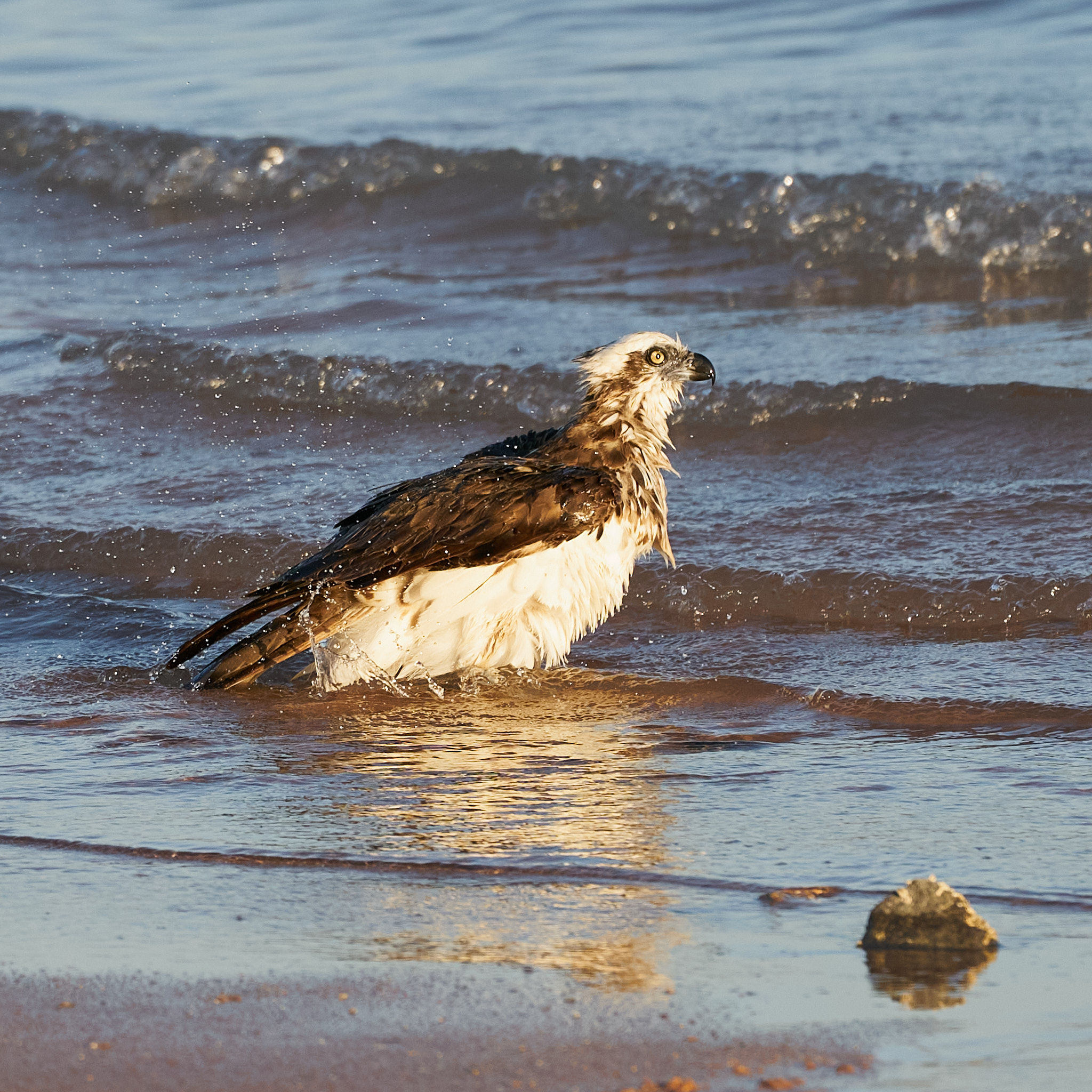
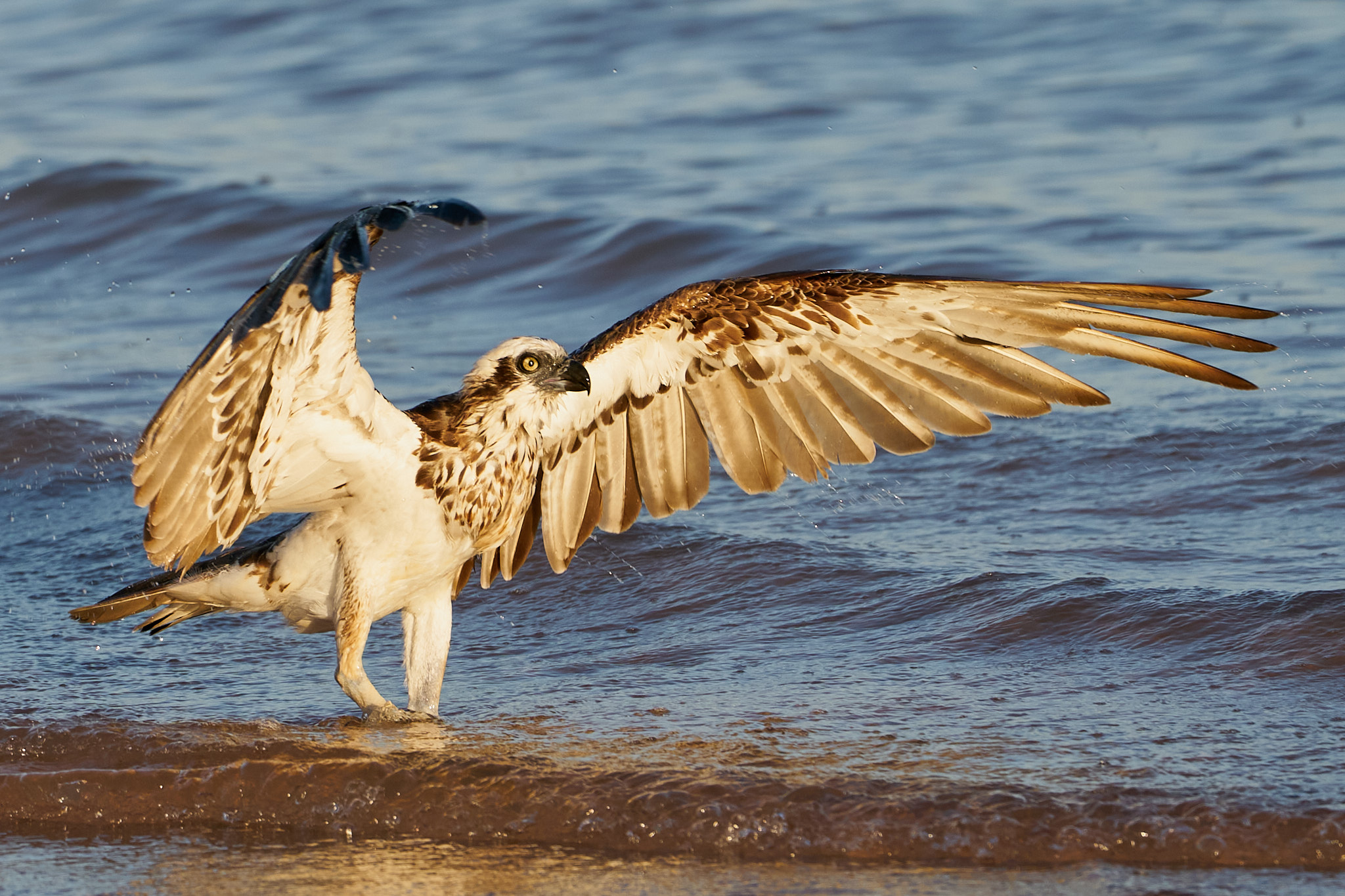
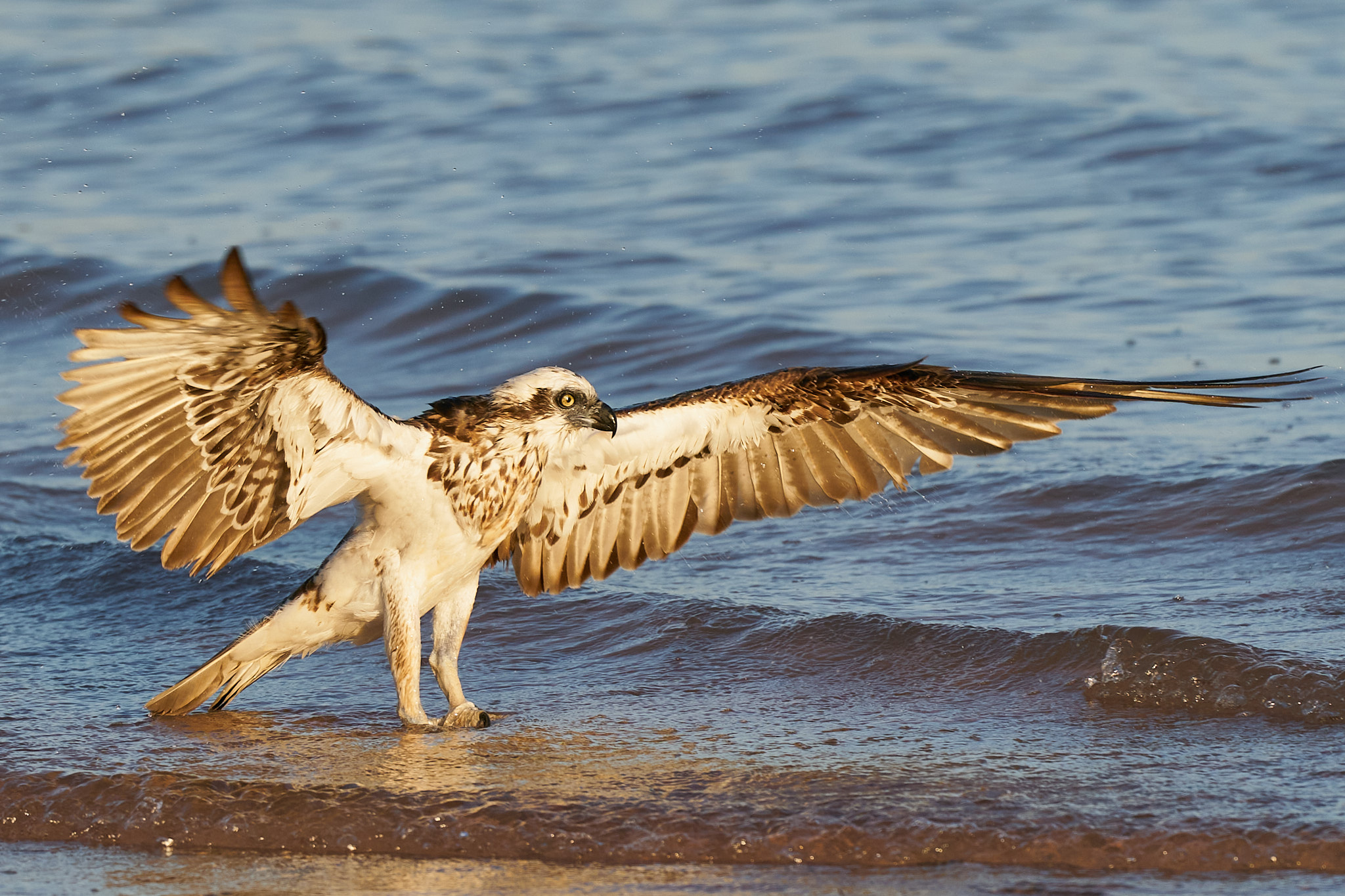
Yesterday It was taking a bath in the sea.
When it had finished it dried its wings with a few vigorous flaps before flying off.
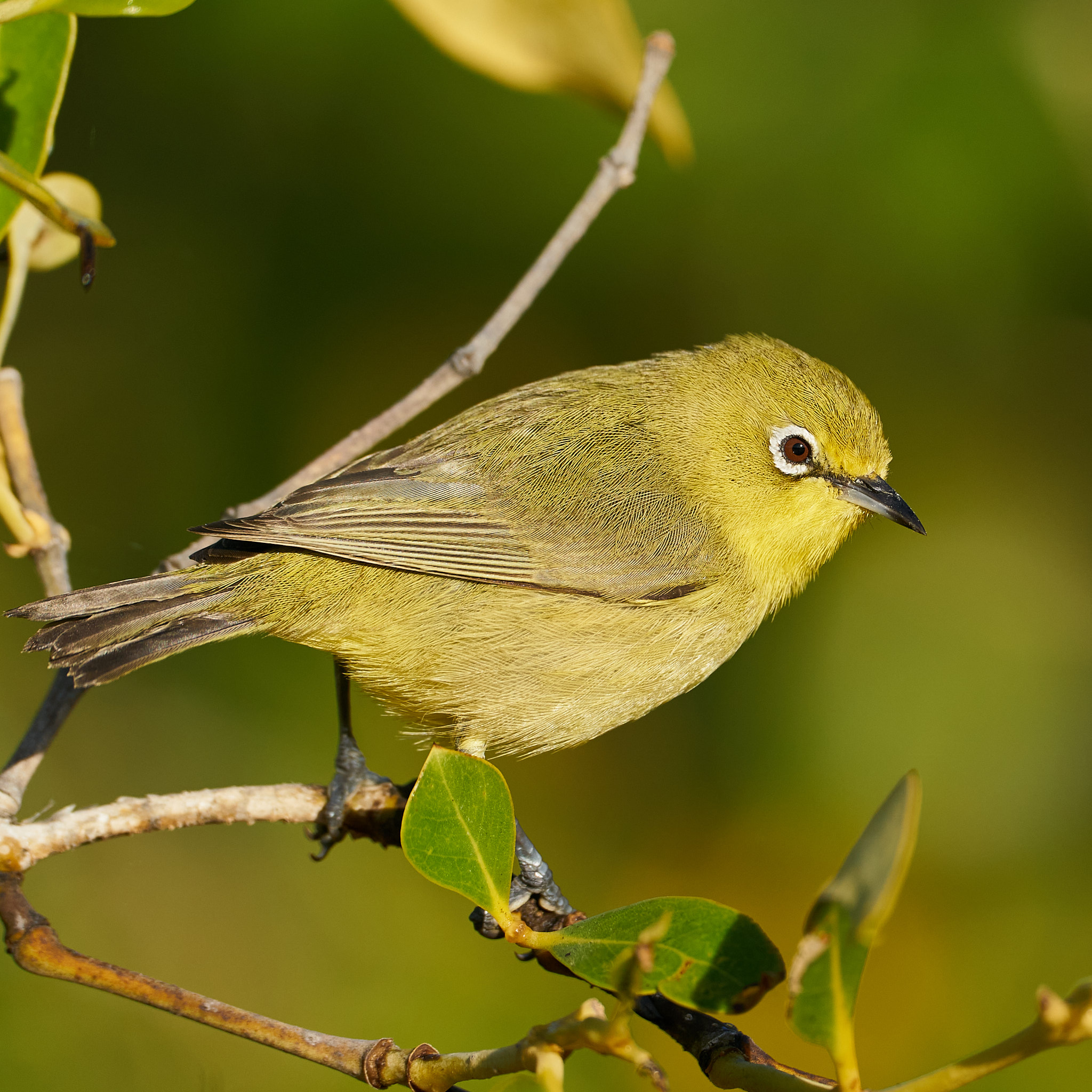
Streeters Jetty this time where there is a mix of mangrove species and a mix of bird species as well.
I was glad to see this guy because he (or she) has been eluding me for a while. She (or he) played hide and seek with me for a while but believe it or not this photo is diagnostic. Given the habitat and given that we’re in Broome the pale iris means that this little brown bird is a Dusky Gerygone.
It’s only found in dense mangrove along the coast of Western Australia from Shark Bay to a little north of Derby. An endemic – every twitcher needs one. The game of hide and seek did come to an end and I also came on a small flock that were less shy.
As always, clicking on the galleries will improve the experience.
Up until now I’ve mostly viewed the mangroves as a place to find the birds that inhabit them but they are interesting in themselves. The bible is Australia’s Mangroves by Norm Dukes but it’s out of print and my efforts to find a copy have not met with success. If anybody out there can spare one please let me know in the comments. Cheers.
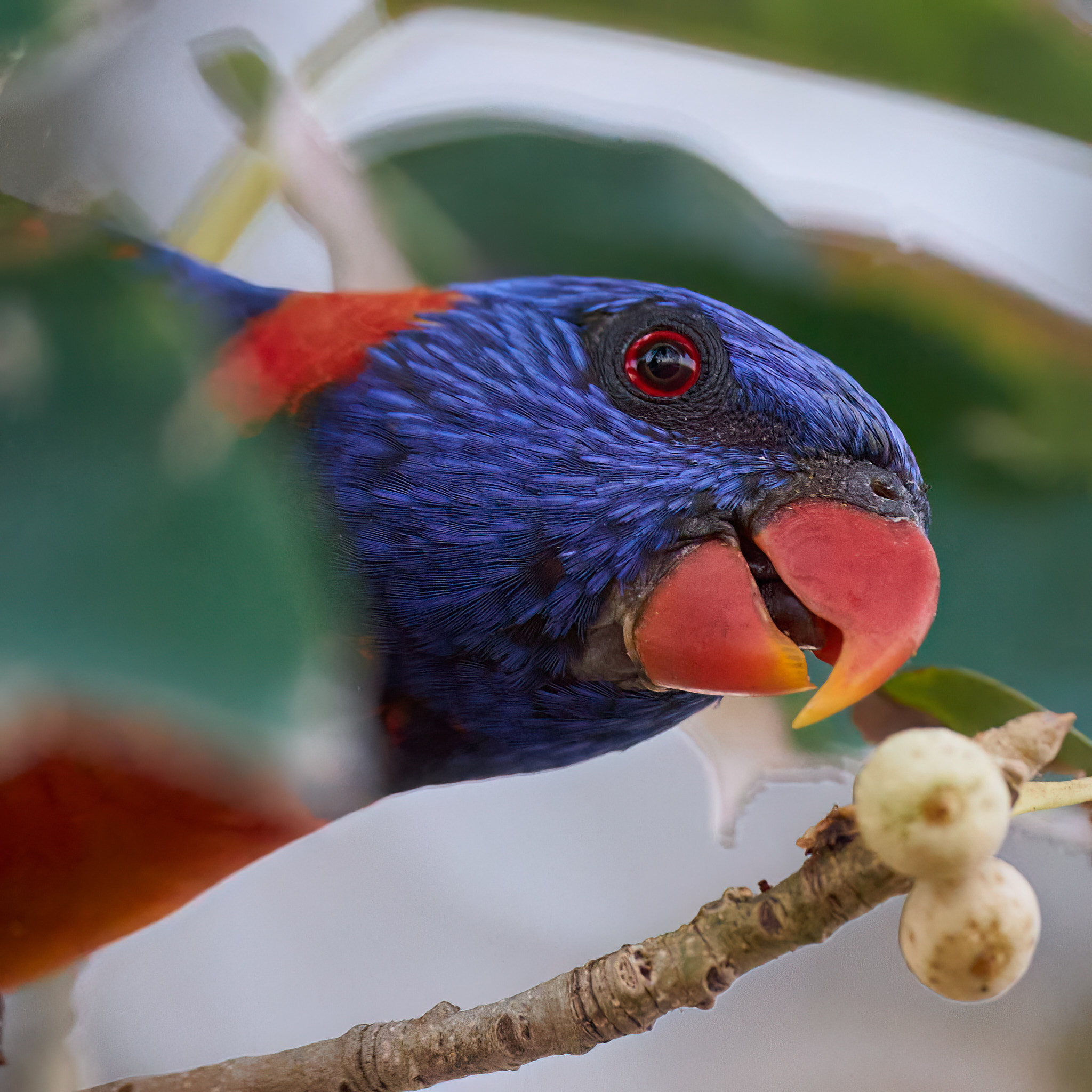
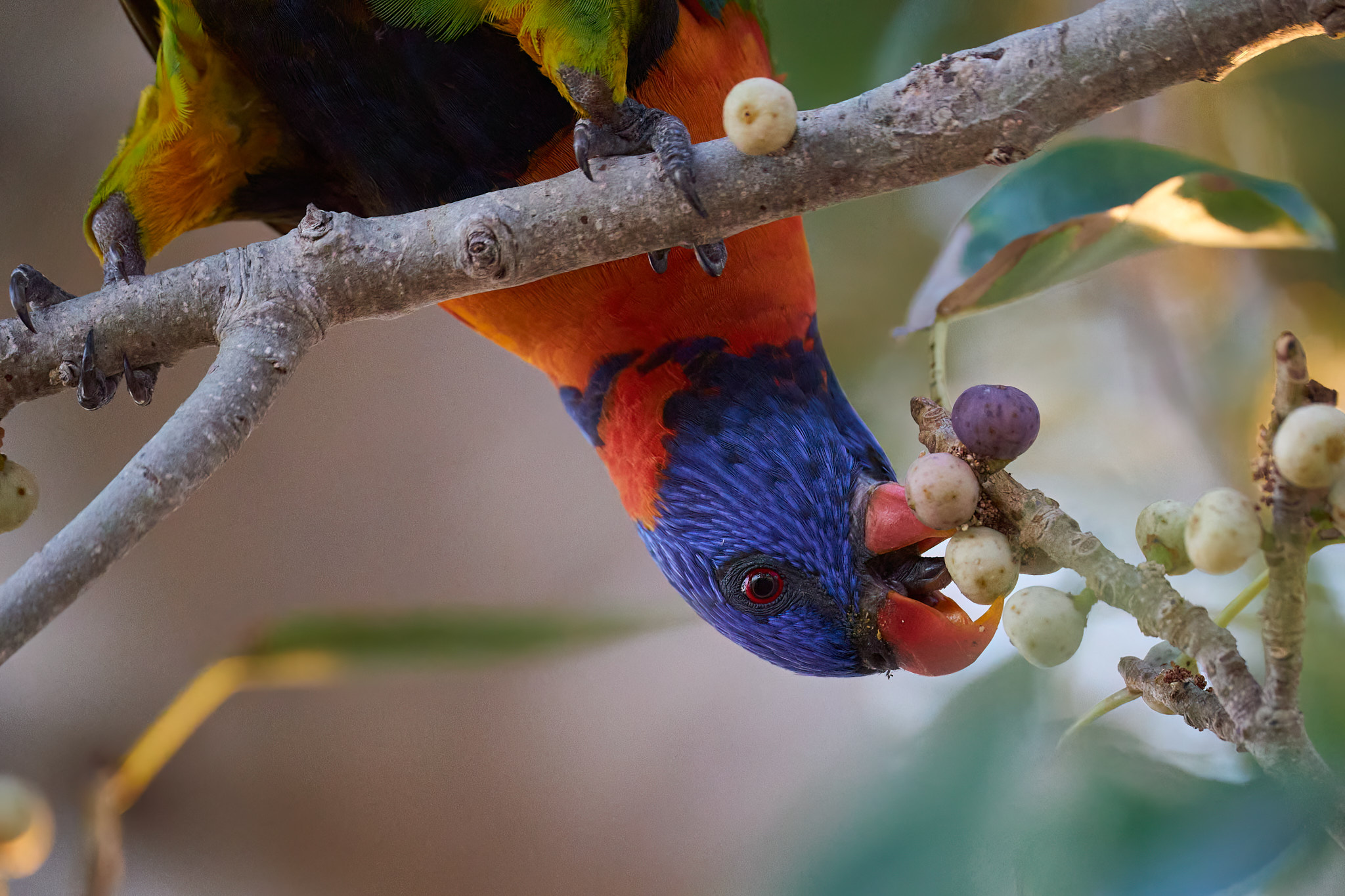
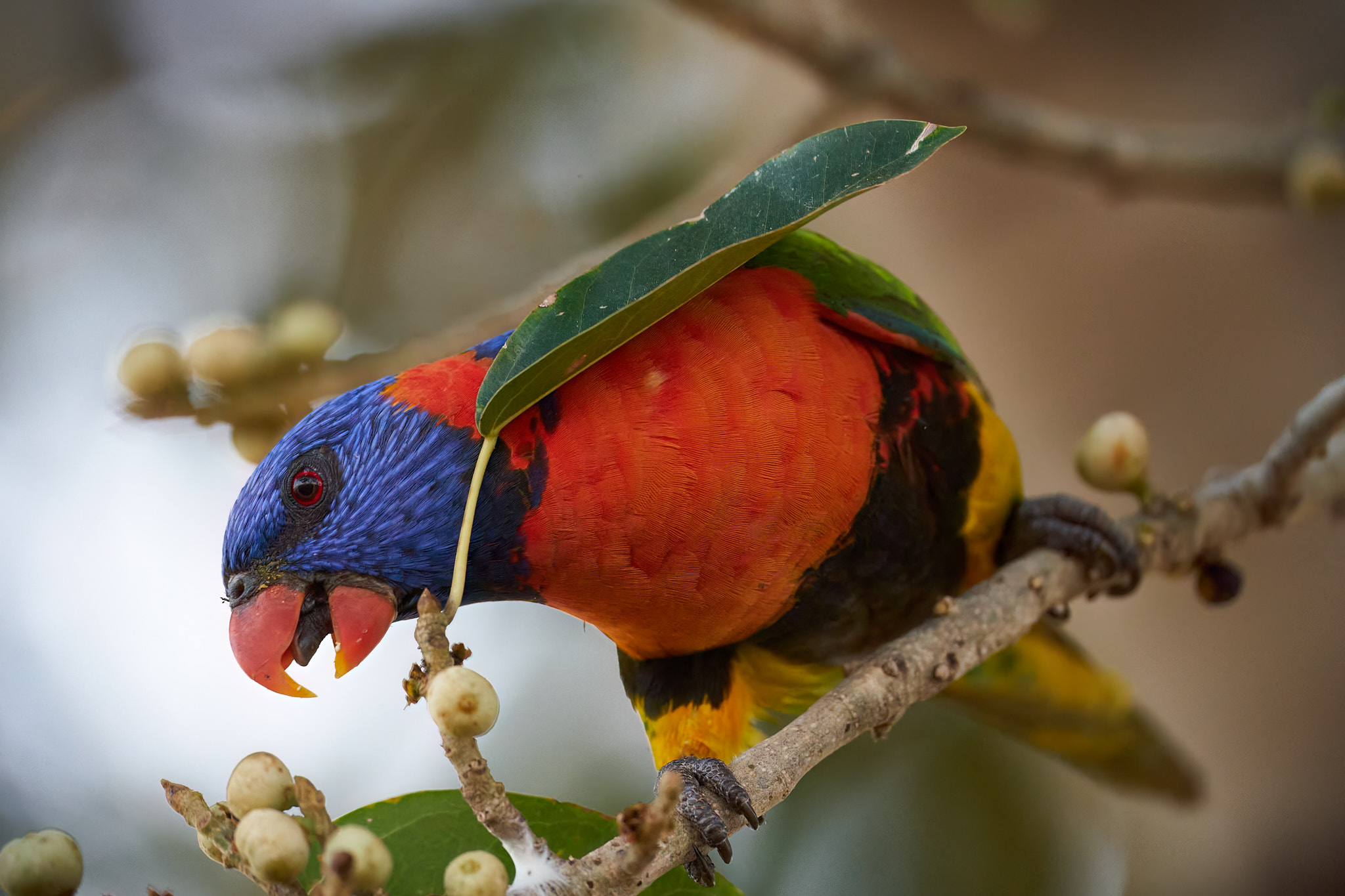
It amazes me when Australian advertisers choose to use images of Mallard Ducks or Bald Eagles when we have any number of iconic native birds that they could use. Well it happens overseas as well. One time in Brazil I came across a Rainbow Lorikeet used in an advert when they had any number of beautiful natives they could have chosen. Nice to know that our Rainbow Lorikeet can mix it with Toucans, Macaws and Hummingbirds.
The Red-collared Lorikeet is its sister species and even more colourful. Rainbows are found along the east and south east coast from Cape York to mid South Australia (and Perth where they have been introduced). The Red-collareds are found across Northern Australia from Broome to the Gulf of Carpentaria. The two species have been lumped and split at various times, currently accepted as separate species.
They are fast flying often in small noisy flocks which coalesce towards sunset as they head for communal roosts. The photos are of one of a small flock attracted to a fruiting fig. Click on a photo to open the gallery.
If you arrive in Broome by road you will pass the Roebuck Roadhouse. establishments like this lend so much character to outback travel.
There is a pleasant caravan park attached. You can get a meal or a beer, friends speak very highly of the Big Breakfast.
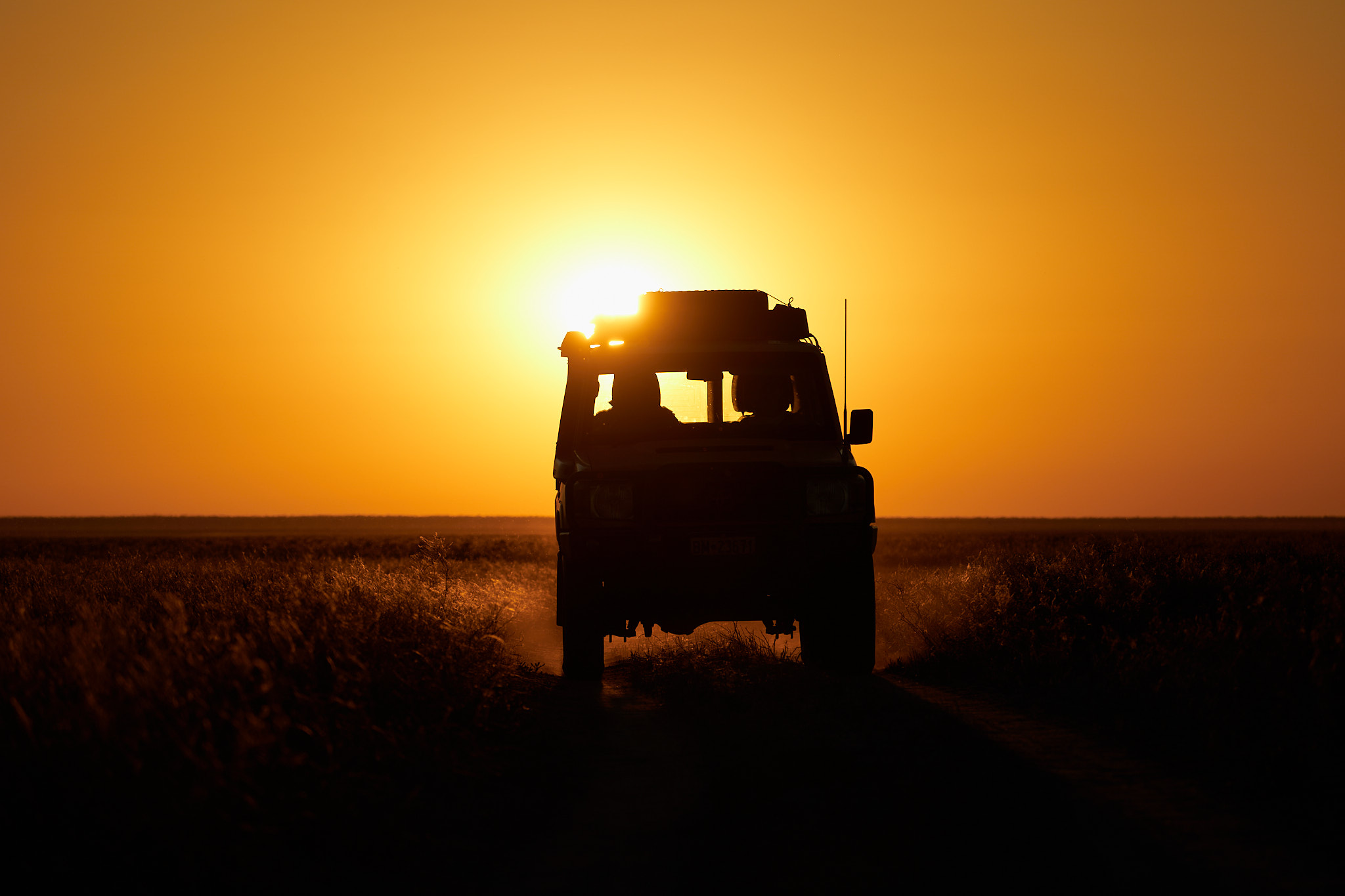
I stopped to take that shot on my way home from the middle of nowhere away from city lights where I took this shot. Putting the new lens through its paces.
We stopped shooting them in 1970. According to an Australian Geographic article they went from fewer than 3000 to 100,000 by 2016 in the Northern Territory alone. There are probably half as many again in the adjacent states, WA and Queensland. They are becoming more numerous and, as the population ages , they are getting bigger.
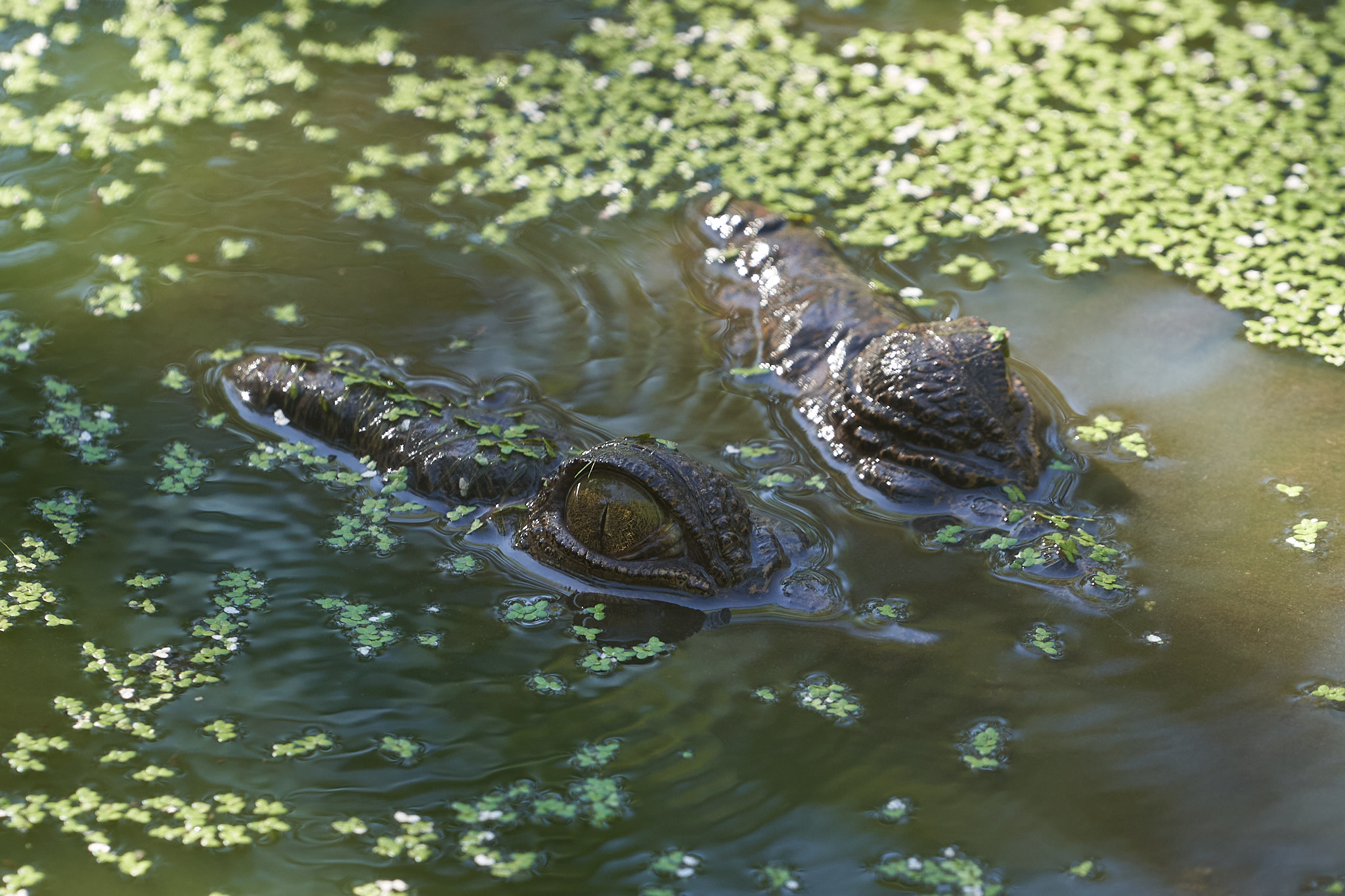
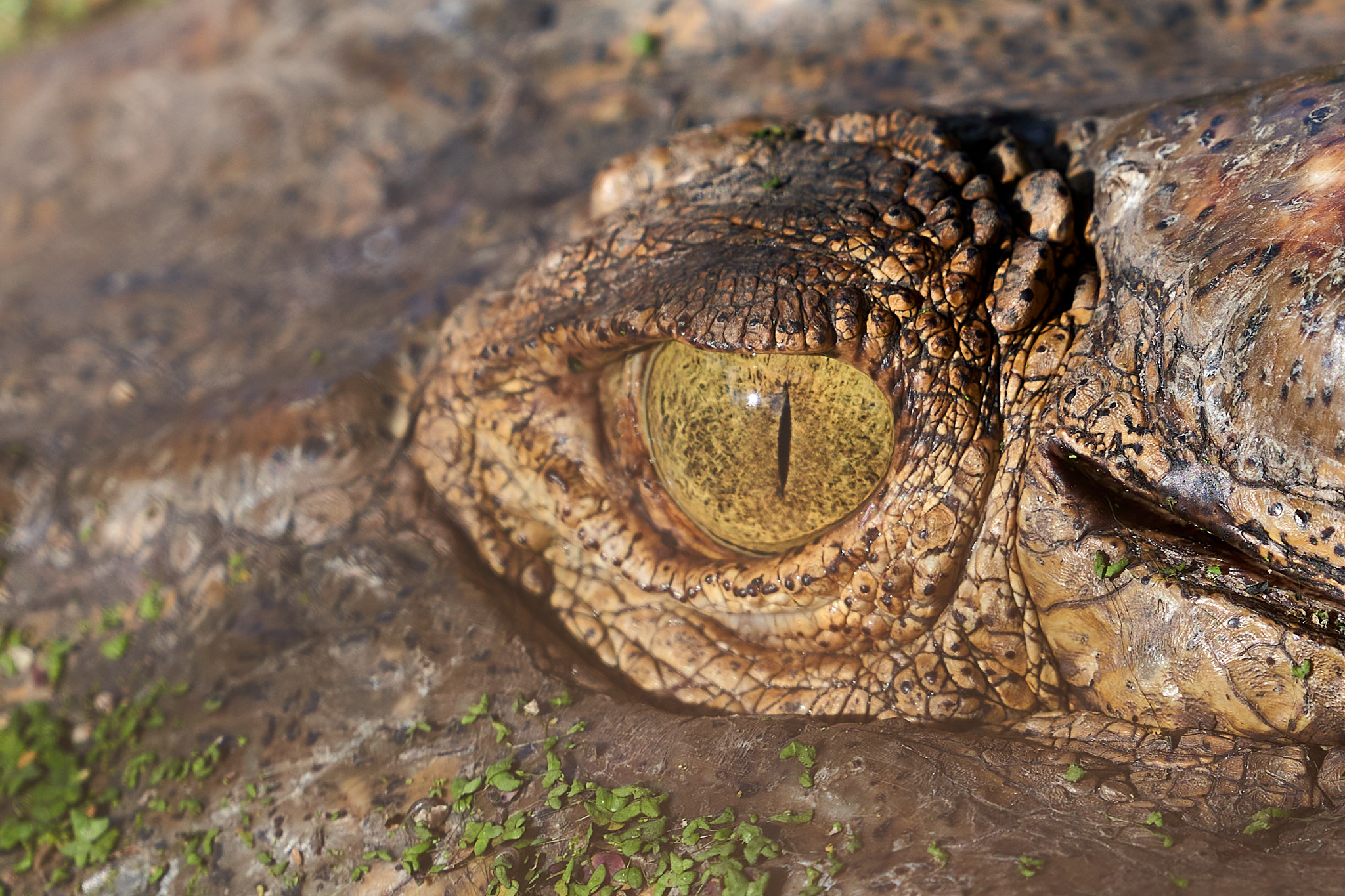
Broome’s Cable Beach has been closed a couple of times in the last couple of months because of croc sightings. Town Beach is another spot that gets the occasional visit. Beaches, though, are not their preferred habitat, when they are seen there they are just traveling through. It’s in the mangroves, creeks and near coastal lakes that you need to keep a sharp look out. Not that they advertise. The top photo shows just eyes and nostrils. They can hold that position indefinitely. If they want to be really sneaky they can submerge and still see you perfectly well. A crocodile can hold its breath for an hour or more.
Estuarine Crocodiles Crocodylus prosus live up to 70 years, grow up to 6 metres in length and weigh more than half a tonne. They will eat any animal they find in the water or at the water’s edge, so mainly fish with the odd cow, dog or human. Males are territorial and extremely aggressive. They are not gentle with their partners when they mate.
If you are visiting Broome take care near the water.
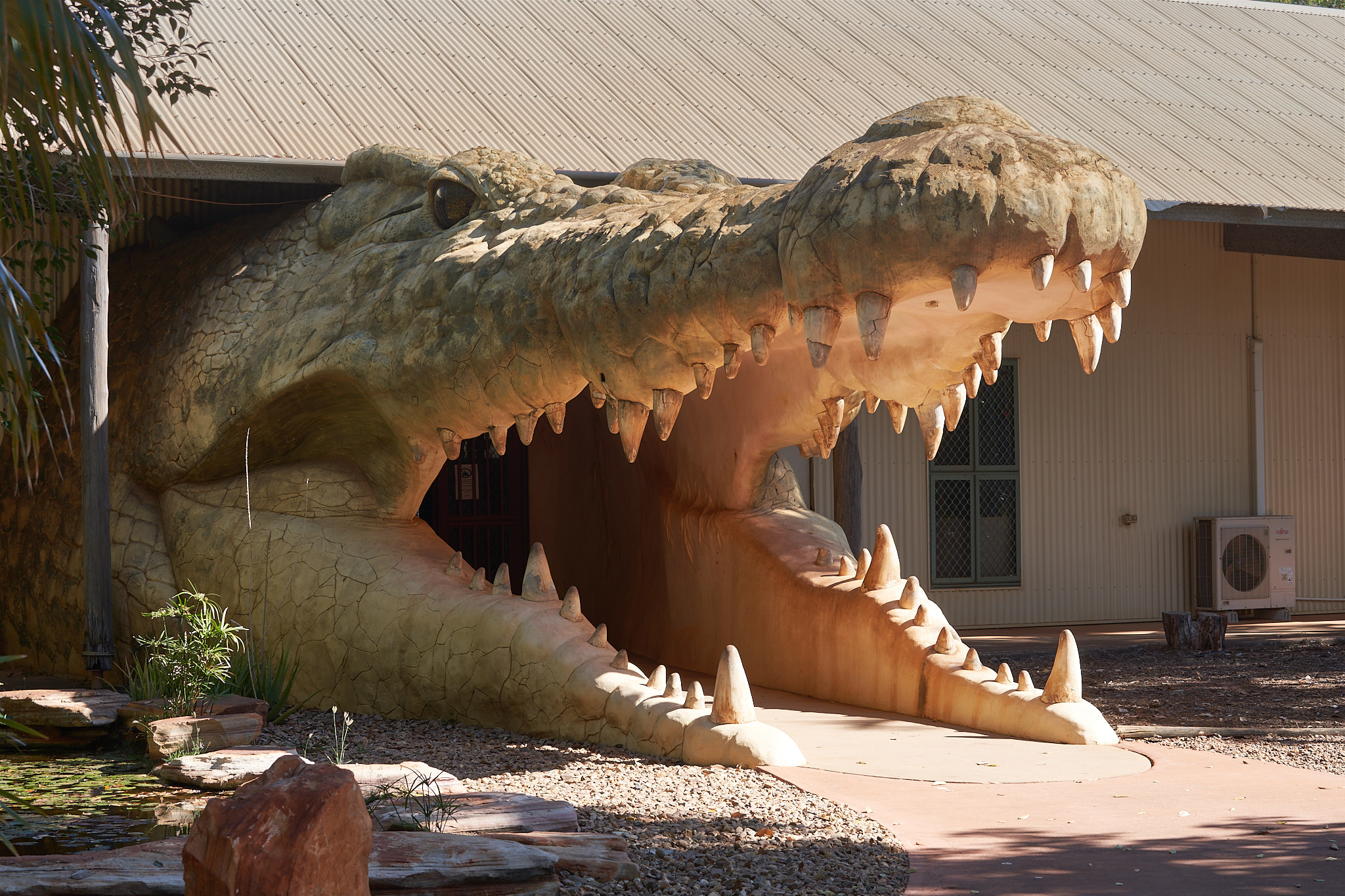
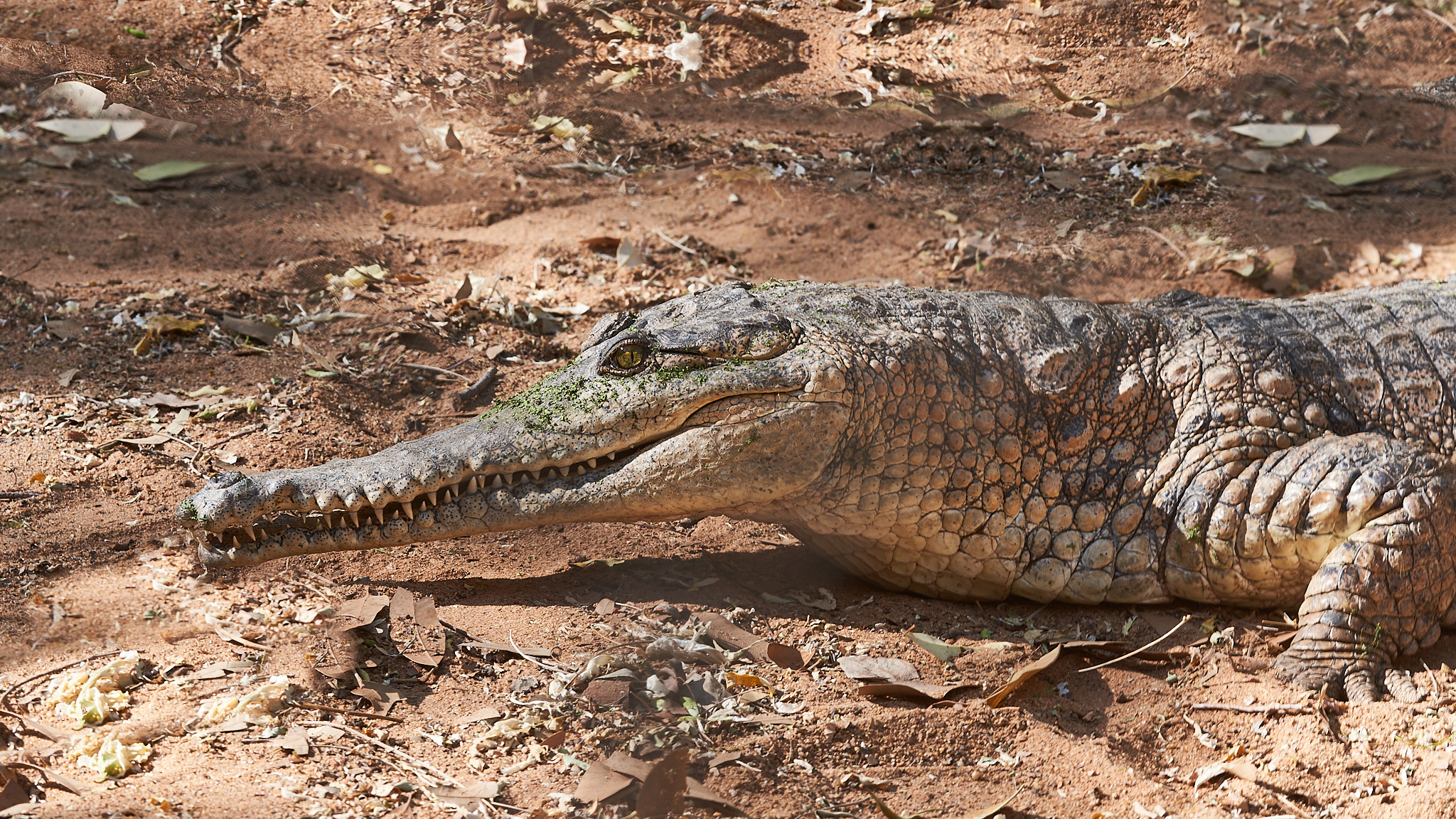
The safe way to see crocodiles is at the Malcolm Douglas Crocodile Park where all the photos in this post were taken. The way in is through the only crocodile mouth you want to enter … ever. In the park there are plenty of Salties and a collection of other crocodilians including Australian Freshwater Crocodiles, North American Alligators, South American Caimans and a New Guinean freshwater croc. The tour is included in the entry price, feeding is at 3 pm and you can play with a baby croc if that takes your fancy. I enjoyed my visit but would say that it is not well set up for the photographer.
The tide was on the way out this morning for my walk on Broome’s Town Beach. There is a patch of mangroves at one end running out as a small point. At the end there is a dead tree that is a popular perch for raptors. It was possible to reach it but it still had waves lapping around it, well worth checking out but on this occasion unoccupied.
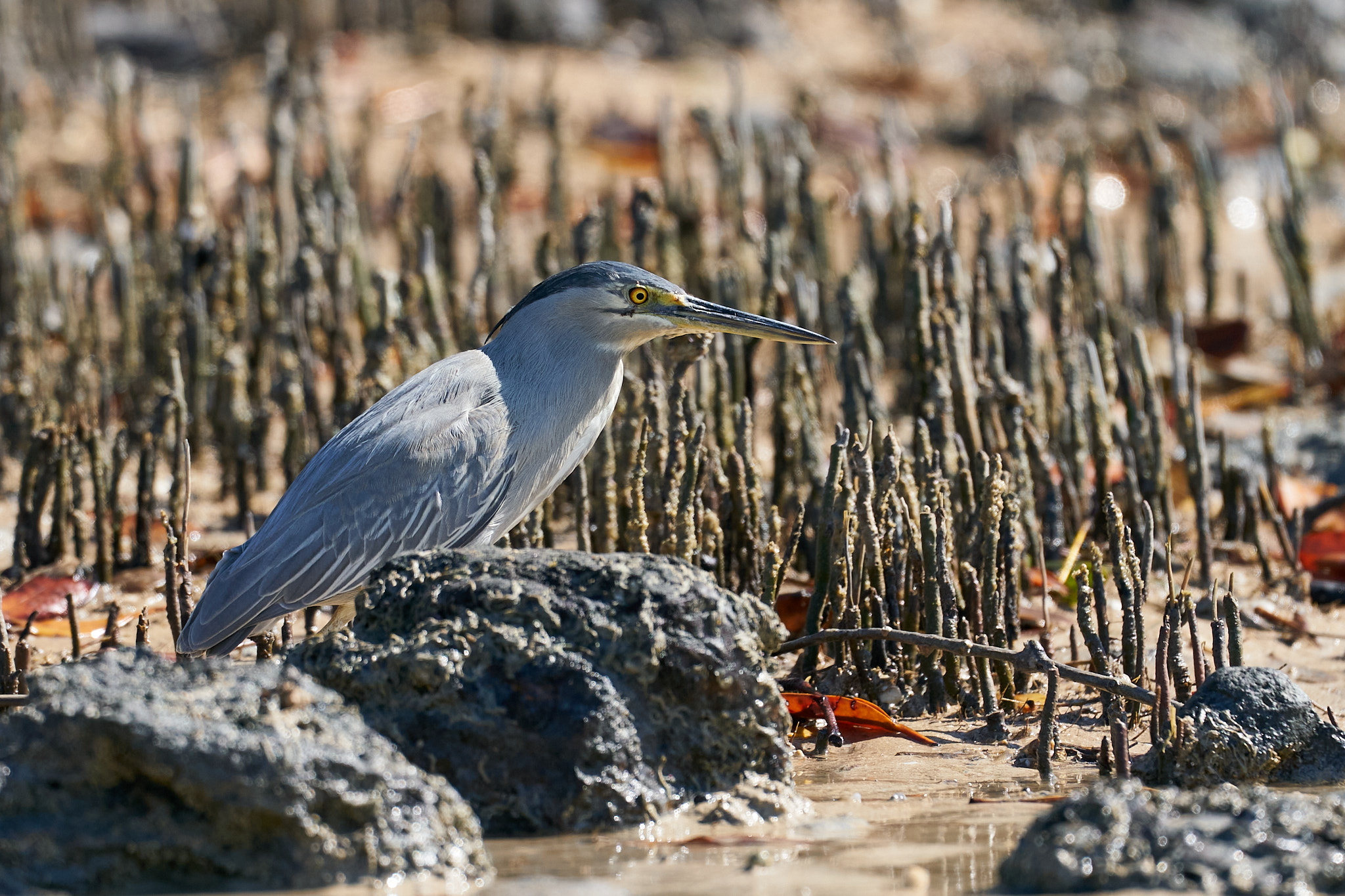
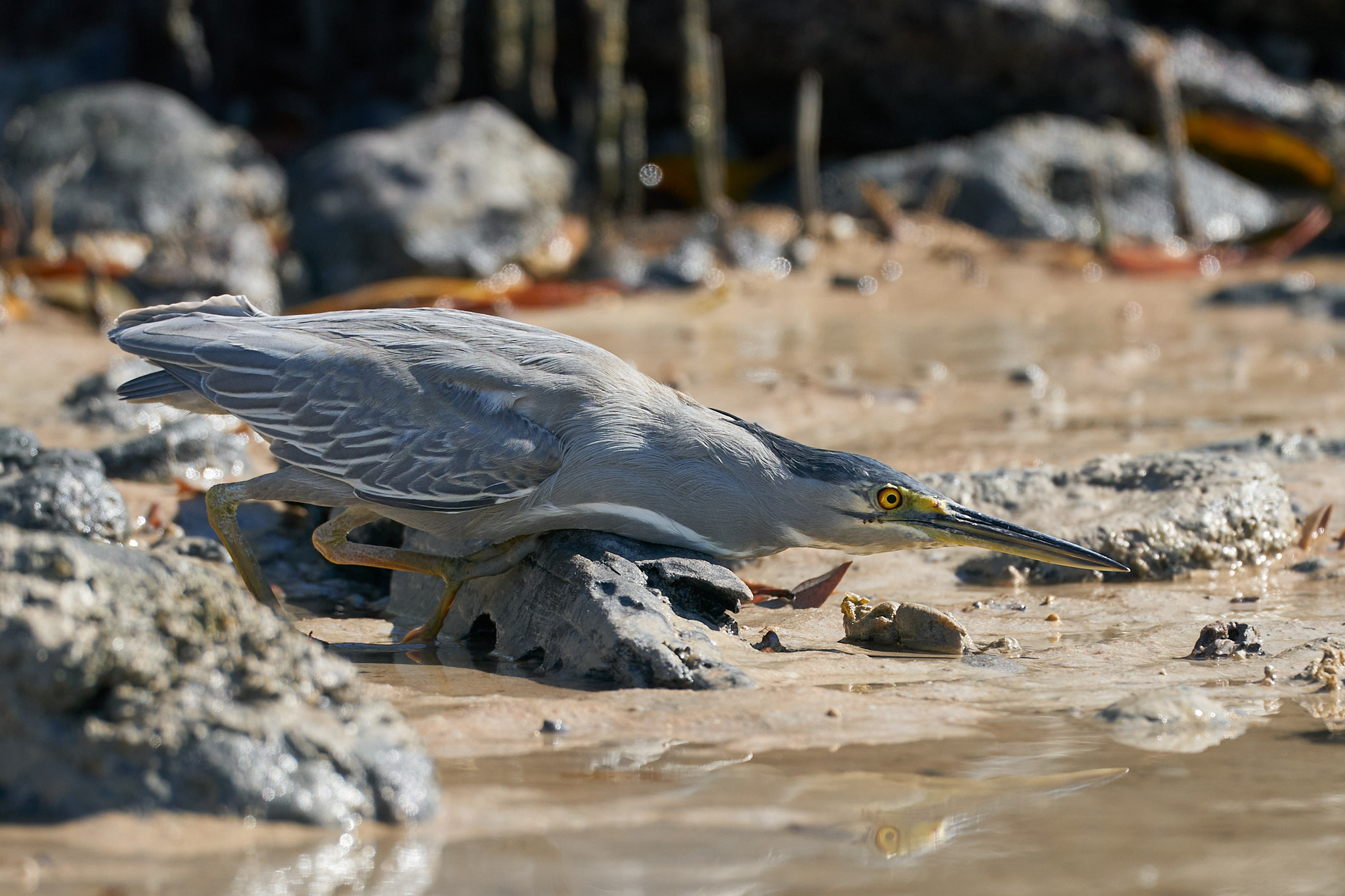
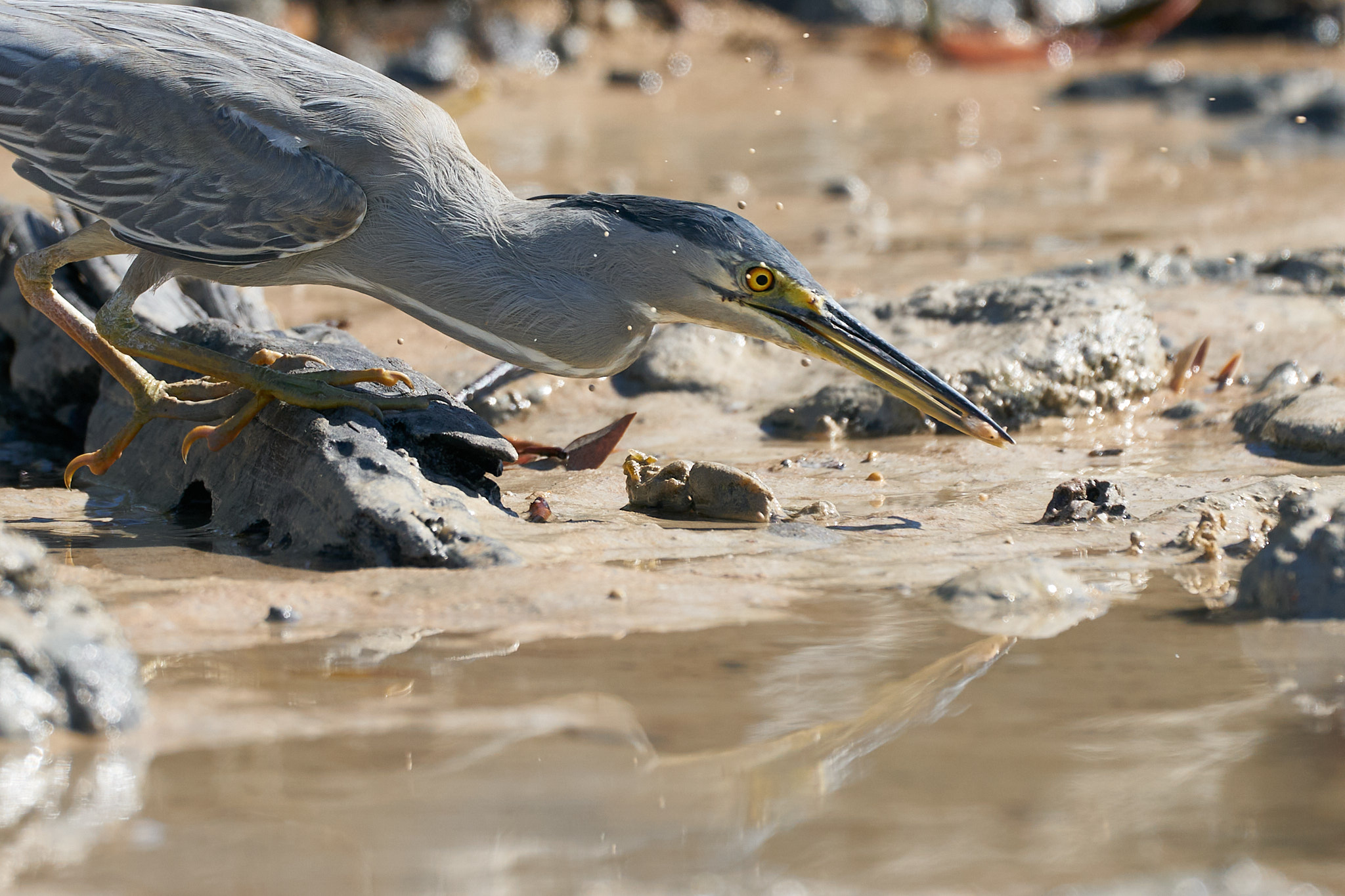
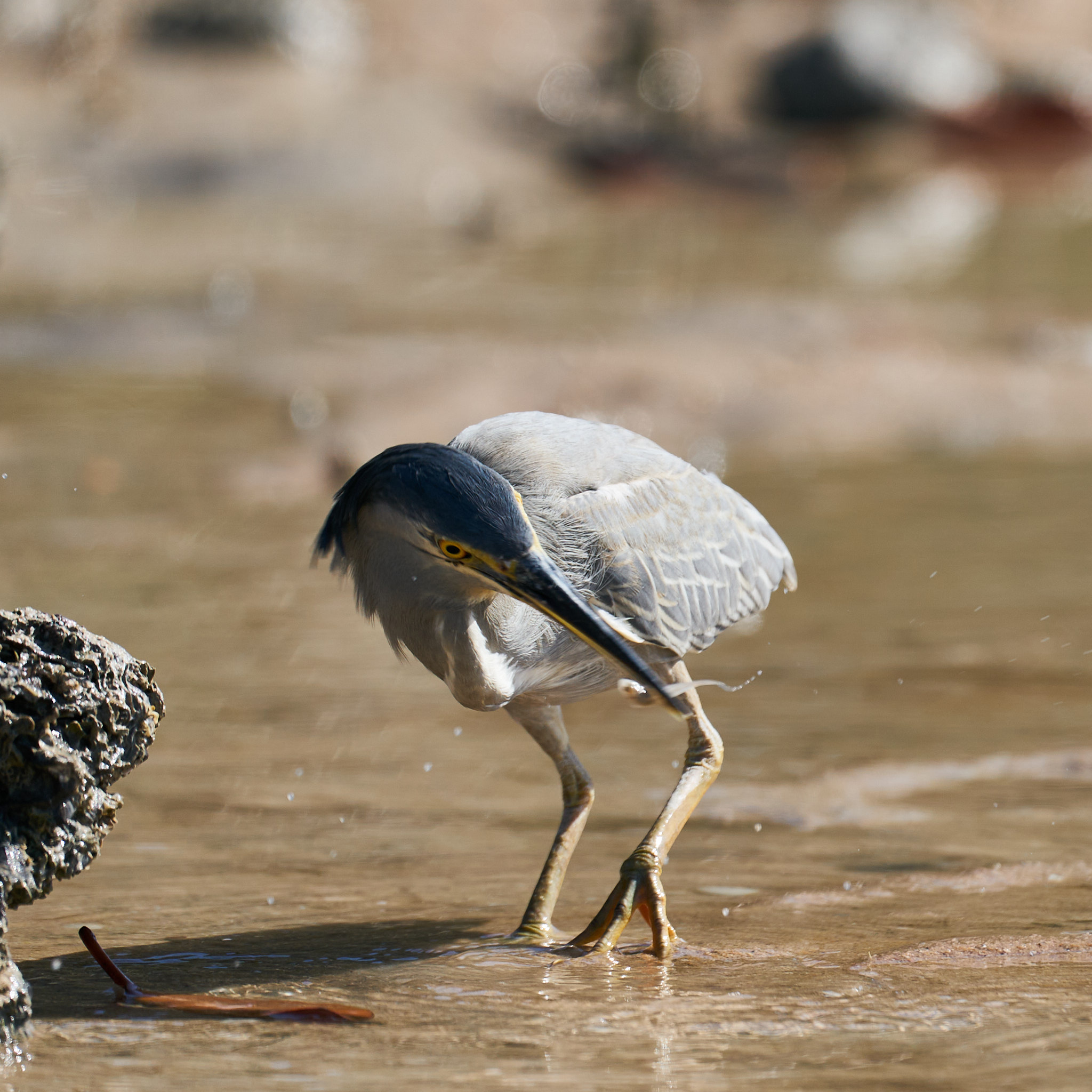
Returning to the beach around the seaward edge of the mangroves I found myself approaching a Striated Heron. It saw me before I saw it and was walking away into the trees. I suspect that stopping informs the bird that you’ve seen it and are interested in it, suspicious behaviour. I change direction, don’t look at the bird and slow down. Going off at a tangent means that the distance to the bird doesn’t decrease. On this occasion it worked well, the bird returned to the water’s edge, I sidled slowly closer. By the time I was kneeling in the sea, fully clothed it thought I was a harmless idiot and resumed feeding.
It was a successful hunter, the horizontal pose preceded a strike that was usually followed by a swallow. Small transparent fish are visible in some of the photos – if anyone can put a name to these please let me know in the comments.
The scientific name of the bird is Butorides striata. Buto is from Middle English Butor meaning Bittern, -oides is a Greek suffix meaning like, so like a bittern. Striata is from the Latin for streaked or striped. The rules of taxonomy a very strict but none forbid making a cocktail of any languages you like. An alternate popular name is Mangrove Heron and in the mangroves is where you are most likely to find it but it does venture further afield.
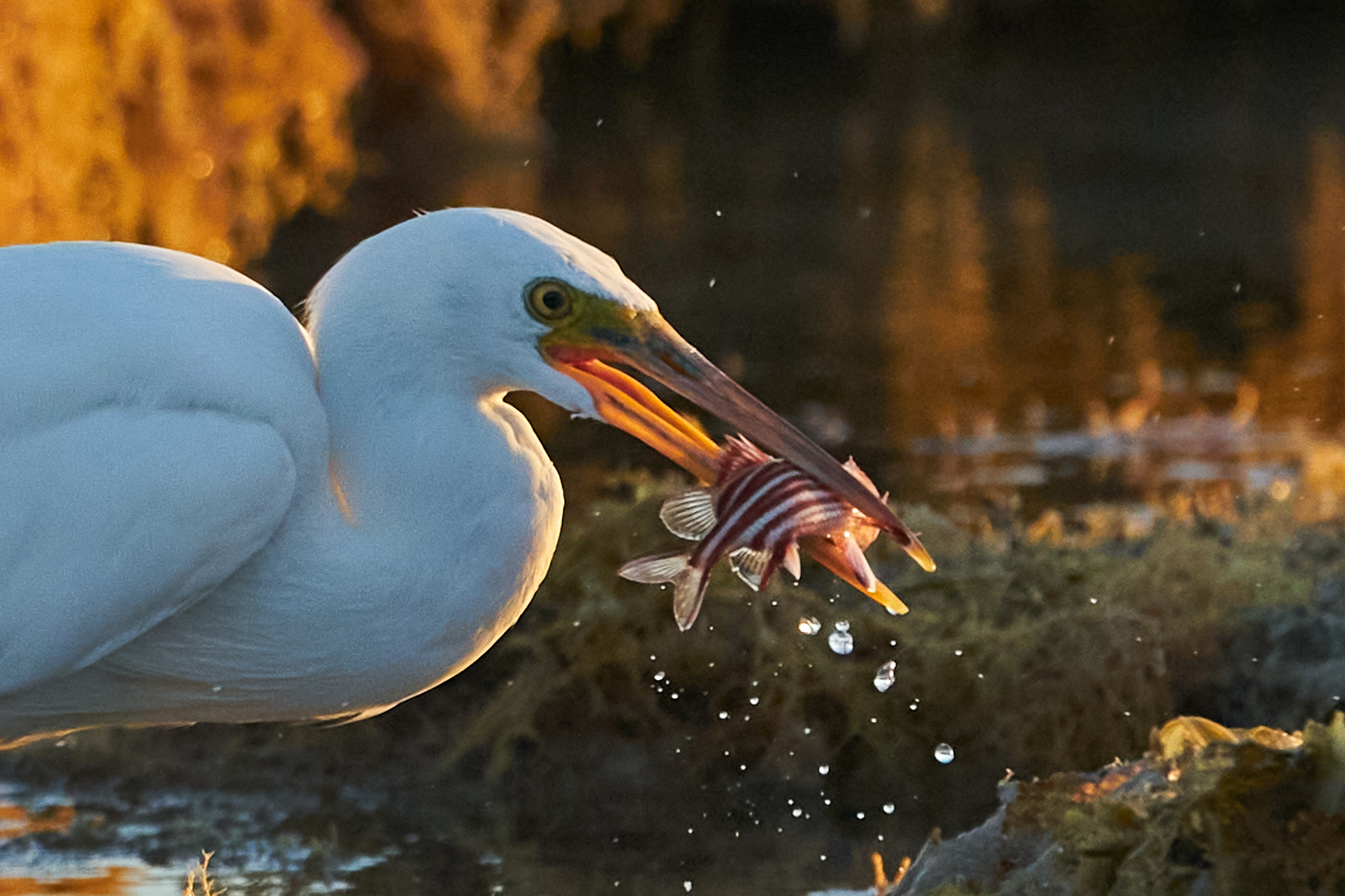
It was approaching sunset, the golden hour. The tide was very low. Eastern Reef Egrets come in two flavours, the white ones being less common than the dark ones. This guy caught my eye and I very slowly moved closer for a photo. It was a little edgy but something had caught its eye and it was torn between flight and food.
I eventually got as close as either of us dared. I settled down and started taking photos, it resumed hunting in the rock pool.
The evening meal.
The fish didn’t go quietly. It was a few minutes before it could be turned round to a suitable position for swallowing by which time it had erected a line of ferocious looking spines. A whole lot more manipulation was required before the bird could start thinking about dessert.
The Oscar for best supporting actor in this drama goes to the Red Squirrelfish, Sargocentron rubrum, a fish that has a wide distribution in warm seas usually associated with reefs. It’s a nocturnal feeder that grows to about 17cm … awarded posthumously.
I turned away, reflecting on that gossamer thread only to find another Reef Egret enjoying the ocean’s bounty. Bon appétit.



















 bobmcgee