A number of rare birds have shown up in Broome since I went wandering. “How come they only show up when I’m not there?”, I asked. A good friend replied that “They’re there all the time but we only tell you about them when you’re not around.”
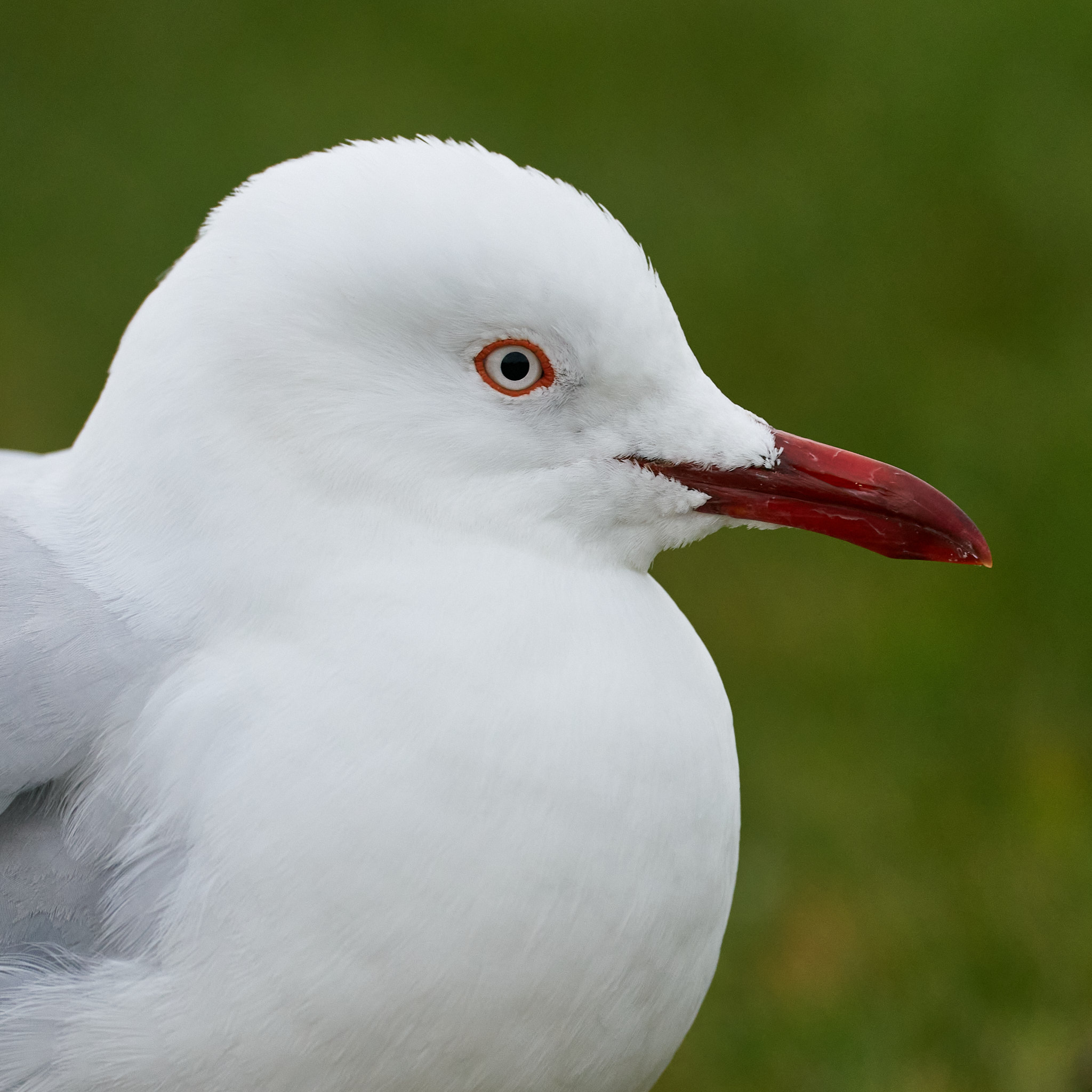
One of the current blow-ins is a Black-tailed Gull more at home in coastal China and Japan. It wanders south in the northern winter but rarely as far as Australia. Some parts of the globe are richly endowed with gulls. They are often challenging to identify and some take three years to reach full adult plumage. Their appearance can vary between seasons. In gull rich parts of the world there are keen birders that specialise in gulls. You couldn’t really make a hobby out of them in Oz. We only have three regular species and identifying them is reasonably straight forward. Kelp and Pacific Gulls are large, have black backs and take three years to reach maturity and can be aged reasonably accurately by their plumage as they make that journey. Silver Gulls are smaller, have light grey backs and reach adulthood in one year.
Silver Gulls …



Pacific Gulls …

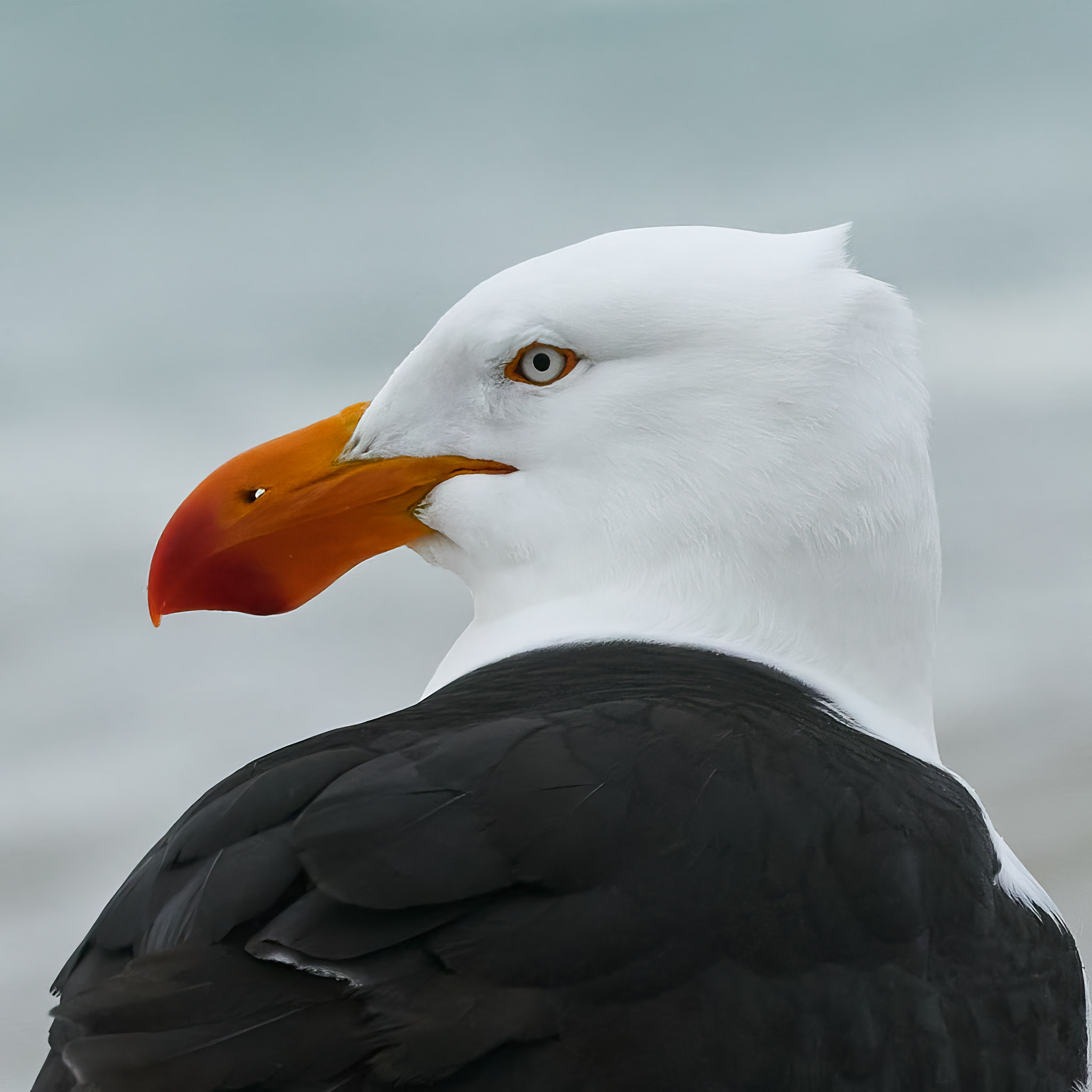


the red tip to the massive bill extends to the upper mandible, there is a black bar in the tail. The adult legs are a richer yellow colour than Kelp Gulls.
Kelp Gulls …
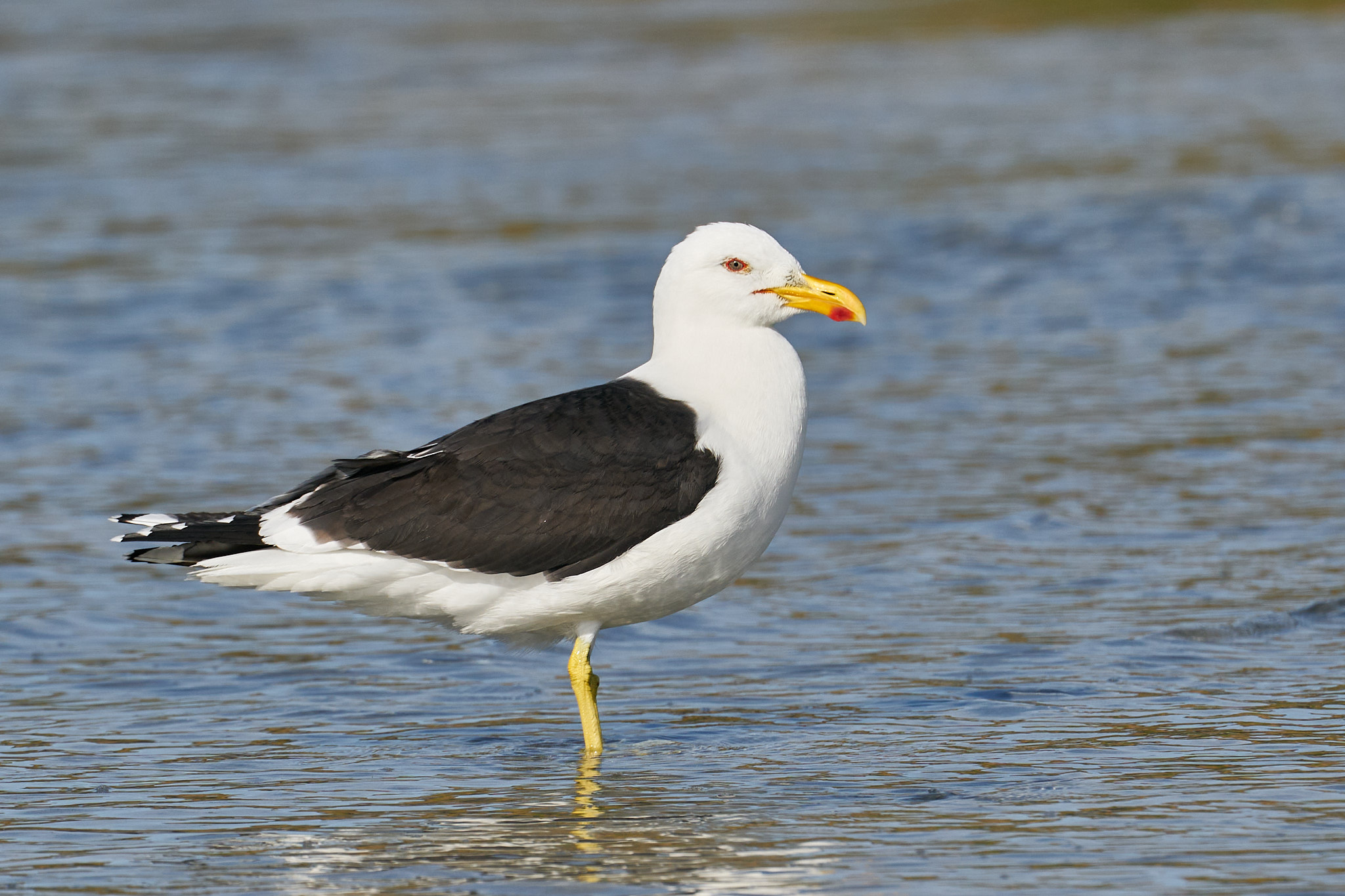

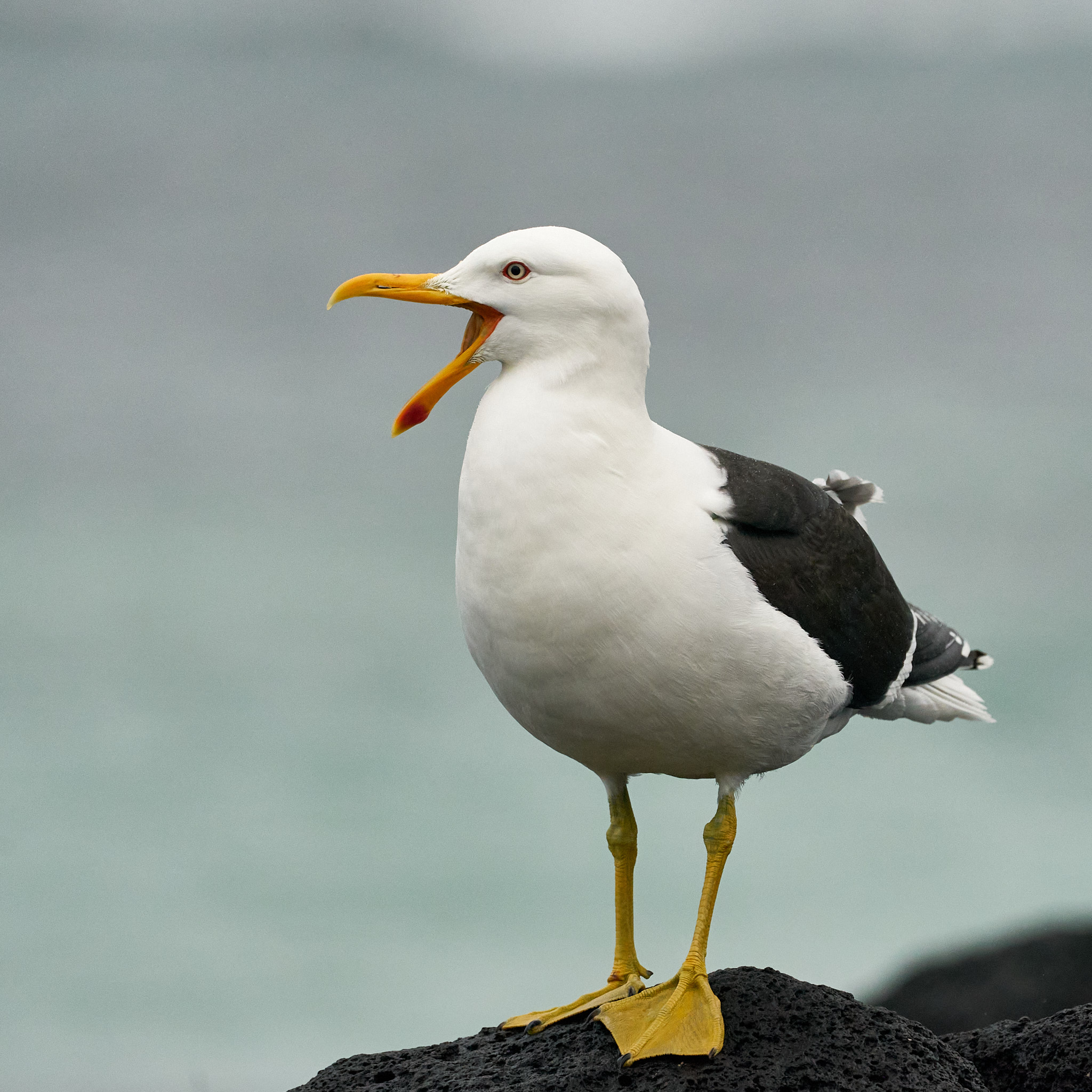
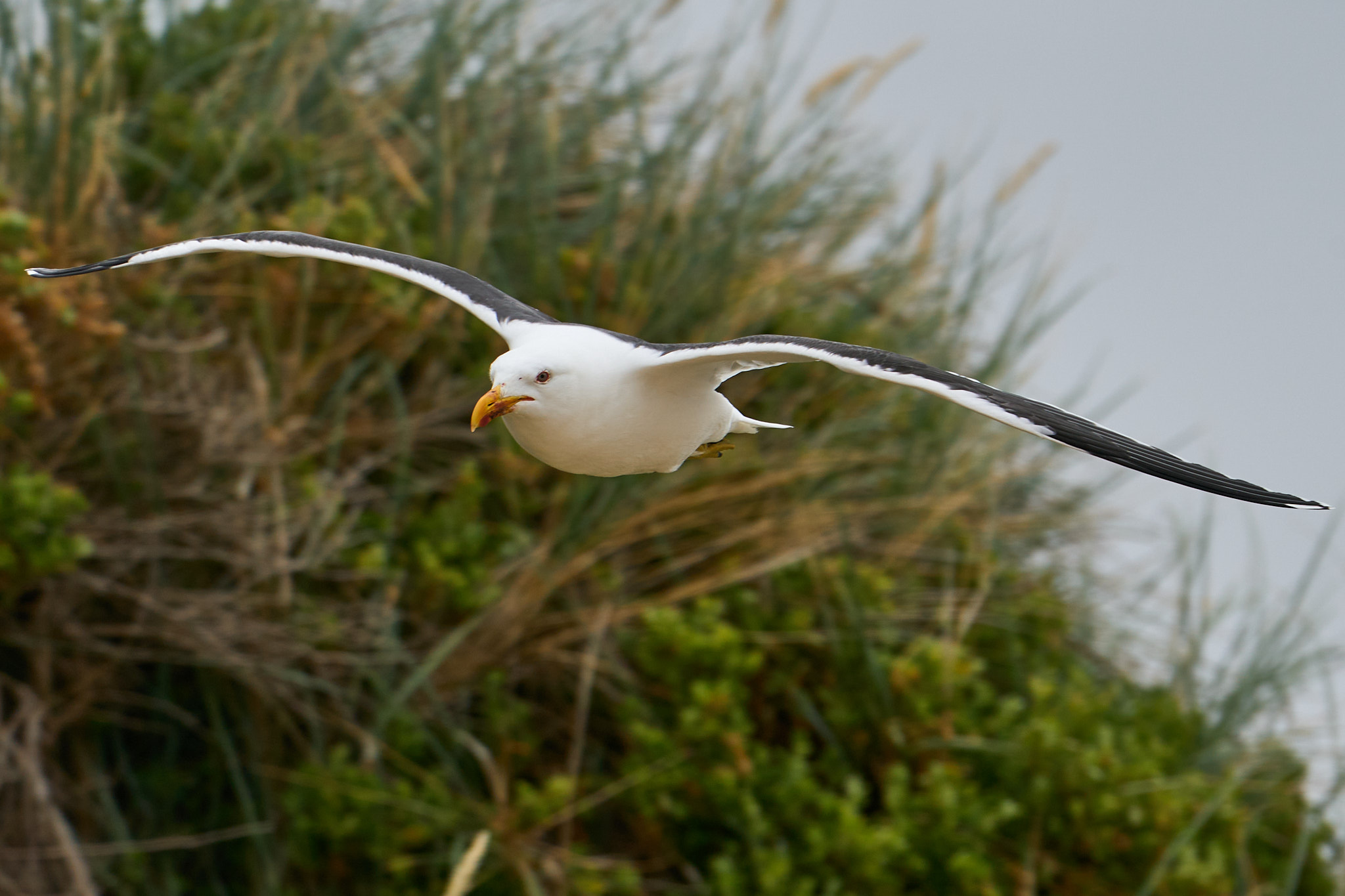
The bill is less impressive than the Pacific Gull and the red spot is confined to the lower mandible. There is no black in the adult tail. The legs are a washed out yellow.
The bill is the best starting point when deciding which large juvenile gull you’re looking at.
Click on the galleries for a better look.

 bobmcgee