
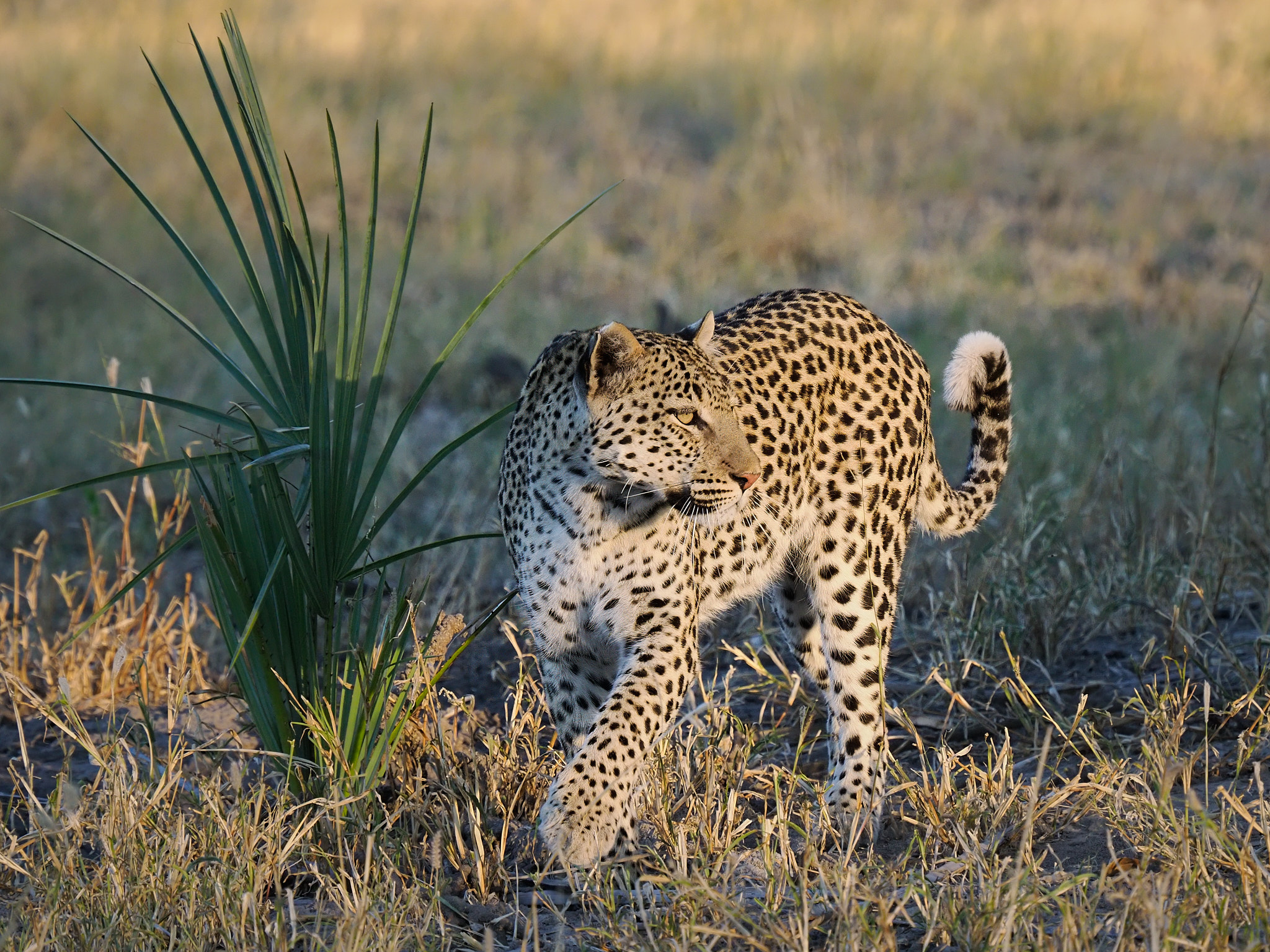
Panthera pardus, the Leopard, the most wide ranging and adaptable of the big cats. They are solitary creatures, adults coming together only to mate. Females then spending almost two years as single mums.
Medium sized antelope and the young of large species account for most of their diet but they also take small mammals and even invertebrates. A patient and silent approach to within 5 meters of its prey is likely to be successful. Longer chases are often abandoned. We several times watched Impala telling Leopard that they had been spotted – don’t bother. And they won’t bother if they’re not within 20m.
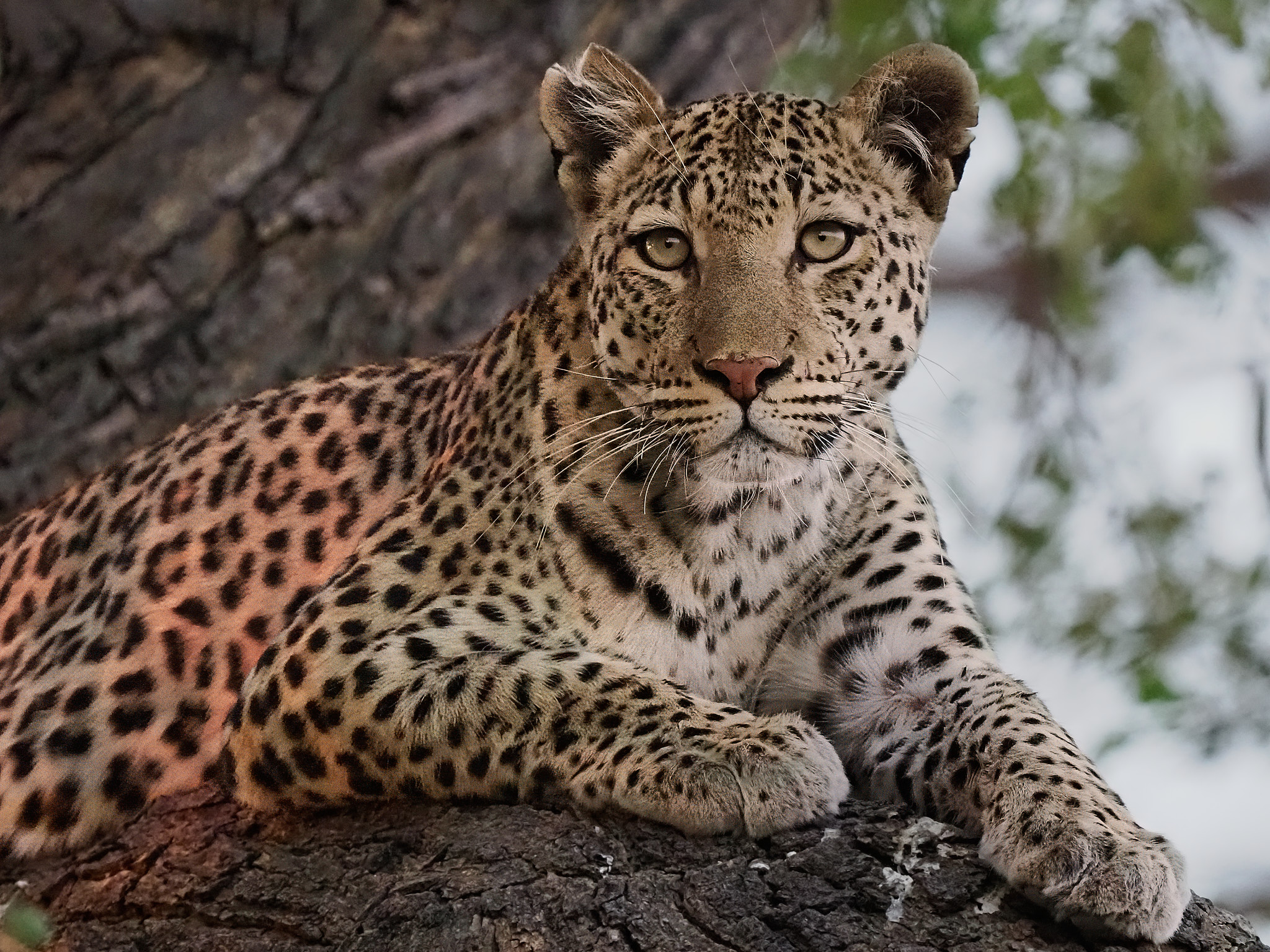
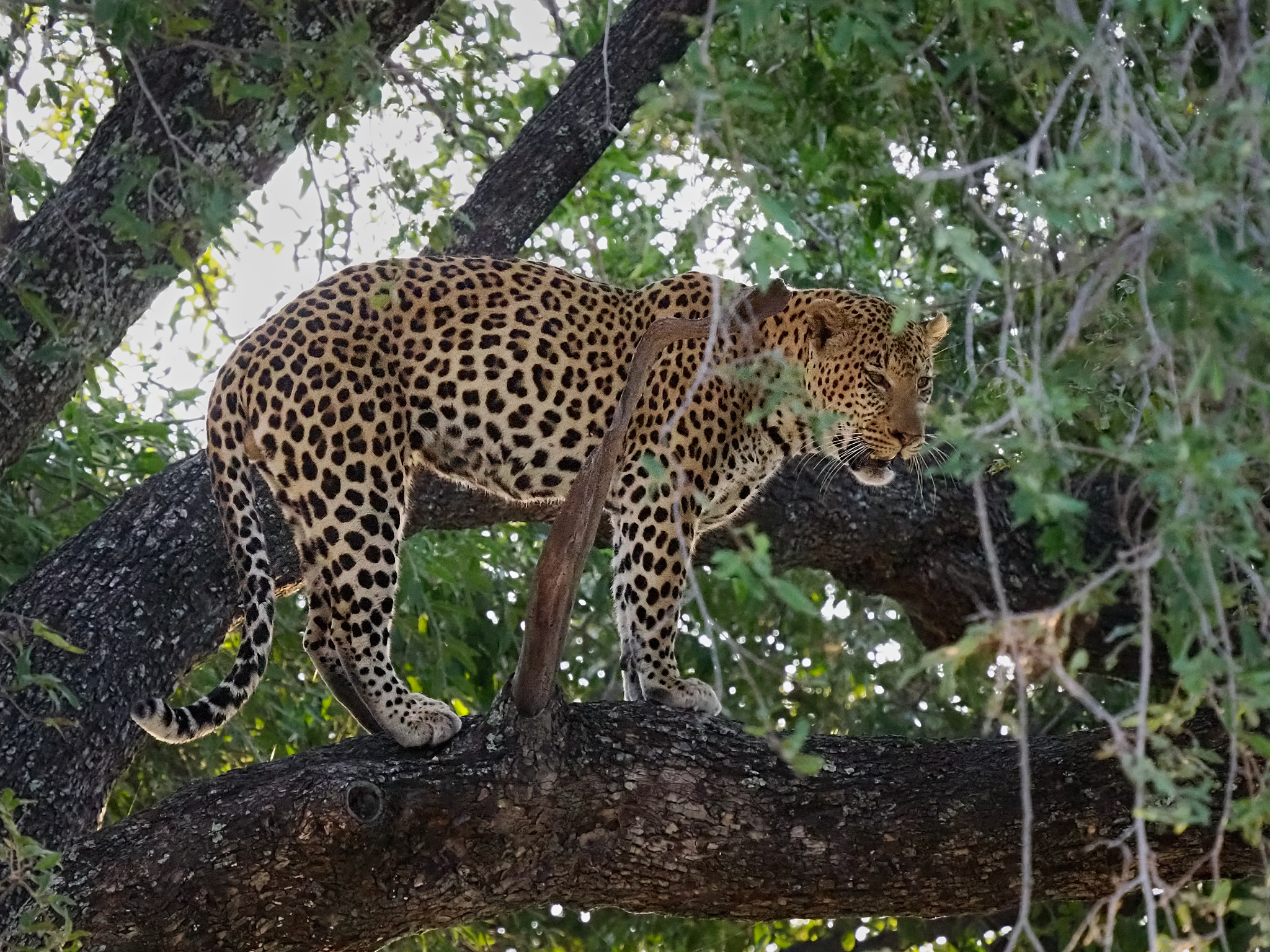
A kill may be consumed on the spot or carried up a tree. They are powerful enough to climb with more than their own body weight in tow. On the ground dispossession by lions, hyenas or wild dogs is not uncommon.
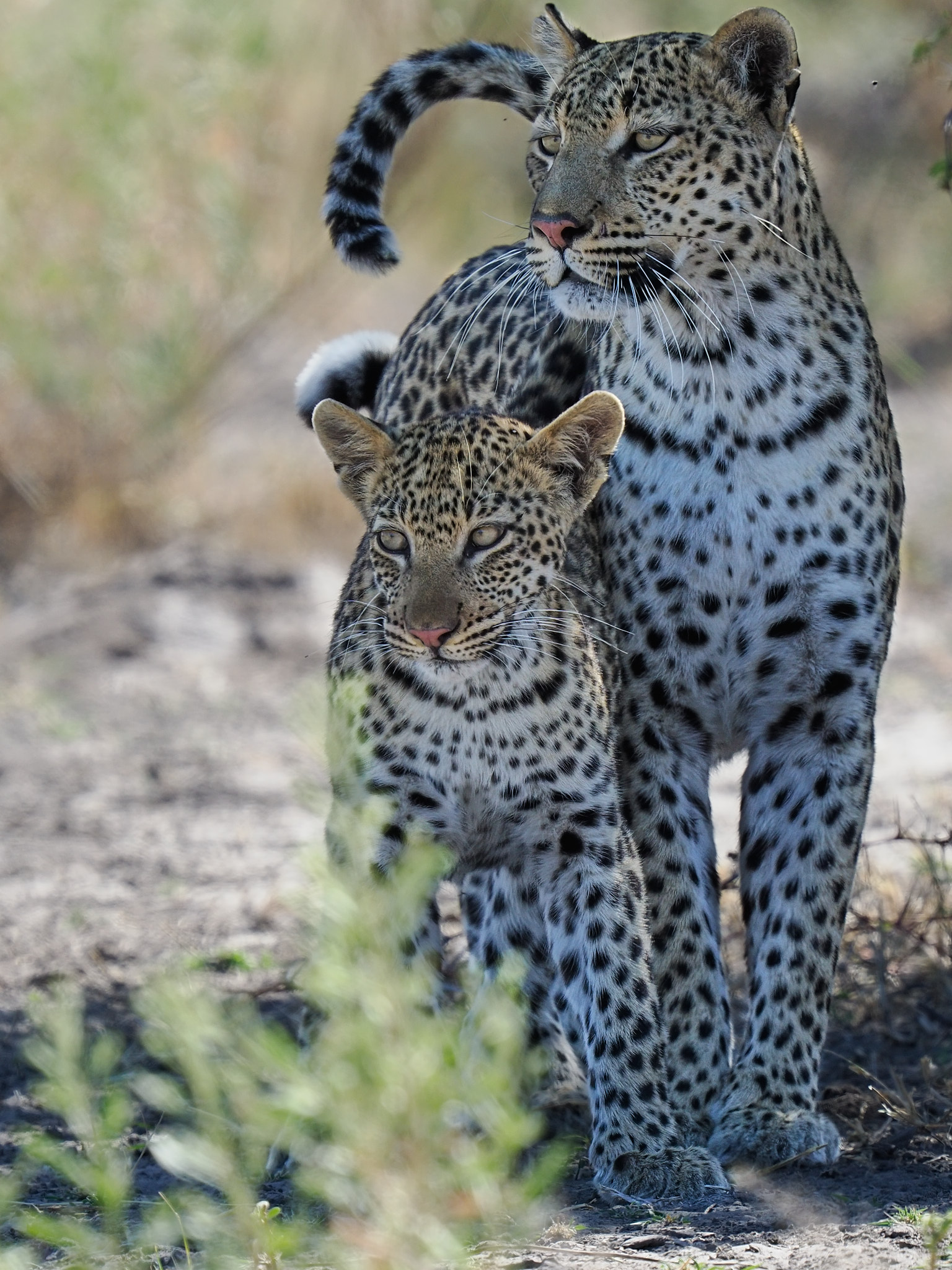
Other predators are also a threat to the dependent youngsters. There are one to three cubs in a litter that must be left when mum goes hunting. They can climb well from quite an early age. Even so this is a particularly dangerous period in a leopard’s life.







 bobmcgee