The Story …

If you read about photography you will occasionally come across the notion that a photograph should tell a story. Sometimes it does …

But sometimes it’s just a pretty picture …

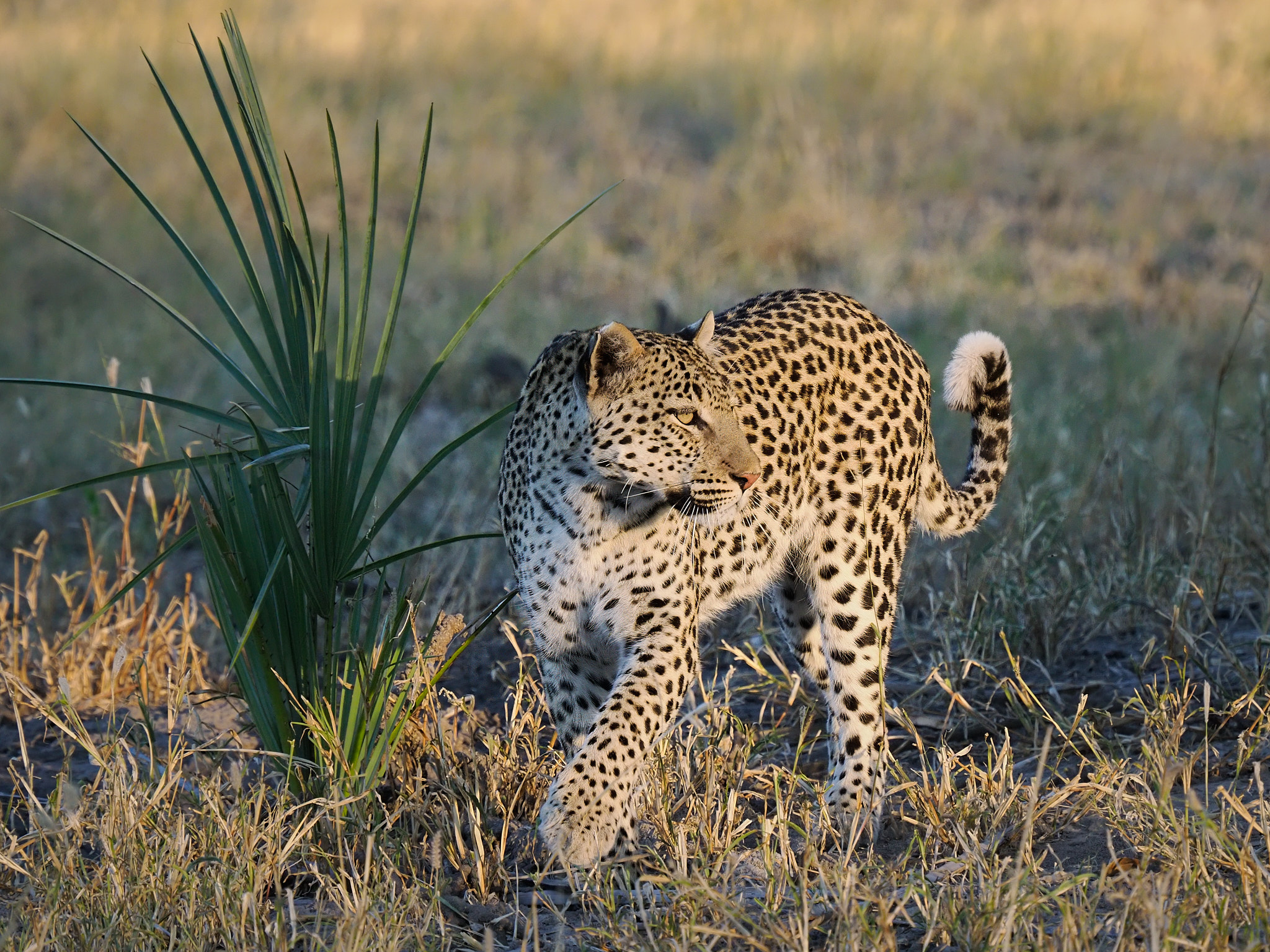
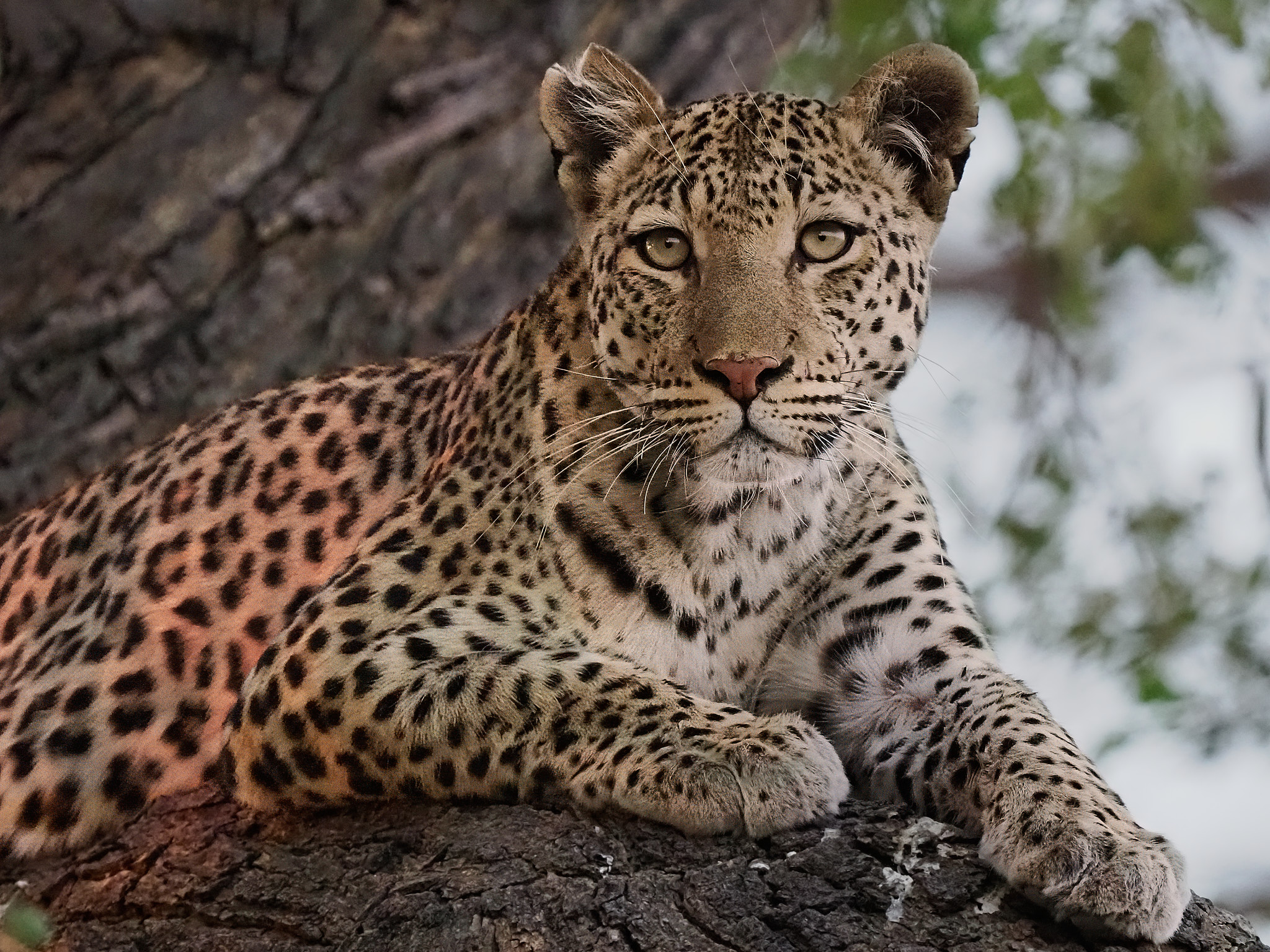
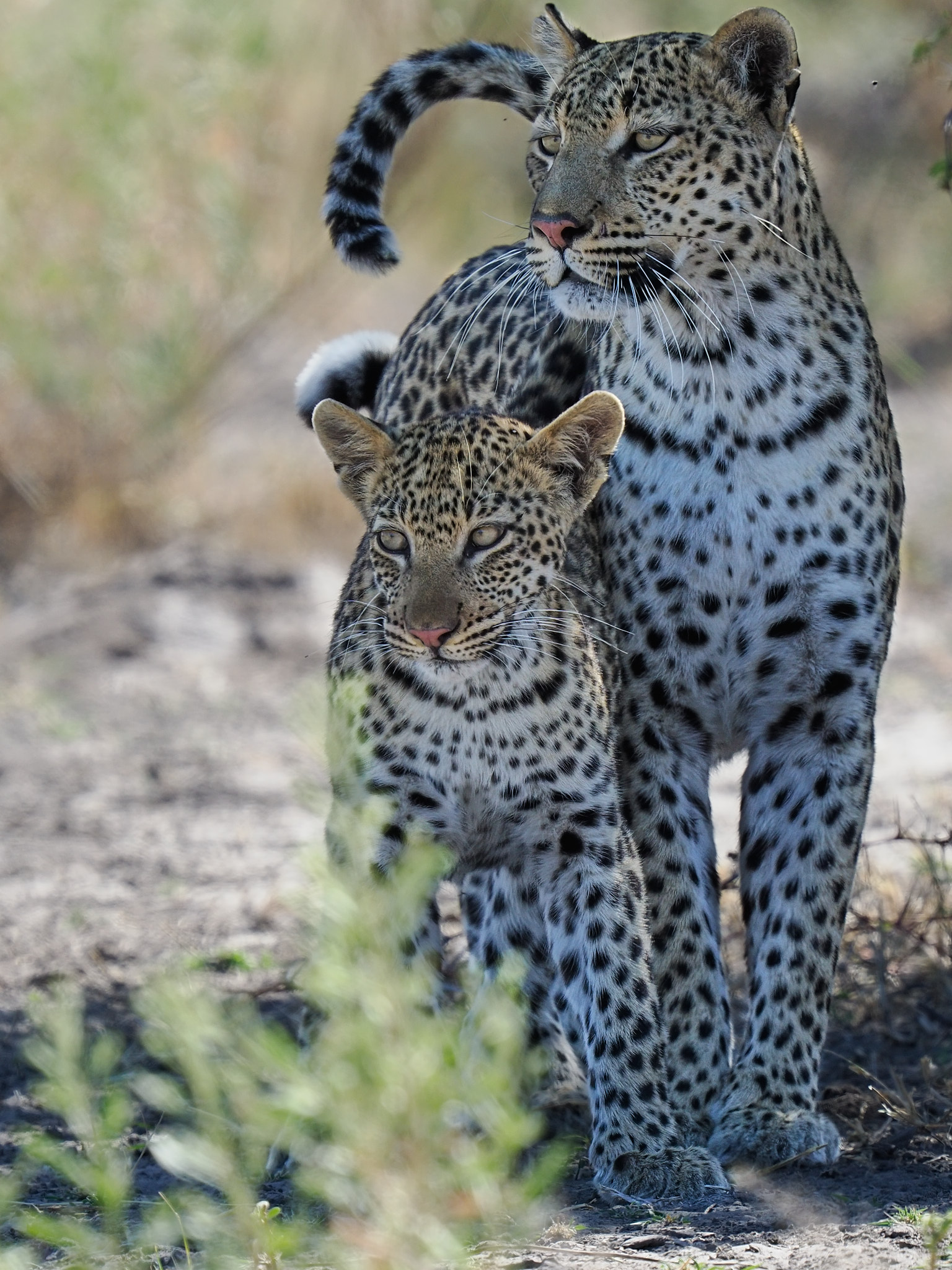
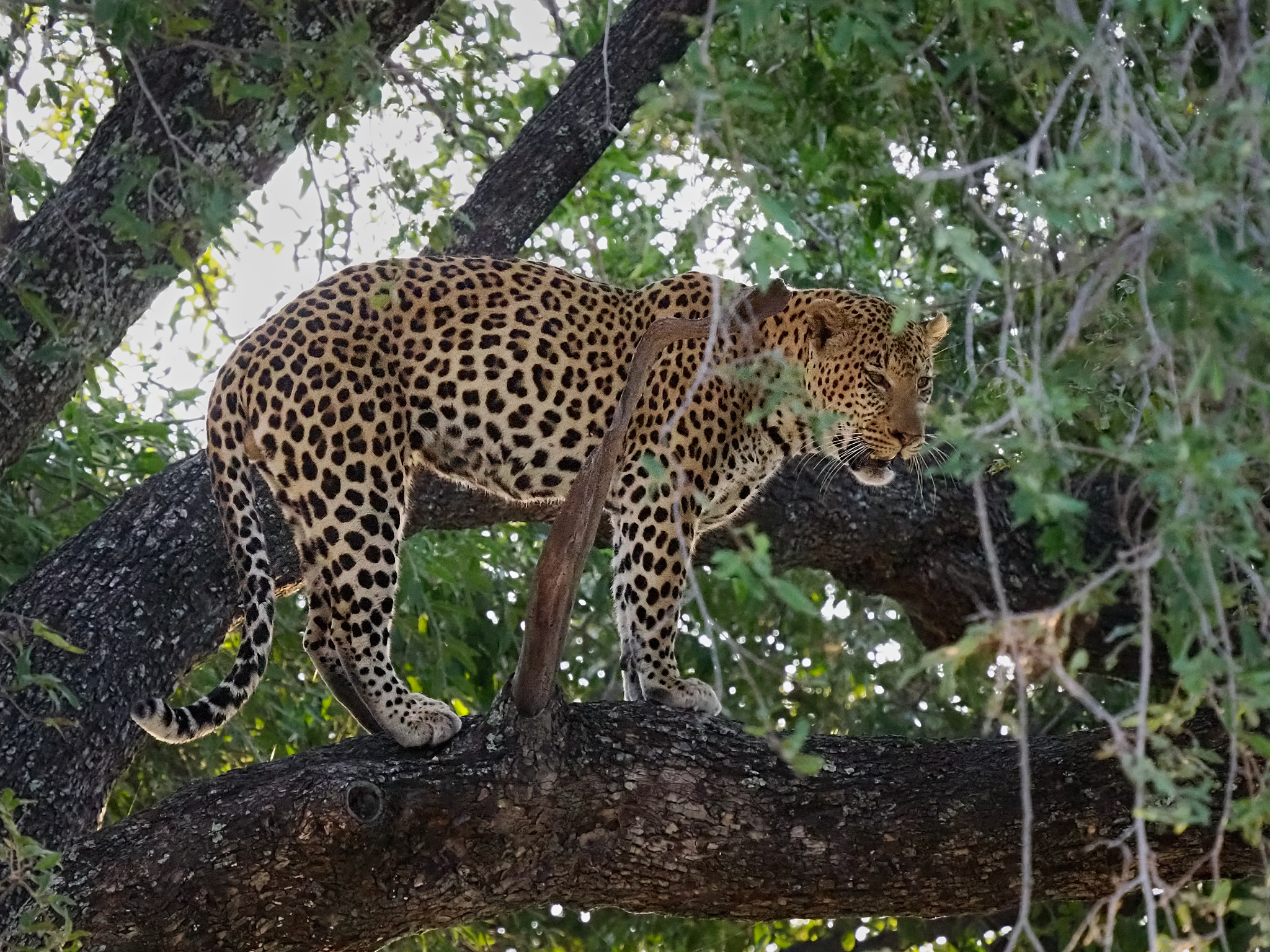
We were very fortunate to spend a lot of time with Leopards, not the first time I’ve seen them or photographed them but on this visit we had stunning views. I took many photographs and you will see some soon. This trio are not among the best. The first one makes the cut only because it does indeed tell a story. The others only make the cut because of the story attached.

The Leopard was initially lying on a low branch, a very flat cat. And that’s the way it stayed for ages. Really flat. There were two vehicles in attendance and for us to get a decent view took a bit of manoeuvring. When it was time to go it became apparent that we were stuck, a wheel had come to rest between two sizable fallen branches and it simply wouldn’t climb out. It was decided that the other vehicle would tow us to safety which meant that someone had to dismount and attach a rope to the back of our vehicle and the front of the other, under the sleepy gaze of a Leopard poised to pounce just a few meters away and above us. The moment our driver did so the flat cat quickly woke up.

Fortunately it didn’t feel the need to leap onto the driver and we were very quickly on our way.

Baboon …

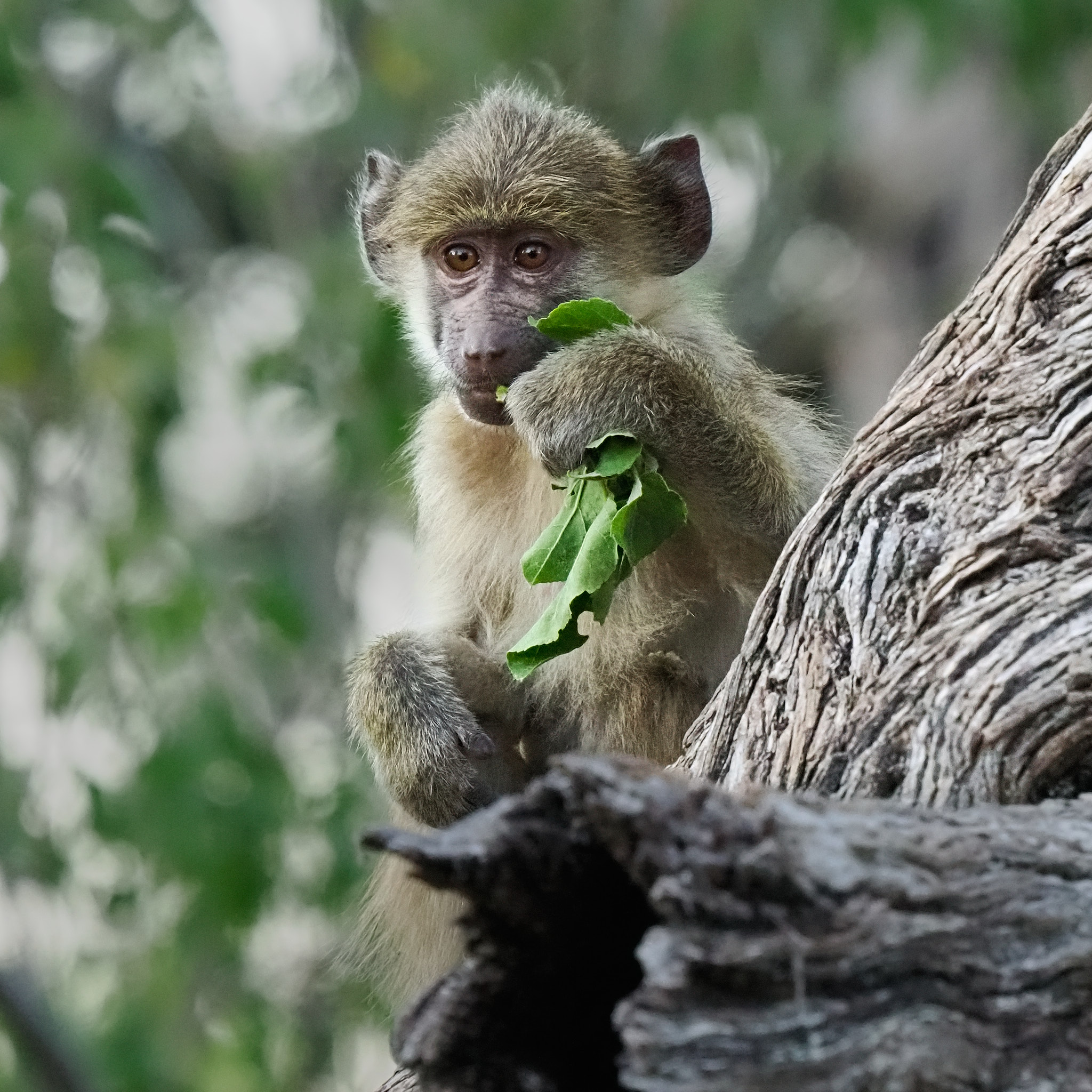
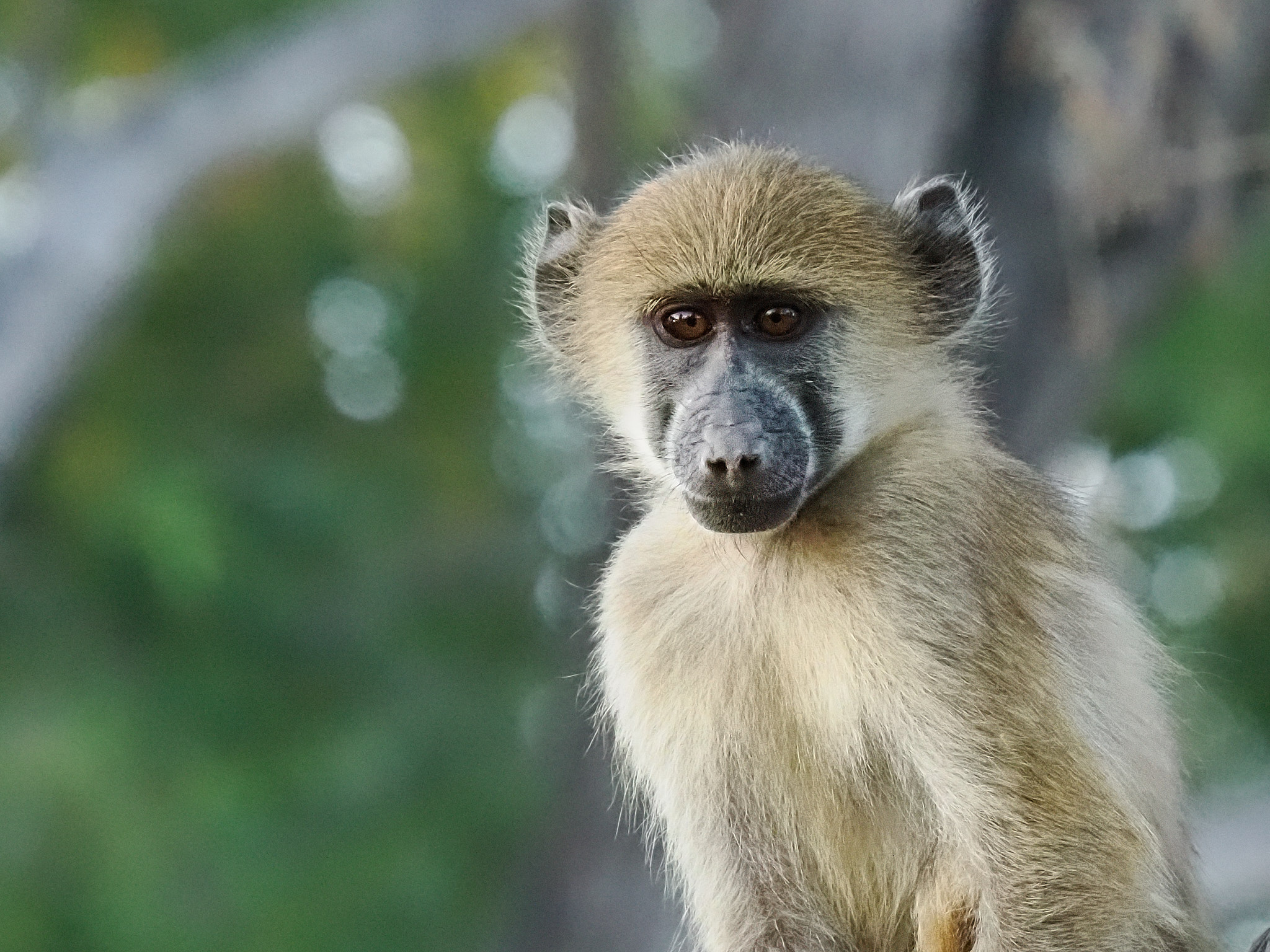
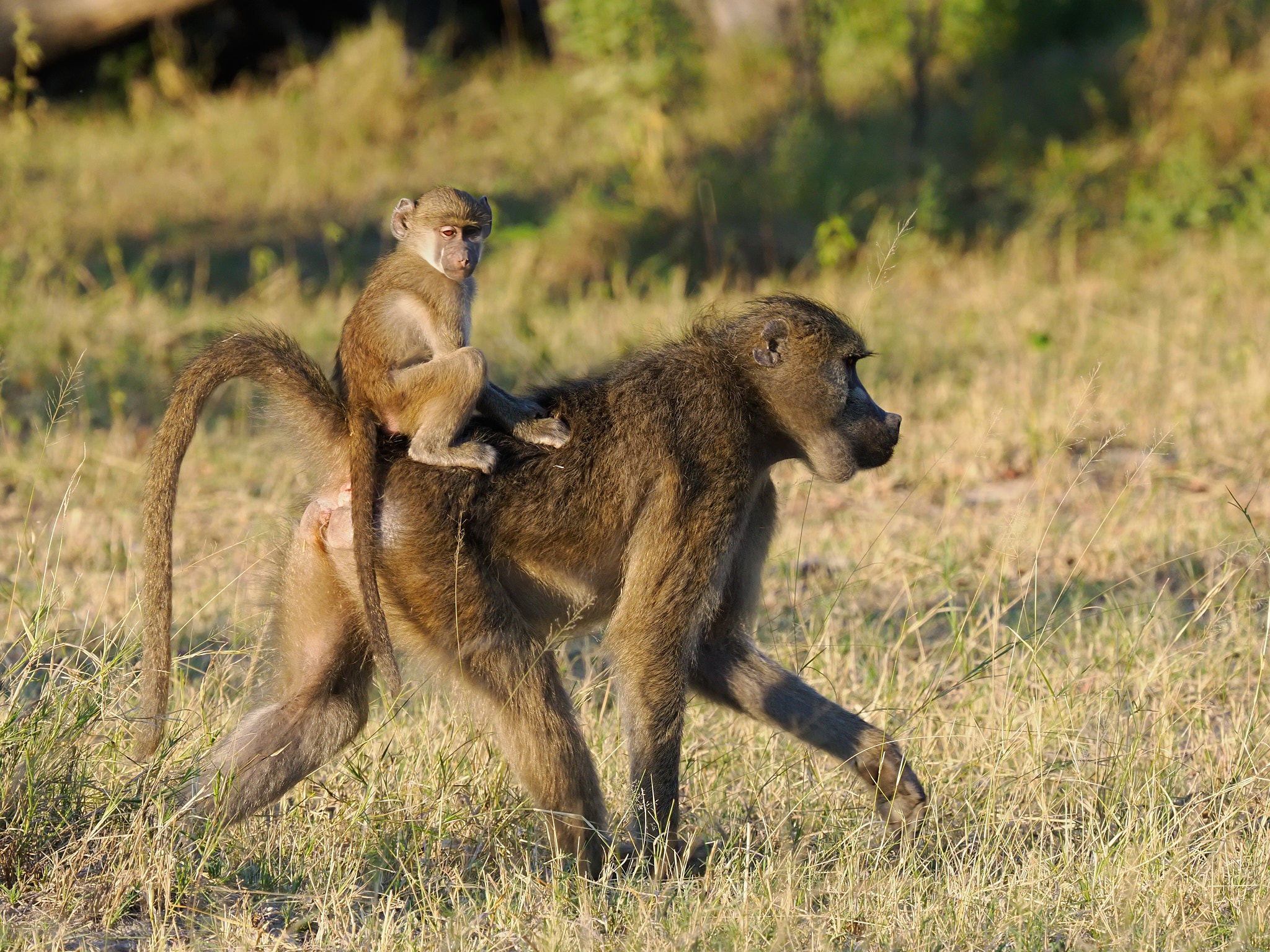
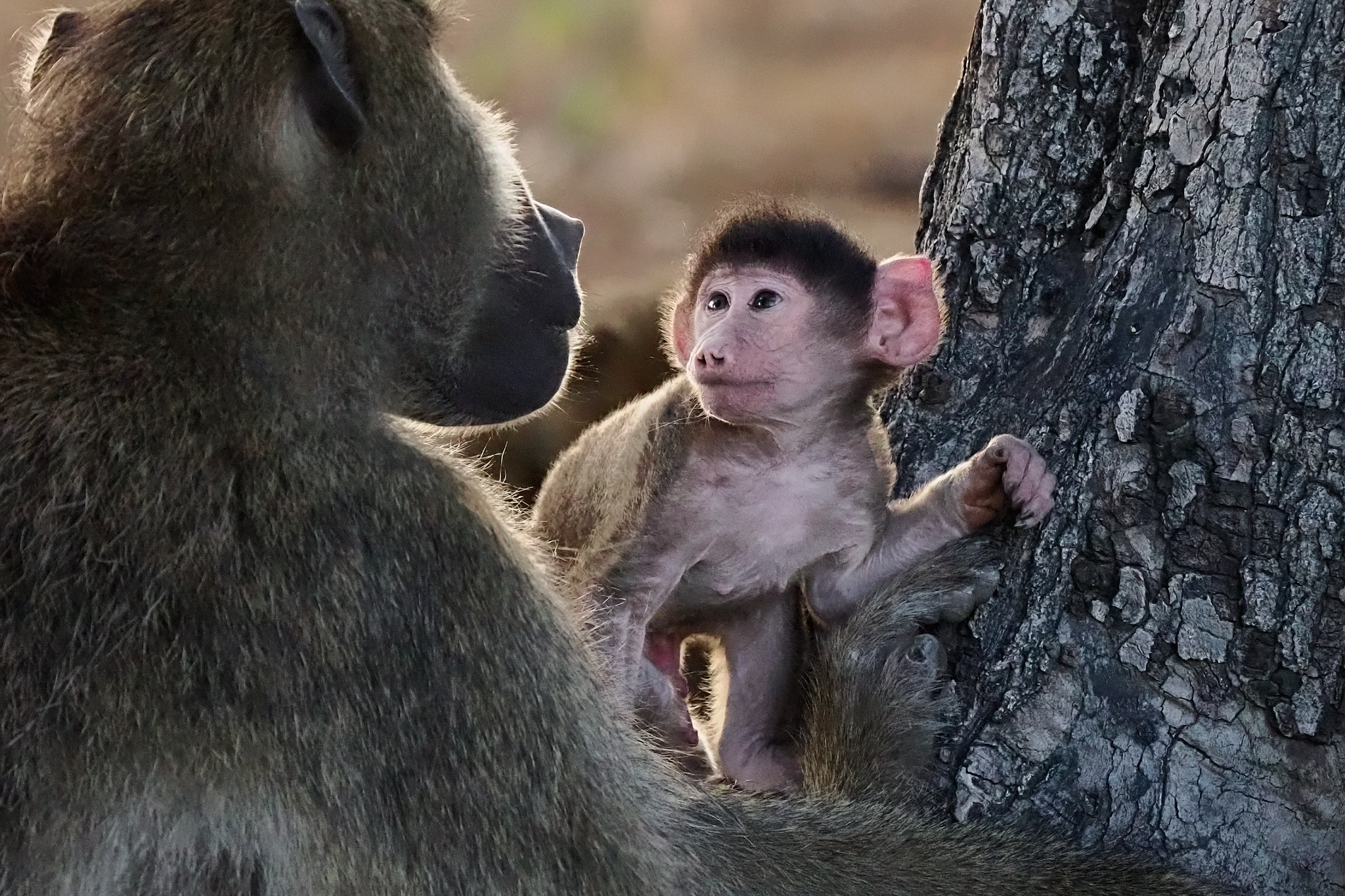
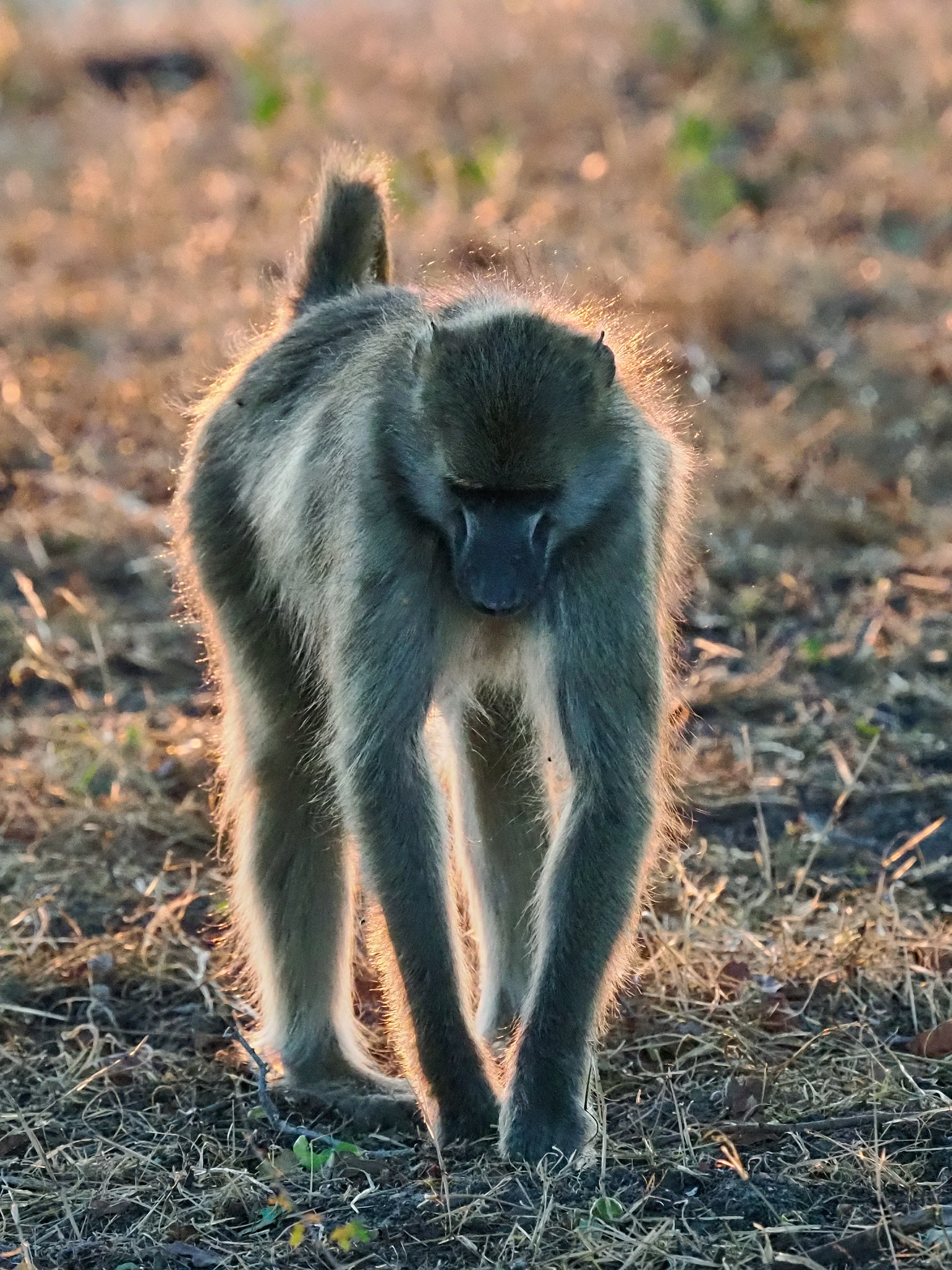
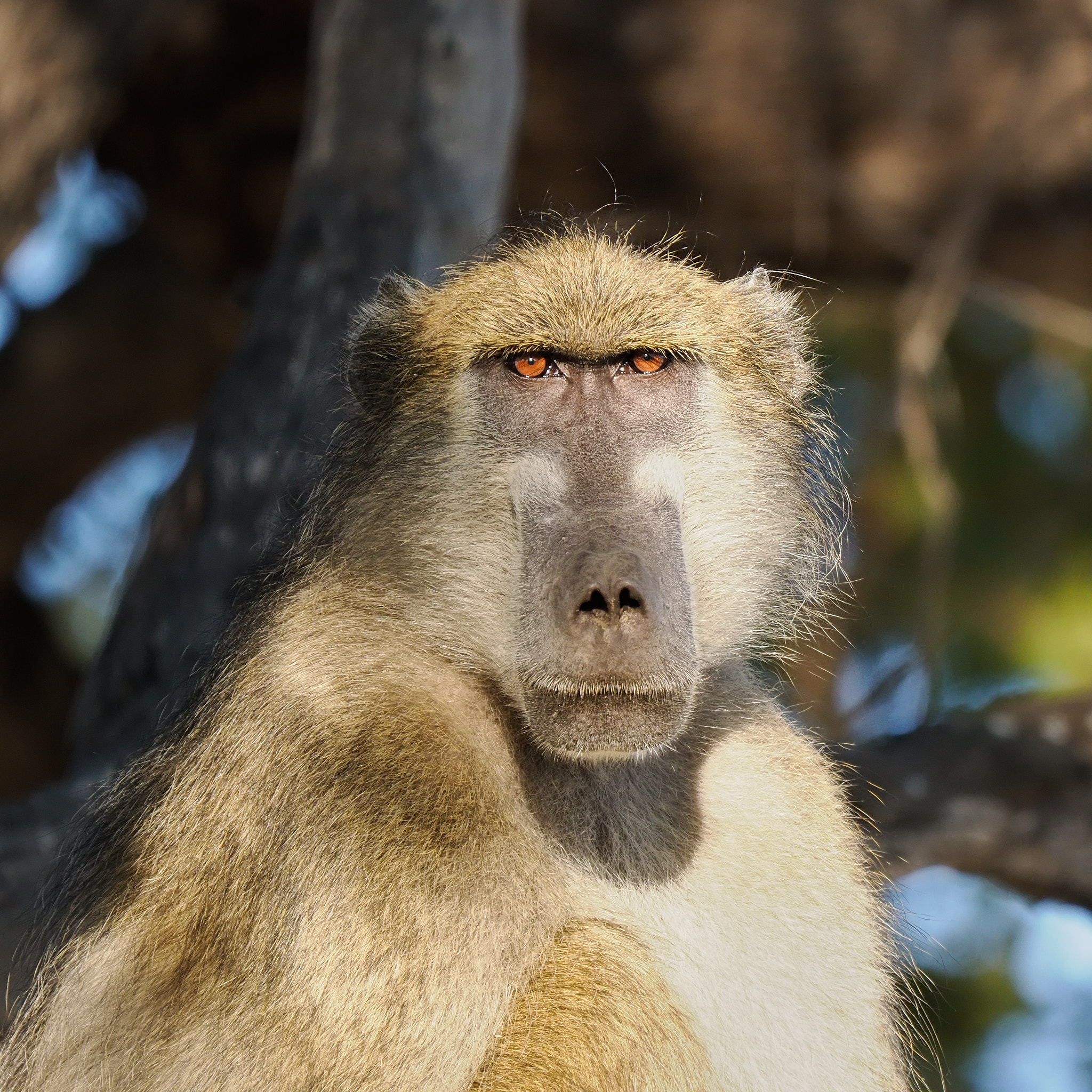
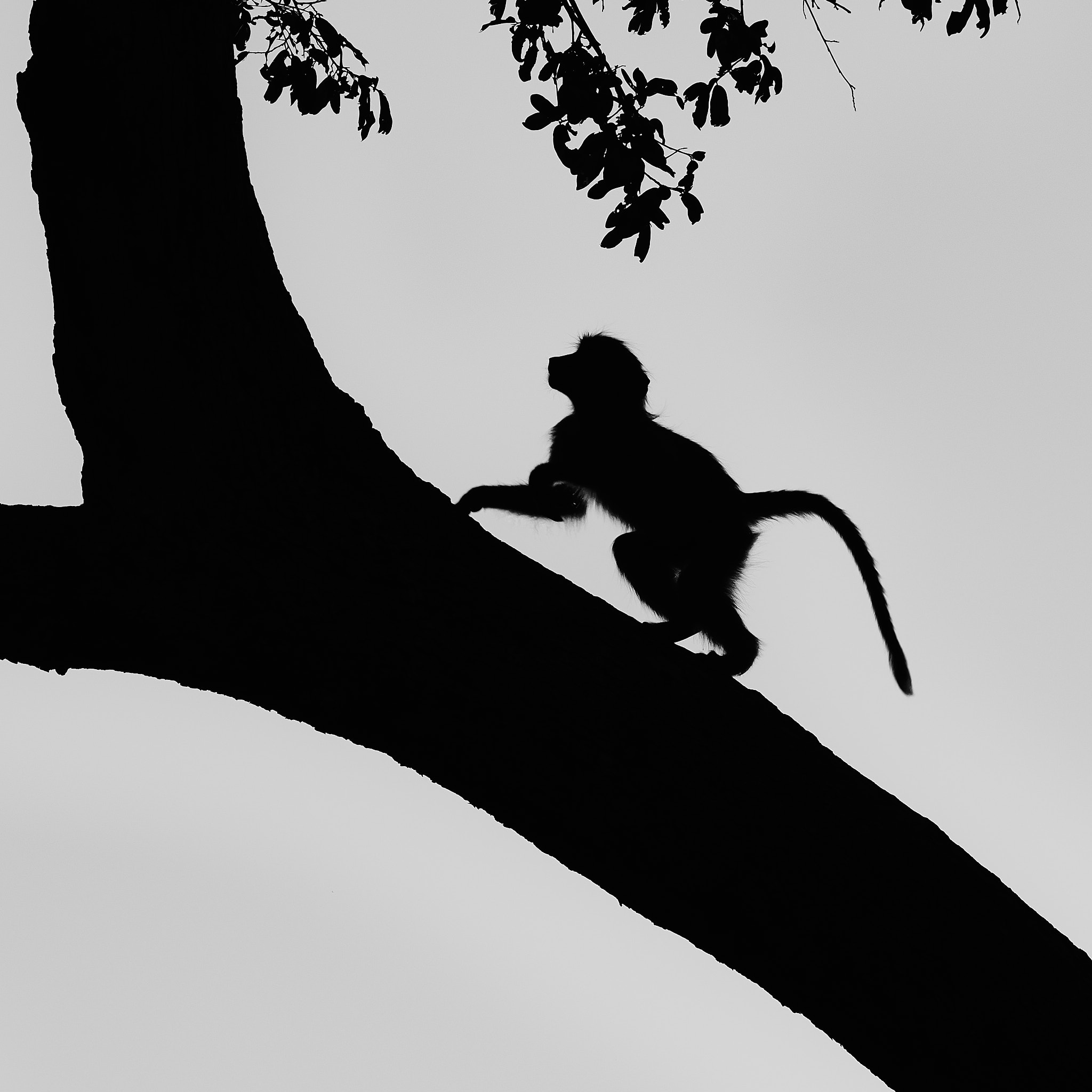
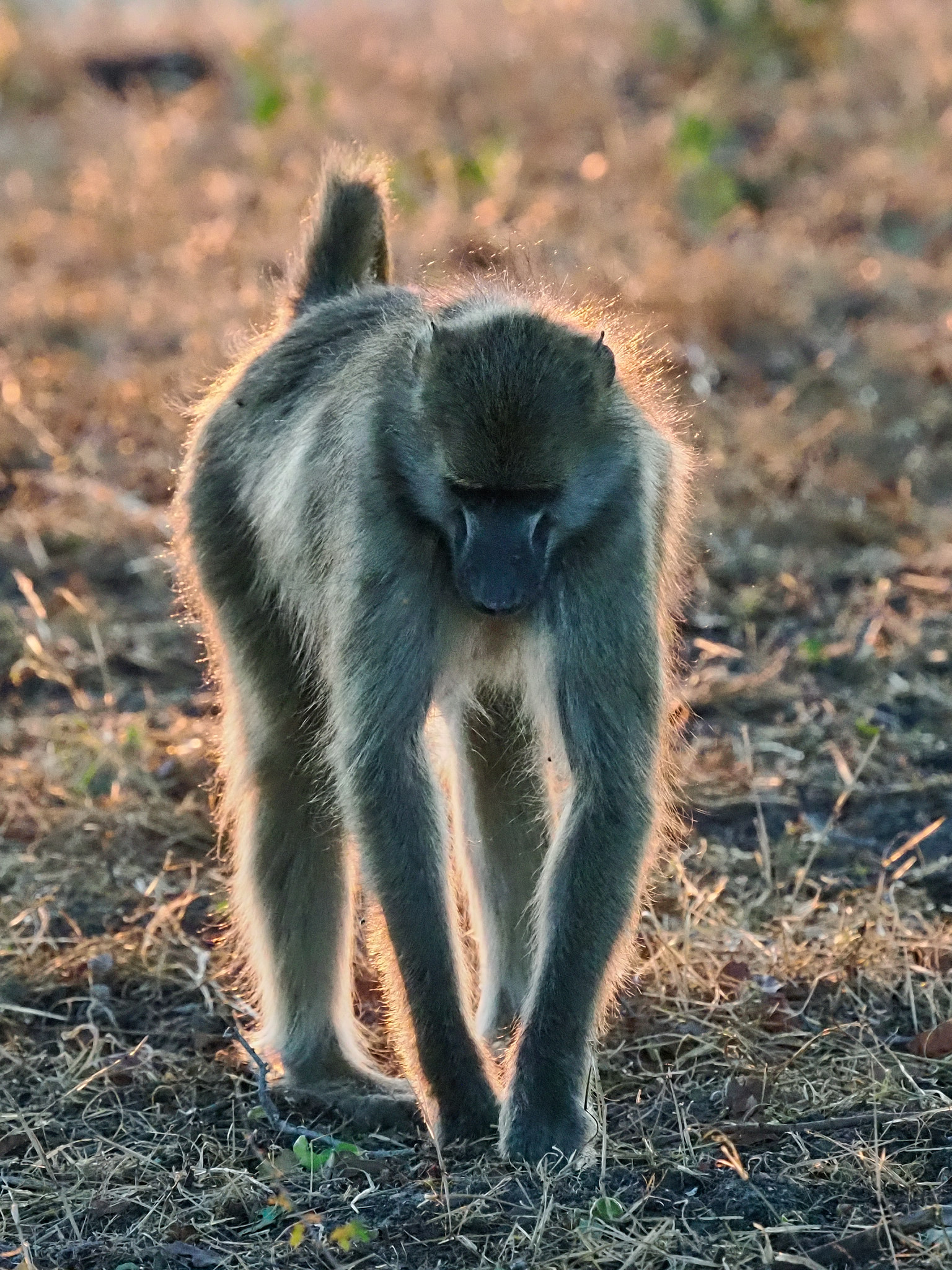
Are they gorgeous or will they rip you to shreds? Yet another animal that is much misunderstood. Male baboons are much the same size as a large dog, have canine teeth that are way more impressive and sharp claws. They could do some damage. But by and large they don’t. If cornered or threatened they may fight their way to safety but they are prey animals not predators. Dogs on the other hand are a different story. Animals24-7.org keeps a log of fatal dog attacks in South Africa. They run at about two per year, about half are children. I haven’t been able to find a single instance of a human killed by a baboon. The dog you bought to keep you safe is a far greater threat to you and your family than a baboon.
Baboons are big monkeys in the genus Papio. Mammals of the World volume 3, Primates lists six species each of which is further divided into subspecies. The boundaries of the species has been blurred by hybridisation to such an extent that there are places where there’s a PhD to be had in working out which species is present. It’s generally accepted that the Chacma Baboon is the one found in Botswana but the mitochondrial DNA differs from those further south. The Kinda Baboon is present in Angola and the Yellow Baboon in Zambia and they all interbreed freely at points of contact.

Life for a Baboon is communal. Groups vary in size but are typically 30 to 40 strong. Females and their young are at the core of the group. Females spend their lives in their natal group, males leave home at about four years of age and may switch groups again subsequently. Status is important to Baboons, the females inherit theirs from their mother. The boys have to work it out for themselves.

The group as a whole has the job of keeping other groups off their turf and keeping individual members out of the jaws of predators.

Conflict with people arises because Baboons raid crops and will enter houses in search for food. The response tends to be tinged with fear and spite.

The answer to the initial question is Baboons are gorgeous. They are never cruel to people.

Nature Red in Tooth and Claw …

In 1850 Alfred Lord Tennyson published the poem In Memoriam A.H.H. It commemorated the life of his friend Arthur Henry Hallam who had died at just 22 years of age 17 years earlier. It was at a time when science and religion were posing different answers to the fundamental questions. It was an immense work (2,916 lines and getting bigger in subsequent editions). Tennyson wasn’t the first or last to wonder if God is the great and good creator of all why He is so careless with individual lives …

Are God and Nature then at strife,
That Nature lends such evil dreams?
So careful of the type she seems,
So careless of the single life;

Darwin’s Origin of Species came in 1859. One of Tennyson’s 2,916 lines, perhaps the most memorable of them all, came to sum up the implications of the survival of the fittest.

Who trusted God was love indeed
And love Creation’s final law
Tho’ Nature, red in tooth and claw
With ravine, shriek’d against his creed

Bad Boy …

I once went on a walking safari. You can read about it. Day 1 is <HERE>. The safety briefing was a gem. In it I learnt that most charges that I could expect to face would be mock charges. But if it was a buffalo it would be for real.

Our pick up point was 20 km away. It soon became apparent that there was a very strung out herd of buffalo in between. This meant a significant detour. Late lunch that day.

Help me out here …

I am in the process of writing an essay on safari photography. It will eventually drop on the blog. I am rarely seen with a camera lens shorter than a bazooka but I know that some people take some very nice photos with their phones. If you have a few wildlife shots that you are proud of and are happy to share please send them my way. I’d like to know the make and model of your phone as well. If you have my email that’s easy. If not drop a comment below and I’ll be in touch.

I will acknowledge your work in any way you like, name, pseudonym, whatever. Any way, that is, except pay for them!

Thanks

Rob.

Elephant …

I met my first wild Elephant on the 16th of August 1997. You never forget your first.

It was first thing in the morning of our first day on safari, Mombo, Botswana. I had the rear seat of an open safari vehicle. We came upon a youngish male. He was running along thrashing the vegetation. The driver/guide pointed out the secretion of temporin running down its face and the seminal fluid dripping from its penis. Told us that its testosterone levels were through the roof. Its mania was due to the state of musth, an annual event for bull elephants over about 30 years of age. After a while we overtook it and continued on our way.

About 15 minutes later we came upon our first collection of Impala. We stopped with our rear wheels in a bit of a ditch and turned off the engine. Our driver/guide pointed out that this was a male and his harem and began to explain the exhausting and competitive life of the male Impala. Turned three quarters around to address his guests he was well placed to notice a maniacal male elephant charging the back of the vehicle. He immediately started the engine and set about rectifying the situation.

But forgot that the rear wheels were in a bit of a ditch and stalled the engine. Valuable moments were lost. The engine was restarted, many more revs were injected and we were on the way again. The elephant had its head down, fortunately for me because those tusks could easily have impaled me. Its forehead hit the rear end of the vehicle but by that stage our relative velocities dampened the impact to a minor blow.

Those were the days of single shot exposures and 200 ASA colour slide film. The head filled the frame but it wasn’t a keeper, poor focus and too much motion blur.