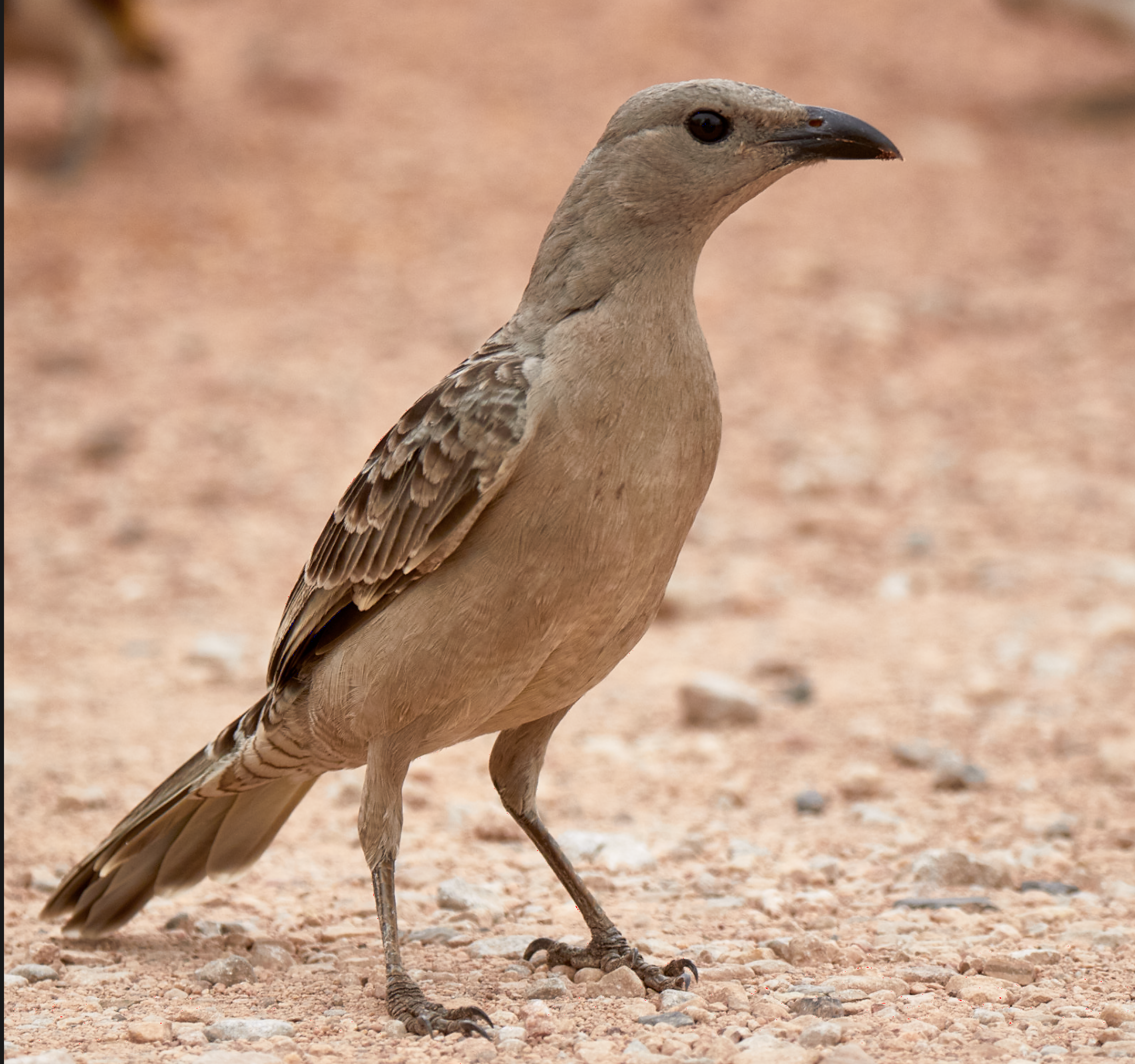
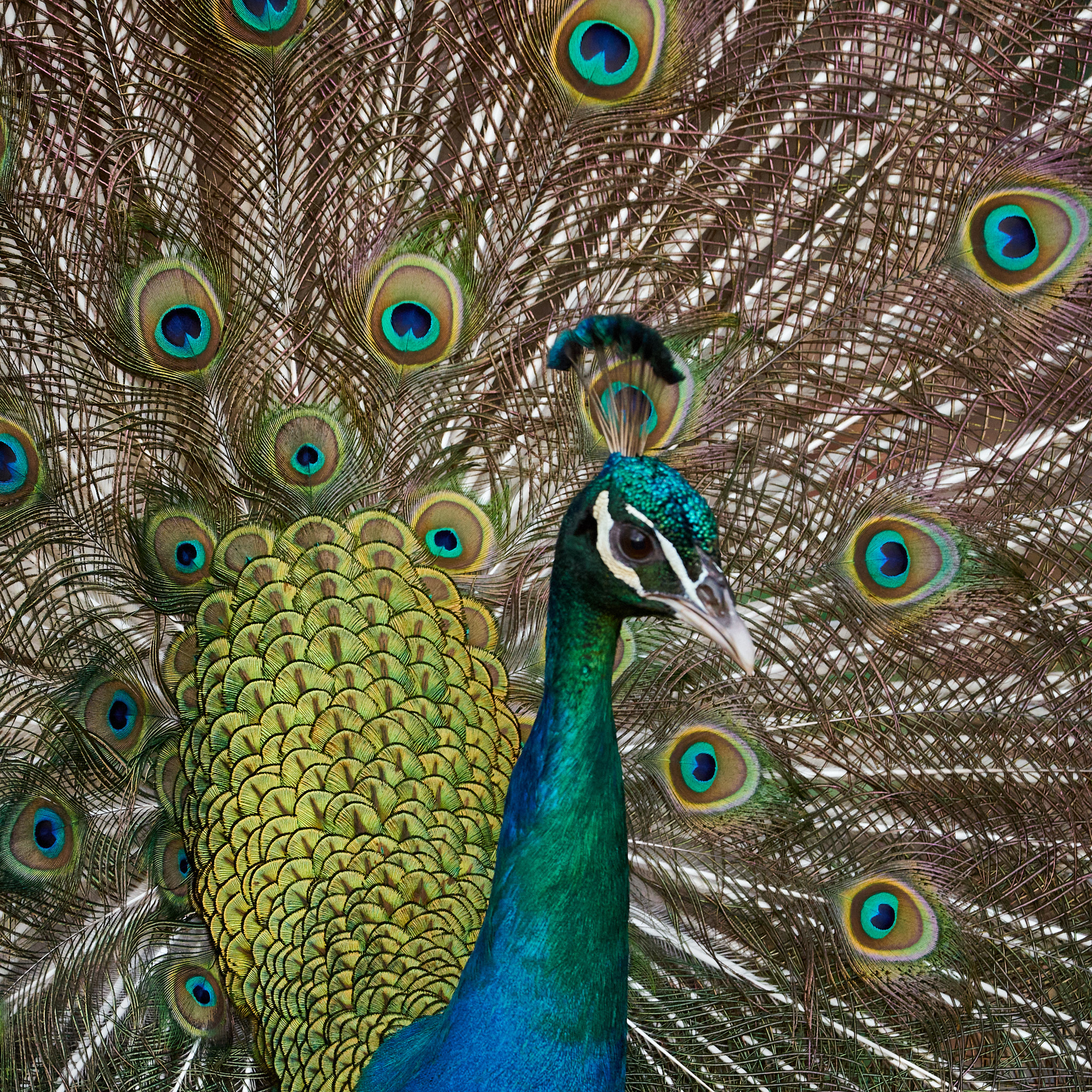
A trip to Town Beach here in Broome is likely to turn up some Great Bowerbirds and a few meters away some Fiddler Crabs. These creatures have something in common. The females are extremely fussy about their choice of mate. All the more surprising since the mate’s only contribution in both cases will be a dollop of sperm. These are good examples of sexual selection which can give rise to some fairly strange structures and behaviours. Other famous examples are the Peacock’s tail and the extraordinary size difference between male and female Elephant Seals but there are examples to be found throughout the realms of biology including in insects, birds, mammals, amphibians and even fungi. The choosy gender is usually but not always the female.


The common Fiddler Crab at Town Beach is not the gorgeous Flamed-back but a smaller, less flamboyant crab, the males of which have a big yellow claw, and again some are left handed and some are right. I must do a census. They are Banana Fiddler Crabs, Austruca mjoebergi (formerly Uca mjoebergi )one of about 100 fiddlers world wide of which about 20 are found in Australia. They happen to have been thoroughly studied by Patricia Backwell and colleagues.
The crabs hold territories in colonies. Each territory has a hole at its centre. Fiddlers feed on the surface when the tide is out. Their hole is their place of refuge and a water source where they can moisten their gills. Without a hole predation or desiccation would shorten their life expectancy drastically. Males fight to keep possession of their hole and the surrounding territory. Females also hold territories but with less aggro. They are sometimes dispossessed by males or other females in which case they must find a new hole or share one with a male.
Females breed every month involving two weeks of incubation followed by two weeks of feeding up. Mating and incubation take place in a burrow. After mating the male returns to the surface and plugs the opening. He stays inside with the female for a few days which ensures she doesn’t have opportunity to mate with another male. Then he leaves after sealing her in again. Incubation takes a couple of weeks. The larvae are released into the water on a nocturnal spring tide when all parental care ceases.
It follows that crabs wandering abroad in the colony are males looking for a new territory, females looking for a mate or females looking for a new territory.
What sort of mate are the ladies looking for? Backwell and company, by observation and by use of robot claws have established that size matters, speed matters and taking the lead matters. Having a nice burrow is the clincher. Female fiddlers given the choice of two males will chose the one with the bigger brighter yellow claw. Faster waving rates are preferred, where rates are the same but slightly out of sync the leader is preferred over the follower. Having made her choice the female will then inspect the burrow.
How fussy are they? Fairly fussy. Females typically visit 4 to 6 males before making their choice.
Female fiddlers have two equal feeding claws that they use to gather food and shovel it into their rather complicated mouths. Males have to make do with only one whilst carrying around their dominant claw which is useless for feeding and pay the costs of building it and waving it about.
The male Great Bowerbird builds an avenue out of sticks planted upright in the ground. He decorates the front verandah with white or silver jewels such as shells or ring-pull tabs. He attends and maintains the bower and stands ready to greet and entertain any female that visits. She will check out several males. Like the male fiddler crab he will shag any female that consents. She chooses him. He will play no role in nest building, incubation or feeding of youngsters.
The guy with the bigger claw or the better bower gets more than his fair share of copulations and contributes more of his genes to the subsequent generation. In exchange she gets no assistance at all. What’s in it for her, why is she so fussy? About half her offspring will be male. His genetic contribution is a bigger claw or a better bower giving her male offspring a better chance in the mating race. Her daughters will always be able to take their pick.
References
Peso, Curran & Backwell, https://www.ncbi.nlm.nih.gov/pmc/articles/PMC5108965/
Painting , Splinter, Callander, Maricic, Peso & Backwell, https://journals.plos.org/plosone/article?id=10.1371/journal.pone.0155707
Backwell, https://biology-assets.anu.edu.au/hosted_sites/backwell3/FiddlerCrabs.htm
 bobmcgee