Autumn …

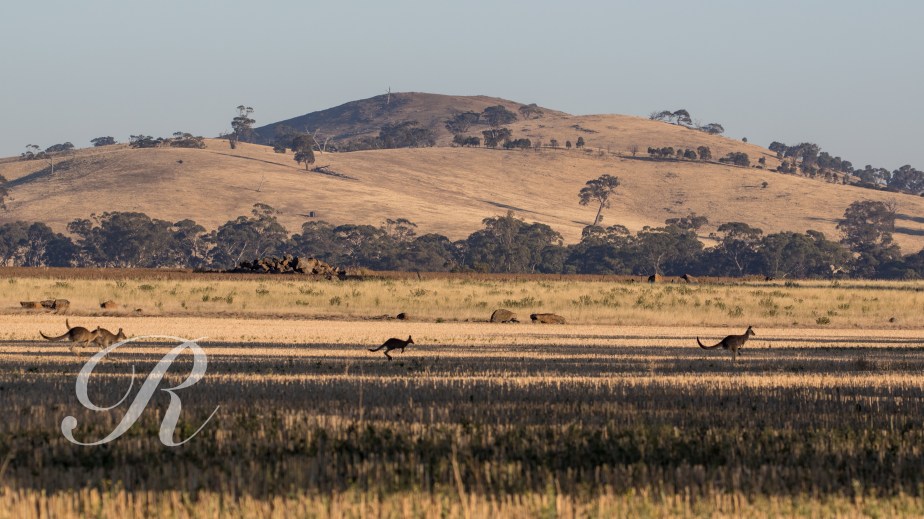
In this neck of the woods the leaves stay green, and for the moment the grass stays brown. Not for us the fall colors that give the American and English photographers fresh inspiration.

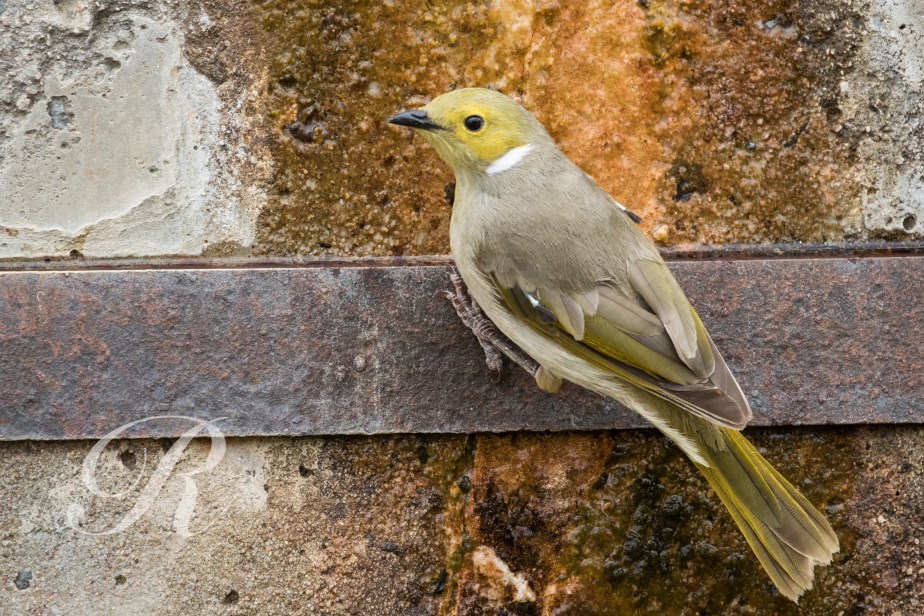
Walking in the bushland reserve just across the creek yesterday I saw dozens, perhaps hundreds of Dusky Woodswallows, many of them juveniles with their streaky heads. The reserve supports a couple of pairs that breed there most summers. The large numbers are the result of the previously dispersed population forming flocks and making their way north.

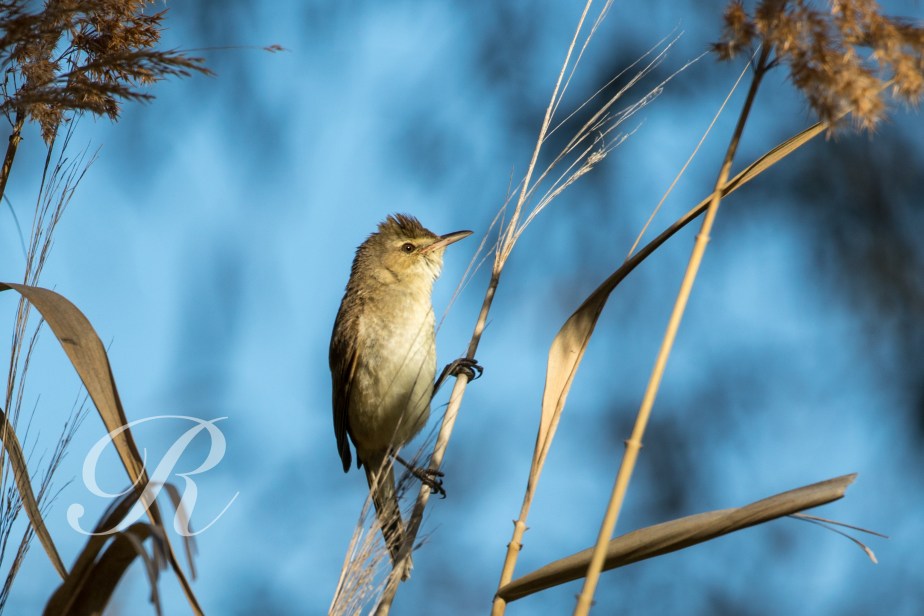
The Reedwarblers, Bushlarks and Sacred Kingfishers seem to have quietly departed already. Time to start looking for Swift Parrots and Flame Robins.
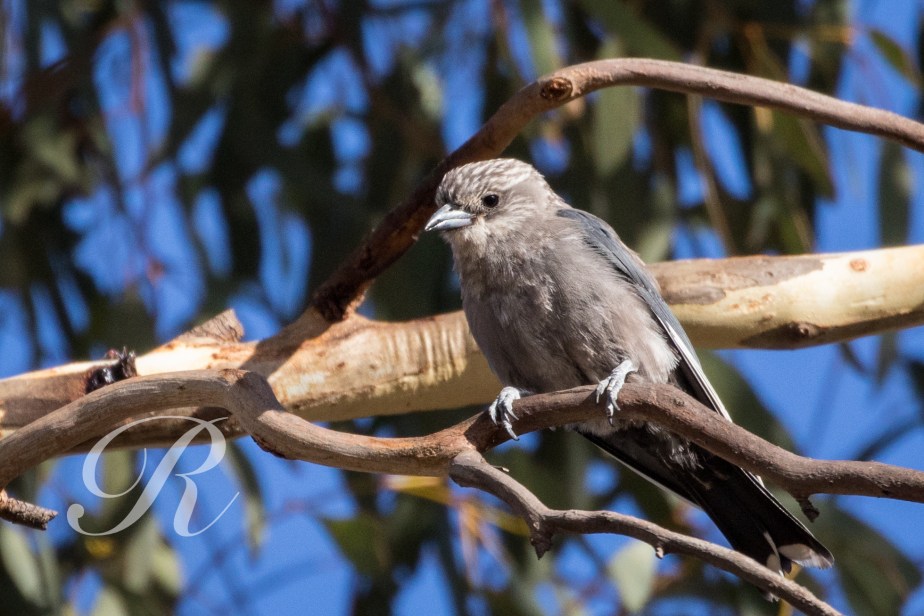
Dusky Woodswallow (juvenile)

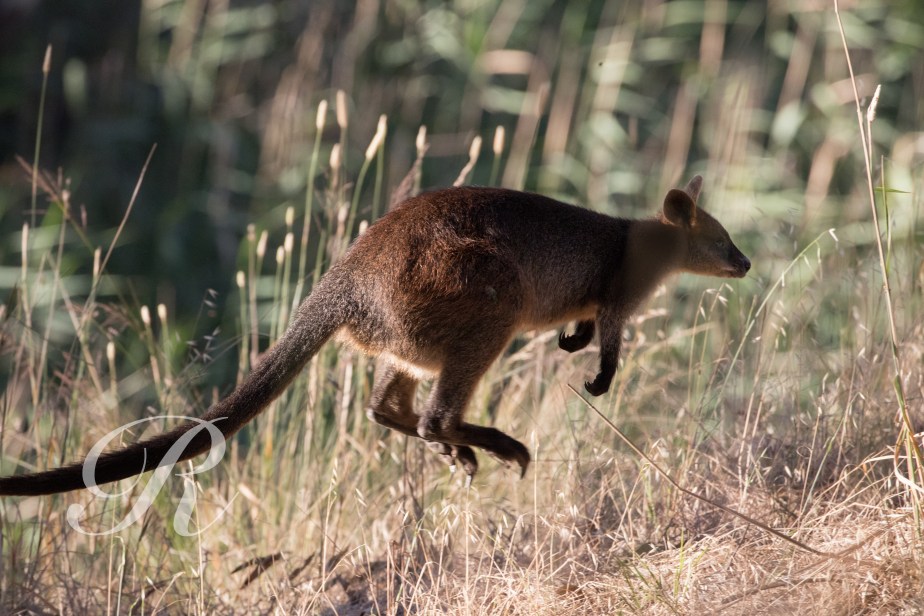
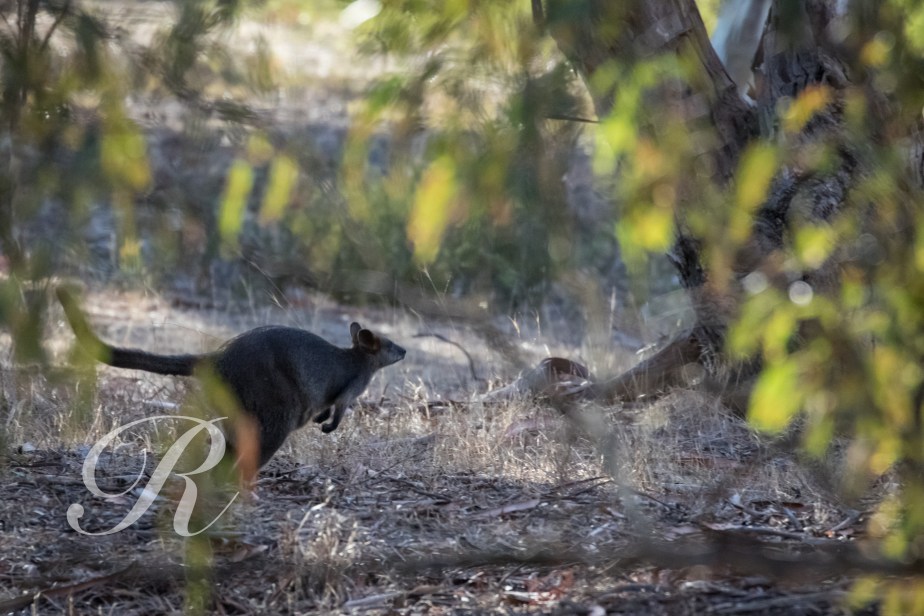
The Swamp Wallabies will be sticking around. At the moment they’re eating my grapes. I’m just about ready to pick what ever the birds and wallabies have left for me. Before the one above took off she gave me a moment of her time. Just long enough to grab this portrait of her and her joey against the early morning light.
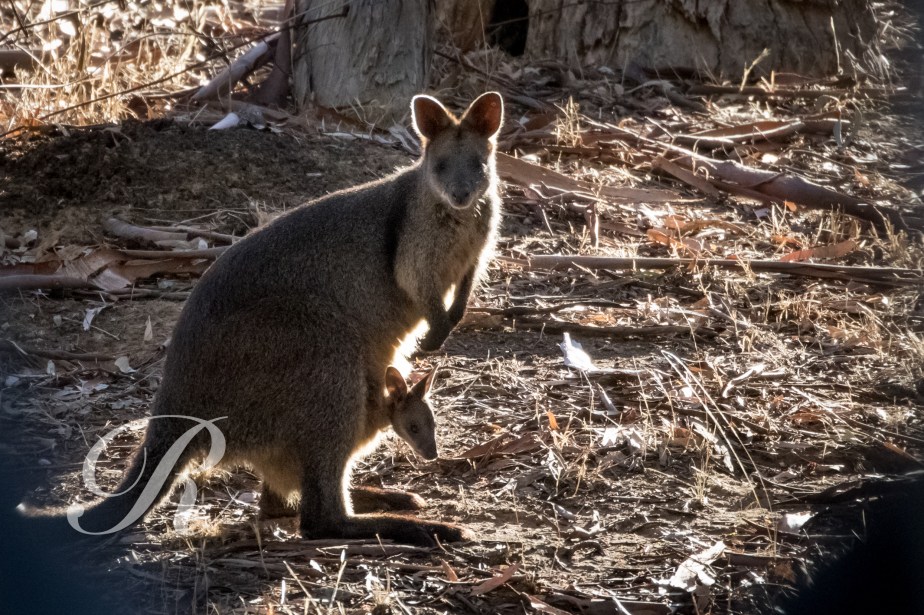
Wallabia bicolor

Buloke …

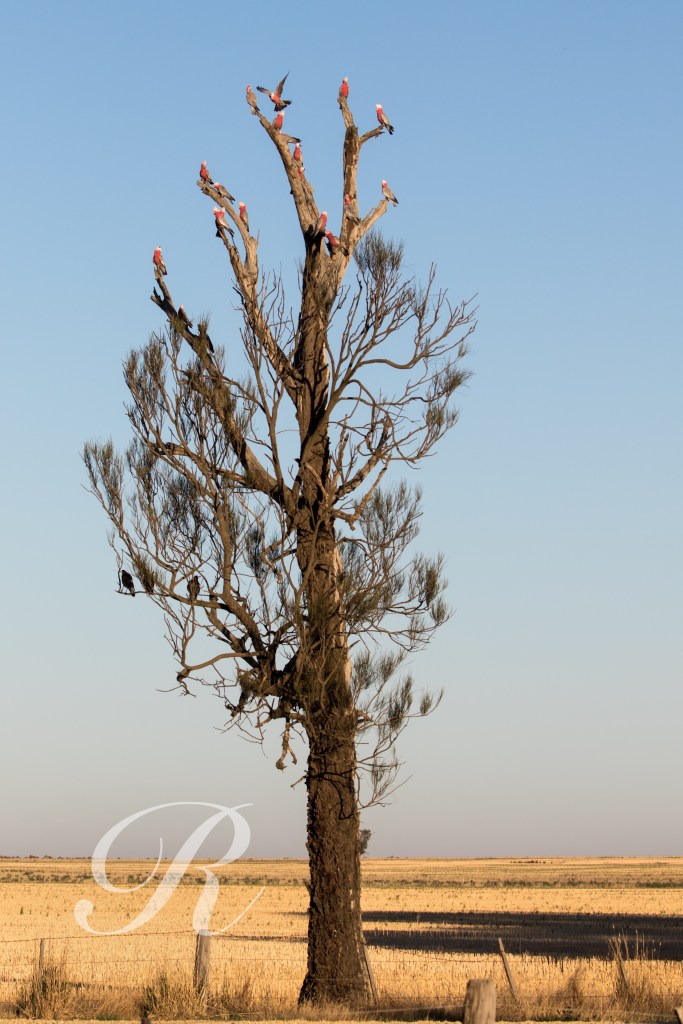
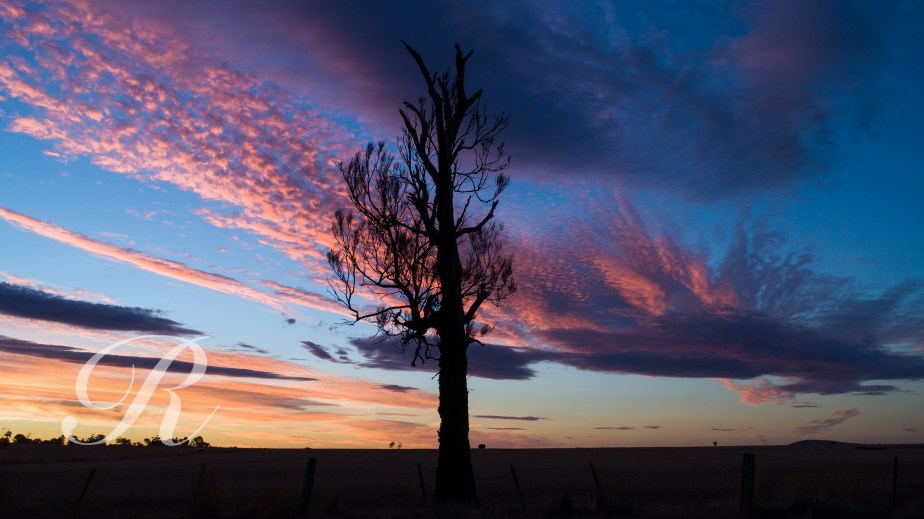
I’ve known this tree for about 30 years. It hasn’t changed a bit, half dead when I first saw it, half dead today.

Allocasuarina luehmannii has a broad distribution in the drier parts of southern and eastern Australia often on sandy soils. In Victoria the most fertile part of its range has largely been cleared for wheat growing. So there are far fewer than there used to be.

It is a hard wood. In fact, according to the not always reliable Wikipedia, it has the hardest wood in the world. Black Cockatoos are fond of it, they eat the seeds.

This particular tree sits nicely against the sky. I have photographed it often. This time at sunset.

Christmas Decorations …

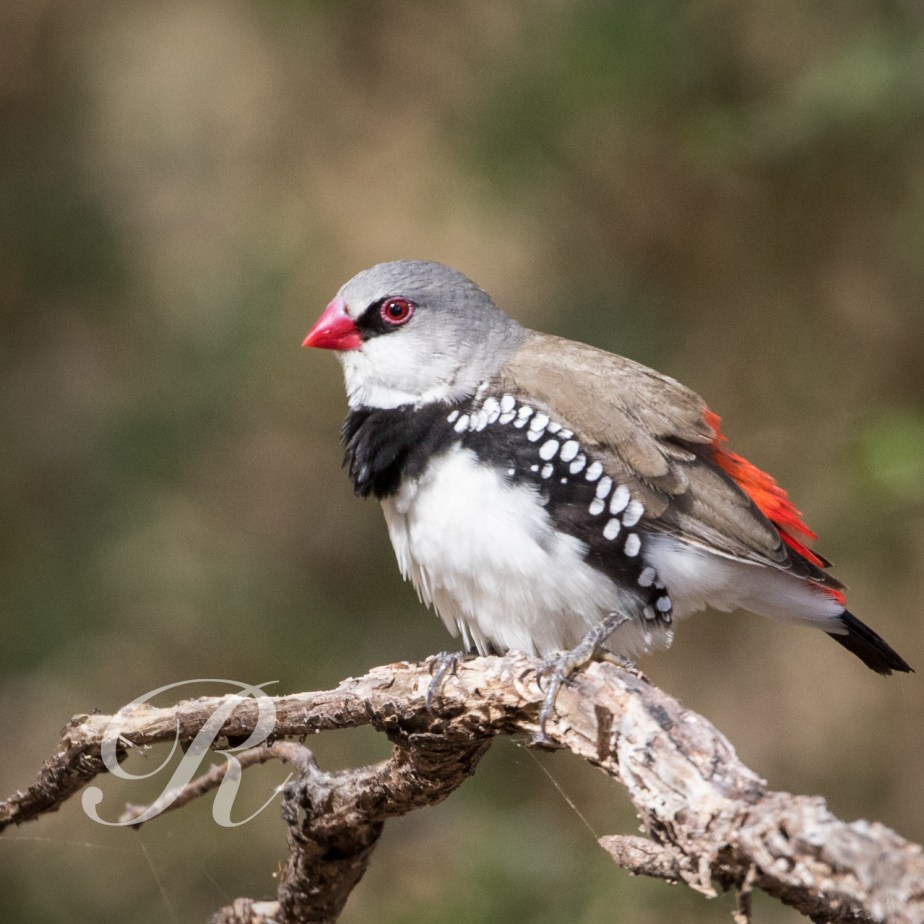
Diamond Firetails are occasional visitors to the neighbourhood. They feed on the ground usually on the margins of open woodland. A small flock will turn up, stick around for a while then move on. In winter flocks may coalesce and transform a familiar place. Next time you visit you may not find any.

I found this group on the outskirts of Maryborough where irrigated farmland abuts some Box/Ironbark Woodland. There were some youngsters among the adults.

Stagonopleura guttata

Boobook …

Anticipating a hot day I got out early for my bird walk and had a fairly productive morning. After a swim I took refuge from the heat.

In the hottest part of the afternoon a visitor delivered the news that there was an owl near the front gate much to the annoyance of the small birds of the neighbourhood.

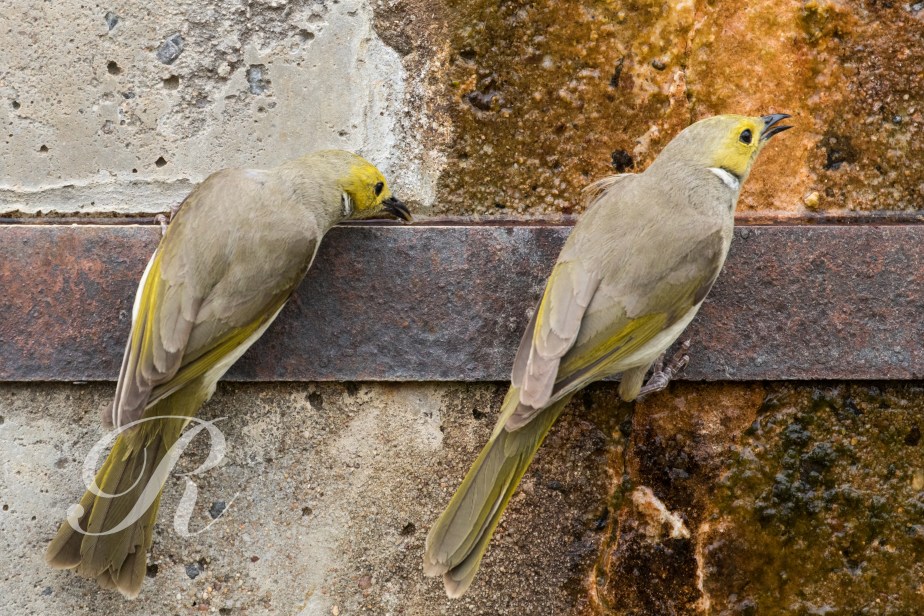
I hastened forth camera in hand, followed the protests of some White-plumed Honeyeaters and there he was …

Southern Boobook

I say he because it is quite a small individual. The females are larger. It puts up with the harassment of small birds with remarkable stoicism perhaps secure in the knowledge that it can take its revenge after dark. As well as small birds they also take mice and flying insects.

There are a number of subspecies (although what that number is varies from authority to authority). The chest marking of this character are typical of the race Ninox novaeseelandiae boobook.

Honey flow …

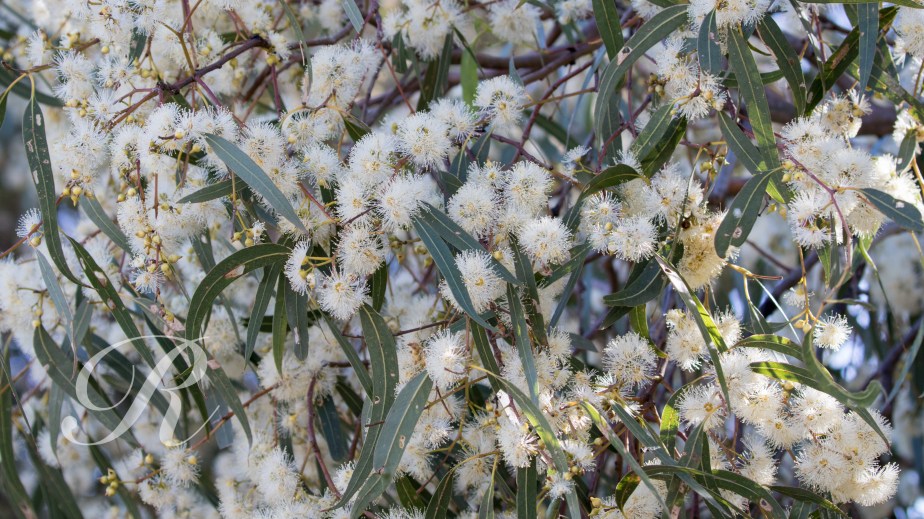
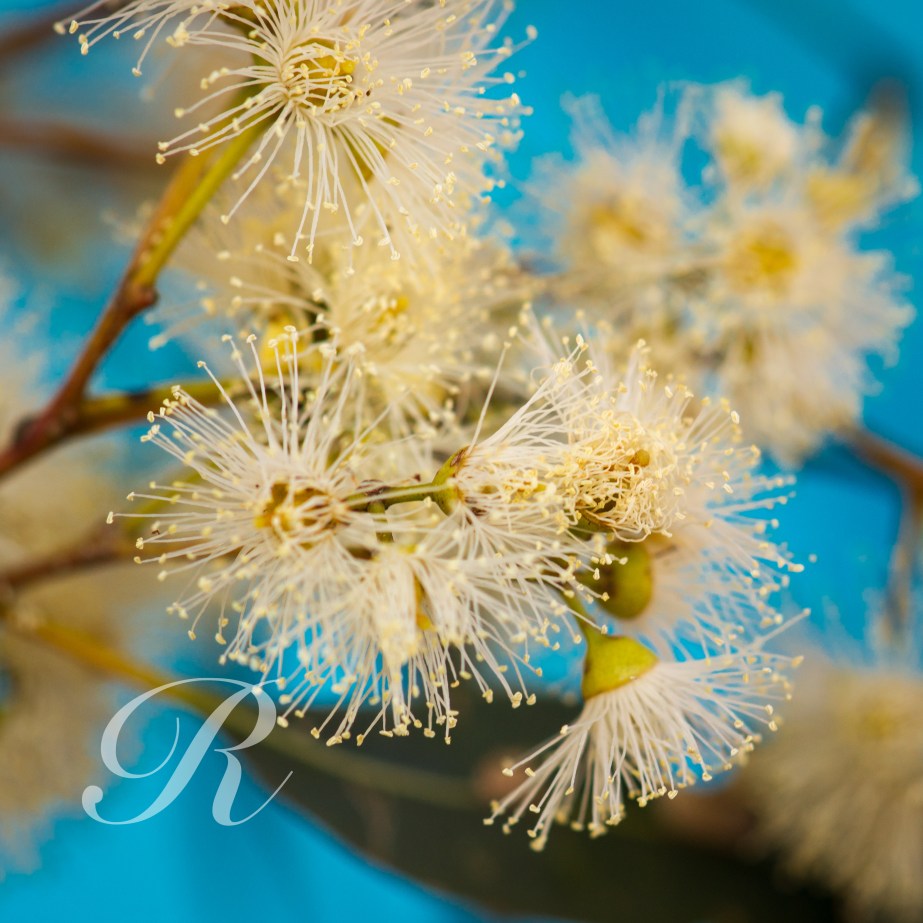
It started a week or so ago with a few isolated trees, now most of the River Reddies in the neighbourhood are in flower. The smell is just like honey.

Eucalyptus camaldulensis

The River Red Gum (Eucalyptus camaldulensis) is Australia’s most widespread eucalypt found mainly along watercourses in otherwise fairly dry country. Flowering occurs mainly in December and January but it’s not every year that we get a big flowering event like this one.

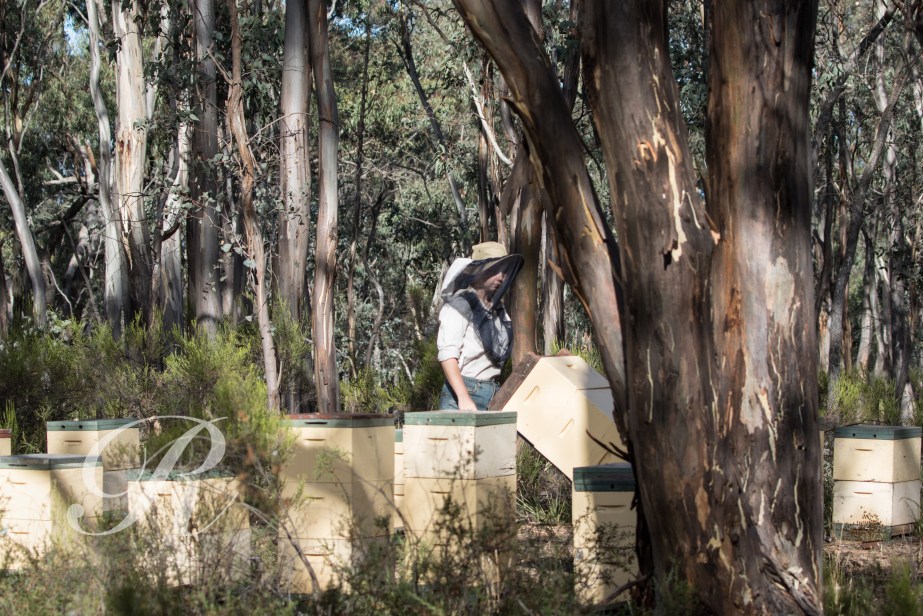
There are always a few hives in the local woodland reserve but the beekeepers have been quick to recognise the potential and were busy installing reinforcements this morning …

There haven’t been a lot of lorikeets or honeyeaters about lately but I expect that to change in coming days.

Natural Newstead …

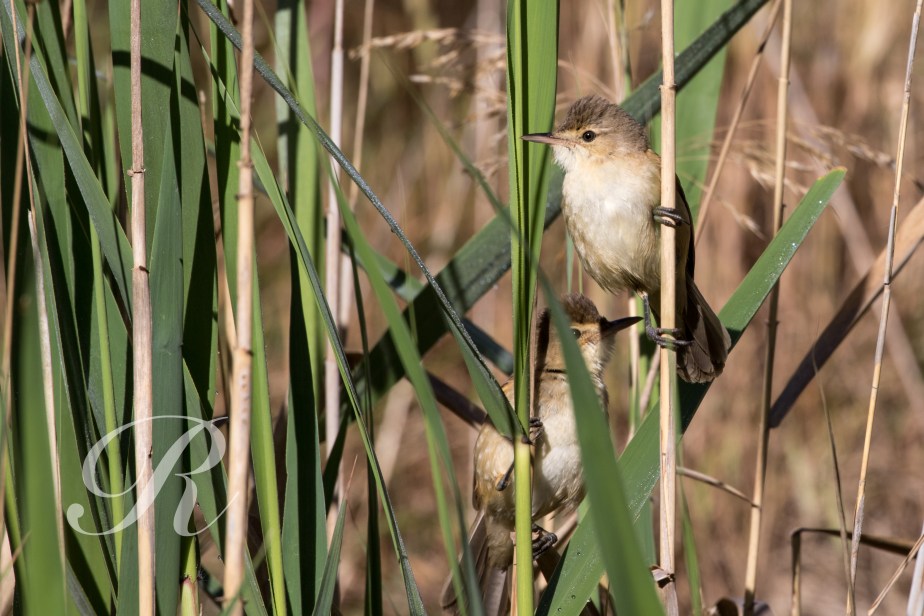
Well I’m back from Broome, life is back to normal. I was wondering how to conjure up a post from the ordinary, the  humdrum. It occurred to me to post some recent photos of Australian Reed-warbler.

For those of you who enjoy the natural history side of the blog, there is an excellent blog run by Geoff Park called Natural Newstead.  Geoff limits his observations to the area around his home, also in the Victorian Goldfields, about 40km from mine. It’s well worth a visit.

Just as I was delving in my catalogue Geoff posted this …

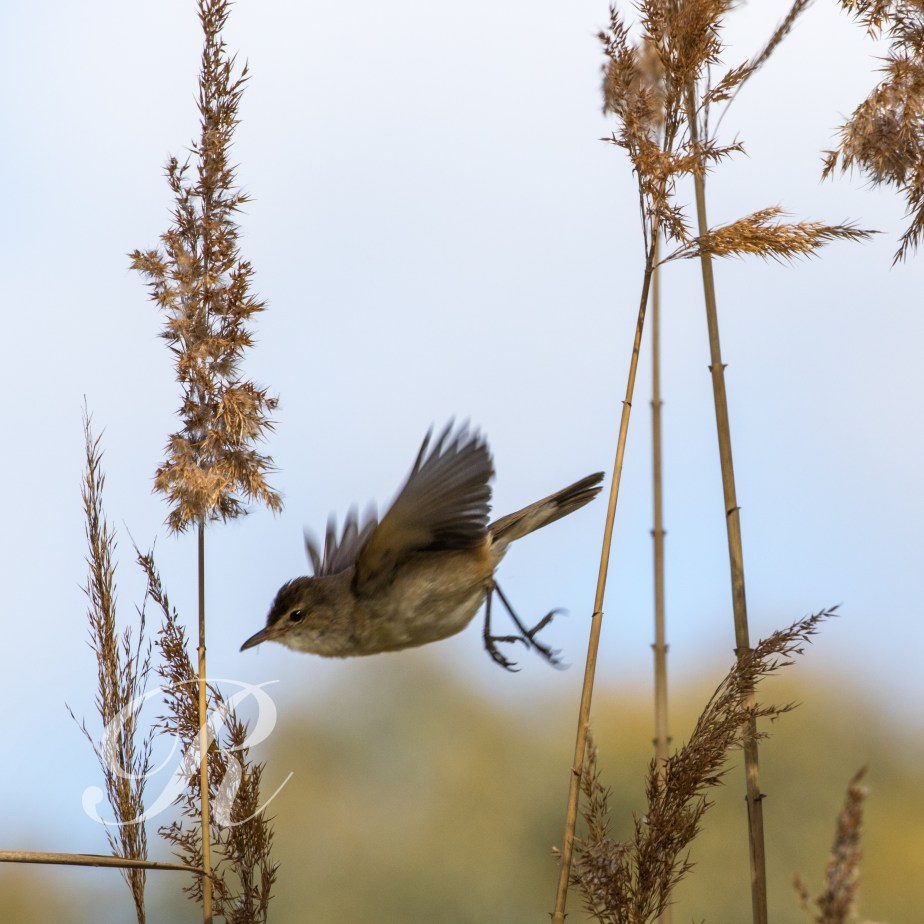
I’ve been trying for years to get some decent images of Australian Reed-warblers, especially that iconic shot of one perched sideways on the stem of a reed. It remains an ongoing project.

Like these perhaps …

and two for the price of one …

They’re even harder to get in flight …