… had arrived by the next day.

A chaotic horde of them clambering and quarreling over the remains of the elephant. By now the belly was open, the lower jaw bone was visible. But there were still plenty more calories to be had.
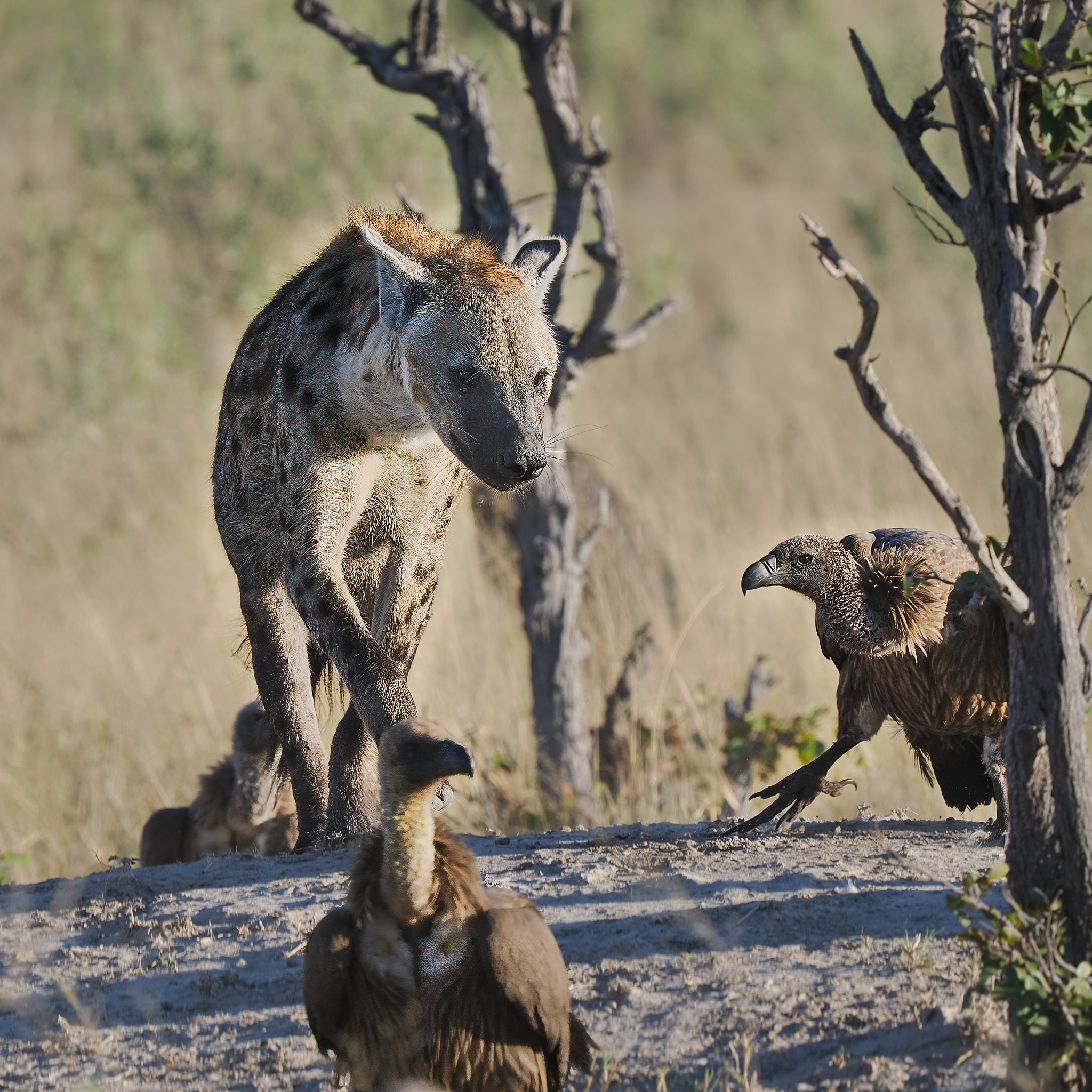
Hyenas and jackals were still around but seemed to have had their fill for the time being. There wasn’t much interaction away from the carcass but there were hundreds of vultures in the trees and on the ground. A few Marabou Storks were also waiting about.
There seemed less of a smell than the day before. Perhaps because the surface was nibbled away as fast as it was uncovered.
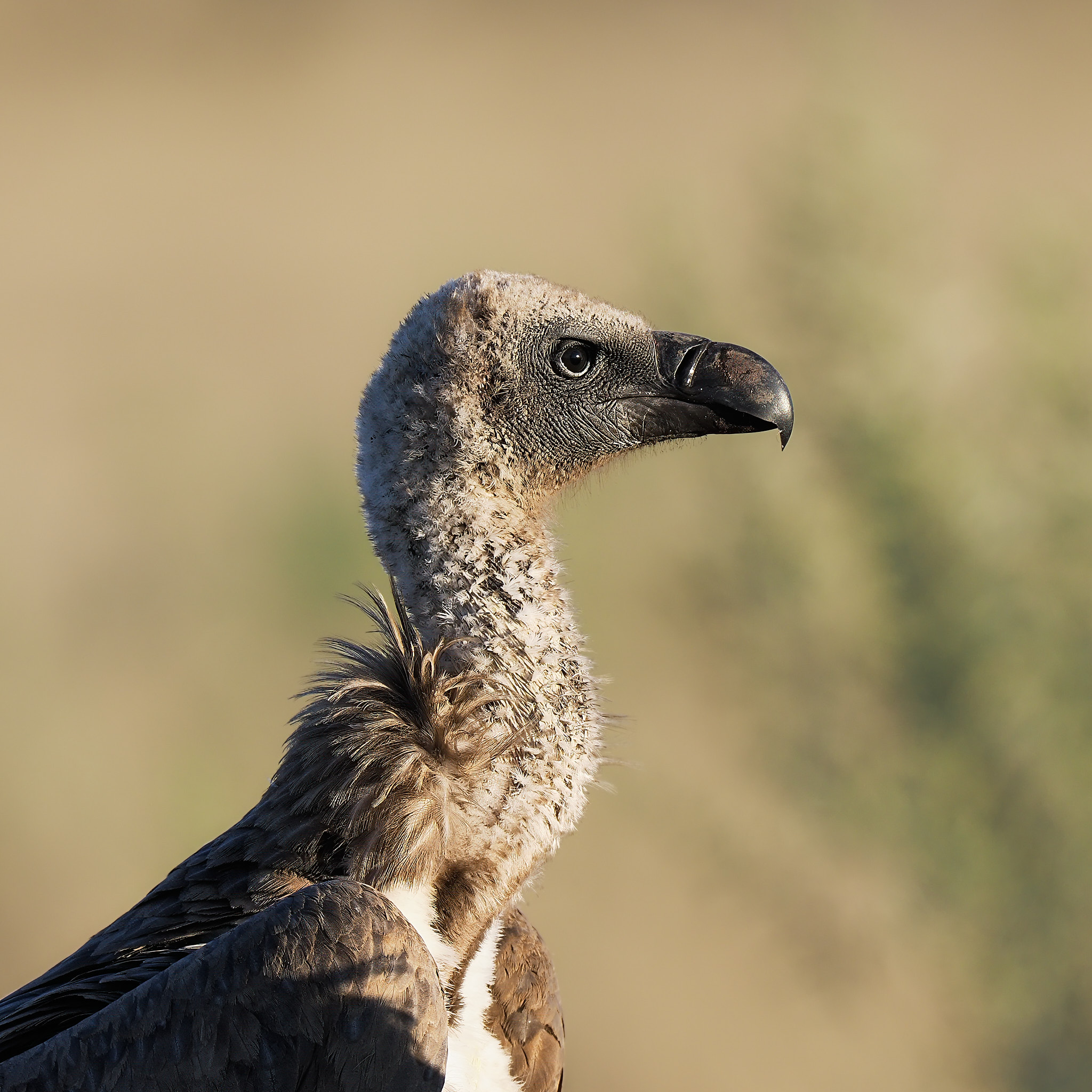
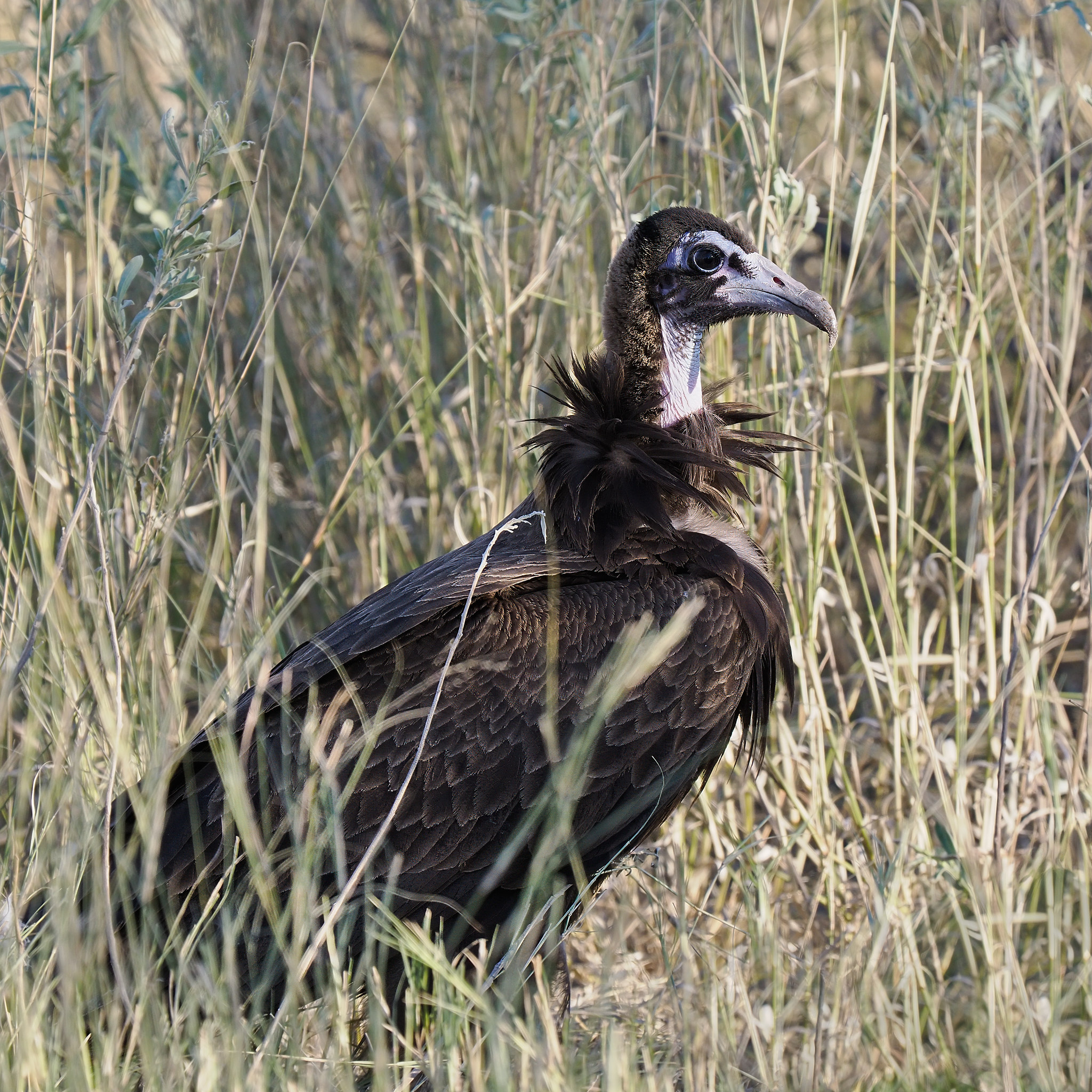
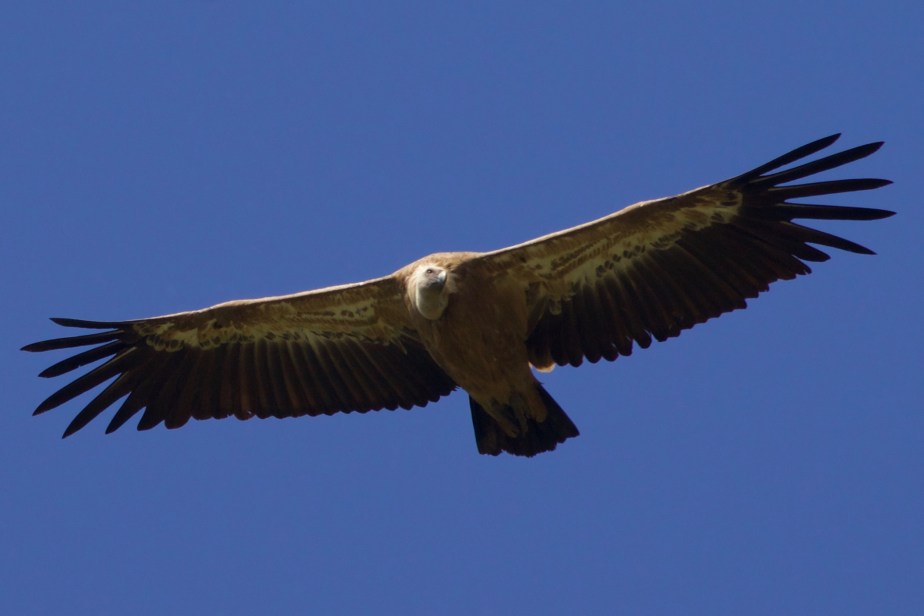
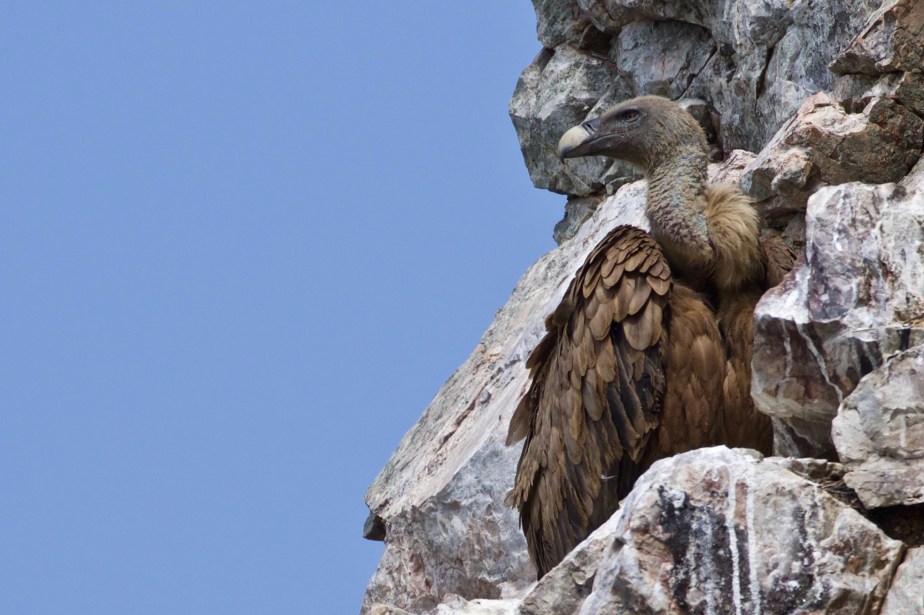
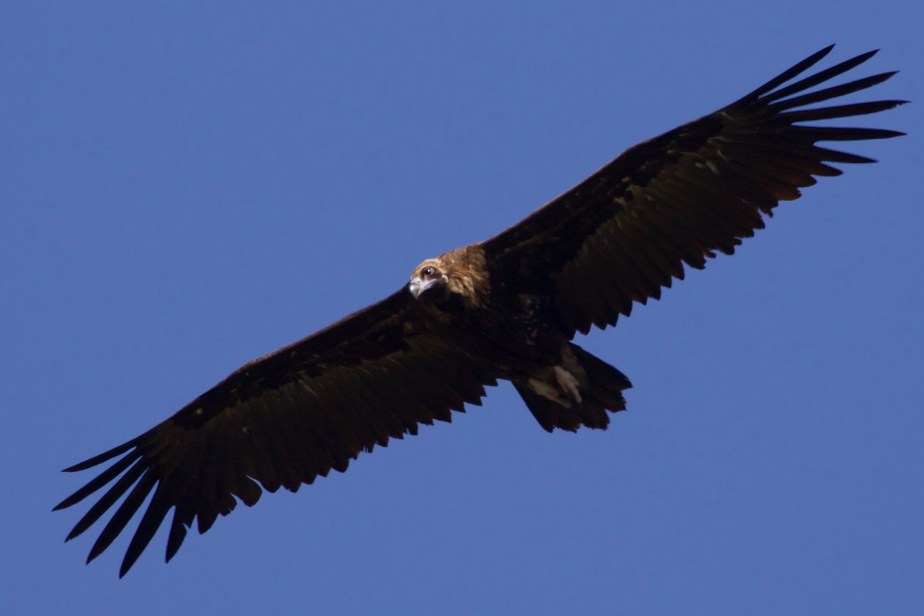
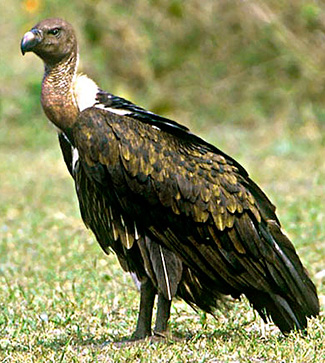
The vast majority of the vultures were White-backed. There were a few Hooded and just a couple of Lappet-faced. Each has its own specialisation. The White-backed Vultures were clearly the primary demolition experts. Hooded Vultures are smaller, have proportionally longer, finer, sharper looking bills. Good for cleaning up the hard to get at left overs. Lappet-faced are more powerful looking outfits that I imagine could deal with the tougher materials.


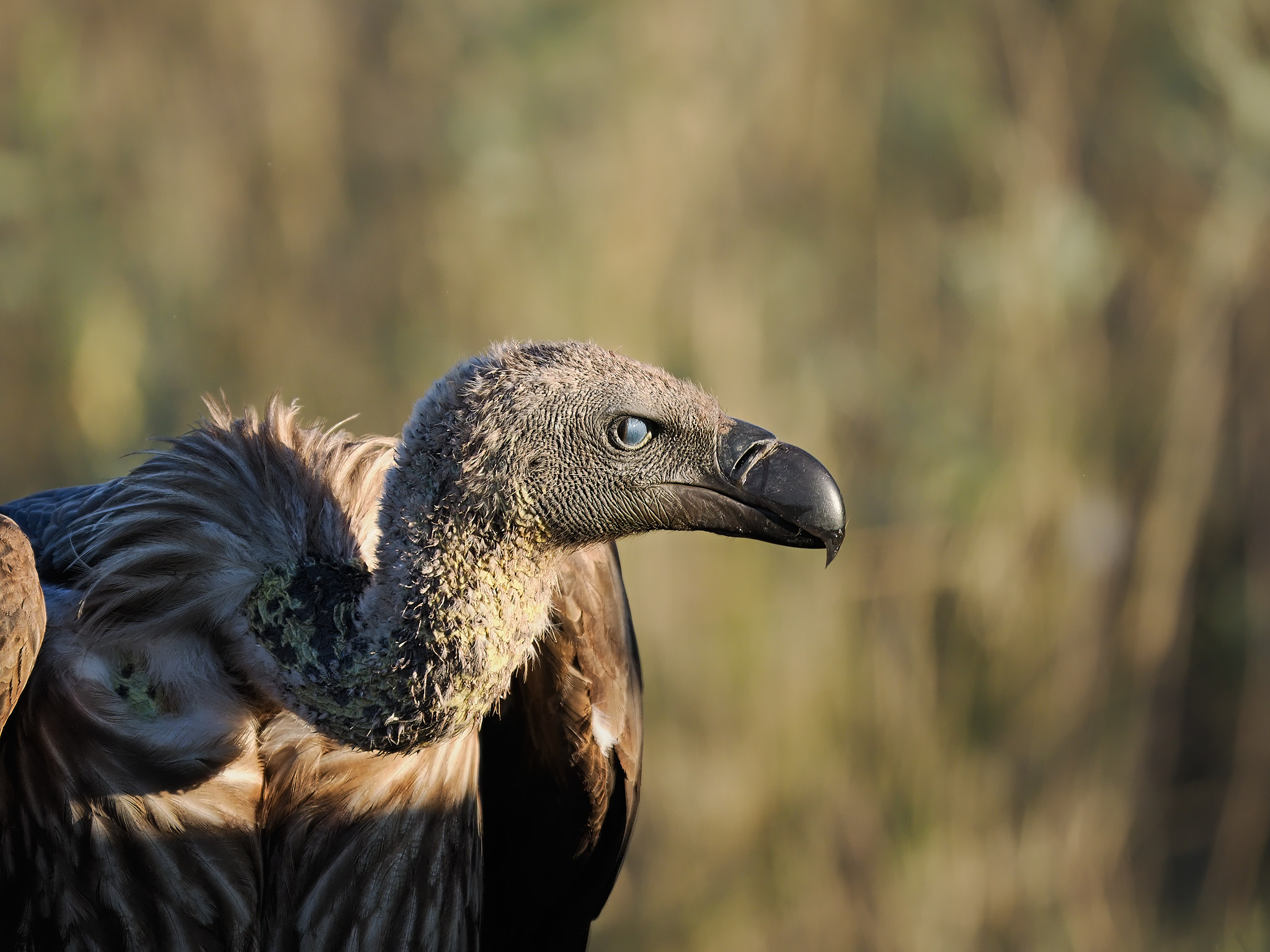
Birds have a third eyelid, the nictitating membrane, that runs fore and aft protecting and lubricating the eye. It can be seen clearly in the next photo. A powerful hooked bill is useful for tearing flesh. A naked face is easy to keep clean and a pompom-like collar helps keep blood from running down and soiling the wing feathers.

So far all the illustrations have been of White-backed Vultures. Time to have a look at all the cast …


Lions had still not turned up. It was not because there were none around.
 bobmcgee