65 million years ago a huge inland sea, the Xaraés, began to dry out. As it did it became a huge lake and then the seasonally flooded basin called the Pantanal.
Touted as the largest wetland on earth it extends into two Brazilian states, Paraguay and Bolivia covering upwards of 150,000 square kilometres. One to one and a half metres of rain falls each year, mostly between November and March. The water level rises as much as three metres as a consequence. The rains stop, the level falls and by the end of the dry season the roads are dusty and the water birds and caimans are struggling for the remaining ponds. Ranching is the principal human activity but the problems that extensive flooding brings keep the human population fairly low and give the wildlife a space in which to survive.
The Transpantaneira is a highway into the northern Pantanal, in Brazil’s Mato Grosso. It is an unsealed road with numerous wooden bridges. It was the route that took me to the Pixaim river last month.

Every puddle held something …
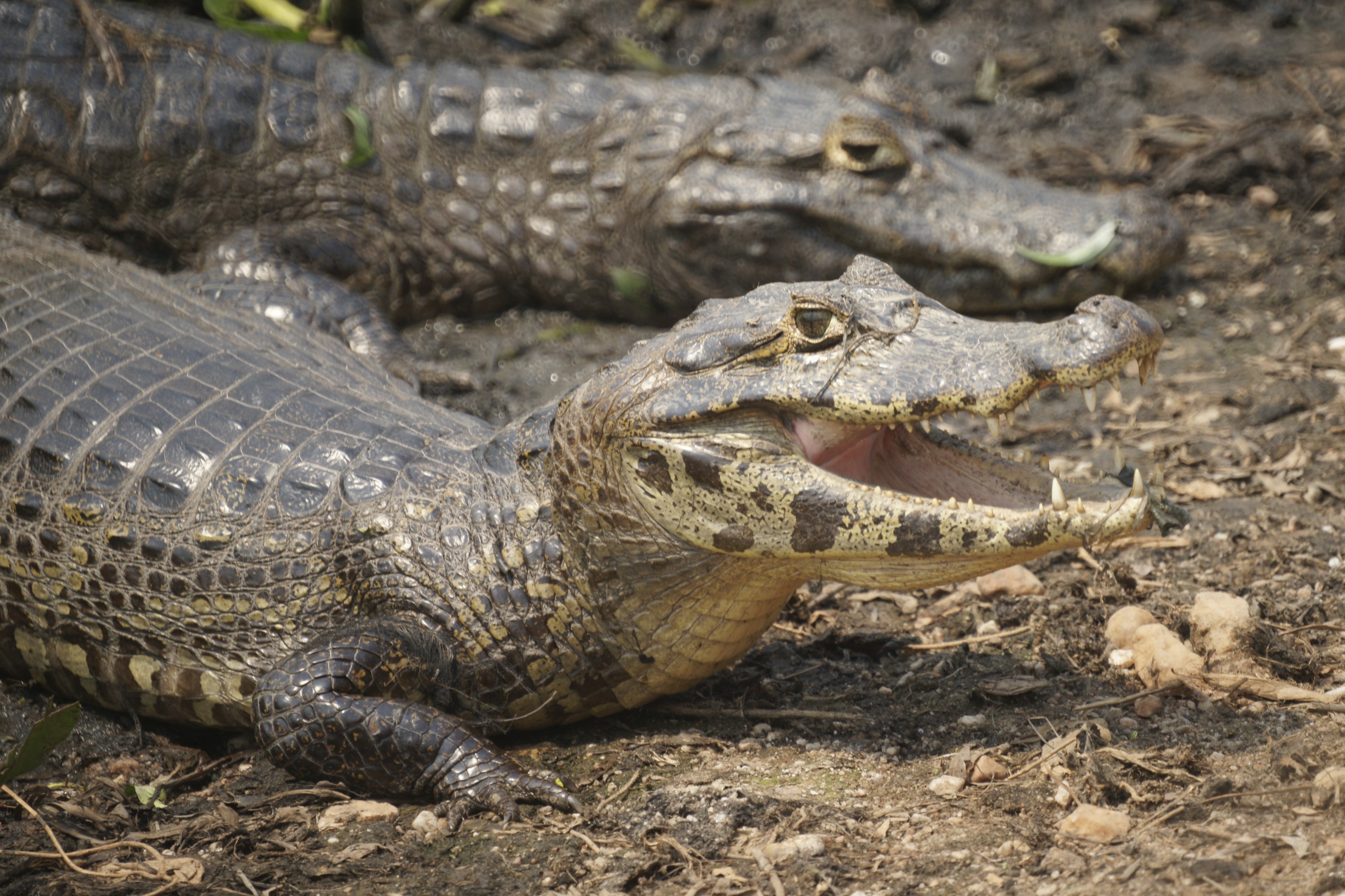
Say hi to the Yacare Caiman. Spotlighting at night reveals the density of these creatures to be astounding, and by the end of the dry some will be encountered going cross country, maybe even on the balcony outside your door! They mainly eat fish. The Capybaras don’t seem to show them a great deal of concern …

Click on the pictures to see them in better detail. More to come soon …
 bobmcgee
aw so cute
Capybara!!!! WOOOW!! It’s really cute!:)
What a coincidence…
http://wp.me/p2qivy-5p
…that my post today was about that too. I love the Pantanal. Cheers!