Not Ar Derby pronounced in the English style, they’ll look at you funny. This is the far north of Western Australia we’re talking about. Population 3,325 unless someone has gone to Broome for the day which is a little over 200km to the south. The main tourist attraction is the Prison Boab and it has a port and some interesting sculptures. There are no take-away alcohol sales on Sundays or Mondays. The sculptures are best seen at sunset (Tuesdays to Saturdays).

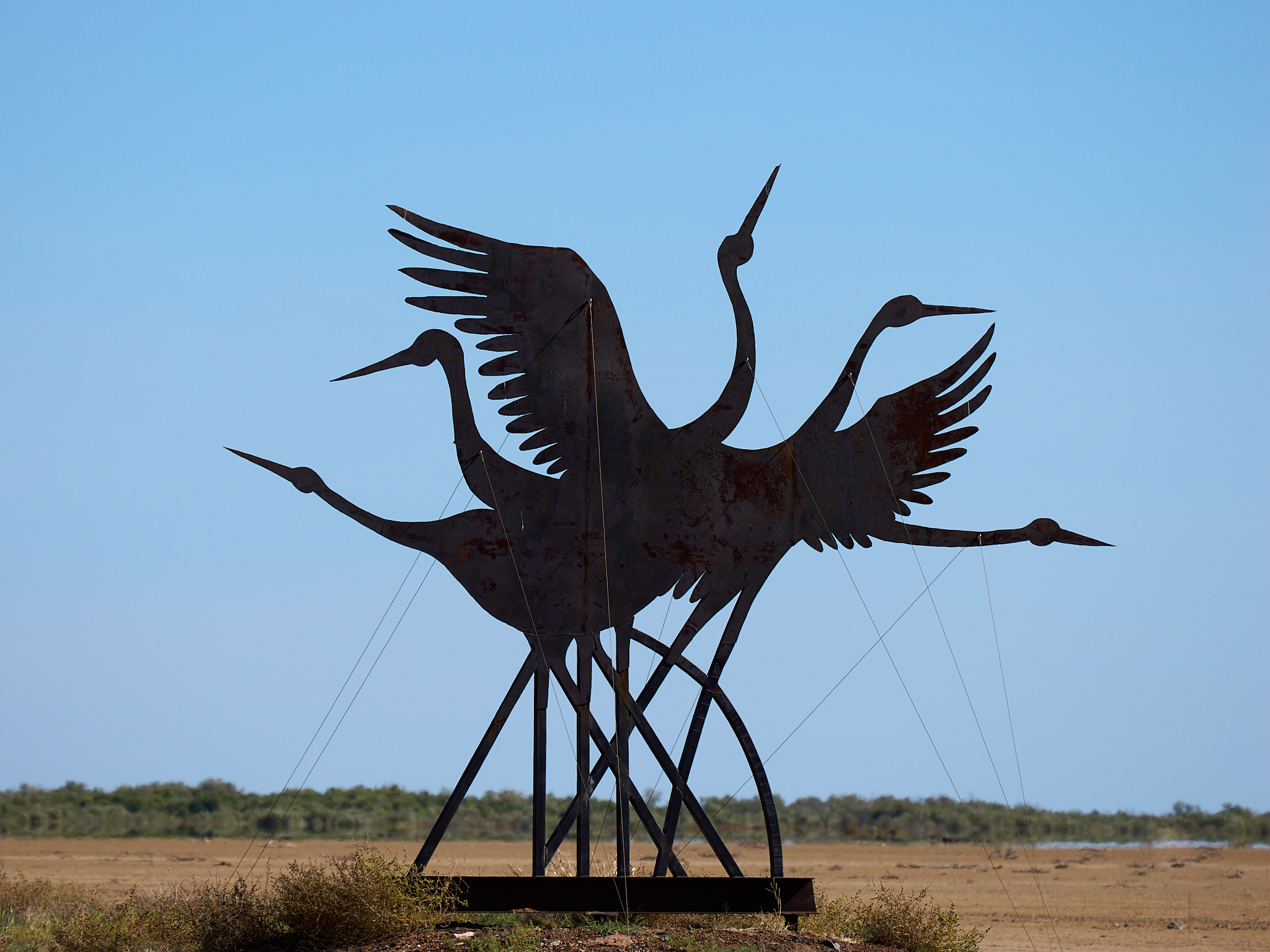
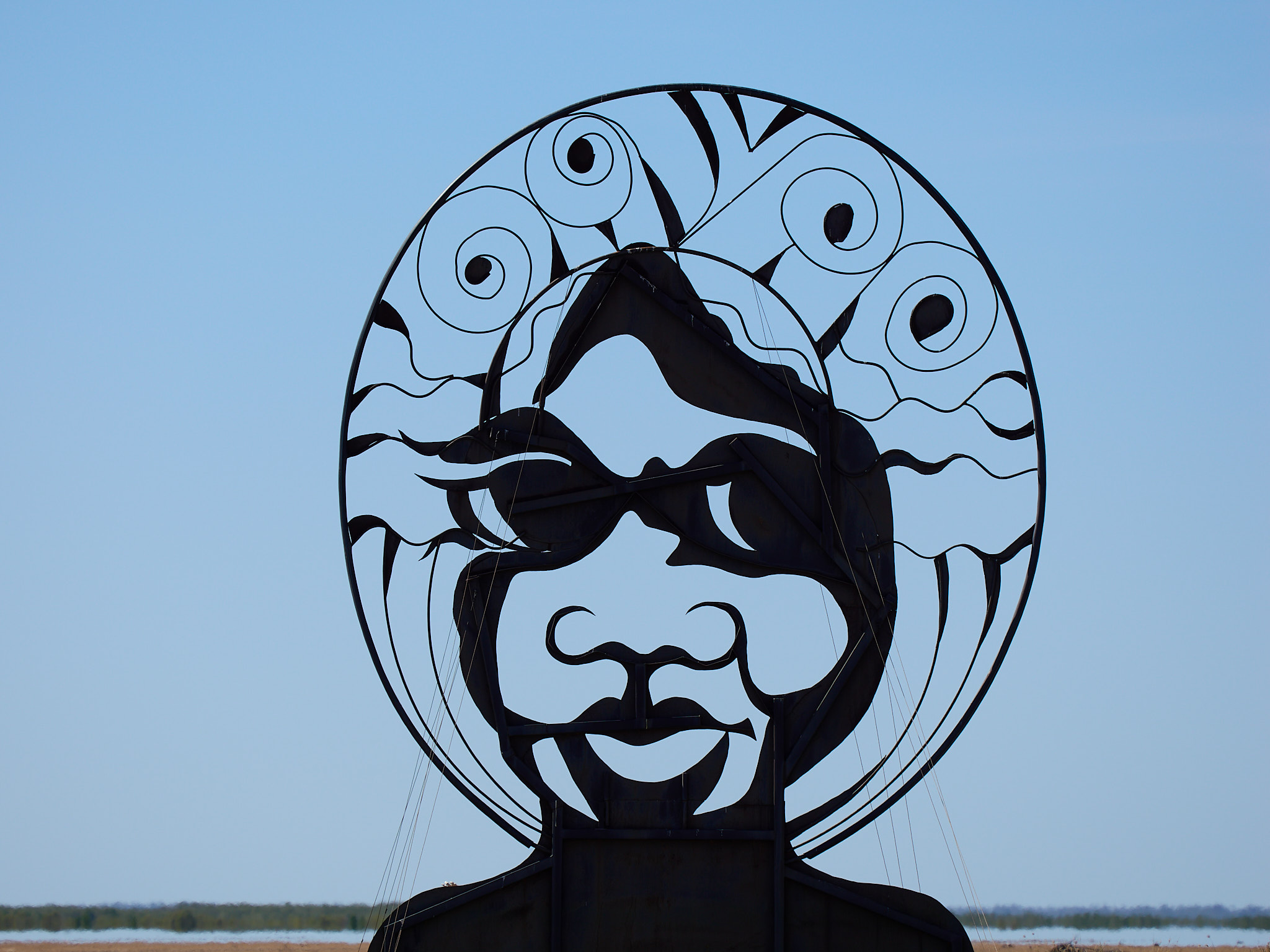
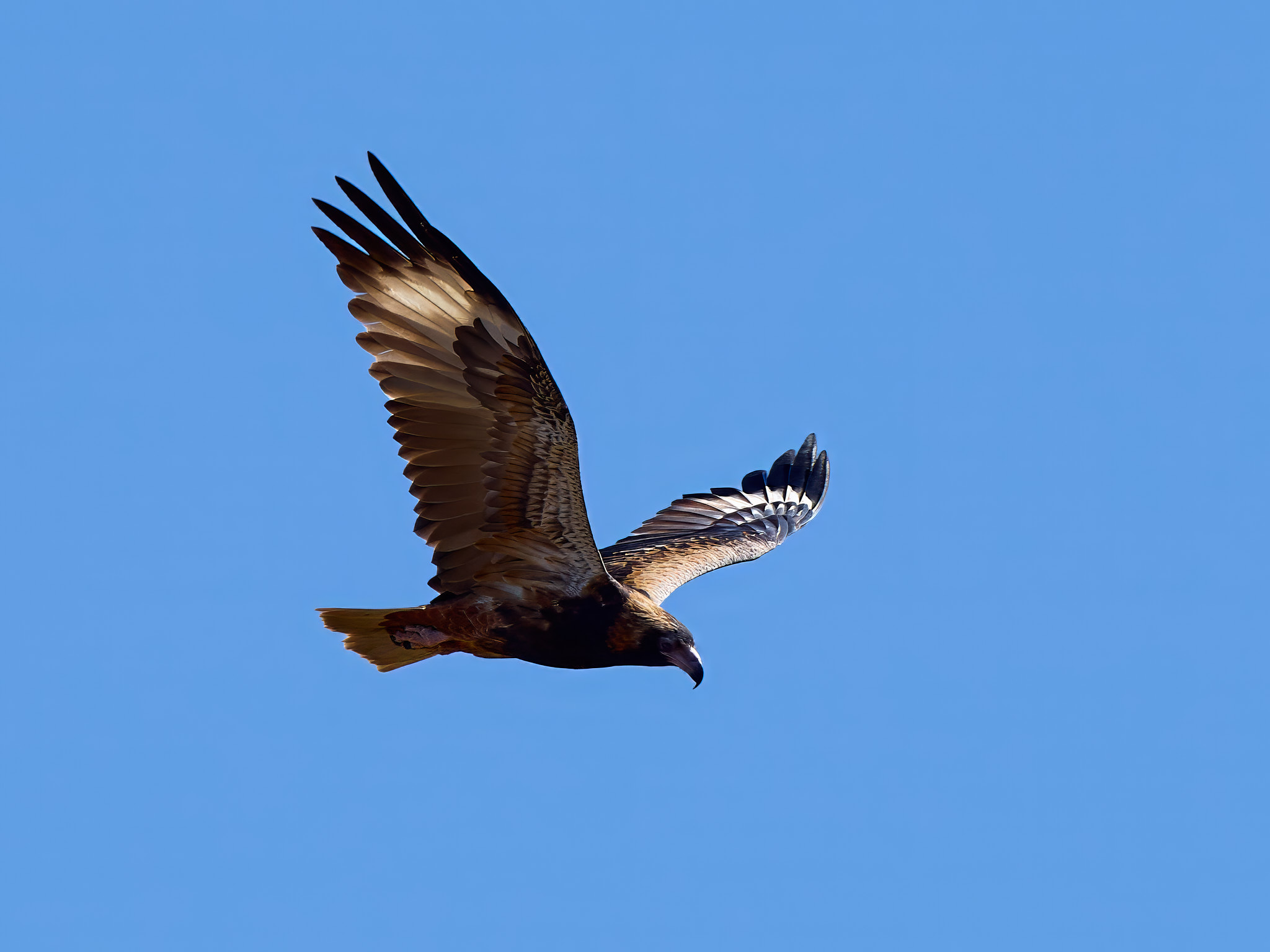
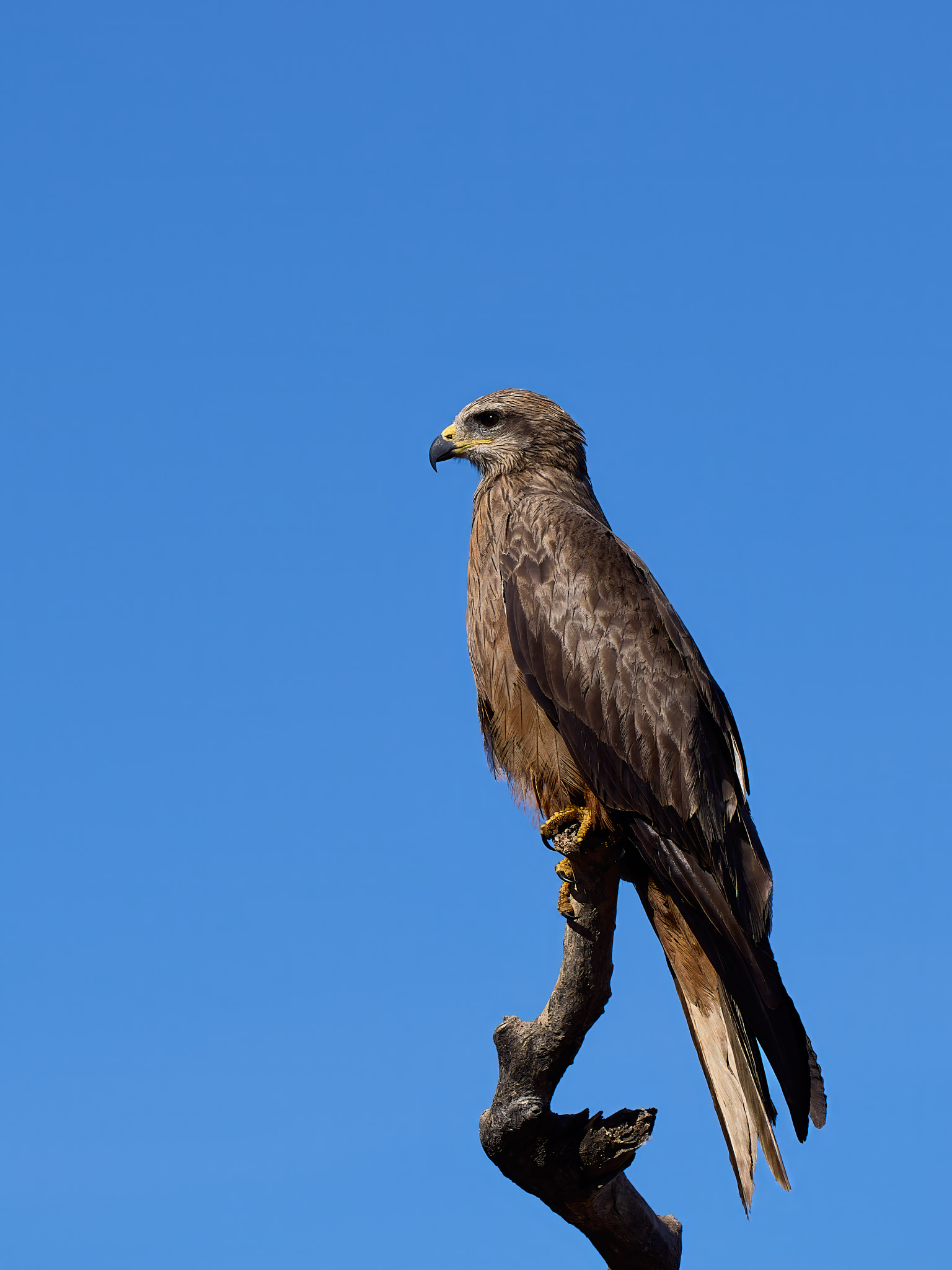
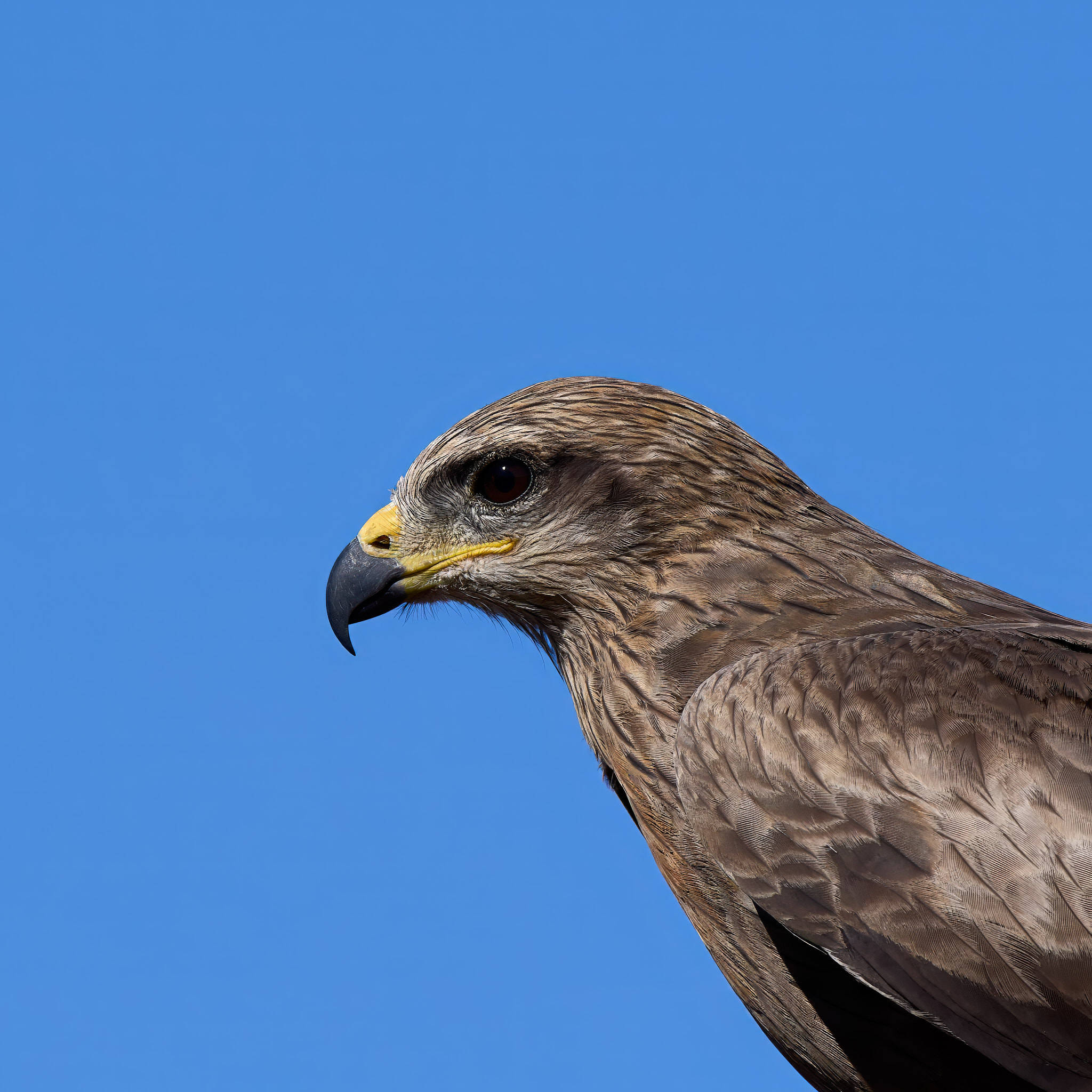
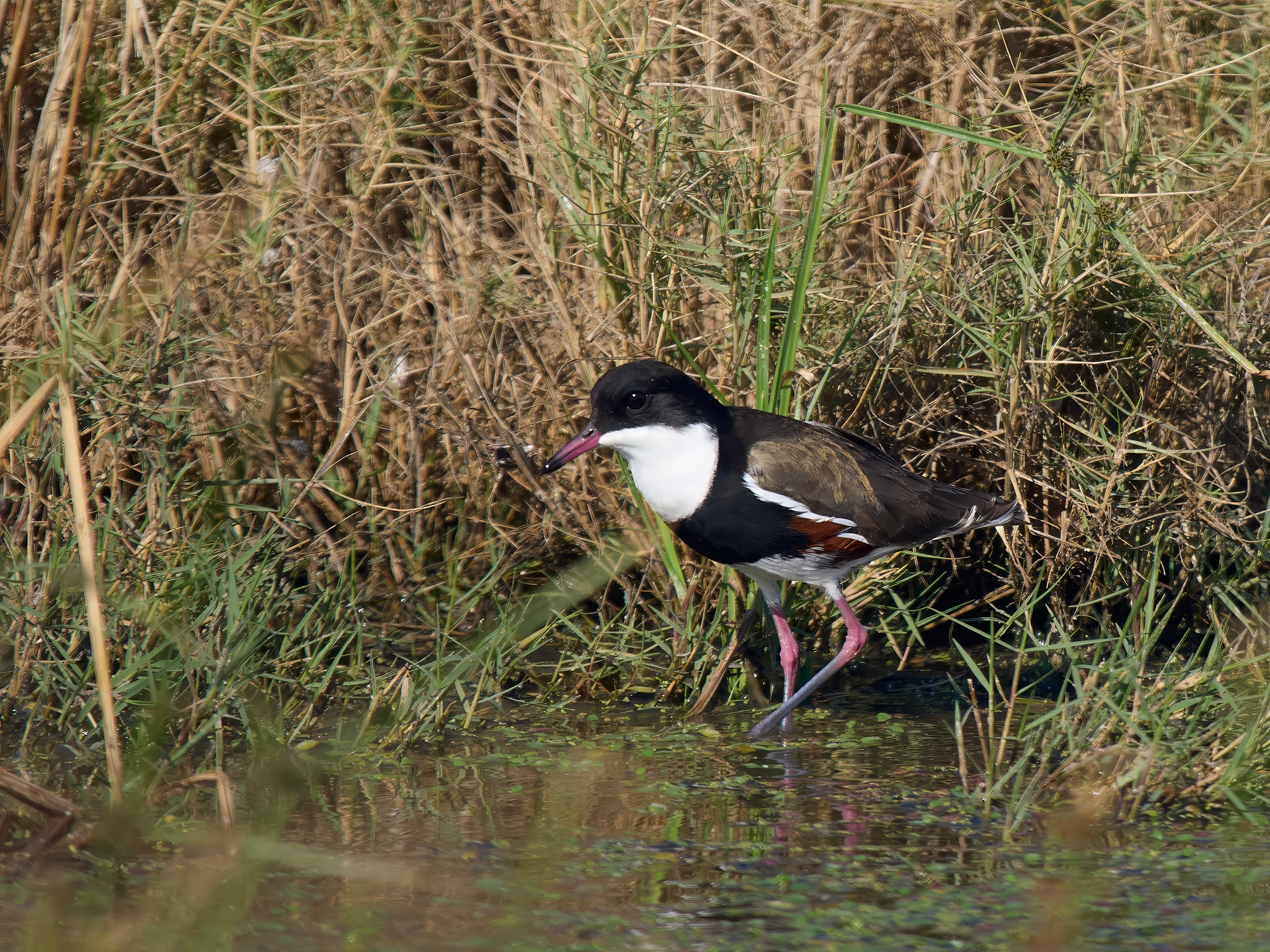
The birding is good. The number one hot spot is the water treatment plant and the adjacent wetland. Access is via Conway Street off the Derby Highway and can be interesting in wet weather. You are sure of a good list of the regular suspects and it gets more than its fair share of rarities.
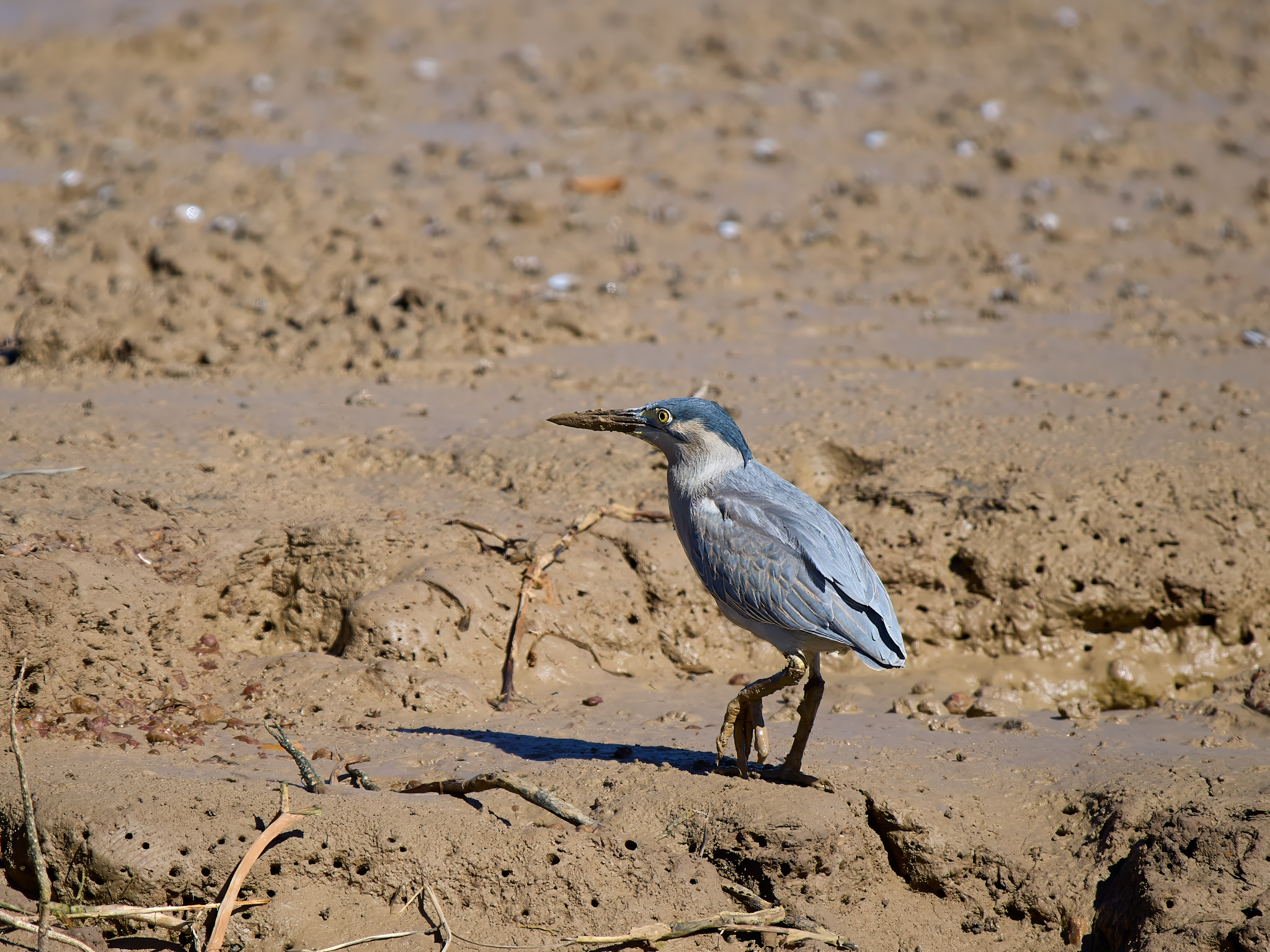
The port area is also good. It lies across a causeway on the shore of King Sound famous for its 11 metre tides. A lot of mud at low tide, good for waders in the summer not so much in the dry. Always a chance of a nice crocodile. All the mangrove species are close at hand but they are easier to see in Broome (take the Broome Bird Observatory Mangrove Tour).
Munkajarra Wetlands are 21km south of town, the last couple of kilometres are on an unmade track. Easy going if the weather is dry. The lake will be on the eastern side of the track therefore best in the afternoon. Mosquito repellant, long sleeves. You know the drill.
In town the ovals and even the median strip can turn up some nice birds especially in the wet. I have seen Little Curlews running around down the main street.
For a nice quiet drive birding from air conditioned comfort start at the Pioneer Cemetery and follow Lovegrove Street south east until it meets the Gibb River Road. It’s, for the most part, a one lane sandy track through open savanna and tidal flats. It’s about 8km and I have yet to encounter another vehicle on the route.
Where to stay? Birdwood Downs Station, about 17km out of town and there is a nice walk among the Boabs and some good birding. Cabins and un-powered camp sites.
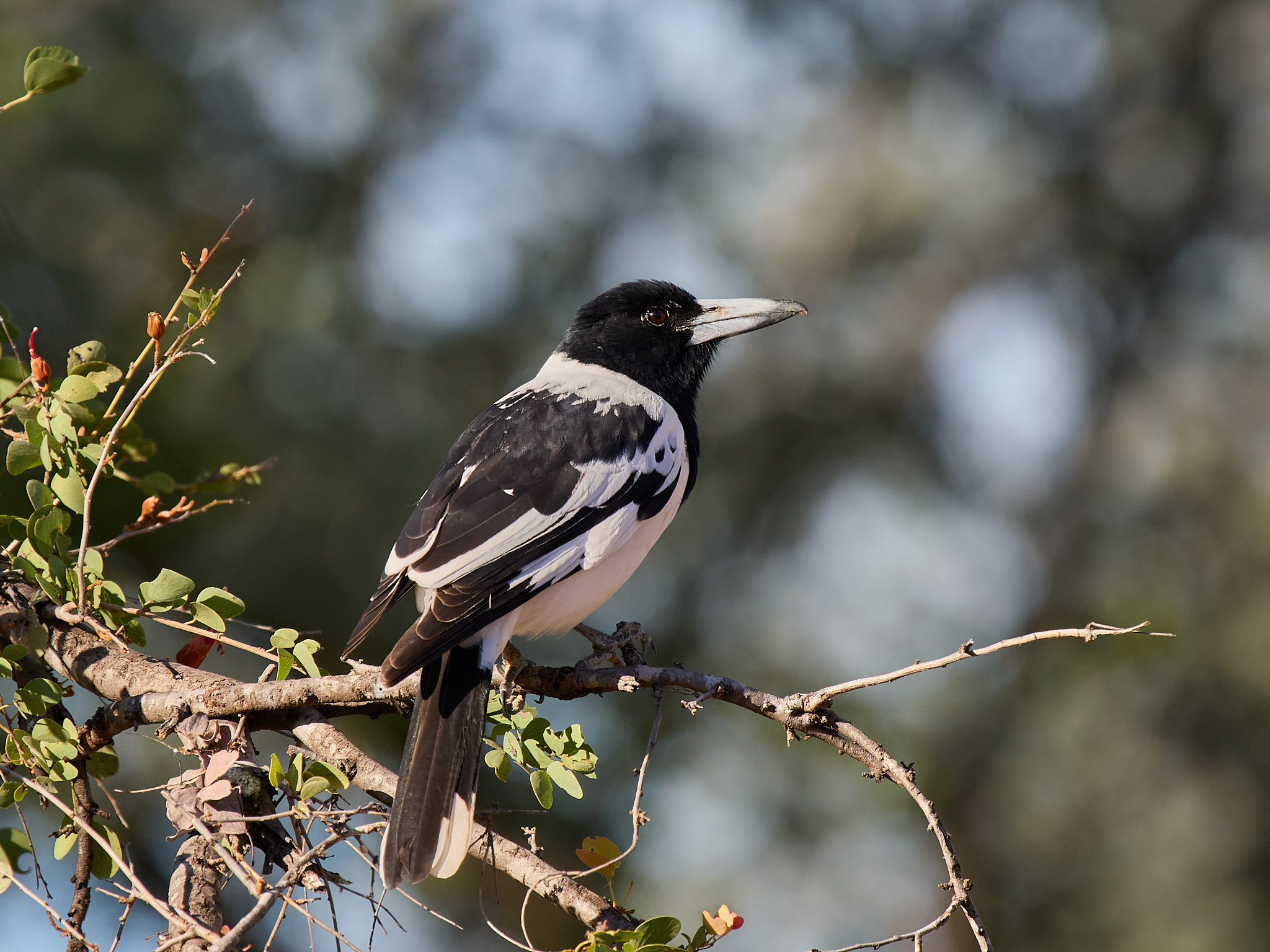
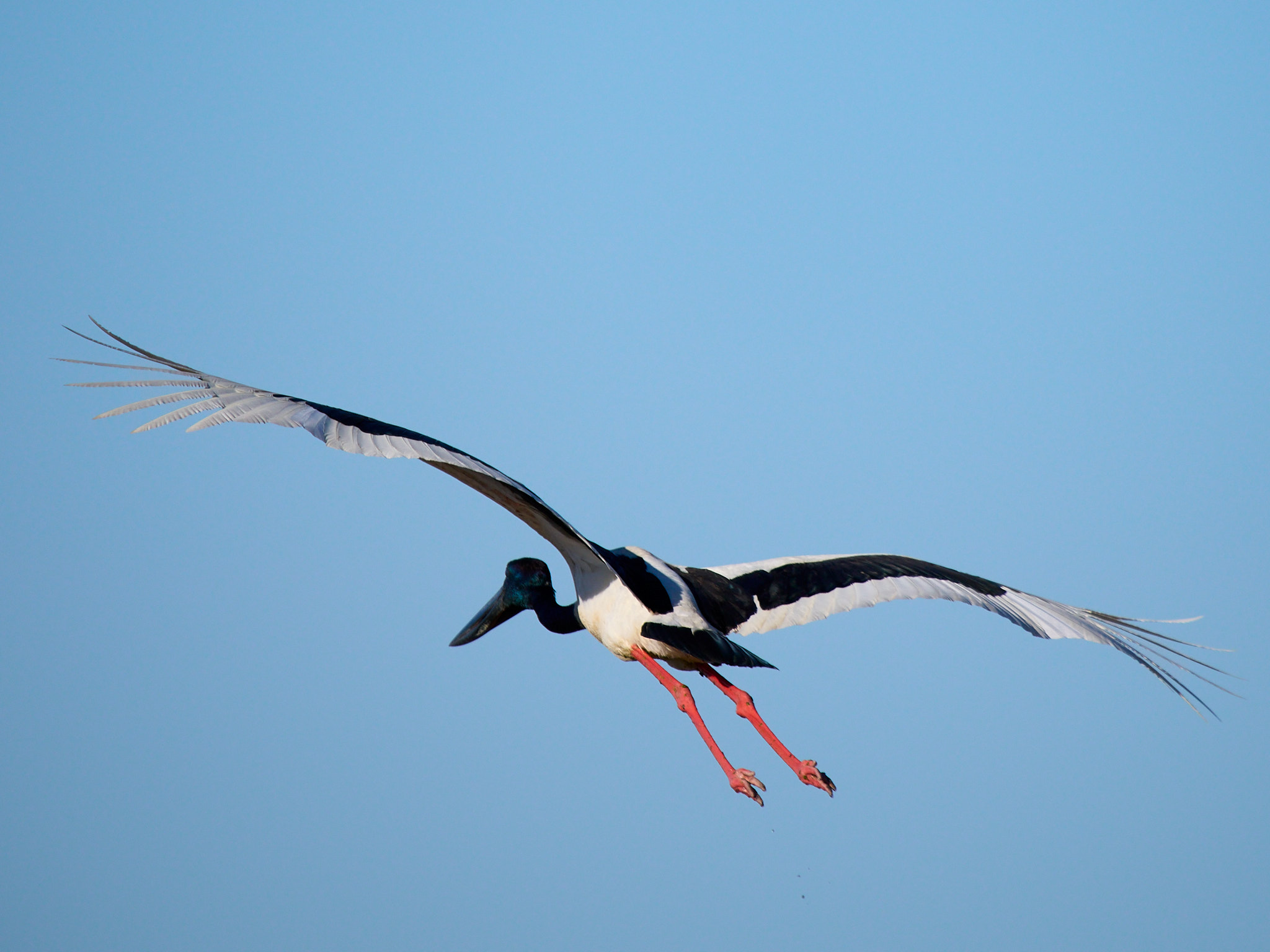
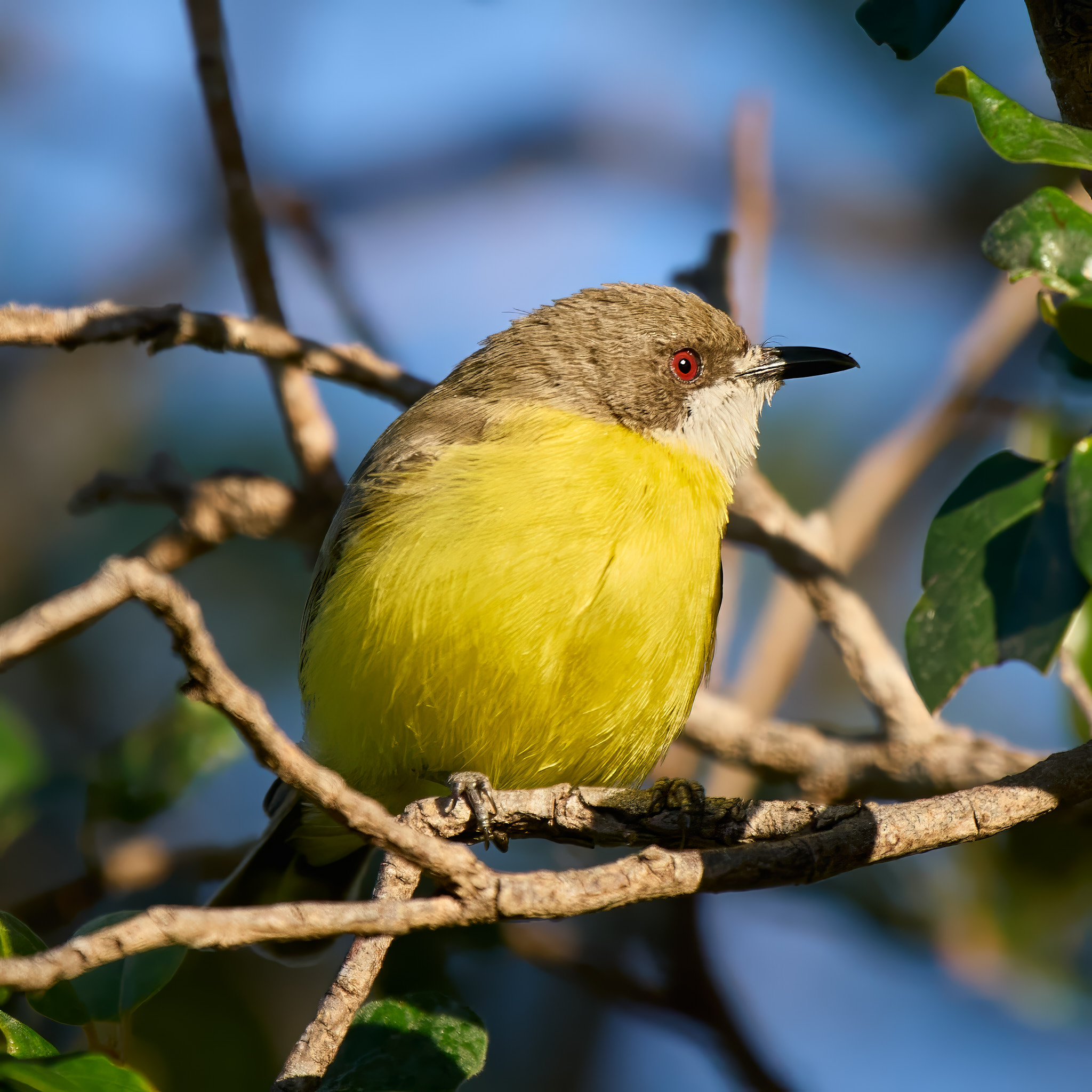
The Pied Butcherbird is sitting in a Jigal Tree Lysiphyllum cunninghamii otherwise known as the Mother-in-law tree. In Aboriginal culture a man does not talk to, or sit facing his mother-in-law. The paired leaves of the Jigal face away from each other. It has nice red flowers. Click on the gallery for a better look.
 bobmcgee