Satsuma-imo …

Kyushu, being the most southerly of the main islands of Japan has the mildest climate. This is where the Japanese sweet potato, satsuma-imo, grows to perfection.

At a view point overlooking Lake Miike we came across this guy.

P1040270

I like to ask permission before taking photos of people in the street. Not only was he happy to oblige, the sweet potato man gave me some to try. As a kid I really liked to eat chestnuts roasted on the coals of an open fire. The satsuma-imo brought those memories flooding back. The texture is similar and the taste is delicious. My face must have lit up.

Good karma. Within minutes he had sold a bagful to our little band of tourists.

Kirishima …

It is said that Amaterasu, goddess of the sun, sent her grandson, Ninigi no Mikoto, to the island of Kyushu where he governed the region around Kirishima. He was equipped with three celestial gifts to assist in his ascendency to power, the sword, the mirror and the jewel. Perhaps more importantly, he brought the rice that would feed Japan for ever after.

One of his sons married Princess Toyotama. She was also of divine descent being the daughter of Owatatsumi, the Japanese sea god and brother of Amaterasu. Together they had a single son called Hikonagisa Takeugaya Fukiaezu no Mikoto. The boy was abandoned by his parents at birth (perhaps because it was too much trouble to say his name – “Hikonagisa Takeugaya Fukiaezu no Mikoto will you stop making all that noise, you little shit”) and subsequently raised by Princess Tamayori, his mother’s younger sister. They eventually married and had a total of four sons. On February 11, 660 BC the last son became Emperor Jimmu, the first Emperor of Japan.

The shrine at Kirishima is thus closely associated with the foundation of Japan. Foundation day is a holiday celebrated on February 11. So on February 11 where better to be?

P1040234

The approaches to a Shinto shrine are marked by the torii. Not far beyond the main one there will be a fountain (temizuya) where the visitor washes hands and mouth. Mineko-san instructs a guest on the way …

P1060743

first the left hand then the right. Then water is poured into the left hand and transferred to the mouth. Rinse and spit out. Finally rinse the left hand and the dipper. Thus cleansed you are ready to approach the shrine. You mount the steps to the barrier where you may make an offering of some coins, bow twice, clap your hands twice and bow once again. It’s OK to ask for a little in return, like first prize in the lottery.

Kirishima shrine

Other features to look out for are the lanterns (toro), plaited ropes (shimenawa) and strips of white paper in the form of lightning bolts (shime). The latter two may be hung at gates to deter evil spirits or around trees and rocks where the revered spirits (kami) dwell.

I took an immediate liking to the guardian lion-dogs (shishi). They come in almost identical pairs, but one has the mouth open, the other closed. The open mouth is pronouncing the first letter of the sanskrit alphabet (“a”), the closed one the last letter (“um”), representing the beginning and the end of all things.

At the shrine you may buy a votive plaque to help you pass your exams or bring on some other self indulgence or simply buy a slip of paper that will tell you your future, a fortune cooky with no calories as it were. If things are looking good keep your slip of paper, if it’s bad luck then leave it at the shrine fastened beside all the other little slips that people didn’t want.

A helpful web site can be found at The Shinto Shrine Guide.

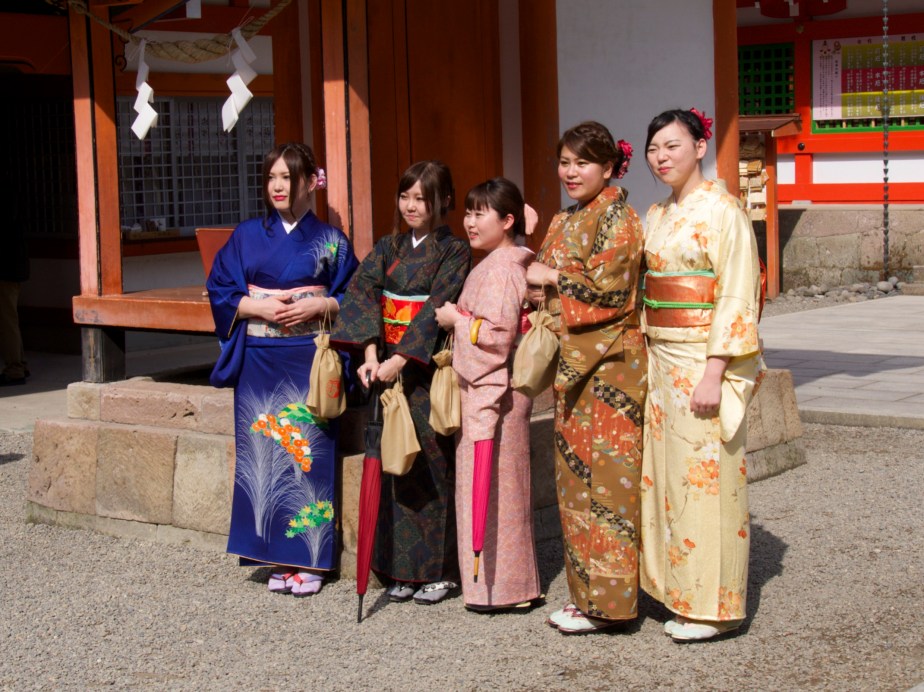
The kami care not whether you are faithful to their religion, a stroll through their grounds will be good for your soul no matter what you believe. And if it happens to be your national day why not do it in your national dress?

P1040258


Snow Monkeys and Cranes …

Back at the Haneda Excel Tokyu Hotel it was time to meet up with my companions for the Zegrahm Expeditions Snow Monkeys and Cranes tour of Japan. It is a very popular tour that I have been hearing about for years and was obliged to book about three years ago. You can find the brochure <HERE>. The itinerary is summarised on their map.

SnoMosand Derick

Japan is a country of marked seasonality. This is a winter tour which will give access to some spectacular wintering migrant birds and it will also show the Japanese Macaques at their most photogenic. It is not the best time to see the smaller birds but you can’t have it all.

As well, one expects, from Zegrahm, excellence in tour leaders, great accommodation, at least two kilos weight gain from the good food and a stream of cultural insights. In short, the bird watcher can take his wife without laying himself open to criticism. In fact, you don’t even have to be a bird watcher at all.

The leaders on this occasion are Mark Brazil and Mineko Dohata.

Dr Brazil is an ornithologist and a prolific writer. He was once a professor at Rakuno Gakuen University in Hokkaido. Although that is no longer the case, any thought that he is no longer an educator has to be dispelled, he just can’t help sharing his extraordinary knowledge. He writes a nature column for the Japan Times and he has written the book on Asian birds. Originally a pom, despite which he is a lovely bloke, he has lived in Japan for much of his adult life. Mark has made major contributions to the understanding of speciation in Japanese convenience stores, not all of which seems to be allopatric.

Mineko-san is a nationally certified guide. She lives in Kyoto. Her English is impeccable. She manages to convey the impression of the archetypal Japanese woman, polite, deferential, shy whilst at the same time bursting with humour and personality. She, also, will educate us over the next few weeks. And she will translate for us, keep us out of trouble and ensure that we have our seatbelts on whilst travelling. Oh so modest, but oh so influential, by the end of the trip we were all wondering why she has not yet been listed as a living national treasure.

That evening we wined and dined. Next morning we flew to Kagoshima Airport on the island of Kyushu.


The Meiji Shrine …

The big city is not my cup of tea. The conurbation of Greater Tokyo is the biggest of them all, 37.8 million people in 13,500 km².

I have a day adrift here. The options …

  • Sit in room, suck thumb. Ultra safe.
  • Go for a walk unravelling a ball of twine behind me (or taking good notes). Adventurous.
  • Take rush hour public transport across Tokyo and hope to get back. Verging on insanity.

Really, where can a boy go bird watching in Tokyo. Mayumi, a friend, had suggested the Meiji Shrine.

Haneda Airport has an information desk. The staff speak good English and are keen to help. To get to the Meiji shrine take the train. There is a stop at the airport (Keikyu line). Why didn’t Melbourne think of that? Change to the JR Yamanote line at Shinagawa get off at Harajuku. You’re at the gate. Entry is free. Reverse the process to get home. They were kind enough to write it all down for me.

You can buy a single trip ticket at the station (why didn’t Melbourne think of that?) from a machine that can be switched to English. It didn’t, however, list stations individually, the missing part of the jigsaw was knowing which cost zone Harajuku would be in. Puzzled foreigner stares stupidly at machine. When dealing with foreign machines stare slowly and clearly.

A smartly dressed mid-career type man coming from the platform volunteers to help. He enquires at the information office and comes back with the missing piece, supervises the administration of the money and points me in the right direction. I thank him. He bows.

Tokyo Metro

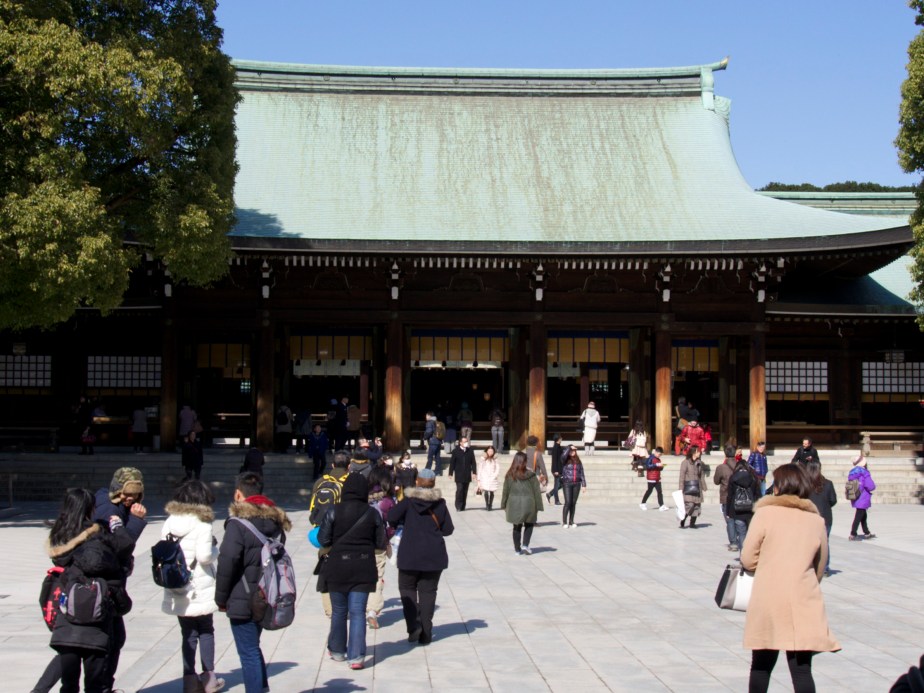
The Meiji Shrine commemorates the divine souls of Emperor Meiji and Empress Shoken, central figures in the Meiji Restoration of the 1860’s. This period saw the end of the Tokugawa Shogunate and an opening up of Japan to western influences.

The Emperor died in 1912 and the Empress two years later. Their tombs are in Kyoto. An area was set aside in Tokyo and trees planted in their honour. Established in 1920, it is now a mature forest that includes a couple of lakes providing excellent habitat for birds such as Oriental Turtle Dove, Japanese Pygmy Woodpecker, Mandarin Duck, thrushes, redstarts, waxwings … and the shrine.


P1040036

And surprisingly, it’s the shrine that gets all the attention. It happens to be the number one (of 228 attractions) on TripAdvisor.

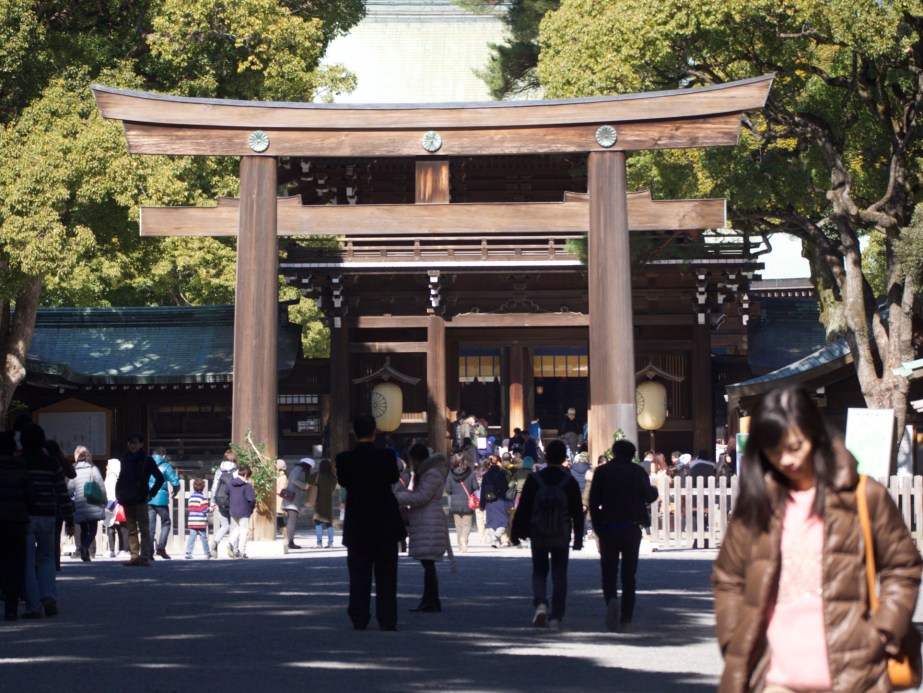
Below is one of the splendid torii gates that mark the various approaches to the shrine …

P1040006

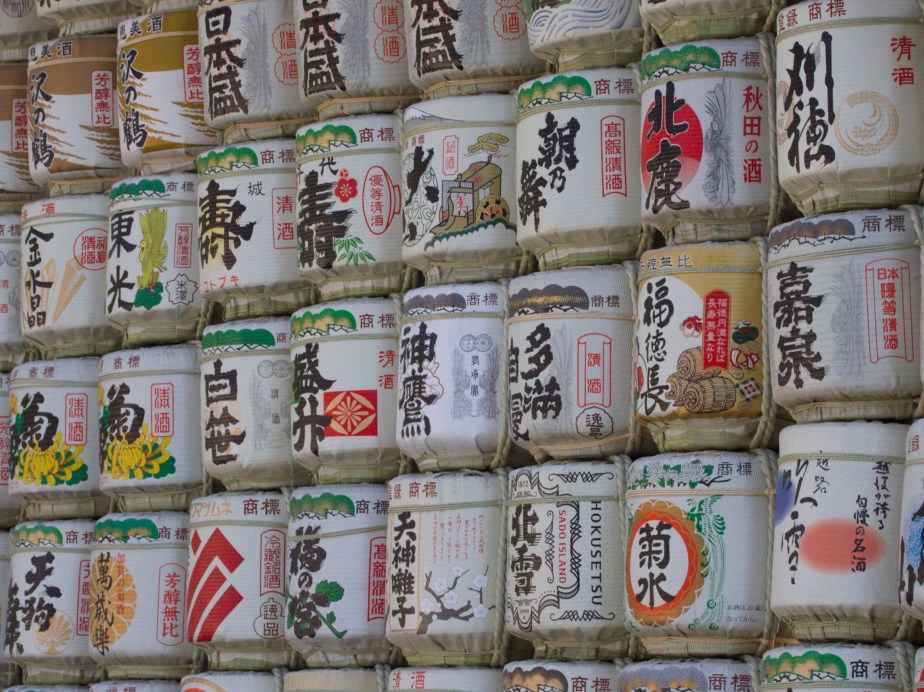
Sake brewers donate barrels of sake wrapped in straw and paper to the shrine.

Sake barrels

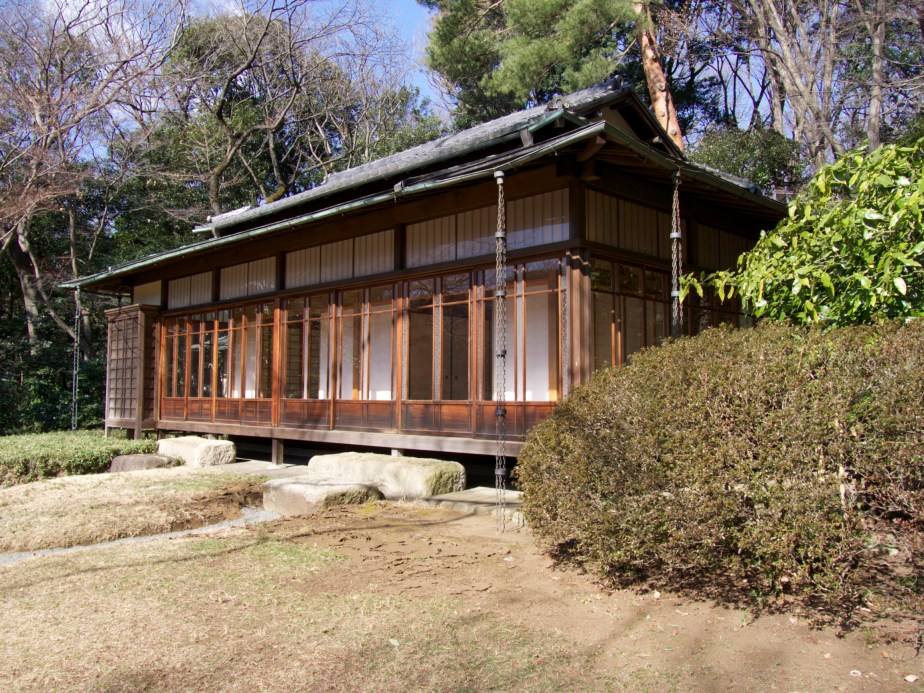
A small payment is required to enter the beautiful inner garden (¥500). This garden existed prior to the Meiji Shrine and the Emperor hand a hand in its design. Here you can find this tea house. It is probably the most photographed garden shed in all of Japan.

Teahouse

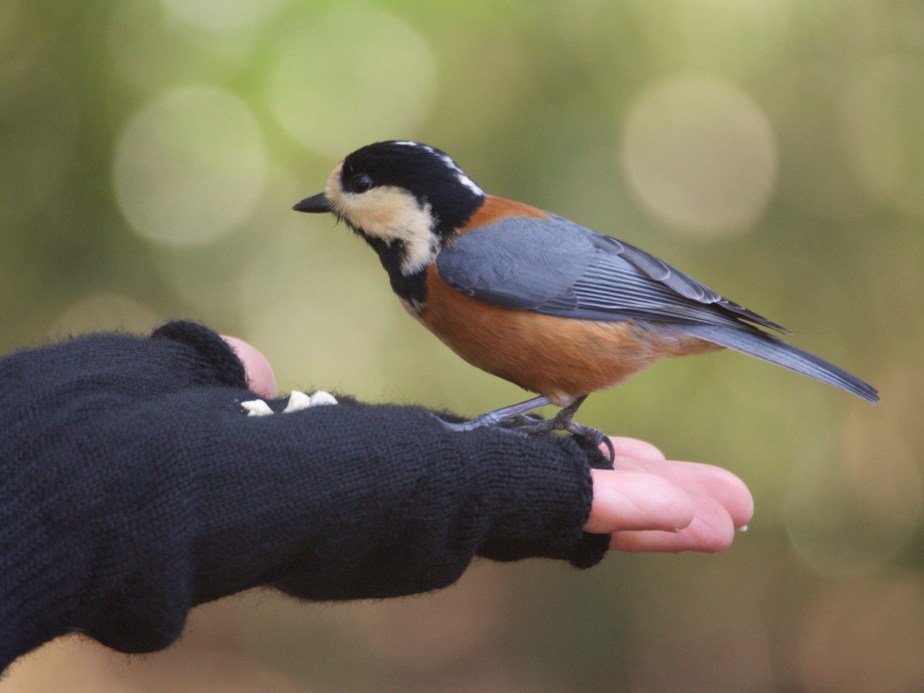
There is also a small pond in the inner garden, crafted to raise the spirits of Empress Shoken, there where I came across a very attractive Kingfisher and various small birds were coming for a handout.

Varied Tit
Varied Tit
Black-faced Bunting
Black-faced Bunting

It was a great place to spend the day. Now to get back to the Haneda Excel Tokyu Hotel.

Stupid foreigner stares slowly and clearly at ticket machine trying to remember how much money to contribute. Slender, young, attractive Japanese woman volunteers to help. She makes a quick trip to the enquiry desk, supervises the donation and points me in the right direction. Her English is impeccable. I thank her. She bows. Helplessness has its rewards.

You can download a map of the Tokyo Metro <HERE>.


Meeting Mr Toto …

The hotel room had a western style bed, a carpeted floor, a couple of chairs, a desk and a TV.

On the bed was a cotton night shirt that buttoned down the front, a minor difference in an environment that otherwise could have been in almost any city in the world.

The room was too warm. I turned off the heating. Finding a way to deal with the welcoming warmth would be necessary at every accommodation for the coming weeks.

And then I went to the toilet …

P1030728

“Shit”, I thought, which was at least contextually appropriate. The user’s manual is under the lid, once enthroned it can’t be read, but then, you only need to read it once. The controls will be at your right hand. What could possibly go wrong?

The seat is heated, you may wash your bottom … with warm water.  Air dry, why not? As you sit a flow of water beneath you will reassure you that the porcelain will not be soiled or is it just to make a noise to cover the sounds that you are so keen to keep to yourself?

Do play with the buttons. The only one you need to know about is marked with a circle with a central dot. That stops whatever you manage to start.

Every hotel I stayed at had this style of toilet, the better ones had the control panel on the wall. Public toilets came in two flavours, a few had squat toilets, most were like this one. None was merely ordinary, it seems the Japanese completely leapfrogged the Australian dunny.

Japan is different. It has a that quality that the French think they have. I hope I can convey that quality in my writing. It exercises a strange influence on visitors, some are never quite the same …

But in his home and office bathrooms, Mr. Friedman had installed a Toto washlet. To sit upon a standard commode, he said, would be like “going back to the Stone Age.

Ms. Poh said. “It’s about the heated seats. Your life is really good when you have a heated toilet seat.”

Three days later, Mr. Aboulache went online and bought a Toto washlet, which he installed in the shared upstairs bathroom of his home in Los Angeles as a surprise for his wife and son.

“We’ve been delighted,” he said. “It’s our favorite toilet.”

Mr. Friedman, too, is an enthusiastic proselytizer for washlets …

Whenever he talks about their virtues, he said, “I feel like one of the Apostles passing the word of God.”


Airport to Airport to …

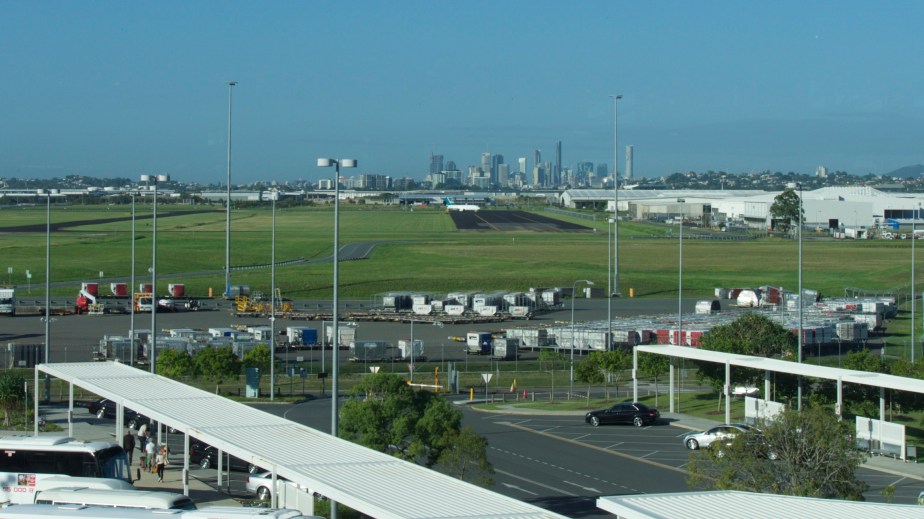
Brisbane
Brisbane

Tokyo has two airports. Qantas flies into Narita, my first task was to get to Haneda.

Narita is 77 km east of central Tokyo. Haneda is 29 km south. From one to the other around the shores of Tokyo Bay is 80 km. I must confess to a little anxiety. Here I am dealing with an unfamiliar system in a language that I could not speak in my new role as an illiterate. Routine public transport is available but handling luggage for a three week trip on the train would be challenging. The easy way is the Limousine Bus.

When you are disgorged from the immigration and customs area the Limousine Bus counter is ahead, close and visible. The staff spoke good English and were very clear in their instruction to where you caught the bus. At the stop I was politely marshalled, put on the right bus, my luggage was loaded and off we went. Announcements are in Japanese and English, they are recorded and therefore intelligible. Anxiety dispelled.

The first two nights were at the Haneda Excel Tokyu Hotel in Terminal 2. As international drab as big hotels are, the national flavour will find a way to shine through. The Excel is the archetype airport hotel but …

The door was opened, two men bowed then indicated the direction to the reception desk, I was relieved of my luggage and checked in. It was a luxurious welcome. The bags were delivered to my room promptly and in Japan no tip is expected.

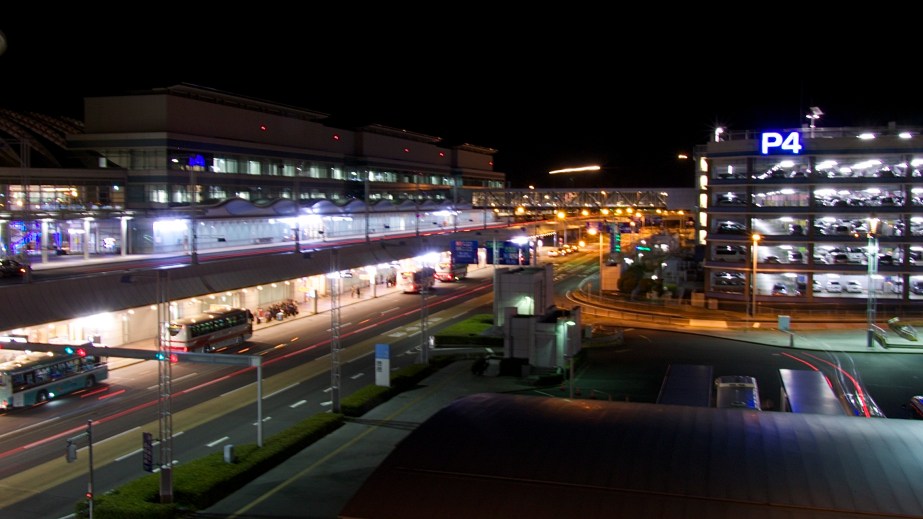
Haneda
Haneda


A Little Geography …

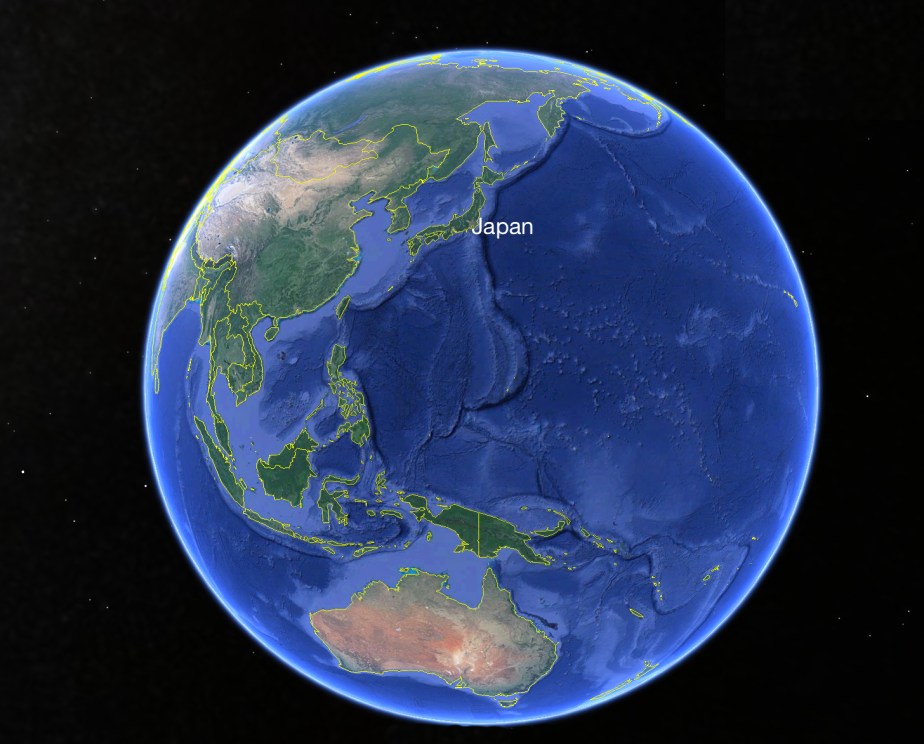
Our Google globe has been placed north up with Australia at the bottom, Japan at the top.
Globe 1

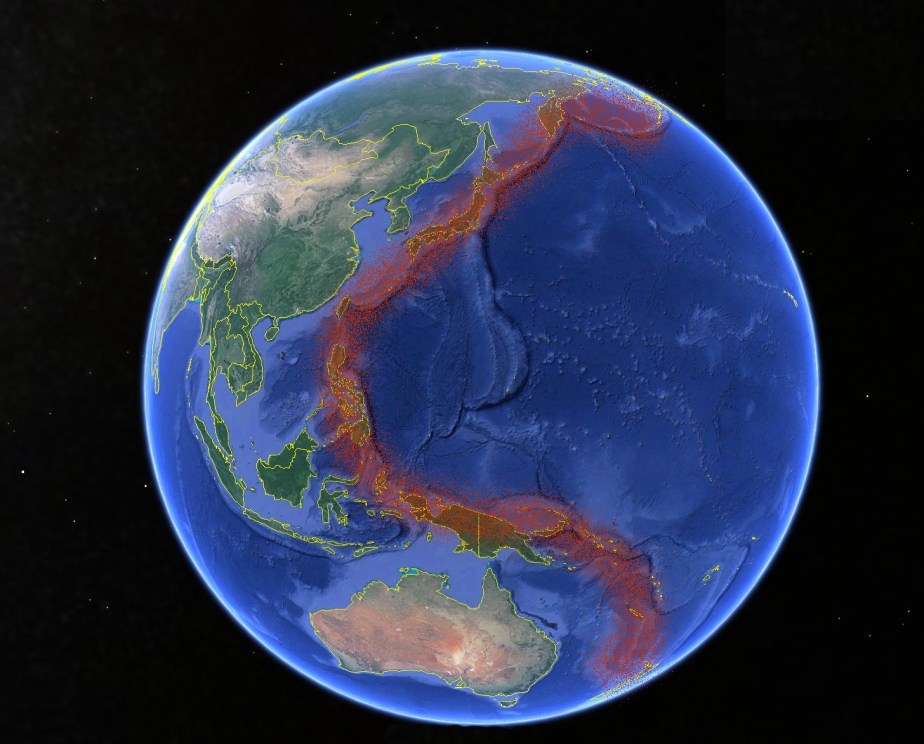
Japan is part of a great archipelago that hangs off the Kamchatka peninsula and curves away to the east of the main landmass of Asia, swings away around the north of Australia and then down to New Zealand.

If we superimpose the relevant part of the Great Ring of Fire on the map we can then deduce a great deal about the underlying geology.
Ring of Fire

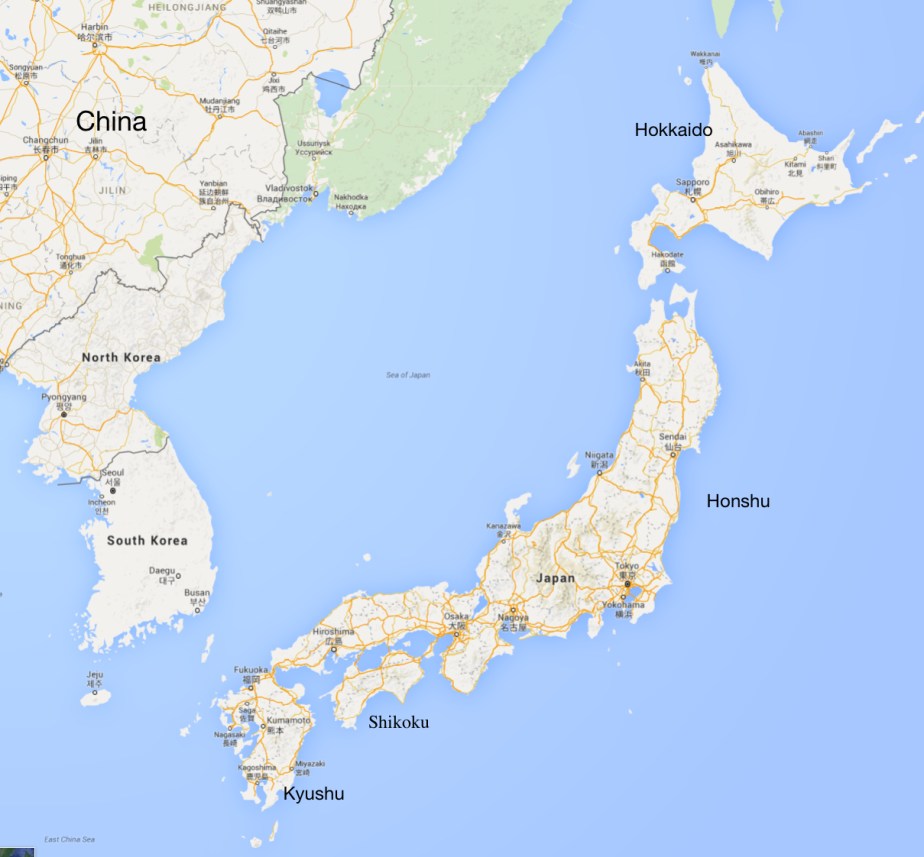
The Japanese part of that great archilelago consists of almost 8,000 islands between latitudes 24°N and 46°N, and longitudes 122°E and 146°E. That’s 2600 km from Okinawa to the tip of Hokkaido. The four largest islands are Honshu, Hokkaido, Kyushu and Shikoku and together they make up about 97% of the land area.

Japan is mountainous, only 27% of the country is suitable for agriculture and urban settlement. It is prone to volcanic eruptions, earthquakes and tsunamis. There are more than a hundred active volcanoes. More than 140,000 people died in the Tokyo earthquake of 1923. The 2011 magnitude 9.0 earthquake off the Pacific coast of Tōhoku killed about 18,000 people and triggered several nuclear accidents.

From a natural disaster point of view Japan is the most dangerous place in the developed world.
Japan Islands

Looking from China, Japan lies in the direction of the rising sun, hence the way Japan is rendered in Kanji is 日本. The Chinese character 日 means sun or day; means base or origin, combined they convey the meaning sunrise.

The population is about 126 million people and slowly declining. The population density is high in the areas suitable for settlement.

Japan has the third largest economy in the world, but things aren’t quite as great as they used to be.

Life expectancy ranks second in the world. The infant mortality rate of 2 per thousand live births is as low as any where in the world. Educational standards are high.

Virtually no one shoots anyone else in Japan but they make up for that to some extent by killing themselves. Suicide is the leading cause of death in people under thirty.

The whole place is in one time zone (GMT +9hrs) and they don’t mess with the clocks for summertime.

The electricity supply is 100 volts (not 120 like the US or 240 like Australia and the UK) the plugs and sockets are 2 pin connections compatible with their American counterparts.

The climate is officially described as temperate. What this means is that it’s mild in the south. Tokyo is hot and humid in summer and cold in the winter, not a threat to your ears and nose but remember the hat and gloves. Hokkaido is mild in the summer and definitely a threat to the extremities in winter, don’t leave home without your parka.

Wildlife has done well in Japan, bears, deer, voles, shrews, deer, mustelids and monkeys can all be found and the bird life is exceptional. The mountains have helped preserve habitat and modern Japan seems conservation minded. There are well managed wildlife reserves. And surprisingly it is a good place to go whale watching!

The birding is heavily influenced by the strong seasonality and the proximity to land north and south and there is always the chance of vagrants coming from the Asian mainland.

The only English language field guide worth having (for the moment) is … A Field Guide to the Birds of East Asia (2009), by Mark Brazil.

Got all that? Cool. It’s time to go.


A Day Around Brisbane …

I had some time spare in Brisbane, rented a car and headed out with the binoculars.

Birds Queensland and the Brisbane City Council have produced a very useful little brochure of good birding spots which can be down loaded <HERE>.

I headed north and spent most of my time in the vicinity of Nudgee Beach and Boondall Wetlands then headed west to the Gap and Enoggera Reservoir.

GyBB

LaKo

A productive day and I even found out which way to head for my next stop …

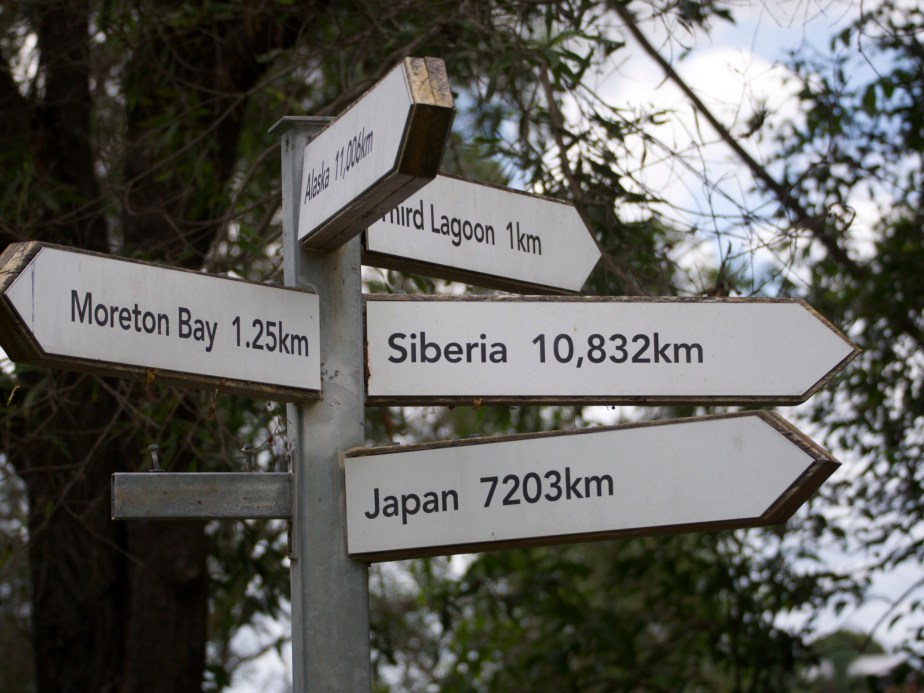
Japan

On the Wallaby …

If you are going to write about travel then from time to time you have to travel.

And since I’m not a great multitasker I shall travel first and write after.

See you when I get back from Japan.

Not a lot of wallabies in Japan, you say … it’s Aussie slang,the first use in this context (that I can find) dates to 1849. It means to journey from place to place. In 1891 Henry Lawson gave us this …

Australia’s a big country

An’ Freedom’s humping bluey,

An’ Freedom’s on the wallaby

Oh! don’t you hear ‘er cooey?