Montagne d’Ambre …

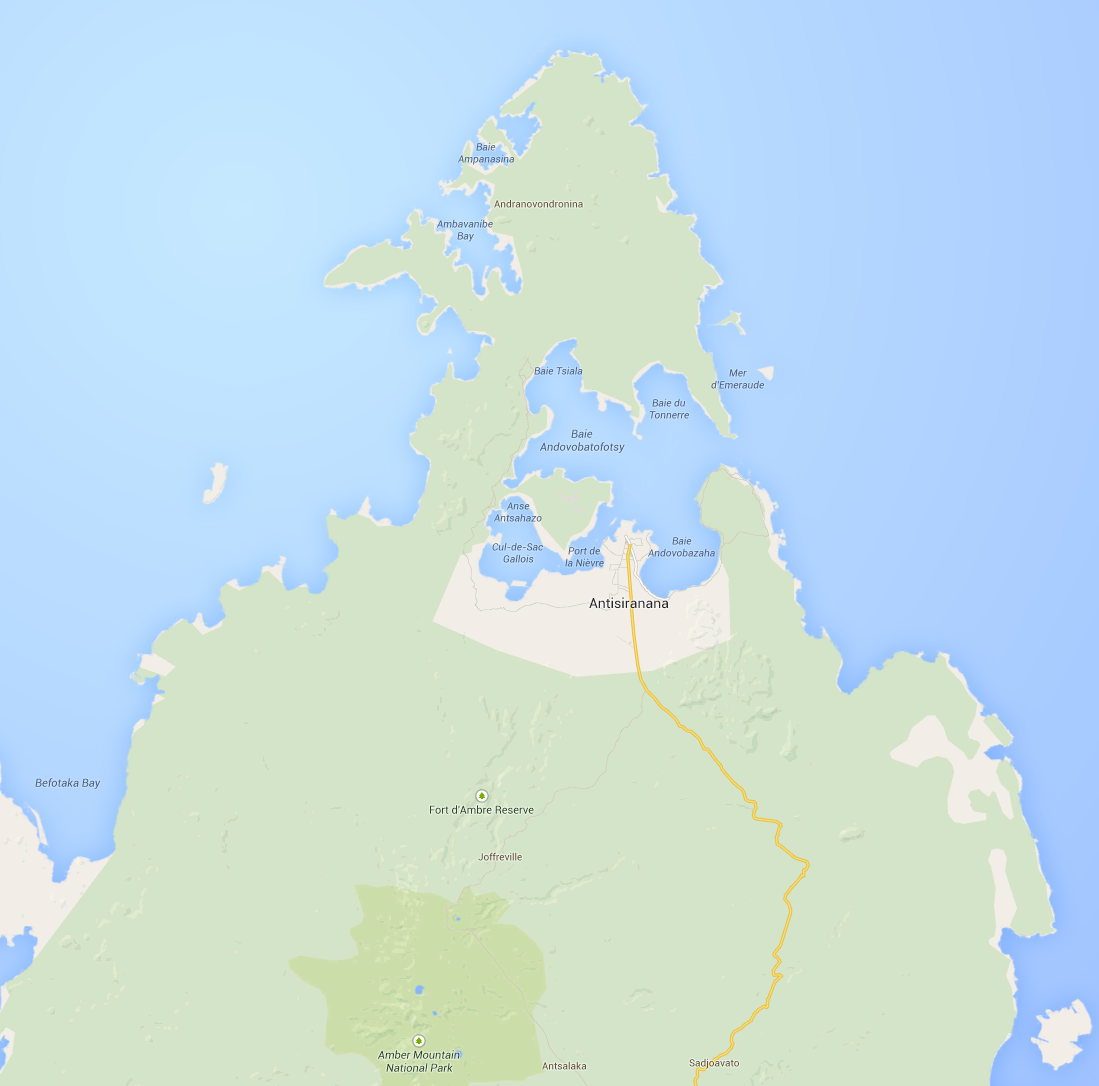
… is about 30 km south of Diego Suarez. Established in 1958 it it covers 185km². The mountain rises from a dry region producing an isolated stretch of montane rainforest covering an area of more than 18,000 hectares  at an altitude between 800 and 1,500 metres. Not surprisingly, it holds a fantastic biodiversity, the scenery is pretty good, too. But take your raincoat.

It is about 45 minutes by 4WD from Diego Suarez and could be done as a day trip, but beware, if you do it that way you will wish you had spent longer.

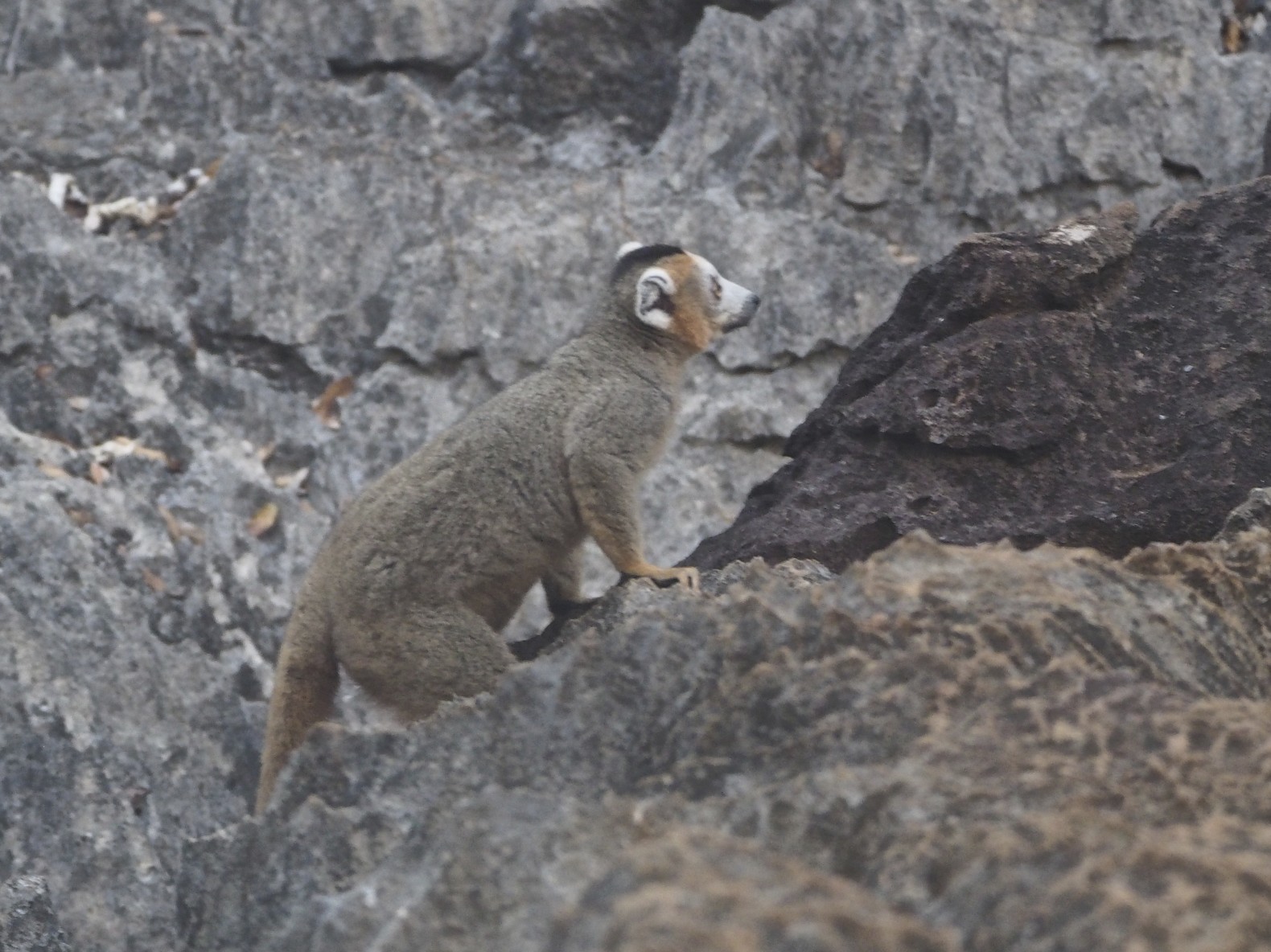
Here are a few of the stars of the show …

OLYMPUS DIGITAL CAMERA

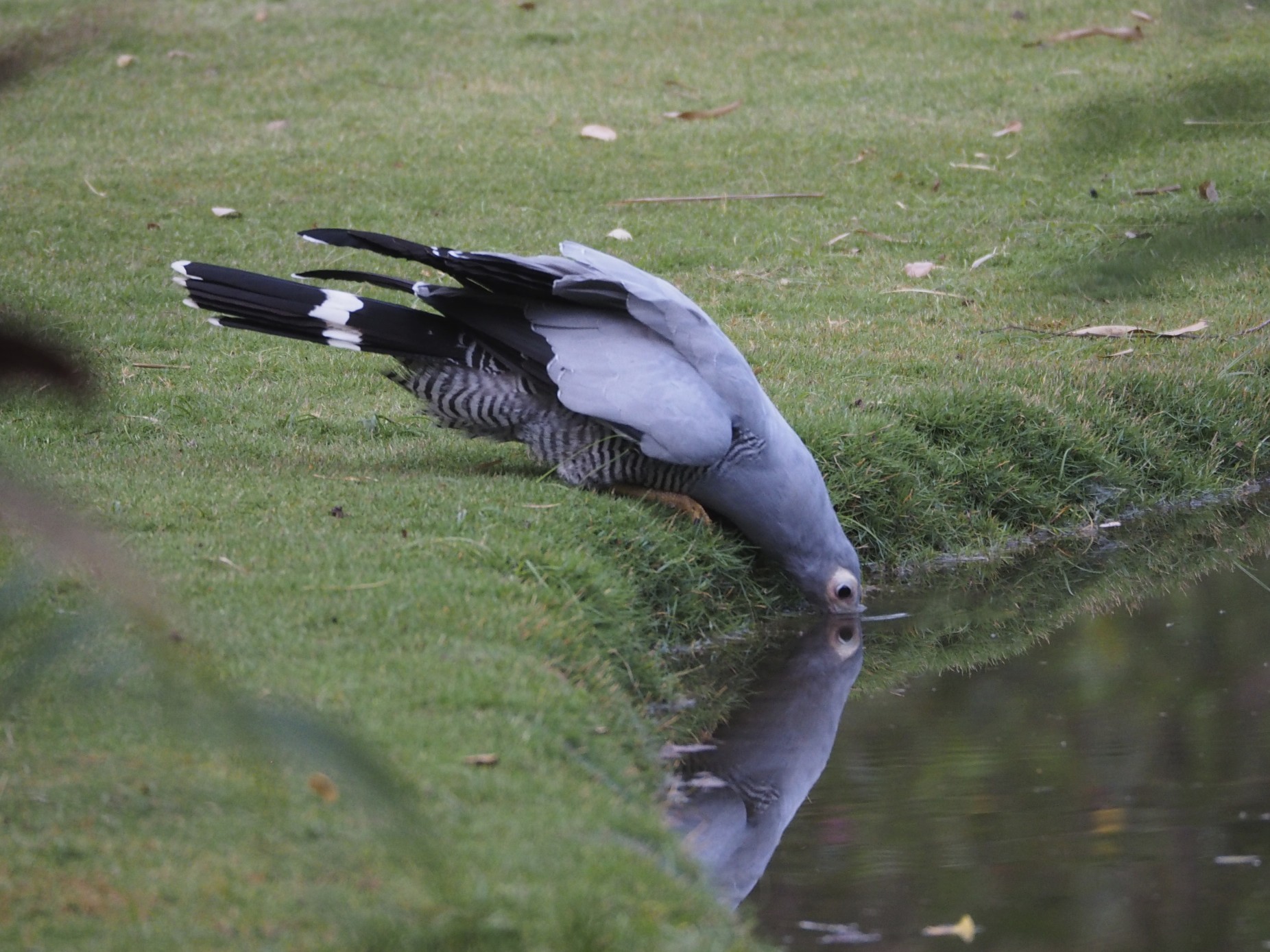
If you could just imagine me crouching for hour after hour, in the cold damp undergrowth with raindrops intermittently going down my neck, leaches going end over end, out of focus, up my nose in an effort to fasten on my eyeball to get this stunning photograph … so could I. The reality is this bird is an absolute tart, it lives at the picnic ground and starts posing the moment it sees a camera. For the splitters this is the Amber Mountain Rock Thrush Pseudocossyphus erythronotus, a thoroughly unique species in a small obscure genus restricted to one little mountain in Madagascar. To the lumpers this is the Forest Rock Thrush Monticola sharpei, found in forest throughout Madagascar, the local representative of a genus that is widespread through Europe, Africa and Asia.

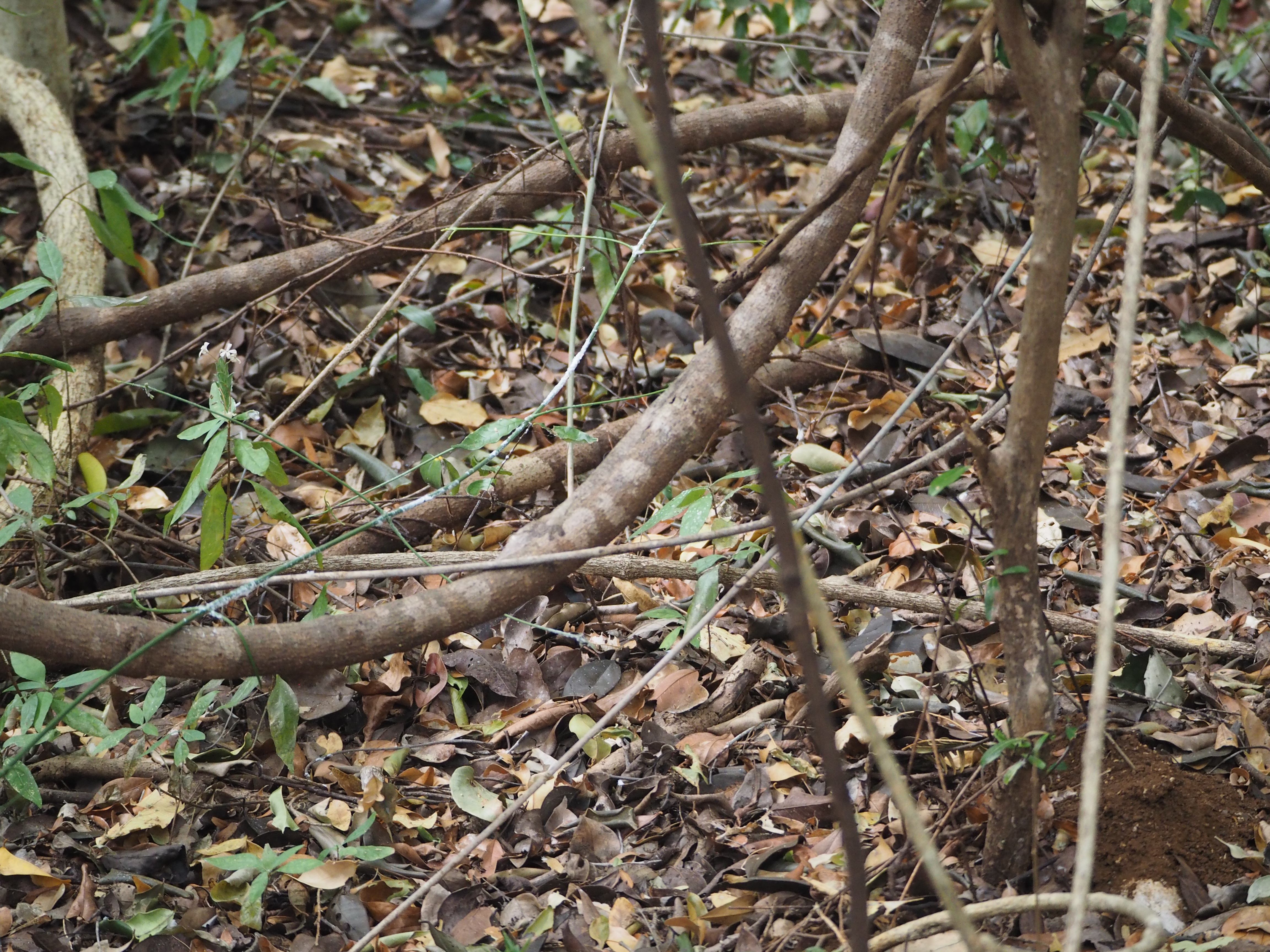
Chameleons come in various sizes…

P1030636

P1030633

Amber Mountain is home to 8 species of lemur, but for a change here is the ring-tailed mongoose (Galidia elegans) and very elegans it is …

OLYMPUS DIGITAL CAMERA

Diego Suarez …

A four am wakeup call at the illustrious Hotel Colbert and a continental breakfast in the dining room! What service, and to think there are people who complain about feathers in the pillows. Through the streets of Antananarivo as the folk that will soon be selling breakfast are lighting their charcoal fires on the footpaths of the city. And once again at the mercy of Madagascar Airlines. Let me say, although we had been warned that they were less than entirely reliable, they flew us back and forth safely and courteously and never lost our luggage. One flight out of four was delayed and rerouted. They did a good job.

645x1026xemad1501-map.png.pagespeed.ic.Qf_n_AWnNe

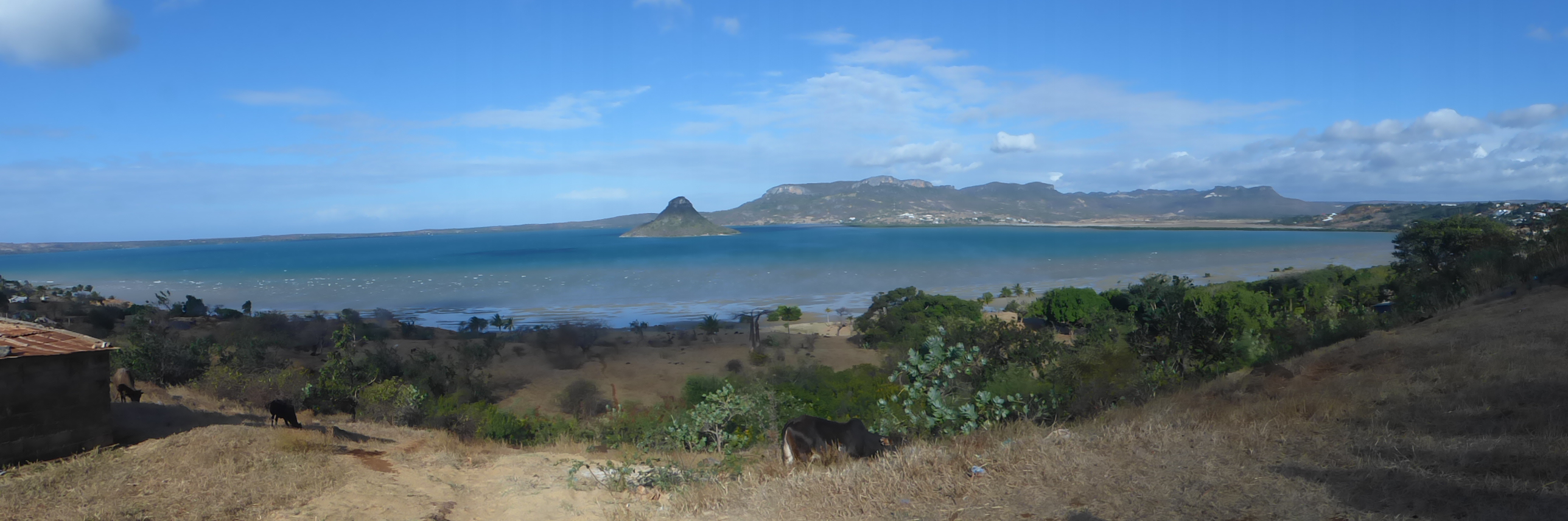
Diego Suarez is blessed with a wonderful natural harbour.

Because of Madagascar’s appalling roads the country as a whole benefits little from it but the harbour was the principle prize of French colonisation and one they had to fight for in the Second World War (they surrendered, of course).

The town was named for Diogo Soares, a Portuguese navigator who visited the bay in 1543. In this usage navigator is an all-encompassing term that includes pirate, mercenary, murderer, rapist, kidnapper and thief. He was stoned to death in Burma when he lost the protection of the king and his crimes caught up with him. The only place you could find such a scoundrel today would be the New South Wales Parliament. Hardly surprising then that the town changed its name, in 1975, to Antsiranana.

P1030608

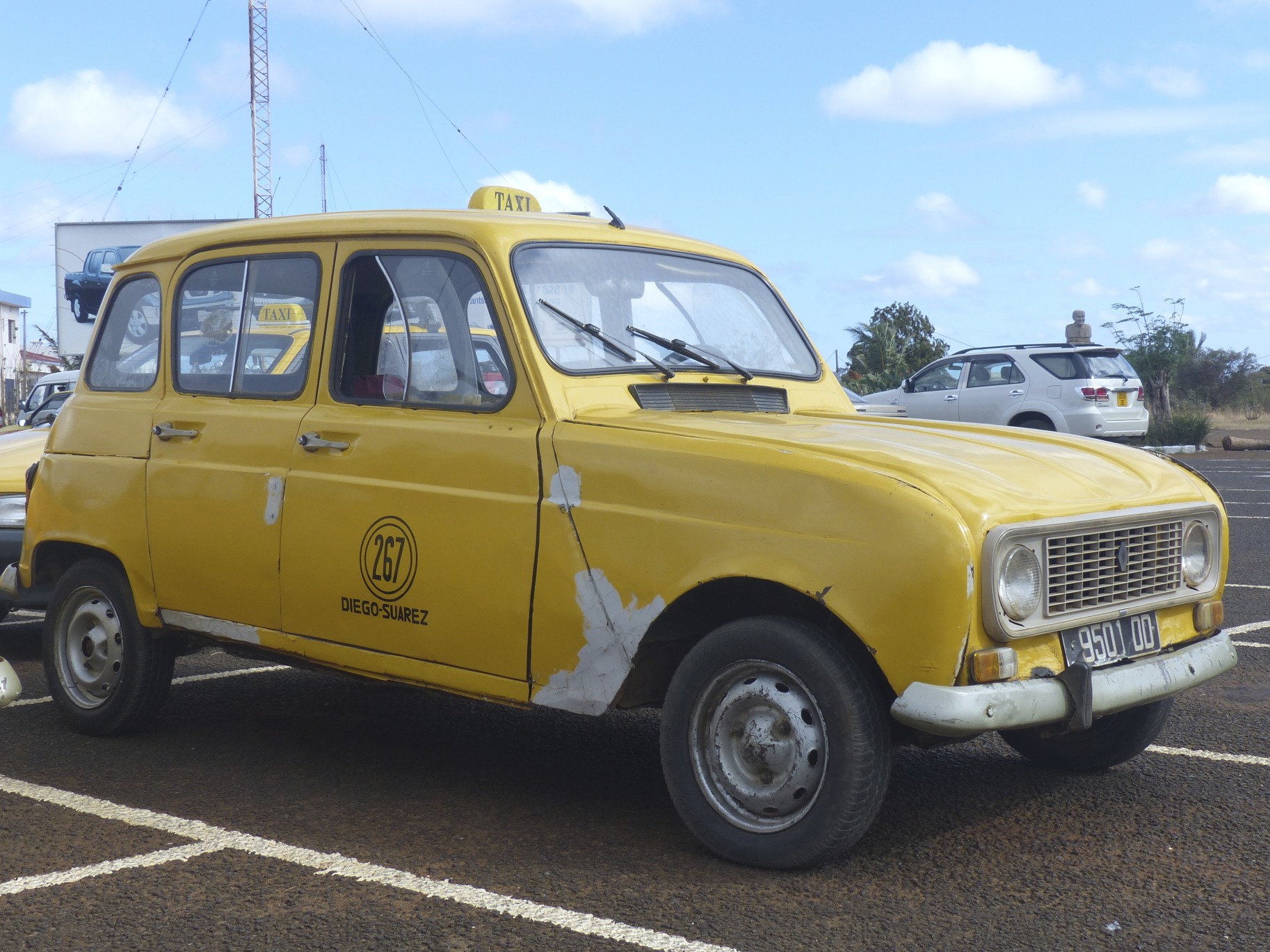
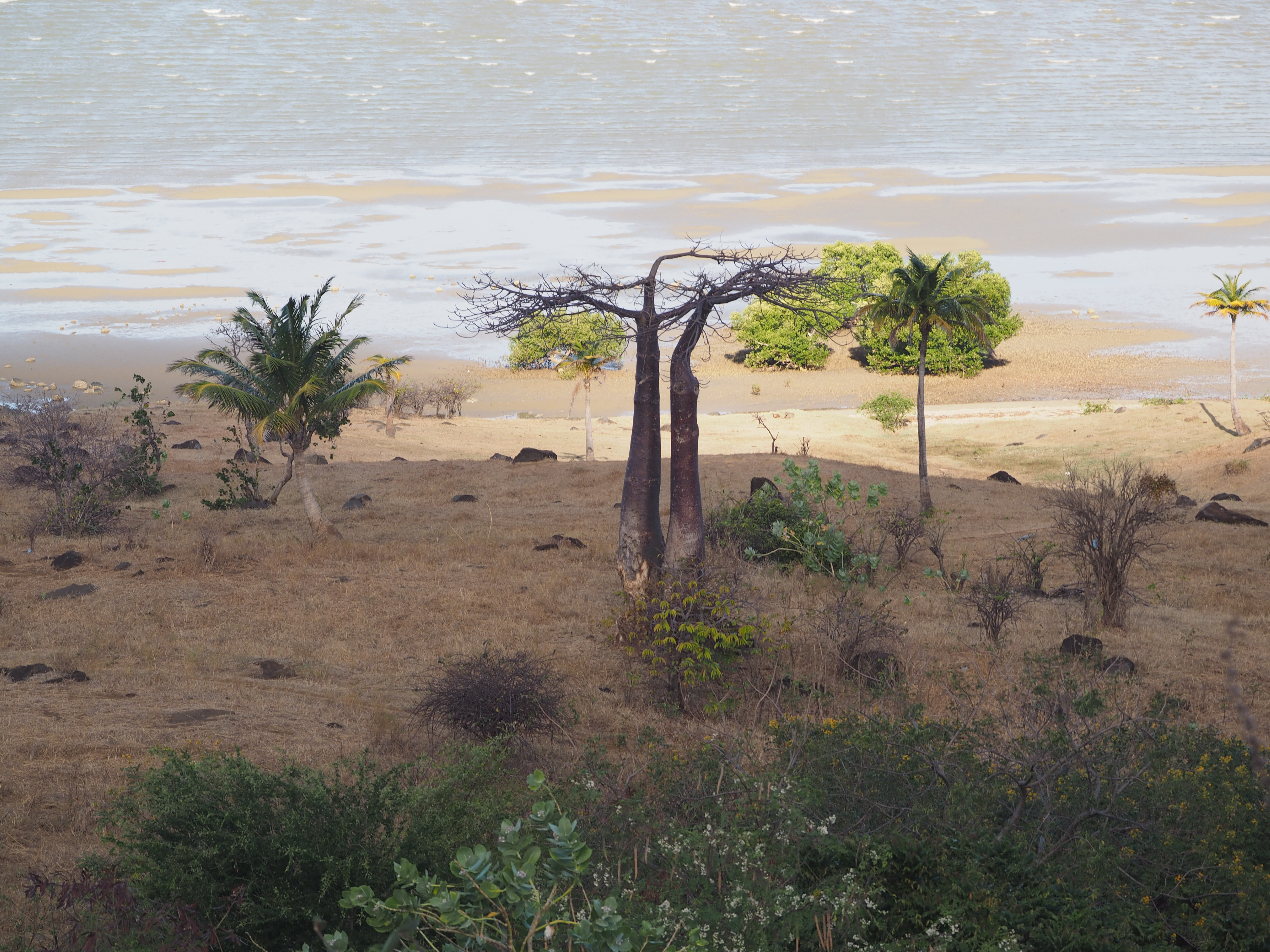
Either the change of name has not been uniformly embraced or the taxi fleet predates 1975. The name lives on in the scientific name of Adansonia suarezensis, one of the baobab trees, just possibly, this one …

OLYMPUS DIGITAL CAMERA

Here is the bay (a click enlarges any of these illustrations, the back arrow on your browser will bring you back) …

Screen Shot 2014-08-14 at 6.37.35 pm

From the shore it looks like this (you’ve gotta click on this one, and say isn’t that an Adansonia suarezensis?) …

P1030673

The French seized the harbour and then negotiated a protectorate agreement signed into effect in 1885. The process worked so well they then seized the rest of the country. For them it was a place to refuel their fleet travelling between France and the far east.

In the Second World War Madagascar was in the control of the Vichy French, the value of such a port to the Japanese submarine fleet was not lost on the allies. The British opened hostilities on 5 May 1942 and after a relatively brief campaign installed the Free French. At the end of the war the Malagasy sought their independence, talks did not go smoothly. An uprising commencing  in 1947 was brutally suppressed in 1948. So well did the French encourage les autres it was not until 1960 that Madagascar gained its independence.

Our accommodation in Antsiranana was at the aptly named Hotel Le Grand, in, wait for it, La Rue Colbert. The hotel was almost entirely to my satisfaction, the feathers in the pillows were as good as those in the capital but management wouldn’t rise to the occasion and serve an early breakfast.

So who was Colbert? It was probably Jéan Baptiste COLBERT, (1619–83). A French statesman and Minister of Finance (under Louis XIV) who reorganized the established colonies in Canada, Martinique, and Haiti, and founded those of Cayenne and Madagascar. It seems he sought obedience rather than popularity and, whilst not stoned to death, he was buried at night under military guard to prevent the mob from tearing his body apart. One of his notable sayings translates as “The art of taxation consists in so plucking the goose as to obtain the largest amount of feathers with the least possible amount of hissing“.

So, right from the outset, Antsiranana attracted more than its fair share of colourful characters. It is, I think, the most cosmopolitan city in Madagascar. It seems strongly influenced by Africa, the clothes are colourful, the whole place has a rhythm to it.

This is part of a series of posts on Madagascar that began on July 6 and is best read from the bottom up. To be continued …


Parc de Tsarasaotra …

Into the bus and back to Antananarivo. Before checking in to the Hotel Colbert we dropped in on Tsarasaotra. This is a privately owned estate surrounded by the city. It dates back to 1890 when Queen Ranavalona lll, the last monarch to rule Madagascar, and her husband Prime Minister Rainilaiarivony, built themselves a fine home here. By 1895 the French had taken over, Rainilaiarivony was exiled to Algiers. Ranavalona was exiled not long after to Réunion.

The estate is now a Ramsar site, it covers 27 ha (67 acres) and has a couple of fine lakes and a good bird list.

OLYMPUS DIGITAL CAMERA

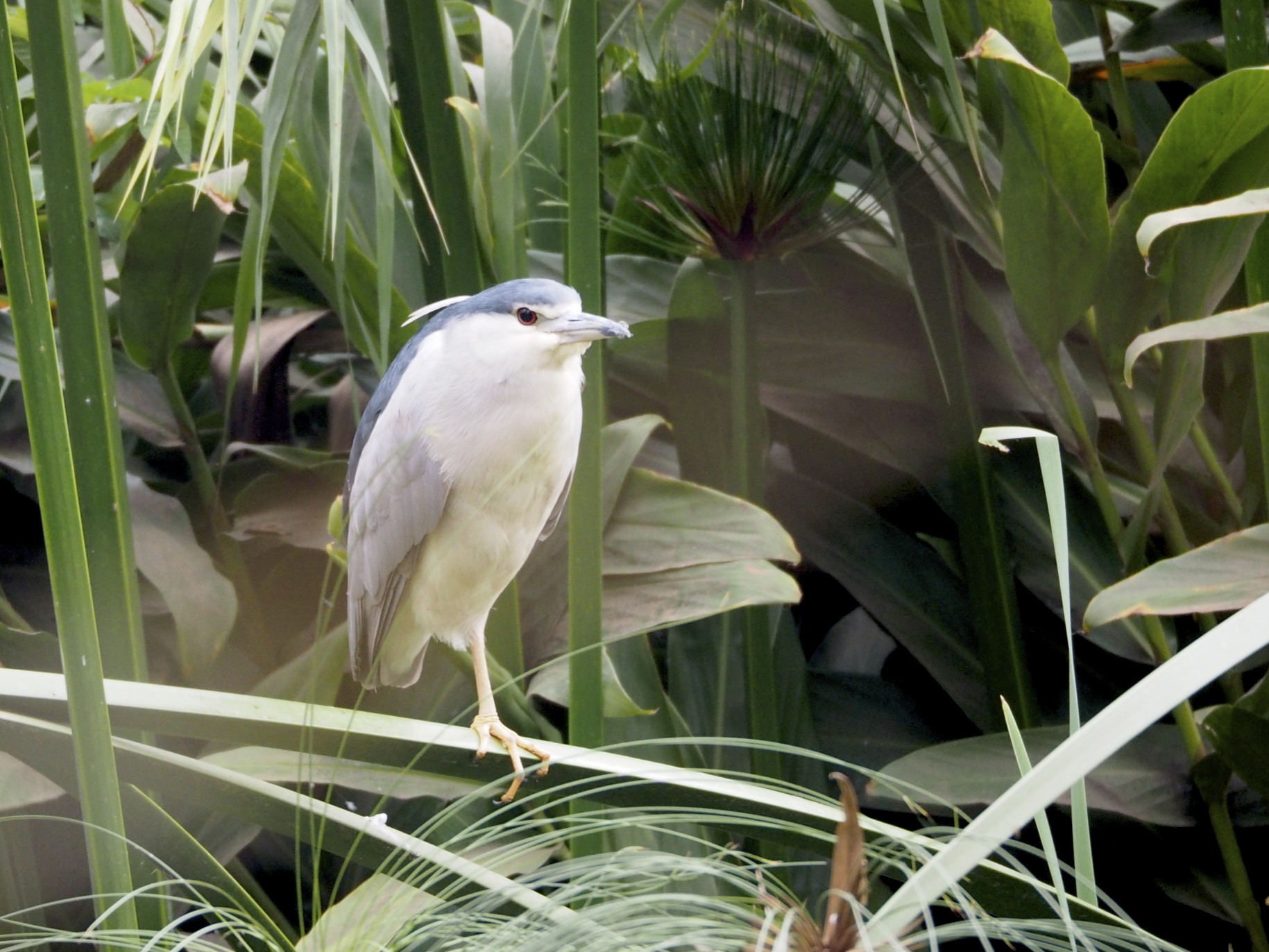
Red-billed Teal and White-faced Whistling Ducks can be seen above, Knob-billed Duck and Meller’s Duck were also present. A cooperative Black-crowned Night Heron was sitting near the main entrance.

OLYMPUS DIGITAL CAMERA

You can get a good view of both lakes by walking around the one nearest the entrance.

UPDATE …

Tickets to the park can only be purchased at BOOGIE PILGRIM: 1st floor Trio Property building, Tana Water Front, in Ambodivona. Their office is open Monday to Friday. So if you wish to visit the park at the weekend you will need to plan ahead.

Price: 12 000 Ariary/person (Mon-Fri)
14 000 Ariary/person (Week-end)

Leaf-tail Gecko …

OLYMPUS DIGITAL CAMERA

This is a fairly easy one to spot.

There are currently about 14 species in the genus Uroplatus, all are confined to Madagascar (and the illegal pet trade). The name is from the Greek οὐρά meaning “tail” and πλατύς meaning “flat” the terminal us is thrown in to render the combination sufficiently Latin to be used in a museum. It is quite likely that DNA studies will split them into many more species.

They are night active insectivores and rely on camouflage to keep them safe by day. Four of the currently recognised species pretend to be leaves the rest pretend to be bark. They rest with their head down and tail up. Several species, including this guy, have a frill at the edges that ensures that there are no shadows to give them away.

Convergent evolution has given us some Leaf-tailed Geckos in Australia but they are in the genera Phyllurus and Saltuarius and not closely related.

Lemur Island …

If you stay at Vakona it is inevitable that you will succumb to the allure of Lemur Island. Whether that’s a good thing or not, I’m not sure. You will get the opportunity for some good photos and if you are fond of cuddling the animals you can do that, too.

Access is by canoe ride. The reason the island works is that lemurs will not cross water. River systems in Madagascar have been the agency of prosimian evolution by providing the genetic isolation that has enabled populations to evolve into different species. The river crossing is about twice the length of the canoe.

The lemurs will be waiting …

P1030556

Never bring a banana to a bun fight.

Perinet …

Andasibe-Mantadia National Park is on the eastern edge of the central highlands and is firmly ensconced on the tourist itinerary for a combination of reasons. It can be reached by a good road from Antananarivo, it offers a very good chance of seeing Indri and boasts good accommodation. Most tourists won’t actually make it into the Mantadia section of the park because the road is a monster and is reportedly getting worse for lack of maintenance. Instead they will spend their time either in the Analamazaotra Reserve or at Vakona which has a population of lemurs established on Lemur Island.

The lodge at Vakona (pronounced Vakoona, there is no short O sound in Malagasy) is surrounded by a mature eucalypt forest that could have been snatched from somewhere in the Australian Great Divide. Up the hill, out of picture to the left is a stand of what looks remarkably like Eucalyptus regnans. There are no Lyrebirds but instead Paradise Flycatchers, Crested Drongos, Vasa Parrots and Sunbird-Asitys.

OLYMPUS DIGITAL CAMERA

The Analamazaotra Reserve is secondary forest on the hills with overgrown abandoned fish ponds and rice paddies in the valley. Local guides must be hired and they will repay you by finding Chameleons and Leaf-tailed Geckos that you would otherwise walk right past. During the morning the Indri proclaim their territories by call, which carries a huge distance, when you are close up you can understand why. I found this example on youtube …

I found it very evocative.

OLYMPUS DIGITAL CAMERA

In the past there were much larger lemurs but the Indri is the largest of the extant prosimians. They live in small family groups consisting of a male and female in a longterm monogamous relationship and their offspring. Females reach sexual maturity between the ages of 7–9 years and then bear offspring every two to three years. They feed mainly on leaves but will also eat seeds, fruits, and flowers. They are critically endangered largely due to habitat destruction.

Andasibe-Mantadia National Park is also home to another ten lemur species including Diademed Sifaka …

OLYMPUS DIGITAL CAMERA

Black and white Ruffed Lemur …

OLYMPUS DIGITAL CAMERA

and for an overload of cute, the Eastern Lesser Bamboo Lemur …

OLYMPUS DIGITAL CAMERA


Mandraka …

The largest lemur alive today is the Indri. The easiest place for the visitor to see them is at Perinet. So for us it was back to Antananarivo and then by road to the east.

645x1026xemad1501-map.png.pagespeed.ic.Qf_n_AWnNe

We broke the journey at the Mandraka Nature Farm where we had the opportunity to get up close and personal with a variety of interesting albeit captive creatures.

P1030360

This character is a Leaf-tail Gecko. It was lifted out of its cage and placed on a mossy log. It makes a good introduction because under these conditions you can see them. Finding them in the wild is much more of a challenge as you will see in future posts. You can easily distinguish geckos from chameleons by looking at their feet …

OLYMPUS DIGITAL CAMERA

which are divided into two in chameleons.

OLYMPUS DIGITAL CAMERA

Whereas snakes have no feet.

OLYMPUS DIGITAL CAMERA

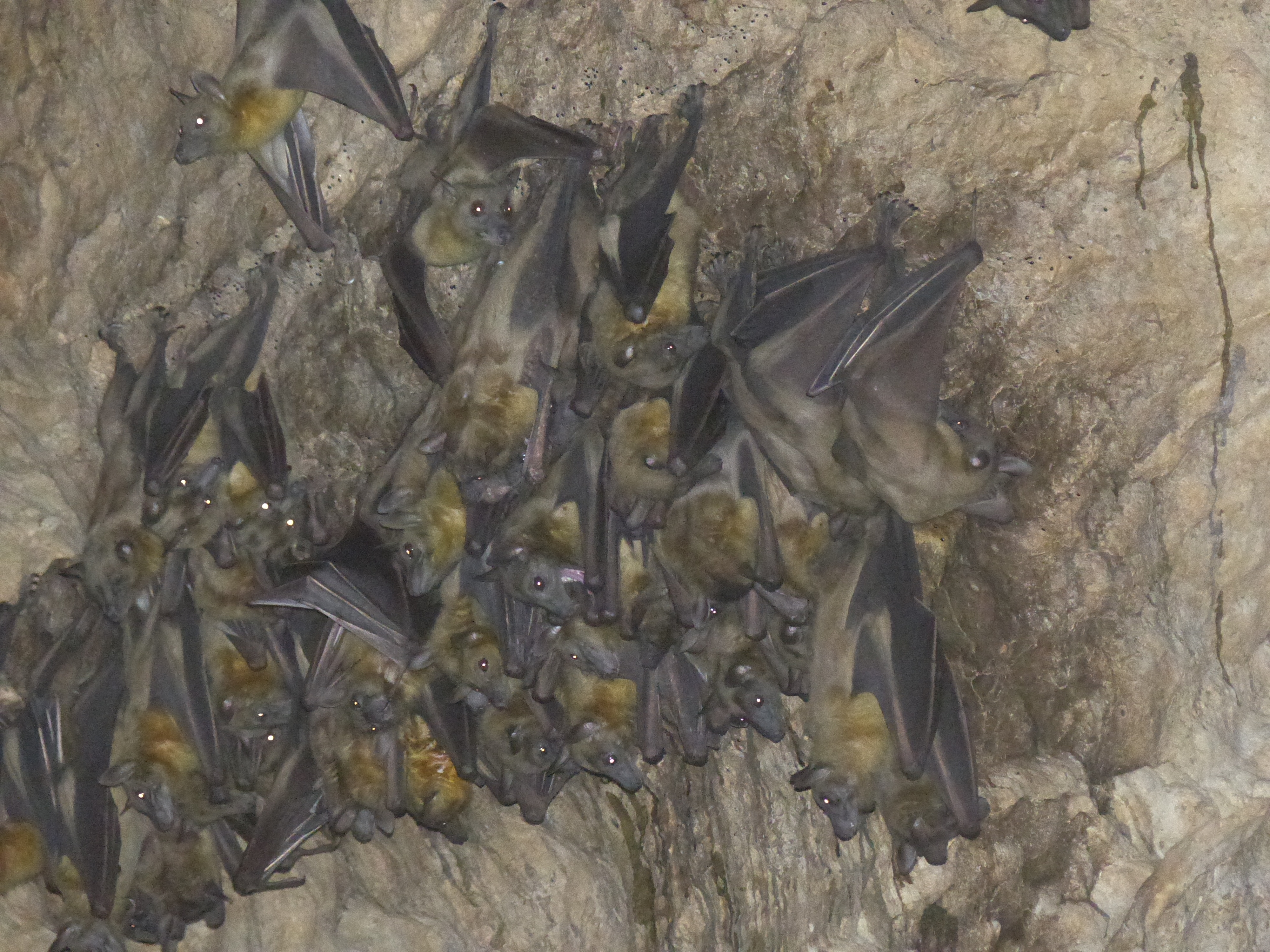
Also on display they had crocodiles, tortoises, some butterflies, frogs, flying foxes and it was the only place where we saw Tenrecs. This little guy is a Common Tenrec.

OLYMPUS DIGITAL CAMERA

Nahampoana …

After a few days at Berenty our long-suffering bus took us back to Fort Dauphin. Along the way we were able to see the Triangular Palms endemic to this region and we also spent a little time in another section of spiny forest.

After a night in Fort Dauphin we visited Nahampoana about 10km north. This is essentially a botanical garden in which native wildlife have found a refuge amongst exotic trees.

OLYMPUS DIGITAL CAMERA

It’s a splendid scene and I’ve done my best to disguise the fact that the Verraux’s Sifakas are sitting in eucalypts. The gardens are well maintained and cover about 50 hectares (approximately 125 acres).

OLYMPUS DIGITAL CAMERA

The animals are fairly approachable, above we have a male Collared Brown Lemur and on sentry duty below is a Ring-tailed Lemur.

OLYMPUS DIGITAL CAMERA

We found a few chameleons, their eyes are capable of the independent movement … you get the most pleasing photos when they take the trouble to look back at you.

OLYMPUS DIGITAL CAMERA

The bird list wasn’t huge but included Lesser Vasa Parrot and our first sighting of Madagascar Blue Pigeon. The gardens hold some Radiated Tortoises and some captive Nile Crocodiles.

Dennis …

Now where was I? Ah yes, Berenty Reserve in the south of Madagascar and by the time we left Berenty we had enjoyed the company of our Malagasy guide for a few days. Dennis had made sure that we got on the right bus, the right plane, made sure we got fed, made sure our bags got to our rooms. In short he had looked after us very well but he had also been our guide in the true sense of the word.

OLYMPUS DIGITAL CAMERA

He had introduced us to the Malagasy world, a world of different customs regarding marriage, the treatment of the dead, fady (taboos). He gave us the chance to see through Malagasy eyes and always with a smile and gentle good humour.

Madagascar life is pretty tough. Most homes have neither electricity or running water. Cooking is mostly done on charcoal, washing is done on the river bank or beside a communal tap. The only power available to most is man power … if you want it somewhere else then carry it or haul it.

OLYMPUS DIGITAL CAMERA

The guy with the sack is carrying charcoal. Hand drawn carts are a common sight.

If someone doesn’t have anything in the bank and little in the cupboard we might say they are living day to day. The equivalent Malagasy saying reveals a deeper layer of feeling … “It is better to die tomorrow than today”.

So what was Dennis’ own story? He was in no rush to tell it but it emerged that Dennis had set out to make something of himself in one area that seemed to offer good prospects by studying English and tourism. How had he financed that? Well, Dennis had sold second-hand magazines to tourists right outside the Hotel Colbert. He had a cousin that worked at the airport who would rescue magazines abandoned on incoming flights and sell them to Dennis. He would tidy them up, do his best to get rid of the creases and head for town. Tourists coming back from the remoter parts would have had no news for a few days and some would buy a magazine.

McGee would never see the pesterers outside the Colbert through the same eyes again.