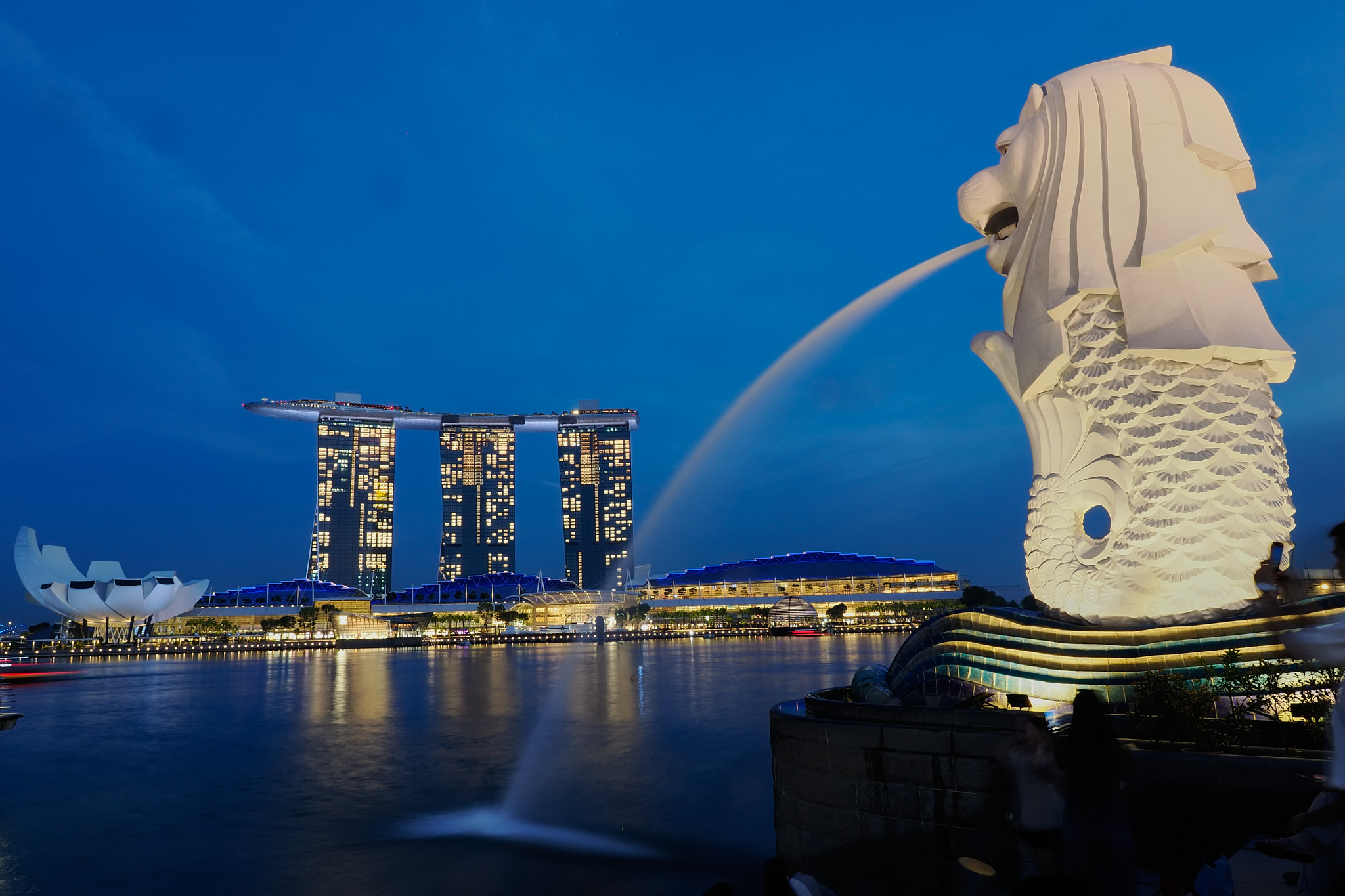
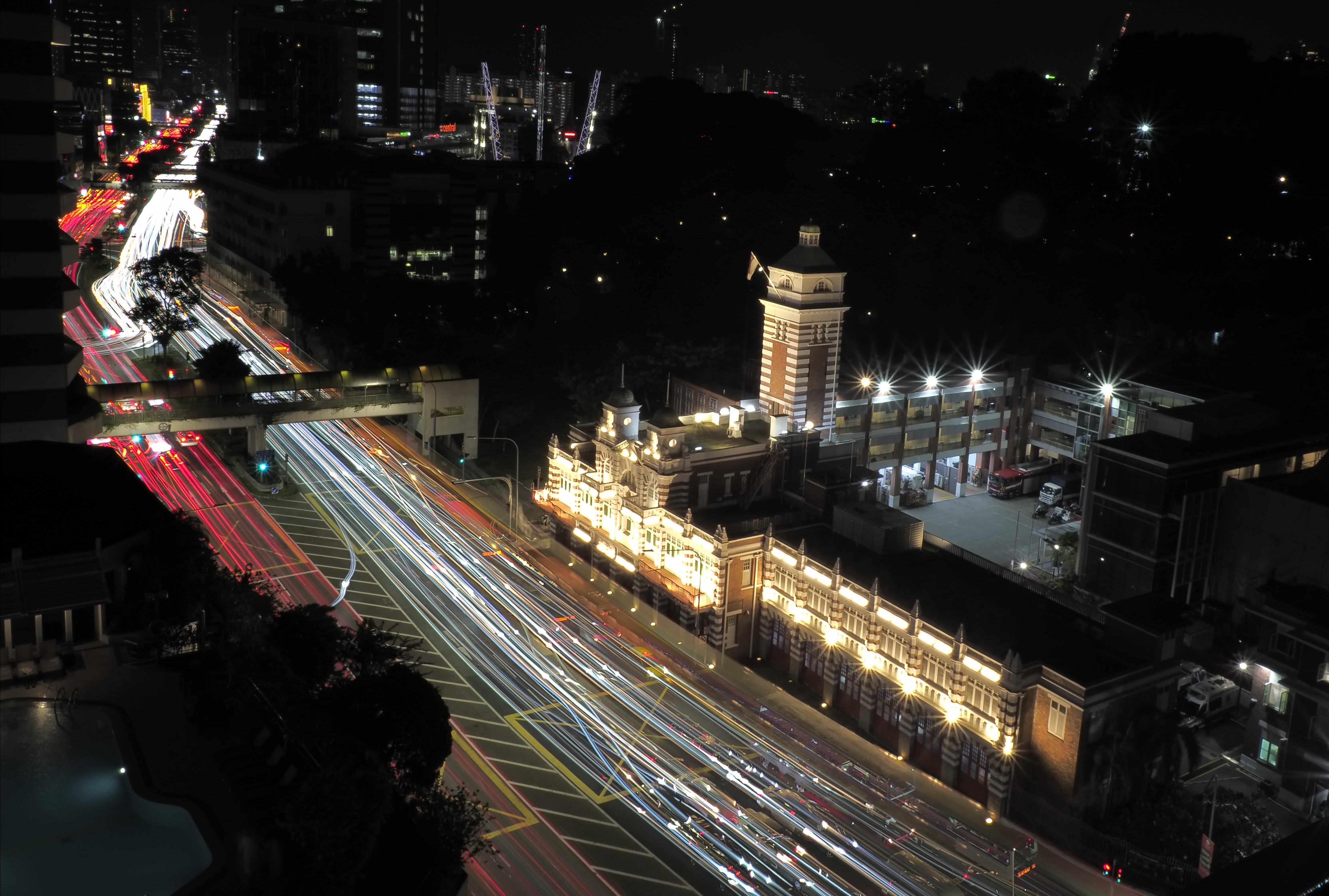
City Lights …

If you fly into Singapore at night you cannot help but be impressed by the lights of hundreds, perhaps thousands, of ships at anchor off the south coast. Singapore became what it is because of where it is. It sits at the bottom of the Malay peninsula at the mouth of the Strait of Malacca which connects the Indian Ocean to the South China Sea and the mighty Pacific. It has been important to seafaring folk since ancient times.

In more recent times the Portuguese and then the Dutch dominated trade around the Malay peninsula giving the Brits a rather hard time. The Brits of course had India and a rather lively trade with China. In 1819 Stamford Raffles by great acts of statesmanship (shorthand for bribery, corruption and threats of violence) founded a free port on the Singapore River. It got off to a flying start. And it’s still flying high.

When I first came here it was a city in transition. Modern high rise along side colonial architecture, shanties along the river bank, junks and bumboats on the water, roadside hawkers. The hawkers are now nicely accommodated in Hawker Centres, the shanties are gone. No one has lived on the river since the Clean up the river campaign of 1983. Now it is a very clean, very modern Asian melting pot reflecting rapid and recent immigration. 75.9% of the citizens and permanent resident visa holders are ethnic Chinese, with ethnic Malay and Indians comprising 15.0% and 7.5% respectively. There are no tent cities of the homeless. You will not be offered a baggy on your way into the park. Crime is remarkably rare. If you stand outside the metro station looking at your phone someone will soon ask you where it is you want to go and point out the way. Children give up their seats to adults on the train. Adults give up their seats to the elderly. English is the language of public communication and, the very pinnacle of civilisation – they drive on the left.

The total area of Singapore is considerably less than either Melbourne or Sidney and at ~6 million the population is considerably more than either. It is densely populated.

Most people live in high rise apartments. 90% of apartments are privately owned on a 99 year lease basis. A compulsory savings program akin to Australia’s Superannuation scheme exists and can be applied to purchasing an apartment. Hence the high level of home ownership. 

To buy a car you must first purchase a Certificate of Entitlement. They are sold at auction every two weeks, with the government controlling the number of certificates for sale. Set aside at least $100,000 for a small car $150k for a luxury vehicle. Then you must purchase the vehicle.

For a typical income earner on about $70k the Singapore Mass Rapid Transit, henceforth the MRT, is looking like an excellent option. And it is indeed quick, clean and cheap. It is hard to travel more than 40km in any direction without falling off the edge in any case.

I hope to avoid living in a big city for the rest of my life but if I had to I’d choose Singapore over London, New York or Paris (especially Paris).

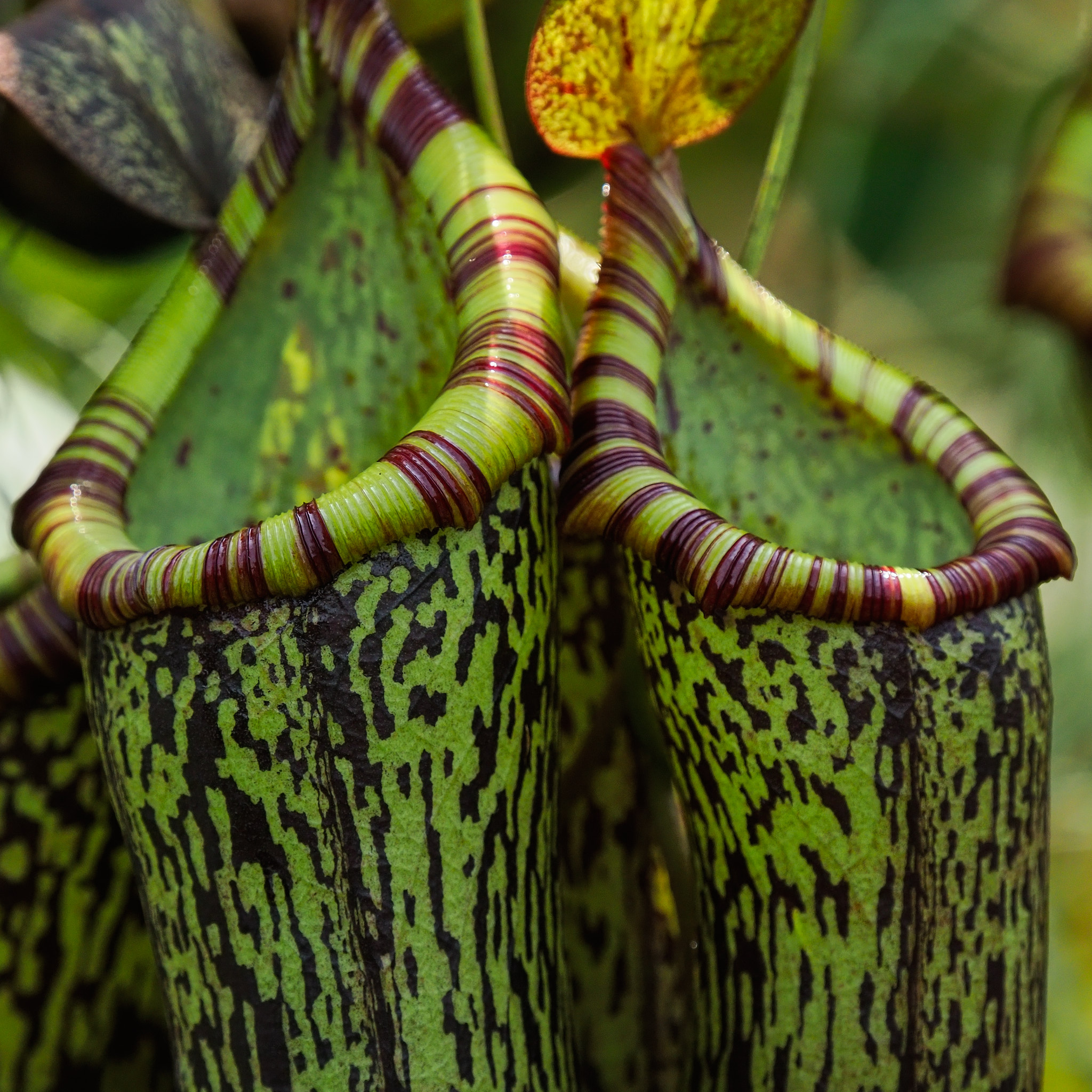
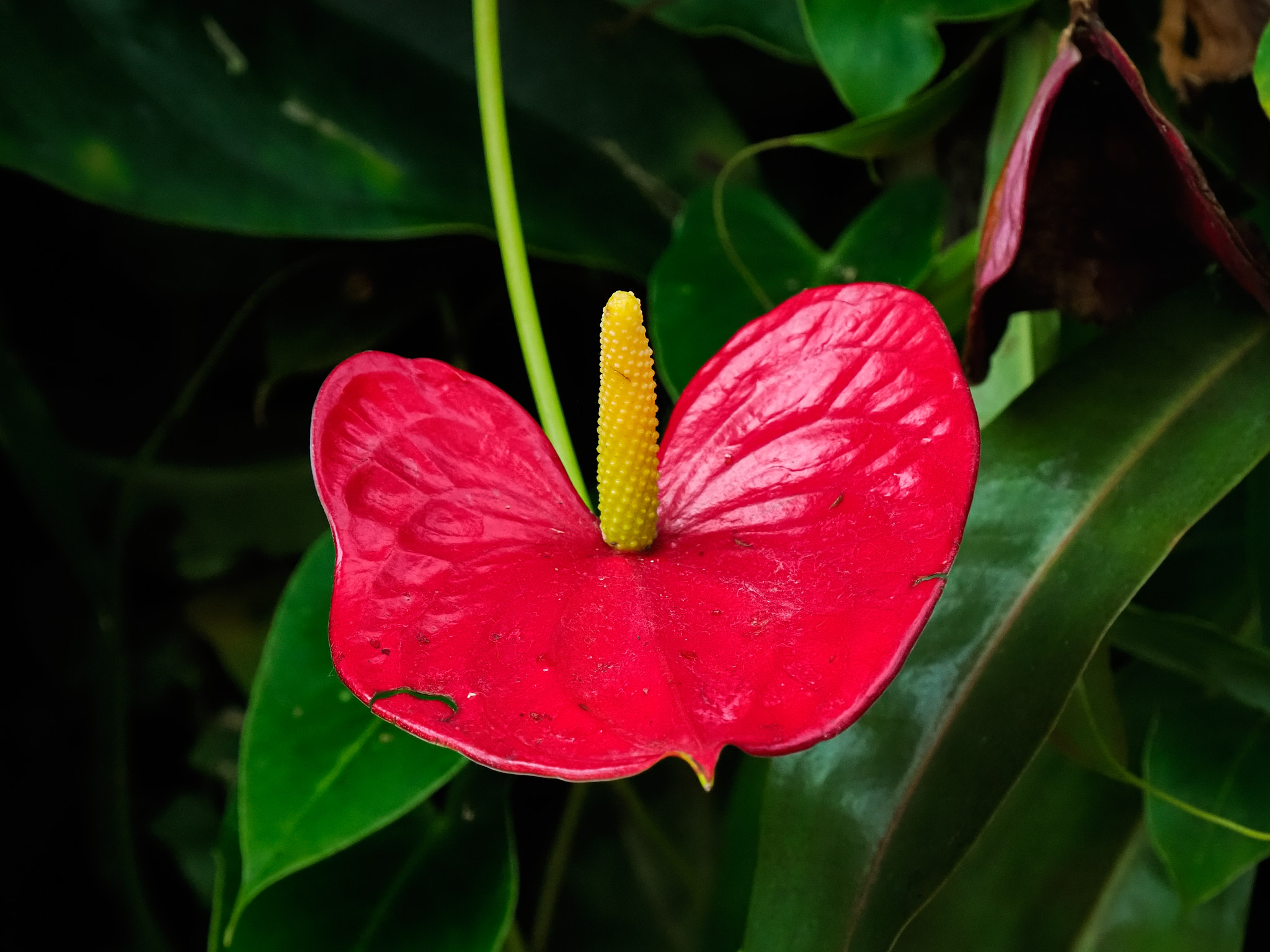
What I do like about cities, though, are the lights …

Rain delayed play …

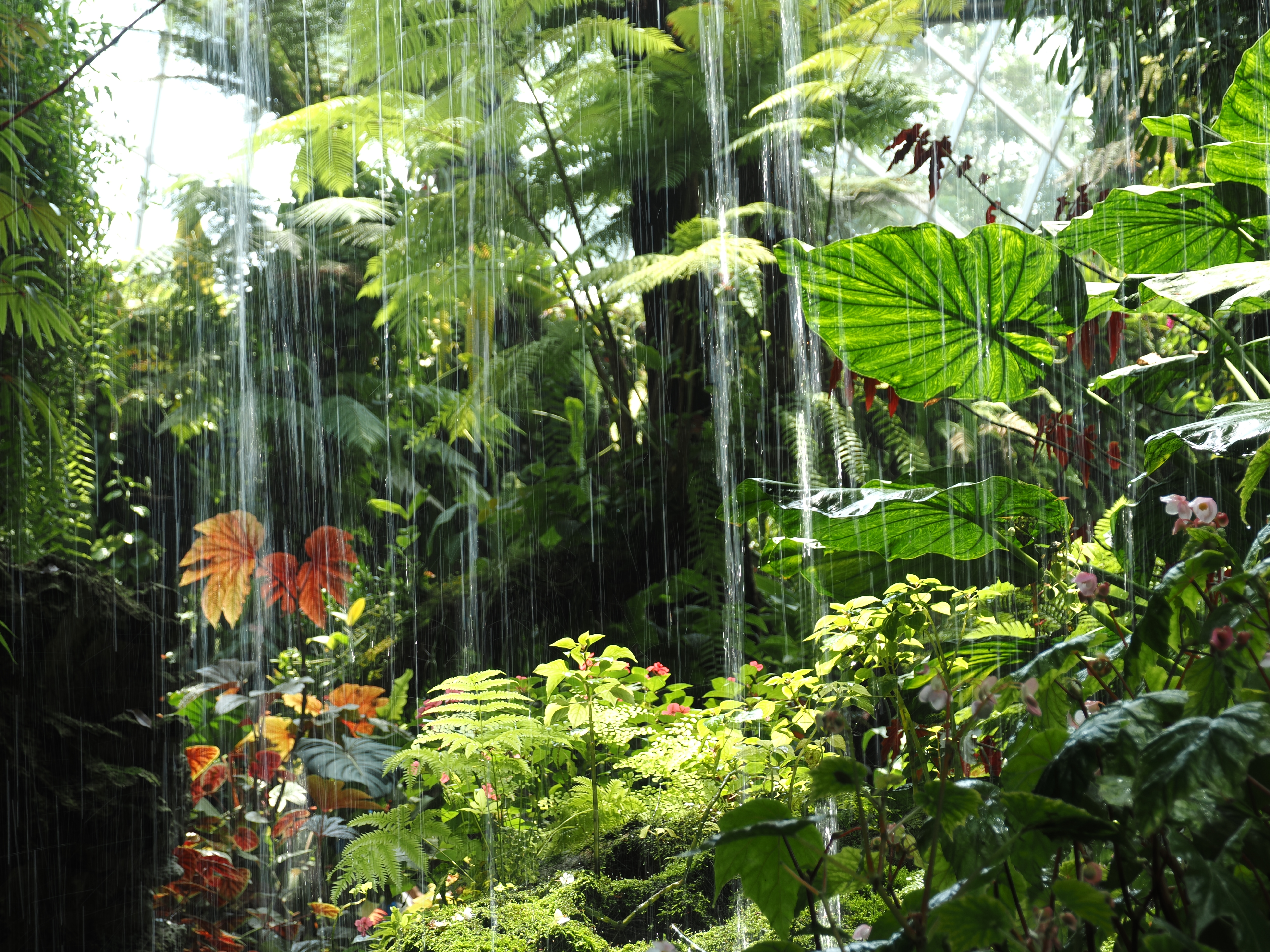
Last full day in Singapore, 7 am, and it’s raining. And boy, does it know how to rain. We have been lucky. Most mornings have been dry, afternoons not so much. Only once have we been soaked to the skin despite our umbrellas. Rain, of course, is the reason the city state is so green.

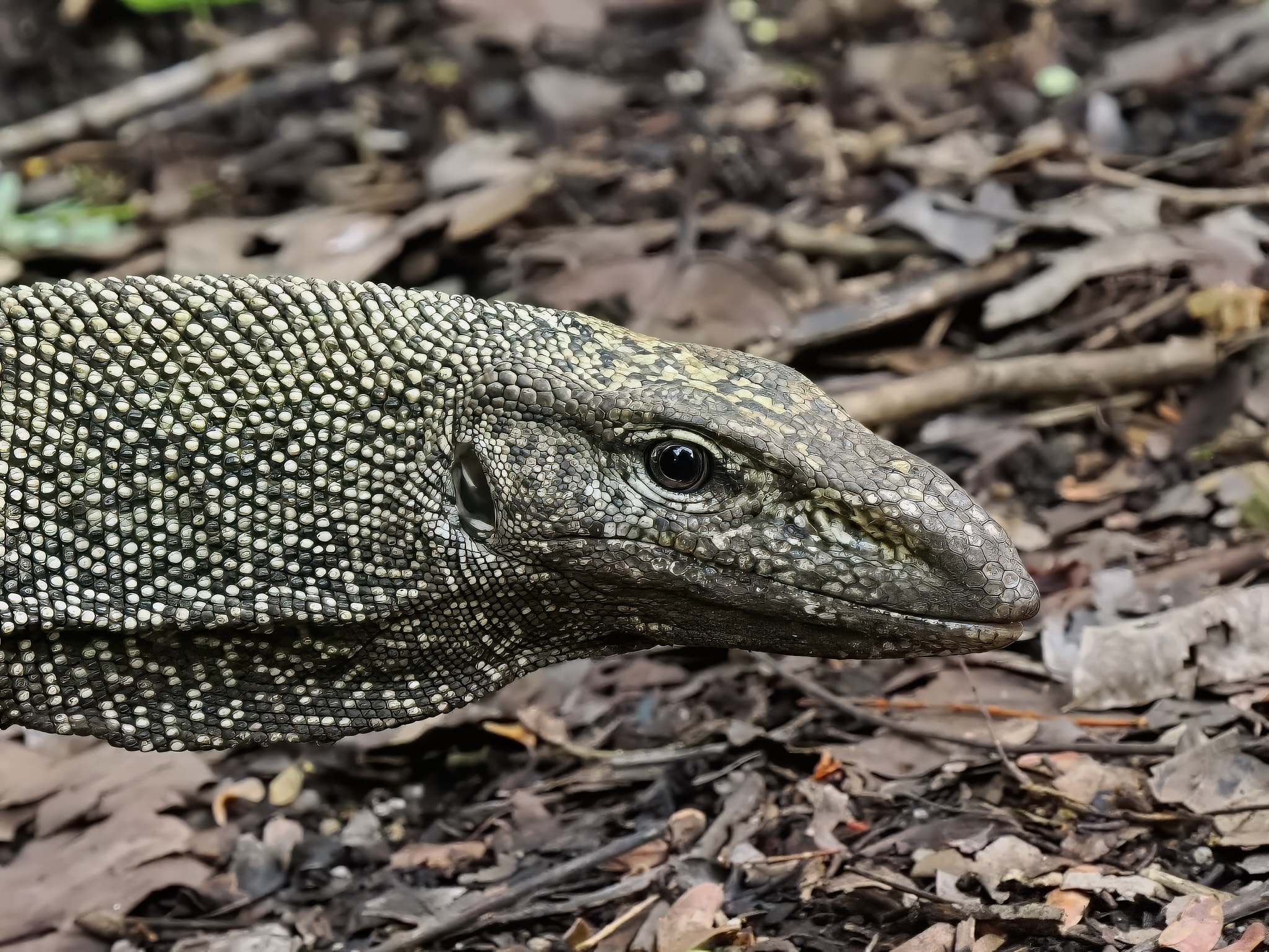
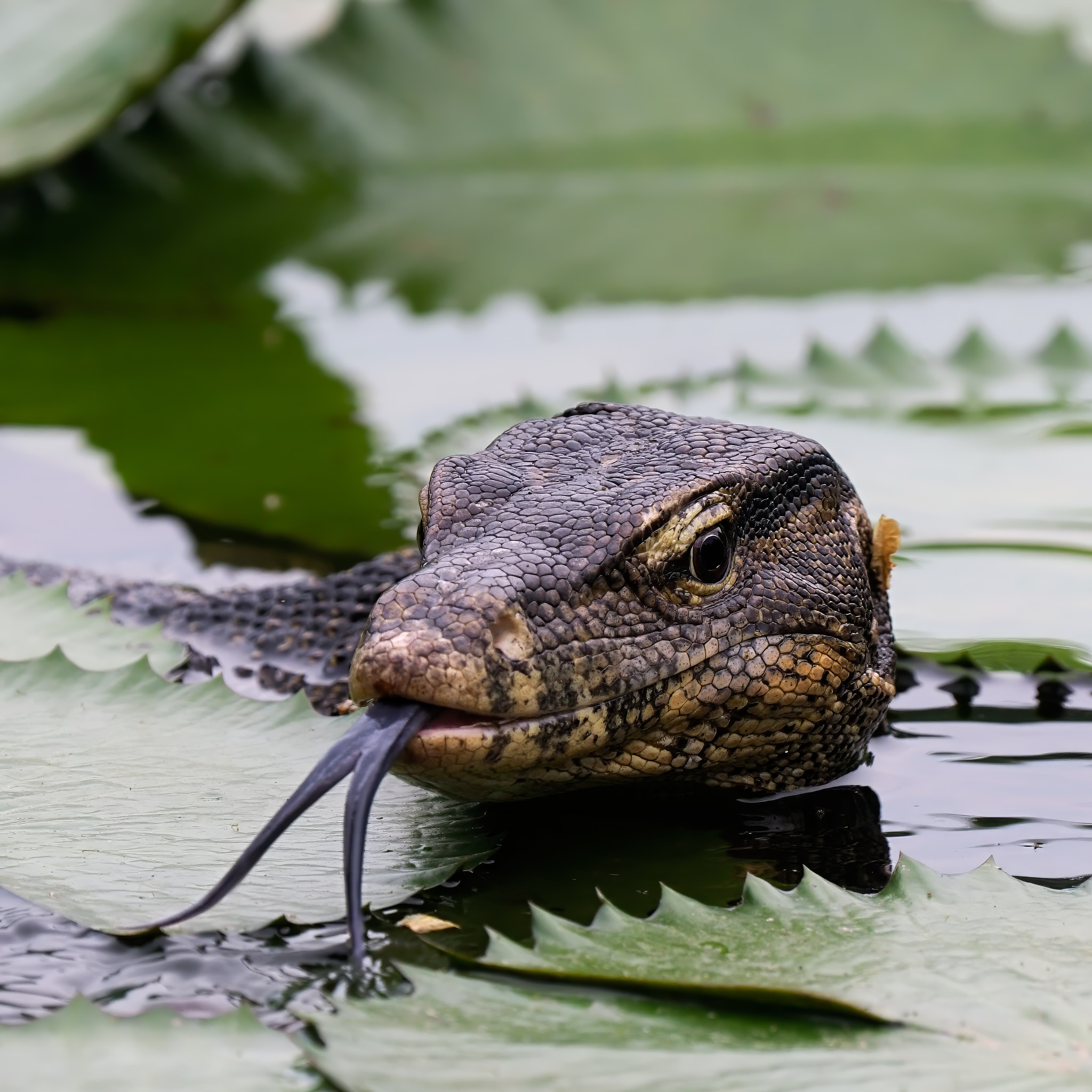
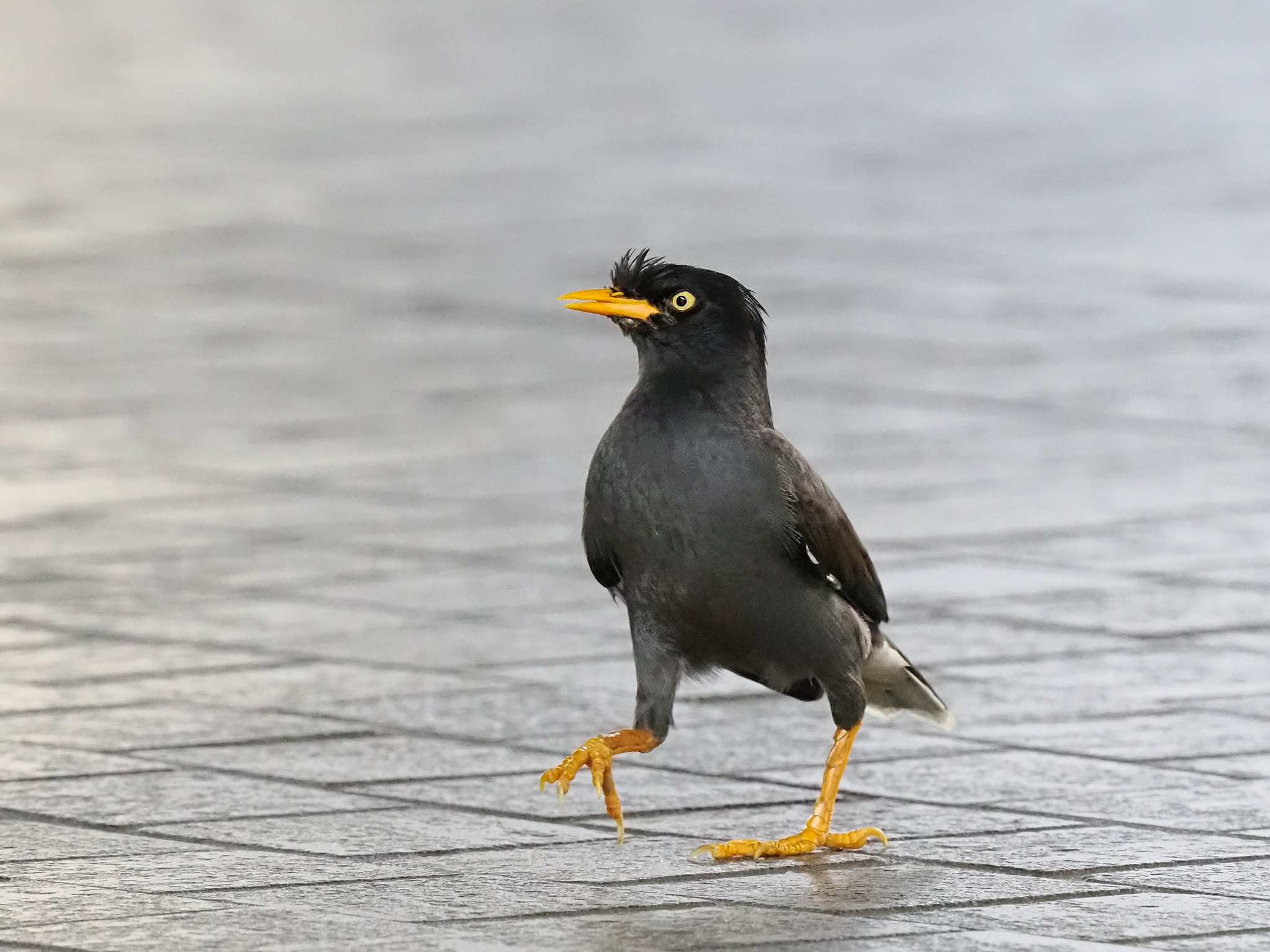
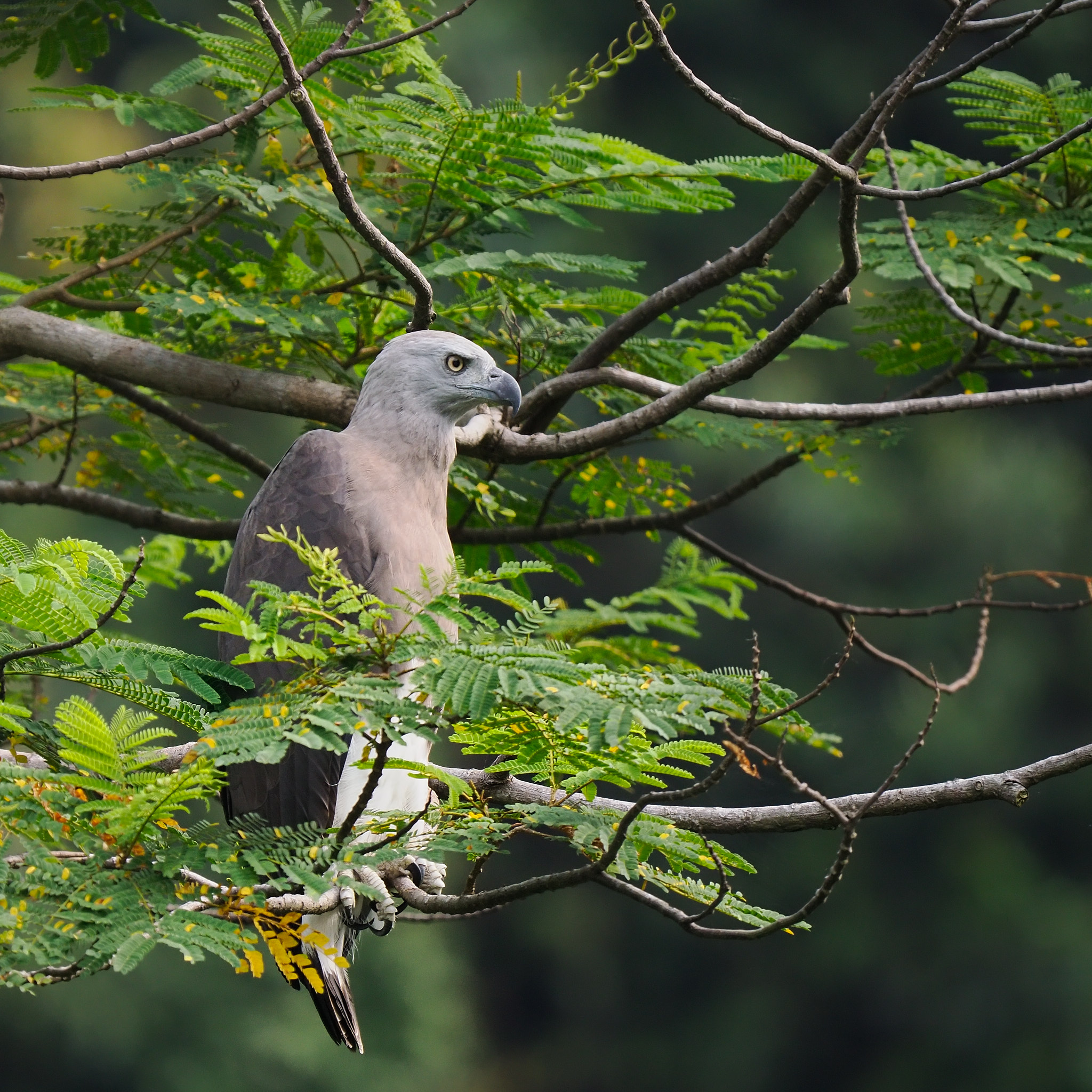
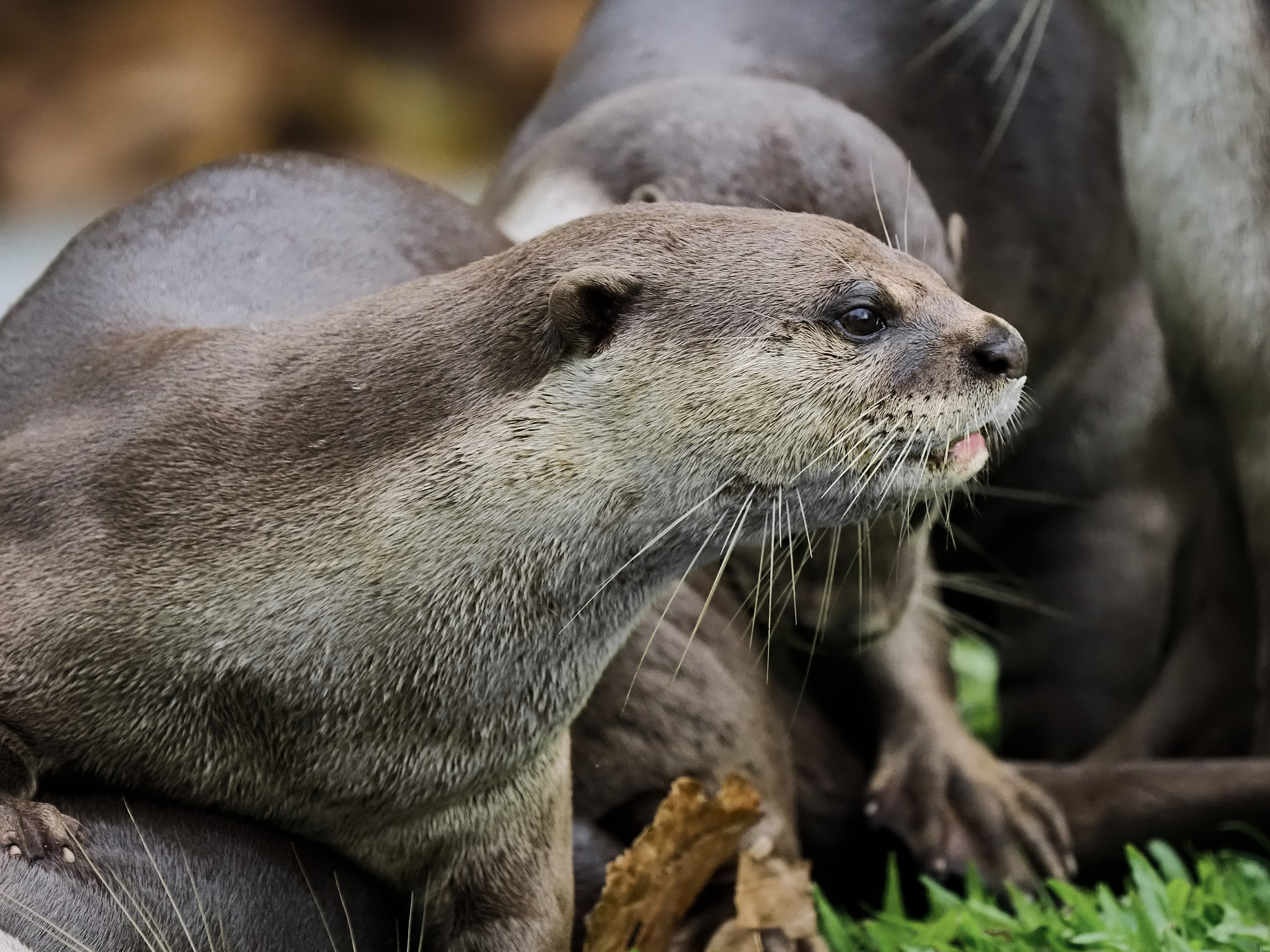
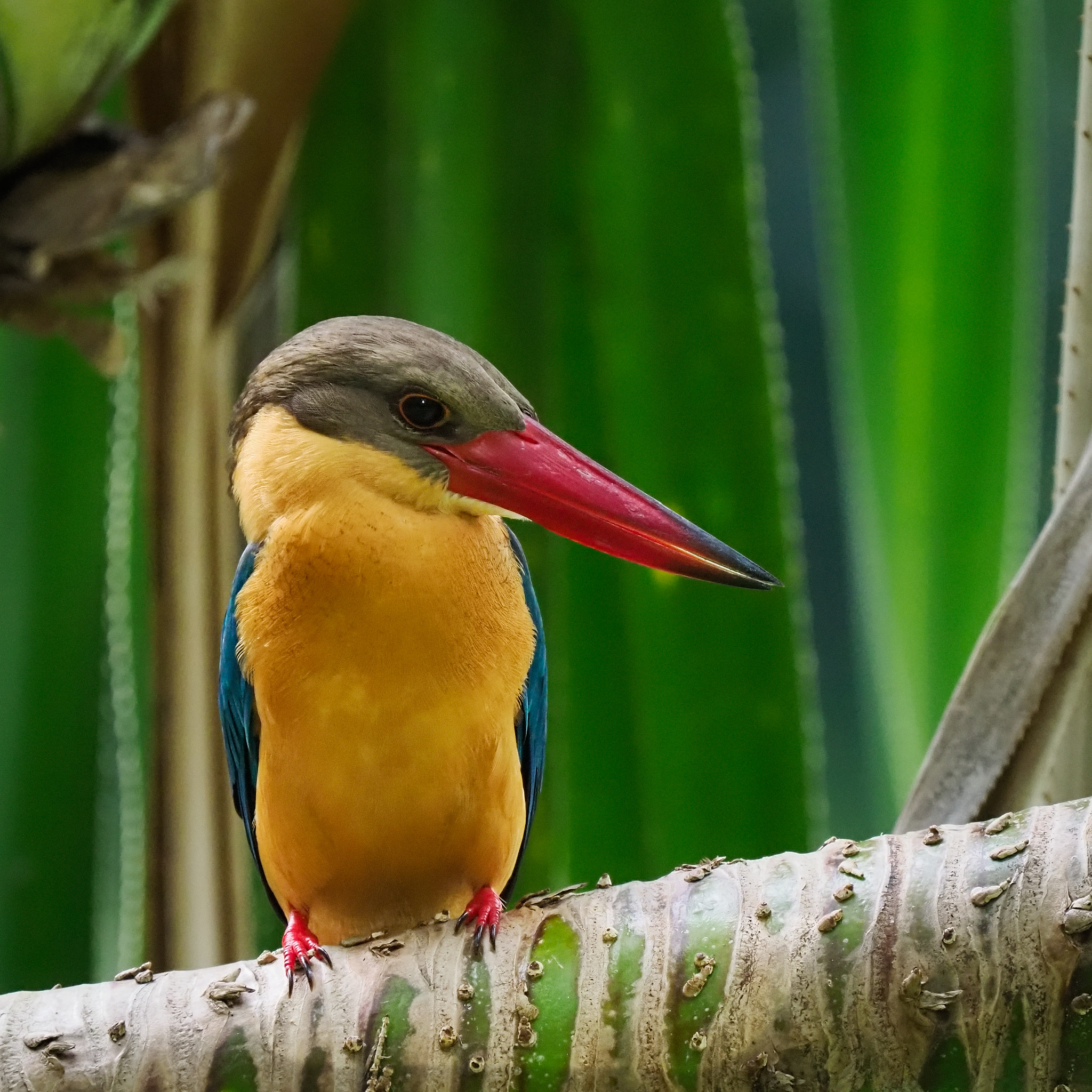
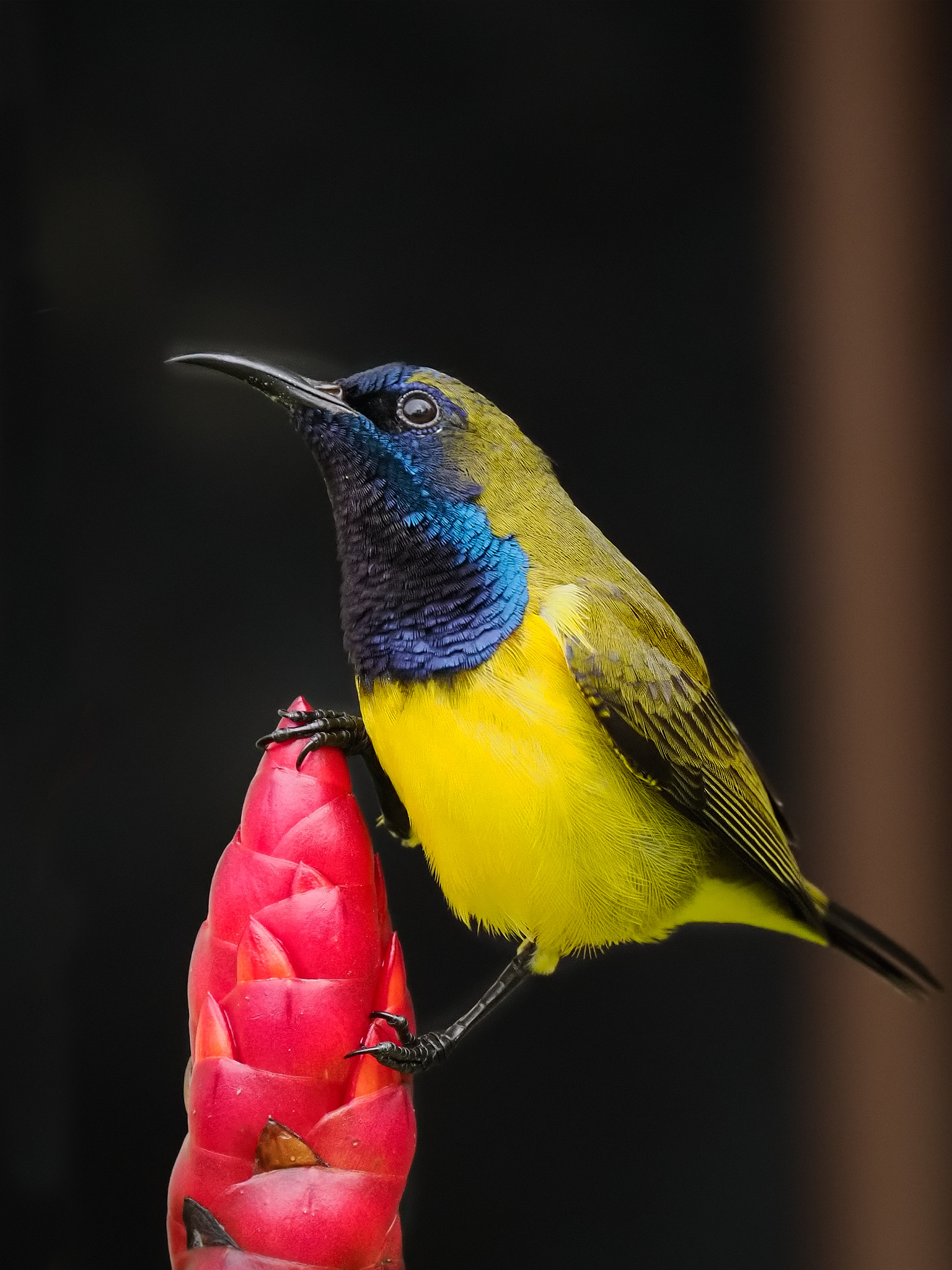
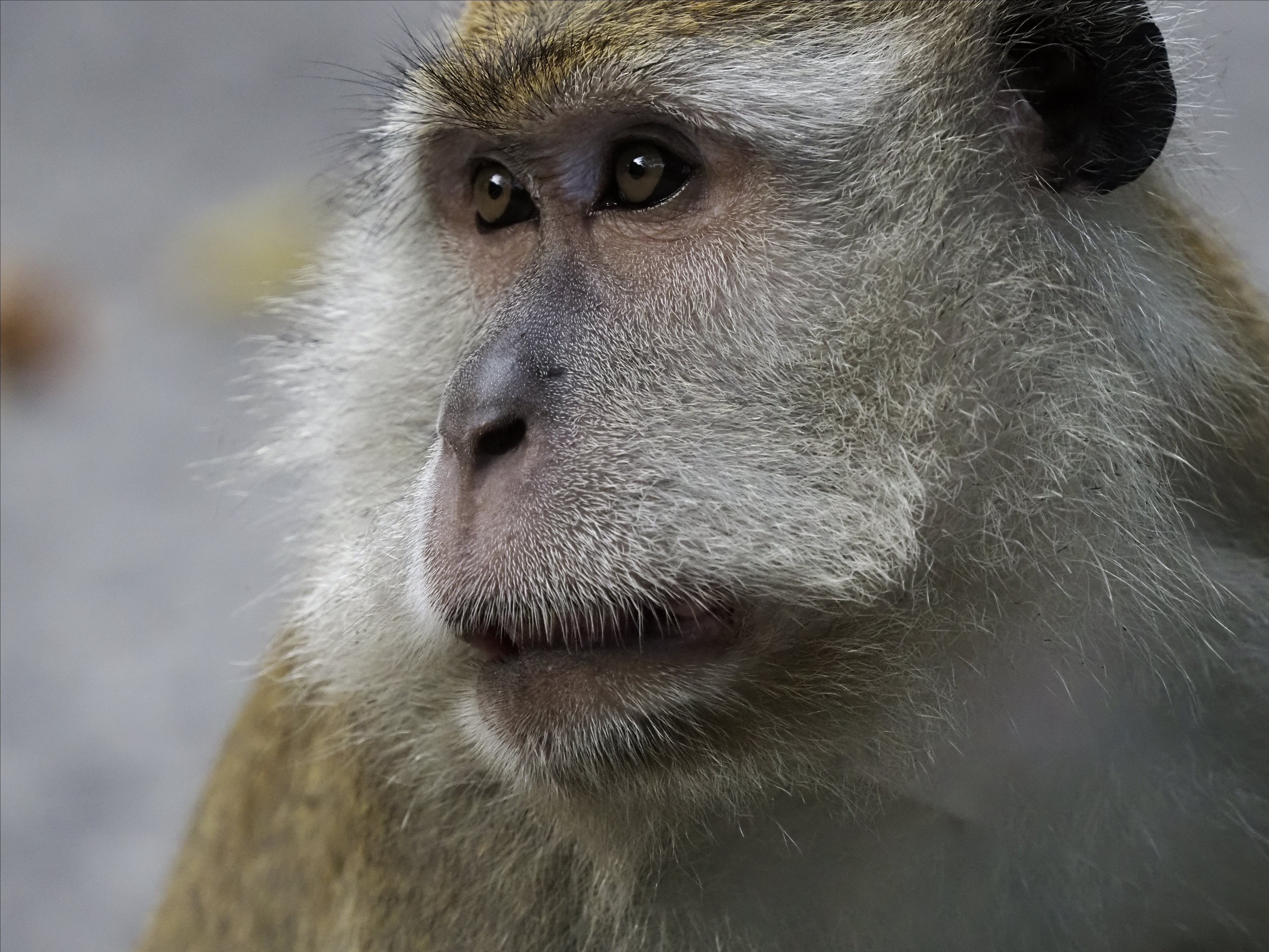
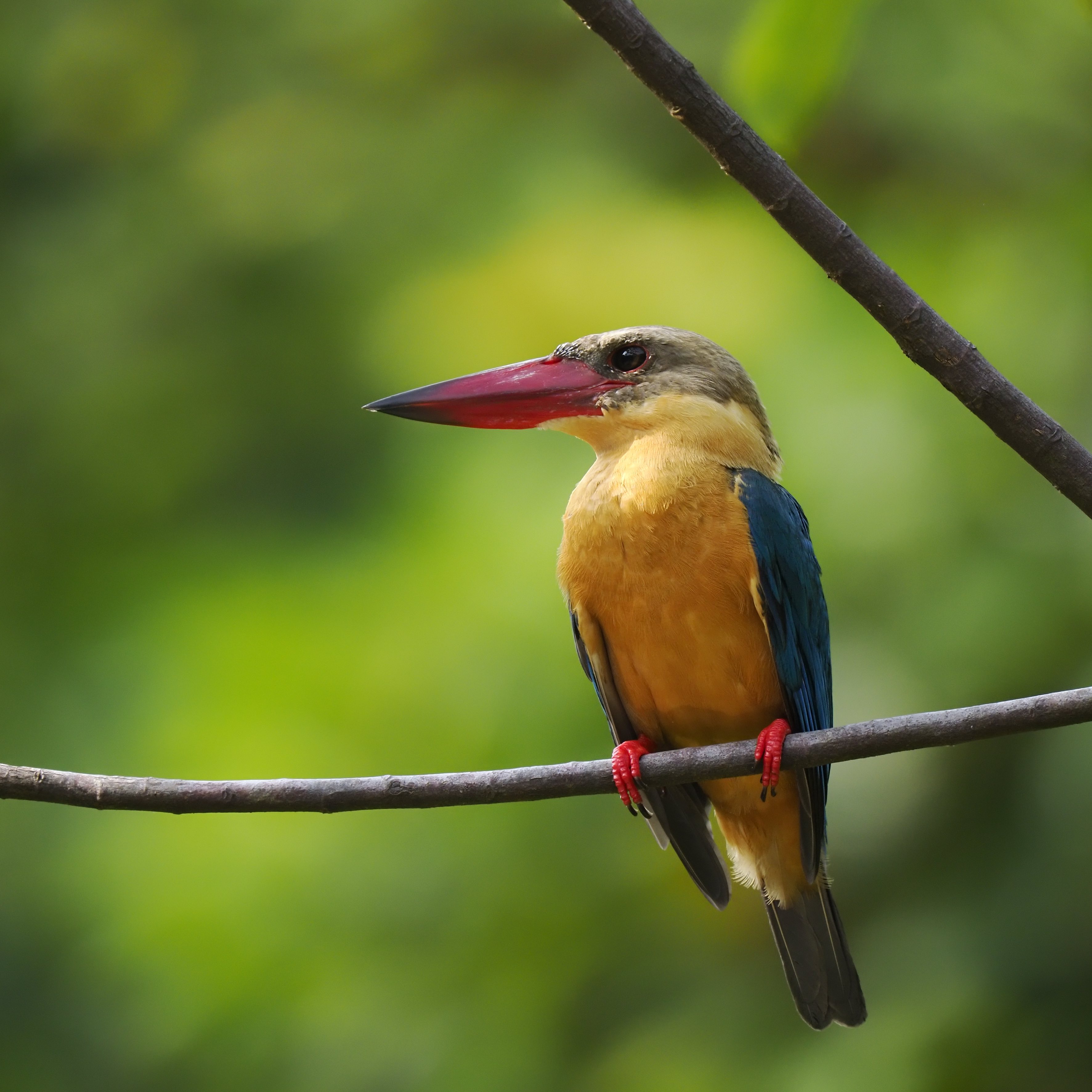
The birding has been fascinating. Forest birding is always tough, throw in the lack of familiarity with Asian birds and the list takes a while to grow. On the other hand novelty always adds spice. Here is a taste, more when I get home and start editing …

Singapore …

I grew up in London. That helps with the culture shock. It also helps with traveling via the MRT. Singapore is a big bustling modern city. The sort of place I usually try to avoid. The population is a whisker shy of 6 million or about 7,595 people per square kilometre. Compare that with Australia where the population density is about 3 people per square kilometre when taken as a whole (less than one in WA where I live).

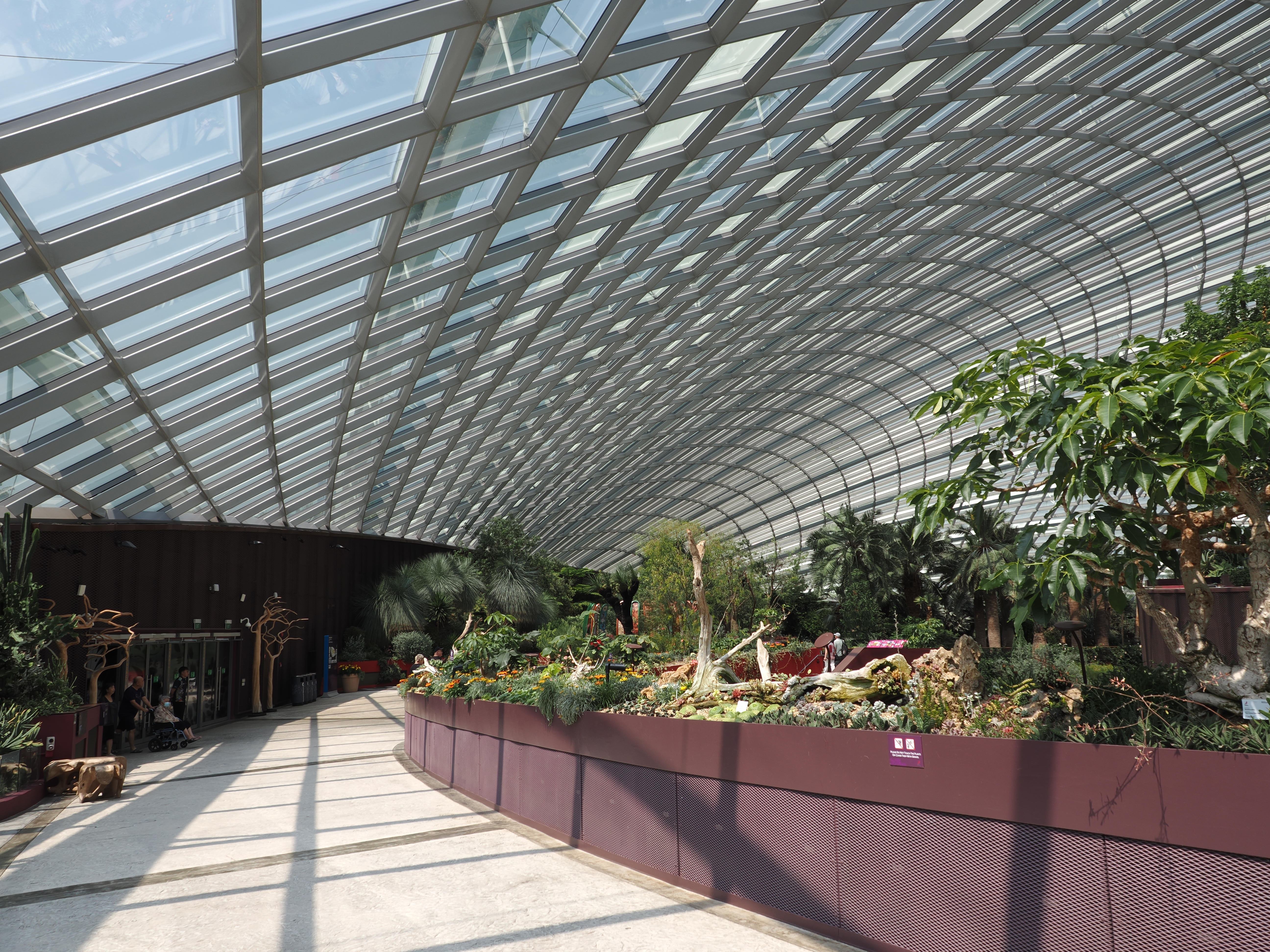
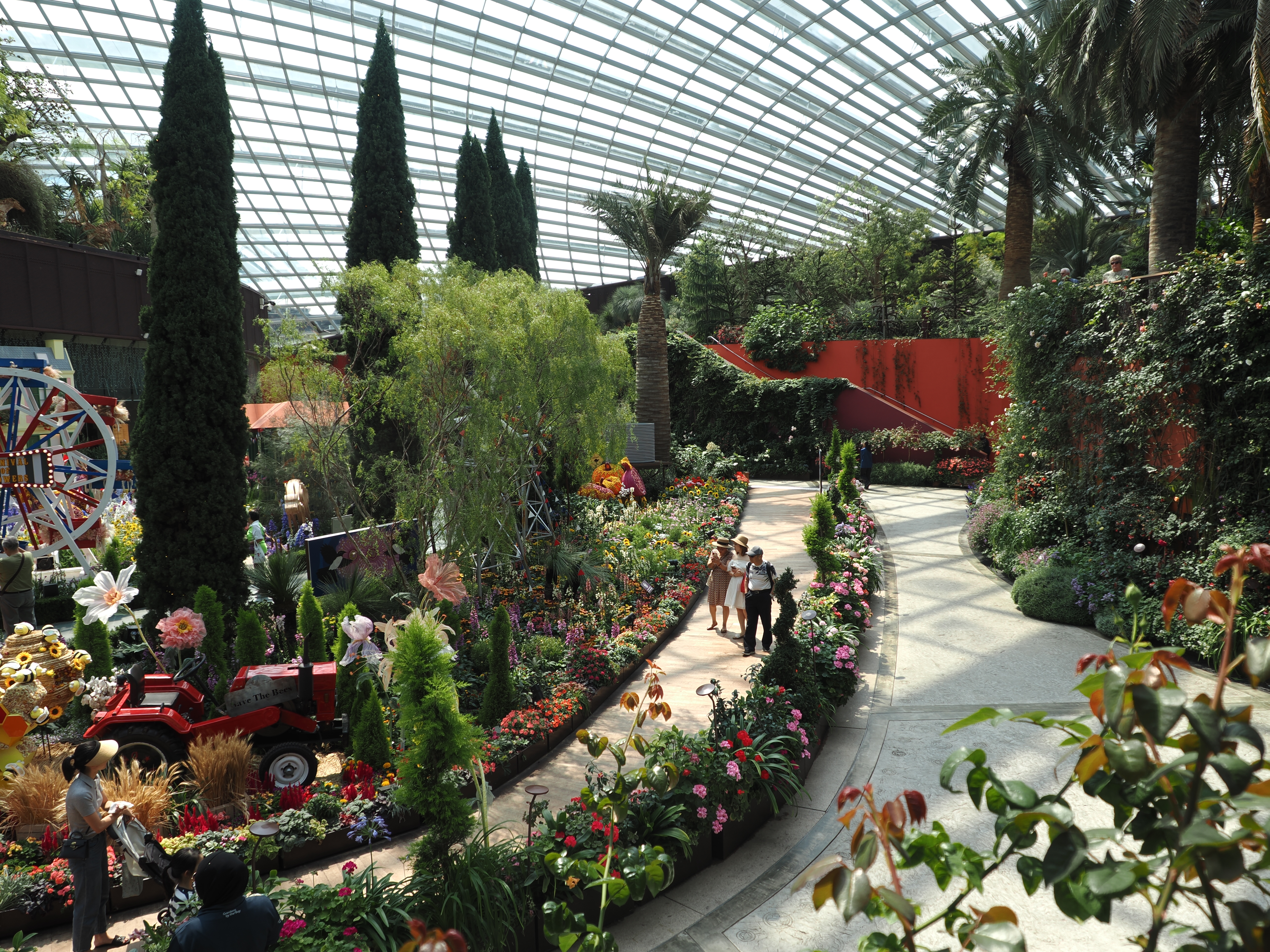
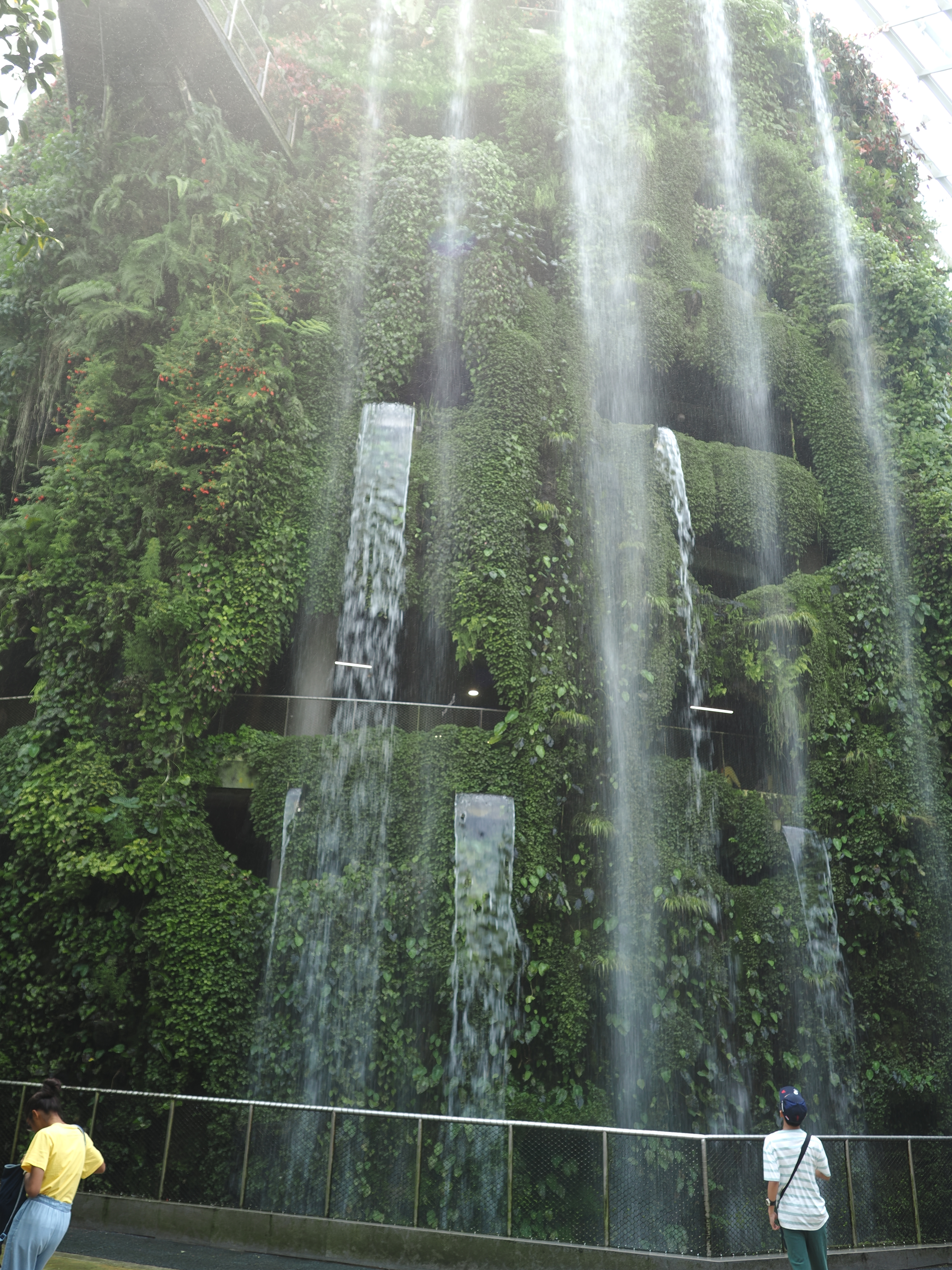
It’s a wonder that any wildlife survives here at all but there are some wonderful parks and a great effort has been made to clean up the water ways. Green has been inserted everywhere that it will fit.

Darwin …

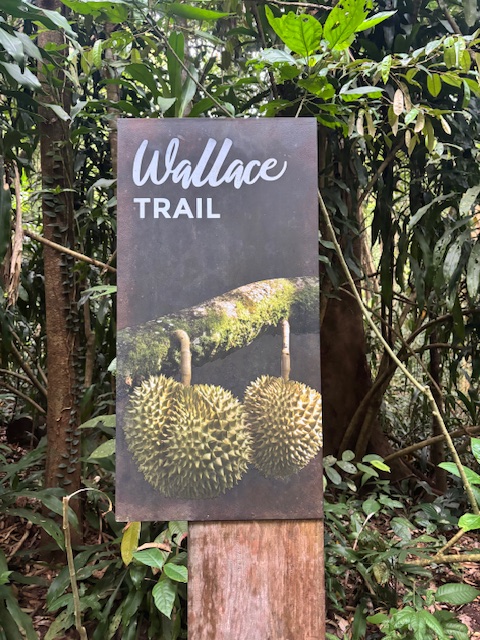
Not Charles, the city, although it does have a Charles Darwin University and a Charles Darwin National Park. The latter serves mainly for the conservation of biting insects. Avoid Sandfly Point at all costs. I’m en route to Singapore where I hope to walk the Wallace trail in one of their fine parks.

I had time enough to do a little birding. One highlight was an Azure Kingfisher near Buffalo Creek another was the Chestnut Rail. The dip of the day was the Laughing Gull recently seen at Mindil Beach. I wonder where it is now.

I will post the odd snippet as I go. If I get any good photos I will elaborate on my return.

A Common Rarity …

Spring has sprung and the migratory waders are back in Roebuck Bay. These are birds that breed in the far north of the northern hemisphere taking advantage of their short summer period of great abundance. The abundance is so great that the hatchlings feed for themselves. That’s a great saving in effort for the parents but at the expense of a long flight to escape the coming winter and capitalise on abundance elsewhere.

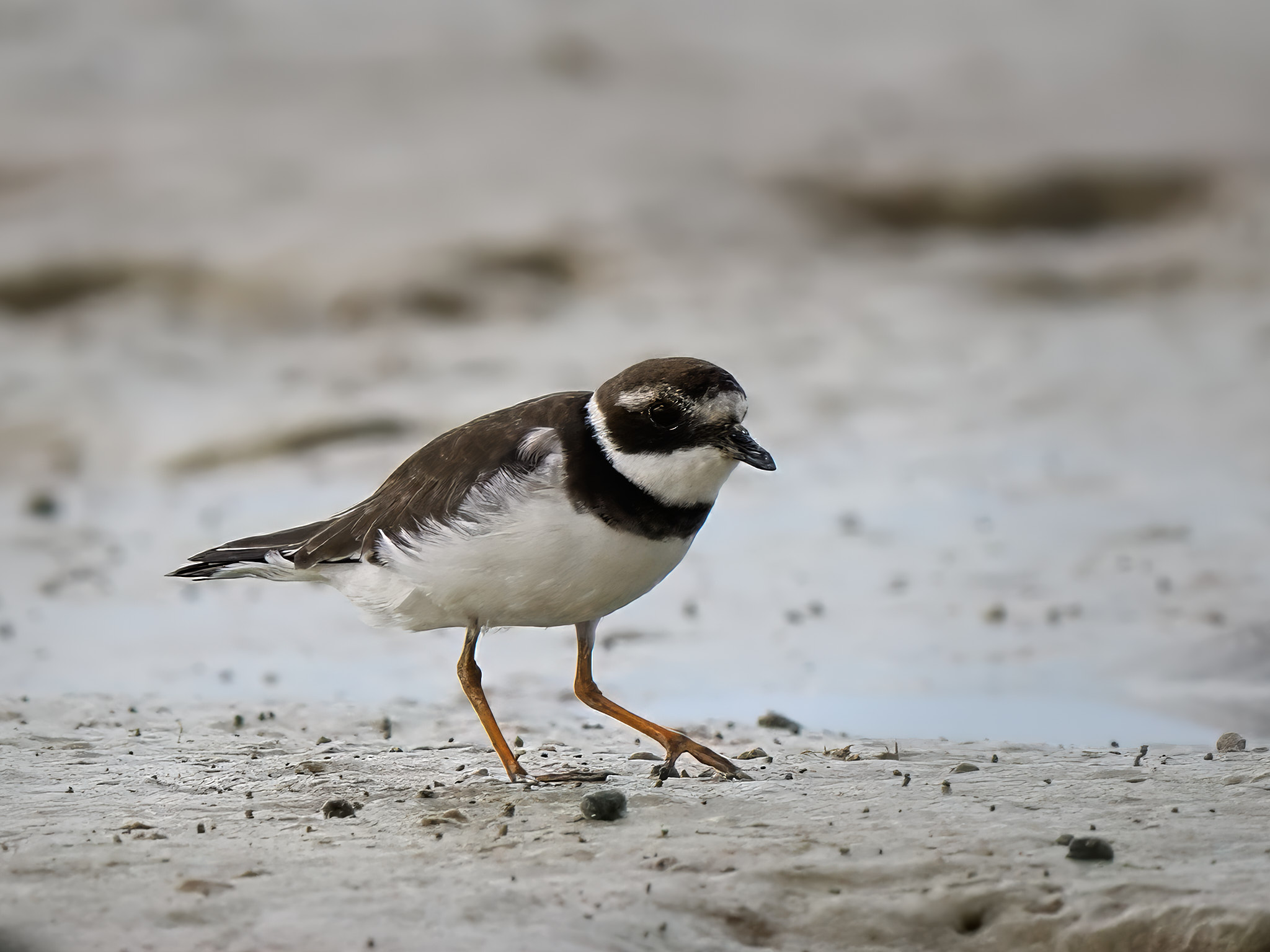
In those species that breed across a range of latitudes those that breed furthest north generally winter further south than those that breed in the southern part of their range. This leapfrog pattern of migration appears to have been brought to science’s attention by J A Palmén as long ago as 1874. One particularly good example of this is the Common Ringed Plover Charadrius hiaticula. Those that breed in southern Sweden or Britain winter in southern Europe whereas those breeding in the arctic mostly take the trip to Africa.

Mostly, but for the last three or four years a single bird has been turning up a stone’s throw from the Broome Bird Observatory in Roebuck Bay. This is presumably the same individual which must make it a leapfrog champion. There have been sightings of Common Ringed Plover further south but they are decidedly rare here in Oz.

I caught up with the Roebuck regular last week …

Sea Snake Update …

Guys, this was your big chance but no, I was not inundated with ID suggestions for the snake with the paddle for a tail. Fortunately there is iNaturalist and the snake now has a certified, research grade identity (drum roll) …

It is, of course, an Olive Sea Snake Aipysurus laevis. It is reasonably common and one of the better studied sea snakes. It feeds on fish, fish eggs and crustaceans utilising a particularly nasty venom. One of its most interesting features is its photosensitive tail. It spends its off-duty moments hidden in holes in rock or coral when it must feel a lot safer knowing that its tail is not sticking out in the sunlight.

More information can be found <HERE>.

Beachcast …

The flattened tail tells the tale. It’s a sea snake. I found it at Broome’s Town Beach. About 31 species are known from Australian waters, not all come to this part of the coast. They are mostly found in the tropics. Most feed on fish and are highly venomous but not aggressive to people. They swim well but cannot slither along on land. They are live bearers which enables to spend their entire lives in the water but they do need to come to the surface to breath. They are closely related to Australia’s terrestrial elapids.

I can’t identify this one to species. About 10 species are known from this area but that doesn’t guarantee that it’s one of them. It has a relatively large head which does rule out a few species. If you can solve the mystery please let me know in the comments.

Windjana Gorge …

I took the chance to spend a couple of nights at Windjana Gorge. This is accessible from Broome via the sealed section of the Gibb River Road and the shockingly bad unsealed Fairfield-Leopold Downs Road. I left the caravan at home rather than shake anything else loose from it and took the trusty AusTent.

The Kimberley is famous for its many, very beautiful sandstone gorges but this one is limestone. During the Devonian, that’s 419 MYA (million years ago) to 350 MYA plus or minus a few minutes at each end, this area was beneath a shallow sea. Lime secreting organisms were busily creating a reef that we now see as the Napier Range. The Fitzroy River has cut through the range giving us Geike Gorge, Windjana is the work of the Lennard River and Barker Gorge owes its existence to the Barker River.

Windjana is in a National Park. There is a campground with flush toilets and showers. No drinking water is provided. It’s a top spot for Freshwater Crocodiles and Agile Wallabies. If you are really lucky you may see a Short-eared Rock-Wallaby. The scenery is spectacular. The bird watching is great.

On previous visits the Freshies were basking out of the water. On this occasion they were harder to find. This may be a seasonal variation. Spot lighting at night soon confirmed that there were plenty there. Early in the morning I found one lying at the water’s edge.

My visit was timed to be close to New Moon. There was a bit of cloud the first night but the second night was clear …

On the way home I put a rock through the sidewall of a tyre. I put on a hat, had a drink of water and set about finding the requisite apparatus. I was about to let down the spare from under the ute tray when a road train pulled up. How was I going? Clearly I had had better moments but in life’s rich tapestry this was no tragedy. The only available Australian answer to the question is Good Thanks. A second road train pulled up. The discussion group had expanded to three, but the first truck driver was now winding down the spare, the second driver asked me to make sure the hand brake was on. By the time I’d done that he was undoing the wheel nuts.

Then the third road train pulled up. The discussion group was now four men and a dog. Me and the dog were the only ones not working. Truck driver number one was jacking the vehicle up, number two had the wheel off the moment it cleared the ground, number three put the new wheel on, number two tightened the nuts, number one let the vehicle down and then wound the injured wheel up under the tray. QED.

Thank you, guys, thank you. Outback truckies are the salt of the earth.

Gantheaume Point …

… is a popular place to watch the sun set over the Indian Ocean. Yesterday was unusually cloudy. A crowd had gathered at Gantheaume Point but it was clear that the spectacle was not going to be up to its usual standard. The sun was visible with fifteen minutes to go but it sank into cloud before it reached the horizon. And the crowd melted away.

Four people and a dog stuck it out to see if the sky would catch. We were rewarded about 25 minutes after sunset.

The Point was named by the French explorer Nicolas Baudin (whose own name is appended to one of our cockatoos) in honour of Honoré Joseph Antoine Ganteaume, a notable French admiral and friend of Napolean.