Lazy Day …

The Thalamakane River is due to arrive in June. Like some inland Australian rivers it depends on rainfall in distant parts, in this instance it’s the highlands of Angola. Meanwhile I can forget about hippos and crocodiles and wander along the river bed with the cattle, donkeys and goats.

Today we fly from Maun into the Okavango Delta. I’ll post when I can. Internet speeds are excellent at the Thalamakane River Lodge. So is the food.

Maun …

Only four letters. How many ways can you pronounce it? So far I’ve heard a lazy two syllable version – mah oon, or make the au a diphthong and say it quicker as a single syllable. Or make it rhyme with lawn. Or from our pilot (white South African from the voice) – Marn. The local who drove us from the airport to the Thalamakane River Lodge said mound without the final D. Should be definitive.

However you choose to say it Maun is in the north of Botswana, the fifth largest town in the country with a population getting on for 66,000. It’s close handy to the Okavango Delta so it’s the unofficial tourist capital of Botswana. Presently it’s dry and dusty.

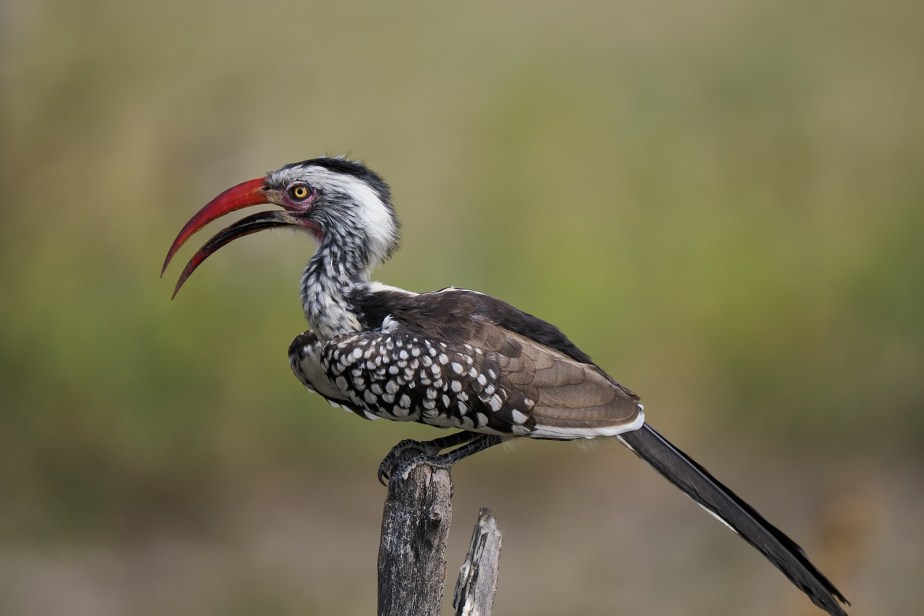
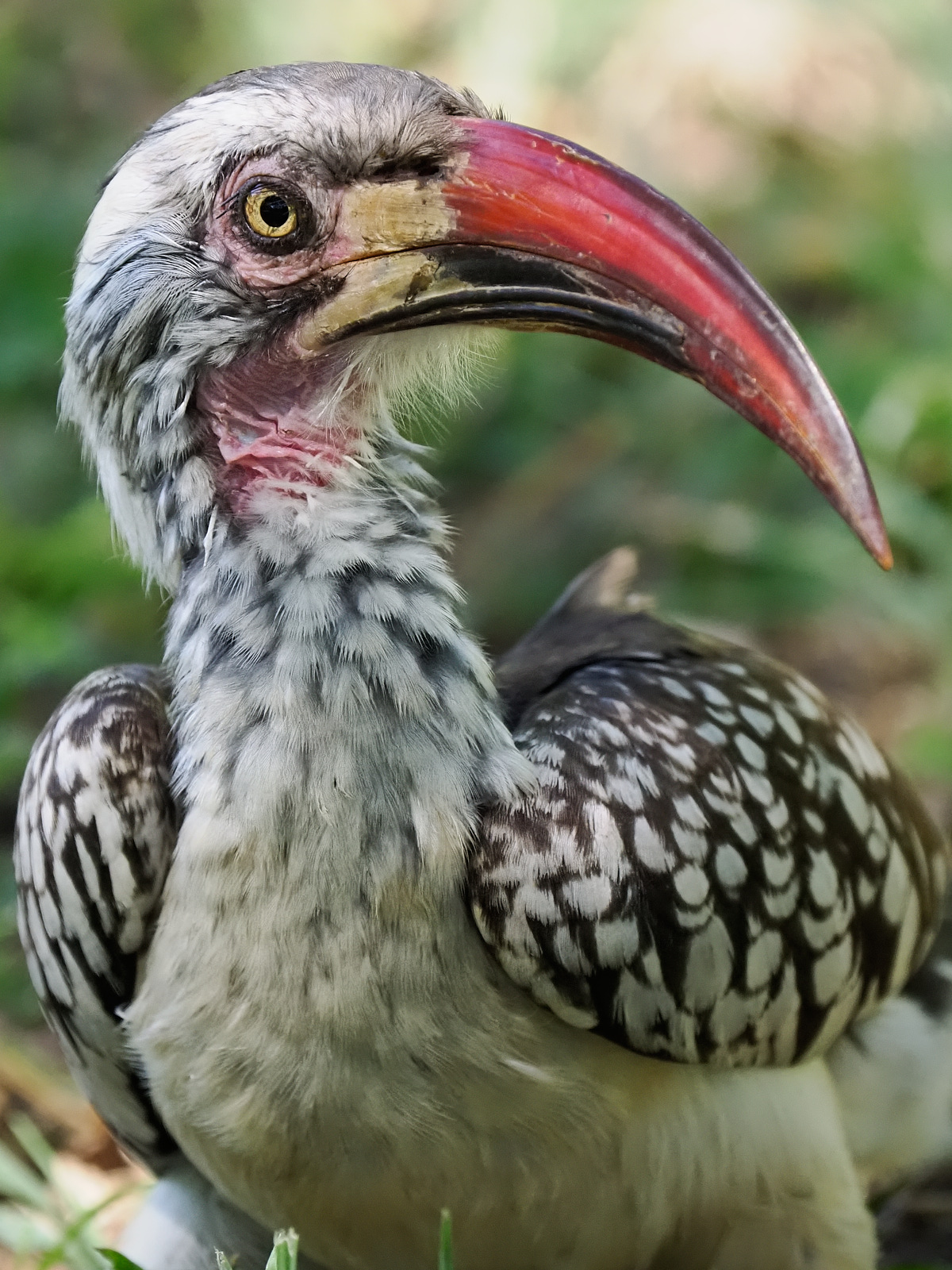
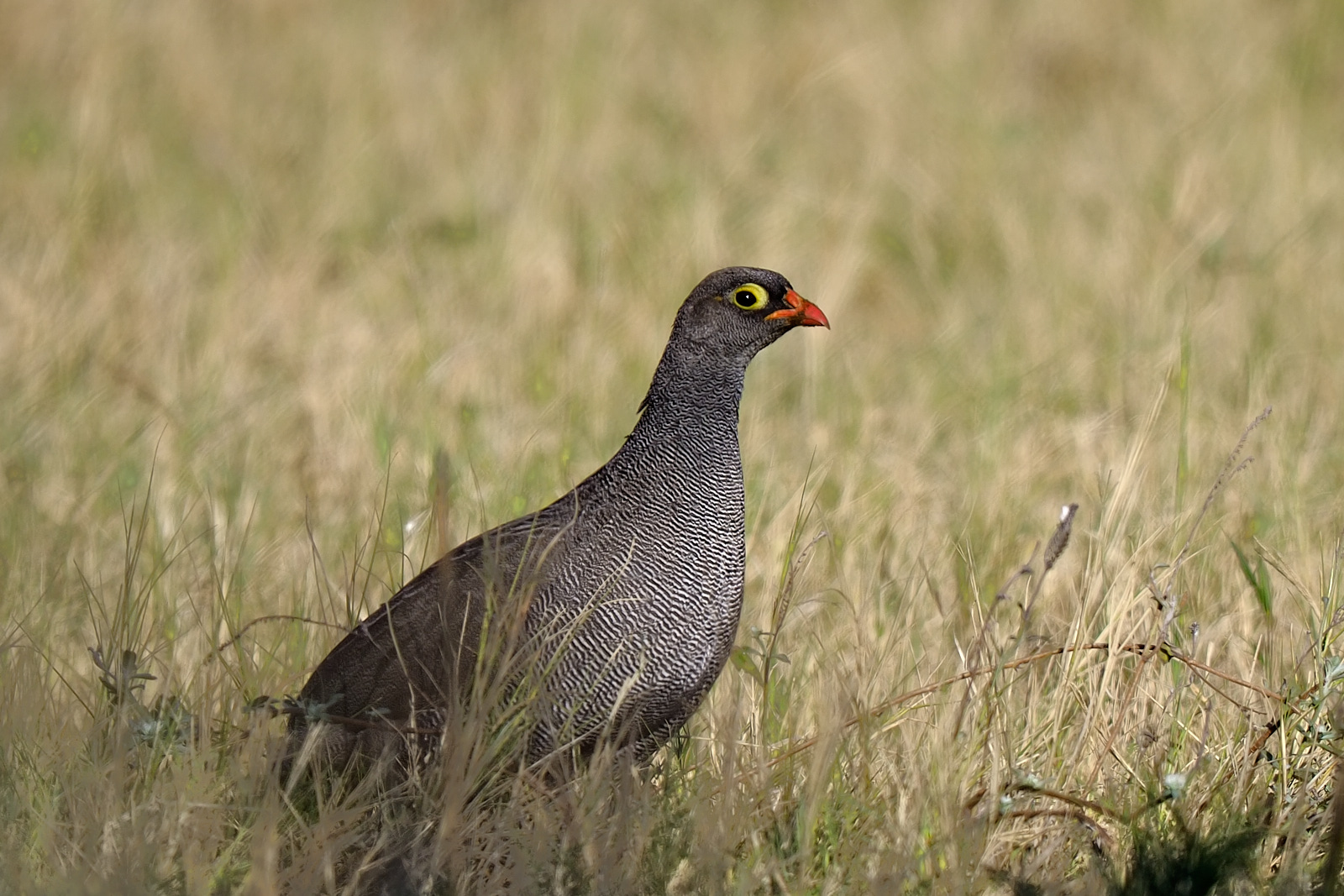
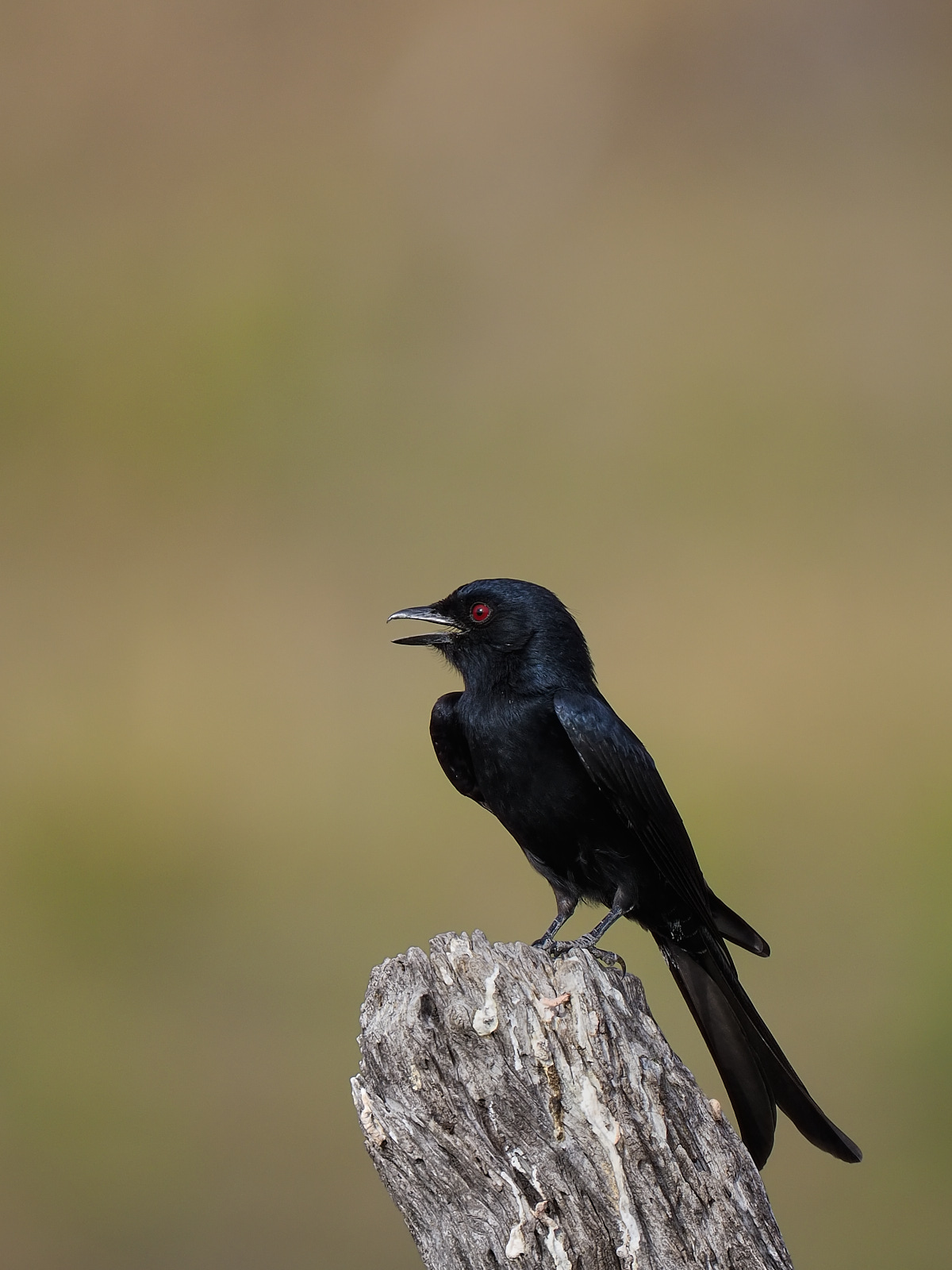
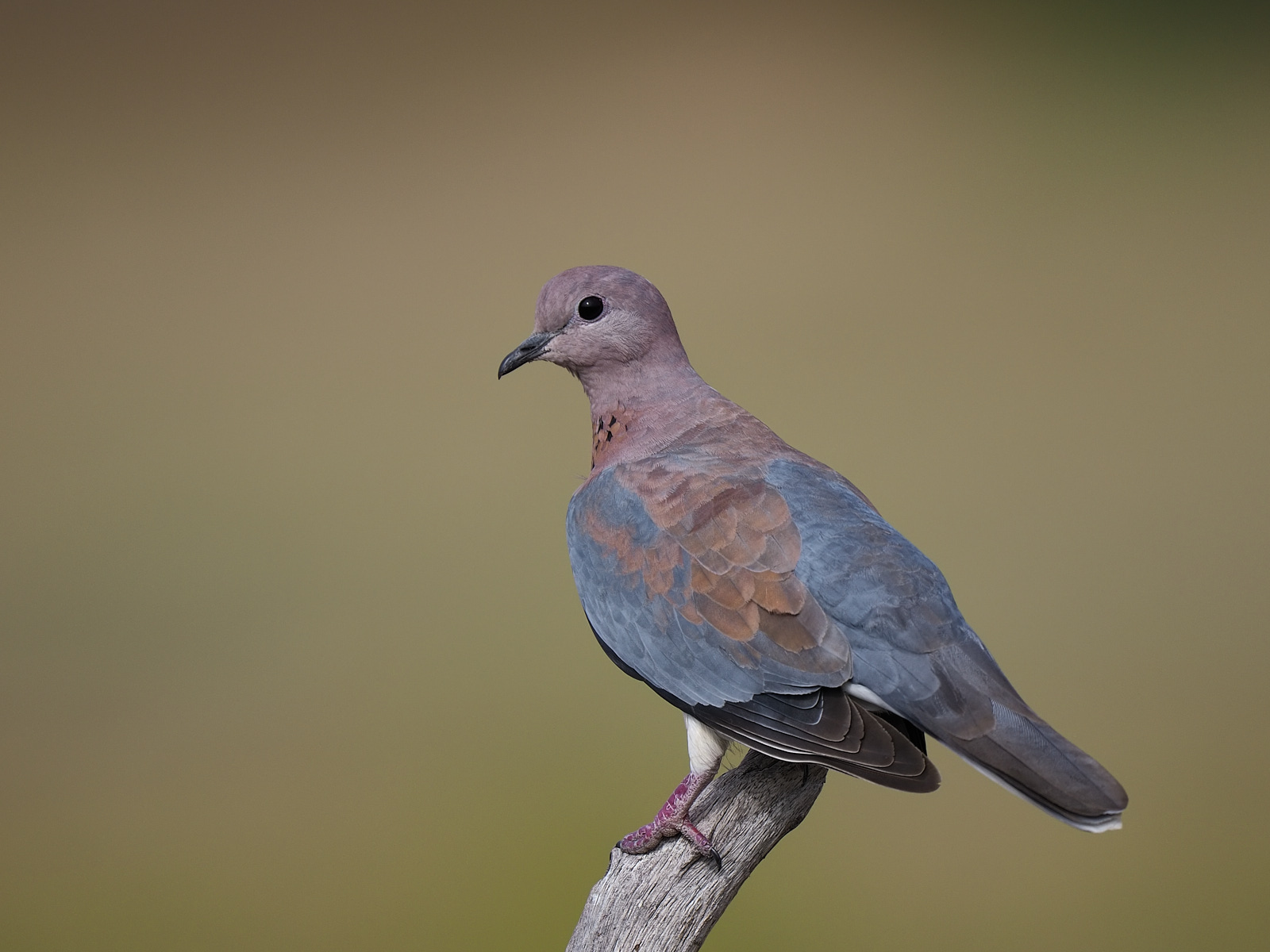
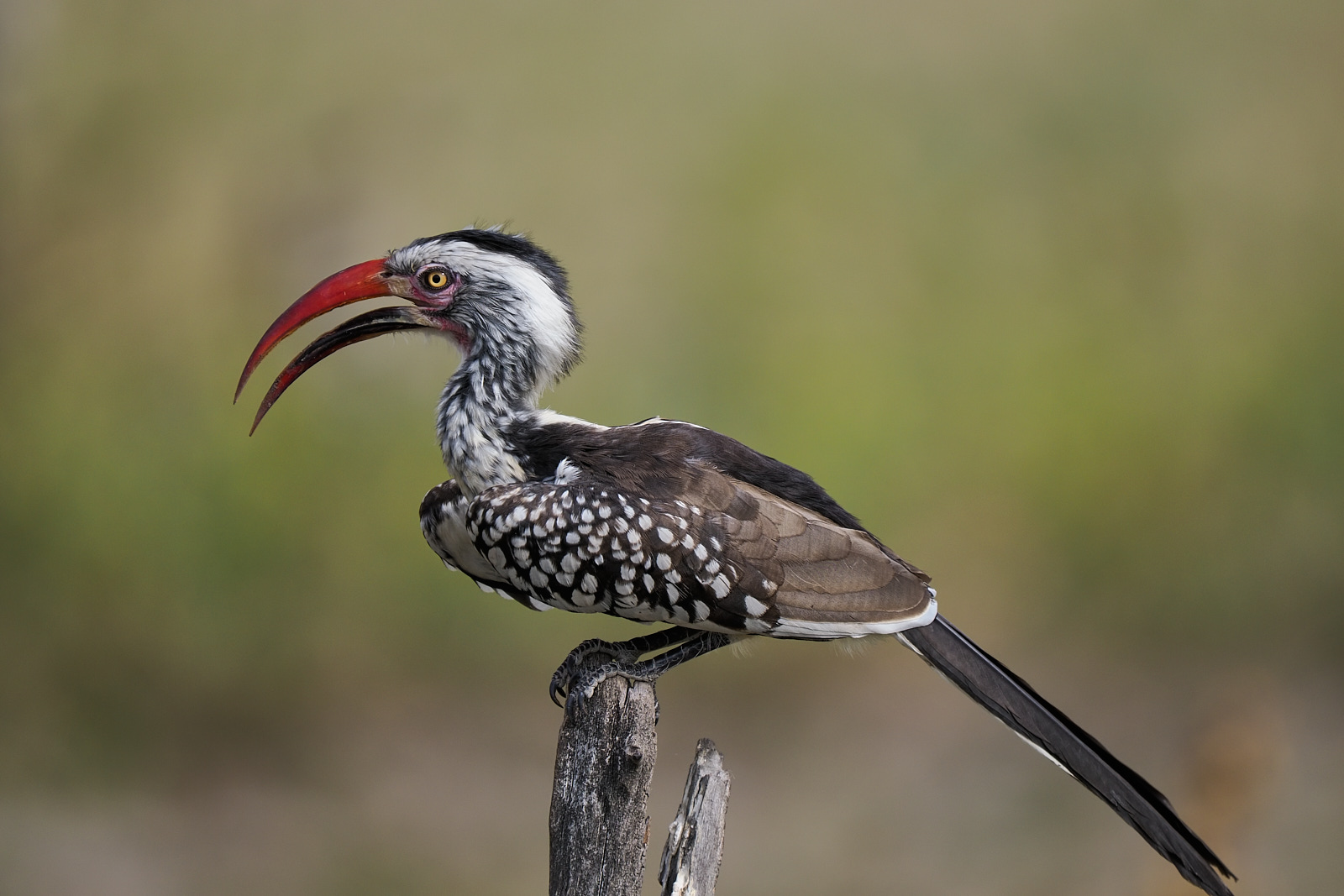
The Thalamakane River Lodge is lovely but no river cruises or risk from crocodiles just at the moment – the river is bone dry. I had a couple of hours yesterday afternoon to get a handle on some of the common local birds. More revision today. Tomorrow on safari.

Dry …

It doesn’t come with a guarantee of zero rain but it feels so different. The nights are cooler, the sky is clearer and the humidity is way less. The dry is upon us.

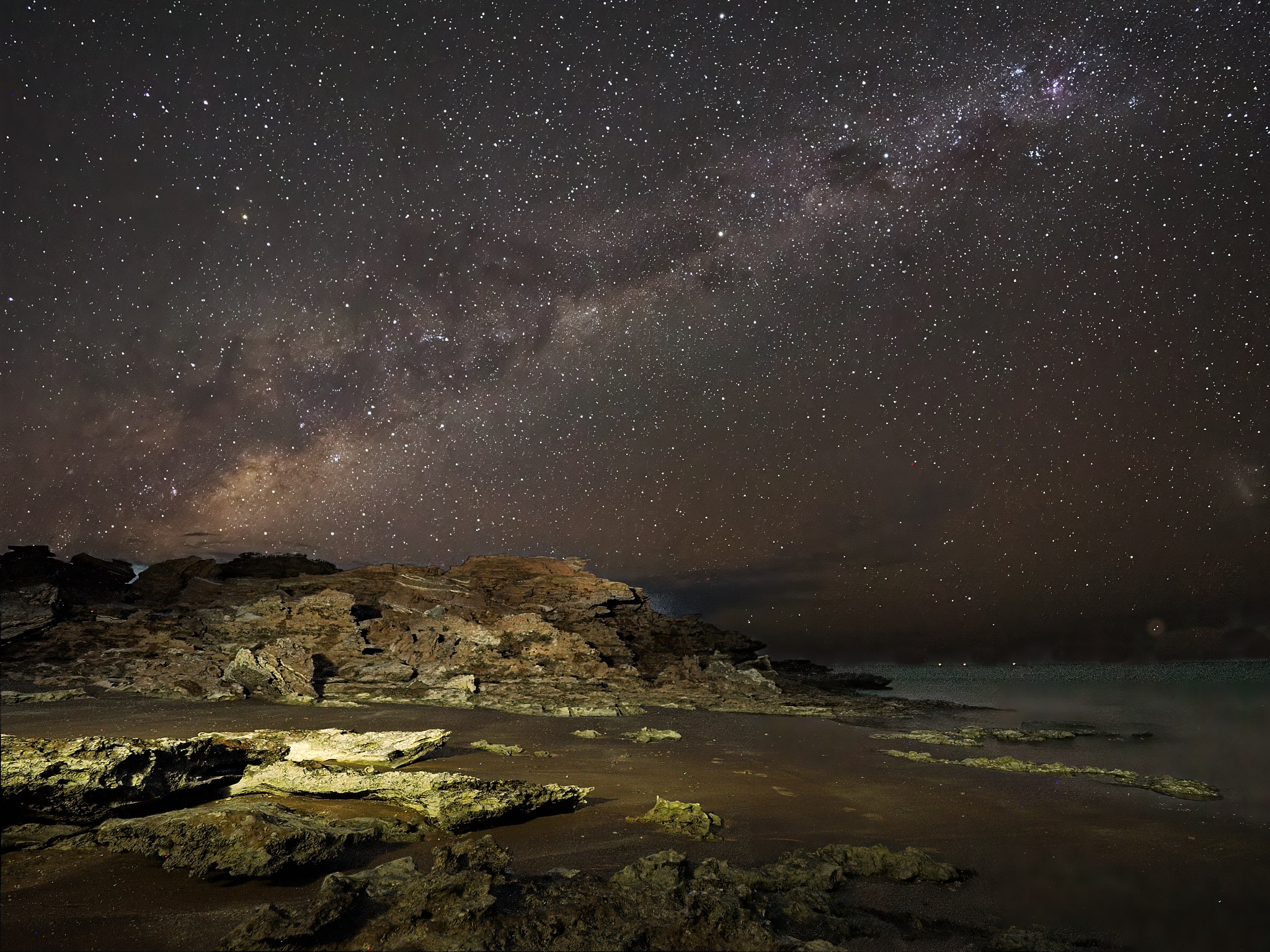
I thought I’d try out the new OM1 mark ii and the 7-14mm lens with a milky way shot. Rather than drive out into the country side I drove 10 minutes to the beach at Entrance Point and pointed the camera away from the city lights. With the camera on a tripod I used a single shot of the milky way – 15 seconds at ISO 6400 f/2.8 and combined that with a single light painted shot of the foreground at ISO 800.

Adventurous Dining …

Eating a puffer fish is fraught with hazard. What about eating a Stonefish?

The bird is an Eastern Reef Egret. I’m pretty sure the fish is a Stonefish. The toxin in its spines causes extreme pain if injected into a human foot so when I’m walking on the reef at low tide I wear shoes. It has never occurred to me to put one in my mouth.

I spent about 10 minutes with the Egret during which time it carefully dropped and flopped the fish. Took it and washed it in the sea and made several trial fits in its mouth. Ultimately it abandoned it and flew off to hunt further up the beach. Maybe the risk from swallowing the spines was just too great.

Bon appetit…

Going home …

Roebuck Bay is the premier Australian location to see waders. Mostly long legged birds in the order Charadriiformes. At low tide there is a vast area of mud flat housing huge numbers of invertebrates for them to feed on. Some of the species here are resident, living and breeding locally. Many more are long distance migrants breeding in the northern hemisphere and escaping from the snows of winter up there by flying all the way to sunny Australia. For some of these birds it means a 20,000 km round trip every year of their adult lives. For some of them the journey north starts today.

Different species typically depart at characteristic times. The early birds left from about the second week of March. Prominent among those are the Eastern Curlews and the Greater Sand Plovers. We are right in the middle of things now but most of the Red Knots and Red-necked Stints are still out in the bay putting on weight. Peak period for the stints will be next week. Most of the Red Knots will hold on until the first week of May.

I shamelessly filched the graphic from the Broome Bird Observatory website. If you click on it you may be able to read it.

The Broome Bird Observatory is a great place to watch the departures. Get there at about four in the afternoon, head to the beach and stay until about six. Observatory staff will be charting the departees and they will be happy to explain what’s going on. Just say hi.

What they and you are looking for are single species lines of birds forming up on the mud flats. There is much chattering and wing stretching. Then up they go. They may make a couple of orbits and go or a couple of orbits and land again. When they form a big boomerang shape and head north at a higher altitude than for local flights you know they mean business. Or not. Some may come back after a while, sometimes all of them come back. But if you want to make babies sooner or later you’re off.

Light a candle for them when you get home. They’ll still be flying after the candle is exhausted. Some will fly non-stop to China, 6,000 km plus, 5 days, no food, no drink, no rest. Some do stop on the way on the coasts of Indonesia, Vietnam and the Philippines.

Birds can be equipped with transmitters so that their progress can be tracked. The transmitters are small but so are some of the waders so we know far more about the big ones than we do the little ones. The next map is pinched from a paper by Battley et al, Journal of Avian Biology 43: 21–32, 2012 and concerns Bar-tailed Godwits on their journey from Roebuck Bay and New Zealand.

The birds spend about a month re-fueling on the shores of the Yellow Sea before continuing to the breeding grounds. Those feeding grounds are absolutely critical to the species survival.

The pay off when they get home makes it all work. The tundra is uninhabitable in winter but in summer is so rich in insect life that the young chicks can feed themselves from almost the moment they hatch.

These are extraordinary journeys. I always feel a little emotional when I watch them go.

Twitch …

I received the message at about 10.30 am yesterday. A White Wagtail at Ardyaloon Water Treatment plant. Broome to Ardyaloon is a mere 217 km. White Wagtail was a familiar bird in my English youth. I have over 80 records of the species from Iceland, continental Europe, the Russian far east, India and Japan but it was not on my Australian list. It doesn’t routinely occur here although vagrants do turn up from time to time. By 1 pm I was looking at it.

It was a busy bird, not easy to find as it meandered among rocks at the water’s edge. Gayle found it first. It was an Oz tick for her as well. Fortunately it didn’t fly before I saw it too. It was a lifer for the dog.

I might have got a better photograph if I wasn’t restrained by a chain link fence, but hey.

A number of subspecies have been described. This guy is a male Motacilla alba leucopsis. This subspecies breeds in China.

I have always enjoyed the thrill of adding a new species to a major list but this event really qualifies as my first twitch. During my working life I could not afford the luxury of dropping everything and rushing off to see a distant rarity. I hope to do it again soon.

Lucky Stars …

It’s an hour before dawn, the vault of the sky is cobalt blue. The foreground is lit by the almost full moon behind me. The tide is way out. I’m up to my ankles in mud and making a blood donation to a flock of mosquitoes. And I thank those lucky stars for the opportunity to be here to see and photograph this exquisite moment.