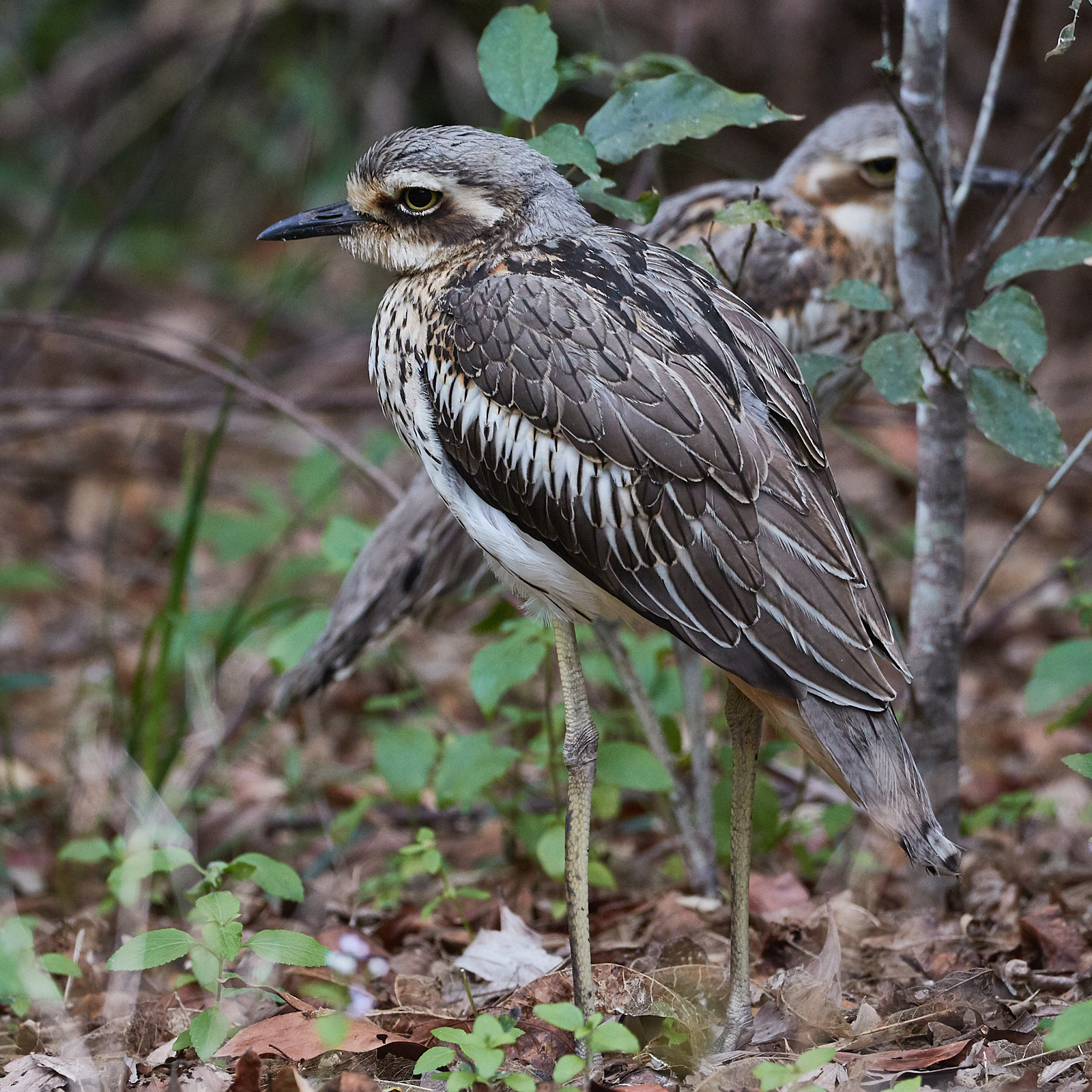
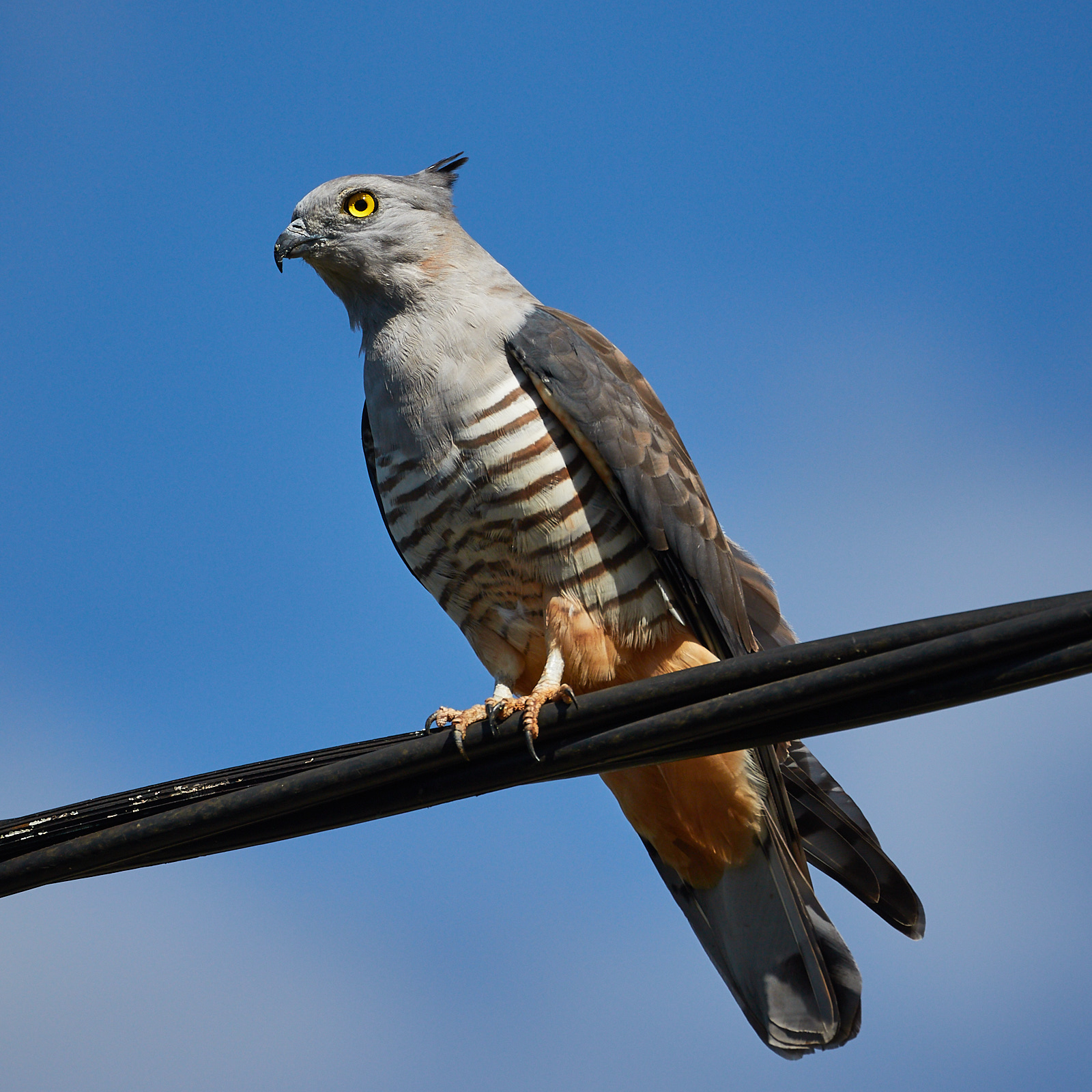
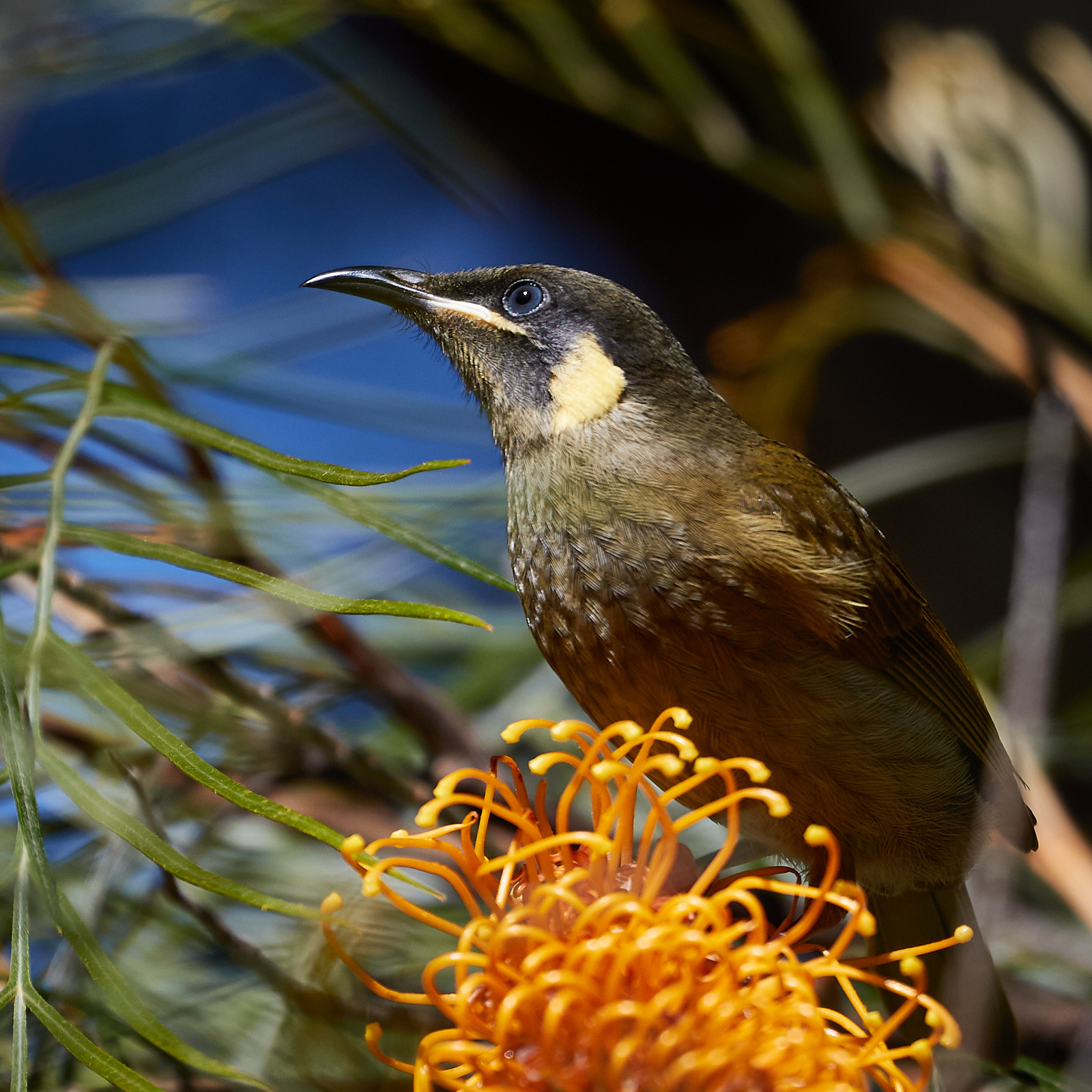
Julatten …

The southern tablelands were good to me. The Calendar Game score jumped to 355. Time to move further north. It would be possible to hit 365 at Julatten with a day trip up Mount Lewis.

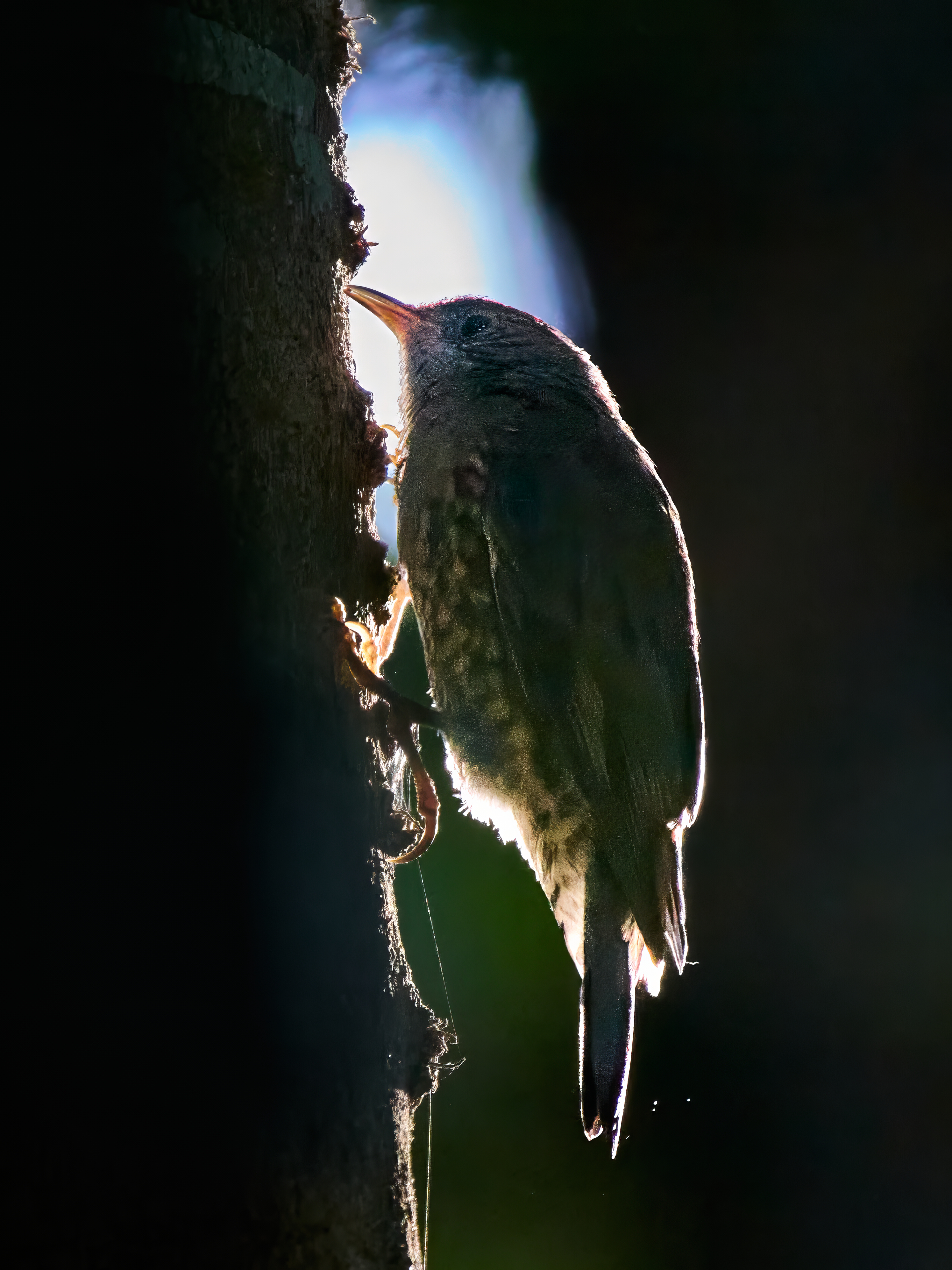
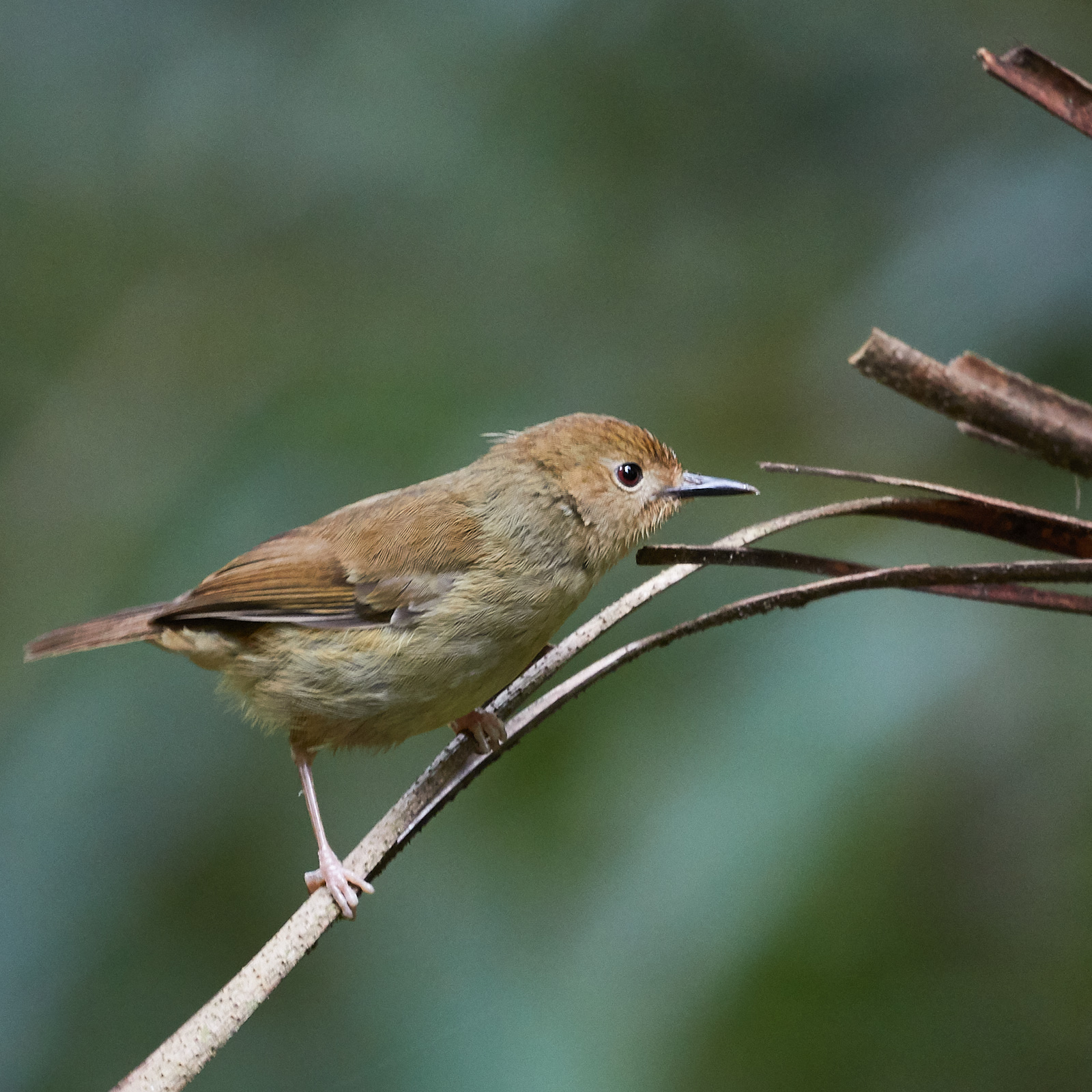
Photography in the rain forest is extremely hard. I’d show you photos of Eastern Whipbird if I could find the bird amongst the noise and a Musky Rat-Kangaroo loooking straight at me from two metres away if I could find it at all after upping the exposure in post. The little White-throated Treecreeper at least had the decency to move into a shaft of light.

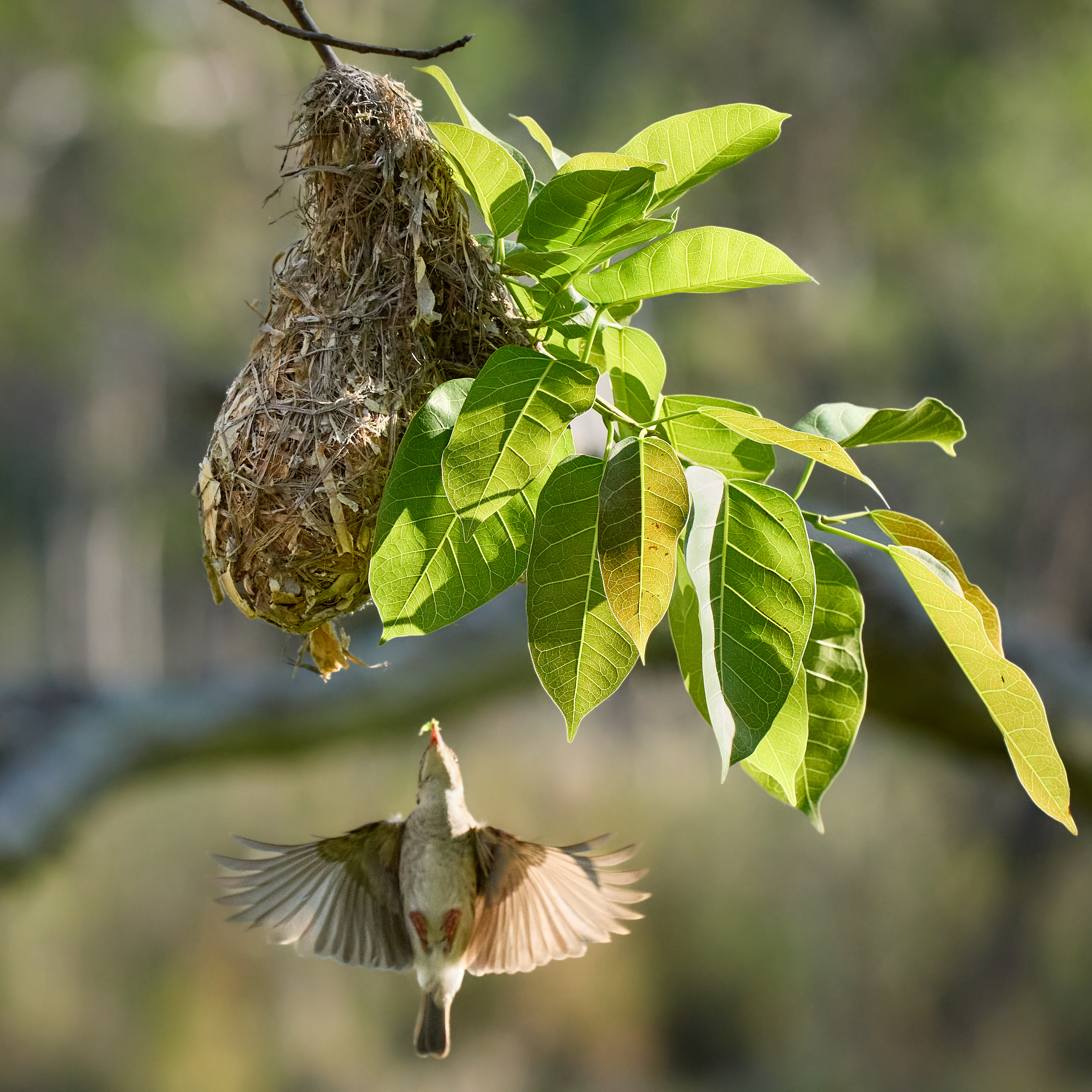
So we arrived in Julatten and quickly began the top ten countdown. At number ten we have Yellow-spotted Honeyeater. At nine Metallic Starling. Eight is Brown-backed Honeyeater with the added bonus of a photograph of an adult carrying food to the nest.

But Mount Lewis is closed. That’s National Parks for you. They can just shut the gate. Remember, Robert, it’s only a game. I’m not obsessed. The game will take a little longer. I hope I don’t have to fly to Tasmania before new year! It’s so bloody cold down there.
Crater Lakes …

The Atherton Tableland is a different world from the thousands of kilometres of savanna just a short distance behind us. It’s cooler, it’s very much greener and it’s much more populated. It would once have been a forest. Now it’s scattered remnants separated by farmland. We are camped at Lake Eacham just outside the National Park. This is home for four nights.

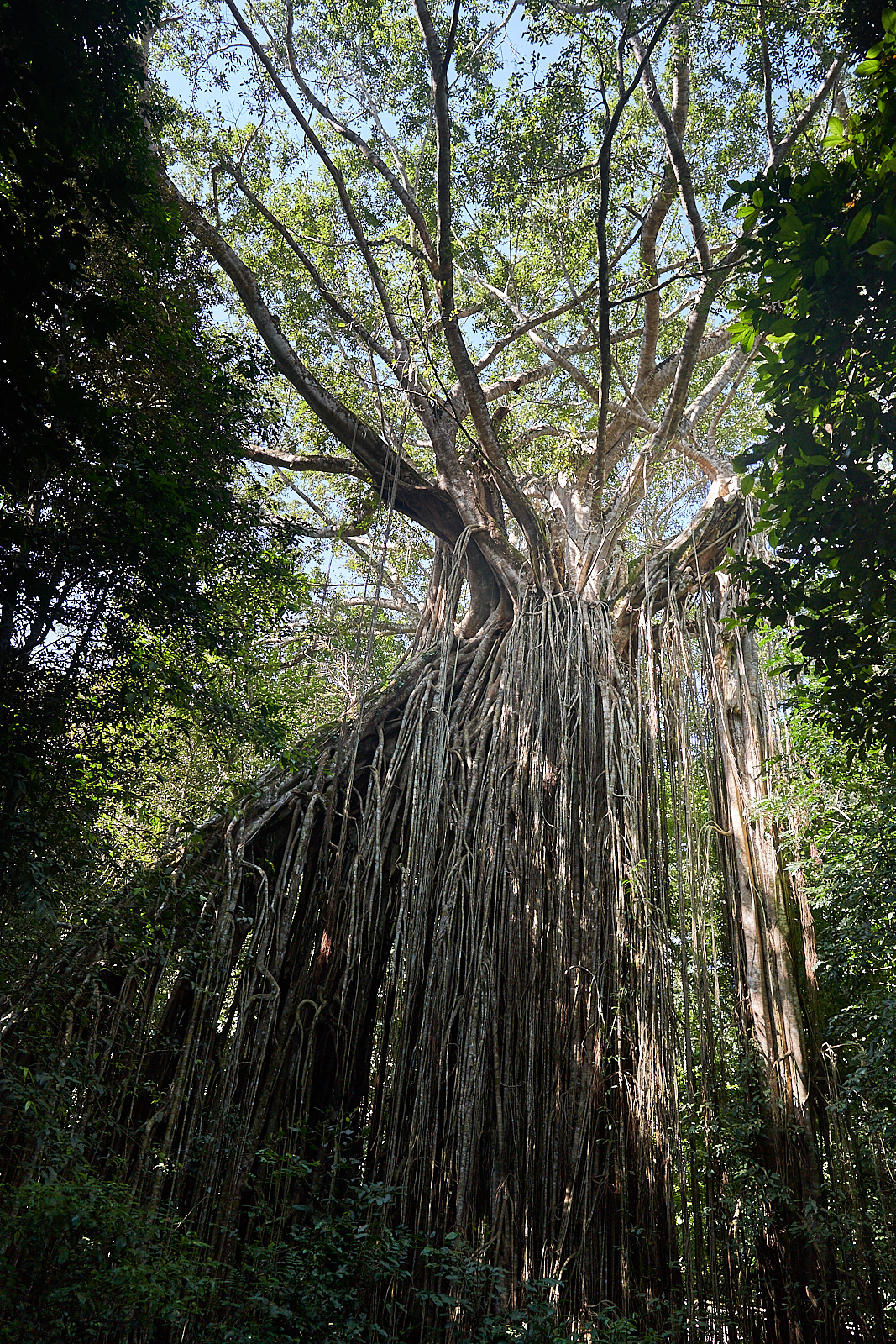
A short walk takes me into dense rain forest, the light hardly penetrates through the trees towering above. The birding is tough, done largely by ear. The photography is even tougher done largely without light! Bird density seems low but the variety is high. Lists are not long but there seems to be something new on every one.

The crater lakes are Lake Eacham and Lake Barrine. They formed when magma approached sufficiently close to the surface to turn the groundwater to steam producing explosions that created the craters now filled with water. These events were fairly recent. Barrine is the older forming about 17,300 years ago. Eacham formed about 9,130 years ago. Both are surrounded by lush rainforest and are National Parks.

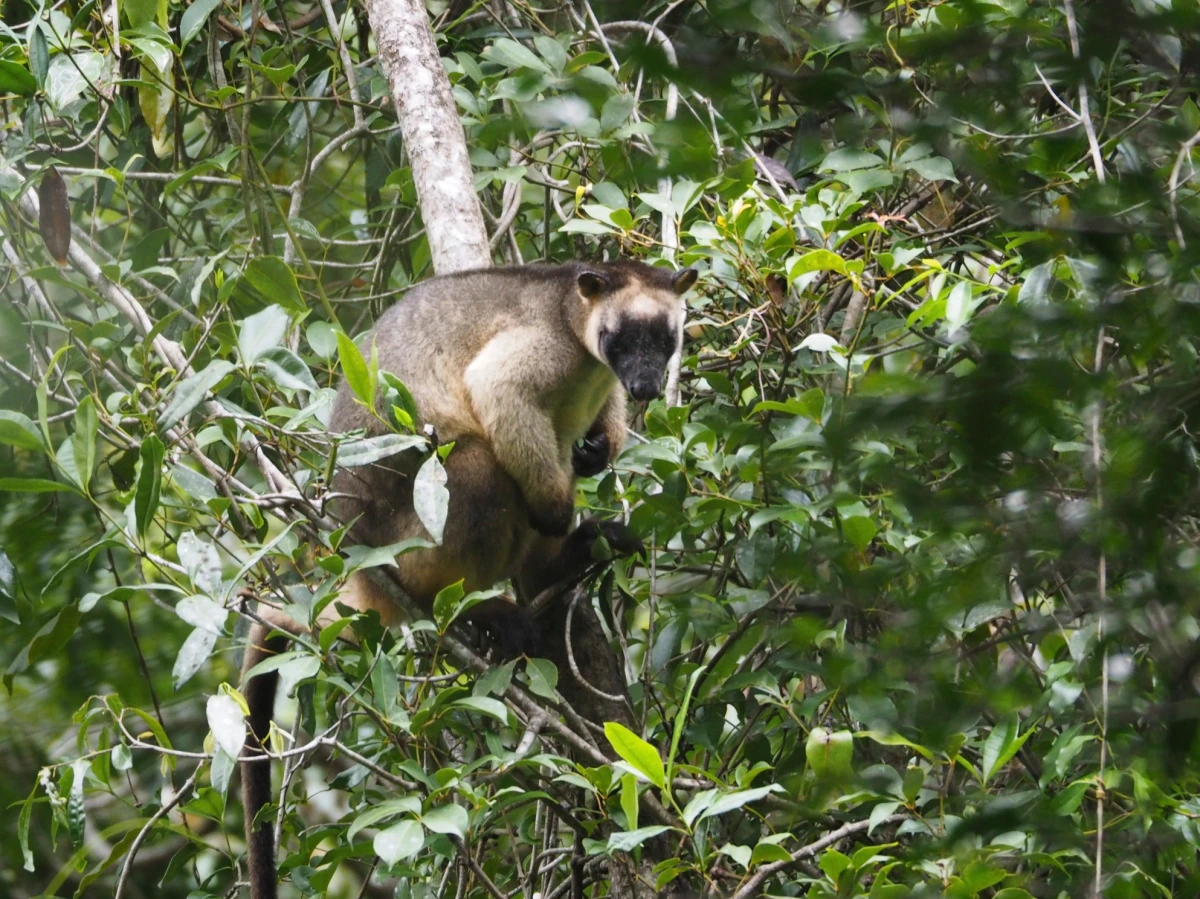
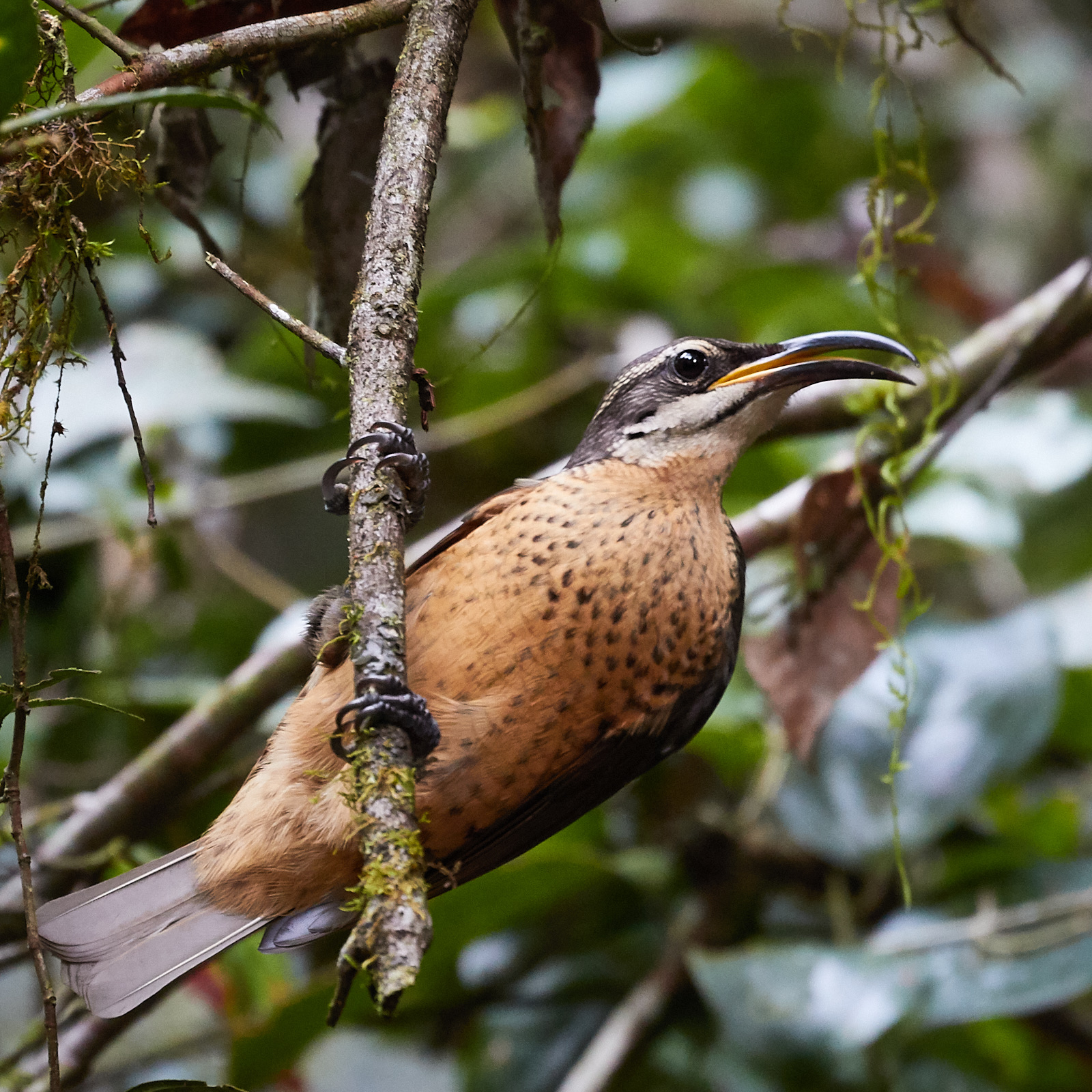
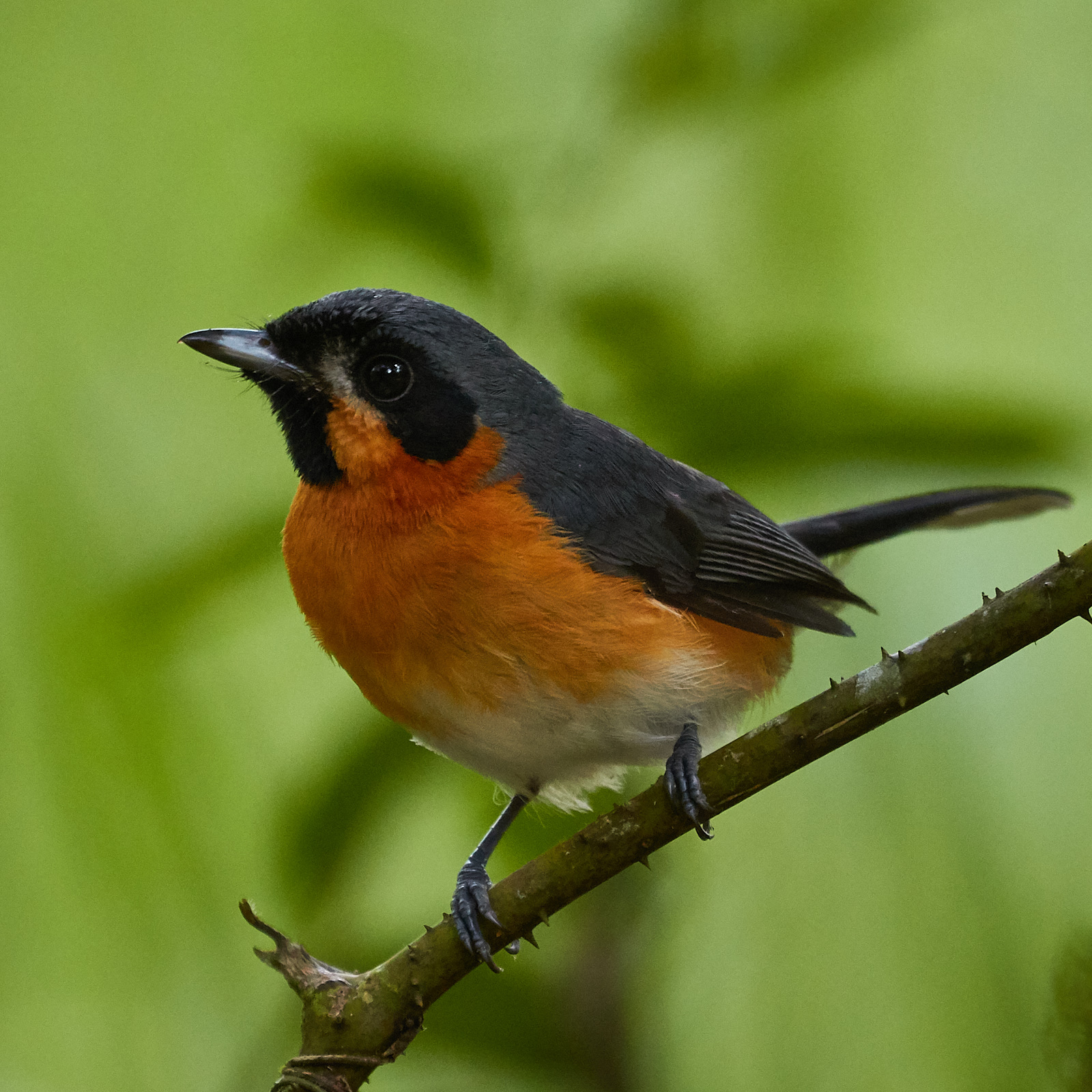
The wet tropics has 23 bird species that are either endemic or largely confined to the region. Nine of those species are only found at higher altitudes, essentially the Atherton Tableland. And there’s no shortage of more wide ranging species. Those tall trees are so inviting you can even find Kangaroos in the canopy. It is a very special place.

That’s Lumholtz’s Tree Kangaroo, very hard to spot during the day. I took this photo on a previous visit.

Lake Eacham …

Moving south on the Atherton Tablelands brings you in easy reach of the crater lakes and some fine rainforest remnants. Lake Eacham and its surrounding forest survived because of its scenic splendour when surrounding land was carved up for agriculture and is now preserved as national park in the World Heritage listed Wet Tropics. It makes a good base for exploring the region.

The lake originated when molten magma came into contact with ground water suddenly producing so much steam that an explosion ensued. In other words it’s a maar. Lake Barrine is another example. The Atherton Volcanic Province covers an area of 1800 square kilometers with 52 eruptive centres. It’s been quiet for the last 10,000 years which may mean it’s extinct … or perhaps not.

The avid bird watcher will want to visit both these lakes as well as other rainforest remnants, Hasties Swamp and Hypipamee National Park. One evening the sunset should be enjoyed at Bromfield Crater where hundreds of Brolga and Sarus Cranes fly in to spend the night. Spectacular but dress warmly!

Scarlet Honeyeater