Kes …

In old colonial times there was a cheap cloth imported from China and sold in Oz as Nankeen. You could have any colour you wanted so long as you wanted a reddish brown. In time it became a handy descriptor of reddish brown and found its way into the name of two Ozzie birds, The Nankeen Kestrel and the Nankeen Night Heron. These names have survived the attempts of august committees to erase them and I hope they endure forever.

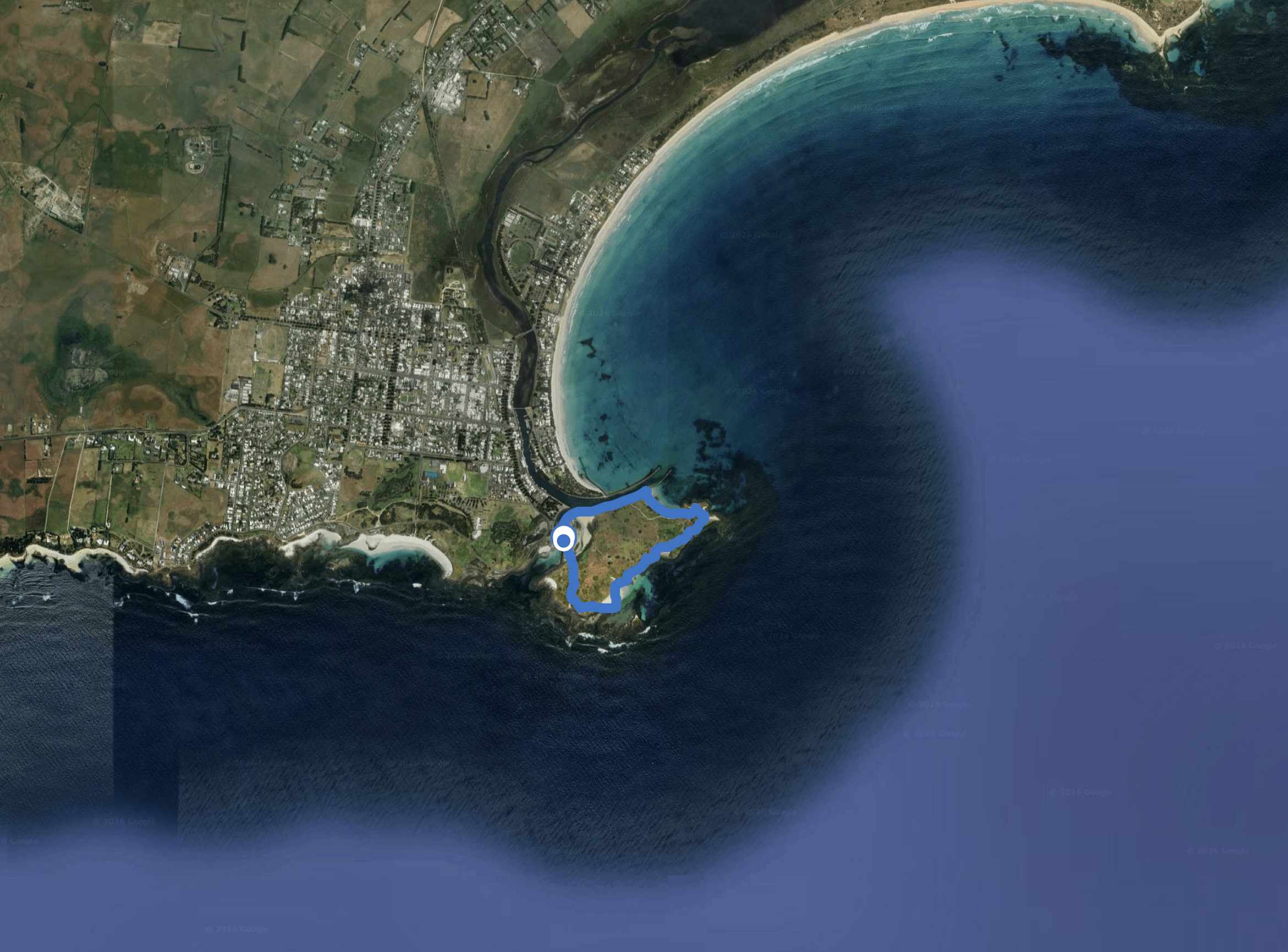
The Nankeen Kestrel is found throughout Australia and further afield in the Pacific. It is one of two Australian raptors that are really proficient at hovering, the other being the Black-shouldered Kite. I encountered this one on Griffiths Island.

Basalt …

Port Fairy is surrounded by volcanoes. The nearest and most recent at about 35,000 years is Tower Hill. To the north a bit further away and older there are Mt Rouse and Mt Eccles. Western Victoria has many other volcanoes which together constitute the Newer Volcanics. They are dormant, which is good, but not necessarily extinct which would be better perhaps.

Mt Rouse has made a major contribution to Port Fairy. It went off about 50,000 years ago and it’s about 60km away as the lava flows. And it flowed in abundance. Many of the older buildings, including our home here, are built of the stuff and the beaches are littered with it.

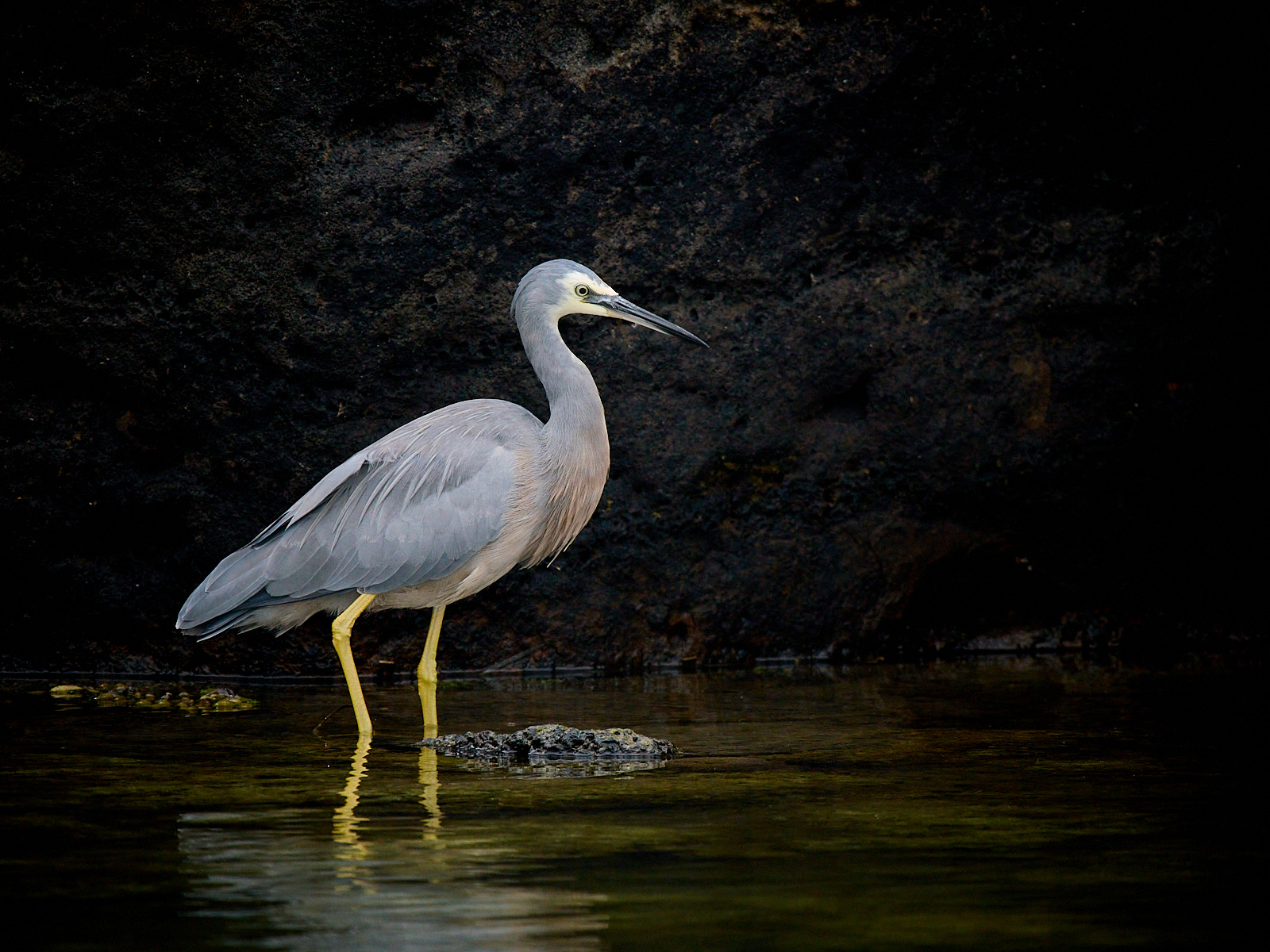
It comes in really handy for the bird photographer aiming for some low key shots – just frame up your subject against the basalt.

Wader Season …

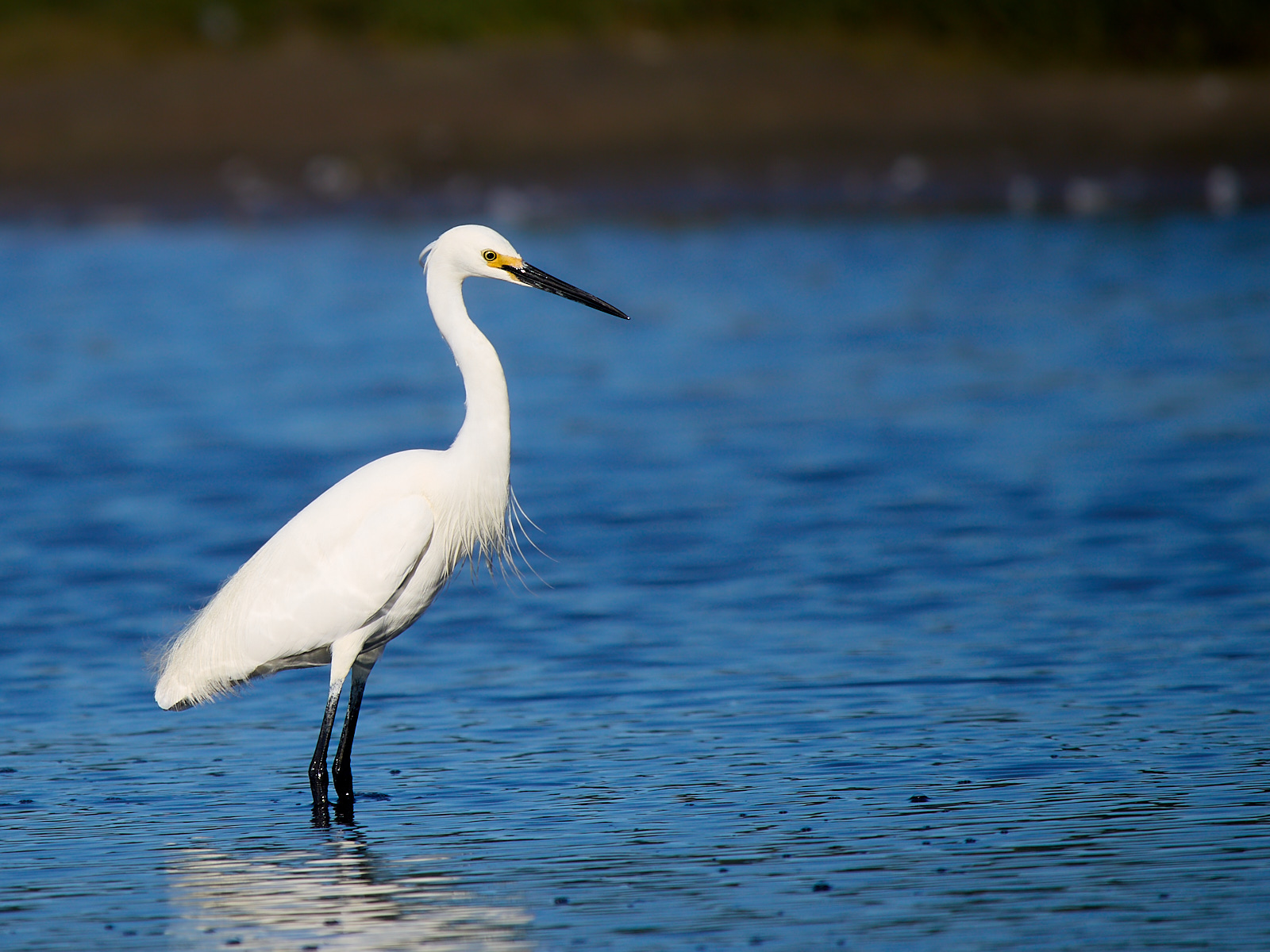
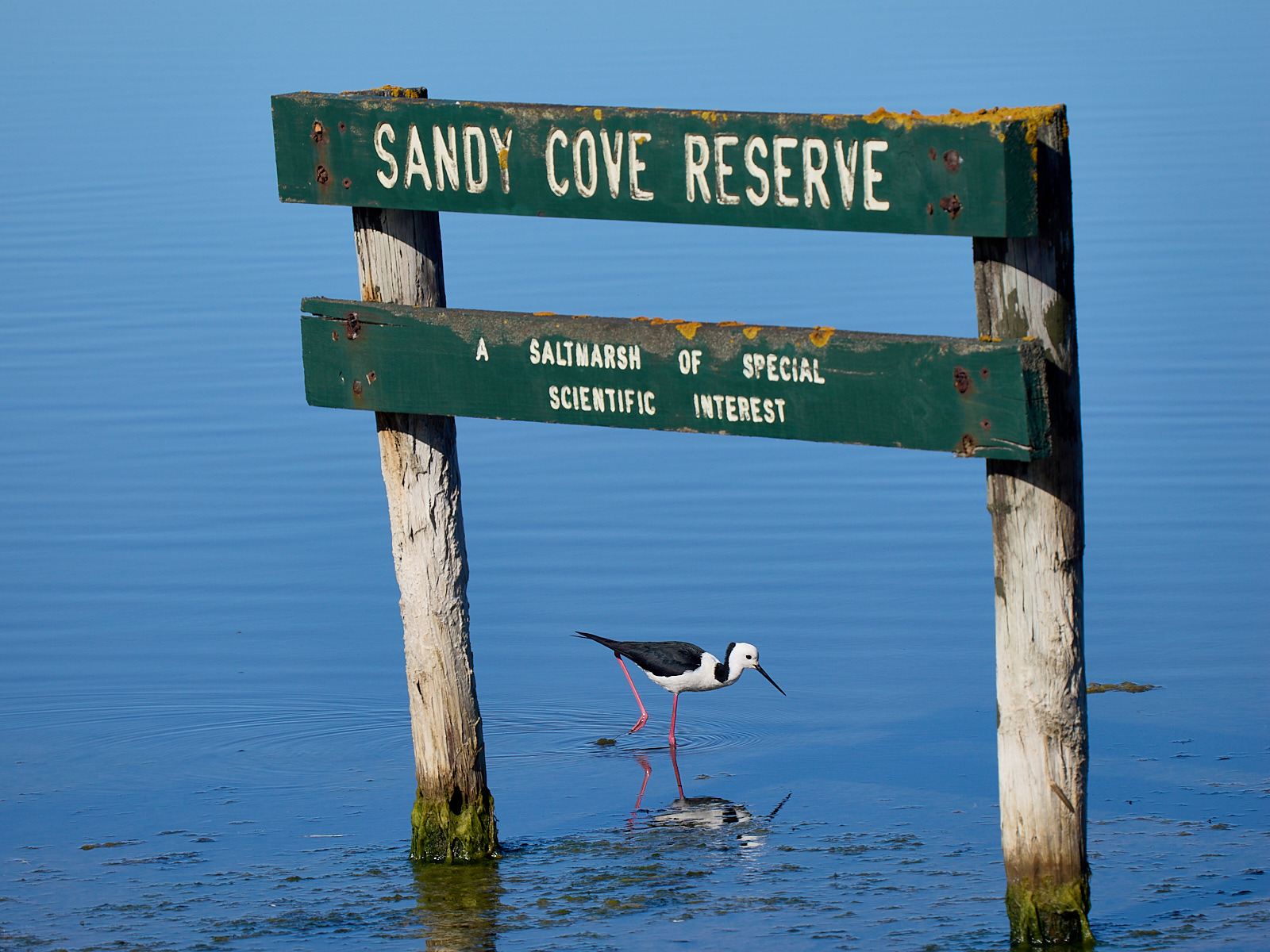
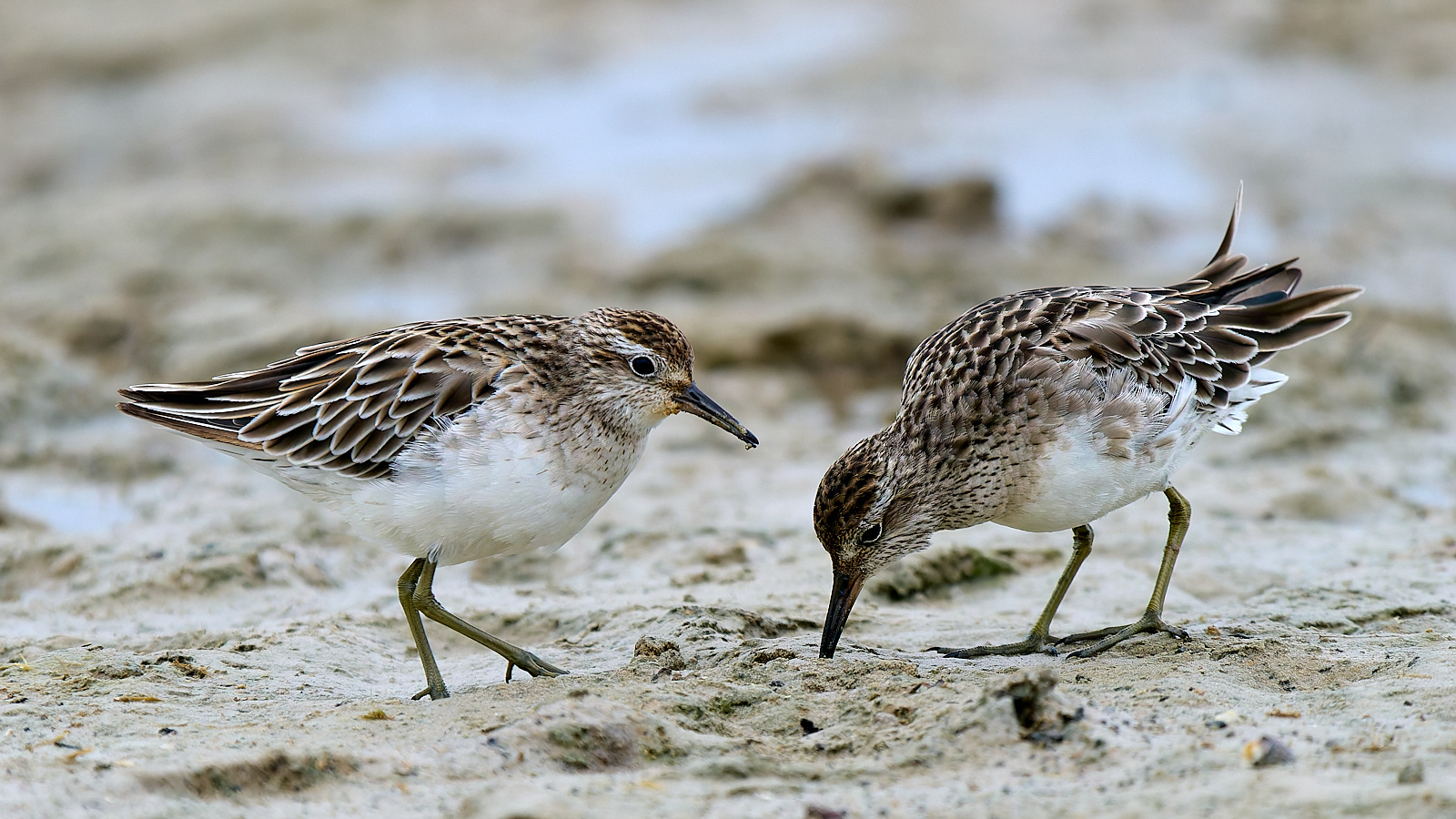
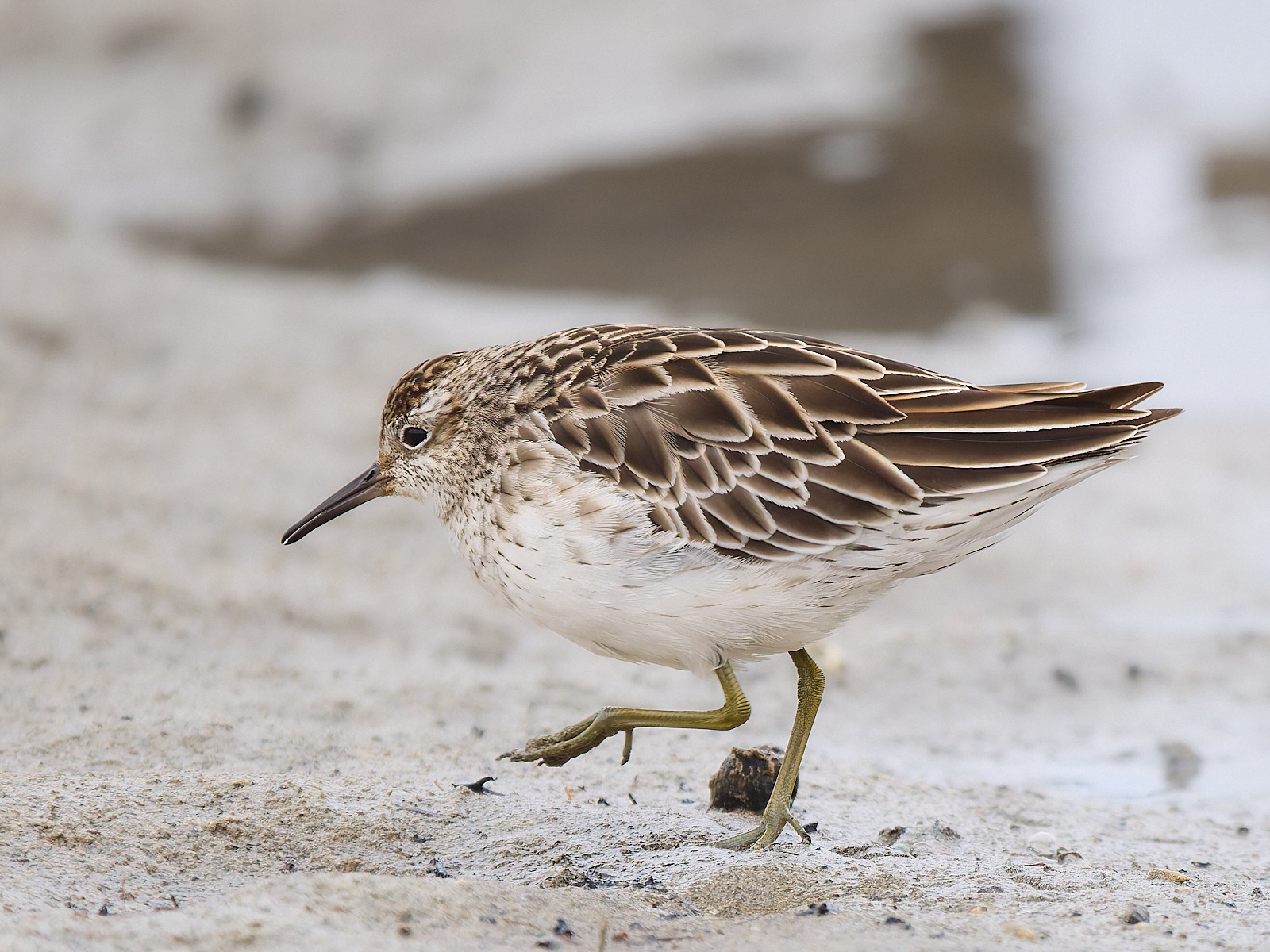
Roebuck Bay is undoubtedly the shorebird capital of Australia but Victoria has sufficient to keep the diagnostic skills in shape. As well, it often seems to me that they are more approachable down here. Summer is the time when the locally breeding species are reinforced by the migrants from the Arctic.

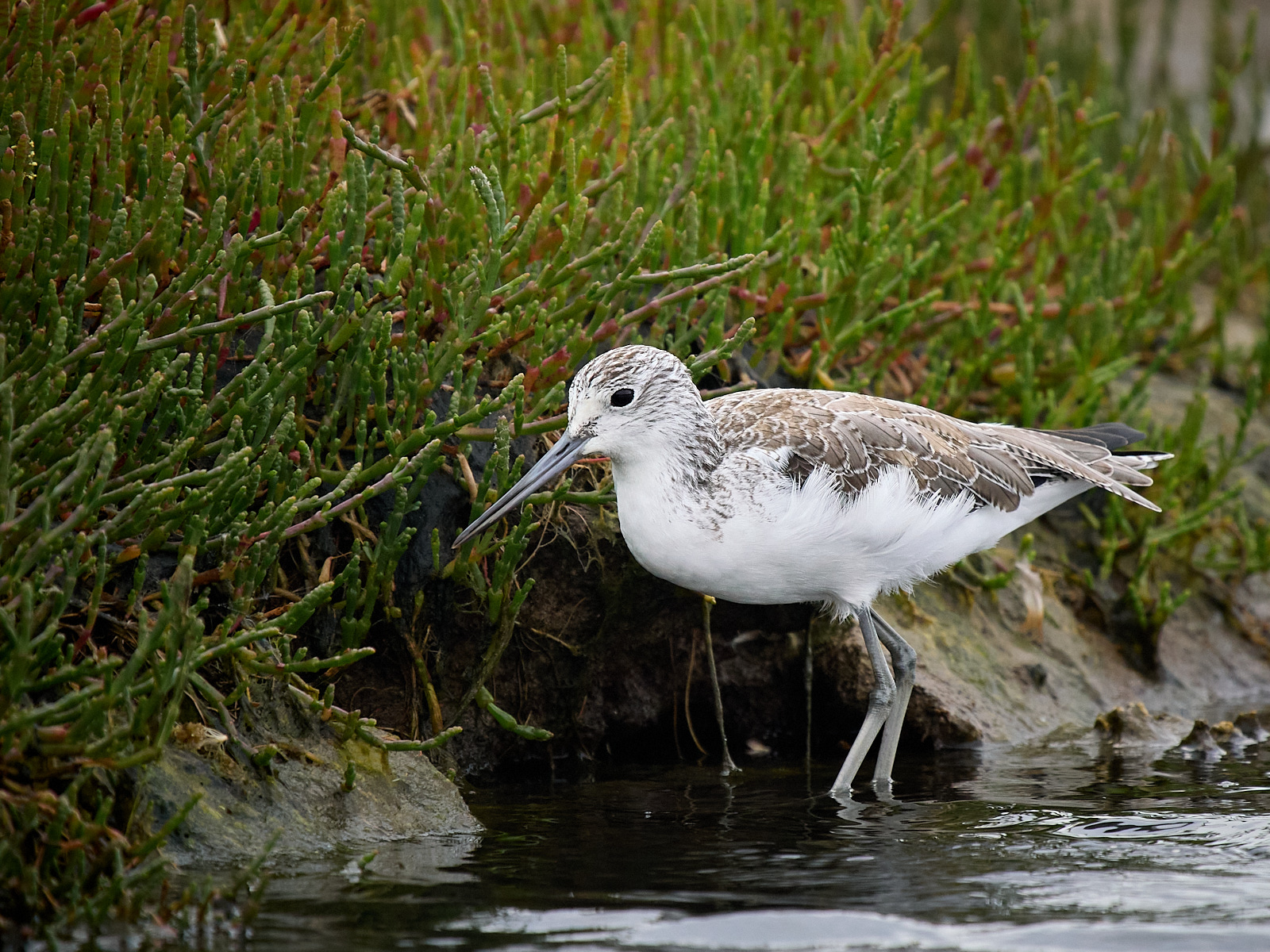
The photo above shows a Common Greenshank (not common around here, mate) that has come up nicely in black and white. Just as well, it was shot in awful light and looked shocking in colour! Below some other waders that I’ve found in the last couple of weeks.

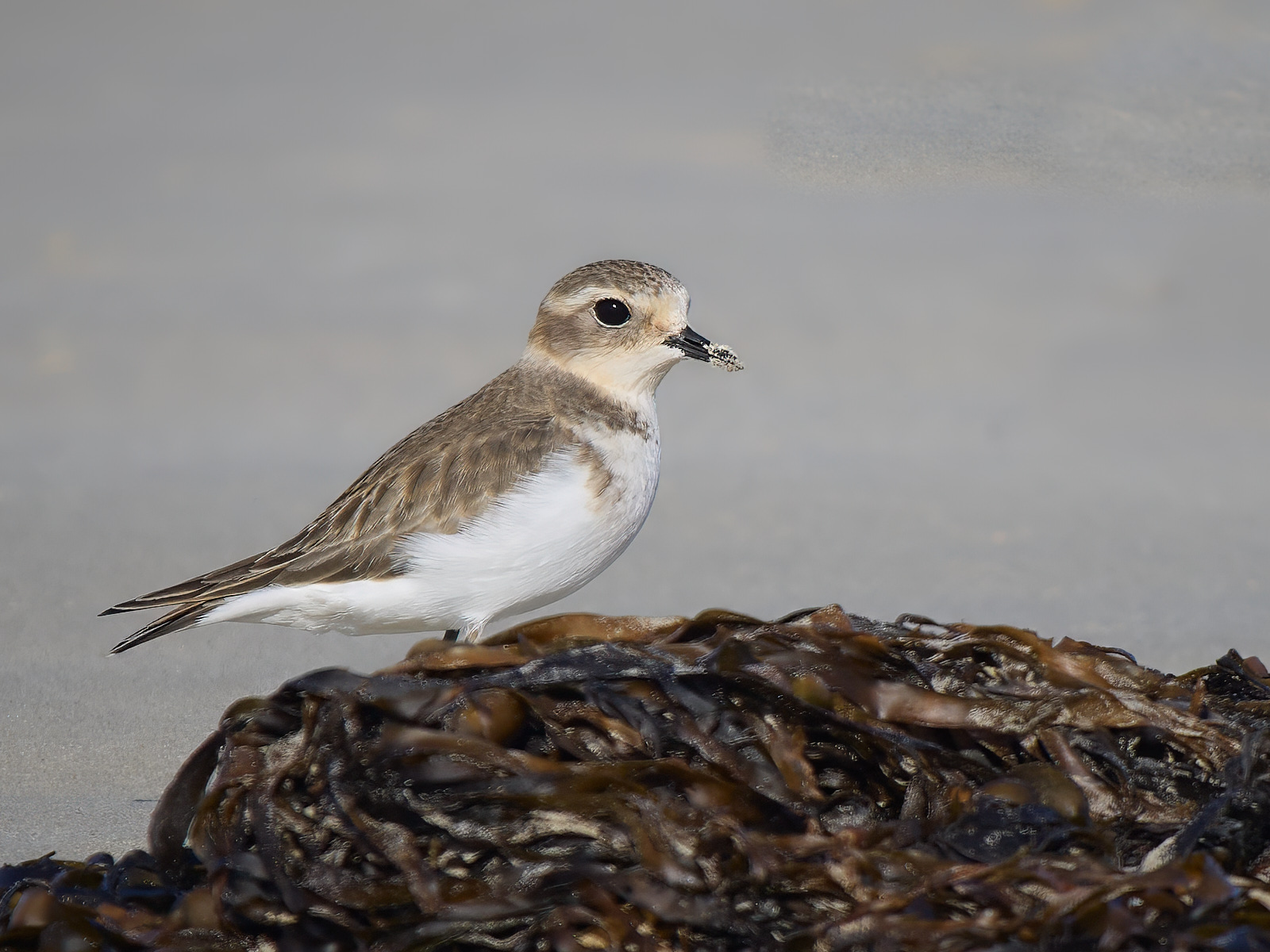
The Red-capped Plover, Pied Stilt and Hooded Plover breed locally. The remainder are long distance migrants.

Hardwick’s Snipe …

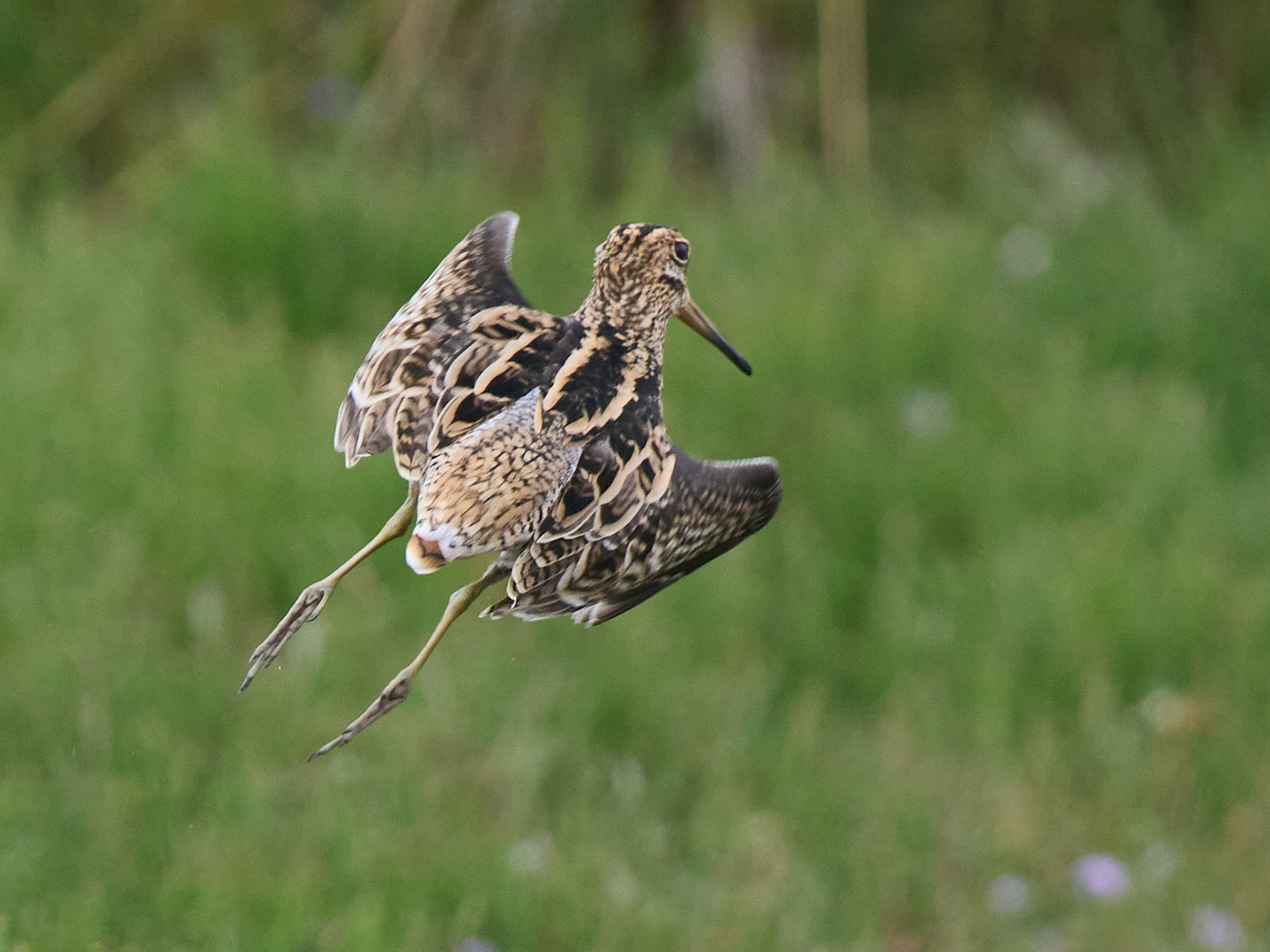
In the dry and dusty prose of taxonomy it reads “Gallinago hardwickii (Gray, JE 1831)”. The specimen described by Mr Gray was collected by Captain Charles Browne Hardwick (1788–1880) who may have had an e on the end of his surname. He shot the unfortunate snipe somewhere in Tasmania. Today we know it as Latham’s Snipe. The Latham in question seems to have had no connection whatsoever with the snipe (or to have ever been rude about conga lines). He was John Latham an English physician and ornithologist back in the day. Getting rid of eponymous bird names is something of a trend in modern taxonomy. By and large I think that’s a shame but finding a more appropriate name for this bird wouldn’t offend me at all.

G. hardwickii breeds in Hokkaido and highland areas of Honshu in Japan, and in Sakhalin and the nearby Kuril Islands. It escapes the northern winter by migrating through New Guinea and northern Australia arriving in South-eastern Oz in October. It can be found, if you look very carefully, in marshy habitats until departing in February or March on the return journey.

They feed dusk to dawn and hunker down through the day in places where not a lot of people choose to walk. Add to that their beautiful camouflage and you can easily miss them.

Migration is a strategy that comes with certain risks, problems on the breeding ground, the wintering ground or on the journey between them. For Latham’s Snipe the main hazards are here in Australia. Their population falls after major bush fires and droughts and they are further squeezed by urban development.

They are not easy to photograph. If they are out in the open they won’t let you get close. If they are in good cover the first you know of them as you wade through their territory is an explosive “chack” as they fly rapidly away.

Flying the Flag …

Some more life histories …

Australian Pied Oystercatcher 5B was in its first year when it was banded in 2013 so is now coming up to its 12th birthday. It has moved 286km from where it was banded and it is in a relationship!

Australian Pied Oystercatcher DV was in its second year when it was banded in 2011 so is now in its 16th year of life. It was foraging by itself 343km from where it was banded.

Sanderling LAX was banded just metres from where I found it 3 years later but far from being lazy it has probably flown further than either of the Oystercatchers because it hatched in the high Arctic and may have been to and from the breeding ground in the interim. That’s more than 11,000 km each way. They run a marathon every day as well. Their foraging style is to chase the waves out, snatch some invertebrates from the sand and run back in front of the next wave.

I found and photographed this trio within a few days of each other on the beaches around Port Fairy. They show the value of using flags that are readable in the field without catching the birds. I just fire away with the long lens as they continue about their business. Clearly the flags are not an impediment. Occasionally you can even read the numbers on the metal band for large birds.

I report the sightings with or without photos to the Australian Bird and Bat Banding Scheme. If you give them your email address they will get back to you and to the bander with the whens and the wheres. Here’s the link ABBBS. If you come across a dead bird with a band you can let them know the number on the band at the same link. It doesn’t matter if you can’t identify the bird – the band will. If you’re not in Australia there will almost certainly be another authority that you can track down on the internet.

The flags do kind of ruin the photos, they are not going to end up on the wall, but when it comes to arguing the case for conservation pretty pictures are trumped by hard data (except maybe for koalas, pandas and polar bears.)

A Parrot …

Richard of York gained battles in vain. A mnemonic for the rainbow, red, orange, green, blue, indigo, violet. The male Red-rumped Parrot would be a living rainbow if I could only find the indigo and violet. I’m sure there in there somewhere, maybe under UV light. Birds can see further into the UV spectrum than we can.

The Red-rumped Parrot, Psephotus haematonotus, is fairly common in open grassy habitats in South East Australia. It feeds on the ground. The female, sadly, is quite drab.

Fur Seal …

There is a seal colony on Lady Julia Percy Island about 22km from Port Fairy and occasionally a seal or two will pay us a visit. I found one this morning in the mouth of the Moyne River playing with a fish fillet that looked more like it had been donated than caught. The seal was shaking it and throwing it and occasionally chewing on it. It was having a grand old time.

The Australian Fur Seal Arctocephalus pusillus doriferus is a subspecies of the Brown Fur Seal. It is found around the shores of Bass Strait and Victoria, it breeds colonially on smaller islands. Adult males will weigh between 190 and 280 kg (420–620 lb) the girls are a bit smaller. The nominate subspecies is found around the shores of southern Africa.

Kelp Gull …

Back in Port Fairy now and one of the first birds I encountered was the other large Gull that is frequently found around Australia’s southern coast. Points of difference from the Pacific Gull in adults include

  • The bill looks less of a weapon
  • The bill has a red dot on the lower mandible only
  • The legs are a different yellow
  • No black band in the tail
  • A white margin around the black in the wing

Immature birds of both species have black bands in the tail, bill shape is then your best guide.

This guy had a vigorous bath then flew to the rocks to preen. Birds use their bill to distribute oil from the uropygial gland through their feathers.

Pacific Gull …

I toddled down to Ricketts Point early, it’s good to get there before the dog walkers to the extent that you can. It was cold and very windy. I didn’t see a dog and indeed most of the birds were hunkered down, head into the wind, reluctant to fly. The exception was a young Pacific Gull that was not going to let the weather stop it from repeatedly dropping a mussel from a great height. It was at a bit of a distance and I’m not sure whether it succeeded in smashing it open or the wind carried it into the water.

When it found itself in need of a new mollusc it came quite close to me. I was able to photograph it coming in and while it tried to prise a mussel from a hollow in the rock. While I approved of its choice of mussel it didn’t work well for the gull. After a while it flew off with an empty beak to try further away.

It takes four years for a Pacific Gull to arrive at adult plumage and even then there may be some buff feather margins to give it away as a relative youngster. By my reckoning this is a second year gull. Back in March it would have been browner overall and the bill base would have been white. Now (November) the yellow parts have good colour but the bill tip is near black not red.