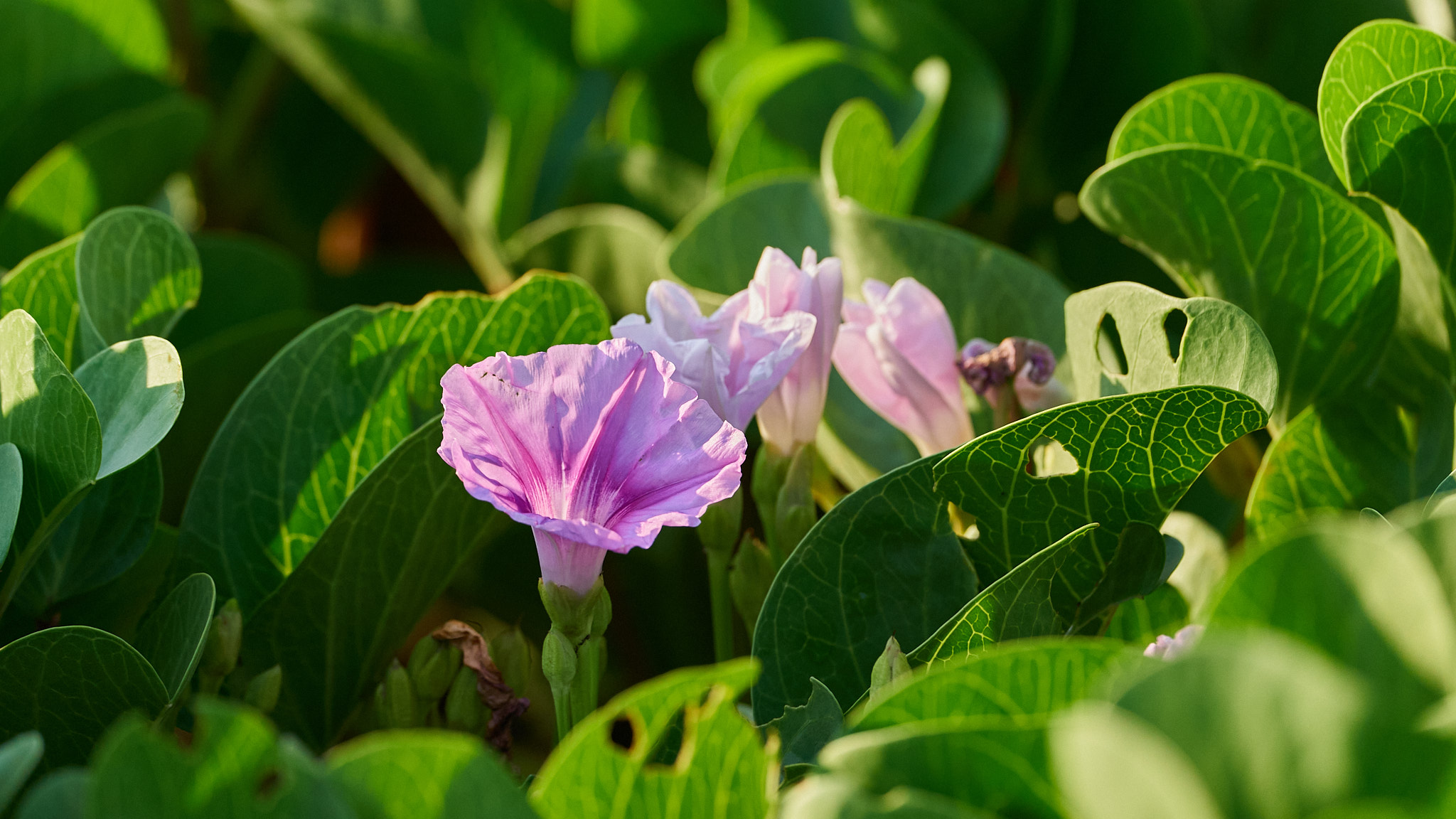
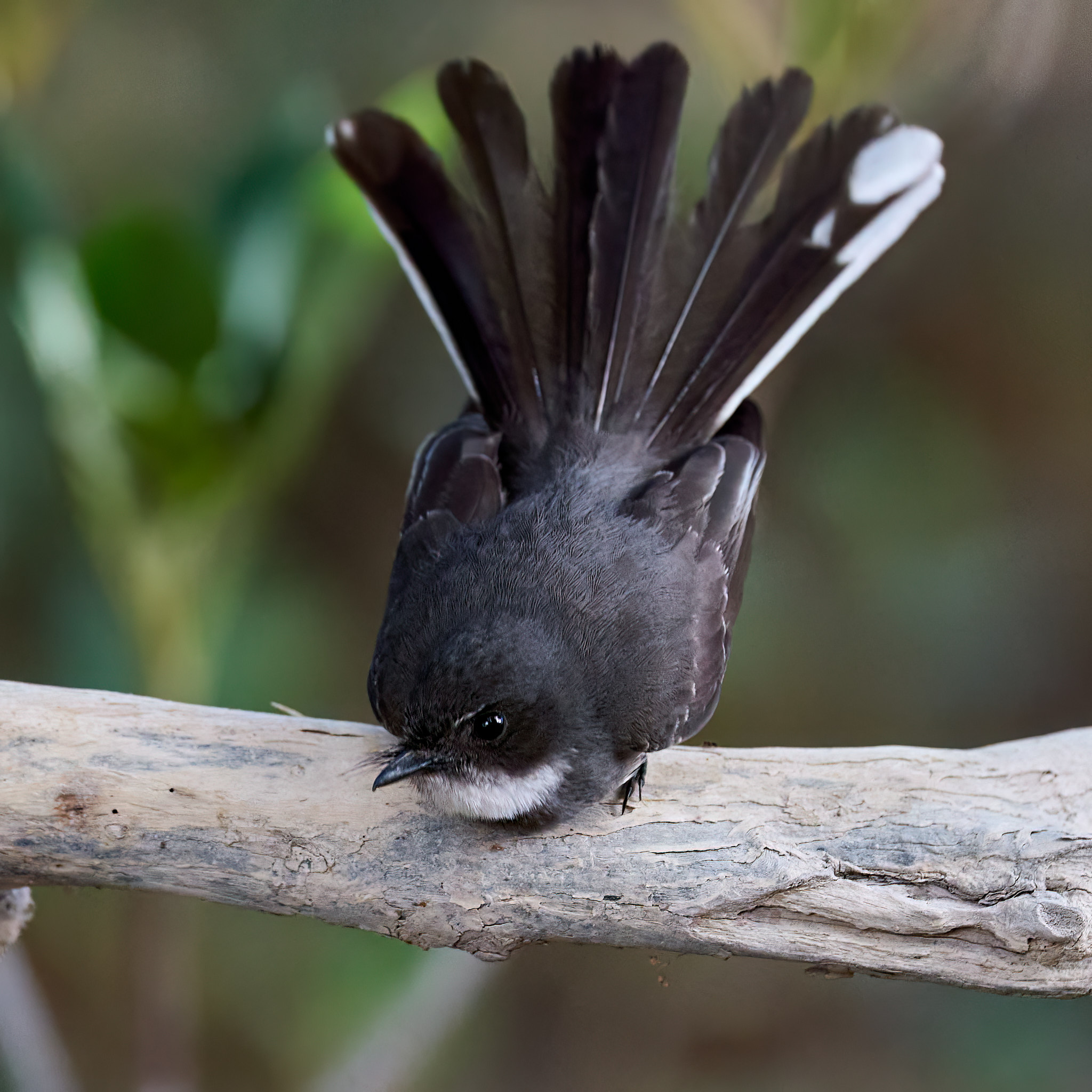
Barn Hill …

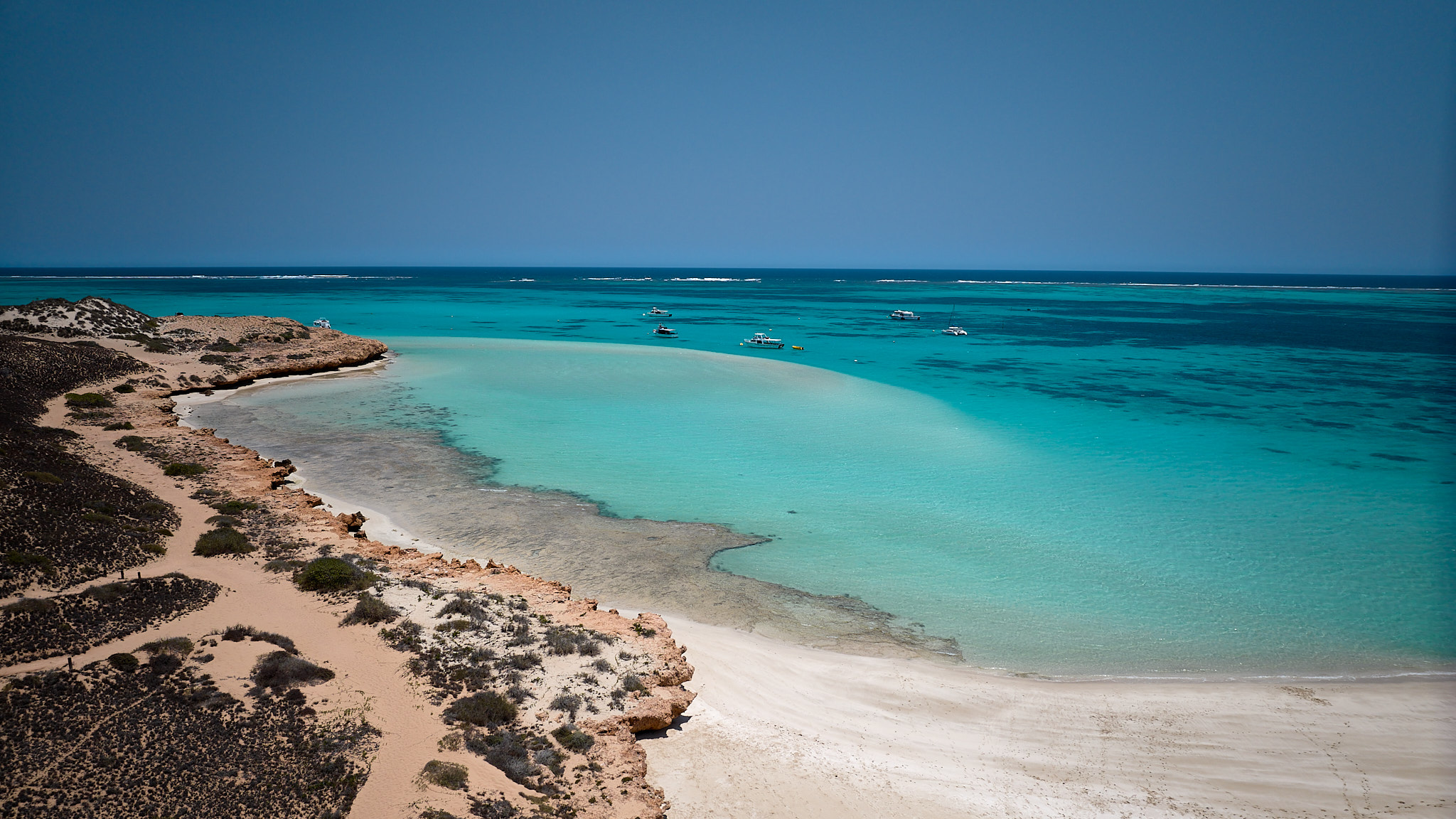
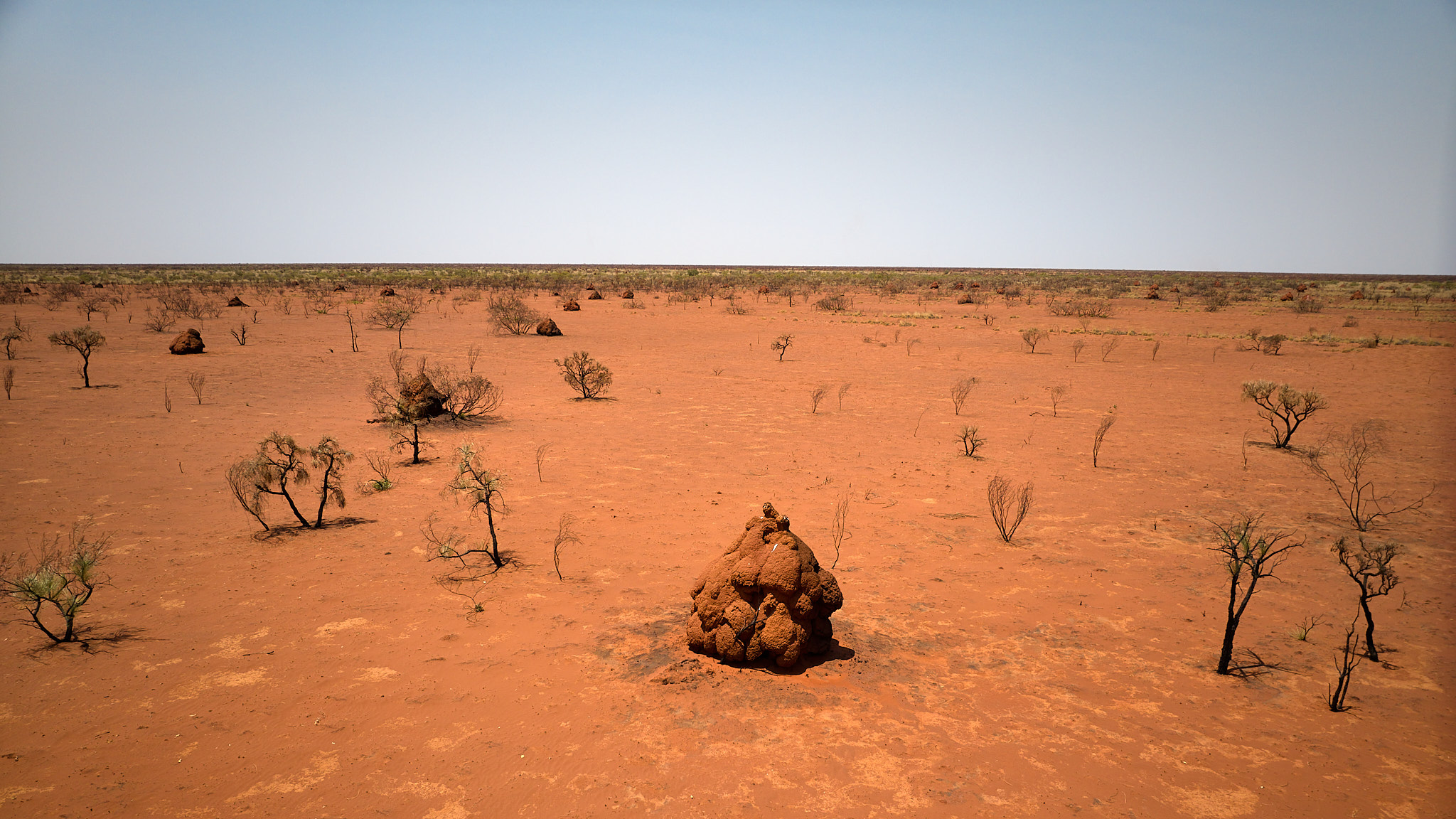
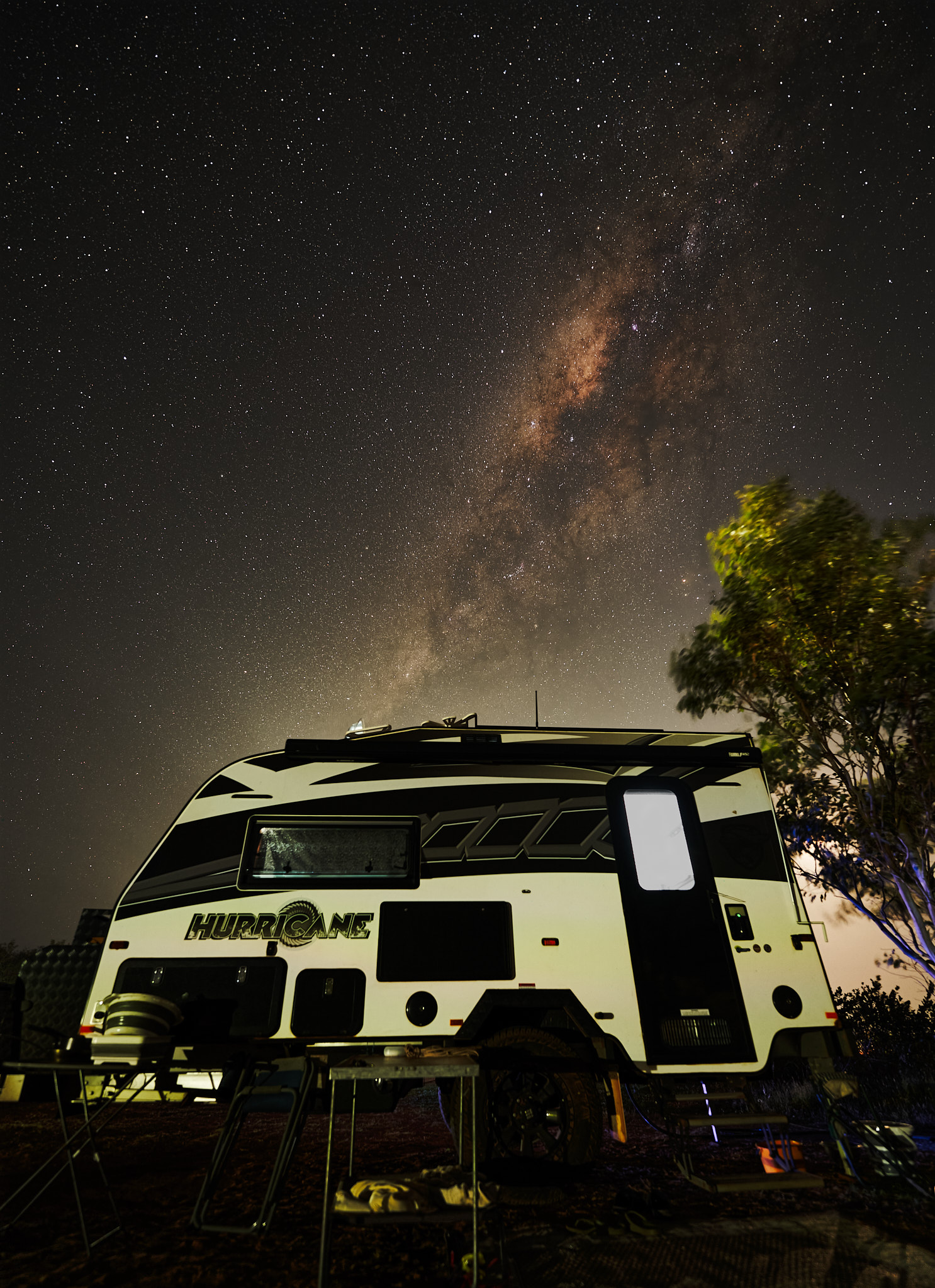
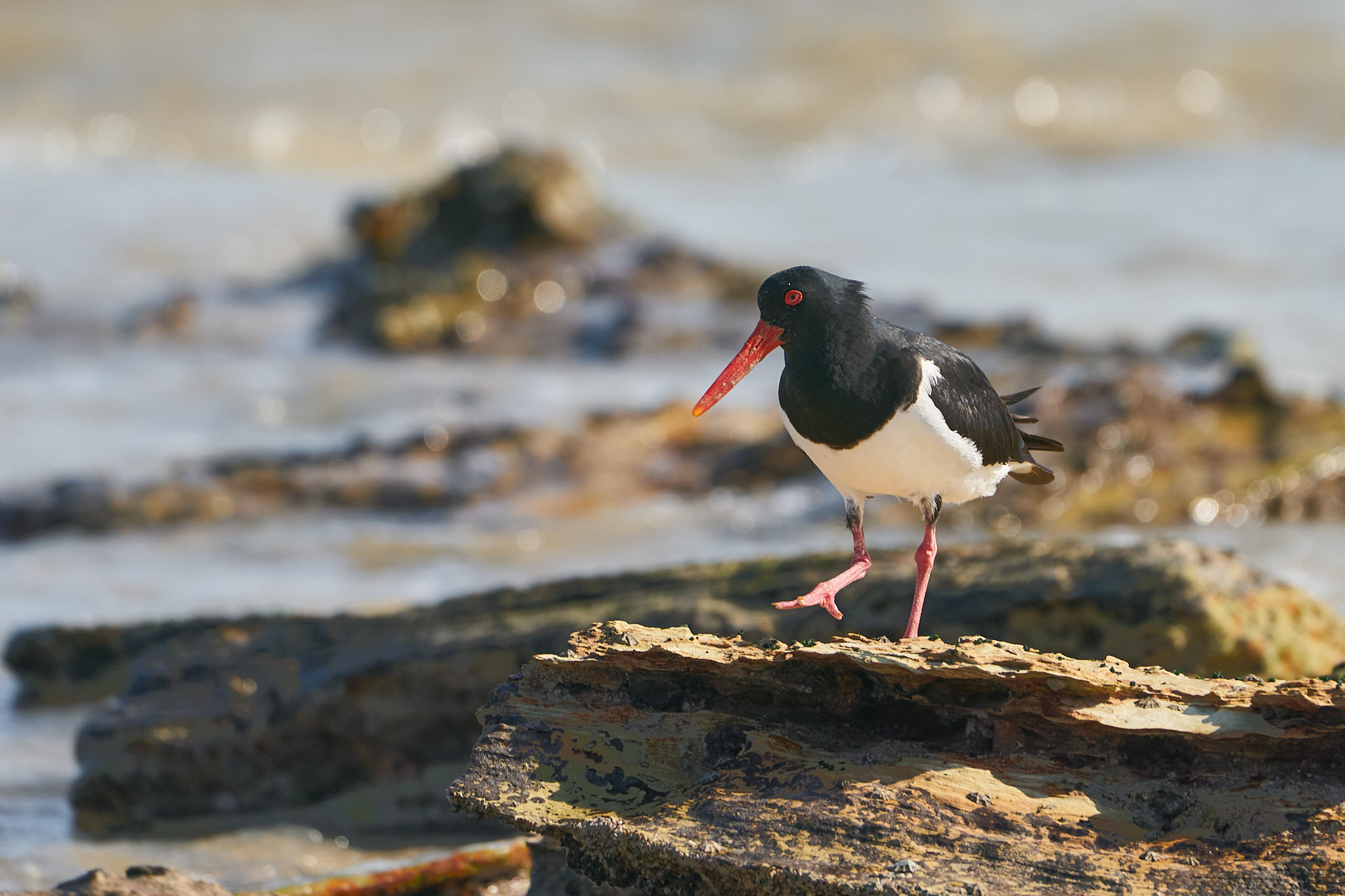
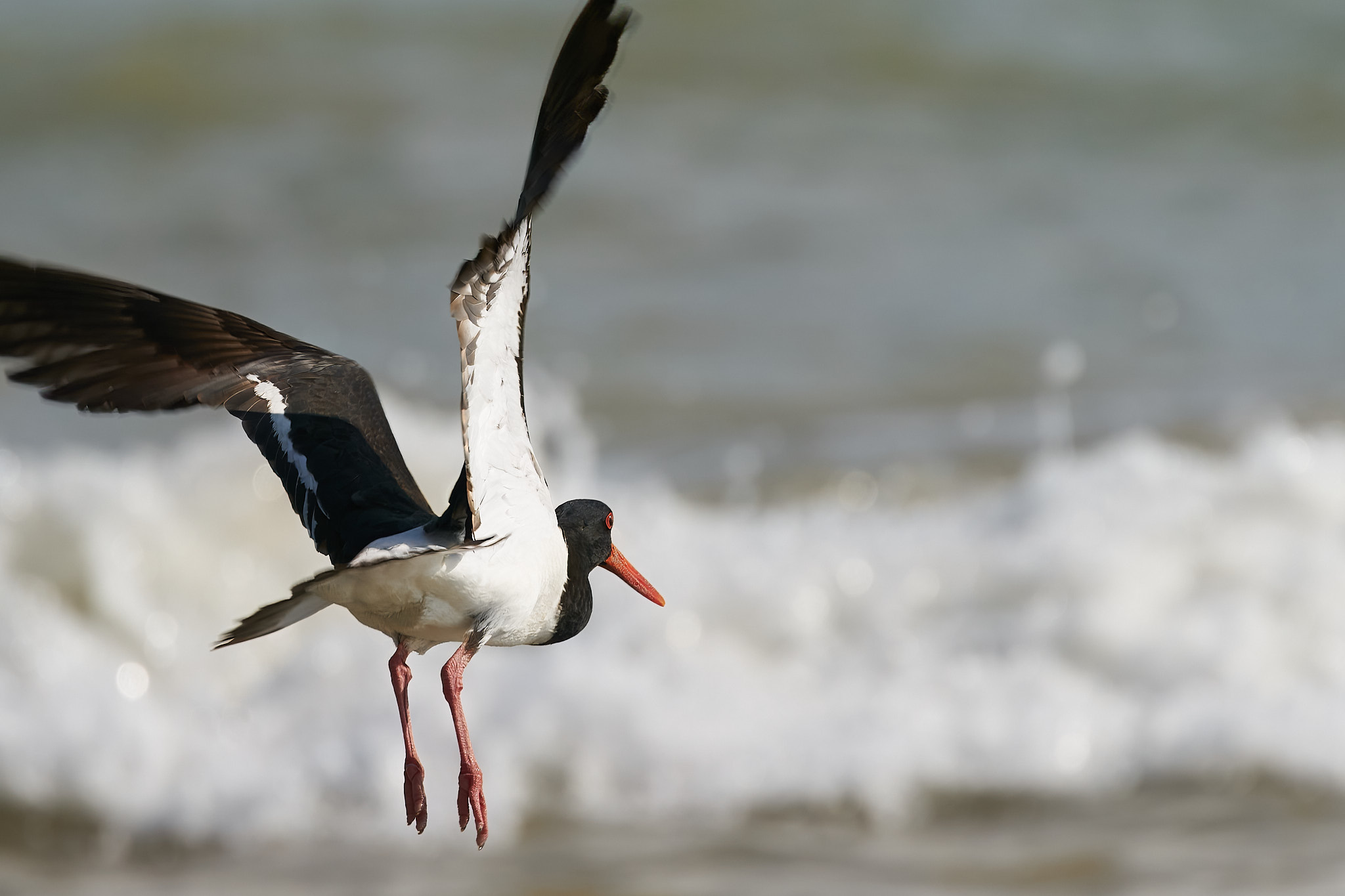
If you walk into a Chinese restaurant and find half the tables occupied by Chinese you can be sure that the cooking is good. Barn Hill is on the coast about 130km south of Broome and very popular with the locals. That’s a good sign. The tourist season is winding down so Gayle and I thought it a good time to spend a few days there.

The scenery is magnificent. The beach seems endless. Rock formations add interest. There are rock pools to explore when the tide goes out and the skies are dark at night …

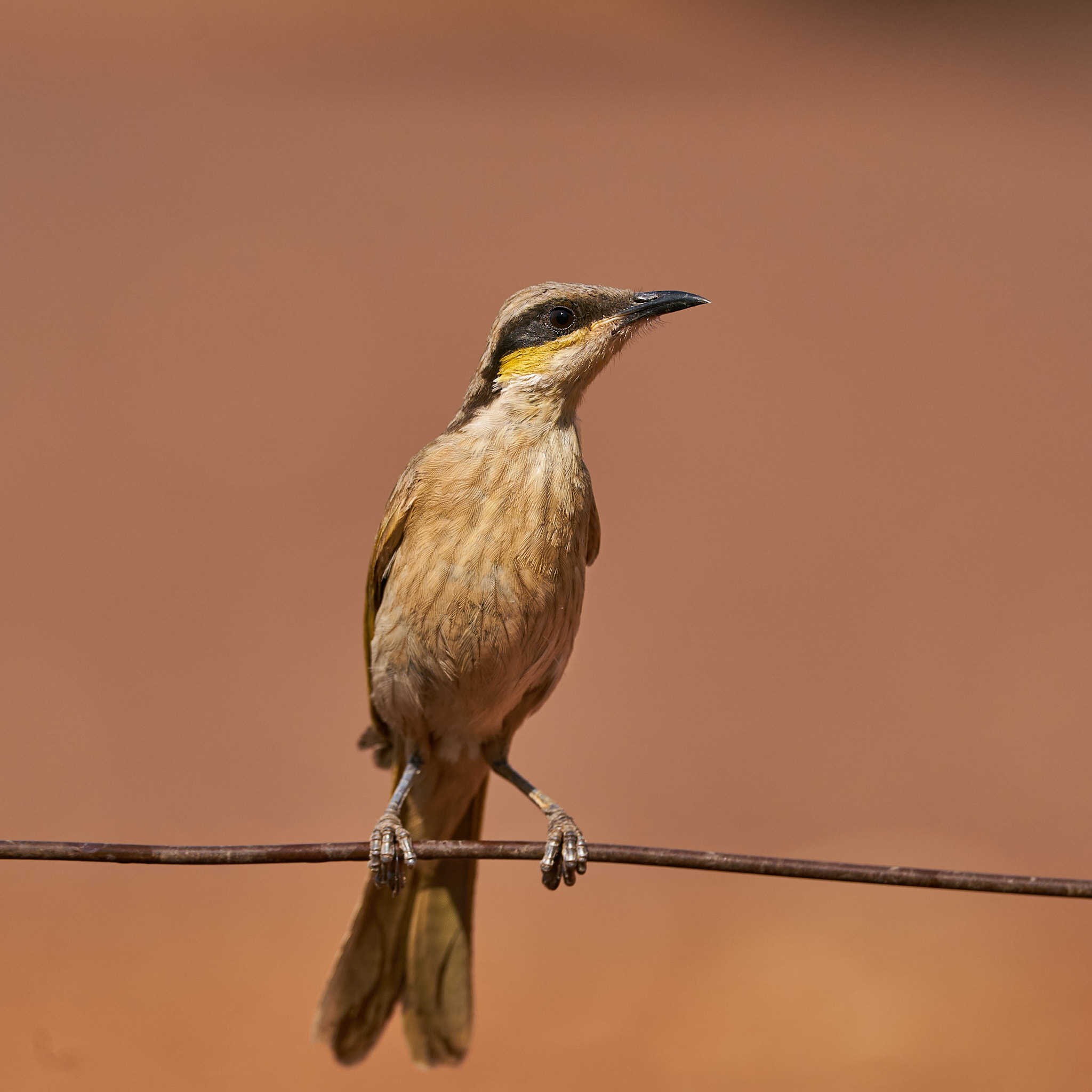
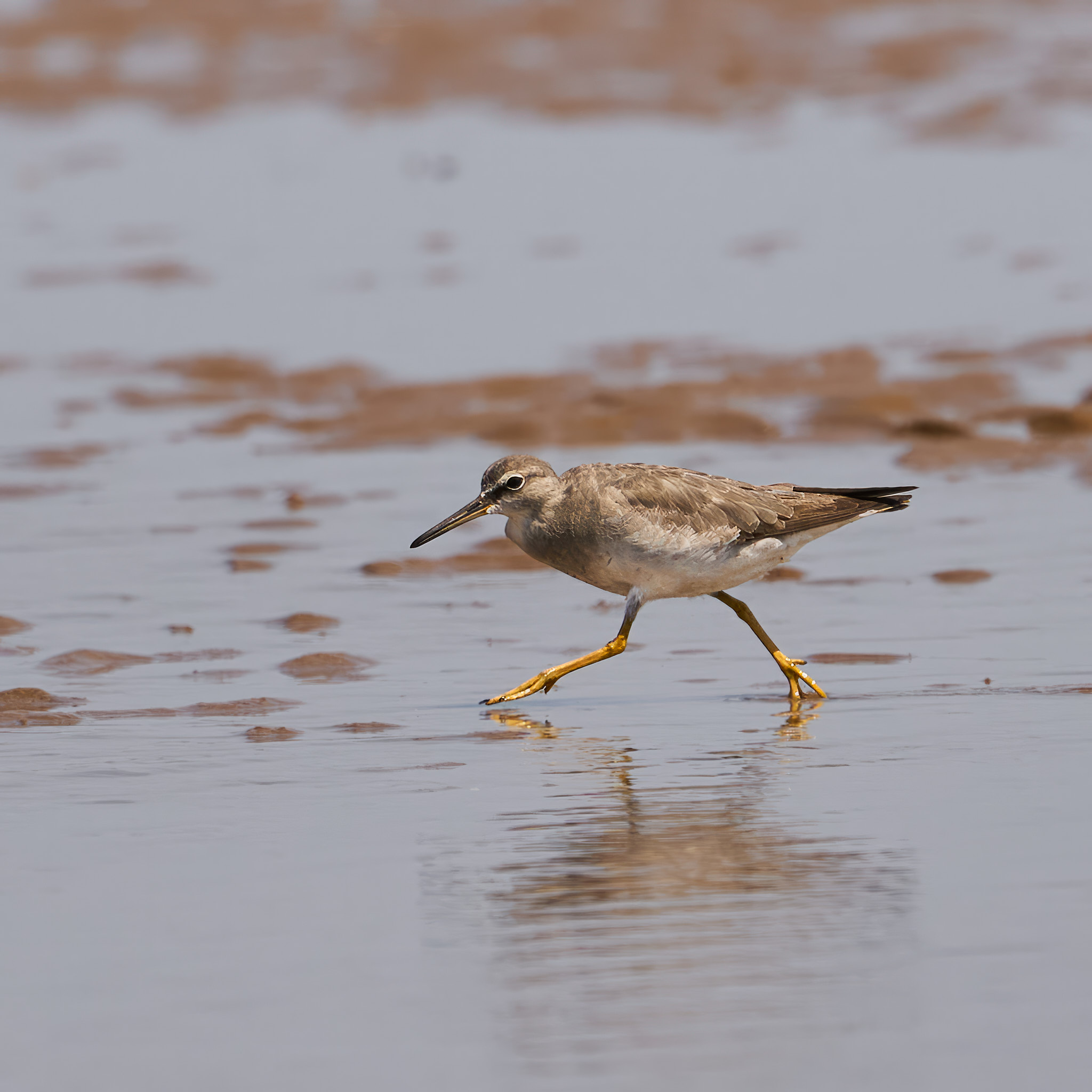
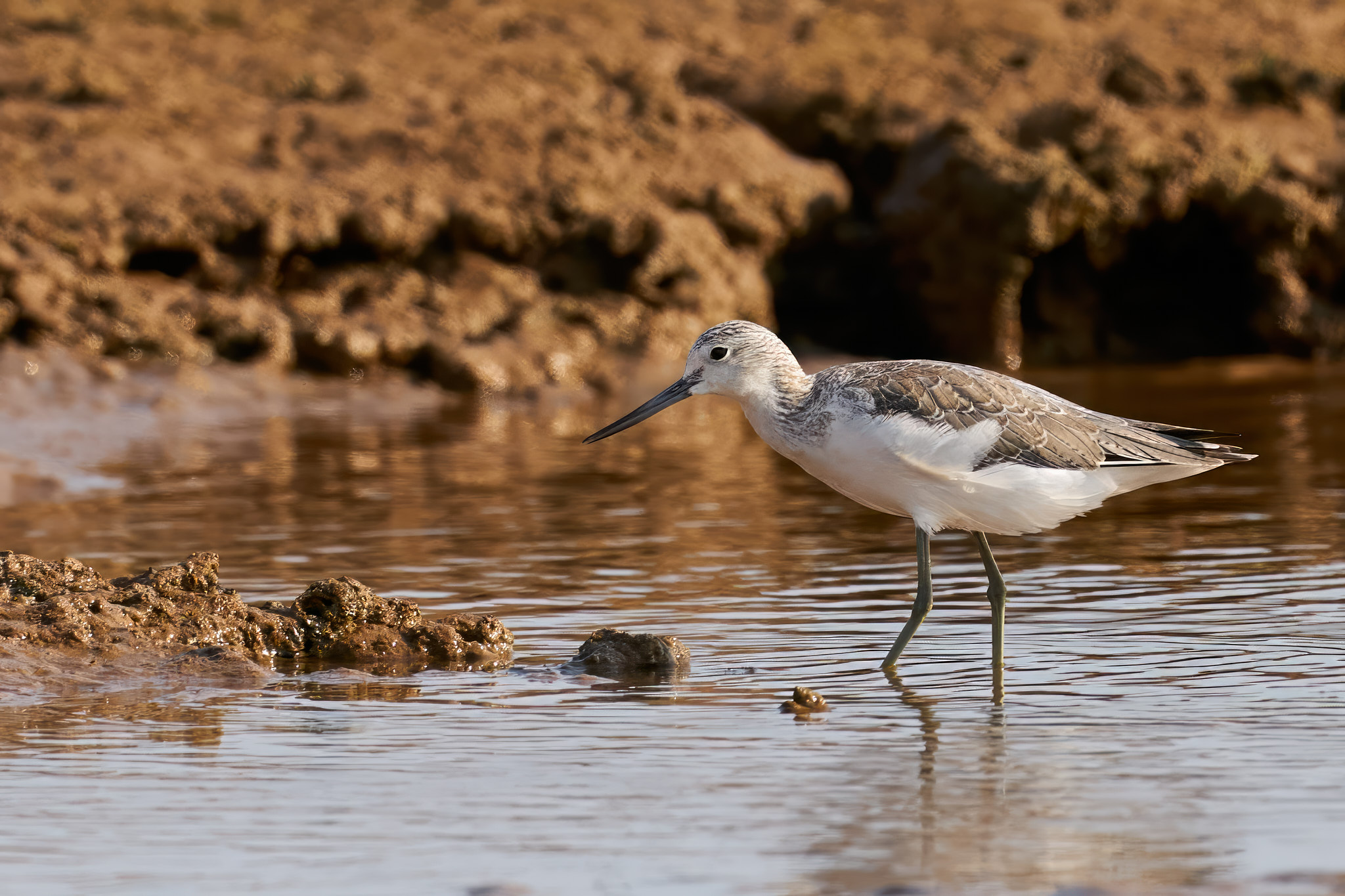
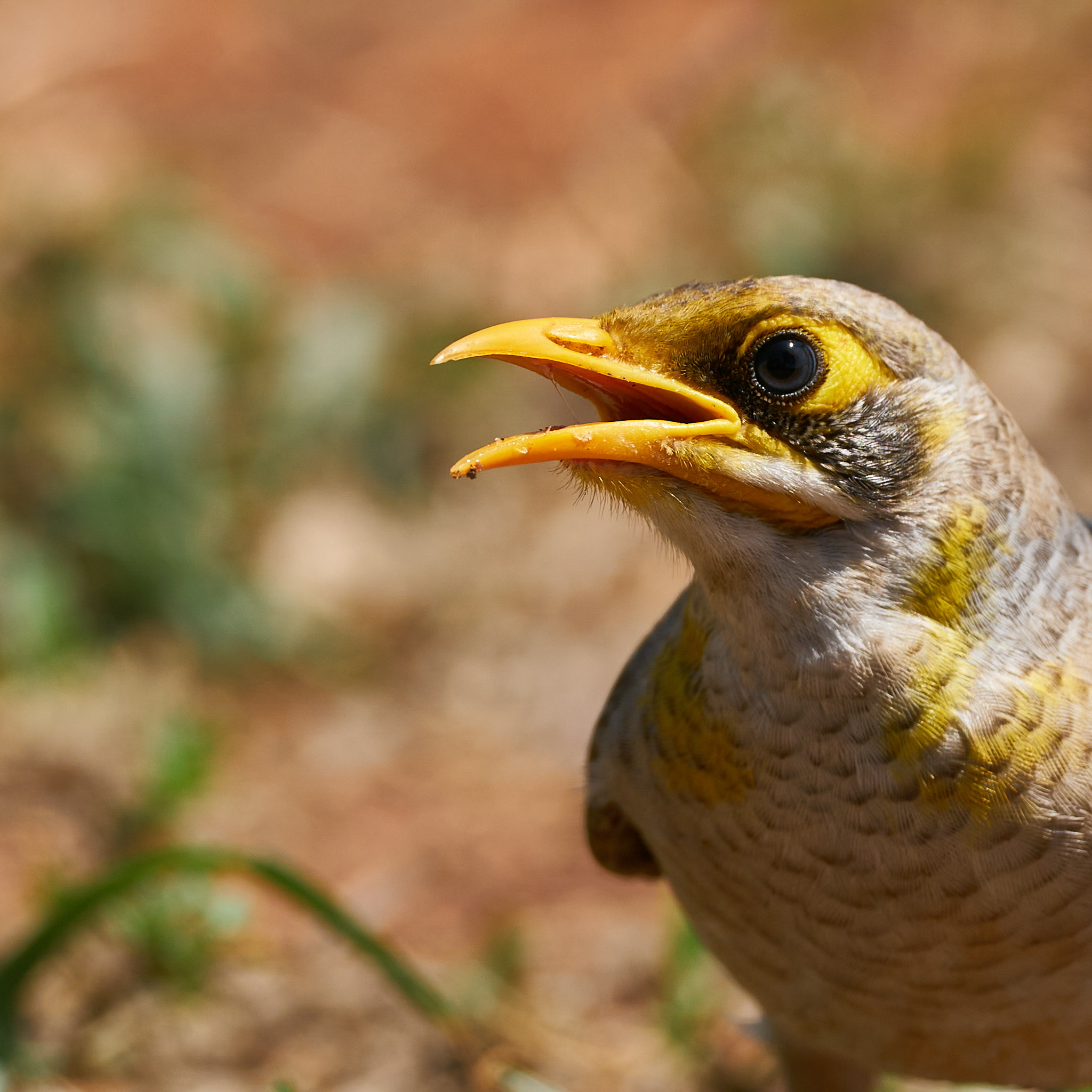
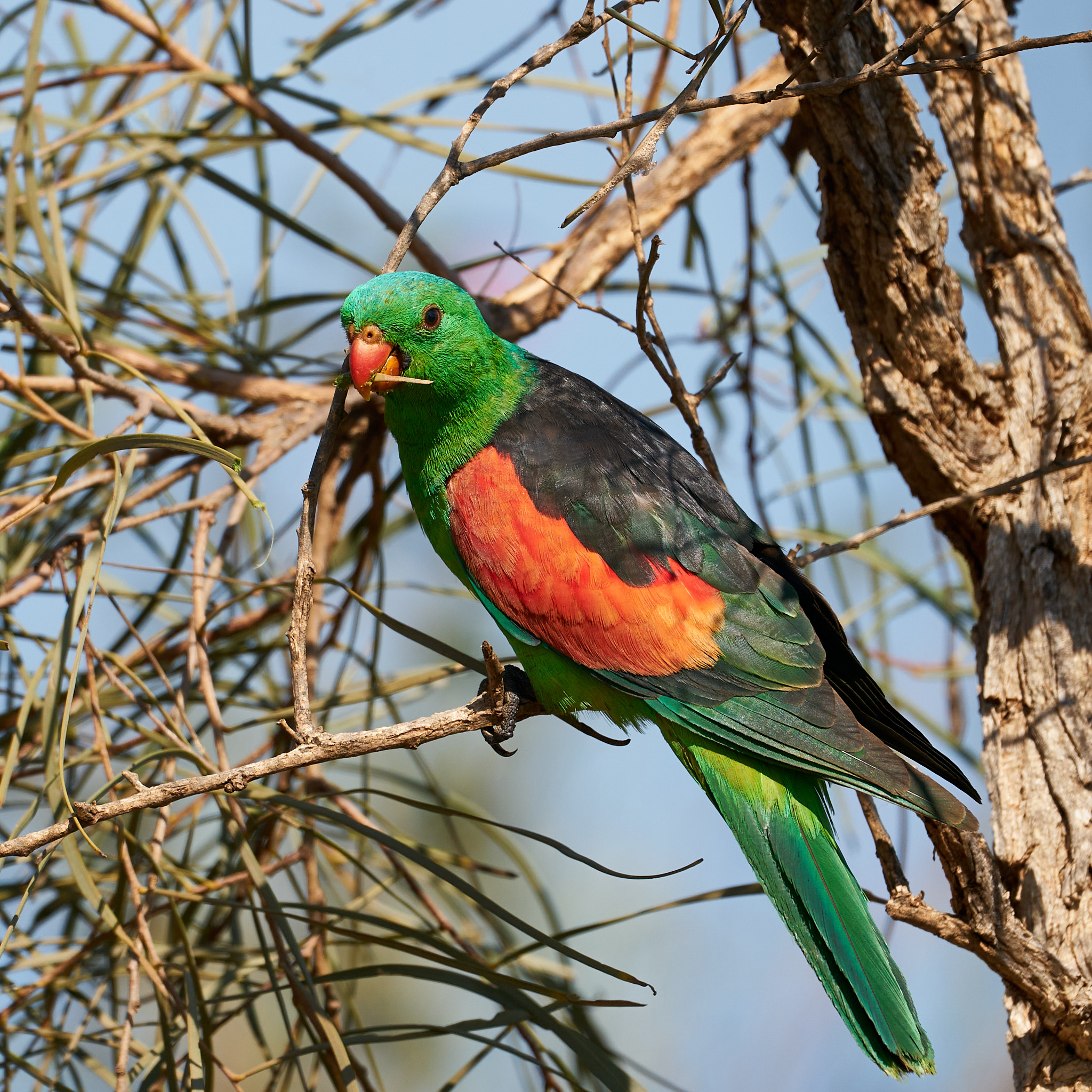
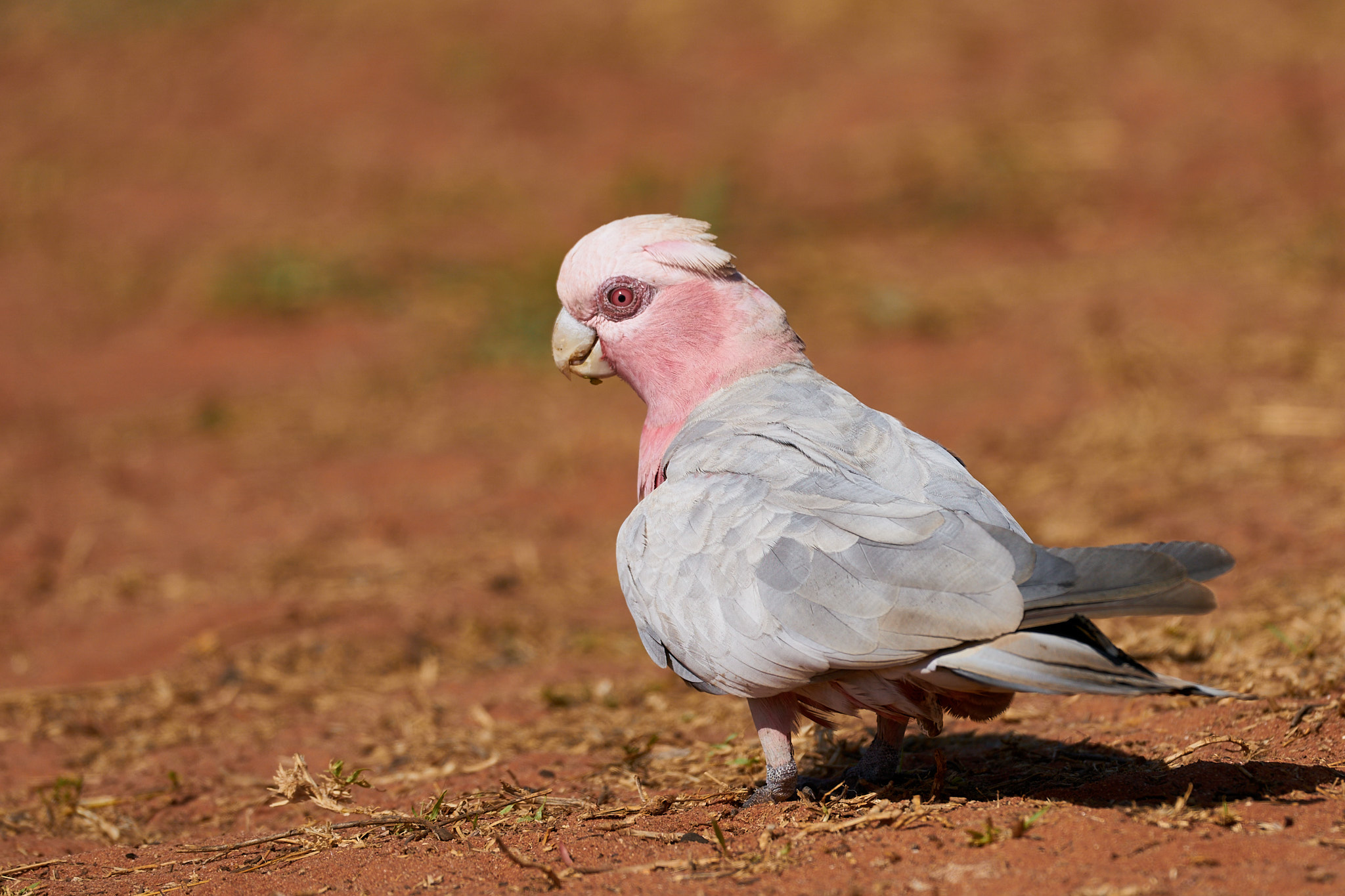
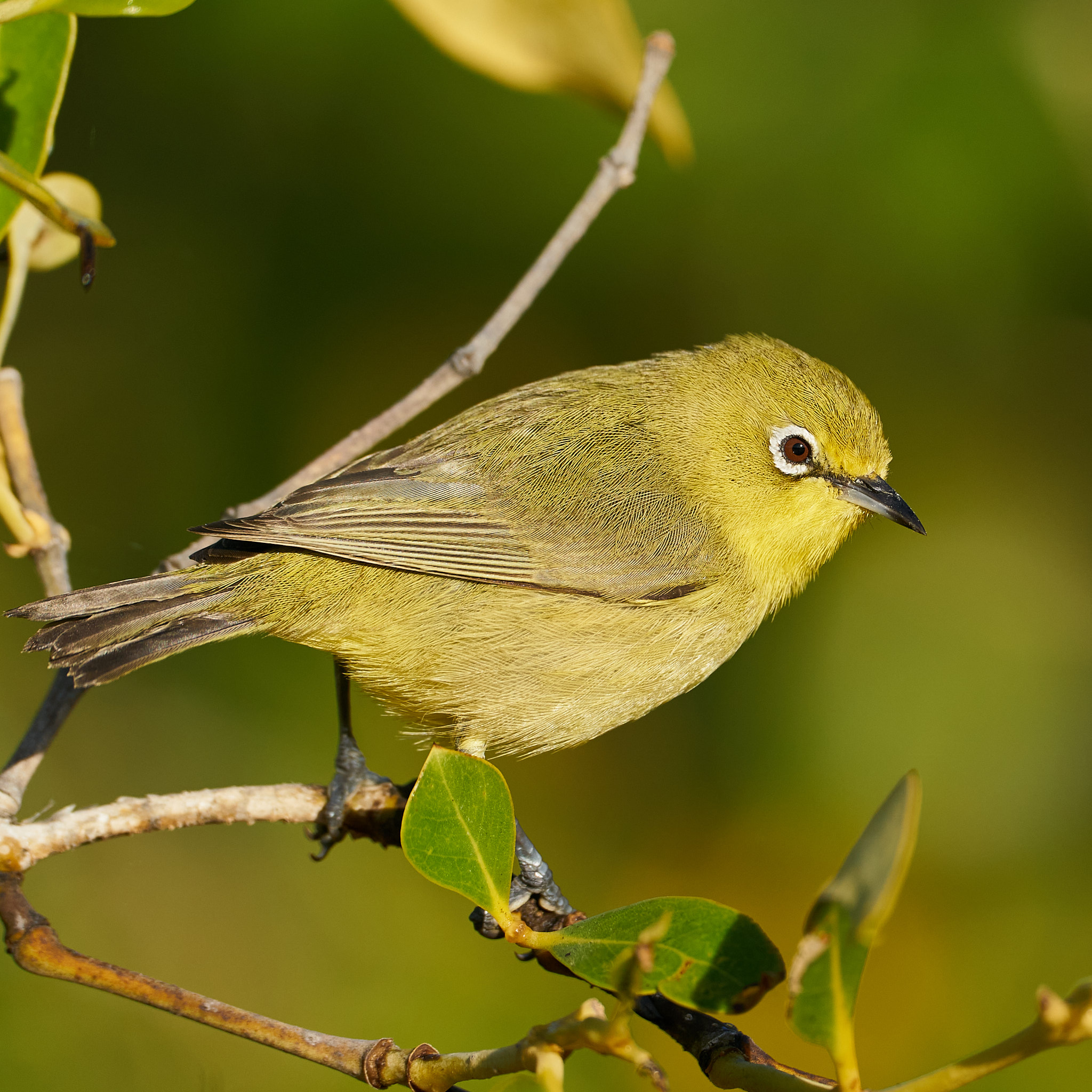
There were plenty of birds around including Yellow-throated Miners which are common enough elsewhere but decidedly uncommon around Broome.

The unfortunate mollusc is not an oyster. It looks like it might be a Black Date Mussel but no guarantees when it comes to mollusc ID.

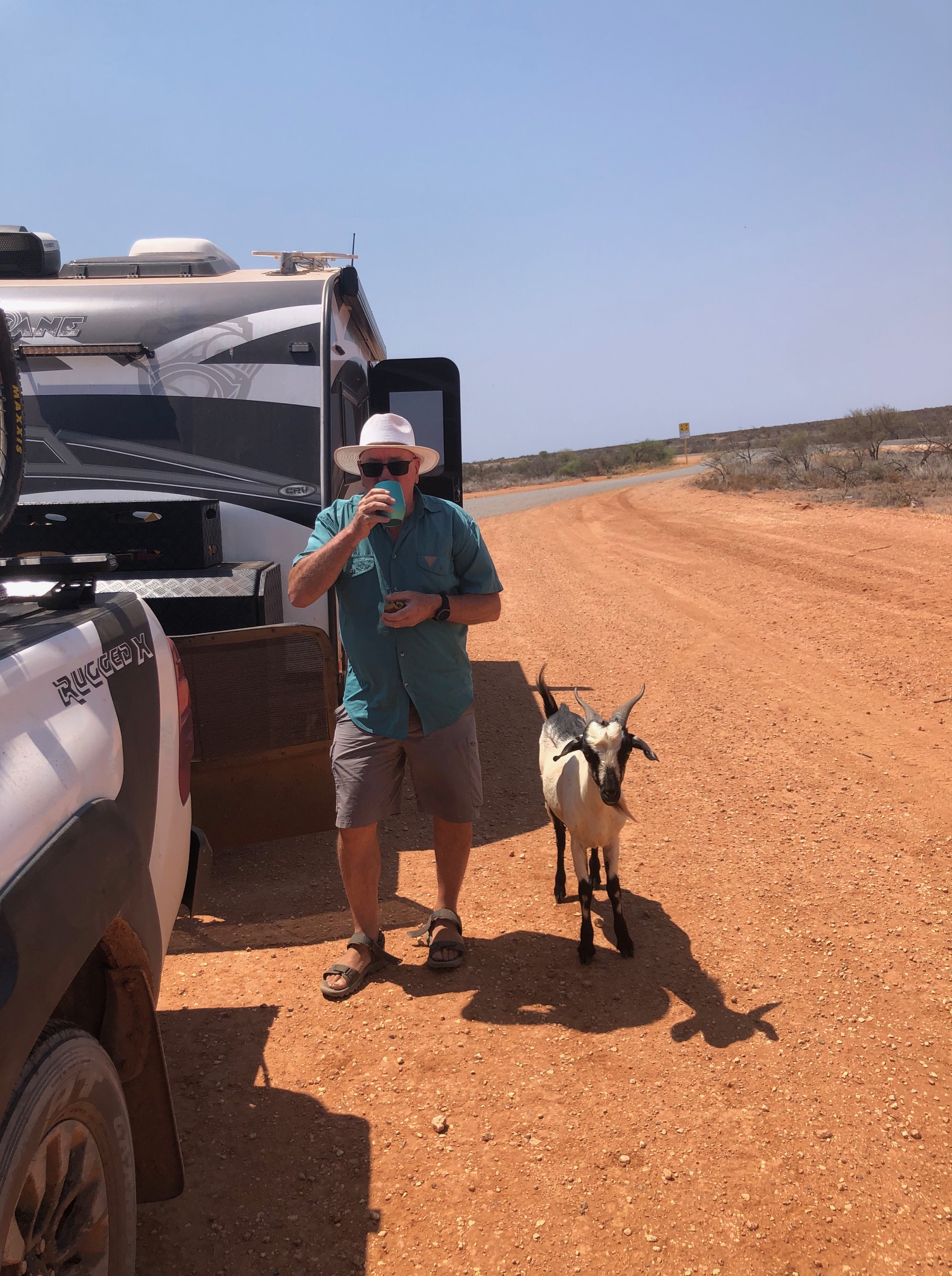
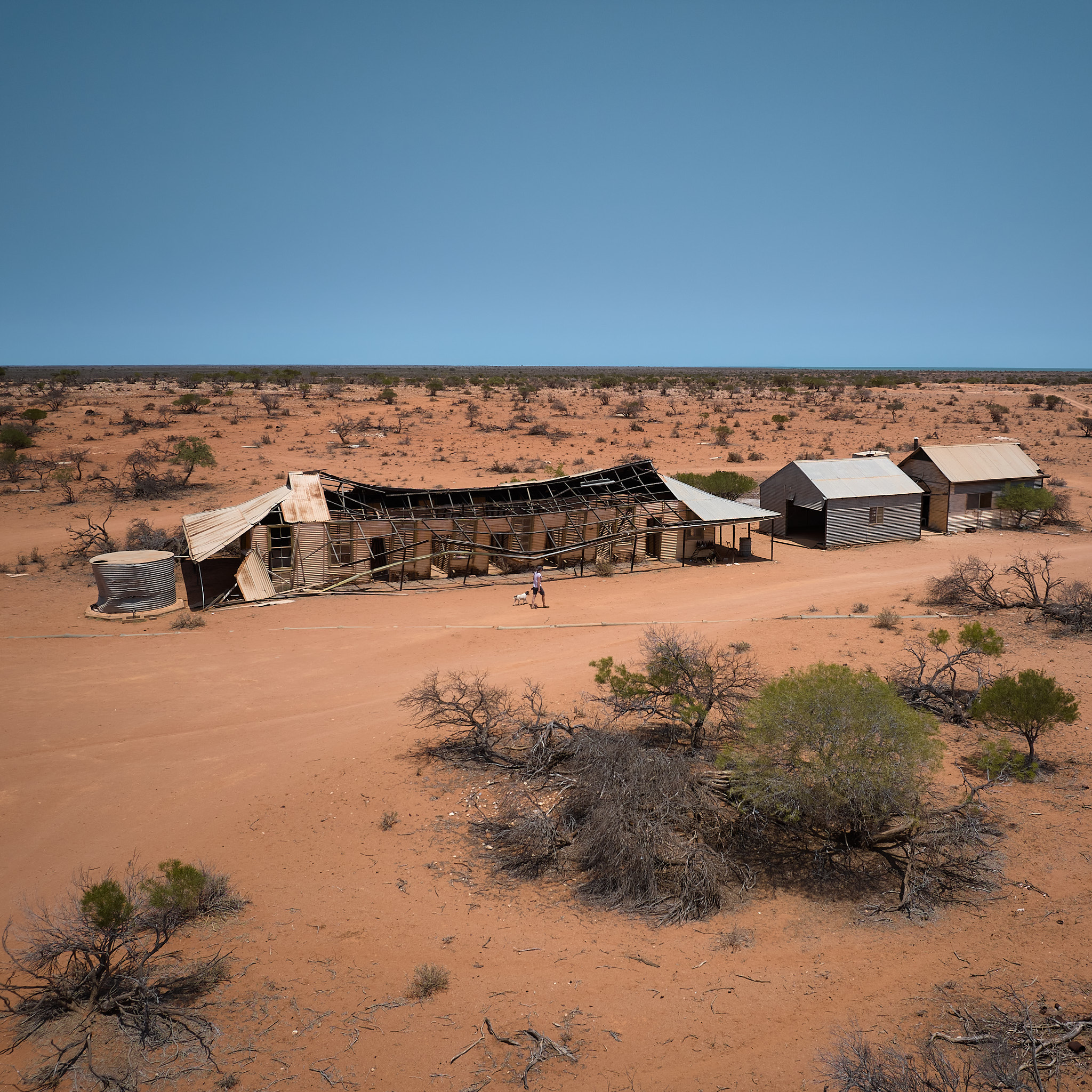
Barn Hill is part of Thangoo Station, a working cattle property. The caravan park is 9km off the Northern Highway. The access road is a sandy track but not challenging, 2WD would suffice. The biggest challenge is opening and closing three gates along the way. Facilities are basic but clean. The website suggests that mobile coverage is good … they exaggerate.

Back on the Boat …

Broome Whale Watching again but this time their dolphins and turtle tour in Roebuck Bay. It was a windy morning which necessitated a change of starting point but didn’t interfere too much with the trip.

Roebuck Bay is about 550 km2 in area and shallow. The tidal range is huge – as much as 10.5m and at low tide exposes as much as 160 km2 of mudflat. Seagrass meadows lie just below the low tide line, Mangroves are inundated by the high tides. The tidal flow stirs up sediment that makes the sea a beautiful turquoise which teamed with the red cliffs and red sand gives Broome its characteristic vibrant palette.

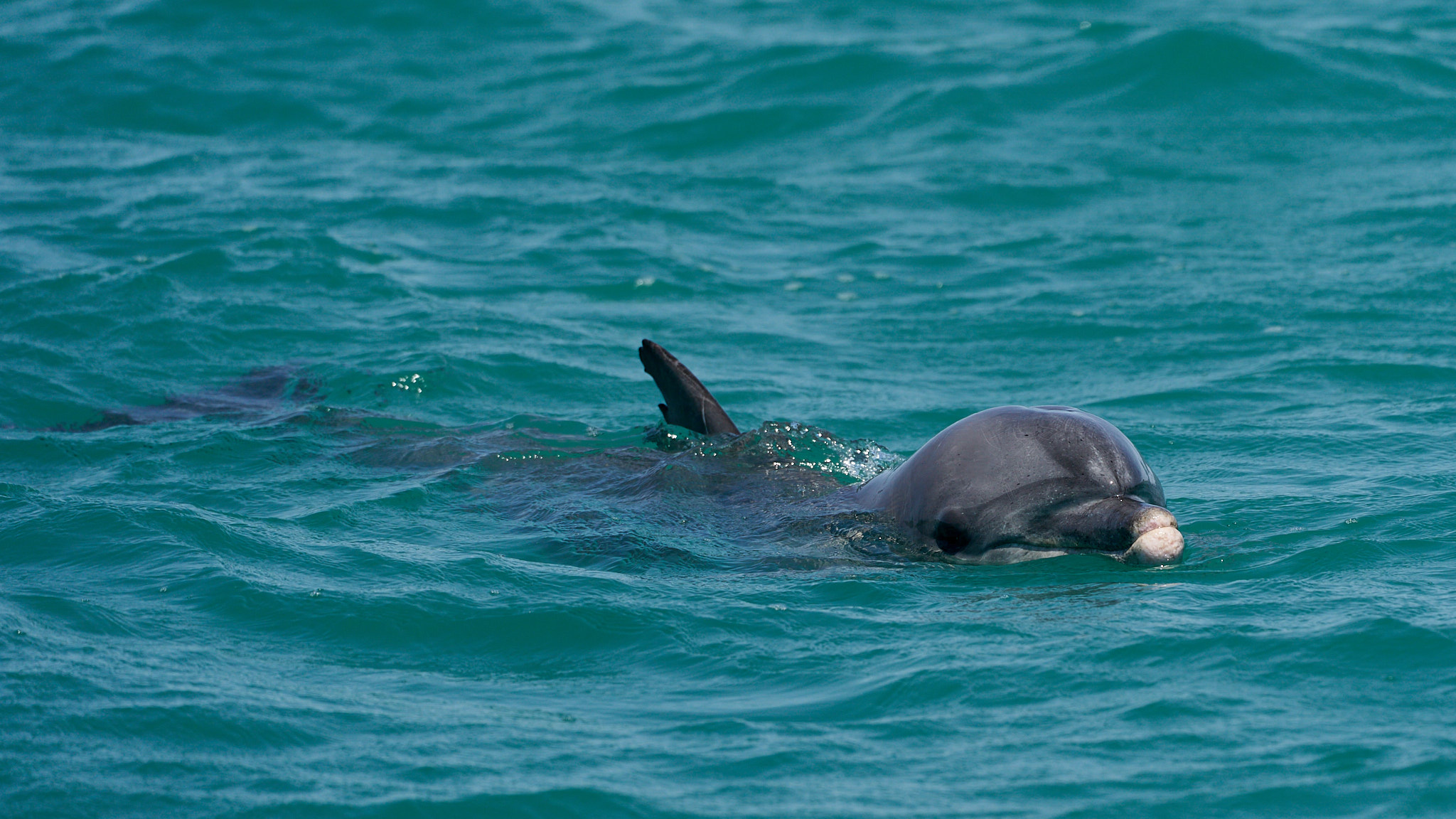
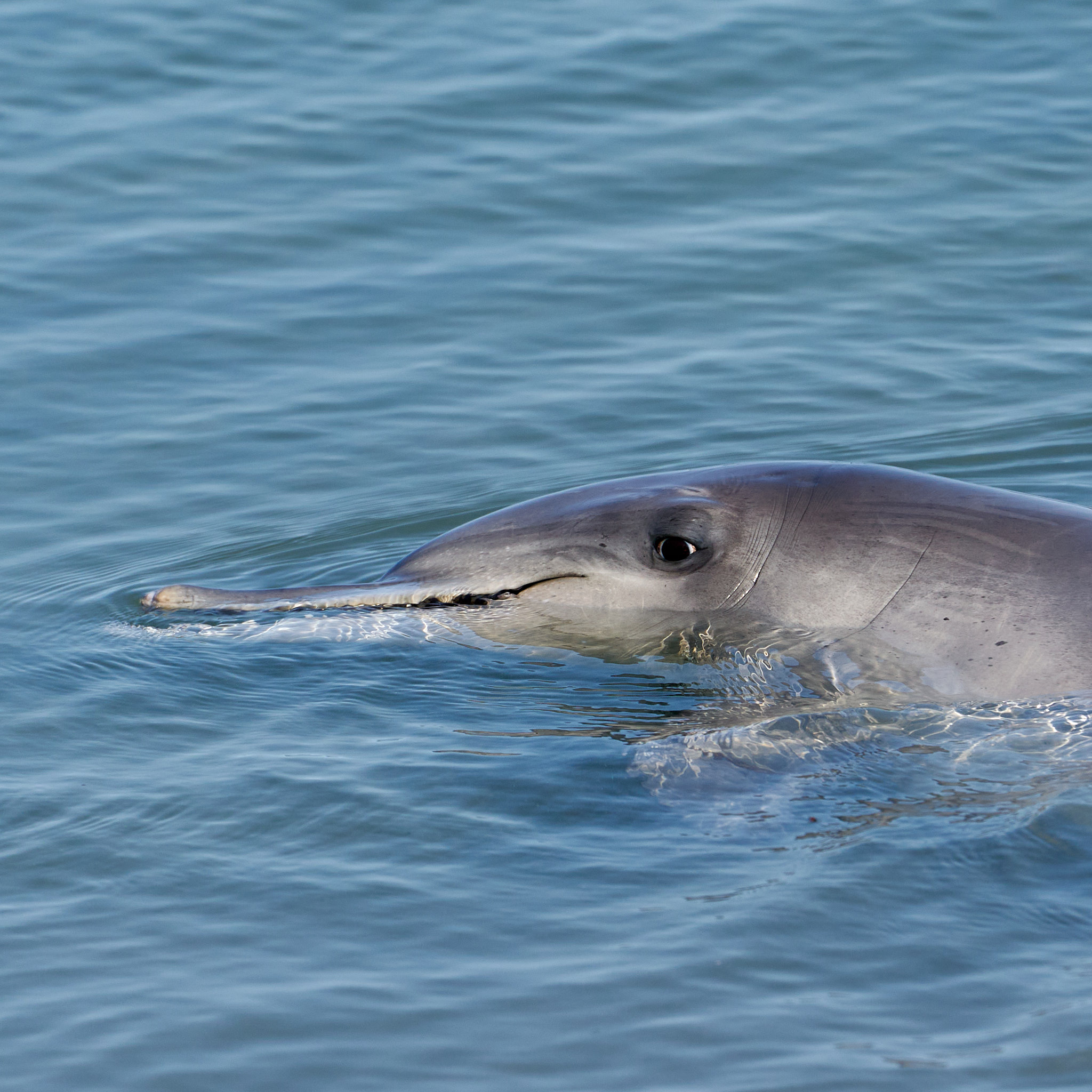
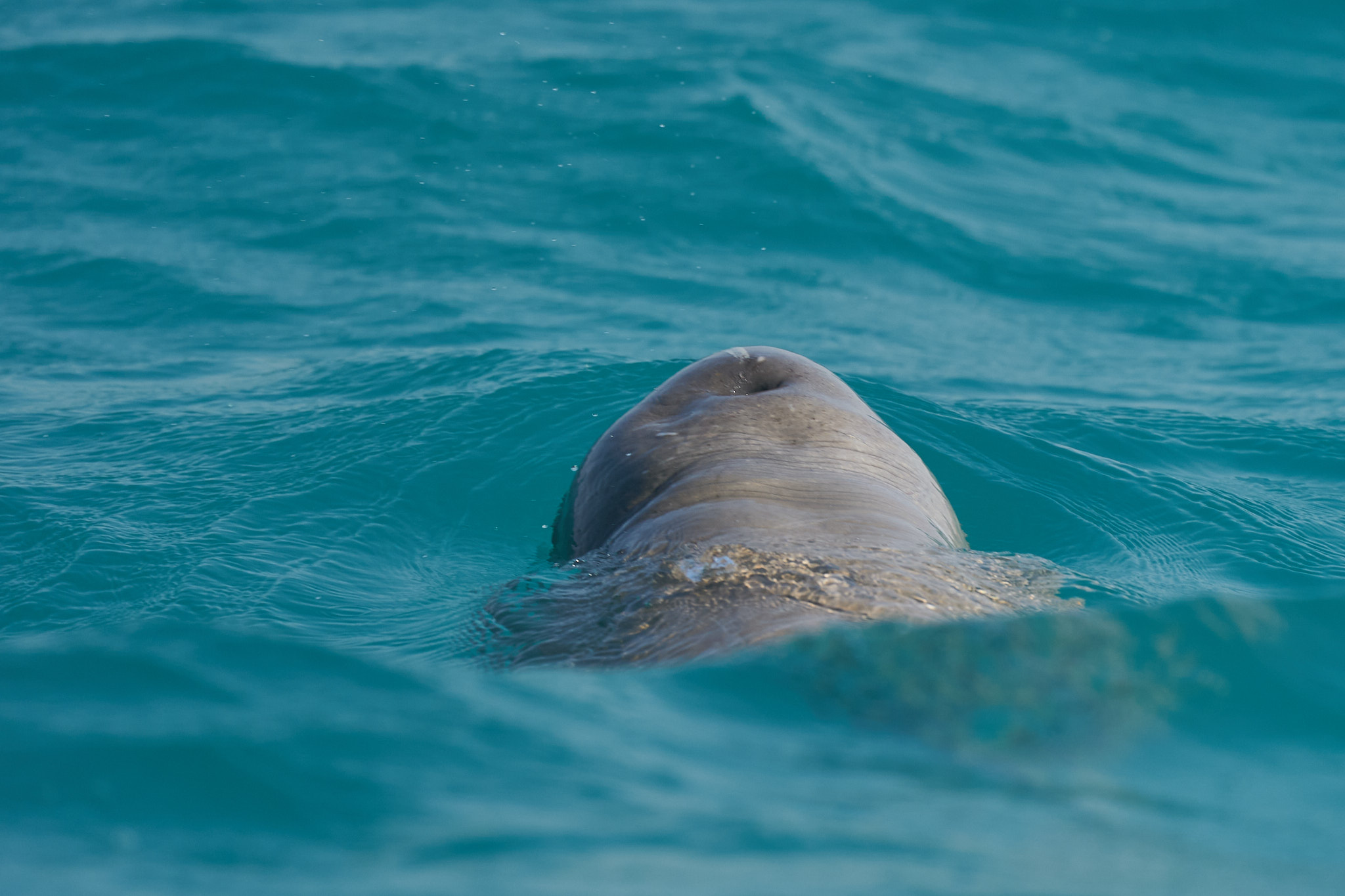
It wasn’t long before we encountered our first Snubfin Dolphins. They are rather sedate as dolphins go, no leaping out of the water or dashing to the boat for a ride on the bow wave. They have heads like a melon and tails like little Humpbacks. They move relatively slowly but tell that to the photographers … the best chance to get a head shot is when they surface. Where will they surface? Good luck with that.

They were lumped with the Irrawaddy Dolphin from the Bay of Bengal until DNA studies earned them an identity of their own in 2005. They are found around the coast of northern Australia and presumably southern New Guinea. They are reliably found in Roebuck Bay but rare elsewhere.

Snubfins grow up to 2.7m and weigh up to 133kg. Males are typically larger than females. They get around in small groups that may join another group at a feeding site. Their diet consists mainly of fish and cephalopods. They have been seen at the surface spitting water over fish to fool them into swimming towards them.

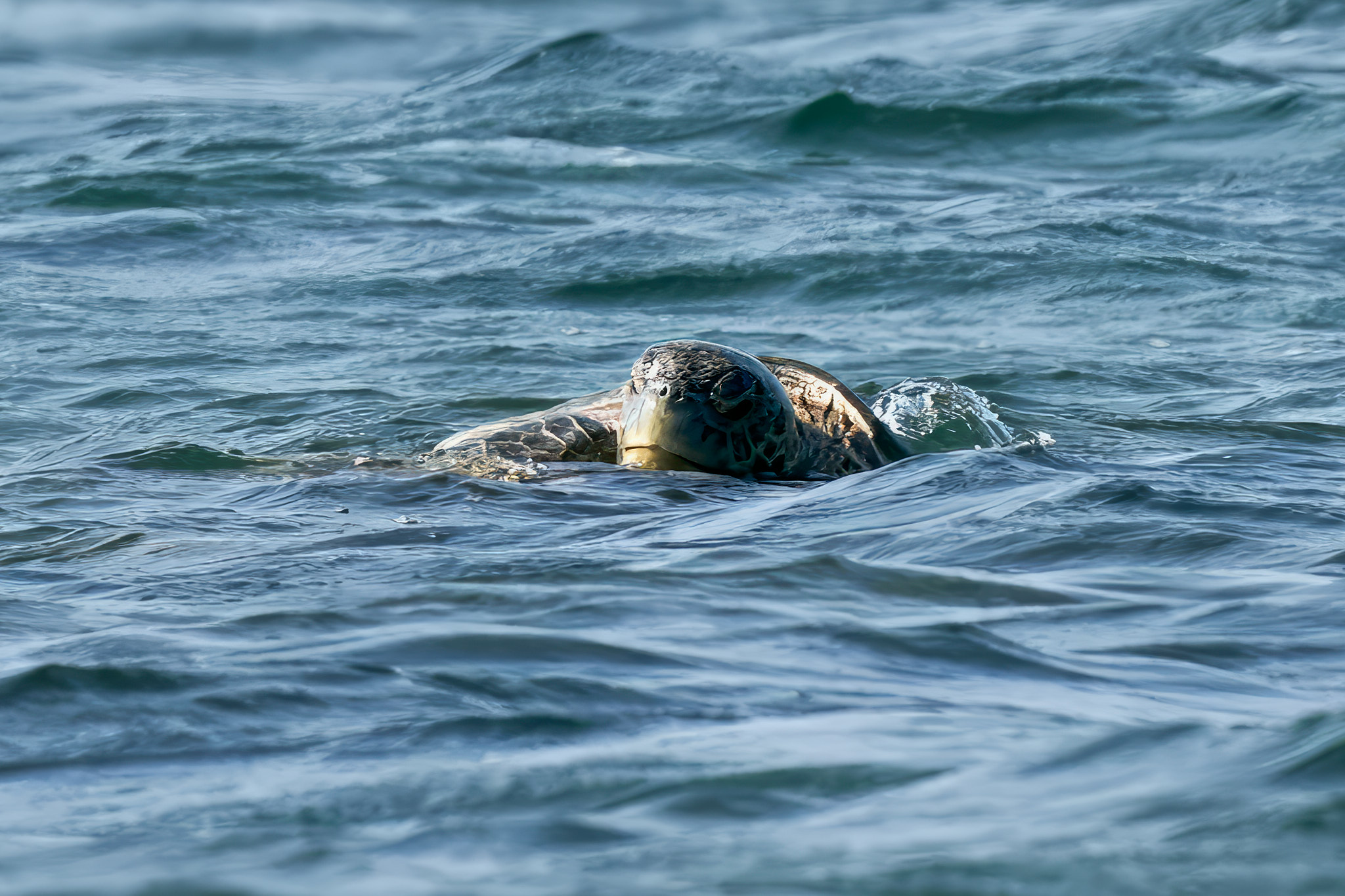
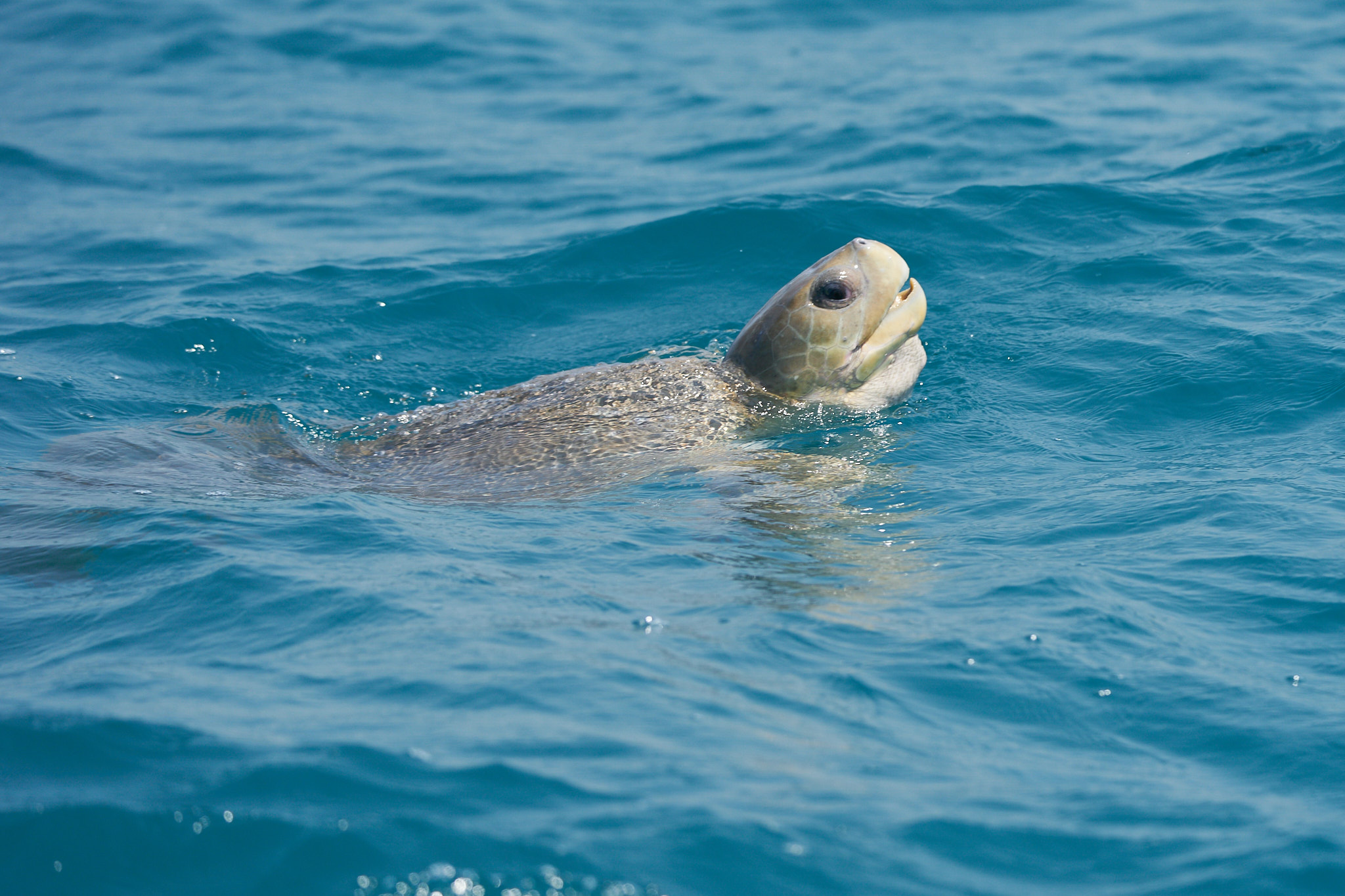
Next on the agenda was the Flatback Turtle. These are another denizen of Australia’s northern waters but wander a little further than the Snubfins. Their carapace gets to about a meter from front to back and adults weigh 60 to 90kg. Females are sexually mature from about seven years of age. Mating takes place at sea, the females come ashore to lay clutches of about 50 eggs in a nest dug in the sand. The sex of the offspring is determined by the ambient temperature – below 29 °C (84 °F), the hatchling will be a male.
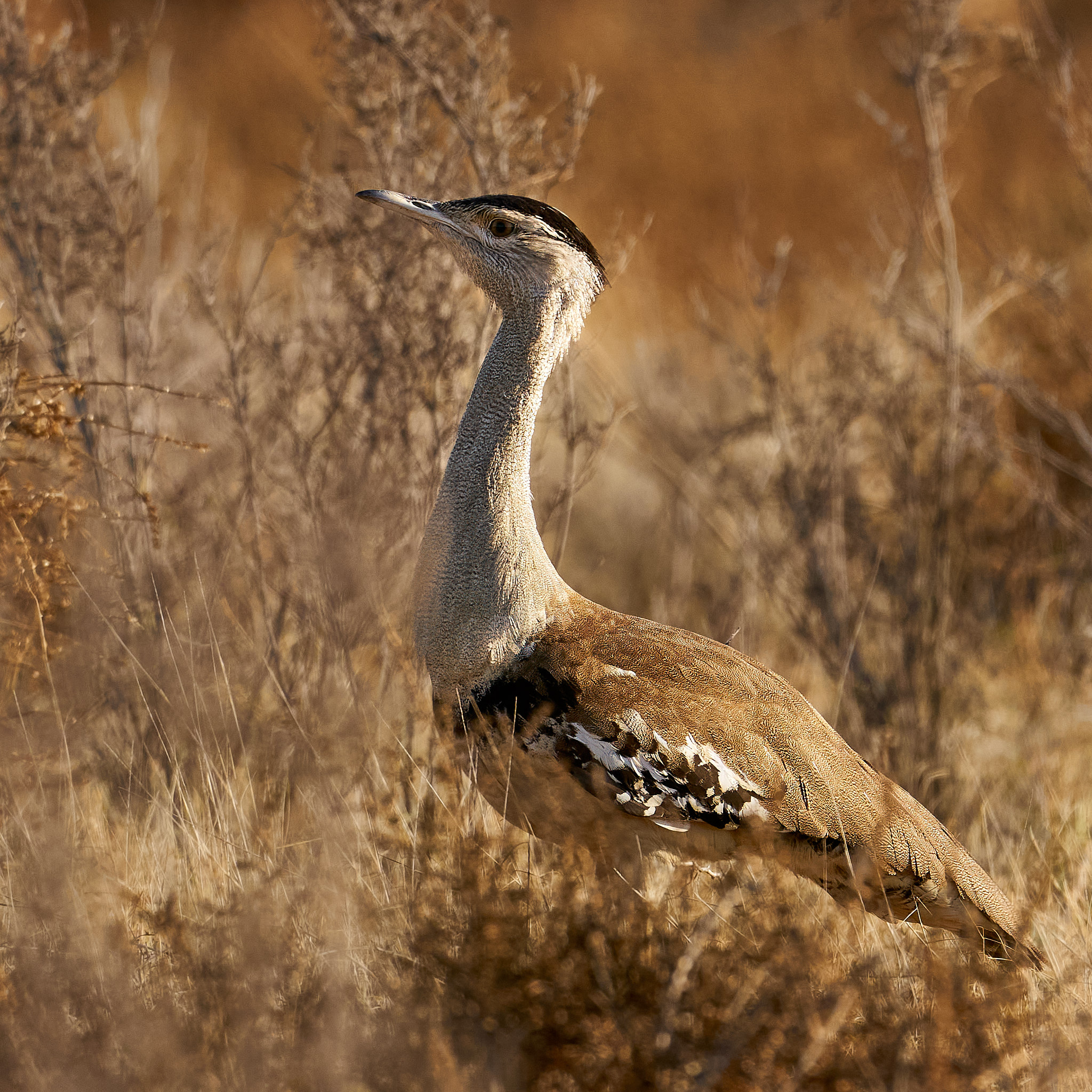
Humpback Baby Humpback …

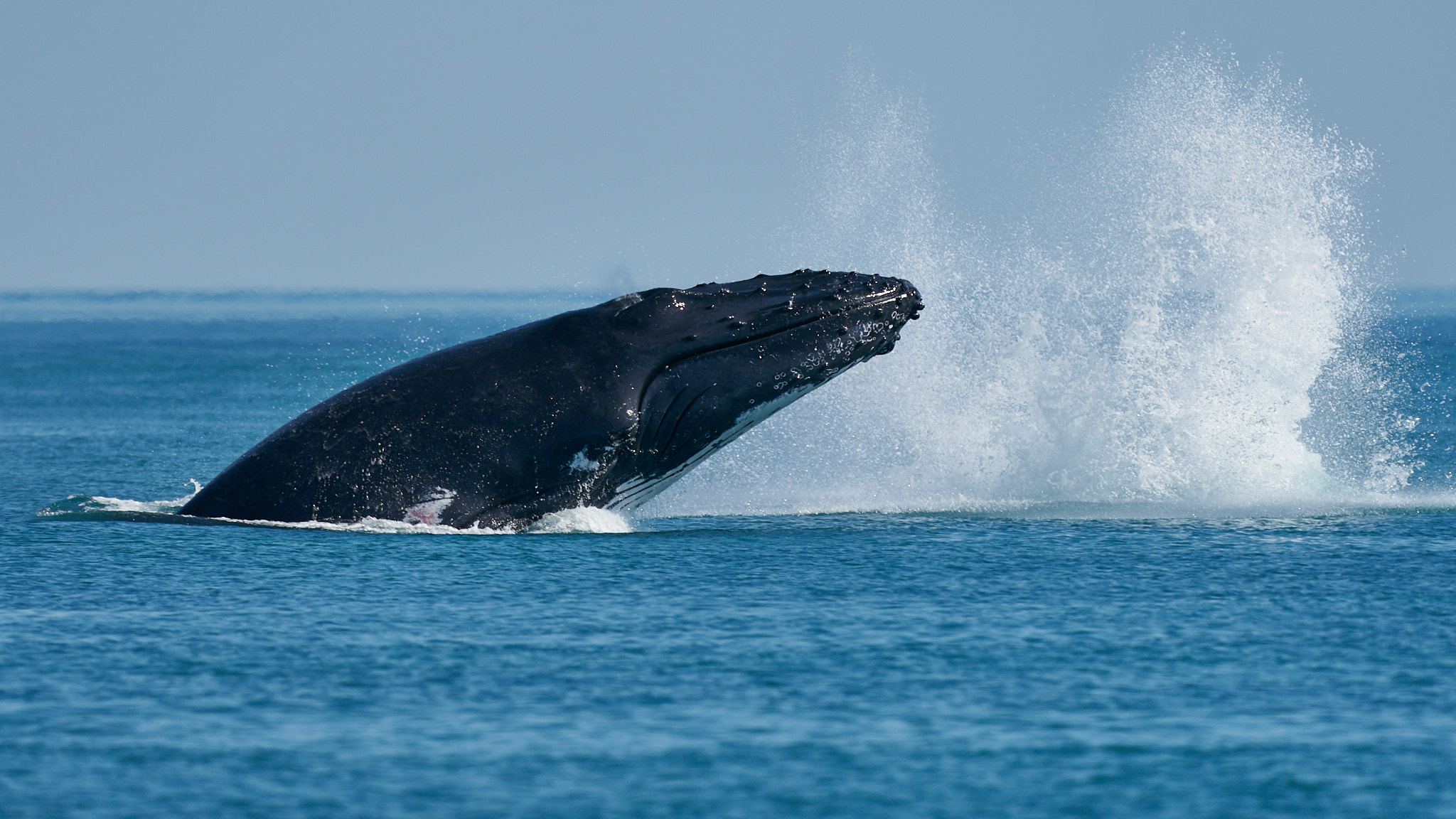
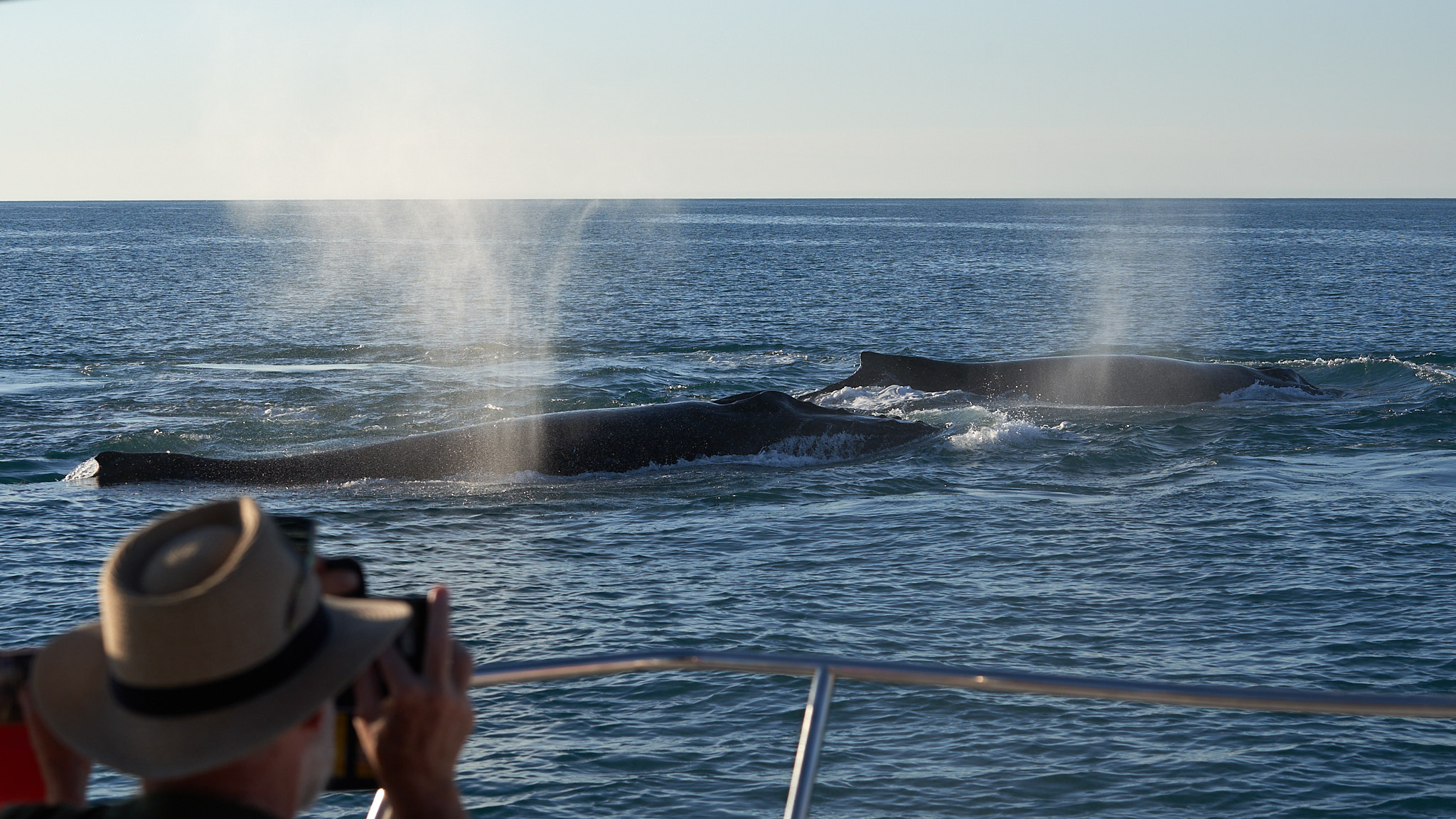
Humpback Whales are moving south down Australia’s coast on their migration to and from antarctic waters. Mothers have had their babies and are busy feeding them prodigious quantities of milk despite the fact that they haven’t eaten since they moved north. The boys are gathering together and showing off trying to impress the girls so that the cycle can start again. I’ve been treated to distant sightings from the shore over the last week or so. Time to get out in a boat.
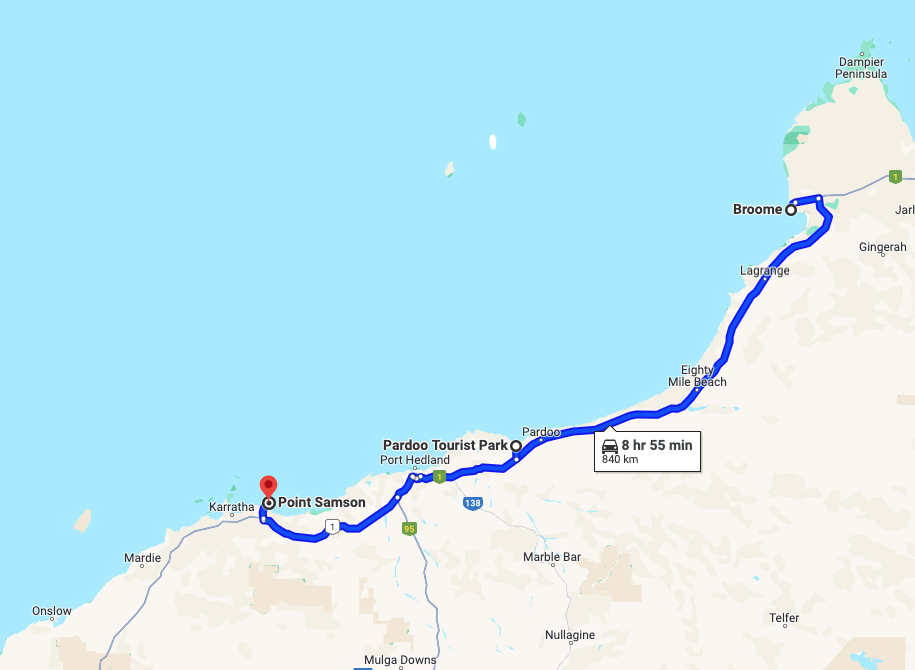
I went on a commercial tour with Broome Whale Watching. It was an afternoon trip coming back just after sunset. They say that they can’t promise whales but they delivered in spades. How close can you get? Well, if the whales decide to come to the boat – this close …

The breaching photos were shot with a 600mm telephoto but I soon had to switch to a shorter lens (70 to 200). The tour company did a splendid job and the sun pitched in to finish things splendidly.

For those too young to recognise the musical allusion in the title check out the Rufous Thomas hit from 1964. You can find it on YouTube – Jump Back.

Osprey Bathing …

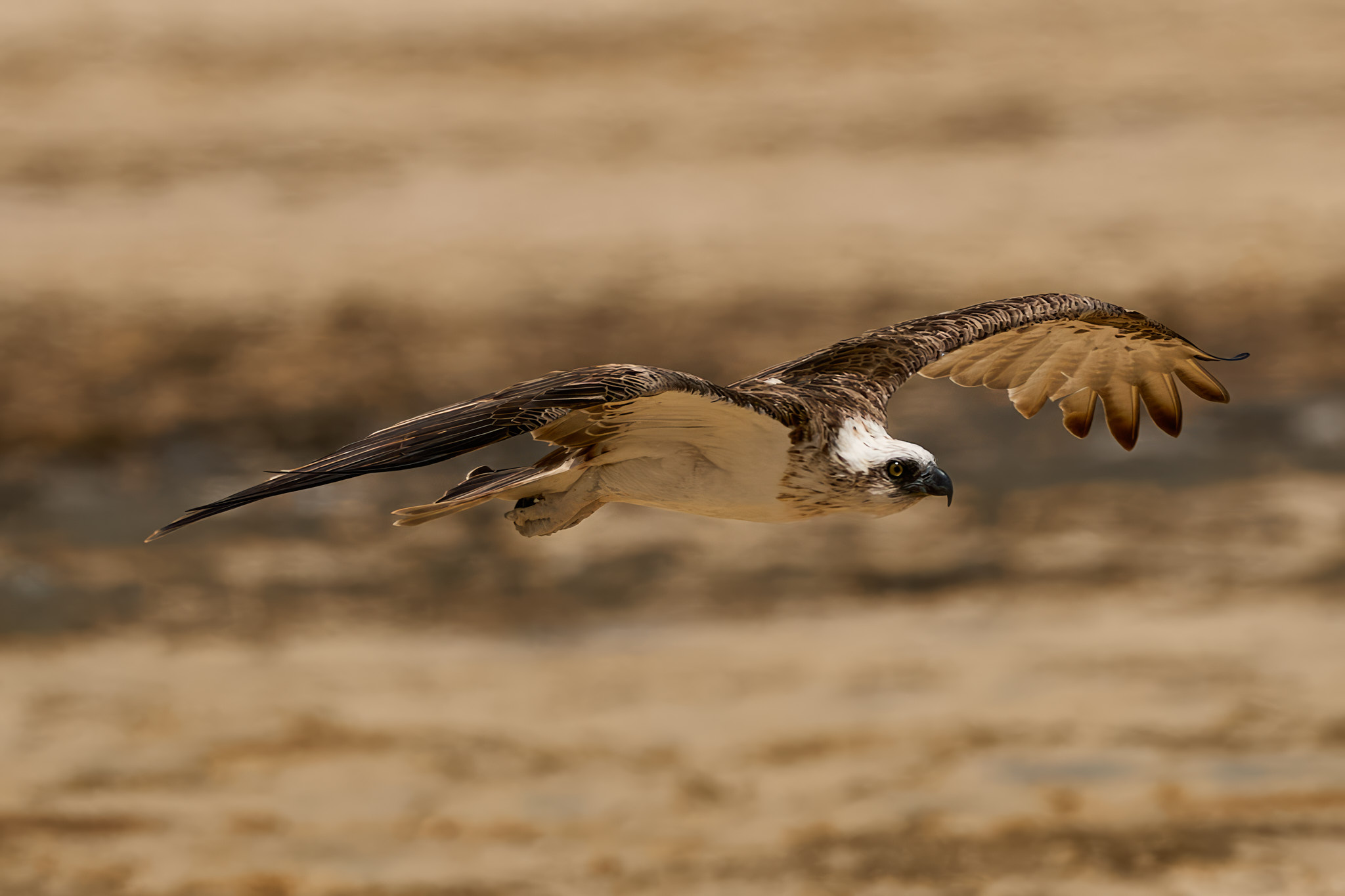
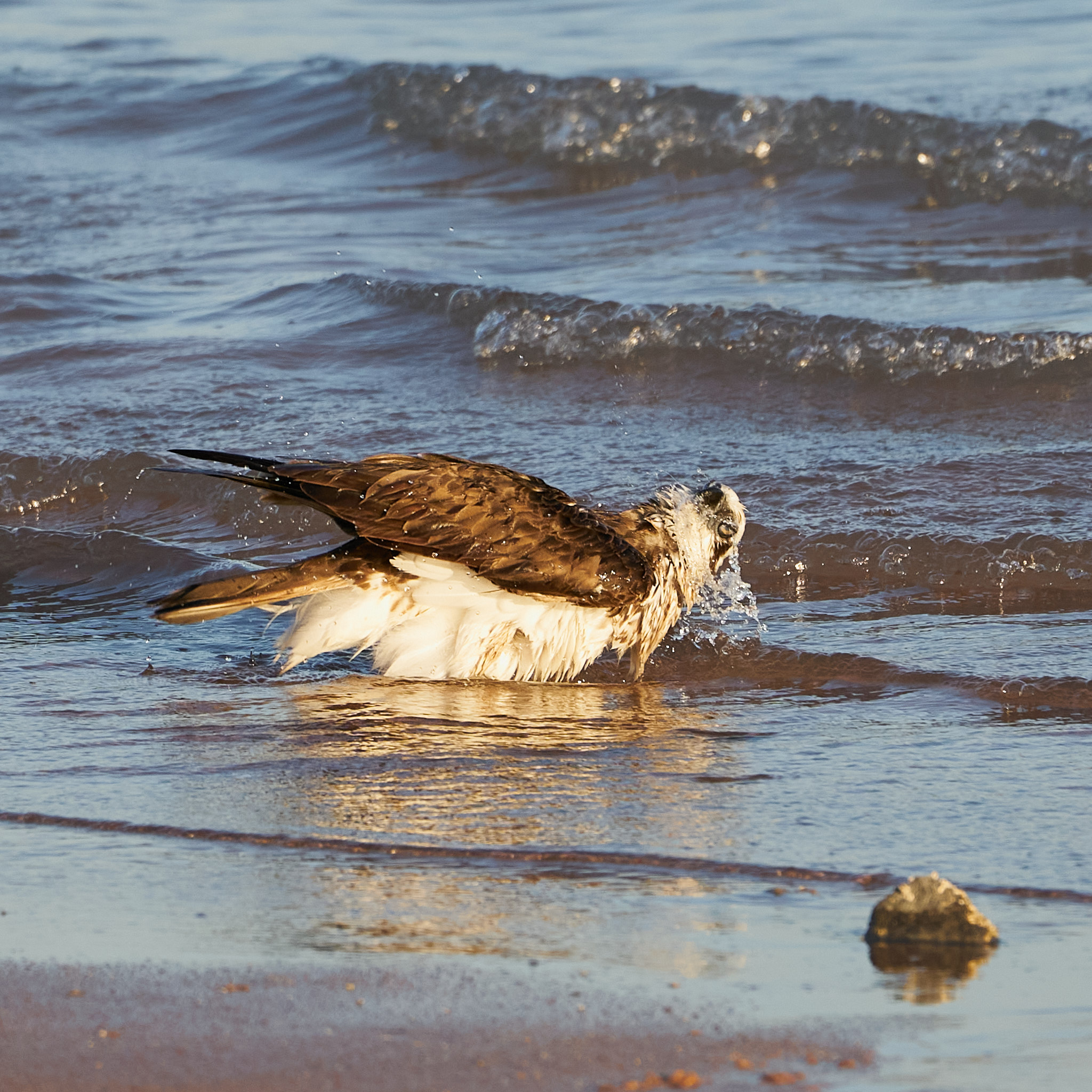
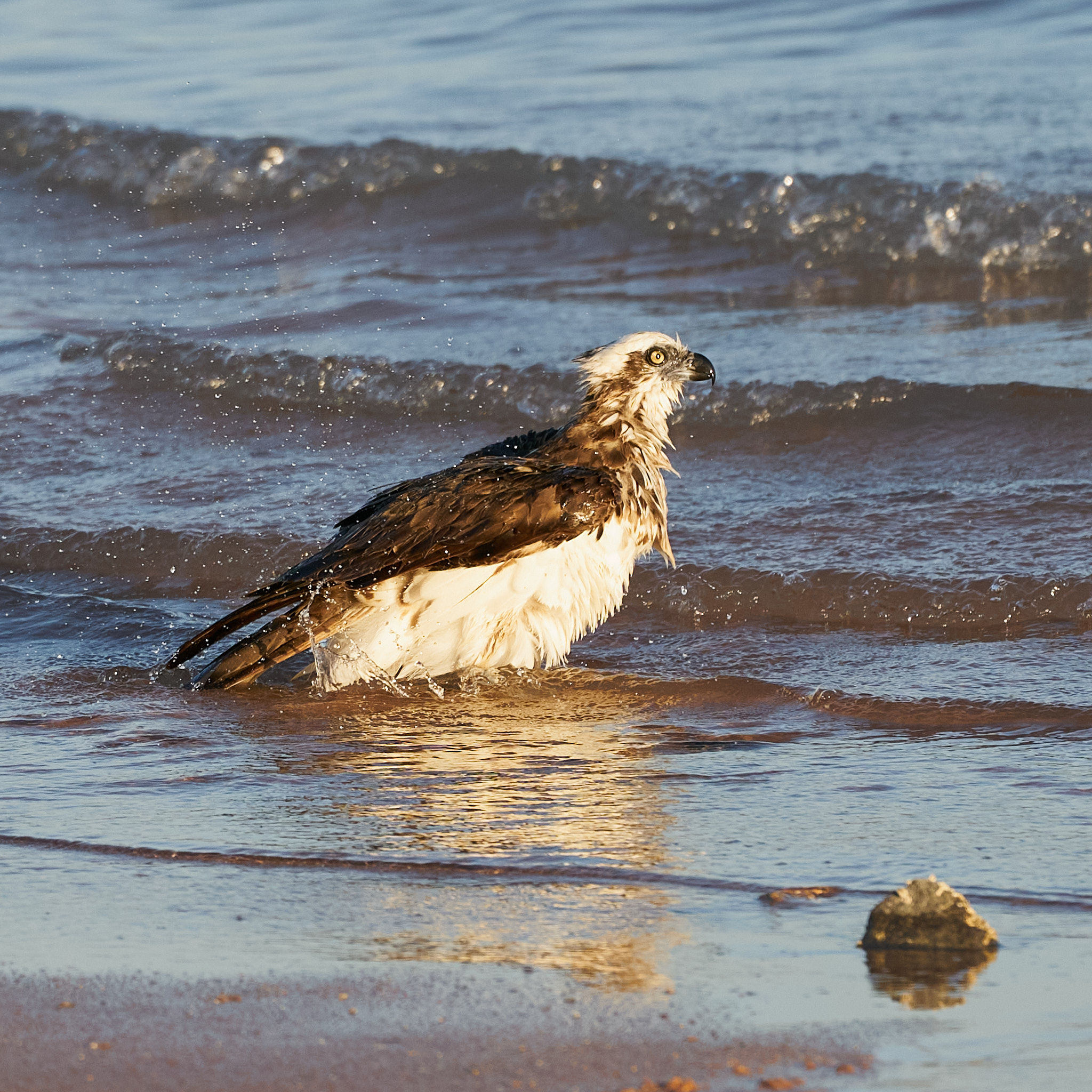
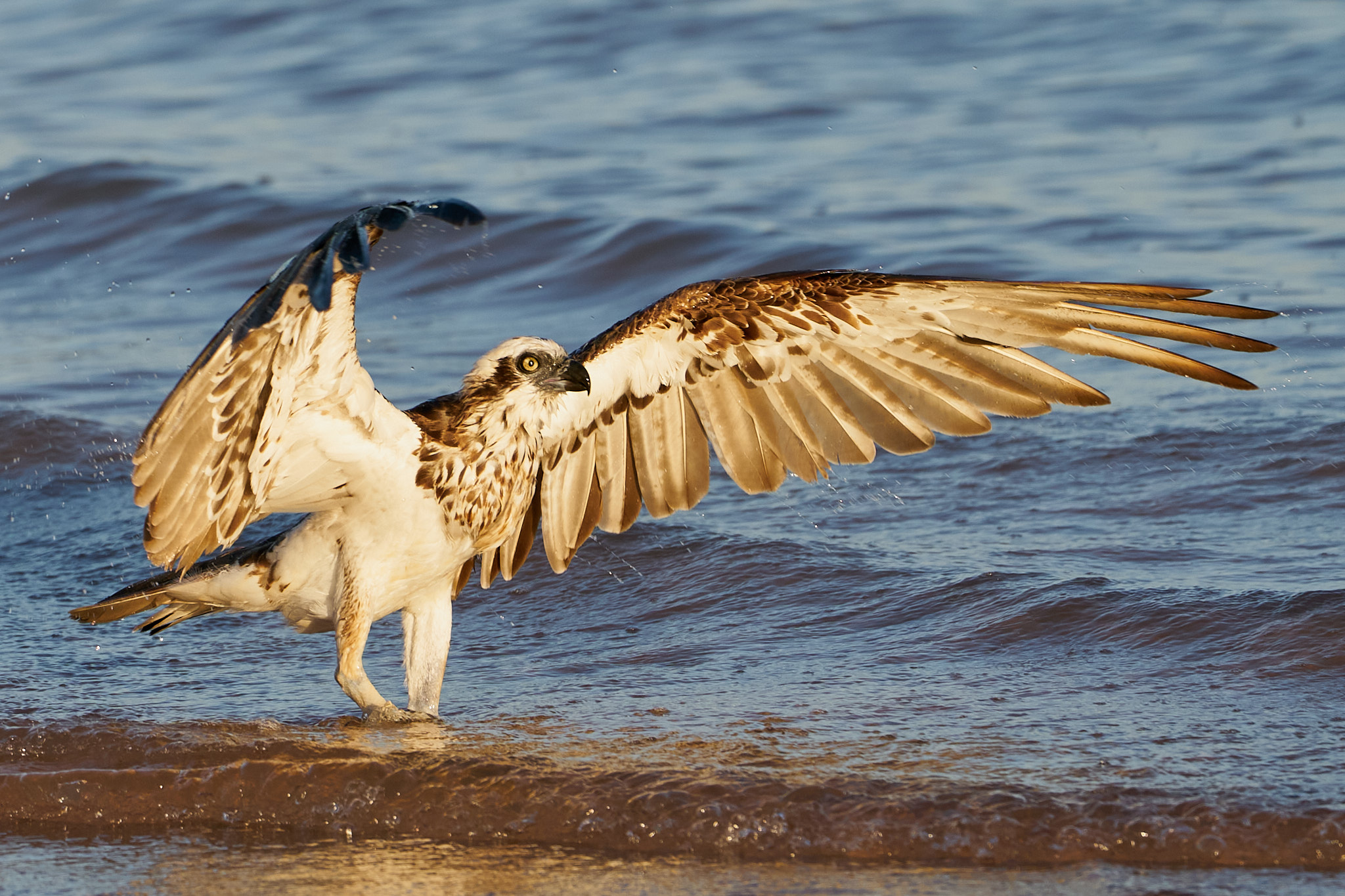
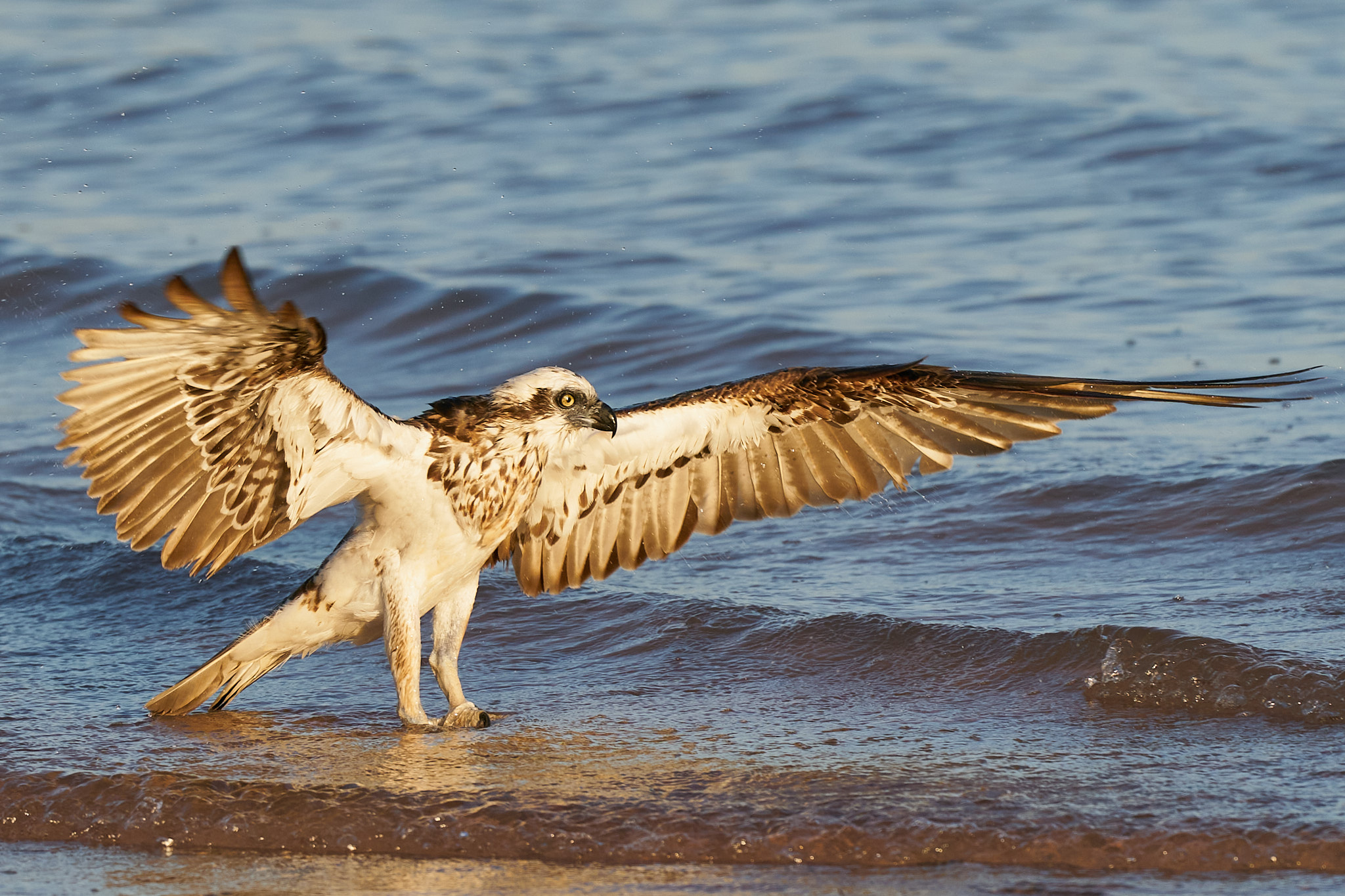
Ospreys have taken to nesting on man made structures. This can be inconvenient. The answer has been to put up a more attractive platform nearby. The most accessible of these from a human’s point of view is at Broome’s Town Beach. The platform there has a mess of sticks on top and a solitary bird is frequently in attendance. One day I hope to see a partner.

Yesterday It was taking a bath in the sea.

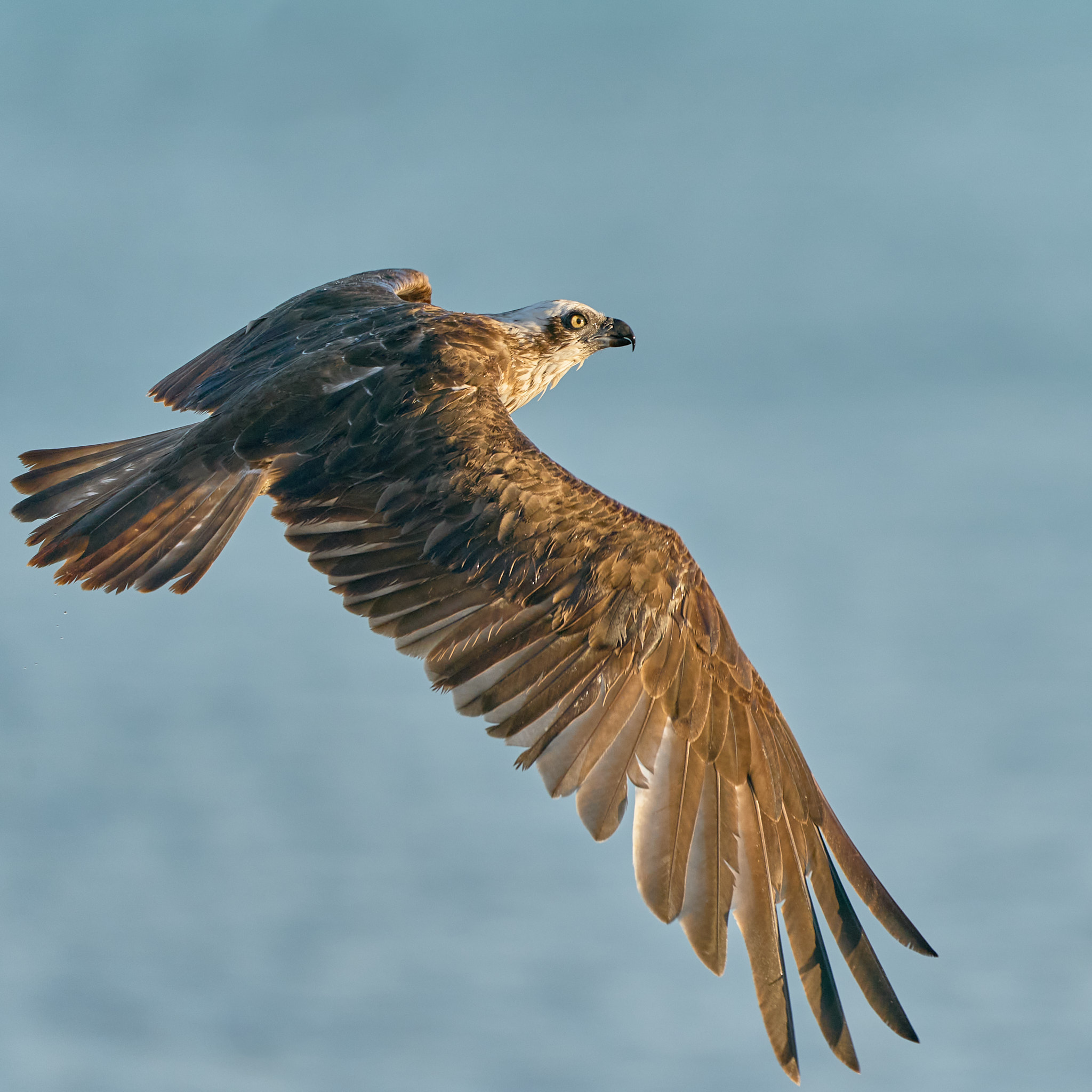
When it had finished it dried its wings with a few vigorous flaps before flying off.

Early Morning Mangroves …

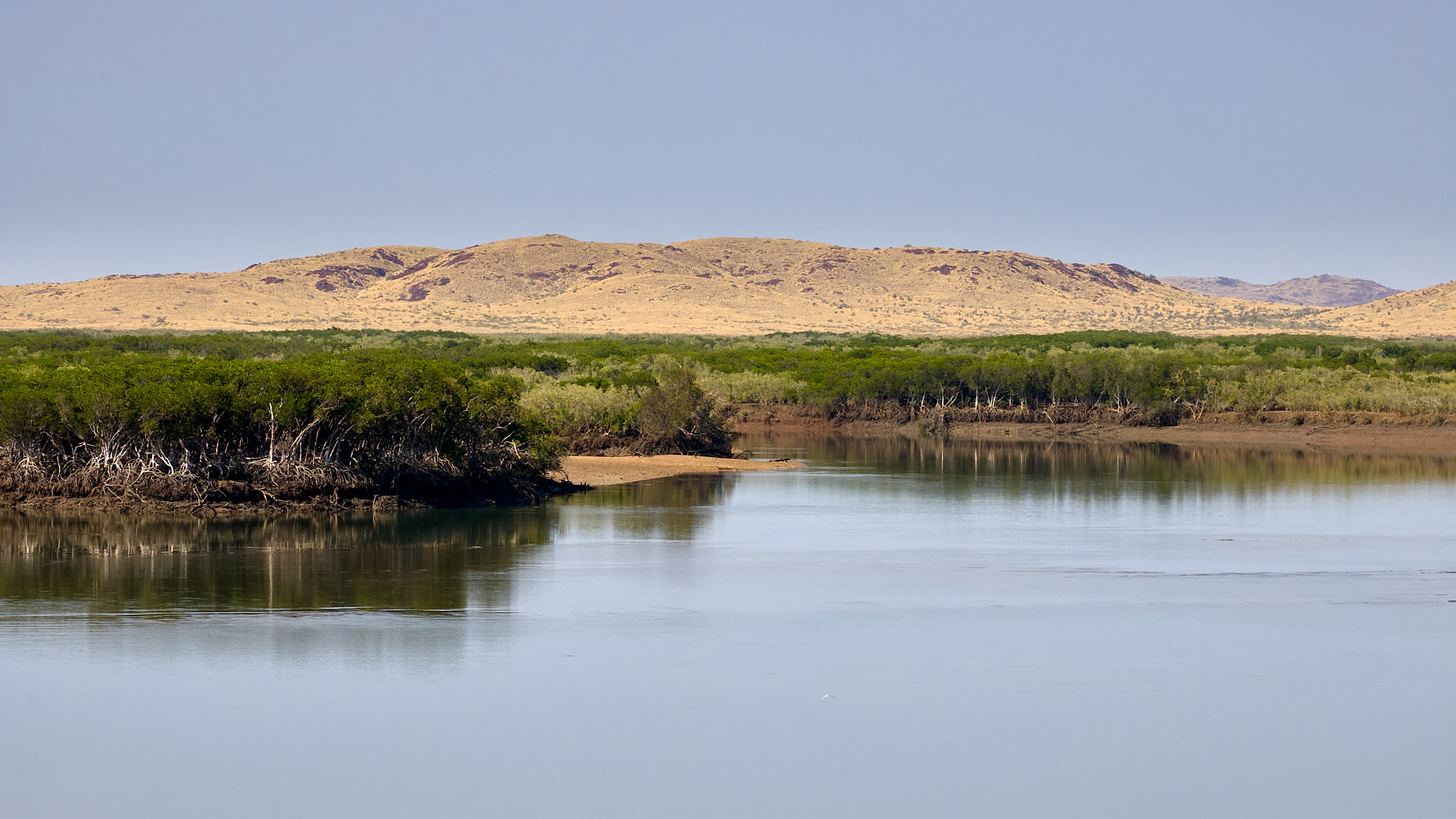
Streeters Jetty this time where there is a mix of mangrove species and a mix of bird species as well.

I was glad to see this guy because he (or she) has been eluding me for a while. She (or he) played hide and seek with me for a while but believe it or not this photo is diagnostic. Given the habitat and given that we’re in Broome the pale iris means that this little brown bird is a Dusky Gerygone.

It’s only found in dense mangrove along the coast of Western Australia from Shark Bay to a little north of Derby. An endemic – every twitcher needs one. The game of hide and seek did come to an end and I also came on a small flock that were less shy.

There were other good things about …

As always, clicking on the galleries will improve the experience.

Up until now I’ve mostly viewed the mangroves as a place to find the birds that inhabit them but they are interesting in themselves. The bible is Australia’s Mangroves by Norm Dukes but it’s out of print and my efforts to find a copy have not met with success. If anybody out there can spare one please let me know in the comments. Cheers.

Lorikeets …

It amazes me when Australian advertisers choose to use images of Mallard Ducks or Bald Eagles when we have any number of iconic native birds that they could use. Well it happens overseas as well. One time in Brazil I came across a Rainbow Lorikeet used in an advert when they had any number of beautiful natives they could have chosen. Nice to know that our Rainbow Lorikeet can mix it with Toucans, Macaws and Hummingbirds.

The Red-collared Lorikeet is its sister species and even more colourful. Rainbows are found along the east and south east coast from Cape York to mid South Australia (and Perth where they have been introduced). The Red-collareds are found across Northern Australia from Broome to the Gulf of Carpentaria. The two species have been lumped and split at various times, currently accepted as separate species.

They are fast flying often in small noisy flocks which coalesce towards sunset as they head for communal roosts. The photos are of one of a small flock attracted to a fruiting fig. Click on a photo to open the gallery.

Roebuck Roadhouse …

If you arrive in Broome by road you will pass the Roebuck Roadhouse. establishments like this lend so much character to outback travel.

There is a pleasant caravan park attached. You can get a meal or a beer, friends speak very highly of the Big Breakfast.

I stopped to take that shot on my way home from the middle of nowhere away from city lights where I took this shot. Putting the new lens through its paces.

Crocodile …

We stopped shooting them in 1970. According to an Australian Geographic article they went from fewer than 3000 to 100,000 by 2016 in the Northern Territory alone. There are probably half as many again in the adjacent states, WA and Queensland. They are becoming more numerous and, as the population ages , they are getting bigger.

Broome’s Cable Beach has been closed a couple of times in the last couple of months because of croc sightings. Town Beach is another spot that gets the occasional visit. Beaches, though, are not their preferred habitat, when they are seen there they are just traveling through. It’s in the mangroves, creeks and near coastal lakes that you need to keep a sharp look out. Not that they advertise. The top photo shows just eyes and nostrils. They can hold that position indefinitely. If they want to be really sneaky they can submerge and still see you perfectly well. A crocodile can hold its breath for an hour or more.

Estuarine Crocodiles Crocodylus prosus live up to 70 years, grow up to 6 metres in length and weigh more than half a tonne. They will eat any animal they find in the water or at the water’s edge, so mainly fish with the odd cow, dog or human. Males are territorial and extremely aggressive. They are not gentle with their partners when they mate.

If you are visiting Broome take care near the water.

The safe way to see crocodiles is at the Malcolm Douglas Crocodile Park where all the photos in this post were taken. The way in is through the only crocodile mouth you want to enter … ever. In the park there are plenty of Salties and a collection of other crocodilians including Australian Freshwater Crocodiles, North American Alligators, South American Caimans and a New Guinean freshwater croc. The tour is included in the entry price, feeding is at 3 pm and you can play with a baby croc if that takes your fancy. I enjoyed my visit but would say that it is not well set up for the photographer.

A Mangrove Heron …

The tide was on the way out this morning for my walk on Broome’s Town Beach. There is a patch of mangroves at one end running out as a small point. At the end there is a dead tree that is a popular perch for raptors. It was possible to reach it but it still had waves lapping around it, well worth checking out but on this occasion unoccupied.

Returning to the beach around the seaward edge of the mangroves I found myself approaching a Striated Heron. It saw me before I saw it and was walking away into the trees. I suspect that stopping informs the bird that you’ve seen it and are interested in it, suspicious behaviour. I change direction, don’t look at the bird and slow down. Going off at a tangent means that the distance to the bird doesn’t decrease. On this occasion it worked well, the bird returned to the water’s edge, I sidled slowly closer. By the time I was kneeling in the sea, fully clothed it thought I was a harmless idiot and resumed feeding.

It was a successful hunter, the horizontal pose preceded a strike that was usually followed by a swallow. Small transparent fish are visible in some of the photos – if anyone can put a name to these please let me know in the comments.

The scientific name of the bird is Butorides striata. Buto is from Middle English Butor meaning Bittern, -oides is a Greek suffix meaning like, so like a bittern. Striata is from the Latin for streaked or striped. The rules of taxonomy a very strict but none forbid making a cocktail of any languages you like. An alternate popular name is Mangrove Heron and in the mangroves is where you are most likely to find it but it does venture further afield.