I wrote recently that I was considering taking the blog in a new direction. After a couple of weeks wrestling with cameras and microphones and making the laborious ascent of the editing learning curve (not that I’m anywhere near the summit yet) it is here …
Clearly David Attenborough has nothing to fear. Should I persist, do you think?
Like and subscribe, as they say, and make free with your advice!
The hours of daylight are declining, mornings are chilly. Our summer birds are thinning out. My own migration north is almost due although the diesel supply may complicate that, we’ll see.
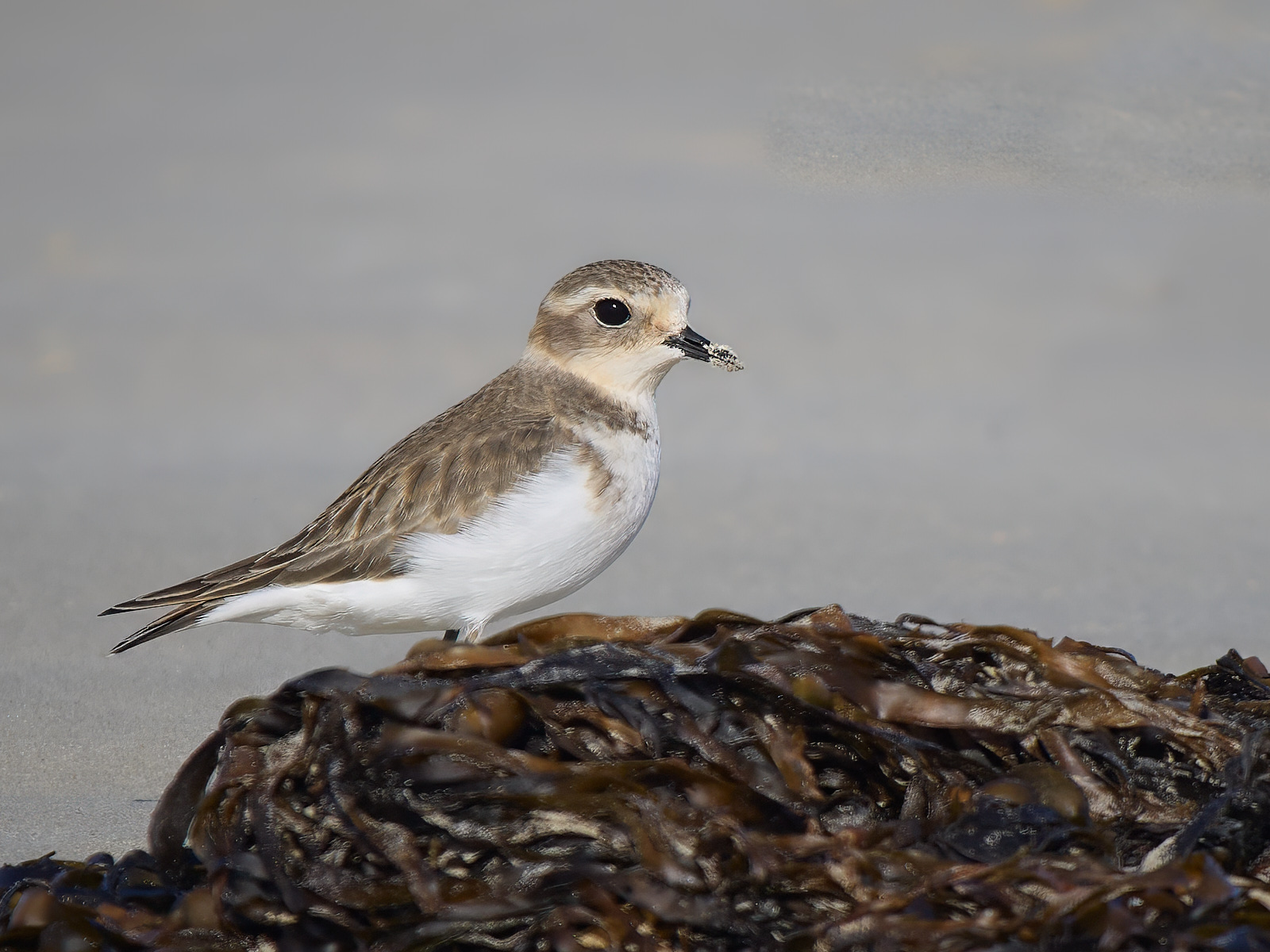
But Victoria does have its winter visitors too. This morning I was on Killarney Beach (not the original – we do have quite an Irish influence around here) chasing Double-banded Plovers. They breed in New Zealand and some think that Australia, even chilly Victoria, is a better place to spend the winter.
Child that I am I am a twitcher (or in American a lister). The big list is my Australia list. New ticks are a rare event. Next is my state list. Since I share my time between Western Australia and Victoria I double my chances. Even so new ticks are a rare event. So shire lists then. Make that Moyne in Victoria and Broome Shire in WA. But I’ve been doing those for quite a few years now so new ticks are a rare event. A new year starts another list in all of the above and, initially, at least the ticks begin to flow.
On the Australia list I scored an early tick on an urban building site in Melbourne, a probably ship assisted House Crow. Not a lifer, I’ve seen them in Africa and Asia, and more of a weed species than a highlight but a tick is a tick.
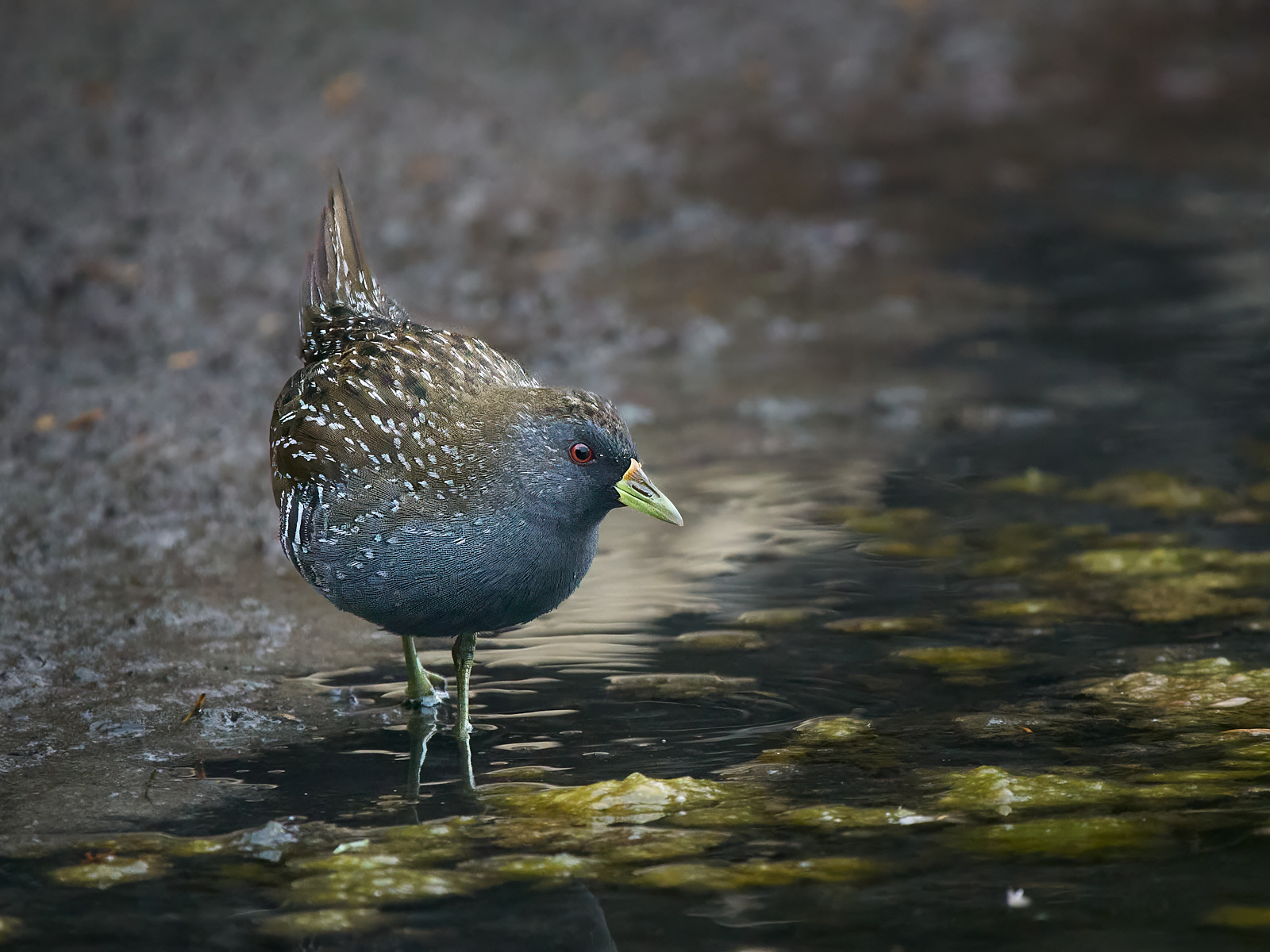
Meanwhile, a bird missing from my Moyne year list, which is usually fairly common and I have posted photos of in the past has eluded me until now, drum roll, the Australian Spotted Crake. A bit of a skulker but others have been finding it. I got a fleeting glimpse of a bird in flight about a month ago that might have been … but ethics. At last, in the rain in a grotty, algae covered puddle …
My posting has slowed down. The cardinal rule of holding an audience is to keep talking. My apologies. The problem is that I have run out of space in the media library. The blog is hosted by WordPress and to buy more space would cost me fifty bucks a month. This blog is not monetised. That sort of expenditure is not justifiable. So in order to continue I have to go back and erase previous material. After a bit of a delay that turns up as usable space to insert a photo. Not ideal. I am exploring the alternative ways that my creative career might continue.
I made a brief visit to the Victorian Goldfields over the weekend and caught up with good friends that I made in the decade that I lived there. A splendid gathering of Maryborough’s finest citizens convened in the Bull and Mouth, Maryborough’s finest pub. I miss you all.
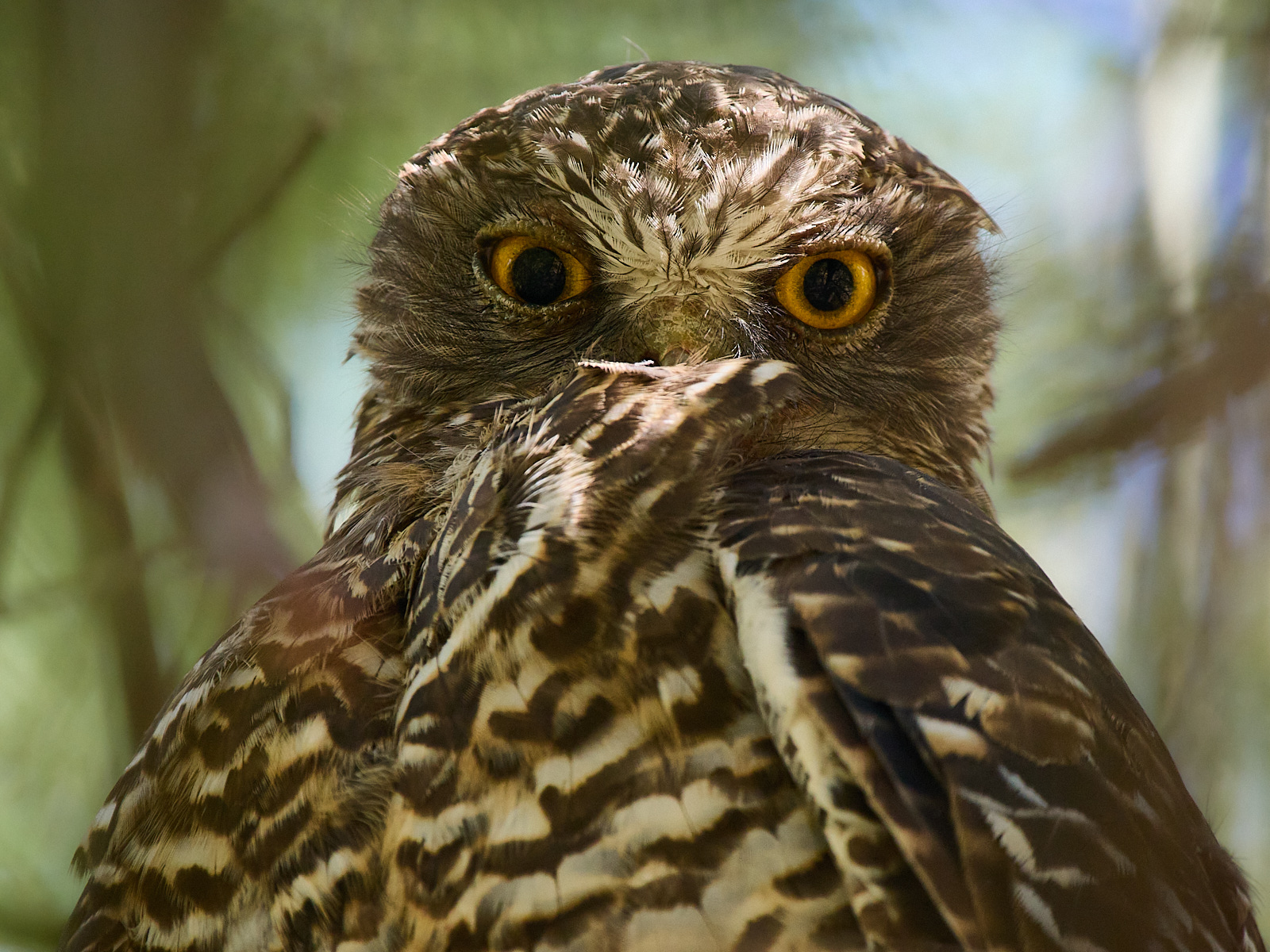
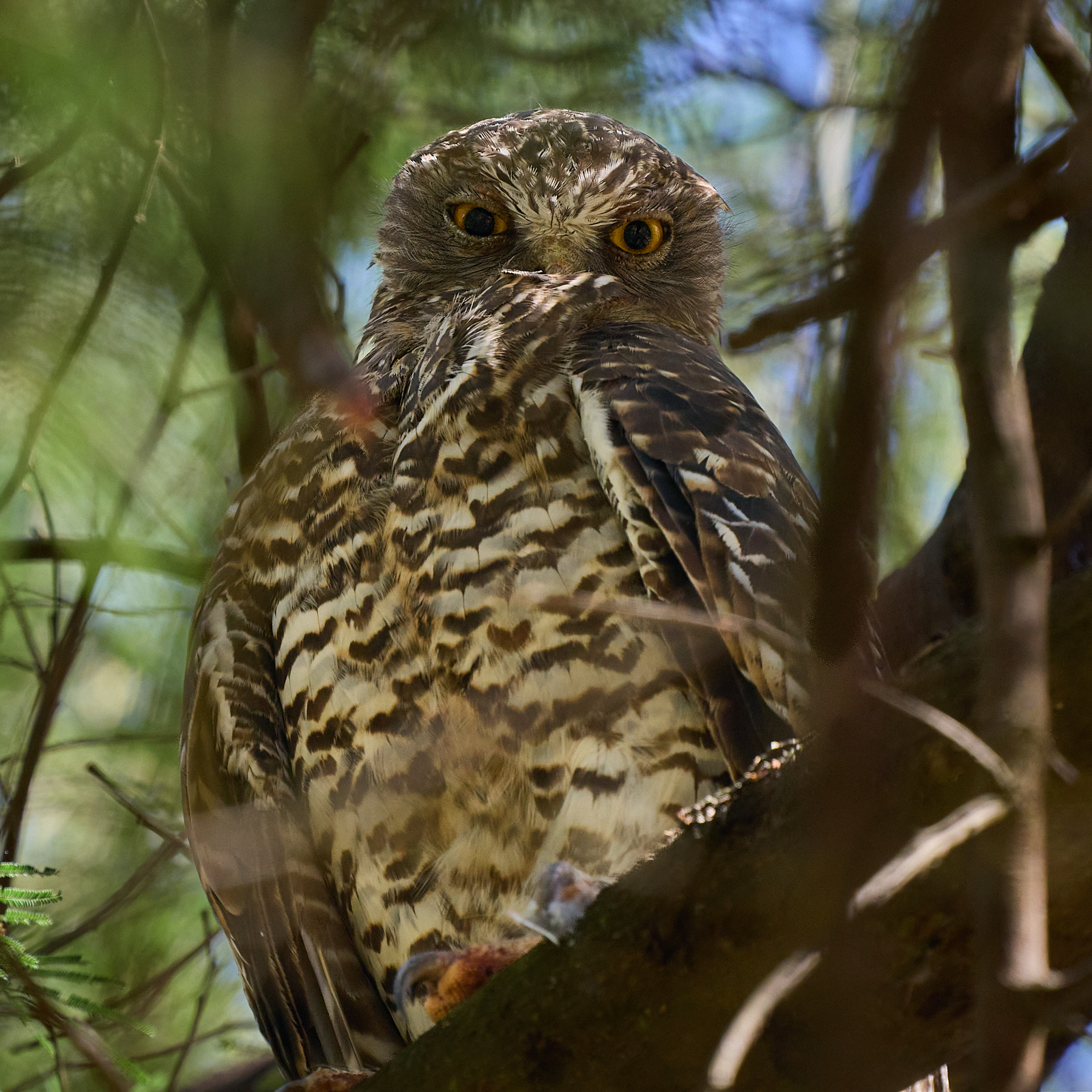
I also managed to fit in a quick visit to a few sites that that have proved productive in the past and they haven’t lost their charm. I found a Powerful Owl hidden in foliage along the Lodden River at Newstead. It was impossible to photograph the whole bird because of the way it had concealed itself but head and shoulders could be seen by means of careful contortions. These guys mostly subsist on small mammals but this one had the remains of a bird next to it on its perch.
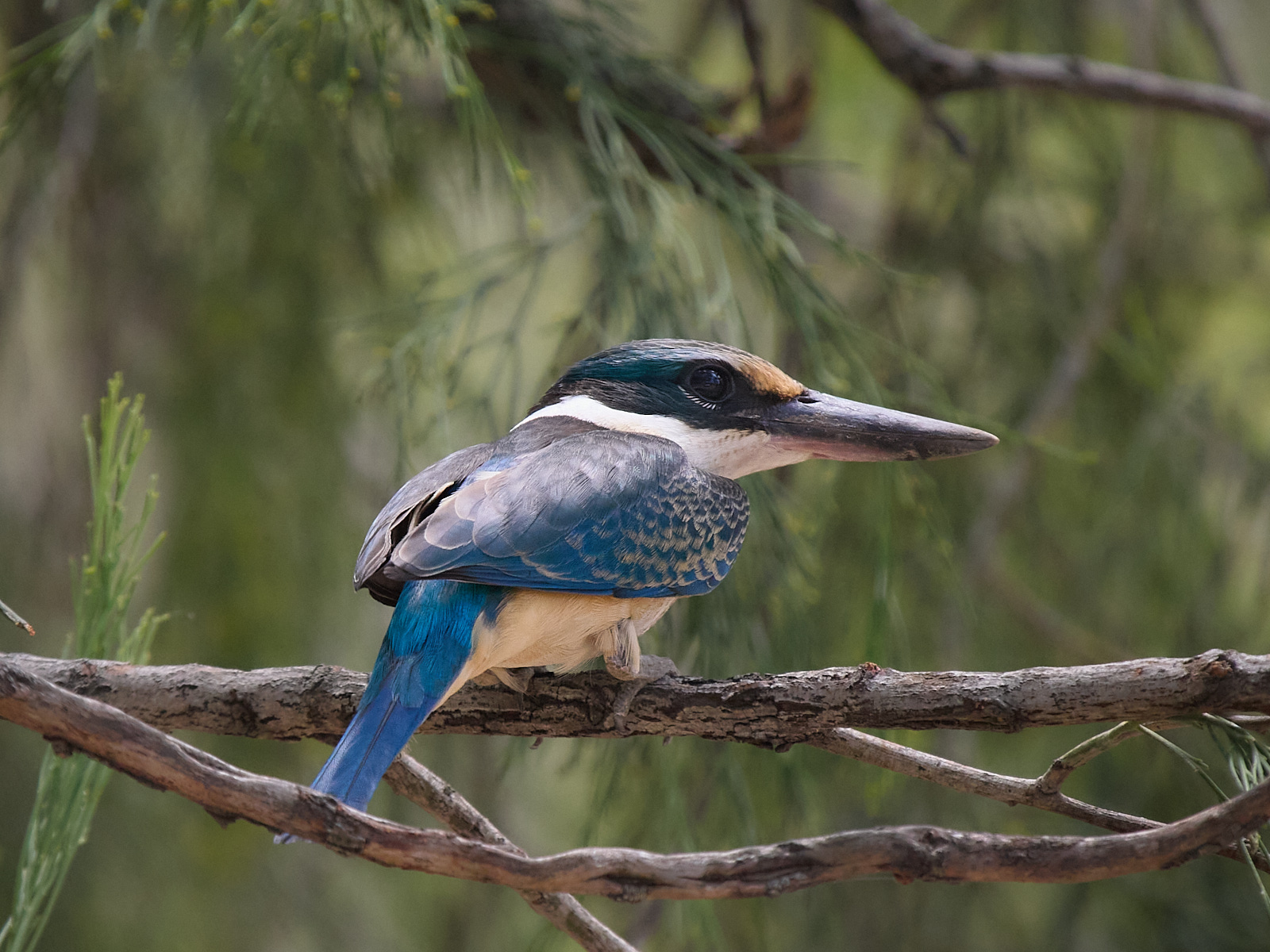
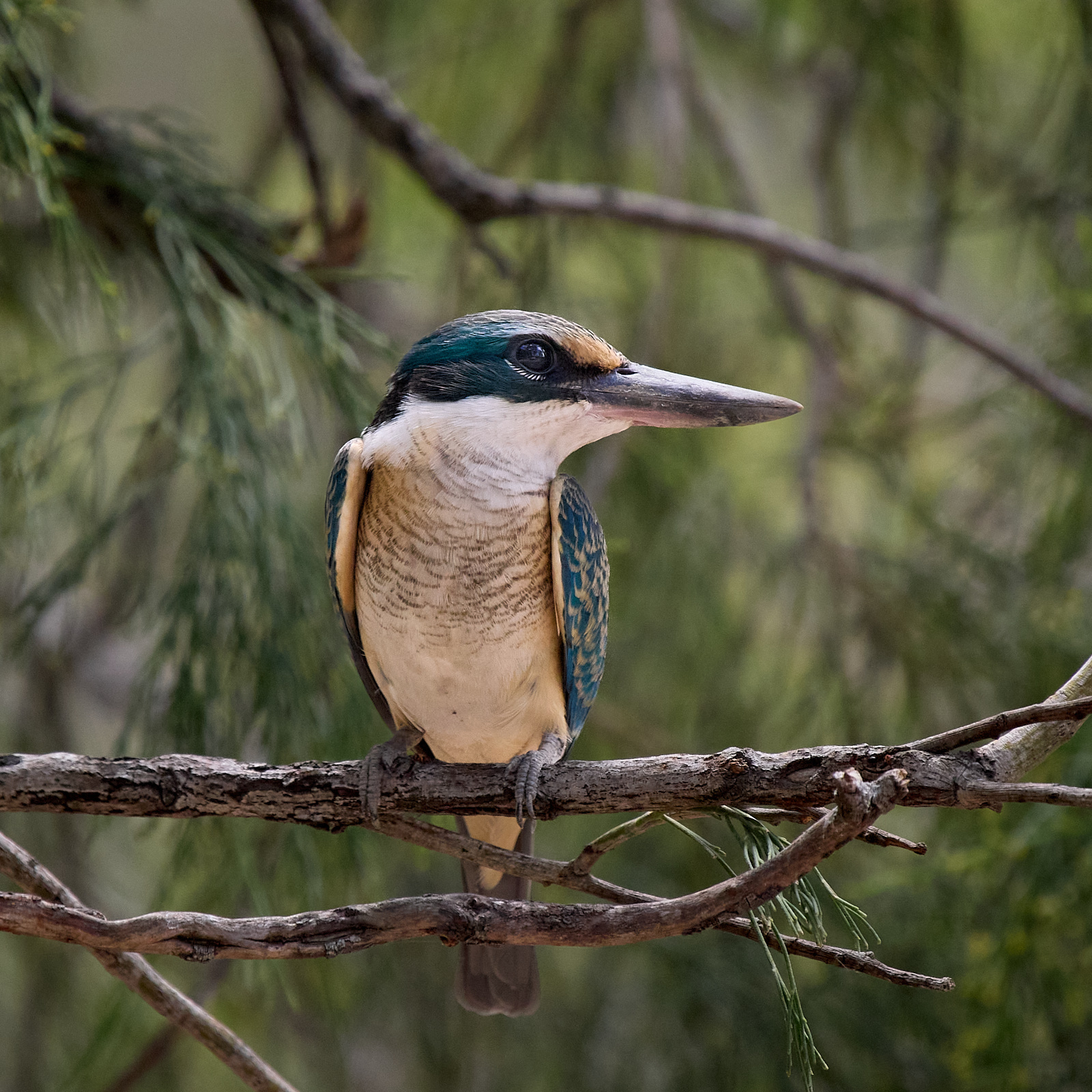
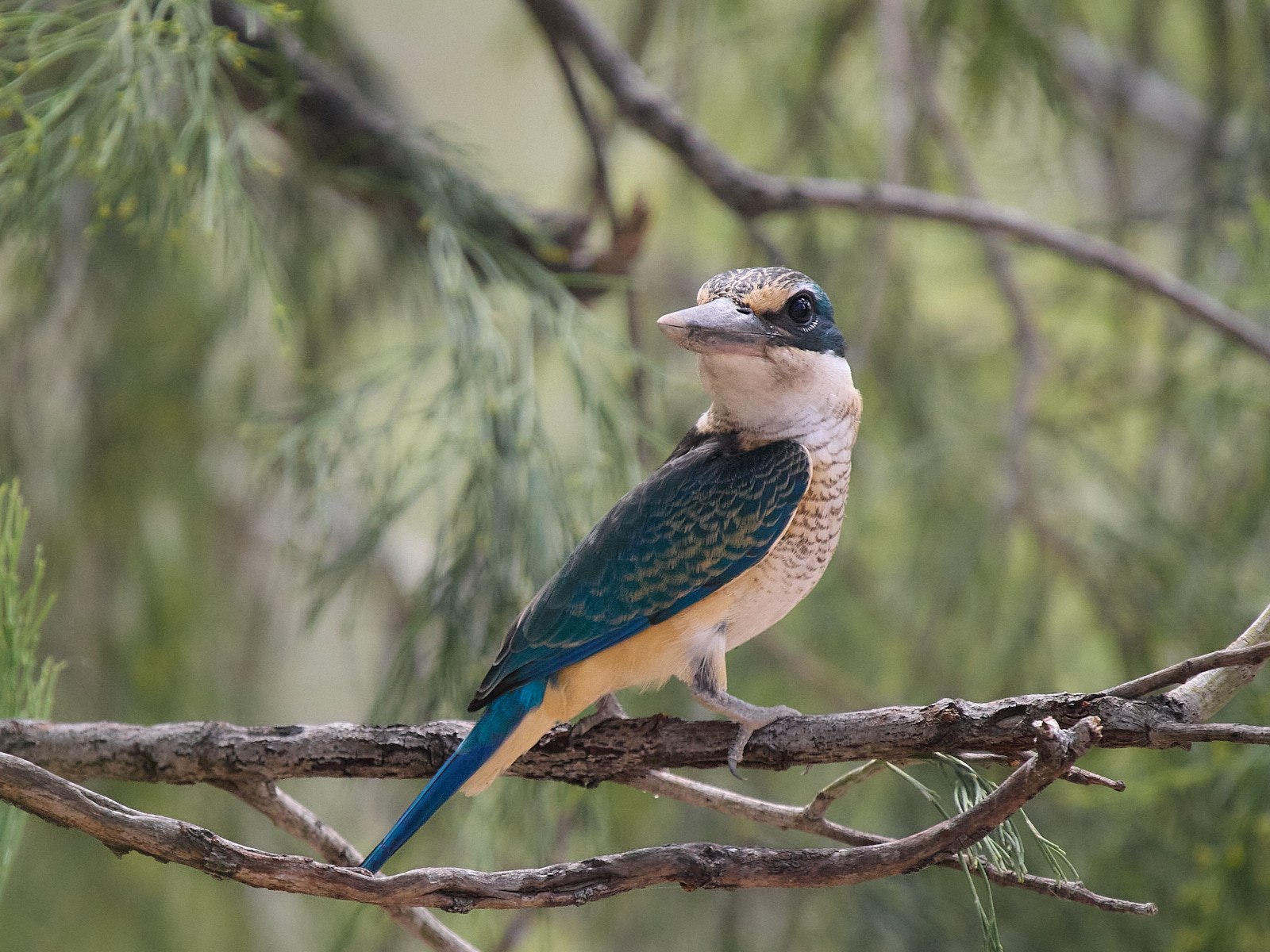
Paddys Ranges State Park yielded a Sacred Kingfisher. This is mostly a woodland species in this region and for the most part a summer visitor. They are perch and pounce predators on small creatures on the forest floor. I don’t think they would know what to do with a fish.
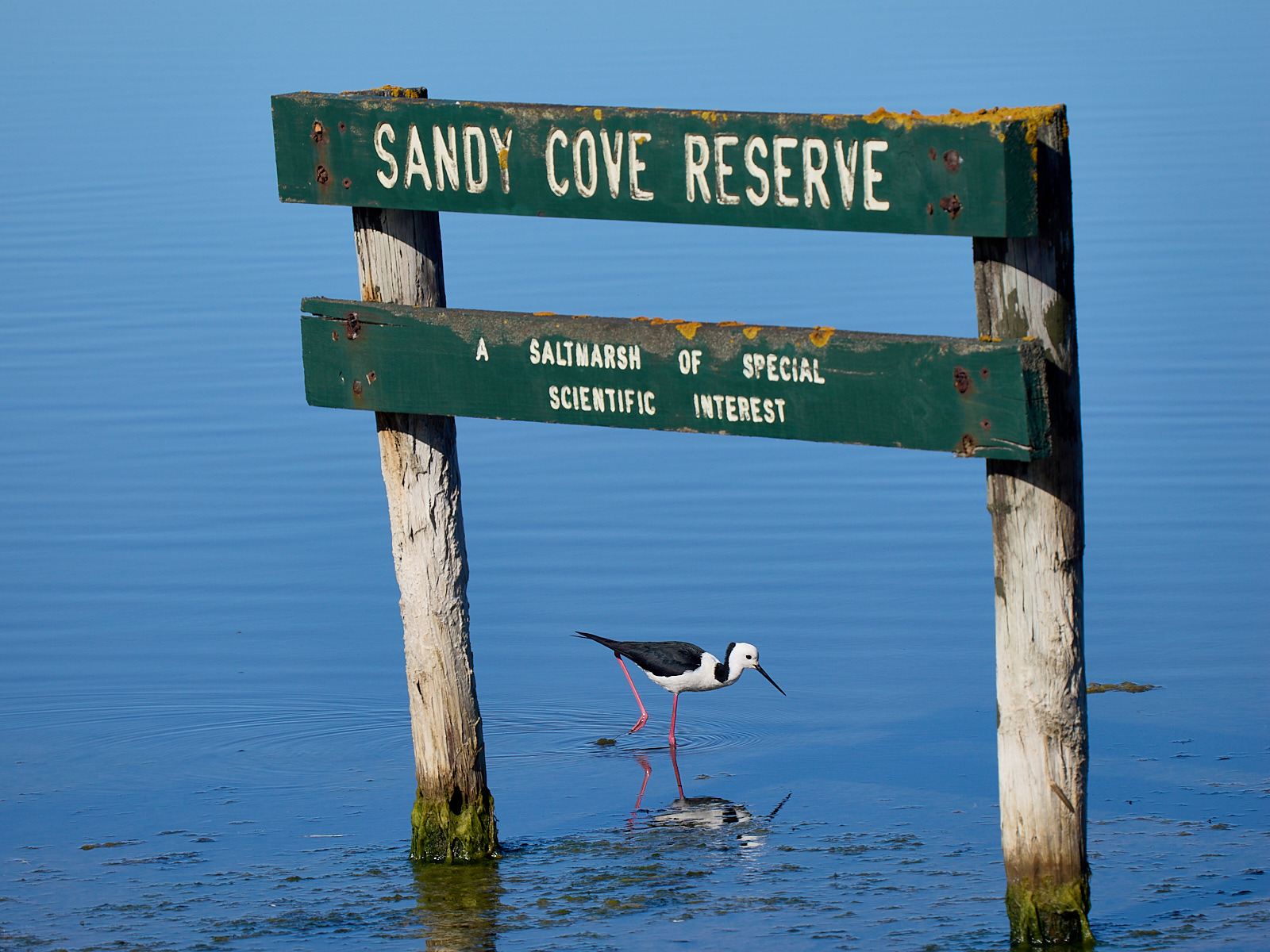
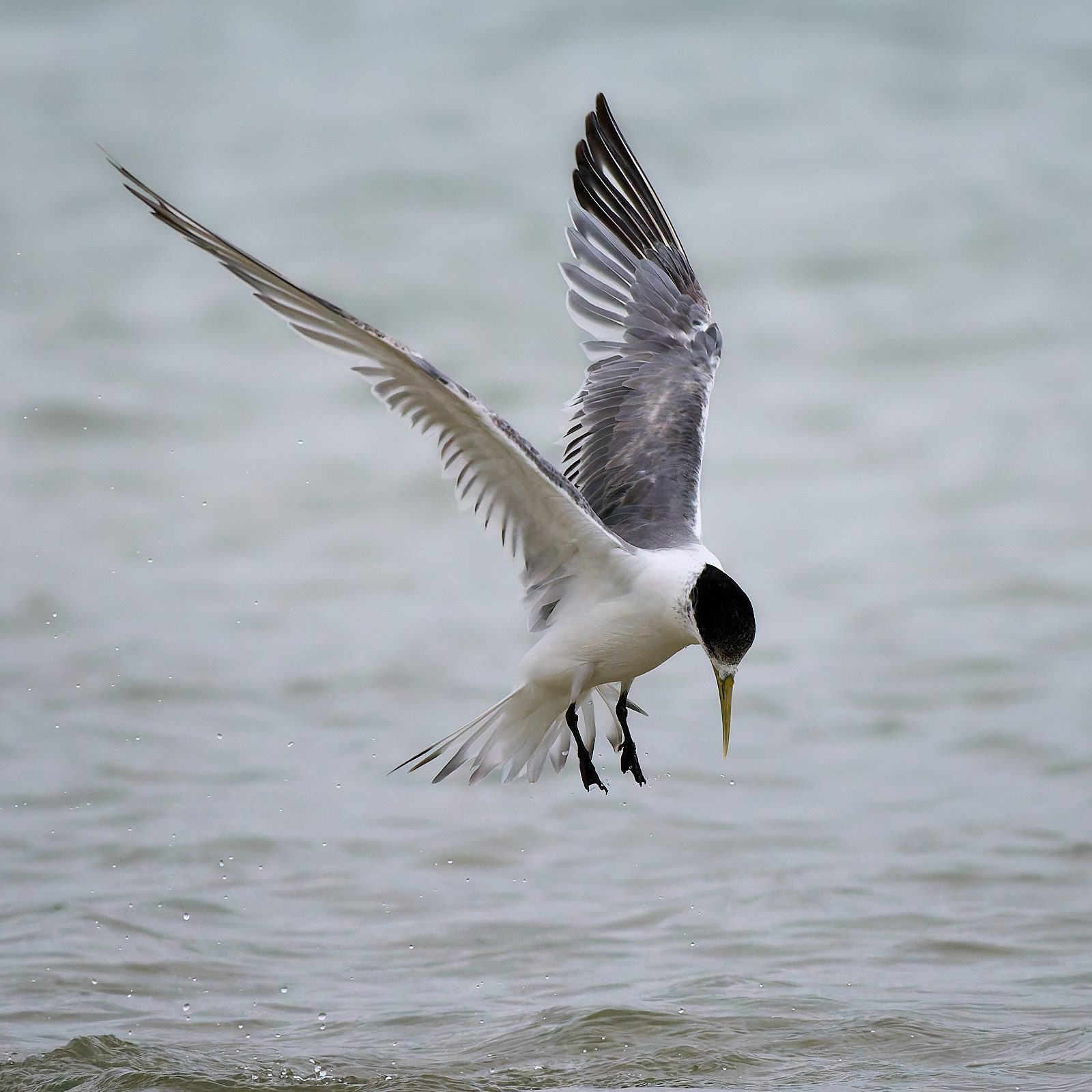
My annual report from eBird recently dropped in my inbox. It seems I have been a good boy this last year. They haven’t asked to speak to my parents. Robert submitted 747 check lists, compiled during 465 hours, in 397 different locations, whilst traveling 922.7km for a year list of 396 species. There were 252 photographs of 149 species. The lady I woke up next to this morning was my birding bestie, ie the person I shared the most lists with. And I was hers which was a great relief to both of us. The species I encountered most frequently was the Magpie-lark but the bird I saw most individuals of was the Crested Tern. And the location I birded more than any other was Sandy Cove, Port Fairy, Victoria.
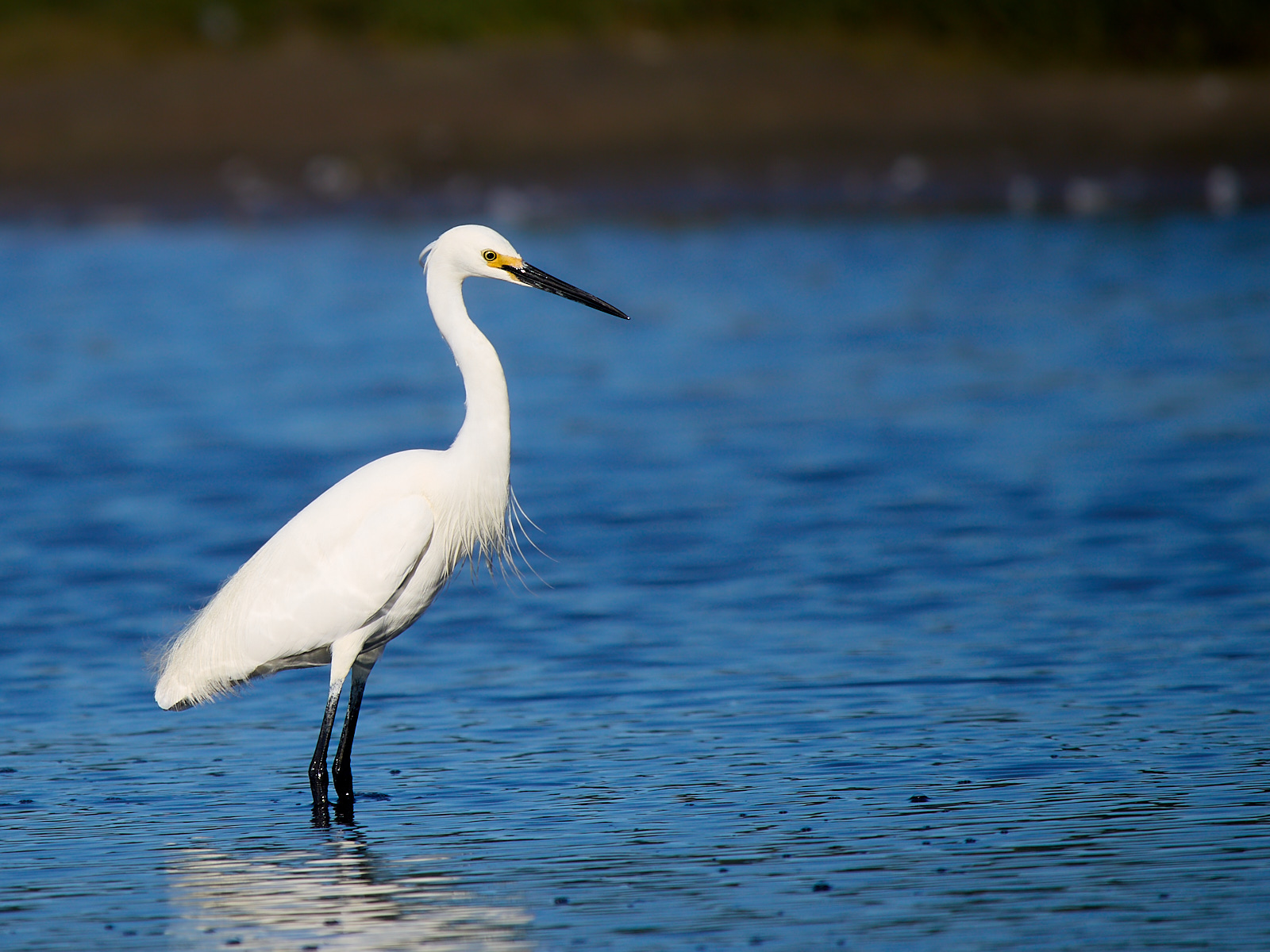
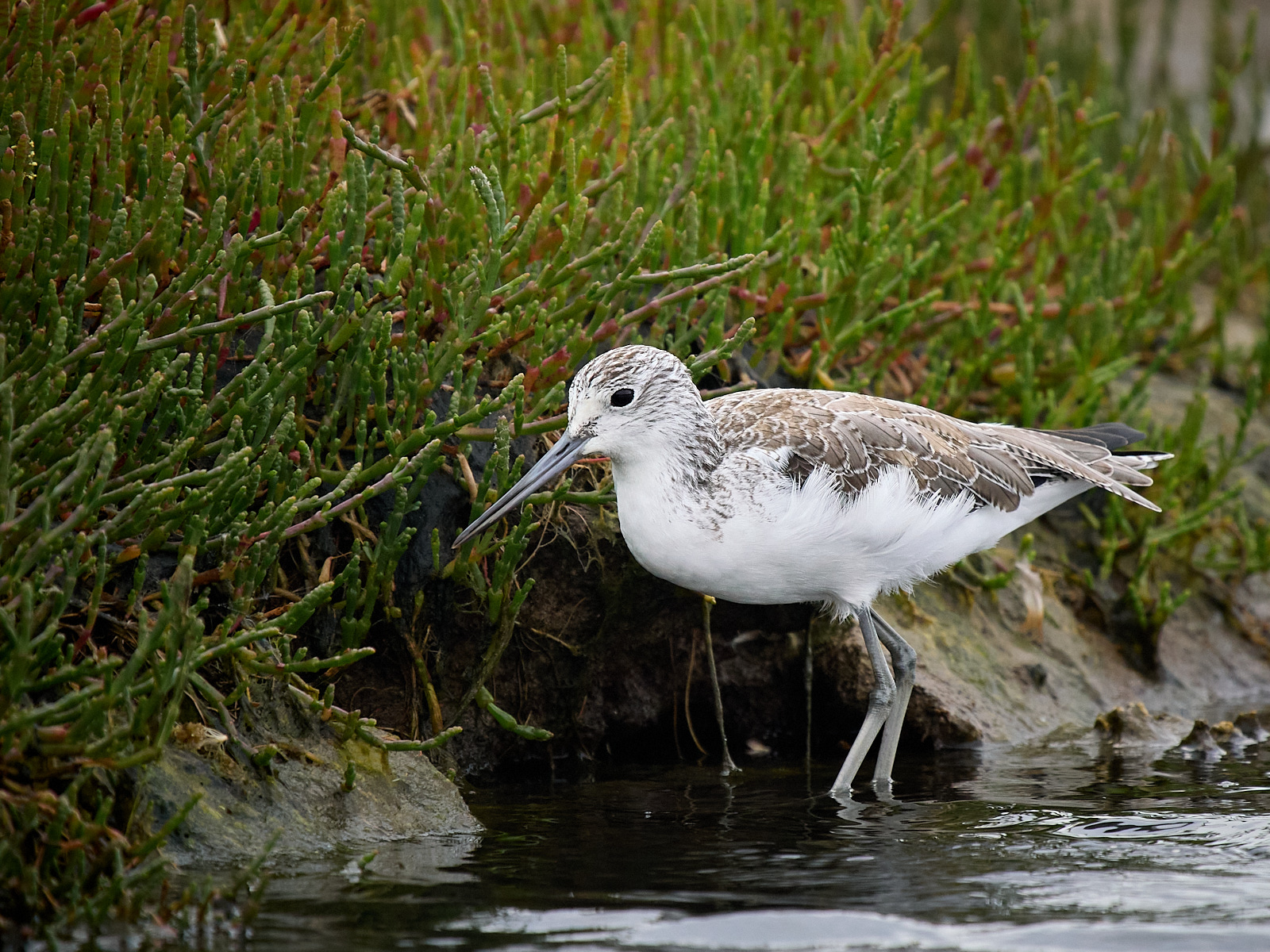
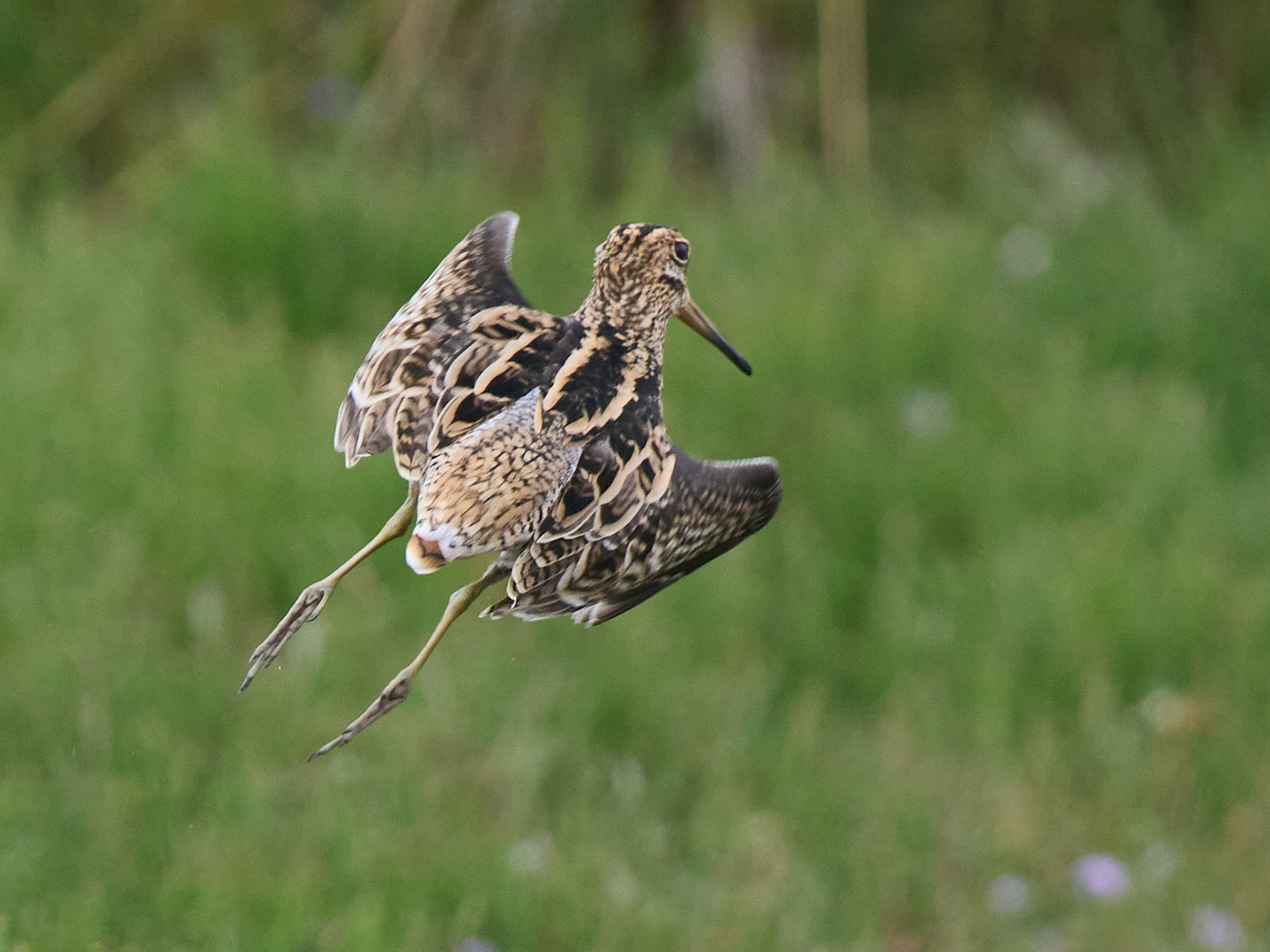
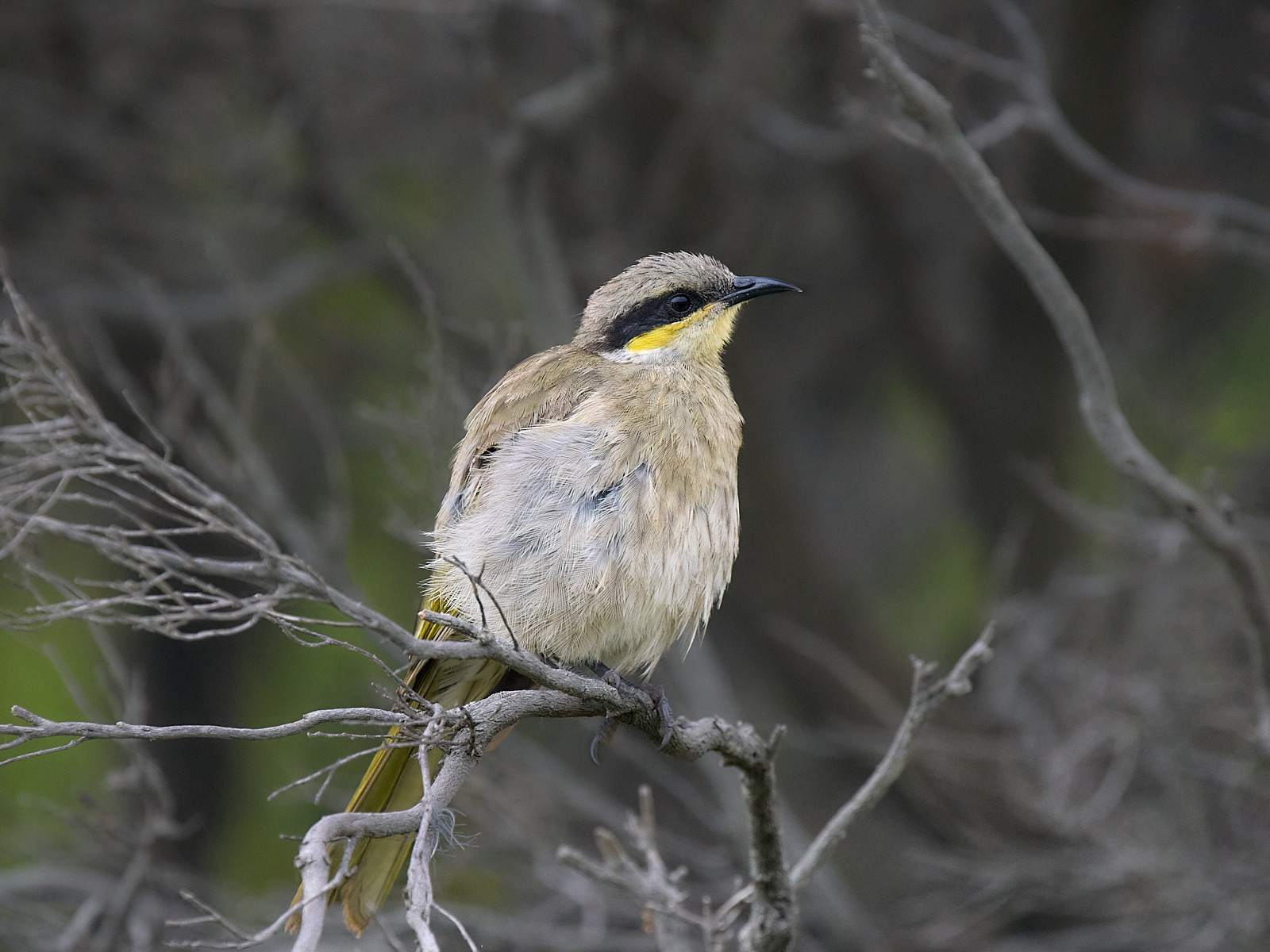
Sandy Cove is a salt marsh, with some surrounding vegetation. It attracts some breeding shorebirds like Pied Stilt and Masked Lapwing and some migrants like Latham’s Snipe and Common Greenshank. Water levels dropped quite quickly as summer wore on. It’s now dry! It’s not a large reserve but well worth a visit and it’s only a couple of hundred metres from my Port Fairy abode.
Little EgretPied StiltCommon GreenshankLatham’s SnipeSinging Honeyeater
As a kid my school reports always ended with “Robert can do better”. I wonder what this year will bring.
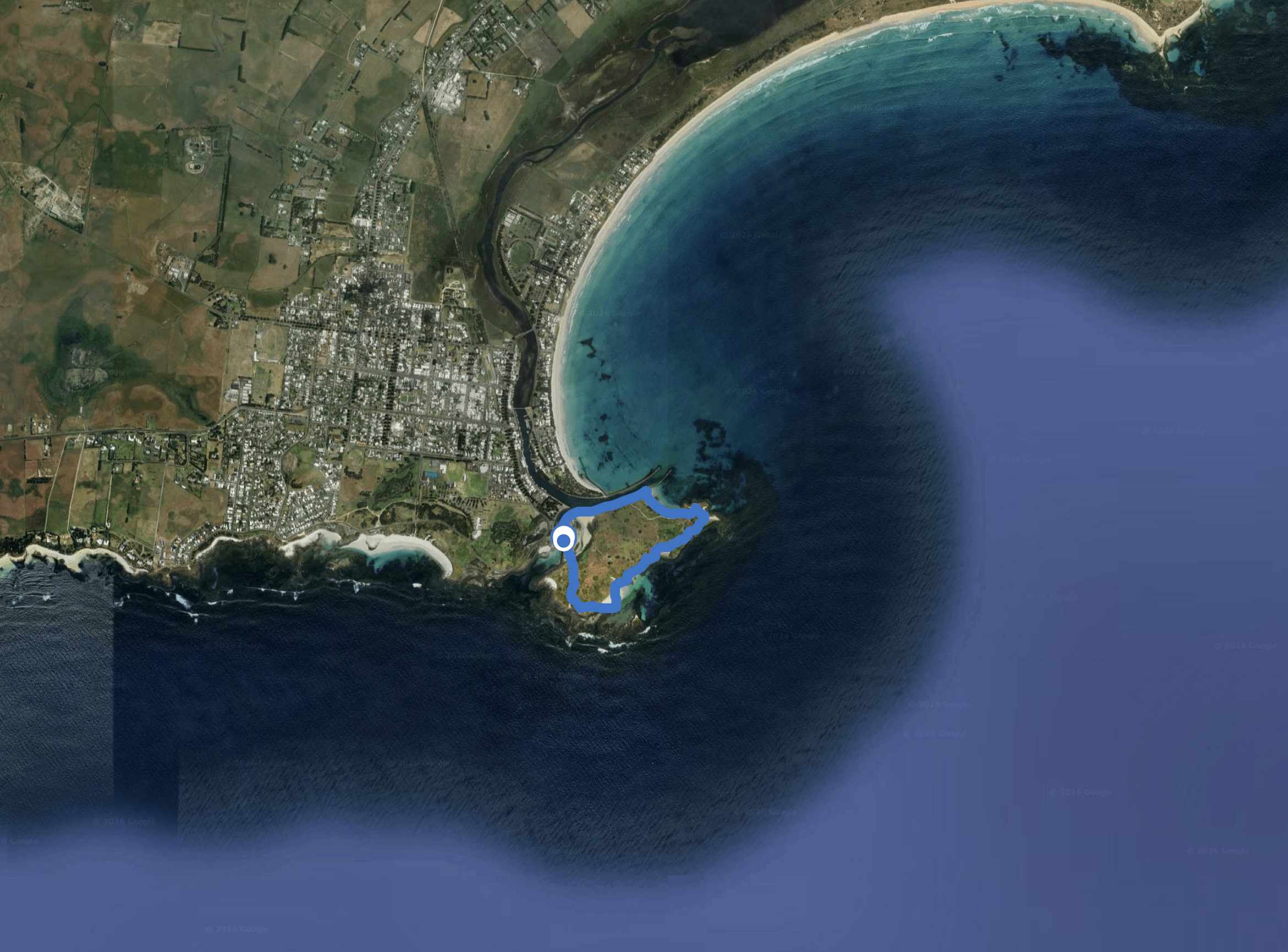
A causeway joins Griffith’s Island to the mainland. It’s about a 2.6km walk to get around the island. There is a well formed path around most of it but there is a little scrambling over rocks in one spot. Much of the interior is a Short-tailed Shearwater breeding colony. At this time of the year adults are coming and going under the cover of darkness. You see nothing of them during the day except for the occasional dead one, although you may be lucky and see a flock foraging not too far off the coast. There’s plenty to see around the edges.
There is a little slice of paradise hidden away on the road between Warrnambool and Cobden in south west Victoria. It’s owned by the Trust for Nature, preserves some beautiful riparian forest and is home to the endangered Long-nosed Potoroo. It’s the Ralph Illidge Sanctuary. Admission is $2, no dogs and closed on days of total fire ban.
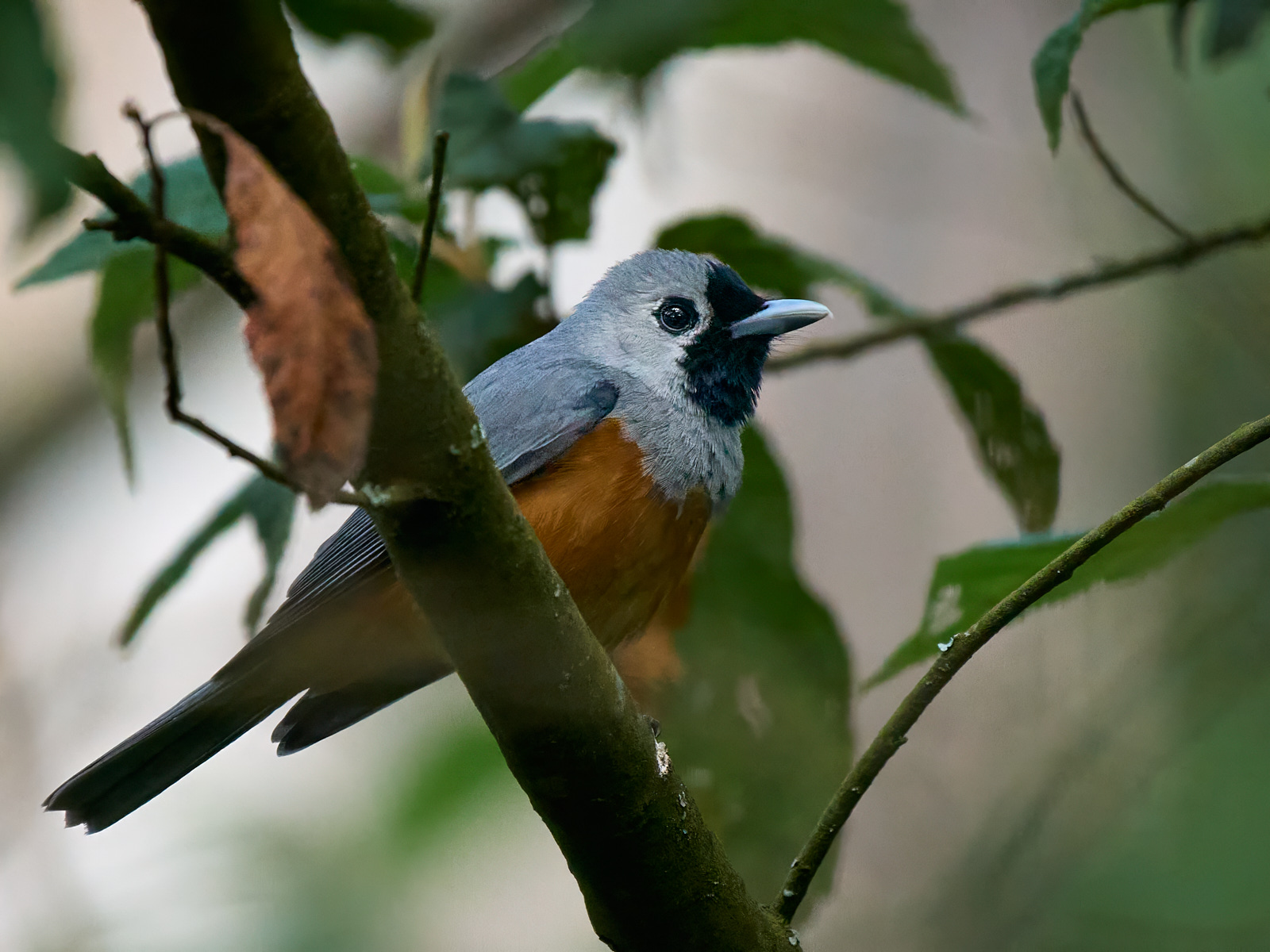
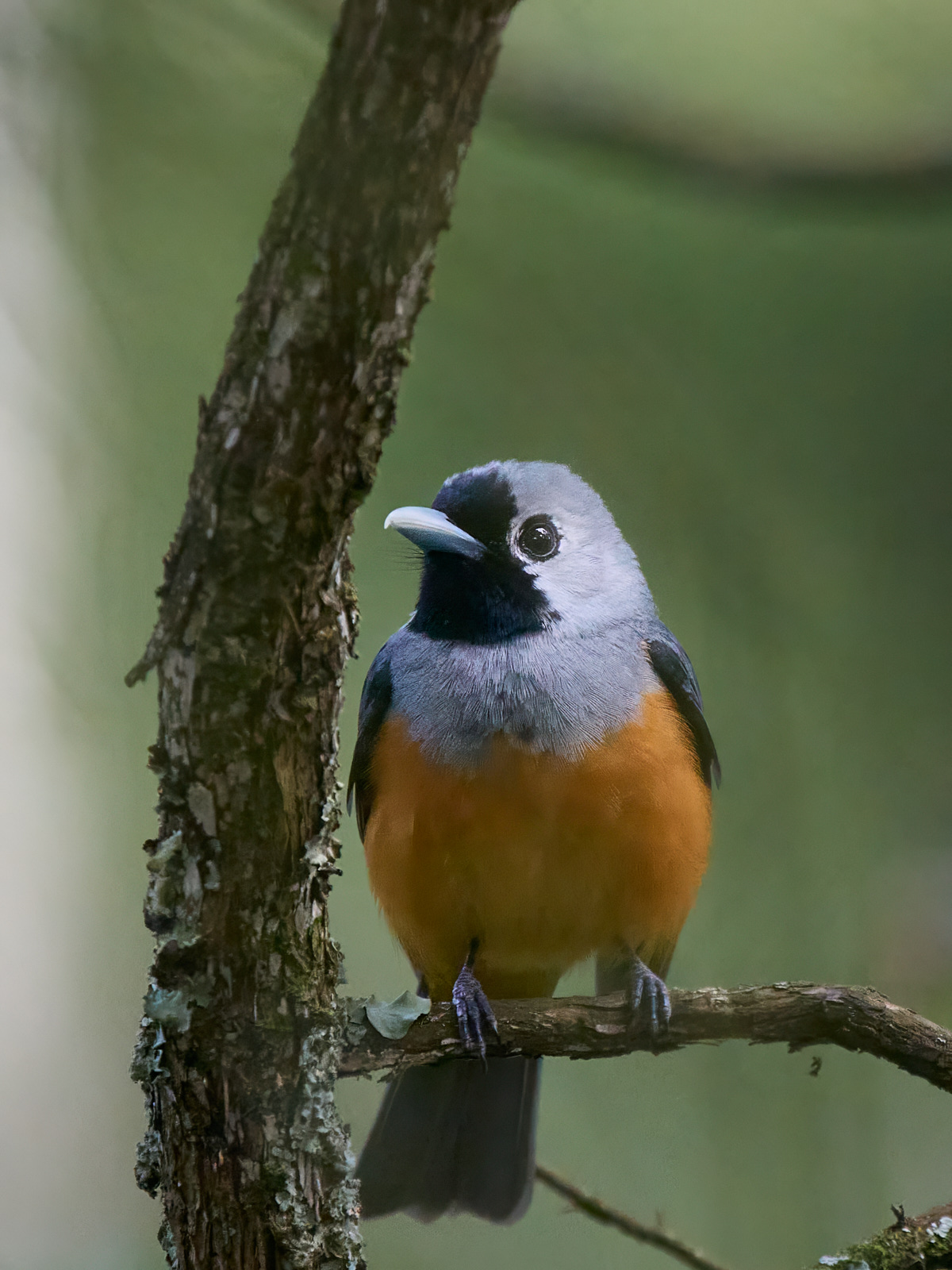
I’ve been giving it quite a lot of attention lately because a Black-faced Monarch turned up there in mid December and every twitcher in the shire has seen it. Except me. Until this morning. Although the previous time I was there another birdo did show me a very nice photo on the back of his camera.
The Monarch in question is a breeding migrant to the east coast of Oz, spending winters in New Guinea. A few come around the corner to the south coast in Gippsland (eastern Victoria). This one is the furthest west I’ve encountered one, and it does seem to be on its own. There is a price to be paid for being a pioneer.
The sanctuary is an excellent spot for forest birding well worth a visit any time. The Potoroo is nocturnal and elusive so don’t count on seeing one. The sanctuary website also mentions the Rufous Bristlebird. The last eBird record was is in 2015, the Great Ocean Road is a much better bet for this species.
The photos in this gallery were all taken in the sanctuary in the last month …
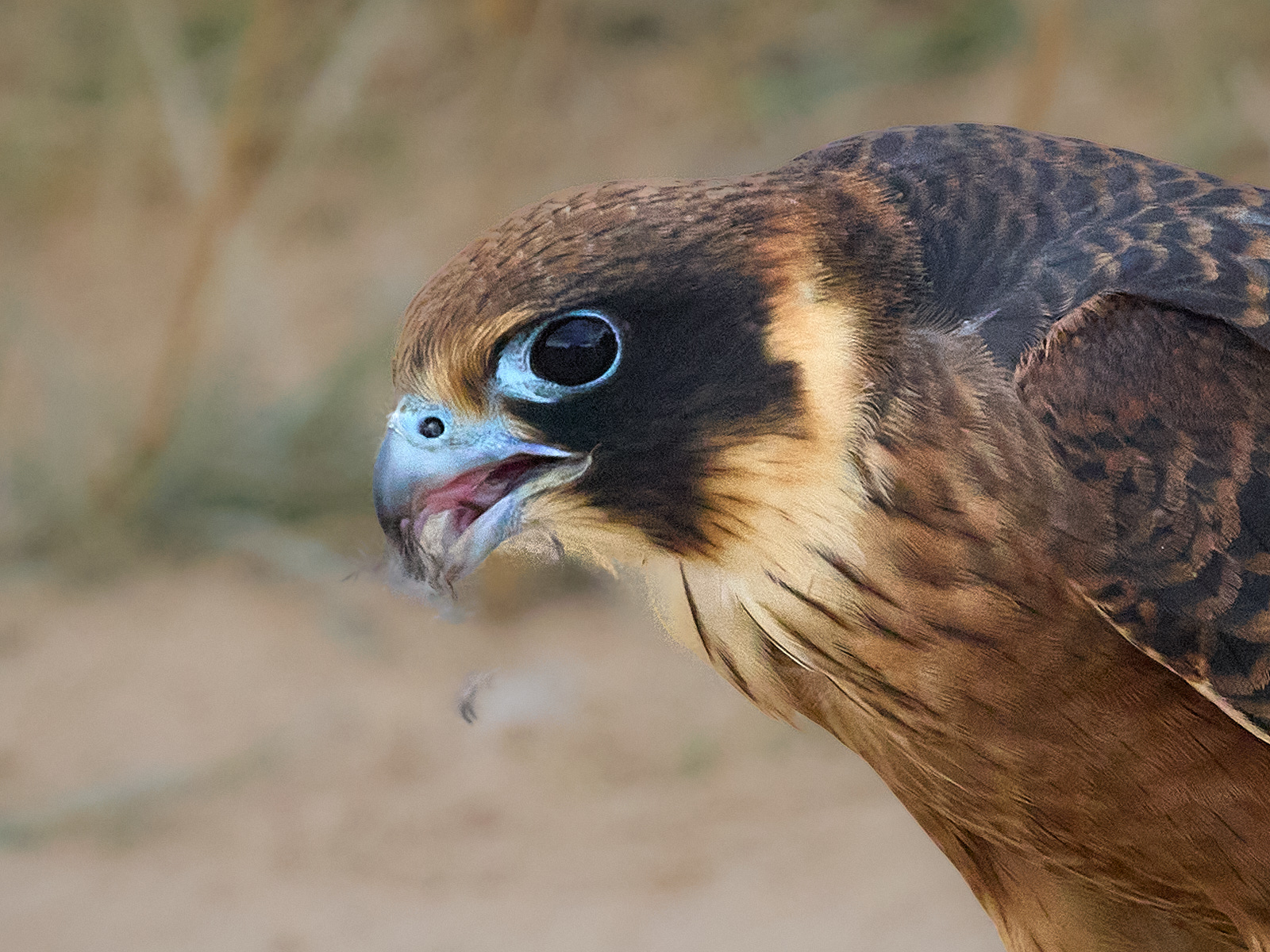
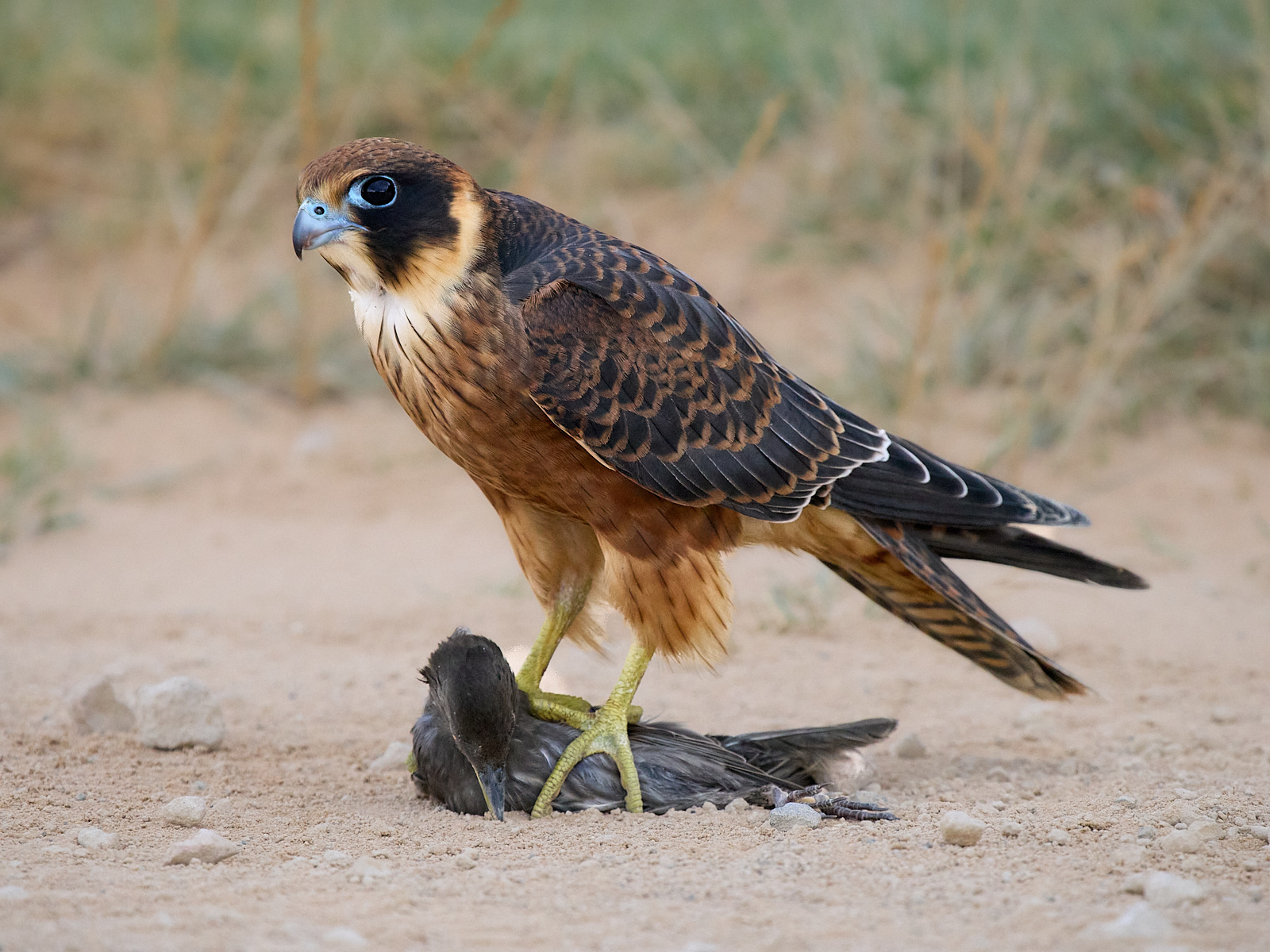
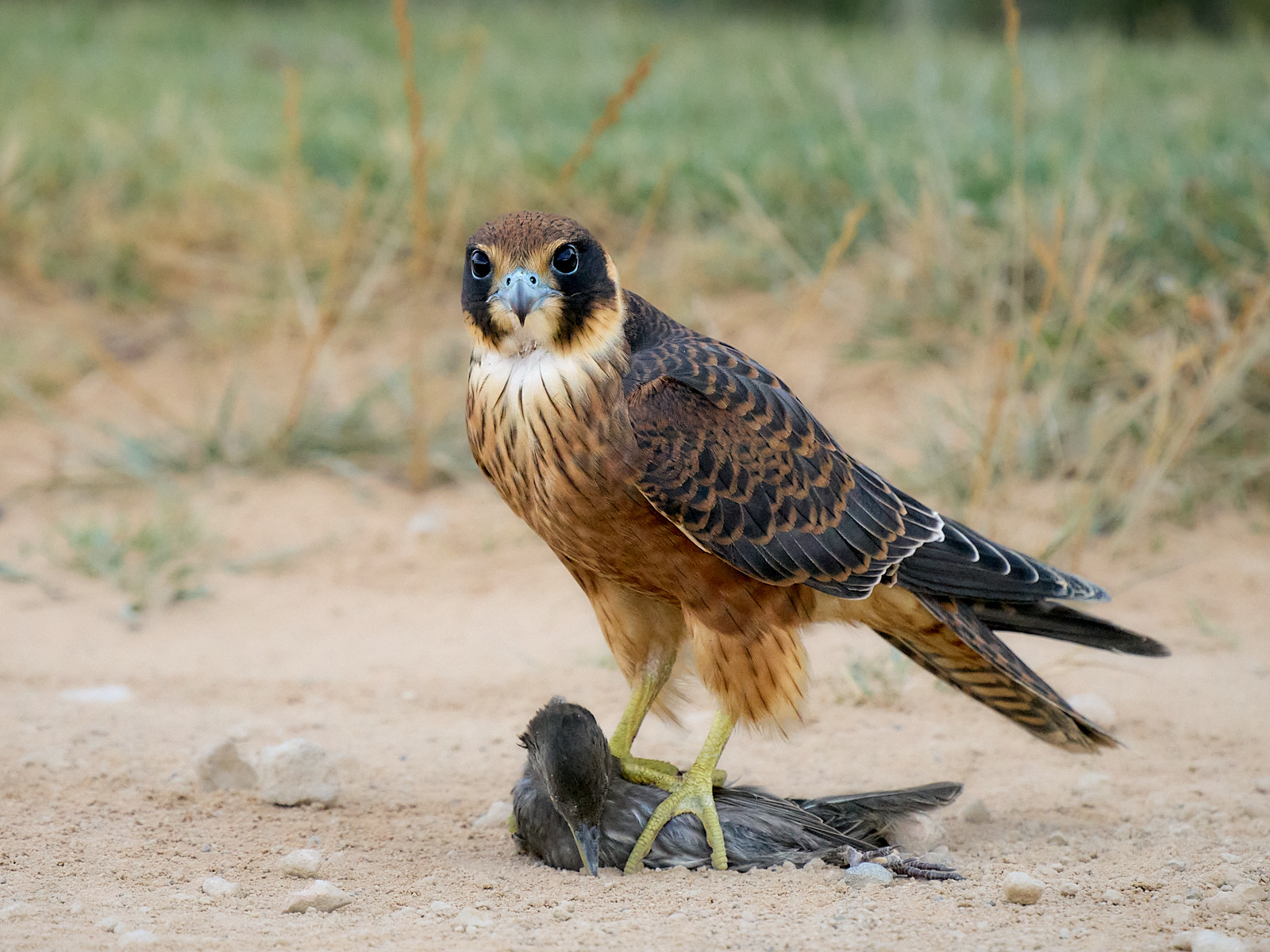
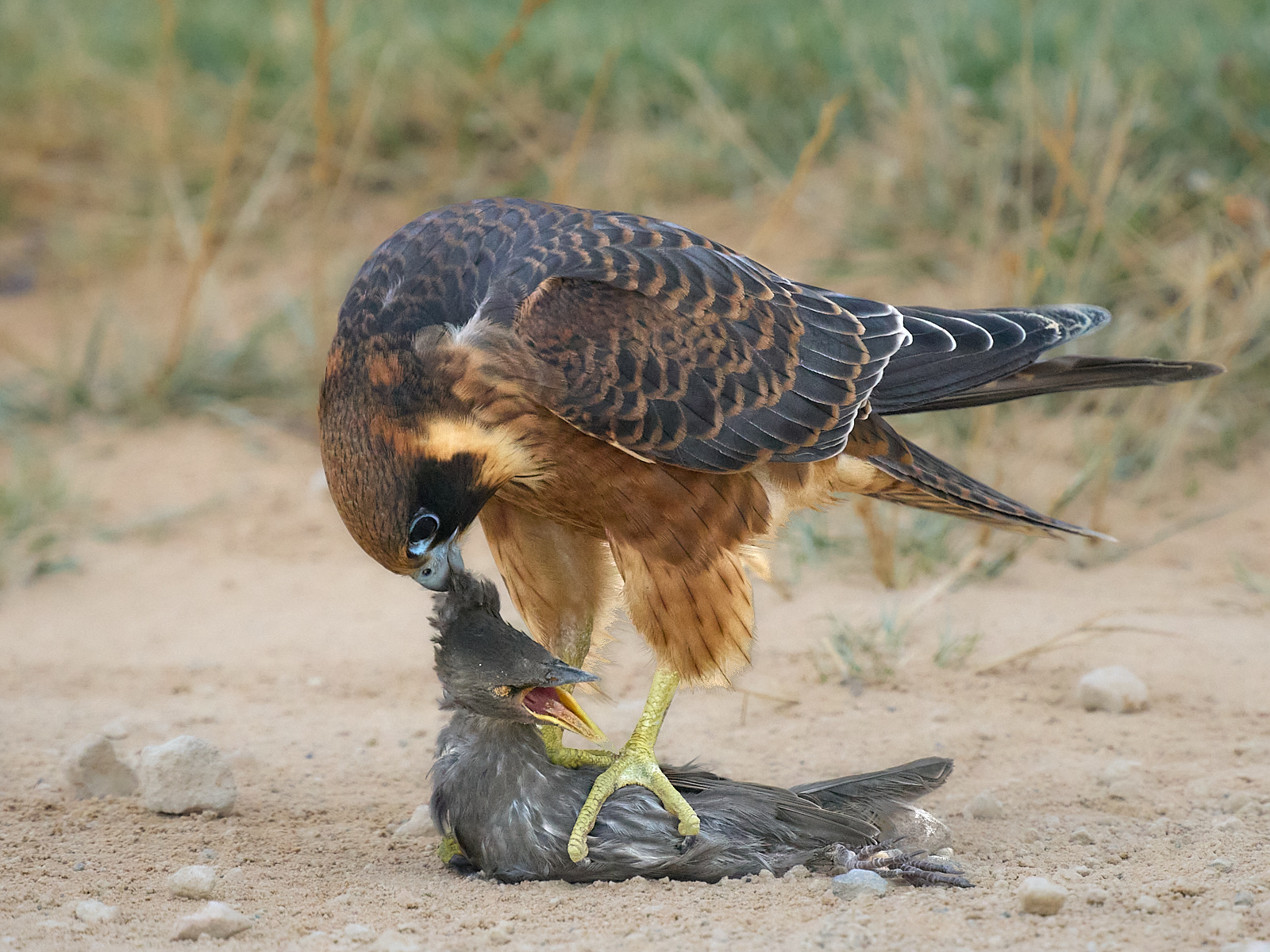
The Australian Hobby is found throughout Australia and also in islands to the north. It’s a bird eater that likes to hunt after dawn and at dusk. They’ve adapted quite well to urban life and have been reported swooping low over roof tops to surprise birds in back yards.
I came across this guy on a country road dismantling a Starling.
A happy and prosperous new year to everyone who deserves it, which is almost everyone after subtracting the despotic, criminal and corrupt.
January the first. A new calendar game. Go for quantity or quality? Early to bed last night up at four this morning. I decided on some forest birding and headed about 90 minutes drive east of Melbourne to Mount Worth State Park. Tall forest of Mountain Ash with Blackwood beneath and Tree Ferns in between. Epiphytic ferns on everything and enough fungi to poison your whole family. Beef Wellington anyone?
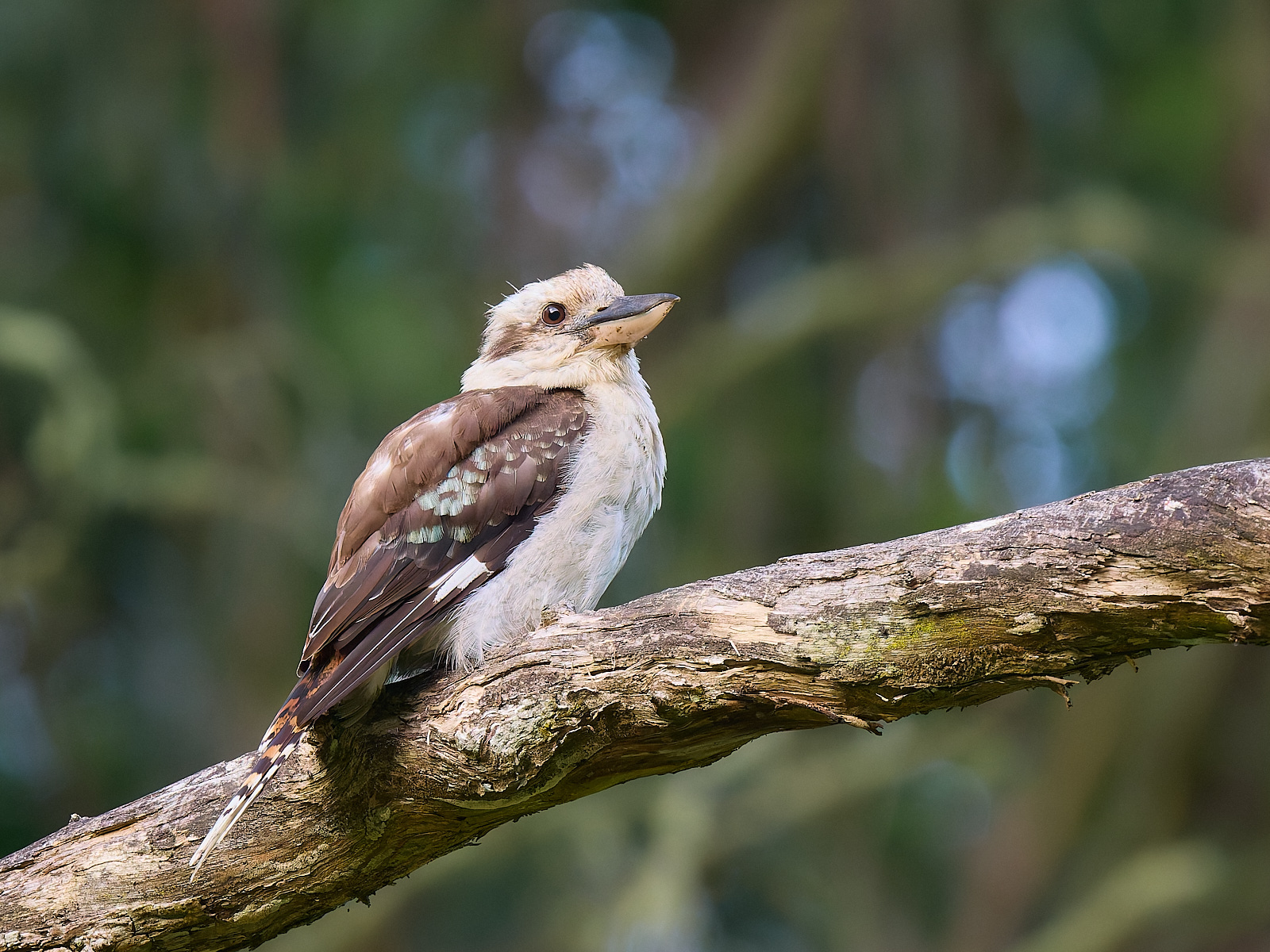
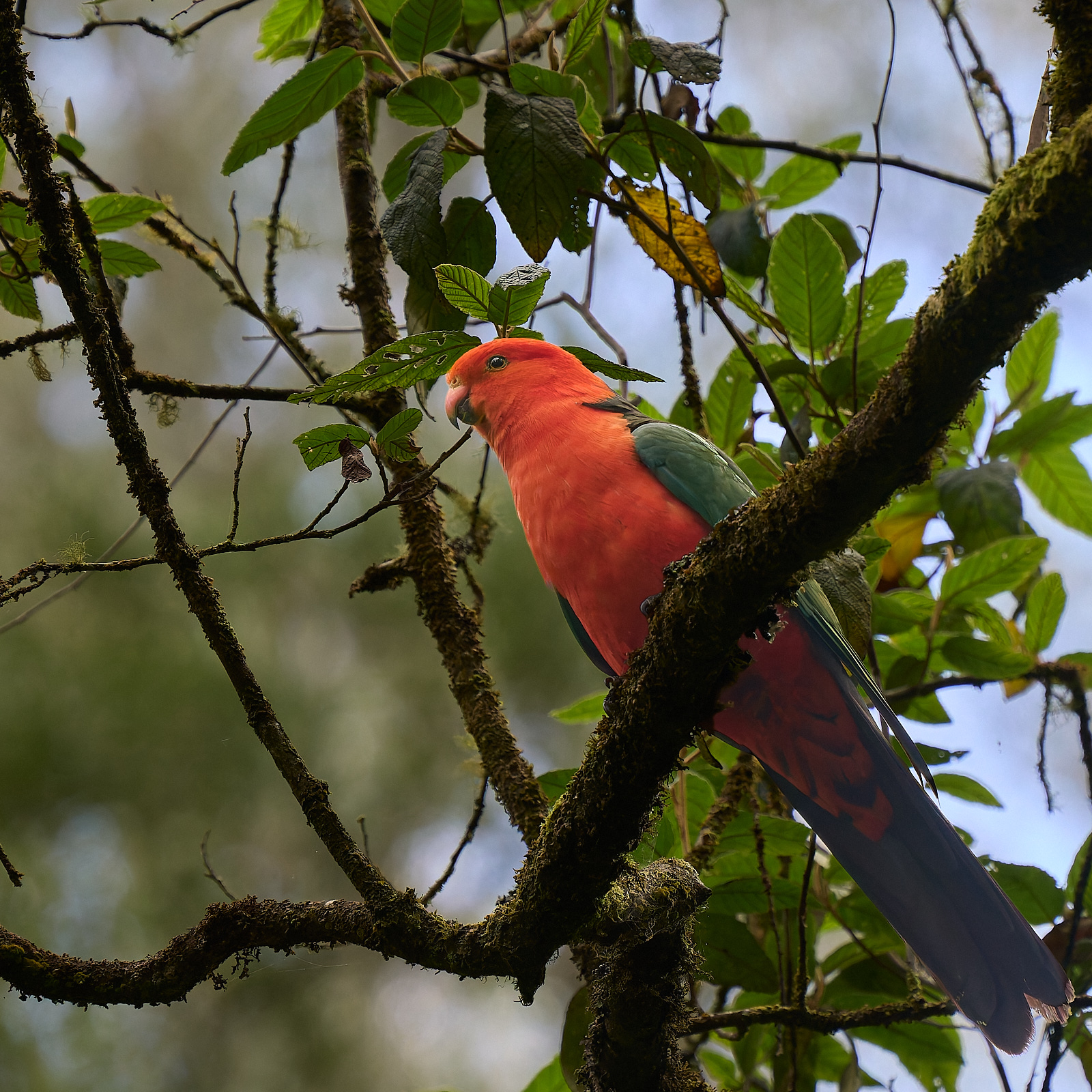
The first birds on the list were quintessentially Australian – King Parrot, Laughing Kookaburra and Australian Magpie. First native mammal was a Wombat running for its life. They run with rather more grace than you would expect from such a short legged stocky creature.
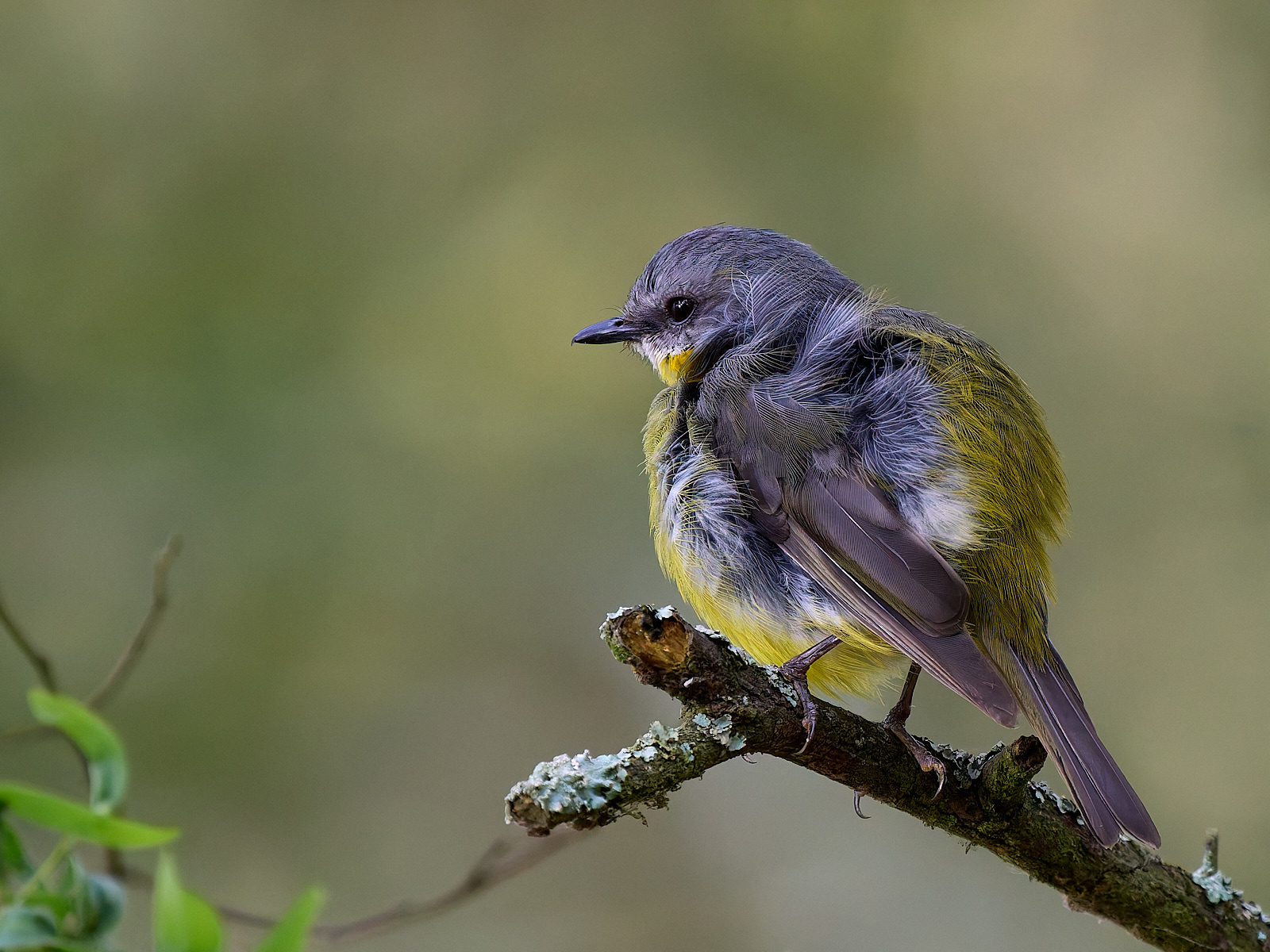
Laughing KookaburraAustralian King Parrot
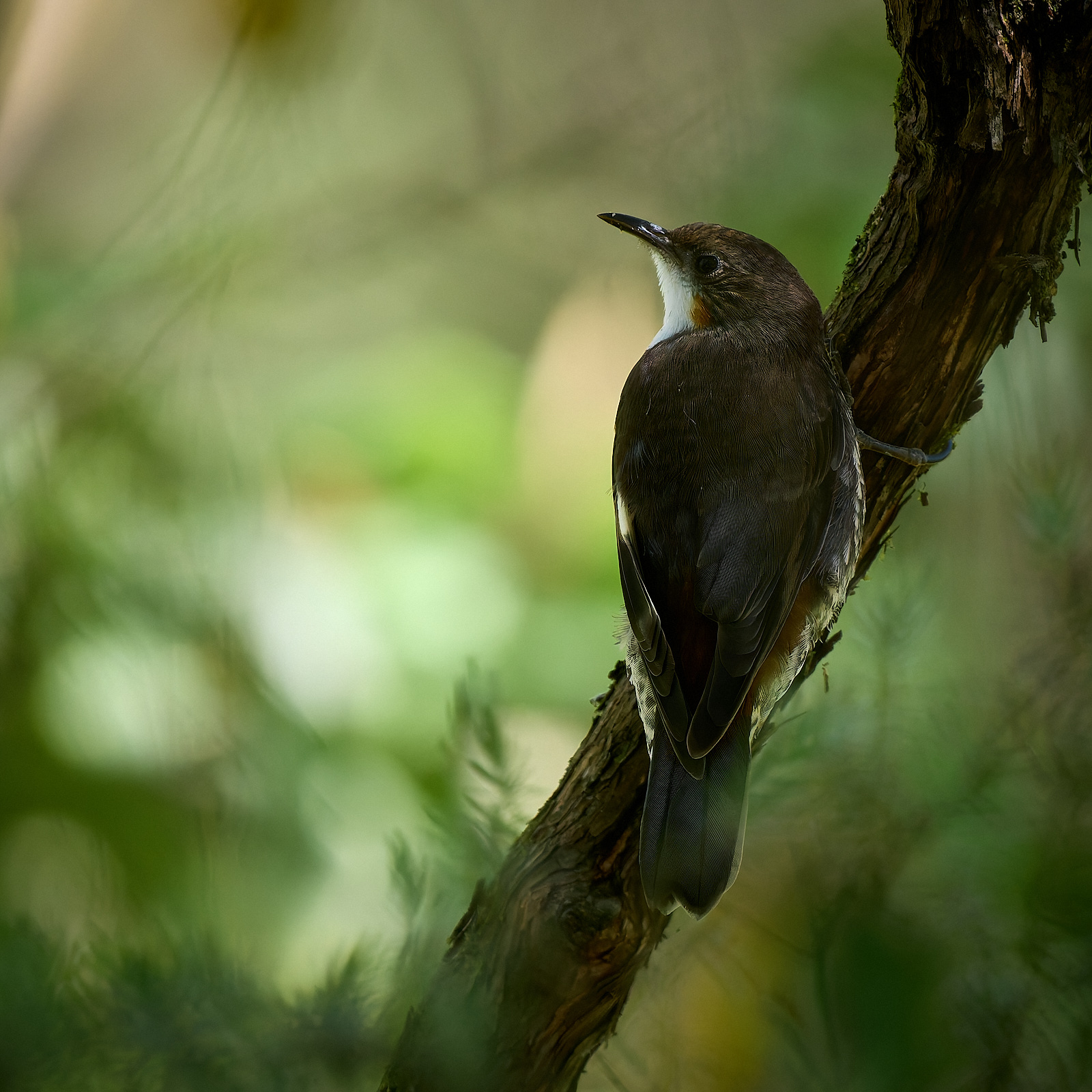
The list extended to just 21 bird species but included Lyrebird and Large-billed Scrubwren and it’s unlikely that I’ll see them again until late in the year.
For a nice introduction to the trails in the park click this <LINK> but be aware that the Giants Circuit is currently closed (cos Parks Vic, what can I say).








 bobmcgee