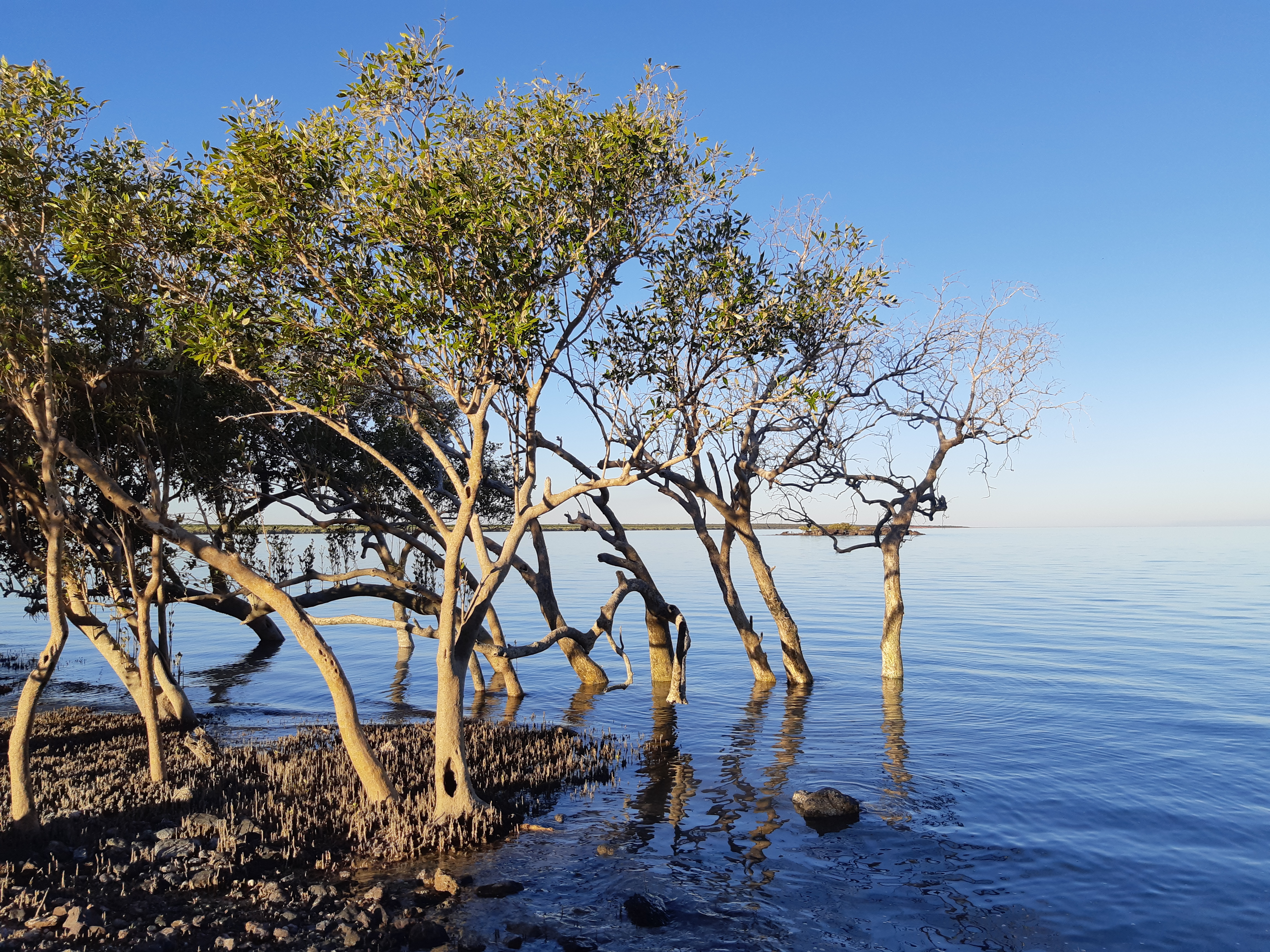
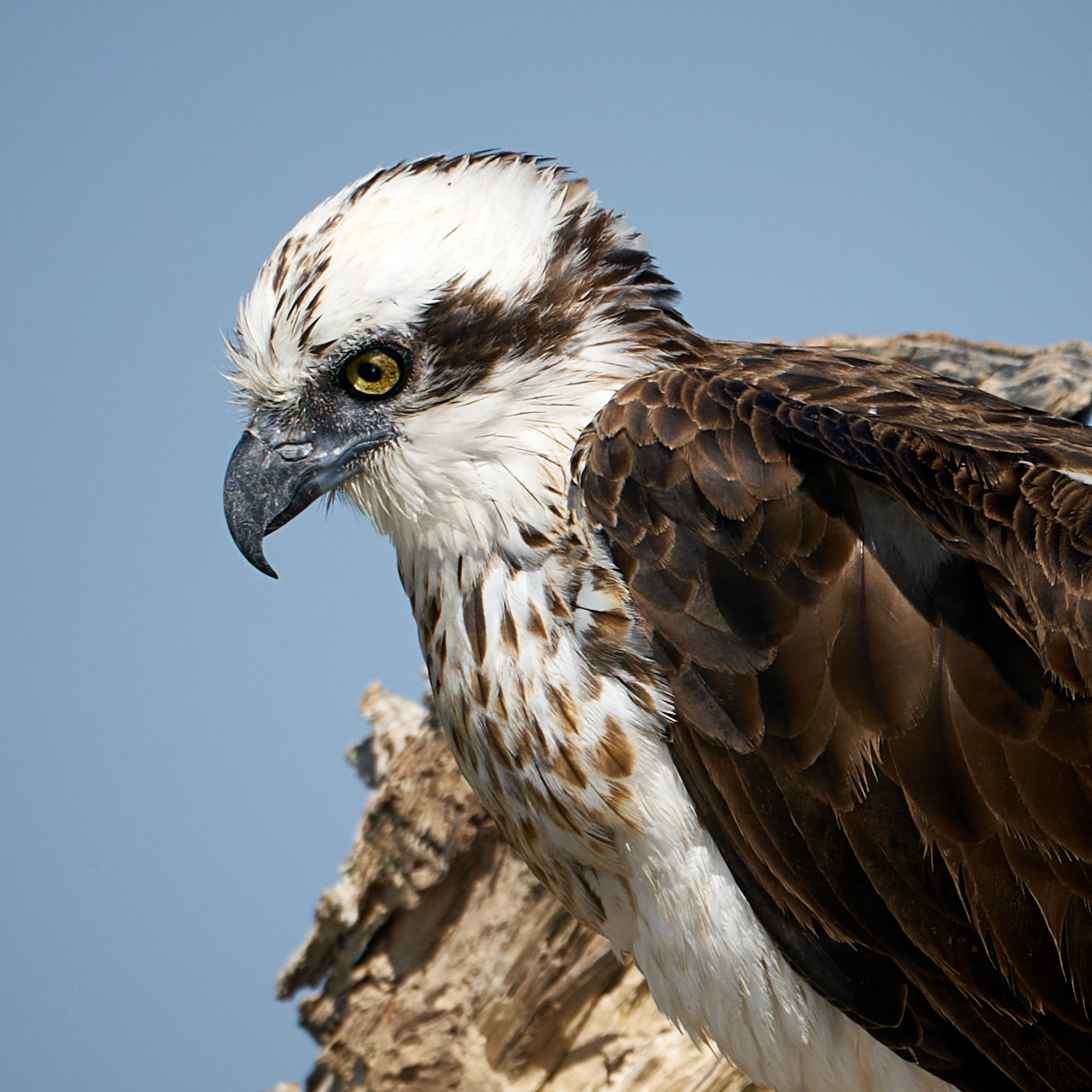
A dead mangrove, much bigger than the trees that now surround it, provides a convenient perch for an Osprey contemplating its next fish dinner. It regards me with total disdain as I wade into position for a photograph.
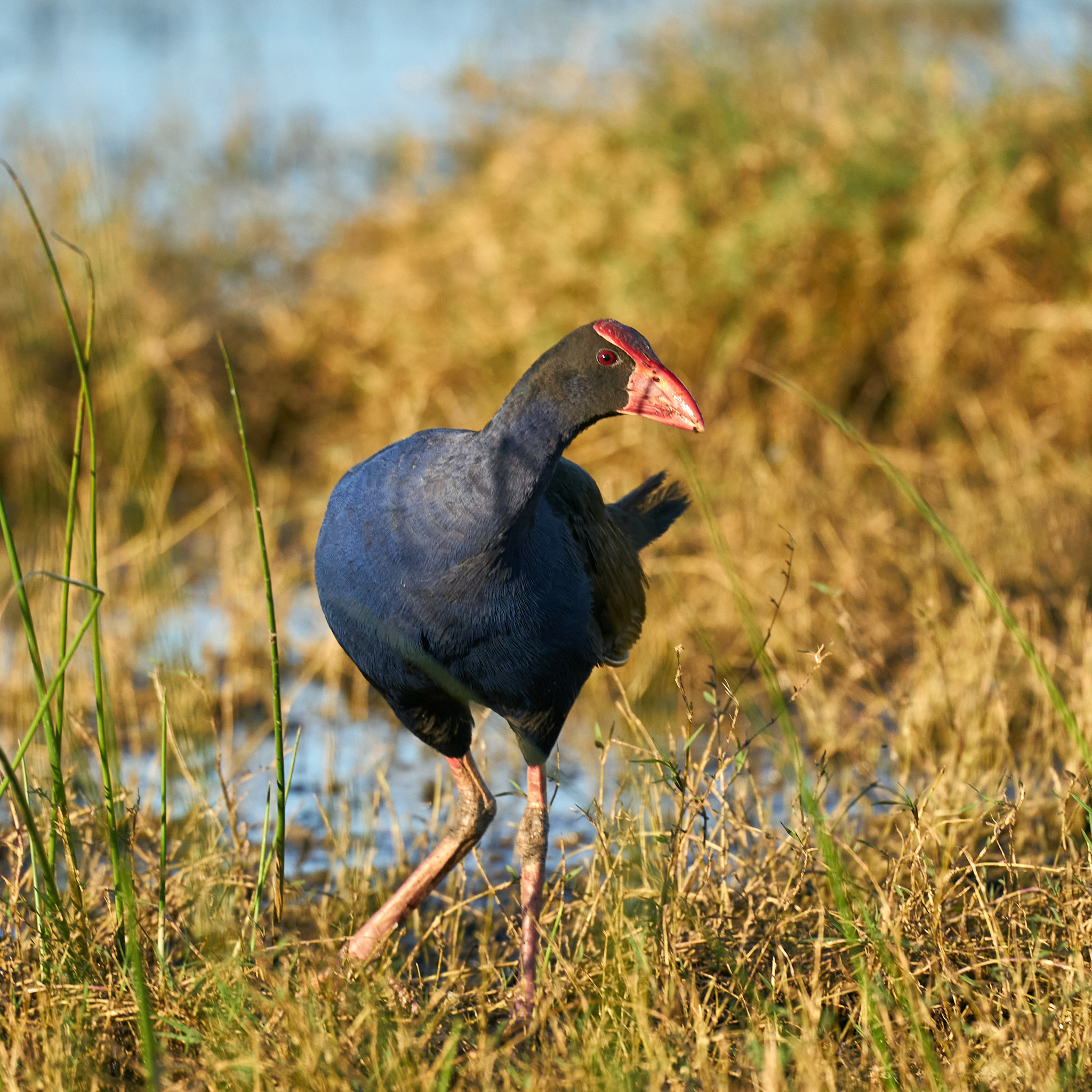
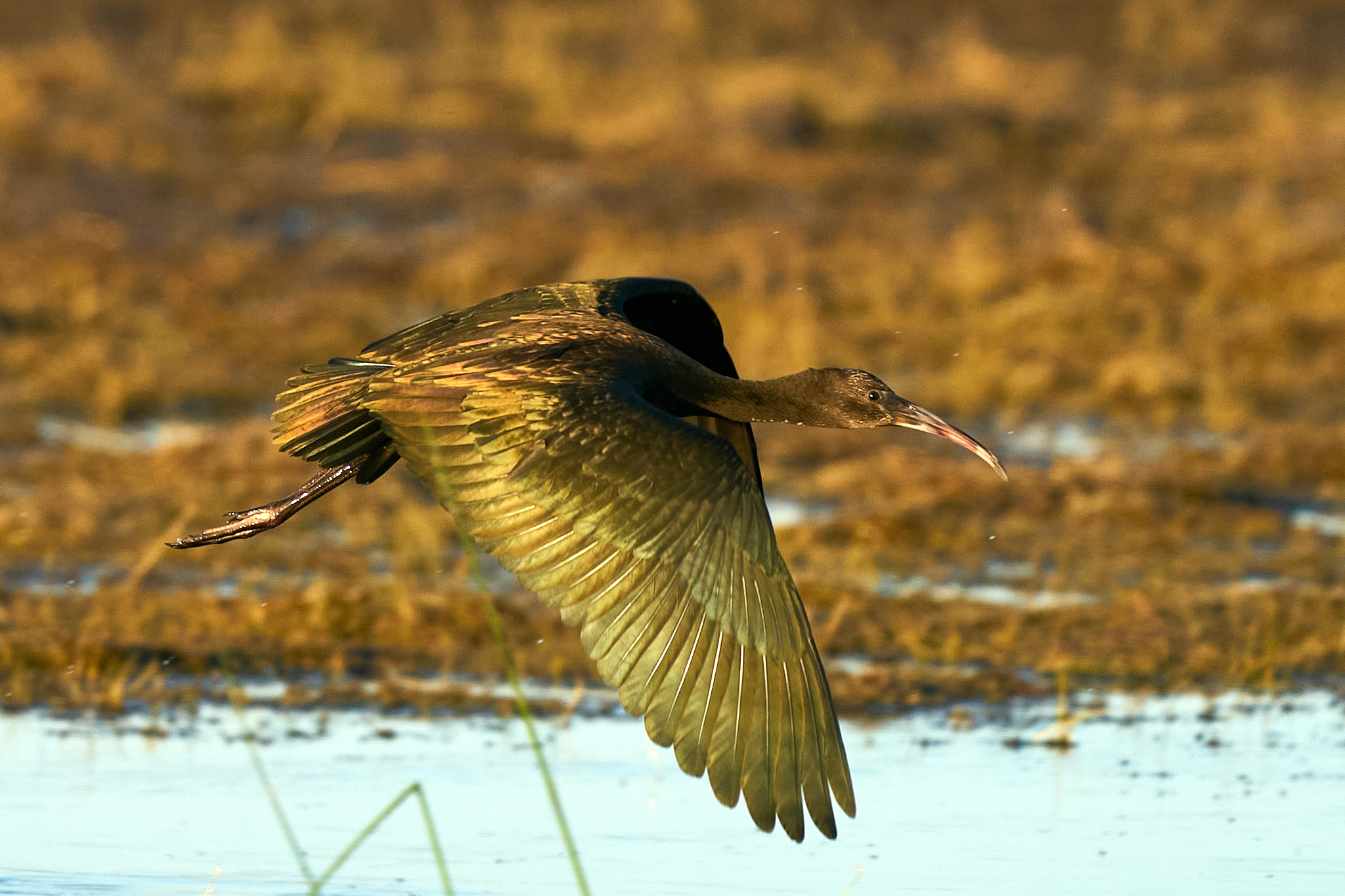
About 35km from Broome the Great Northern Highway crosses the Roebuck Plains. This year’s big wet saw the road closed by flood. It is drying out quite quickly now but there is still standing water on both sides of the bitumen. The birds are loving it …
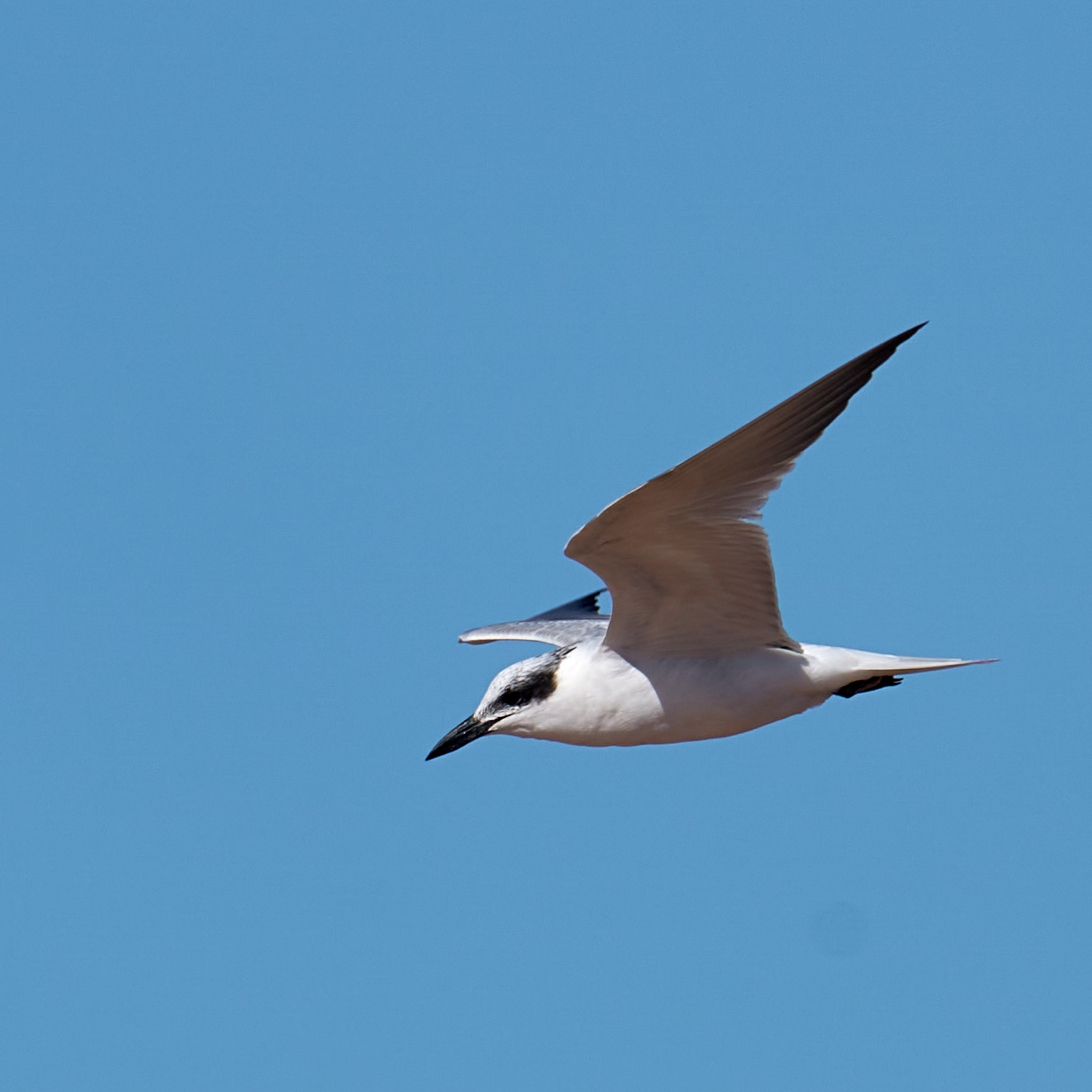
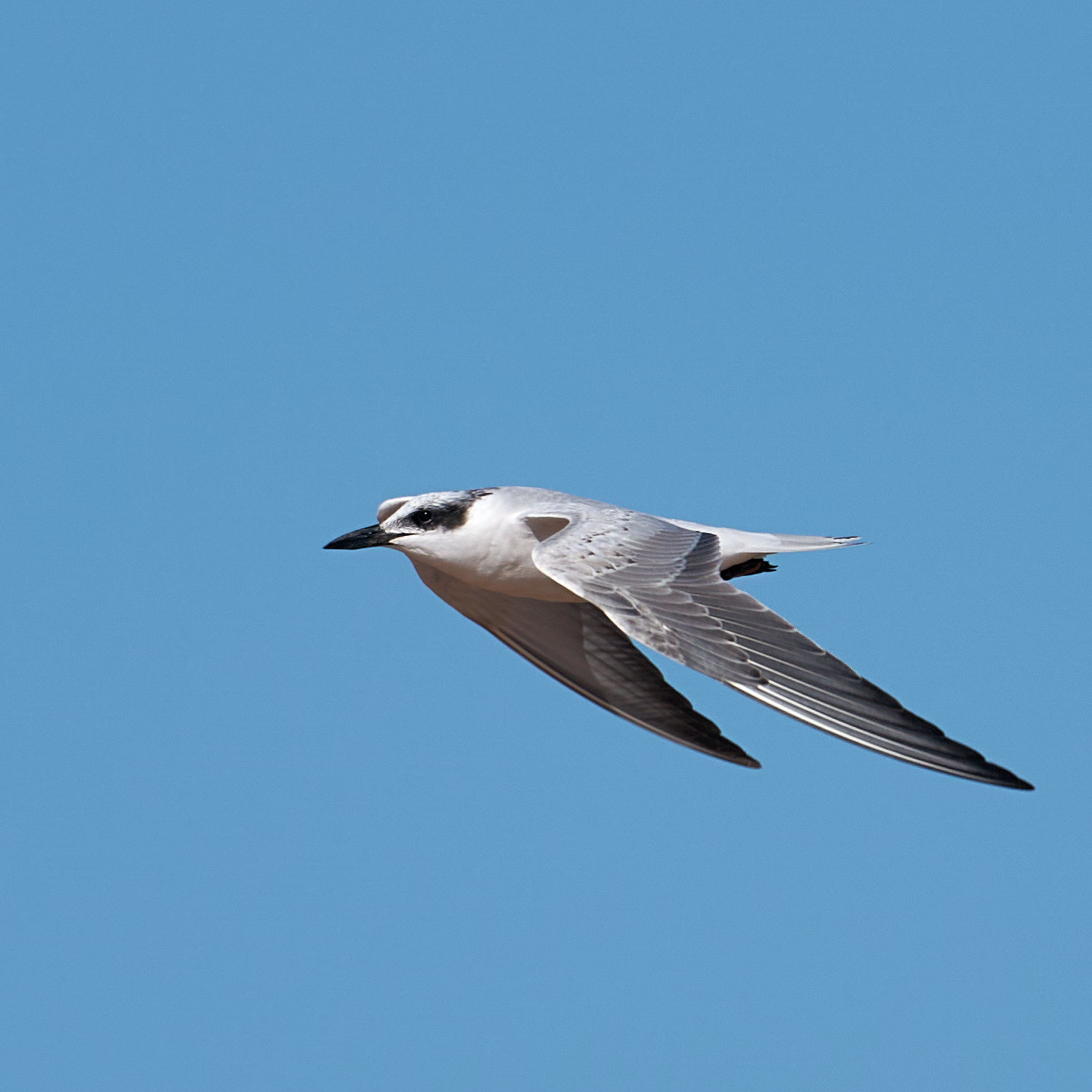
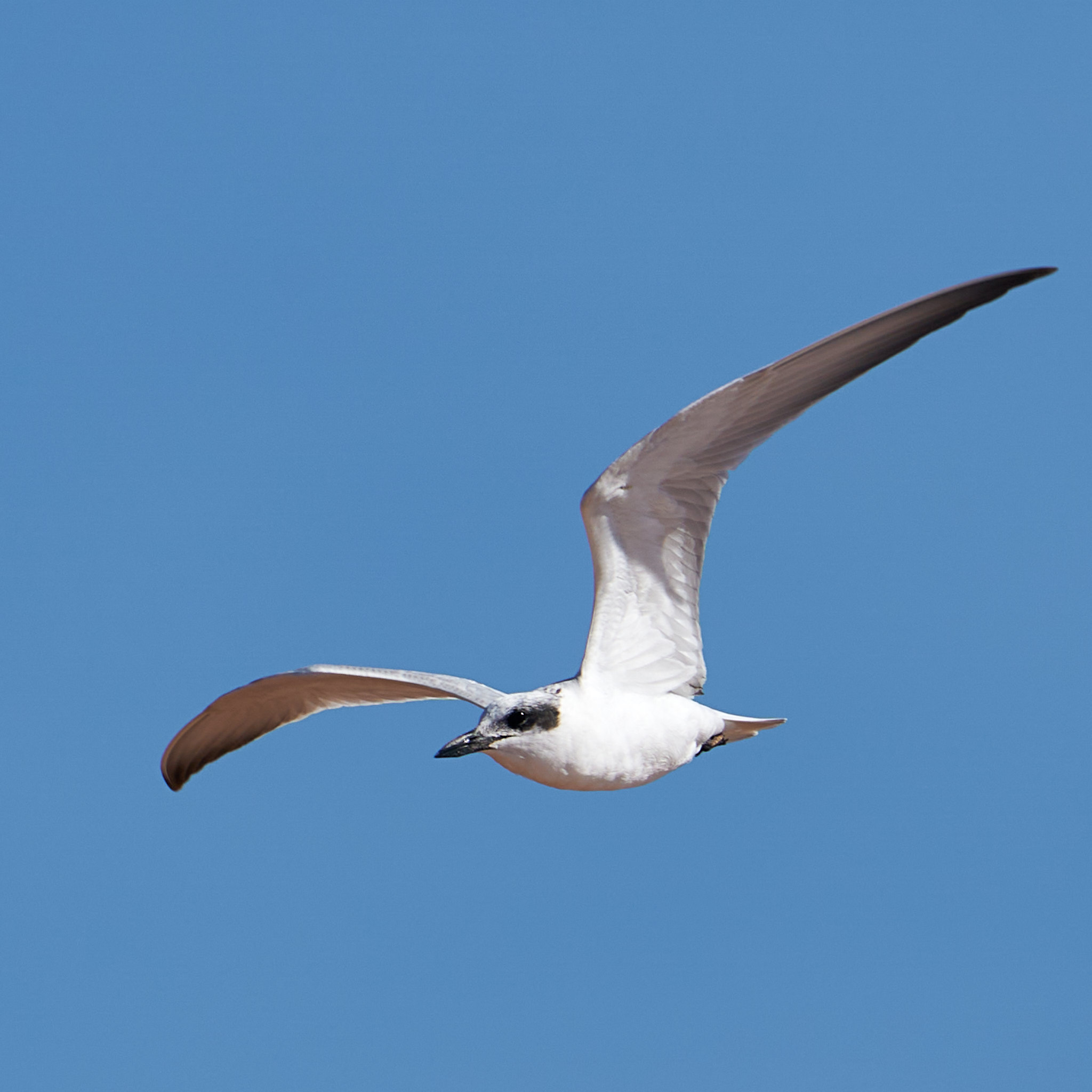
These photos of a Gull-billed Tern were taken at one two thousandth of a second so fortunately there was plenty of light. I prefer flight shots with wings up. I feel they convey a greater dynamism but they are often marred by the shadow cast by the wing. If you click on the wing down shot the feather detail on the wing makes up to some extent for the less dynamic pose.
What you really need is a well trained Tern that will expose its armpit to the sun.
I started bird watching in primary school. The reasons why are hard to fathom. No one else in the family had any interest in birds or natural history. It’s important for context to know that I am a baby boomer born and raised in the east end of London. We had a small library, one set of encyclopedias and four other books. These were treated with great reverence. Hands had to be washed prior to touching them. One of them was a bird book, a coffee table sort of tome, words and pictures … in colour (partly). Maybe that helped spark an interest.
We lived about 10 minutes walk from the North Circular Road where it passed through the green belt, remnants of Epping Forest. I was permitted to go watch birds in the forest adjacent to Whipps Cross Hospital. On the other side of the North Circular there was much more woodland and the Hollow Ponds. Fortunately my parents never paid attention to my lists. Swans, Coots and ducks were rare on my side of the road.
What I liked to do was walk, look and make a list. It’s what I still like to do almost 70 years on.
Those lists were on scraps of paper. They are lost. The notion of keeping a life list didn’t occur until the computer age caught up with me. I got into computers and began entering up my records which by that stage were recorded in notebooks. The user interface of the software available at the time was woeful. After a brief stint using a bought one I wrote my own. Then I created a suite of queries to generate any reports I felt the need for.
The DIY approach avoided one major hurdle. At the outset most people would have thought that the taxonomy of birds was well understood and not likely to change much. DNA technology soon fixed that. Had I stayed with the bought one I’d have had to buy a new version every time there was a major change to the official world order. As it was the system met my needs for 30 years but the work of maintaining the underlying taxonomy and of reconciling all the splits and lumps grew with every year and every continent visited.
What I wanted was my records on my computer, suitably backed up of course, simple and efficient data entry and reporting and for someone else to do the work. And now I have it.
The solution comes in two parts. On my computer I have some free software called Scythebill. It is home to my records. On the web there is eBird. It takes care of the taxonomy maintenance. Data entry has moved into the field with the eBird mobile app on my phone. It records time, distance and location automatically. Data entry requires just a few keystrokes for each species. Scythebill will accept the list from eBird with minimum fuss. Either system can stand alone but they do mesh very nicely.
I’ll write more about eBird in a future blog. If you feel any temptation to write lists of birds or engage in citizen science do it on eBird. It’s free and a great solution to your record keeping and if you do get more serious at a later date your life list will be there waiting for you.
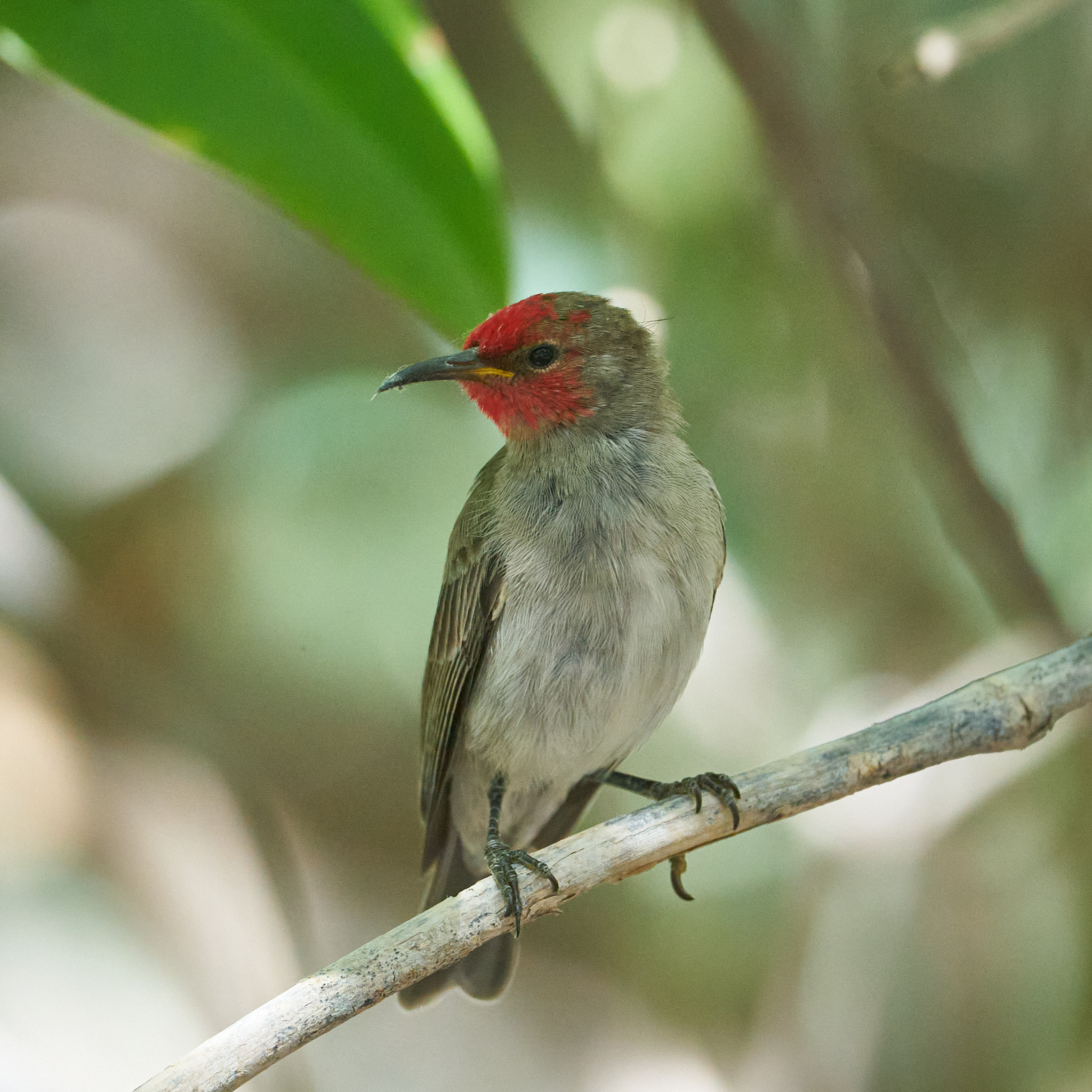
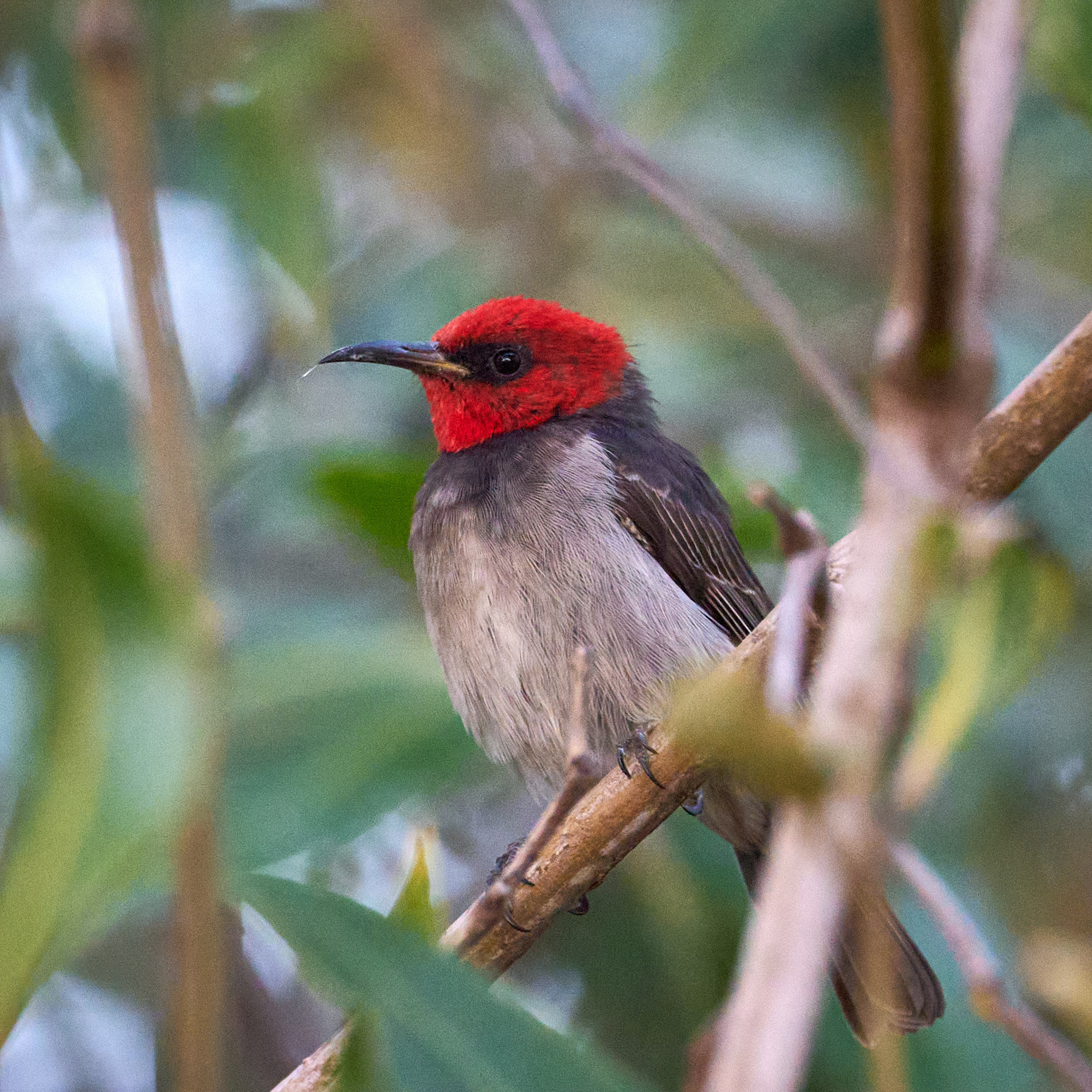
I’ll be visiting the Mangroves frequently because, like Tilly, a recent commenter from Kingaroy or some place in Queensland, I still need a male. It’s another Whistler, the Mangrove Golden. My best efforts to date are not up to scratch. Meanwhile I take whatever is offered. Like this young male Red-headed Honeyeater …
Red-headed Honeyeater
Presently he’s merely blushing but when he’s all grown up he will be positively glowing.
The rump is also scarlet so the shot of one with its back to the camera looking over the shoulder is on the wanted list.
The Broad-billed Flycatcher is another adorable denizen of the mangroves.
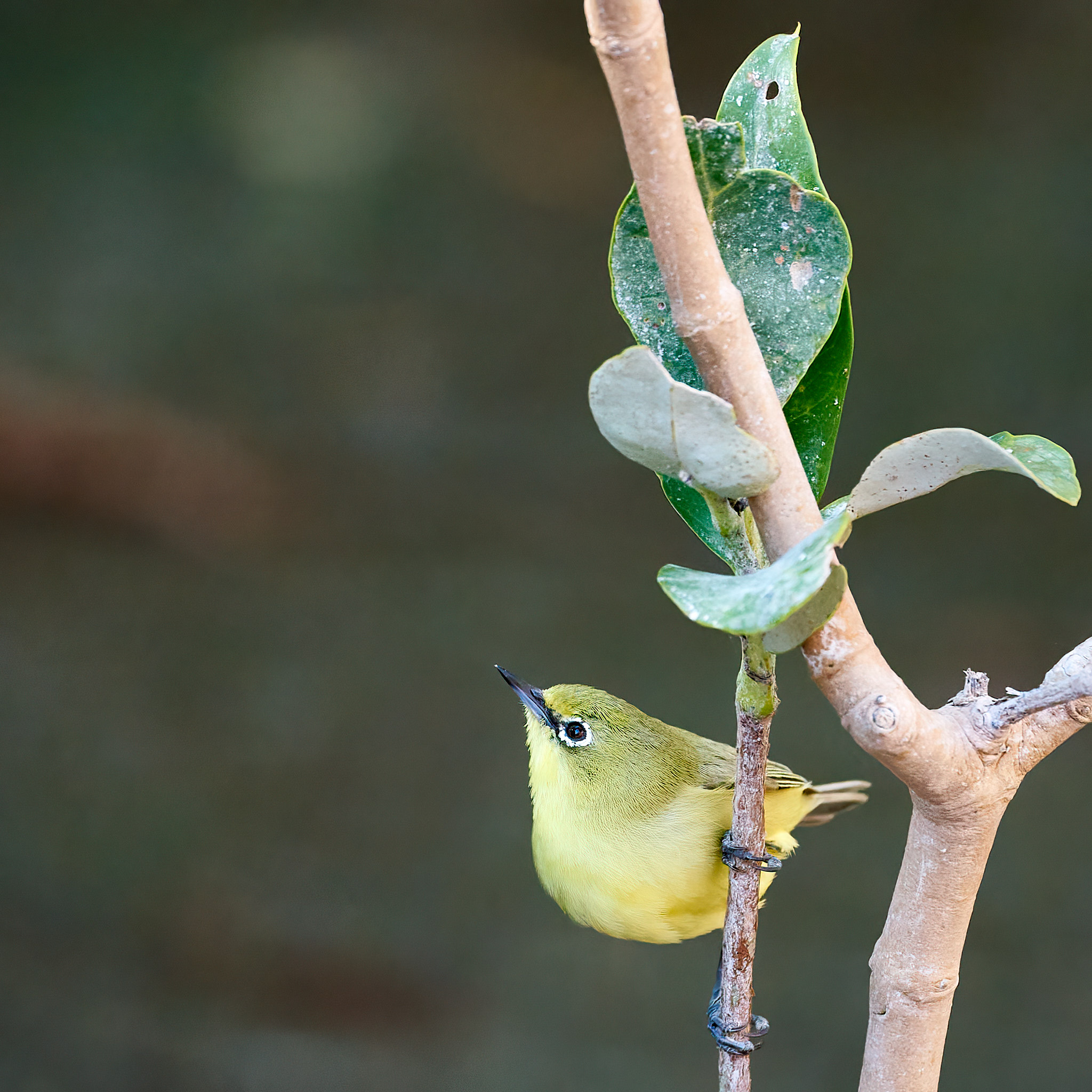
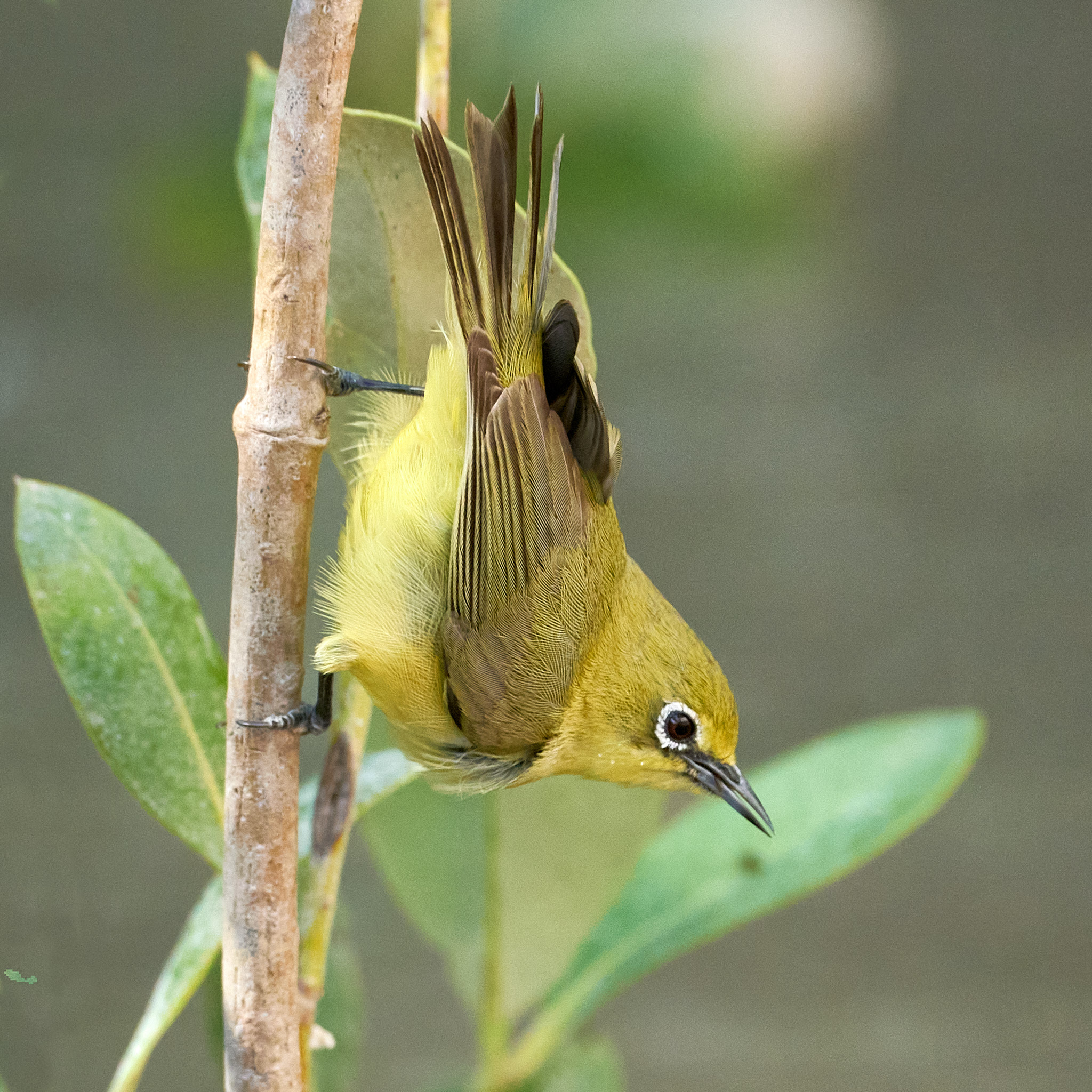
Once again the male is more striking, darker above and brighter below than the female but not all birds are sexually dimorphic. In the Yellow White-eye sexes are similar.
They may not be scenically splendid but they are the nursery for enormous numbers of sea creatures and protectors of the coast against storms. And they have birds.
Australia is home to about 45 species of mangrove in 18 families. They like the tropics, Darwin Harbour has about 36 species, Broome about a dozen. Species drop out as you head south. By the time you get to Victoria there is just one – Avicennia marina. Tasmania has none. As well as the right amount of sunshine each species needs the right amount of tidal inundation.
Birds enjoy the mangroves everywhere but the opportunities for mangrove specialists are much better in the north where there are large patches of mangrove forest.
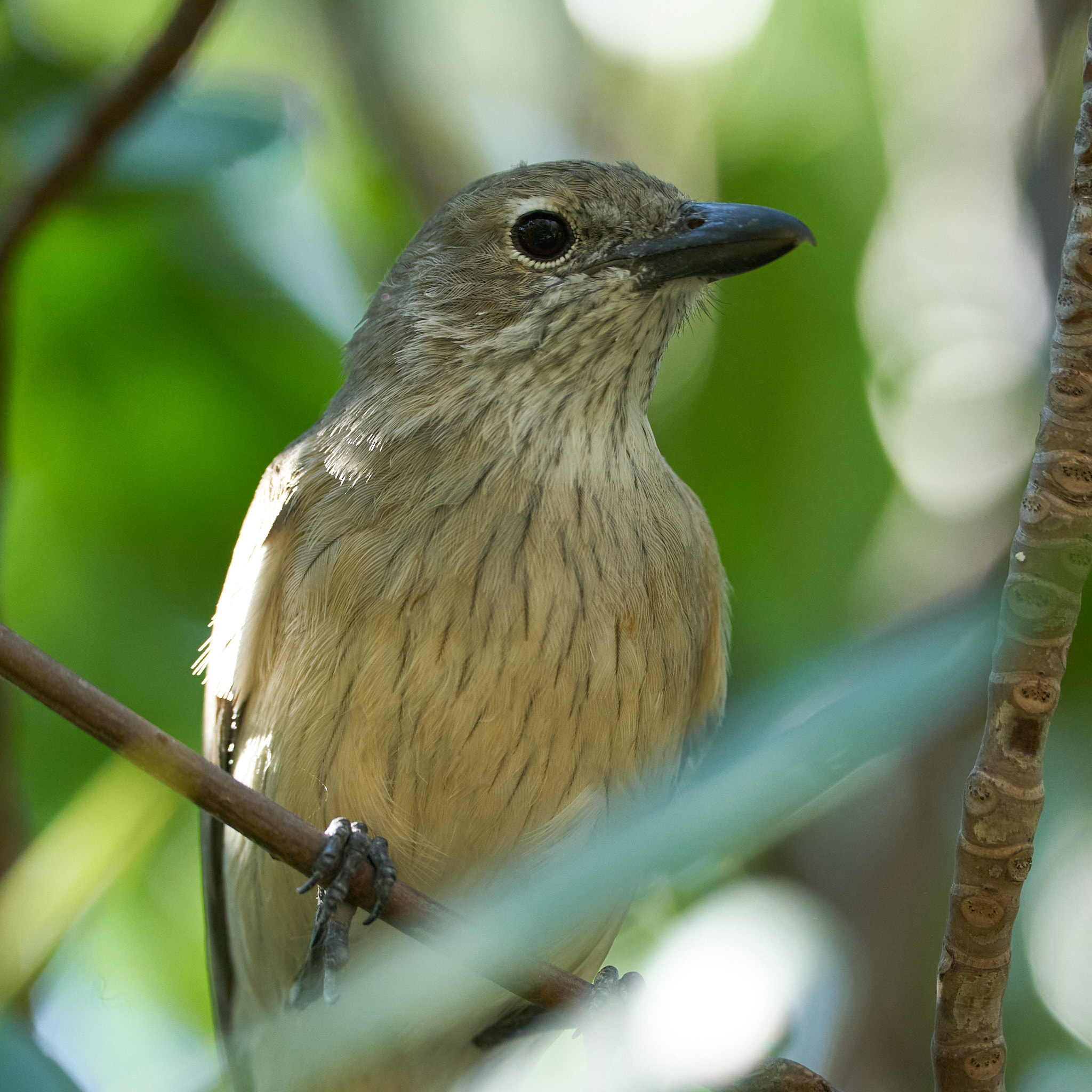
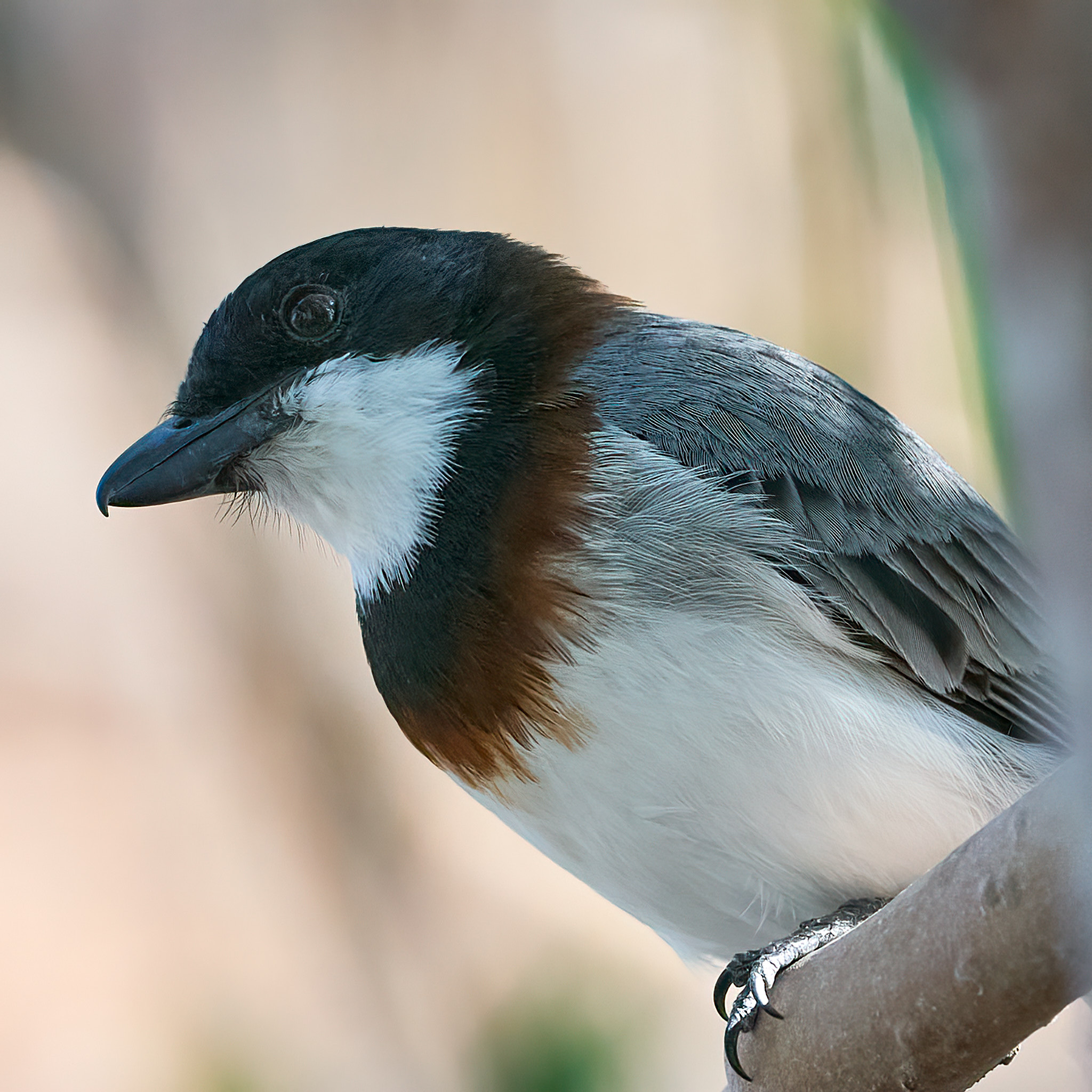
The birdo who wants to photograph these specialists must first work out the tide and then do battle with mud and mosquitoes. The birds rarely sit still for you and the tangle of roots and branches complicates things further. One bird that has eluded me on previous visits is the male White-breasted Whistler. The females are confiding, almost brazen but drab. The males are gorgeous if you can get a clear view of them. Perhaps their skulking behaviour is to make up for their lack of camouflage. Now that I live here I can afford to sit and wait (don’t scratch those bites) …
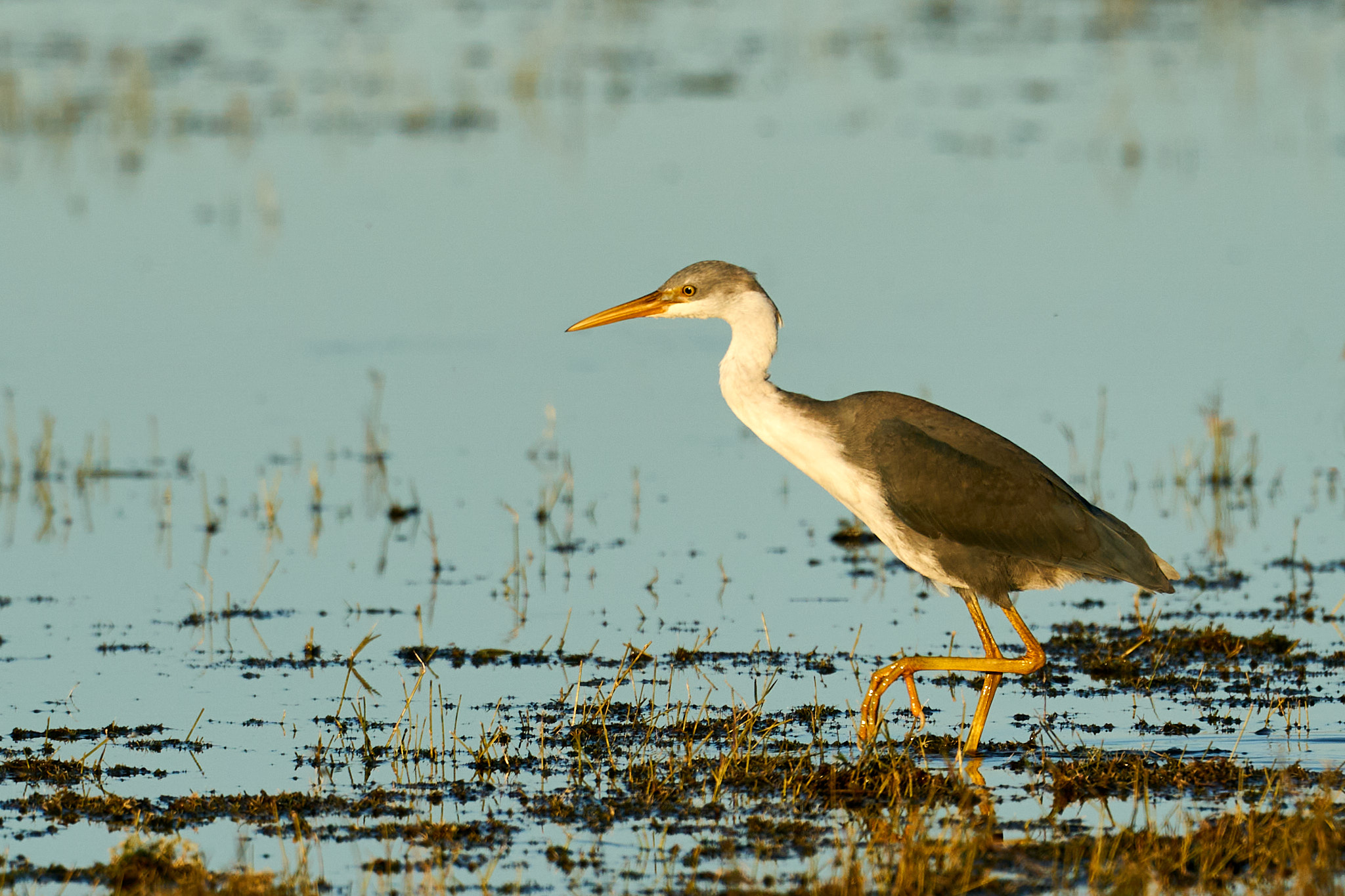
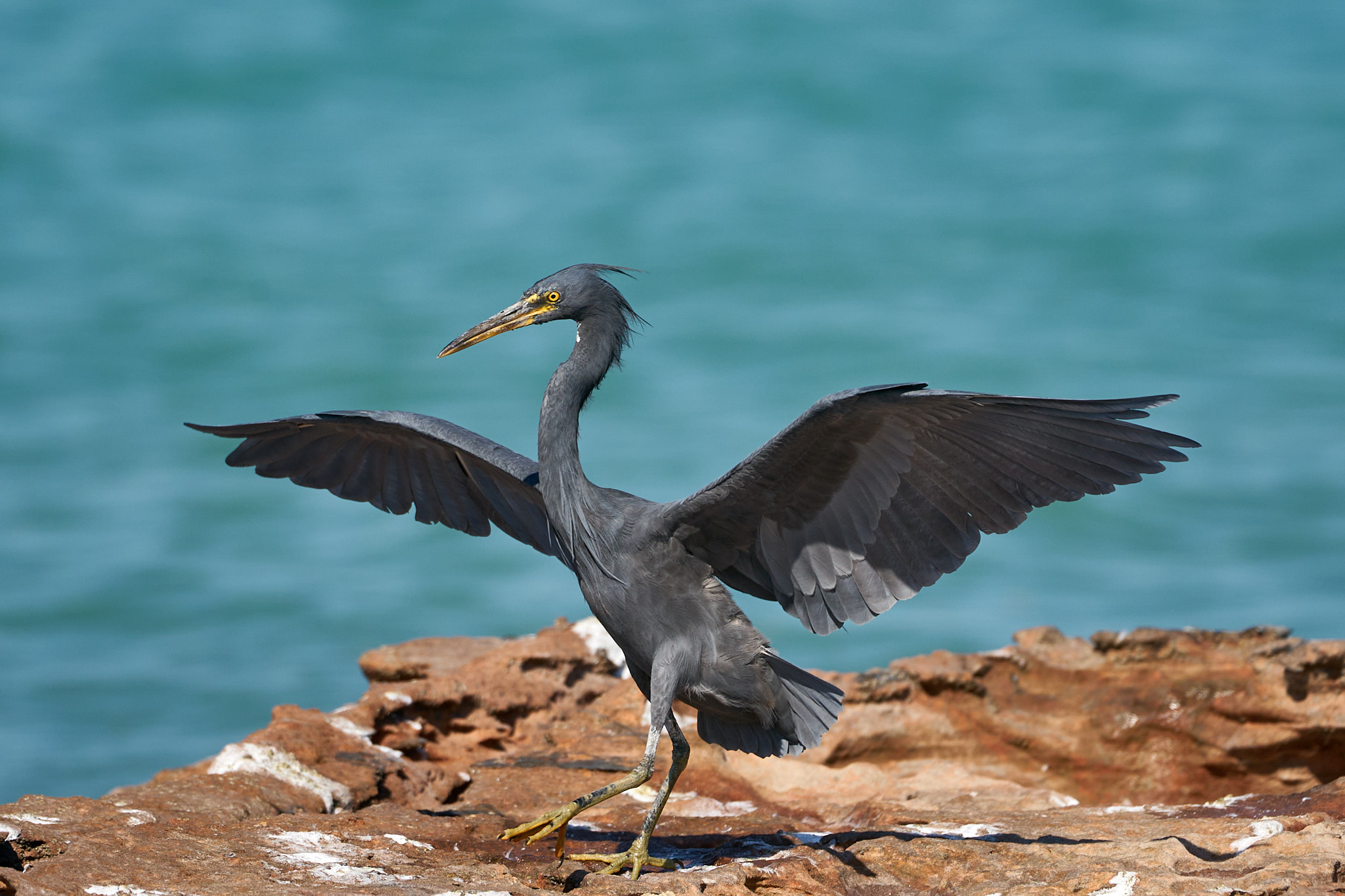
These two are much easier to tell apart than the crested terns …
except they are both the same species, Egretta sancta (sacred egrets so named in 1789 because they were supposedly venerated by some Polynesians). They are found along rocky coasts in the Pacific ranging as far north as Japan and as far south as New Zealand. They are fairly common around the Australian coast except Victoria where they are infrequent and Tasmania where they are absent. There are plenty around Broome.
The popular name is Eastern Reef Egret but they are also called Pacific Reef Heron or any other permutation of the words. They are not the only egret or heron to occur in white and grey forms. In my experience the grey ones outnumber the white ones. The cause of the difference is unknown but stable polymorphisms like this can occur where two forms of a gene (allele) exist for a particular spot on a chromosome and having one of each (heterozygosity) confers an advantage compared to two of the same (homozygosity). The advantage may be due to body colour or it may be due to some other unsuspected effect of the gene combination.
The short greeny-yellow legs distinguish the white ones from other egrets. Distinguishing the grey ones from White-faced Herons should pose no problem if relatively sober.
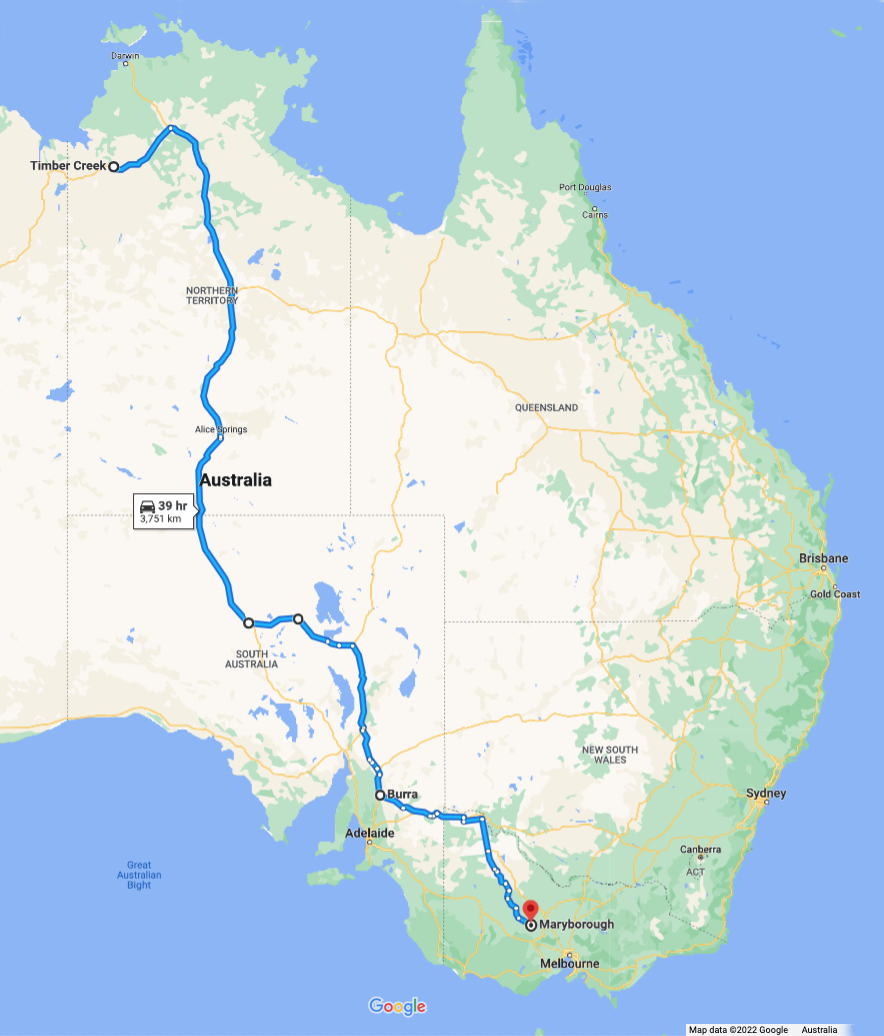
The time had come to turn for home. The route would take us through the centre of the continent, a region that is generally dry. Alice Springs for example has about 28 cm (11 inches) of rain a year. This year has been different, La Niña has brought roughly twice the normal amount.
With a long road ahead we stopped for essential supplies at Katherine. The bottle shop wouldn’t be open until 2pm and we wouldn’t be served until our ID had been run through a Police Check. We didn’t wait.
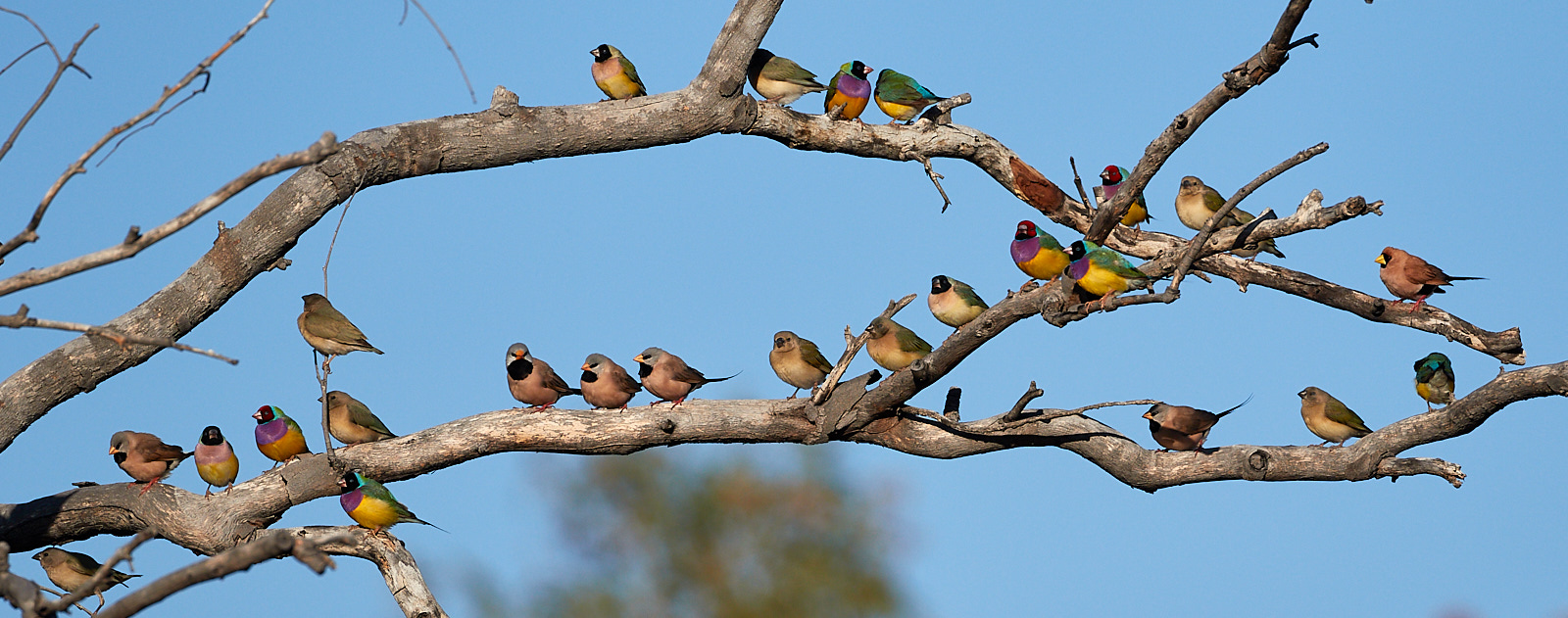
We camped just north of Mataranka. The total distance since leaving home passed 10,000km. The bird list had reached 266. Bird of the day was Gouldian Finch.
Pine Creek was our furthest north on this trip. The locals were so thrilled that they let off fireworks to celebrate our achievement. Or, perhaps, it was merely the case that our visit coincided with Territory Day, Jul 1. There was an organised display on the oval preceded and followed by an informal celebration of the right to blow your face off. Fireworks can still be purchased for personal amusement in the Northern Territory.
A day’s drive from there took us to our furthest west on the trip, Timber Creek. Similar in size to Pine Creek but without the gold or railway artifacts. Just as interestiIng though are the Gregory Tree and the Nackeroo Monument. No rare parrots but instead this area is often called the Finch Capital of Australia. It had lived up to that title on a previous visit so here we were again.
At the caravan park there were bats in the trees and freshies in the creek.
Black Flyingfox
The crocodiles are fed twice a week and we arrived on feeding day.
Freshwater Crocodile
The birding spots are around the creek, the Victoria River, Gregory Tree and up the hill at the Nackeroo Monument. The Nackeroos were an army unit set up in 1942 as an observation and geurrilla unit on Australia’s northern coast. Travel was by horseback, resupply was irregular. It was a pretty tough gig especially in the wet. There is a poem on the monument, author not stated …
Somewhere in Australia where the sun is a curse,
And each day is followed by another slightly worse,
And the brick red dust blows thicker than the shifting desert sand,
And the men dream and wish for a fair and greener land.

Somewhere in Australia where the mail is always late,
Where a Christmas card in April is considered up to date,
Where we never have a pay day and we never pay the rent
But we never miss the money 'cause we never get it spent.

Somewhere in Australia where the ants and lizards play,
And a hundred fresh mosquitoes reinforce the ones you slay,
So take me back to good old Sydney where I can hear the tramway bell,
For this god-forsaken place is just a substitute for hell.
A right turn at the end of the Barkly Highway and we were then following in the footsteps of John McDouall Stuart en route to Pine Creek. He got there in 1862, the route he pioneered was soon put to good use as the route for the Overland Telegraph which connected Adelaide with Darwin, Australia with the world. Along the line small settlements were established to keep the telegraph in working order. Pine Creek got off to a more auspicious start than most when workers digging post holes struck gold. A number of rushes and a railway followed. You’d have had to be pretty tough to make a go of it out here.
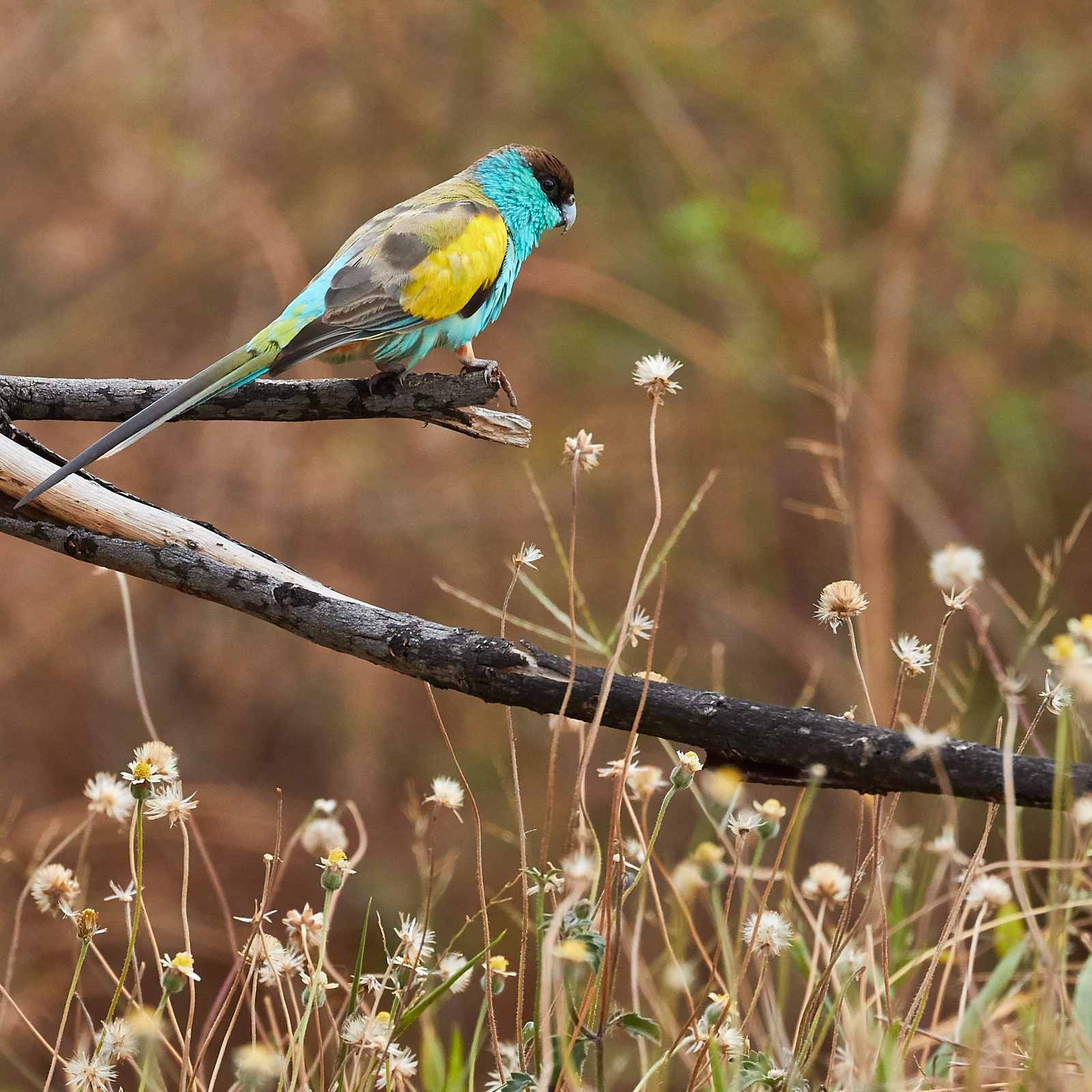
These days it’s a small town, population a little over 300, visitors come to see the mining relics, the residue of the railway, the water gardens and the Hooded Parrot. The parrot has a small population in a restricted range, this is the easiest place to find it.
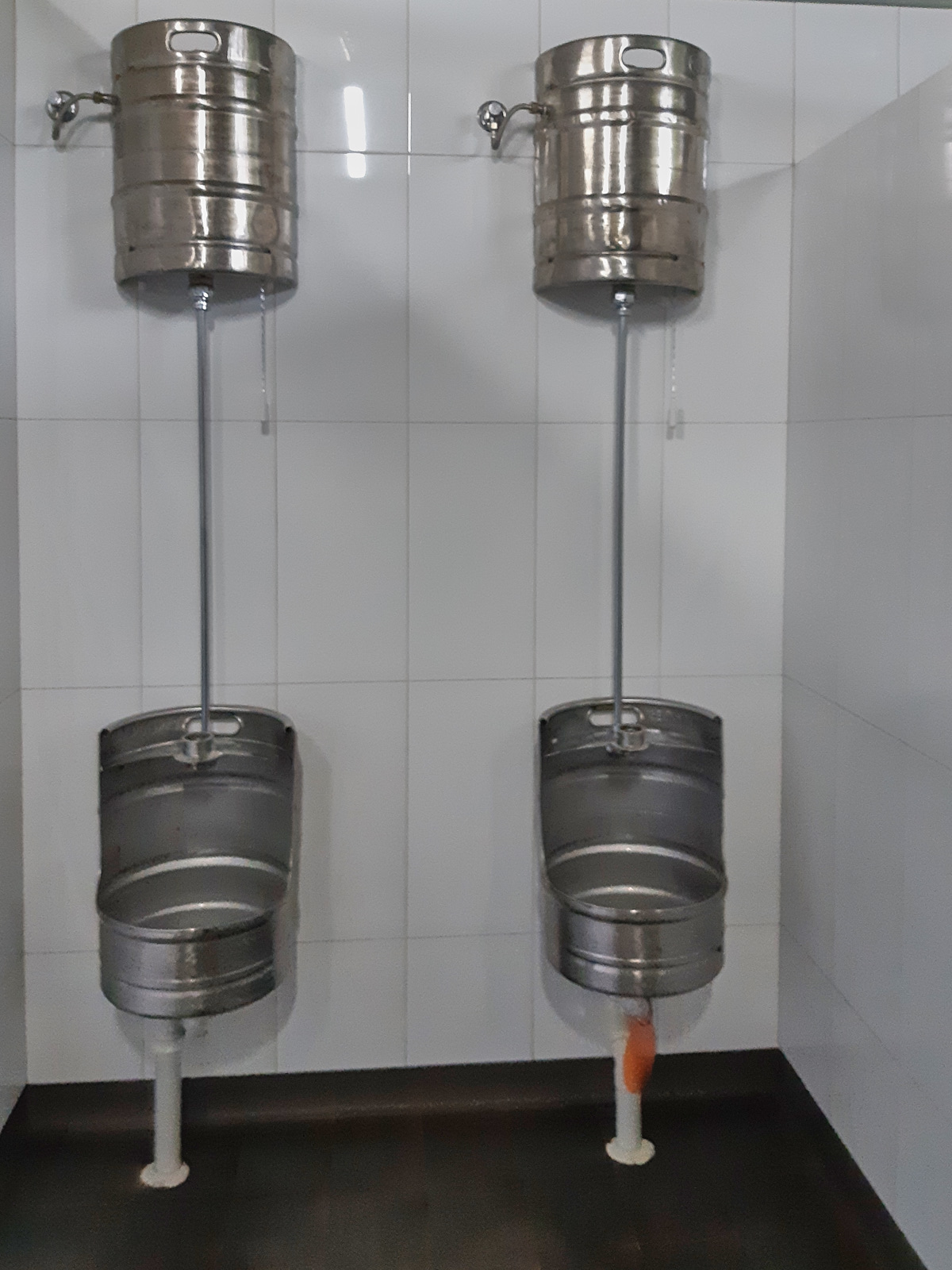
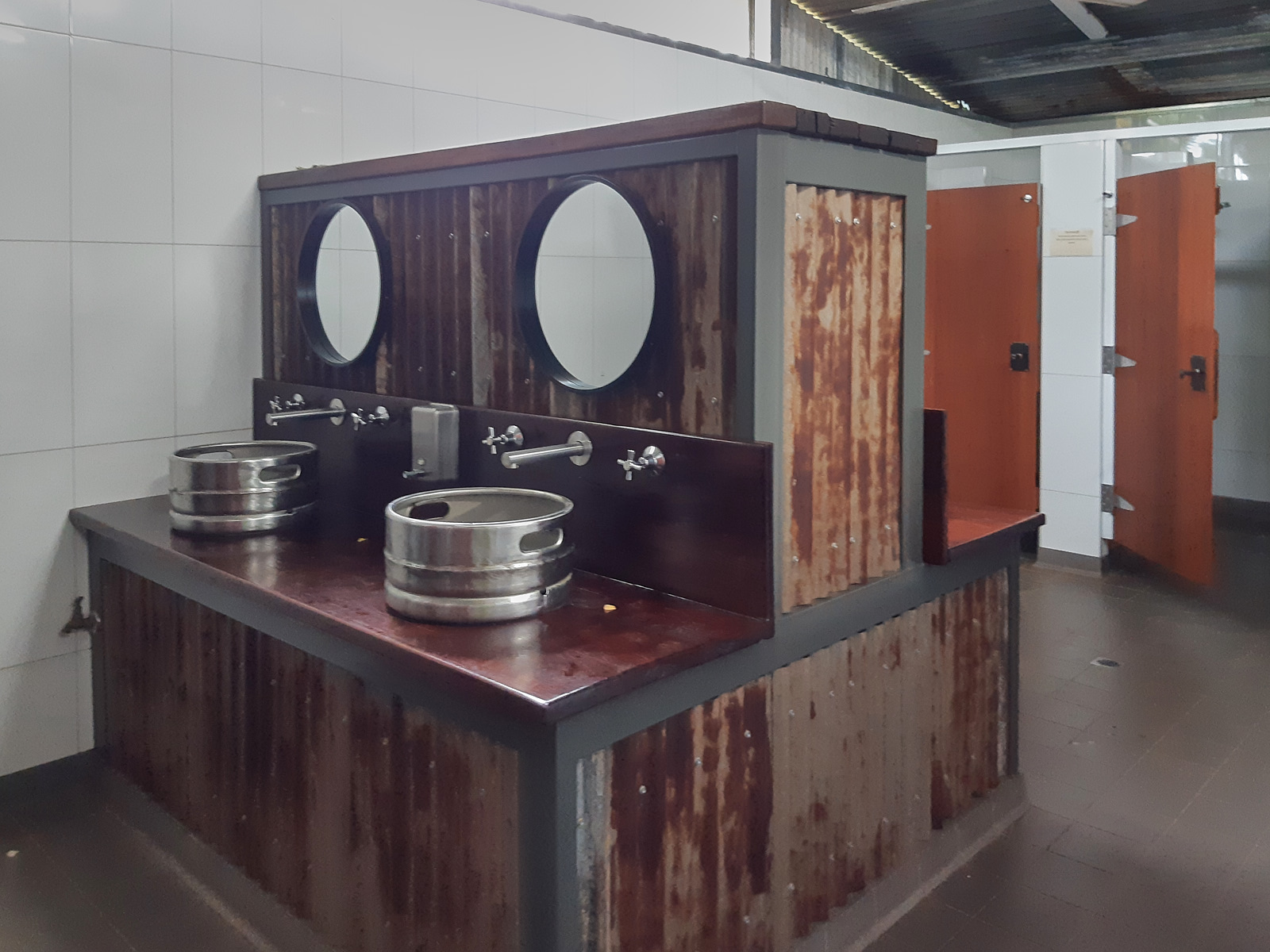
We stayed at the Lazy Lizard, a very pleasant caravan park where someone has an excellent eye for design …
Should I be concerned about my new found interest in toilets?
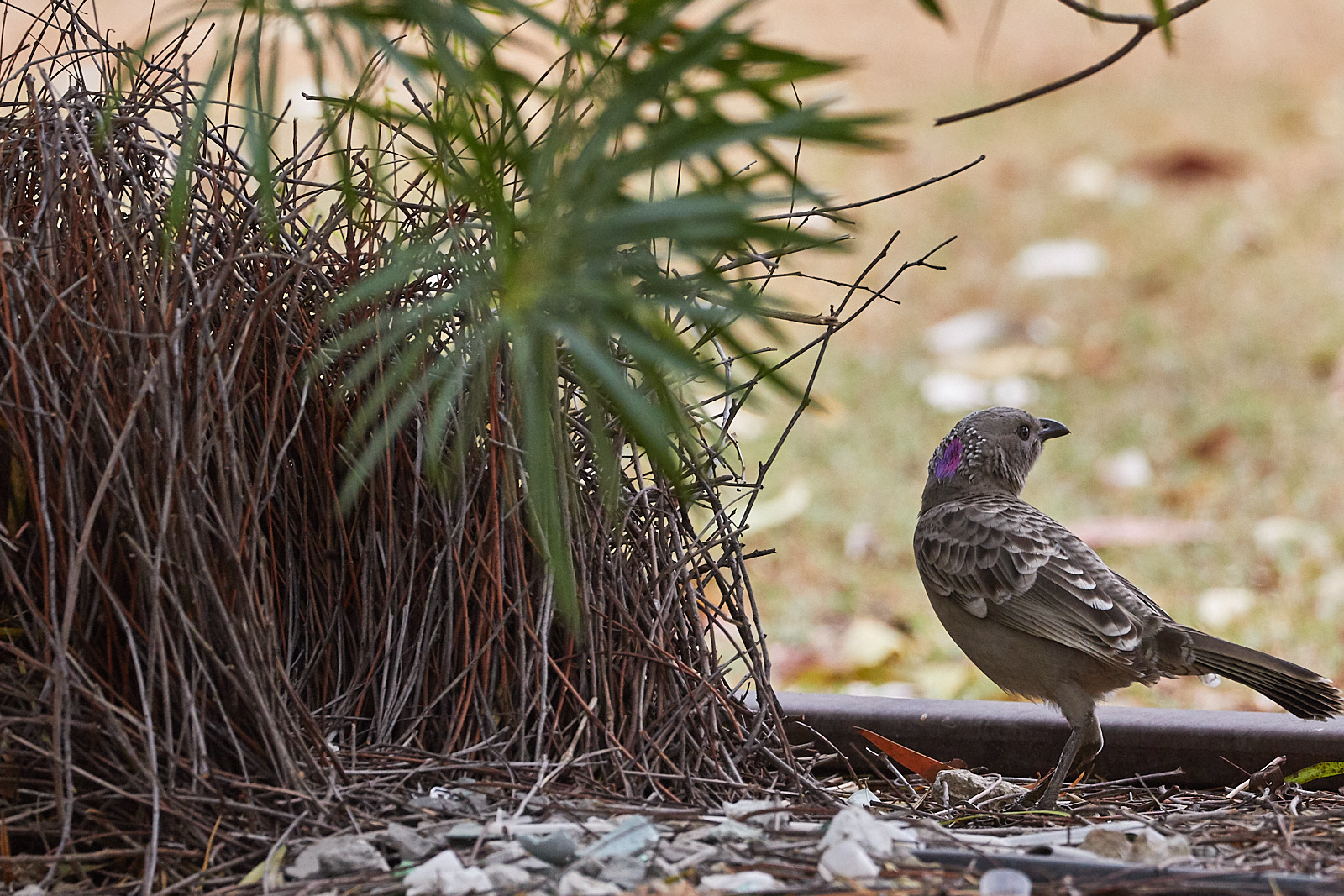
Heading into the great outdoors the birdlife was quite abundant. A male Great Bowerbird had built his bower between disused railway lines in the caravan park. This is not a nest rather a theatre where he can perform for the ladies hoping that they will be sufficiently impressed to mate with him. The marriage is brief, they are soon left to be single mothers.
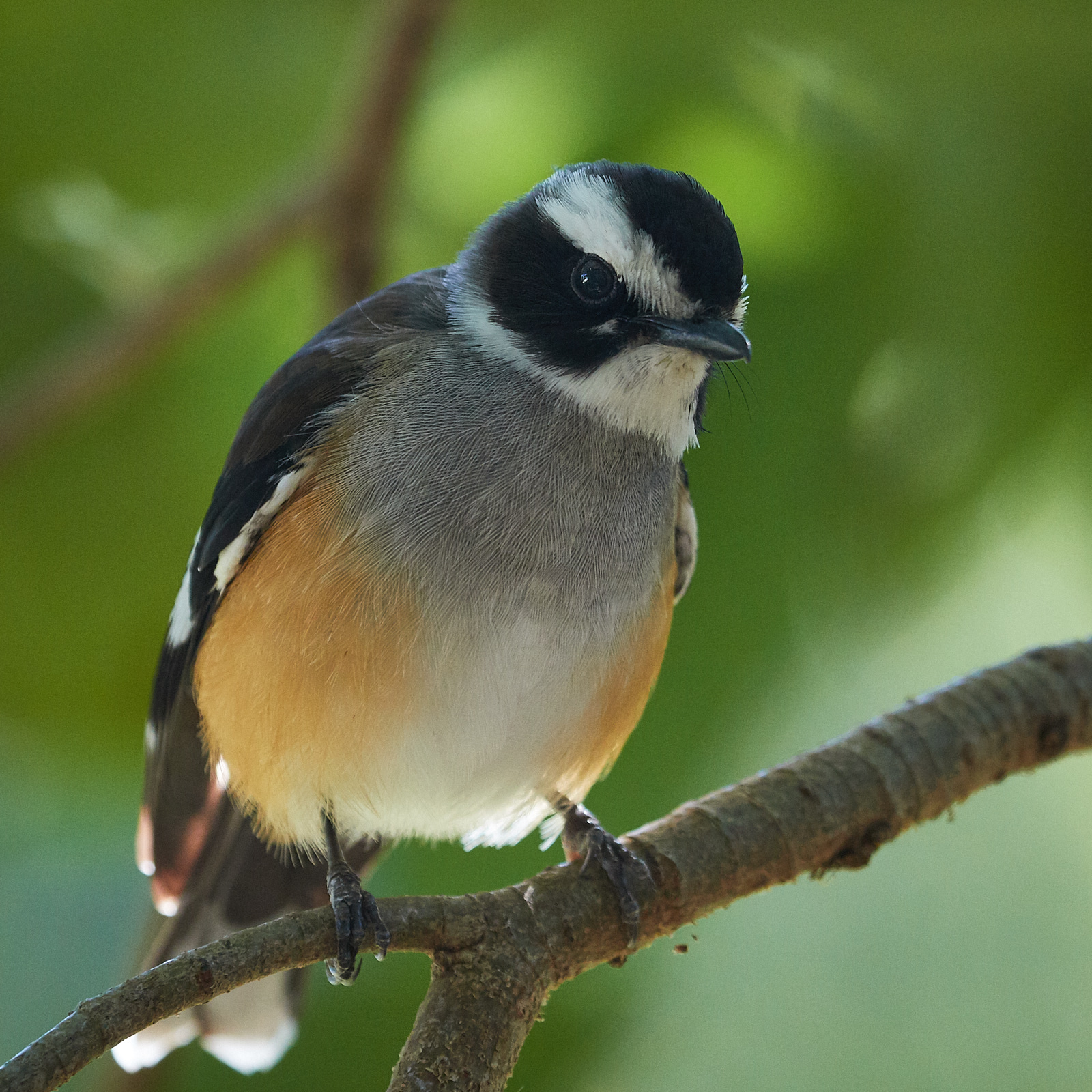
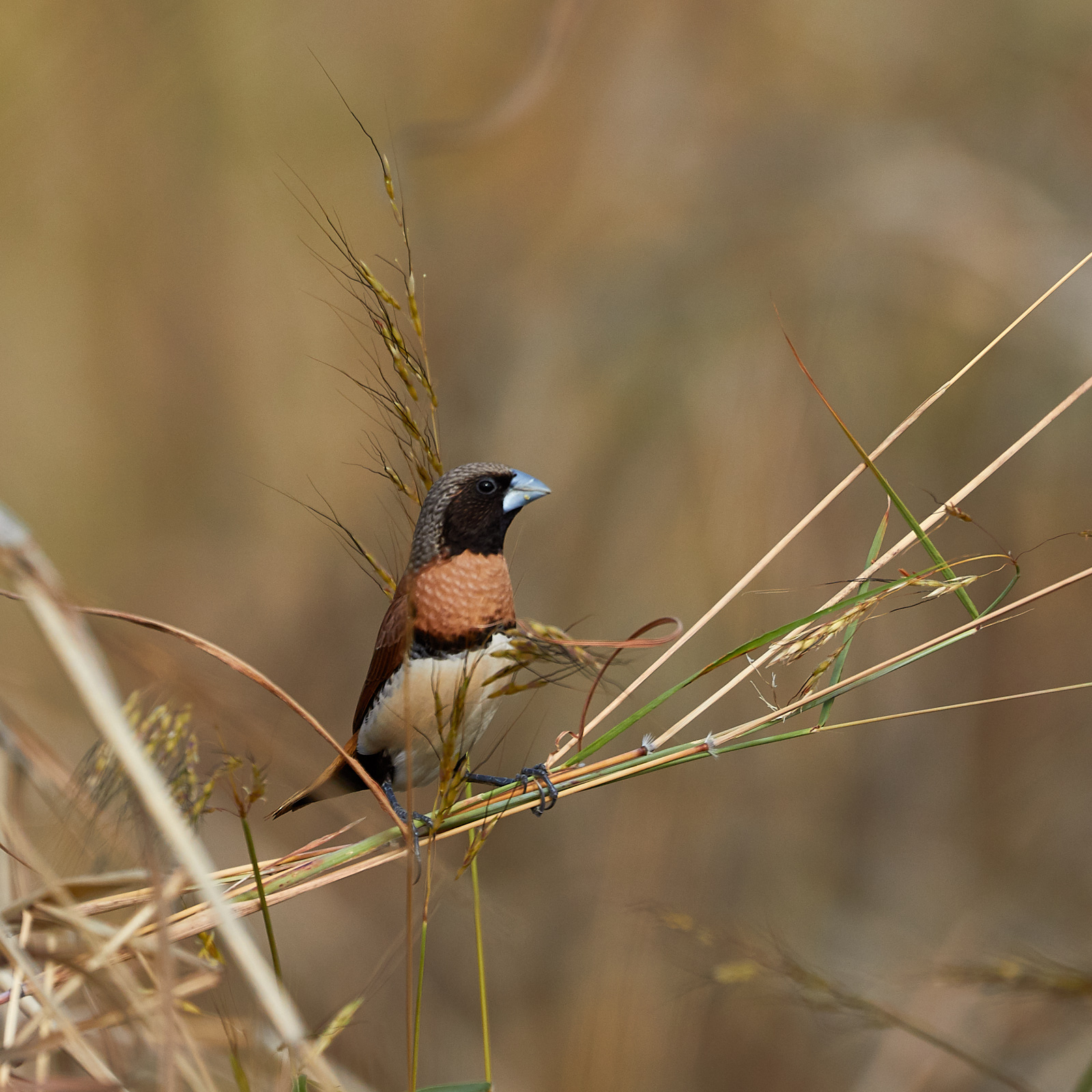
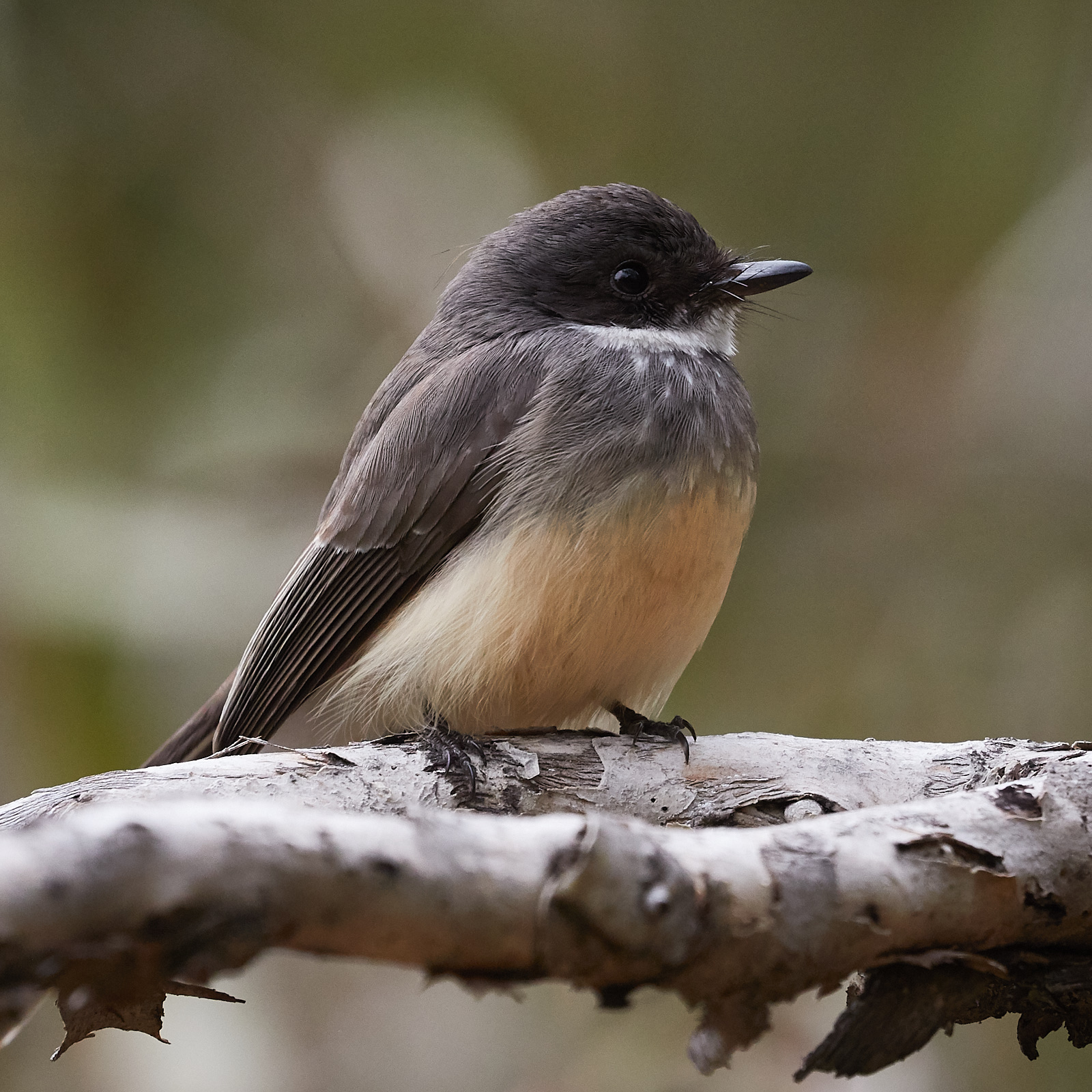
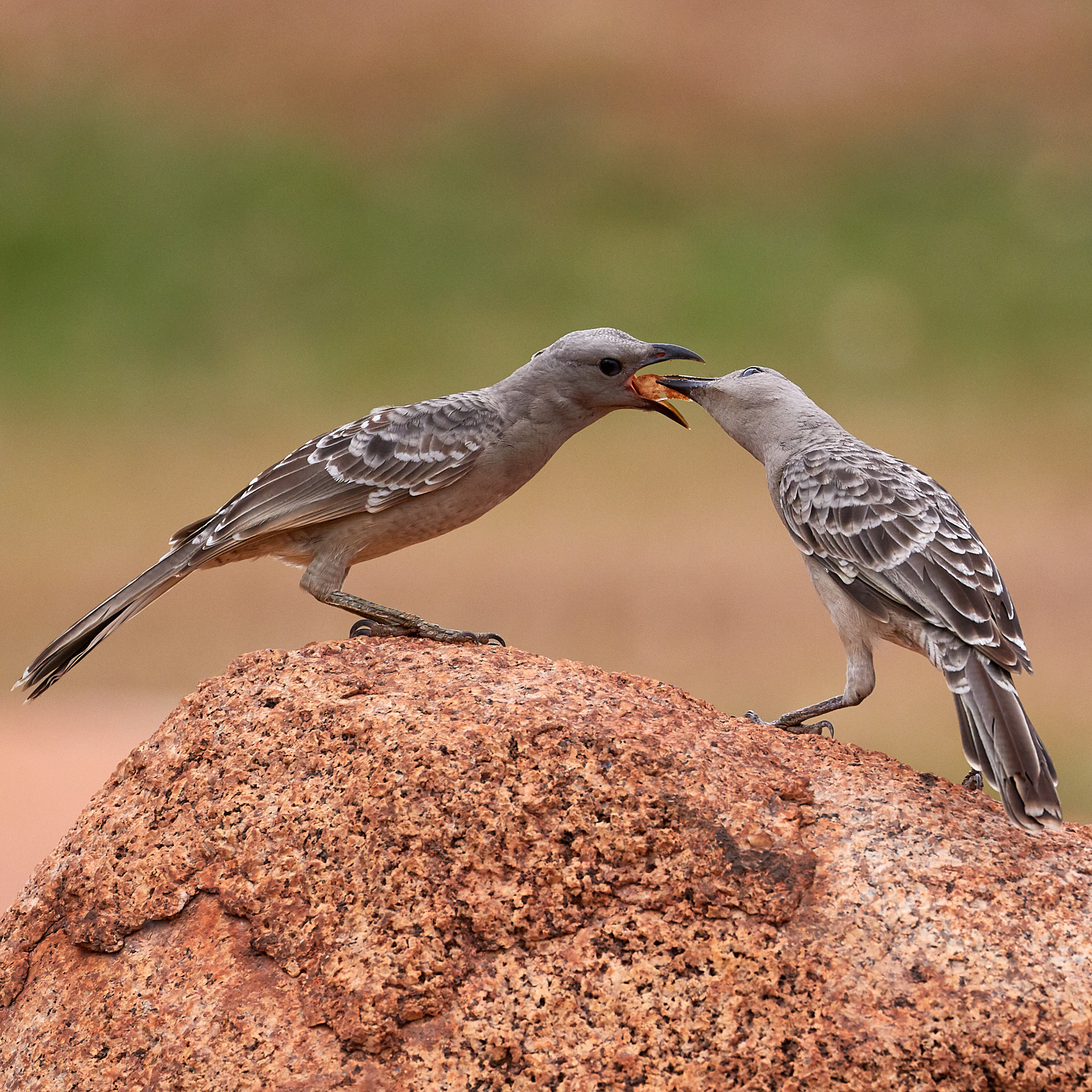
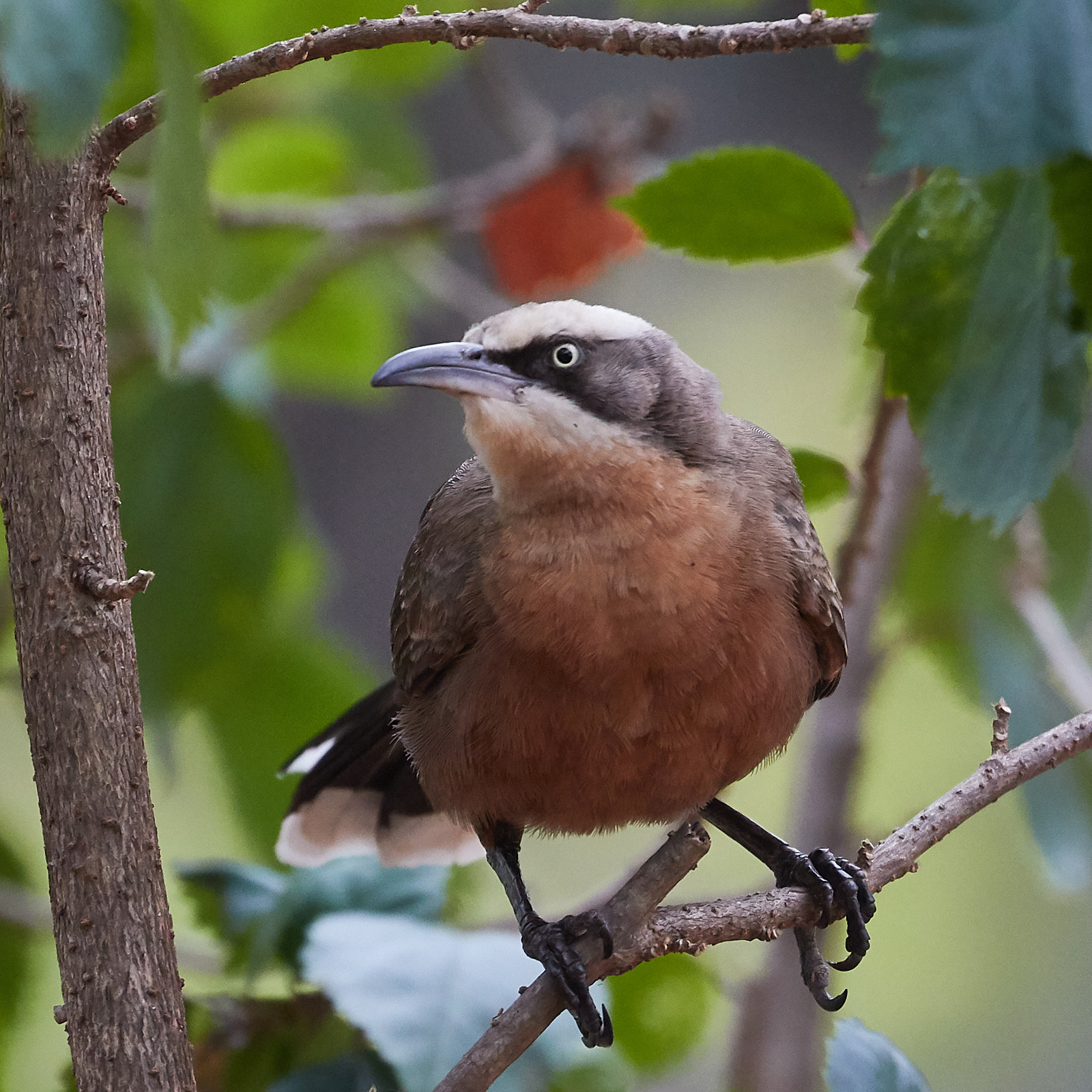
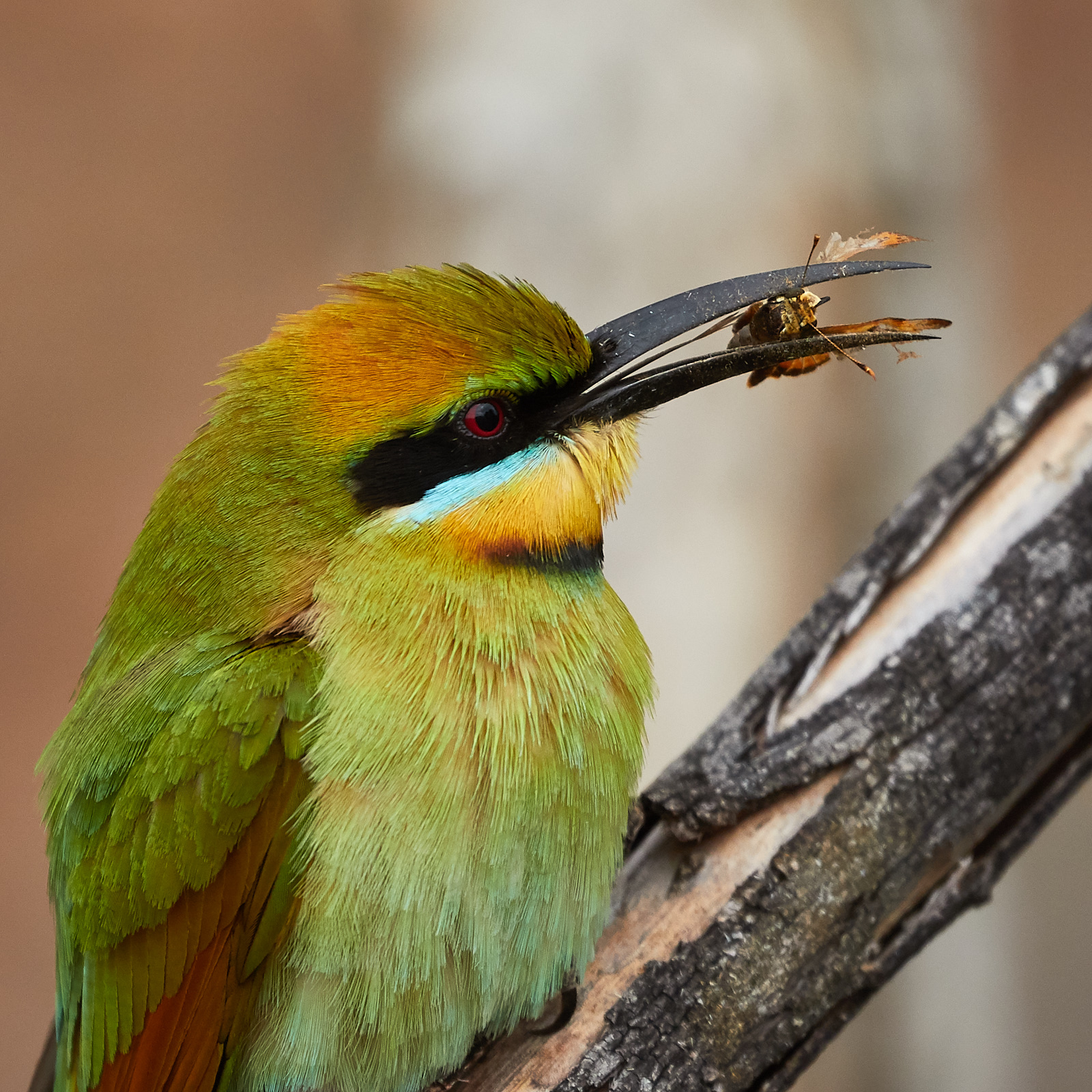
All of these and more were found within a short walk …










 bobmcgee