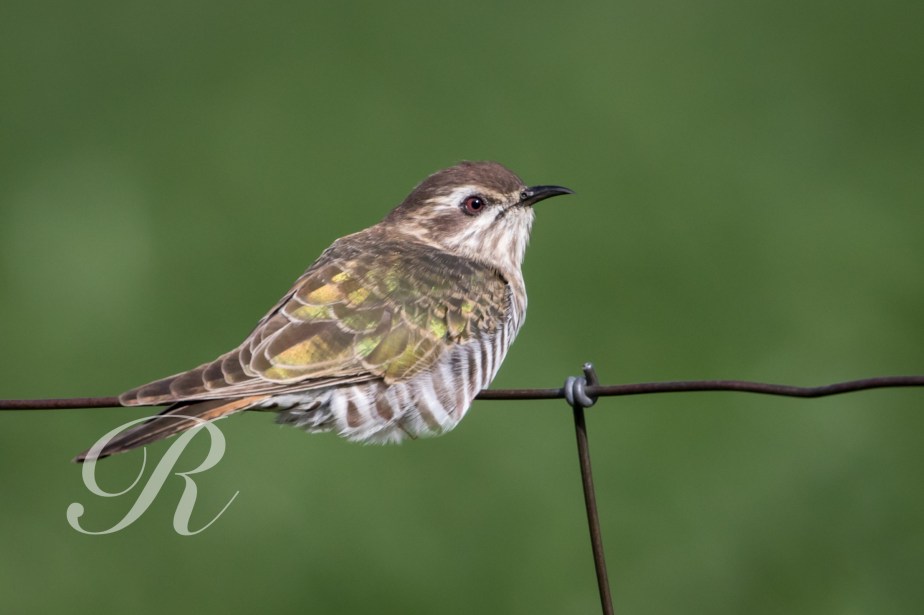
It usually parasitises bird species that build dome nests such as fairy-wrens and thornbills, but may also parasitise the open cup nests of other species, such as the White-fronted Chat.
Around here that means the Superb Fairywrens need to look out.
Over winter Svalbard is pretty much a bird free zone. The only land bird you are likely to encounter is the Ptarmigan and the sea birds leave their nesting colonies and head out to sea. Come the spring the birds return, each to their preferred habitat.
The birds that dominate the inshore waters are the Auks.
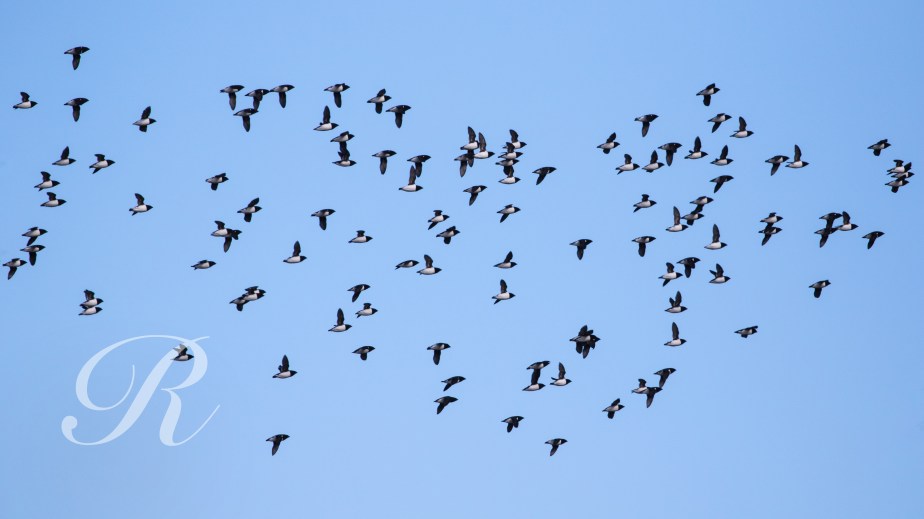
The most numerous representative of the group is the Little Auk of which there are more than a million pairs.
Little Auk
These guys nest in scree on fairly step slopes not necessarily at the edge of the sea. The other common Auks are Brünnich’s Guillemot and the Black Guillemot. These both favour cliff ledges for their nesting sites.
Take a closer look …
Auks propel themselves under water with their wings. Water is 784 times more dense than air. To be efficient in water wings need to be stiffer and smaller. Auks do not fly well, Brünnich’s Guillemot has the highest wing loading and energy cost for flight of any bird. The ability to catch fish comes at a price. Nonetheless they make repeated flights to and from the sea to feed their young during the breeding season.For more detailed information see <HERE>.
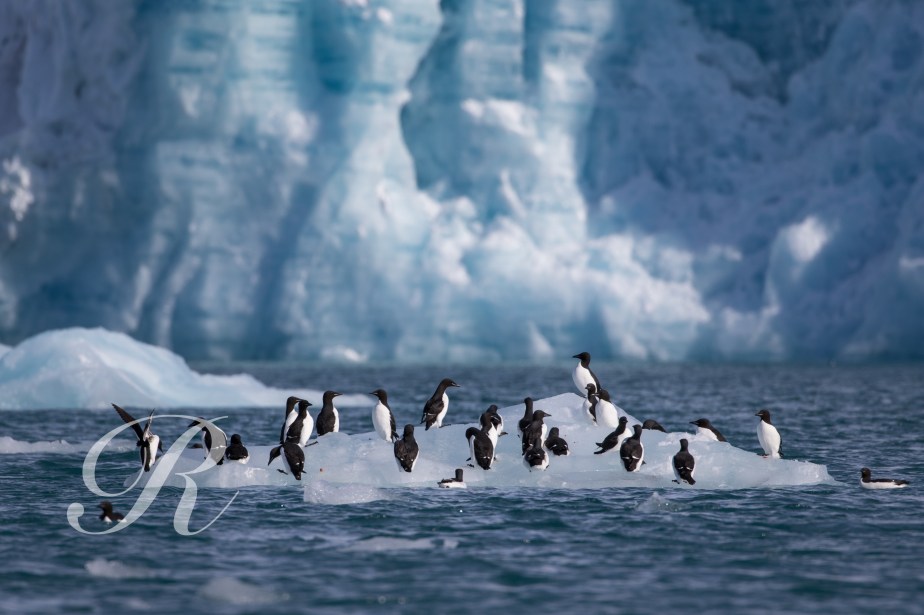
Brünnich’s Guillemot
This must be close to the limit of what is possible for a dual purpose wing. The now extinct Great Auk was flightless.
Brünnich’s Guillemot
Sitting on an ice floe the Guillemots look remarkably like penguins. It is likely that the ancestor of penguins was rather like an auk. Once the species crossed the boundary and became flightless the body size could increase and the wing could become relatively smaller, stiffer and more flipper-like. Coexistence with a predator like the Arctic Fox presents a challenge that Penguins don’t need to face. Access to cliff faces is much easier if you can fly.
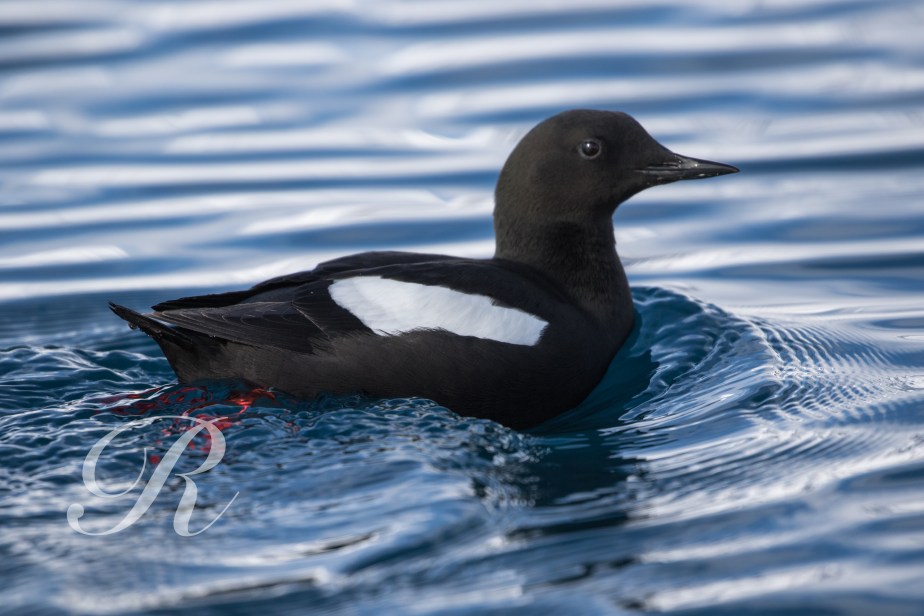
The next most common auk is the Black Guillemot distinguished by the white wing flash and bright red feet, very handsome …
Black Guillemot
Puffins are present in small numbers …
Atlantic Puffin
Common Guillemots are also said to occur but we did not encounter any.
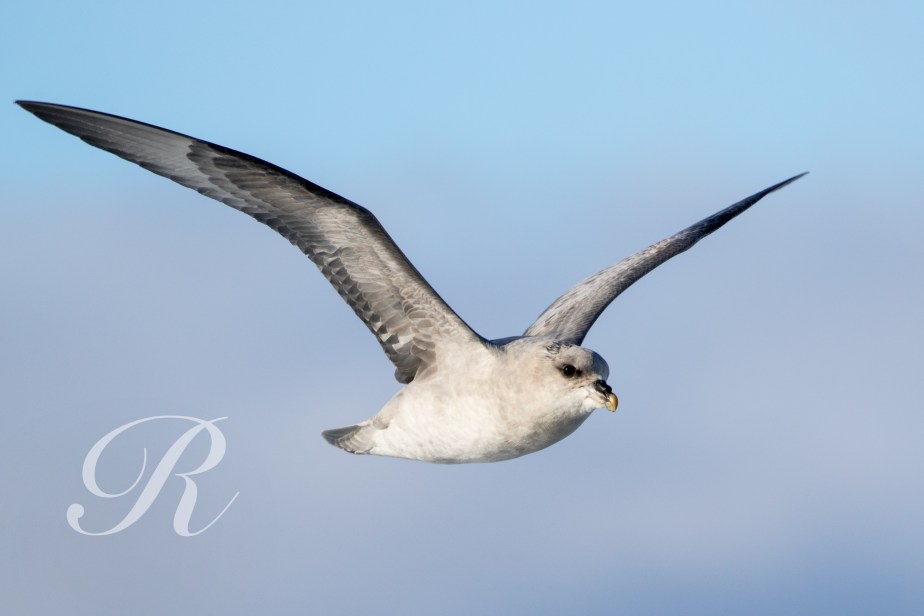
The Northern Fulmar is a tubenose (Procellariiform) which glides almost effortlessly through the air and uses its momentum to plunge to shallow depths after its food. Almost the exact opposite strategy to the auks.
Northern Fulmar
Gulls and Skuas are also far more accomplished in the air than auks. The Black-legged Kittiwake is the most numerous gull. Like the guillemots it nests on steep cliffs usually at the higher levels.
Kittiwake
The commonest large gull is the Glaucous Gull. This one is getting stuck into a guillemot carcass.
Glaucous Gull
They are common around nesting cliffs where they take eggs and young and there always seems to be one around a Polar Bear hoping to share in the spoils. They don’t get it all their own way though …
Great Skua attacking a Glaucous Gull
The Great Skua has a similar diet and is even bigger and nastier than the gulls. It is mostly found around the nesting cliffs.
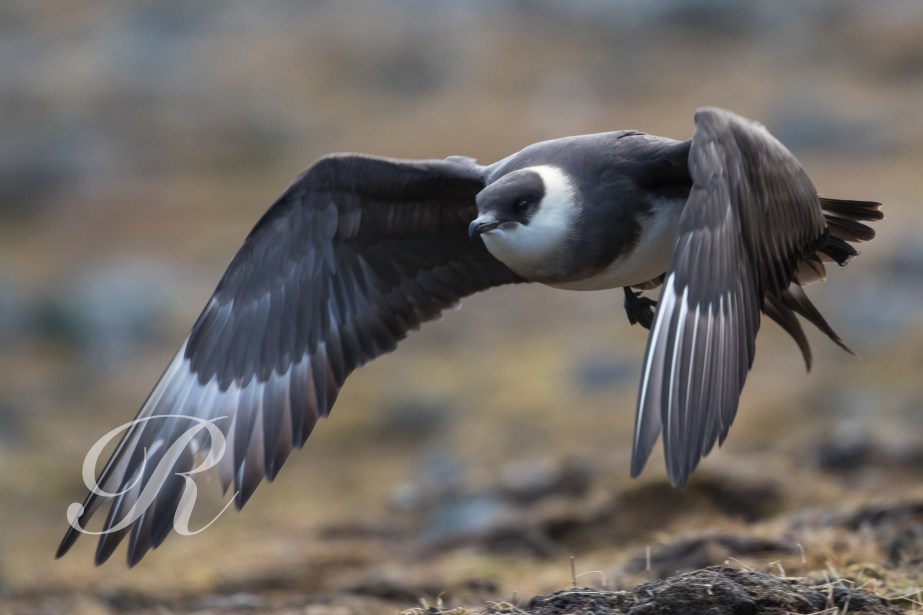
It has a smaller and more aerobatic cousin, the Arctic Skua, that is a specialist kleptoparasite. It harasses other seabirds until they disgorge the food they are carrying back to their young. The skua then catches it in mid-air. You can experience what it’s like for their victims by venturing near their nest.
Just one last day and what better way to spend it than birding with Simon Rix around Oslo.
Off we went to the county of Hedmark and we put together a nice list of birds. I caught up with some old friends and met some brand new ones. It was nice to see the Yellow Hammer, “A little bit of bread and no cheese” which used to be common in England but is now in serious decline. I’ve not seen it at all during recent visits. It was also nice to see the colourful Common Teal and Goldeneye. A distant Black-throated Diver also turned up.
A Red Squirrel and a Red Fox made separate and very welcome appearances. You could put your foot in plenty of evidence of Moose but you are lucky to see them during the day.
A lifer is always a big thrill. Black Woodpecker and Slavonian Grebe made their very first appearance in my binoculars but the star of the show was the Great Grey Owl.
Great Grey Owl
Simon showed me this female nesting in an abandoned Common Buzzard nest. They are not hole nesters like most other owls. Old raptor nests are not numerous and some success has been had with artificial nesting platforms.
These owls feed mostly on rodents and only breed successfully when rodents are abundant.
Her behaviour suggested that her eggs had just hatched.
Norway has extensive forest cover. Most of it is commercially harvested. Forestry practice has become a bit more bird friendly in recent years, instead of clear felling a few habitat trees are being left. This has helped some species considerably including the Great Grey Owl. Other beneficiaries are the many small birds that breed in woodpecker holes.
Simon is a real pro. If you are passing through Oslo a day out with him should be first item on the agenda. You can contact him through his website … Oslobirder. Just click it.
High mountains and high latitudes are harsh places. There are not a lot of creatures that can make a living.
I have arrived in Longyearbyen a few days early for a cruise that will take me further north in the archipelago and have been wandering around the outskirts of town with my camera. It isn’t wise to go too far because one of the animals around here is quite happy to eat the adventurous.
Whilst I have seen only a small number of species I have had the time to get some photos …
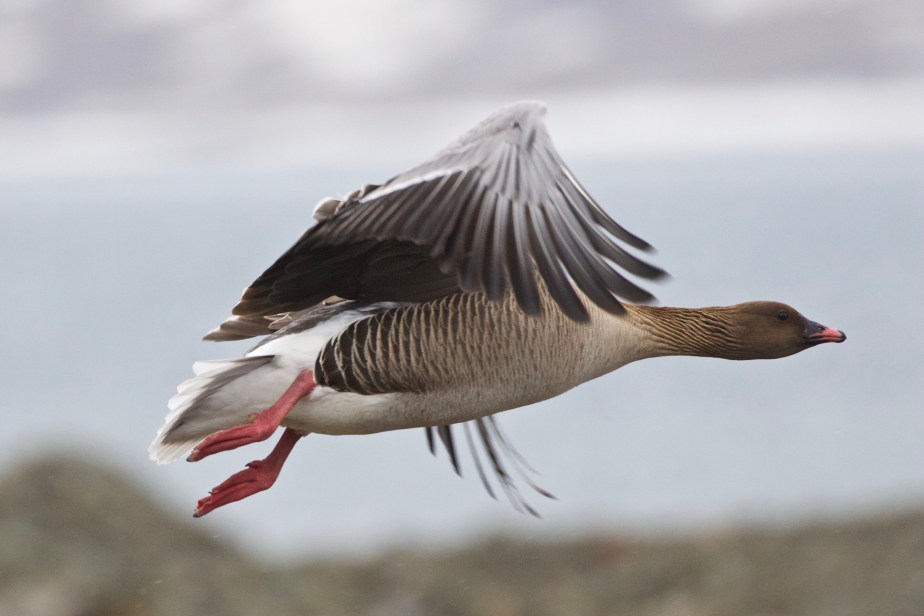
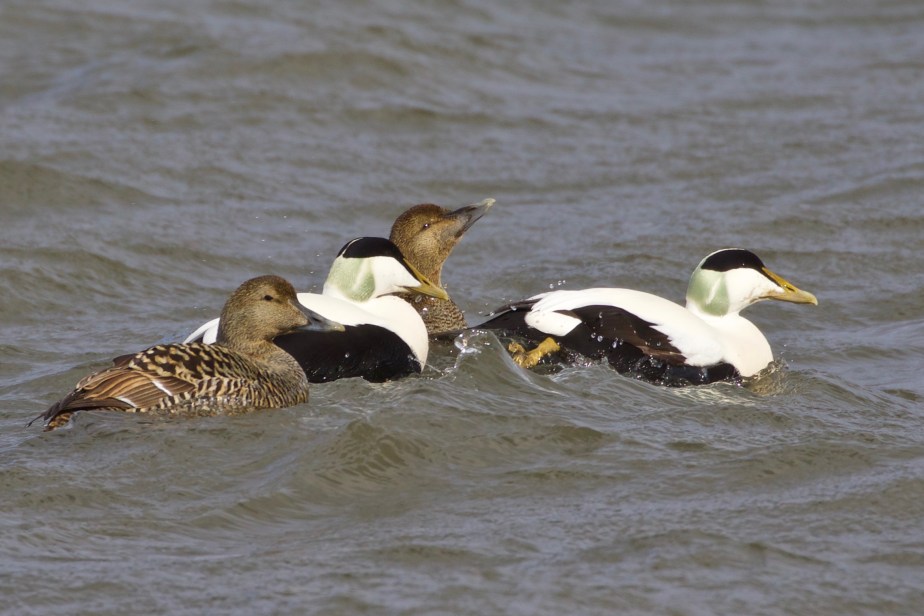
Black GuillemotBarnacle GoosePink-footed GooseCommon EiderKing EiderReindeerSnow BuntingRock Ptarmigan
I only scratched the surface. In Extremadura the pseudo steppe country around Trujillo turned up such delights as Great and Little Bustards, Stone Curlew and the Great Spotted Cuckoo. Monfrague was gorgeous and Vulture heaven. Villuercas delivered some very nice birds of prey. The countryside in Extremadura was awash with wild flowers and in the towns history dripped from every stone.
It was the perfect time to visit Doñana in Andalucia, the water birds were abundant and El Rocio was becoming lively in the run up to the fiesta.
You can’t beat local knowledge and that came in the form of Peter Warham. He is a longtime resident in Spain. He organised our accommodation, drove us around and helped at every step of the way with translation. He is a very amiable guy, he knows his birds and knows how to find them. We thought his rates very reasonable. He puts in from dawn to dusk. He can be contacted at pwarham@hotmail.co.uk.
I’m writing this in a hotel room in Oslo. Tomorrow I head for Svalbard where the sun will not set until 11.58pm on Saturday August 25th although I won’t be there quite that long.
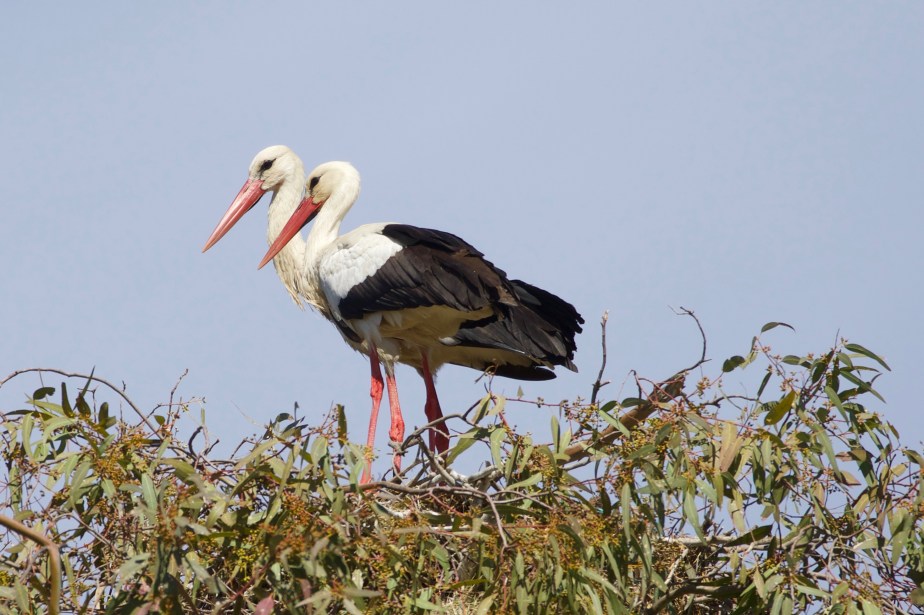
Our trees have conquered the world. On my travels I occasionally crush a few leaves to transport me to home and I’m always amused to see alien creatures nestled in Aussie foliage. White Storks for example …
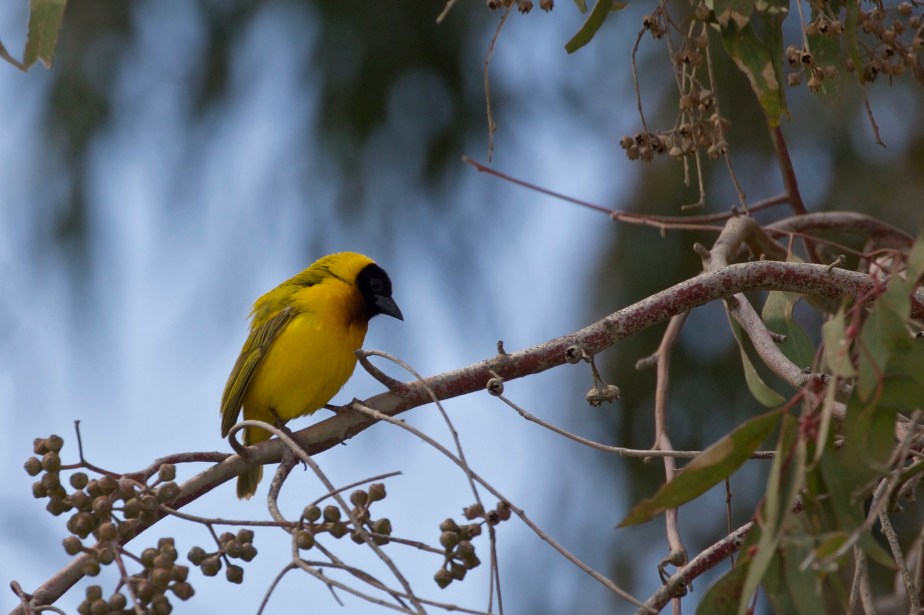
But if this next tree really belongs in Oz then the bird clearly belongs in Sub-Saharan Africa …
and the photograph was taken by the side of an irrigation channel in Andalucia!
A colony of Black-headed Weavers has established itself here. The earliest records are from Portugal and presumed to be aviary escapees, they seem to have spread from there.
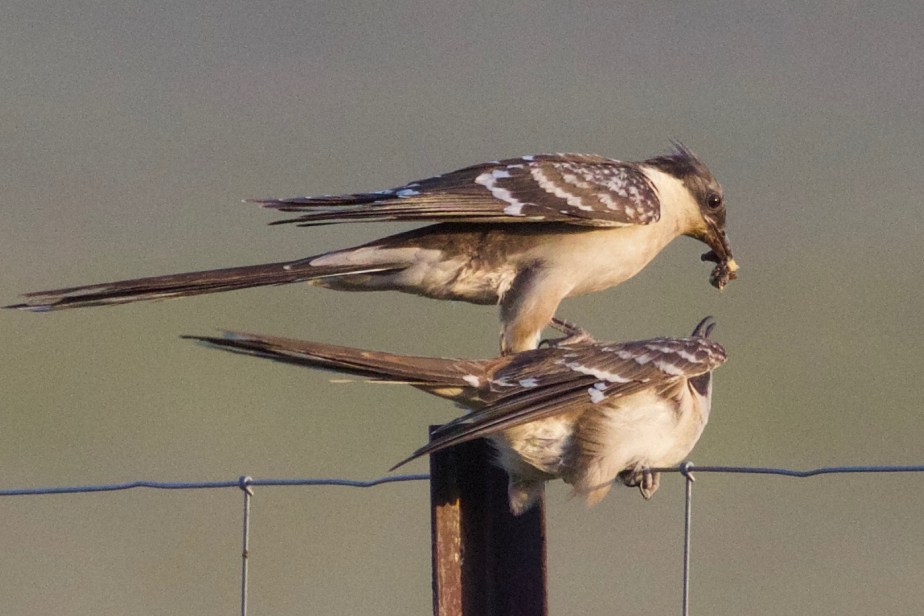
I spent some time watching a pair of Great Spotted Cuckoos. The male was very adept at catching caterpillars, every sortie seemed to be successful. The female would then start begging in a way very reminiscent of a young bird. The first few times he simply ignored her and ate his caterpillar.
Courtship feeding is fairly common in birds. Given the significant investment a female makes in the reproductive process it’s a good idea to check that the male is capable of delivering the goods to the nest. Most cuckoos don’t bother to feed their own young. These particular cuckoos lay their eggs in the nest of Eurasian Magpies and leave the feeding to foster parents.
So I was very interested to see what would transpire and in due course he made her an offer …
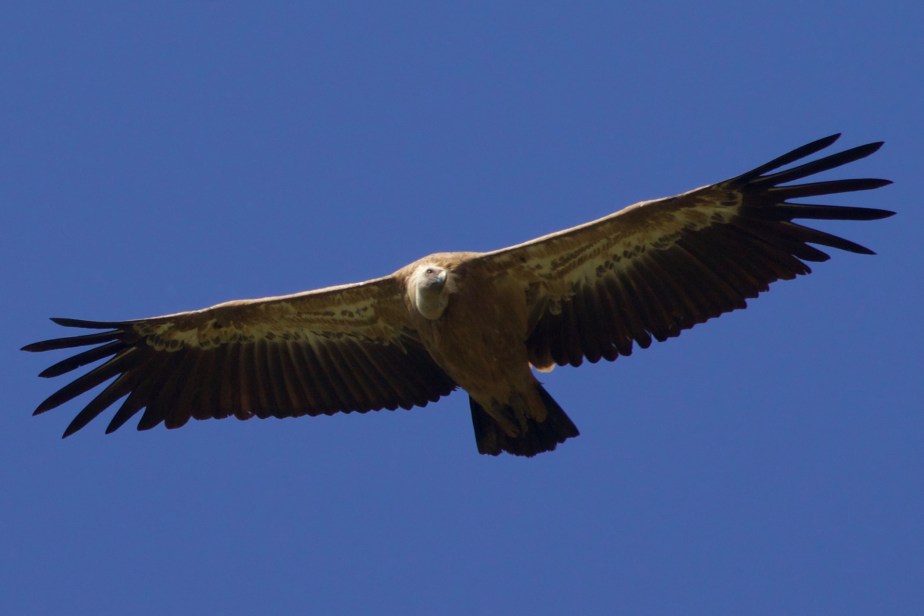
Spain is home to four species of vulture. The Lammergeier is rarely seen outside the Pyrenees but Black, Griffon and Egyptian Vultures are more widespread. A great place to see these three is in Monfragüe National Park.
Warned that getting to the departure gate in Bangkok could take longer than the time generally allowed I was early at the check-in counter. My boarding pass was in hand because I’d checked in on-line the previous evening. The flight was cancelled.
Sri Lankan were apologetic, pleasant and optimistic. For those passengers heading to Colombo there would be a delay. Those flying on to other destinations would be re-booked on other airlines. The upshot was that I was on a Thai Airlines flight direct to London getting there two hours earlier than scheduled. Such hardship.
I’m staying with an old friend in Leytonstone. We met when I was working in a greengrocers at the top of her street. There’s not a lettuce in sight it’s now a kebab shop.
First stop was the Hollow Ponds. This was where the birdwatching all began. As a primary school kid I set off with a pen and a notebook and made a list of the birds I found. These days I take along some binoculars and a camera but essentially the activity is just the same.
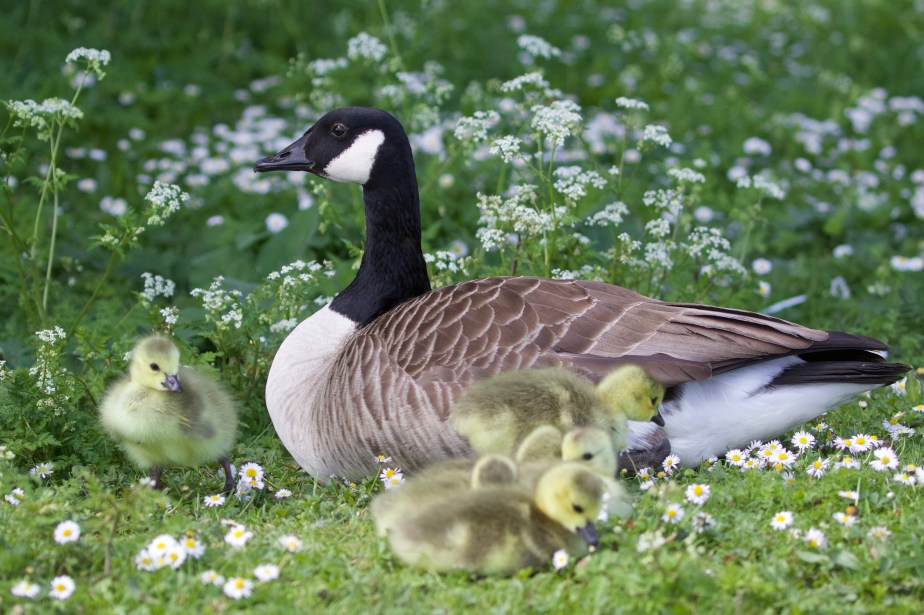
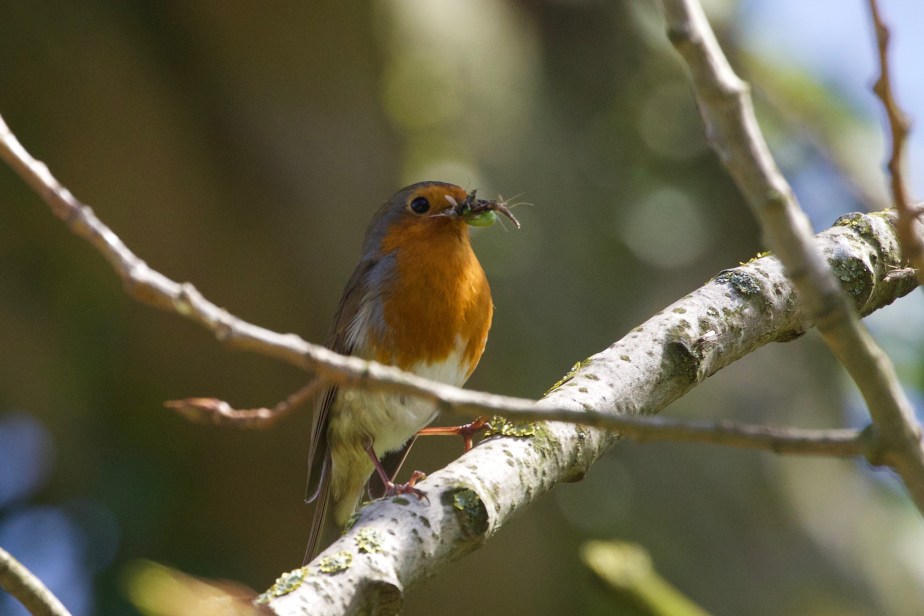
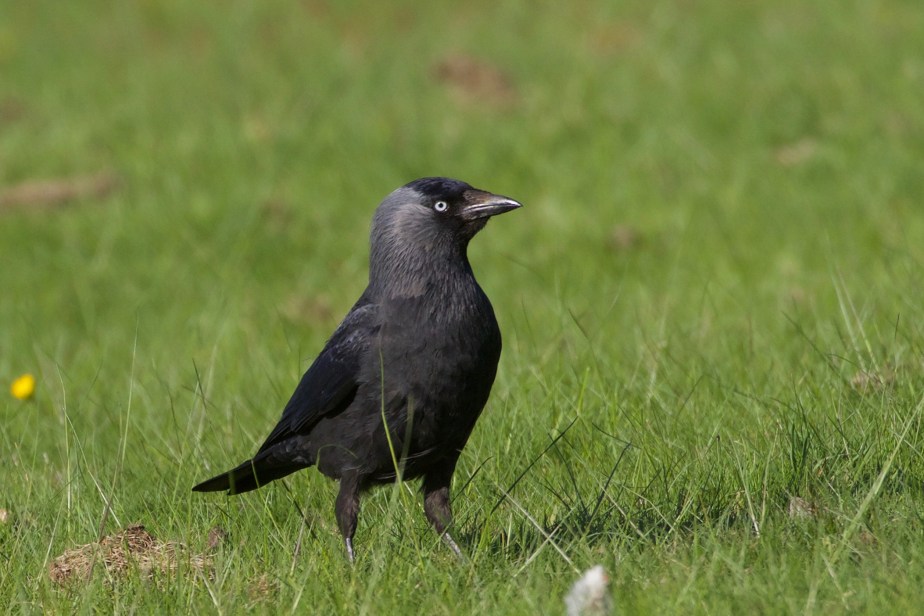
The bird population has changed a bit. Finches do seem to be down. Buzzards are up. Canada and Greylag Geese are in plague proportions. The birds I most enjoyed seeing as a kid were Great Crested Grebe and the Jay. It’s great to see that they’re still around.
And of course it’s spring, the Blackcaps are singing, the Chiffchaffs are chiffchaffing, the Coots are at their most aggressive. There is no better time to be watching tits.




















 bobmcgee