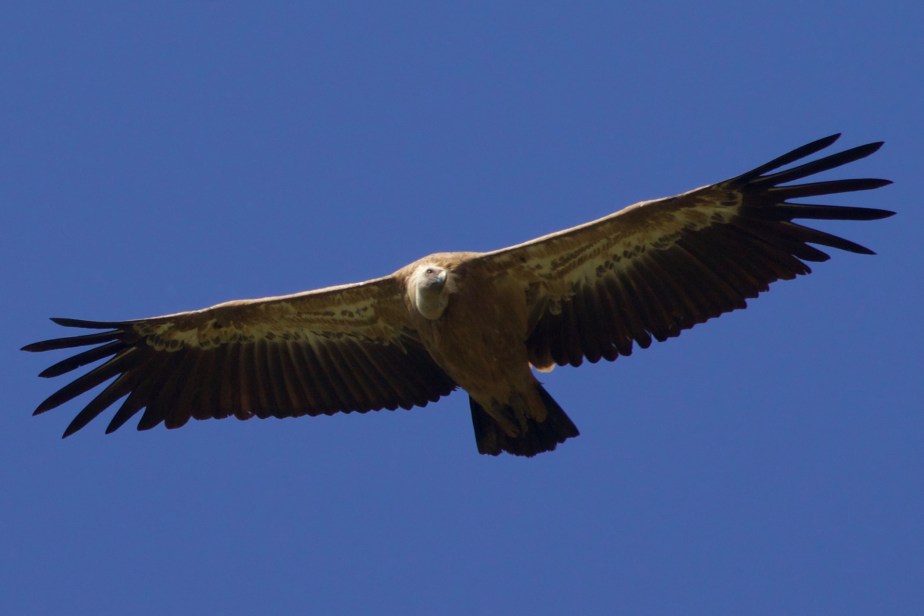
Spain is home to four species of vulture. The Lammergeier is rarely seen outside the Pyrenees but Black, Griffon and Egyptian Vultures are more widespread. A great place to see these three is in Monfragüe National Park.


and pray that there's intelligent life somewhere out in space
Spain is home to four species of vulture. The Lammergeier is rarely seen outside the Pyrenees but Black, Griffon and Egyptian Vultures are more widespread. A great place to see these three is in Monfragüe National Park.
The following day was eventful.
Warned that getting to the departure gate in Bangkok could take longer than the time generally allowed I was early at the check-in counter. My boarding pass was in hand because I’d checked in on-line the previous evening. The flight was cancelled.
Sri Lankan were apologetic, pleasant and optimistic. For those passengers heading to Colombo there would be a delay. Those flying on to other destinations would be re-booked on other airlines. The upshot was that I was on a Thai Airlines flight direct to London getting there two hours earlier than scheduled. Such hardship.
I’m staying with an old friend in Leytonstone. We met when I was working in a greengrocers at the top of her street. There’s not a lettuce in sight it’s now a kebab shop.
First stop was the Hollow Ponds. This was where the birdwatching all began. As a primary school kid I set off with a pen and a notebook and made a list of the birds I found. These days I take along some binoculars and a camera but essentially the activity is just the same.
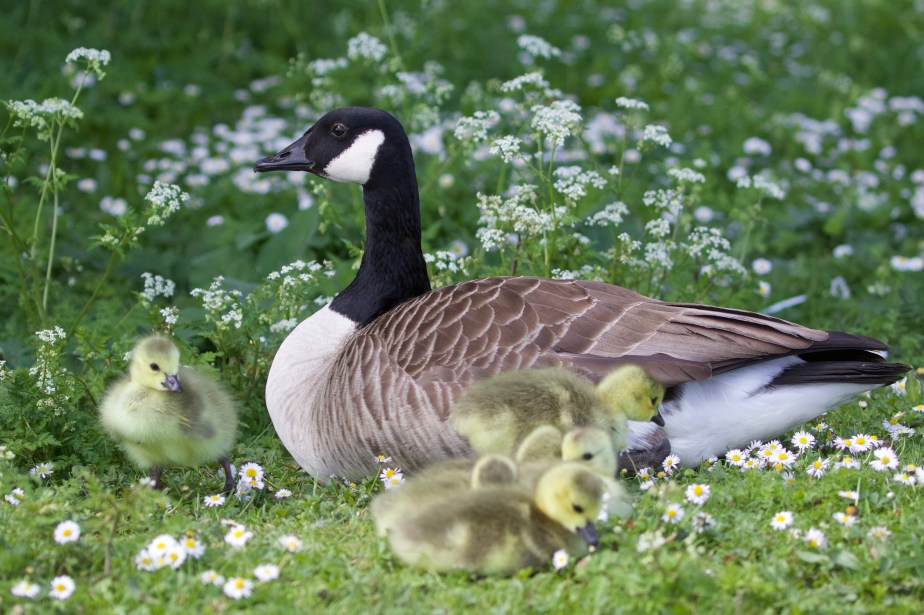
The bird population has changed a bit. Finches do seem to be down. Buzzards are up. Canada and Greylag Geese are in plague proportions. The birds I most enjoyed seeing as a kid were Great Crested Grebe and the Jay. It’s great to see that they’re still around.
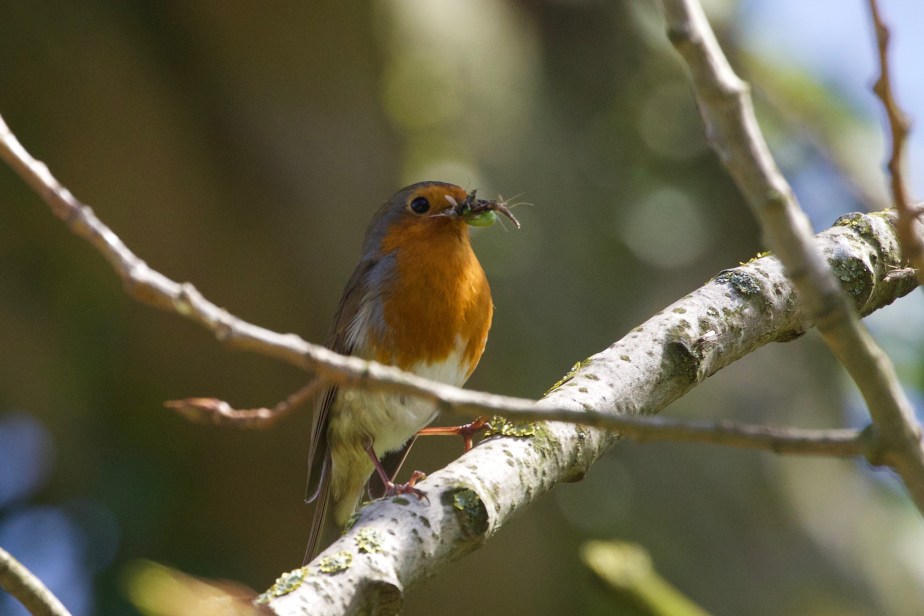
And of course it’s spring, the Blackcaps are singing, the Chiffchaffs are chiffchaffing, the Coots are at their most aggressive. There is no better time to be watching tits.


About 250km NNW of Melbourne the little town of Boort seems to thrive on tourism and agriculture. Its claim to fame is Little Lake Boort which I have never seen dry and is a popular water skiing destination. Lake Lyndger and (Big) Lake Boort are also adjacent but are often dry.
Major Mitchell and his party passed through the area in 1836 and gave a good report of its agricultural prospects. White settlers followed through the 1840’s. The town was founded in 1871. Prior to that the area had been the home of the Jaara people. There are still scar trees and shell middens around the lakes.
It’s a good spot to go birdwatching, and from where I live it is a pleasant day out. Today Lake Lyndger was dry …

Lake Boort was mainly dry and nowhere near as green …
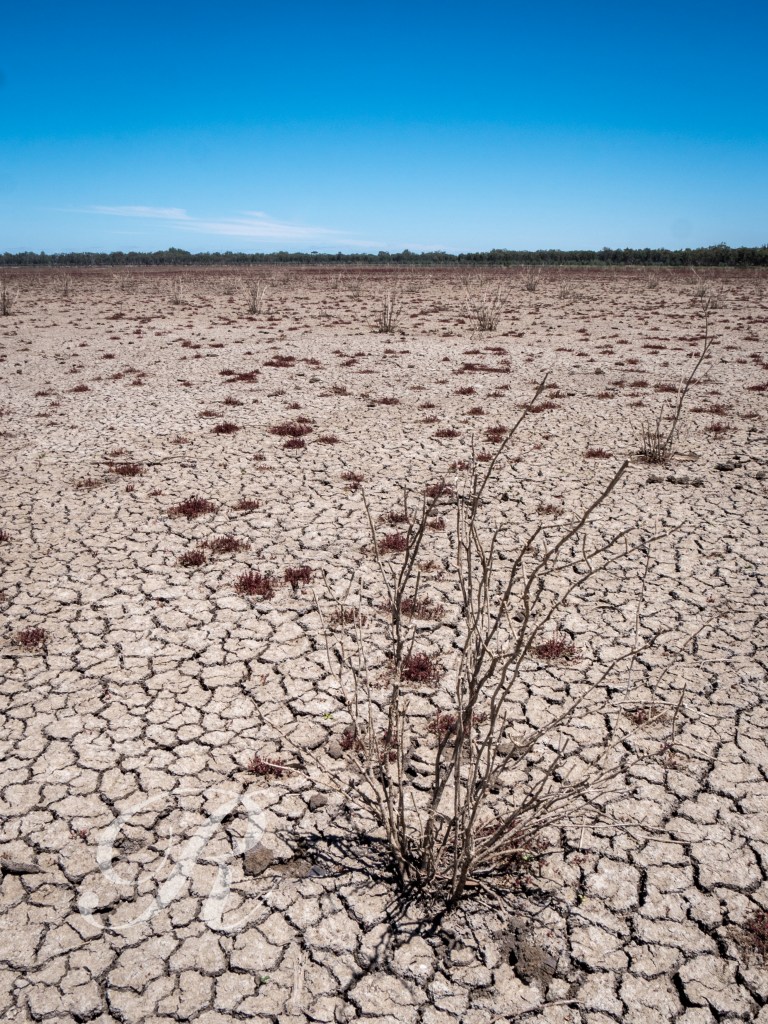
but there was some water way out in the middle with some nice birds including Red-necked Avocets and Black-tailed Native Hens, always a pleasure to catch up with but too distant for portrait photos.
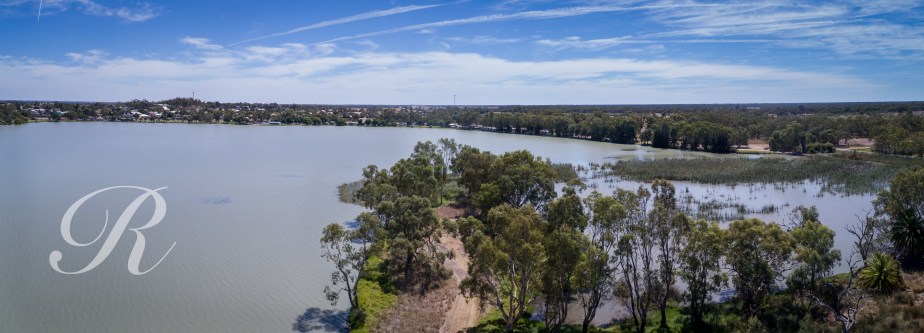
The top photo shows Boort looking across Little Lake Boort. Not surprisingly the birds were mainly around the margins of the water.


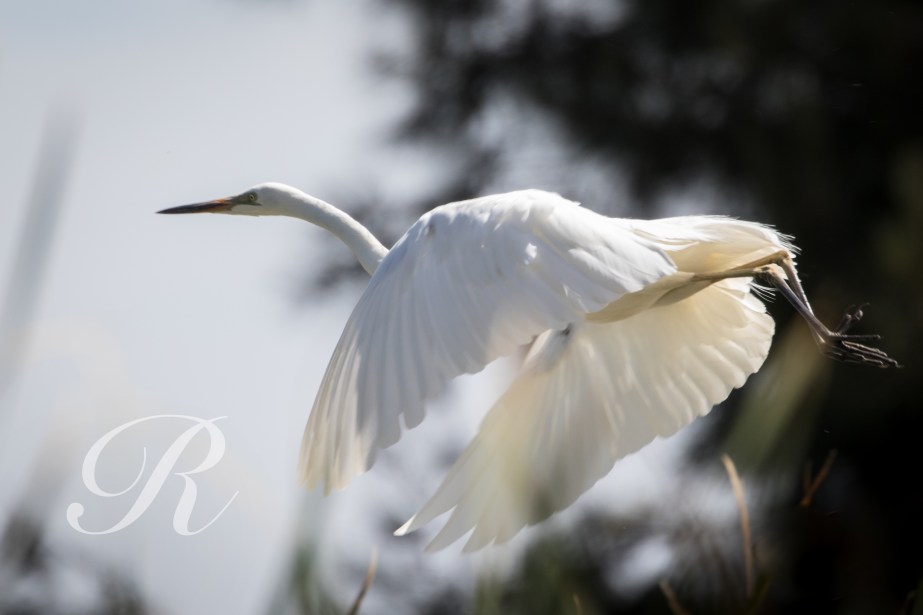
This Great Egret was quite skittish but I did get close enough to show off the breeding colours of its face and bill. When it gets over its reproductive urges the bill and facial skin will become yellow again. It also had a few plumes on its back although these are never as gorgeous as an Intermediate Egret’s finery …

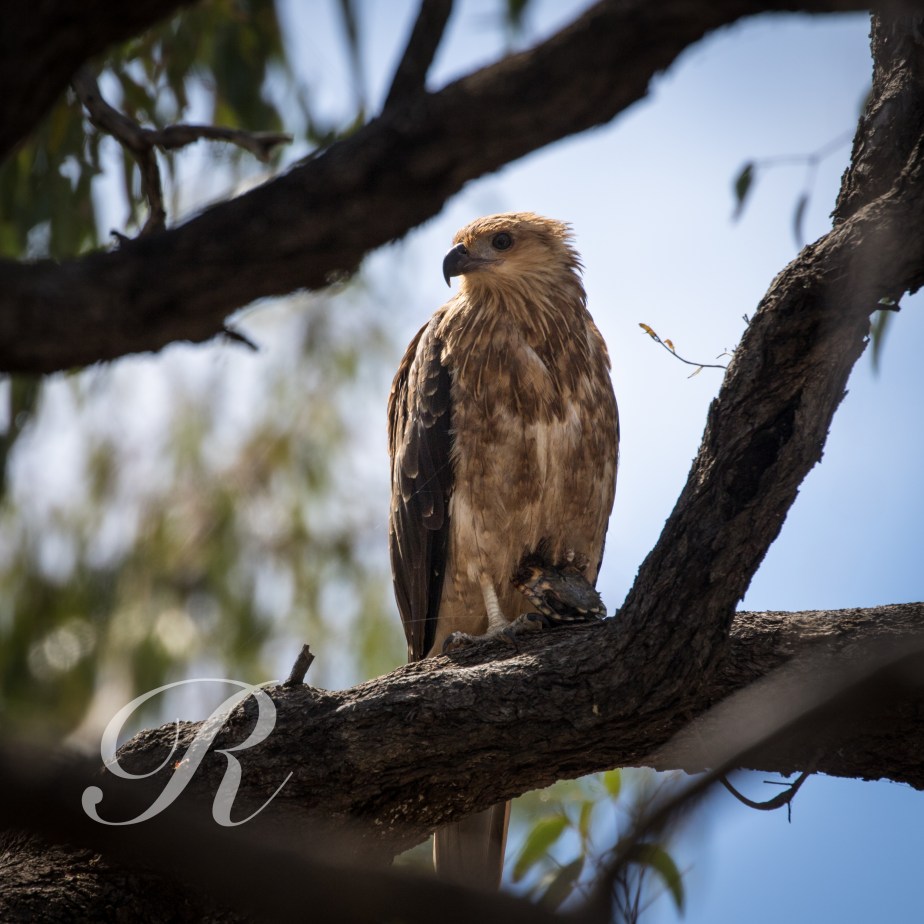
Whistling Kites were well represented. This one has taken a small tortoise …
Australasia’s largest bird family is the Meliphagidae – the Honeyeaters. The Noisy Miner is a common member of the family in south-east Australia. It is unpopular because of its aggression to other birds. The Miners hang around in flocks and where they are found other small birds are largely absent. It occurred to me that I had never bothered to work at getting a decent photo of them. Time to put that right …

Some birds are residents, some are migrants. Some birds just wander around in response to conditions, none of them care a fig about state boundaries. So if you hang out near the borders of your state or territory your list will grow.
I live in the western half of Victoria where sooner or later you can expect to find Budgerigars, Diamond Doves, Black and Pied Honeyeaters and other occasional visitors. These are birds that spill out of the more arid interior.
Over in the east of the state their counterparts are birds of the east coast forests that wander around the corner from New South Wales, usually in summer. There have been reports recently of a few congregating in one particular front yard in the little town of Metung. It seemed a good time to put in some time in the Gippsland Lakes region. The weather gods thought it might be a good time to visit the same area.
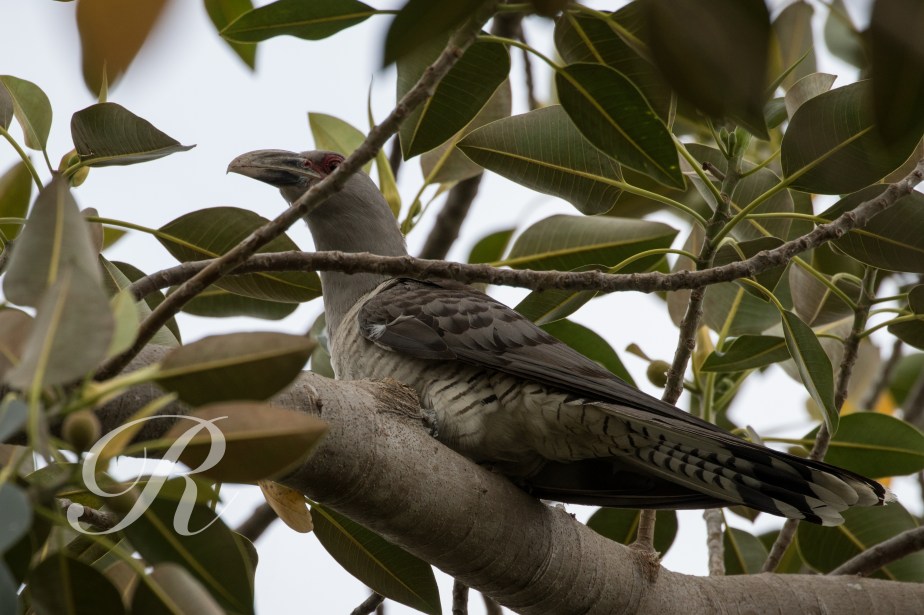
The Fig Trees of Mairburn Road deserve to be as famous as the Flame Trees of Thika. In the space of half an hour I saw Koel, Channelbill Cuckoo, Topknot Pigeon, White-headed Pigeon and Figbird. All in or close to two enormous Morton Bay Figs thoughtfully planted as ornamentals in somebody’s front garden. Thanks, mate.
These three were new to my Victorian list …


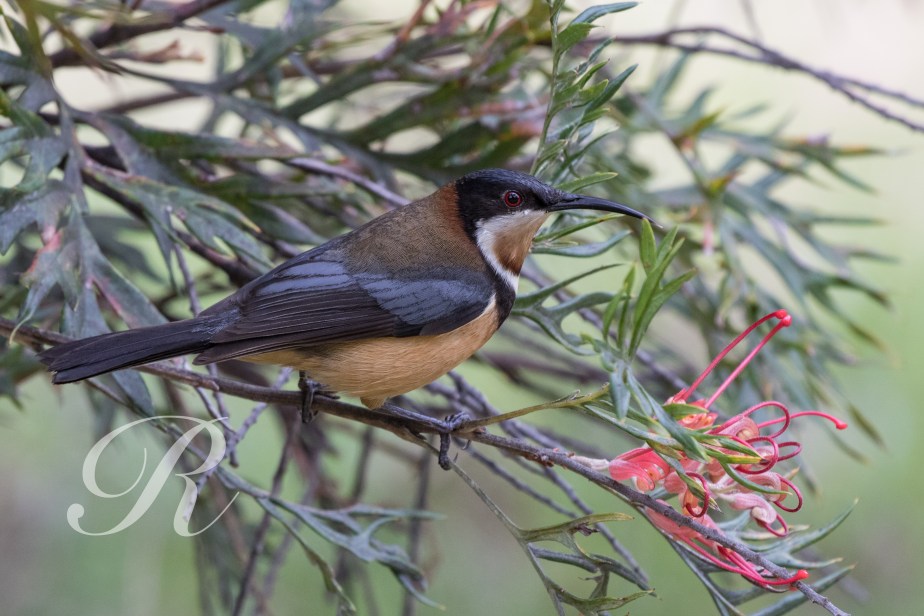
You can’t spend all your time pointing your binoculars and telephoto lens into fig trees in people’s front gardens. You have to consider the Grevilleas in their back gardens …

and maybe even wander into the forest …

There’s about 25 km of beach running from Gantheaume Point north to Willie Creek. This is Cable Beach, sun, surf, camels, tourists, very popular. But the further north you get the fewer people you encounter. The numbers would drop off faster if driving on the beach was forbidden, sadly it is permitted. There is some debate as to whether a full-time or part-time four-wheel drive is better on the beach. Personally, I think the best car for the purpose is somebody else’s car.
About 13 km up the beach from the Cable Beach Resort, or 25 km by road, is the suburb I know as Coconut Well, officially Waterbank. If you have a spare three or four million you can buy a nice home here. It won’t have mains electricity or town water but it will have a nice view.
At low tide there are some rocks exposed that are interesting to poke around in. Fish dart around in the tidal pools. There will be some migratory shorebirds about and perhaps a Frigatebird will fly over and if you’re really lucky you may see a Beach Stone-curlew …


The photo at the top is of an Eastern Reef Egret hunting through the pools. They often stand motionless, sometimes with their wings out to create some enticing shade. When a morsel presents itself the neck uncoils like a spring.
Every serious Australian bird watcher will find their way to Broome. The reason above all else is Roebuck Bay and the thousands of migratory shorebirds that visit every austral summer. Whilst the Bay is the main game it’s not the only game in town. There are a few hotspots around Broome itself that are easily accessible for the visitor and you won’t need to hire a guide to reach them.
Broome is situated on a peninsula and if we start at the southern end there is …
The Port
It’s well signposted. There are two spots to check out. As you approach the end of Port Drive turn right past Toll Mermaid Logistics along Kabbarli Road and follow it to the end. The beach here is good for waders and terns. Check the navigation structures offshore for Brown Boobies. Lesser Frigatebirds are regular. The scrub behind the beach has hosted some interesting species on occasion. All manner of goodies can turn up after a cyclone. Remember Indonesia is a mere 775 km away (485 mi).
The second spot is the cafe at the base of the pier. The garden looks out over Roebuck Bay, there are some scattered mangroves fairly close. Across the road you can look out on some rocks for Reef Egrets. There is a walkway along side the pier which may be open and it is worth walking a short way. Ospreys nest on the pier.
Sewage Ponds
Taking Port Drive back towards the town centre Clementson Street is on the right. Look out for a large water tower. The Sewage Treatment Plant is tucked away behind commercial properties on the south side of Clementson St. Access is via a dirt track very close to the corner with Port Drive, or a dirt track immediately east of the commercial properties. The latter is the better option after rain. The splendid new hide is on the west side of the main ponds and works best in the afternoon. There is also a small pond on the west side of a usually dry creek that is used to provide water to the golf course that is also worth checking out. Caution is required in the wet.
Mangroves – Town Beach to Streeter’s Jetty
If you continue east on Clementson to the end it takes a right angle bend onto Dora St. 2nd on the right is Hopton Street. Right again at the end of that takes you to town beach. Next to the carpark is a groin that runs out into the sea. Looking north from here there are mangroves stretching as far as the eye can see. Access is pretty good from Town Beach to Matso’s Brewery, opposite Bedford Park for example.
Streeter’s Jetty is behind Chinatown at the end of Short Street. If you stand at the base of the jetty and look to the right you will see some pipes protruding from the wall. Birds congregate here for fresh water, an excellent spot for photography.

Various Ovals
providing they are not in use are worth checking out for Yellow Wagtail, Golden Plover and Little Curlew, including …
Father McMahon Sports Field
Behind the Aquatic Centre, 2nd on the right heading NW on Cable Beach Rd from Frederick St.
Oval on corner of Frederick & Lyons Streets near the shopping centre.
There is a gate on Lyons St opposite Miller Way.
Administratively Broome is part of the Kimberley but in terms of geology and biology it doesn’t quite fit. If you drive north to Derby you cross the Boab line and then the Fitzroy River. Now you’ve got one toe in the real Kimberley.
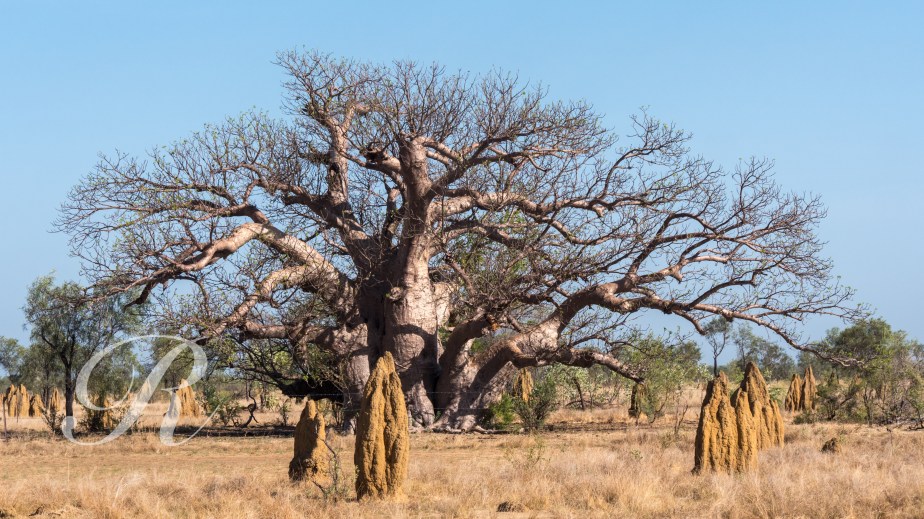
As you approach Derby the Prison Boab is off to your right. The tourist will want to have a quick look. The bird watcher will also want to stop. There is a cattle trough adjacent to the venerable tree that attracts the odd thirsty bird.
The next stop for the birdo is the sewage pond. On the left just past the speedway sign you’ll find a sign to Derby Wetland pointing down Conway Street. The road surface changes to dirt (dry season, mud in the wet). Don’t be tempted by the bitumen off to your right. At the end of Conway turn left, the ponds are now on your right, turn right again to keep them there. Shortly you encounter tracks off to the left both will take you to the wetland, the second one is usually in better condition.
The sewage plant may be the only one in the world to have a Boab tree within its boundaries. There was a fine White-bellied Sea Eagle sitting in it when I was last there. Good birds can be seen through the fence.
The wetland has been improved in recent years. The waste water used to run out the back making a very nice wetland where I’ve seen Ruff and other delicacies. The Golf Course coveted the water. So a pond was created to give the illusion of a wetland and the water was put to good use. It’s now an ideal place for Purple Swamphens and White Ibis. Whereas in the past every serious bird watcher in Australia found their way to Derby in the course of their career, maybe now every serious golfer treks here instead.
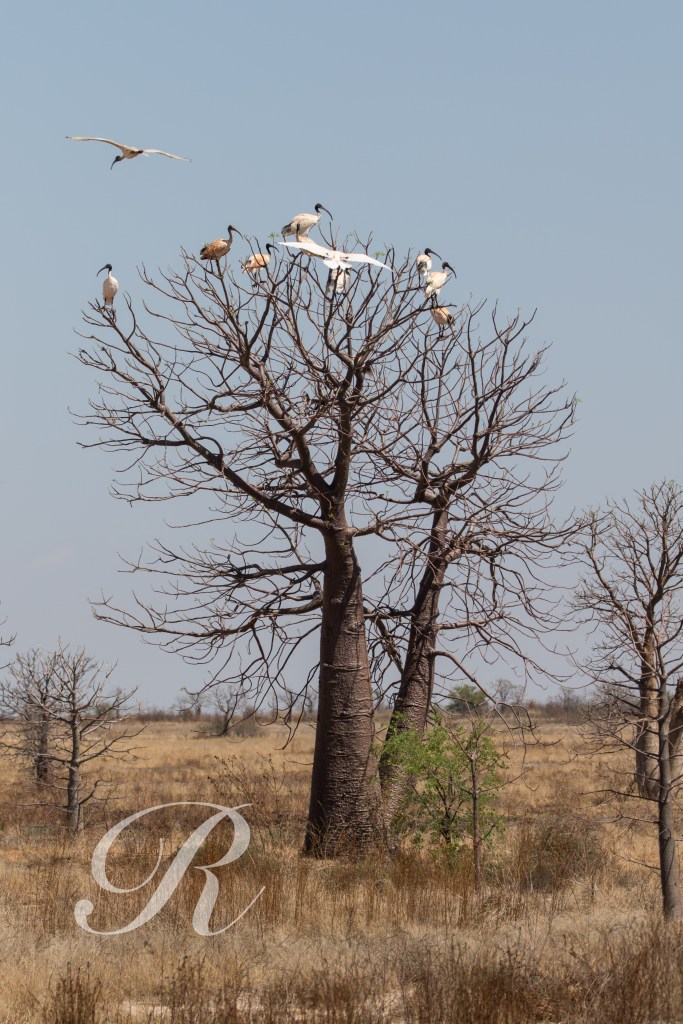
Then it’s into town, look out for Little Curlew on the ovals. I have even seen them on the median strip. The port is worth a visit. You can peer into the mangroves at the boat ramp. There’s a nice cafe by the pier.
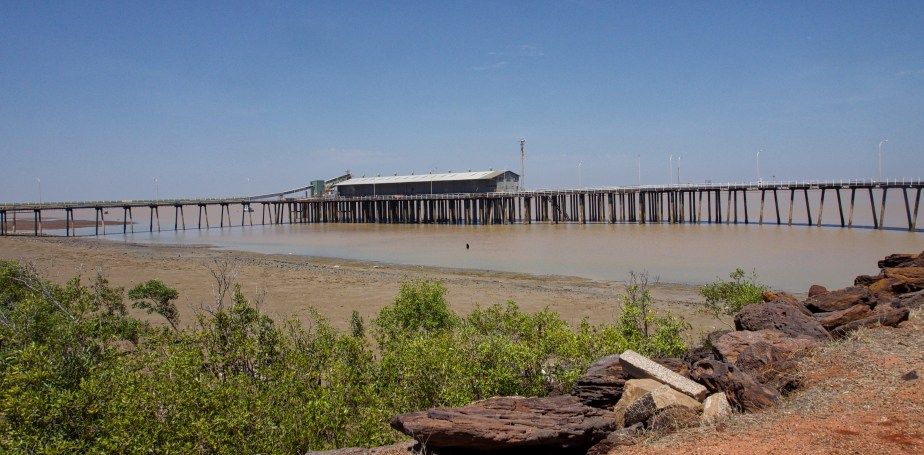
Someone in an air-conditioned office thought it would be nice to put a walkway between the port and town through the most desolate landscape you’ll find this side of the Sahara. If you’re planning to migrate to Mars you could train here.
Meet Roderick Percival Smith, all the cows out here have individual names and wear their initials in their ear …

Well no. They all have the same tag and RPS stands for Roebuck Plains Station. The point of introducing you to Roderick is simple. There’s a lot of good birding out on the plains but it is a working cattle station and private property. You will need permission to visit and it’s a huge place. Local knowledge and permission is readily available if you go with the redoubtable George Swan or with staff from Broome Bird Observatory.
George is a top bird guide and lovely guy. He can be found at <Kimberley Birding>. The link for Broome Bird Observatory is <BBO>.
What’s happening on the plains depends on the weather, it might be dust or it might be under water. Presently it’s in between, some dust and some water. It’s nice although the temperature did reach 42°C (107°F) the other day.
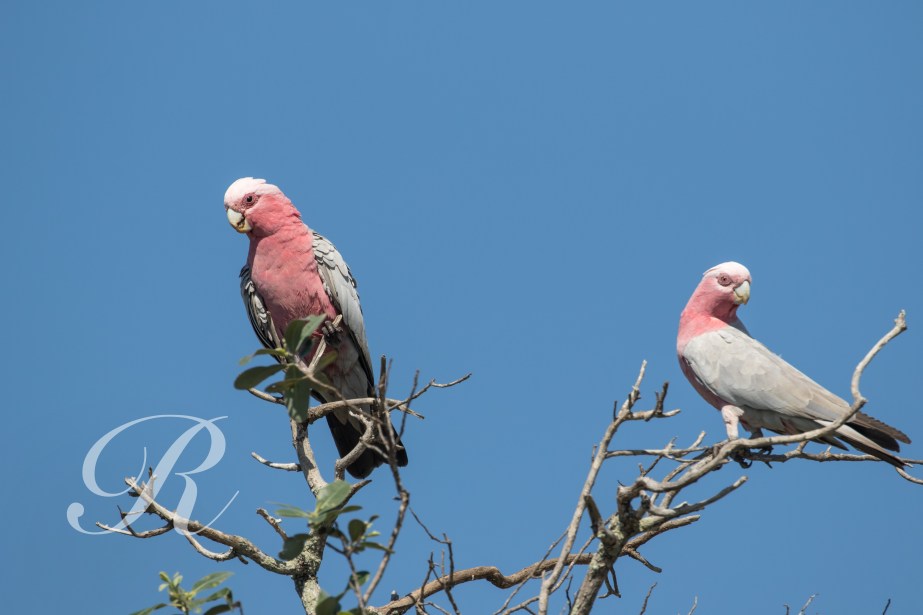


You may be lucky enough to encounter Yellow Chat. They are not easy to find but if they’re about George Swan or the guys at the Observatory will know where they are. In breeding plumage they are a knock out. The ones I found this time were not at their finest but hey, that’s the way it goes.

Last year the rain gods were very generous to Broome. The last wet was a big wet. Even after the intervening dry season, lakes out on the Roebuck Plains still hold a good amount of water. The birds are loving it.
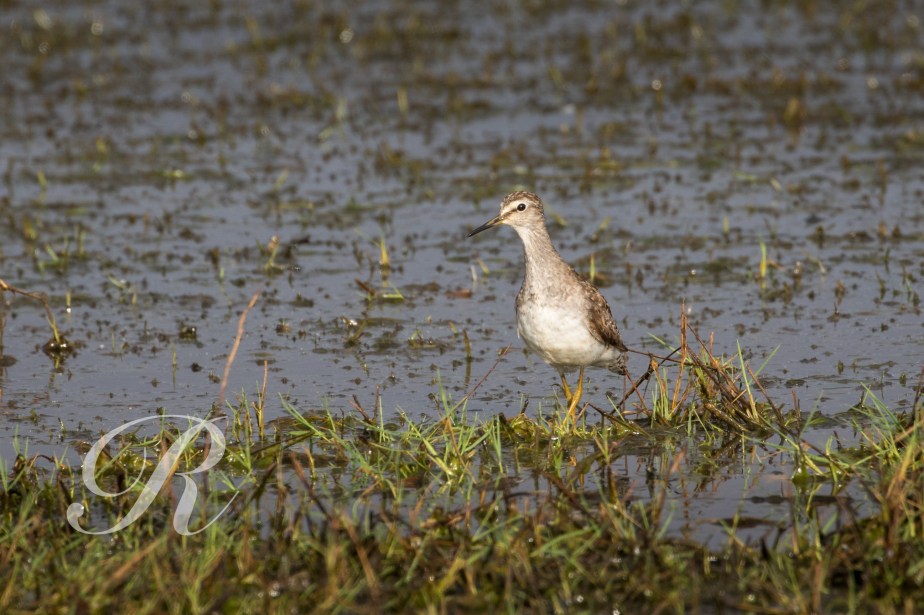
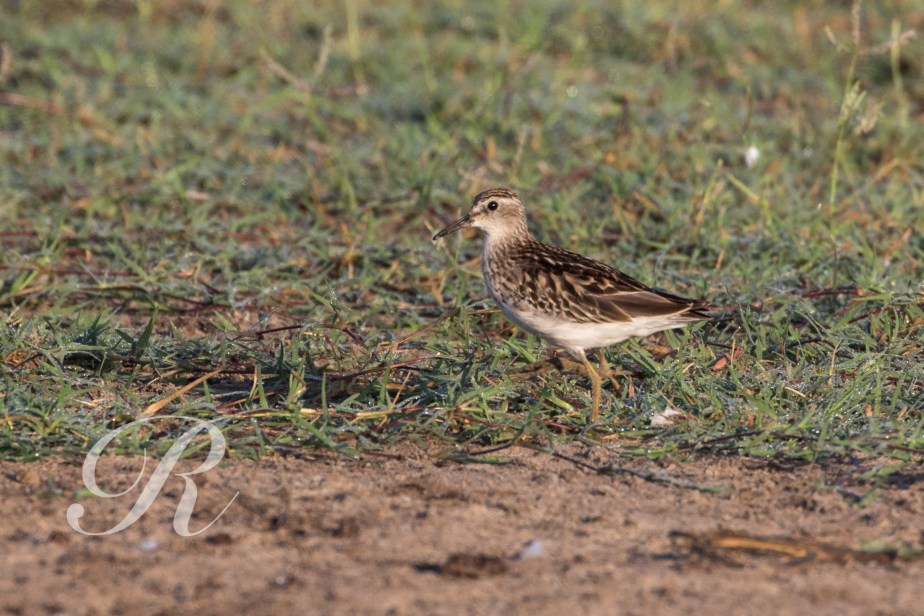
First a couple of photos for the true aficionados, answers at the bottom …

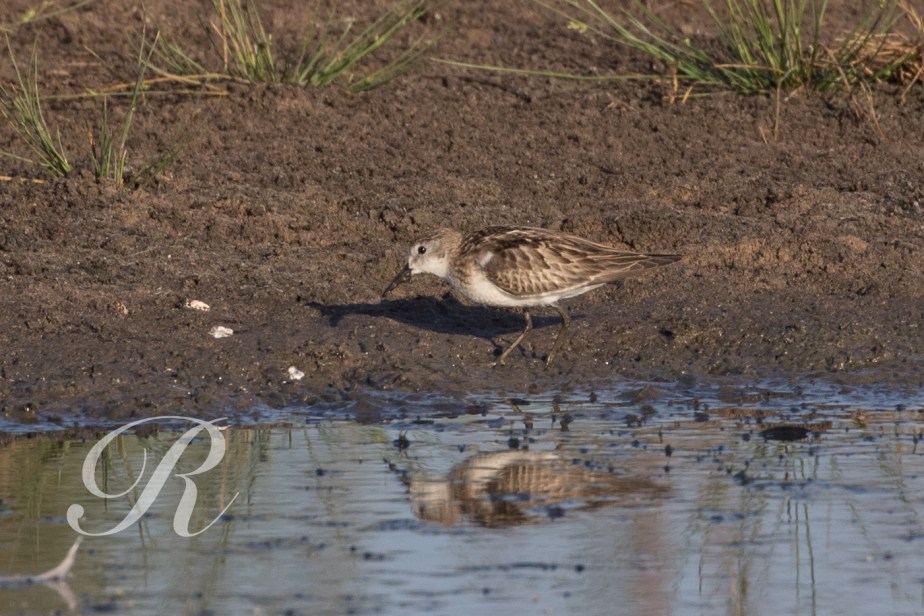
Like the two above, many of our shorebirds are very long distance migrants breeding in the far north of the northern hemisphere and coming to Australia to escape the northern winter. Dual citizens as it were …
Whilst others are resident.
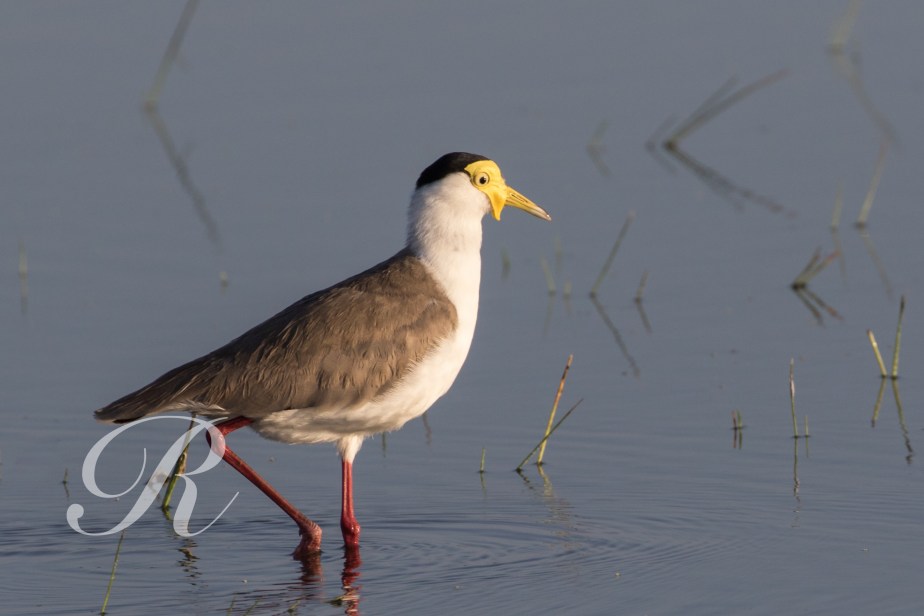


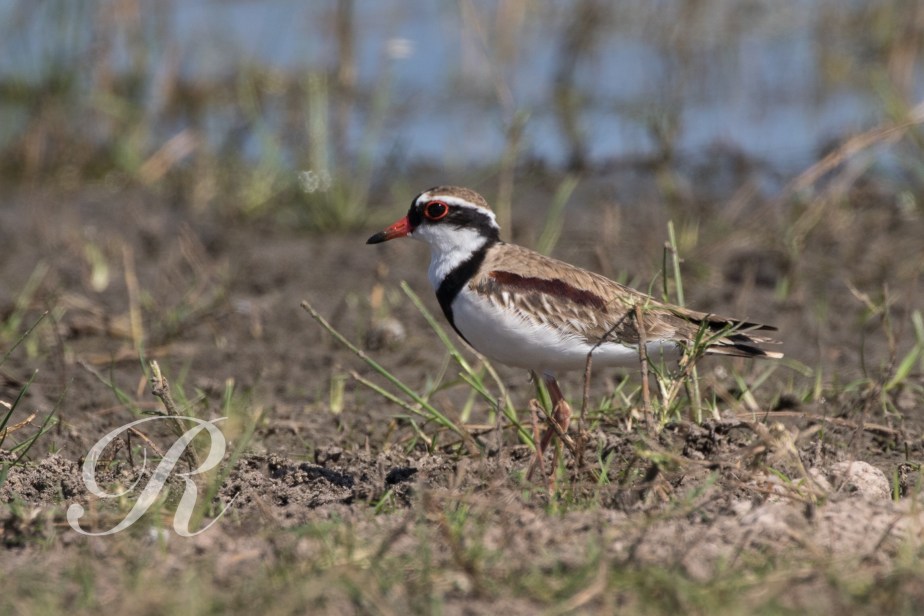
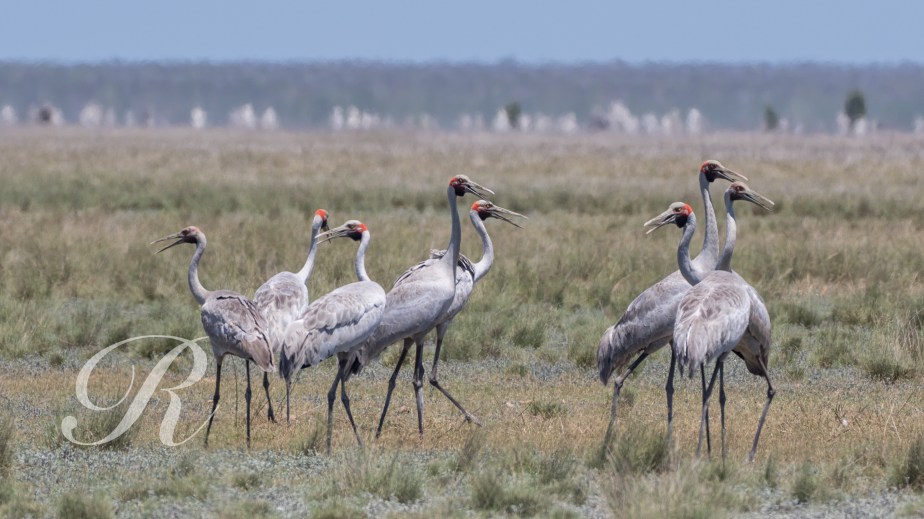
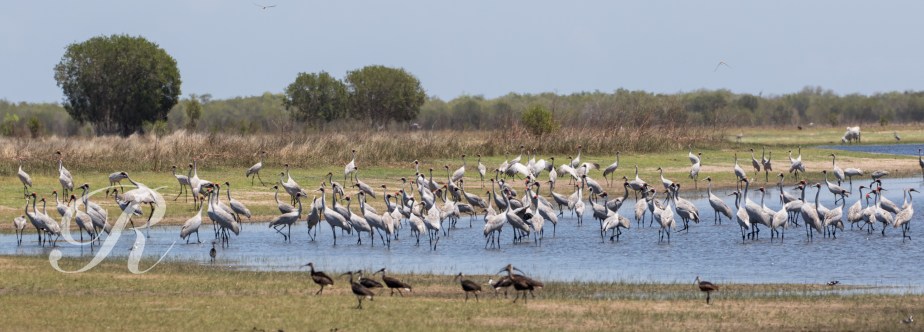
Others aren’t shorebirds at all, they just have long legs, well adapted for feeding in shallow water. This would include the Brolgas in the headline photo, herons and Ibises – waders in the American sense.
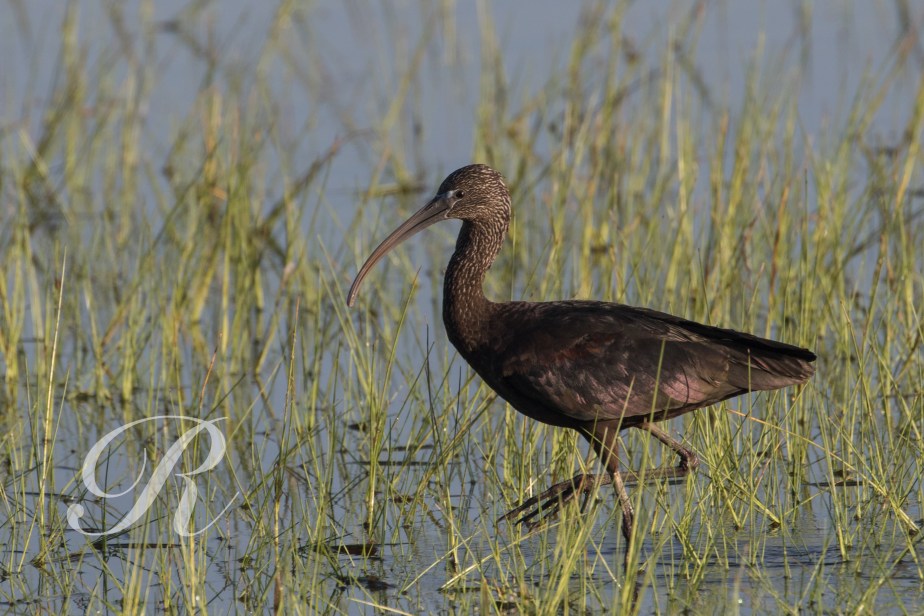
Now the answers, these two individuals have been discovered in the last few days. The upper one is a Pectoral Sandpiper. These breed in Alaska and the Russian far east and most winter in South America. A few join the east Asian flyway and find their way to Australia or New Zealand.
The second bird is a Little Stint. Their breeding ground is in the Eurasian high arctic. Most go to Africa to escape the northern winter. A few find their way further east. It’s only a small minority that find their way to Australia.
There are mangroves aplenty around Broome and plenty of birds that use them. There are about 19 species of mangrove up here so the habitat varies from place to place and to some extent the suite of birds varies, too.
Access to mangroves is often difficult due to deep mud and the density of the vegetation. Mosquitoes can be a little tedious as well. There are a couple of spots that are reasonably easy of access and quite rewarding to visit.
The mangroves that run from Town Beach to Chinatown can be entered in various places and are really good for Red-headed Honeyeater. Streeter’s jetty is the most famous in birding circles and is excellent. Out of town at Little Crab Creek is the place to go for Dusky Gerygone. Between the two you can find just about all of the local mangrove specialists, and it’s not only the birds …

Fiddler crabs and mudskippers abound. they probably make a nice meal for some of the larger denizens. And there is plenty of invertebrate life in the mud.
A couple of the Pachycephalidae are mangrove specialists, the Mangrove Golden Whistler and the White-breasted Whistler …
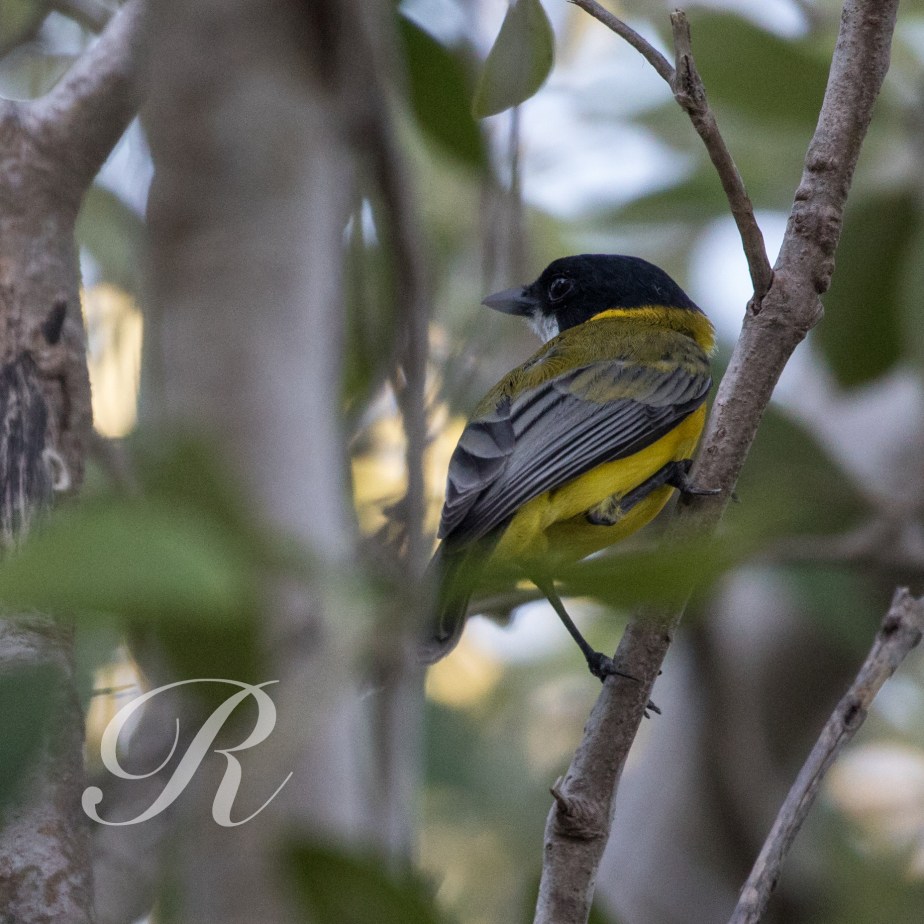
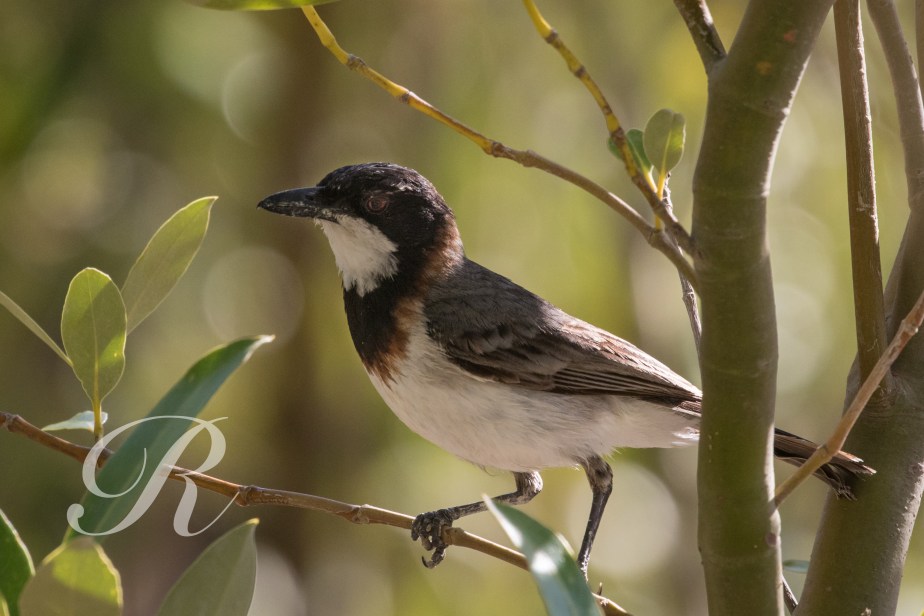
Both very handsome birds.
The Honeyeaters are represented by these two …


The Red-headed is always found in or near mangroves, the Brown is found in a much wider range of habitats but is common in the mangroves.
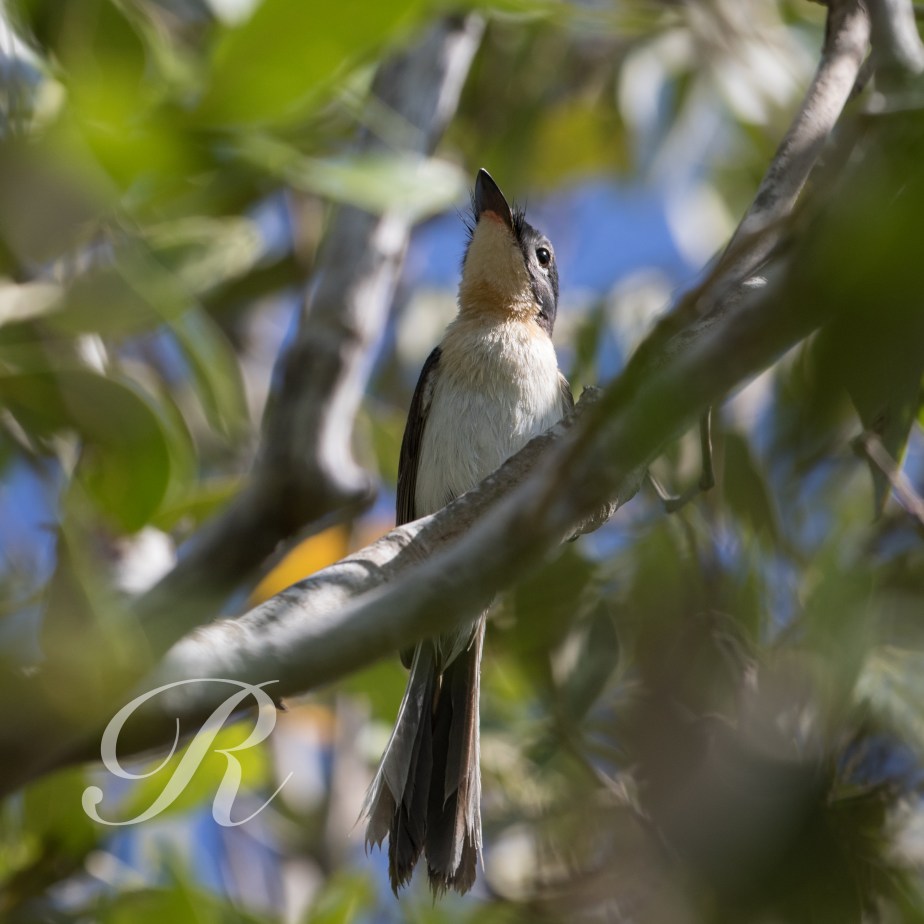
Nicely posed to show us how it got its name, the Broad-billed Flycatcher will wander into adjacent Melaleuca woodland but is essentially a mangrove species.
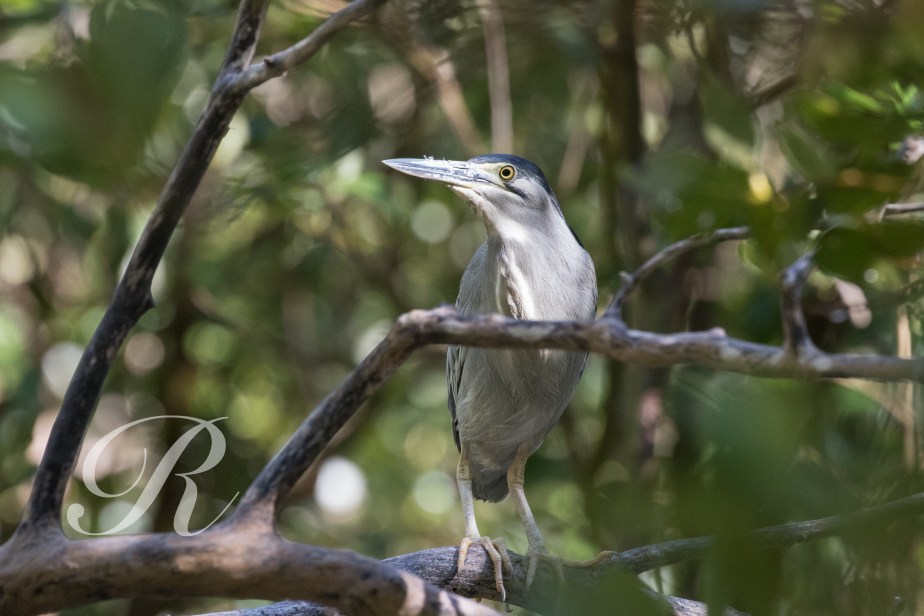
The tidal zone provides a living for the Striated Heron but it nests in the mangroves …
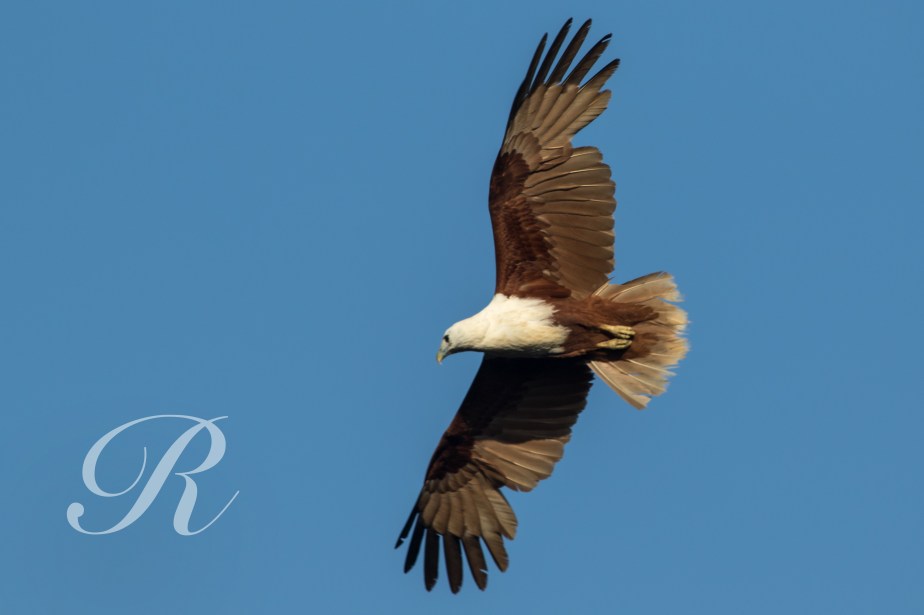
And circling above the mangroves, the Brahminy Kite.