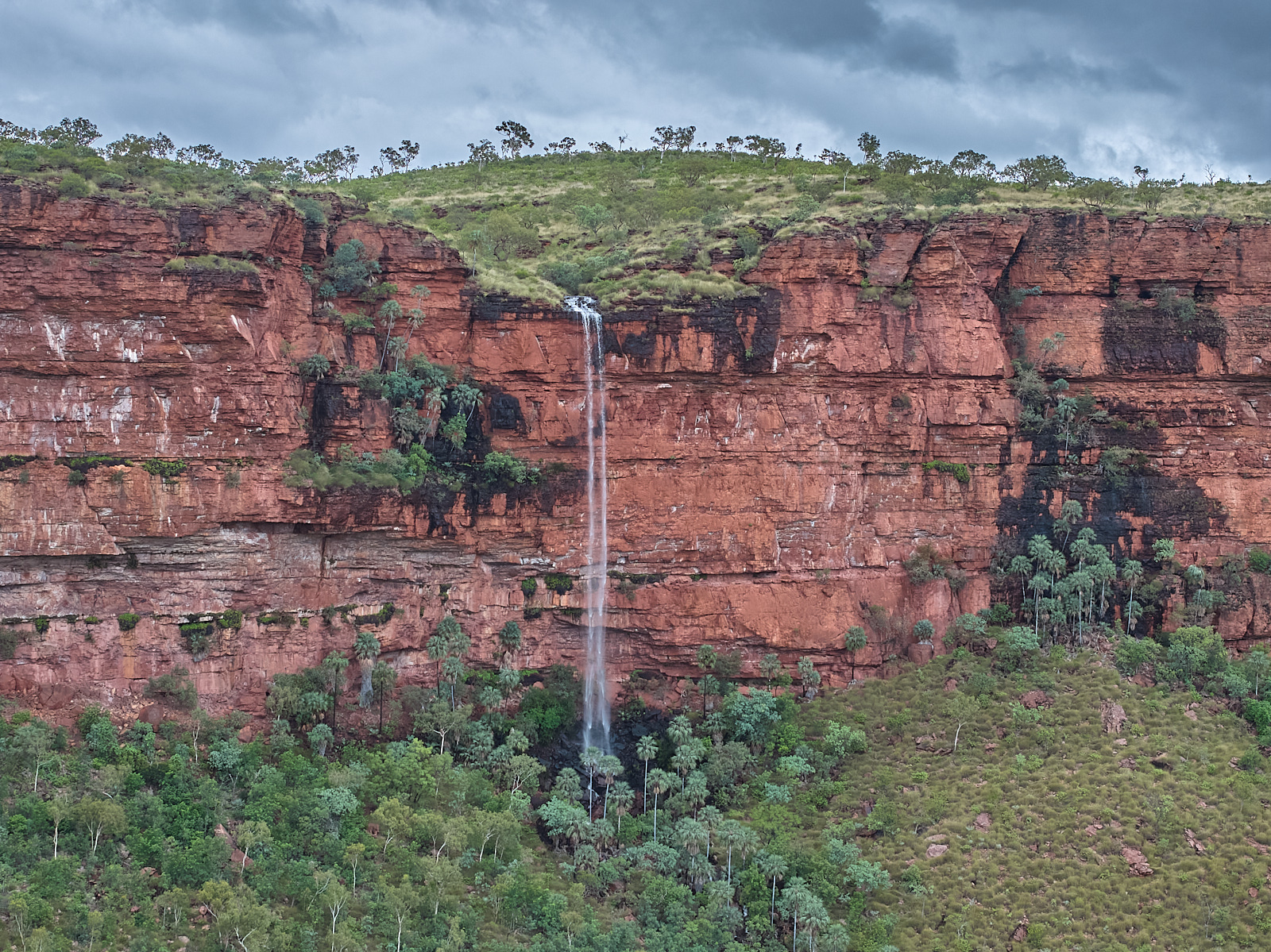
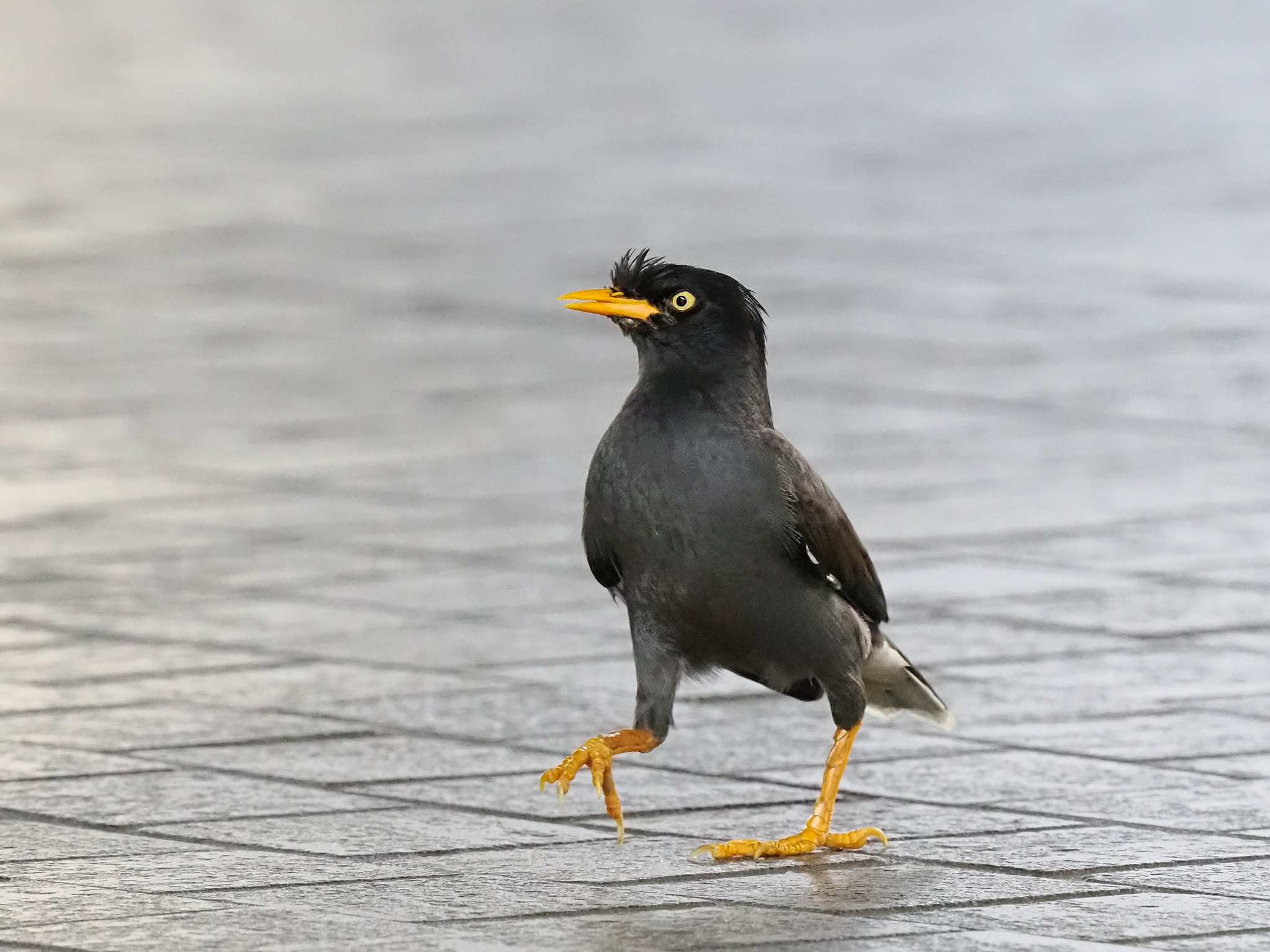
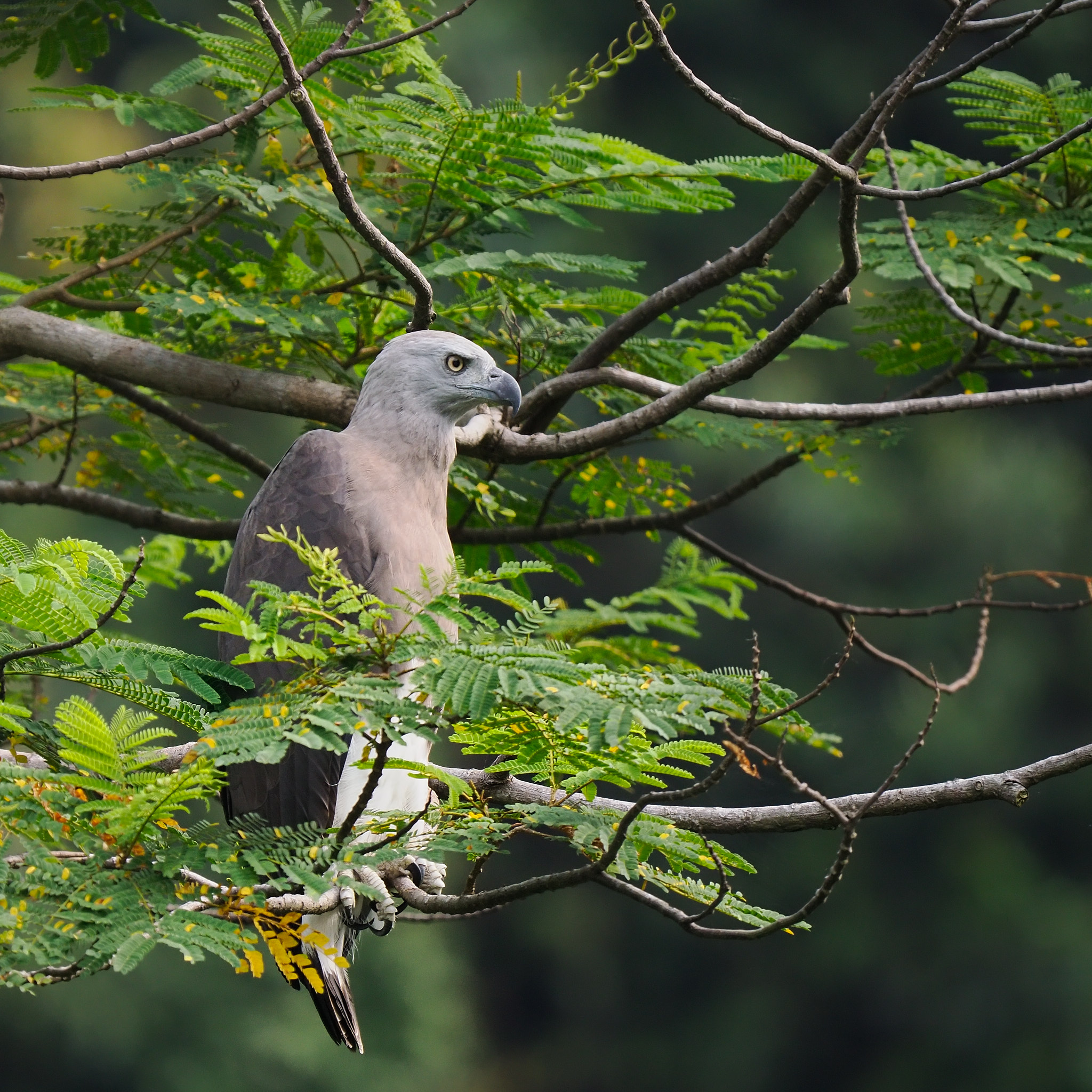
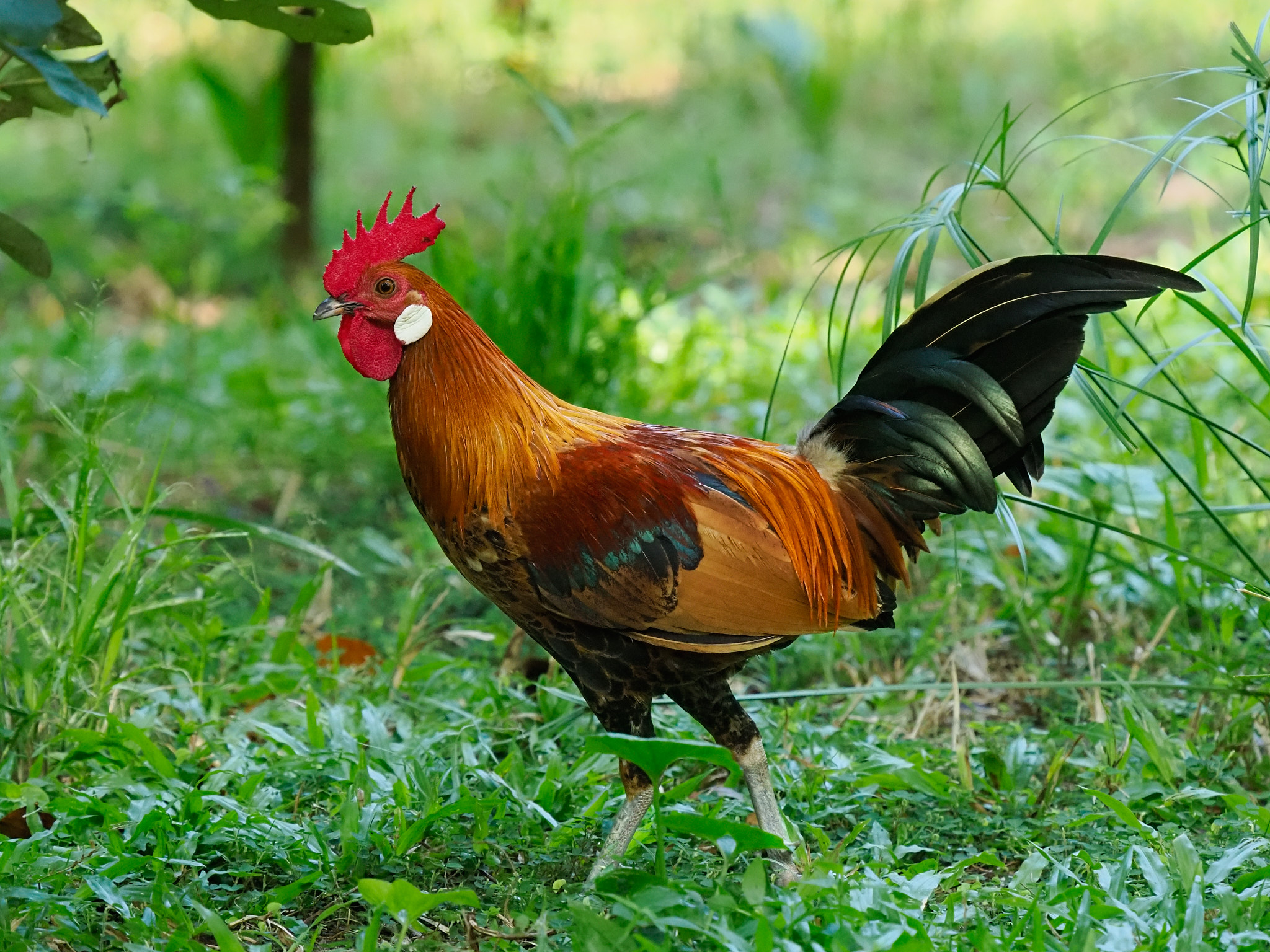
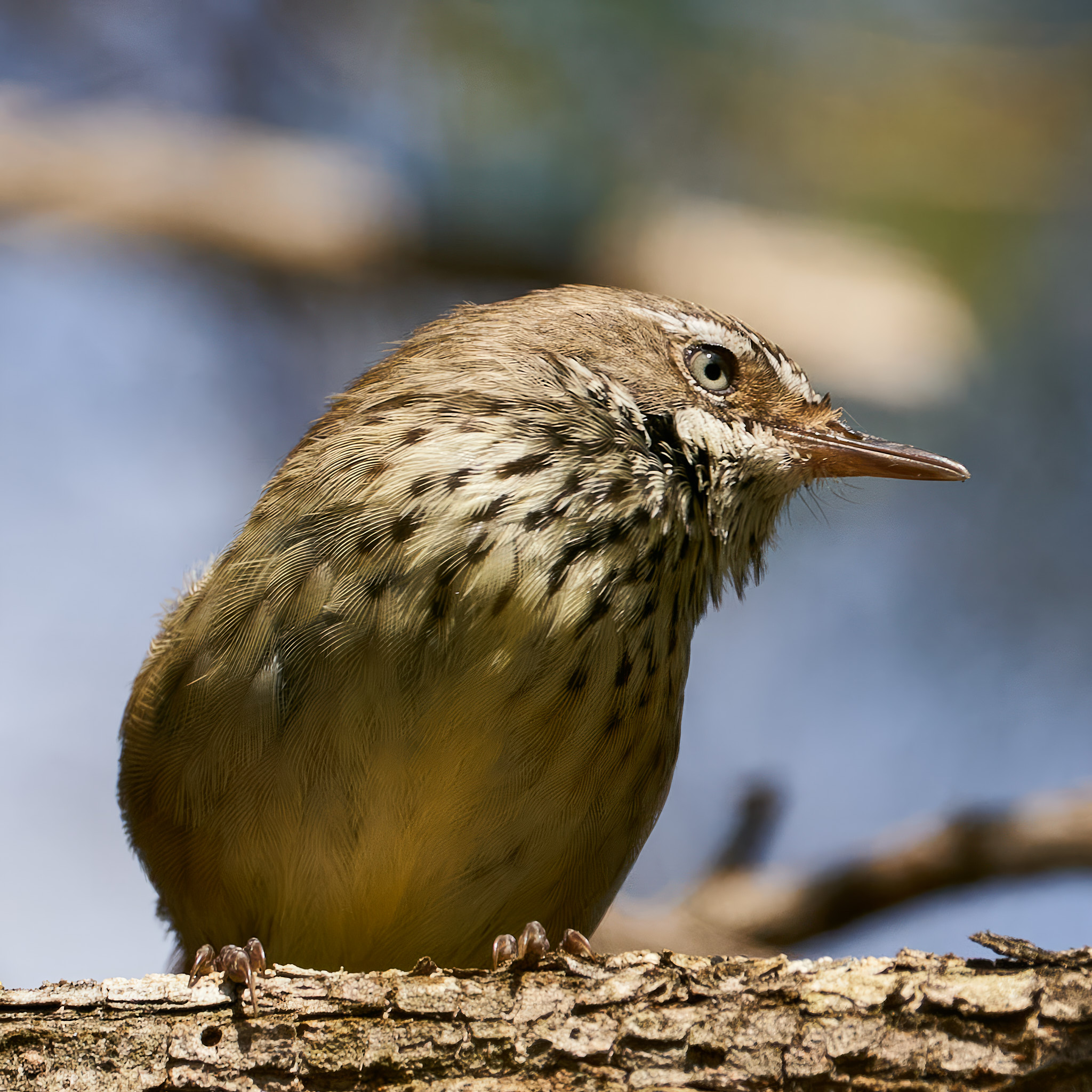
For such a densely populated place Singapore is remarkably green. Water and sunshine obviously help, but there has been a deliberate policy that nature should not miss out completely in the scramble for land. And it hasn’t. There are birds, mammals and reptiles in parks and gardens that are big enough parcels to sustain them. Yes, the glass is not full but don’t think of it as half empty.
In six days I visited ten parks and gardens. They were all worth visiting. My main interests are birds and wildlife so let me rate them with that in mind. (Gardens by the Bay is unmissable for different reasons). I’ll list them below the photos for any one planning a visit themselves. There are two groups – my favorites and the merely marvelous.
Last full day in Singapore, 7 am, and it’s raining. And boy, does it know how to rain. We have been lucky. Most mornings have been dry, afternoons not so much. Only once have we been soaked to the skin despite our umbrellas. Rain, of course, is the reason the city state is so green.
The birding has been fascinating. Forest birding is always tough, throw in the lack of familiarity with Asian birds and the list takes a while to grow. On the other hand novelty always adds spice. Here is a taste, more when I get home and start editing …
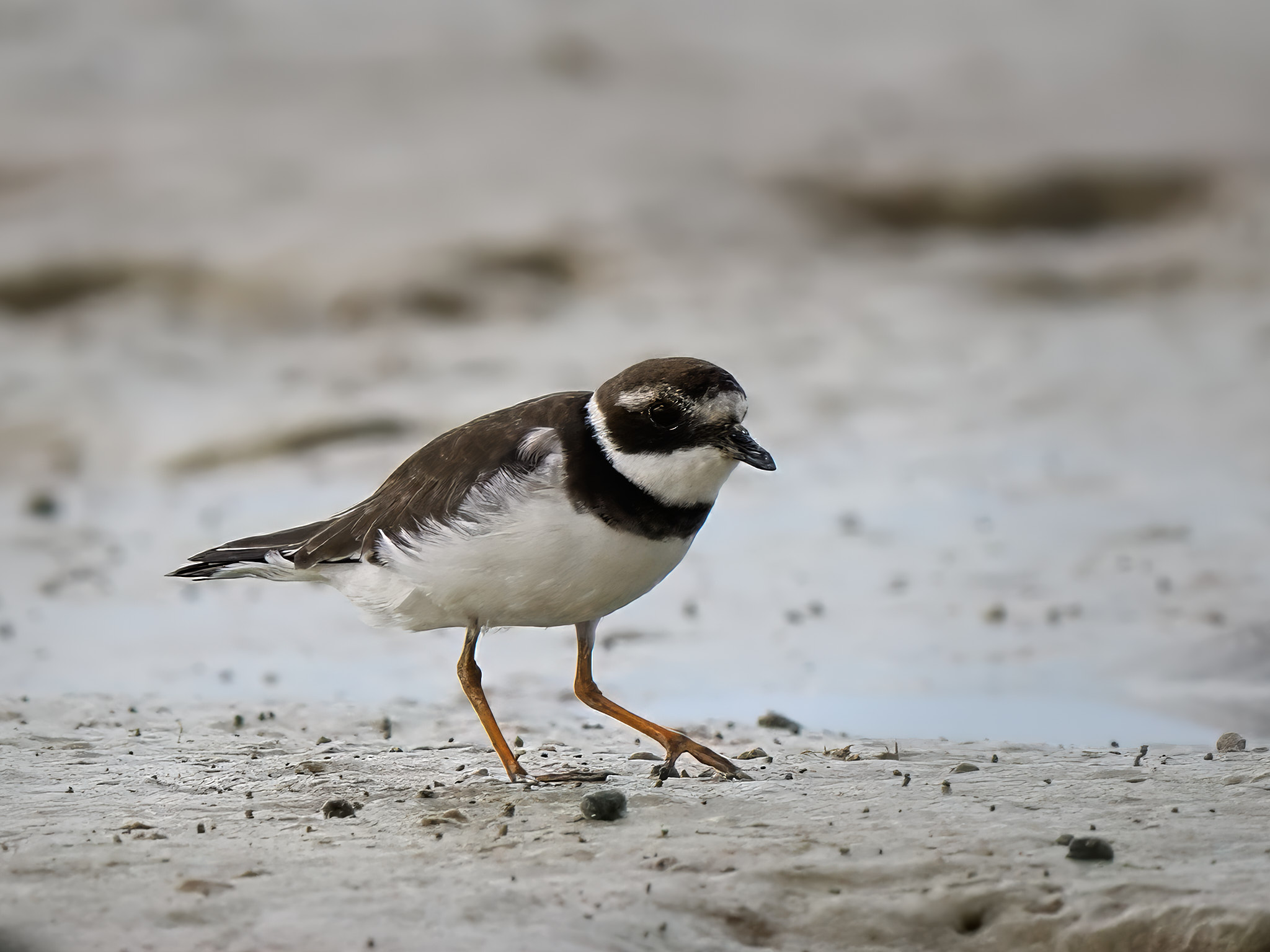
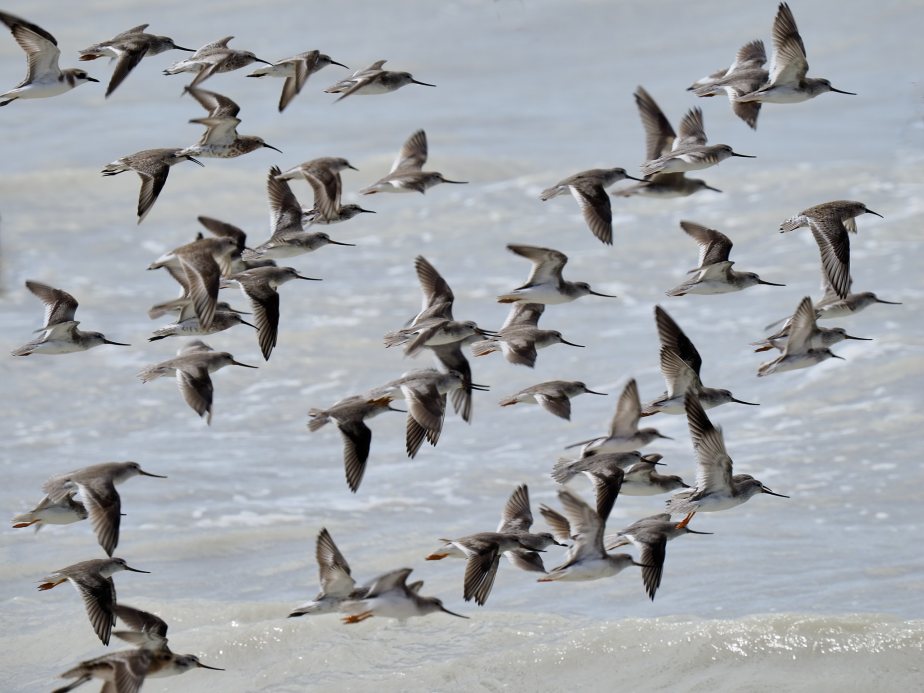
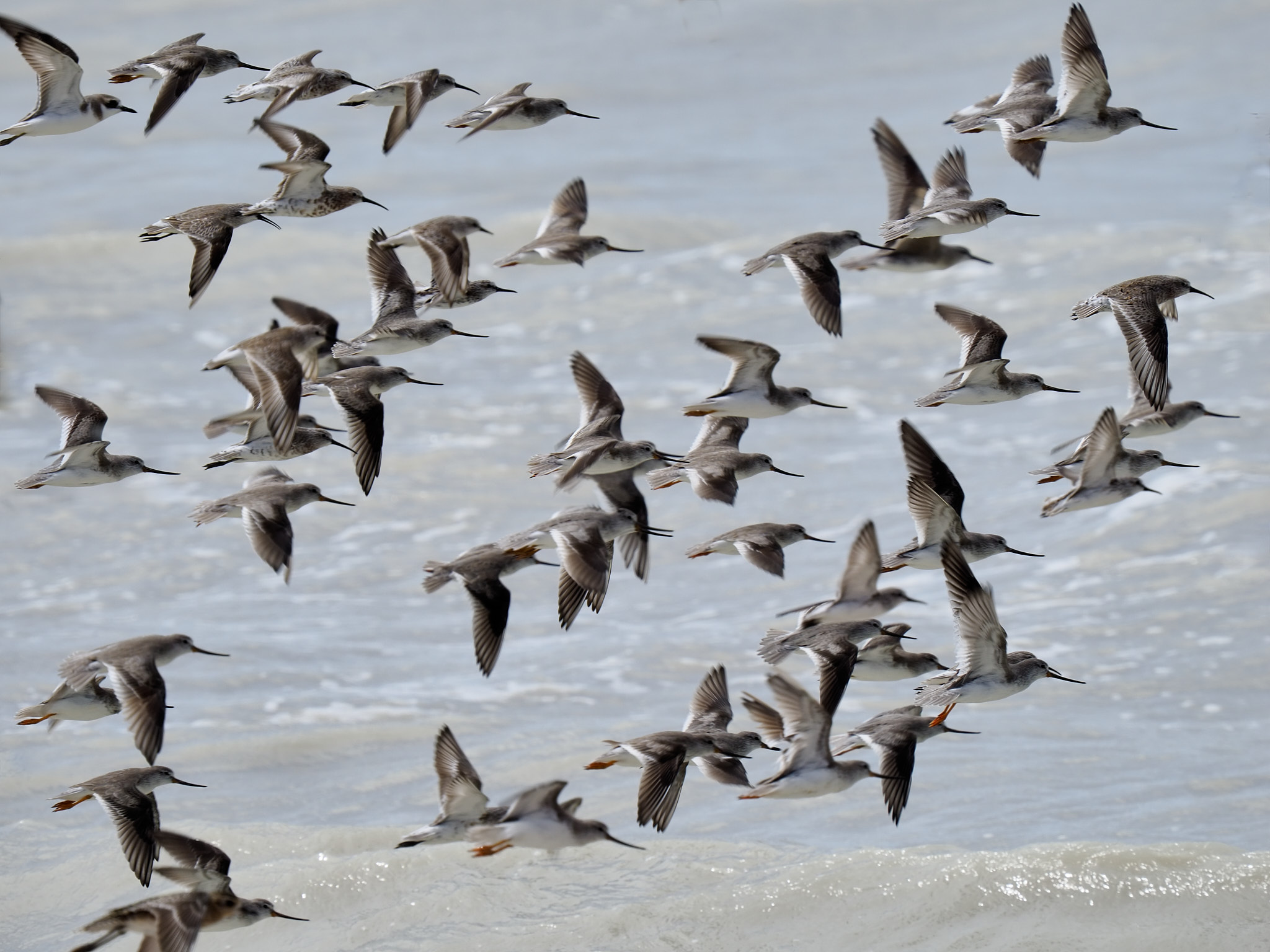
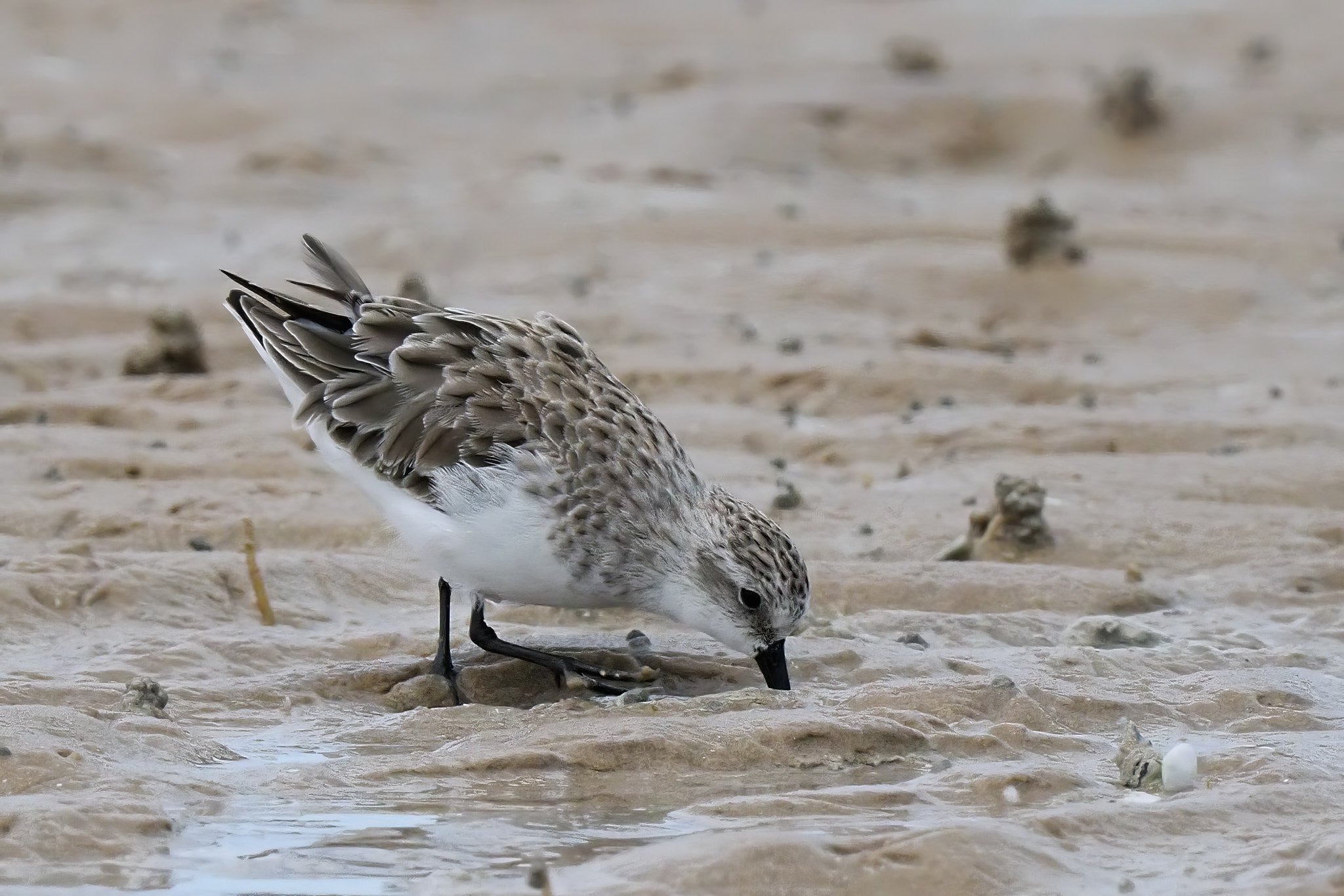
Spring has sprung and the migratory waders are back in Roebuck Bay. These are birds that breed in the far north of the northern hemisphere taking advantage of their short summer period of great abundance. The abundance is so great that the hatchlings feed for themselves. That’s a great saving in effort for the parents but at the expense of a long flight to escape the coming winter and capitalise on abundance elsewhere.
In those species that breed across a range of latitudes those that breed furthest north generally winter further south than those that breed in the southern part of their range. This leapfrog pattern of migration appears to have been brought to science’s attention by J A Palmén as long ago as 1874. One particularly good example of this is the Common Ringed Plover Charadrius hiaticula. Those that breed in southern Sweden or Britain winter in southern Europe whereas those breeding in the arctic mostly take the trip to Africa.
Mostly, but for the last three or four years a single bird has been turning up a stone’s throw from the Broome Bird Observatory in Roebuck Bay. This is presumably the same individual which must make it a leapfrog champion. There have been sightings of Common Ringed Plover further south but they are decidedly rare here in Oz.
The stops so far have been one night stands – way points with benefits. Parry’s is a destination.
Broome has no duck pond in the park and no sparkling brook to walk beside. Just as Eskimos have many words for snow Australians have numerous endings for the phrase that starts with “as dry as …” mostly impolite. Except when it’s flooded Broome is as dry as any of these things. Parry’s Lagoon is a different story.
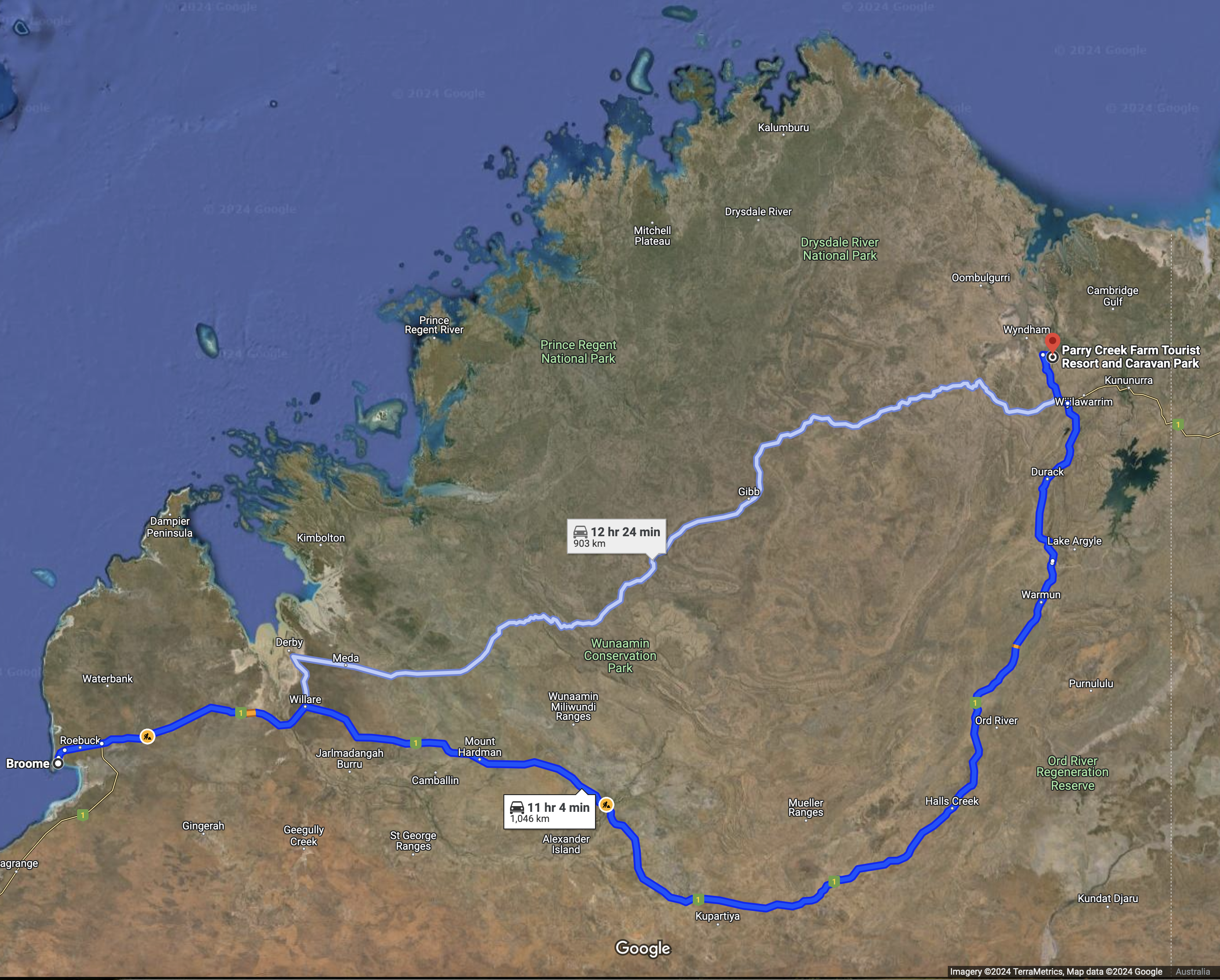
Parry’s Creek Farm is near the small town of Wyndham. It’s surrounded by the Parrys Lagoon nature reserve and unlike the nature reserve is dog friendly. It is a favourite destination and the first stop where we stayed a few days. If the word resort conjures up a vision of Piña Coladas (whatever they are) from the swim up bar forget it. But there is a pool, also a restaurant which serves a good meal. The service was excellent.
In the reserve you can visit Telegraph Hill for some WW2 history and some nice Boabs. Then continue to the bird hide at Marlgu Billabong to boost the bird list.
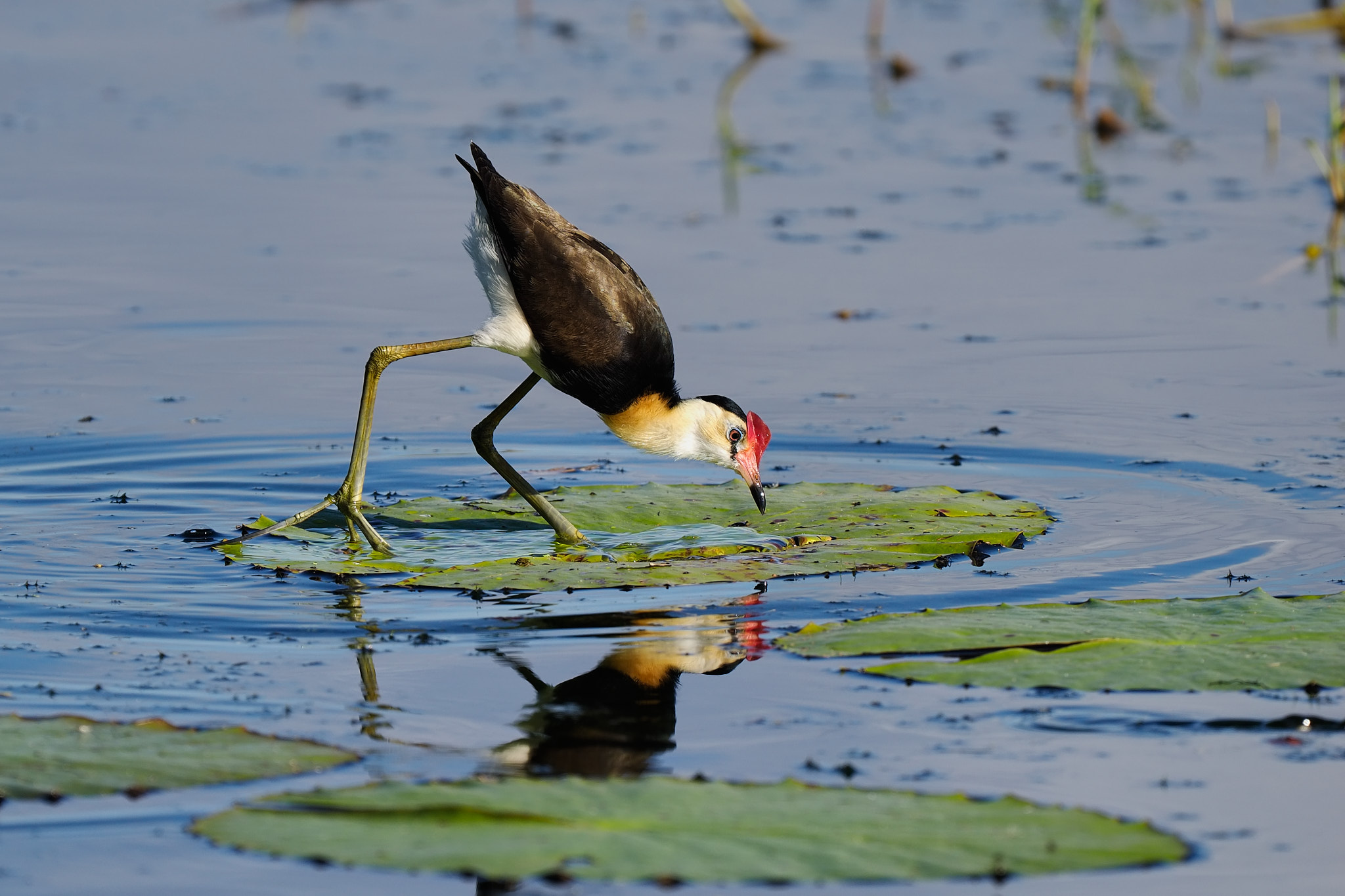
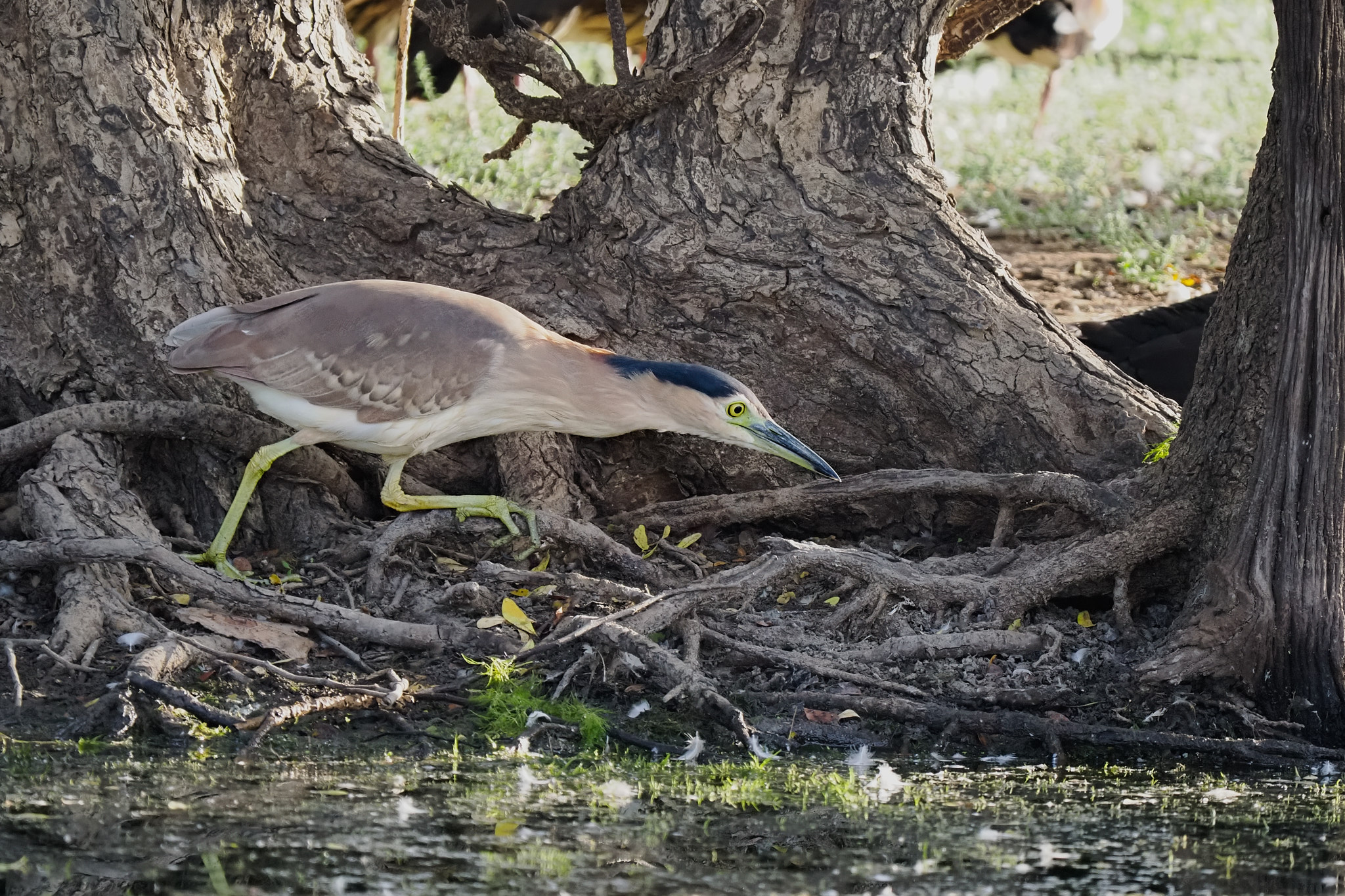
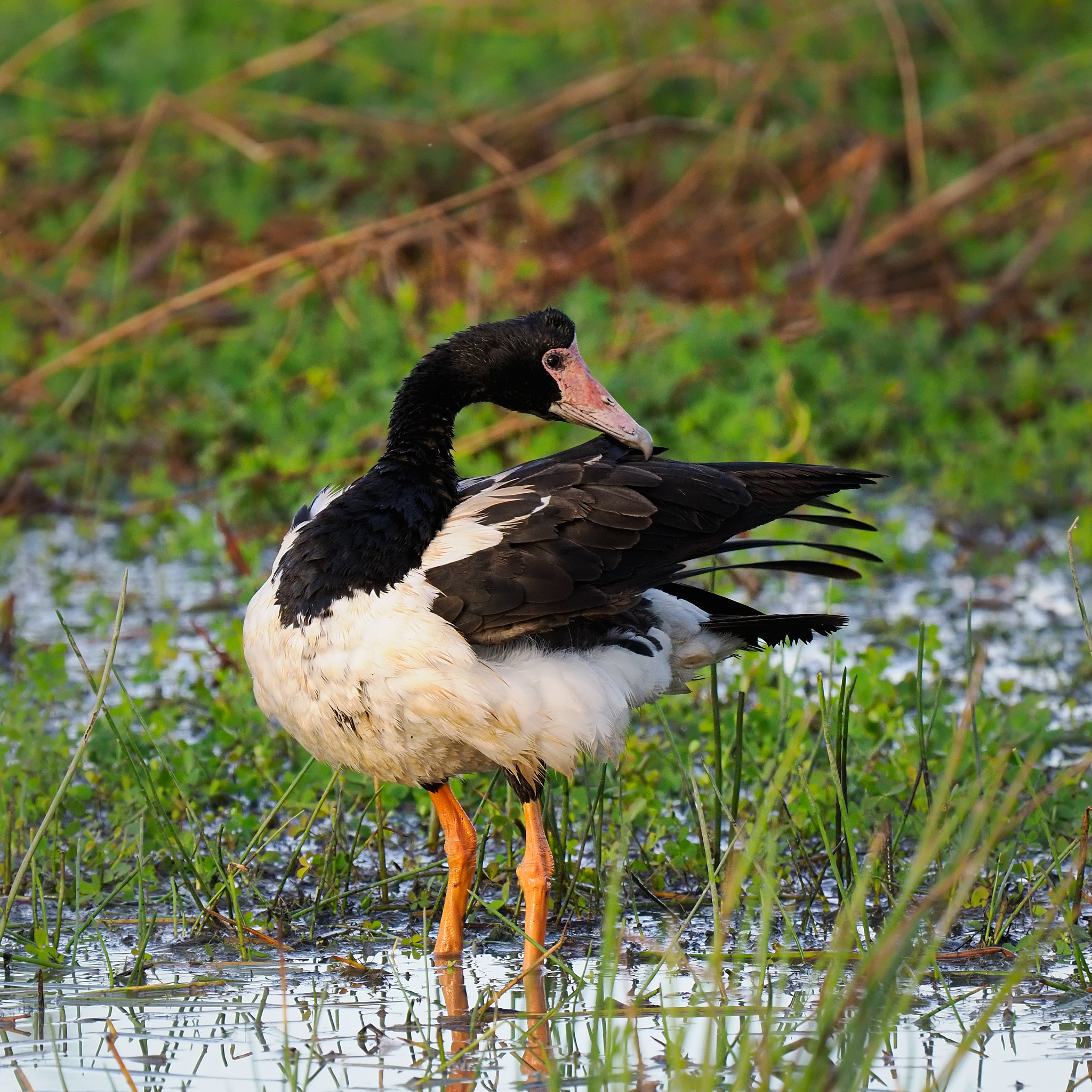
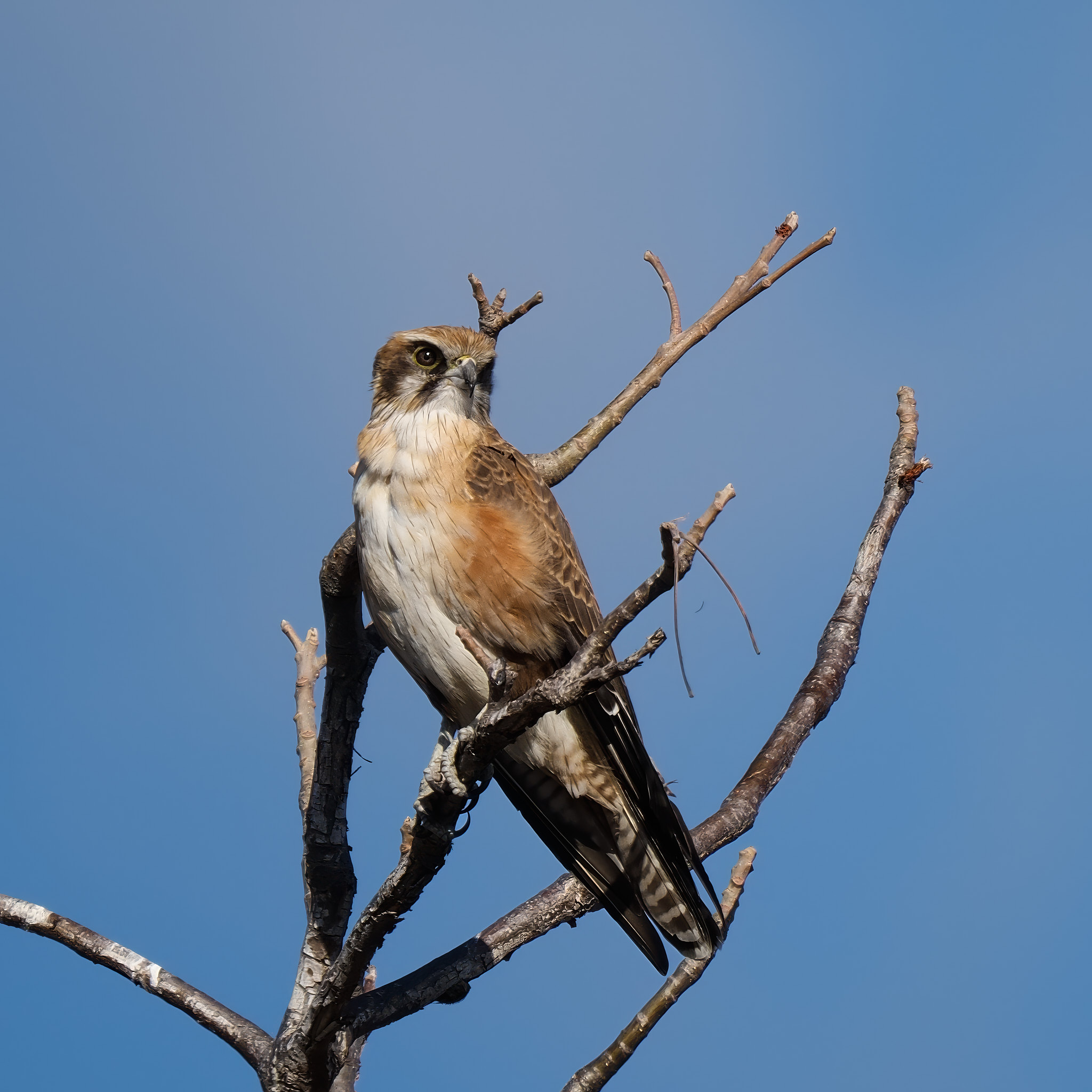
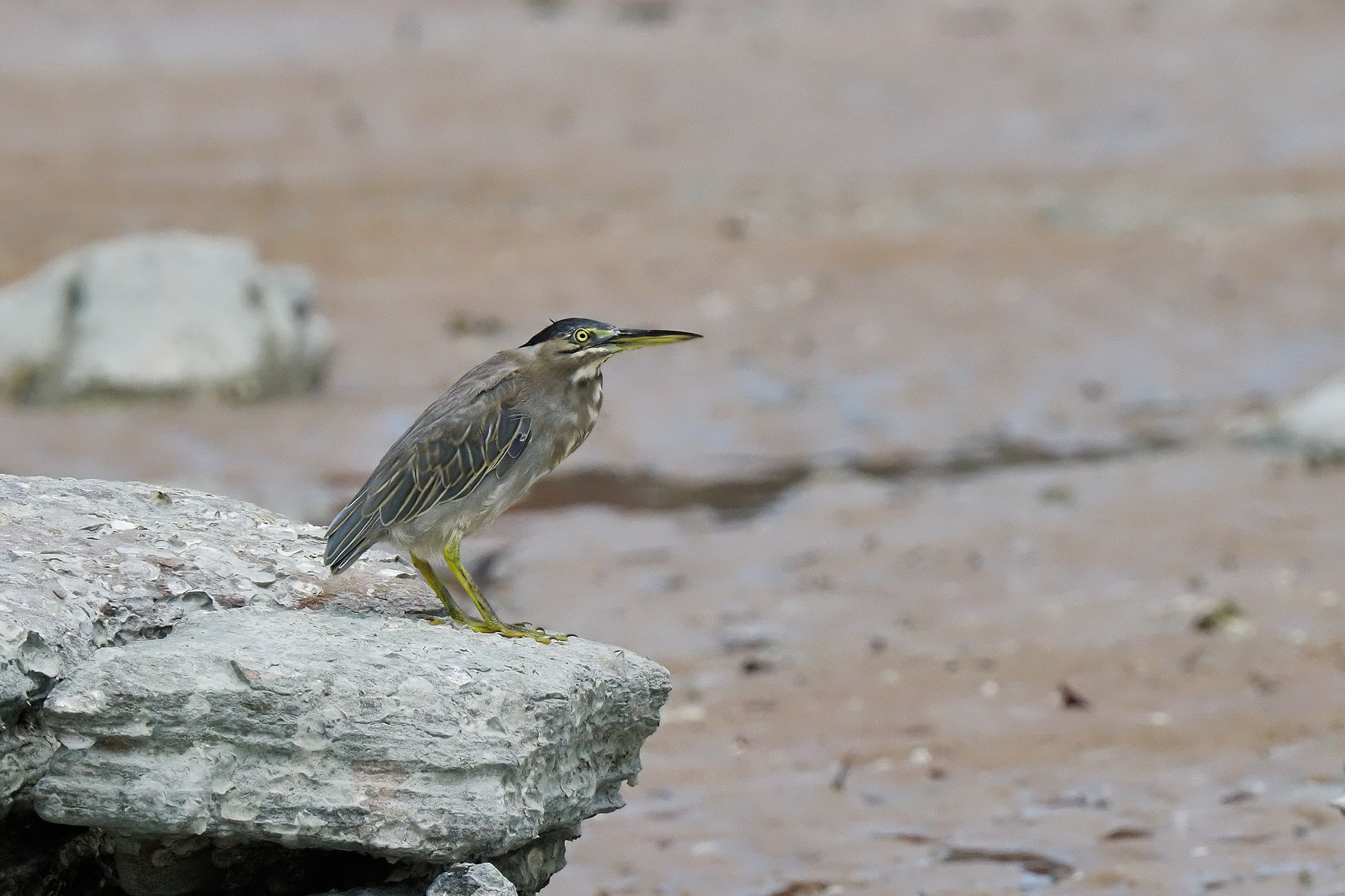
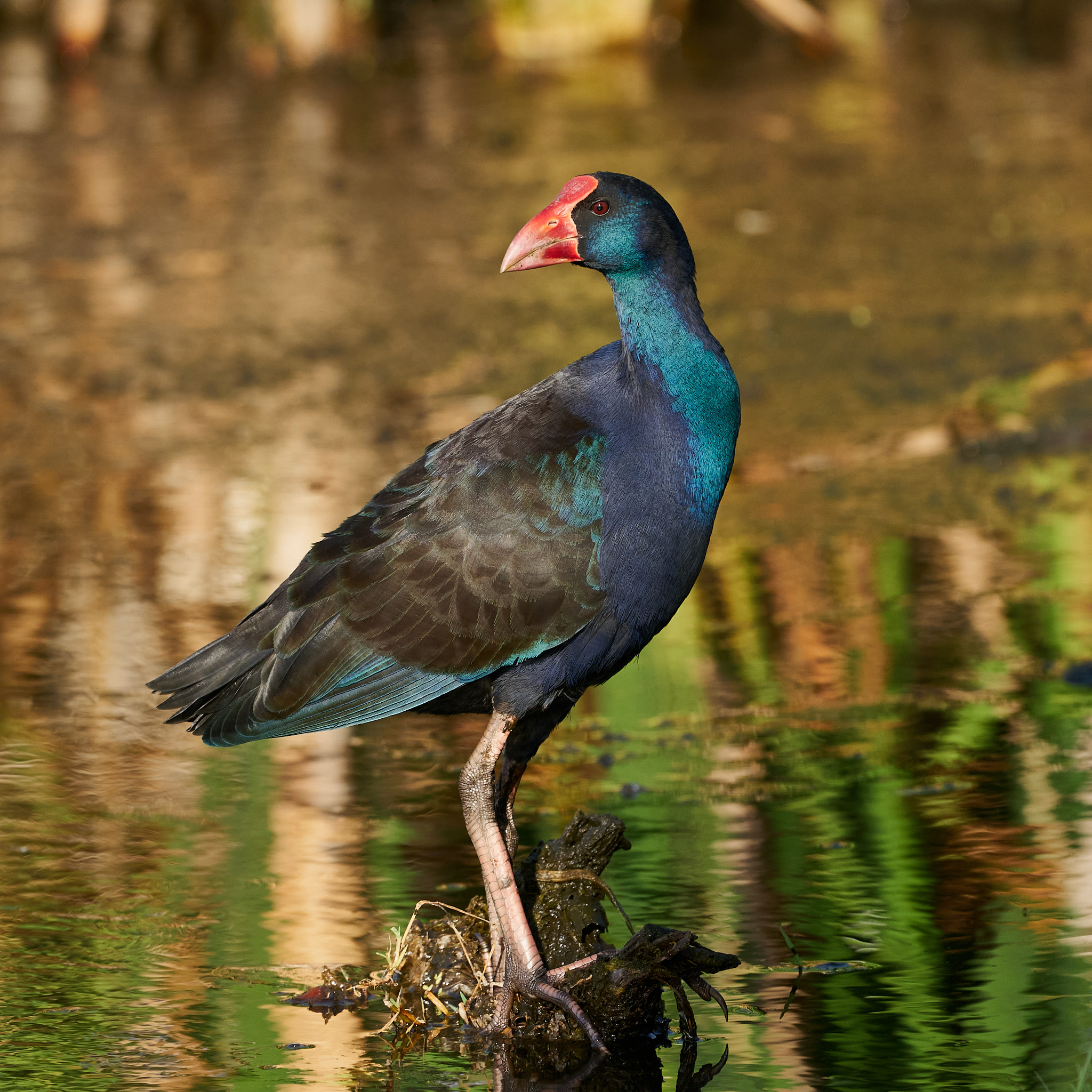
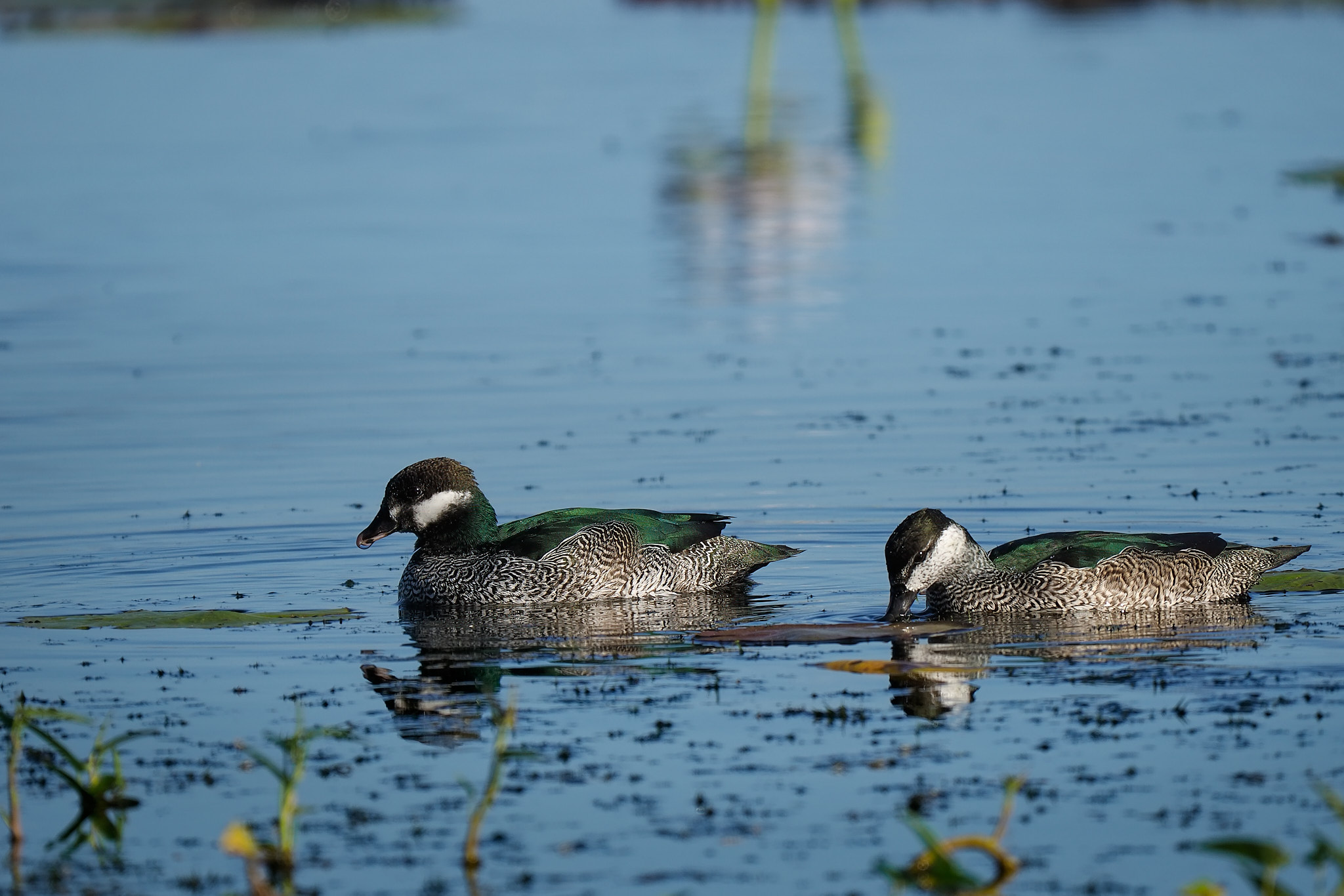
Australian SwamphenGlossy IbisComb-crested JacanaComb-crested JacanaPied HeronNankeen Night HeronNankeen Night HeronMagpie GooseRadjah ShelduckGreat EgretPlumed Whistling DuckGreen Pygmy-goosePied HeronNankeen Kestrel
There is a smaller billabong on Parry’s Creek Farm as well. It is surrounded by a small patch of rain forest. Some pleasant walks radiate from the camping area with more wildlife watching potential.
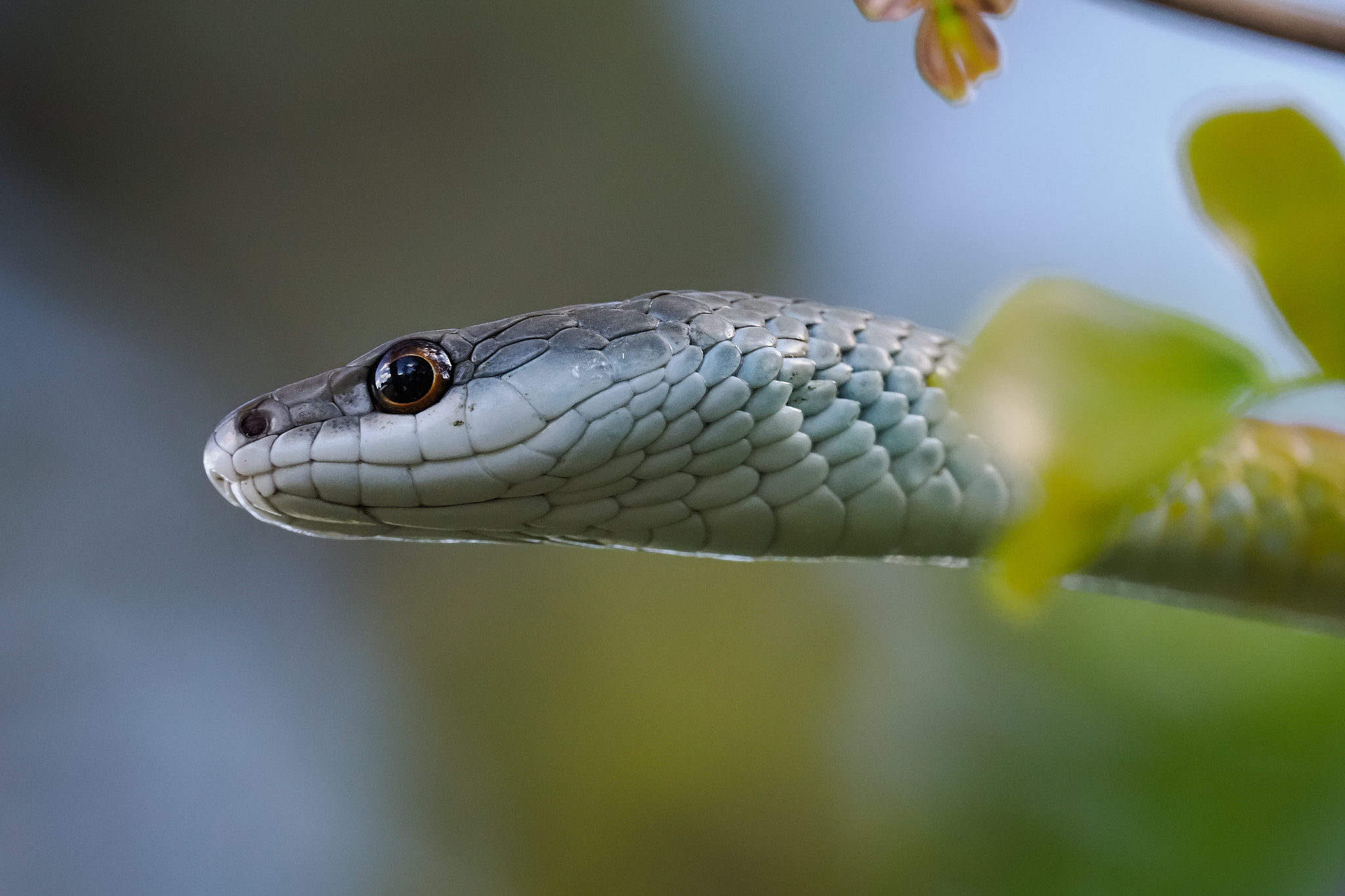
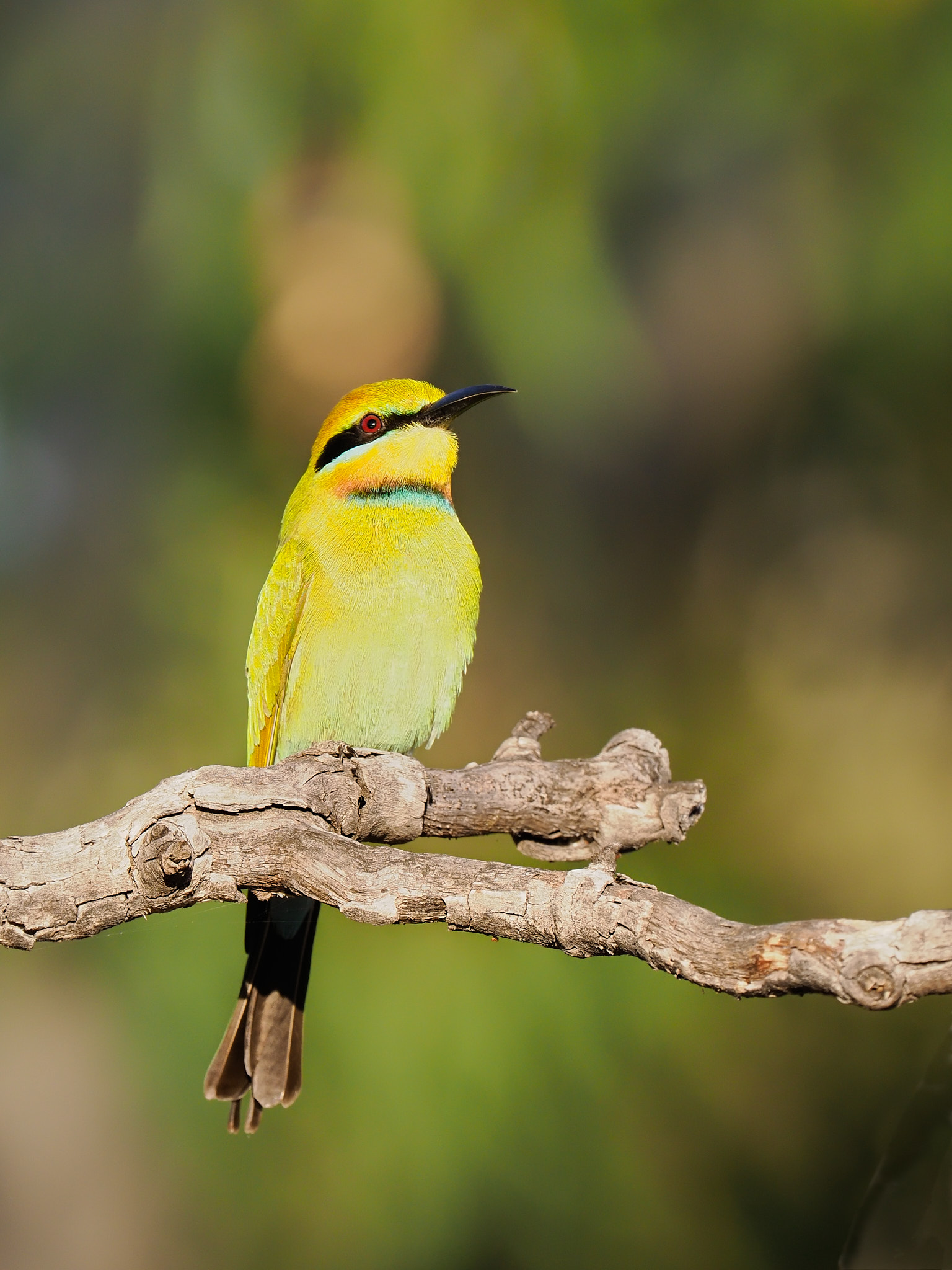
Common Tree SnakeCommon Tree SnakeRainbow Bee-eater
Up next. Nightfall brings a new suite of possibilities …
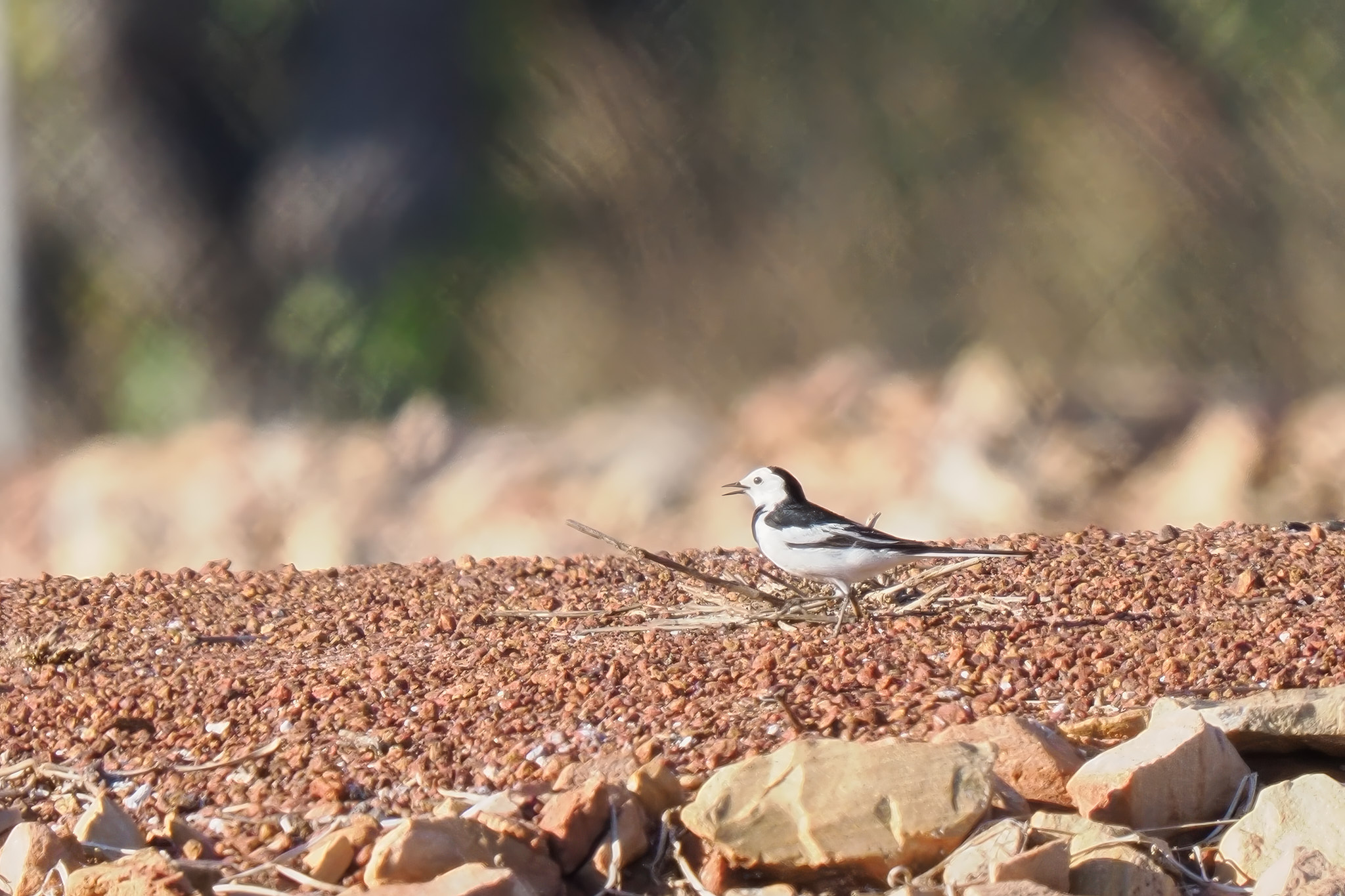
I received the message at about 10.30 am yesterday. A White Wagtail at Ardyaloon Water Treatment plant. Broome to Ardyaloon is a mere 217 km. White Wagtail was a familiar bird in my English youth. I have over 80 records of the species from Iceland, continental Europe, the Russian far east, India and Japan but it was not on my Australian list. It doesn’t routinely occur here although vagrants do turn up from time to time. By 1 pm I was looking at it.
It was a busy bird, not easy to find as it meandered among rocks at the water’s edge. Gayle found it first. It was an Oz tick for her as well. Fortunately it didn’t fly before I saw it too. It was a lifer for the dog.
I might have got a better photograph if I wasn’t restrained by a chain link fence, but hey.
A number of subspecies have been described. This guy is a male Motacilla alba leucopsis. This subspecies breeds in China.
I have always enjoyed the thrill of adding a new species to a major list but this event really qualifies as my first twitch. During my working life I could not afford the luxury of dropping everything and rushing off to see a distant rarity. I hope to do it again soon.
One of the features that make Broome famous is the sheer number of migratory shorebirds that visit Roebuck Bay. The big tides and extensive mudflats make it the best wader watching site in the country. Many of our visitors are getting ready for the long flight to their breeding grounds in the high latitudes of the northern hemisphere. Their priority is to feed up big to fuel the journey.
Over the next month a huge number will go but the bay will not be empty. There will still be any number of resident shore birds plus the younger birds of some migratory species that wait a year or two before making their first trip back to Siberia.
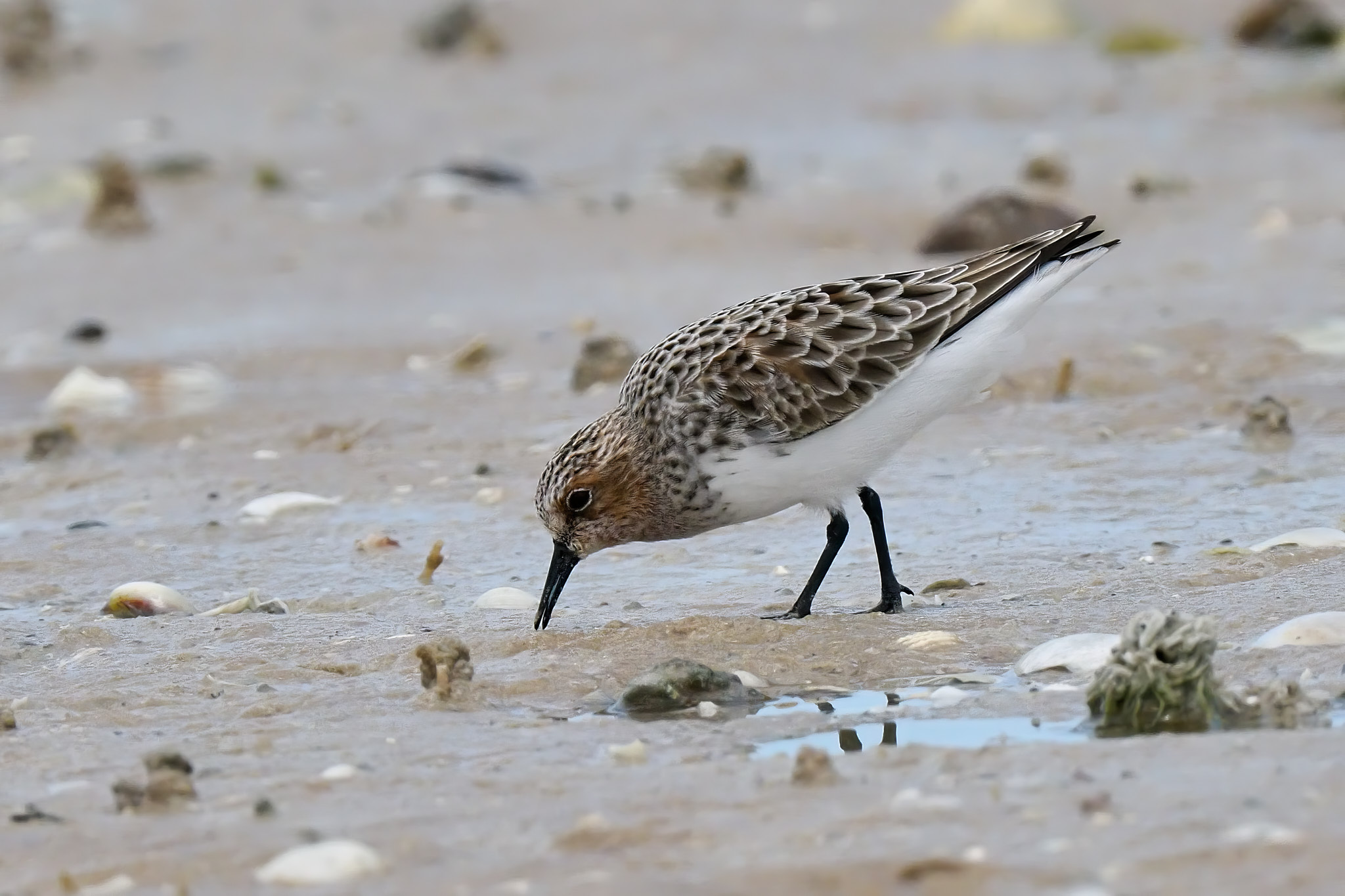
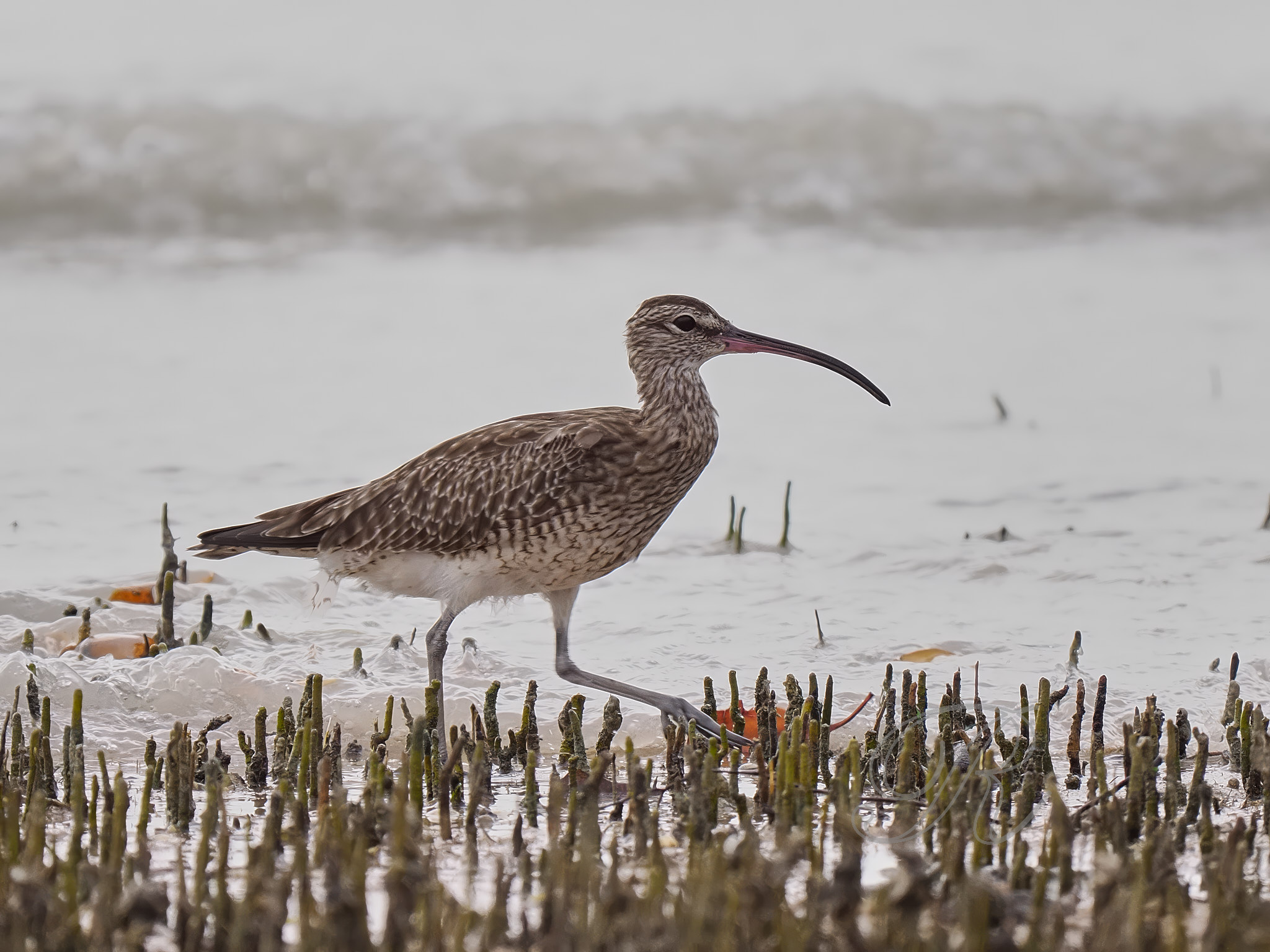
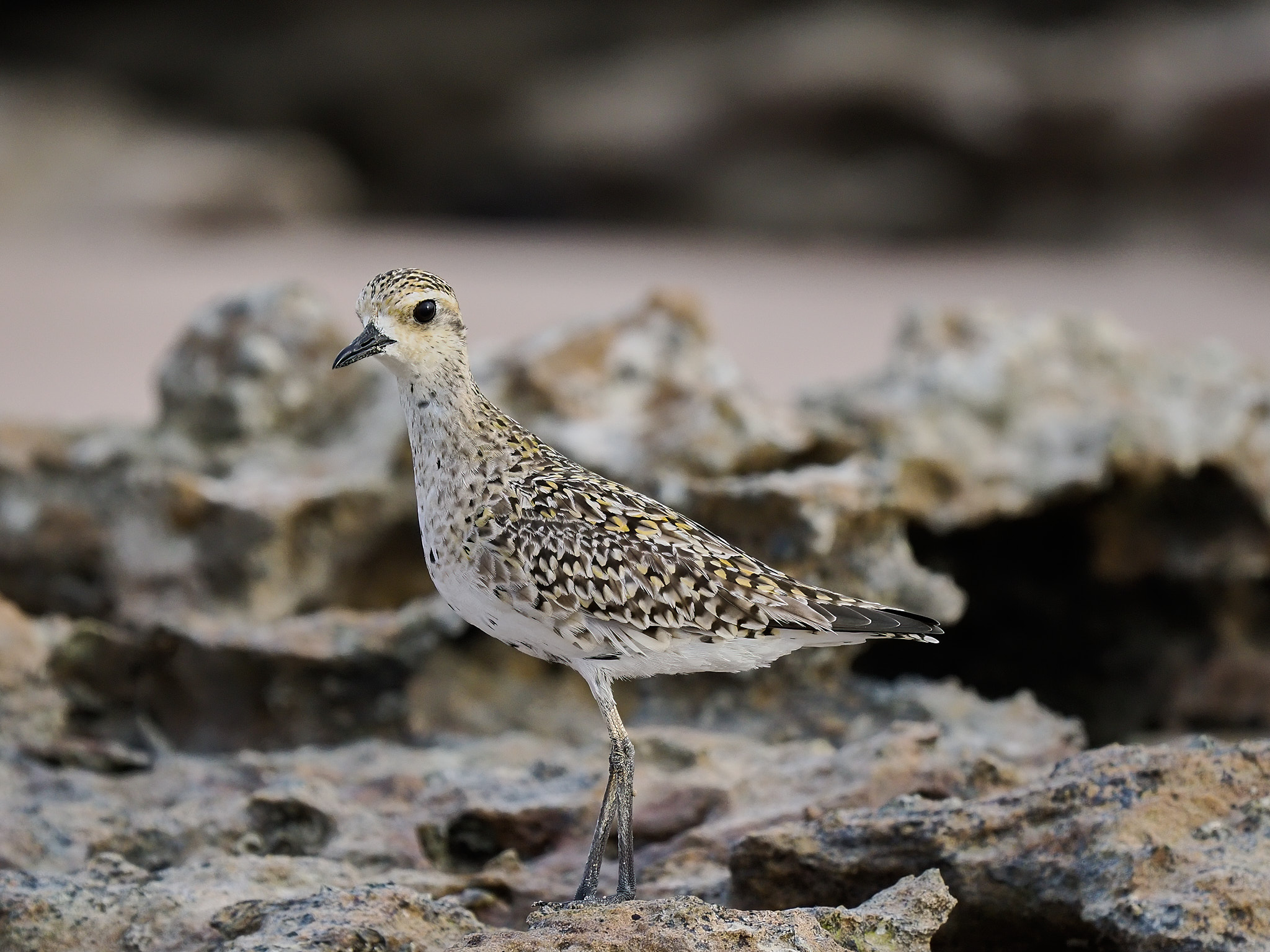
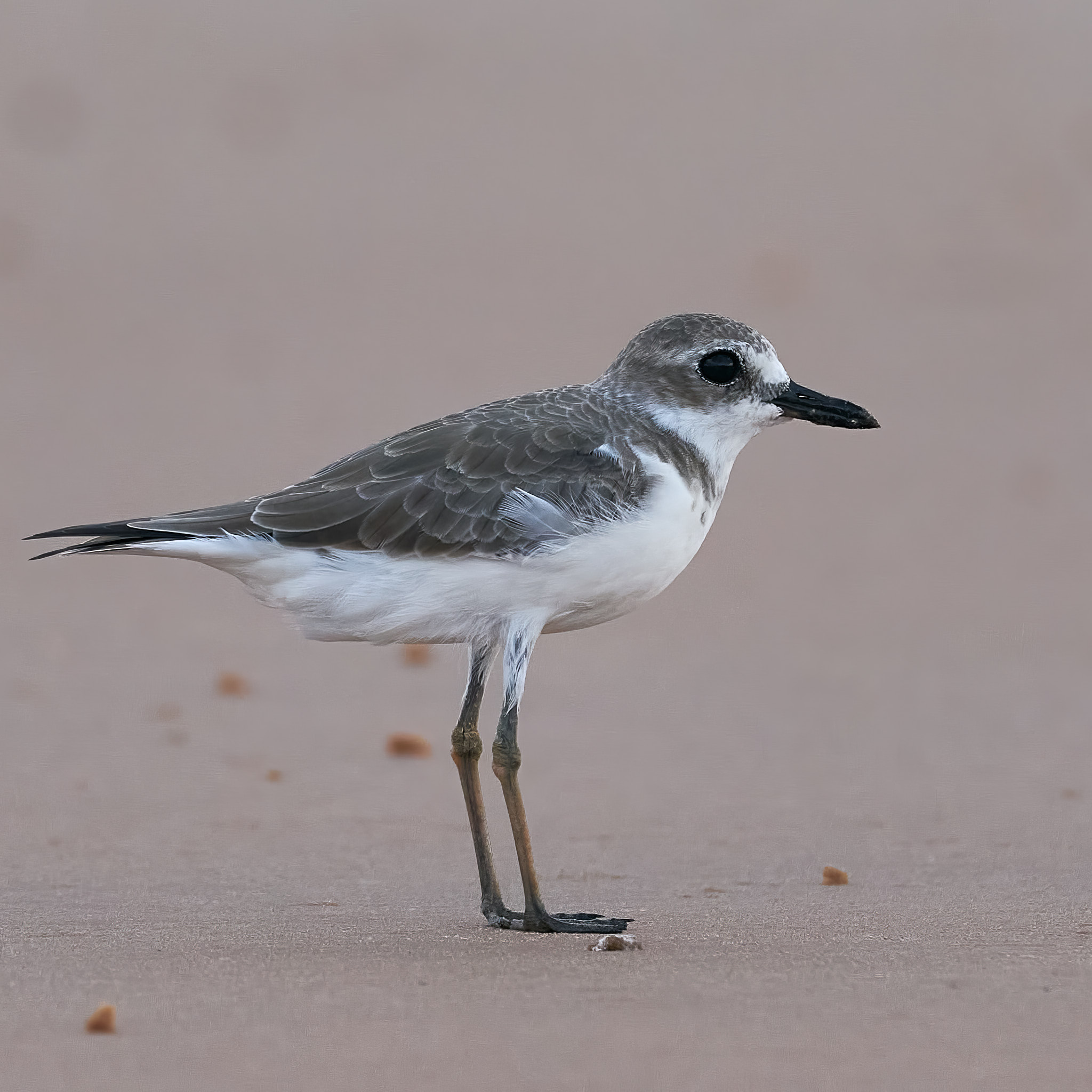
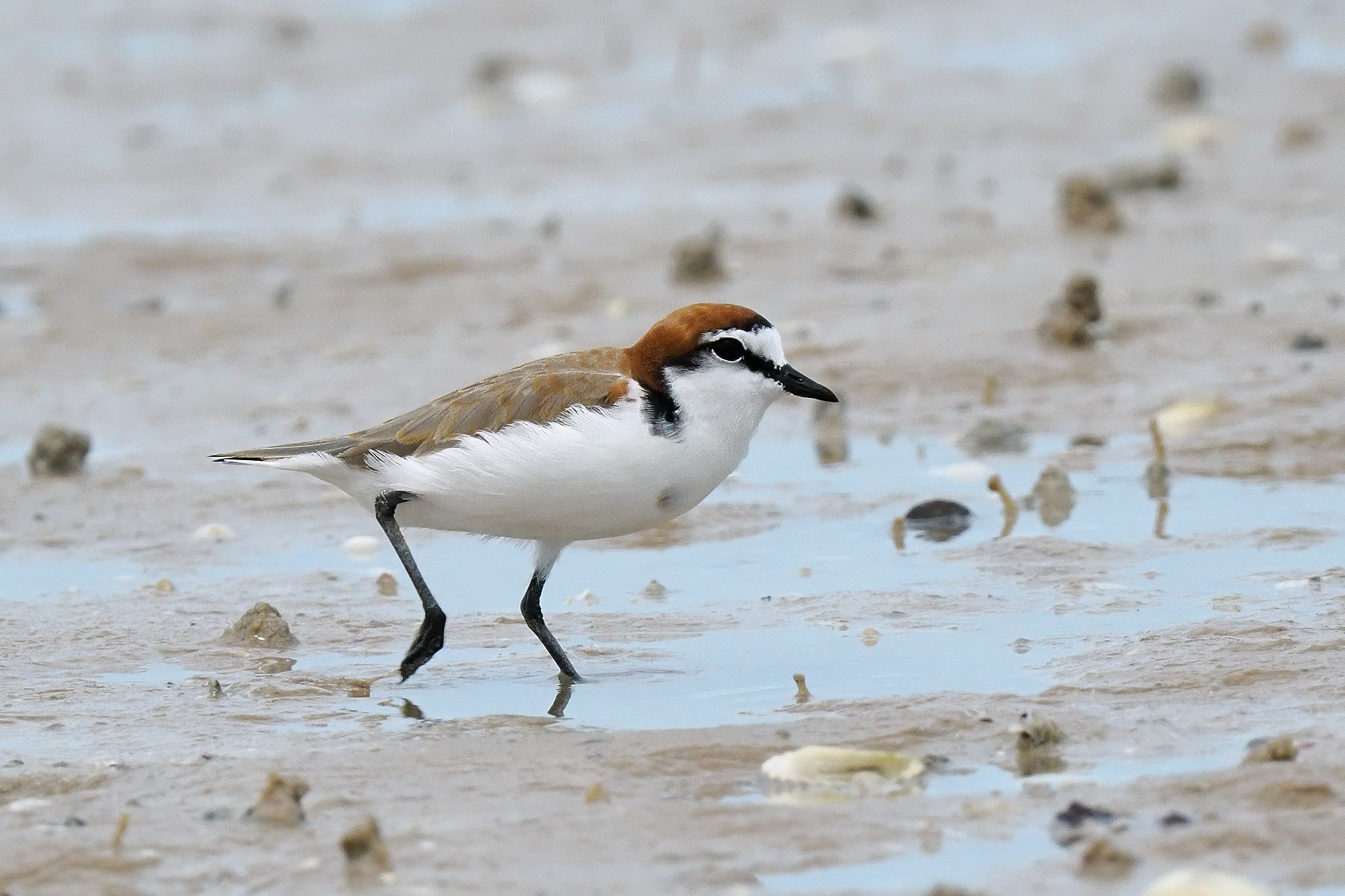
Red-necked StintRed-necked StintWhimbrelPacific Golden PloverGreater Sandplover
The bay is home to a number of birds that live and feed along the shore. Some are in the same order as the migratory waders, the Charadriiformes, but there are herons and egrets as well.
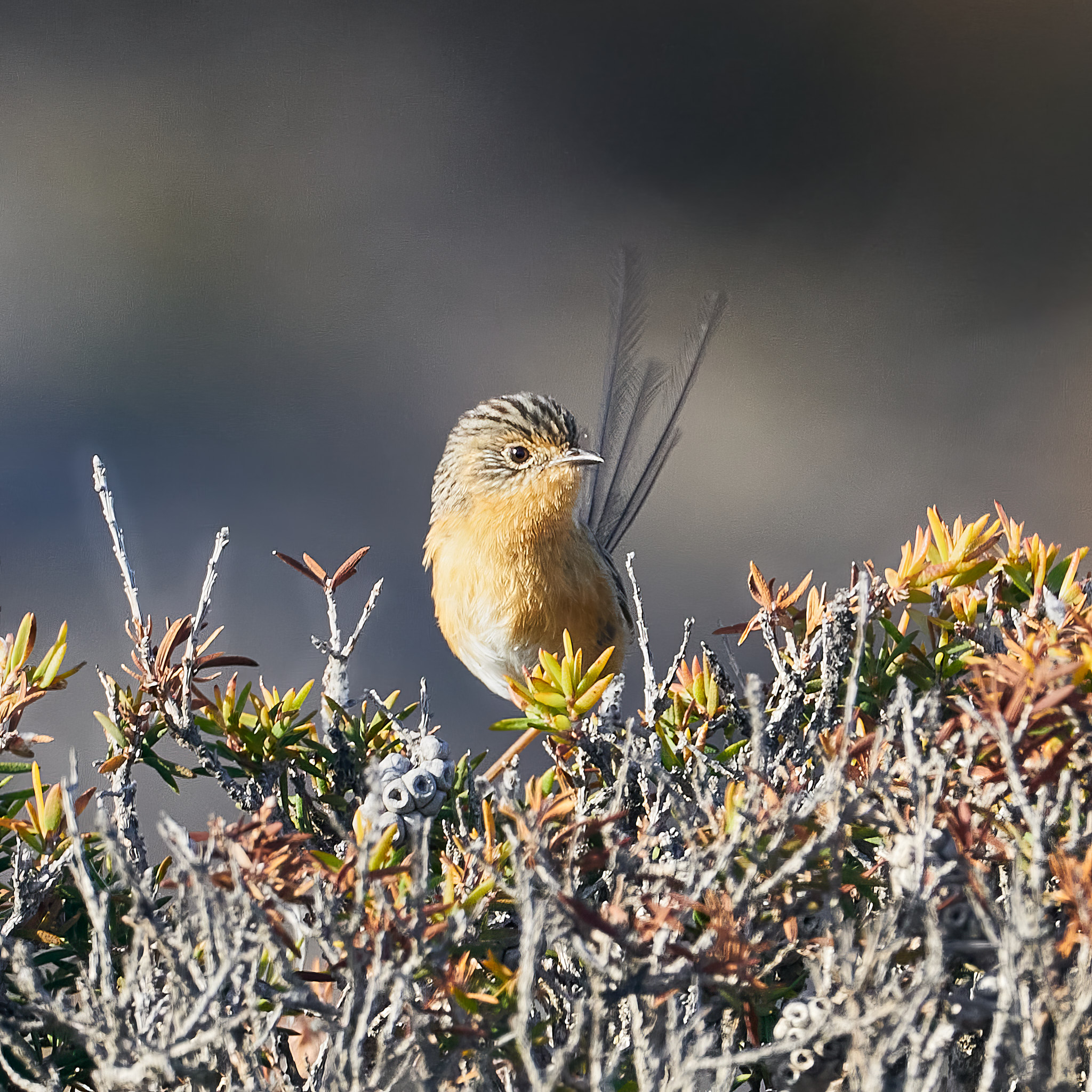
Because we made good time across the Nullarbor we have had four nights in the Great Southern region of WA. The first was on the edge of the Sterling Range National Park and then three on the Kalgan River just outside Albany. The birding has been excellent, Two Peoples Bay and Lake Seppings especially. My target species was Western Whipbird and, once again, I managed not to see it. Regional endemics such as Red-capped Parrot and Red-eared Firetail have been easier to find but not prepared to pose for me. Here are some of the photographic highlights …
Our decision not to travel north via the Stuart Highway then west through Fitzroy Crossing was a good one. Flooding has closed roads in a number of places and it will be a while before they reopen. Not that we are completely out of the woods. Our intended route was closed by fire a day or so ago near Newman. That problem is solved – the road is now closed by flood. Hopefully that will soon reopen. No cyclone brewing off the west coast presently. We head north tomorrow, only 2000km to go.
We made good progress on the Eyre Highway. Kimba is very much a wheat growing area. The next sizable town is Ceduna on the coast. It has a more mixed economy. Going west from there you encounter a few more small wheat growing towns until at Penong you find a store that declares that it’s the last shop for a thousand kilometers.
The mallee woodland slowly peters out until you’re on the treeless plain that is the Nullarbor. There is practically no surface water out there partly because not a lot of rain falls but also because the limestone lets it all run straight through. In the summer of 1841 Edward John Eyre set out to walk from Fowlers Bay to King George Sound – the modern day Albany which is just down the road from where we are camped on the bank of the Kalgan River. He covered the 1368 km trip in about 5 months, five men set out, two arrived.
Eyre found water at Eucla. The modern day traveler finds a quarantine inspection site. The rules are complicated but basically fruit, vegetables, honey and soil can’t go with you into Western Australia.
From there west the landscape changes back into patchy woodland, then the trees become taller and more continuous and, once you’re off the Eyre Highway you enter wheat country again.
Australian RingneckCaspian TernSilvereyeAustralian Ringneck
A number of rare birds have shown up in Broome since I went wandering. “How come they only show up when I’m not there?”, I asked. A good friend replied that “They’re there all the time but we only tell you about them when you’re not around.”
One of the current blow-ins is a Black-tailed Gull more at home in coastal China and Japan. It wanders south in the northern winter but rarely as far as Australia. Some parts of the globe are richly endowed with gulls. They are often challenging to identify and some take three years to reach full adult plumage. Their appearance can vary between seasons. In gull rich parts of the world there are keen birders that specialise in gulls. You couldn’t really make a hobby out of them in Oz. We only have three regular species and identifying them is reasonably straight forward. Kelp and Pacific Gulls are large, have black backs and take three years to reach maturity and can be aged reasonably accurately by their plumage as they make that journey. Silver Gulls are smaller, have light grey backs and reach adulthood in one year.
Silver Gulls …
Pacific Gulls …
the red tip to the massive bill extends to the upper mandible, there is a black bar in the tail. The adult legs are a richer yellow colour than Kelp Gulls.
Kelp Gulls …
The bill is less impressive than the Pacific Gull and the red spot is confined to the lower mandible. There is no black in the adult tail. The legs are a washed out yellow.
The bill is the best starting point when deciding which large juvenile gull you’re looking at.
Arid scrub and rich farmland, amazing coastal scenery, mineral wealth, seafood, fascinating ornithology and the occasional ferocious bushfire. It’s interesting. On this occasion our journey took us around the triangle. If we weren’t traveling with a dog it would have included the Lake Gillies conservation park. We spent two nights at Streaky Bay and two at Coffin Bay. Port Lincoln has a population between 16 and 17 thousand, Whyalla is a mining town, the rest of the place is lovely!
No trip to Streaky Bay would be complete without driving the Cape Bauer Loop and another trip to the Sealion colony at Cape Labatt. You could throw in Murphy’s Haystacks if you’re geologically inclined.
White-fronted Chat
A short diversion at Elliston takes you on the Elliston Clifftop loop. If you are impressed by Victoria’s Great Ocean Road prepare yourself for something even more splendid. There are also some sculptures that can be seen along the way … they don’t stand a chance against the scenery.
Coffin Bay sounds like a place with a story attached and there is one, but it’s very tame. Matthew Flinders put the bay on the map in 1802 and named it after his friend Sir Isaac Coffin, later a rear admiral. It is famous for its oysters and a wonderful national park. Emus roam the streets and remarkably photogenic they are.
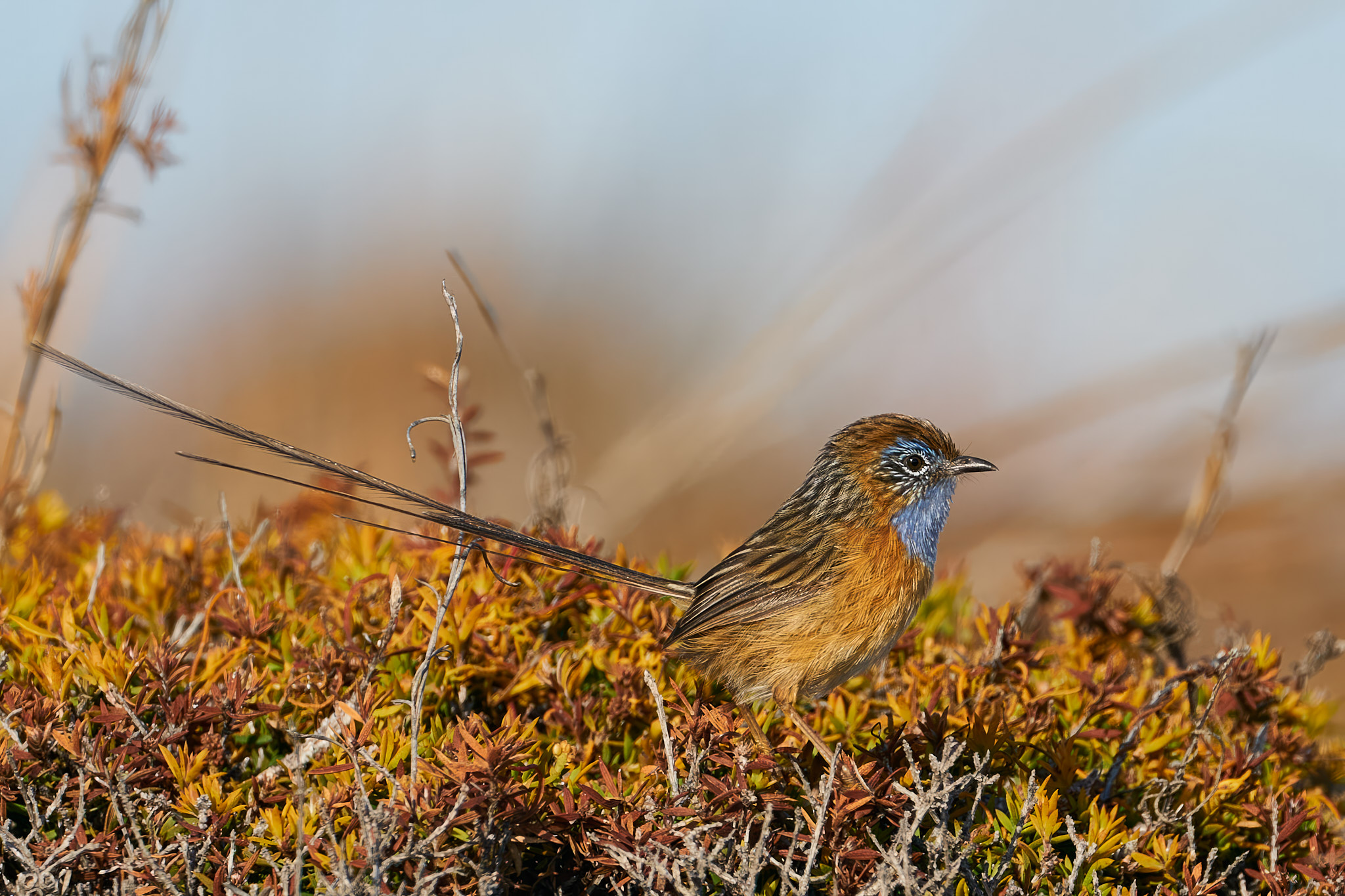
The Eyre Peninsula is very interesting ornithologically. It is a thousand kilometers around the Great Australian Byte to Esperance in Western Australia and there is some very inhospitable country in between yet there are a number of birds that are found in southwest WA and the Eyre Peninsula and not further east. They include birds from quite different genera, the Blue-breasted Fairywren,Rufous Treecreeper and Western Yellow Robin. The Western Whipbird, Western Whistler, Rock Parrot and Elegant Parrot almost qualify but their ranges stretch a little further east. There must have been a time when Australia’s climate permitted suitable habitat for these birds to extend right across the Nullarbor. Somehow the Laughing Kookaburra failed to make that journey. They are common in southwest WA now but were introduced deliberately about 120 years ago. It’s a similar story for Rainbow Lorikeets but they are much more recent aviary escapees.
Birding around Coffin Bay was most productive and some of the wildlife even posed for a photo.
Grey FantailWestern Grey KangarooPacific GullSpotted ScrubwrenPort Lincoln ParrotSouthern Scrubrobin
We left Coffin Bay on a hot and windy day, 43°C, gale force winds, extreme fire danger.
We passed a couple of silo masterpieces on the way north.
Tumby BayCowell (photo G H D’A)
Tonight we are at Wilmington. It was originally called Beautiful Valley. I can understand why they changed the name.