Parque Nacional da Serra da Canastra …

Twelve hours on the road will get you across the state of Minas Gerais from Caratinga to São Roque de Minas, site of the closest hotel to the Canastra National Park.

The great attraction of this part of Brazil is the Giant Anteater, not easy to find anywhere this is where your chances are best. The park opens at 8 am … unless of course it’s on fire.

A major grass fire was ripping through the park, it was closed for the two days we were in the neighbourhood. Not an unfamiliar situation for an Australian.

There is a stream at the foot of the range with some remnant forest and not too far away the private Reserva Natural da Cachoera do Cerradão. The birdlife is prolific and colourful. Another primate graced us with fair views, the Maked Titi Monkey.

The contest for the most beautiful bird in Brazil would be a very difficult one to judge but at the Reserva we saw both the Pin-tailed and Helmeted Manakins, both would be in with a chance.

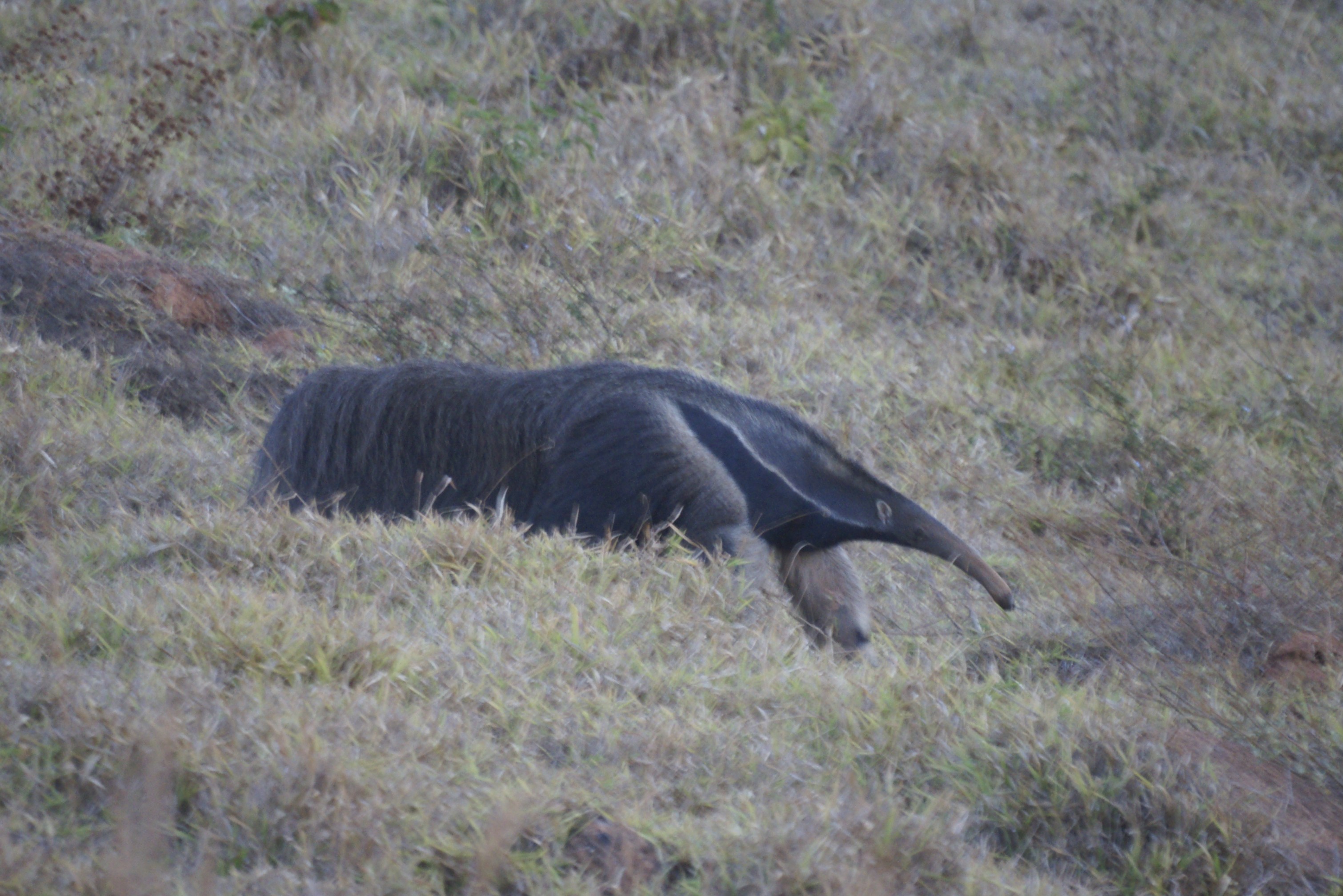
And wandering across the countryside a distant Giant Anteater …


Muriqui …

Next stop on the Brazil foray was Caratinga, specifically to see the Northern Muriqui.

These are the largest South American (non-human) primates. There are fewer than 1000, they are restricted to the Atlantic Forest region of Brazil and because of fragmentation of the forests the remaining Muriqui are languishing in small isolated groups. The best studied group are to be found on a private reserve – Reserva Particular do Patrimônio Natural Feliciano Miguel Abdala, in the state of Minas Gerais. All praise to its owner.

The Muriqui has long limbs and a long prehensile tail. They swing through the trees with great agility eating mainly young leaves and fruit They live mixed-sex groups of between 8 and 80 individual which are not particularly territorial or aggressive. Females tend to give birth to a single offspring during the May – September dry season. Male offspring remain with their natal group. Females disperse to join other groups once they have reached adolescence at 5 – 7 years.

We found a female with a baby and an older sibling almost immediately and later a group of twenty or so.

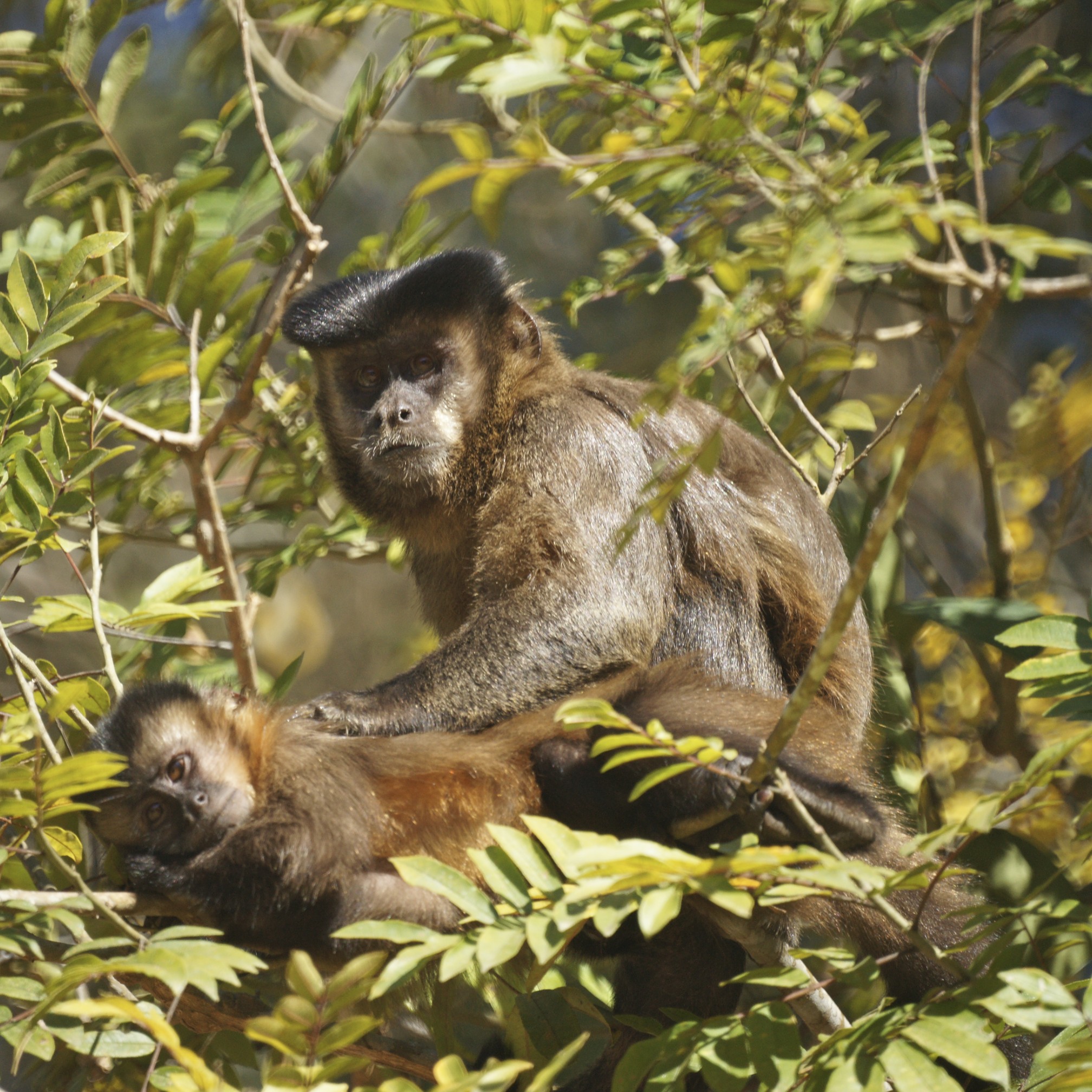
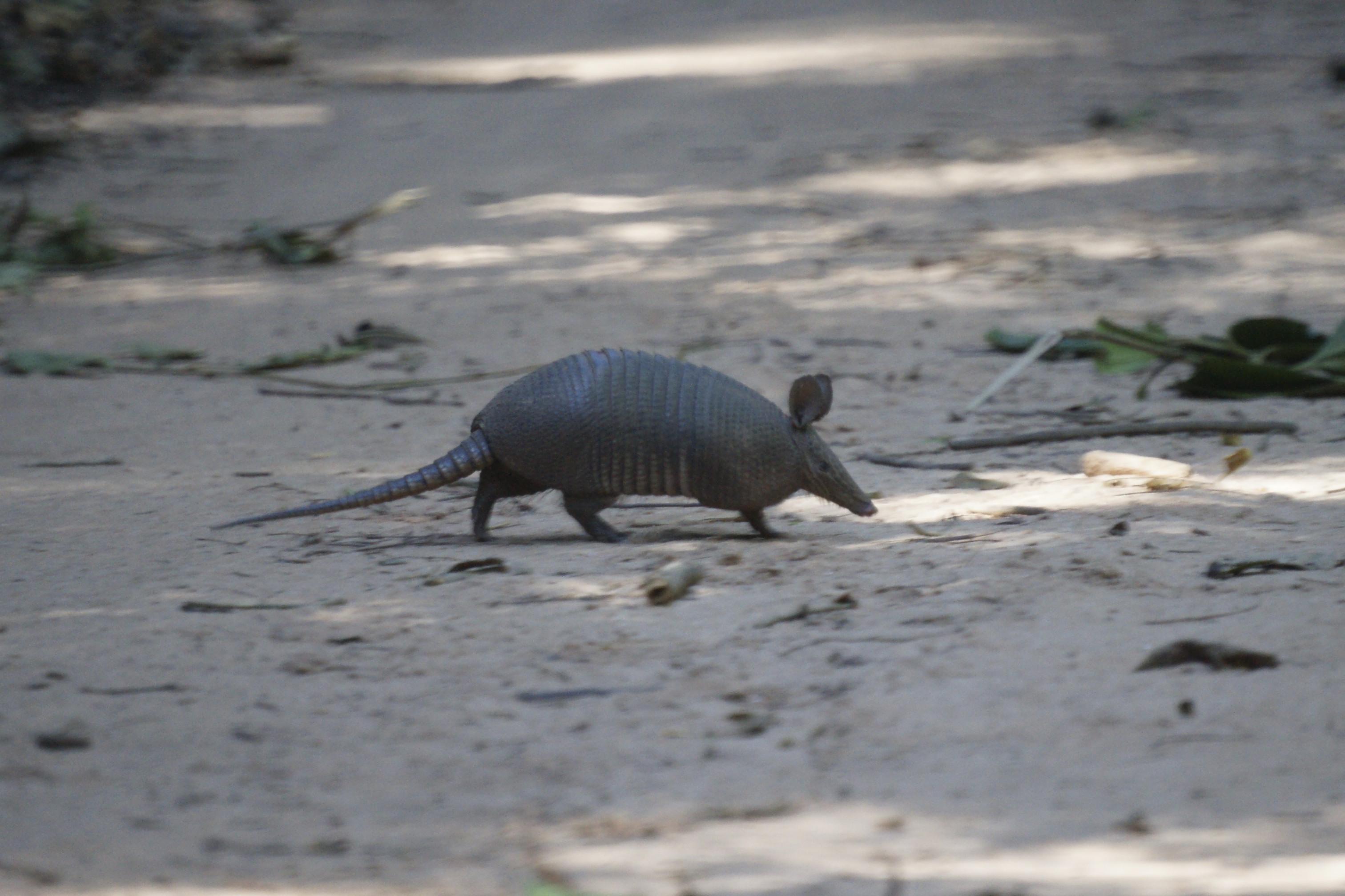
We spent a long time with the Muriqui, but as is always the case, time in the field is always rewarded. The day yielded 44 species of bird and three more primates … Buffy-headed Marmoset, Brown Howler and Black Capuchin. Plus a Nine-banded Armadillo made a brief appearance, it’s rare to see these at all and most sightings are at night.

Black Capuchin
Nine-banded Armadillo

And the wildlife …

… treated me very kindly.

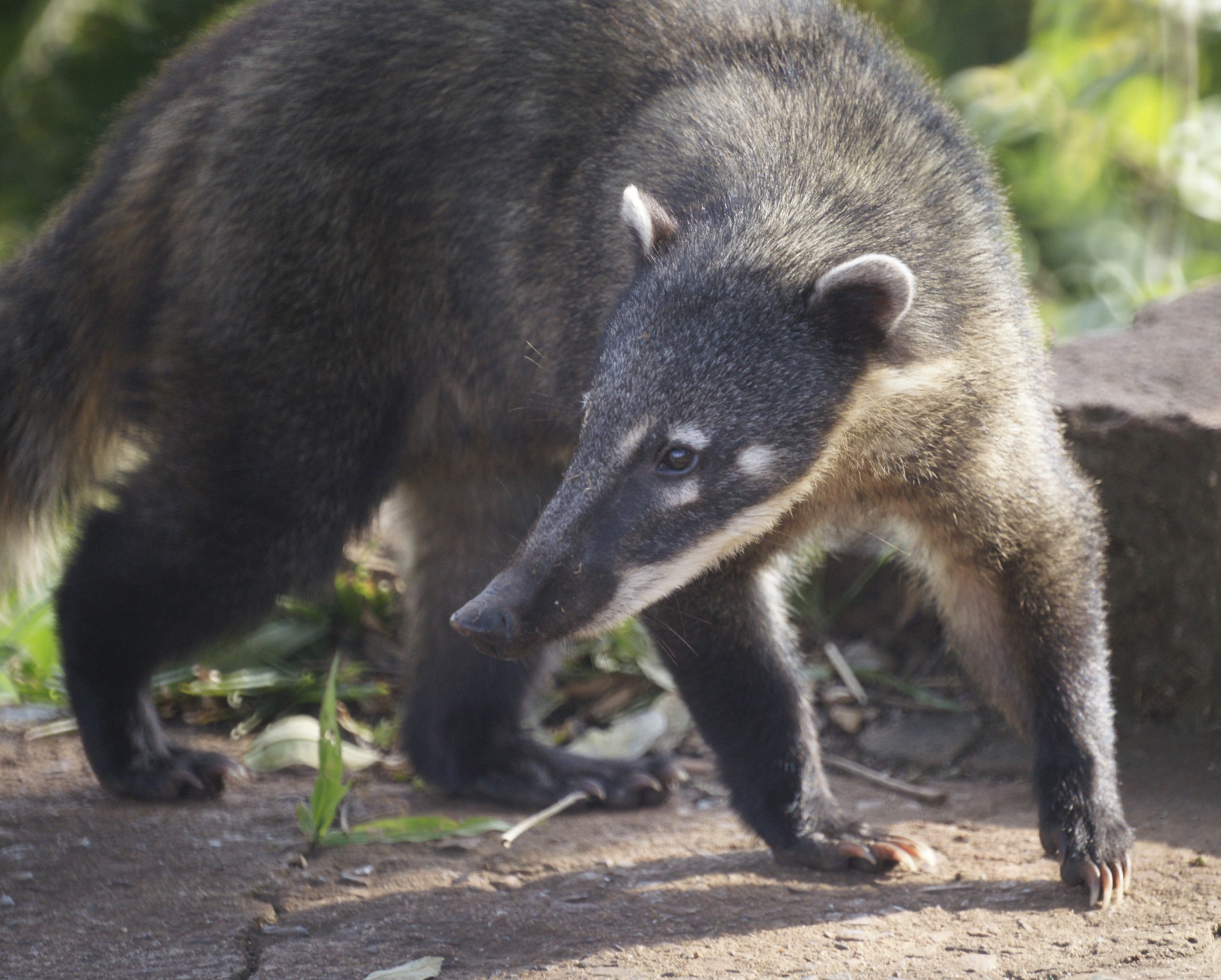
The South American Coati, Nasua nasua, is quite common at Iguaçu. It is a member of the raccoon family (Procyonidae). They are about 30 cm tall at the shoulder, and weigh between 2 and 8 kg. Males are much bigger than females and once mature live a solitary life except in the mating season. Females and young tend to travel in bands with their tails raised. They are equipped with powerful claws and sharp teeth, the long tail is not prehensile. Their snout is capable of quite a range of movement.


The Black Capuchin is less intrusive in its habits. It is a primate, of course.

One of the rarest and most spectacular birds that I saw on the trip was the Black-fronted Piping-Guan, Aburria jacutinga, crippling views …


Cataratas do Iguaçu …

The Iguaçu river arises on the inland side of the Brazilian coastal range. Water that falls on the other side of the watershed doesn’t have far to travel to the sea, but the Iguaçu heads west through Paraná State, becomes the border between Brazil and Argentina and after 1,320 km it empties into the Paraná River at the point where the borders of Argentina, Brazil, and Paraguay meet, the Triple Frontier. The Paraná goes on to collect the Paraguay River and later the Uruguay River forming the Río de la Plata which empties into the Atlantic Ocean at Buenos Aires. It is the second longest river system in South America.

Not far from the Triple Frontier the Iguaçu drops with spectacular force over the edge of the Paraná Plateau.

The edge of the falls is 2.7 km long and the flow is interrupted by islands. The most spectacular point is the Devil’s Throat (since I am standing on the Brazilian side, the Garganta do Diabo).This is a long and narrow chasm 82 meters high, 150 m wide, and 700 m long. It collects about half of the river’s flow.

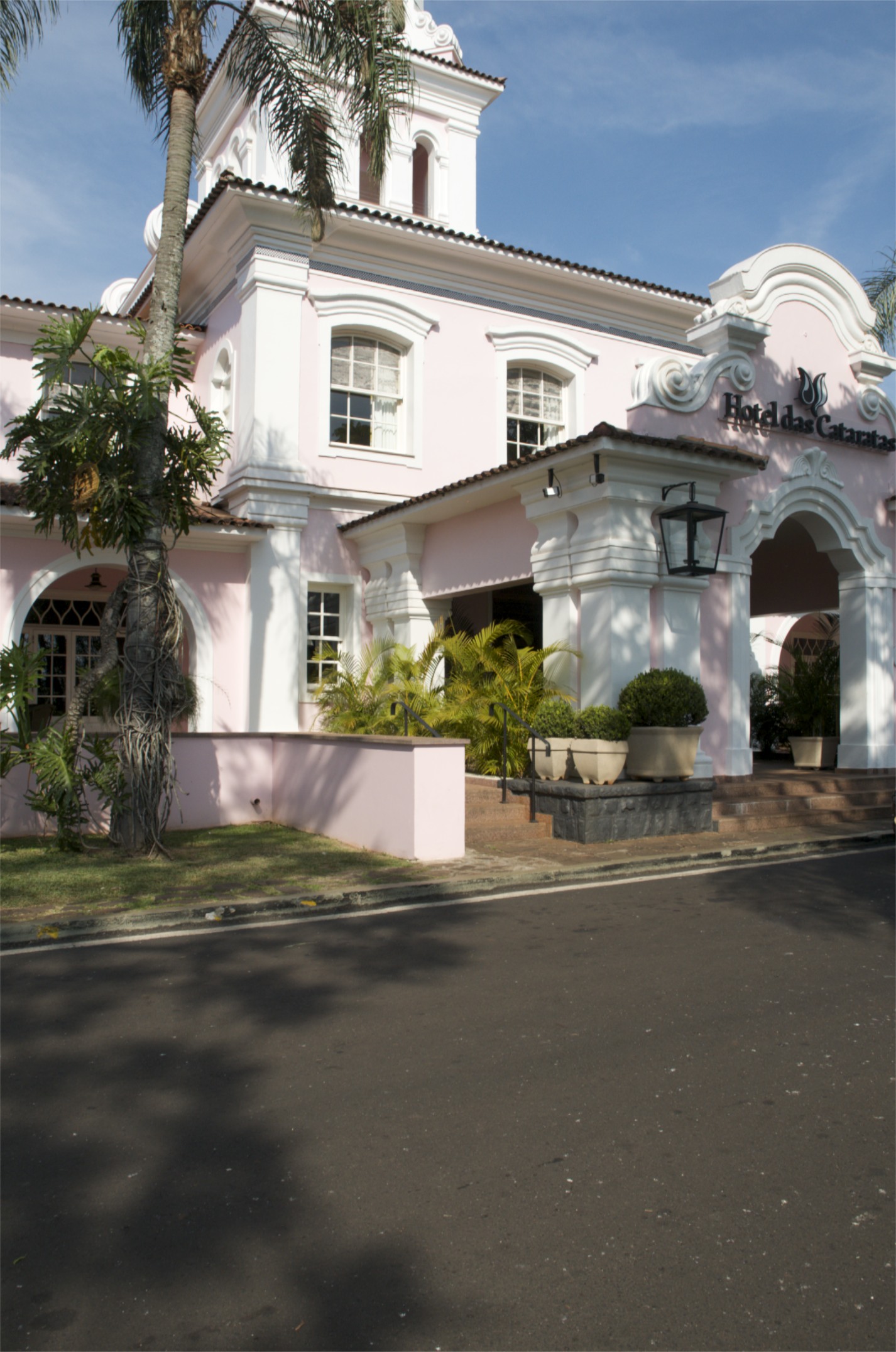
The area surrounding the falls is protected by national park on both the Brazilian and Argentine side. There is a gorgeous old hotel on the Brazilian side …
Turning right about 120 degrees gives a view of the falls …
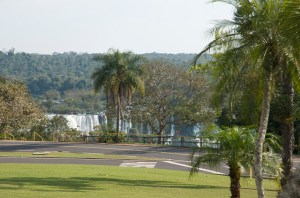
Walkways from the hotel take you down hill slowly to the foot of the falls. An elevator! will take you up to a car park to catch a bus back if you want. For those with more vigour it’s not that arduous a walk back.

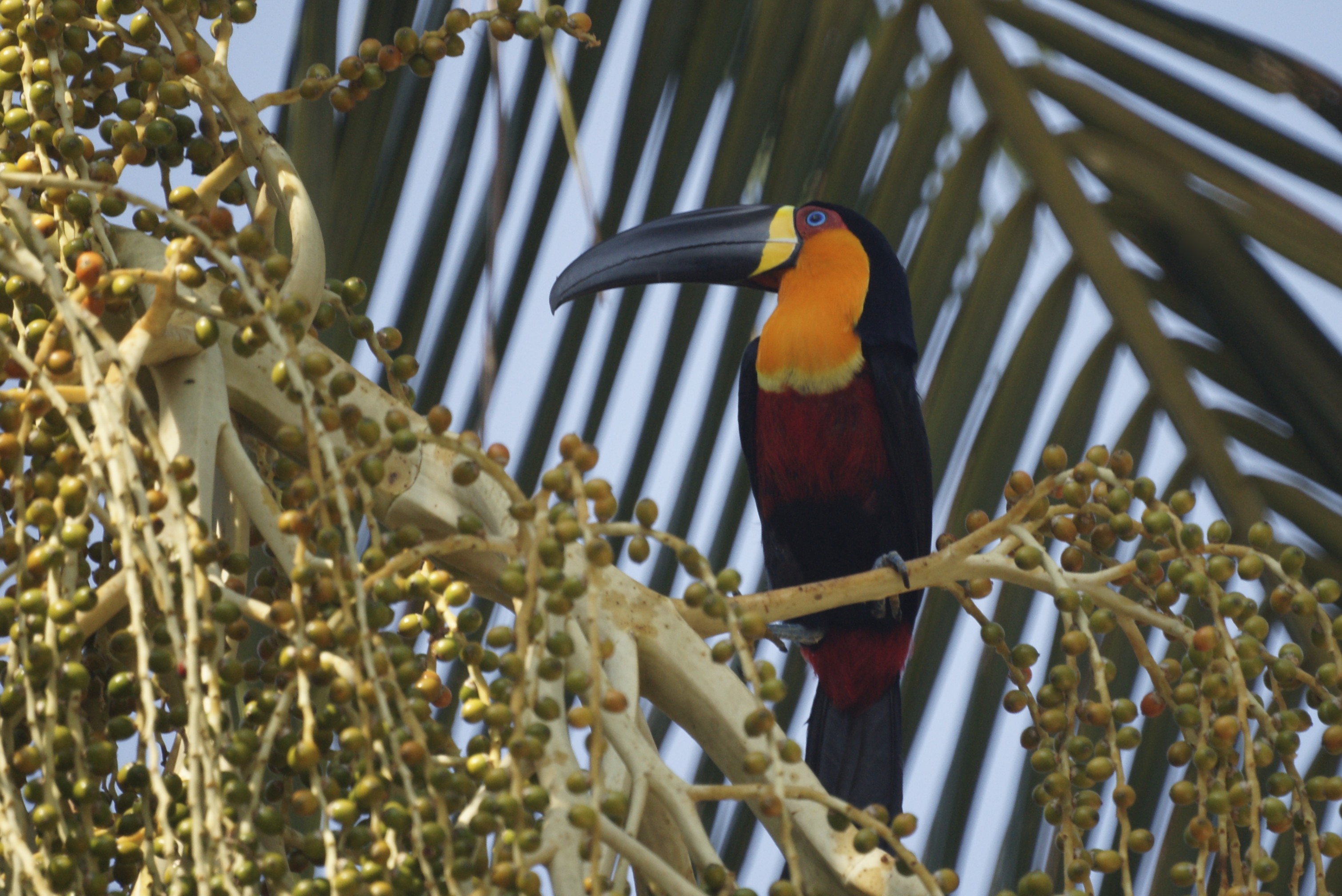
The forest around the falls is rich in wildlife. We encountered Coatis, Black Capuchin monkeys and Azara’s Agouti. Don’t feed the wildlife – remember Brazil does have rabies although Amazon bats and urban dogs are the main vectors. The bird list grew rapidly and included Red-rumped Cacique, Surucua Trogon, Toco Toucan, Plush-crested Jay and Chestnut-eared Aracari just to mention the more spectacular. And the butterflies were doing their best to rival the birds.

Great Dusky Swifts congregate in immense numbers above the falls and roost behind the curtains of water.

 

There is no one spot that permits a view of all the falls. The experience has to be put together in increments. To see the falls from one side only would be to sell yourself short, so tomorrow it’s off to Argentina.

 

Jardim Botanico, Rio …

Just a short ride from Ipanema and a pleasant and gentle introduction to the bird watching potential of southern Brazil.

Rio de Janeiro’s Jardim Botanico was created in 1808 by the then Prince Regent Dom João VI who became the 17th King of Portugal. The garden officially opened in 1822, just a few years before Dom João’s death. You can find more information <HERE>.

I was there on 21 September 2012. Birding highlights included Flame-crested Tanager, Channel-billed Toucan, Slaty-breasted Woodrail, Red-shouldered Macaw and Chestnut-backed Antshrike.

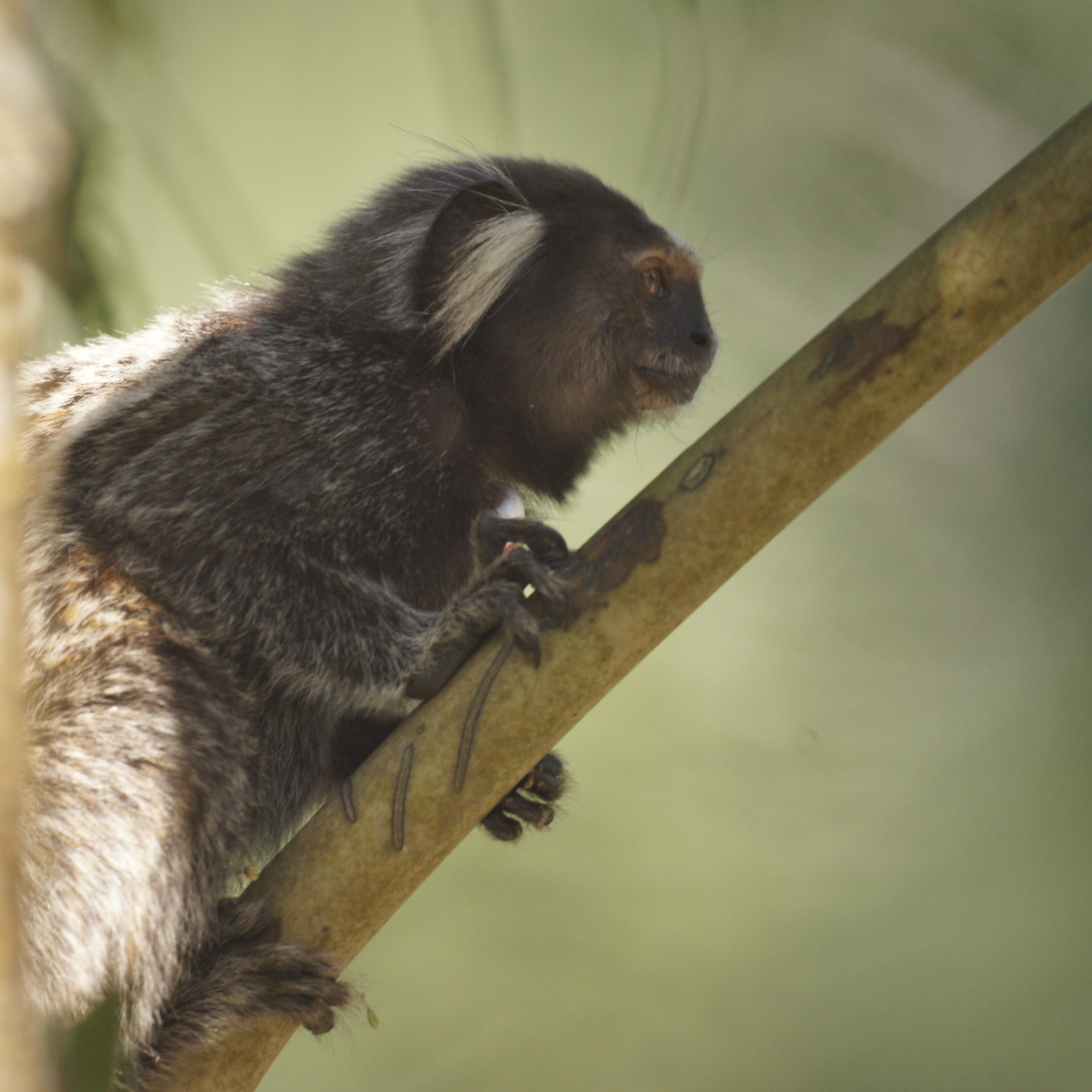
There were also good views of Guianan Squirrel and White-tufted Marmoset to kick off the mammal list.

The marmoset is treated as a full species by some (Callithrix jacchus) while others lump it with some close relatives as the Common Marmoset. It occurs naturally further north but has been introduced to Rio and other places in South America.

Do keep off the grass, the gardens are patrolled, very efficiently, by officials on bikes!

Birdwatch Ipanema …

Well, the beach springs immediately to mind …

It’s not overly rich in the feathered variety but well worth checking out.

Magnificent Frigatebirds are plentiful.

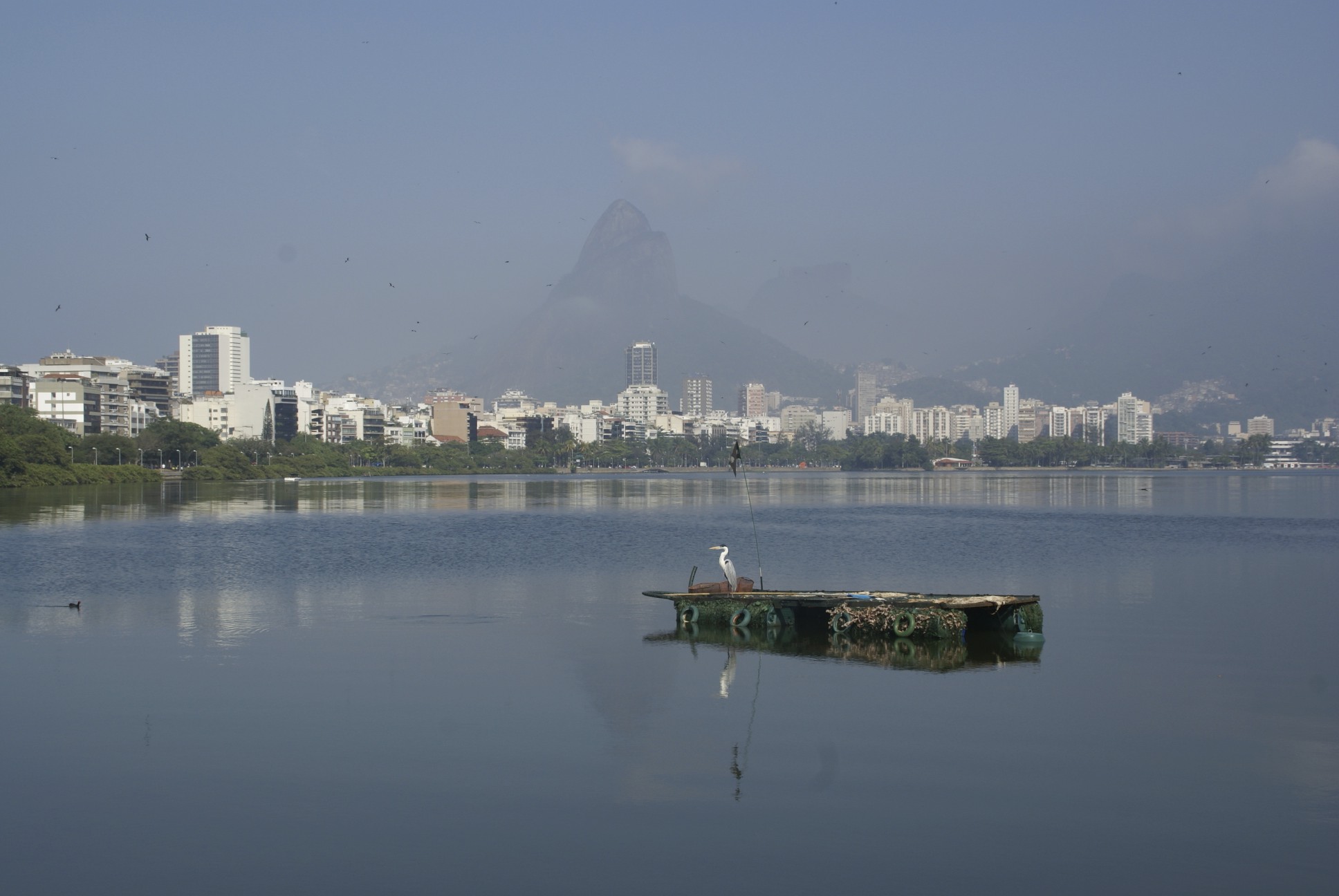
Behind the beachfront development there is the Lagoa Rodrigo de Freitas. A pleasant place to stroll and get to know some of the common species. A complete circuit is about 7.5 kilometres. It’s mangrove fringed in part.

A Coccoi Heron in the foreground and keep an eye out for the Rufous Hornero …

Common species include Black Vultures overhead, Common Moorhen, Neotropical Cormorant, Great Egret and Coccoi Heron on or by the water. Saffron Finch and Masked Water-tyrant were very evident on the banks earlier this month.

And from Ipanema it’s just a short ride to the botanical gardens …