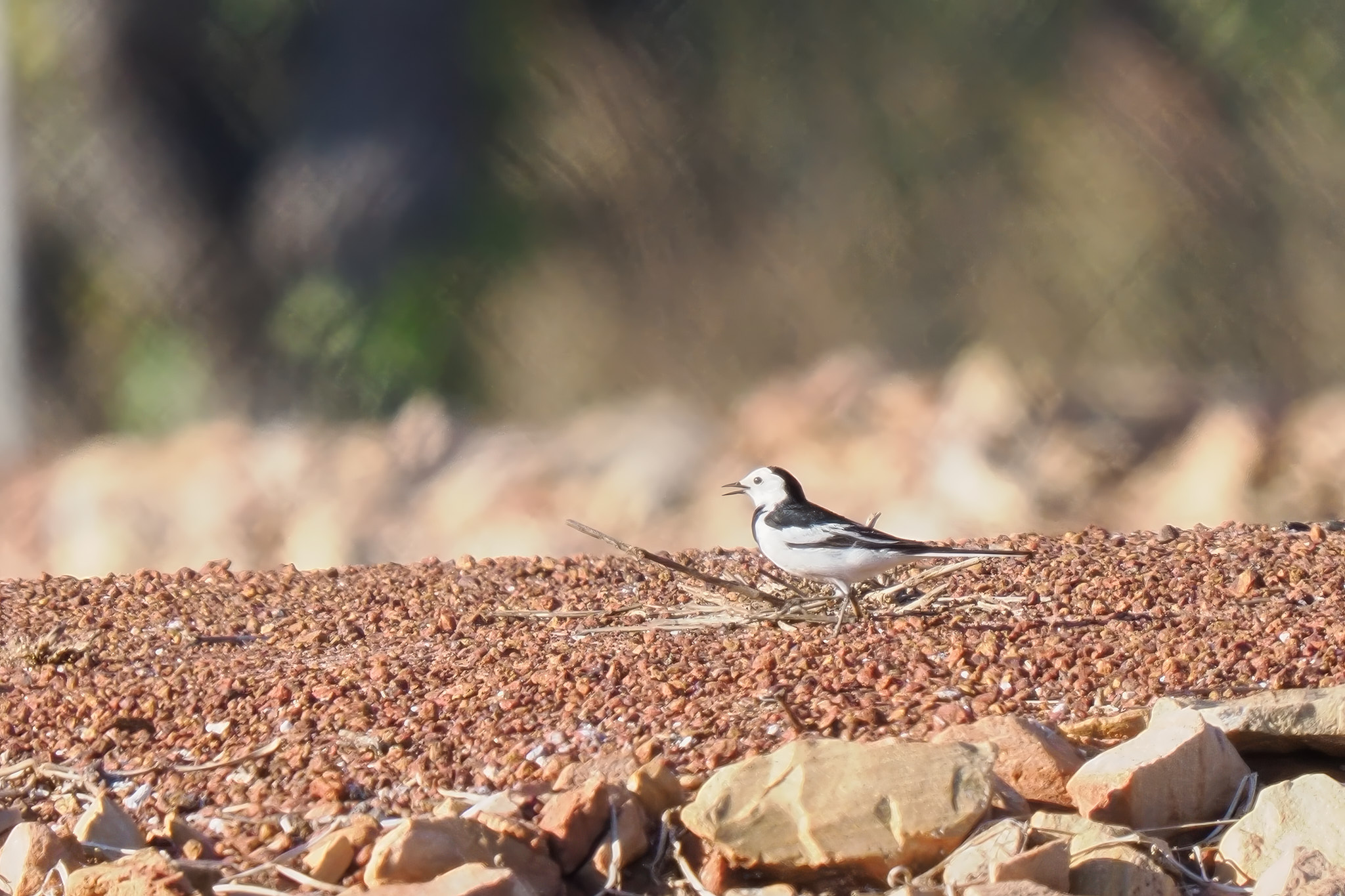
I received the message at about 10.30 am yesterday. A White Wagtail at Ardyaloon Water Treatment plant. Broome to Ardyaloon is a mere 217 km. White Wagtail was a familiar bird in my English youth. I have over 80 records of the species from Iceland, continental Europe, the Russian far east, India and Japan but it was not on my Australian list. It doesn’t routinely occur here although vagrants do turn up from time to time. By 1 pm I was looking at it.
It was a busy bird, not easy to find as it meandered among rocks at the water’s edge. Gayle found it first. It was an Oz tick for her as well. Fortunately it didn’t fly before I saw it too. It was a lifer for the dog.
I might have got a better photograph if I wasn’t restrained by a chain link fence, but hey.
A number of subspecies have been described. This guy is a male Motacilla alba leucopsis. This subspecies breeds in China.
I have always enjoyed the thrill of adding a new species to a major list but this event really qualifies as my first twitch. During my working life I could not afford the luxury of dropping everything and rushing off to see a distant rarity. I hope to do it again soon.
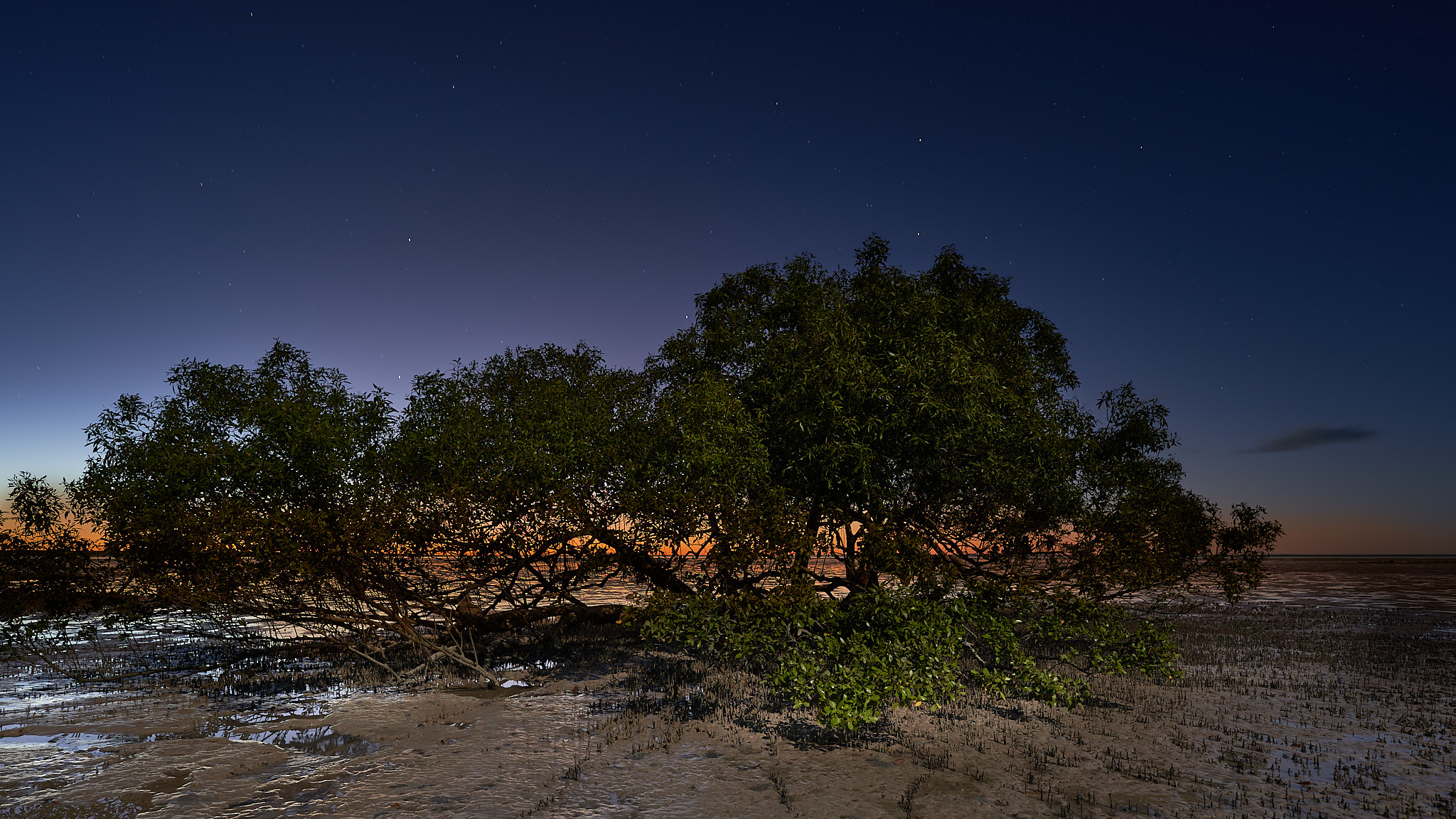
It’s an hour before dawn, the vault of the sky is cobalt blue. The foreground is lit by the almost full moon behind me. The tide is way out. I’m up to my ankles in mud and making a blood donation to a flock of mosquitoes. And I thank those lucky stars for the opportunity to be here to see and photograph this exquisite moment.
It almost seems like cheating. Pools left behind by the tide’s retreat are places where the little fish can take a break from the dangers posed by the big fish but they are by no means safe. Eastern Reef Egrets are very efficient hunters in the small pools.
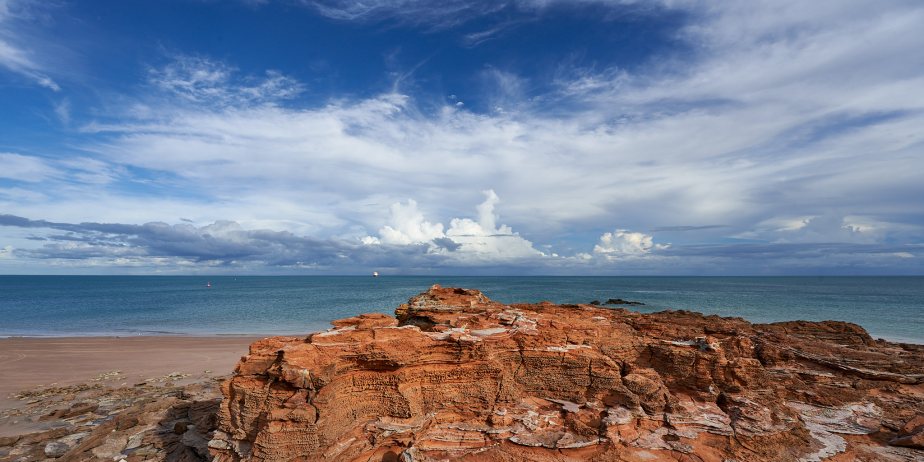
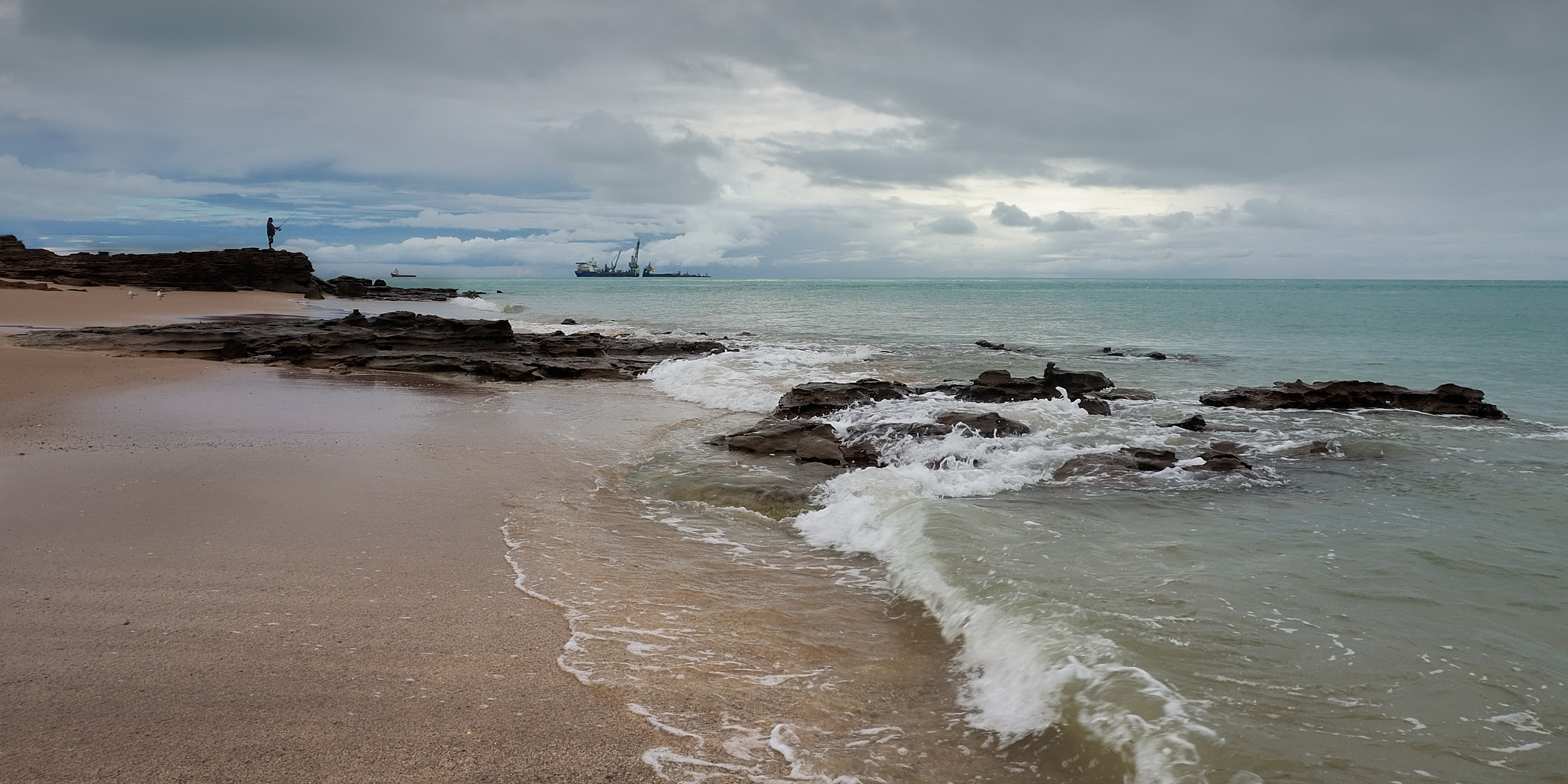
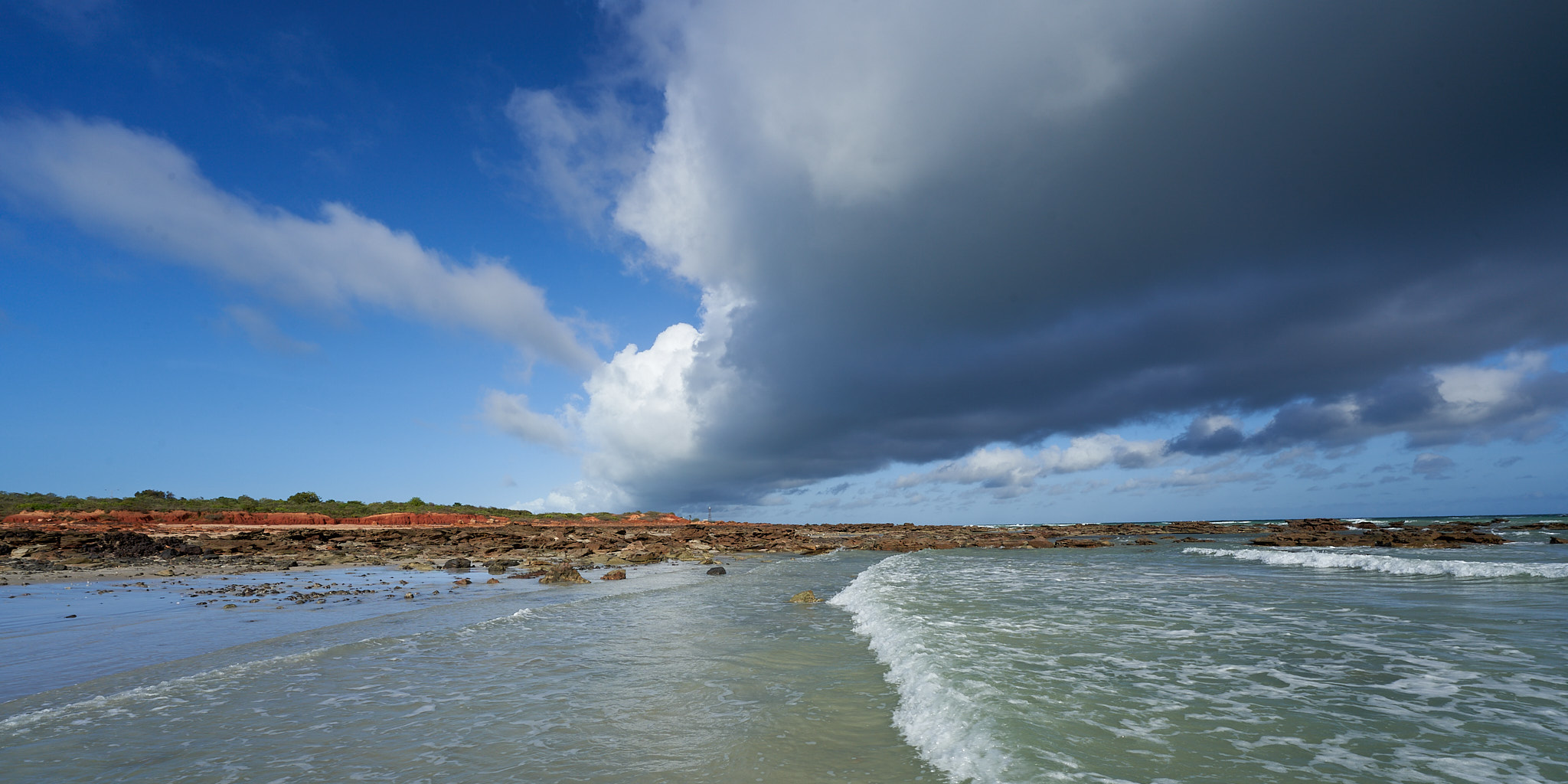
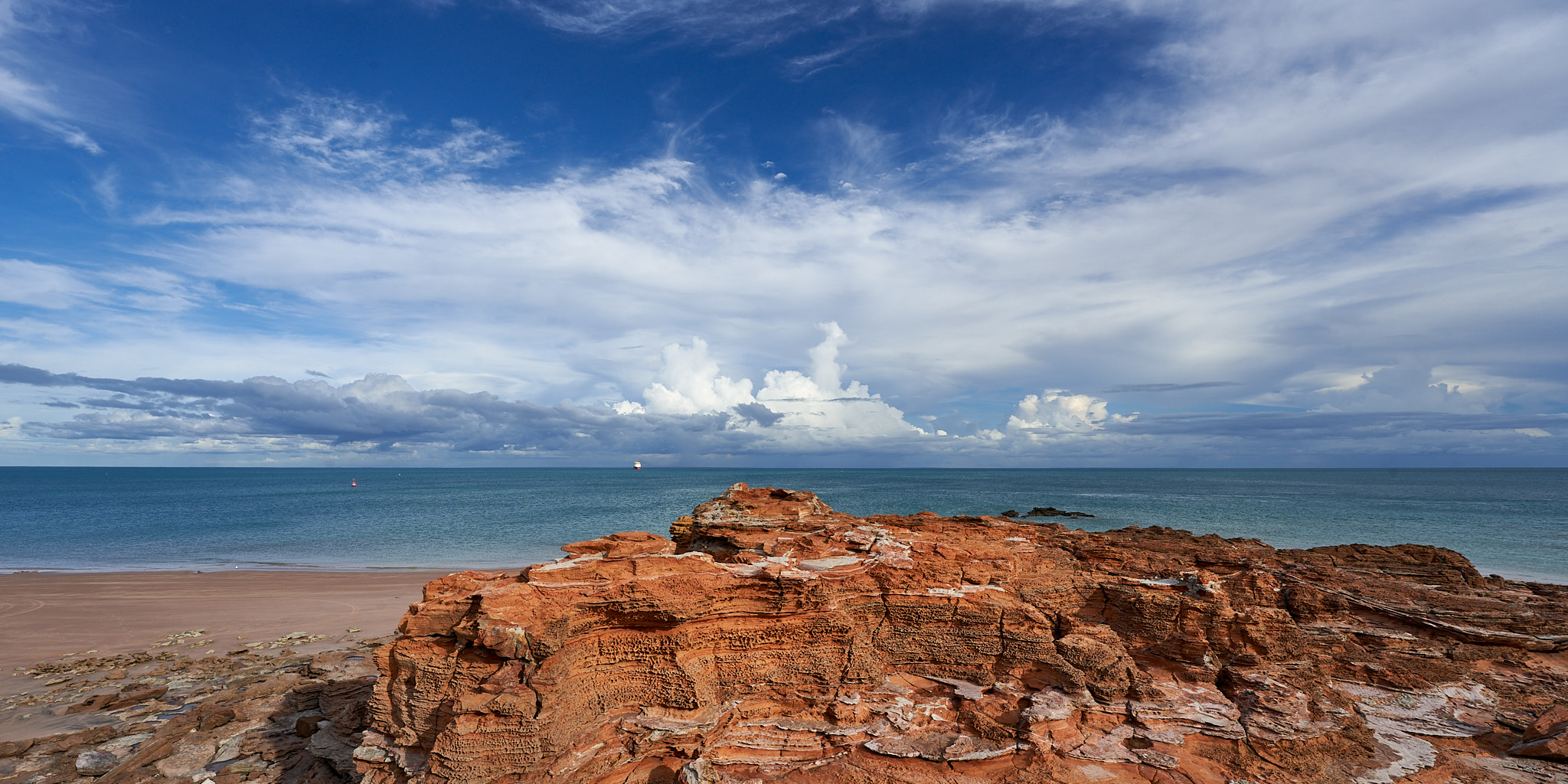
Nature has been serving up so photogenic skies in recent days …
Click on the gallery to get a good look.
And some house keeping …
It seems that Telstra is draining the pond. Australian followers with a bigpond address may soon lose their email address. As well as losing your username in virtually everything you subscribe to you will also not get this blog by email. Quel dommage. My preferred solution is for you to make bobmcgee.live your home page. A more sensible solution may be to re-subscribe once you have sorted your email woes out.
What a beautiful word. I wonder who made it up. It crops up because I was discussing with a friend the fact that tide heights are greater at the equinoxes. Here in Broome we had particularly high (and low) tides a couple of days ago. “Ah, but,” he said “it’s not the equinox until the 20th of March”. “Ah, but” I said and changed the subject.
But he’s right of course and I went looking for the explanation and found that the biggest tide is the syzygial tide falling closest to the equinox. Progress, well given that I thought Syzygy was a Polish surname, limited progress. So I went looking for a definition I could cut and paste and found this …
“Syzygy definition: an alignment of three celestial objects, as the sun, the earth, and either the moon or a planet.” Thank you Dictionary.com.
I also found this from the Cambridge Dictionary …
“an arrangement in which two or more planets, stars, etc. are in a straight line.”
Perhaps someone should point out to the Cambridge Dictionary that two objects are always in a straight line.
The three objects with maximum impact on the tide are of course the sun, moon and earth. Their syzygy occurs twice every lunar month and gives us the spring tides (and if I’ve told you once I’ve told you a dozen times that has nothing to do with the seasons). Why should the tide be even bigger at the equinox? I am indebted to Incnis Mrsi for this explanation …
“The Moon’s orbit is inclined to the ecliptic by about 5° only (cos 5° ≈ 0.996), so two tides are aligned almost perfectly on a Moon’s syzygy during whichever season. The difference is that, during/near an equinox, this line also lies in the equatorial plane and rotational motion of Earth’s surface/hydrosphere/crust can direct the stuff to move along this tidal line to a maximal range possible. At least, on the equator.”
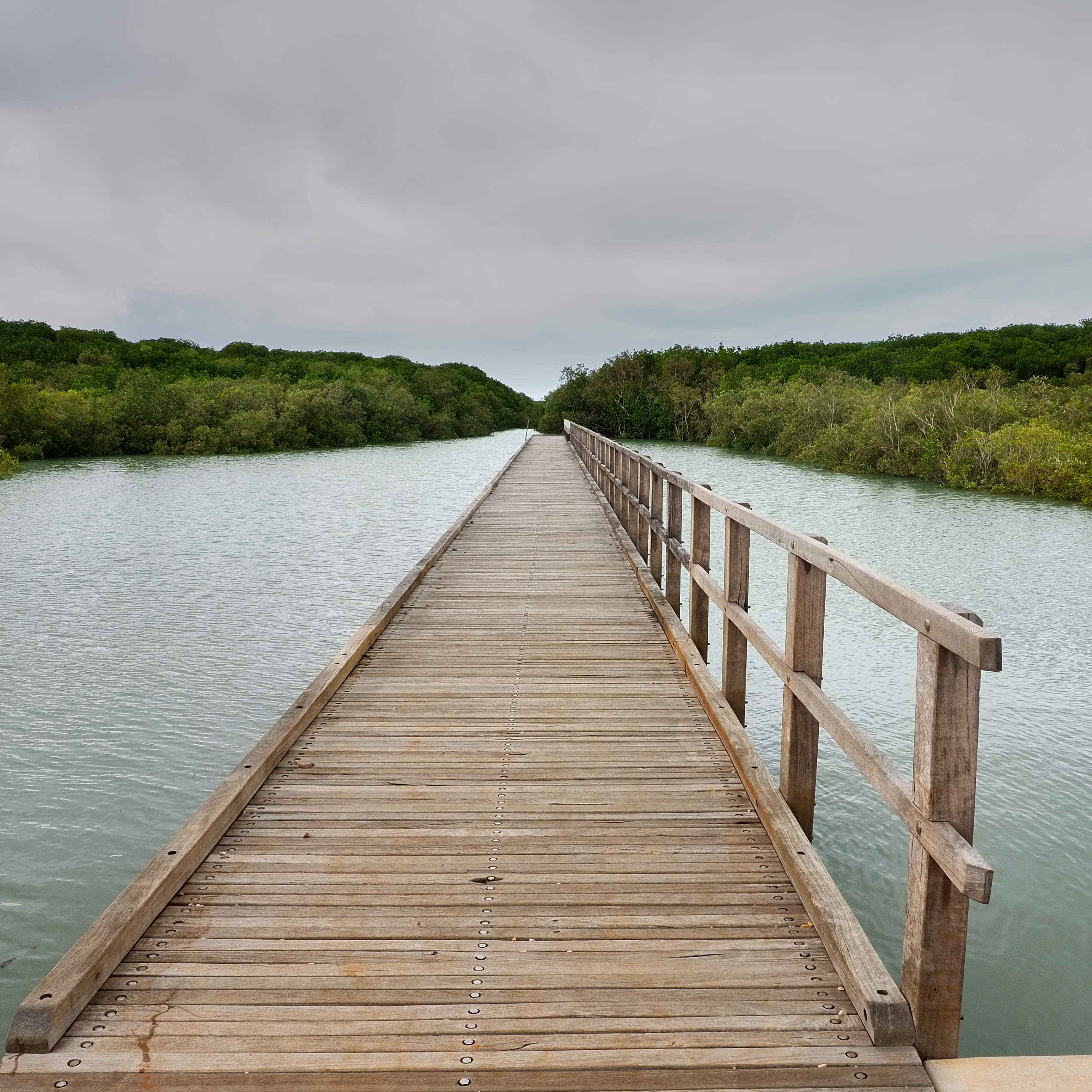
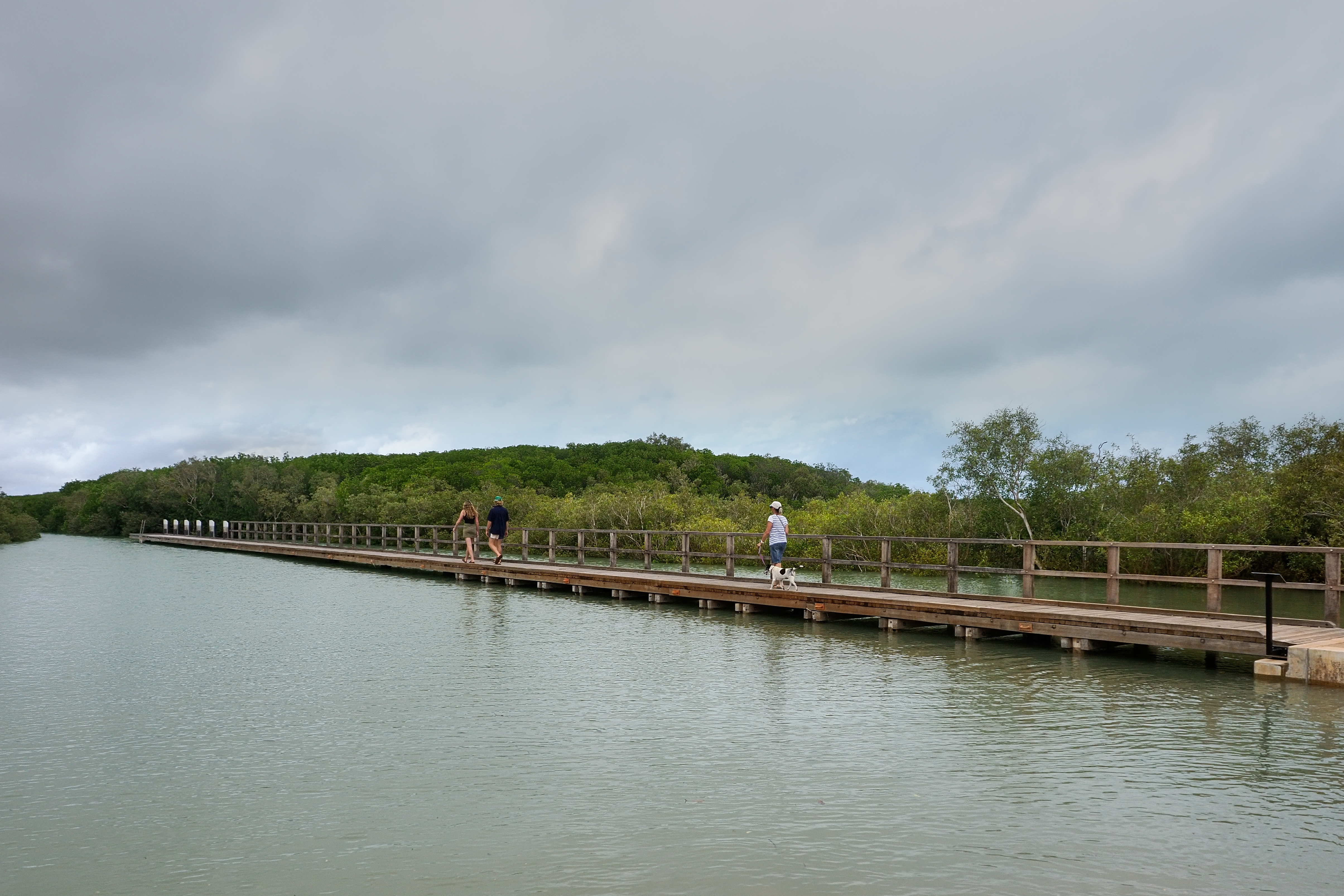
Streeters Jetty at low and a high spring tide, Mrs Syzygy can be seen walking her dog …
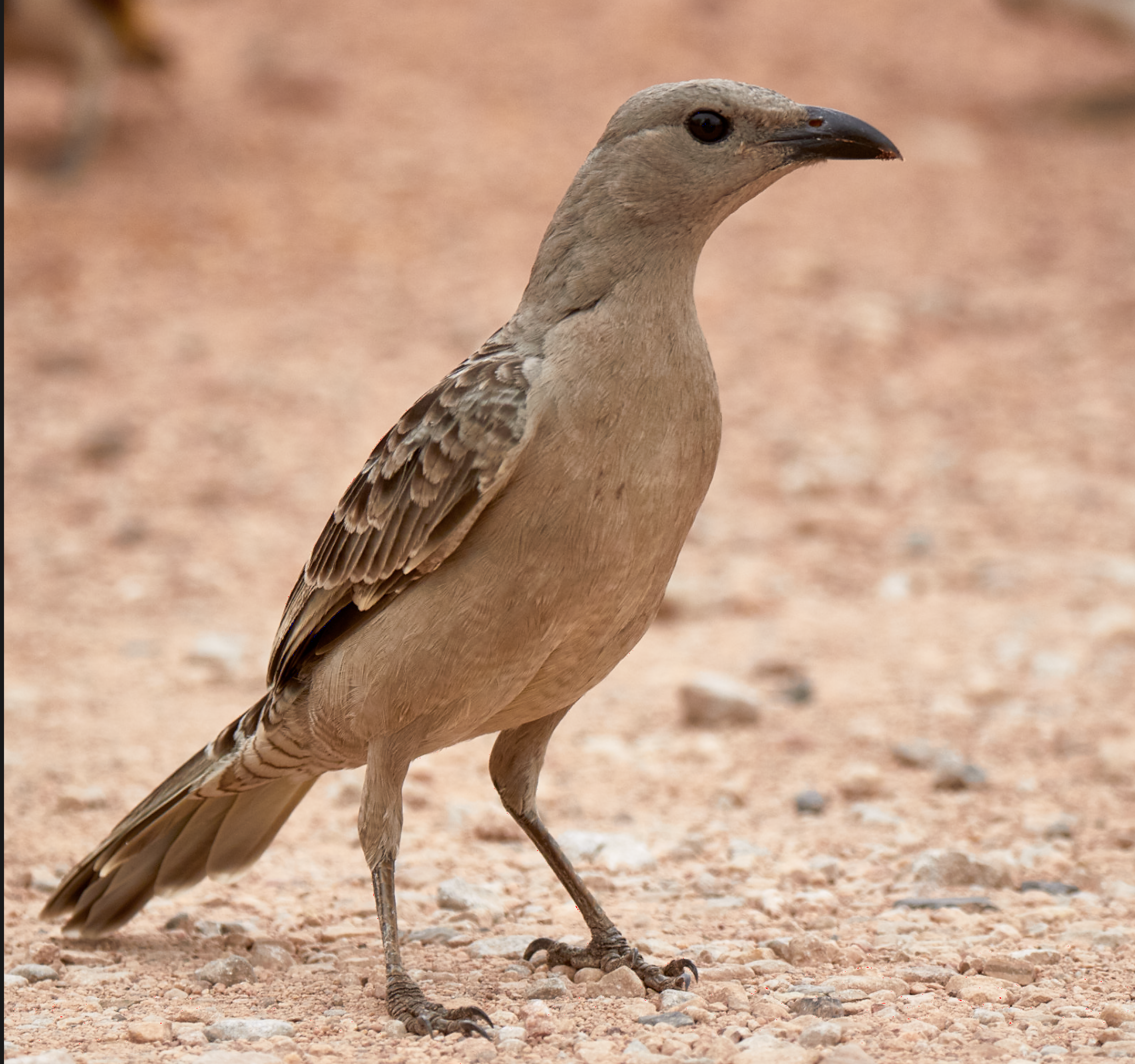
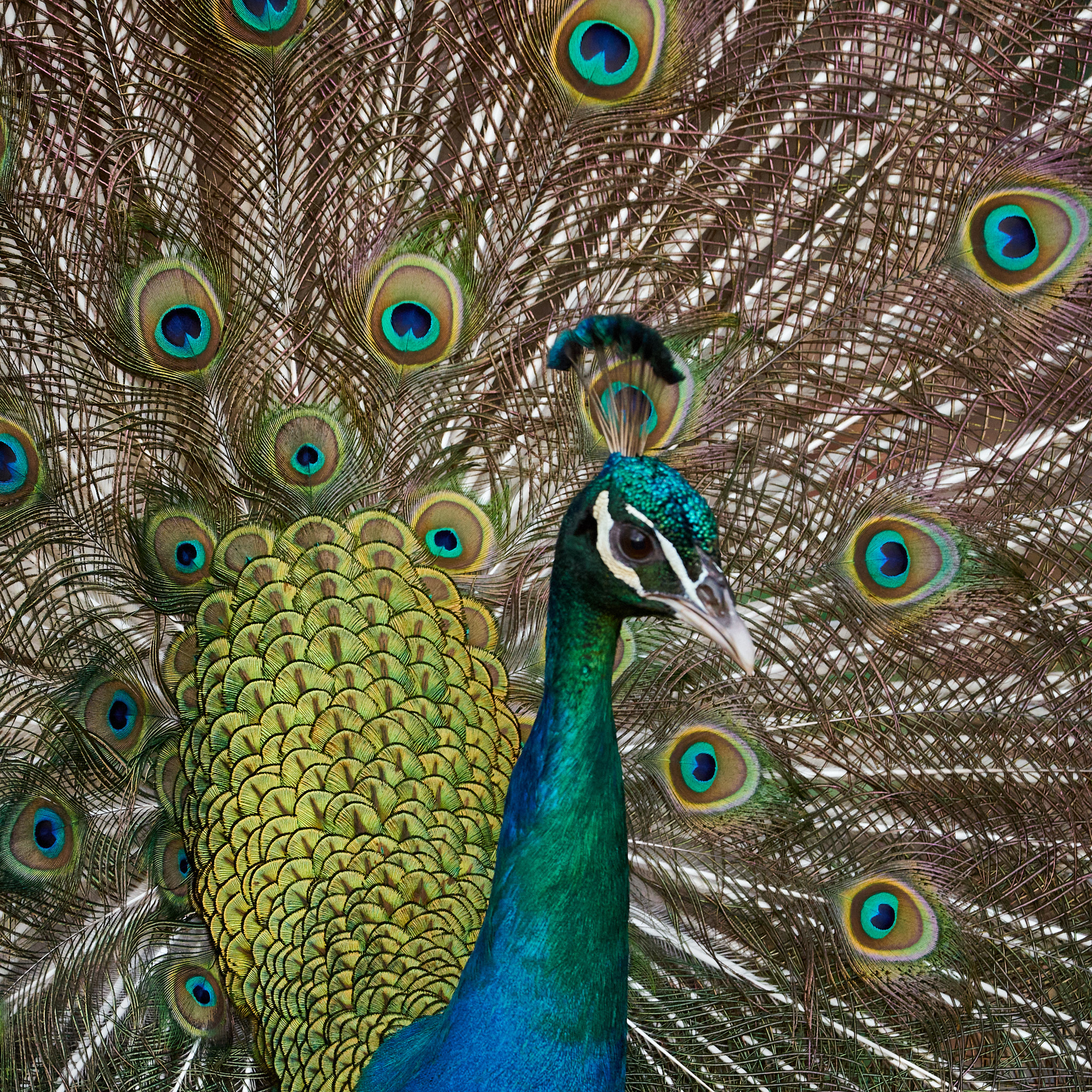
A trip to Town Beach here in Broome is likely to turn up some Great Bowerbirds and a few meters away some Fiddler Crabs. These creatures have something in common. The females are extremely fussy about their choice of mate. All the more surprising since the mate’s only contribution in both cases will be a dollop of sperm. These are good examples of sexual selection which can give rise to some fairly strange structures and behaviours. Other famous examples are the Peacock’s tail and the extraordinary size difference between male and female Elephant Seals but there are examples to be found throughout the realms of biology including in insects, birds, mammals, amphibians and even fungi. The choosy gender is usually but not always the female.
Great Bowerbirdthe bowerPeacockAustrucamjoebergi
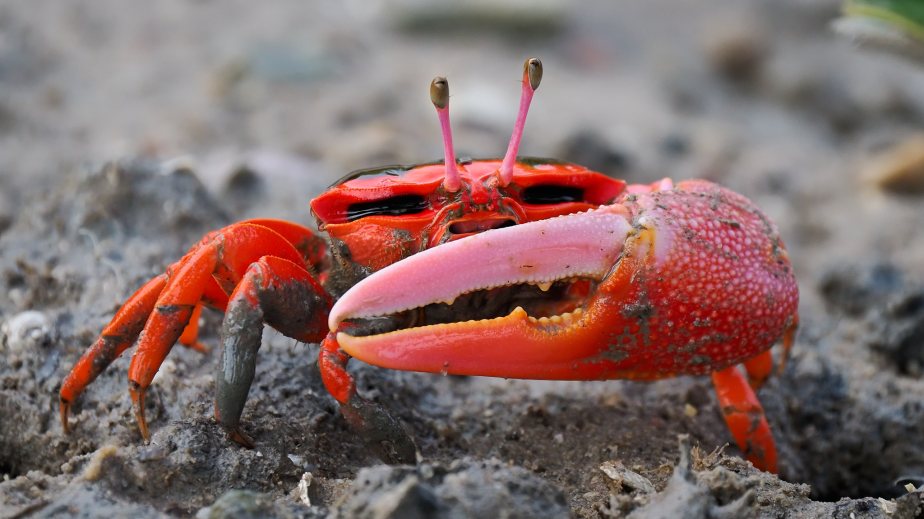
The common Fiddler Crab at Town Beach is not the gorgeous Flamed-back but a smaller, less flamboyant crab, the males of which have a big yellow claw, and again some are left handed and some are right. I must do a census. They are Banana Fiddler Crabs, Austrucamjoebergi(formerly Uca mjoebergi )one of about 100 fiddlers world wide of which about 20 are found in Australia. They happen to have been thoroughly studied by Patricia Backwell and colleagues.
The crabs hold territories in colonies. Each territory has a hole at its centre. Fiddlers feed on the surface when the tide is out. Their hole is their place of refuge and a water source where they can moisten their gills. Without a hole predation or desiccation would shorten their life expectancy drastically. Males fight to keep possession of their hole and the surrounding territory. Females also hold territories but with less aggro. They are sometimes dispossessed by males or other females in which case they must find a new hole or share one with a male.
Females breed every month involving two weeks of incubation followed by two weeks of feeding up. Mating and incubation take place in a burrow. After mating the male returns to the surface and plugs the opening. He stays inside with the female for a few days which ensures she doesn’t have opportunity to mate with another male. Then he leaves after sealing her in again. Incubation takes a couple of weeks. The larvae are released into the water on a nocturnal spring tide when all parental care ceases.
It follows that crabs wandering abroad in the colony are males looking for a new territory, females looking for a mate or females looking for a new territory.
What sort of mate are the ladies looking for? Backwell and company, by observation and by use of robot claws have established that size matters, speed matters and taking the lead matters. Having a nice burrow is the clincher. Female fiddlers given the choice of two males will chose the one with the bigger brighter yellow claw. Faster waving rates are preferred, where rates are the same but slightly out of sync the leader is preferred over the follower. Having made her choice the female will then inspect the burrow.
How fussy are they? Fairly fussy. Females typically visit 4 to 6 males before making their choice.
Female fiddlers have two equal feeding claws that they use to gather food and shovel it into their rather complicated mouths. Males have to make do with only one whilst carrying around their dominant claw which is useless for feeding and pay the costs of building it and waving it about.
The male Great Bowerbird builds an avenue out of sticks planted upright in the ground. He decorates the front verandah with white or silver jewels such as shells or ring-pull tabs. He attends and maintains the bower and stands ready to greet and entertain any female that visits. She will check out several males. Like the male fiddler crab he will shag any female that consents. She chooses him. He will play no role in nest building, incubation or feeding of youngsters.
The guy with the bigger claw or the better bower gets more than his fair share of copulations and contributes more of his genes to the subsequent generation. In exchange she gets no assistance at all. What’s in it for her, why is she so fussy? About half her offspring will be male. His genetic contribution is a bigger claw or a better bower giving her male offspring a better chance in the mating race. Her daughters will always be able to take their pick.
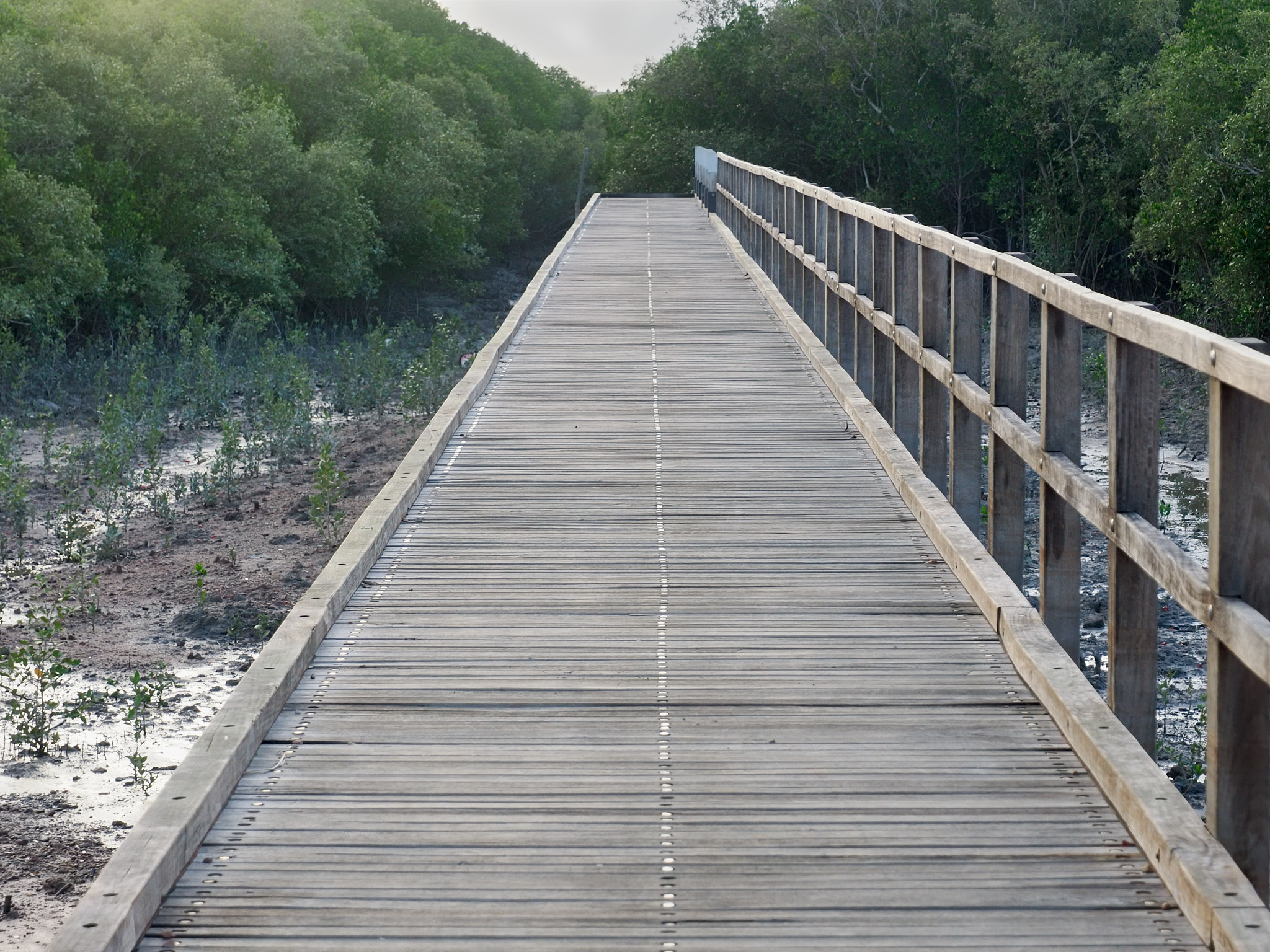
Into the mangroves once again. There’s no shortage but Streeters Jetty is easy of access and quite productive. The jetty is at the site of Broome’s very first jetty although what stands there now is a recent replacement. It is not faring too well, already showing signs of rotting boards. It certainly doesn’t have an easy life. The walkway is inundated by the highest tides which will happen again in the next few days.
The common mangroves here are Avicennia marina and Rhizophora stylosa and they provide habitat for an amazing menagerie. I’m always impressed by the Flame-backed Fiddler Crabs, Tubuca flammula. I have a friend who thought it would be interesting to find out what a nip from one would be like. Not only interesting, but for me also very entertaining as he danced around trying to shake it off. Don’t try it at home. It’s best left to the experts.
Rhizophora stylosaTubuca flammulaTubuca flammula
It’s the males that have the enormous dominant claw. Note that one is left handed and the other right. Females are equipped with a pair of small nippers.
A few of the regular avian suspects were ready to pose.
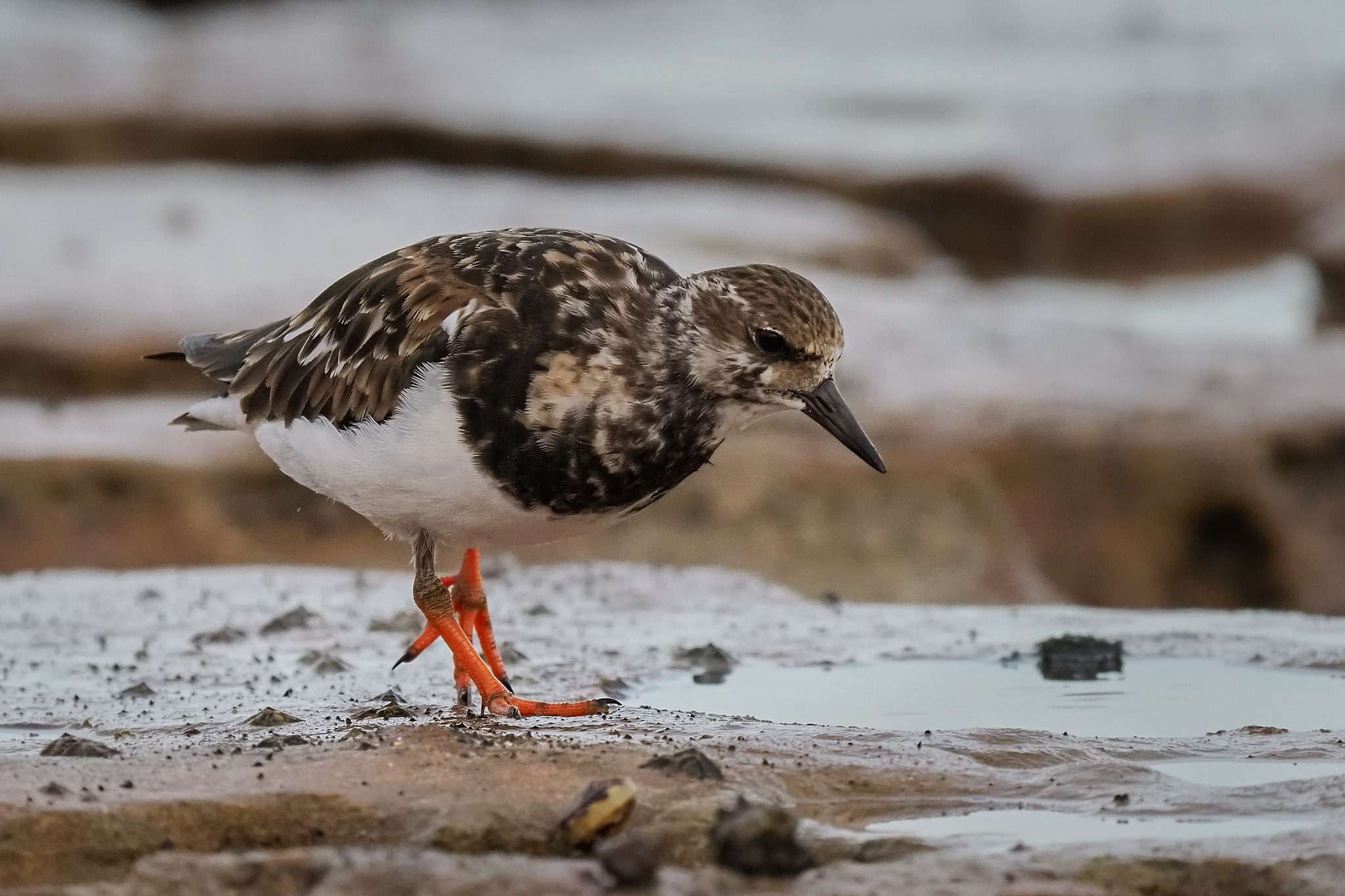
They are not especially uncommon but they do not permit close approach. The extra reach of the 150-400mm lens and the built in 1.25 teleconverter and some superb field craft has enabled me to get the best Ruddy Turnstone shots of my career. The field craft, I confess, consisted of sitting on a rock and being patient.
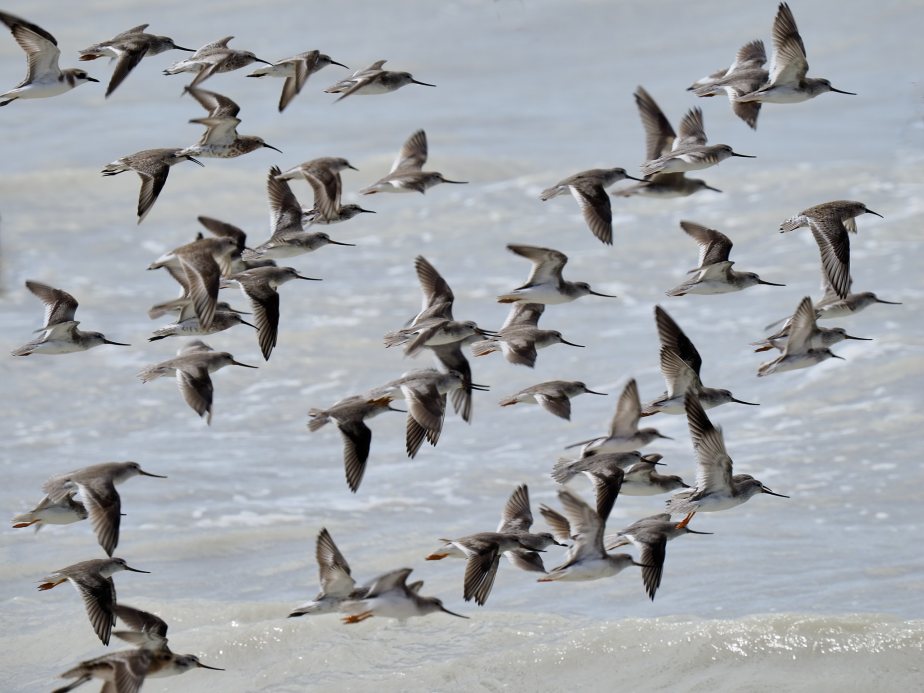
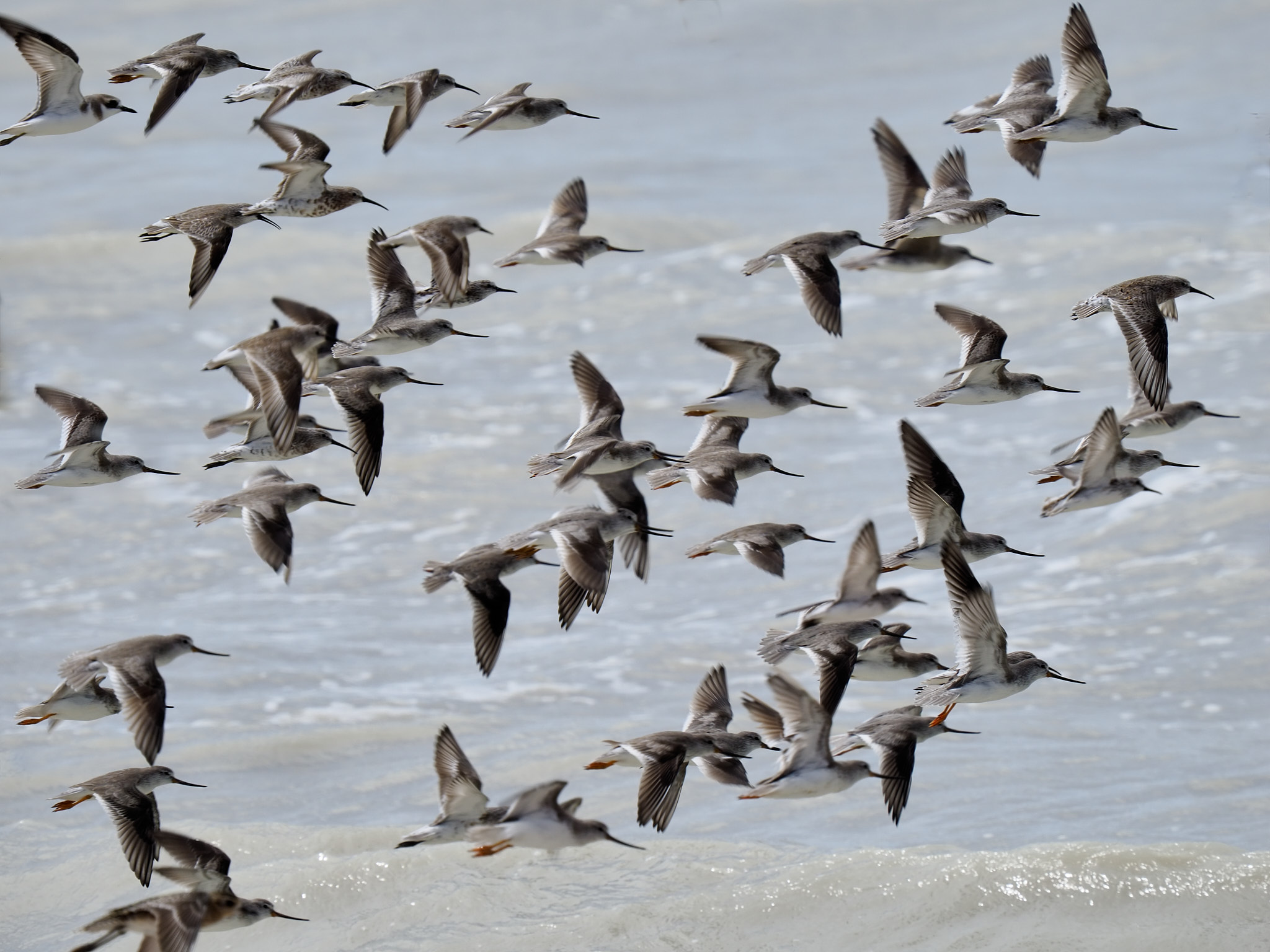
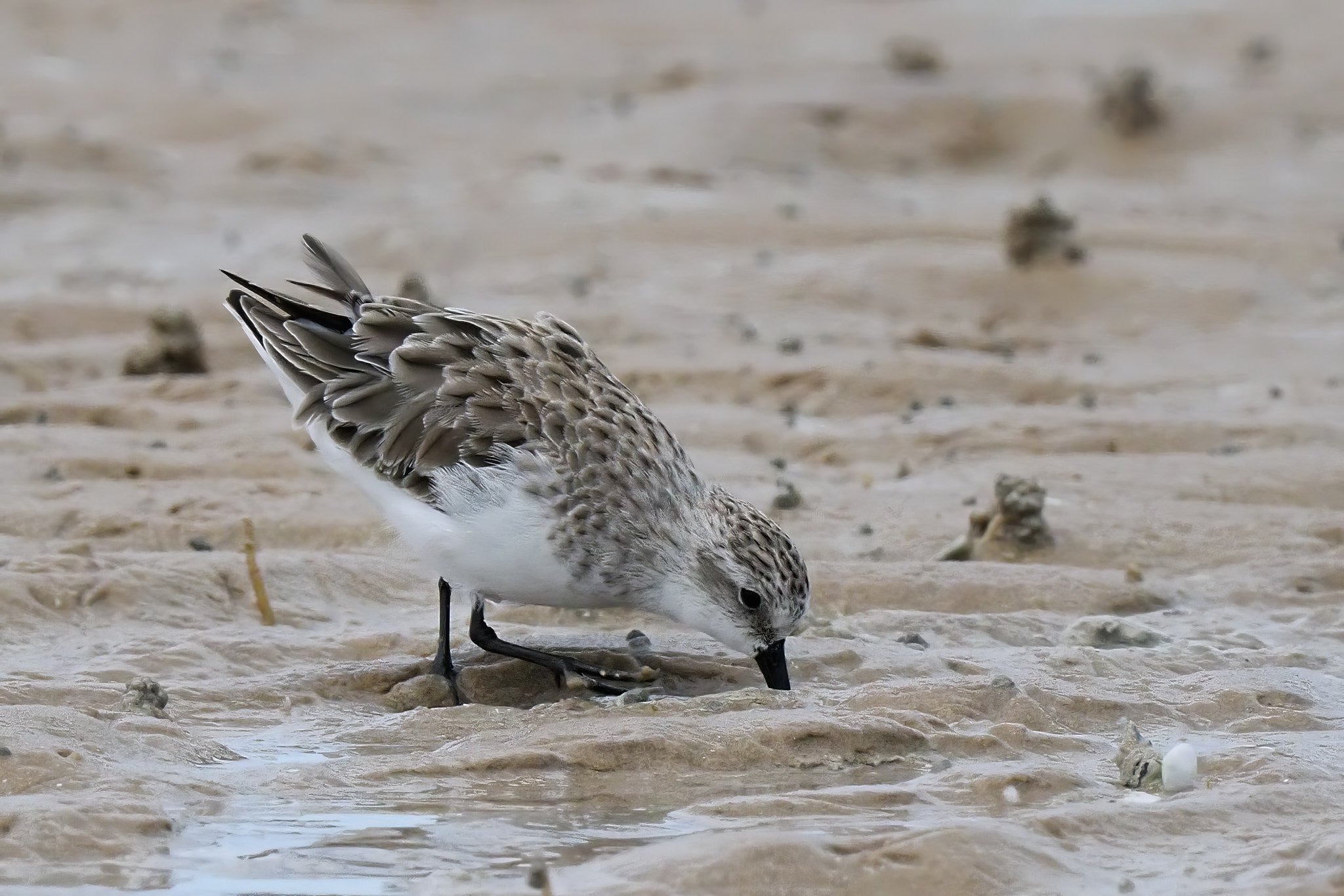
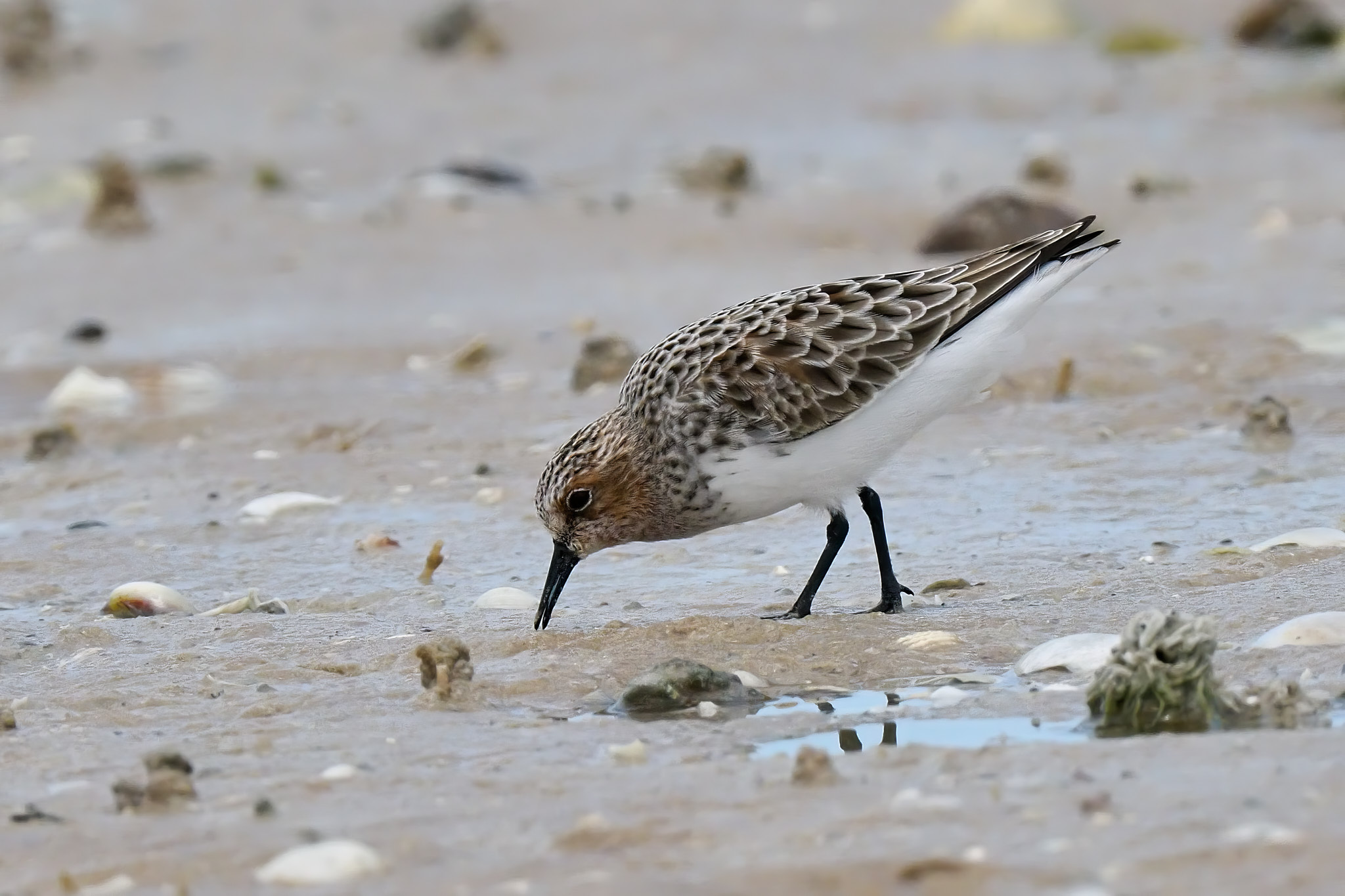
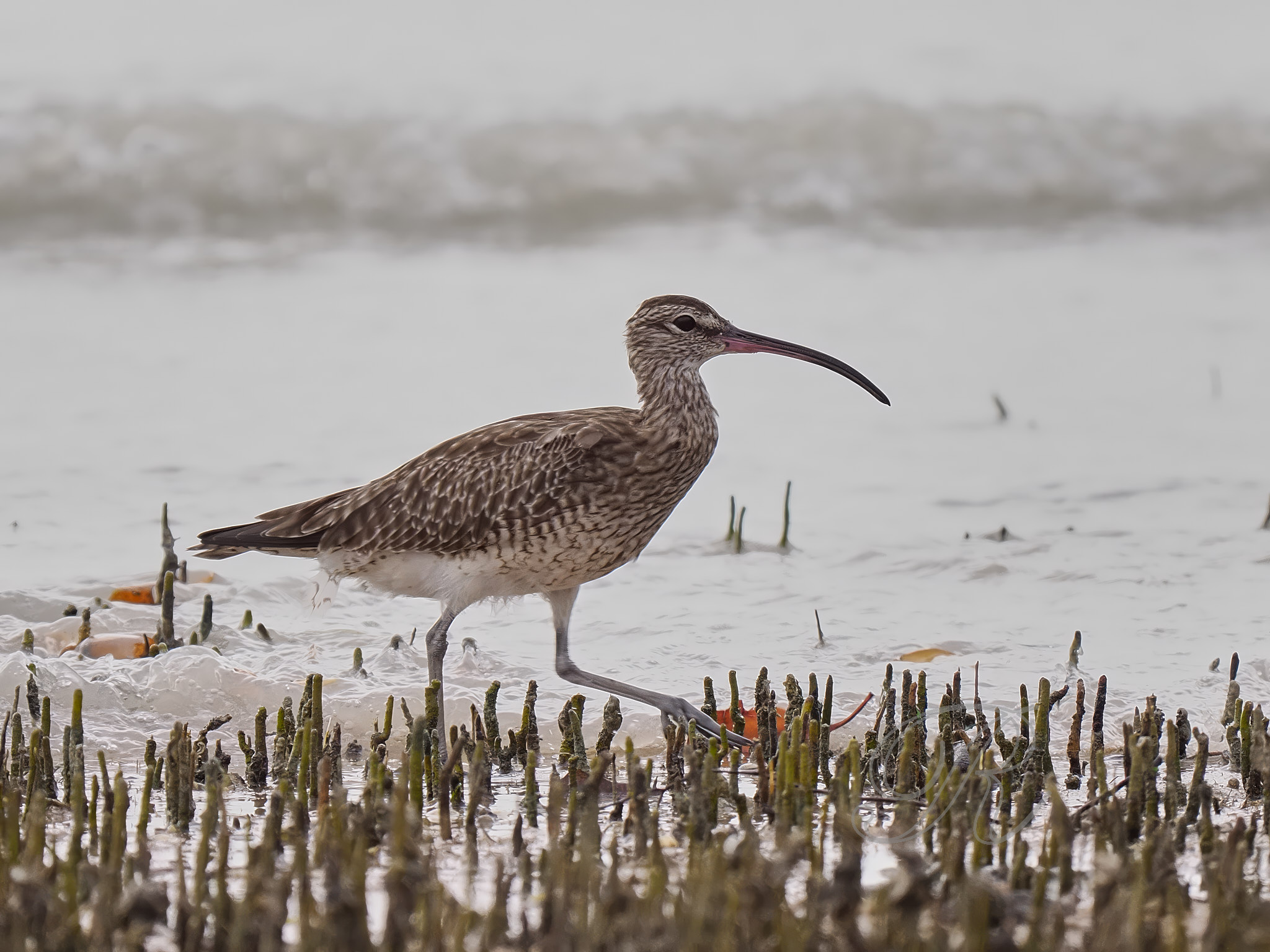
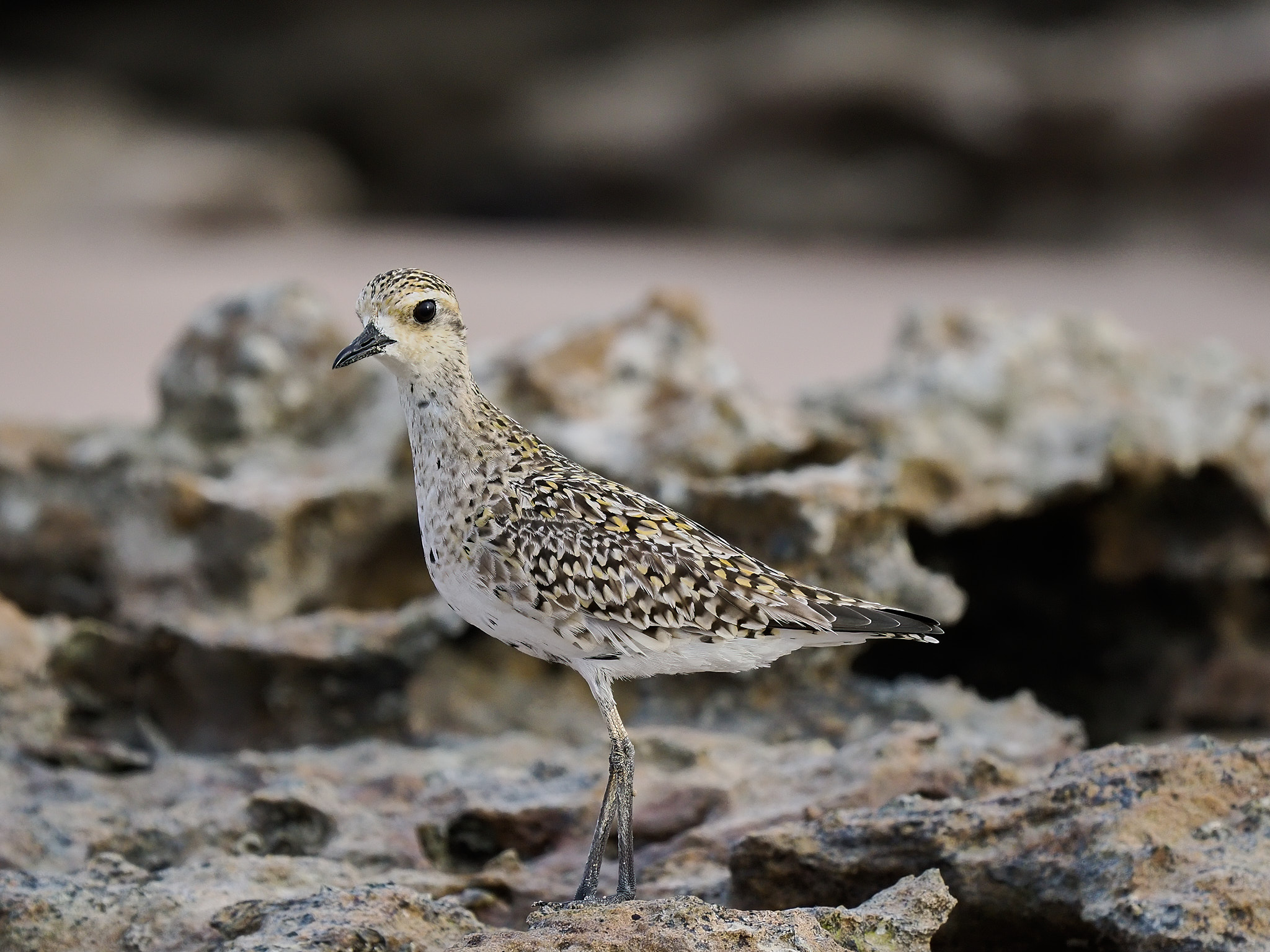
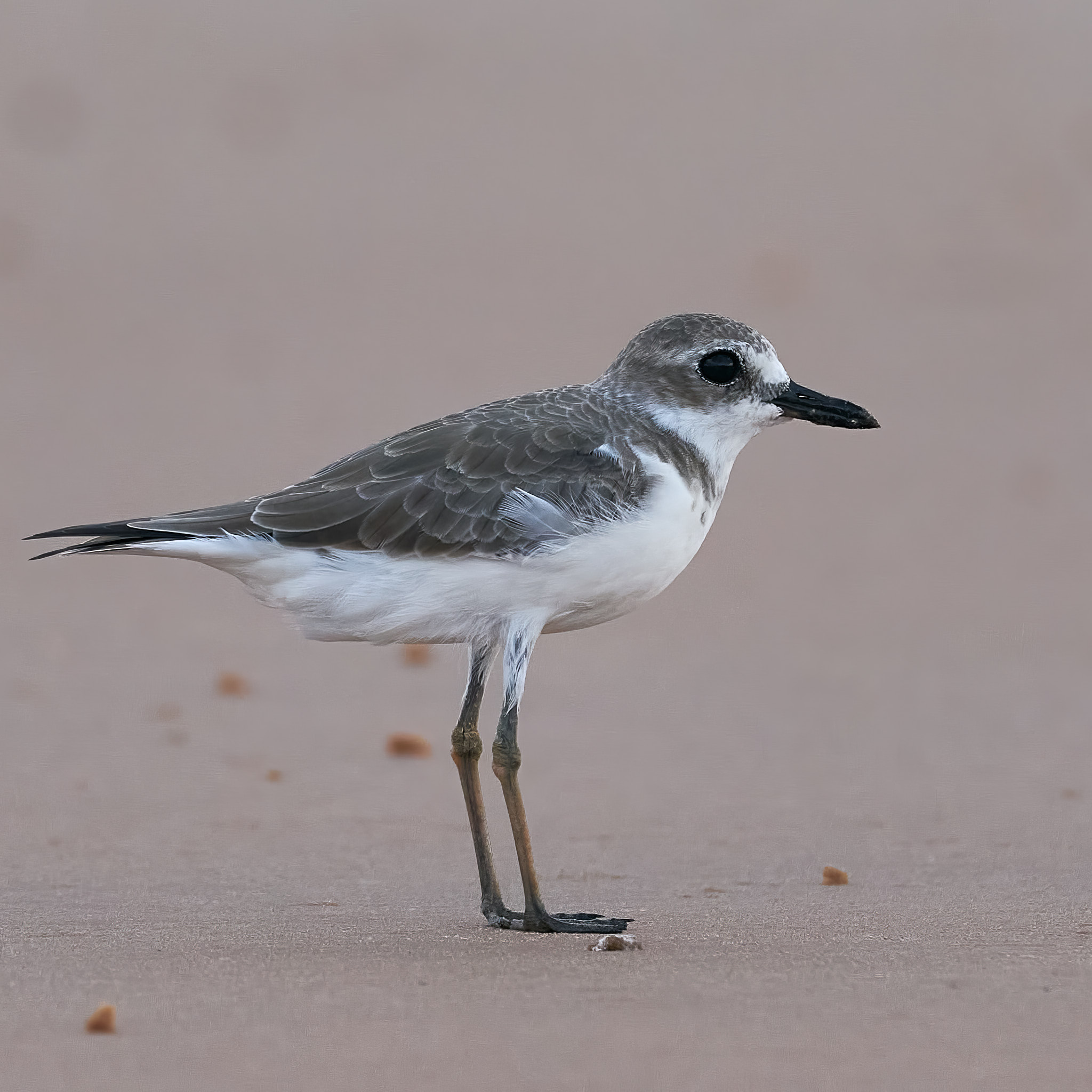
One of the features that make Broome famous is the sheer number of migratory shorebirds that visit Roebuck Bay. The big tides and extensive mudflats make it the best wader watching site in the country. Many of our visitors are getting ready for the long flight to their breeding grounds in the high latitudes of the northern hemisphere. Their priority is to feed up big to fuel the journey.
Over the next month a huge number will go but the bay will not be empty. There will still be any number of resident shore birds plus the younger birds of some migratory species that wait a year or two before making their first trip back to Siberia.
Red-necked StintRed-necked StintWhimbrelPacific Golden PloverGreater Sandplover
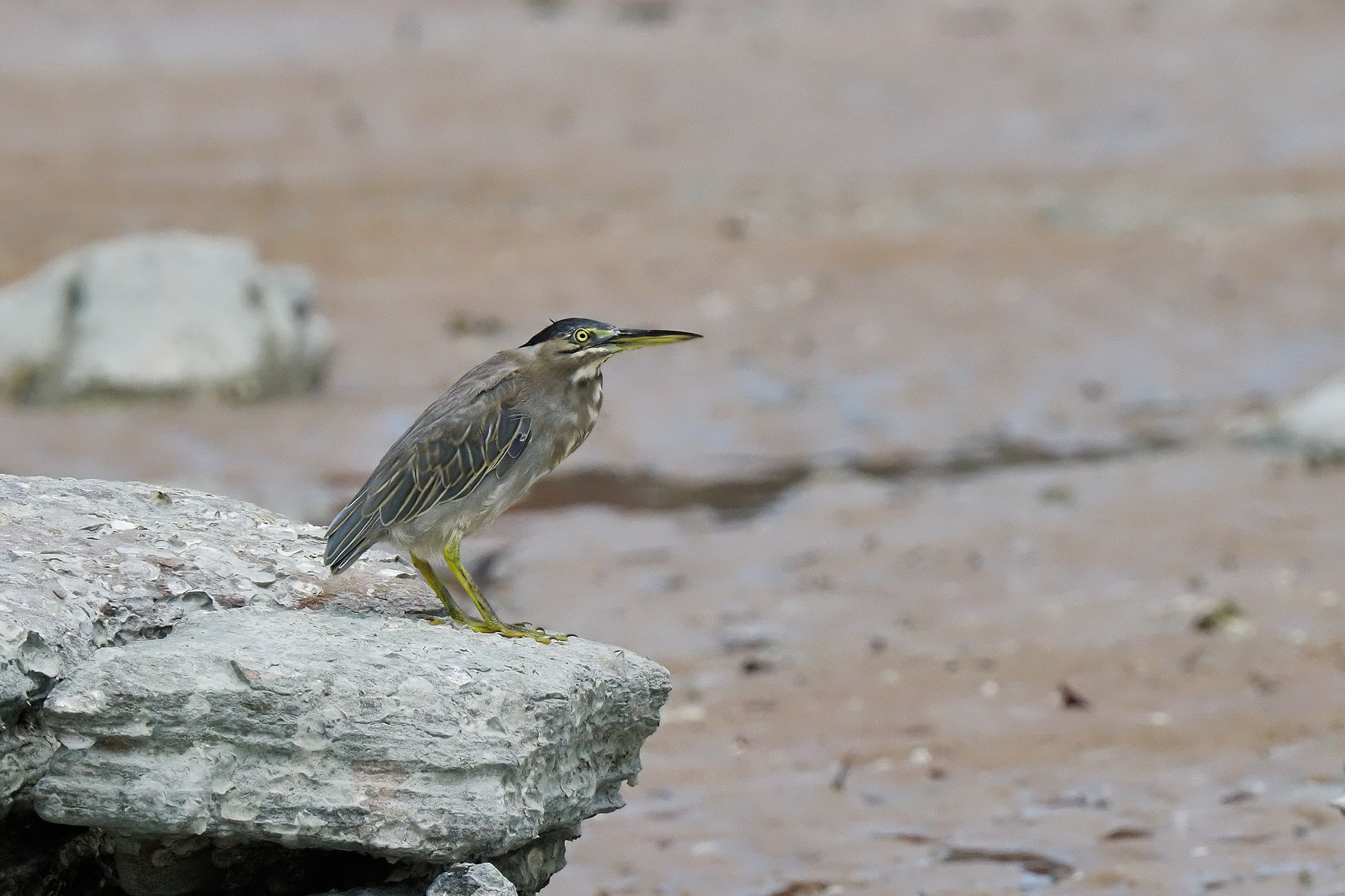
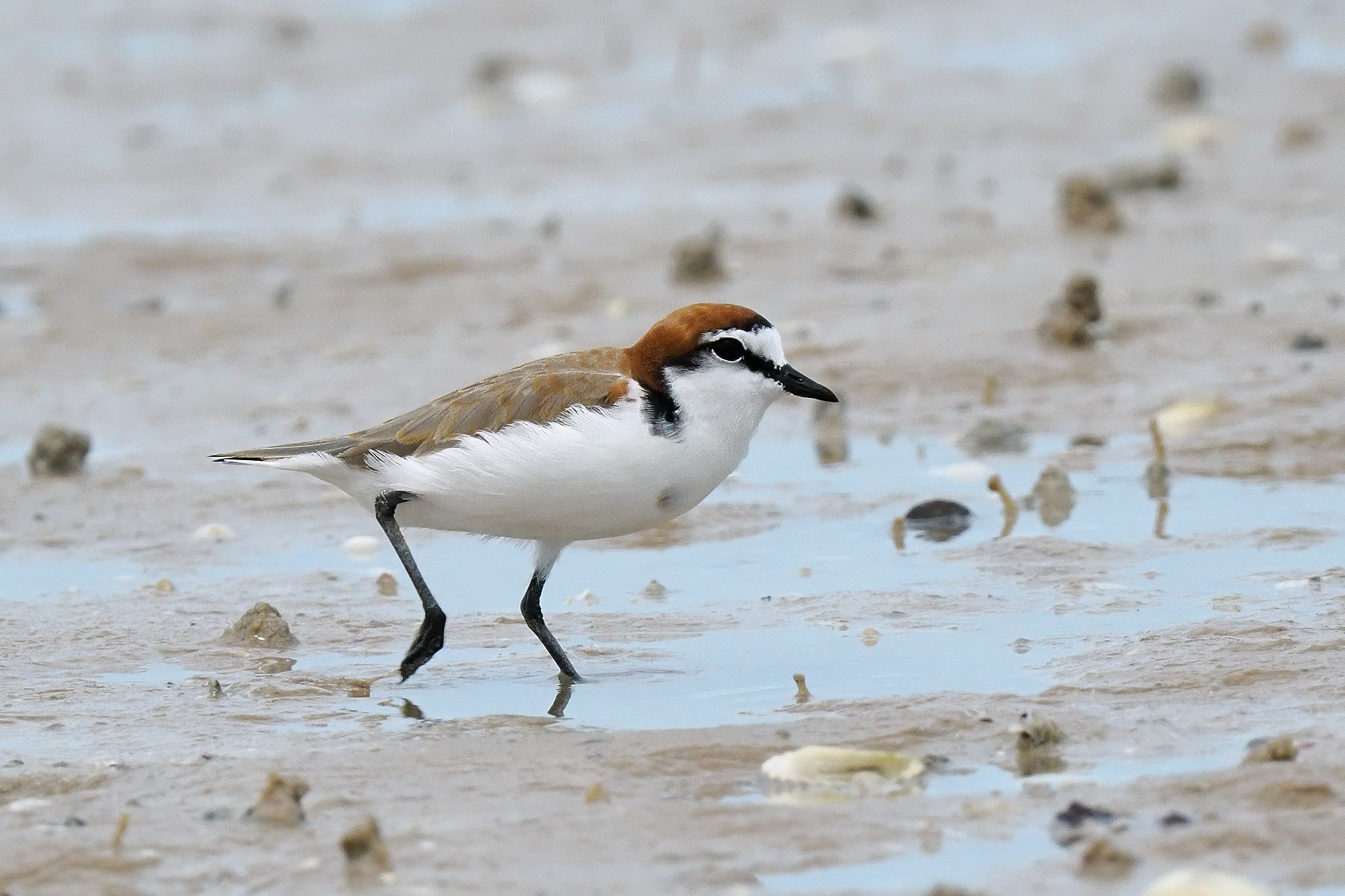
The bay is home to a number of birds that live and feed along the shore. Some are in the same order as the migratory waders, the Charadriiformes, but there are herons and egrets as well.













 bobmcgee