Dingo …

“My men saw two or three beasts like hungry wolves, lean like so many skeletons, being nothing but skin and bones”.

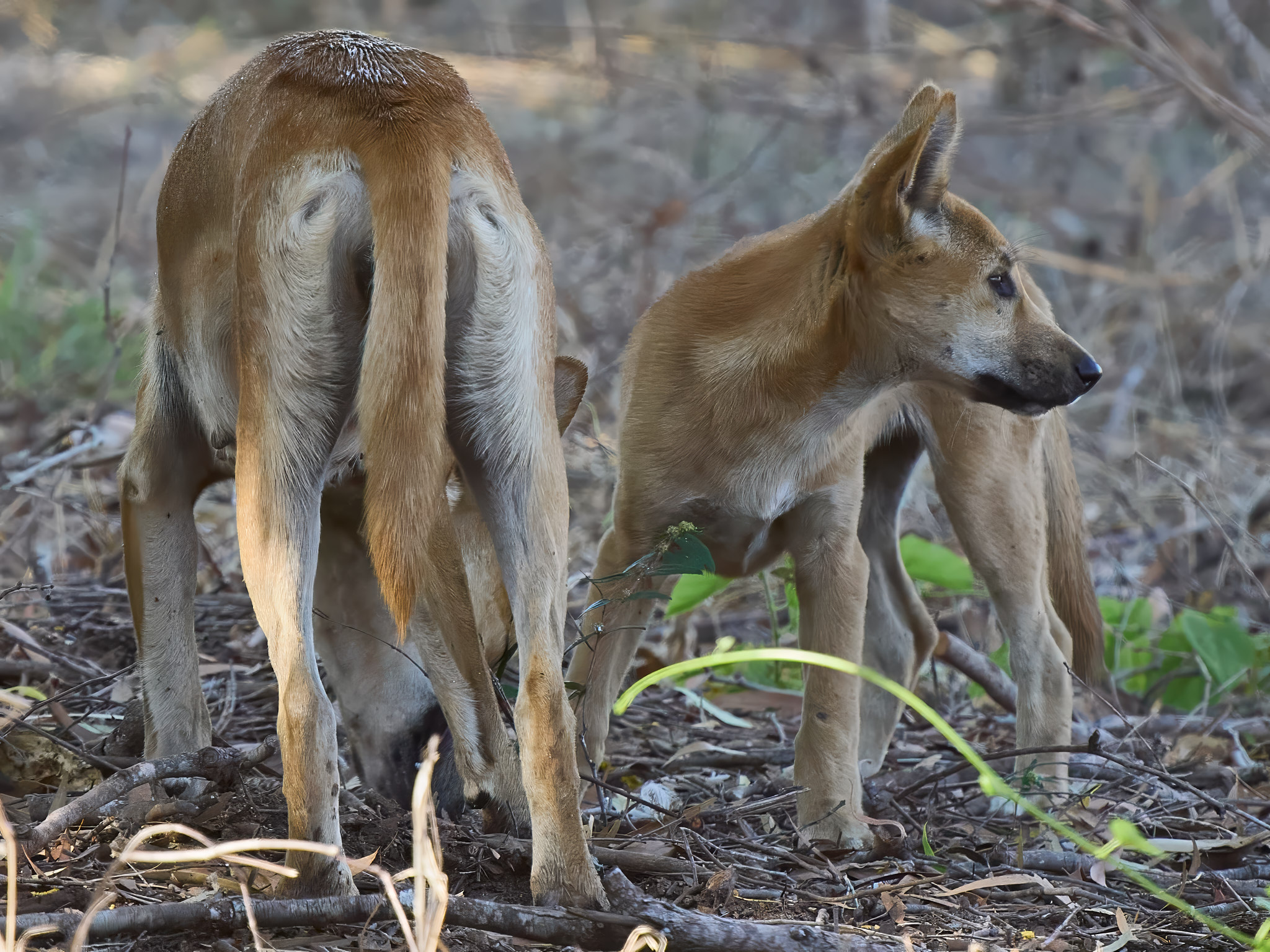
William Dampier recorded this observation from his voyage of 1699 and you can count the ribs on most wild Dingos without any trouble at all. How apt that I should take these photographs of mum and her pup on the Dampier Peninsula, not far from Cygnet Bay.
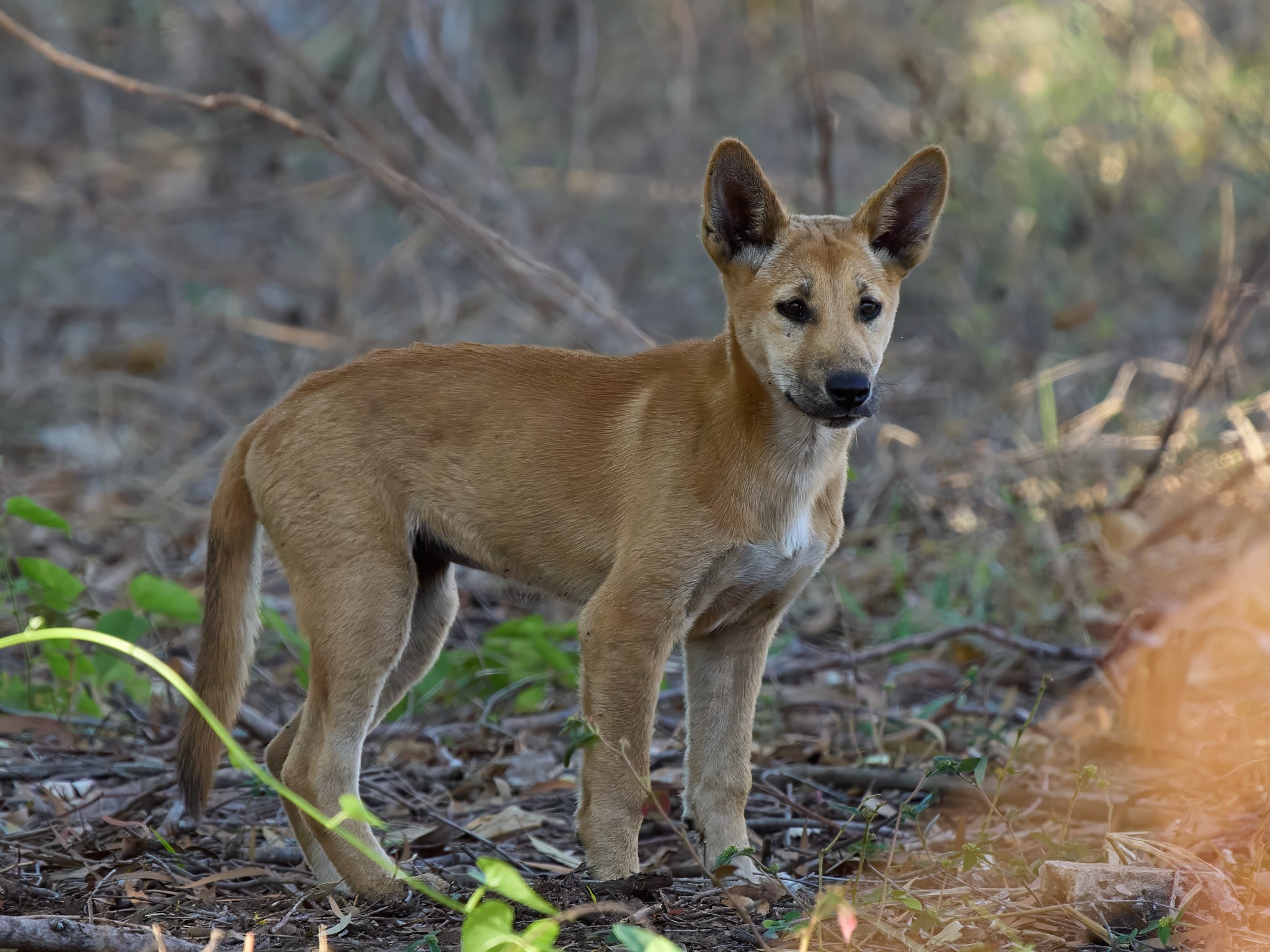
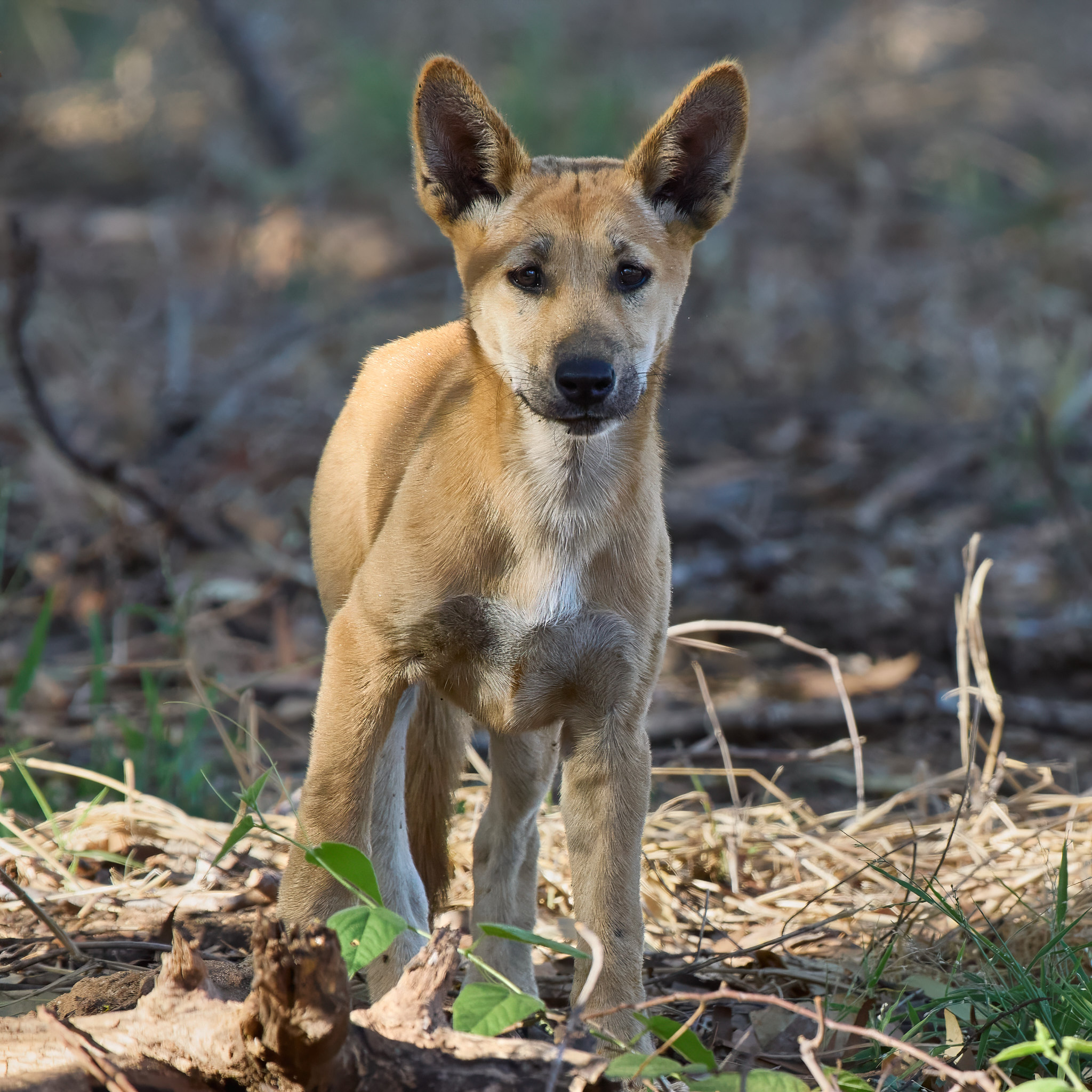
Magnificent though they are they are just domestic dogs although some people would make it much more complicated. Make it Canis familiaris dingo if you must but they belong fair and square in the dog clade along with all the other breeds. They came on boats, with people, about 3500 years ago and probably spread quickly across most of Australia, perhaps within a century. When the poms rocked up in Sydney in 1788 they found the aboriginal folk had companion animals which in the local language were called Dingos. They are also very capable of surviving in the bush without their companion animals which call themselves humans. Which means they have had a lengthy period being shaped by their environment rather than selective breeding. Hence the beautiful conformation. Built for power, agility and speed. I love’em.

On any other continent they would be considered mesopredators but since it’s the biggest predator we’ve got it is by default our apex predator. But give it its due, it can take down our biggest native herbivore, the Red Kangaroo, and a pack will give it ago with a horse or Water Buffalo if need.

Prior to the Dingo’s arrival the Australian mainland was home to the Thylacine and the Tasmanian Devil and of course since their arrival stupid white people have introduced cats and foxes. There is much debate as to the role played by the Dingo in the disappearance of the former and their influence on the latter. Toss into the mix the fact that Dingos and graziers don’t get along and our regulators have a difficult time working out just what to do with them. Yes they are considered native animals in all states. In most states they are protected inside National Parks and largely persecuted outside. In Western Australia they are not protected anywhere. Tasmania missed out on Dingos but you may import one provided you first get a permit. Once there the law regards it as a dog. You may keep one as a pet in Victoria. You must have a permit and you may not breed them except with another Dingo.

How did they cross the sea? The genetic evidence makes it very likely that Aborigines island hopped to Australia about 50,000 years ago and they have remained genetically distinct until very recent times. So I think we can dismiss the idea of a recent Aboriginal immigration bringing their hunting companions with them. However, Timor is just 500km from the Kimberley coast, Sulawesi about 1000km. At its narrowest point Torres Strait is only 150km wide. Sea levels 3500 years ago were little different from today.

Sulawesi was home to the Macassan sailors who were well documented seasonal visitors to Australia’s northern shores from at least 1700 gathering sea cucumber for sale to Chinese merchants. There is no shortage of possible origins of island hoppers a couple of millennia earlier who may have intentionally or unintentionally found their way to Australia with their pets on board. Pets that were sufficiently domesticated to share close quarters with people during the crossing.
If the Crocodiles …

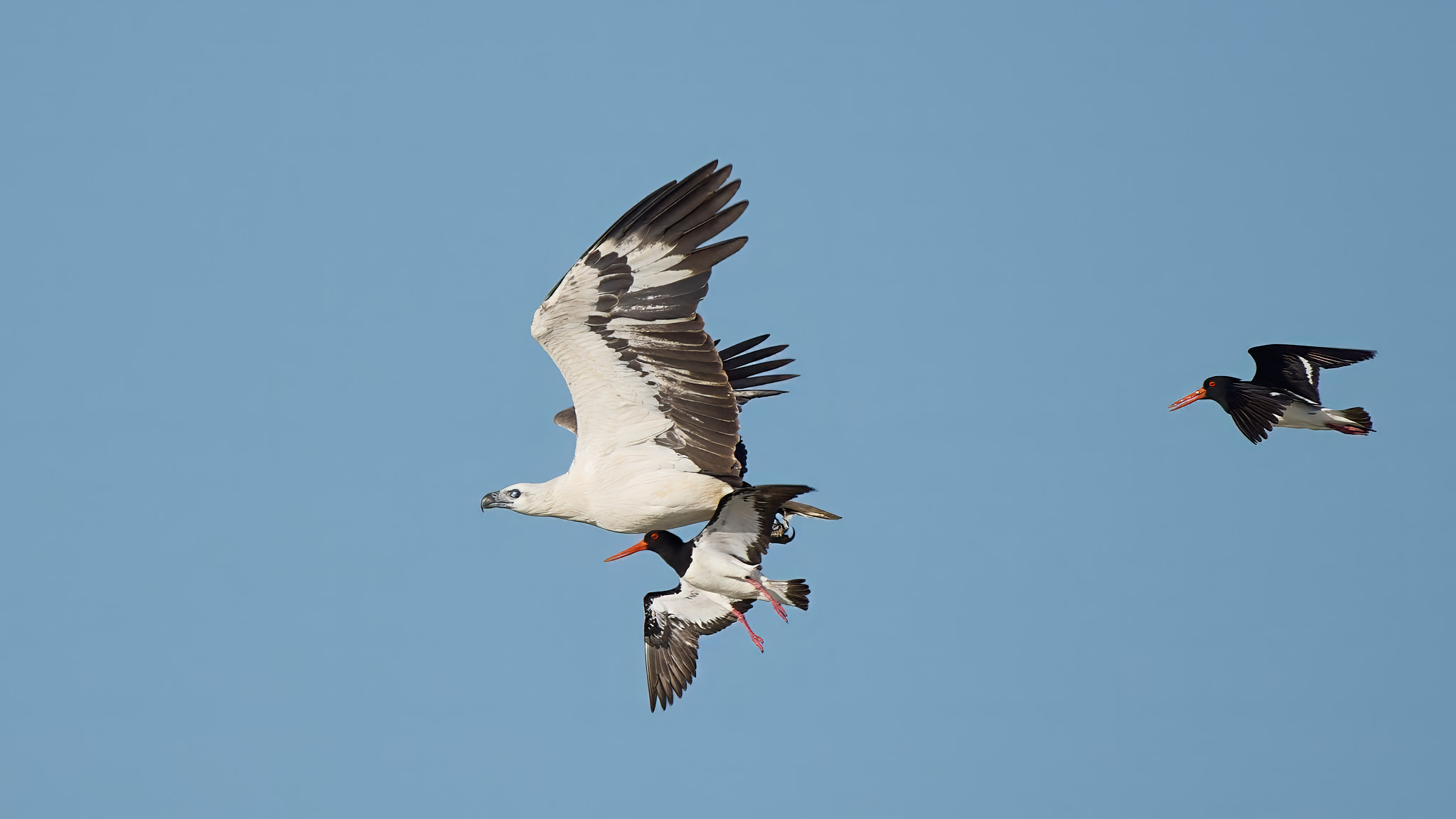
… or the Irukandji don’t get you watch out for the Pied Oystercatchers.

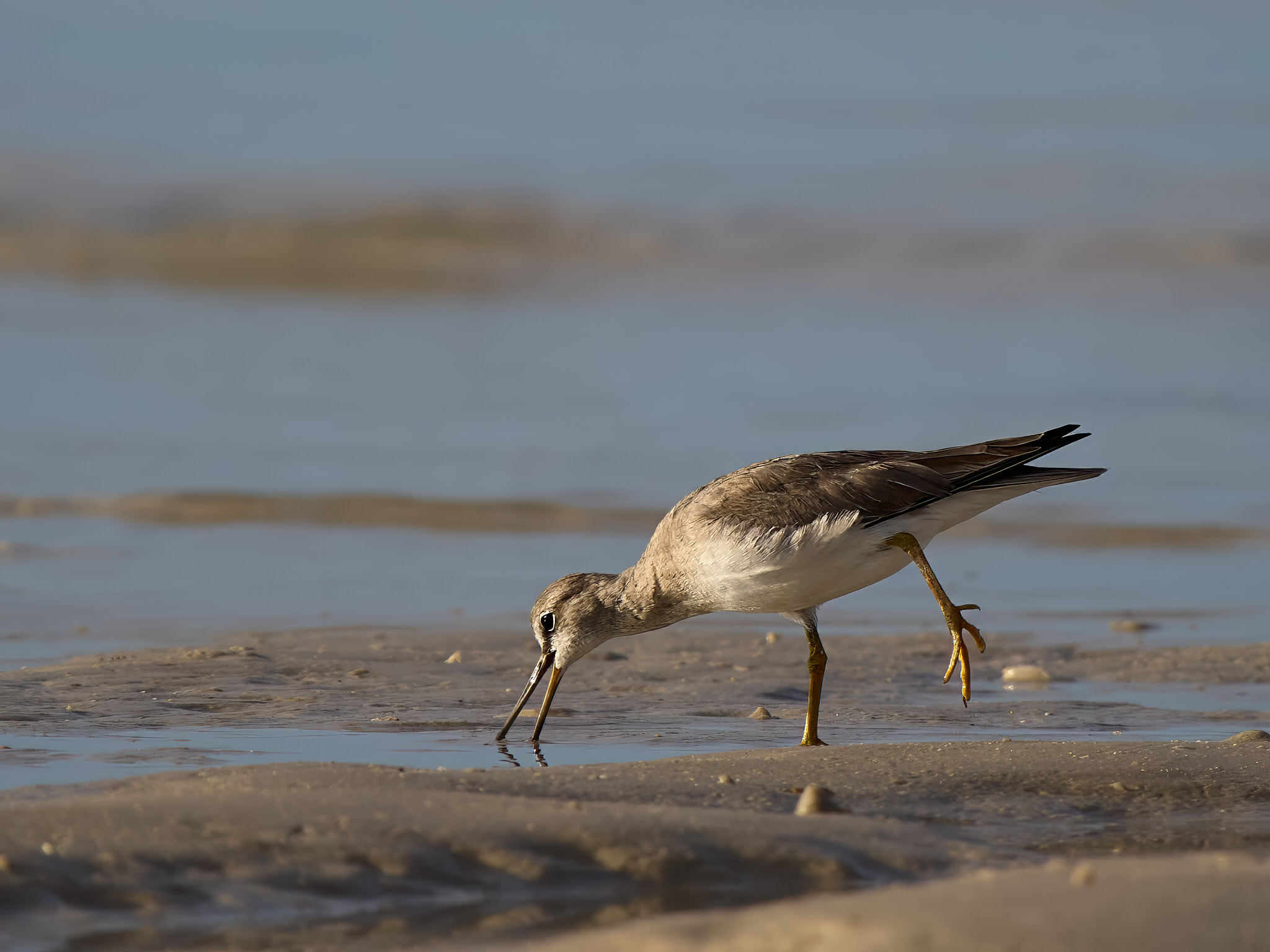
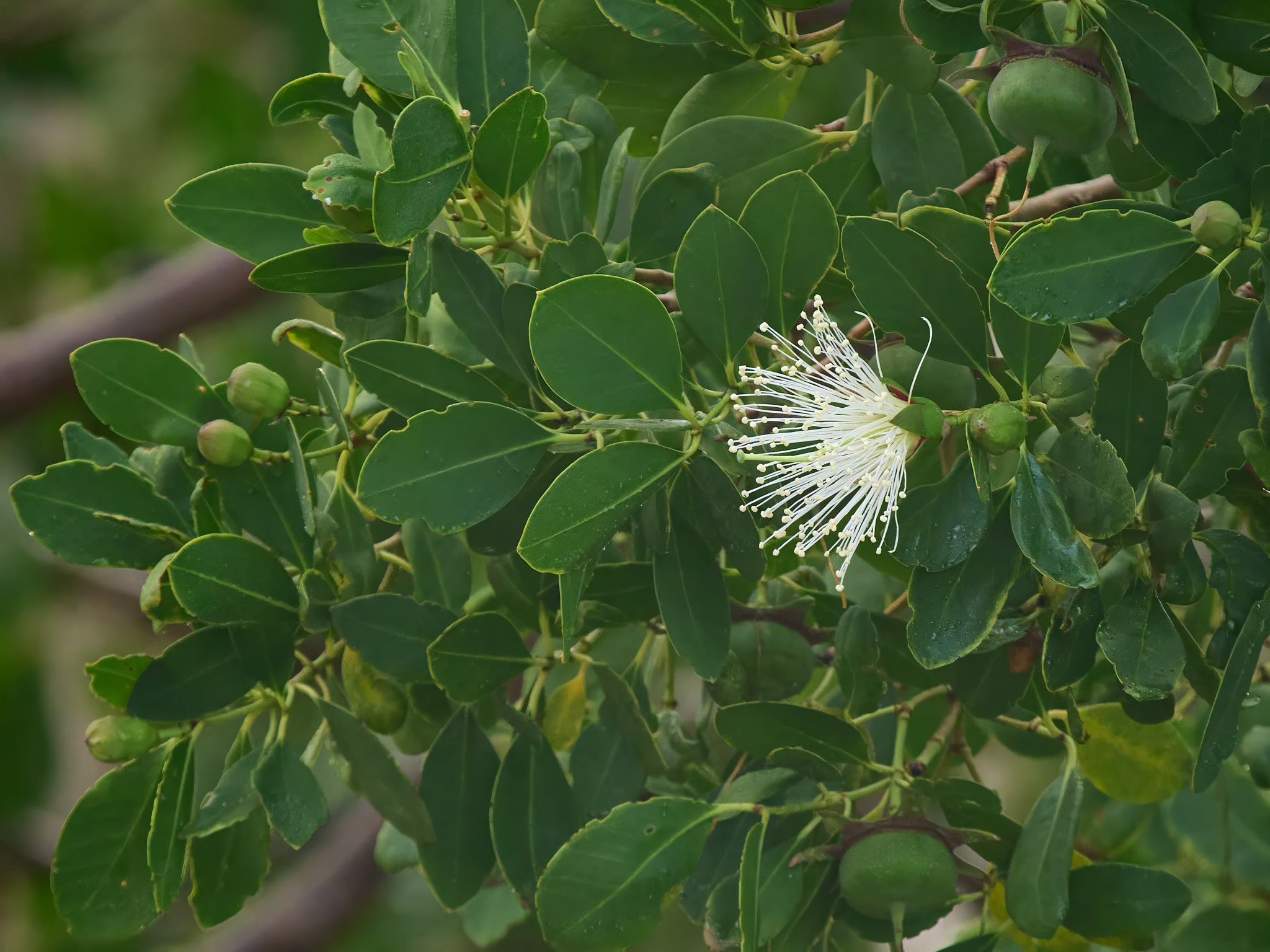
I’m just back from Cygnet Bay at the top of the Dampier Peninsula. It’s a very beautiful spot, the birding was good and the weather was, of course, perfect. I enjoyed long walks on the beach. Some of the migratory waders are on their way back. Common Sandpipers are here, early Sand-plovers have been seen. It’ll soon be buzzing. Not to mention the resident waders like Red-capped Plover and Pied Oystercatcher. Apple Mangrove was in flower, Kingfishers and Herons were about.
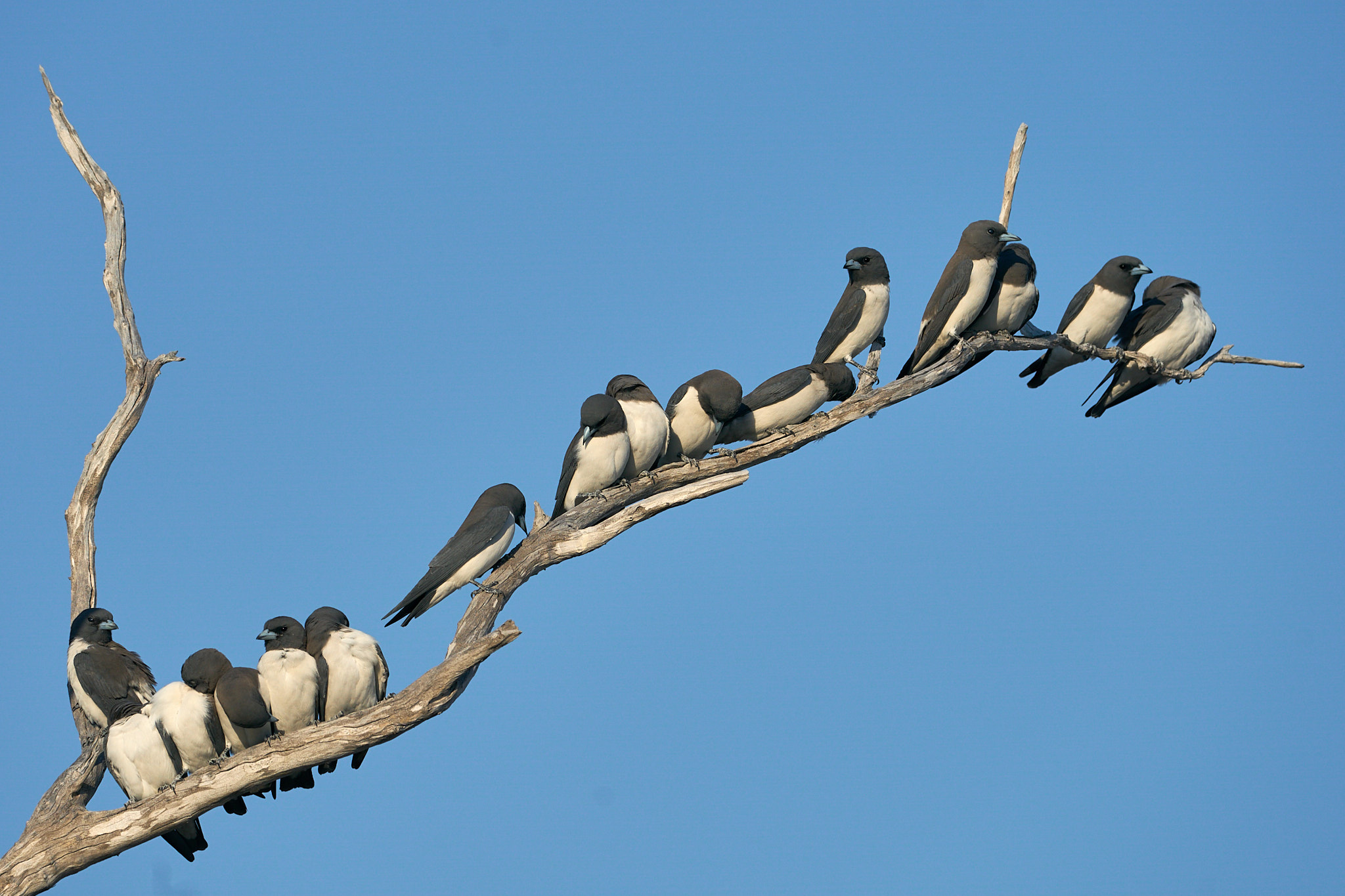
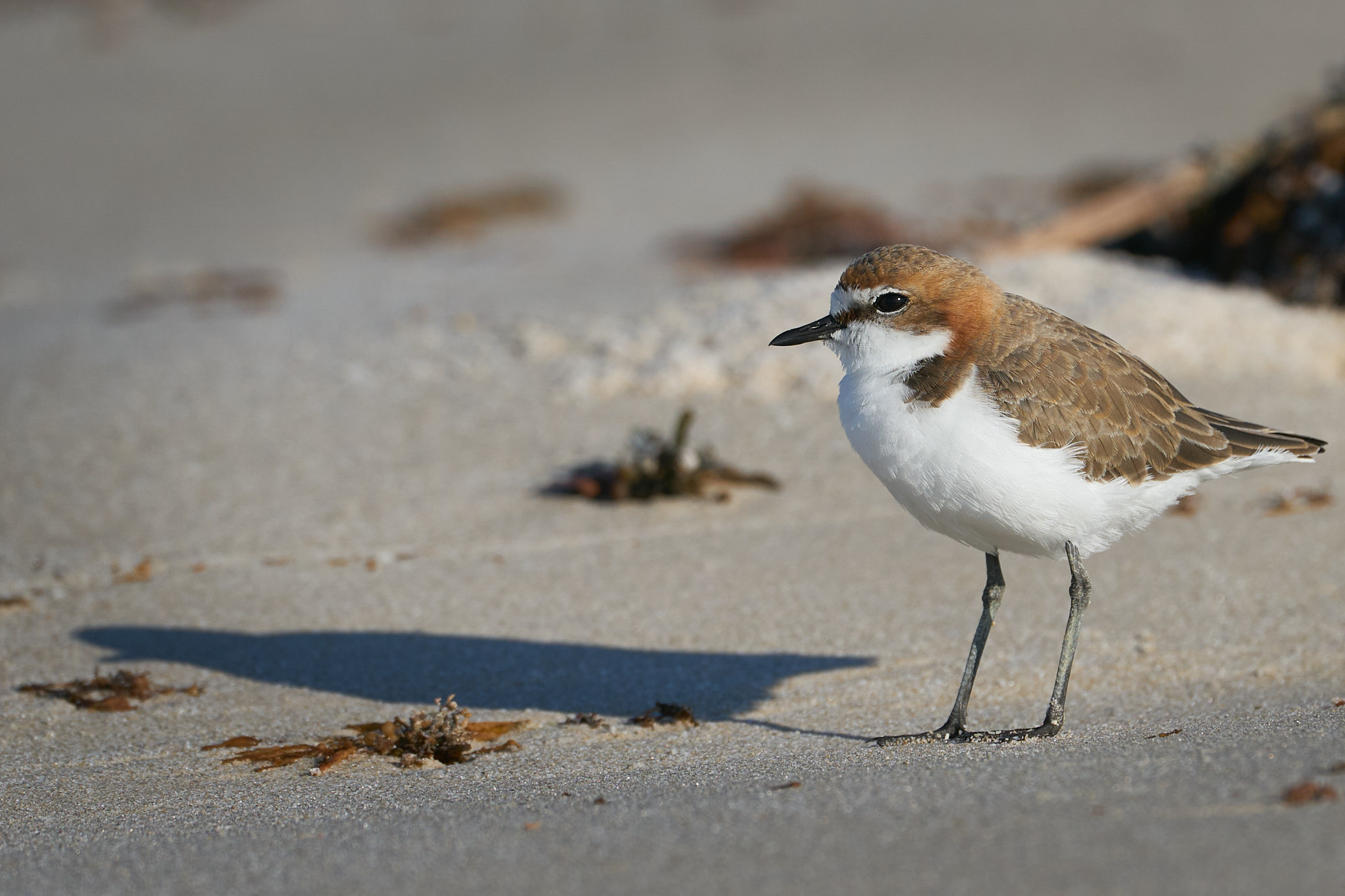
In my bird banding days I put a ring or two on Oystercatchers, they are timid in the field and docile in the hand. Adorable. One foraging on the sand started giving a ticking alarm call. It was quickly joined by its mate and they were up and away in hot pursuit of a White-bellied Sea Eagle. They dived at it, pecked at it and harassed it until it was gone from their happy place. The character in the photo above subsequently began ticking away at me. It then led me off in a distraction display. I was happy to play along – I was going that way anyway.

I did some bush birding too. That can be the next episode.

Banana Well …

About half way between Cygnet Bay and Broome, close to the community of Beagle Bay, there is a turnoff to the west that leads to Banana Well. The road is unmade and presently the last 4km is pretty rough. The camp site is grassed and the facilities are adequate. There are some ponds adjacent to the camping area. It’s a couple of kilometres from the “beach” across tidal flats that are not without hazard. It’s a great spot for the birdo, hopeless for a family beach holiday, seems popular with some fisher folk but would be a bugger of a place to launch a boat.

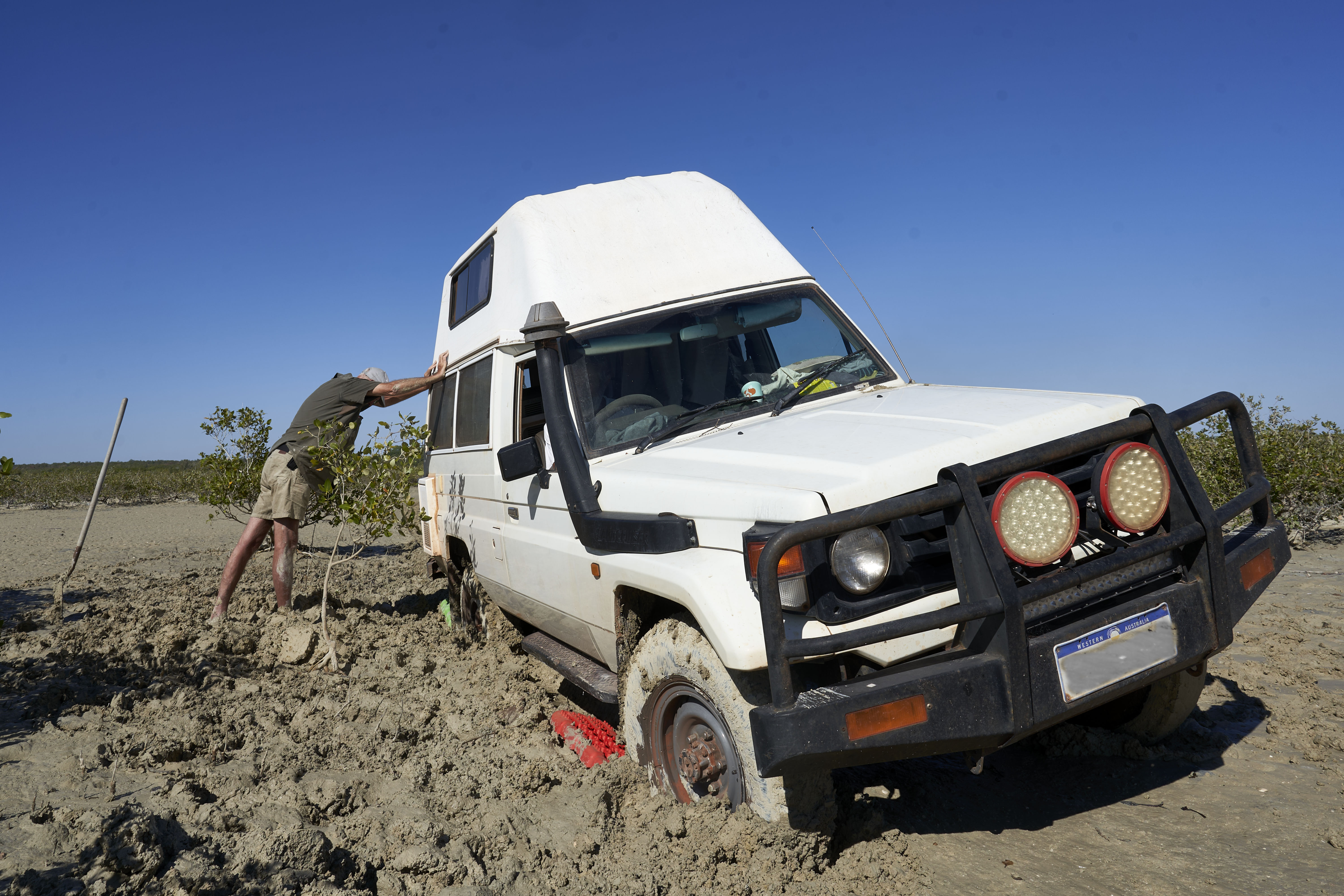
It’s not hard to get into this situation but expensive to get out. I’m pleased to say that’s not me. I took the photo on a previous visit. Had he taken his foot off the accelerator when the wheels started to slip we could have pulled him out. He gunned it and managed another 150 metres ending up well beyond solid ground. The momentum system of four wheel driving has its drawbacks!

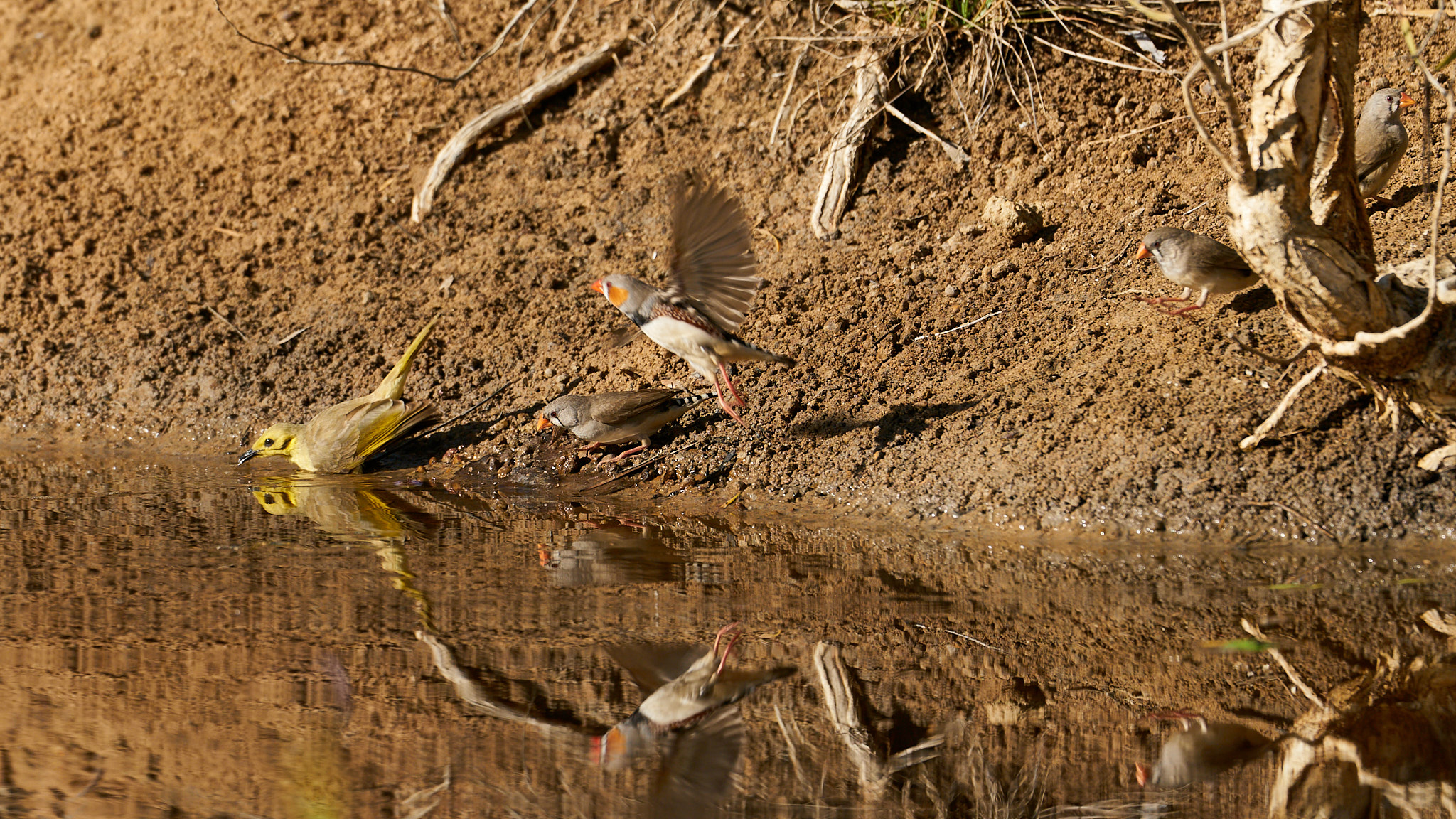
There is a marked walking trail starting from the camp ground that visits the ponds, some savanna woodland, tidal flats, mangroves and some fairly dense Melaleuca. Birding is excellent around the ponds.

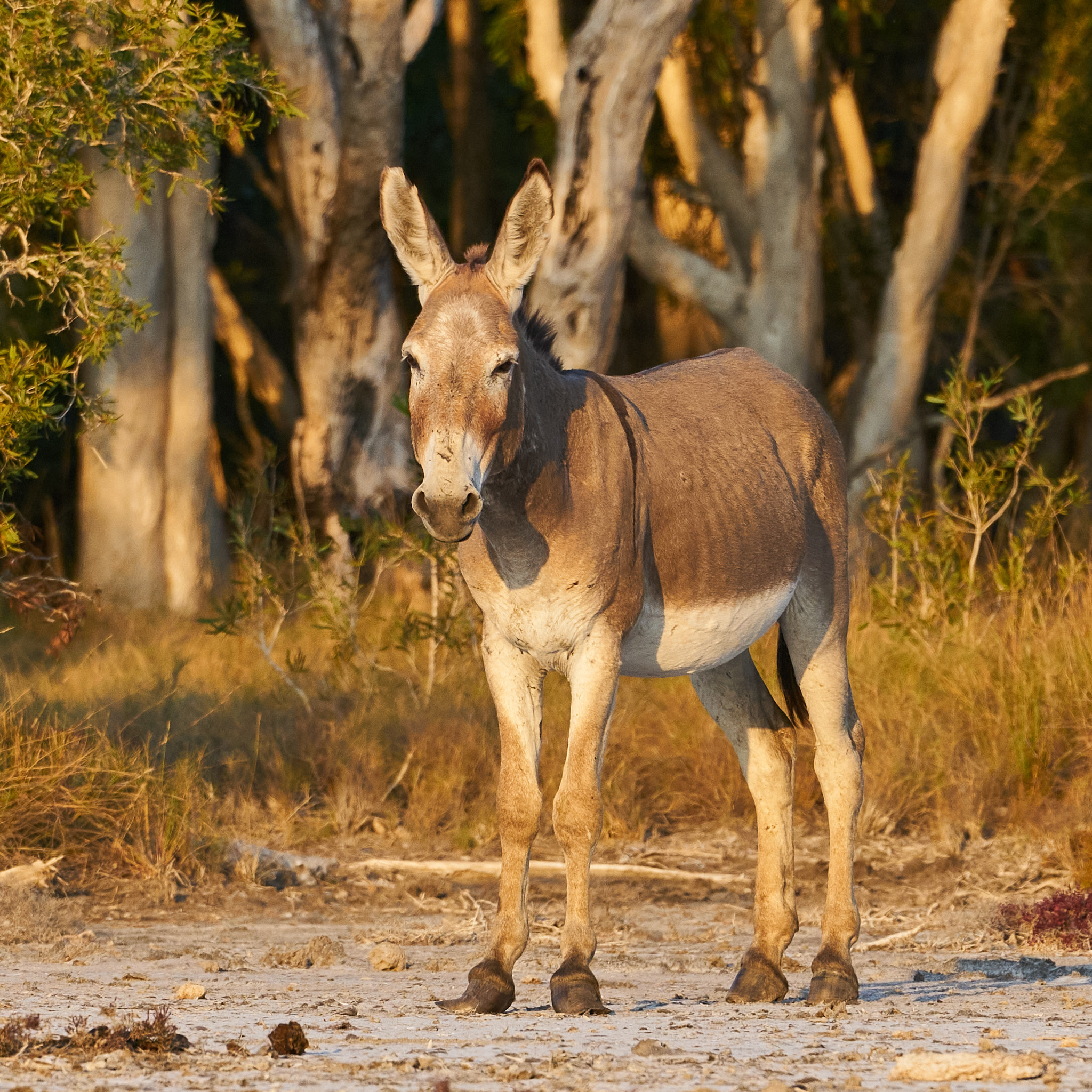
There is a large population of feral Donkeys in the neighbourhood.

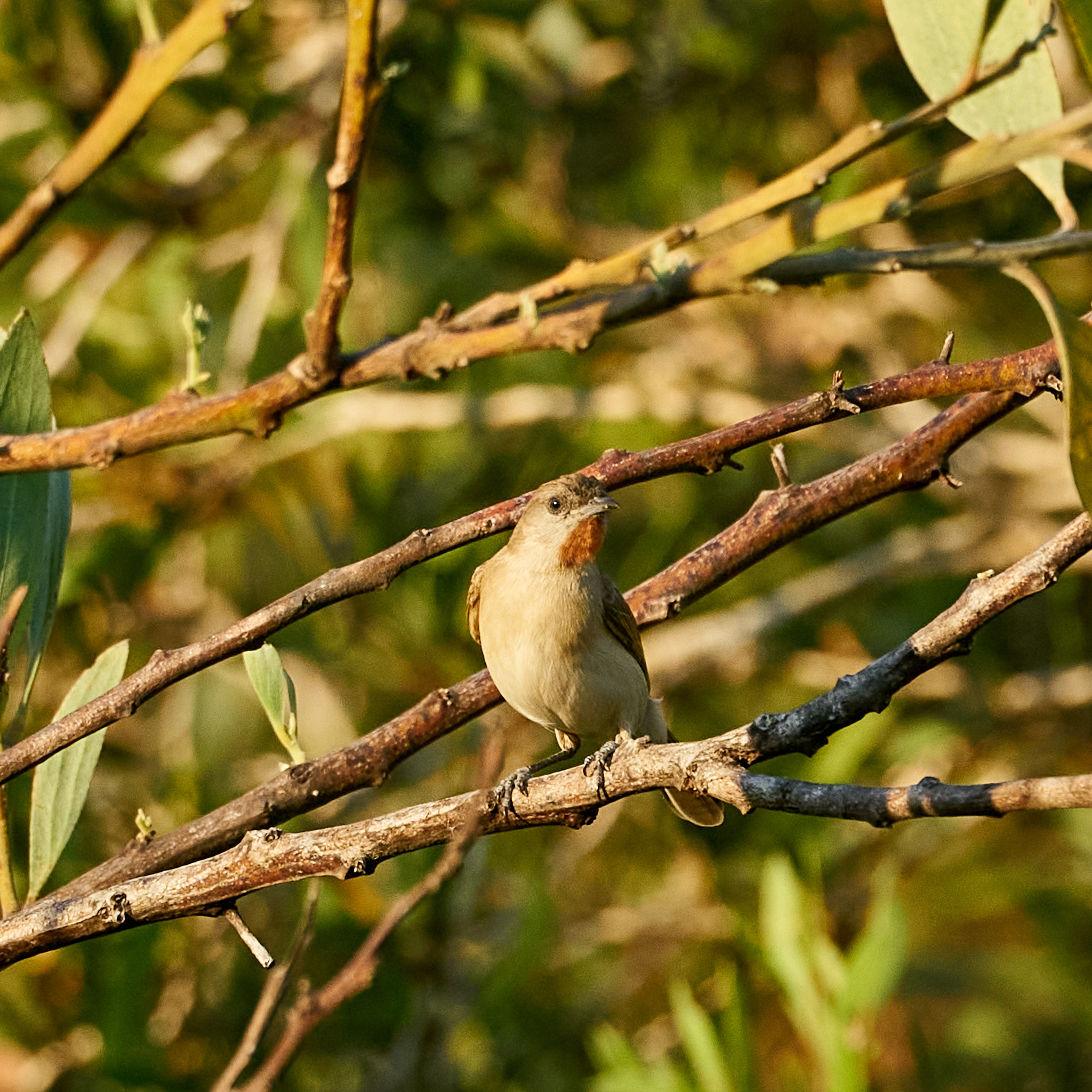
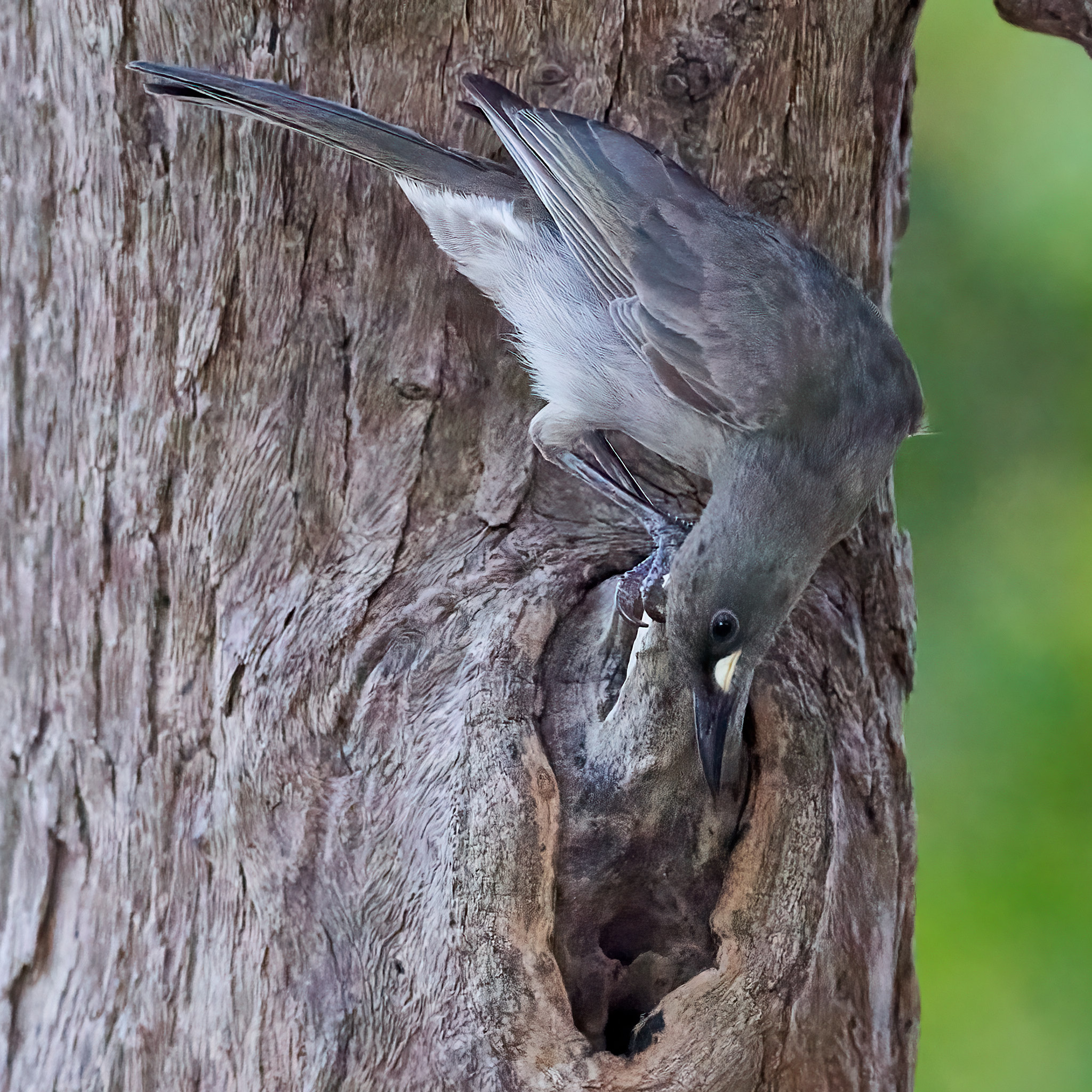
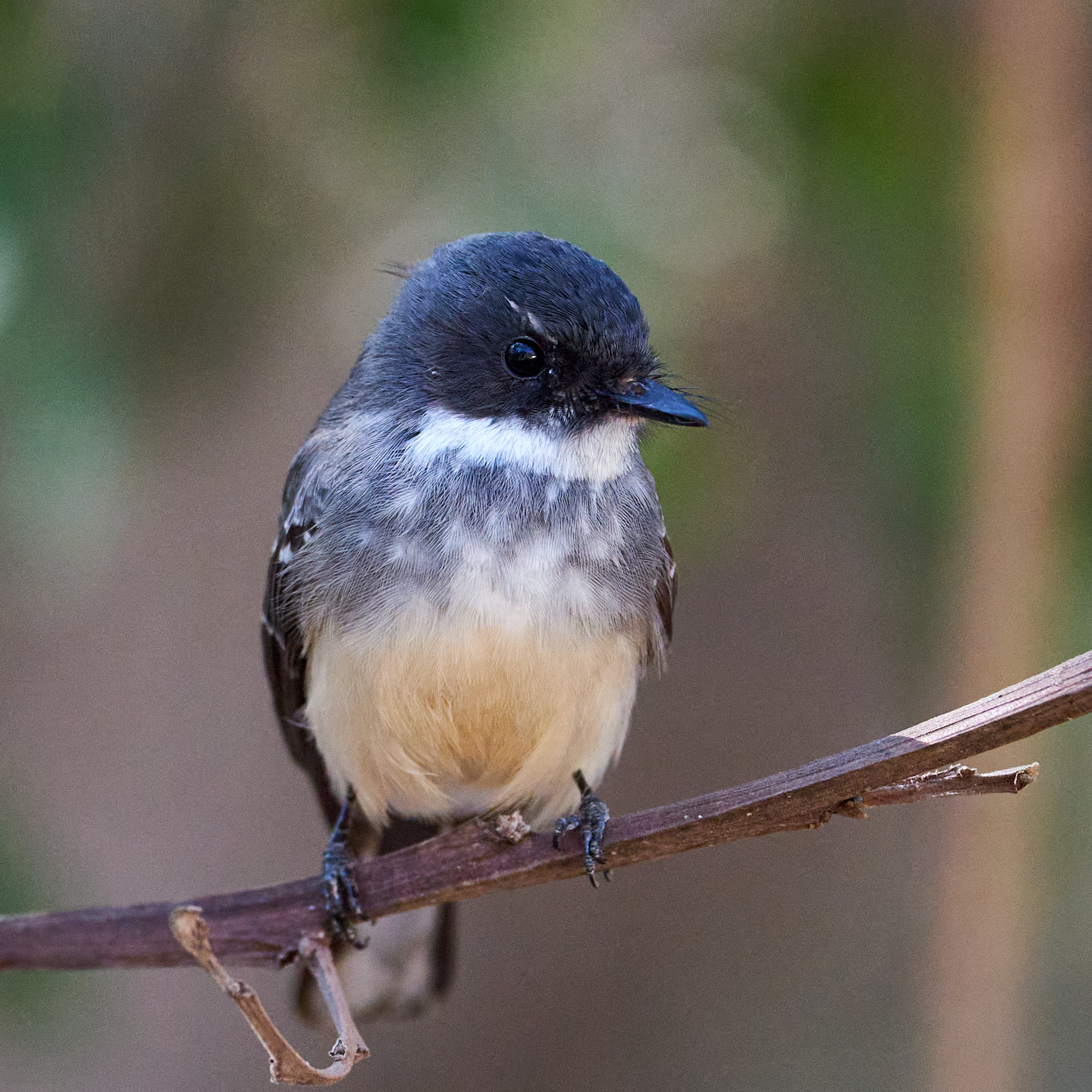
The Grey-crowned Babblers were busily building a nest but this doesn’t necessarily mean it’s breeding season for them. They build dome shaped nests for roosting as well as for egg laying.
I finished the gallery with the two noisy ones. The Donkeys seemed less shy this visit and the Kookaburras are never shy.

Banana Well …

In recent years the road from Broome to the tip of the Dampier Peninsula has been sealed. About 16km off the highway about half way up the peninsula there is a quiet camping spot called Banana Well. It’s where I spent the last few days.

The campsite itself is in open woodland adjacent to some ponds fed from underground. From there to the sea is about a two and a half kilometre drive, 4wd only on a sandy track and across some mud flats. The adventurous can also visit the Burrguk Creek, keep your dog away from the crocodile and your wheels away from soft mud.

The facilities are somewhat run down but certainly not overcrowded. It’s a great spot for the birder and it also attracts some fishing enthusiasts. Other than that maybe hermits might like it. Mosquitos and Sandflys abound. I discussed the fishing prospects with some other campers. They had launched a boat the day before, a process they described as “Not for the faint-hearted”, caught nothing and got bogged retrieving their vessel. Fortunately they had gone with two vehicles and one was able to tow the other out. They had no intention of doing that again.

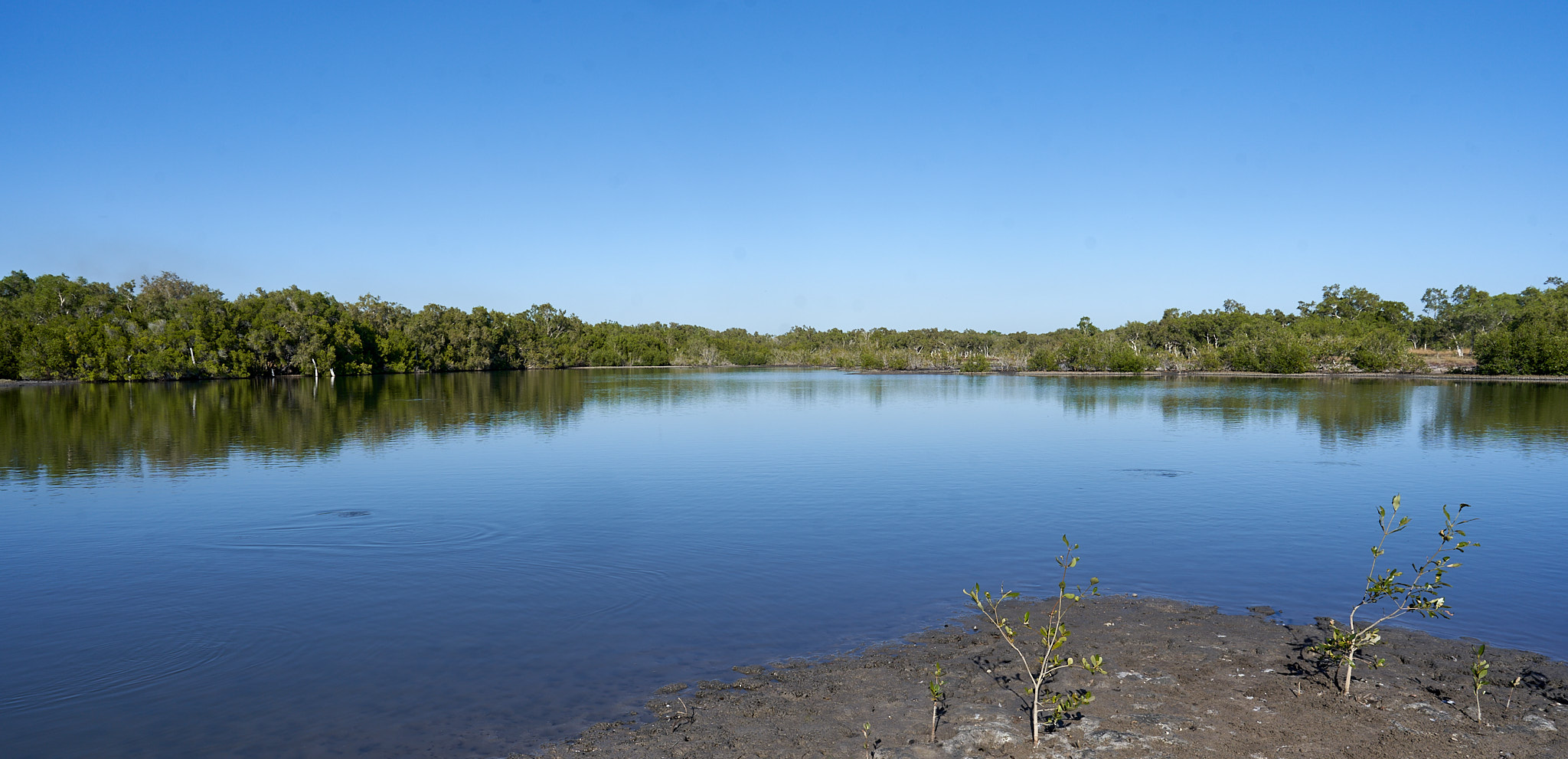
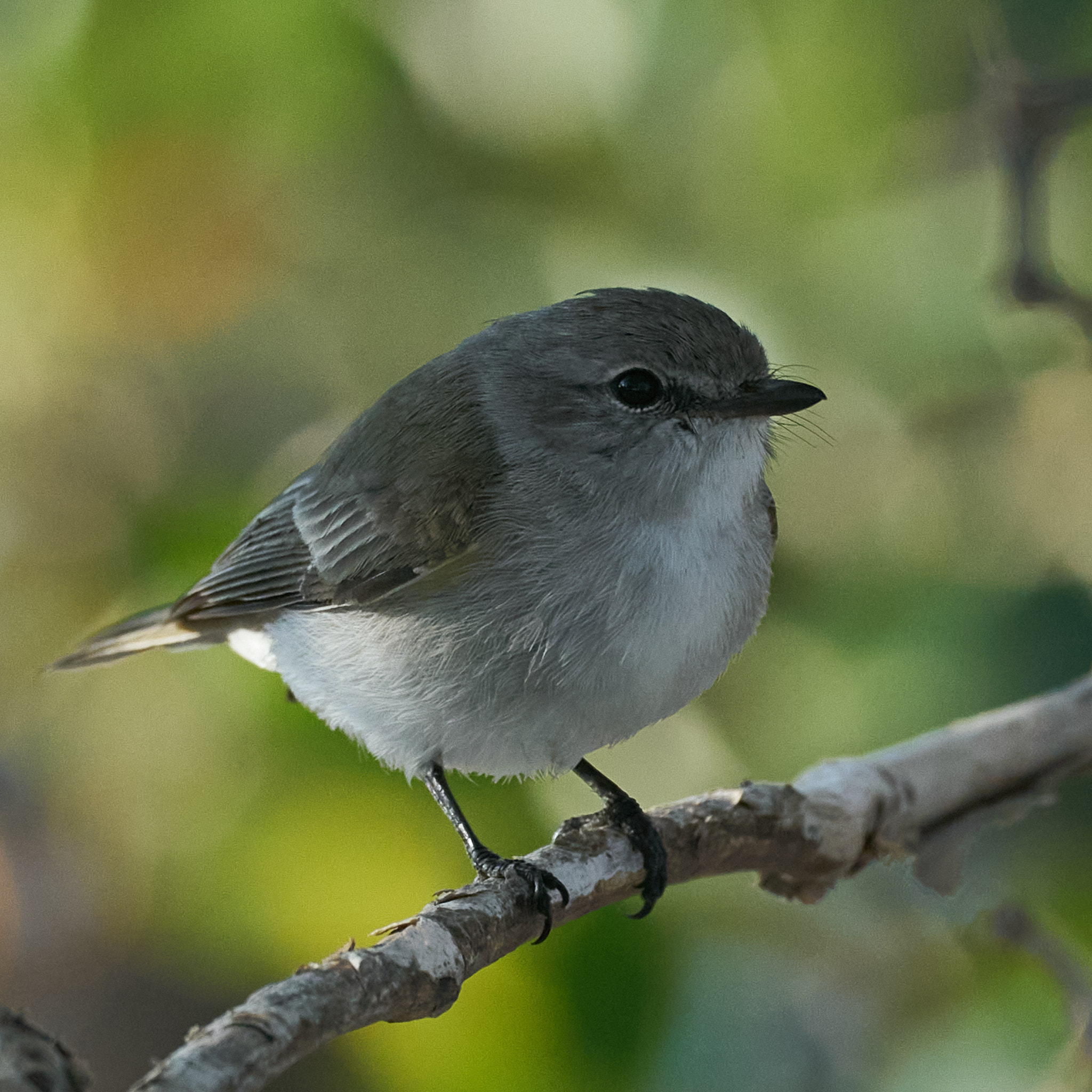
For the birdo there is a lot on offer, Melaleuca woodland around the ponds, Savanna woodland, mangroves and at low tide extensive mud flats.

At night the sounds of feral donkeys ring through the camp ground but you rarely get to see them.

Other noises through the night included Barking Owls, Bush Stone-curlews and the crazy calls of the Brain Fever Bird, Brush Cuckoo – do they never sleep?

Here are some of the scenic shots, as always, clicking on a gallery opens it up for a better look …

The mud flats are inundated on king tides and some areas on moderate tides. One way to get into trouble is to venture into areas covered by yesterday’s tide. This guy was heading east on our last morning. The sun was in his eyes. He made another 150m after the wheels started slipping! More than enough to ensure that no one could get near enough to tow him out.
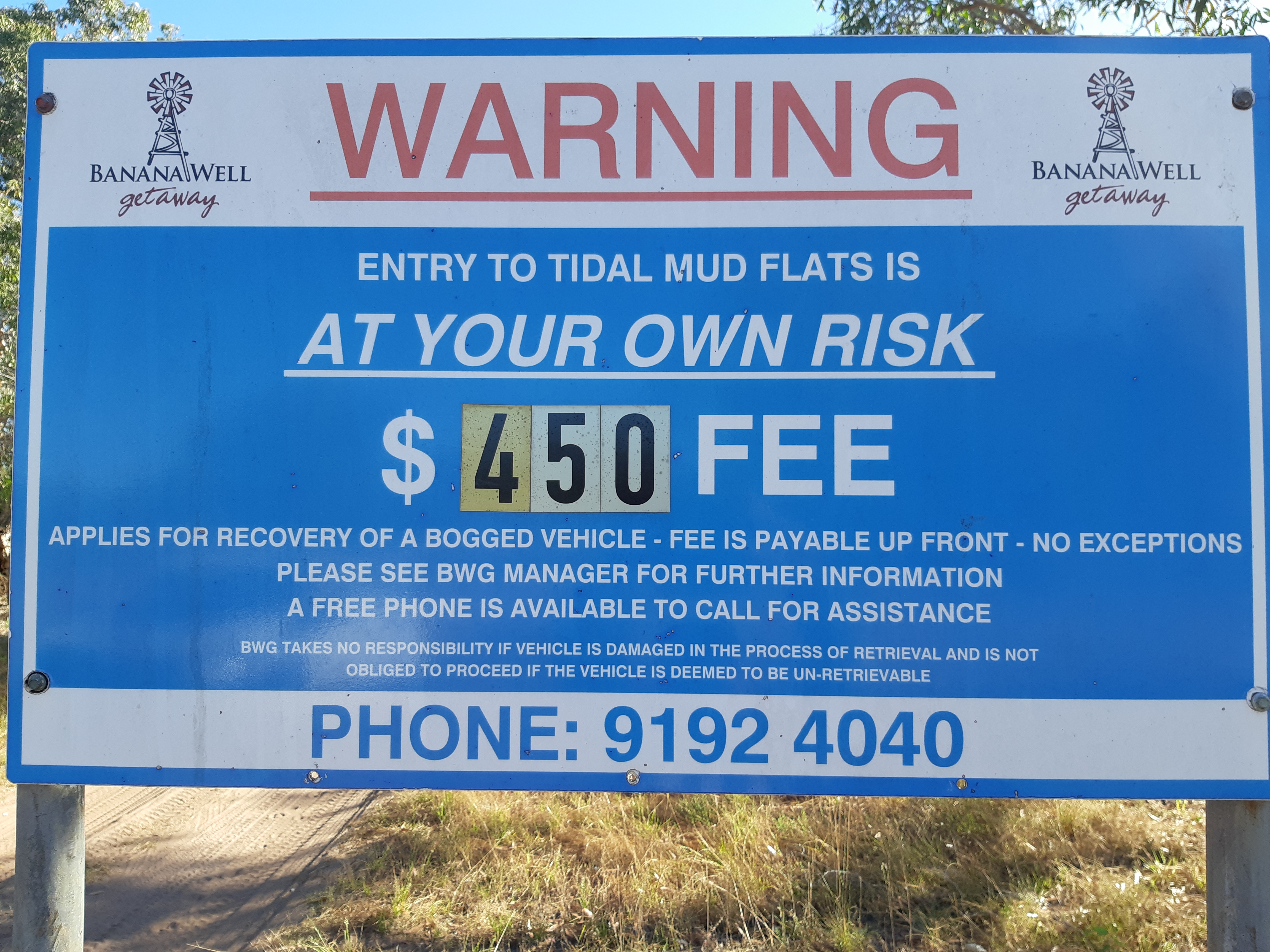
Remember the warning sign at the top of the post? It’s out of date. We were unable to extricate the vehicle despite a lot of digging and the deployment of the rescue boards (I have only seen them work on one occasion – much over-rated bit of kit). When the futility of our efforts was eventually acknowledged a tow truck was summoned. The quote was $5,000. There was no way that it could arrive before the next high tide which will have reached above the bottom of the doors but probably not far up the engine. The poor guy was sure his wife was going to kill him.

Cygnet Bay …

Yeah, I missed you too. We went away for a few days.

William Dampier and the crew of the Cygnet were the first Englishmen ashore in Australia in 1688. The ship was beached for urgently needed repairs. They spent two months in Cygnet Bay near the tip of what became Dampier Peninsula and enjoyed good relations with the local people.

On his return to England Dampier wrote a very successful account of his travels which earnt him the opportunity to visit Oz as leader of a scientific expedition in 1699. This time as master of the Roebuck, which unfortunately was falling apart underneath him. The expedition spent three months charting 1400 km of coast from Shark Bay to Broome before heading home with meticulous notes and important biological specimens.

The Roebuck sank at Ascension Island on the way back to England but the crew, the notes and the specimens escaped intact. Dampier is described by the National Museum of Australia website as “explorer, naturalist, author, hydrographer and pirate.” He was the first to circumnavigate the globe three times.

In 1960 a pearl farm was established at Cygnet Bay by Lyndon Brown a second generation pearler and the first non-Japanese to penetrate the well guarded mystery of culturing pearls using the Pinctada maxima, an oyster famous for its huge size and the lustre of its shell and its pearls. Visitors can tour the farm, visit the shop, stay in diverse types of accommodation, swim in the pool, eat at the restaurant and go bird watching if that takes their fancy. It is a place of great beauty.

Just up the road is the aboriginal settlement of Ardyaloon. You need a permit to visit but this is no big deal, they are available for purchase at the Gallery on the way into town. It entitles you to visit the hatchery, very interesting, and the beaches. It, too, is a place of great beauty.

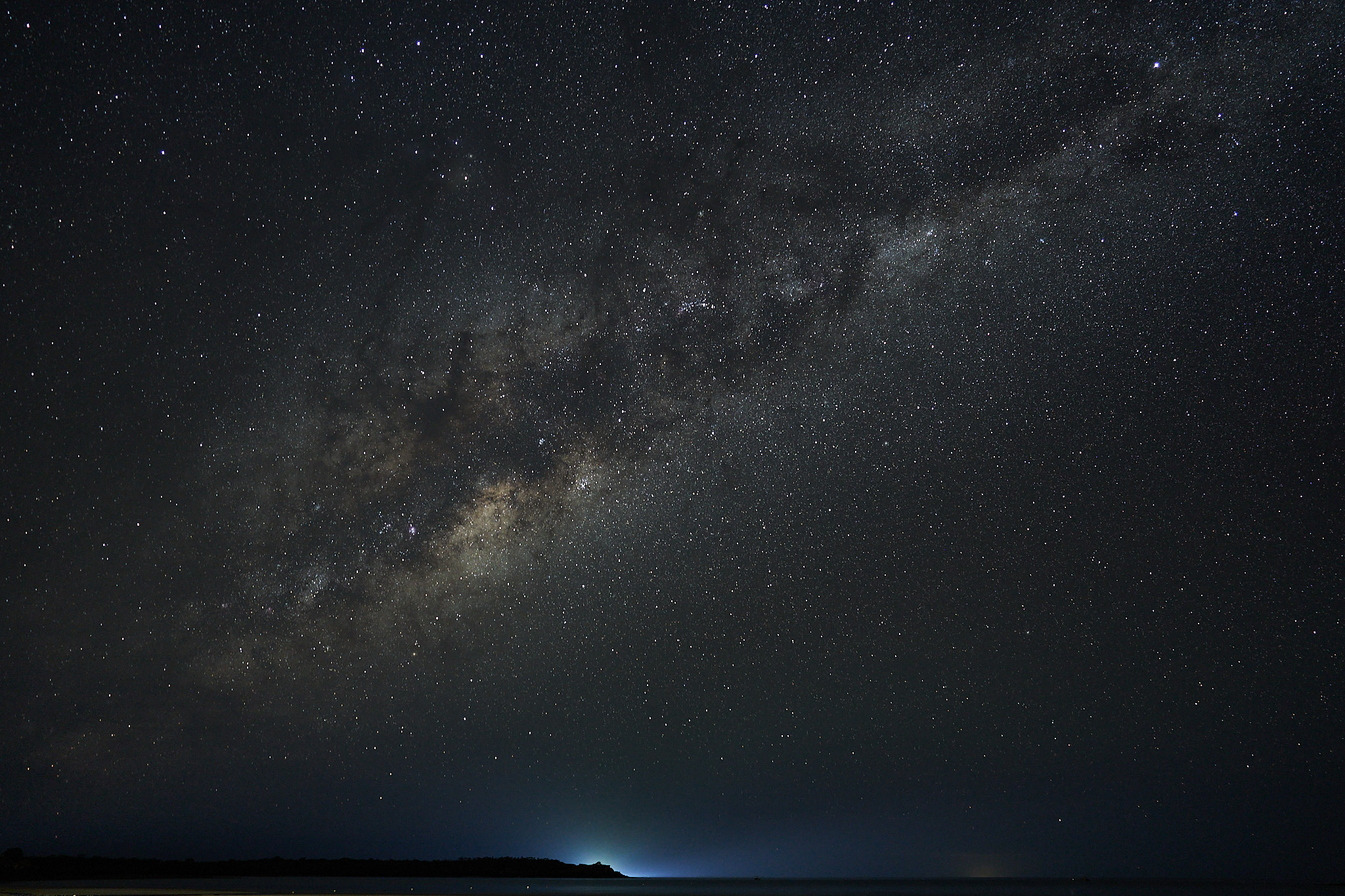
On our last night at Cygnet Bay I ventured down to the beach to take in the Milky Way before the waning crescent moon had a chance to climb above the horizon. The lights of Ardyaloon were visible in the distance. Click on any of the pictures for a better look – especially this one!

A romantic footnote … some years ago I took Gayle to the Willie Creek Pearl Farm on her birthday and bought her a cold drink and an ice-cream.