Er, Derby …

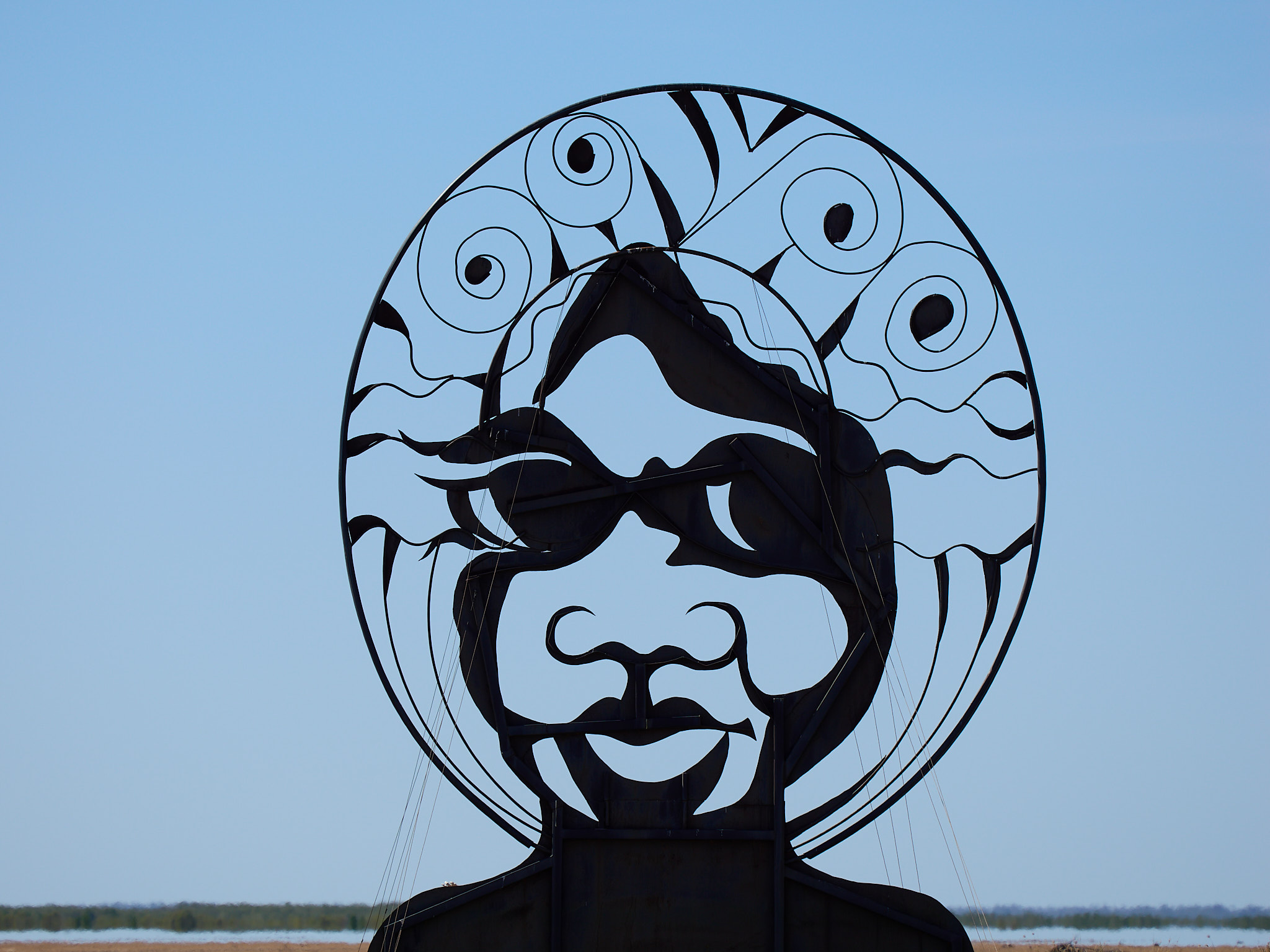
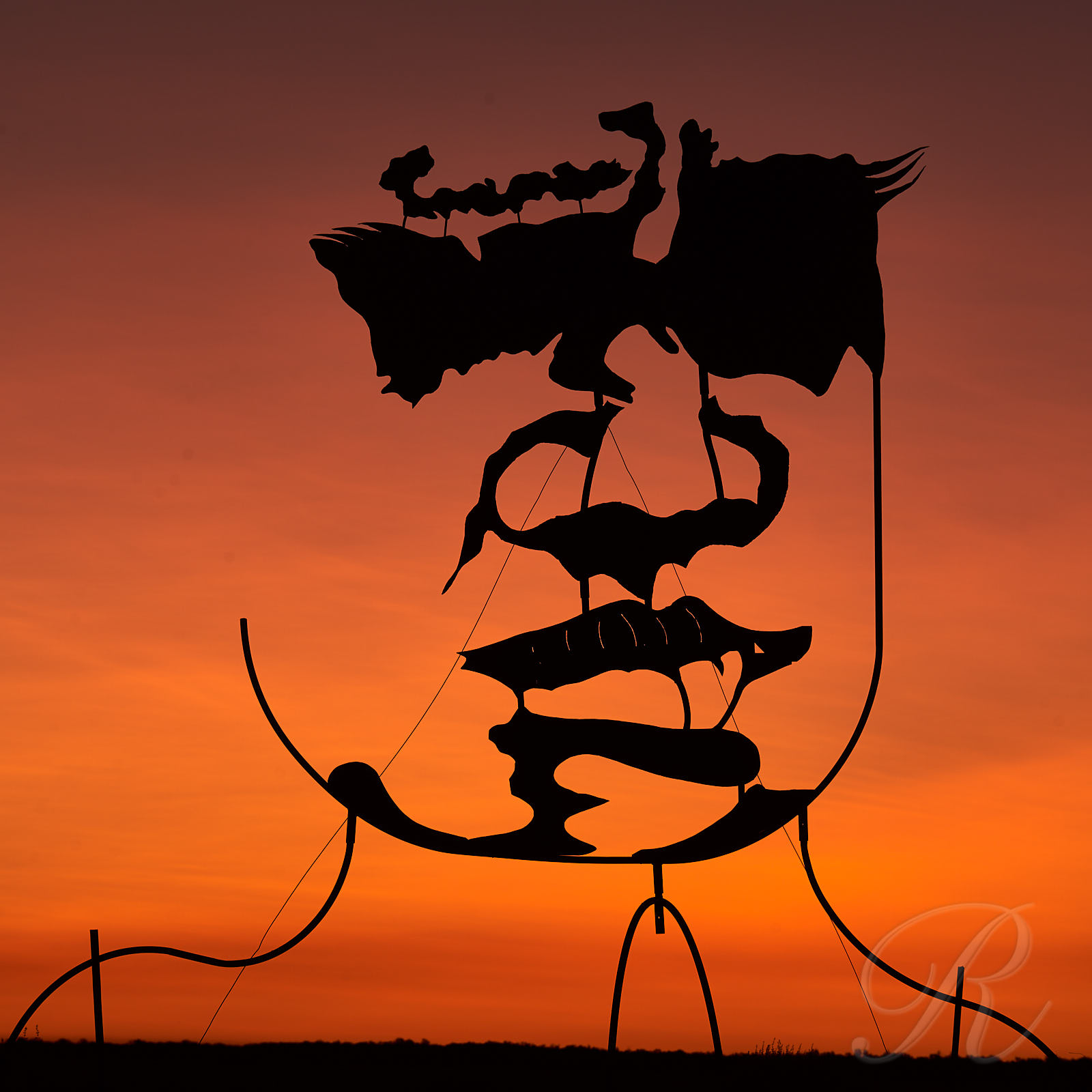
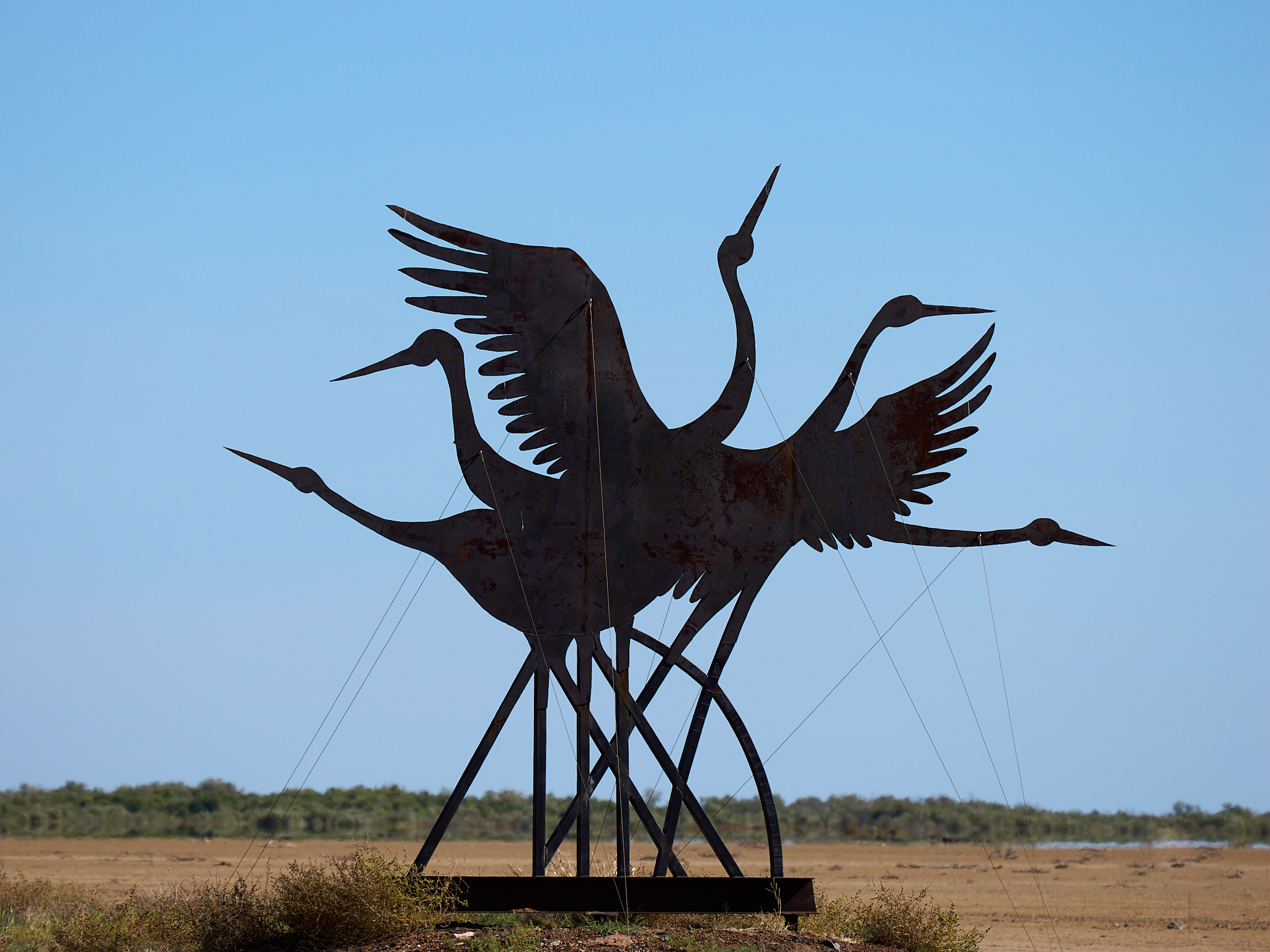
Not Ar Derby pronounced in the English style, they’ll look at you funny. This is the far north of Western Australia we’re talking about. Population 3,325 unless someone has gone to Broome for the day which is a little over 200km to the south. The main tourist attraction is the Prison Boab and it has a port and some interesting sculptures. There are no take-away alcohol sales on Sundays or Mondays. The sculptures are best seen at sunset (Tuesdays to Saturdays).

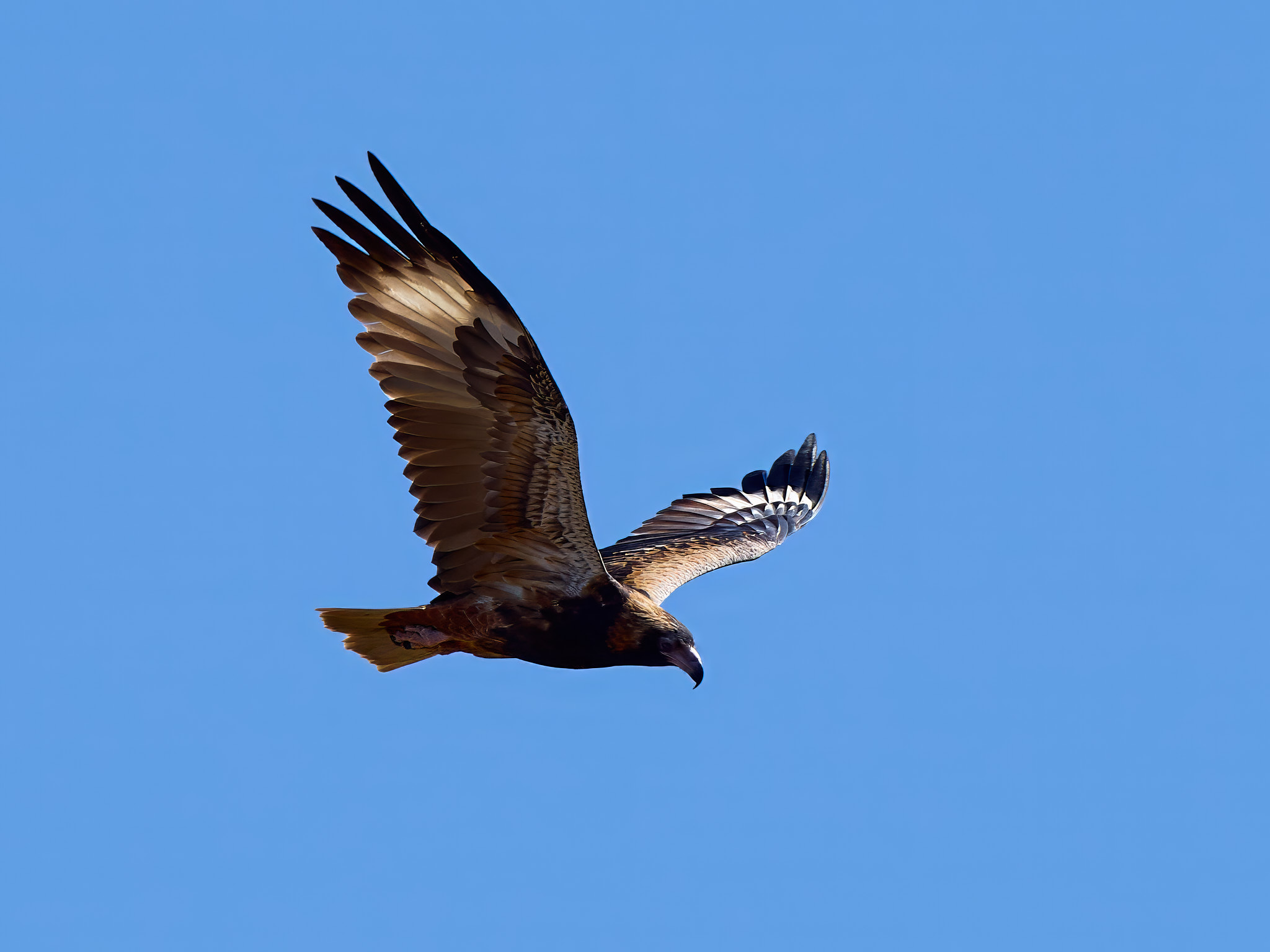
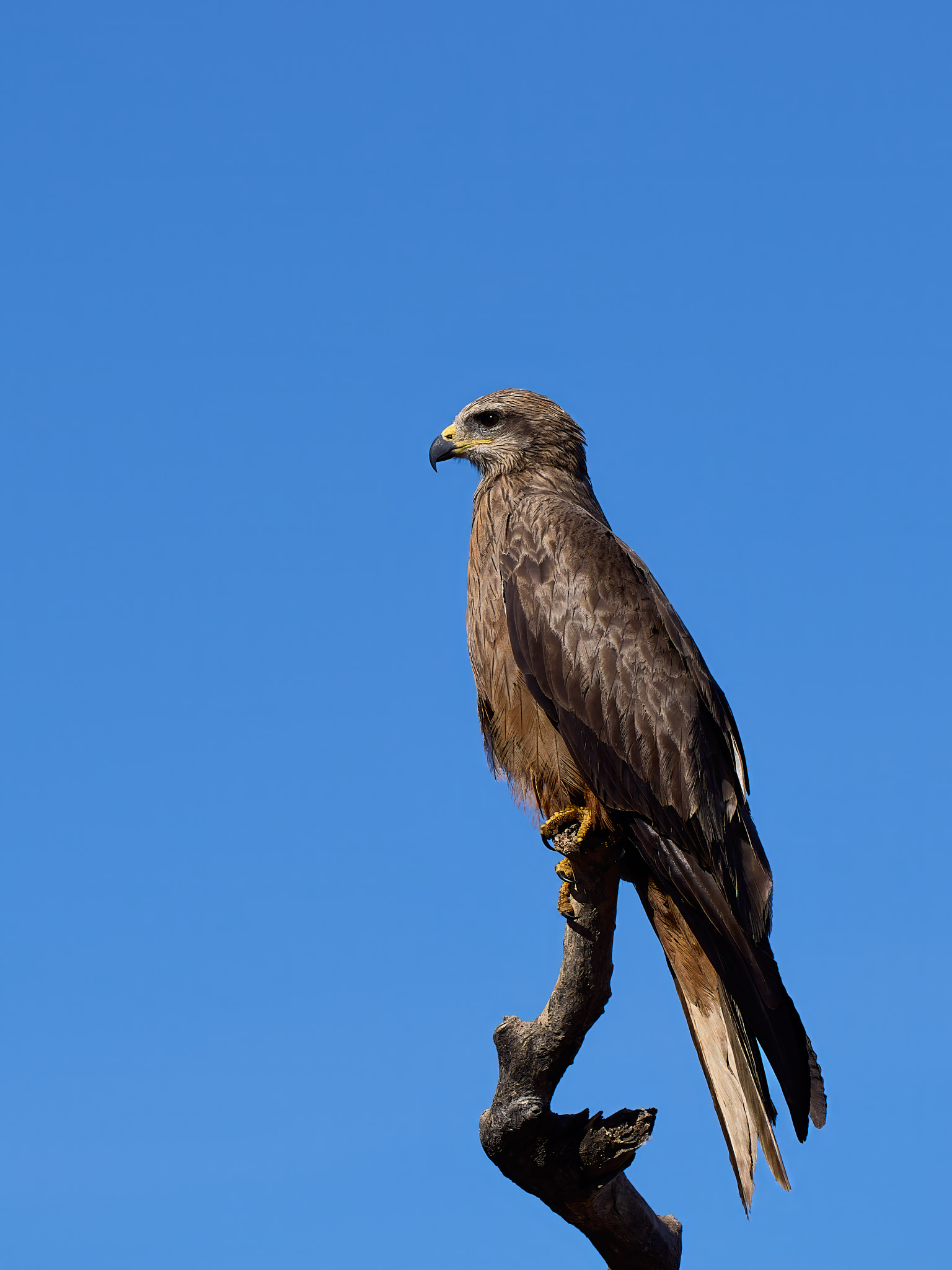
The birding is good. The number one hot spot is the water treatment plant and the adjacent wetland. Access is via Conway Street off the Derby Highway and can be interesting in wet weather. You are sure of a good list of the regular suspects and it gets more than its fair share of rarities.

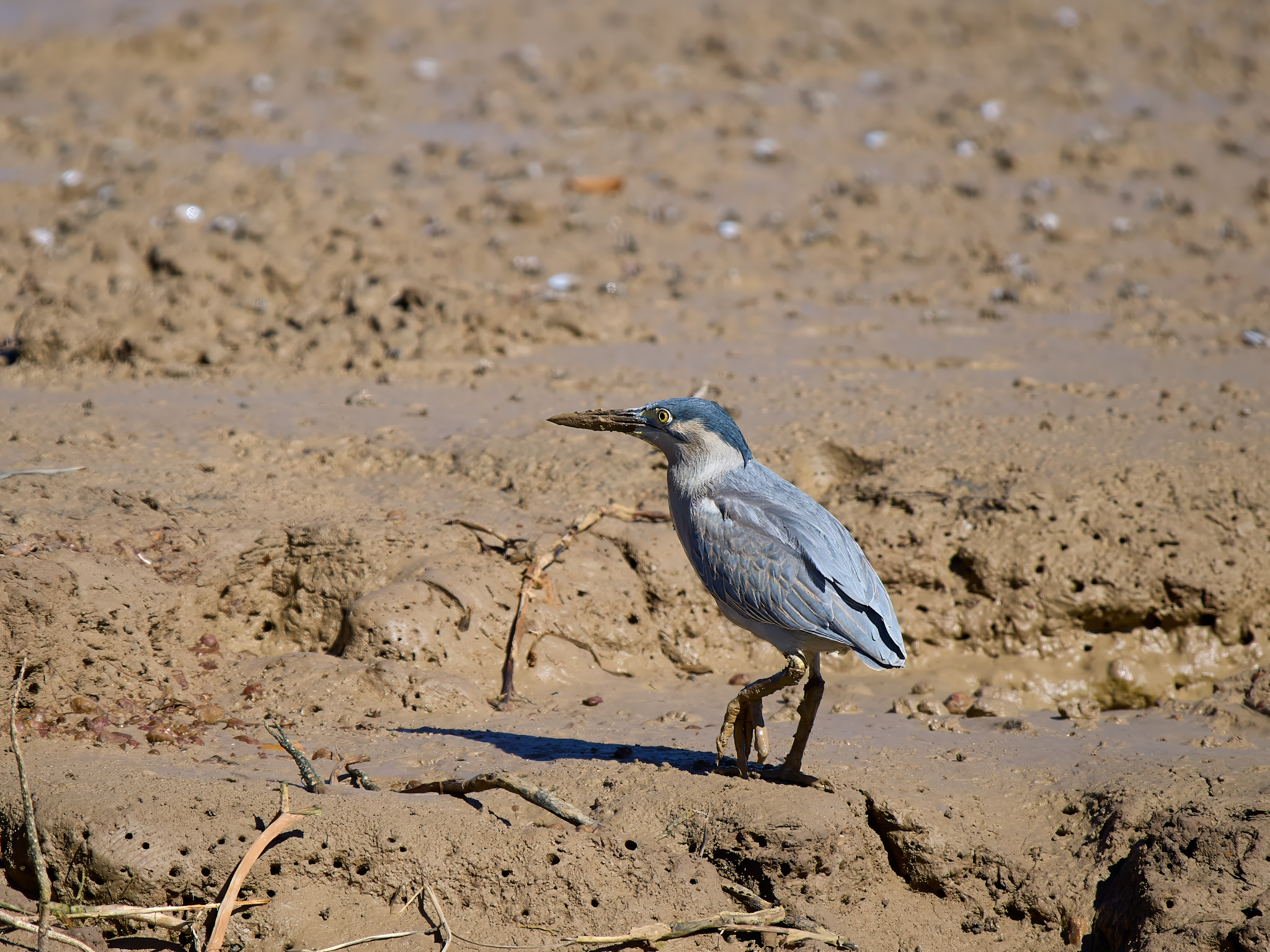
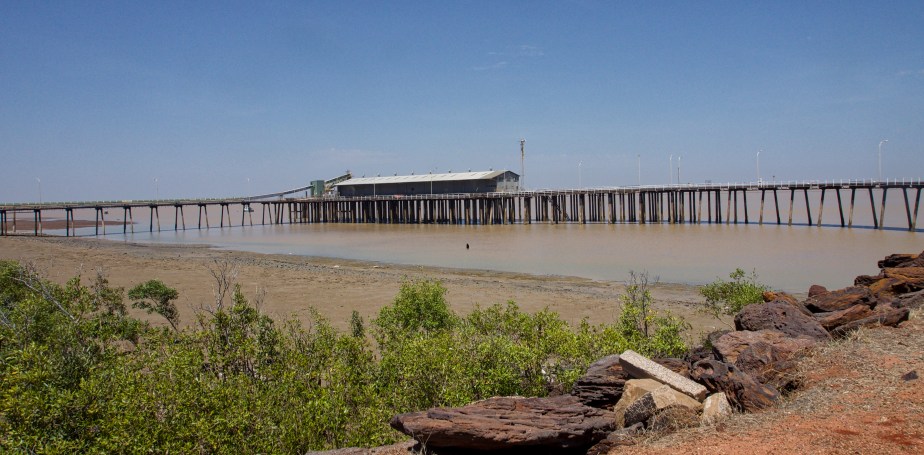
The port area is also good. It lies across a causeway on the shore of King Sound famous for its 11 metre tides. A lot of mud at low tide, good for waders in the summer not so much in the dry. Always a chance of a nice crocodile. All the mangrove species are close at hand but they are easier to see in Broome (take the Broome Bird Observatory Mangrove Tour).

Munkajarra Wetlands are 21km south of town, the last couple of kilometres are on an unmade track. Easy going if the weather is dry. The lake will be on the eastern side of the track therefore best in the afternoon. Mosquito repellant, long sleeves. You know the drill.

In town the ovals and even the median strip can turn up some nice birds especially in the wet. I have seen Little Curlews running around down the main street.

For a nice quiet drive birding from air conditioned comfort start at the Pioneer Cemetery and follow Lovegrove Street south east until it meets the Gibb River Road. It’s, for the most part, a one lane sandy track through open savanna and tidal flats. It’s about 8km and I have yet to encounter another vehicle on the route.

Where to stay? Birdwood Downs Station, about 17km out of town and there is a nice walk among the Boabs and some good birding. Cabins and un-powered camp sites.
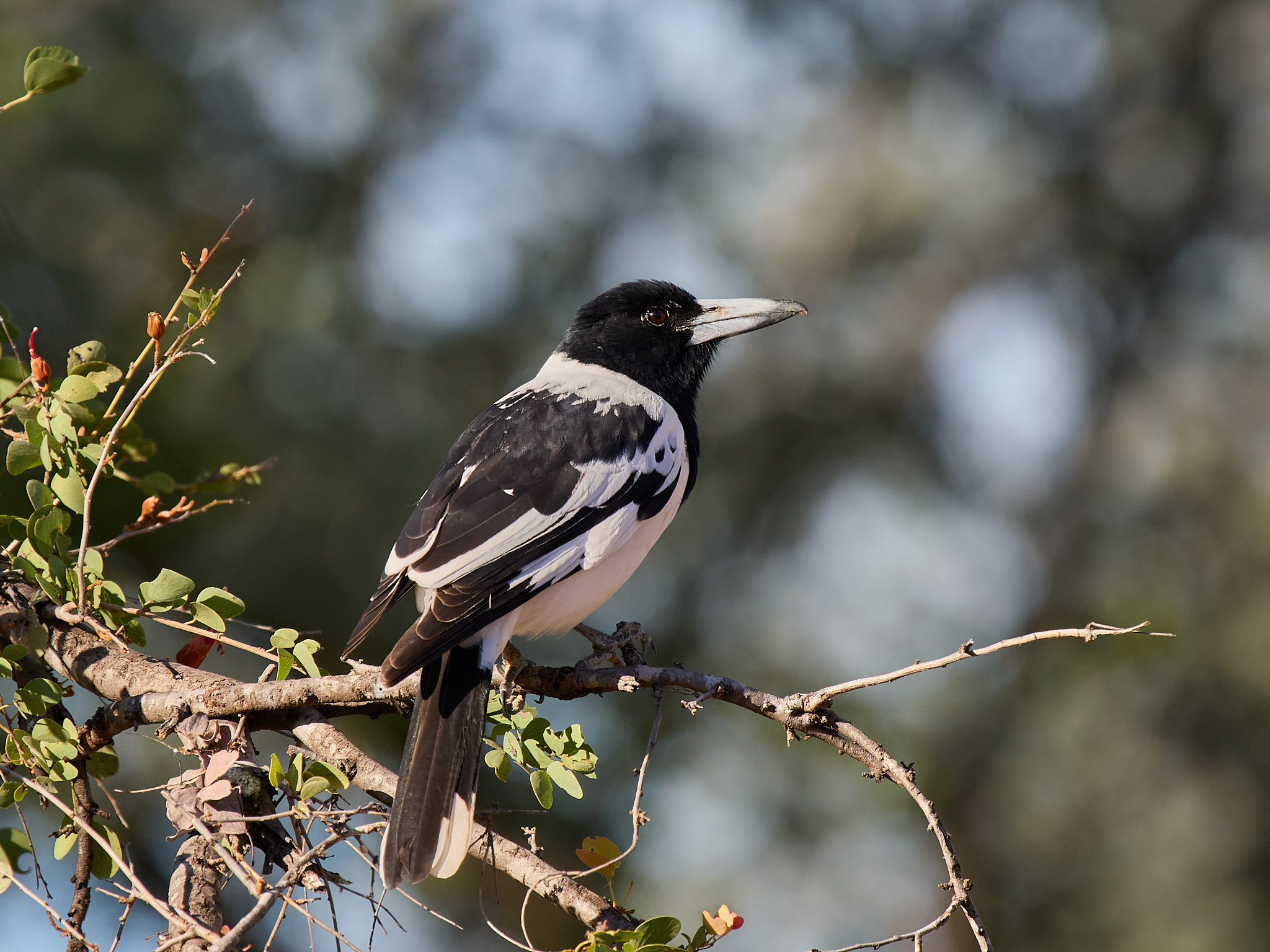
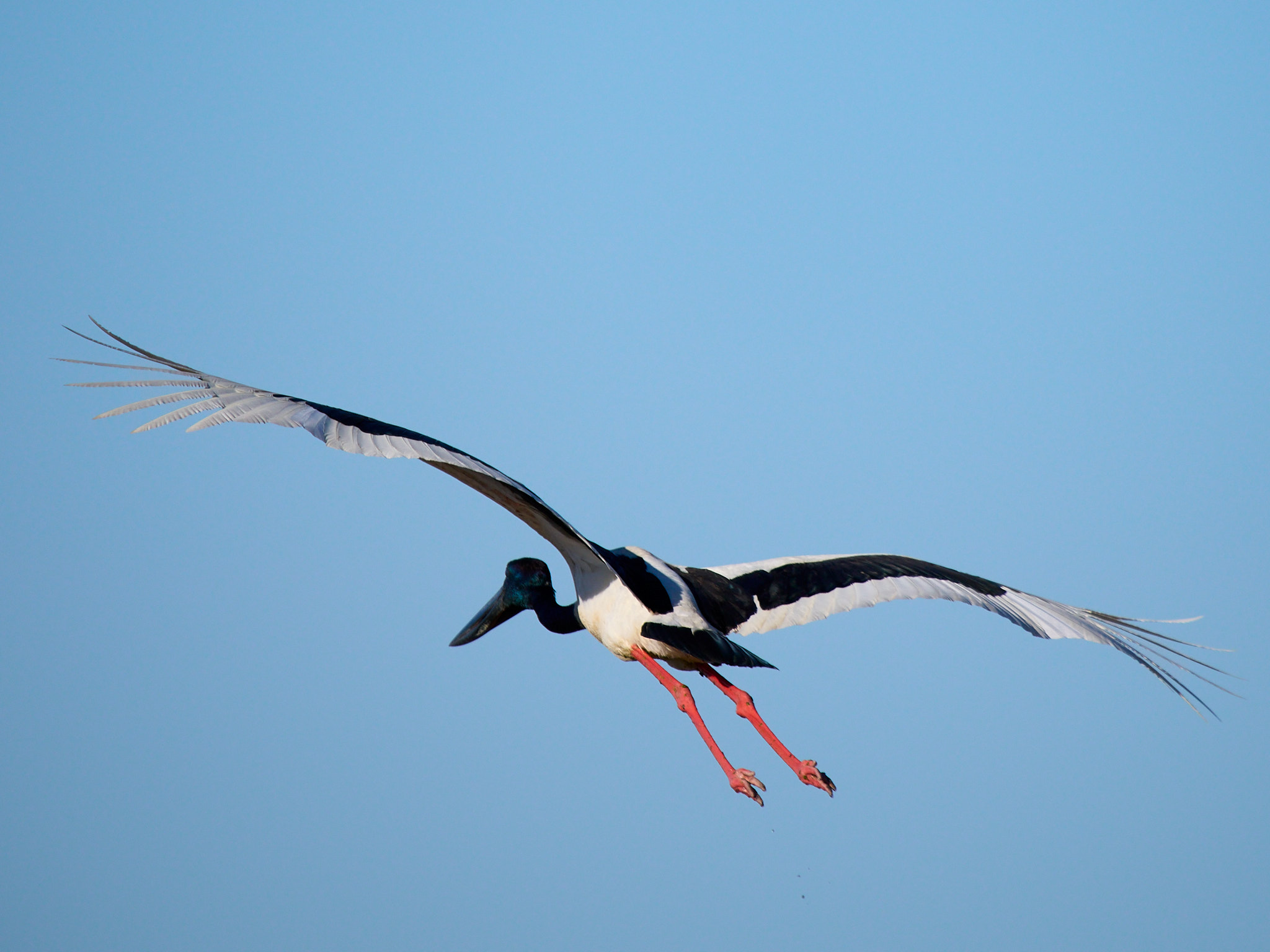
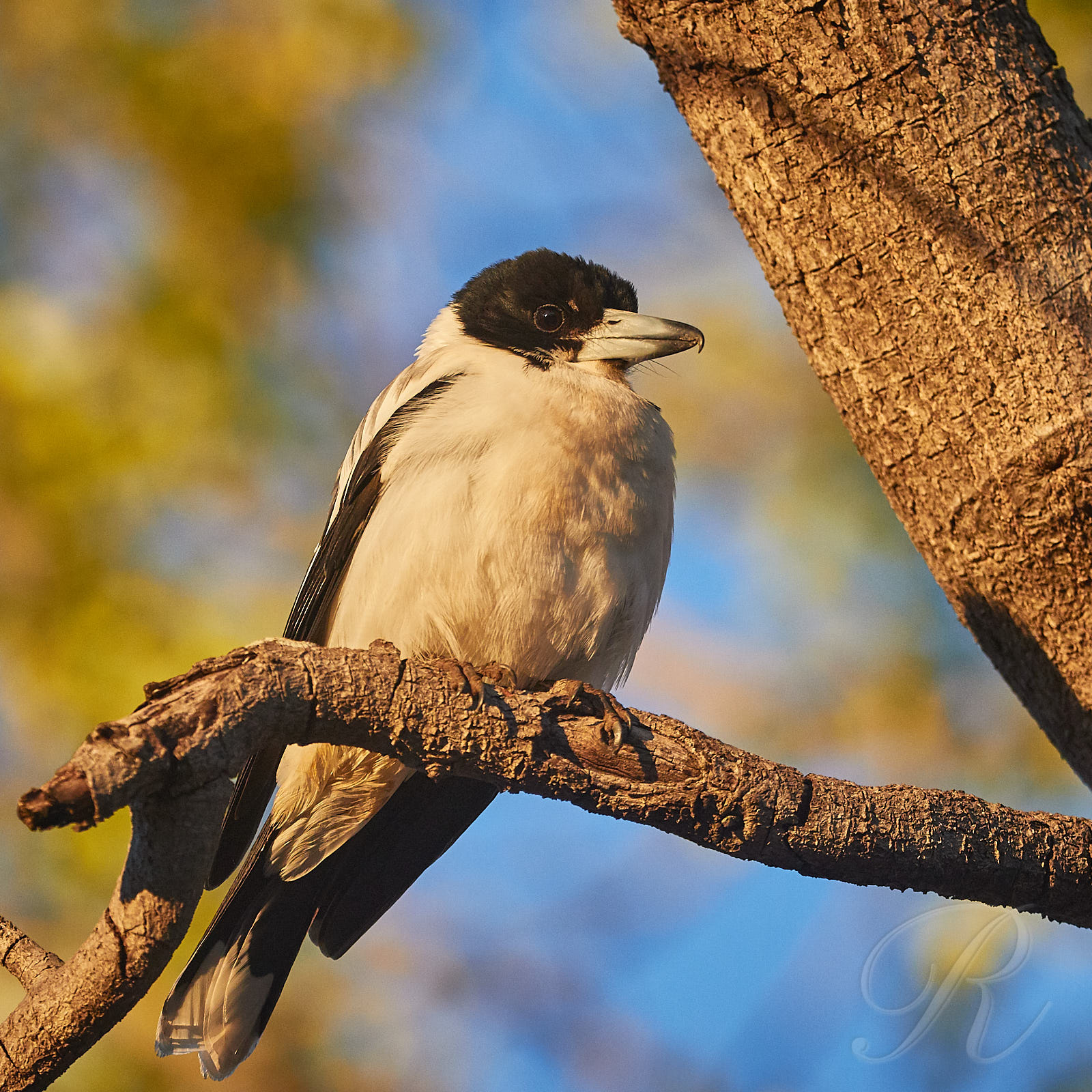
The Pied Butcherbird is sitting in a Jigal Tree Lysiphyllum cunninghamii otherwise known as the Mother-in-law tree. In Aboriginal culture a man does not talk to, or sit facing his mother-in-law. The paired leaves of the Jigal face away from each other. It has nice red flowers. Click on the gallery for a better look.

Derby …

We made a day trip to Derby.

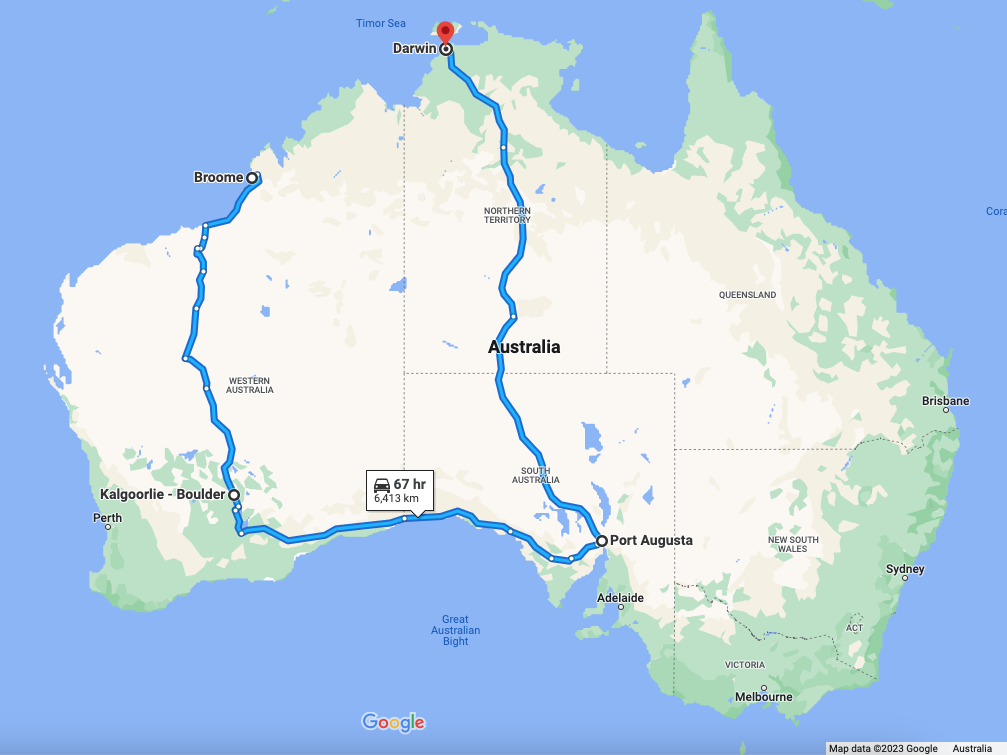
If we’d turned right at Willare we’d have come to the town of Fitzroy Crossing where the bridge was recently destroyed by flood. The next major city in that direction is Darwin. Broome to Darwin is about 1800 km. With the bridge down Broome to Darwin became a 6,400km journey for a while.

The Fitzroy River also runs through Willare where it took out the road leaving the bridges standing. Poor old Derby at that stage was a boat trip to anywhere. Roadworks are in progress but there is still a lengthy section of single lane alternating in direction.

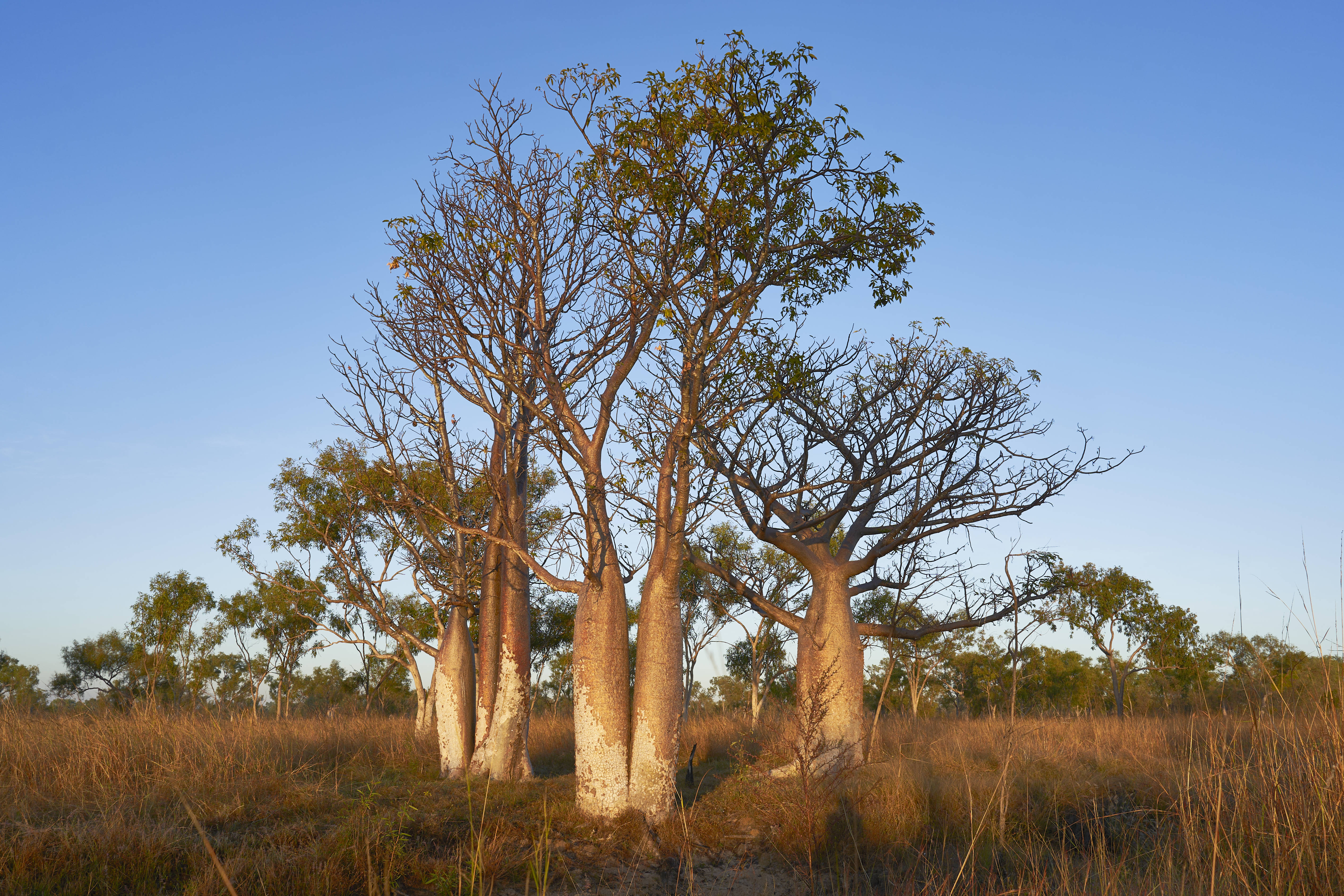
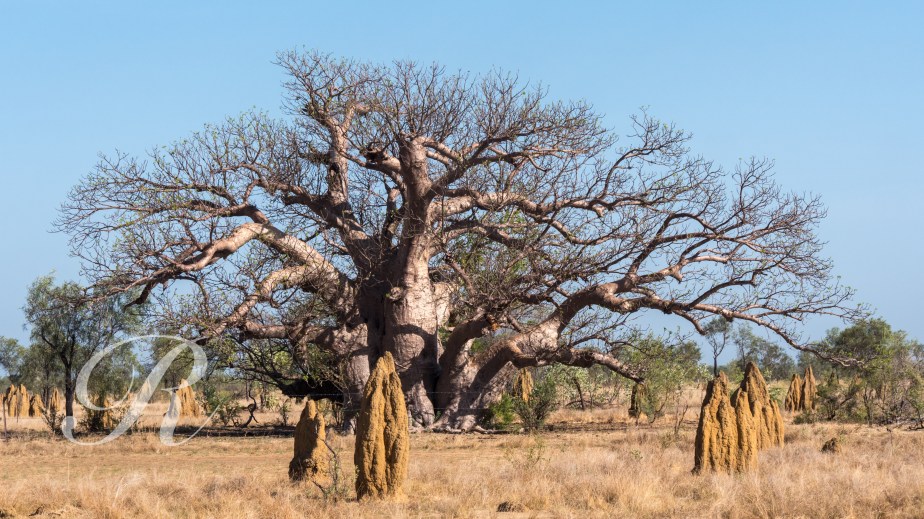
The trip was essentially a scouting trip to find suitably photogenic Boabs. There are plenty in Broome decorating our parks and gardens and some are quite old and splendid but they don’t occur naturally. The authentic ones start to appear in the landscape about 120 km up the road.

Adansonia gregorii

Baobabs belong to the genus Adansonia. The centre of their diversity is Madagascar where there are six native species, Africa has a seventh, we have the eighth. Ours is closely related to the African one. It found its way here as a floating seed.

Here its name was treated with the same respect accorded the Possum and Goanna.

Going straight …

AKA the Kimberley part 3.

After saying good morning to the Kimberley form of the Grey Butcherbird, an isolated subspecies Cracticus torquatus latens, we headed for the Mt Barnet Roadhouse.

The previous day we had set up the satellite phone and taken advice from our home mechanic regarding the steering. It was suggested that we get the car towed. That’s a 1200km round trip tow. What about the trailer? Or that we pour oil into the empty reservoir and try our luck. The appropriate oil is ATF if that wasn’t available try anything light. I was considering cooking oil as a field expedient, it would have made an interesting story for the blog but Mt Barnet was well stocked with all sorts of oils including ATF. We filled the reservoir and hit the road.

At intervals we refilled the reservoir. Fortunately we had bought quite a lot of ATF because the system had a bloody great hole in it somewhere inaccessible. Driving in a straight line was easy, anything else was not.

Some of the Gibb River Road’s best scenery is in that stretch.

It wasn’t our intention to stay in Derby but we broke the drive to Broome into two stages. It gave me the chance to photograph a sculpture that is carefully arranged to be at its best against the setting sun.

Next morning we did the sights of Derby and headed for Broome.

Derby port


Derby Day …

Administratively Broome is part of the Kimberley but in terms of geology and biology it doesn’t quite fit. If you drive north to Derby you cross the Boab line and then the Fitzroy River. Now you’ve got one toe in the real Kimberley.

As you approach Derby the Prison Boab is off to your right. The tourist will want to have a quick look. The bird watcher will also want to stop. There is a cattle trough adjacent to the venerable tree that attracts the odd thirsty bird.

The next stop for the birdo is the sewage pond. On the left just past the speedway sign you’ll find a sign to Derby Wetland pointing down Conway Street. The road surface changes to dirt (dry season, mud in the wet). Don’t be tempted by the bitumen off to your right. At the end of Conway turn left, the ponds are now on your right, turn right again to keep them there. Shortly you encounter tracks off to the left both will take you to the wetland, the second one is usually in better condition.

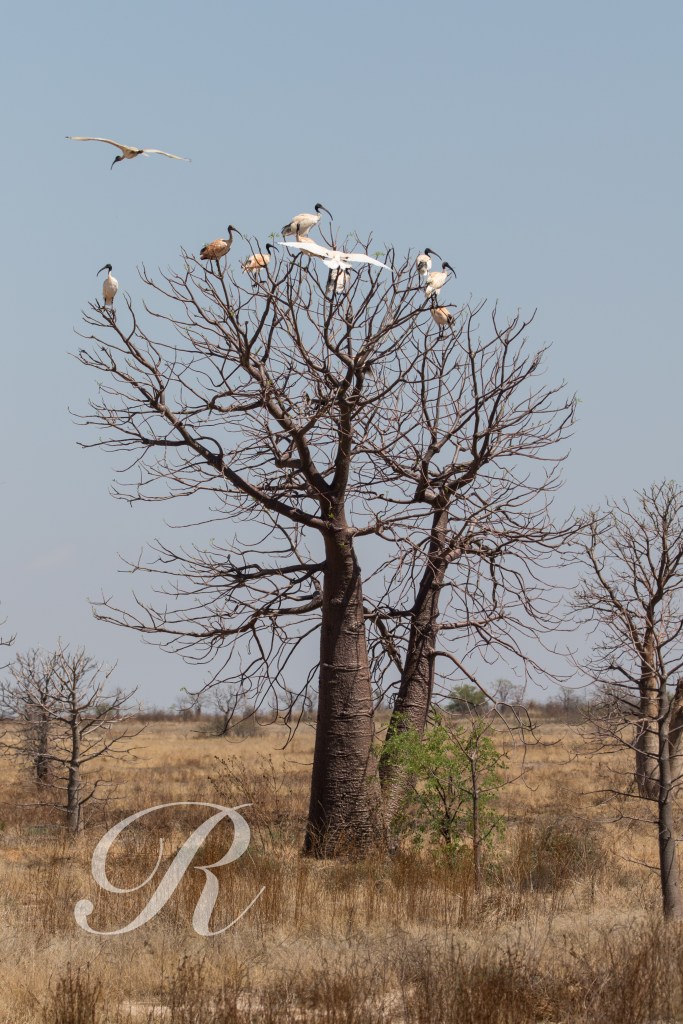
The sewage plant may be the only one in the world to have a Boab tree within its boundaries. There was a fine White-bellied Sea Eagle sitting in it when I was last there. Good birds can be seen through the fence.

The wetland has been improved in recent years. The waste water used to run out the back making a very nice wetland where I’ve seen Ruff and other delicacies. The Golf Course coveted the water. So a pond was created to give the illusion of a wetland and the water was put to good use. It’s now an ideal place for Purple Swamphens and White Ibis. Whereas in the past every serious bird watcher in Australia found their way to Derby in the course of their career, maybe now every serious golfer treks here instead.

Then it’s into town, look out for Little Curlew on the ovals. I have even seen them on the median strip. The port is worth a visit. You can peer into the mangroves at the boat ramp. There’s a nice cafe by the pier.

photo – GHD

Someone in an air-conditioned office thought it would be nice to put a walkway between the port and town through the most desolate landscape you’ll find this side of the Sahara. If you’re planning to migrate to Mars you could train here.