“My men saw two or three beasts like hungry wolves, lean like so many skeletons, being nothing but skin and bones”.
William Dampier recorded this observation from his voyage of 1699 and you can count the ribs on most wild Dingos without any trouble at all. How apt that I should take these photographs of mum and her pup on the Dampier Peninsula, not far from Cygnet Bay.
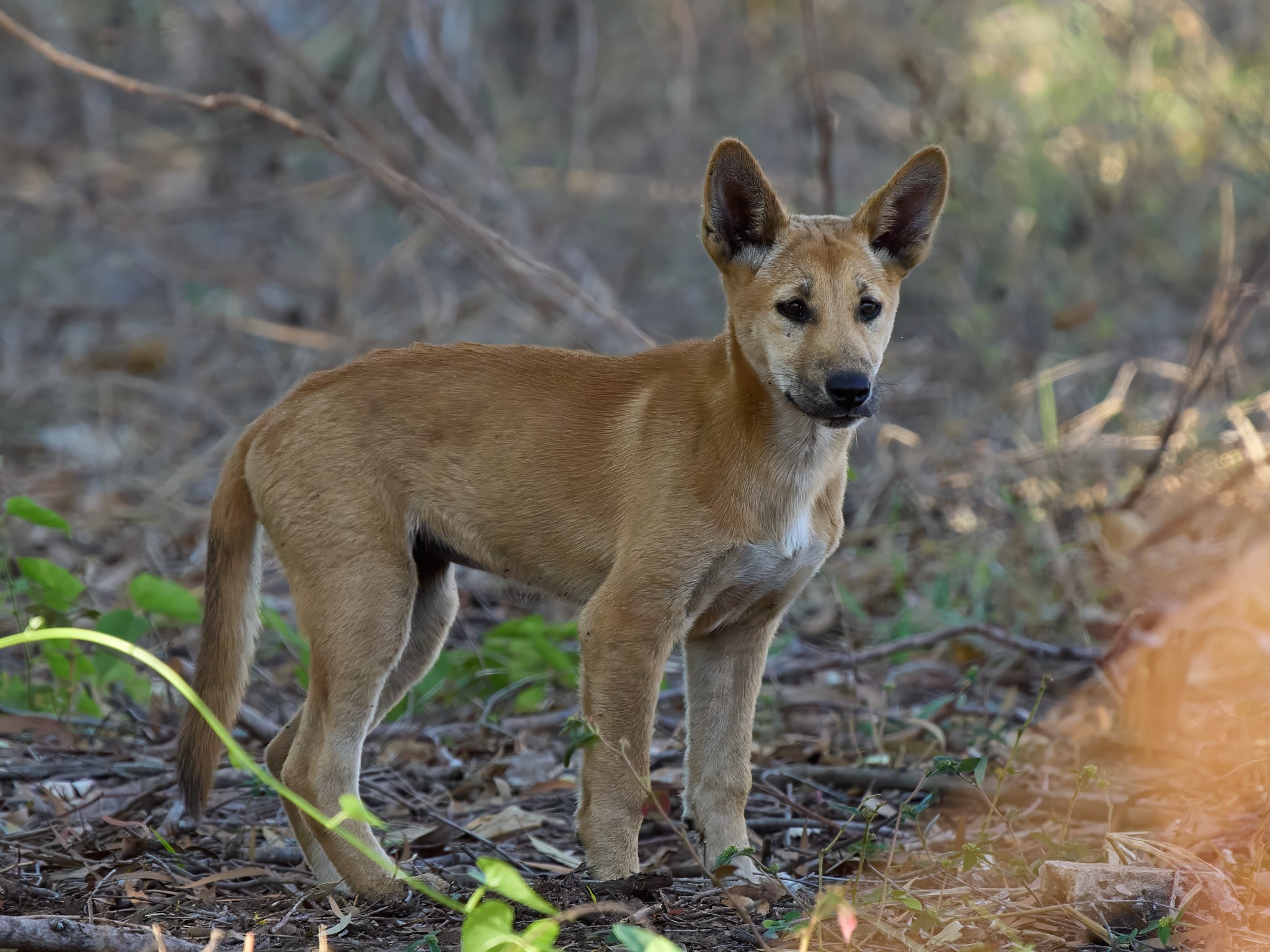
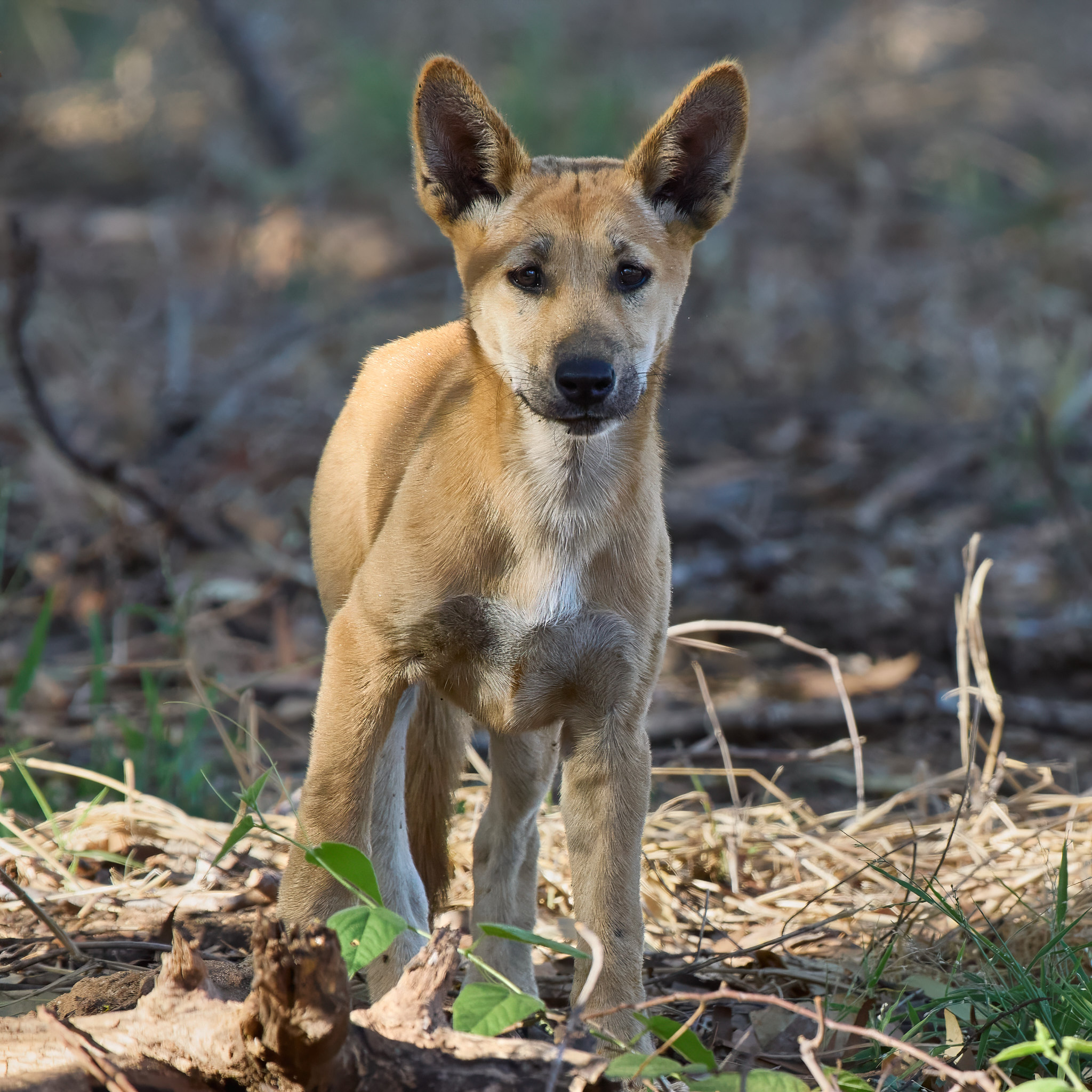

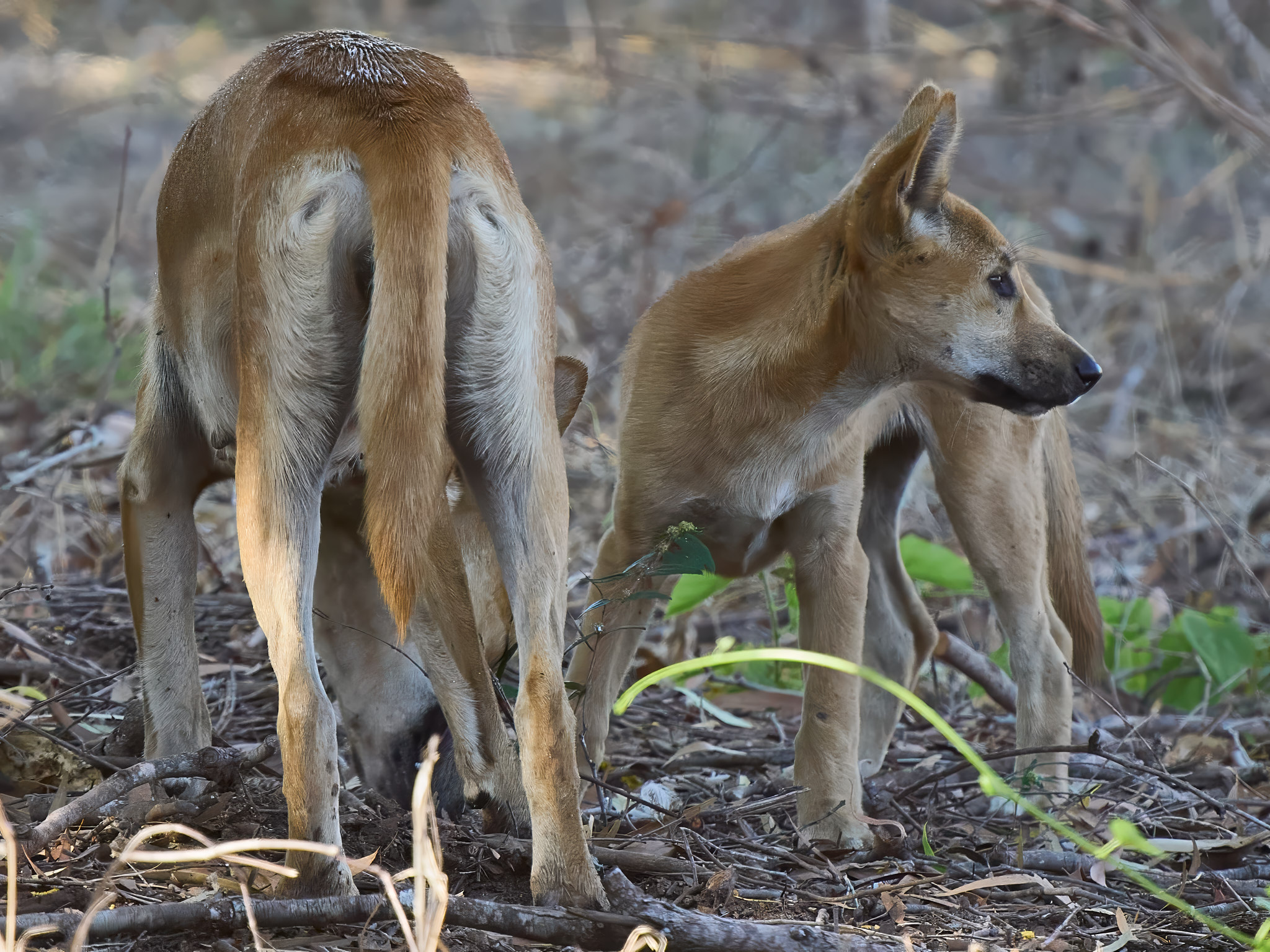
Magnificent though they are they are just domestic dogs although some people would make it much more complicated. Make it Canis familiaris dingo if you must but they belong fair and square in the dog clade along with all the other breeds. They came on boats, with people, about 3500 years ago and probably spread quickly across most of Australia, perhaps within a century. When the poms rocked up in Sydney in 1788 they found the aboriginal folk had companion animals which in the local language were called Dingos. They are also very capable of surviving in the bush without their companion animals which call themselves humans. Which means they have had a lengthy period being shaped by their environment rather than selective breeding. Hence the beautiful conformation. Built for power, agility and speed. I love’em.
On any other continent they would be considered mesopredators but since it’s the biggest predator we’ve got it is by default our apex predator. But give it its due, it can take down our biggest native herbivore, the Red Kangaroo, and a pack will give it ago with a horse or Water Buffalo if need.
Prior to the Dingo’s arrival the Australian mainland was home to the Thylacine and the Tasmanian Devil and of course since their arrival stupid white people have introduced cats and foxes. There is much debate as to the role played by the Dingo in the disappearance of the former and their influence on the latter. Toss into the mix the fact that Dingos and graziers don’t get along and our regulators have a difficult time working out just what to do with them. Yes they are considered native animals in all states. In most states they are protected inside National Parks and largely persecuted outside. In Western Australia they are not protected anywhere. Tasmania missed out on Dingos but you may import one provided you first get a permit. Once there the law regards it as a dog. You may keep one as a pet in Victoria. You must have a permit and you may not breed them except with another Dingo.
How did they cross the sea? The genetic evidence makes it very likely that Aborigines island hopped to Australia about 50,000 years ago and they have remained genetically distinct until very recent times. So I think we can dismiss the idea of a recent Aboriginal immigration bringing their hunting companions with them. However, Timor is just 500km from the Kimberley coast, Sulawesi about 1000km. At its narrowest point Torres Strait is only 150km wide. Sea levels 3500 years ago were little different from today.
Sulawesi was home to the Macassan sailors who were well documented seasonal visitors to Australia’s northern shores from at least 1700 gathering sea cucumber for sale to Chinese merchants. There is no shortage of possible origins of island hoppers a couple of millennia earlier who may have intentionally or unintentionally found their way to Australia with their pets on board. Pets that were sufficiently domesticated to share close quarters with people during the crossing.
 bobmcgee