My annual report from eBird recently dropped in my inbox. It seems I have been a good boy this last year. They haven’t asked to speak to my parents. Robert submitted 747 check lists, compiled during 465 hours, in 397 different locations, whilst traveling 922.7km for a year list of 396 species. There were 252 photographs of 149 species. The lady I woke up next to this morning was my birding bestie, ie the person I shared the most lists with. And I was hers which was a great relief to both of us. The species I encountered most frequently was the Magpie-lark but the bird I saw most individuals of was the Crested Tern. And the location I birded more than any other was Sandy Cove, Port Fairy, Victoria.
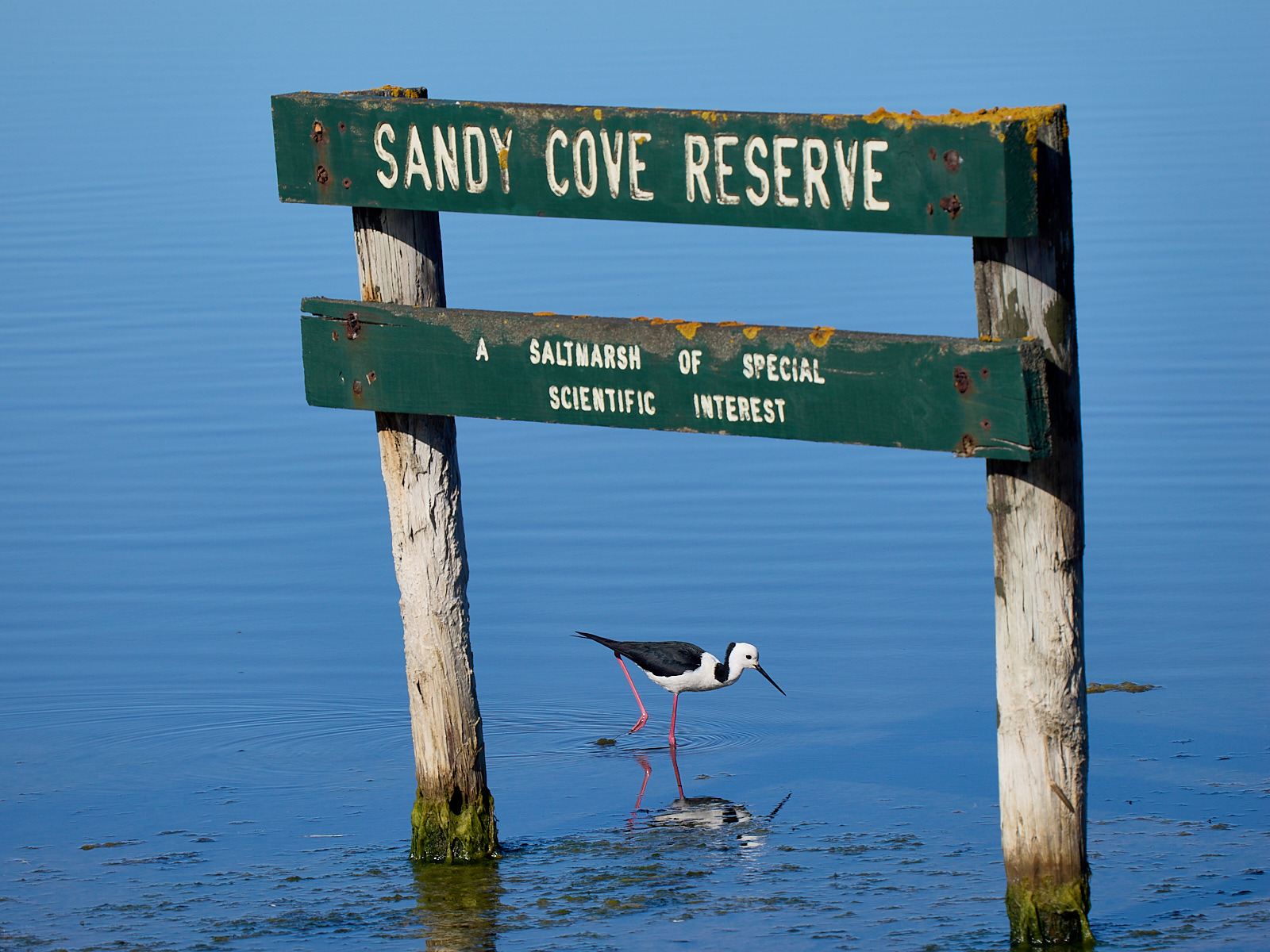
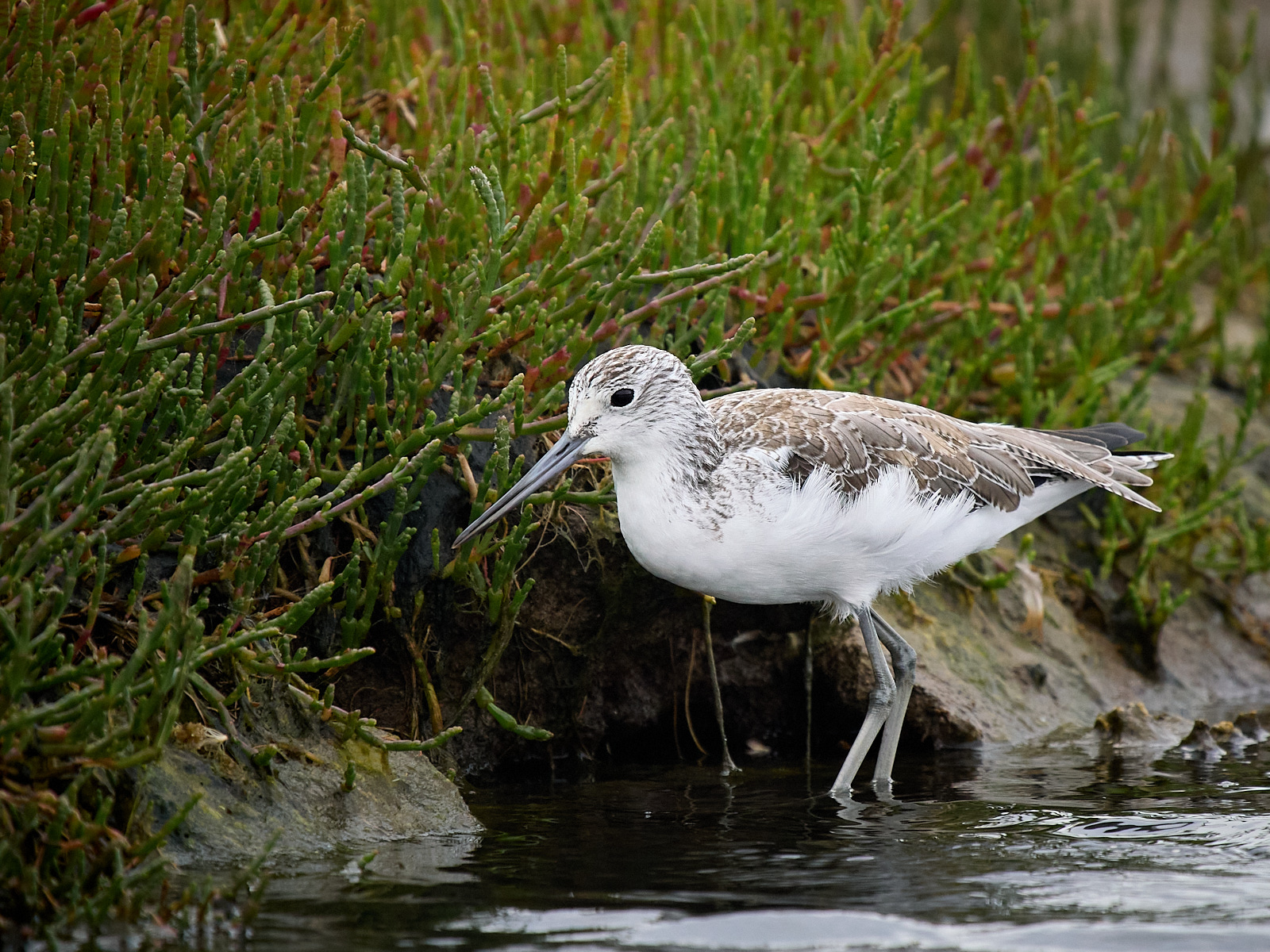
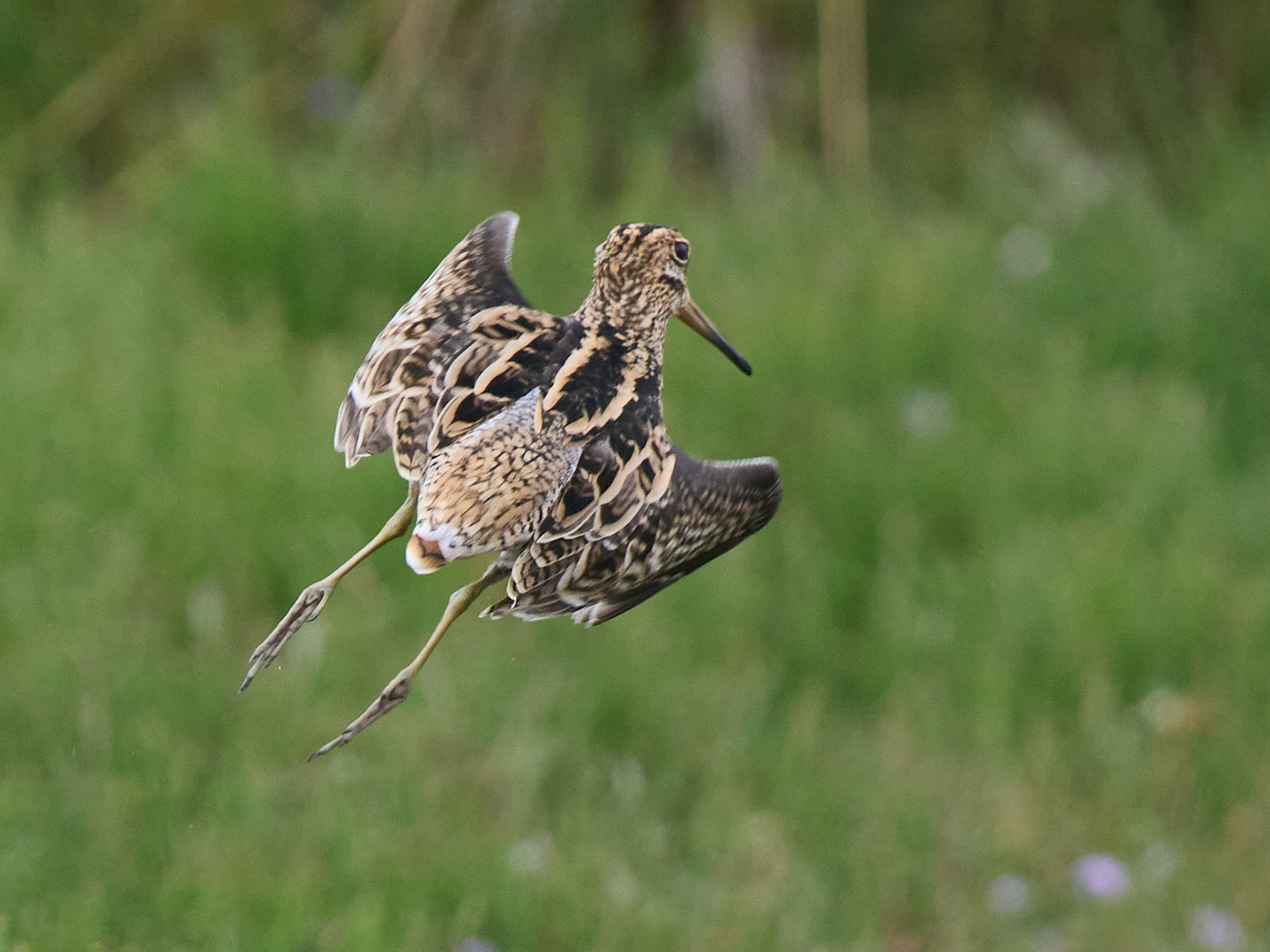
Sandy Cove is a salt marsh, with some surrounding vegetation. It attracts some breeding shorebirds like Pied Stilt and Masked Lapwing and some migrants like Latham’s Snipe and Common Greenshank. Water levels dropped quite quickly as summer wore on. It’s now dry! It’s not a large reserve but well worth a visit and it’s only a couple of hundred metres from my Port Fairy abode.
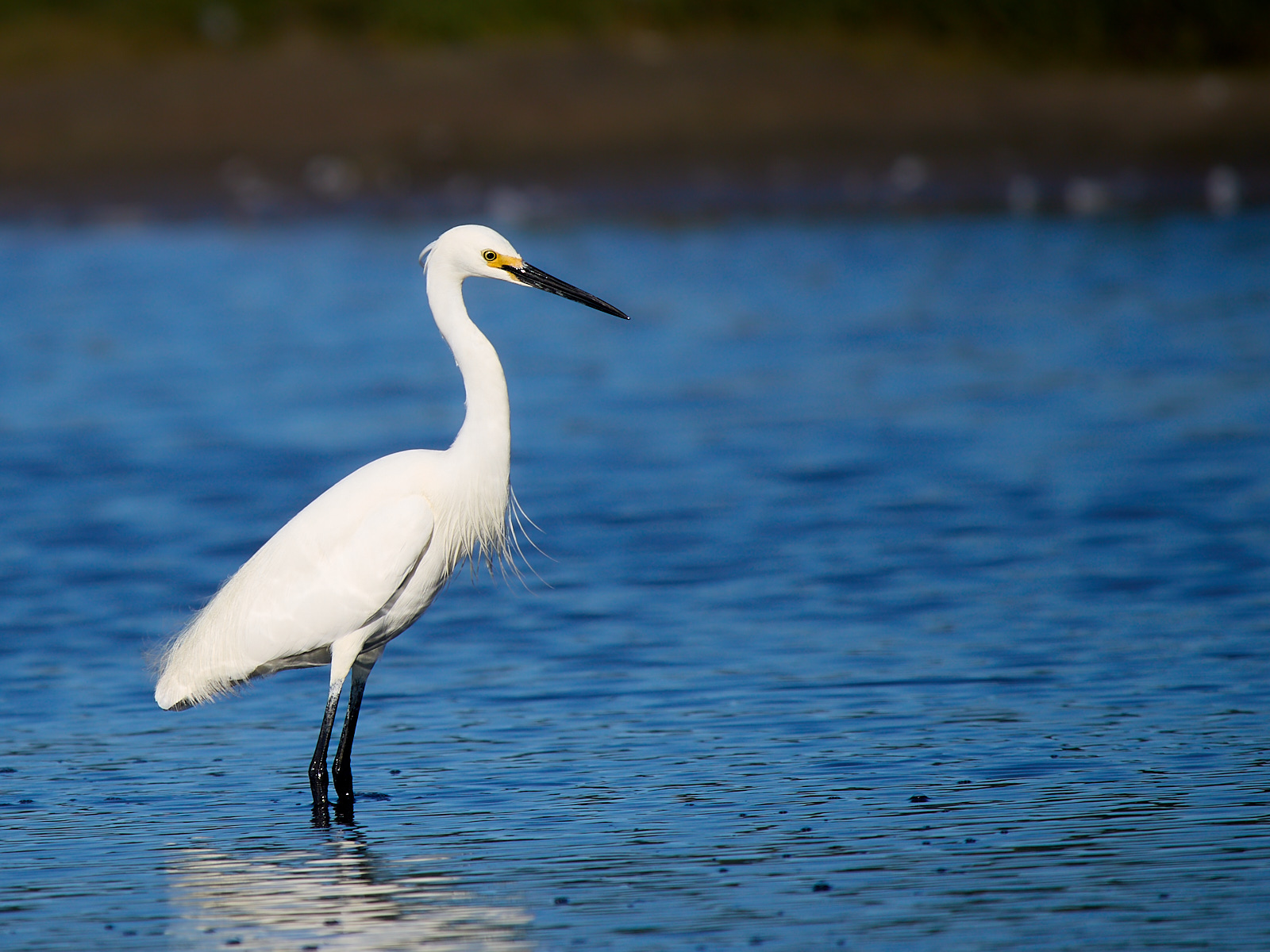
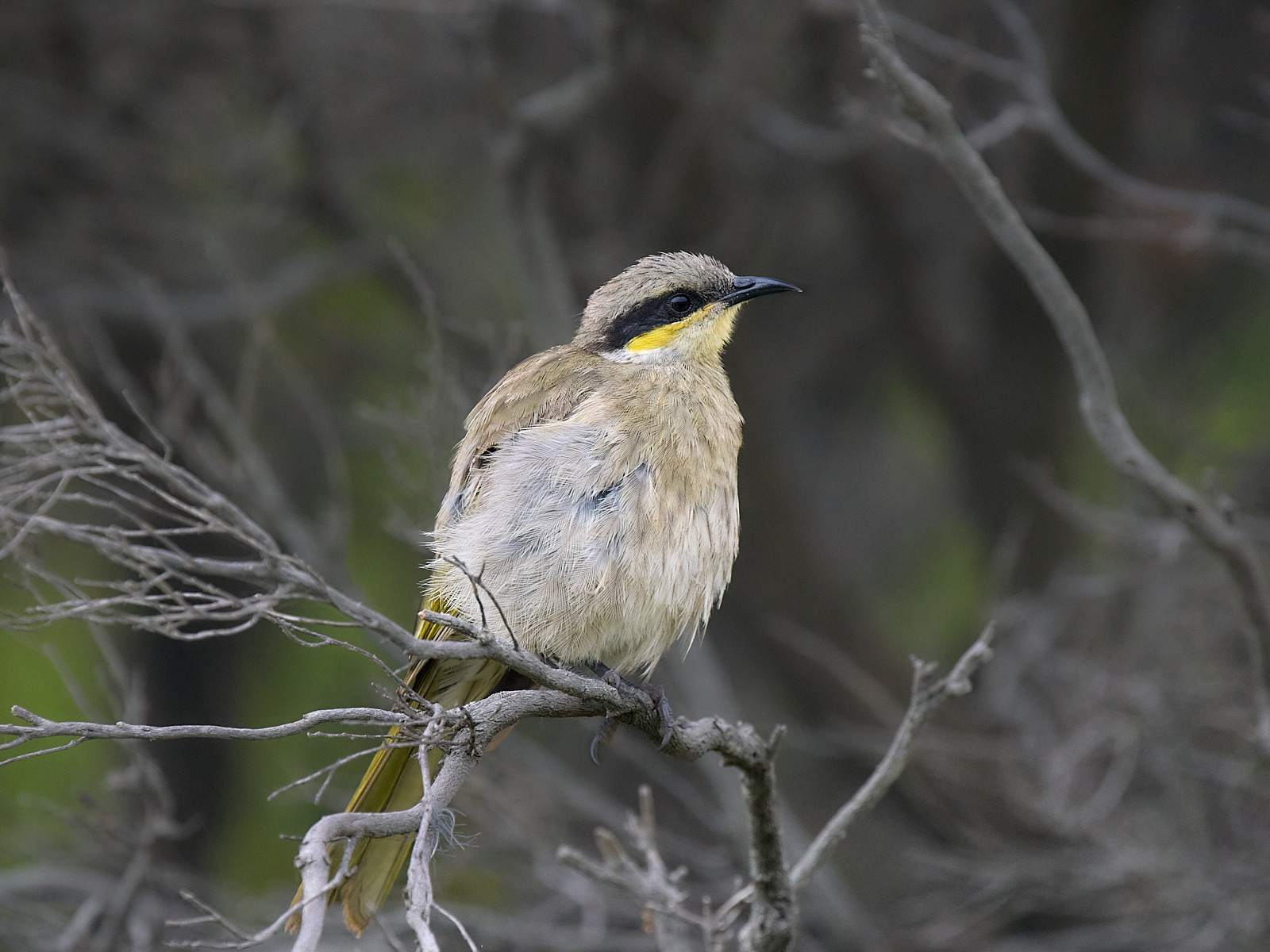
Little EgretPied StiltCommon GreenshankLatham’s SnipeSinging Honeyeater
As a kid my school reports always ended with “Robert can do better”. I wonder what this year will bring.
I started bird watching in primary school. The reasons why are hard to fathom. No one else in the family had any interest in birds or natural history. It’s important for context to know that I am a baby boomer born and raised in the east end of London. We had a small library, one set of encyclopedias and four other books. These were treated with great reverence. Hands had to be washed prior to touching them. One of them was a bird book, a coffee table sort of tome, words and pictures … in colour (partly). Maybe that helped spark an interest.
We lived about 10 minutes walk from the North Circular Road where it passed through the green belt, remnants of Epping Forest. I was permitted to go watch birds in the forest adjacent to Whipps Cross Hospital. On the other side of the North Circular there was much more woodland and the Hollow Ponds. Fortunately my parents never paid attention to my lists. Swans, Coots and ducks were rare on my side of the road.
What I liked to do was walk, look and make a list. It’s what I still like to do almost 70 years on.
Those lists were on scraps of paper. They are lost. The notion of keeping a life list didn’t occur until the computer age caught up with me. I got into computers and began entering up my records which by that stage were recorded in notebooks. The user interface of the software available at the time was woeful. After a brief stint using a bought one I wrote my own. Then I created a suite of queries to generate any reports I felt the need for.
The DIY approach avoided one major hurdle. At the outset most people would have thought that the taxonomy of birds was well understood and not likely to change much. DNA technology soon fixed that. Had I stayed with the bought one I’d have had to buy a new version every time there was a major change to the official world order. As it was the system met my needs for 30 years but the work of maintaining the underlying taxonomy and of reconciling all the splits and lumps grew with every year and every continent visited.
What I wanted was my records on my computer, suitably backed up of course, simple and efficient data entry and reporting and for someone else to do the work. And now I have it.
The solution comes in two parts. On my computer I have some free software called Scythebill. It is home to my records. On the web there is eBird. It takes care of the taxonomy maintenance. Data entry has moved into the field with the eBird mobile app on my phone. It records time, distance and location automatically. Data entry requires just a few keystrokes for each species. Scythebill will accept the list from eBird with minimum fuss. Either system can stand alone but they do mesh very nicely.
I’ll write more about eBird in a future blog. If you feel any temptation to write lists of birds or engage in citizen science do it on eBird. It’s free and a great solution to your record keeping and if you do get more serious at a later date your life list will be there waiting for you.

 bobmcgee