Point Danger …

Not far from Portland, near the western end of Victoria’s coast, you can find a nesting colony of Australasian Gannets on the mainland. All the others are on offshore islands. This one began in 1996 and is the extension of a large colony on the nearby Lawrence Rocks. Seabirds tend to return to their birthplace to mate and there was simply no more room at the inn.

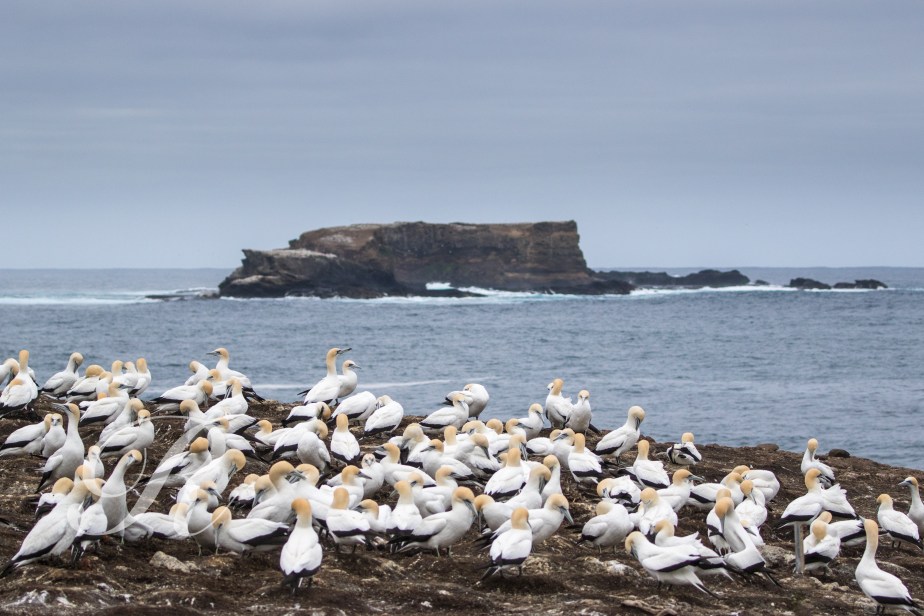
In its first year the colony failed to get a single chick into the adult population. Foxes, feral cats and human disturbance seemed to be the problem so the colony was fenced off. I’ve heard it said that it’s now grown to about 3000 birds and is fairly successful. I doubt the true figure is that high but here’s what it looks like from the carpark. By my count that’s 257 birds but feel free to count for yourself.

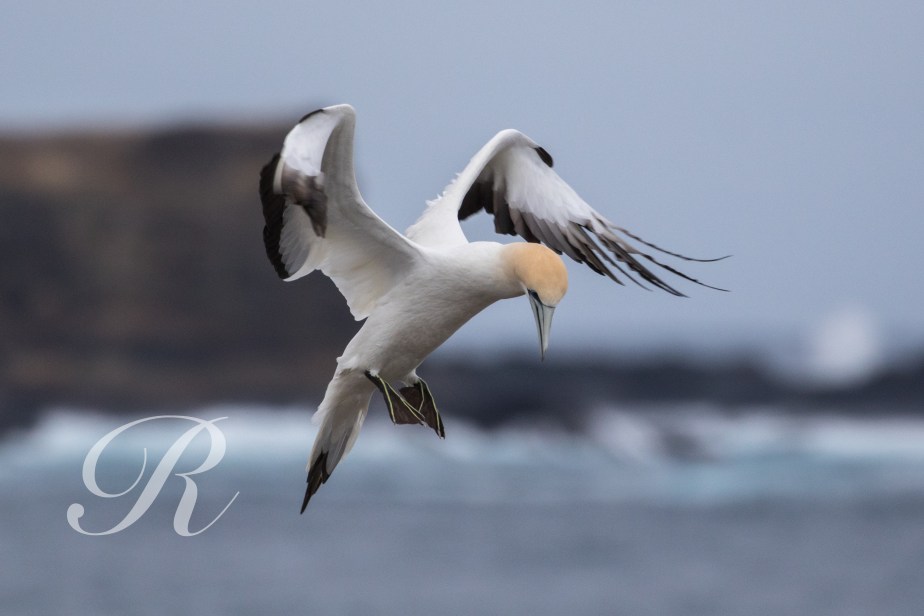
An adult drops Into that crowded space with a beak full of seaweed. Building material for the new nest.
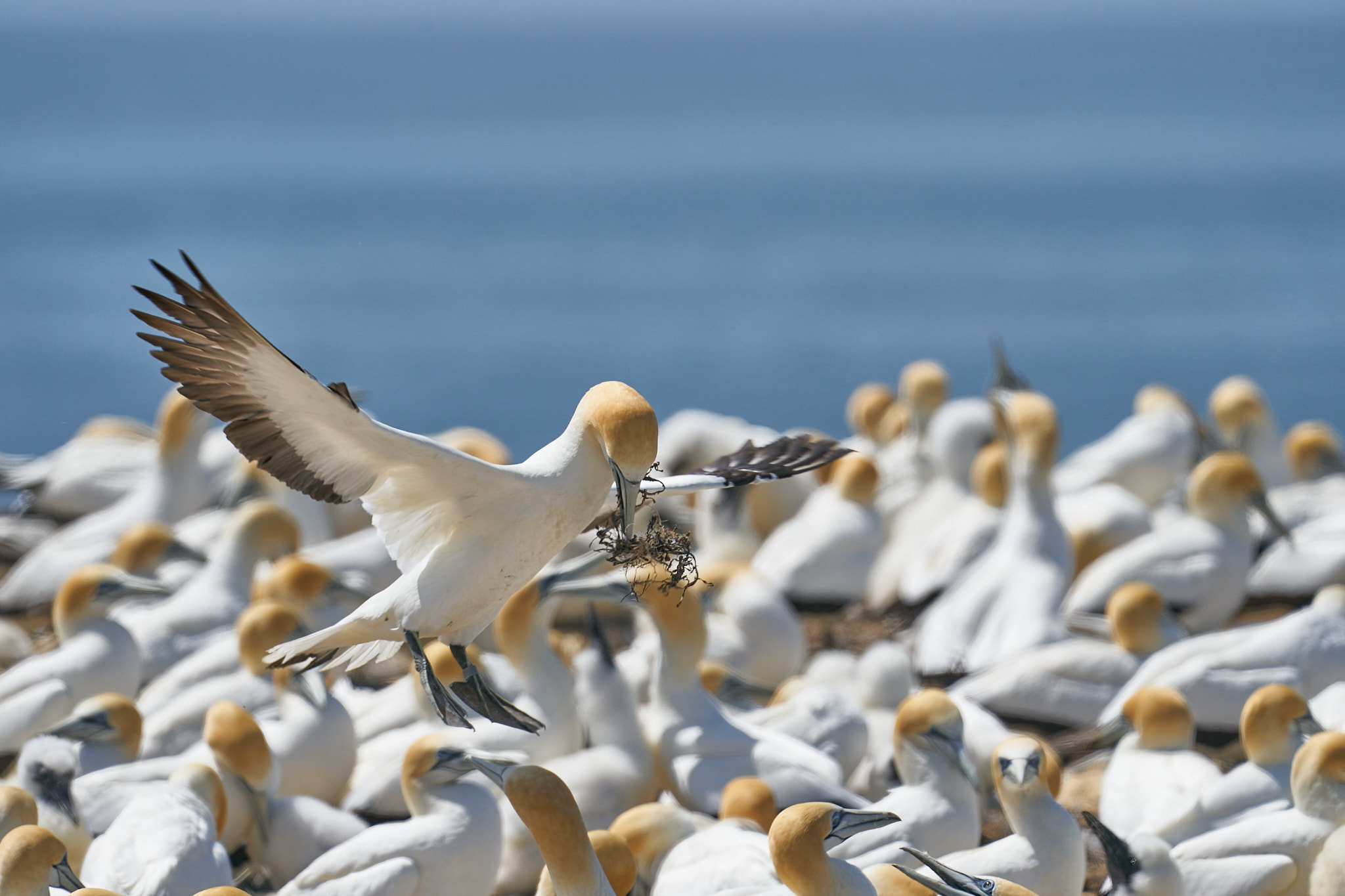
I suspect the cement is simply guano. All going well a big fluffy chick will come into being.
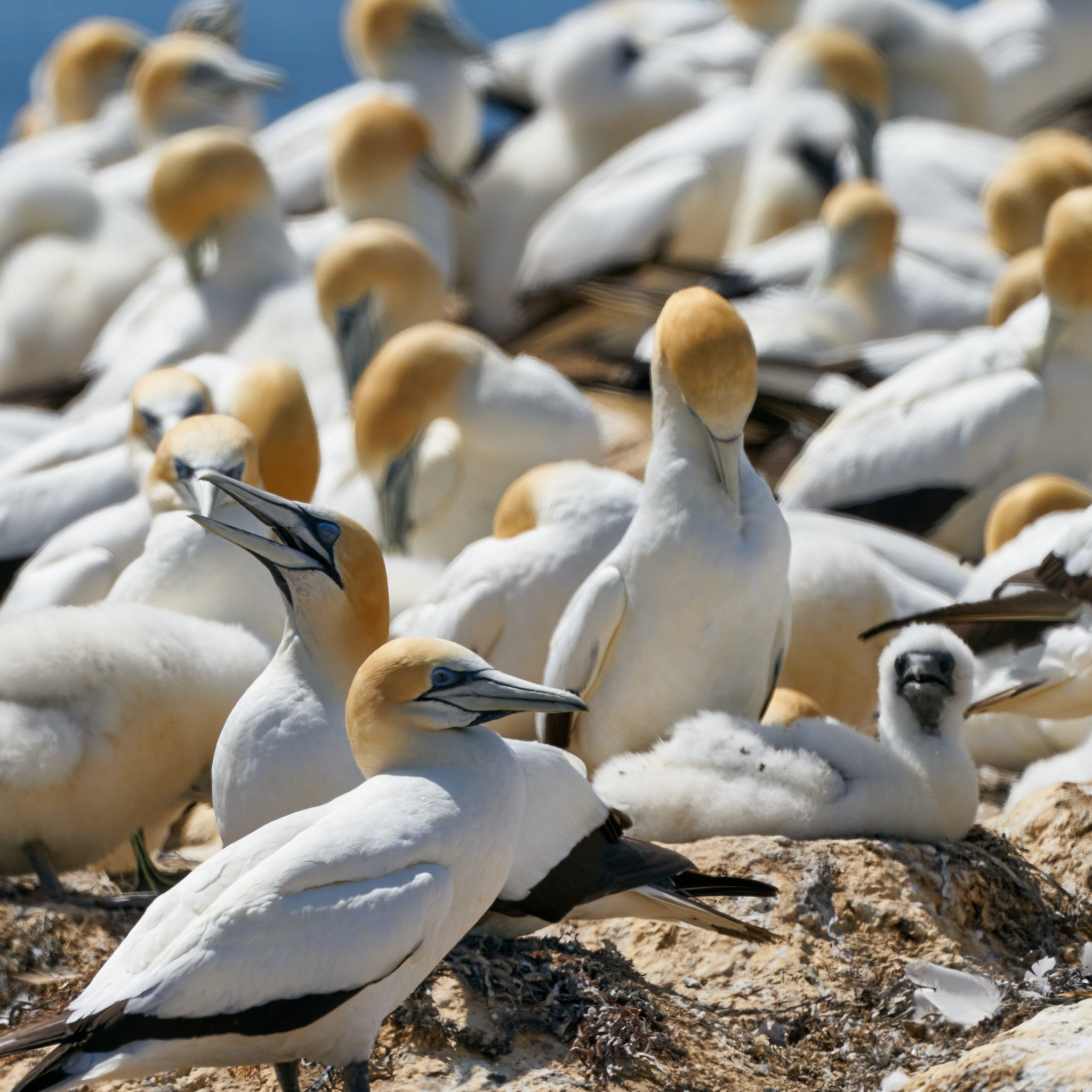
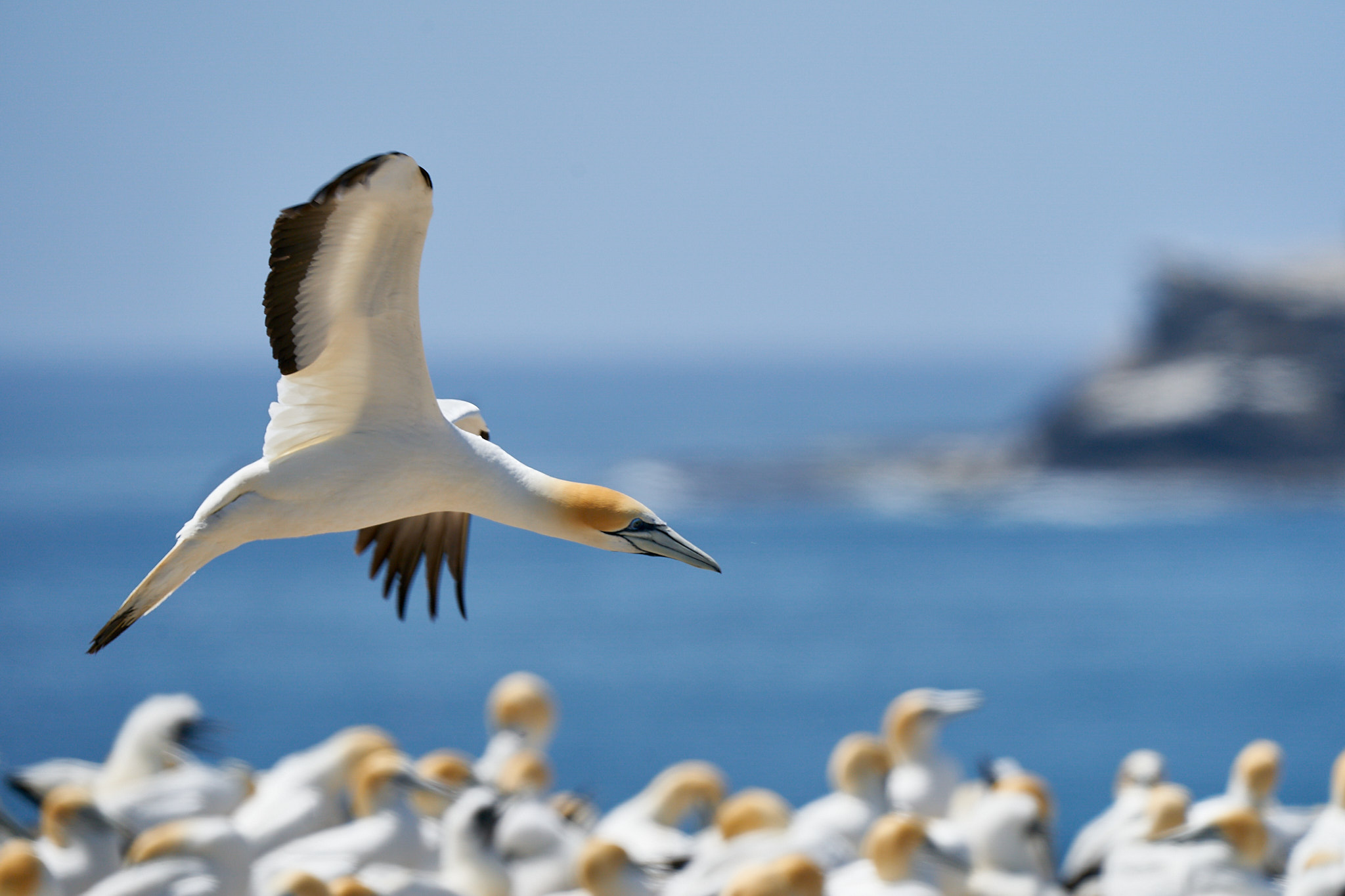
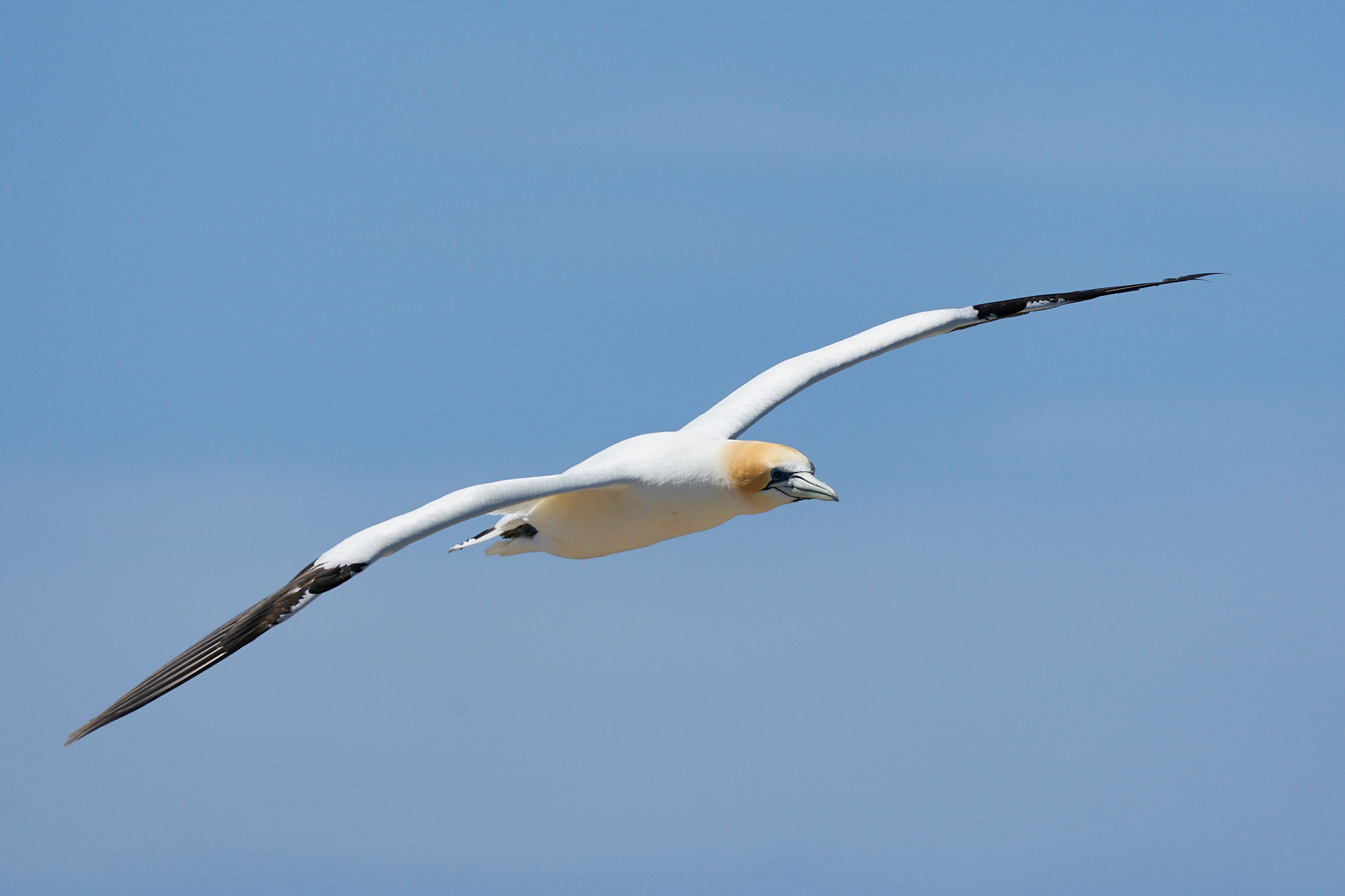
The parents will range up to 50km from the nest to bring back food for the youngster. They are spectacular plunge divers. It’s great entertainment when a squadron of gannets gets onto a school of fish.
Point Danger …

Not far from Portland, Victoria, there is a major nesting colony of Australasian Gannets safely out of reach of foxes on Lawrence Rocks.

Point Danger and Lawrence Rocks

Whilst the rock is safe from terrestrial predators real estate is at a premium. In 1996 some adventurous Gannets gave it a go on Point Danger. It wasn’t a great success but humanity stepped in, fenced the area and there is now quite a colony, the only colony on the mainland.  It depends for its success on a tall outer and an electric inner fence. Maremma dogs were trialled as guards but were not a great success.

At the weekend I was lucky enough to be invited into the enclosure.

Australasian Gannet colony

You can get a good telescope view of the colony from a viewing platform about 125 metres from the birds and you can get a little closer by following the perimeter fence around to the left. But if you are lucky enough to be granted access you can get to about 25 metres away.

Australasian Gannet

As you can see from the photos it was a great opportunity. And this isn’t the breeding season. That runs from October to February corresponding with the Bonney Upwelling when ocean currents bring nutrients that trigger a boom in the food chain from the bottom up, a good time to be feeding youngsters.

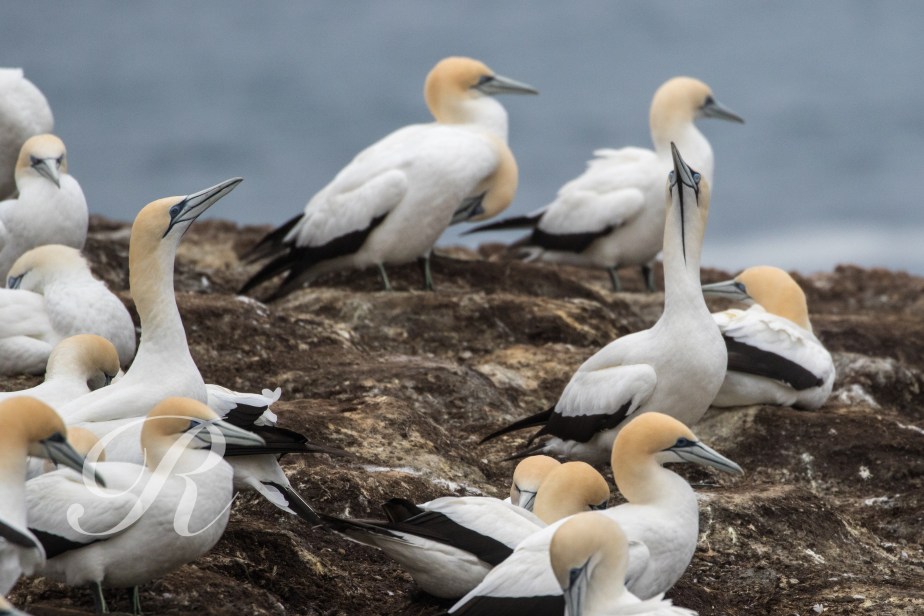
When you get close to a Gannet colony part of the fun is spotting the one that doesn’t belong. When I visited the Lambert’s Bay colony of Cape Gannets the big news was one Australasian Gannet among thousands of the locals. Likewise at Point Danger the visit was all the sweeter for finding a Cape Gannet in the crowd …

Cape Gannet among the Aussies

The Cape Gannet is the one on the right showing off its long gular stripe. On the Australasian Gannet the stripe is much shorter. You can just make it out on the guy on the left also pointing his bill up.

There are some other differences that help distinguish the Cape, it has an all black tail whereas the Aussie has a black centre and white outer tail feathers. Their call is also harsher. There is no substitute for getting up close.