Meeting Mr Toto …

The hotel room had a western style bed, a carpeted floor, a couple of chairs, a desk and a TV.

On the bed was a cotton night shirt that buttoned down the front, a minor difference in an environment that otherwise could have been in almost any city in the world.

The room was too warm. I turned off the heating. Finding a way to deal with the welcoming warmth would be necessary at every accommodation for the coming weeks.

And then I went to the toilet …

P1030728

“Shit”, I thought, which was at least contextually appropriate. The user’s manual is under the lid, once enthroned it can’t be read, but then, you only need to read it once. The controls will be at your right hand. What could possibly go wrong?

The seat is heated, you may wash your bottom … with warm water.  Air dry, why not? As you sit a flow of water beneath you will reassure you that the porcelain will not be soiled or is it just to make a noise to cover the sounds that you are so keen to keep to yourself?

Do play with the buttons. The only one you need to know about is marked with a circle with a central dot. That stops whatever you manage to start.

Every hotel I stayed at had this style of toilet, the better ones had the control panel on the wall. Public toilets came in two flavours, a few had squat toilets, most were like this one. None was merely ordinary, it seems the Japanese completely leapfrogged the Australian dunny.

Japan is different. It has a that quality that the French think they have. I hope I can convey that quality in my writing. It exercises a strange influence on visitors, some are never quite the same …

But in his home and office bathrooms, Mr. Friedman had installed a Toto washlet. To sit upon a standard commode, he said, would be like “going back to the Stone Age.

Ms. Poh said. “It’s about the heated seats. Your life is really good when you have a heated toilet seat.”

Three days later, Mr. Aboulache went online and bought a Toto washlet, which he installed in the shared upstairs bathroom of his home in Los Angeles as a surprise for his wife and son.

“We’ve been delighted,” he said. “It’s our favorite toilet.”

Mr. Friedman, too, is an enthusiastic proselytizer for washlets …

Whenever he talks about their virtues, he said, “I feel like one of the Apostles passing the word of God.”
 

Airport to Airport to …

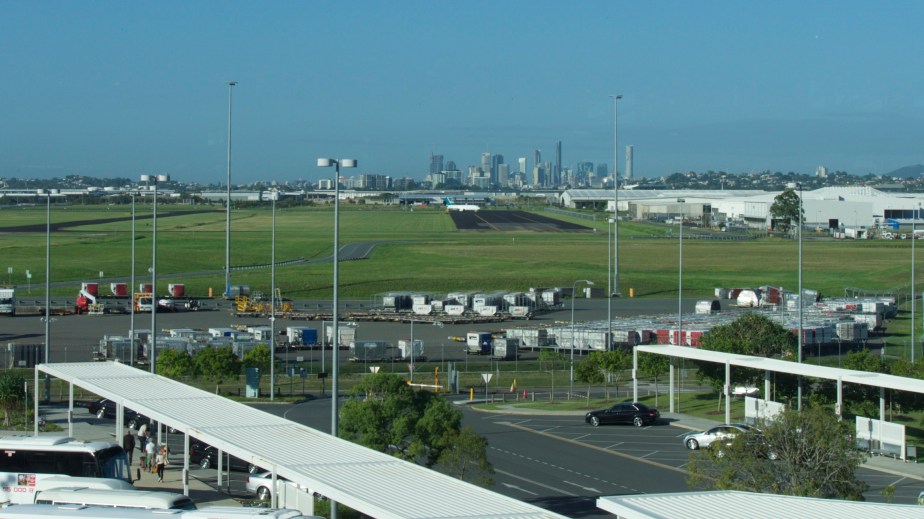
Brisbane
Brisbane

Tokyo has two airports. Qantas flies into Narita, my first task was to get to Haneda.

Narita is 77 km east of central Tokyo. Haneda is 29 km south. From one to the other around the shores of Tokyo Bay is 80 km. I must confess to a little anxiety. Here I am dealing with an unfamiliar system in a language that I could not speak in my new role as an illiterate. Routine public transport is available but handling luggage for a three week trip on the train would be challenging. The easy way is the Limousine Bus.

When you are disgorged from the immigration and customs area the Limousine Bus counter is ahead, close and visible. The staff spoke good English and were very clear in their instruction to where you caught the bus. At the stop I was politely marshalled, put on the right bus, my luggage was loaded and off we went. Announcements are in Japanese and English, they are recorded and therefore intelligible. Anxiety dispelled.

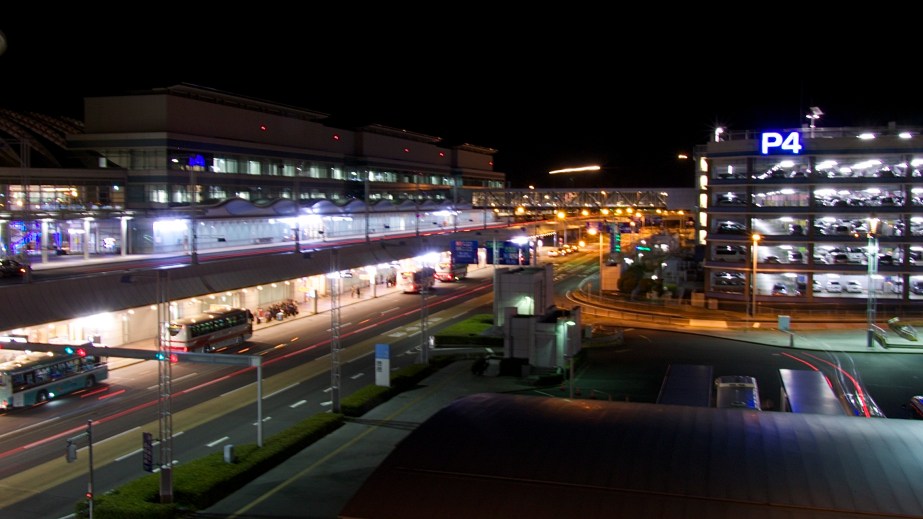
The first two nights were at the Haneda Excel Tokyu Hotel in Terminal 2. As international drab as big hotels are, the national flavour will find a way to shine through. The Excel is the archetype airport hotel but …

The door was opened, two men bowed then indicated the direction to the reception desk, I was relieved of my luggage and checked in. It was a luxurious welcome. The bags were delivered to my room promptly and in Japan no tip is expected.

Haneda
Haneda


A Little Geography …

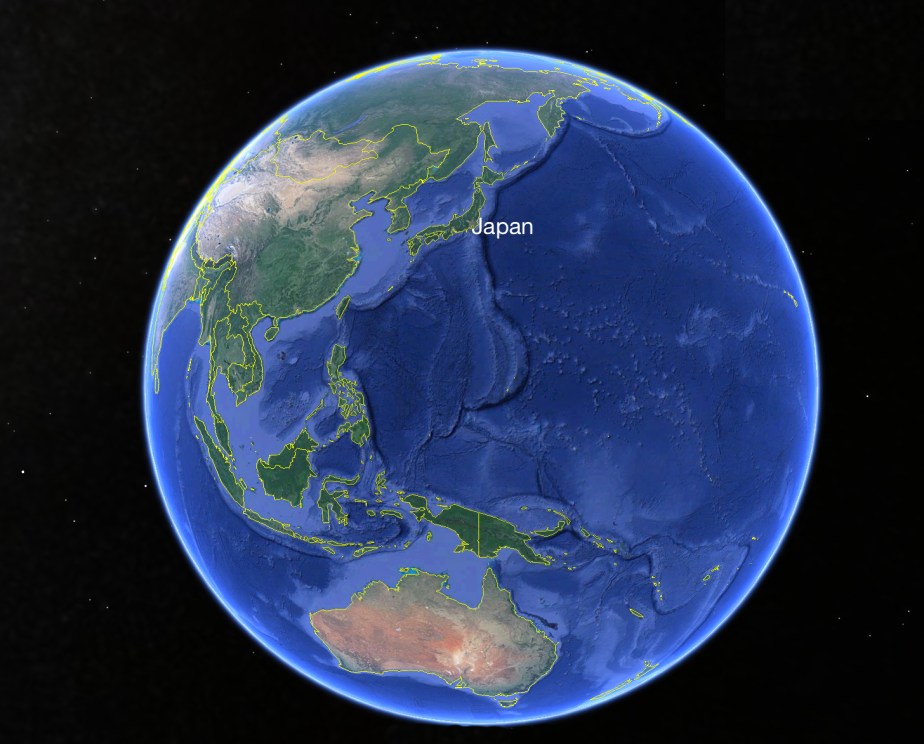
Our Google globe has been placed north up with Australia at the bottom, Japan at the top.

Globe 1

Japan is part of a great archipelago that hangs off the Kamchatka peninsula and curves away to the east of the main landmass of Asia, swings away around the north of Australia and then down to New Zealand.

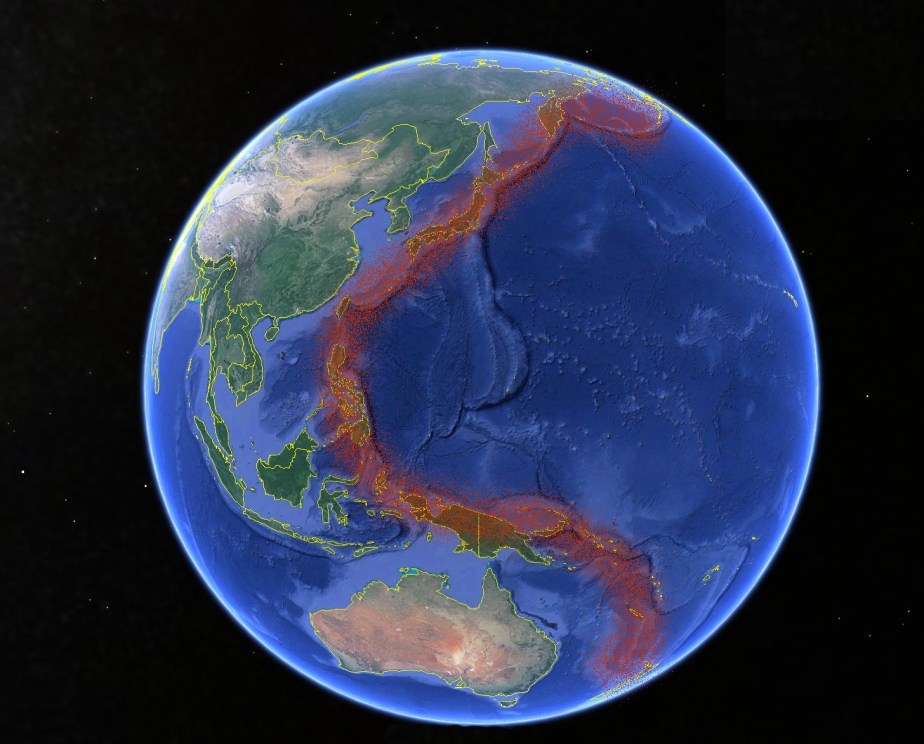
If we superimpose the relevant part of the Great Ring of Fire on the map we can then deduce a great deal about the underlying geology.

Ring of Fire

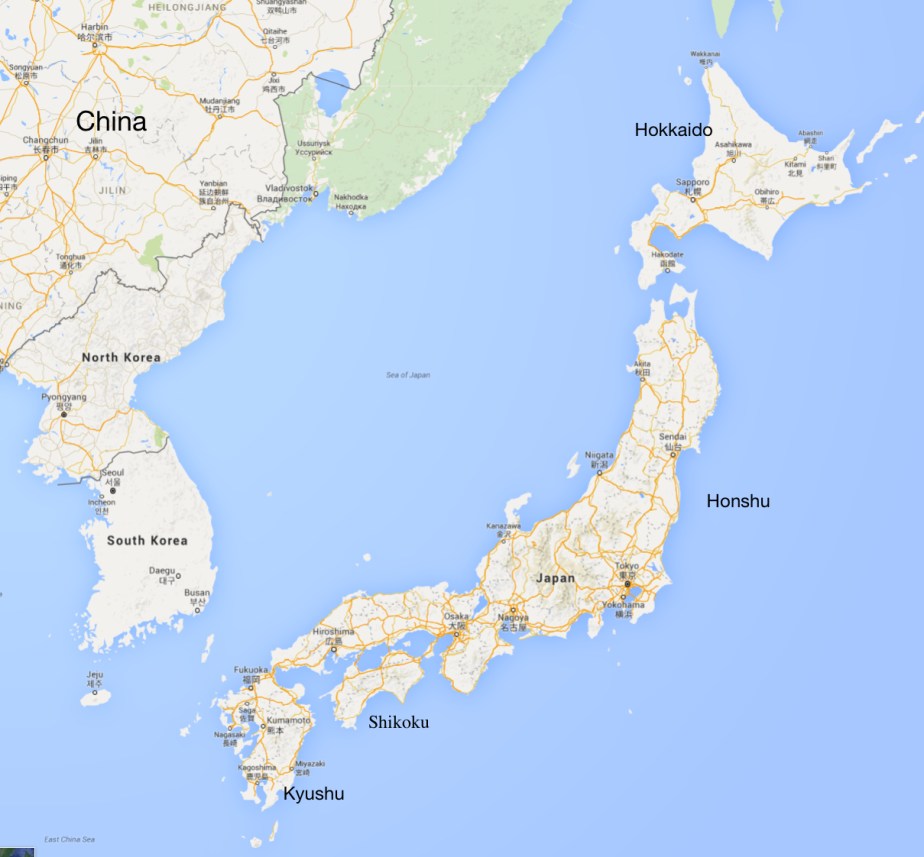
The Japanese part of that great archilelago consists of almost 8,000 islands between latitudes 24°N and 46°N, and longitudes 122°E and 146°E. That’s 2600 km from Okinawa to the tip of Hokkaido. The four largest islands are Honshu, Hokkaido, Kyushu and Shikoku and together they make up about 97% of the land area.

Japan is mountainous, only 27% of the country is suitable for agriculture and urban settlement. It is prone to volcanic eruptions, earthquakes and tsunamis. There are more than a hundred active volcanoes. More than 140,000 people died in the Tokyo earthquake of 1923. The 2011 magnitude 9.0 earthquake off the Pacific coast of Tōhoku killed about 18,000 people and triggered several nuclear accidents.

From a natural disaster point of view Japan is the most dangerous place in the developed world.

Japan Islands

Looking from China, Japan lies in the direction of the rising sun, hence the way Japan is rendered in Kanji is 日本. The Chinese character 日 means sun or day; means base or origin, combined they convey the meaning sunrise.

The population is about 126 million people and slowly declining. The population density is high in the areas suitable for settlement.

Japan has the third largest economy in the world, but things aren’t quite as great as they used to be.

Life expectancy ranks second in the world. The infant mortality rate of 2 per thousand live births is as low as any where in the world. Educational standards are high.

Virtually no one shoots anyone else in Japan but they make up for that to some extent by killing themselves. Suicide is the leading cause of death in people under thirty.

The whole place is in one time zone (GMT +9hrs) and they don’t mess with the clocks for summertime.

The electricity supply is 100 volts (not 120 like the US or 240 like Australia and the UK) the plugs and sockets are 2 pin connections compatible with their American counterparts.

The climate is officially described as temperate. What this means is that it’s mild in the south. Tokyo is hot and humid in summer and cold in the winter, not a threat to your ears and nose but remember the hat and gloves. Hokkaido is mild in the summer and definitely a threat to the extremities in winter, don’t leave home without your parka.

Wildlife has done well in Japan, bears, deer, voles, shrews, deer, mustelids and monkeys can all be found and the bird life is exceptional. The mountains have helped preserve habitat and modern Japan seems conservation minded. There are well managed wildlife reserves. And surprisingly it is a good place to go whale watching!

The birding is heavily influenced by the strong seasonality and the proximity to land north and south and there is always the chance of vagrants coming from the Asian mainland.

The only English language field guide worth having (for the moment) is … A Field Guide to the Birds of East Asia (2009), by Mark Brazil.

Got all that? Cool. It’s time to go.


The whales …

Very good news, indeed, from the International Court of Justice. The Japanese investigation into the culinary properties of whales is ruled unscientific.

Good, so far as it goes.

We now await the formal apology from the Japanese to the comfort whales.