Time to leave Shark Bay and continue south along the Western Australia coast.
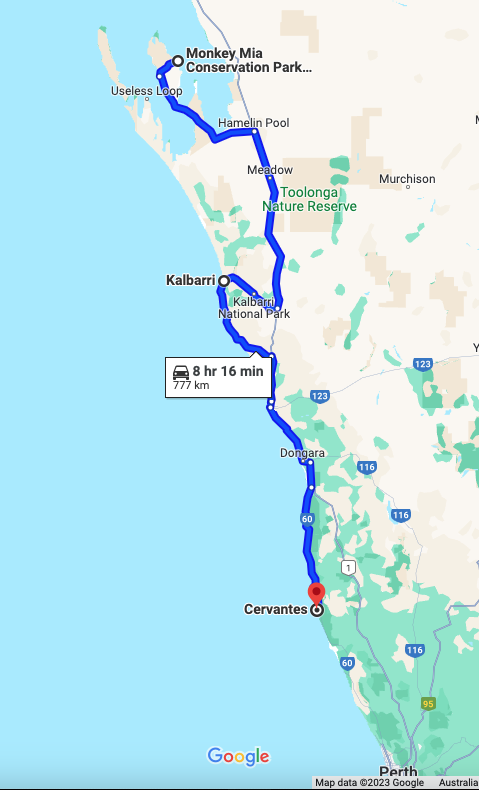
The 8 hours of driving was split into manageable segments by stopping for two nights at Murchison House Station near Kalbarri. The journey took us from coastal heath through arid scrub then trees became taller and more numerous until we reached wheat and sheep country. Not far from a roadhouse called Billabong we traveled through a long section of mallee. For non-Australian readers that’s vegetation dominated by multi-stemmed eucalypts with lignotubers that will survive fire, usually on sandy soil.
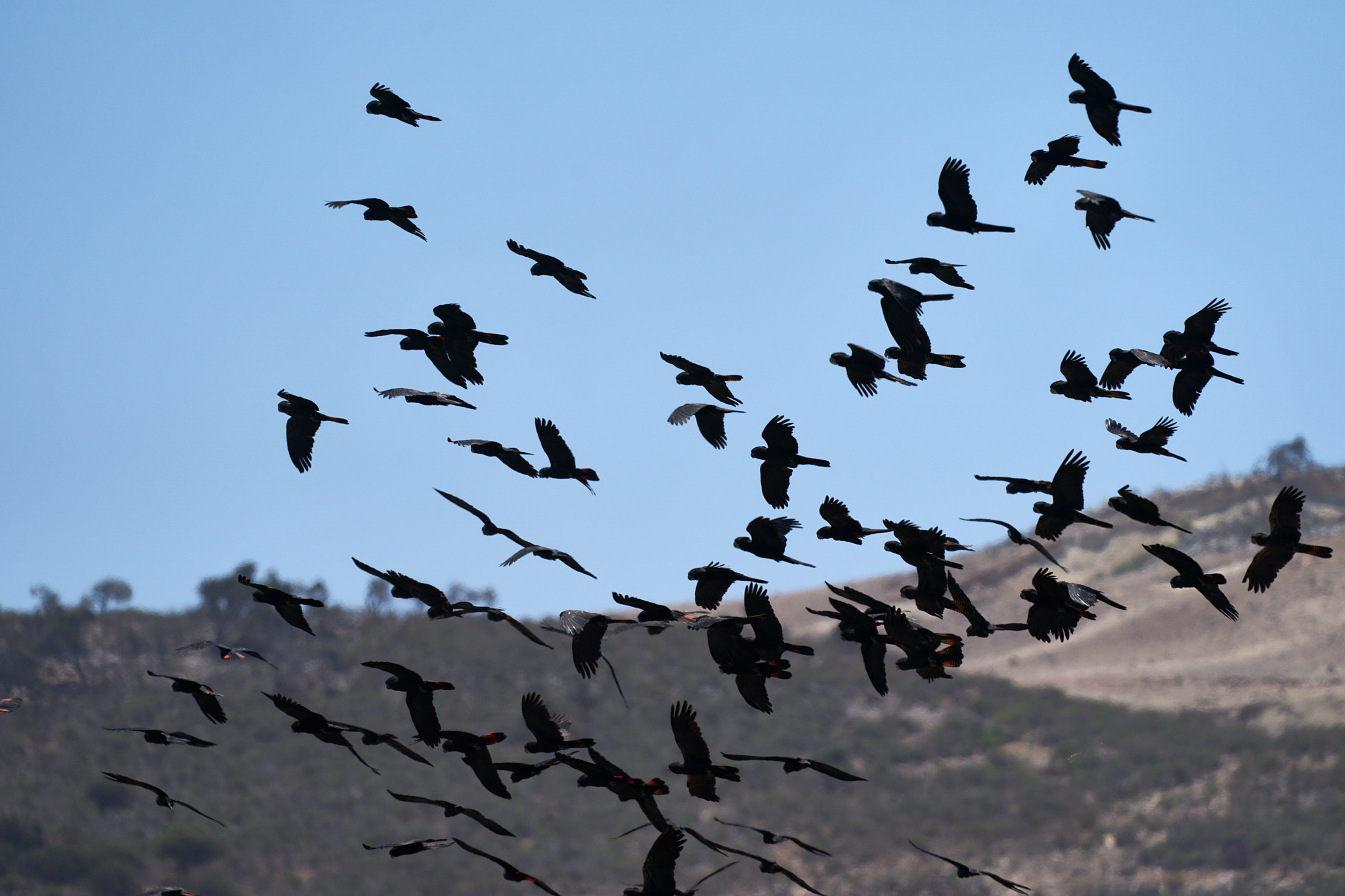
Murchison House Station is a cattle property that also supports, whether they like it or not, a large population of goats. They are just about to commence the muster. The camp site is on the banks of the Murchison River which unlike a lot of rivers in the west has water in it. We enjoyed some four wheel driving and winching ourselves out of some deep sand. There were Red-tailed Black Cockatoos by the hundred and some other rather splendid creatures.

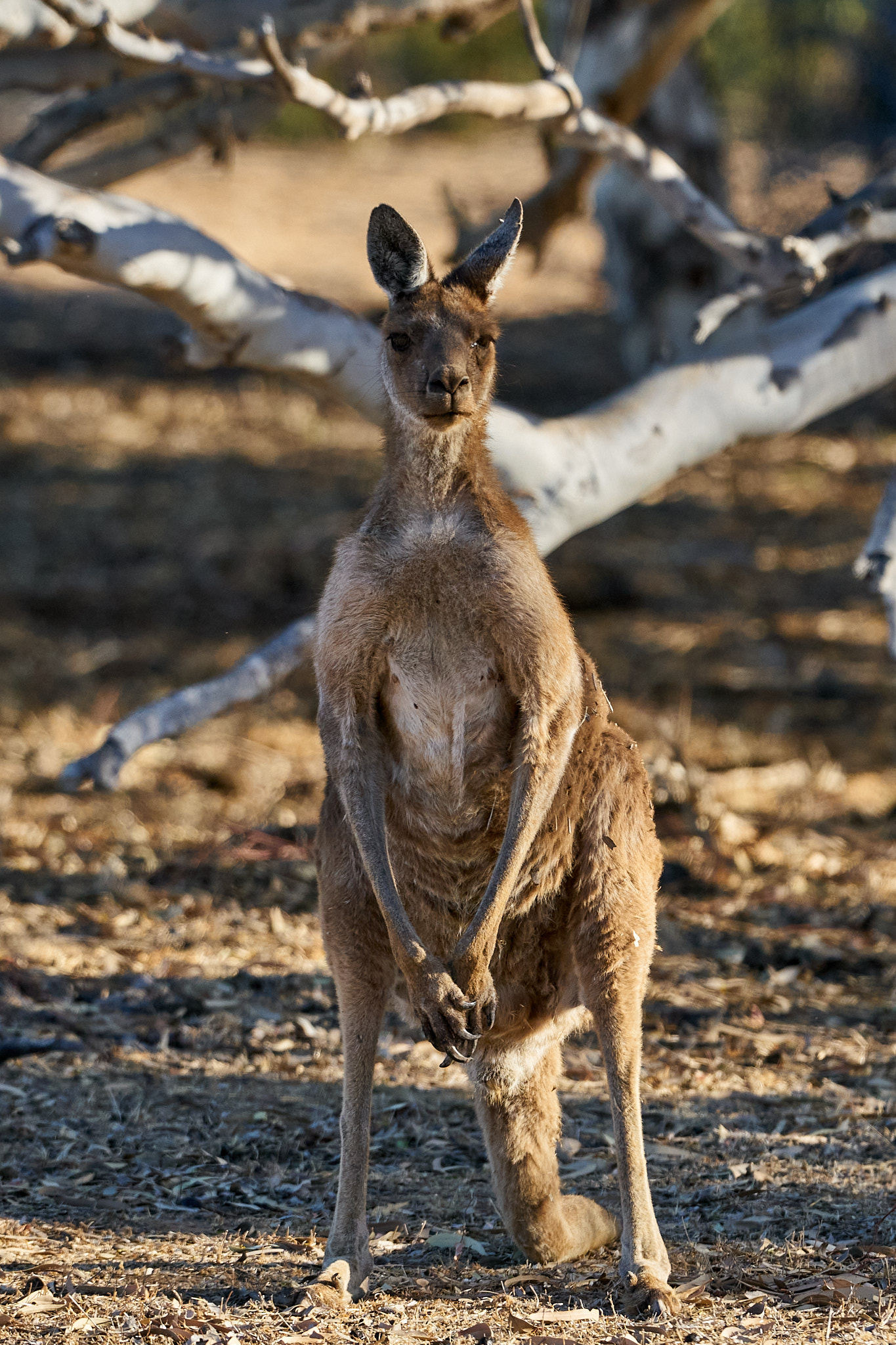

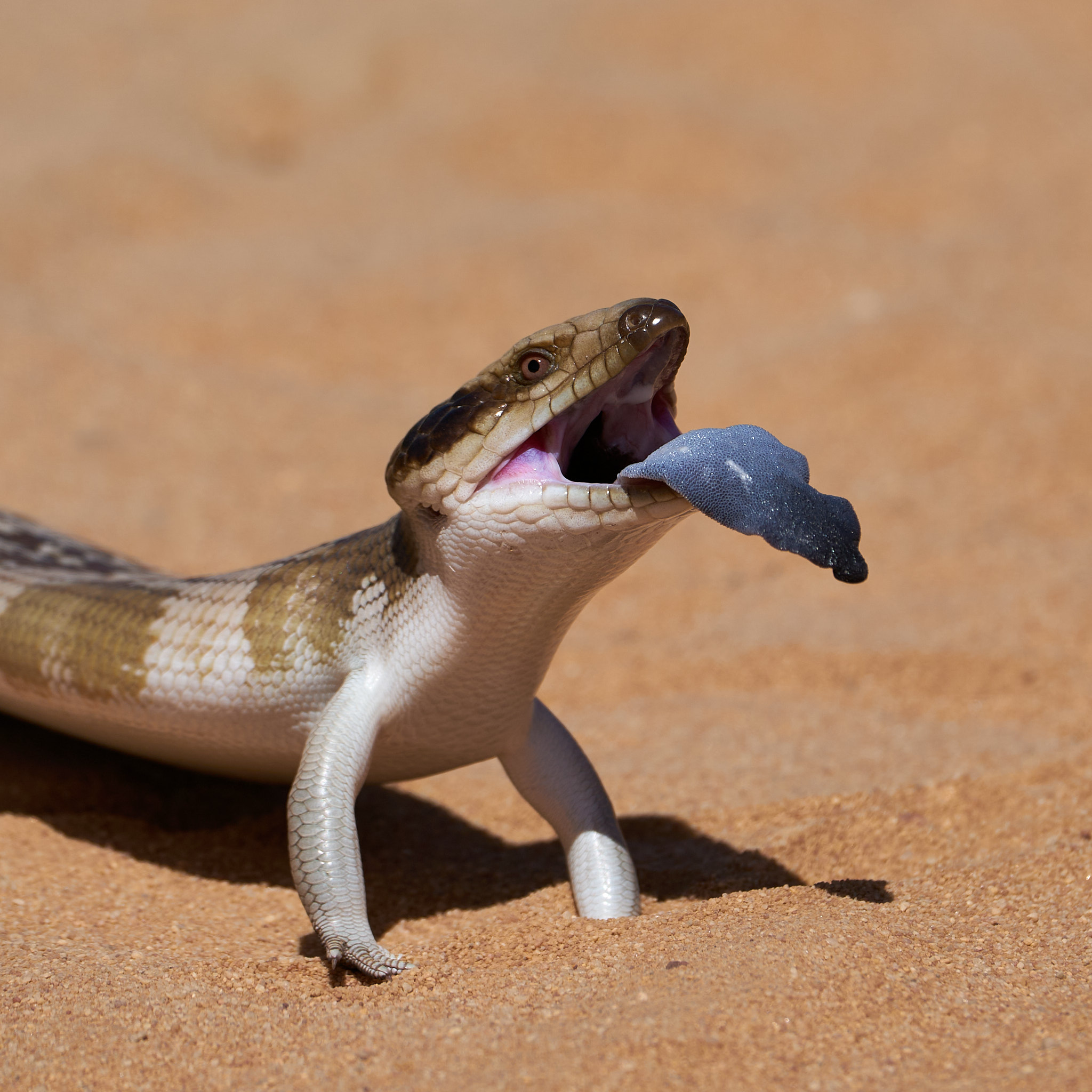

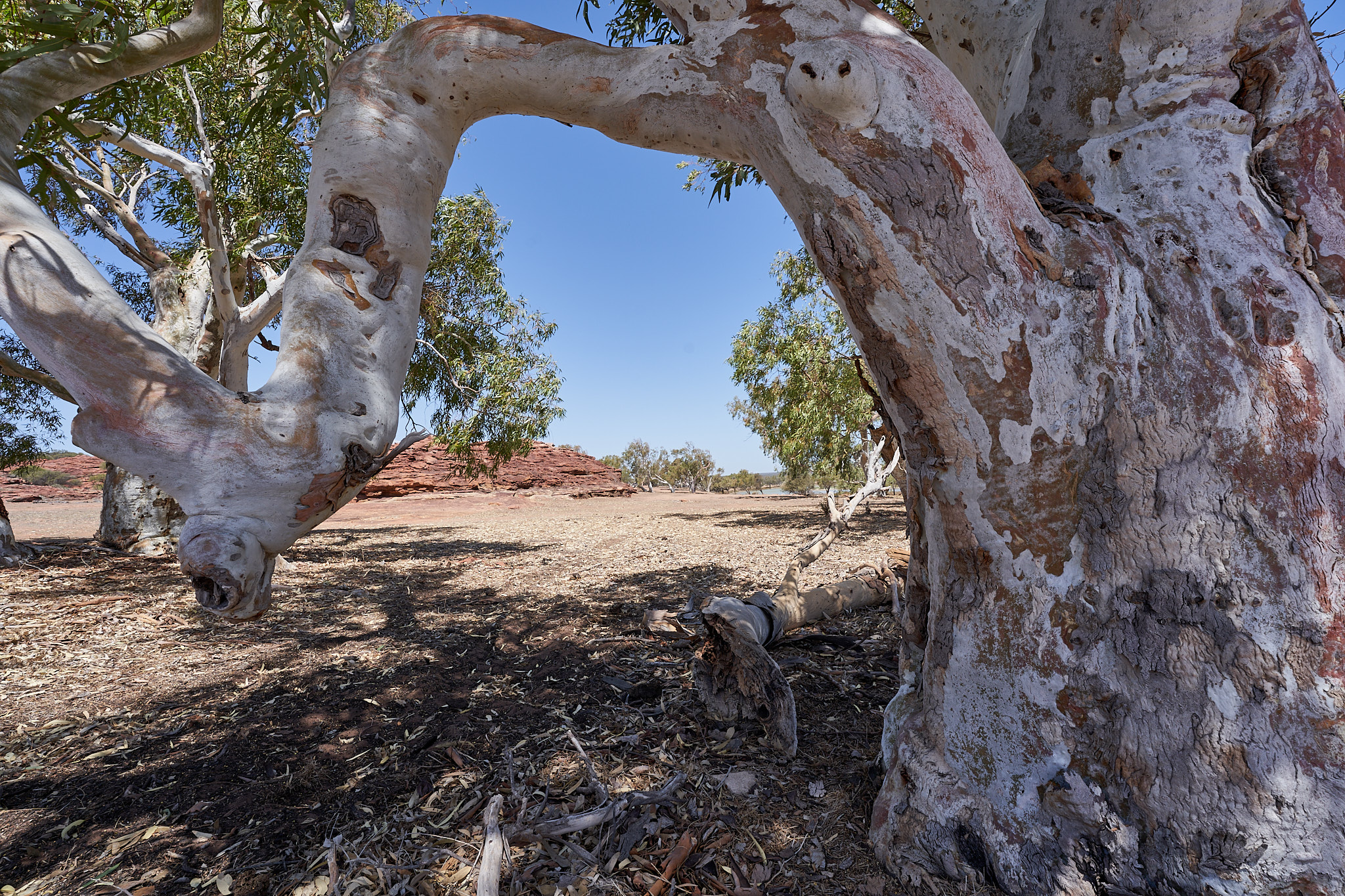
A short drive from the station takes you to Kalbarri a beautiful town on a limestone coast. The rock pools are a haven for small fish and Blue-ringed Octopus. A large lagoon turned up some nice birds for us.


Shark Bay and Kalbarri are the absolute jewels of the west coast (along with Broome, of course) but too long in paradise would overpower the senses so it was on to Cervantes, a small coastal town named for a shipwreck. Cervantes was an American whaler that ran aground near here in 1844. The crew were obliged to walk more than 200km to Fremantle.
The reason to break the drive at Cervantes was Lake Thetis and its famous stromatolites. The lake is about one and a half times more saline than sea water and without tides or large waves. The structures that form are again the interaction of cyanobacteria and inorganic particles for which conditions must be just right. They are less impressive than the marine stromatolites at Hamelin Pool but hey, you can’t turn your nose up at a stromatolite.

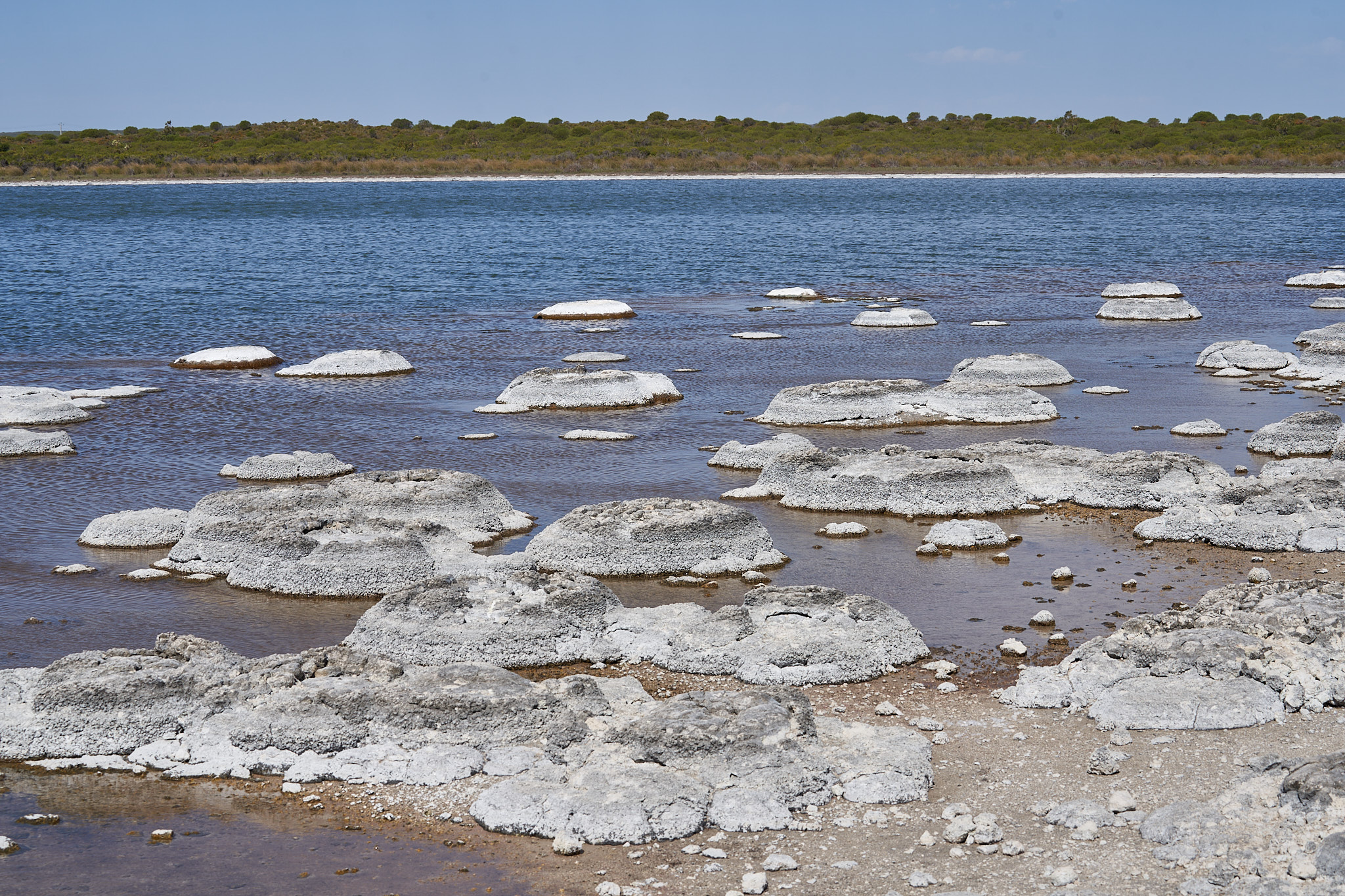

They are modern living examples of an ancient process, Lake Thetis only formed about 3000 years ago. Fossil stromatolites in the Pilbara date back about 3.5 billion years, the oldest known evidence of life on earth. They formed in hot springs.
 bobmcgee