Streeters again …

Into the mangroves once again. There’s no shortage but Streeters Jetty is easy of access and quite productive. The jetty is at the site of Broome’s very first jetty although what stands there now is a recent replacement. It is not faring too well, already showing signs of rotting boards. It certainly doesn’t have an easy life. The walkway is inundated by the highest tides which will happen again in the next few days.

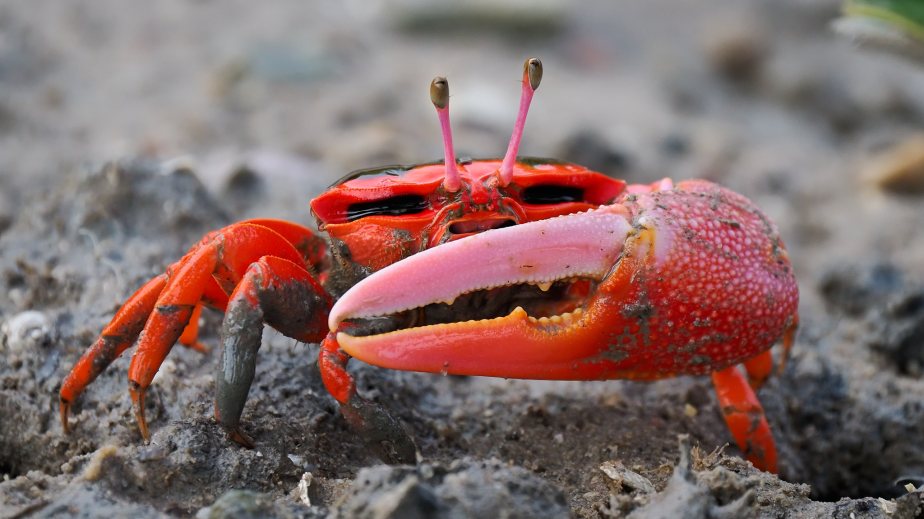
The common mangroves here are Avicennia marina and Rhizophora stylosa and they provide habitat for an amazing menagerie. I’m always impressed by the Flame-backed Fiddler Crabs, Tubuca flammula. I have a friend who thought it would be interesting to find out what a nip from one would be like. Not only interesting, but for me also very entertaining as he danced around trying to shake it off. Don’t try it at home. It’s best left to the experts.

It’s the males that have the enormous dominant claw. Note that one is left handed and the other right. Females are equipped with a pair of small nippers.

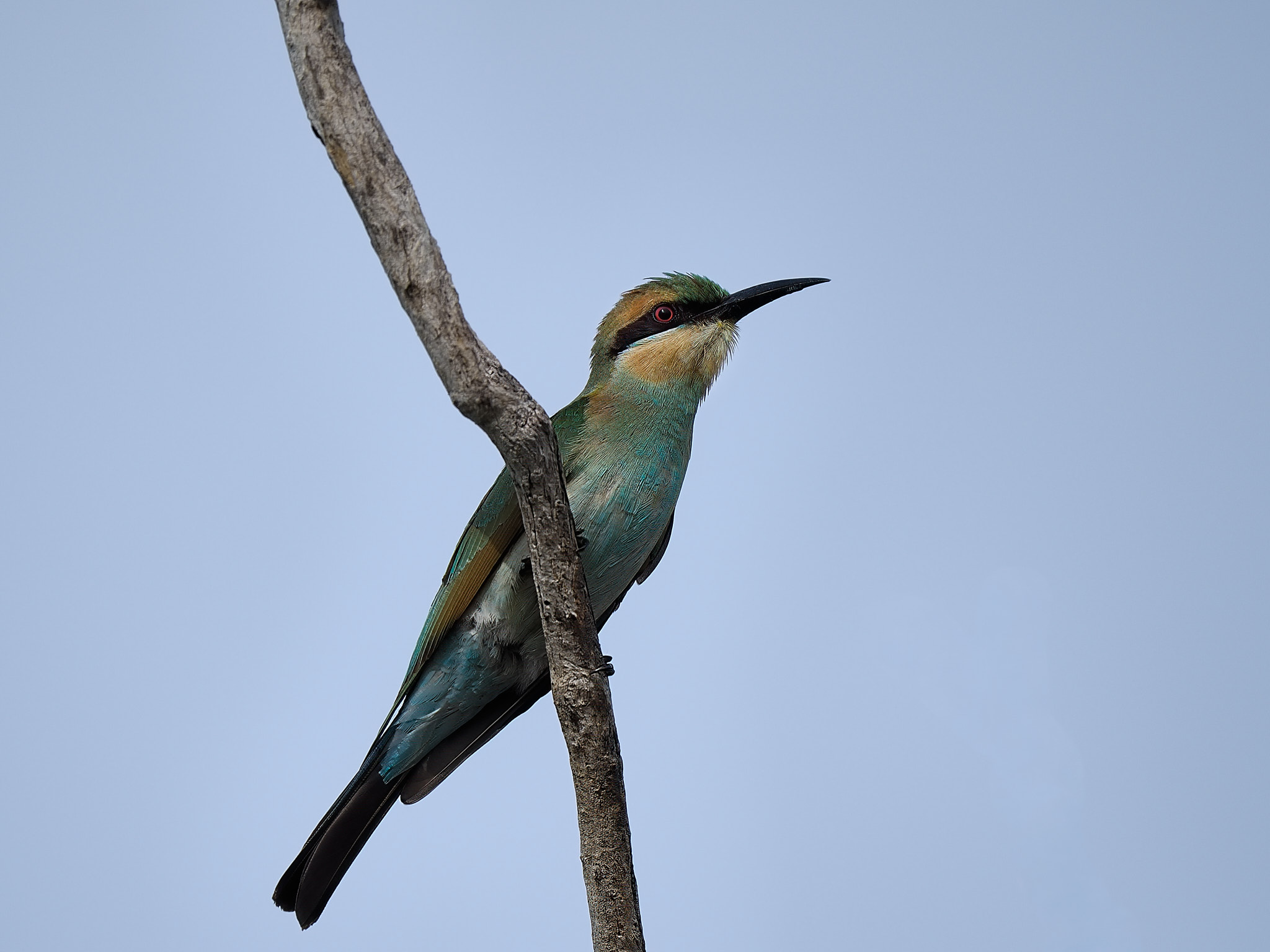
A few of the regular avian suspects were ready to pose.
In the Mangroves …

There are mangroves aplenty around Broome and plenty of birds that use them. There are about 19 species of mangrove up here so the habitat varies from place to place and to some extent the suite of birds varies, too.

Access to mangroves is often difficult due to deep mud and the density of the vegetation. Mosquitoes can be a little tedious as well. There are a couple of spots that are reasonably easy of access and quite rewarding to visit.

The mangroves that run from Town Beach to Chinatown can be entered in various places and are really good for Red-headed Honeyeater. Streeter’s jetty is the most famous in birding circles and is excellent. Out of town at Little Crab Creek is the place to go for Dusky Gerygone. Between the two you can find just about all of the local mangrove specialists, and it’s not only the birds …

Flame-backed Fiddler Crab

Fiddler crabs and mudskippers abound. they probably make a nice meal for some of the larger denizens. And there is plenty of invertebrate life in the mud.

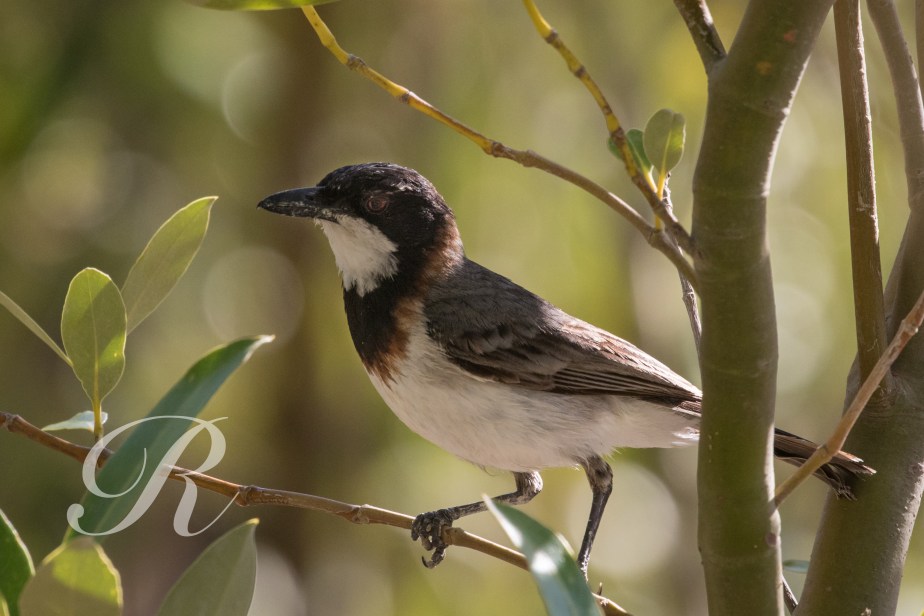
A couple of the Pachycephalidae are mangrove specialists, the Mangrove Golden Whistler and the White-breasted Whistler …

Mangrove Golden Whistler

White-breasted Whistler

Both very handsome birds.

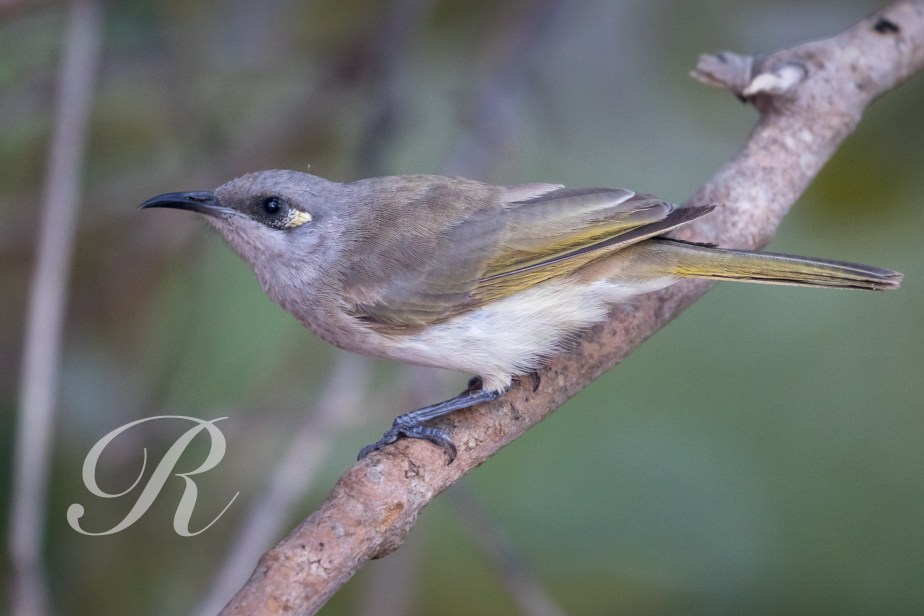
The Honeyeaters are represented by these two …

Red-headed Honeyeater

Brown Honeyeater

The Red-headed is always found in or near mangroves, the Brown is found in a much wider range of habitats but is common in the mangroves.

Broad-billed Flycatcher

Nicely posed to show us how it got its name, the Broad-billed Flycatcher will wander into adjacent Melaleuca woodland but is essentially a mangrove species.

The tidal zone provides a living for the Striated Heron but it nests in the mangroves …

Striated Heron

And circling above the mangroves, the Brahminy Kite.

Brahminy Kite