Basalt …

Port Fairy is surrounded by volcanoes. The nearest and most recent at about 35,000 years is Tower Hill. To the north a bit further away and older there are Mt Rouse and Mt Eccles. Western Victoria has many other volcanoes which together constitute the Newer Volcanics. They are dormant, which is good, but not necessarily extinct which would be better perhaps.

Mt Rouse has made a major contribution to Port Fairy. It went off about 50,000 years ago and it’s about 60km away as the lava flows. And it flowed in abundance. Many of the older buildings, including our home here, are built of the stuff and the beaches are littered with it.

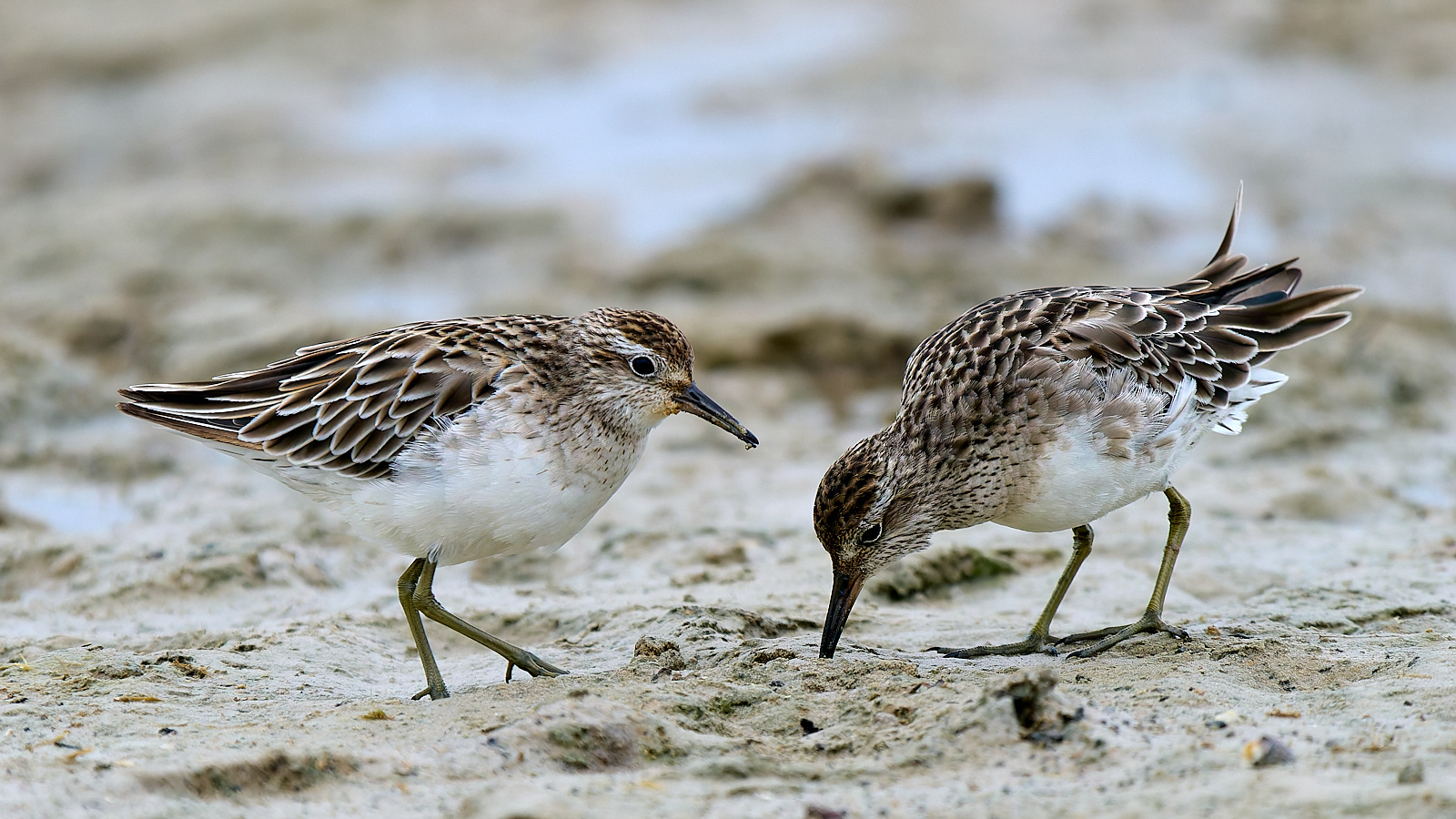
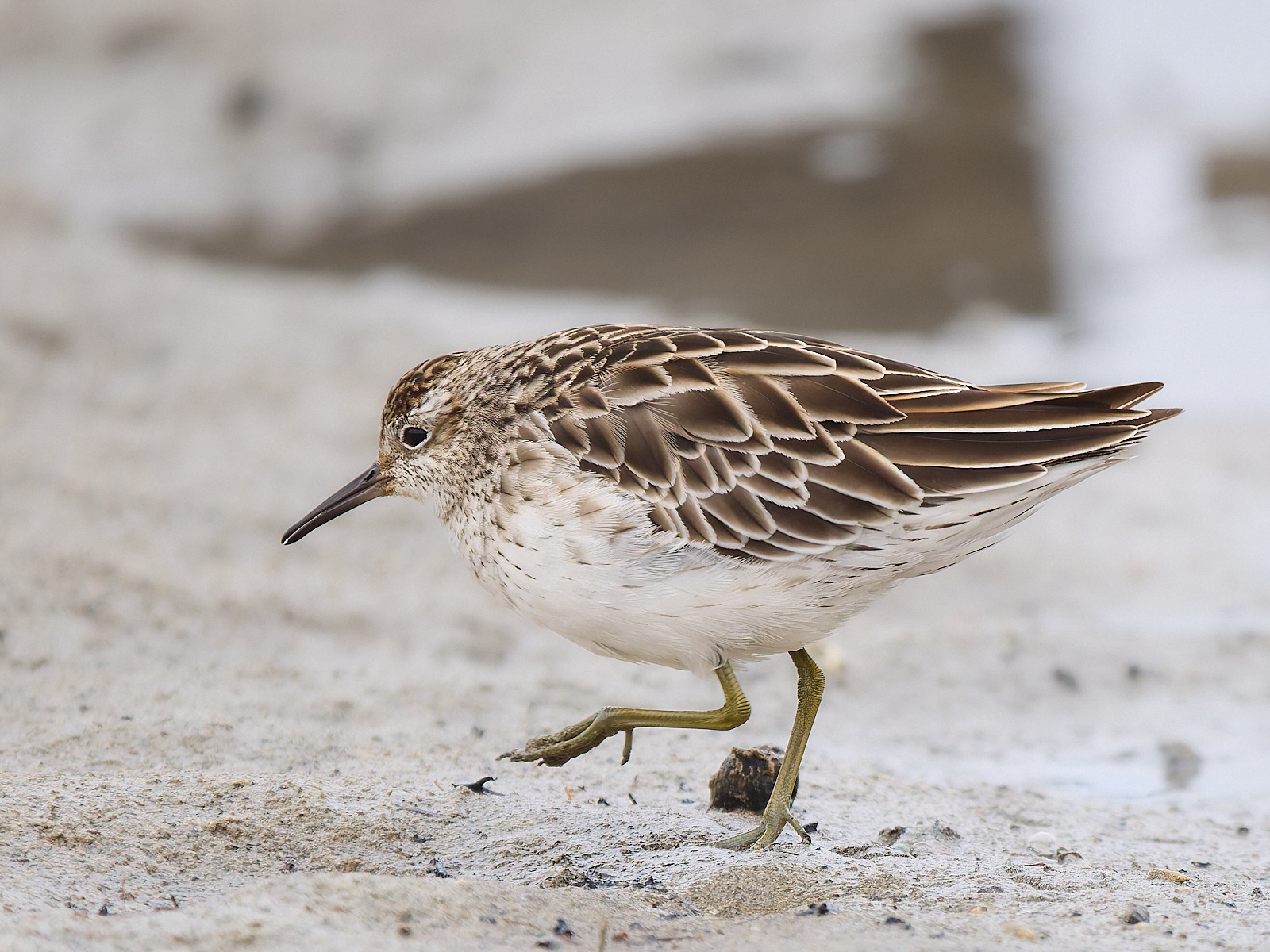
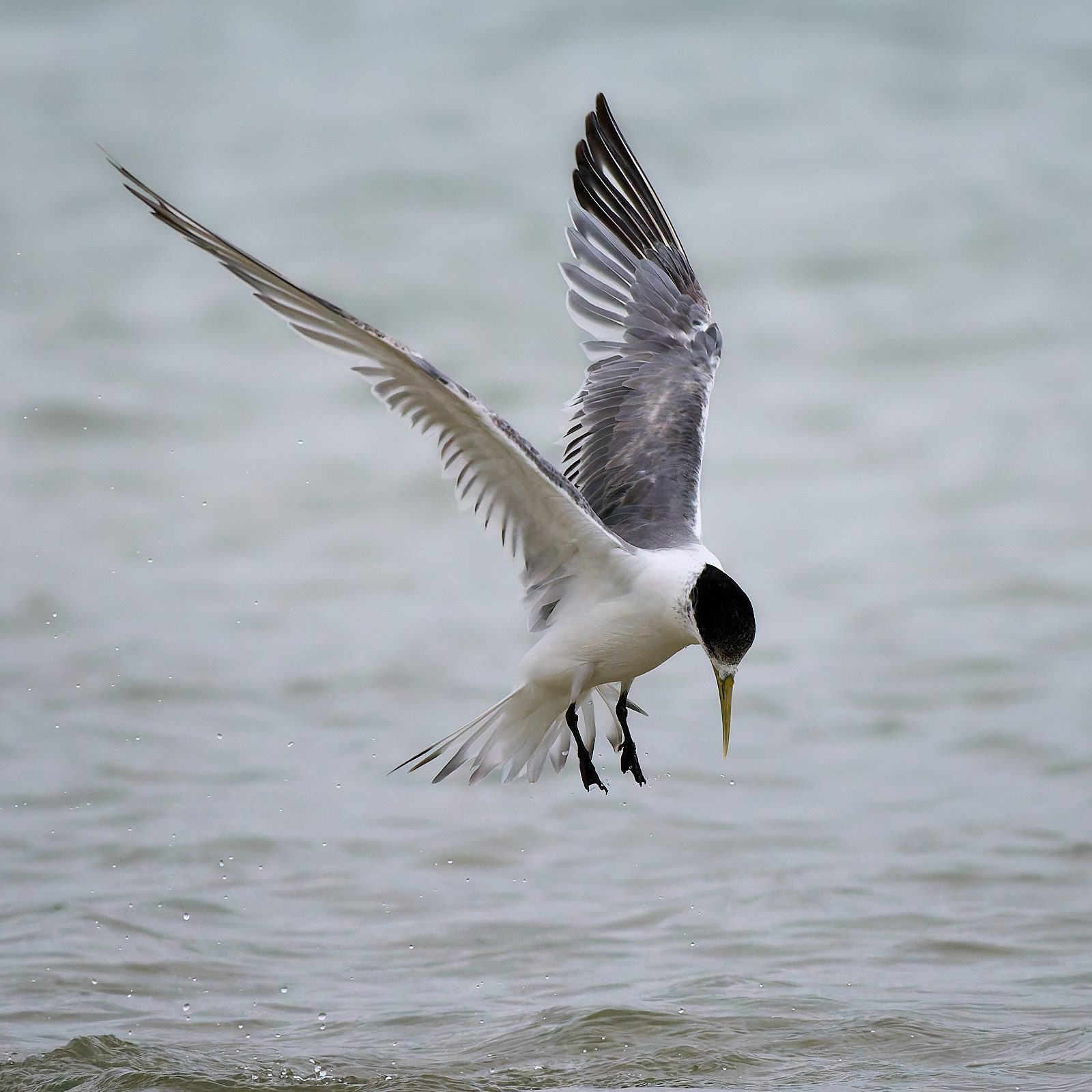
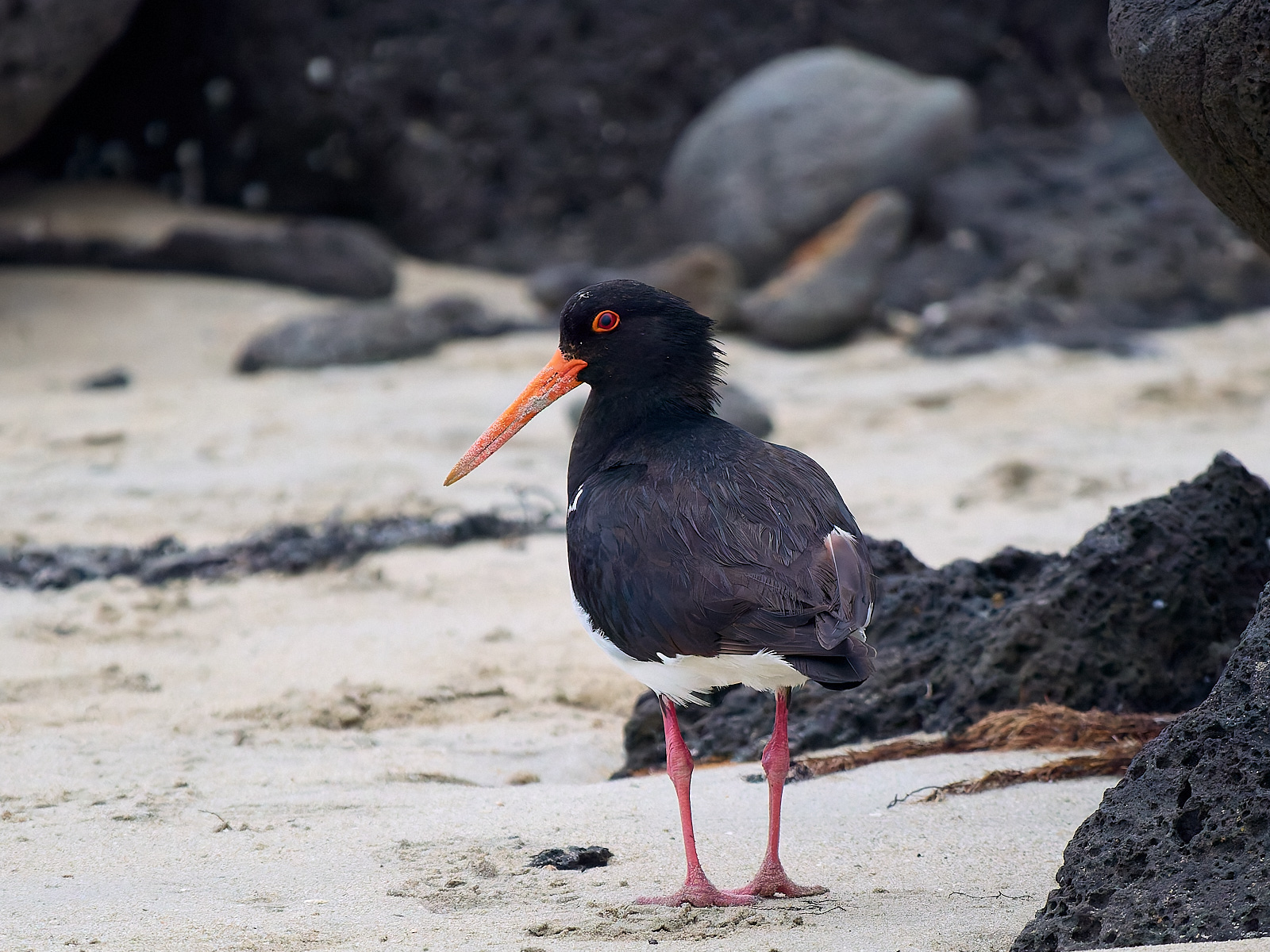
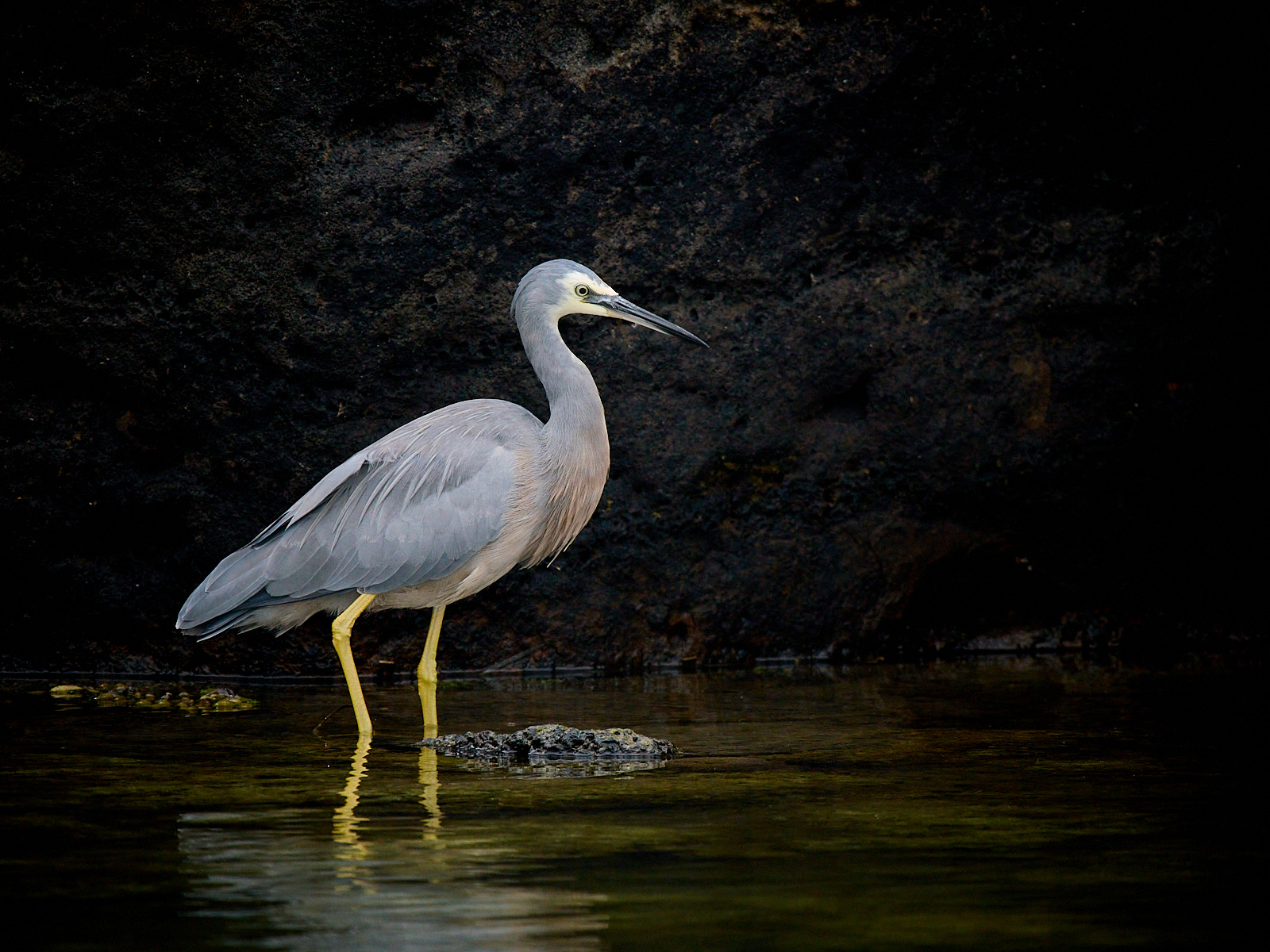
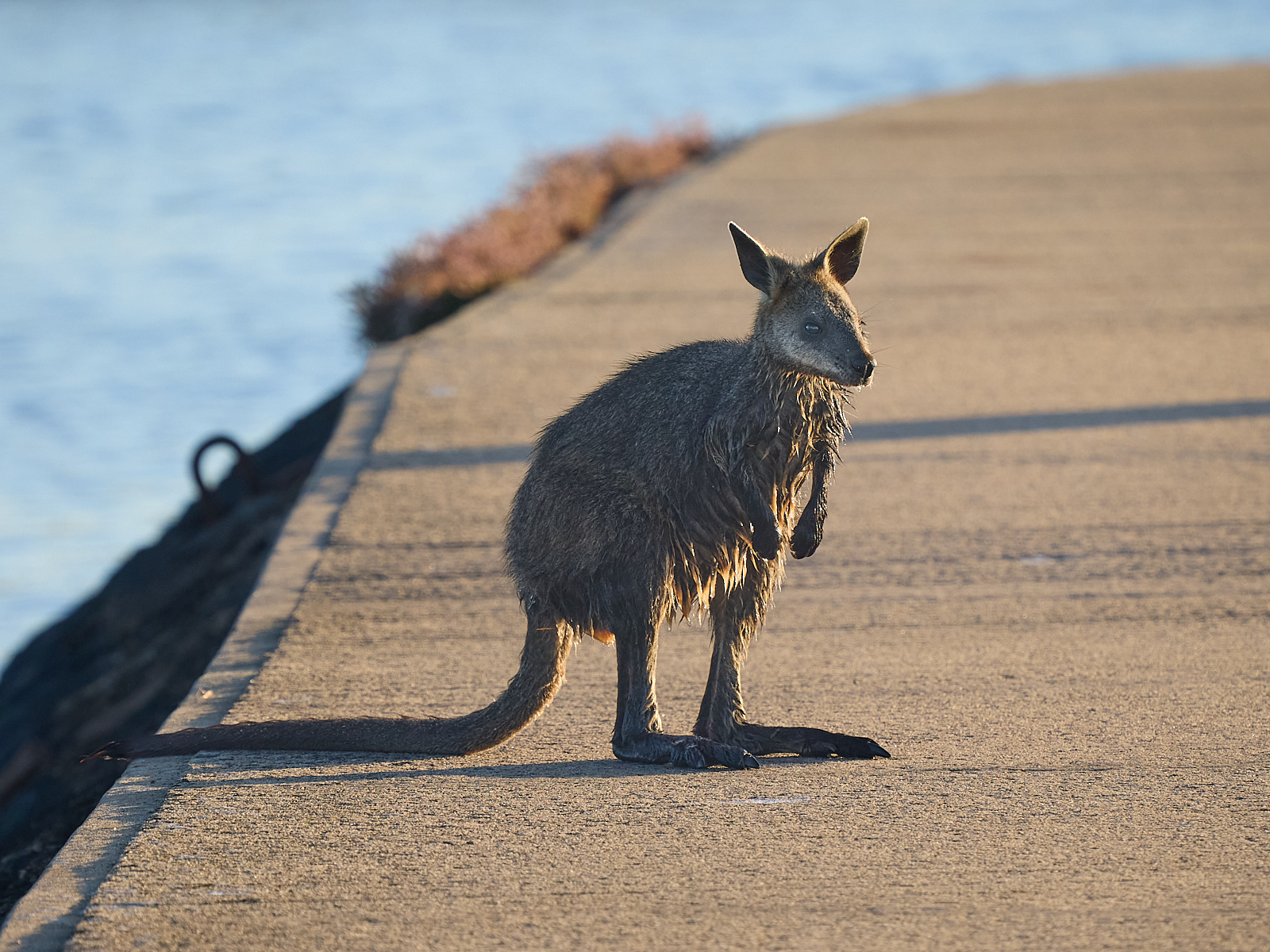
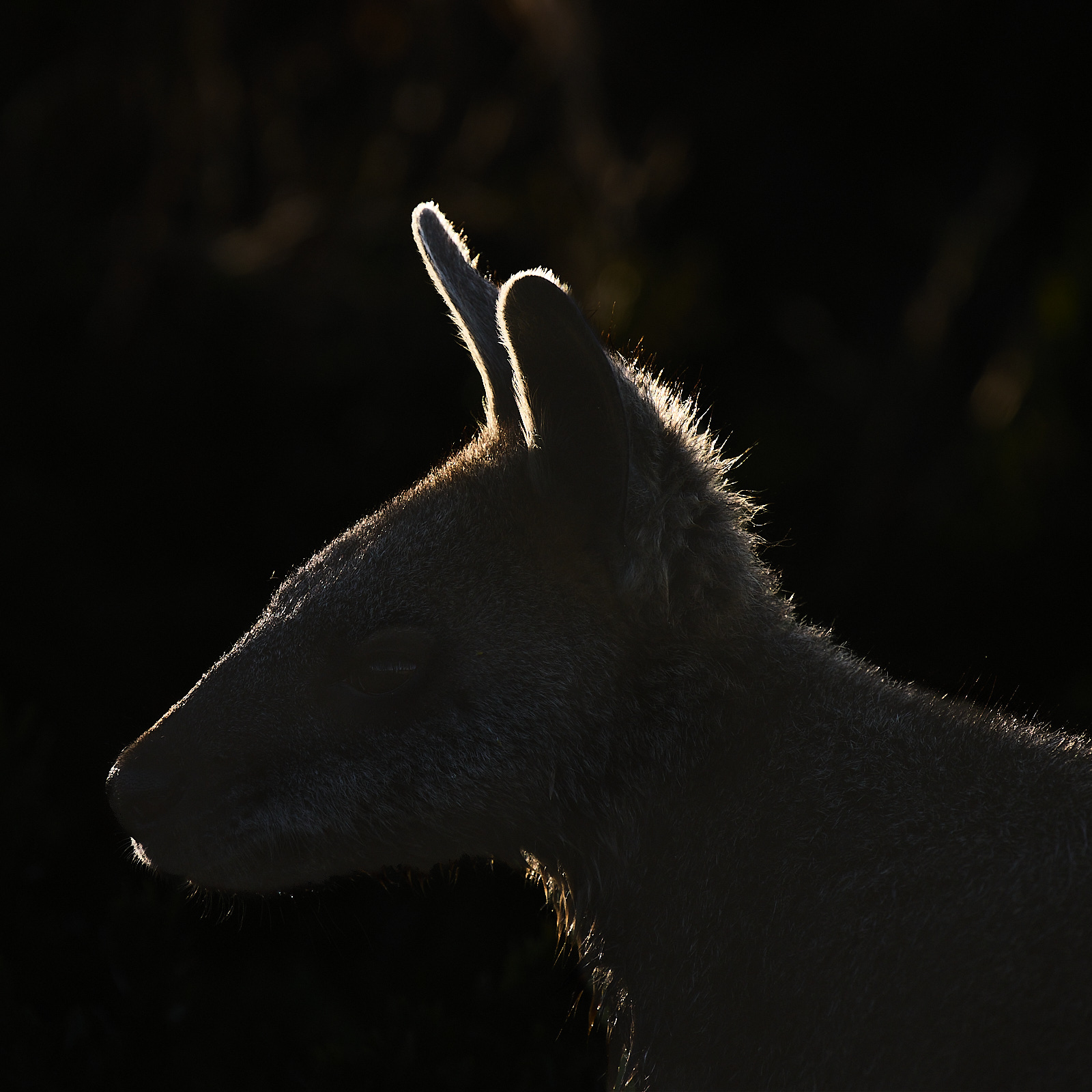
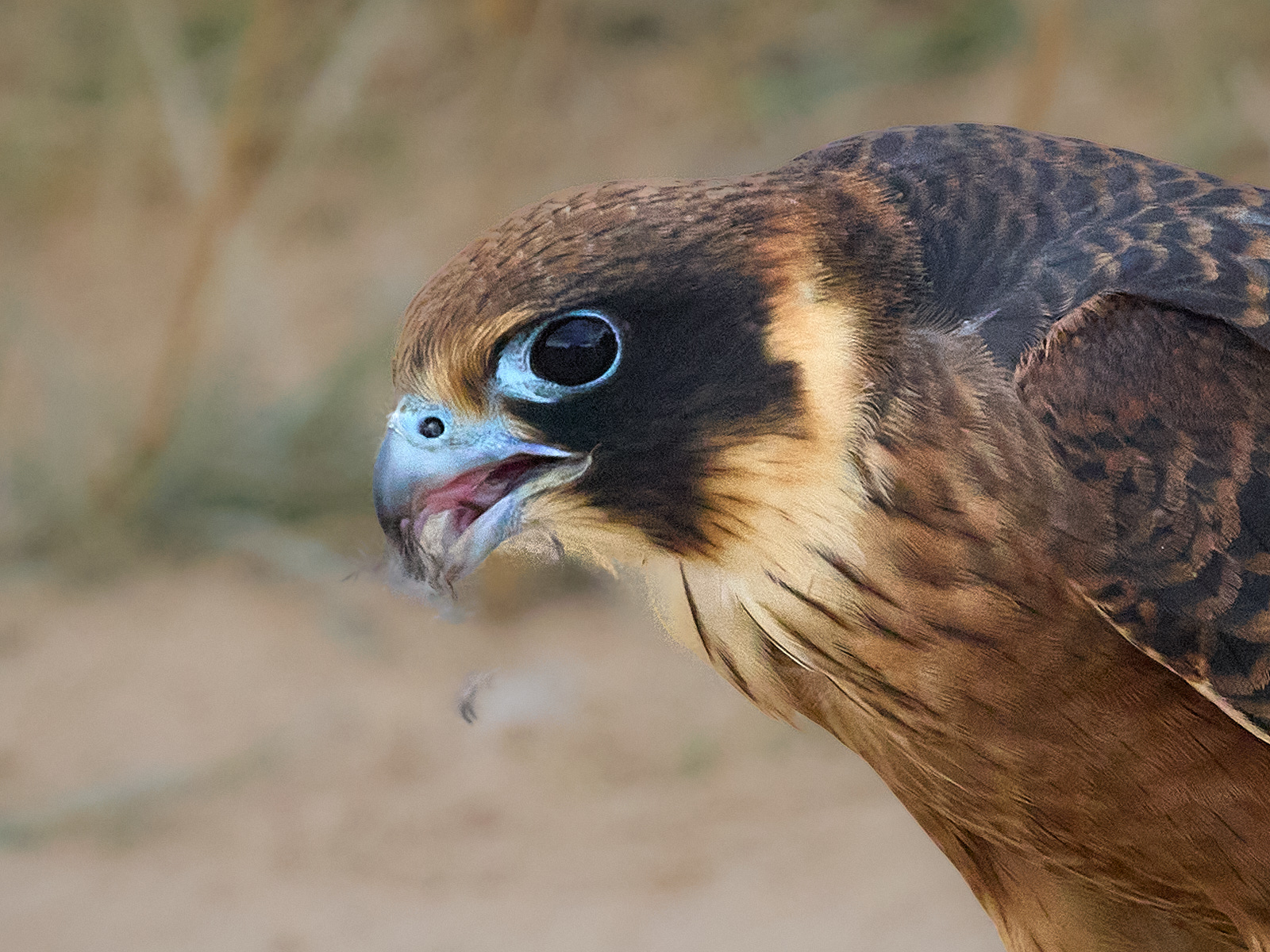
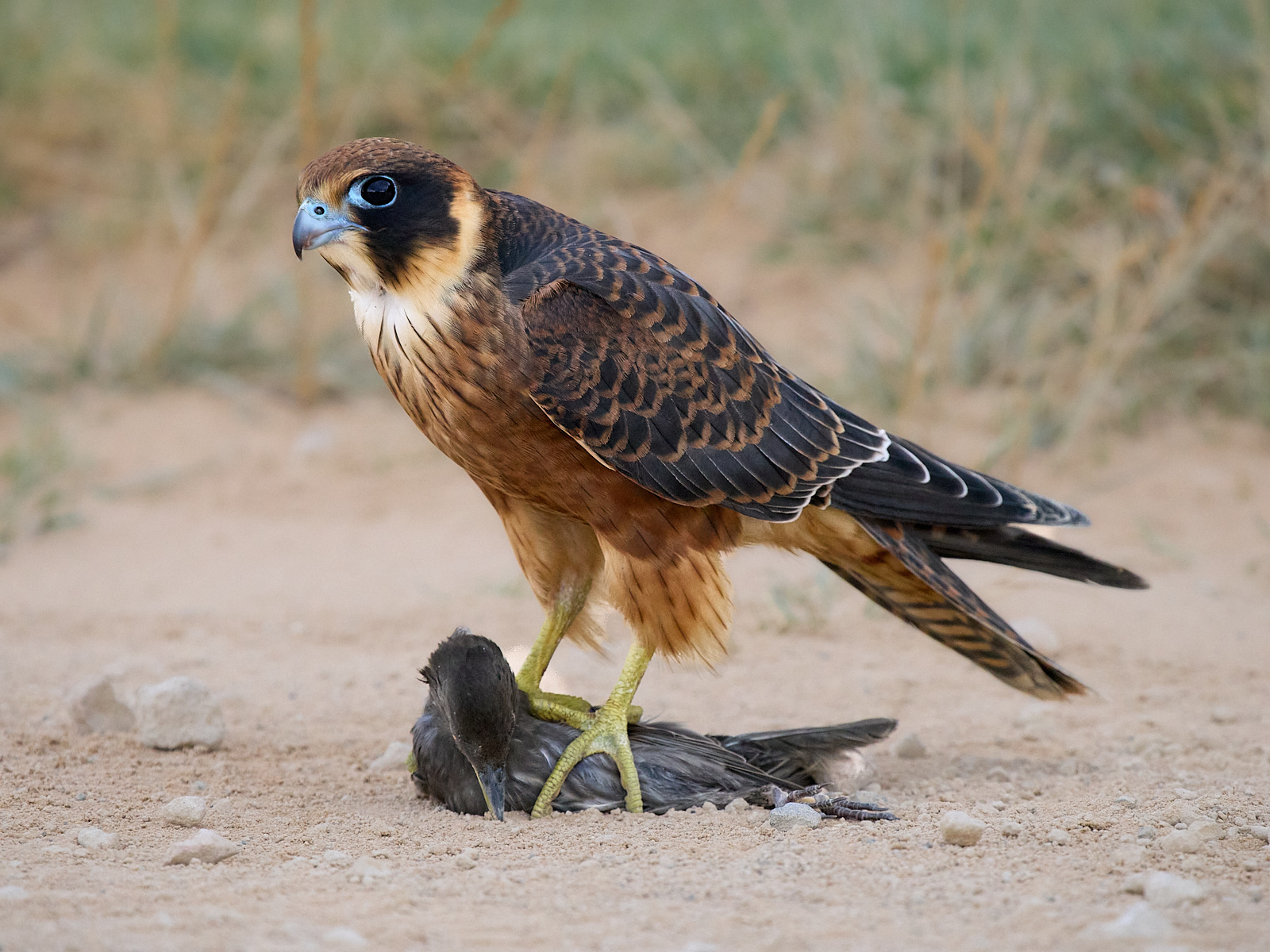
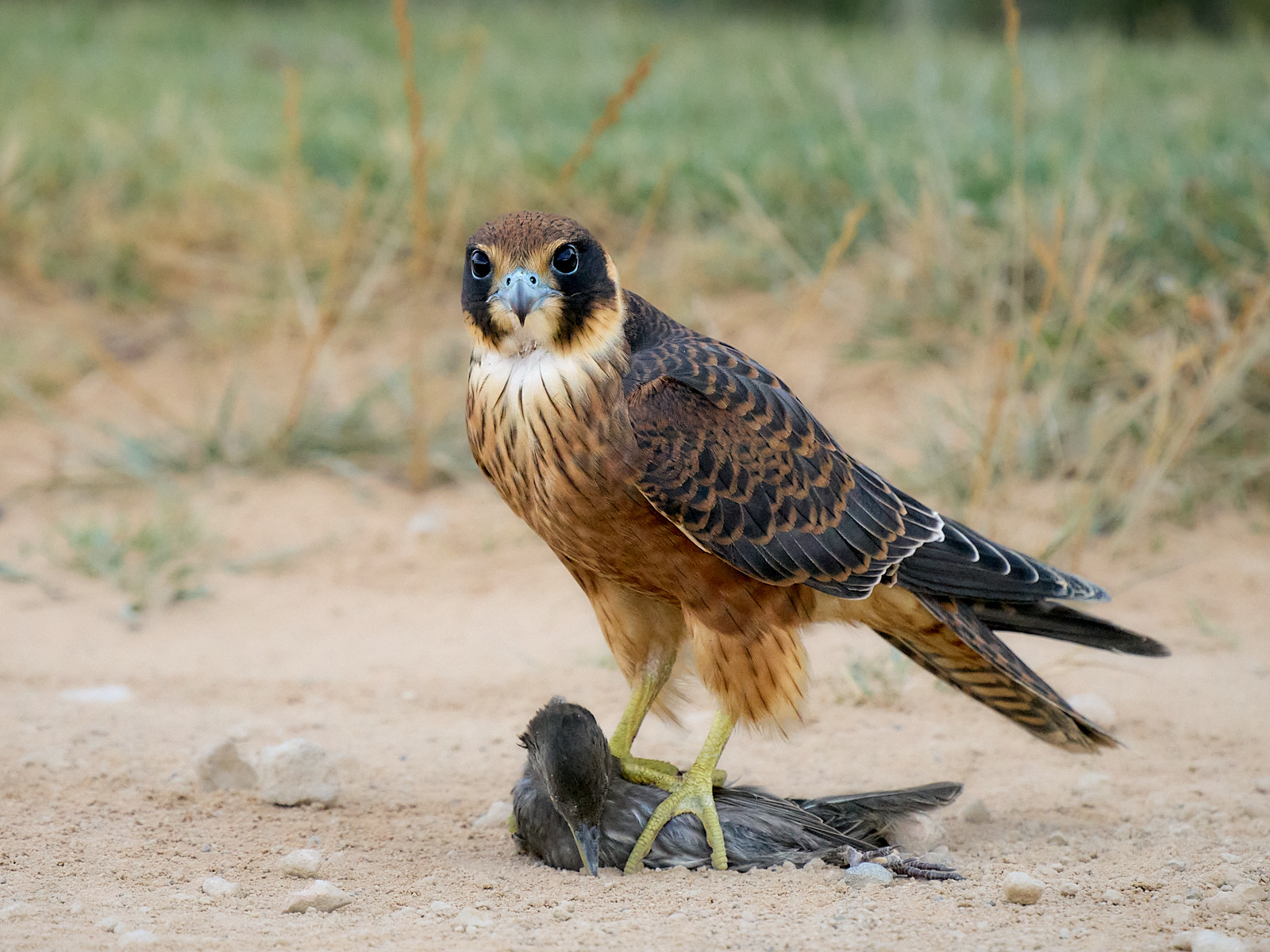
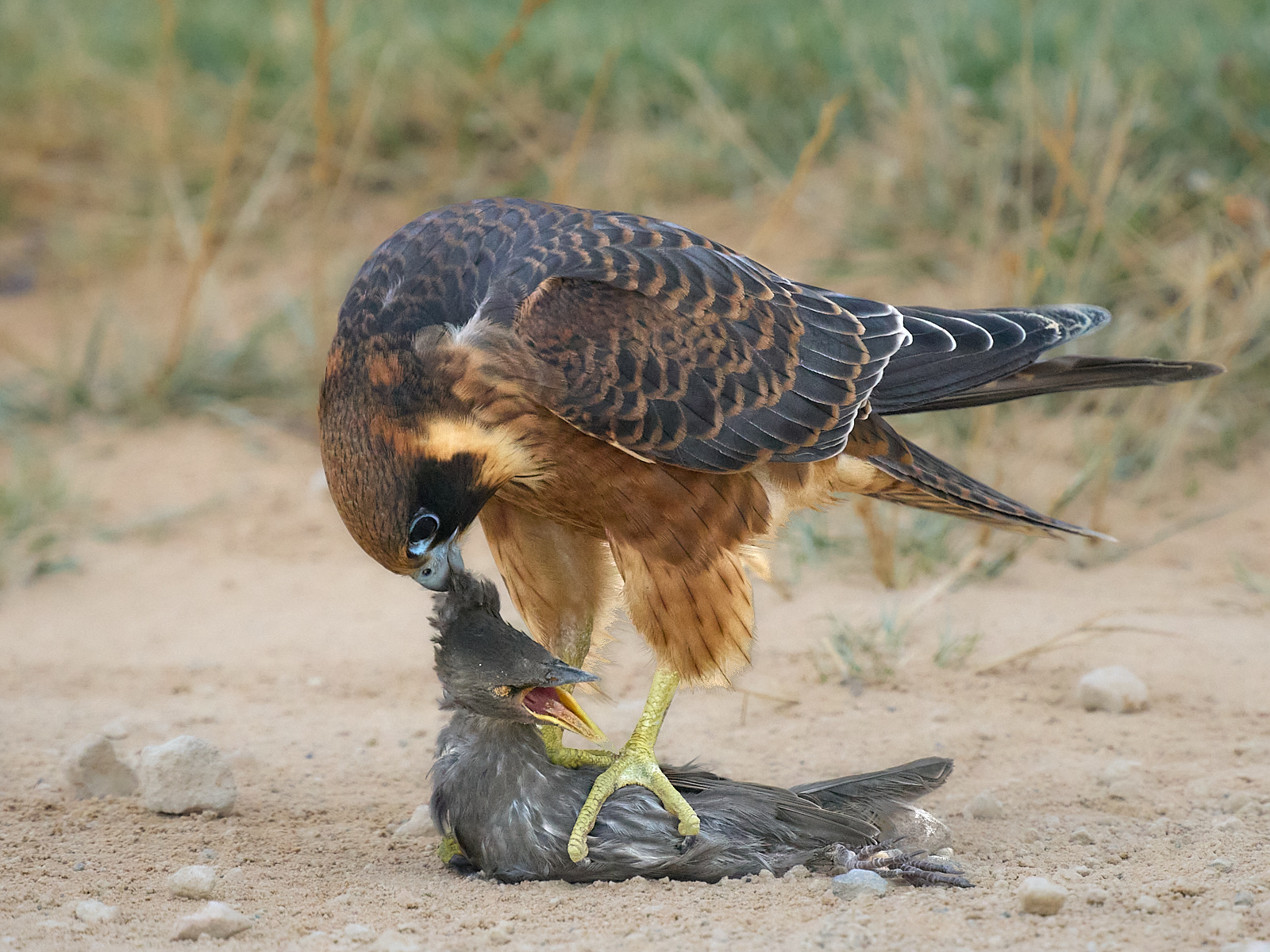
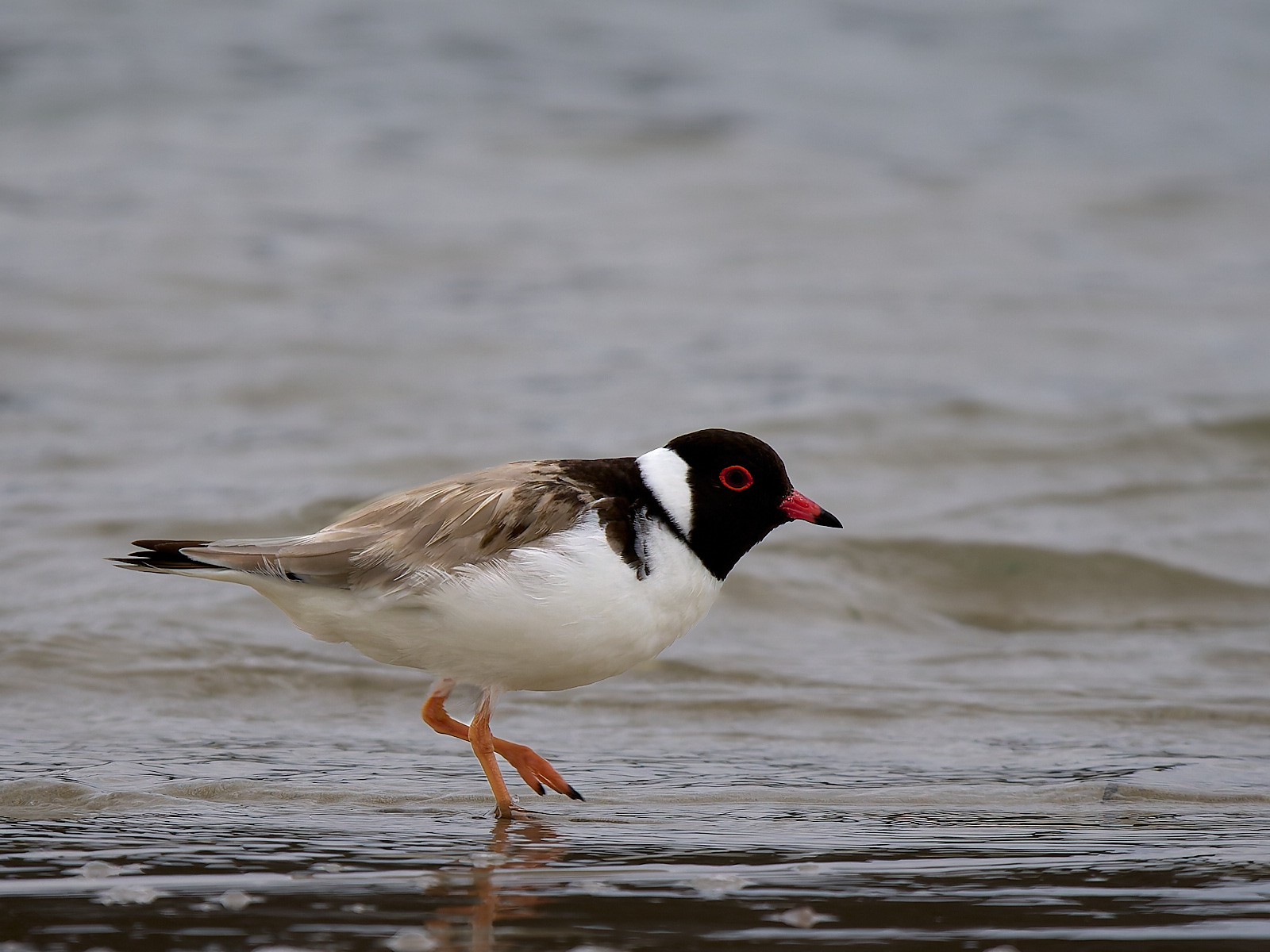
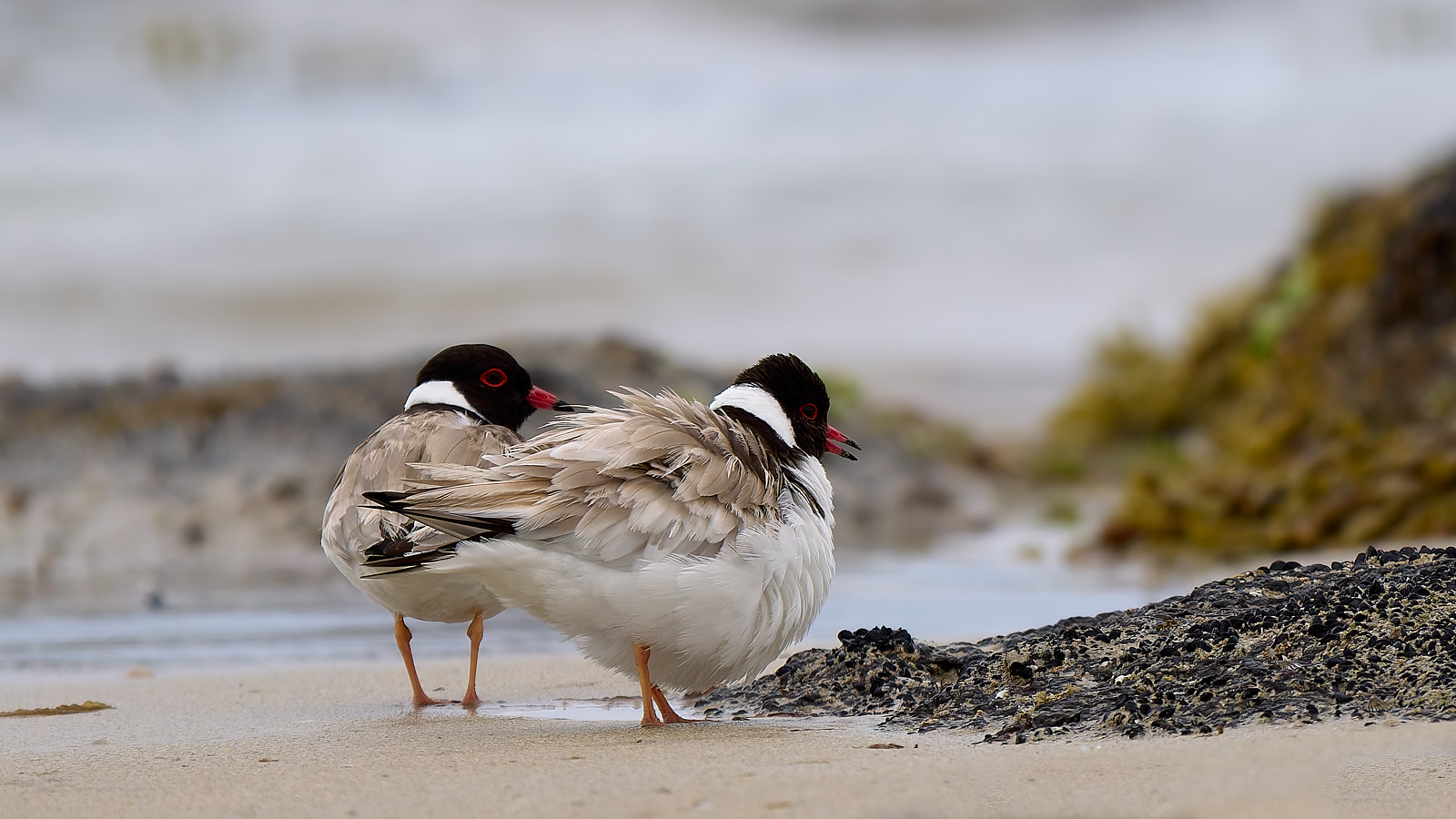
It comes in really handy for the bird photographer aiming for some low key shots – just frame up your subject against the basalt.

Flying the Flag …

Some more life histories …

Australian Pied Oystercatcher 5B was in its first year when it was banded in 2013 so is now coming up to its 12th birthday. It has moved 286km from where it was banded and it is in a relationship!

Australian Pied Oystercatcher DV was in its second year when it was banded in 2011 so is now in its 16th year of life. It was foraging by itself 343km from where it was banded.

Sanderling LAX was banded just metres from where I found it 3 years later but far from being lazy it has probably flown further than either of the Oystercatchers because it hatched in the high Arctic and may have been to and from the breeding ground in the interim. That’s more than 11,000 km each way. They run a marathon every day as well. Their foraging style is to chase the waves out, snatch some invertebrates from the sand and run back in front of the next wave.

I found and photographed this trio within a few days of each other on the beaches around Port Fairy. They show the value of using flags that are readable in the field without catching the birds. I just fire away with the long lens as they continue about their business. Clearly the flags are not an impediment. Occasionally you can even read the numbers on the metal band for large birds.

I report the sightings with or without photos to the Australian Bird and Bat Banding Scheme. If you give them your email address they will get back to you and to the bander with the whens and the wheres. Here’s the link ABBBS. If you come across a dead bird with a band you can let them know the number on the band at the same link. It doesn’t matter if you can’t identify the bird – the band will. If you’re not in Australia there will almost certainly be another authority that you can track down on the internet.

The flags do kind of ruin the photos, they are not going to end up on the wall, but when it comes to arguing the case for conservation pretty pictures are trumped by hard data (except maybe for koalas, pandas and polar bears.)

Fur Seal …

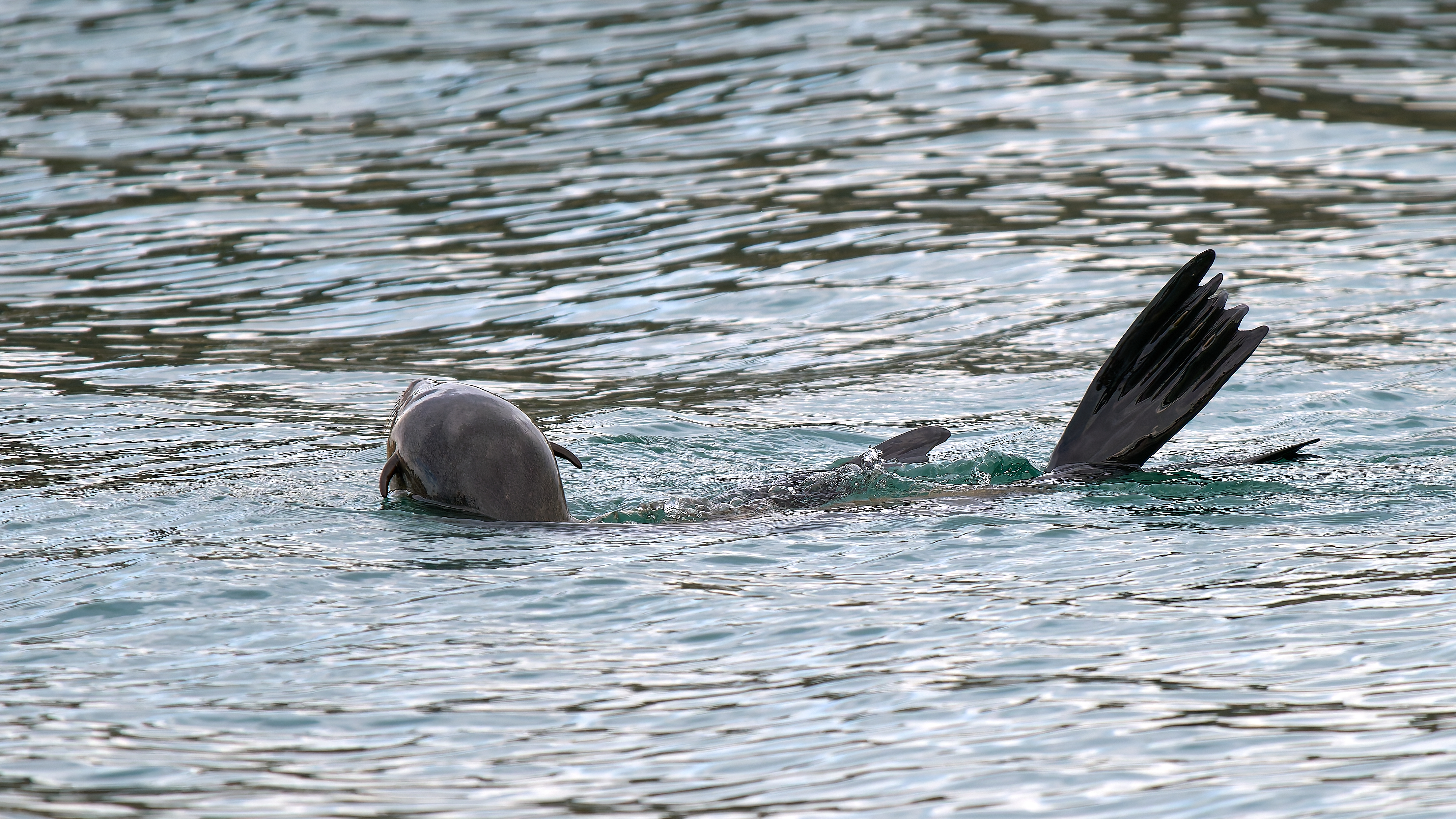
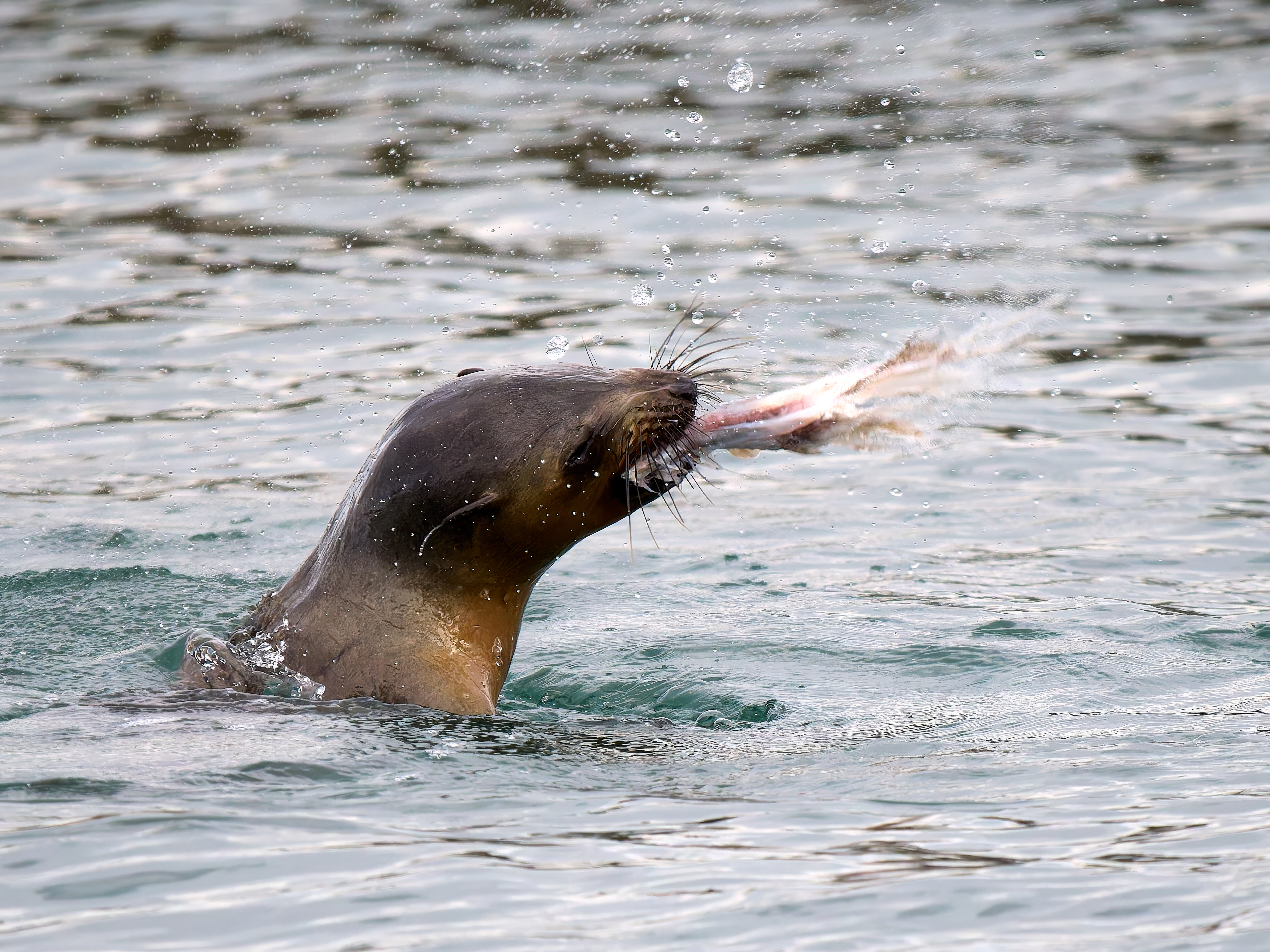
There is a seal colony on Lady Julia Percy Island about 22km from Port Fairy and occasionally a seal or two will pay us a visit. I found one this morning in the mouth of the Moyne River playing with a fish fillet that looked more like it had been donated than caught. The seal was shaking it and throwing it and occasionally chewing on it. It was having a grand old time.

The Australian Fur Seal Arctocephalus pusillus doriferus is a subspecies of the Brown Fur Seal. It is found around the shores of Bass Strait and Victoria, it breeds colonially on smaller islands. Adult males will weigh between 190 and 280 kg (420–620 lb) the girls are a bit smaller. The nominate subspecies is found around the shores of southern Africa.
Kelp Gull …

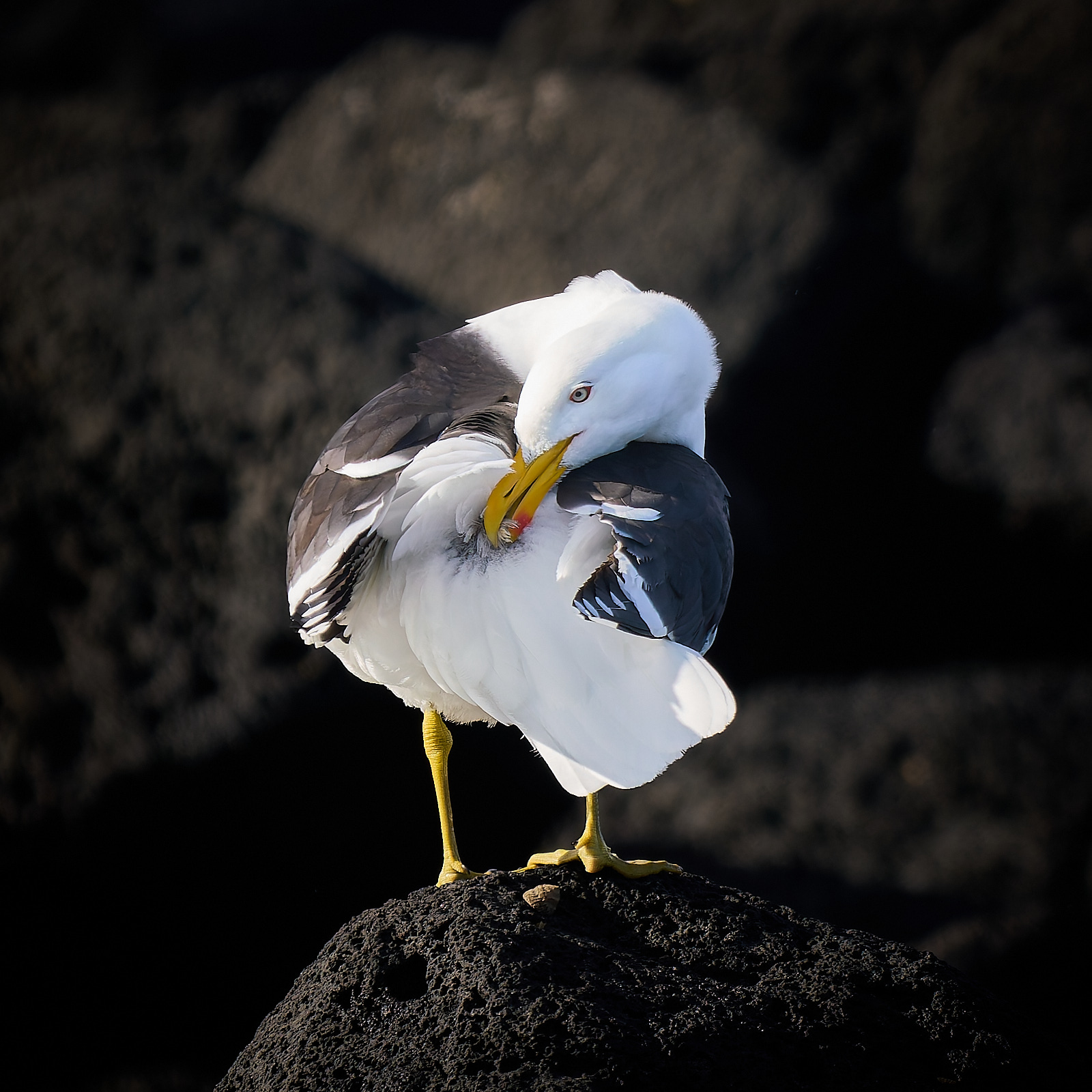
Back in Port Fairy now and one of the first birds I encountered was the other large Gull that is frequently found around Australia’s southern coast. Points of difference from the Pacific Gull in adults include

  • The bill looks less of a weapon
  • The bill has a red dot on the lower mandible only
  • The legs are a different yellow
  • No black band in the tail
  • A white margin around the black in the wing

Immature birds of both species have black bands in the tail, bill shape is then your best guide.

This guy had a vigorous bath then flew to the rocks to preen. Birds use their bill to distribute oil from the uropygial gland through their feathers.

Wallaby …

A walk around Griffiths Island, especially early or late in the day will almost always turn up a few Swamp Wallabies. As long as you don’t go too close they tend to just stand and look at you. Occasionally you might also see an Eastern Grey Kangaroo, they are not so tame. When they’re bounding along Swampies tend to keep their heads low and travel in a horizontal posture. Eastern Greys are more upright.

Despite their name Swamp Wallabies are not regularly found in swamps. An alternative popular name is Black Wallaby but they’re not black. Their scientific name is also a dud Wallabia bicolor since they are rufous, black and cream.

Meet Junior …

Junior is an Australian Pied Oystercatcher that hatched on Griffiths Island. You can tell this is a youngster by the brownish feather margins and relatively subdued colours on legs, bill and eye ring. He or she was probably one of two or three but there has been no trace of siblings over the last few days. Life is hazardous for young birds. Junior is probing for food for themself but is still very ready to accept food from its parents which are still a bit bigger.

When danger threatens Junior pretends to be a bit of seaweed while Mum and Dad run into the open and pipe up a racket, a distraction display.

Around the corner I came across L9. I last saw L9 three years ago and I’m pleased to see them still going strong. They were in a relationship back then but do not seem to be paired up presently. The Australian Bird and Bat Banding Scheme tell me that L9 was banded on 17th May 2011 and was 3 years or older at the time. (First and second year Oystercatchers can be aged by examination of the pattern of their moult). Banding occurred 288km away. They are now at least 17yrs old.

Statistics …

As I recall Statistics is something you can do with independent observations taken at random and assembled into a sufficiently large sample. It’s a dark art, lies, damn lies and statistics etc. Bird watching stretches it even further into the kingdom of the devil. Bird watchers choose their sites to generate large lists, large list are more fun. Will we turn left or right? Depends where the Red Goshawk’s nest is or the owl’s roost. It’s called bias. Bird watching and citizen science make for a turbulent marriage

The year list is coming along very nicely, thank you for asking. Bird watchers tend to disparage introduced species, the plastics, but we do make sure to get them on our lists. If numbers give you an inner glow then they all count. I have my Goldfinch for the year. Port Fairy is very good for Goldfinch. But where is my Greenfinch? If I don’t get it here I am unlikely to get it this year.

Port Fairy is also a very good place to find the Striated Fieldwren. They live in rank vegetation and low scrub. In spring the males get up on rocks or taller plants and sing their little hearts out. The rest of the time they are a challenge. It’s not spring but this visit they have been very cooperative. I even have photographs! (Notice they all face to the left, n=2, the sample size is too small, p is nowhere near significant).

That thing they do with their tail is very endearing. Shame the one in the better light didn’t do it.

Port Fairy is not only famous for Fieldwrens it is also home of the Port Fairy Folk Festival. Secombe Park has been transformed into a reasonable facsimile of the Field of the Cloth of Gold. The town benefits greatly from the revenue raised. Fortunately I will have left before the festivities reach full swing.

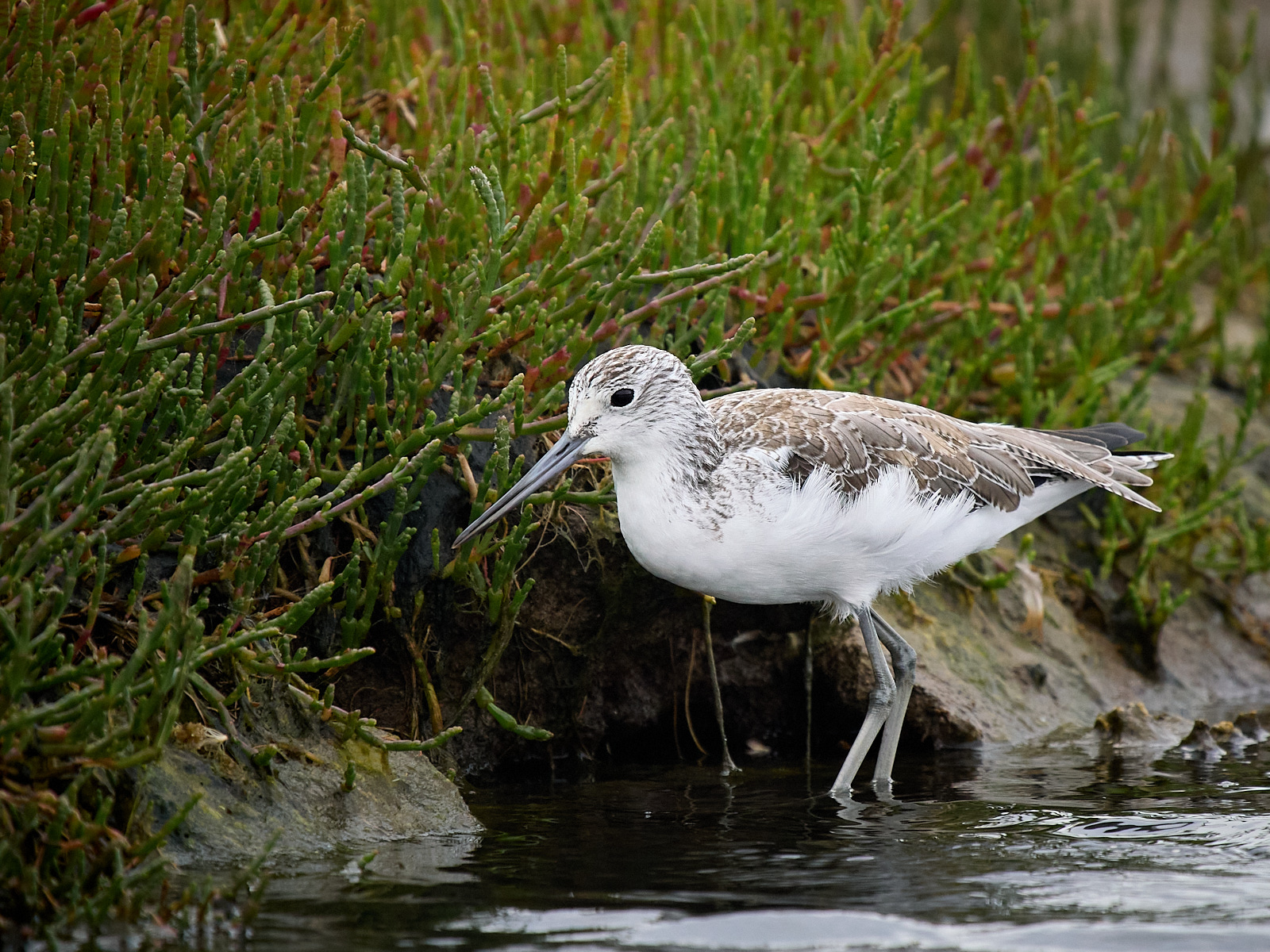
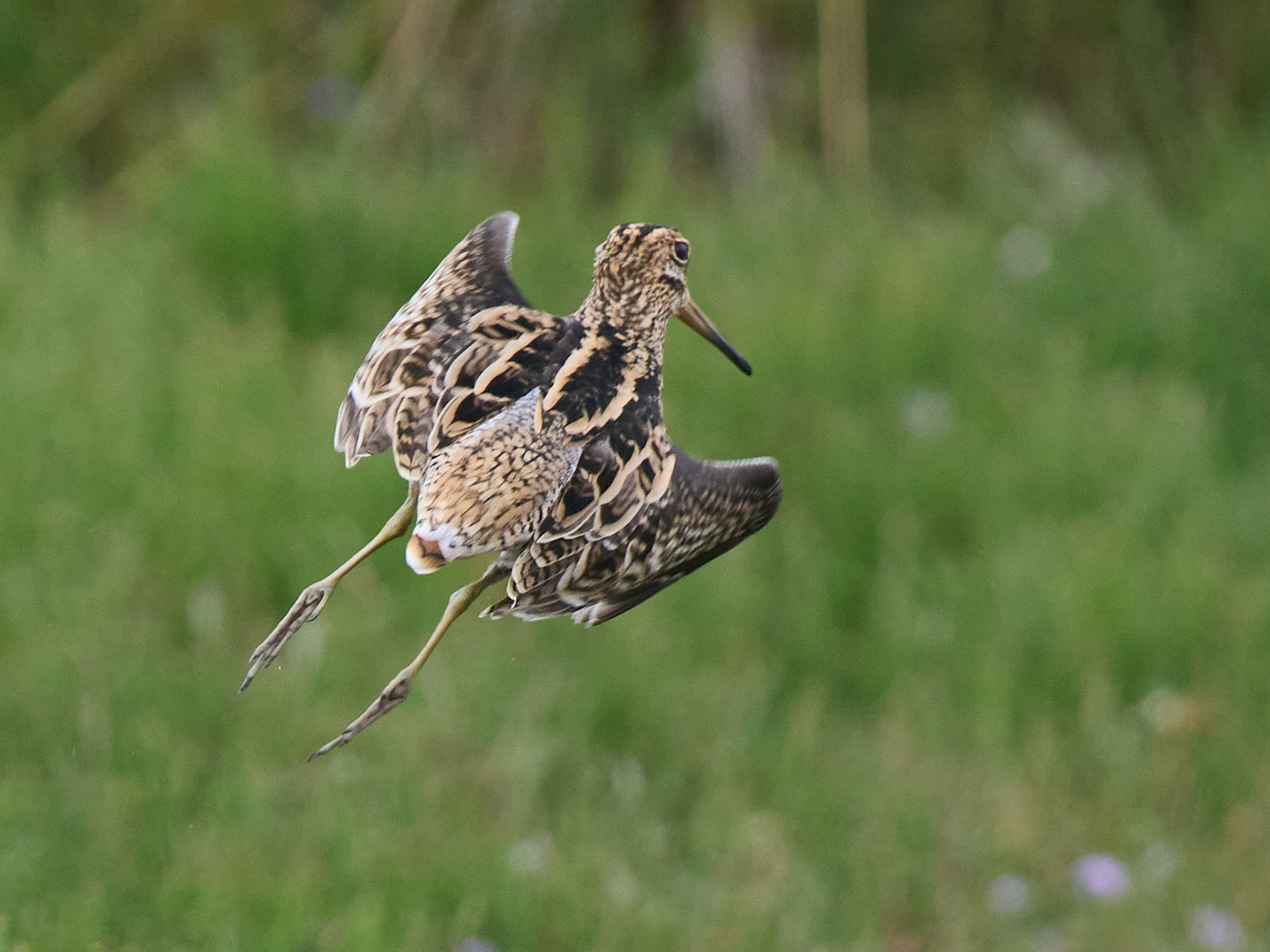
Just over a day to find the furtive finch. I haven’t connected with the snipe either, it may be too late in the season for them. I may have to come back in the spring. But the birding has been excellent …

Flitting About …

Yesterday we arrived in Port Fairy on Victoria’s south west coast and here we shall pause for a week . We will taking bracing walks in what passes for the summer heat and look for goldfinch and greenfinch to bolster our year list! Here is a simplified map of progress since Wilcannia. Simplified because since crossing the Victorian border we have been flitting about like flies on a cow pat visiting favourite places, favourite people and a caravan repair yard for a bit of plumbing work.

Rainfall in the interior of Australia and much of the west coast is unpredictable and usually sparse. For the north and east coastal fringes, north of Brisbane, summer rainfall is the norm. From Brisbane south and around the south coast and for a triangle in the south of Western Australia winter rainfall predominates. This pattern has held up on this trip, indeed it may be somewhat exaggerated this year. Since leaving Queensland the country has been as dry as a chip.

In Wilcannia the bird watcher should stay at Warrawong on the Darling. The camp ground is adjacent to a couple of billabongs. These are usually productive but on this occasion one had little water and the other was dry. The river Darling itself had plenty. There are some 4WD tracks across open plains to patches of River Red Gum woodlands along the banks and if clean toilets and warm showers are of any interest it even has those.

From there it was on to the banks of the mighty Murray not far from Mildura and then various much loved locations in the Victorian Goldfields. And now Port Fairy which is unique in Victoria in very nearly being quaint. The surrounding countryside, the Western District of Victoria, is brown and dry, drier than we have ever seen it.

There is a Short-tailed Shearwater colony in Port Fairy and I’ve just got back from watching the Shearwater parents returning to feed their chicks. They come in just after dark, land near their burrows and then run to the waiting chicks. It is a wonderful experience to sit in the colony and have them flying in around you.

The Law of Canoes …

Many years ago I made myself a kayak. Dangerous things kayaks. Combine them with swiftly flowing water and a fallen tree and it’s very easy to drown yourself. I came close.

That experience fits in the scope of Murphy’s Law but there is another inescapable law regarding canoes. If you want a fast canoe it will be long. It will not be manouverable. If you want a manouverable canoe it will be short. It will not be fast. You must choose your canoe to suit your intended purpose. The law of canoes has general application.

To make a photograph you need a lightproof box with a hole in the front and a surface at the back that reacts to light. You point the box at the subject, open the hole for a while, store the reaction and transform it into an image. Simple.

There are, however, some technical challenges. Too much light and your image will be white, too little and it will be dark. Getting the correct exposure depends on three things. Each of those things has to obey the law of canoes. A is for Aperture, the size of the hole. S is for Shutter Speed, the length of time that the hole is open and ISO is for the Sensitivity of the reactive surface to light. Balancing these three things will lead to a satisfactory image. Under most circumstances the modern camera can do that for you. It will trip up when the subject is dark and against a bright background, or white against a dark background or at night when light is at a premium. And on that brief and very expensive trip to Antarctica.
The bigger the aperture the more light gets in. Excellent. What’s the trade off? Depth of field. F/2 is a large aperture giving shallow depth of field, half your landscape will be fuzzy. F/16 is a tiny aperture your landscape will be in focus from somewhere near the front all the way to the back.

The longer the shutter is open the more light gets in. The trade off? For a crisp image the camera and the subject must stay still.

ISO represents the sensitivity of the sensor. The higher the number the greater the reaction to the light. The higher the number the greater the noise in the resultant image.

You’d like a sharp image, in focus from front to back and with no noise in the shadows? Sir, can I interest you in this very fast and extremely manouverable canoe?

If you’re taking control of the image you will have to decide what to sacrifice. To photograph birds I choose a high shutter speed. This guards against movement of the lens or the bird. To get in the light I have to open up the aperture. This sacrifices the depth of field. On a telephoto lens you soon bump into the limit regarding aperture so ISO will also have to increase …

The sacrifice here is depth of field but it’s no sacrifice at all. The out of focus background helps the Dusky Moorhen to stand out. The eye and bill are sharp. A slow shutter speed would likely have resulted in a soft unusable image.

For landscapes I usually keep the ISO low, the aperture small and put the camera on a tripod. The shutter may be open for several seconds. Sharp focus from front to back and low noise are the result. On the other hand the wind in the trees may make the foliage blurry and the sheep and cows will not look too good. Long exposures are the source of dreamy seascapes and creamy waterfalls. As long as the camera and a good proportion of the picture stays still movement in the scene can be put to creative use.

The 30 second exposure flattens the sea and on a still day you can get away with the foliage. A tripod is essential.

The point of all this is about getting a handle on the compromises made for this next image …

Boats are a nightmare for long exposure photography. They move. Usually just enough to ruin the image without moving enough to get an “artistic” effect. So a short shutter speed is highly desirable. We have a light source, the dockside lights. The sun flare effect from the lights only happens if the aperture is small f/16 is nice, f/11 works. I was lucky to get it at f/8. The tide wasn’t running hard, boat movement spoilt a couple of attempts but this one is sharp despite a 2 second exposure. ISO 640 doesn’t cause too much noise on the modern sensor especially if you resist the temptation to raise the shadows. I underexposed by a full stop to avoid blowing the highlights.

The subject is a beautiful wooden fishing boat called Putty’s Pride. It’s moored at Port Fairy. Keeping it in good nick must be a labour of love. Its owner has every reason to be proud.

Griffiths Island …

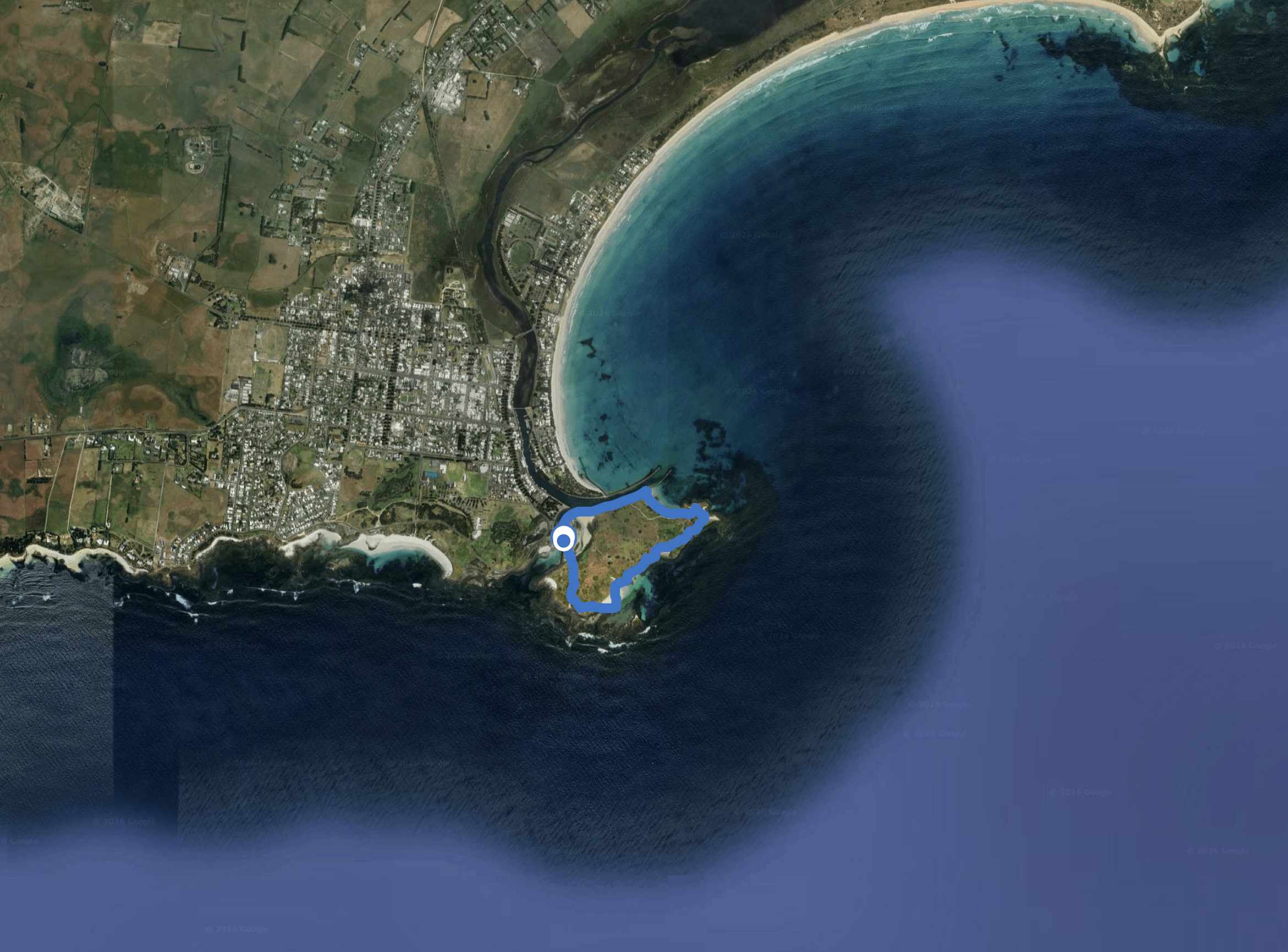
John Griffiths built a house on the island in 1837 as a base for his whaling activities. Port Fairy is in the background with its trademark Norfolk Island Pines. It’s connected to the island by a causeway. On the right of the picture you can see the breakwaters that have improved access to the port, a byproduct of the improvements has been the silting up of shallow waters between three islands, Griffiths, Rabbit and Goat to create the enlarged Griffiths Island we have today.

The lighthouse was built in 1859. The lighthouse keepers cottage has been removed since the light was automated. However the hardier plants in the garden hold on defiantly.

The island is home to a nesting colony of Short-tailed Shearwaters. They return to breed here every spring. They clean up their burrows, usually renew their relationship with their mate of last year and work diligently to raise a single chick. In the autumn they turn their backs on the young shearwater and head for the northern hemisphere to avoid the winter. After a few weeks the chick realises that if it wants to eat it will have to fend for itself and follows.

Along the breakwaters you can often find Ruddy Turnstones and Common Sandpipers that have the same strategy but in reverse, breed in the northern hemisphere and head south for the sunshine (quite why they choose Port Fairy is a mystery).

A morning walk will often bring you close to the Swamp Wallabies that live on the island. They are fairly well habituated and will pose for pictures. This one was munching on whatever it is that passes for leaves on Norfolk Island Pines.

You will certainly find a bird or two.