We could be in for some weather …
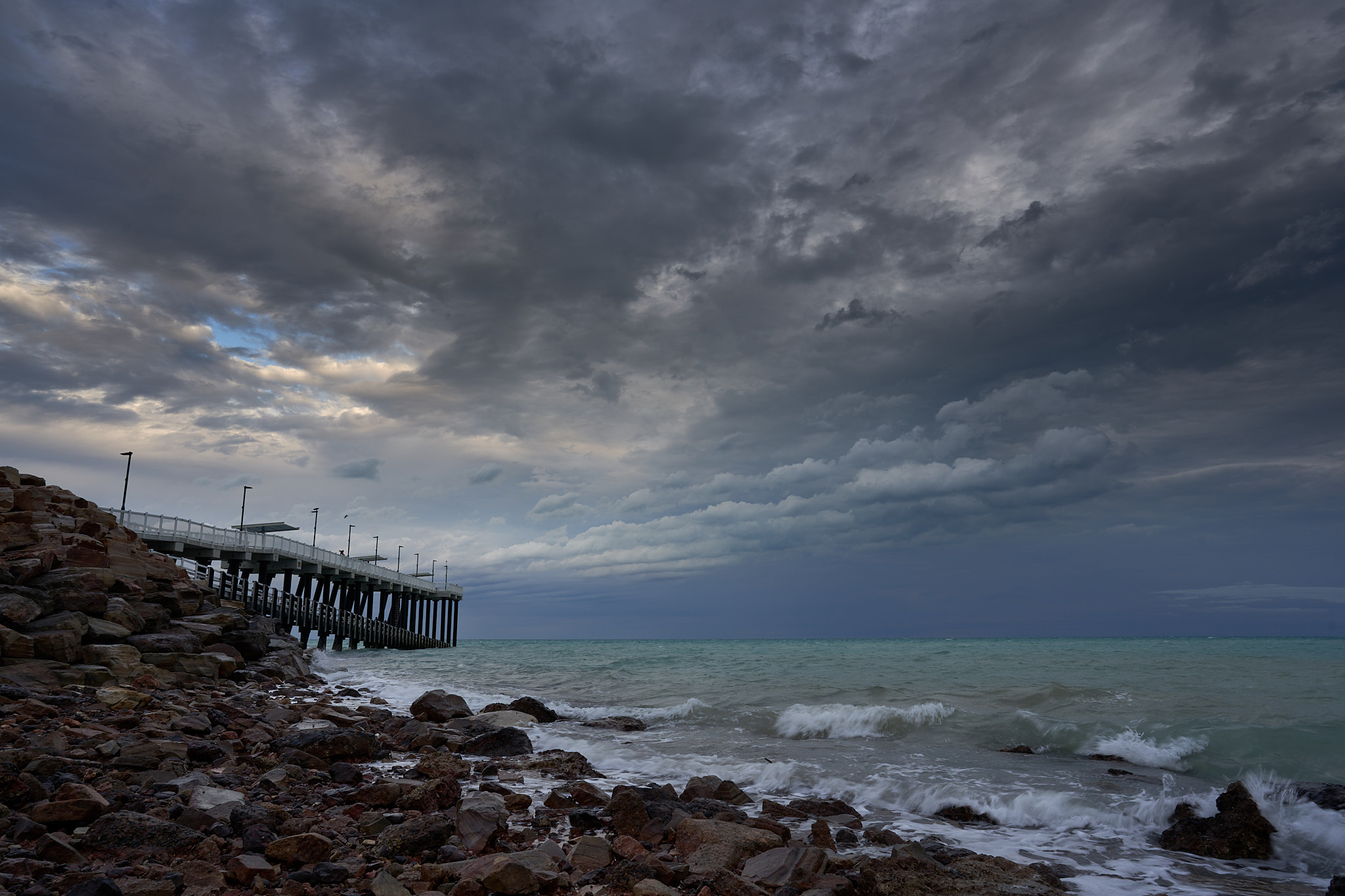
Warnings are in place for the KImberley and Pilbara. the Gibb River Road is closed, the Fitzroy Crossing causeway is restricted. This could stretch all the way to Birdsville.
and pray that there's intelligent life somewhere out in space
We could be in for some weather …
Warnings are in place for the KImberley and Pilbara. the Gibb River Road is closed, the Fitzroy Crossing causeway is restricted. This could stretch all the way to Birdsville.
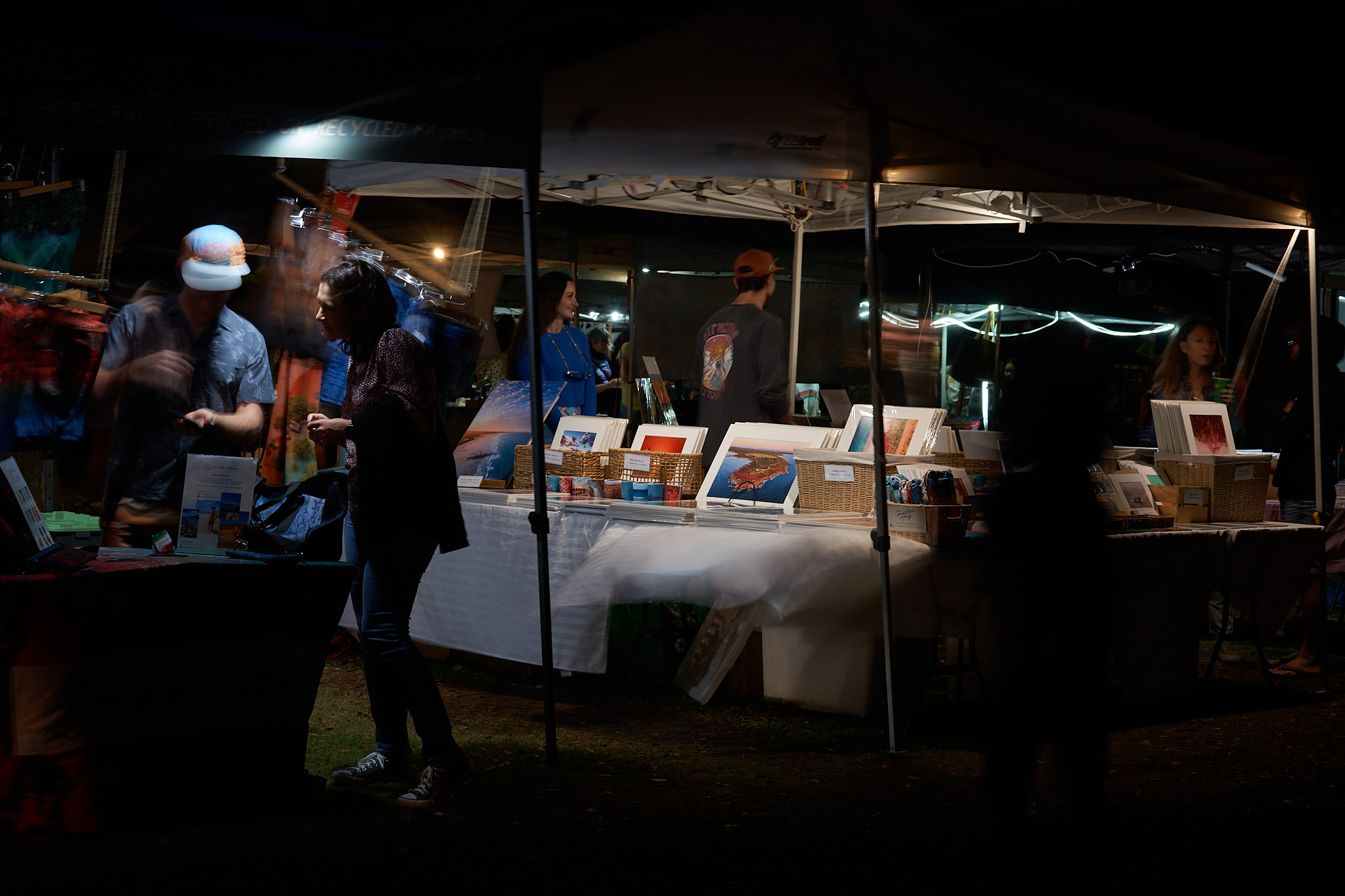
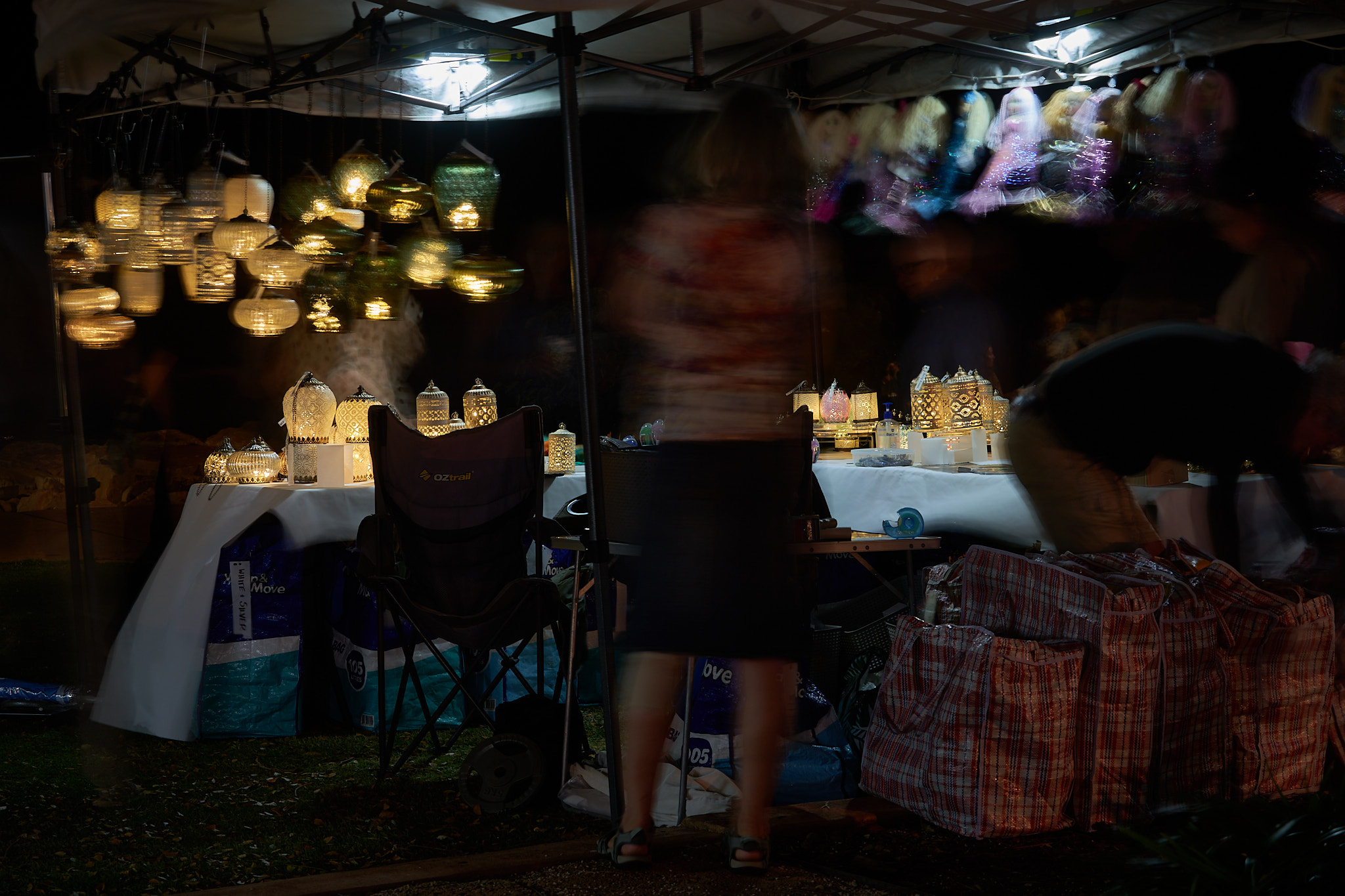
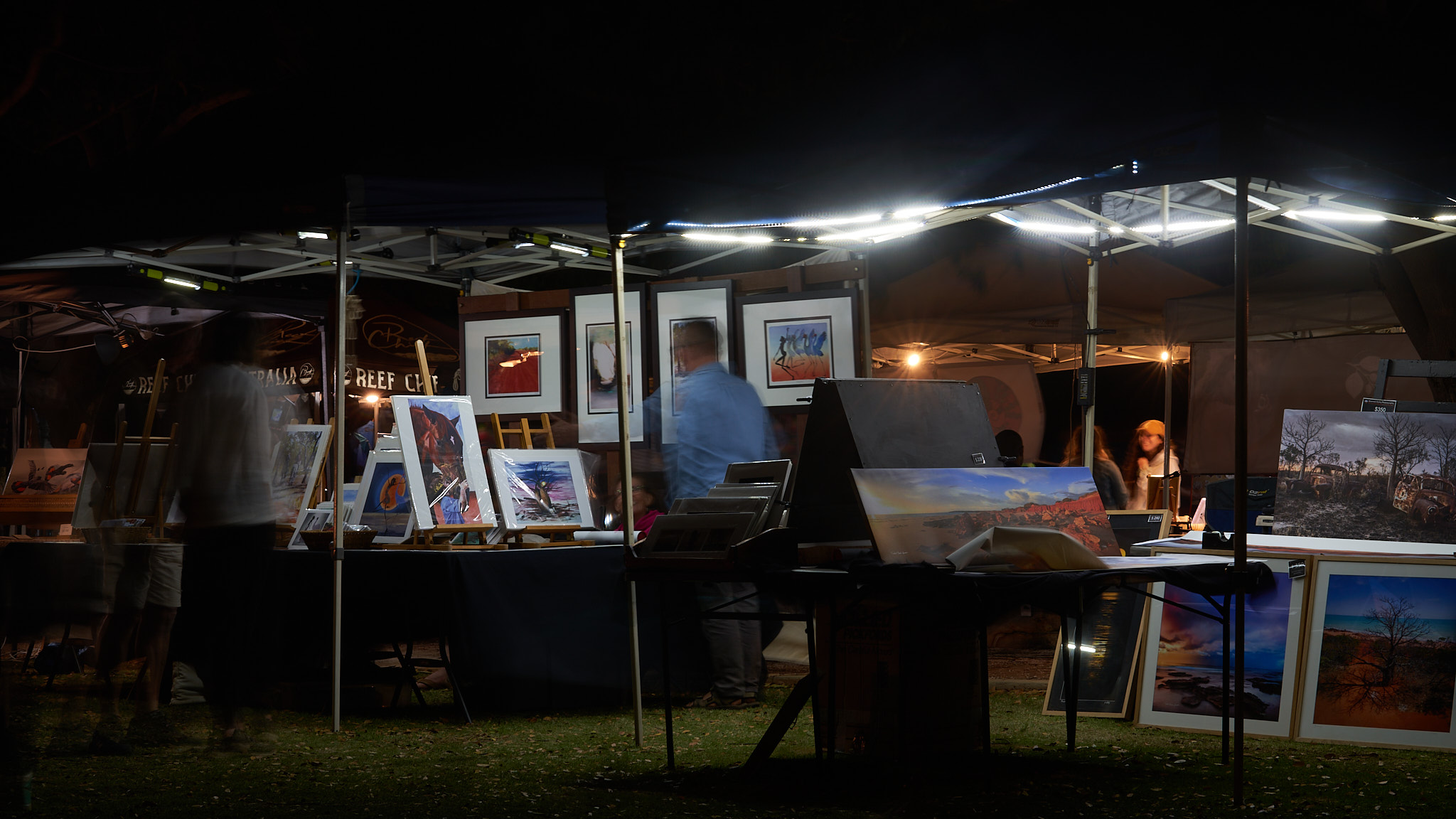
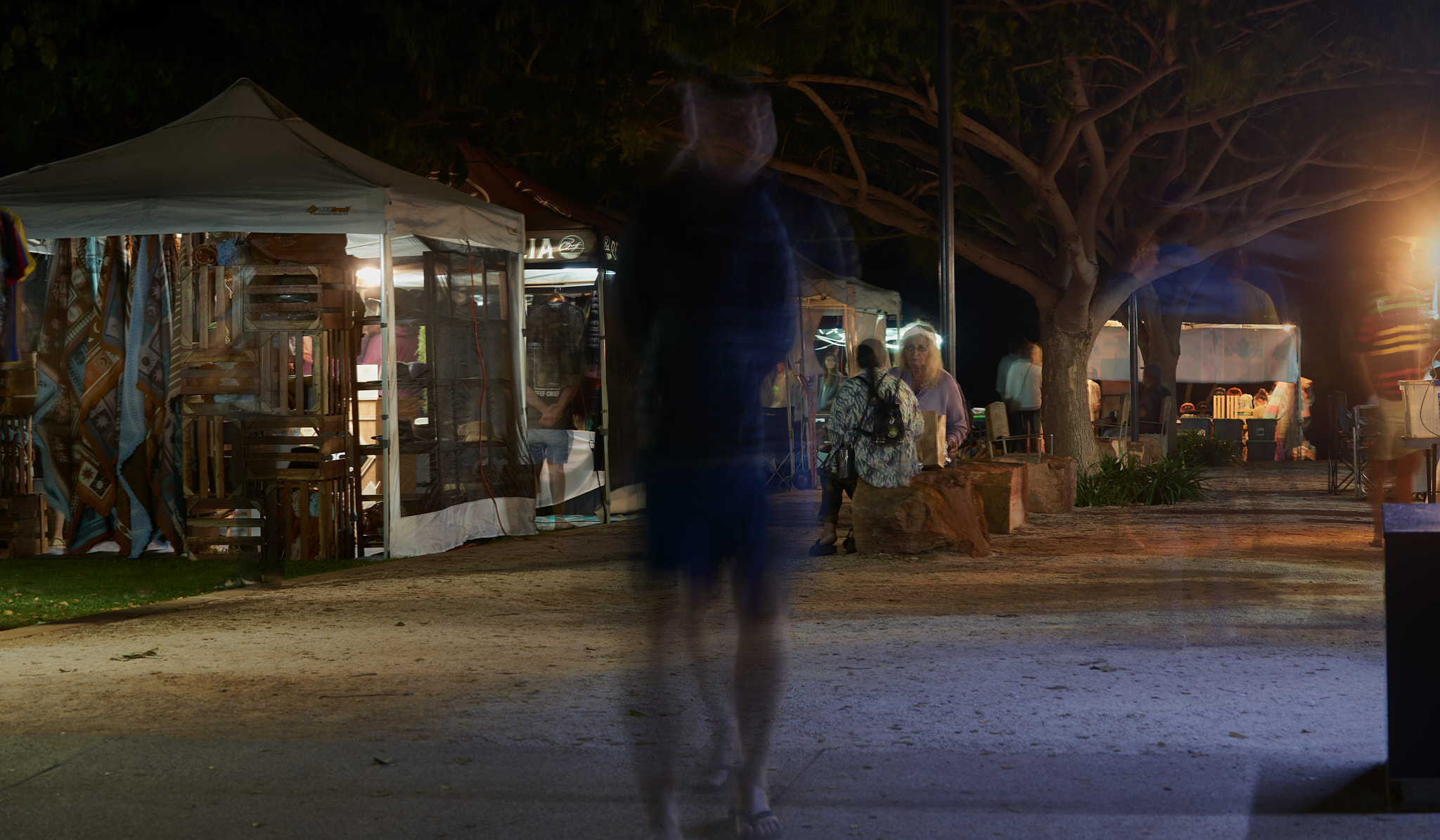
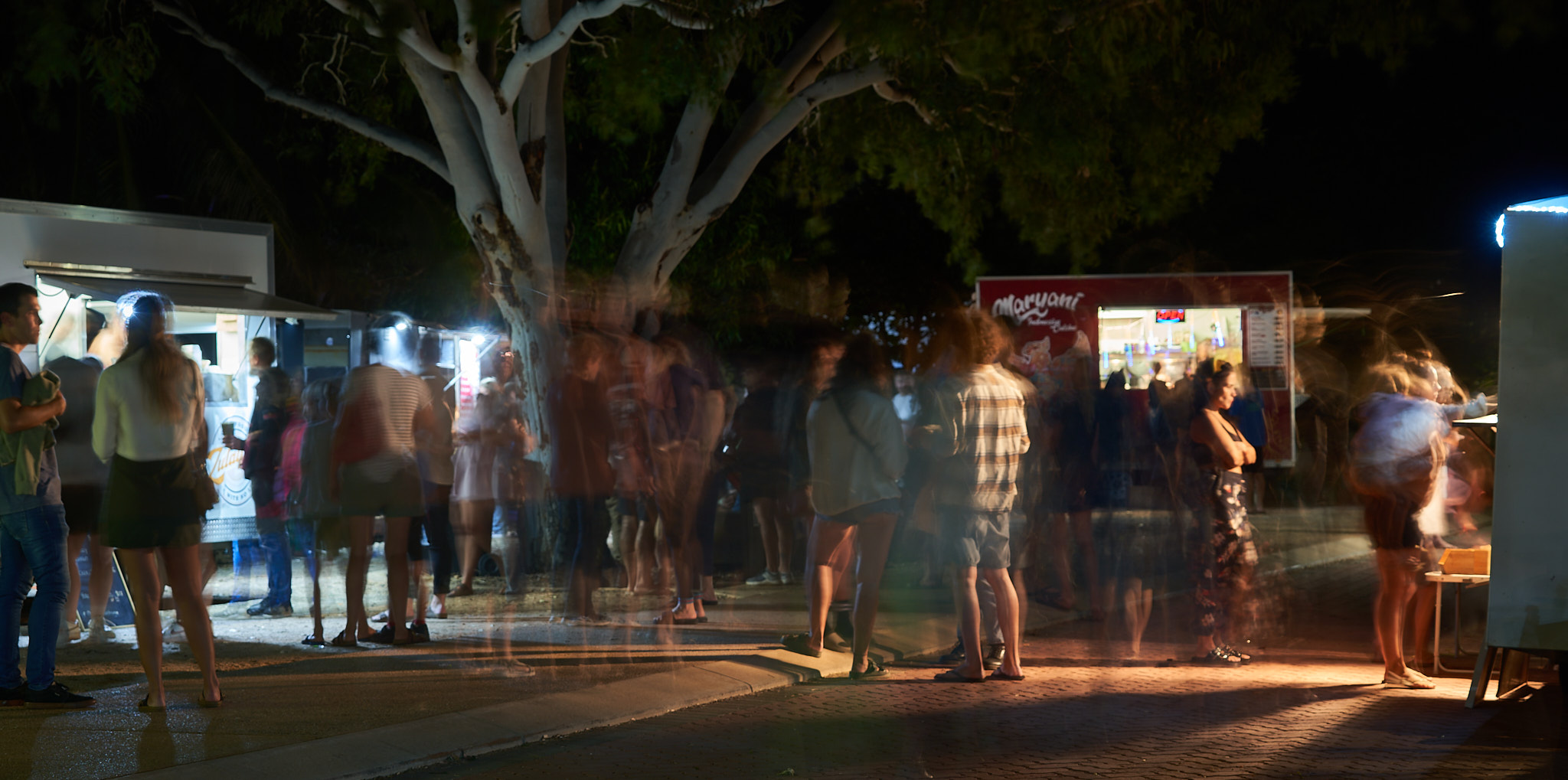
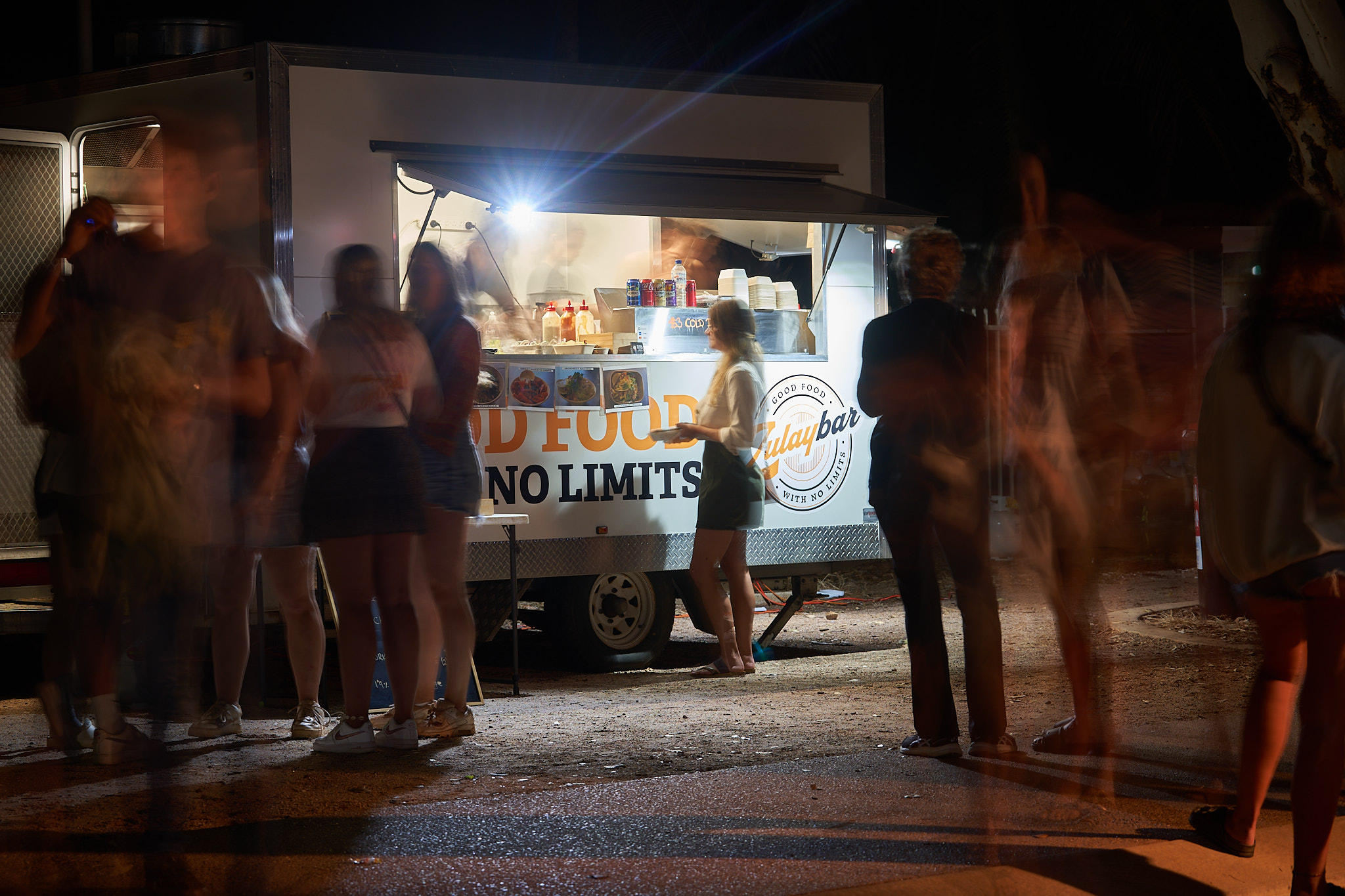
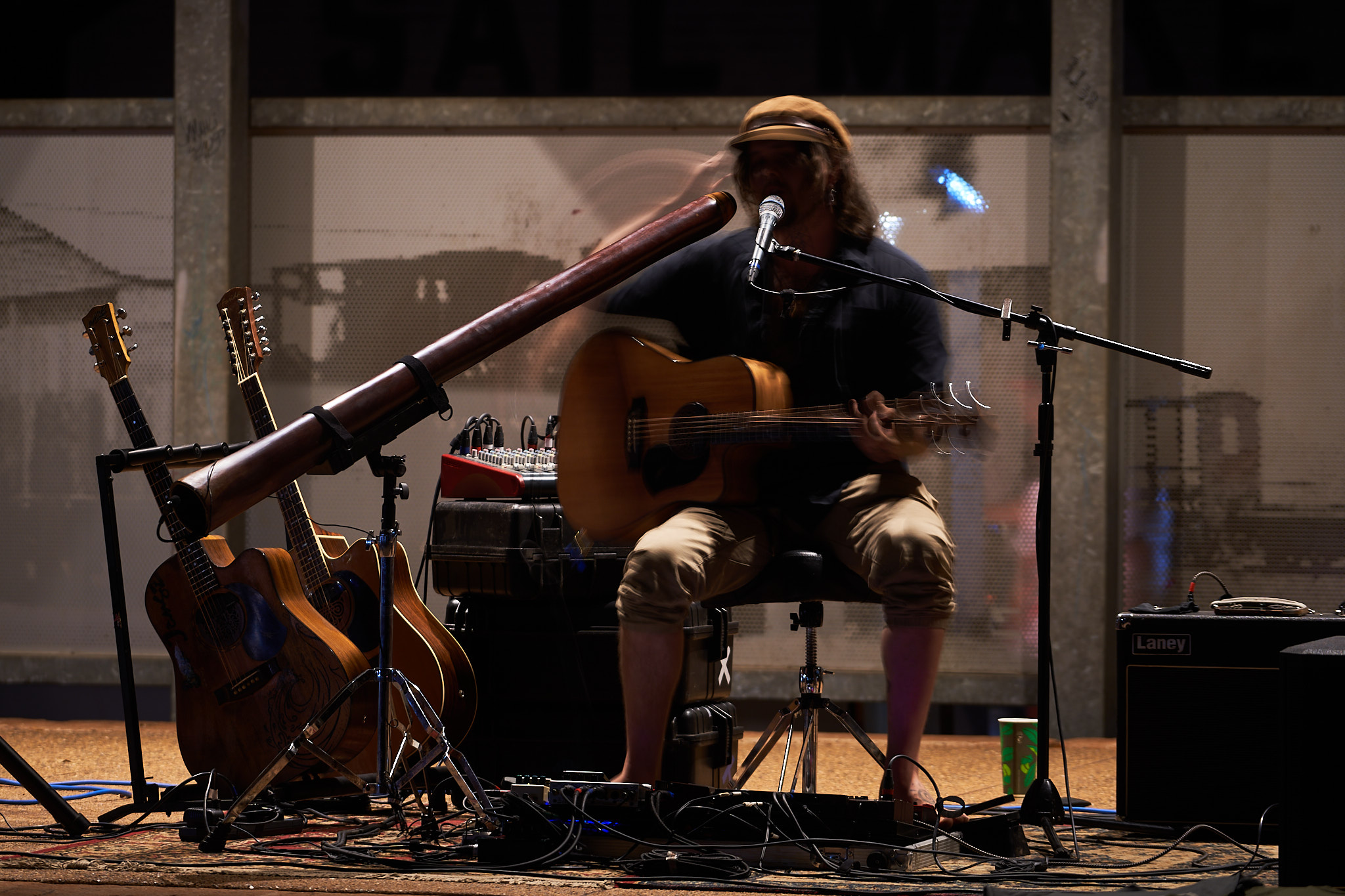
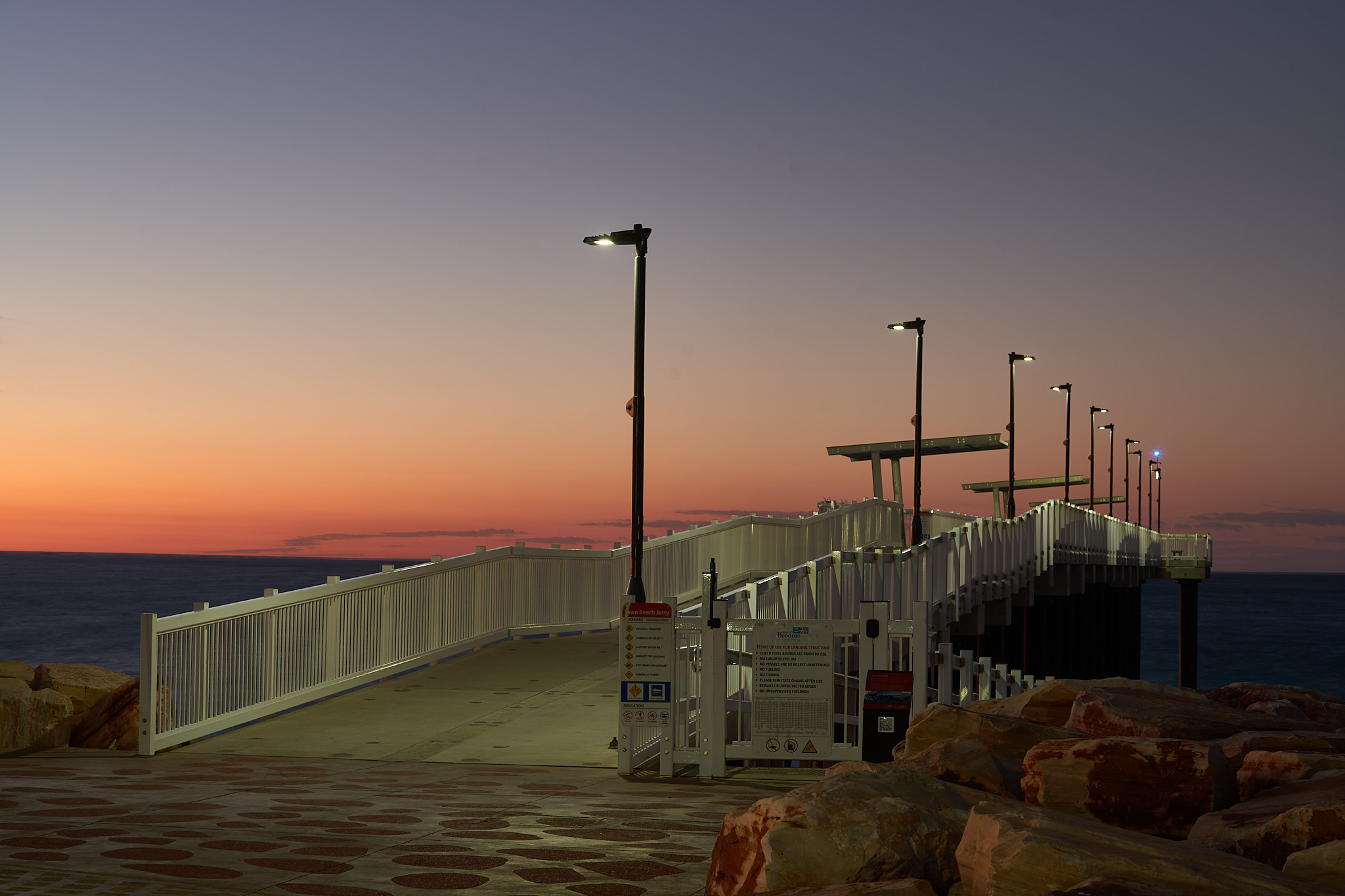
Town Beach Broome, every Thursday evening, June to September, 4pm until 8.

Yeah, I missed you too. We went away for a few days.

William Dampier and the crew of the Cygnet were the first Englishmen ashore in Australia in 1688. The ship was beached for urgently needed repairs. They spent two months in Cygnet Bay near the tip of what became Dampier Peninsula and enjoyed good relations with the local people.
On his return to England Dampier wrote a very successful account of his travels which earnt him the opportunity to visit Oz as leader of a scientific expedition in 1699. This time as master of the Roebuck, which unfortunately was falling apart underneath him. The expedition spent three months charting 1400 km of coast from Shark Bay to Broome before heading home with meticulous notes and important biological specimens.
The Roebuck sank at Ascension Island on the way back to England but the crew, the notes and the specimens escaped intact. Dampier is described by the National Museum of Australia website as “explorer, naturalist, author, hydrographer and pirate.” He was the first to circumnavigate the globe three times.
In 1960 a pearl farm was established at Cygnet Bay by Lyndon Brown a second generation pearler and the first non-Japanese to penetrate the well guarded mystery of culturing pearls using the Pinctada maxima, an oyster famous for its huge size and the lustre of its shell and its pearls. Visitors can tour the farm, visit the shop, stay in diverse types of accommodation, swim in the pool, eat at the restaurant and go bird watching if that takes their fancy. It is a place of great beauty.
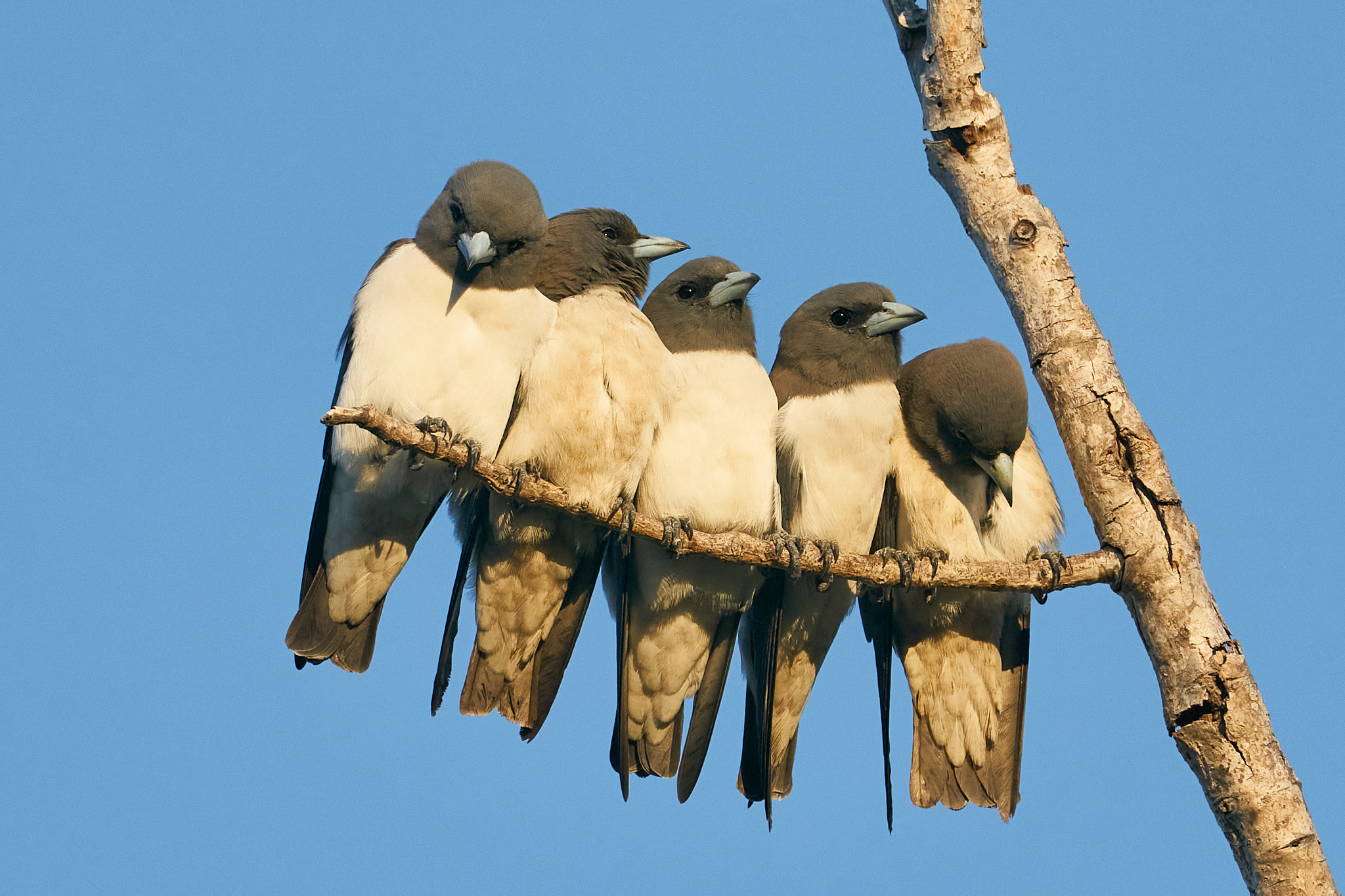
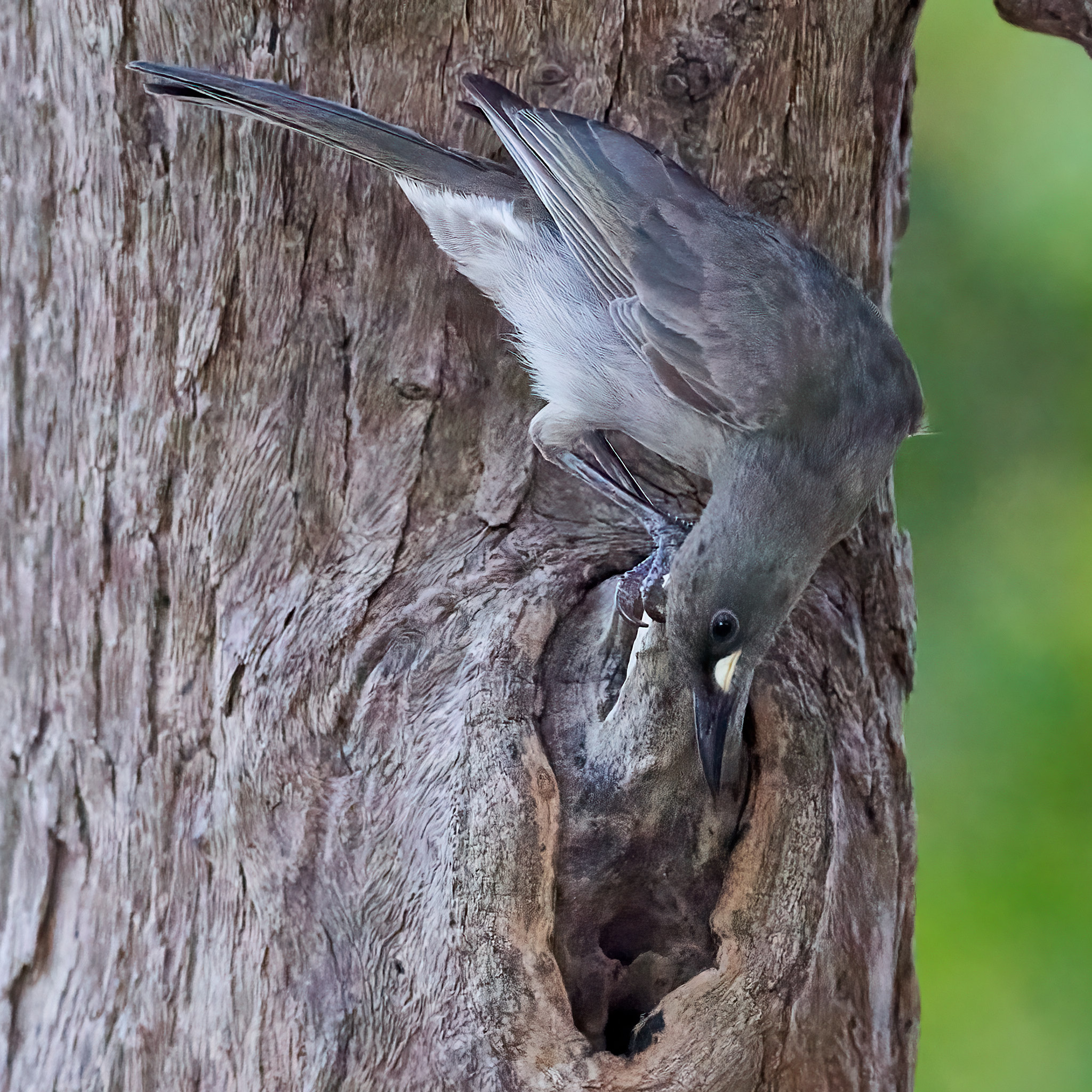


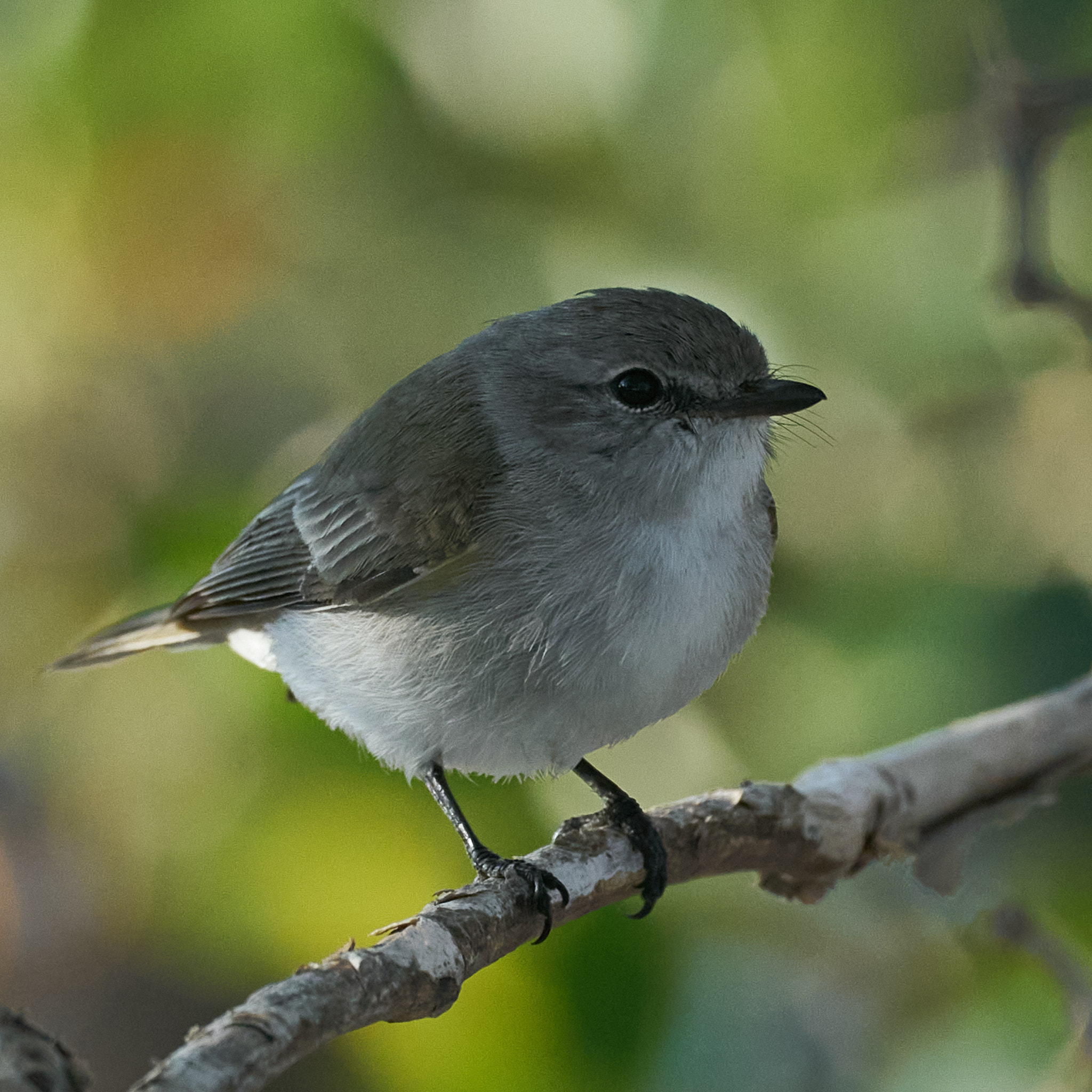
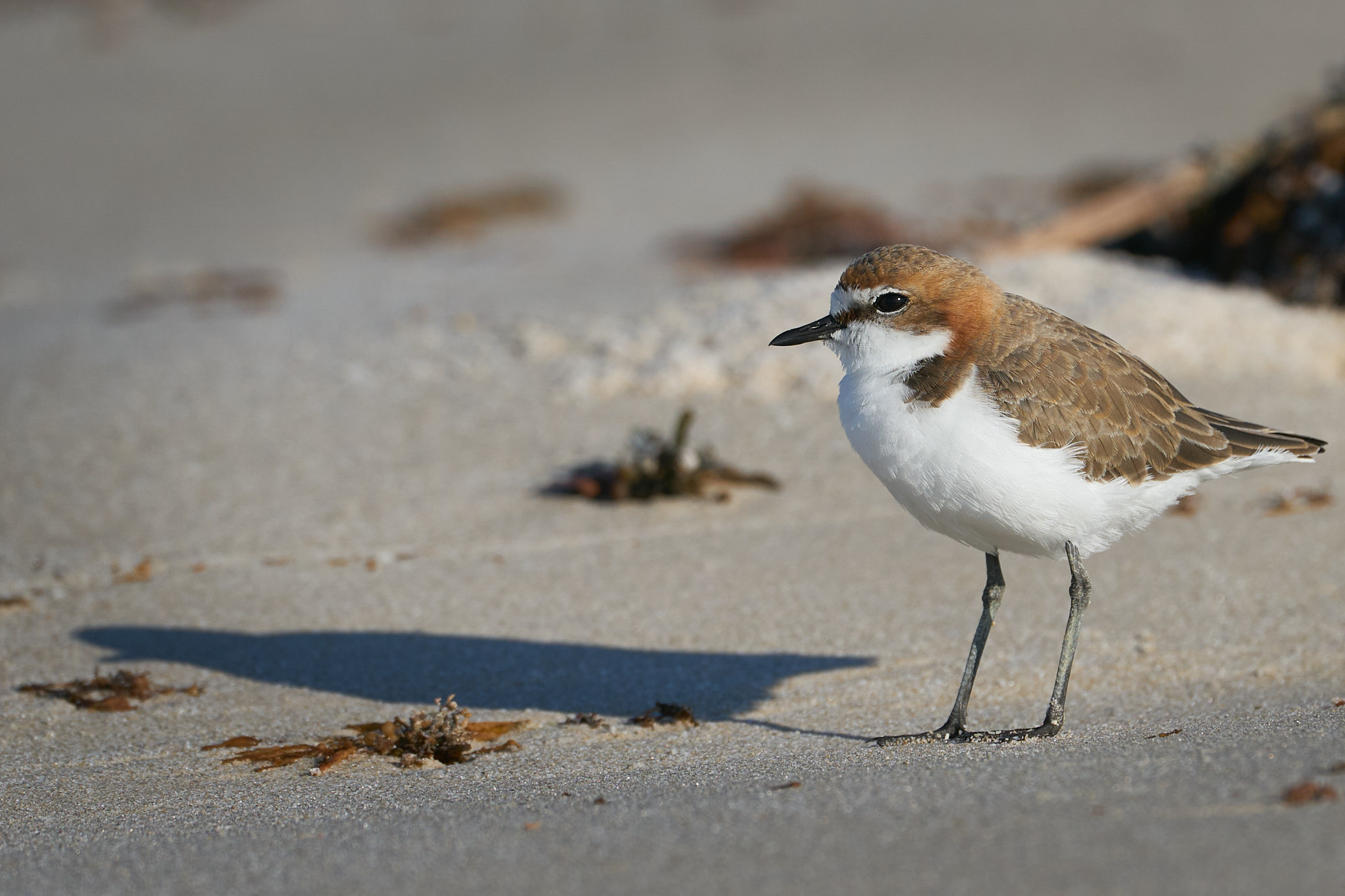
Just up the road is the aboriginal settlement of Ardyaloon. You need a permit to visit but this is no big deal, they are available for purchase at the Gallery on the way into town. It entitles you to visit the hatchery, very interesting, and the beaches. It, too, is a place of great beauty.


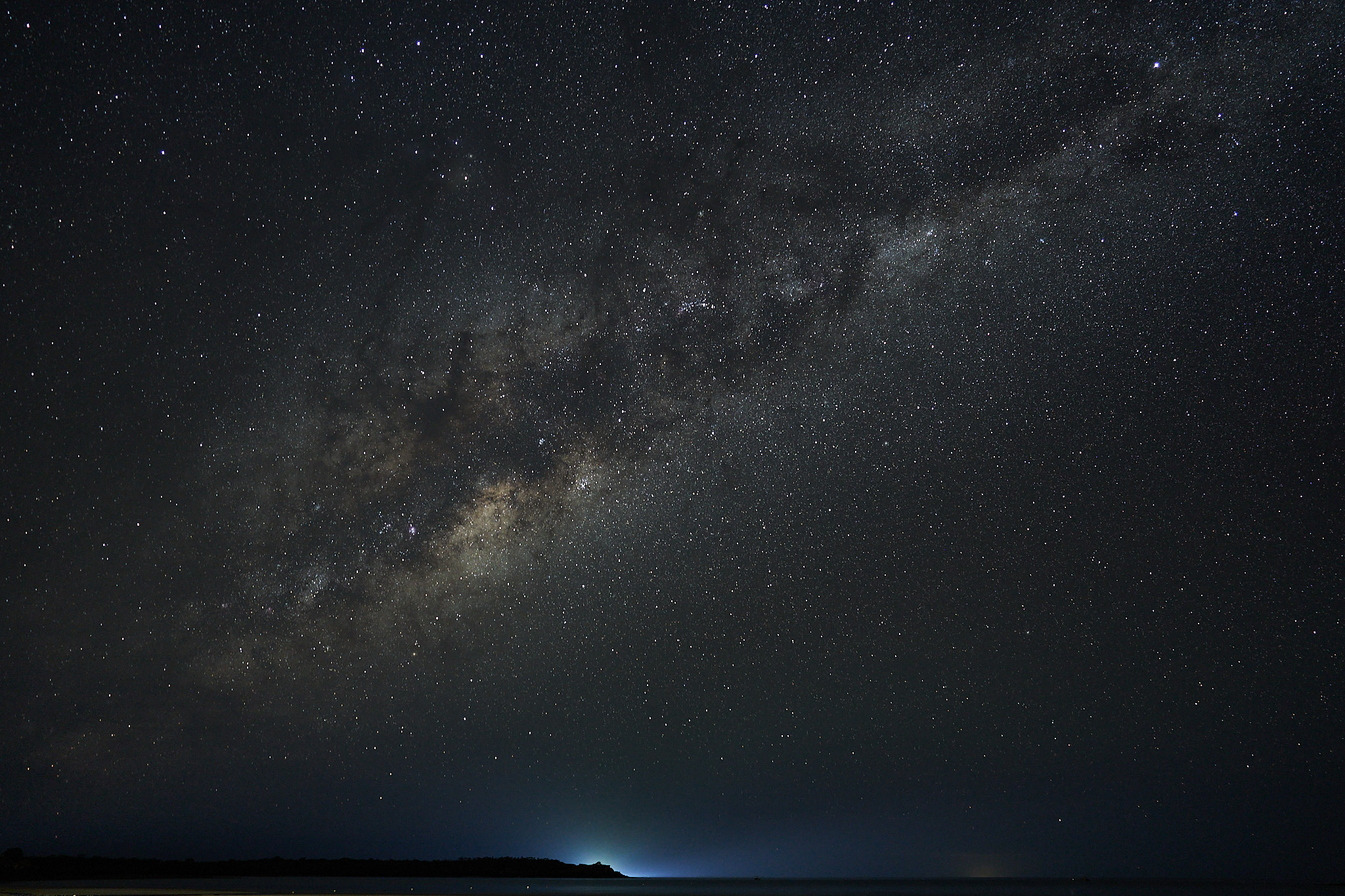
On our last night at Cygnet Bay I ventured down to the beach to take in the Milky Way before the waning crescent moon had a chance to climb above the horizon. The lights of Ardyaloon were visible in the distance. Click on any of the pictures for a better look – especially this one!
A romantic footnote … some years ago I took Gayle to the Willie Creek Pearl Farm on her birthday and bought her a cold drink and an ice-cream.
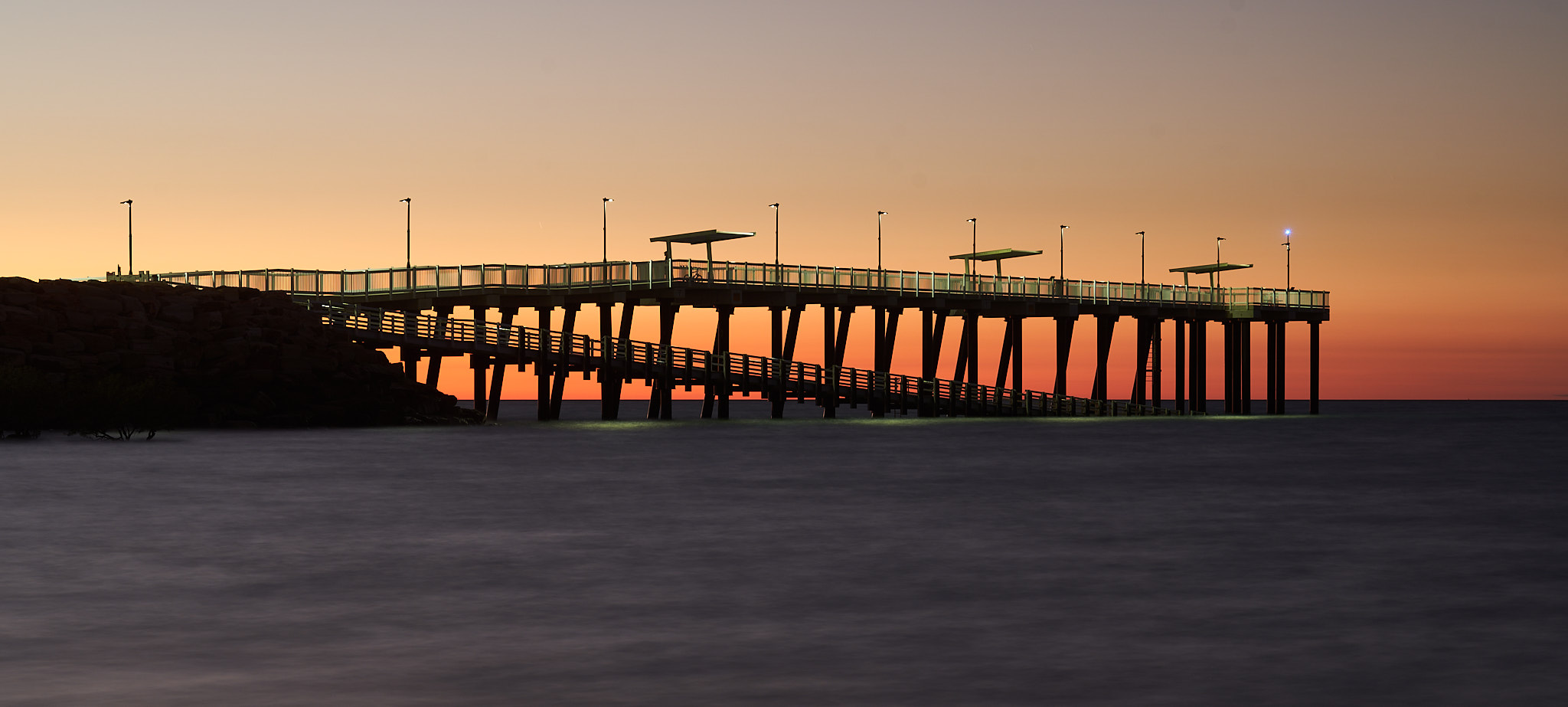
If Cable Beach is Cinderella then poor old Town Beach was one of the ugly sisters. But, she’s had some plastic surgery – nice gardens, a performance space and a new pier. All this has happened in the last couple of years. It has transformed her into a great place to have a market, a concert or to sit and watch the moon come up.
I was there before dawn this morning …
We made a day trip to Derby.

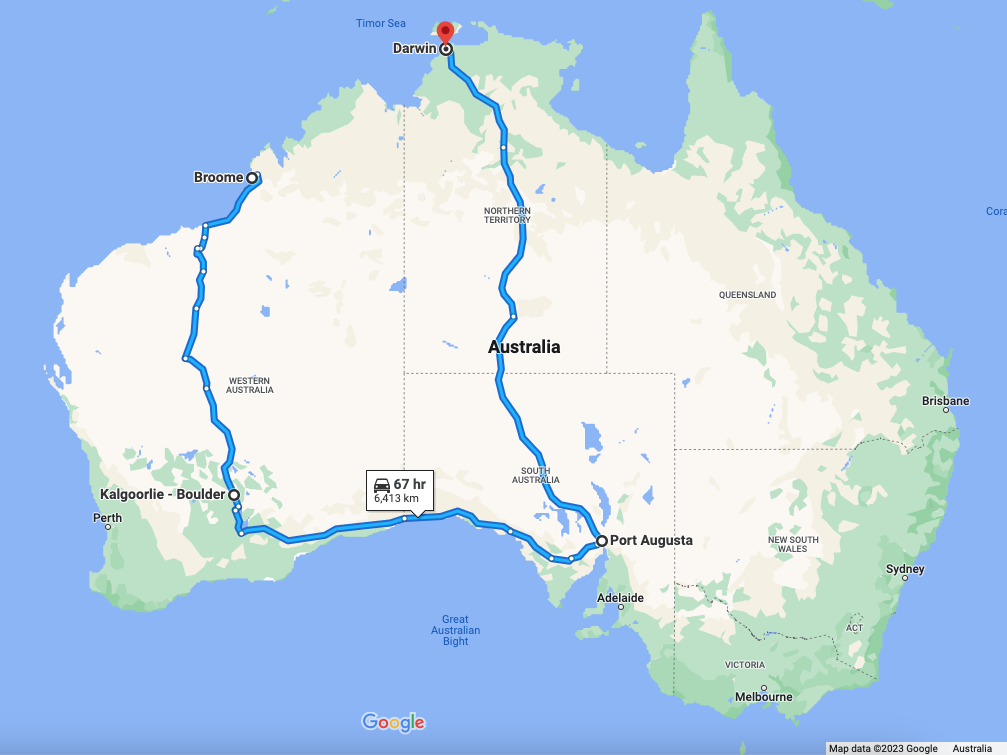
If we’d turned right at Willare we’d have come to the town of Fitzroy Crossing where the bridge was recently destroyed by flood. The next major city in that direction is Darwin. Broome to Darwin is about 1800 km. With the bridge down Broome to Darwin became a 6,400km journey for a while.
The Fitzroy River also runs through Willare where it took out the road leaving the bridges standing. Poor old Derby at that stage was a boat trip to anywhere. Roadworks are in progress but there is still a lengthy section of single lane alternating in direction.
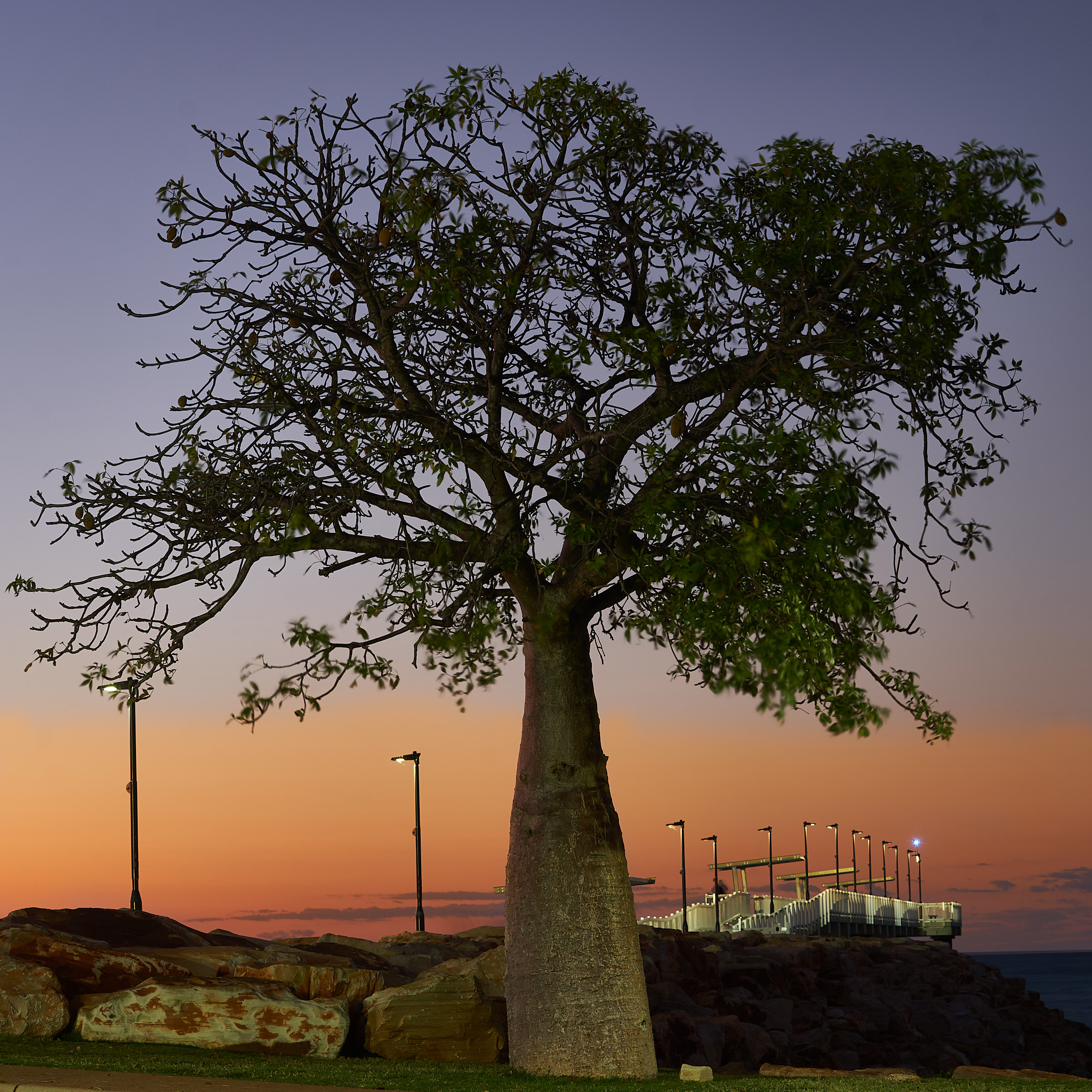
The trip was essentially a scouting trip to find suitably photogenic Boabs. There are plenty in Broome decorating our parks and gardens and some are quite old and splendid but they don’t occur naturally. The authentic ones start to appear in the landscape about 120 km up the road.
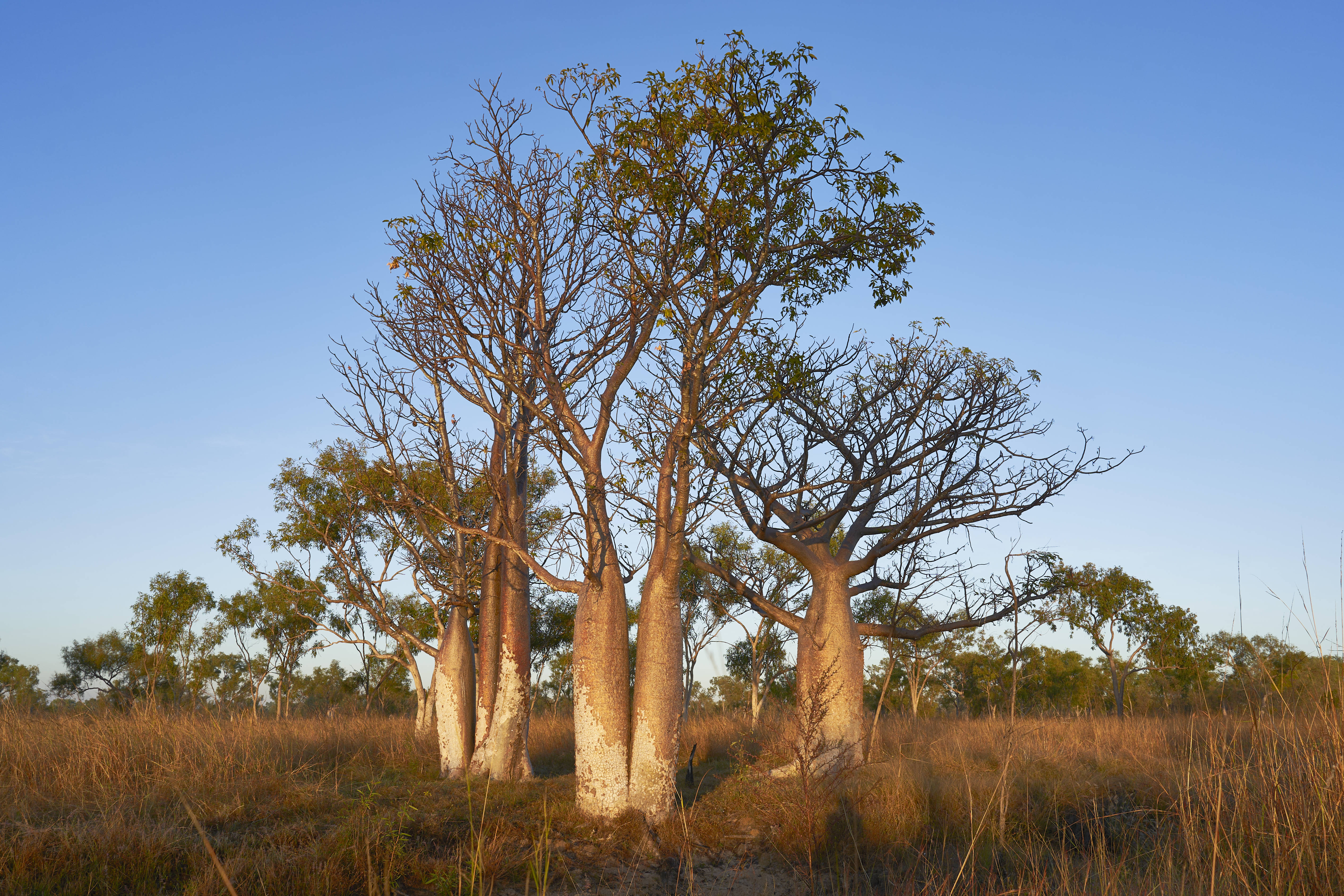
Baobabs belong to the genus Adansonia. The centre of their diversity is Madagascar where there are six native species, Africa has a seventh, we have the eighth. Ours is closely related to the African one. It found its way here as a floating seed.
Here its name was treated with the same respect accorded the Possum and Goanna.

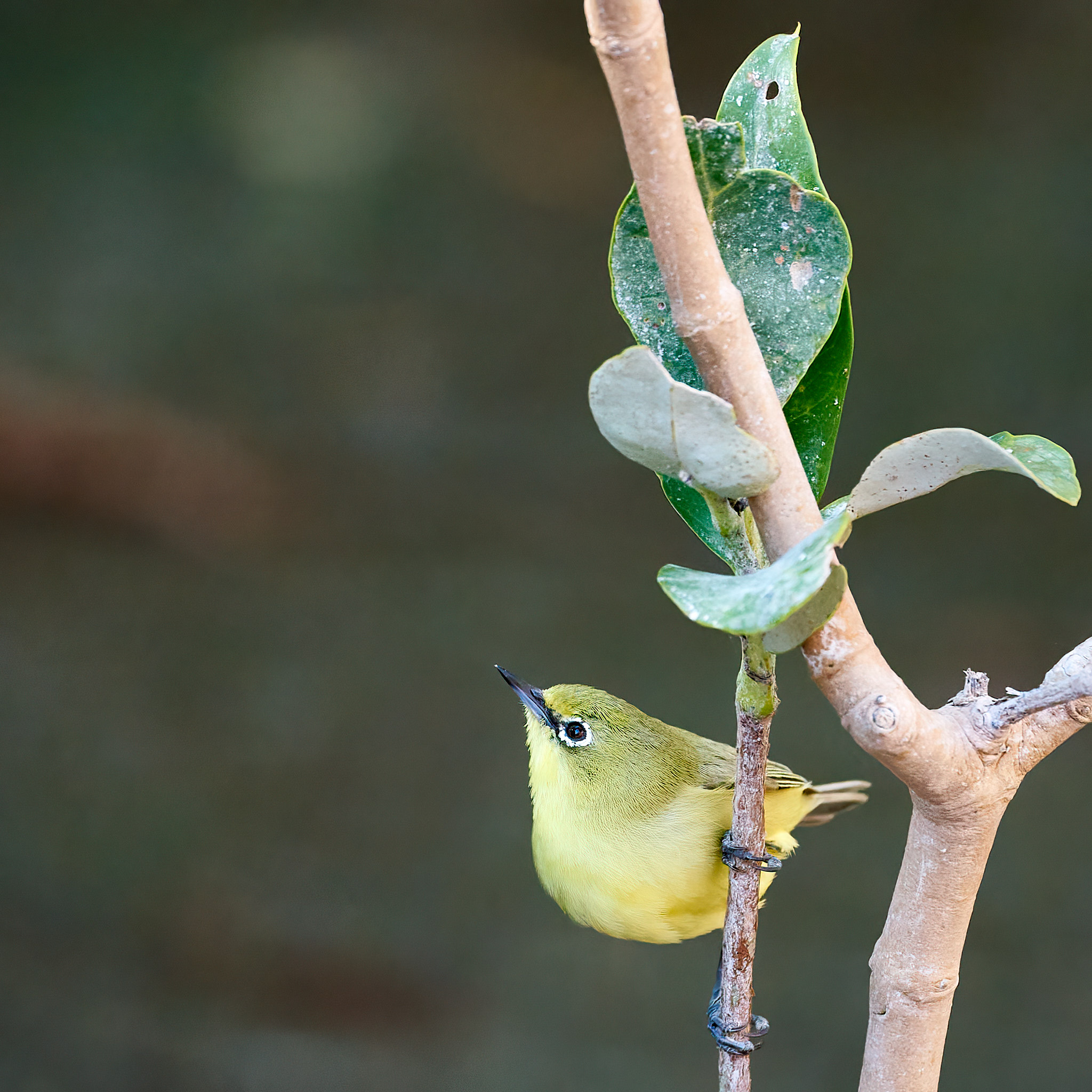
I’ll be visiting the Mangroves frequently because, like Tilly, a recent commenter from Kingaroy or some place in Queensland, I still need a male. It’s another Whistler, the Mangrove Golden. My best efforts to date are not up to scratch. Meanwhile I take whatever is offered. Like this young male Red-headed Honeyeater …
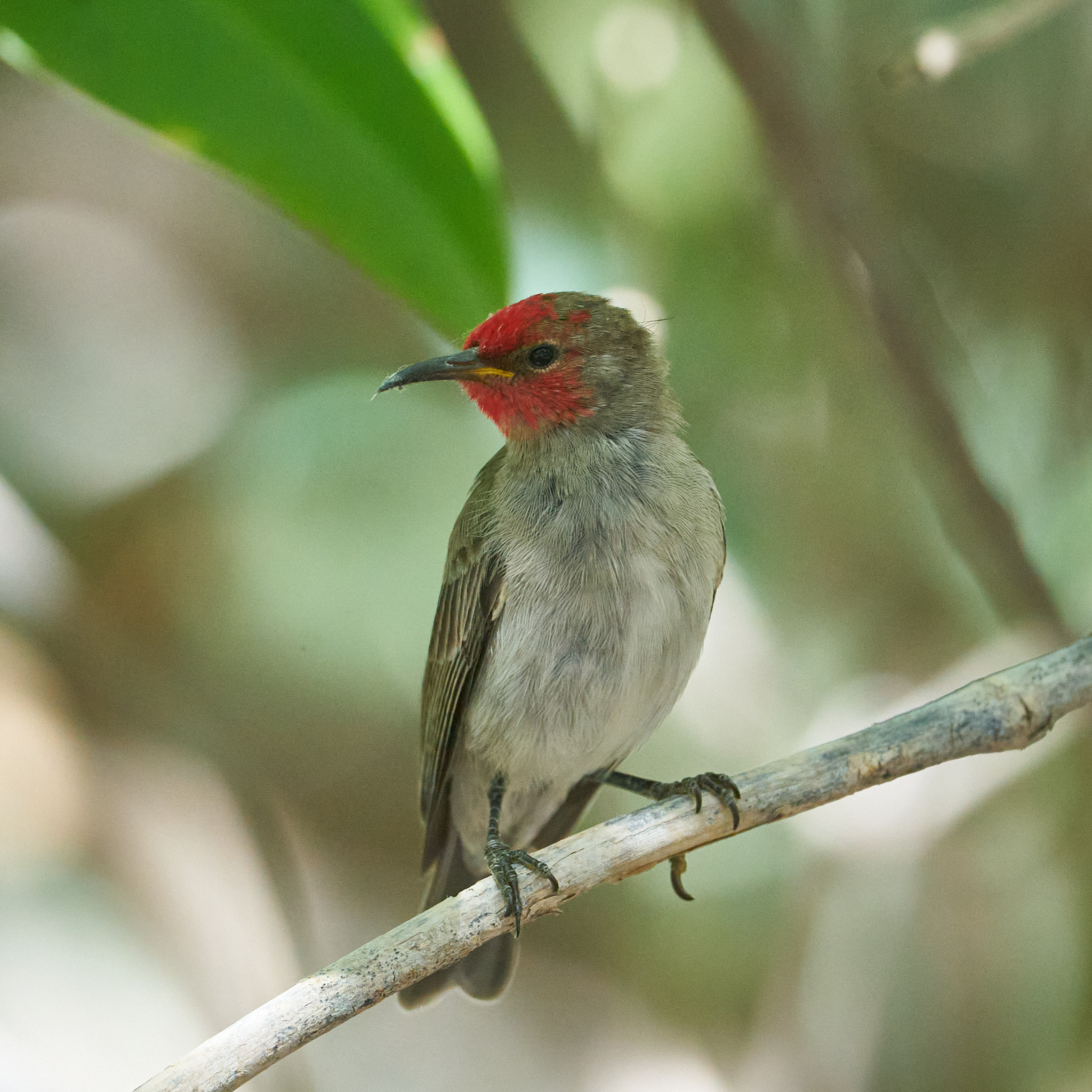
Presently he’s merely blushing but when he’s all grown up he will be positively glowing.
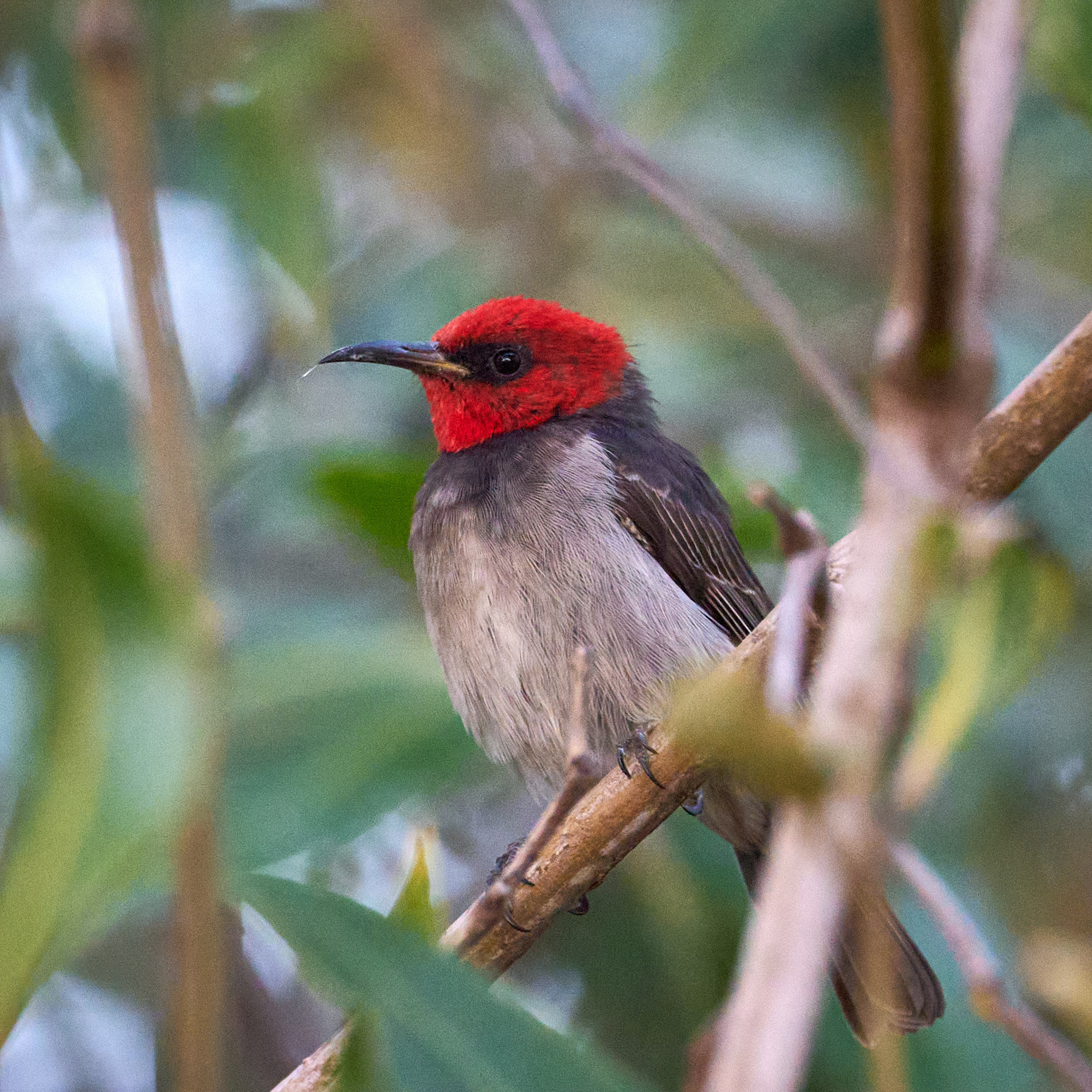
The rump is also scarlet so the shot of one with its back to the camera looking over the shoulder is on the wanted list.
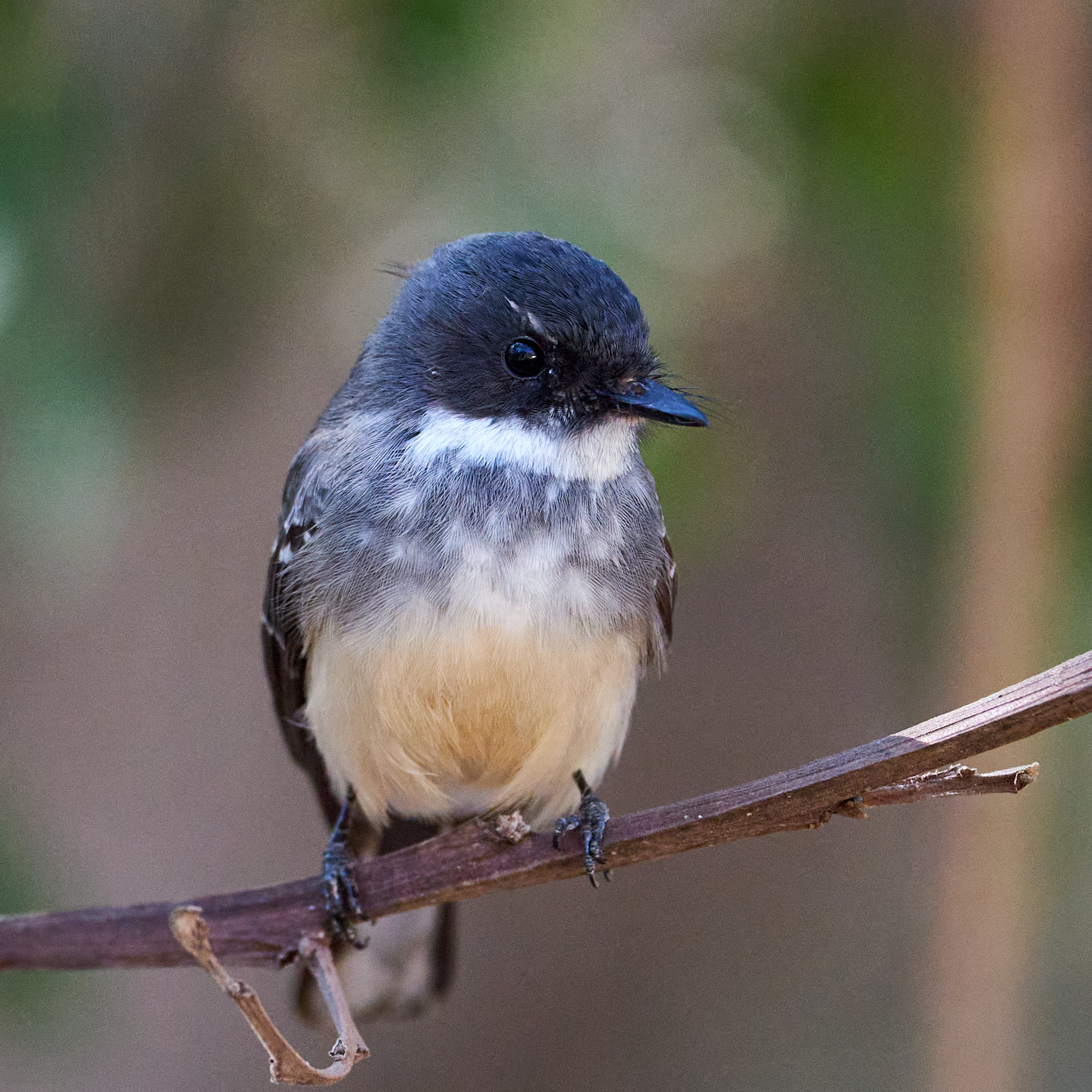
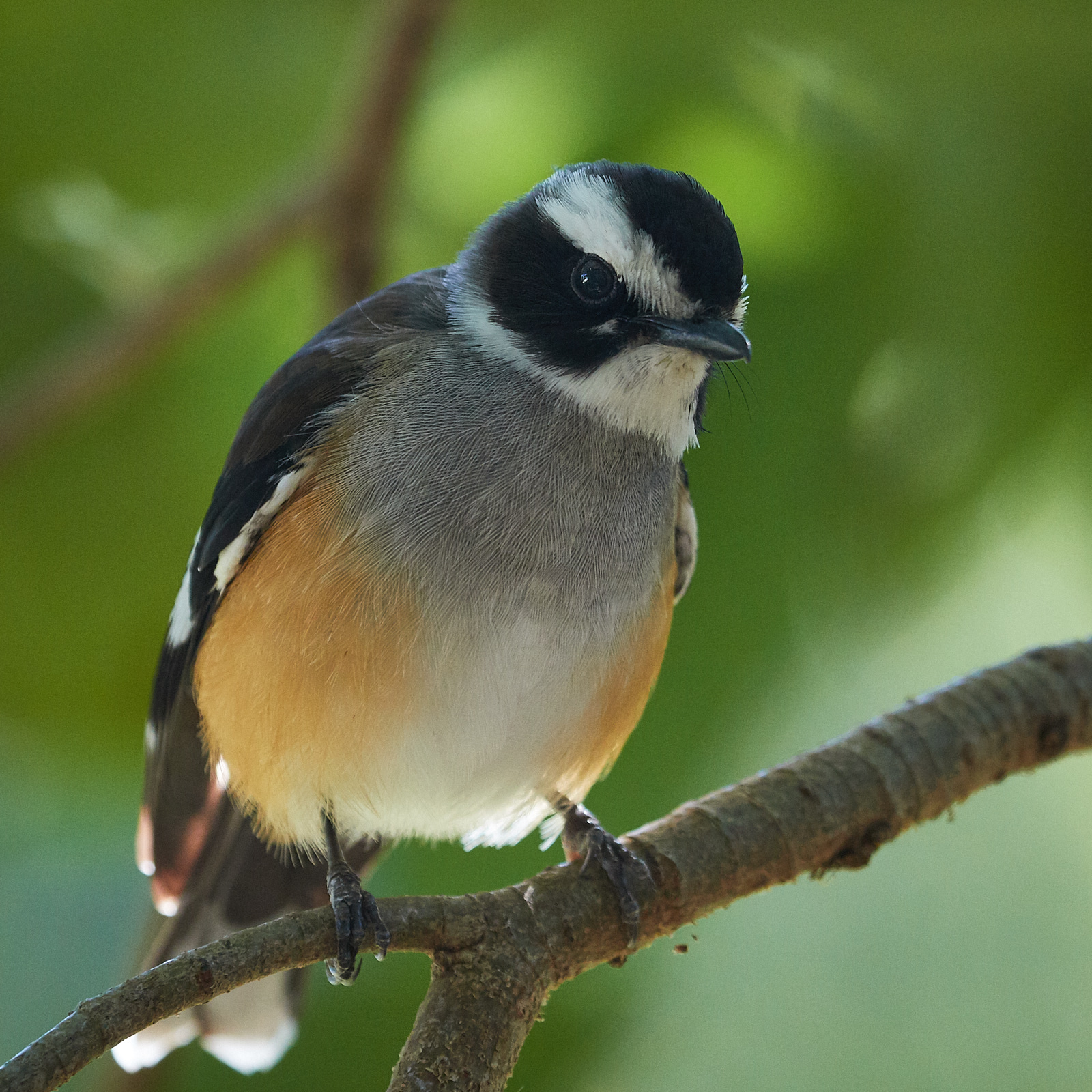
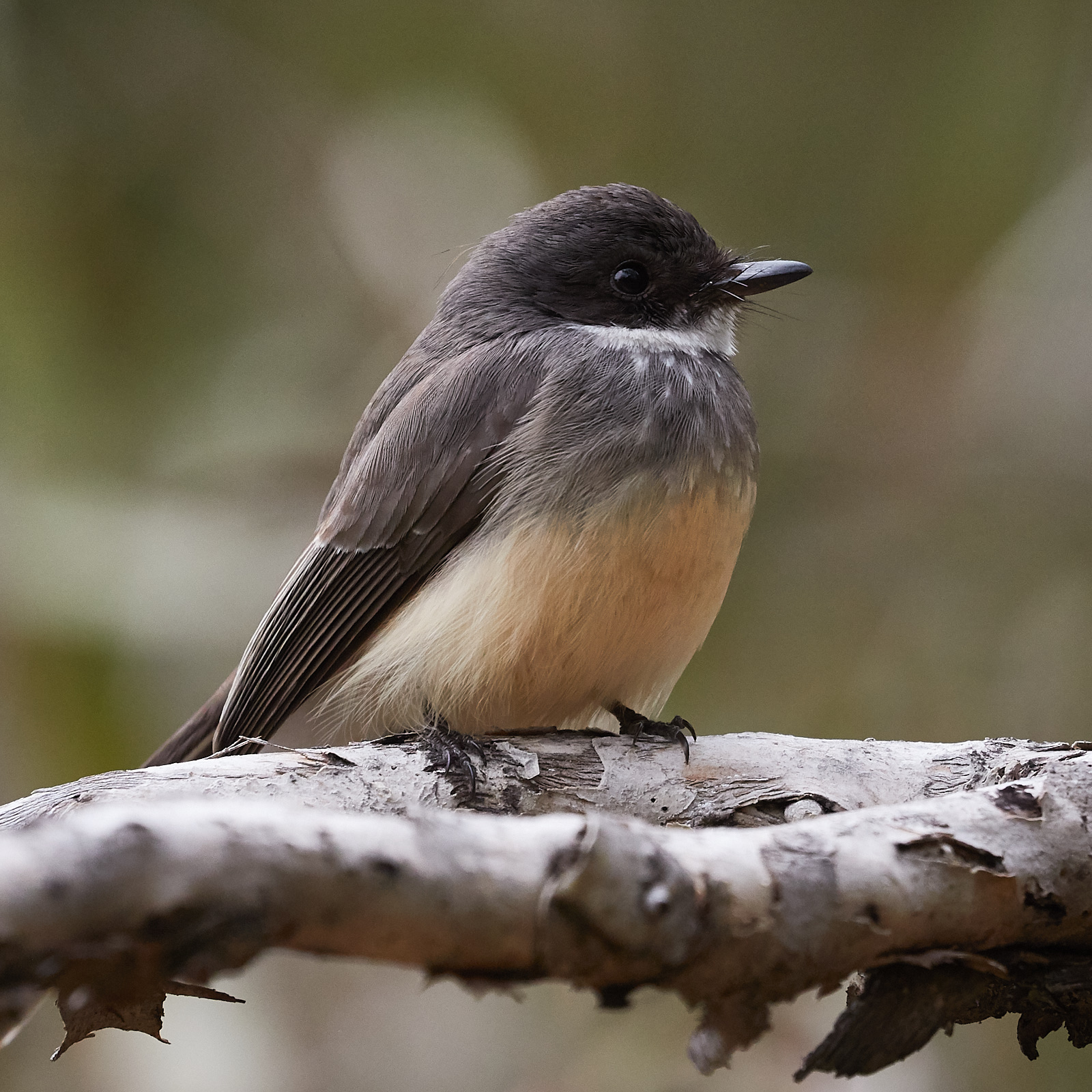
The Broad-billed Flycatcher is another adorable denizen of the mangroves.

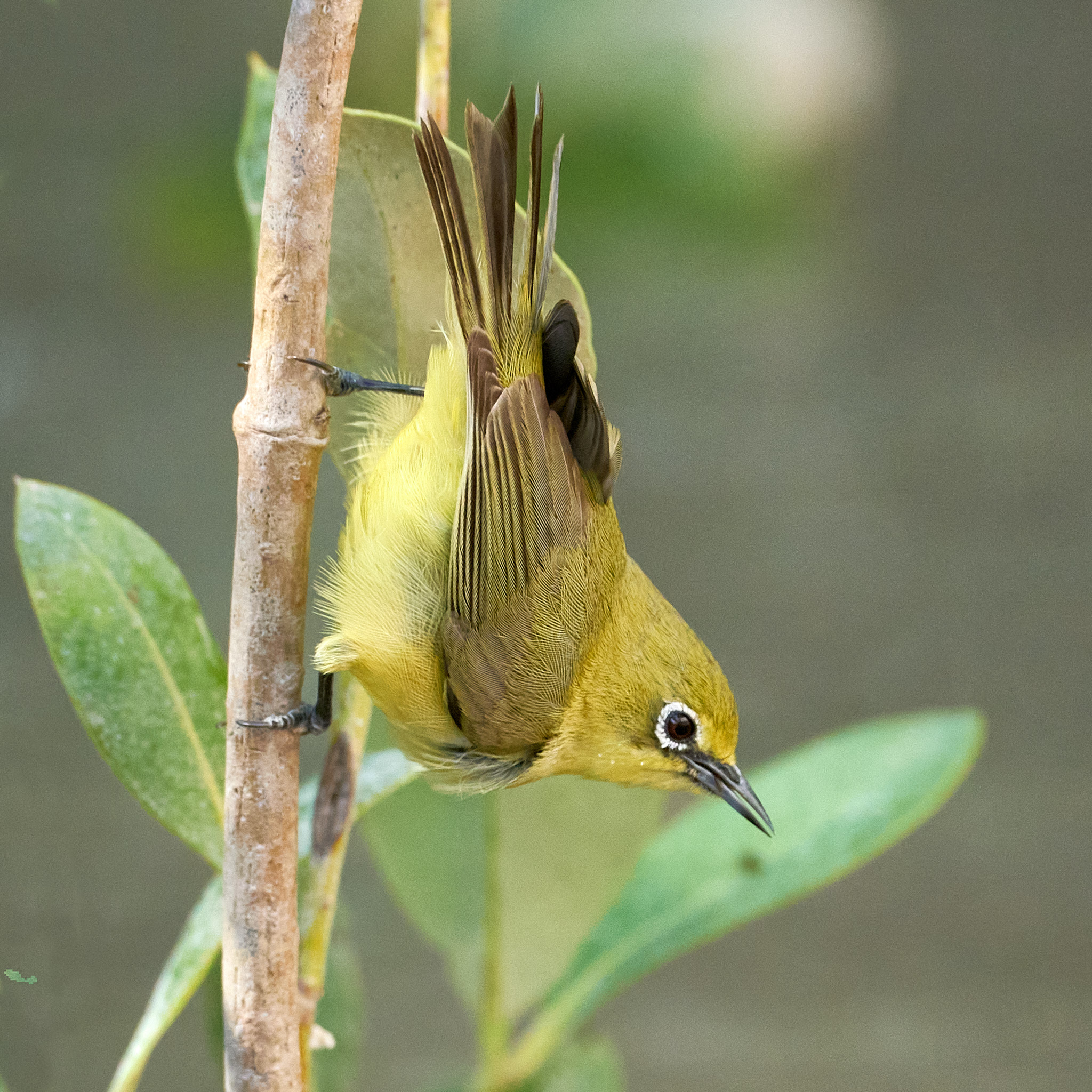
Once again the male is more striking, darker above and brighter below than the female but not all birds are sexually dimorphic. In the Yellow White-eye sexes are similar.
but an old plan. Let’s go live in Broome.
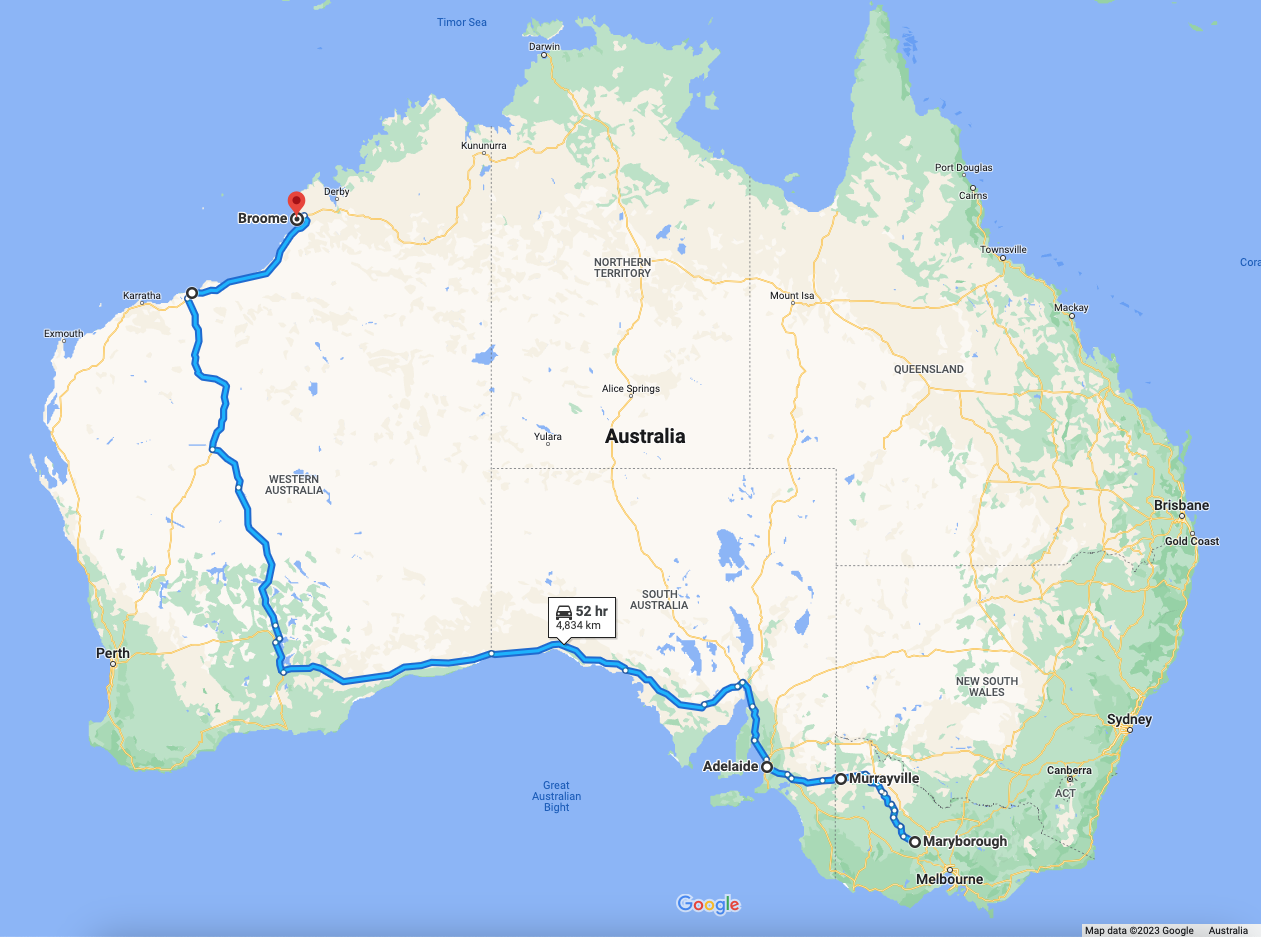
Allied – the careful movers – took splendid care of the furniture. Gayle, Fifi and Bobby McGee chased them across the Nullarbor in our latest camping solution.
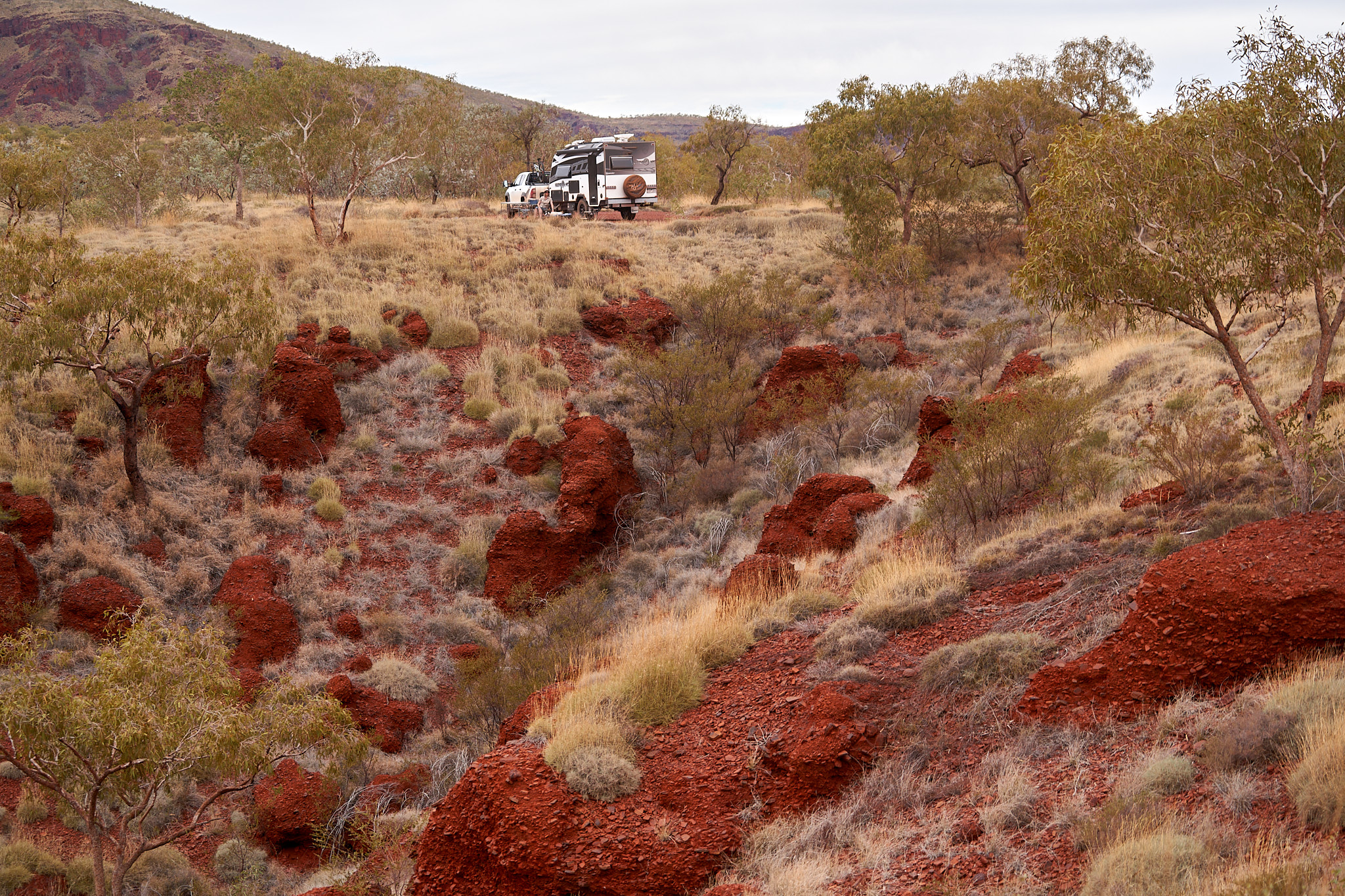
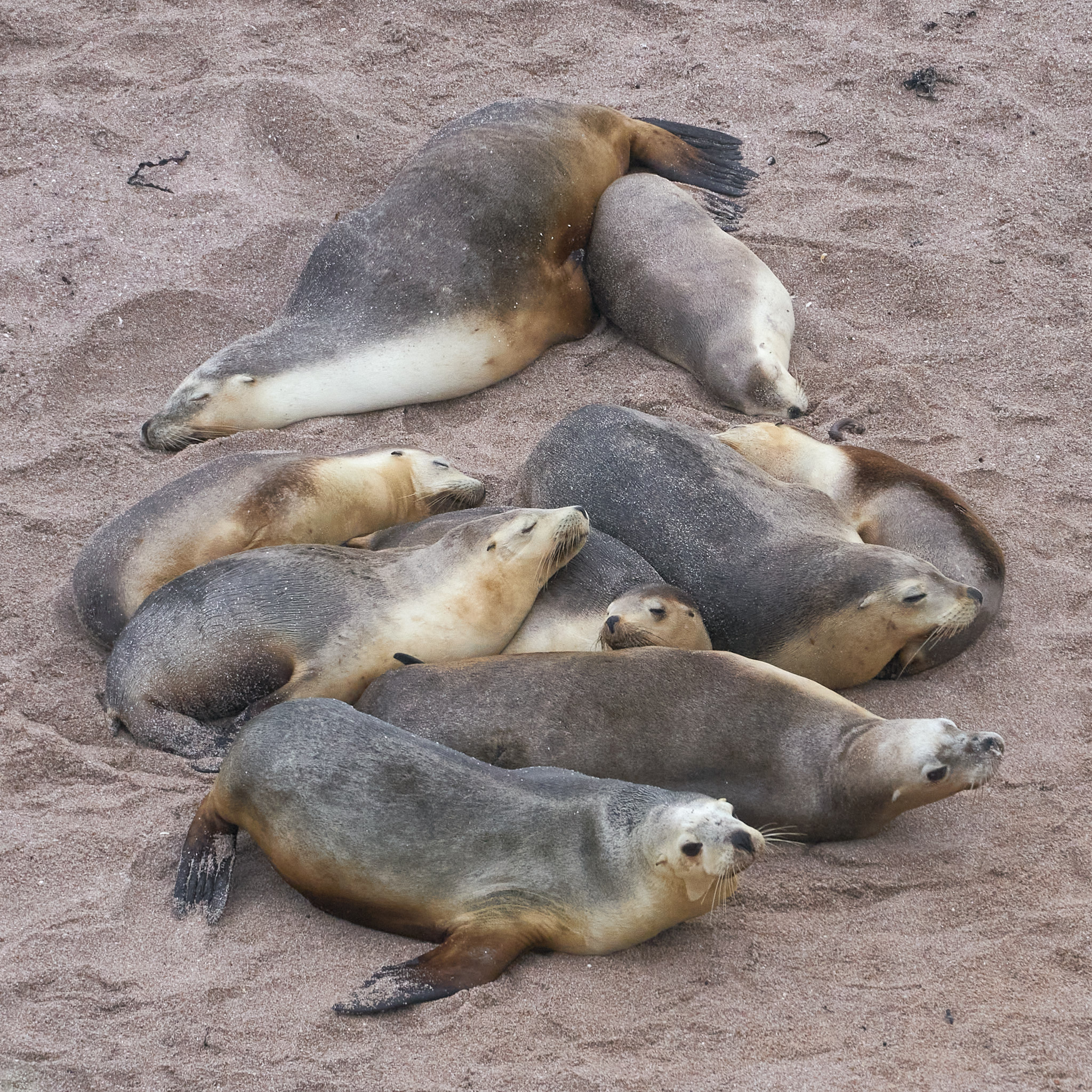
Our timing was perfect. The last cyclone of the season had knocked over the Pardoo Roadhouse just a week or so before we left. The northern big wet had turned to a settled (we hope) dry and Victoria had not quite dipped into ice-age conditions.
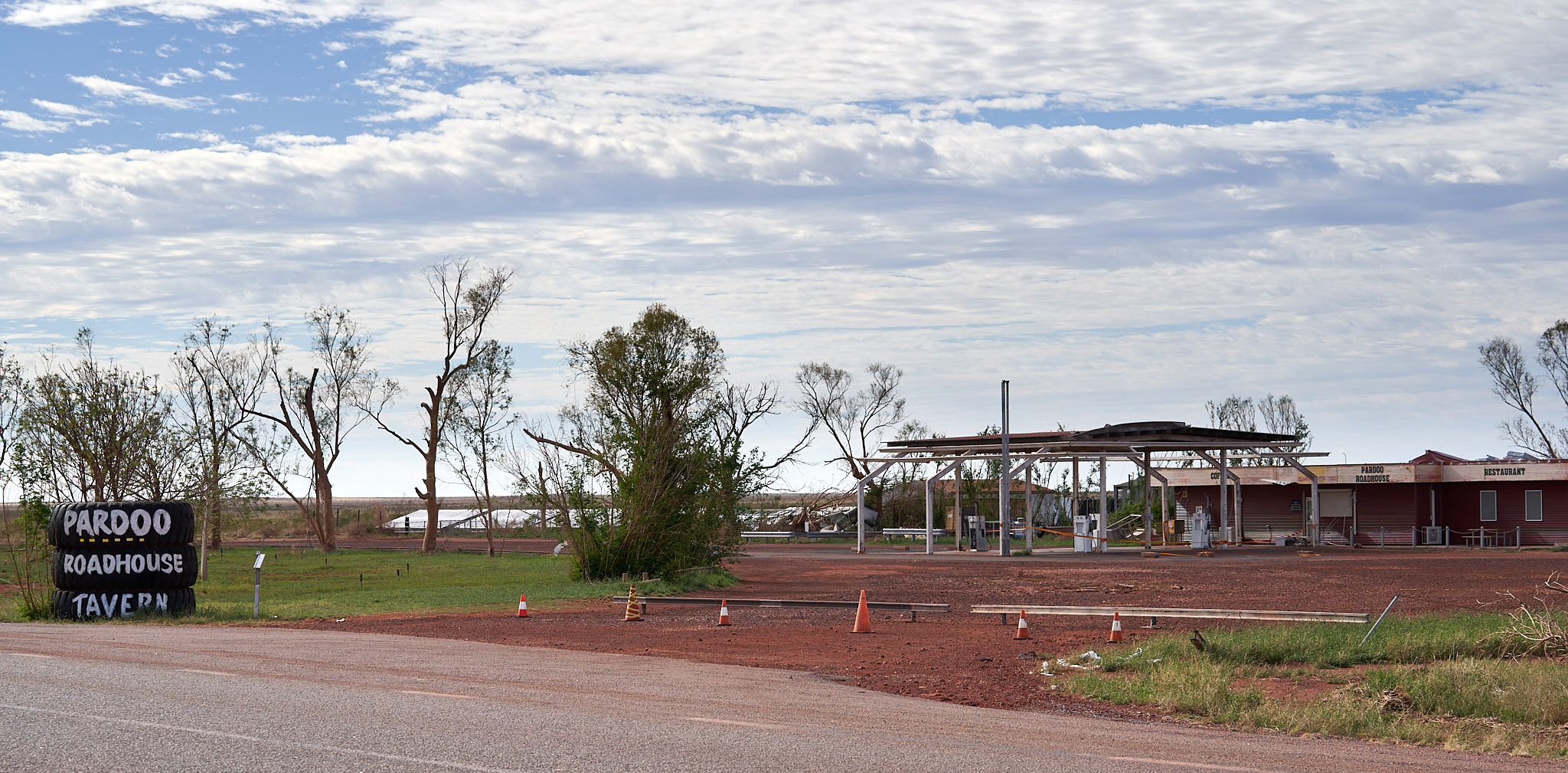
We couldn’t dawdle on the way but we did have time to look in on the sealions at Point Labatt near Streaky Bay SA.
Broome is where the desert meets the sea. As I drove past the airport on the way into town I couldn’t help thinking how different this place is to the the Australia that most Australians live in. This could be arabia!

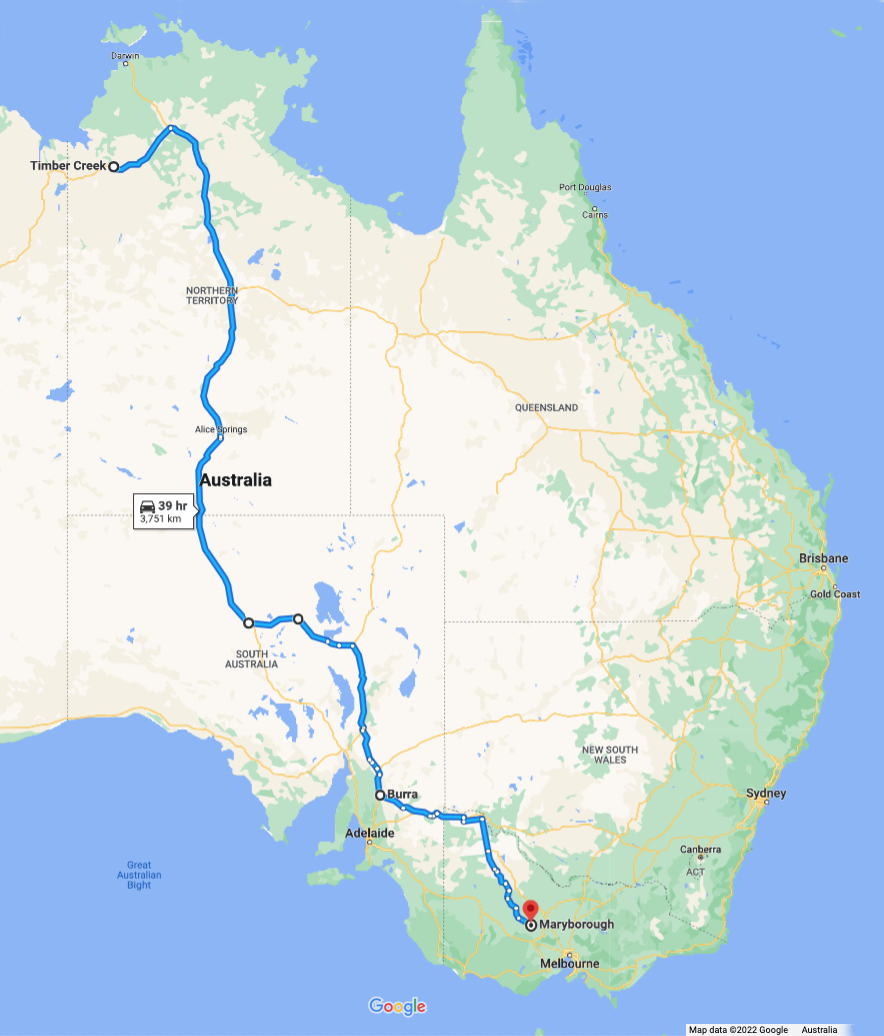
The time had come to turn for home. The route would take us through the centre of the continent, a region that is generally dry. Alice Springs for example has about 28 cm (11 inches) of rain a year. This year has been different, La Niña has brought roughly twice the normal amount.
With a long road ahead we stopped for essential supplies at Katherine. The bottle shop wouldn’t be open until 2pm and we wouldn’t be served until our ID had been run through a Police Check. We didn’t wait.
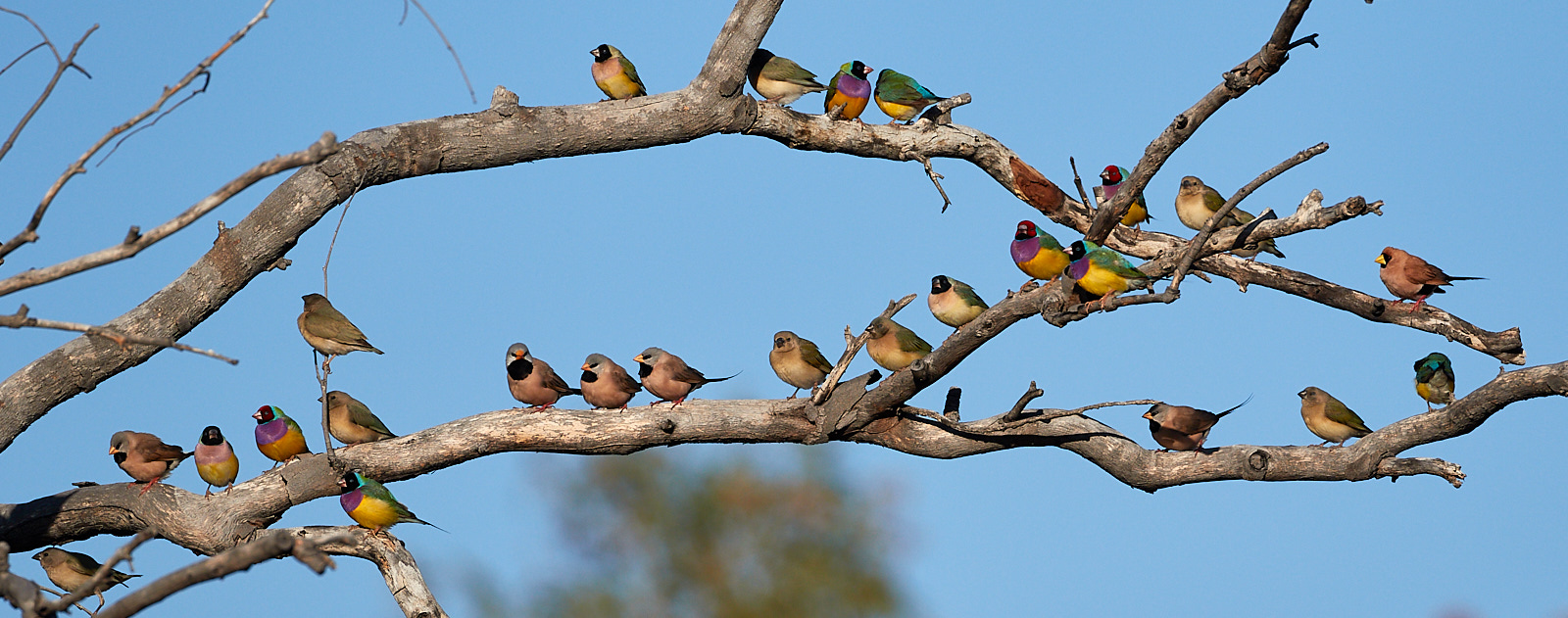
We camped just north of Mataranka. The total distance since leaving home passed 10,000km. The bird list had reached 266. Bird of the day was Gouldian Finch.

Pine Creek was our furthest north on this trip. The locals were so thrilled that they let off fireworks to celebrate our achievement. Or, perhaps, it was merely the case that our visit coincided with Territory Day, Jul 1. There was an organised display on the oval preceded and followed by an informal celebration of the right to blow your face off. Fireworks can still be purchased for personal amusement in the Northern Territory.
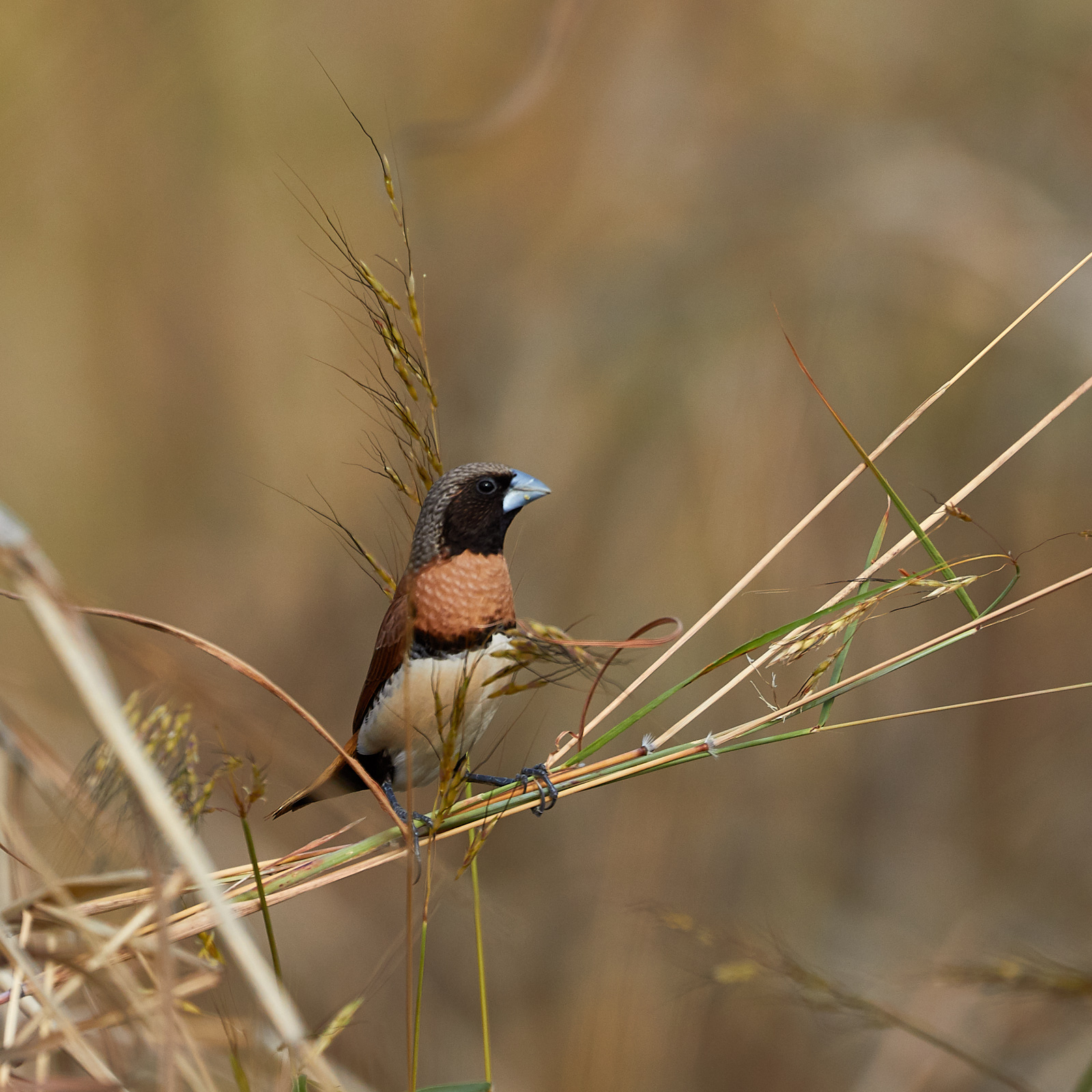
A day’s drive from there took us to our furthest west on the trip, Timber Creek. Similar in size to Pine Creek but without the gold or railway artifacts. Just as interestiIng though are the Gregory Tree and the Nackeroo Monument. No rare parrots but instead this area is often called the Finch Capital of Australia. It had lived up to that title on a previous visit so here we were again.
At the caravan park there were bats in the trees and freshies in the creek.

The crocodiles are fed twice a week and we arrived on feeding day.

The birding spots are around the creek, the Victoria River, Gregory Tree and up the hill at the Nackeroo Monument. The Nackeroos were an army unit set up in 1942 as an observation and geurrilla unit on Australia’s northern coast. Travel was by horseback, resupply was irregular. It was a pretty tough gig especially in the wet. There is a poem on the monument, author not stated …
Somewhere in Australia where the sun is a curse,
And each day is followed by another slightly worse,
And the brick red dust blows thicker than the shifting desert sand,
And the men dream and wish for a fair and greener land.

Somewhere in Australia where the mail is always late,
Where a Christmas card in April is considered up to date,
Where we never have a pay day and we never pay the rent
But we never miss the money 'cause we never get it spent.

Somewhere in Australia where the ants and lizards play,
And a hundred fresh mosquitoes reinforce the ones you slay,
So take me back to good old Sydney where I can hear the tramway bell,
For this god-forsaken place is just a substitute for hell.

A right turn at the end of the Barkly Highway and we were then following in the footsteps of John McDouall Stuart en route to Pine Creek. He got there in 1862, the route he pioneered was soon put to good use as the route for the Overland Telegraph which connected Adelaide with Darwin, Australia with the world. Along the line small settlements were established to keep the telegraph in working order. Pine Creek got off to a more auspicious start than most when workers digging post holes struck gold. A number of rushes and a railway followed. You’d have had to be pretty tough to make a go of it out here.
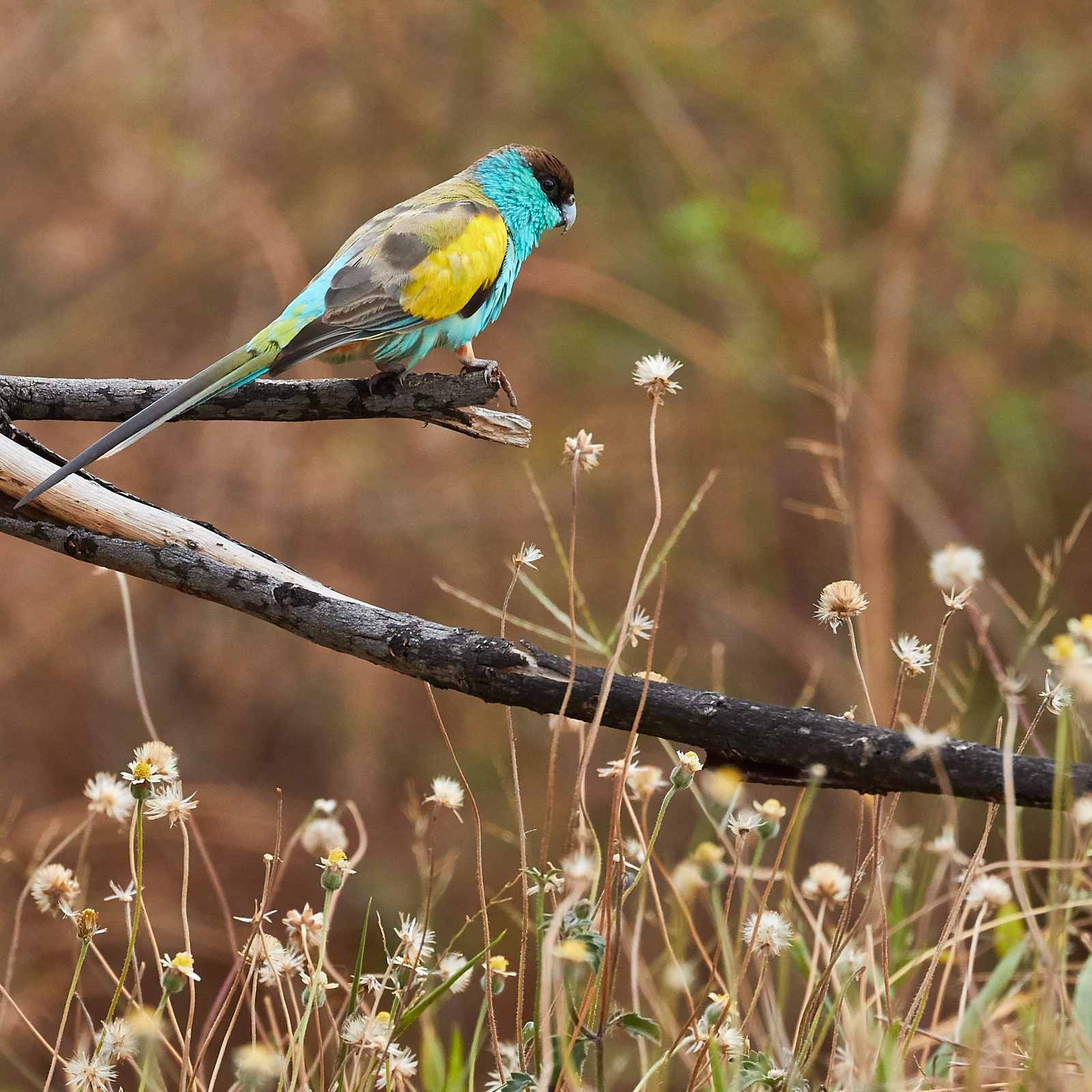
These days it’s a small town, population a little over 300, visitors come to see the mining relics, the residue of the railway, the water gardens and the Hooded Parrot. The parrot has a small population in a restricted range, this is the easiest place to find it.
We stayed at the Lazy Lizard, a very pleasant caravan park where someone has an excellent eye for design …
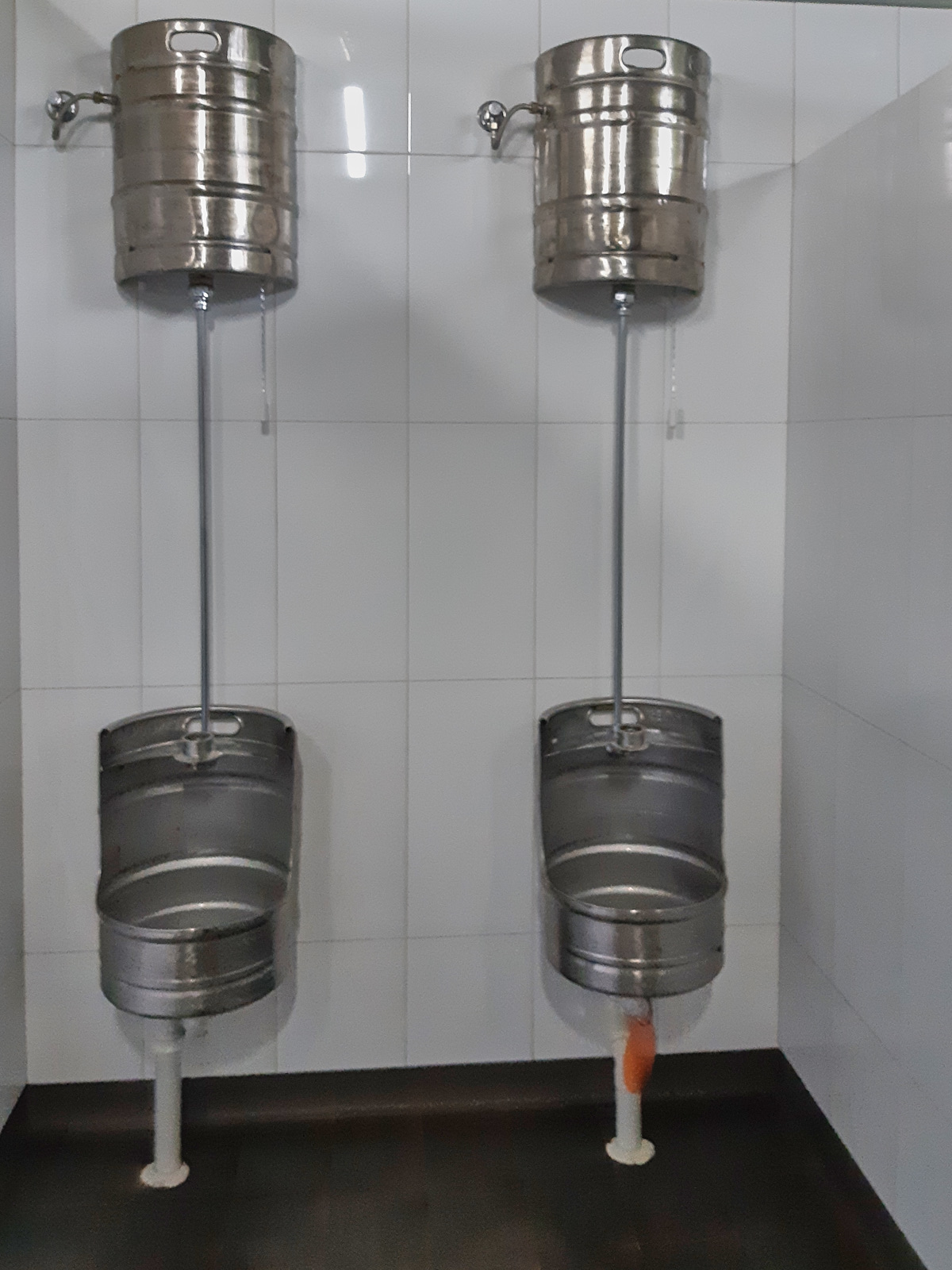
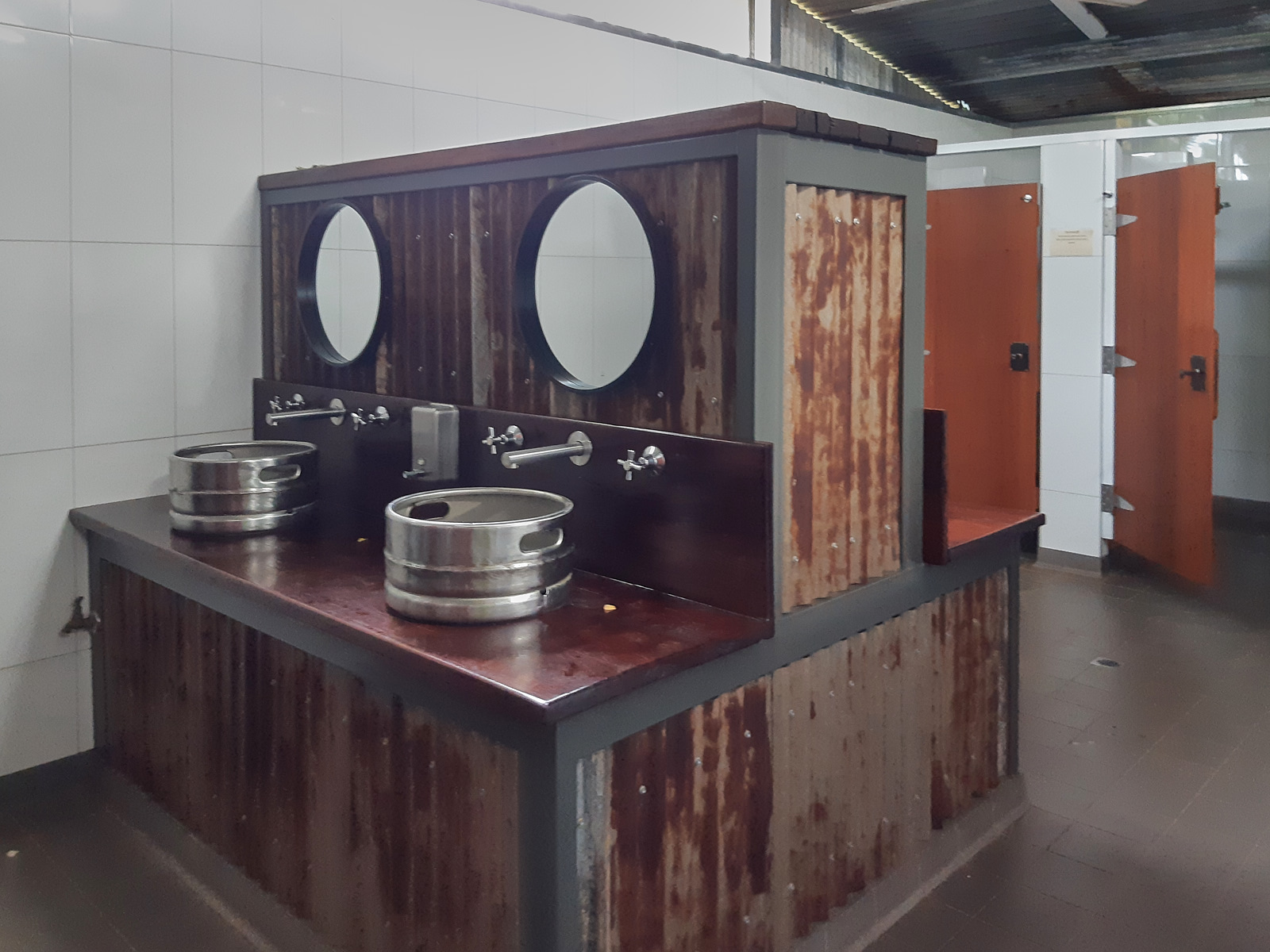
Should I be concerned about my new found interest in toilets?
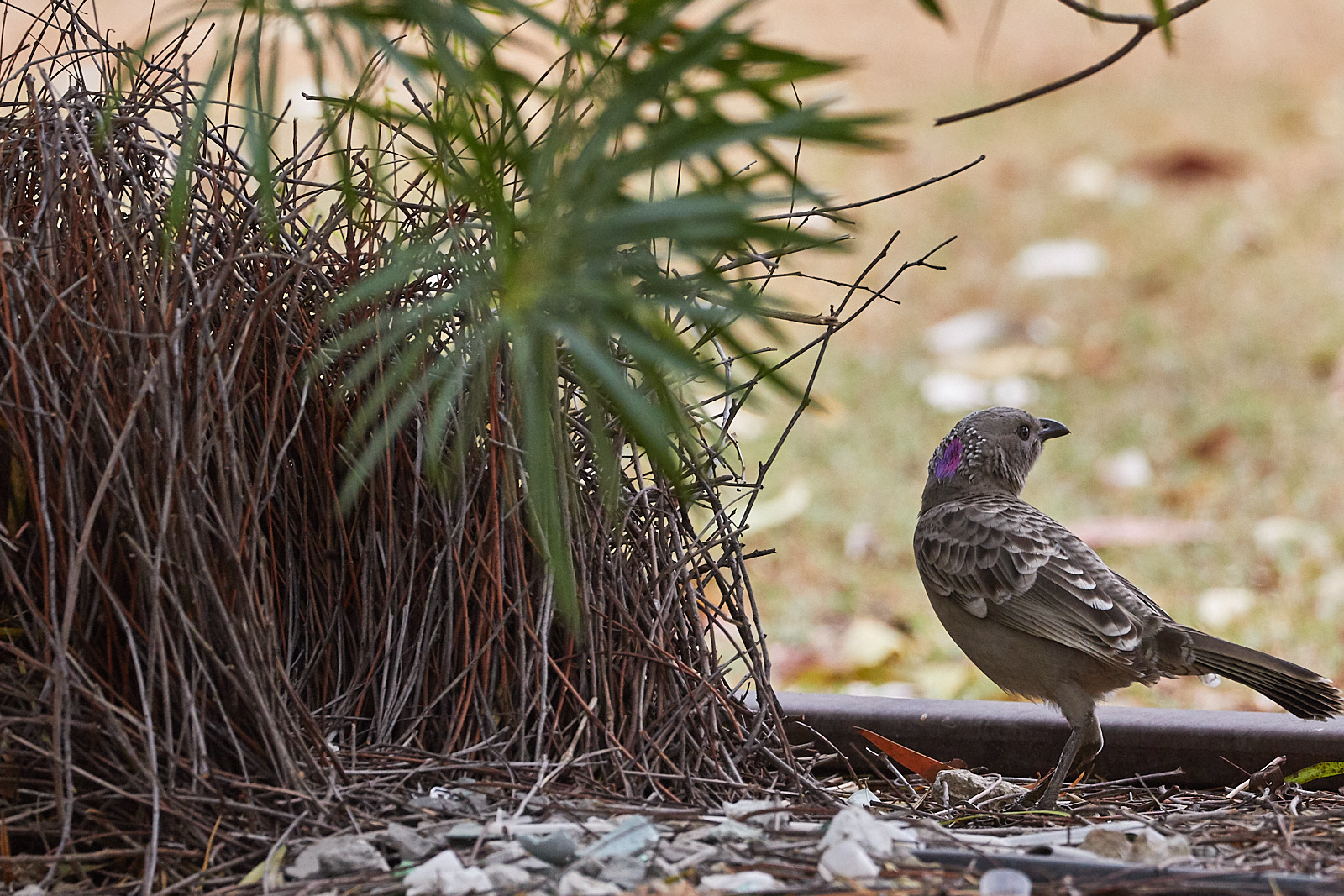
Heading into the great outdoors the birdlife was quite abundant. A male Great Bowerbird had built his bower between disused railway lines in the caravan park. This is not a nest rather a theatre where he can perform for the ladies hoping that they will be sufficiently impressed to mate with him. The marriage is brief, they are soon left to be single mothers.
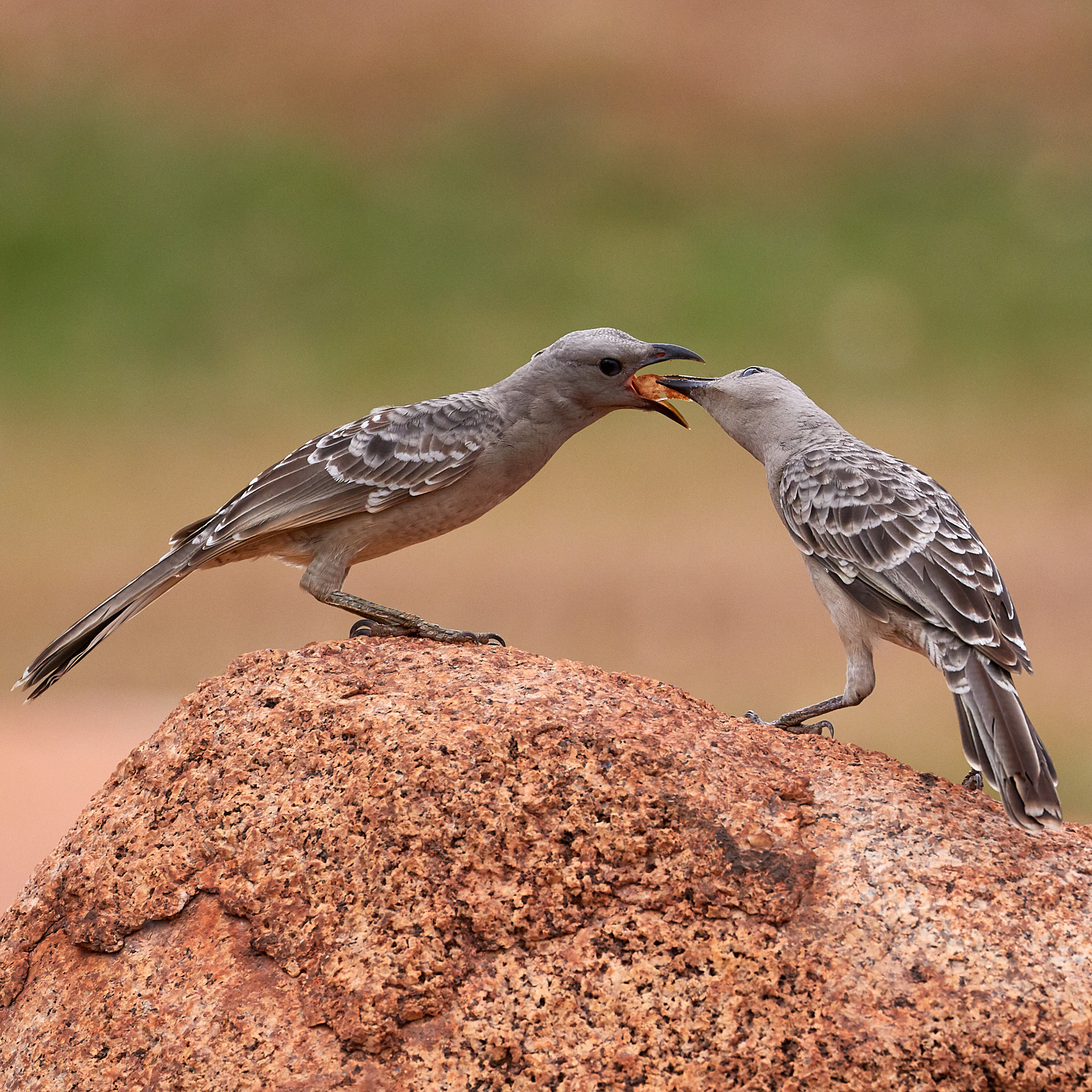
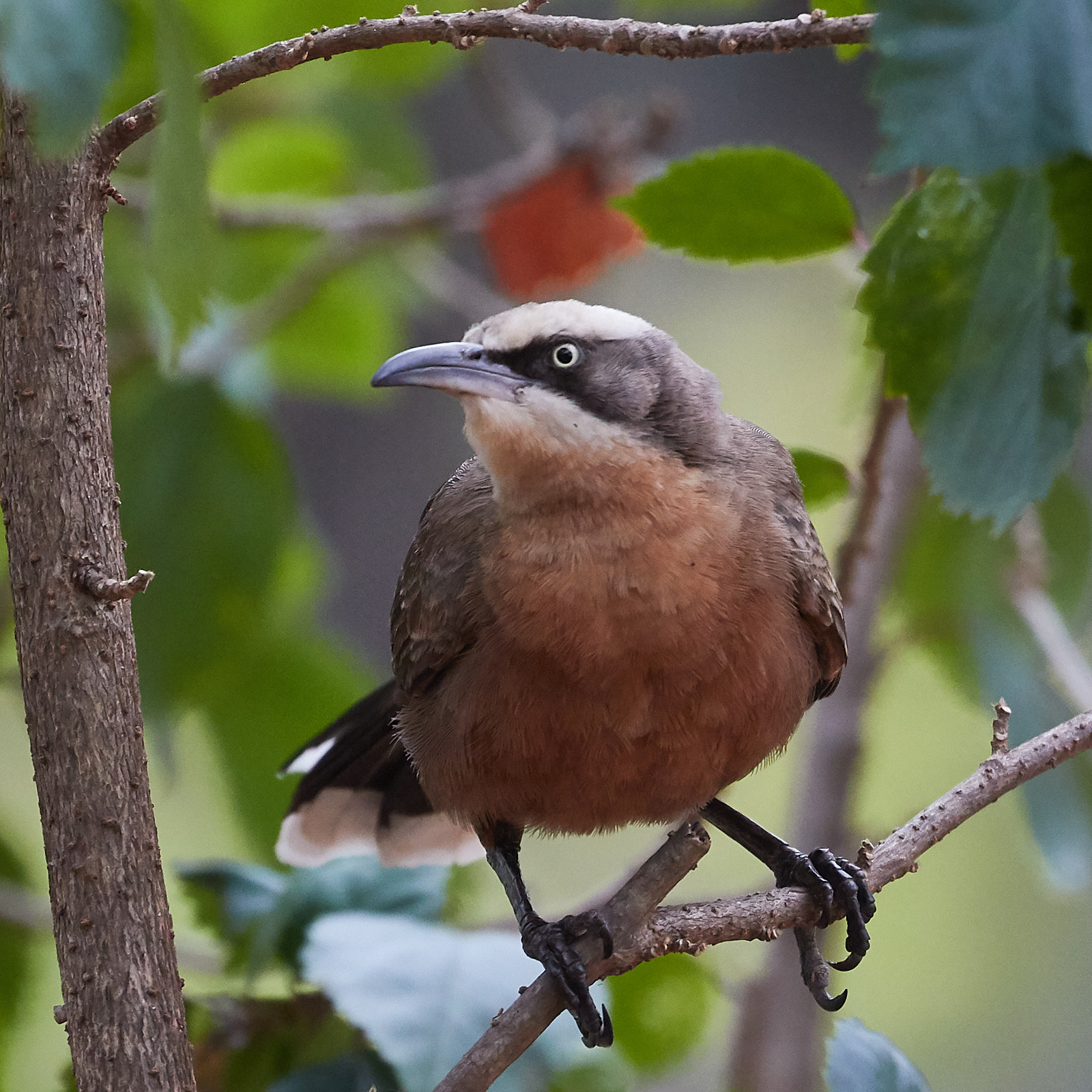
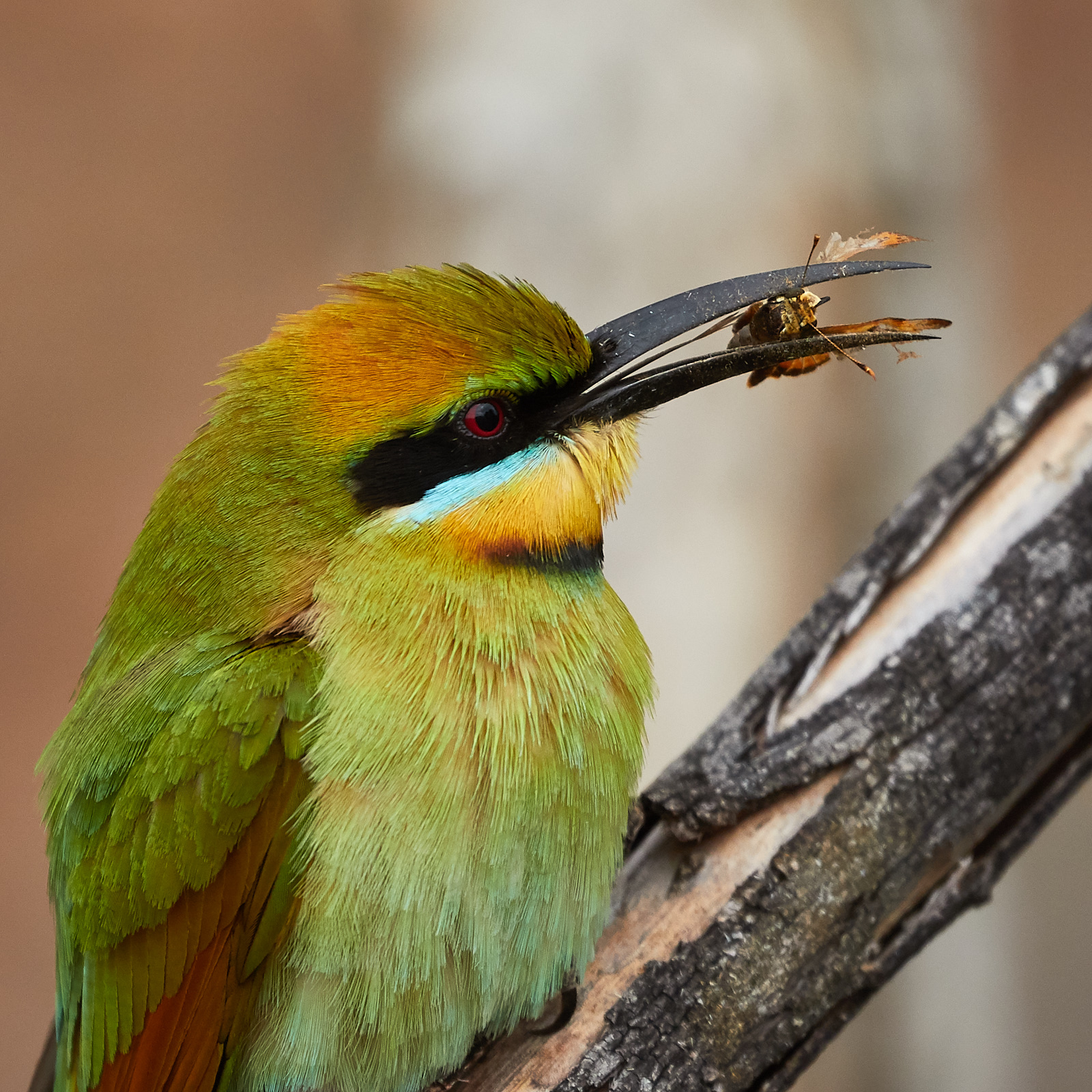
All of these and more were found within a short walk …

But the star of the show was the Hooded Parrot …
 bobmcgee