Offering …

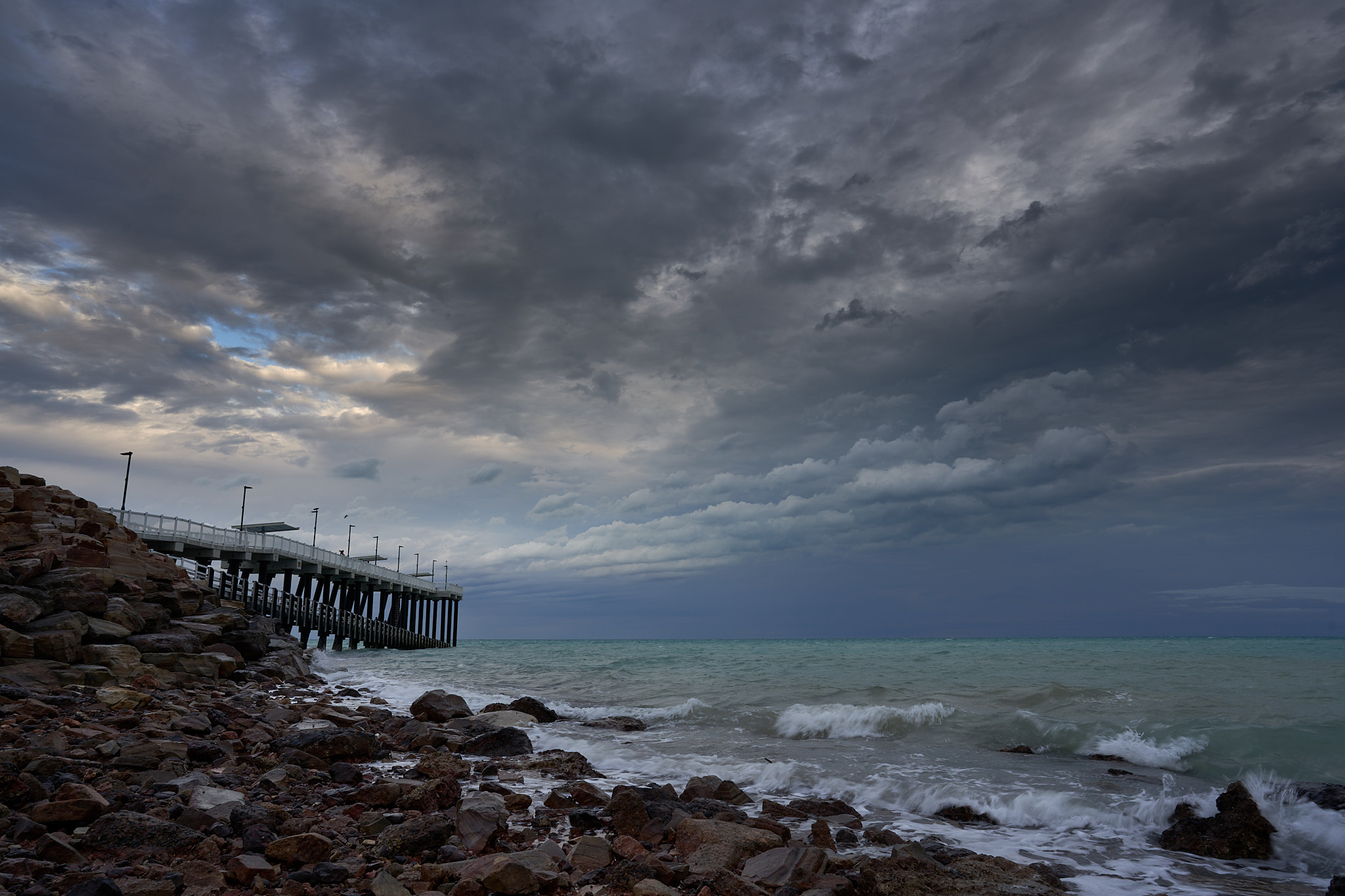
The shore of Dampier Creek offered a place where boats could be hauled out and there were fresh water soaks close at hand. It was a useful base for the pearlers. Streeter and Male founded a store nearby, a passage was cut through the mangroves and a jetty was built. It seems that the exact date is unknown but it was in existence prior to 1897. Streeters Jetty is still there and has recently been given a major facelift. It is as fine an example of a plain wooden jetty that you will find anywhere in Broome.

It had its limitations being useful only for small boats at high tide. It was underwater at very high tides and a long way from water at low tides. In 1897 a government jetty was constructed at Mangrove Point now called Town Beach. This served until the 1960’s. It was an improvement but ships still had to take the bottom between high tides.

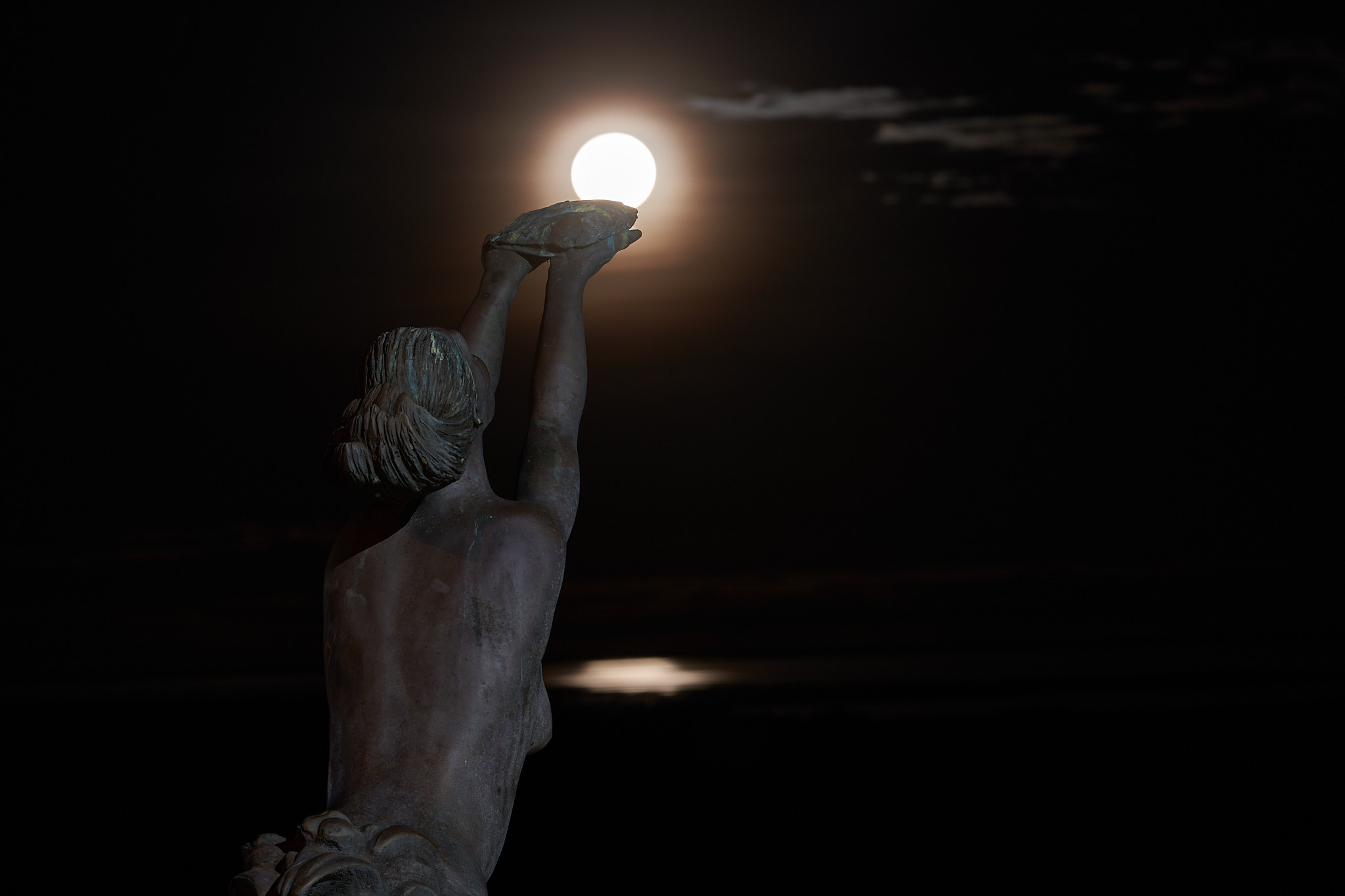
Between Streeter’s and Town Beach there is a spot that gives a good view over the mangroves to what was then the port. There is a monument here to the womenfolk who waited here for the return of the luggers and schooners. If that gives the impression that life was a picnic spent sitting on the grass waiting for their men to turn up forget it. Think instead of the anxiety that would follow a storm. Who will return and who will not?

A fine pearl resembles the full moon …

Weather …
T’is nobler to stay in bed.

It arrived last night and a tropical downpour has been drumming on the roof ever since, a soothing and hypnotic sound. Tourists were not expecting this in the dry season. Caravan parks are overflowing – just like the gutters. By road Broome is a long way from anywhere else. City dwellers may be challenged by the notion that roads will be flooded and impassable.

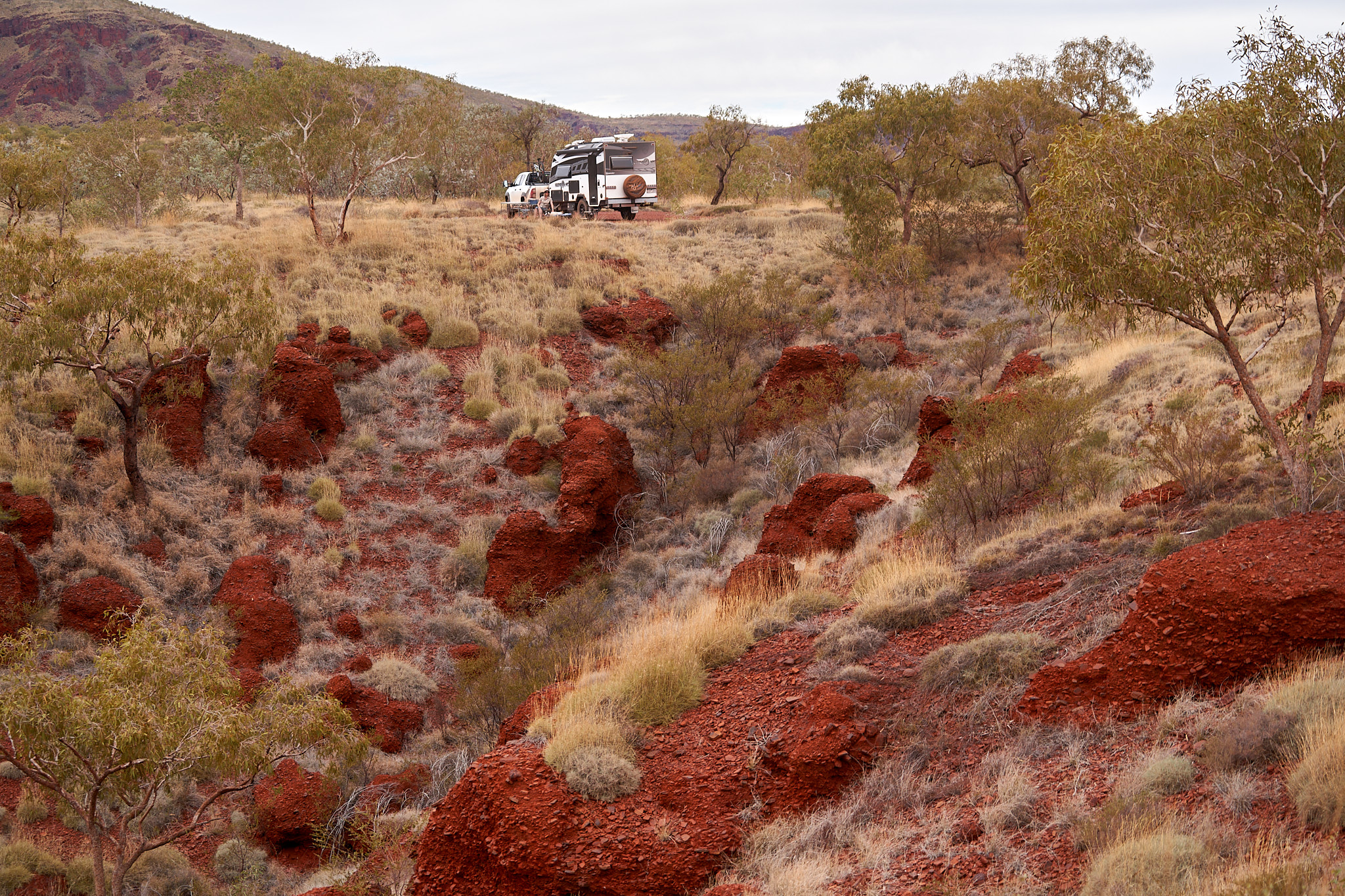
The Gibb River Road winds through the remote KImberley region. If you take it easy in fine weather your 4WD will get you through, with skill and care your caravan may even survive and you can pick the contents of the cupboards up off the floor when you reach your destination. If anything goes wrong you are a long way from assistance.

This gem was posted on Facebook this morning …
“During the GRR closure, are we still able to use the road to leave? We’re currently at Drysdale River Station and urgently need to get to Derby to get our fridge fixed 🙄 “

… and pray that there’s intelligent life somewhere out in space – everybody knows you can’t get a fridge repaired in Derby!

Cygnet Bay …

Yeah, I missed you too. We went away for a few days.

William Dampier and the crew of the Cygnet were the first Englishmen ashore in Australia in 1688. The ship was beached for urgently needed repairs. They spent two months in Cygnet Bay near the tip of what became Dampier Peninsula and enjoyed good relations with the local people.

On his return to England Dampier wrote a very successful account of his travels which earnt him the opportunity to visit Oz as leader of a scientific expedition in 1699. This time as master of the Roebuck, which unfortunately was falling apart underneath him. The expedition spent three months charting 1400 km of coast from Shark Bay to Broome before heading home with meticulous notes and important biological specimens.

The Roebuck sank at Ascension Island on the way back to England but the crew, the notes and the specimens escaped intact. Dampier is described by the National Museum of Australia website as “explorer, naturalist, author, hydrographer and pirate.” He was the first to circumnavigate the globe three times.

In 1960 a pearl farm was established at Cygnet Bay by Lyndon Brown a second generation pearler and the first non-Japanese to penetrate the well guarded mystery of culturing pearls using the Pinctada maxima, an oyster famous for its huge size and the lustre of its shell and its pearls. Visitors can tour the farm, visit the shop, stay in diverse types of accommodation, swim in the pool, eat at the restaurant and go bird watching if that takes their fancy. It is a place of great beauty.

Just up the road is the aboriginal settlement of Ardyaloon. You need a permit to visit but this is no big deal, they are available for purchase at the Gallery on the way into town. It entitles you to visit the hatchery, very interesting, and the beaches. It, too, is a place of great beauty.

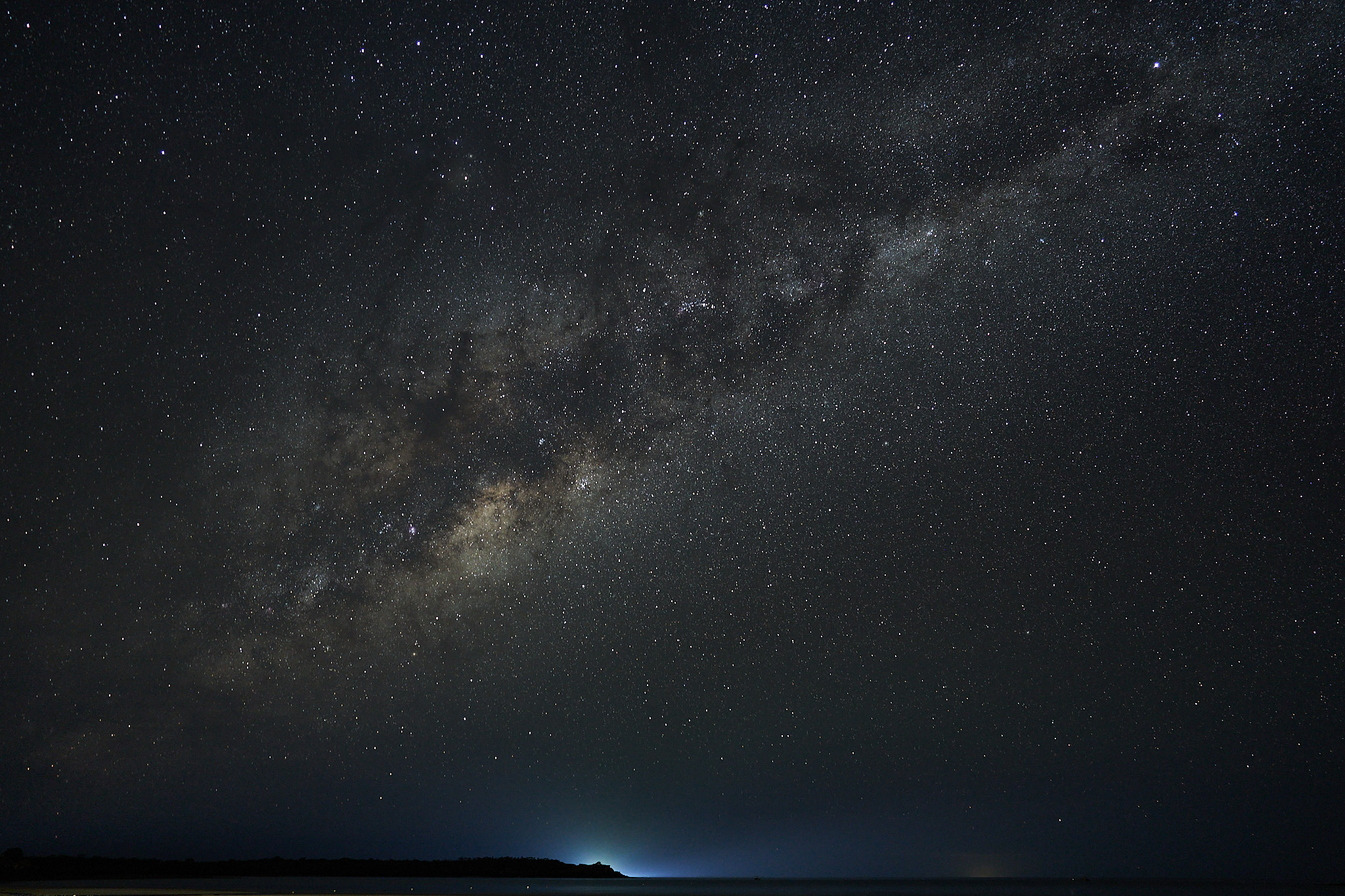
On our last night at Cygnet Bay I ventured down to the beach to take in the Milky Way before the waning crescent moon had a chance to climb above the horizon. The lights of Ardyaloon were visible in the distance. Click on any of the pictures for a better look – especially this one!

A romantic footnote … some years ago I took Gayle to the Willie Creek Pearl Farm on her birthday and bought her a cold drink and an ice-cream.

Town Beach …

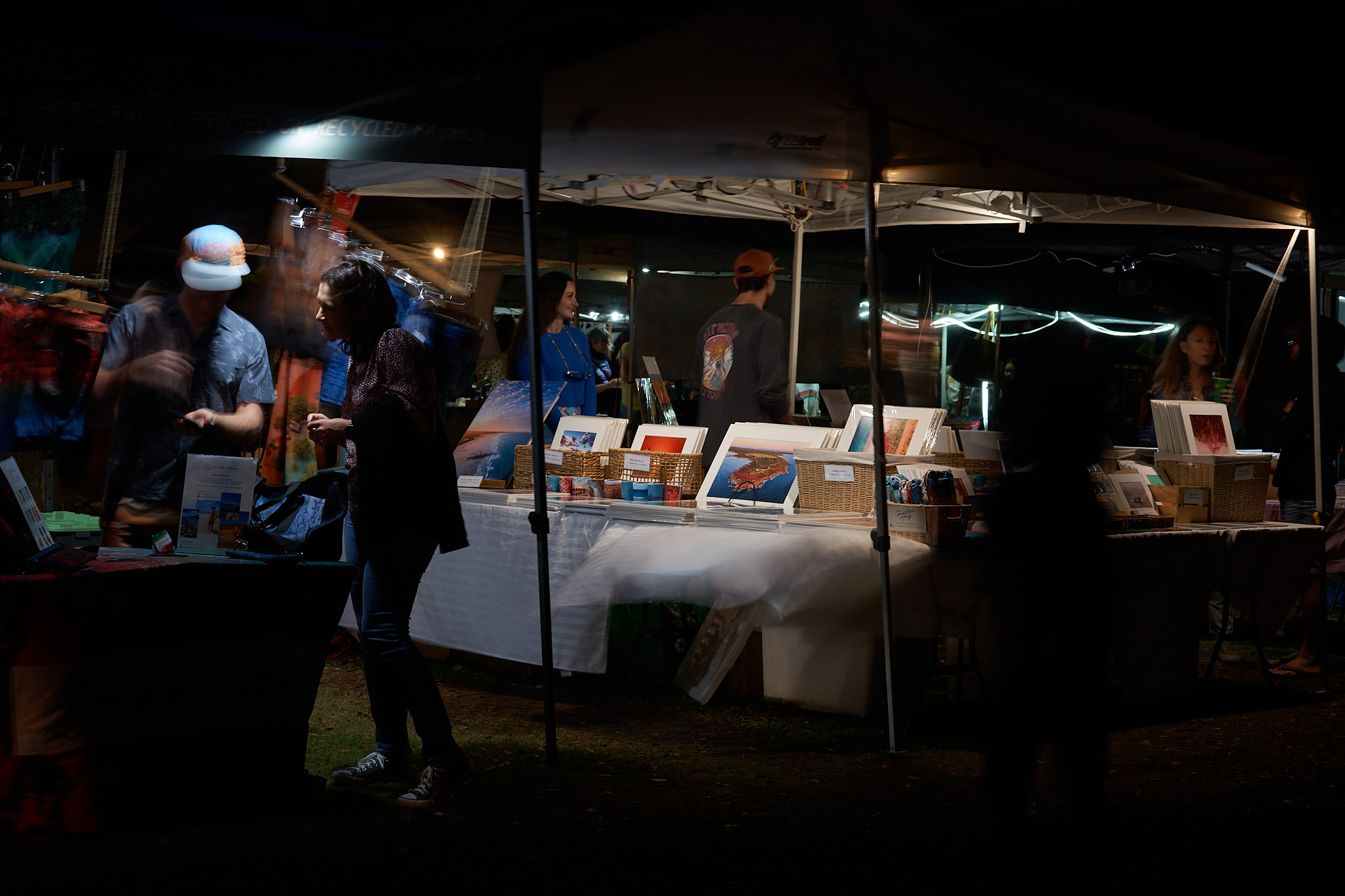
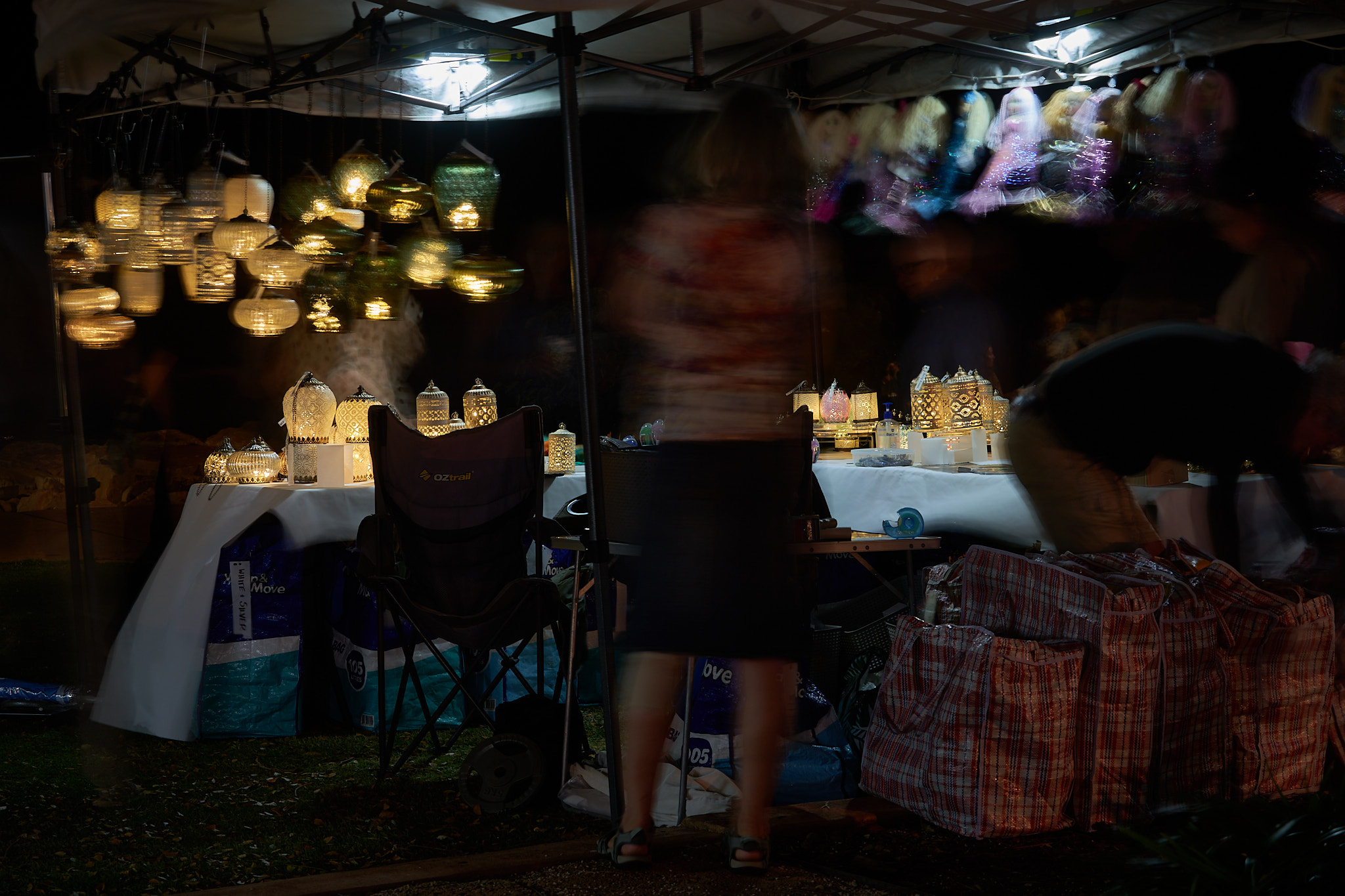
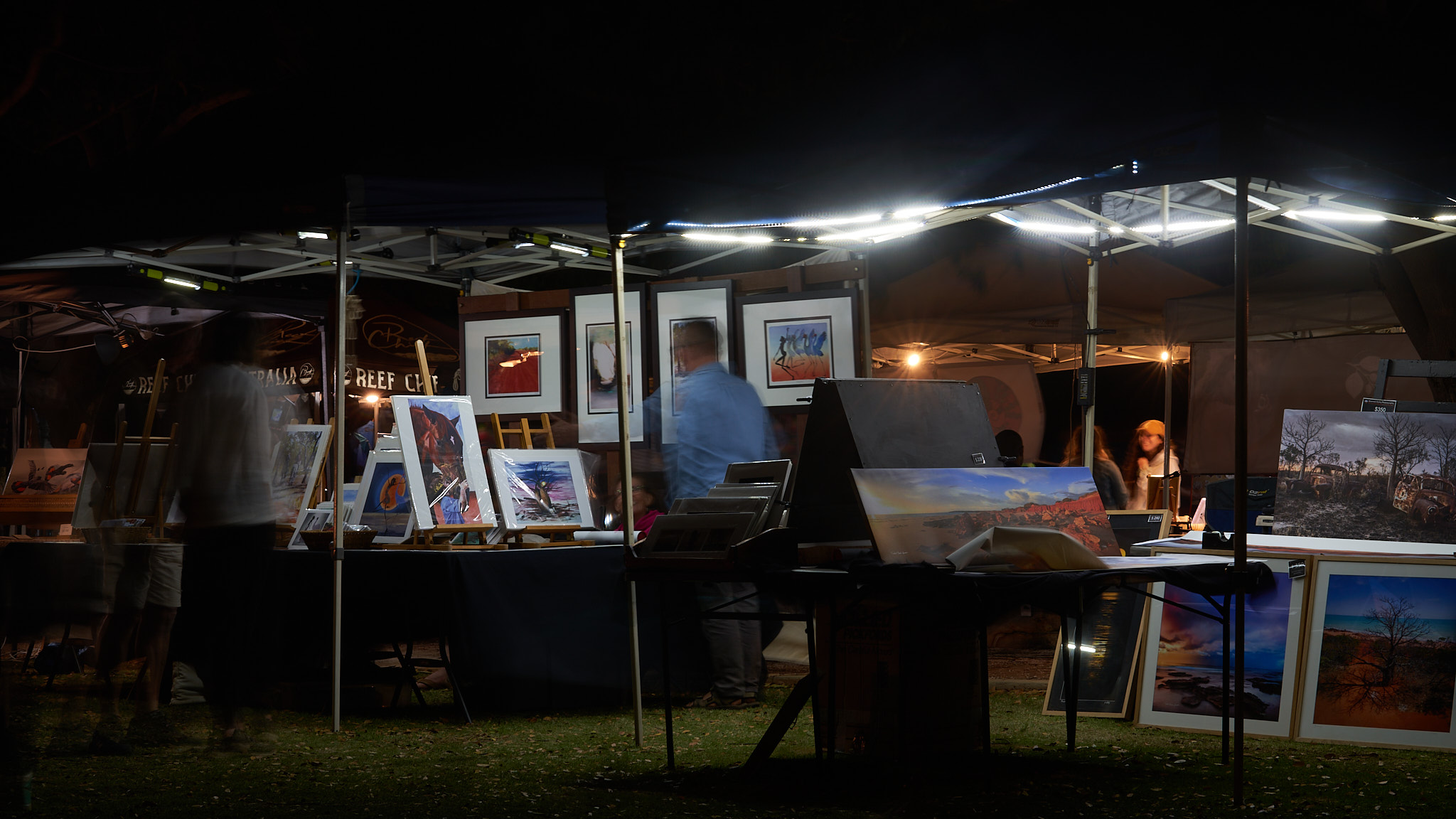
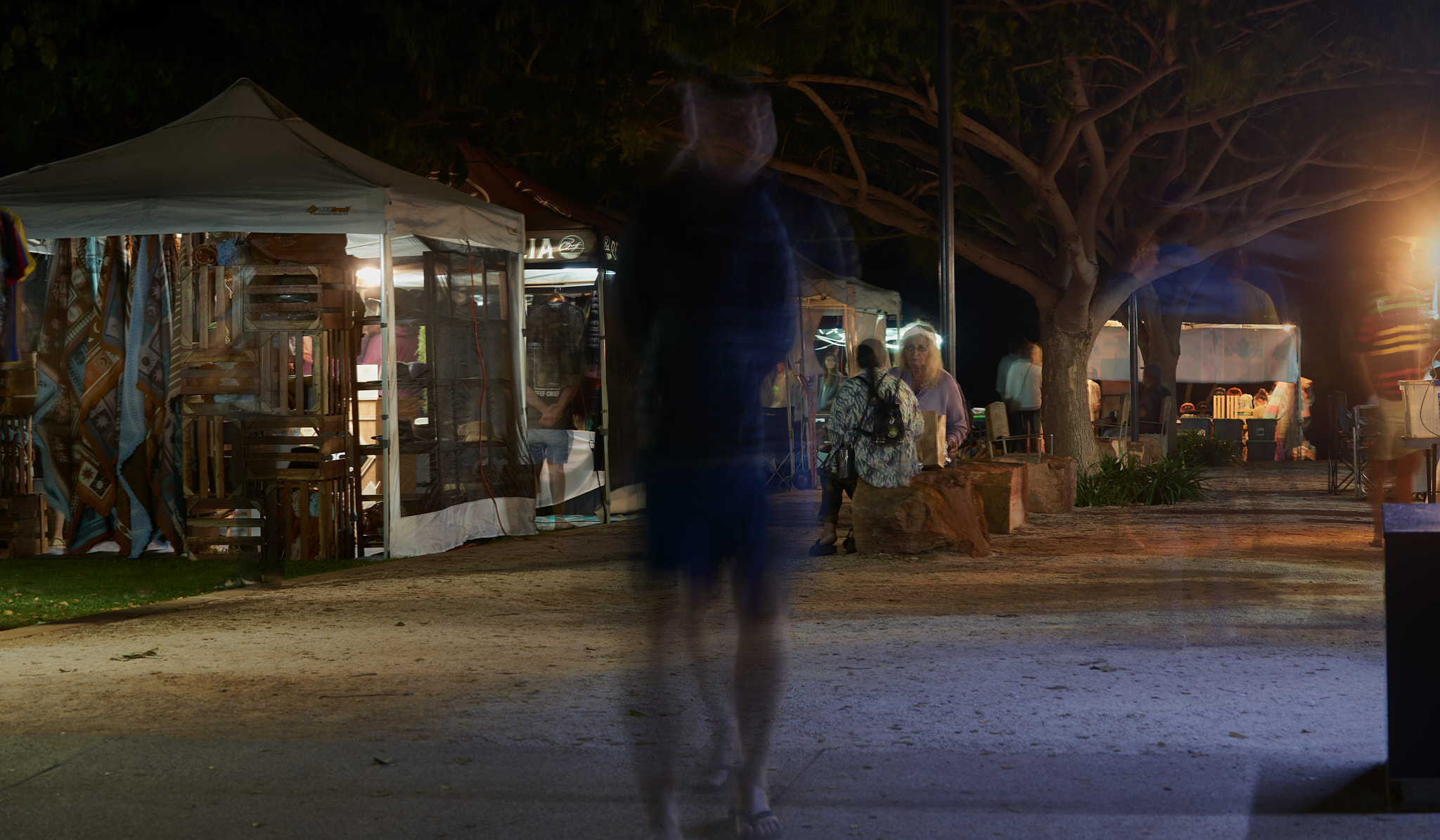
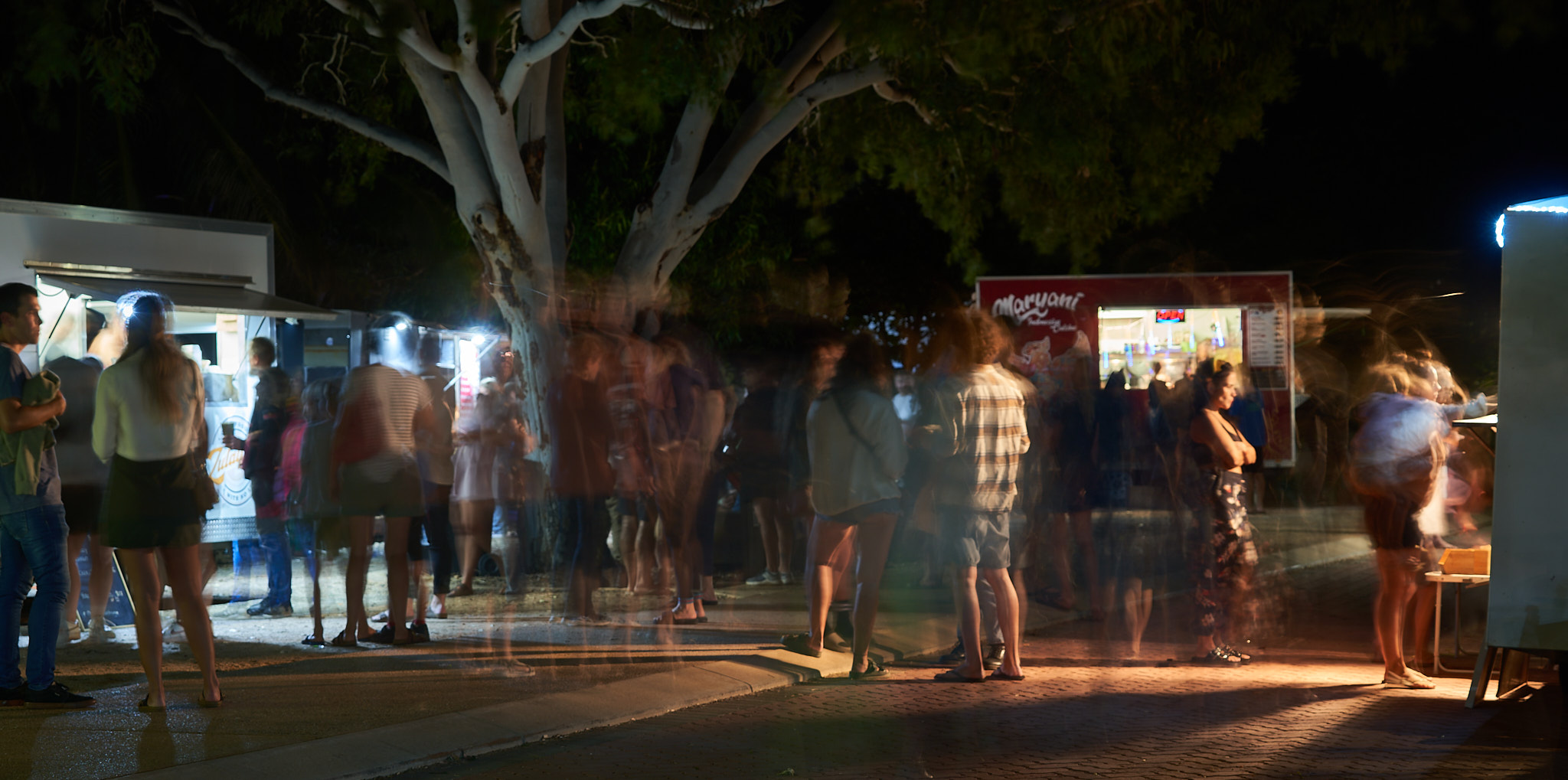
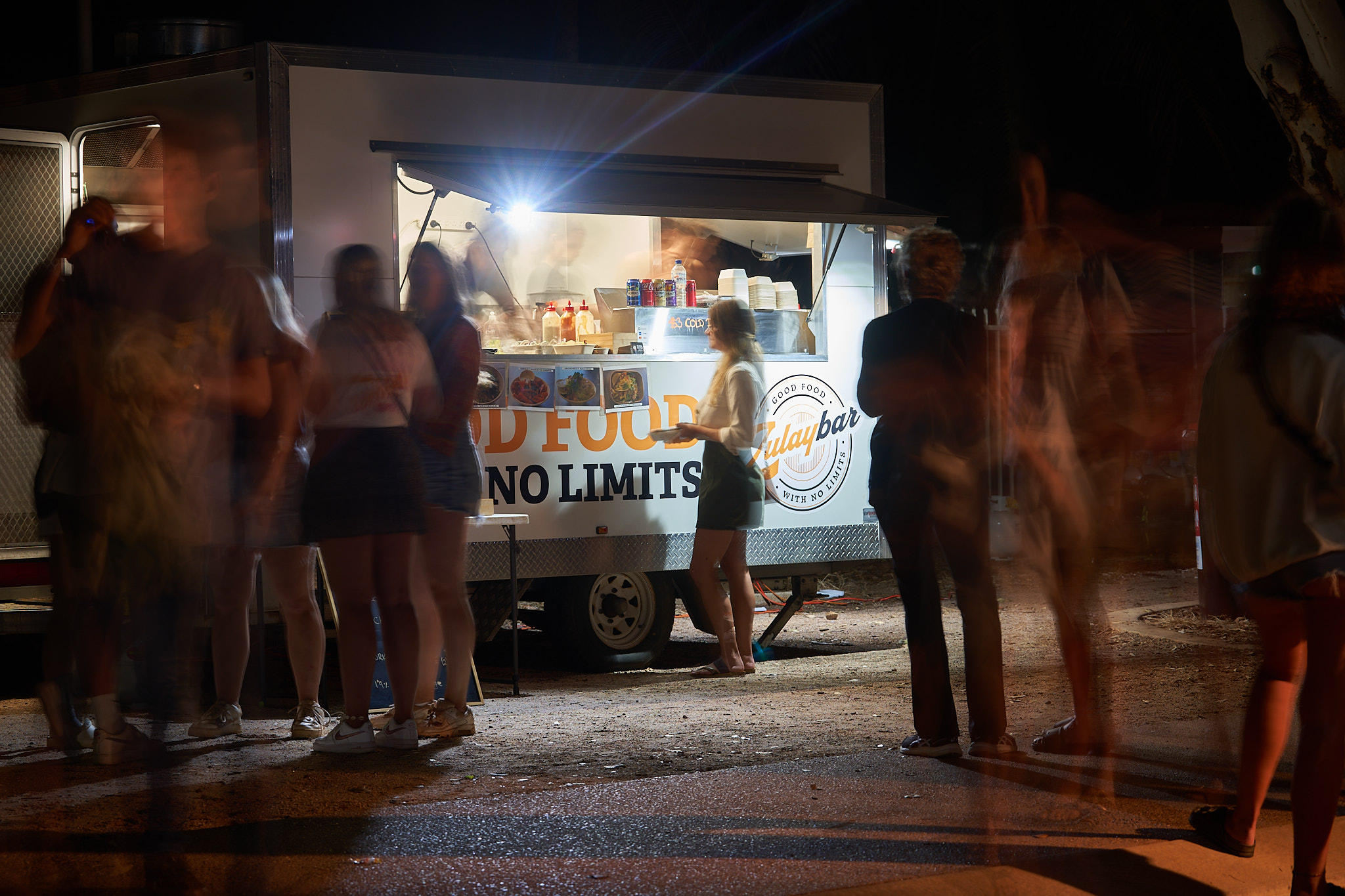
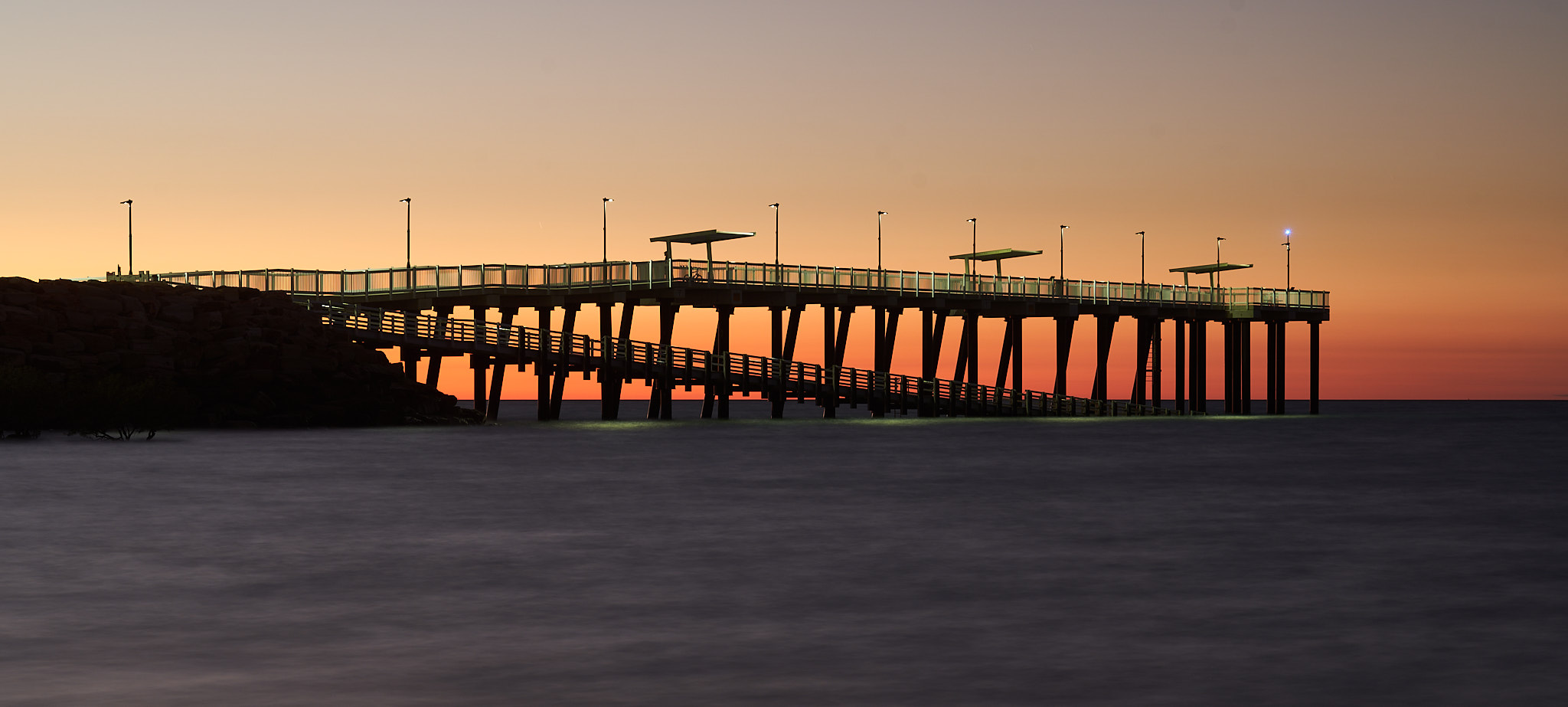
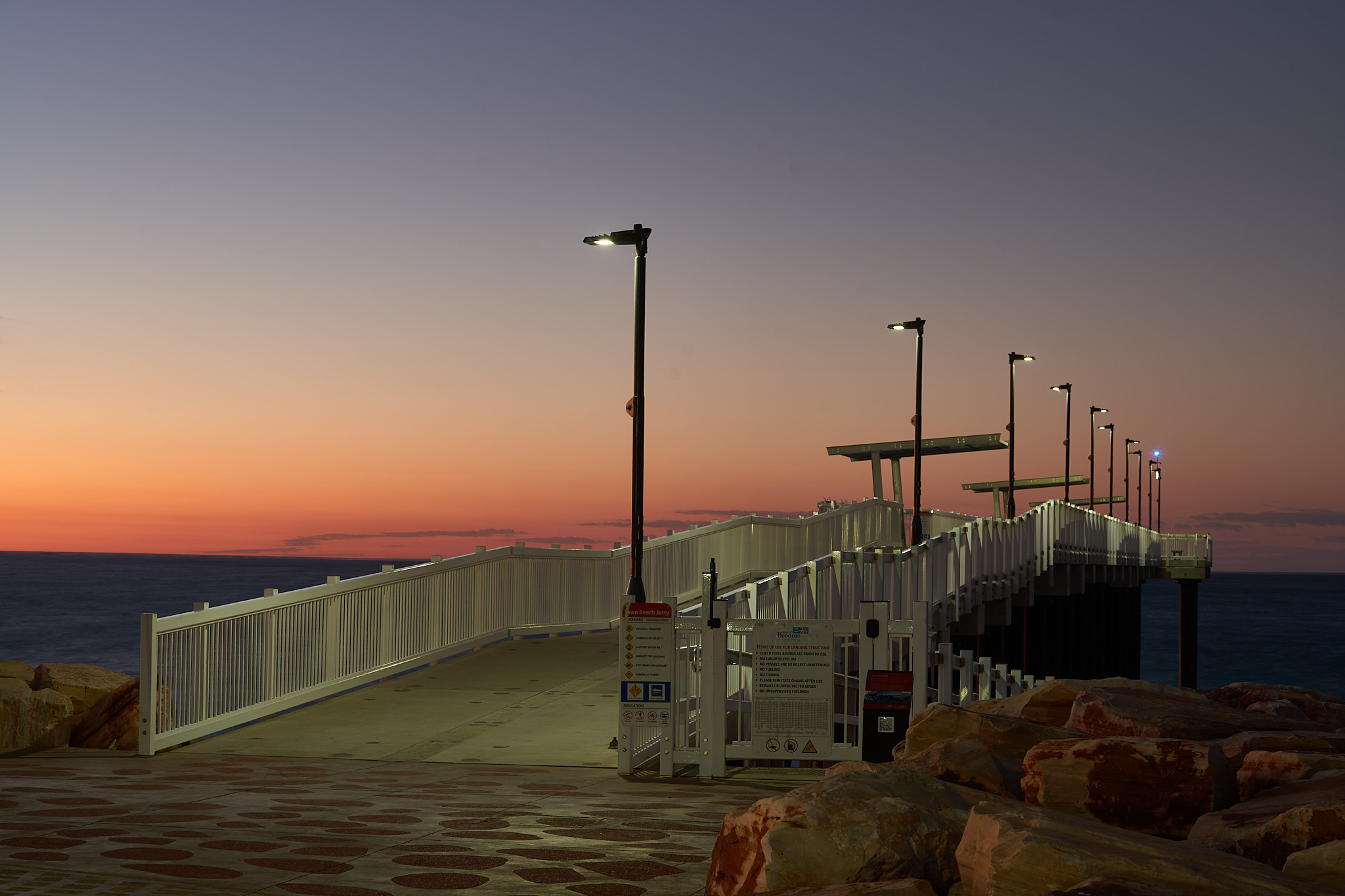
If Cable Beach is Cinderella then poor old Town Beach was one of the ugly sisters. But, she’s had some plastic surgery – nice gardens, a performance space and a new pier. All this has happened in the last couple of years. It has transformed her into a great place to have a market, a concert or to sit and watch the moon come up.

I was there before dawn this morning …

Derby …

We made a day trip to Derby.

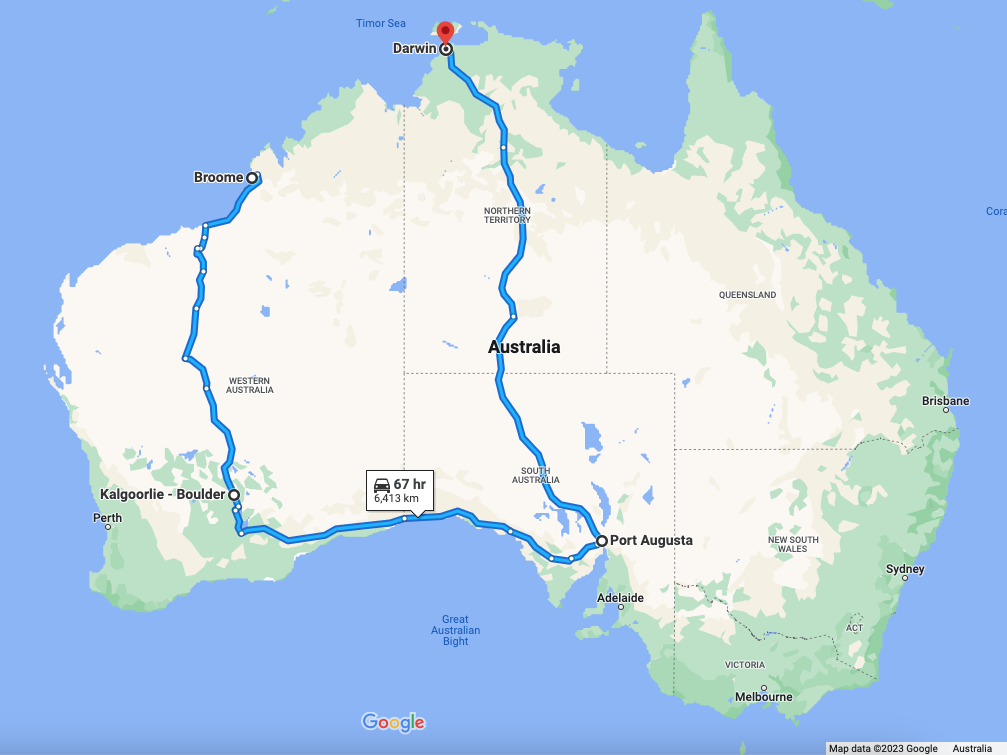
If we’d turned right at Willare we’d have come to the town of Fitzroy Crossing where the bridge was recently destroyed by flood. The next major city in that direction is Darwin. Broome to Darwin is about 1800 km. With the bridge down Broome to Darwin became a 6,400km journey for a while.

The Fitzroy River also runs through Willare where it took out the road leaving the bridges standing. Poor old Derby at that stage was a boat trip to anywhere. Roadworks are in progress but there is still a lengthy section of single lane alternating in direction.

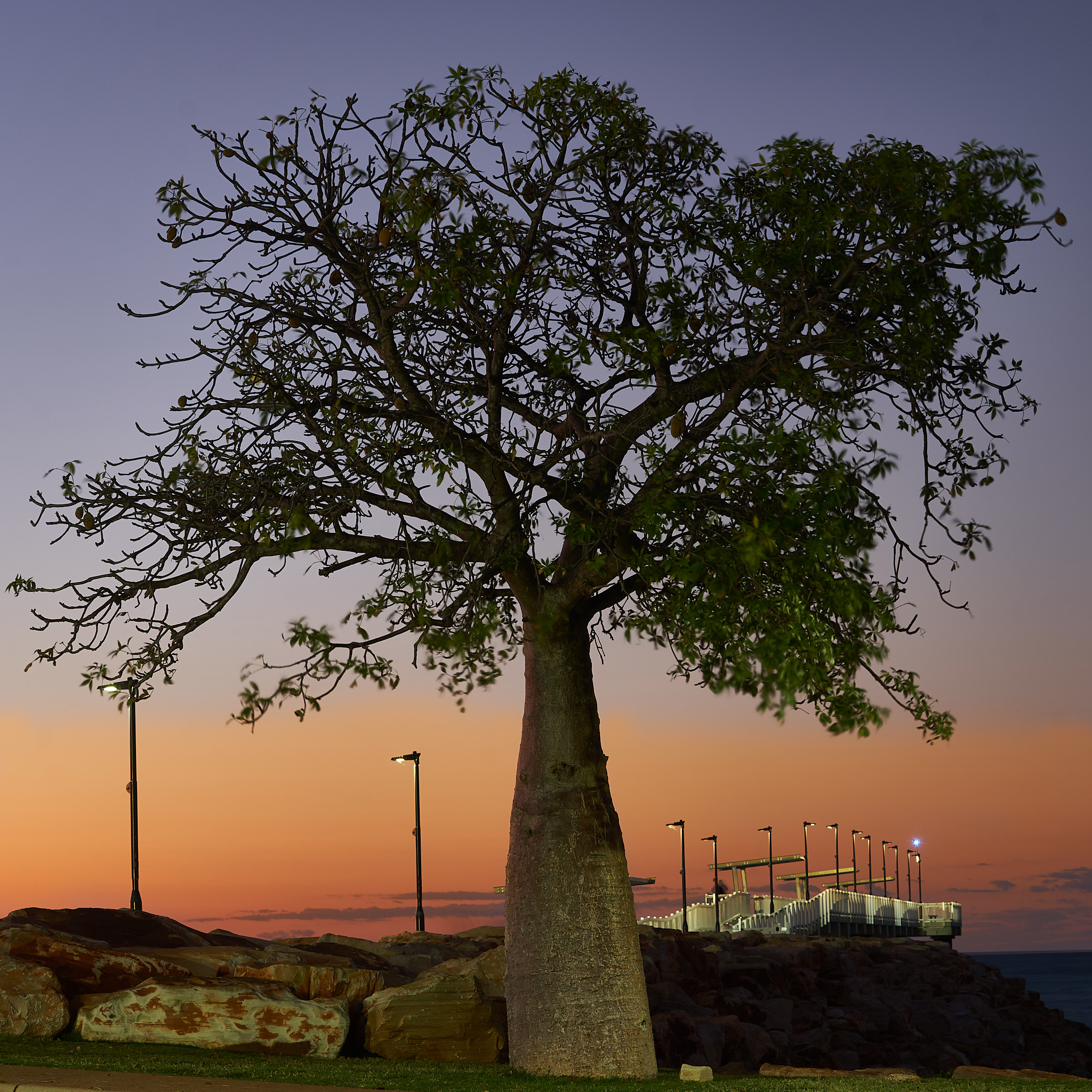
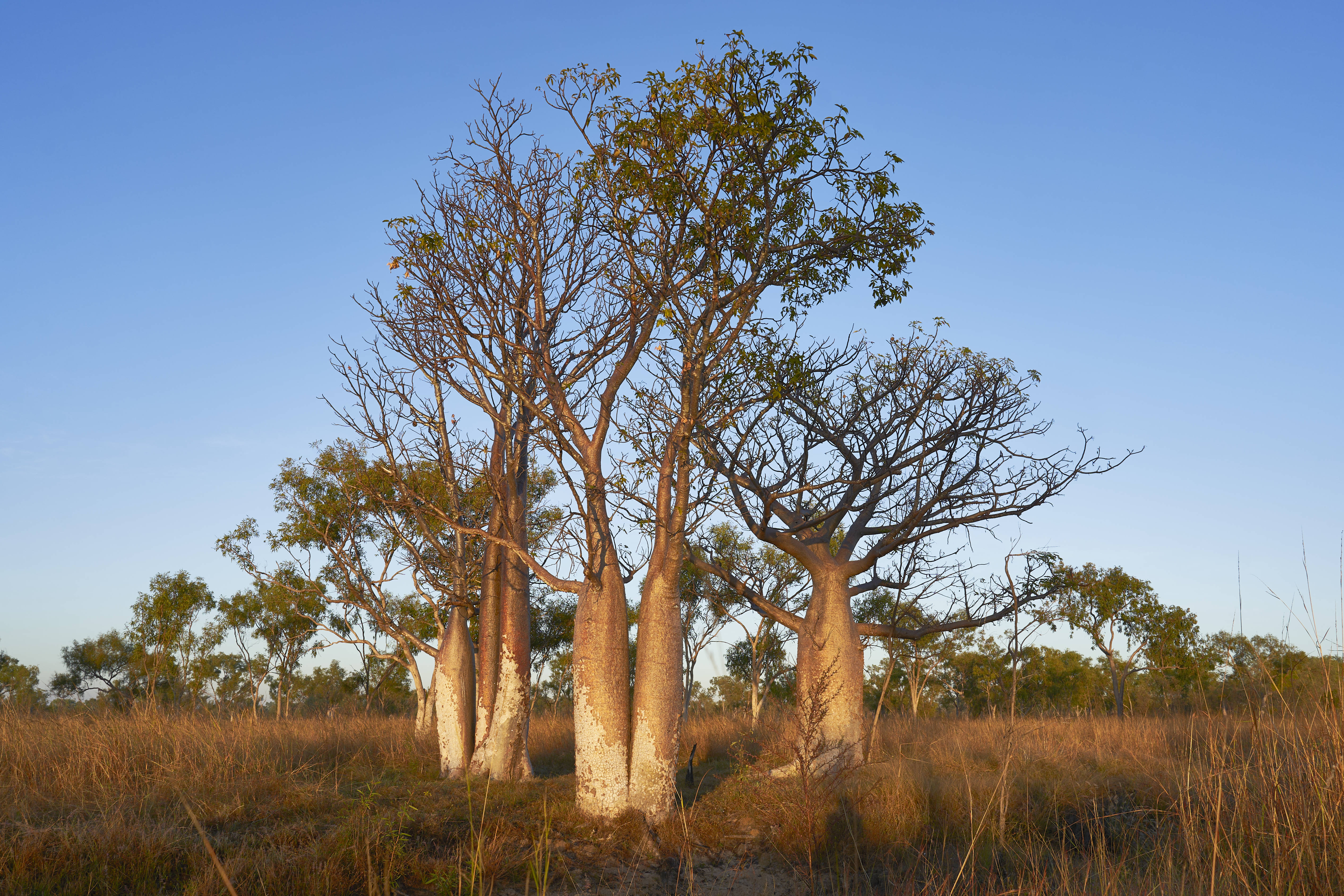
The trip was essentially a scouting trip to find suitably photogenic Boabs. There are plenty in Broome decorating our parks and gardens and some are quite old and splendid but they don’t occur naturally. The authentic ones start to appear in the landscape about 120 km up the road.

Adansonia gregorii

Baobabs belong to the genus Adansonia. The centre of their diversity is Madagascar where there are six native species, Africa has a seventh, we have the eighth. Ours is closely related to the African one. It found its way here as a floating seed.

Here its name was treated with the same respect accorded the Possum and Goanna.

Still Swatting Mozzies …

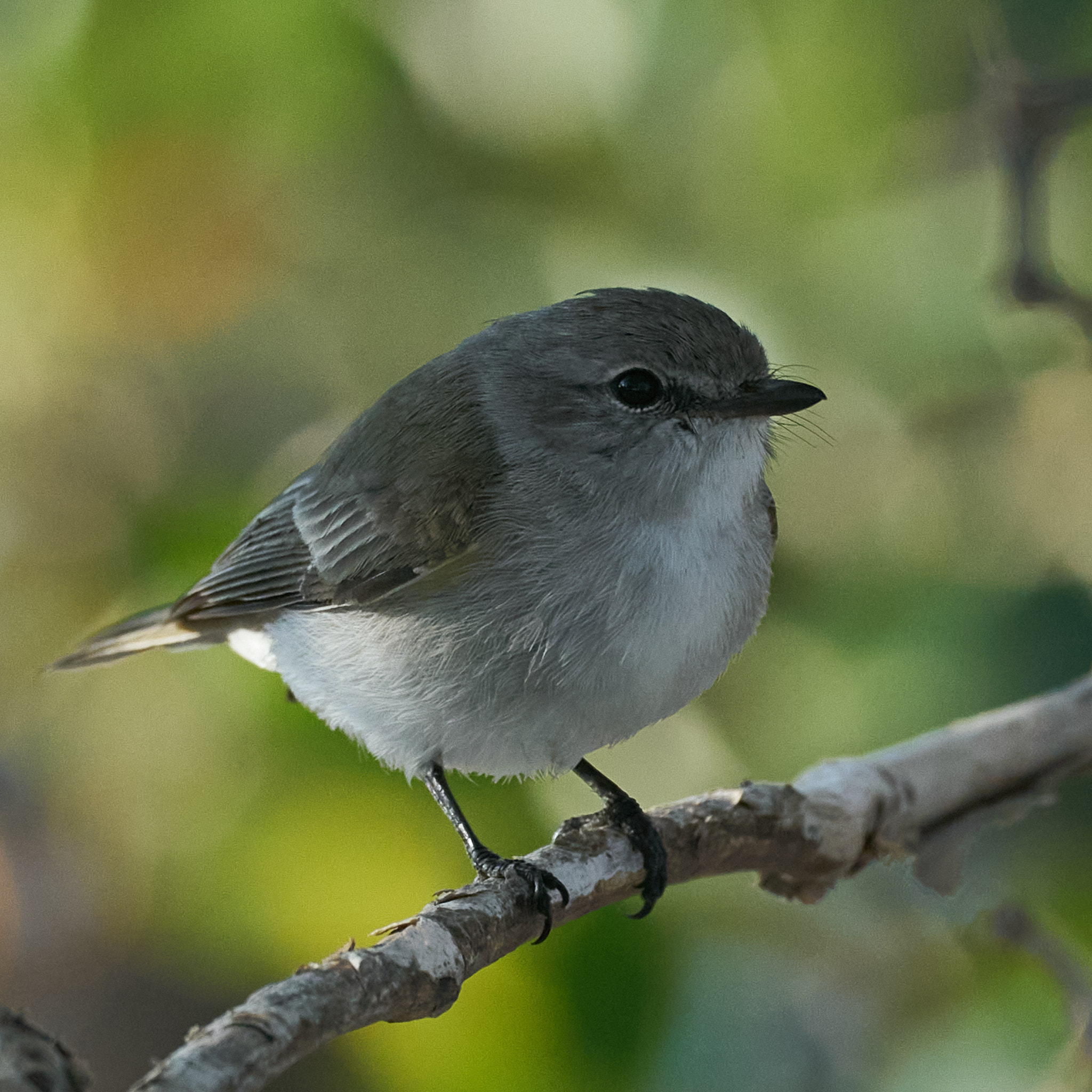
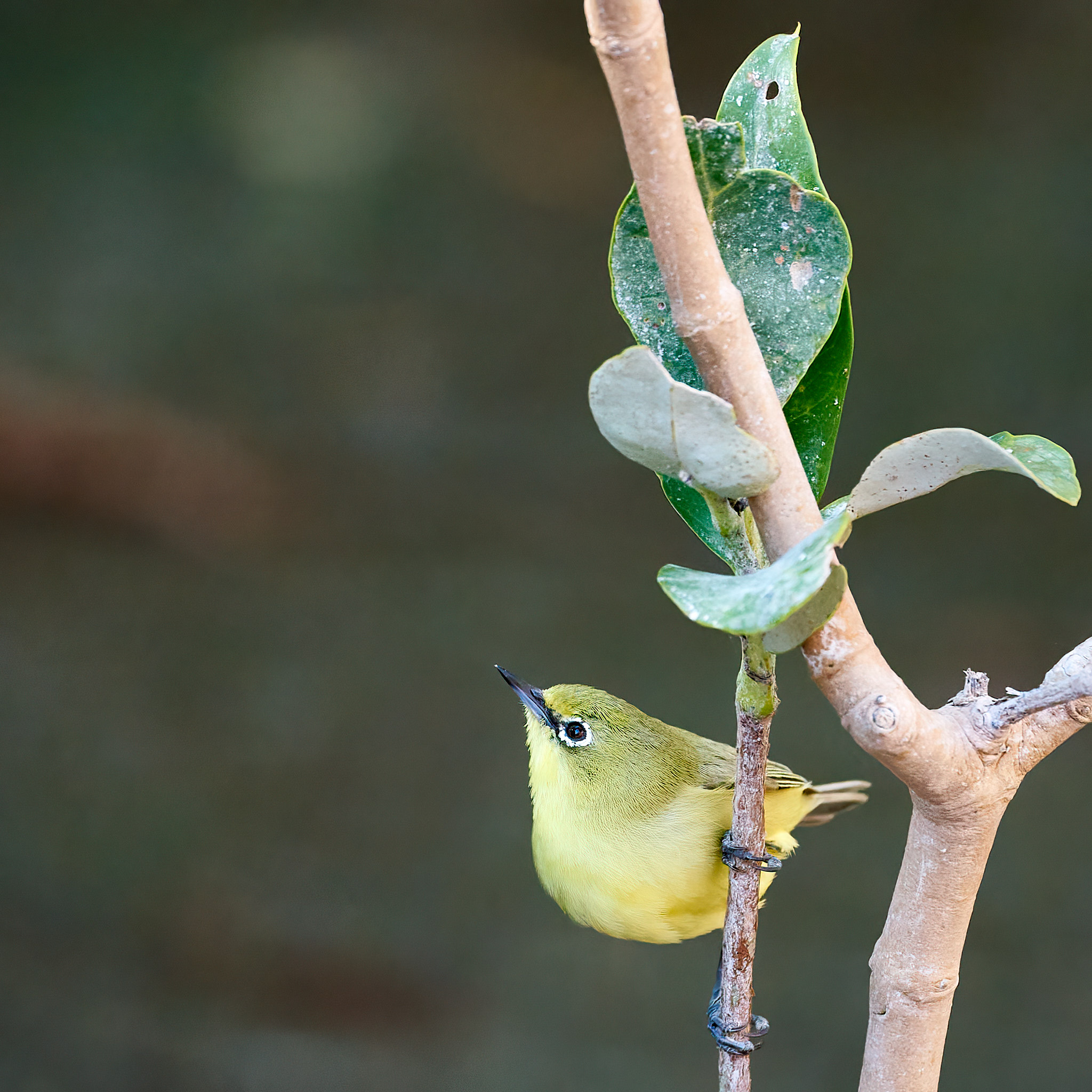
Yellow White-eye

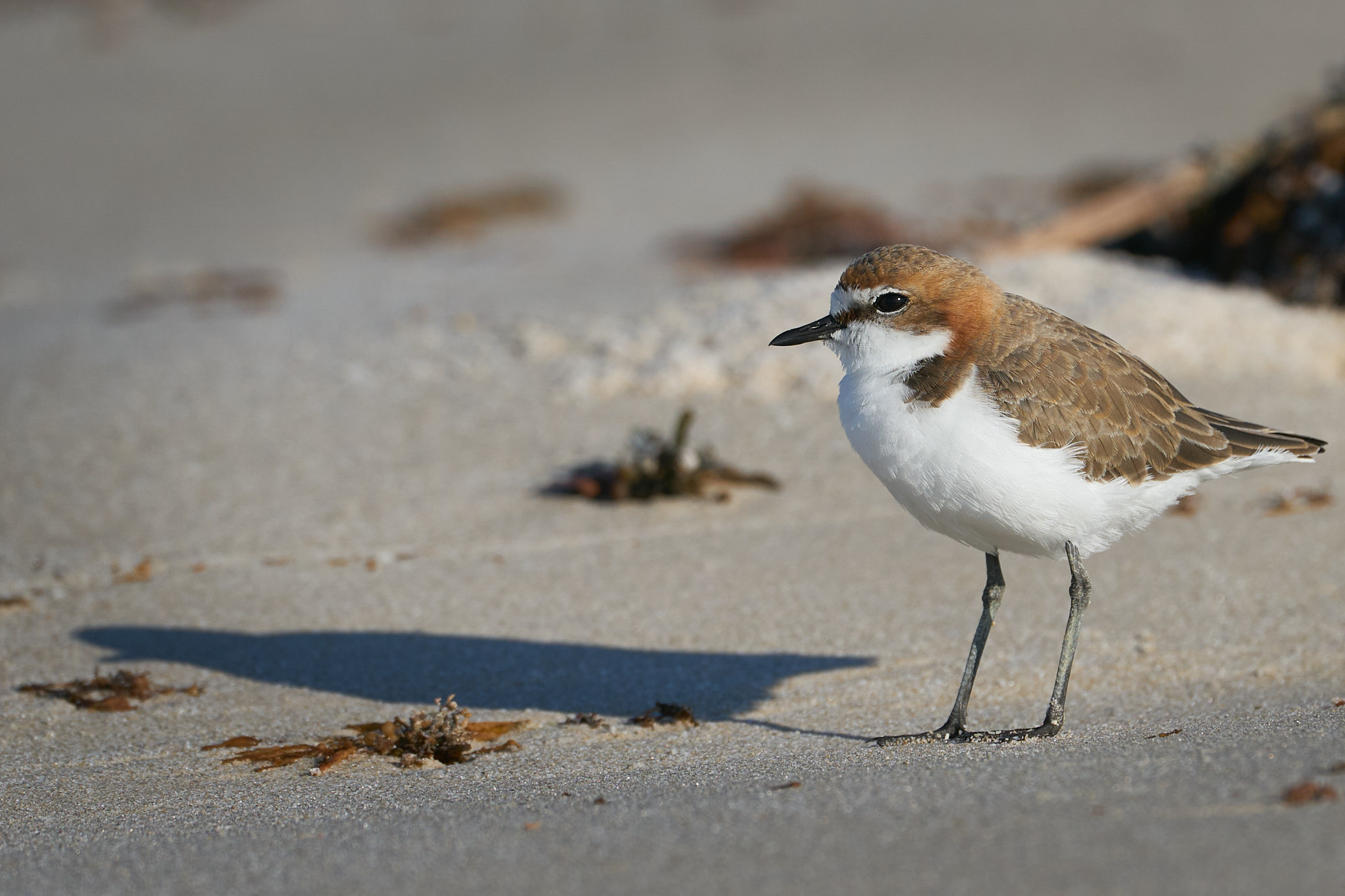
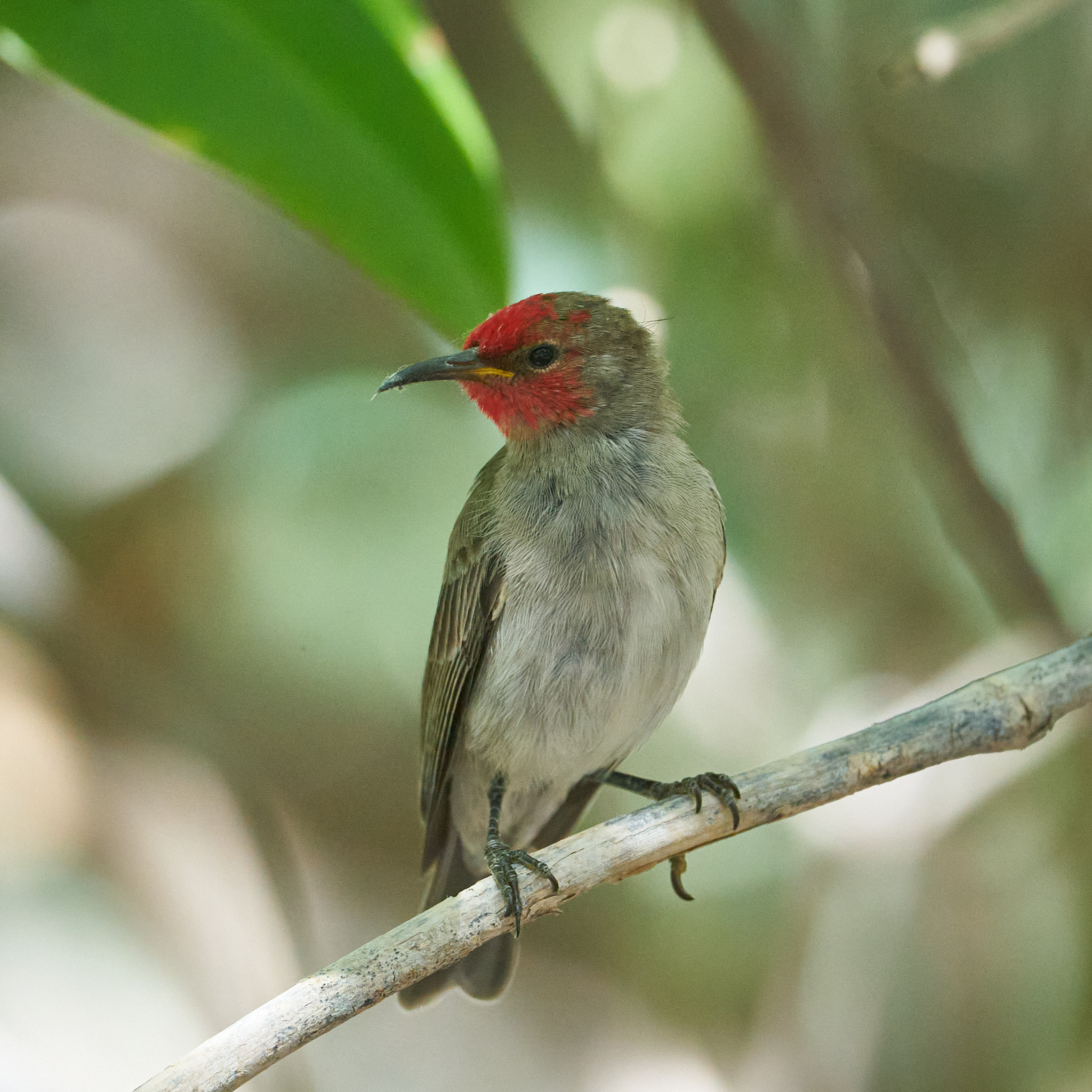
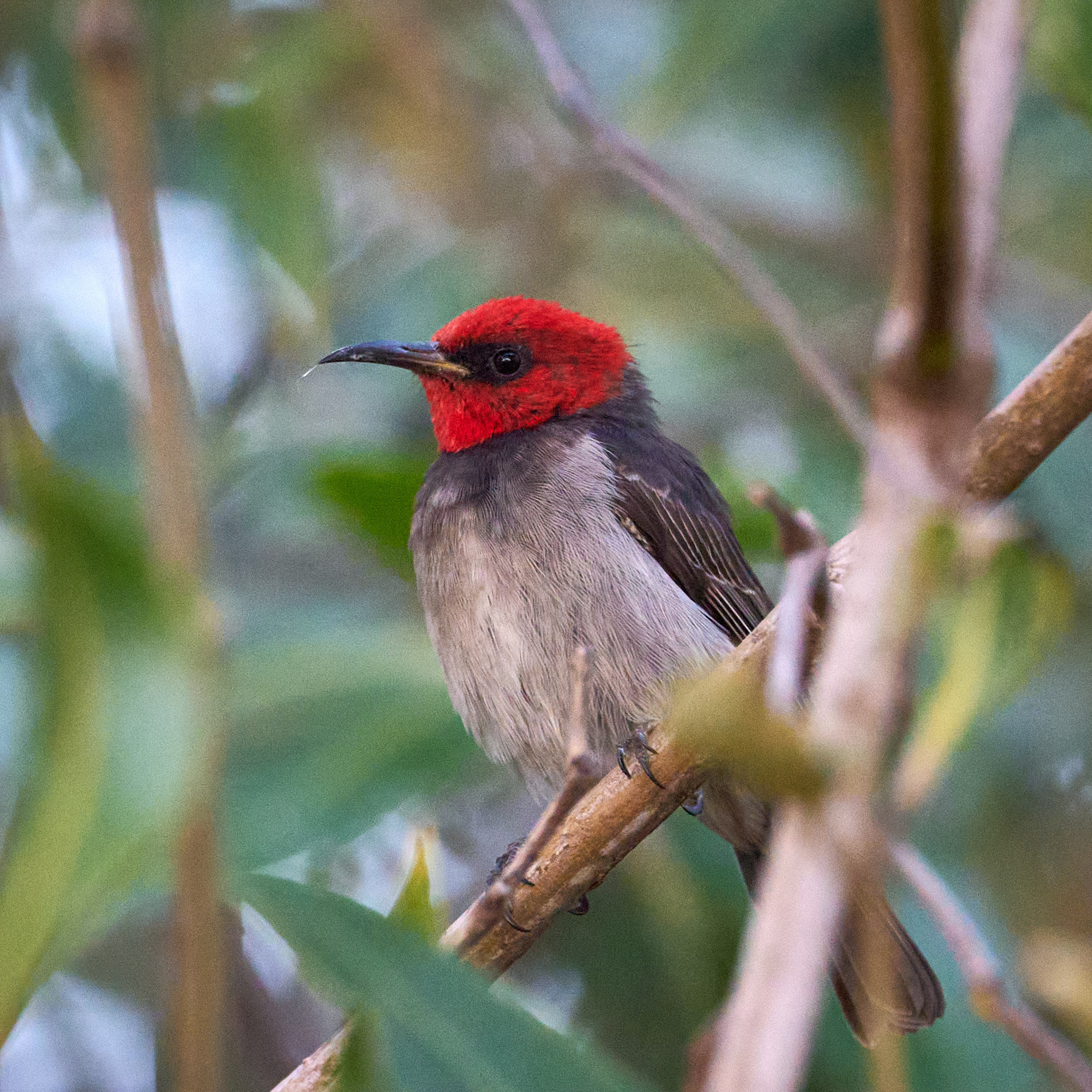
I’ll be visiting the Mangroves frequently because, like Tilly, a recent commenter from Kingaroy or some place in Queensland, I still need a male. It’s another Whistler, the Mangrove Golden. My best efforts to date are not up to scratch. Meanwhile I take whatever is offered. Like this young male Red-headed Honeyeater …

Red-headed Honeyeater

Presently he’s merely blushing but when he’s all grown up he will be positively glowing.

The rump is also scarlet so the shot of one with its back to the camera looking over the shoulder is on the wanted list.

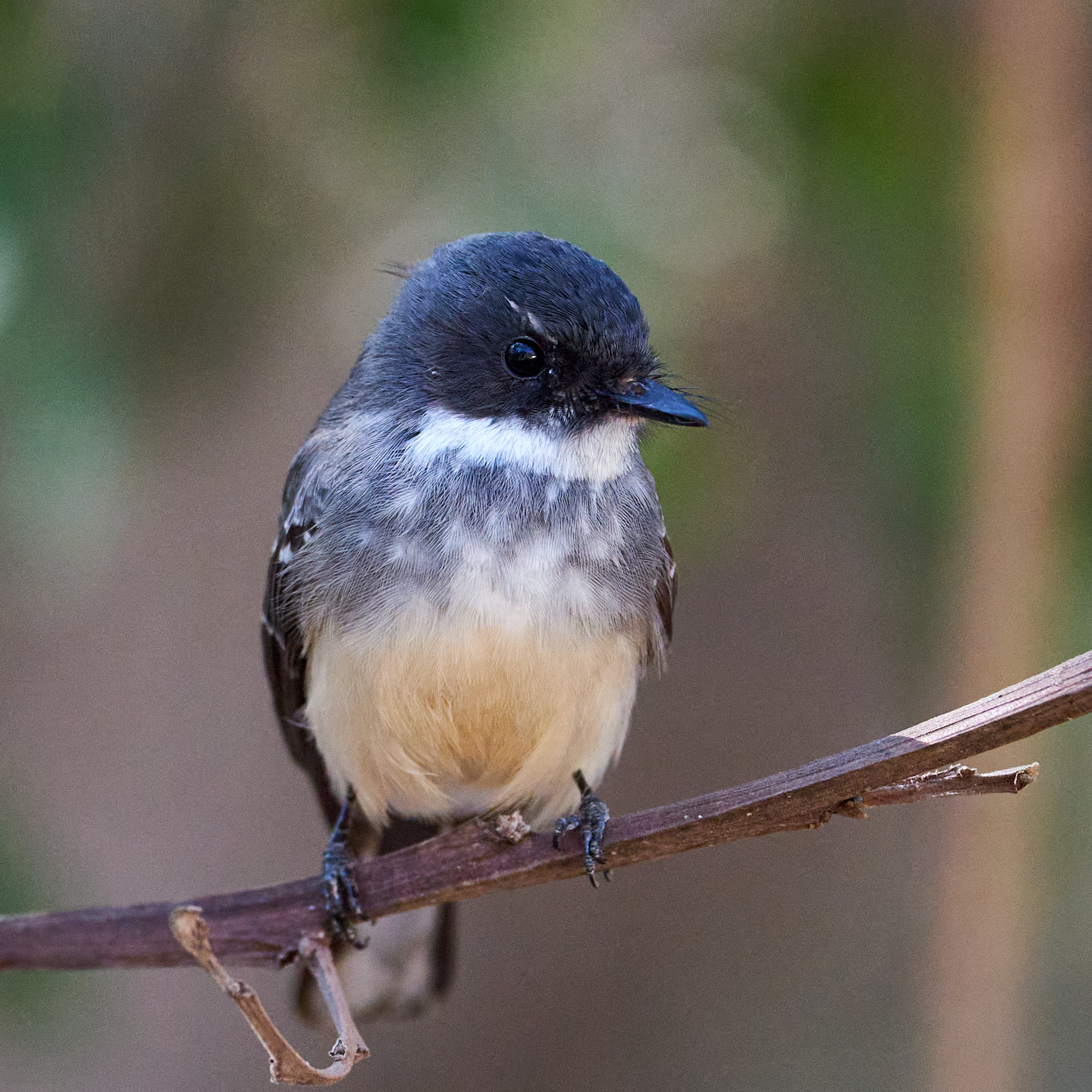
The Broad-billed Flycatcher is another adorable denizen of the mangroves.

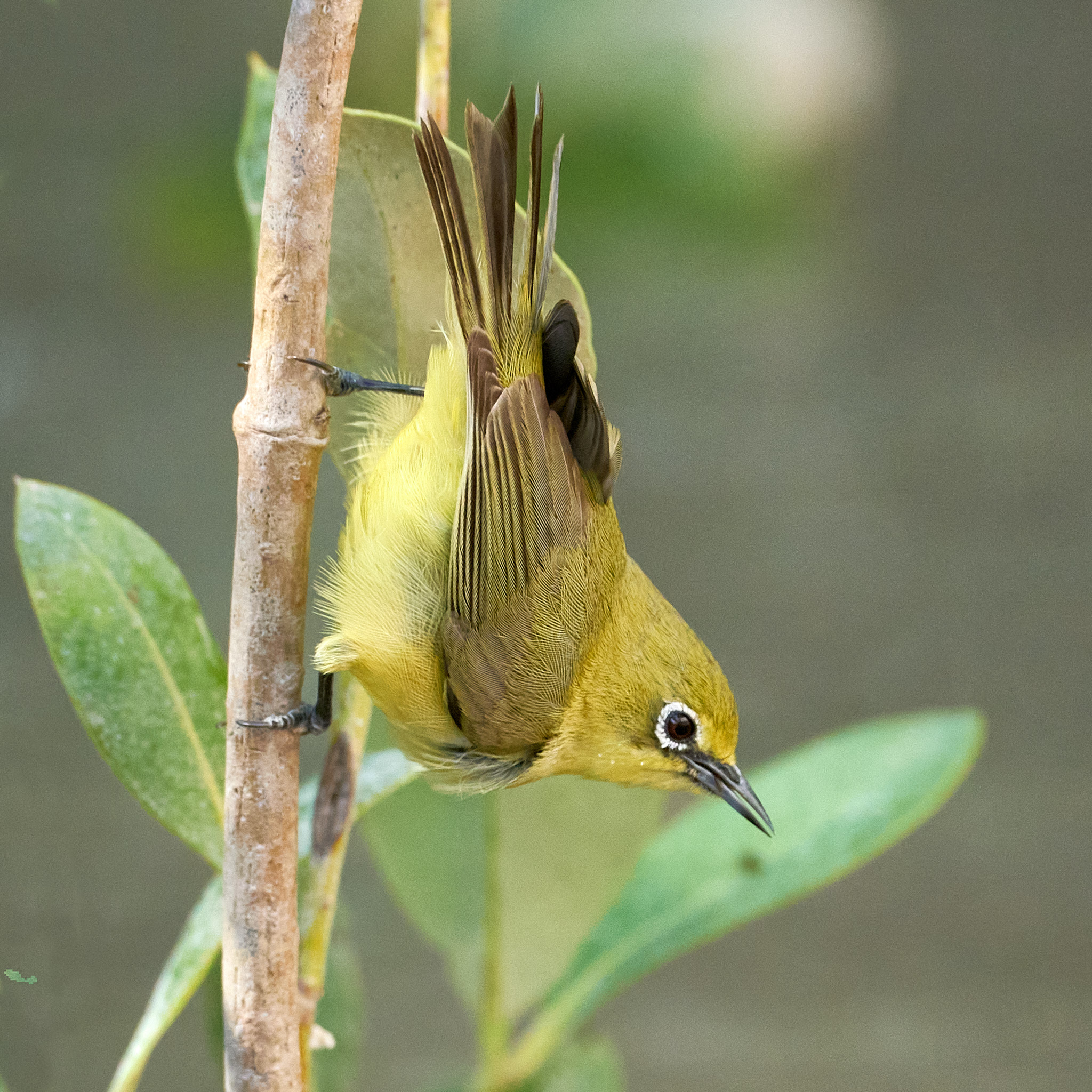
Once again the male is more striking, darker above and brighter below than the female but not all birds are sexually dimorphic. In the Yellow White-eye sexes are similar.

Yellow White-eye

A New Adventure …

but an old plan. Let’s go live in Broome.

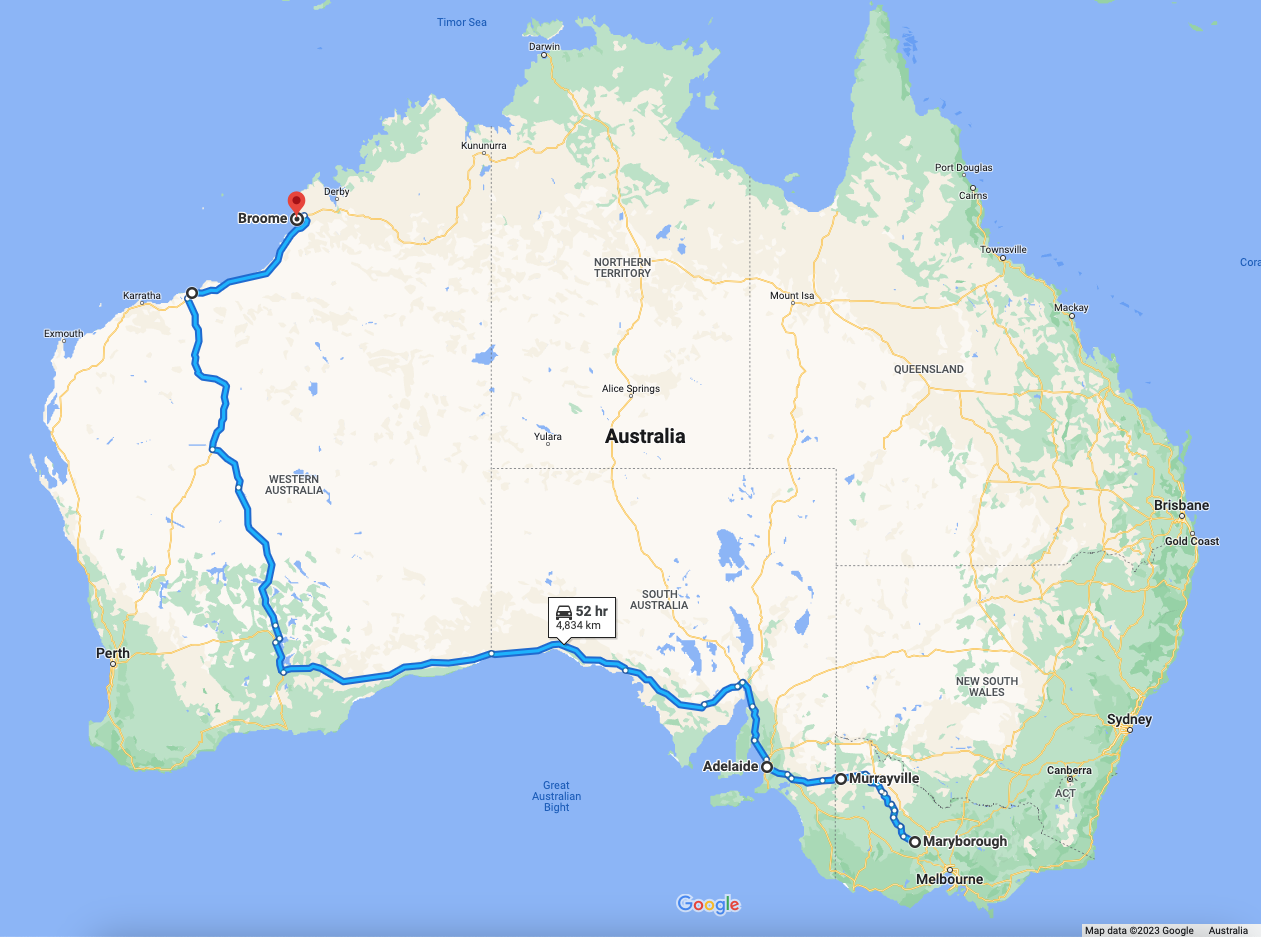
Allied – the careful movers – took splendid care of the furniture. Gayle, Fifi and Bobby McGee chased them across the Nullarbor in our latest camping solution.

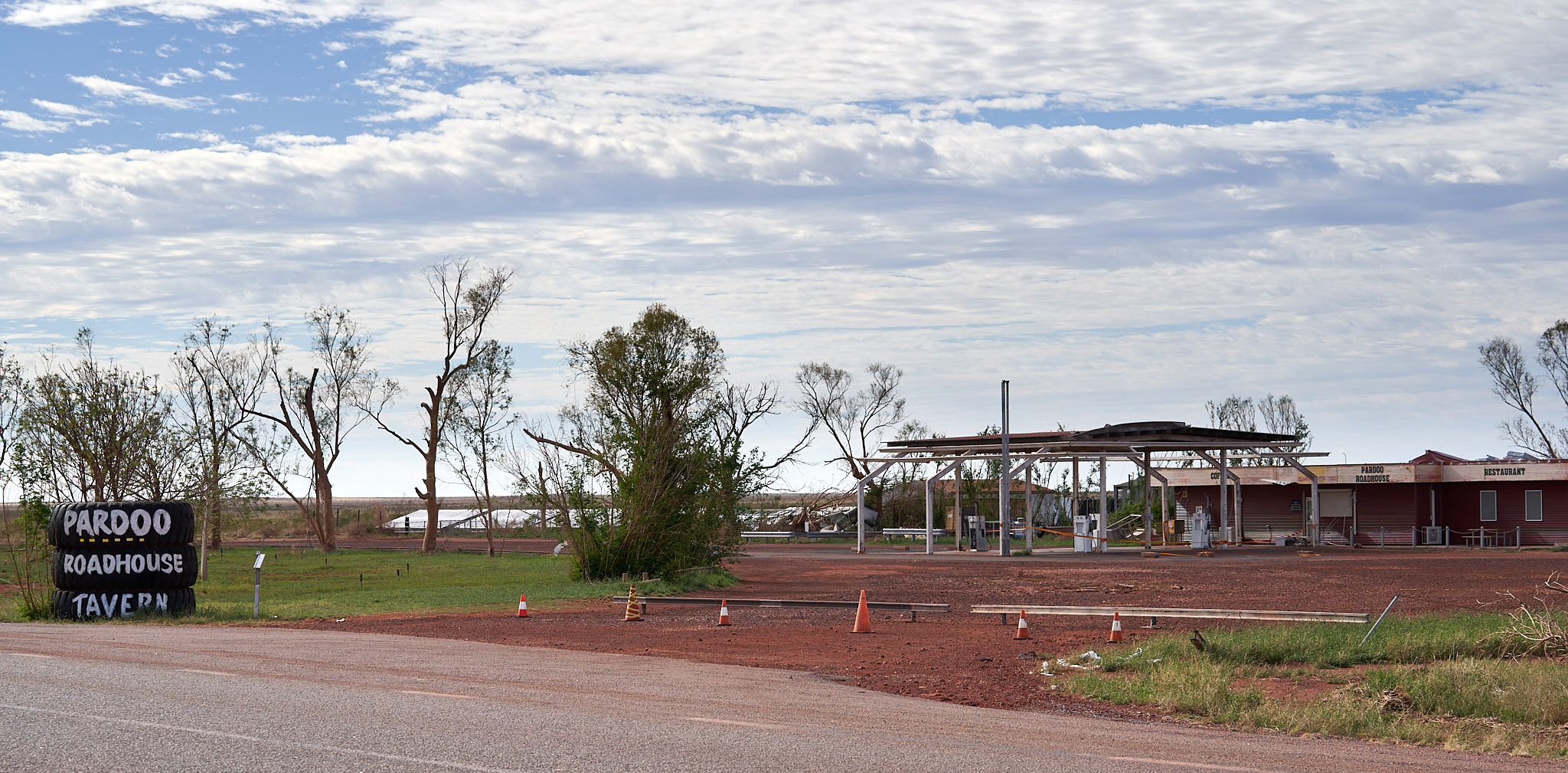
Our timing was perfect. The last cyclone of the season had knocked over the Pardoo Roadhouse just a week or so before we left. The northern big wet had turned to a settled (we hope) dry and Victoria had not quite dipped into ice-age conditions.

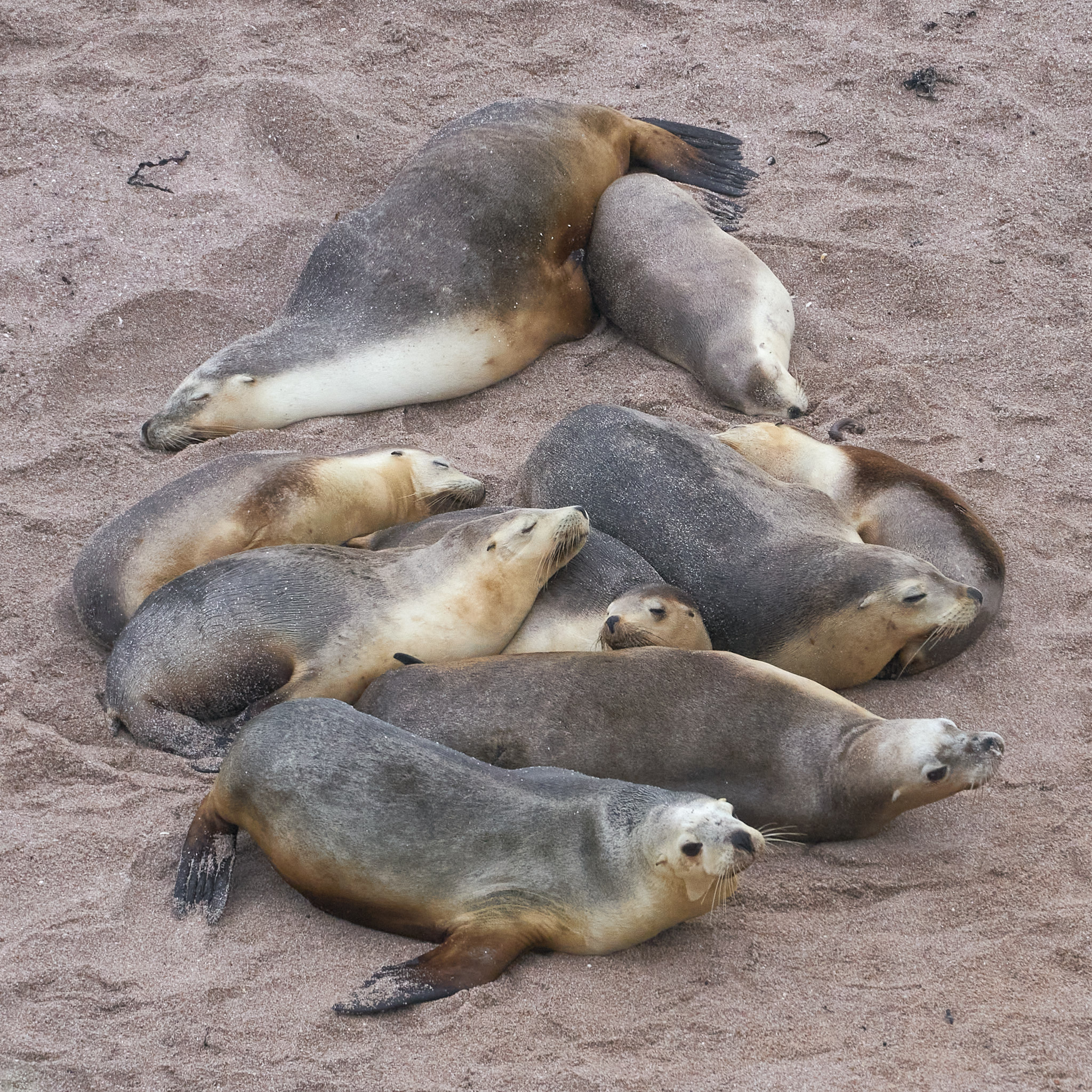
We couldn’t dawdle on the way but we did have time to look in on the sealions at Point Labatt near Streaky Bay SA.

Broome is where the desert meets the sea. As I drove past the airport on the way into town I couldn’t help thinking how different this place is to the the Australia that most Australians live in. This could be arabia!

Cable Beach

The Final Leg …

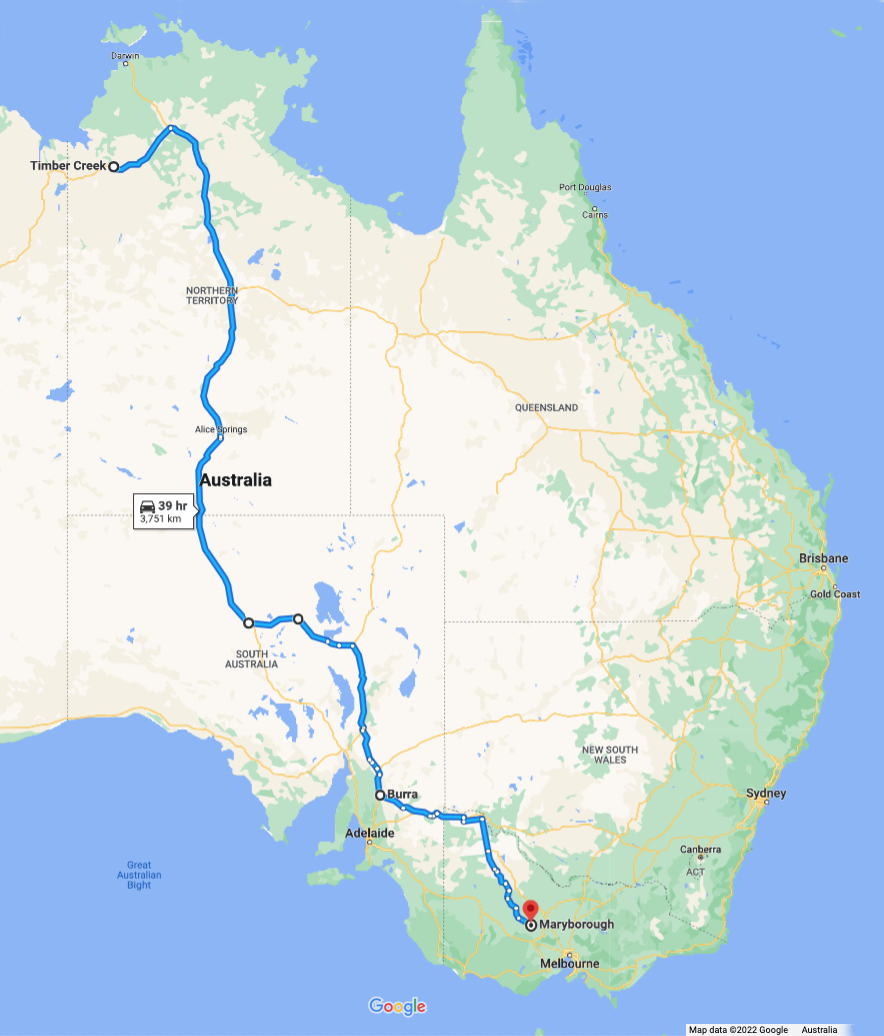
The time had come to turn for home. The route would take us through the centre of the continent, a region that is generally dry. Alice Springs for example has about 28 cm (11 inches) of rain a year. This year has been different, La Niña has brought roughly twice the normal amount.

With a long road ahead we stopped for essential supplies at Katherine. The bottle shop wouldn’t be open until 2pm and we wouldn’t be served until our ID had been run through a Police Check. We didn’t wait.

We camped just north of Mataranka. The total distance since leaving home passed 10,000km. The bird list had reached 266. Bird of the day was Gouldian Finch.