Bachsten Gorge (1) …

Leaving Windjana Gorge quite early we headed east. The first port of call was the Mount Barnet Roadhouse to fill with diesel. For people living in settled districts fuel is never far away. Out here there can be three hundred kilometres between service stations. Our intended side trip meant we had to have twice that range plus prudent reserves.

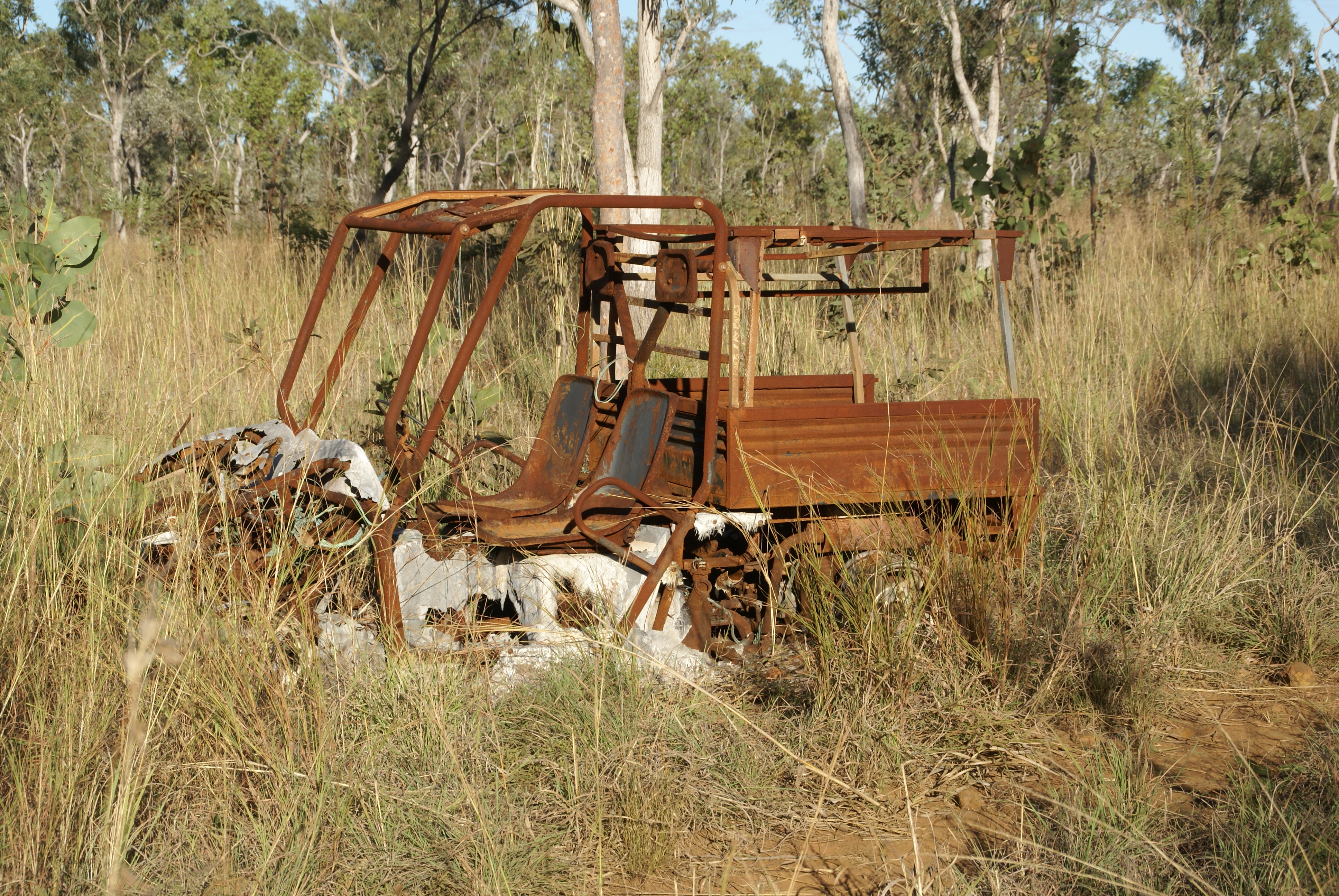
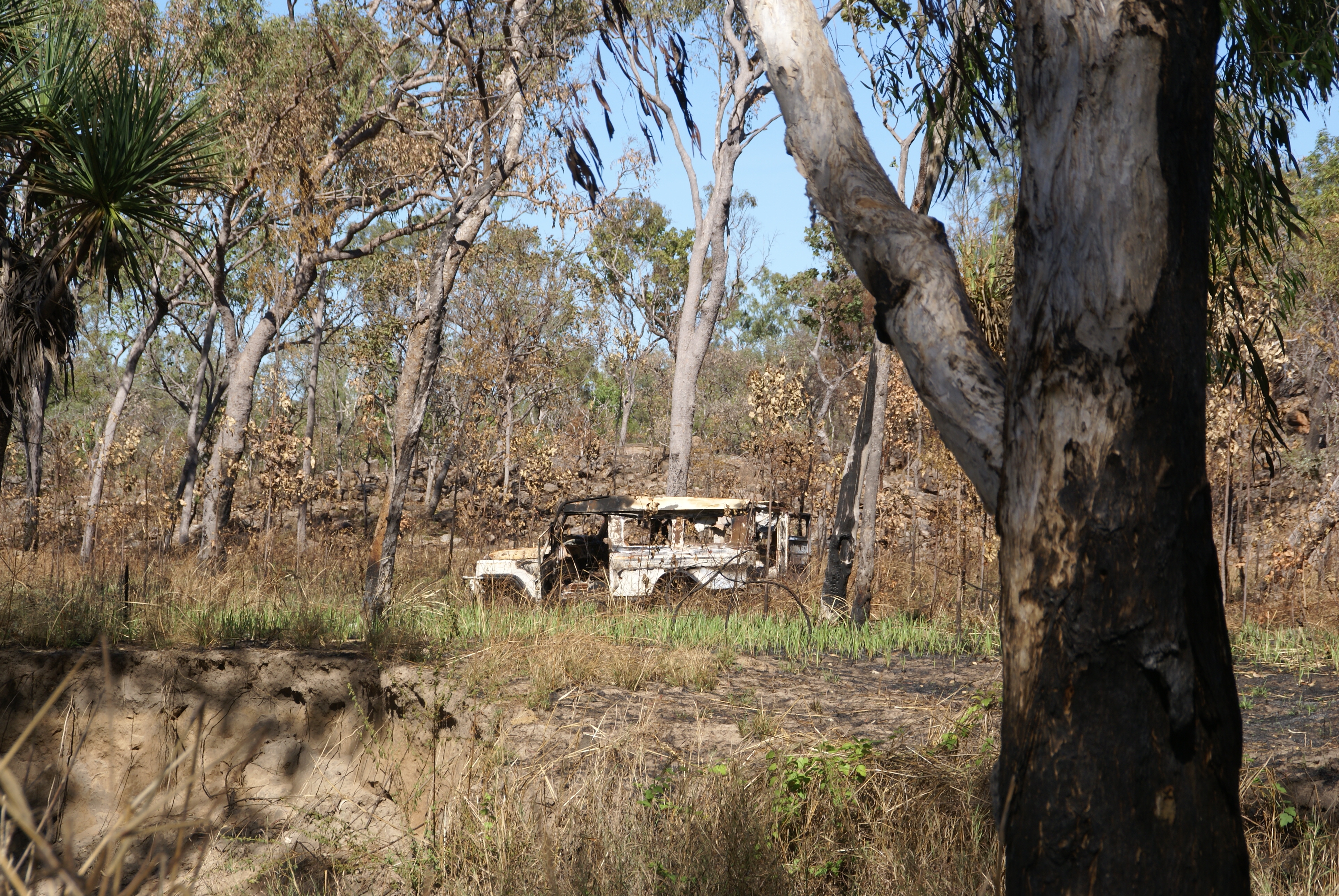
At Mount Elizabeth Station we turned left. The road to Bachsten Gorge is a private one crossing a cattle lease or two. The road use fee is $100 per vehicle. Half goes to the station half to the owners of the camp at Bachsten Gorge, Rick and Anne Jane. Maintenance of the road is done by Rick. Driving it is not for the faint-hearted or ill prepared. Considerable sections are extremely rocky, early season river crossings can be quite deep, there are some very steep sections and there are bogs. I would recommend travelling in pairs of vehicles or having a winch. At about half way you descend the Magpie Jump-up, if you’ve skiied double diamond slopes the incline will not seem unfamiliar. The trip in is a bit over 150 km of sustained concentration, allow seven hours. There are some very nice campsites along the way, take a couple of days on the journey. Not everyone comes back …
SONY DSC

SONY DSC

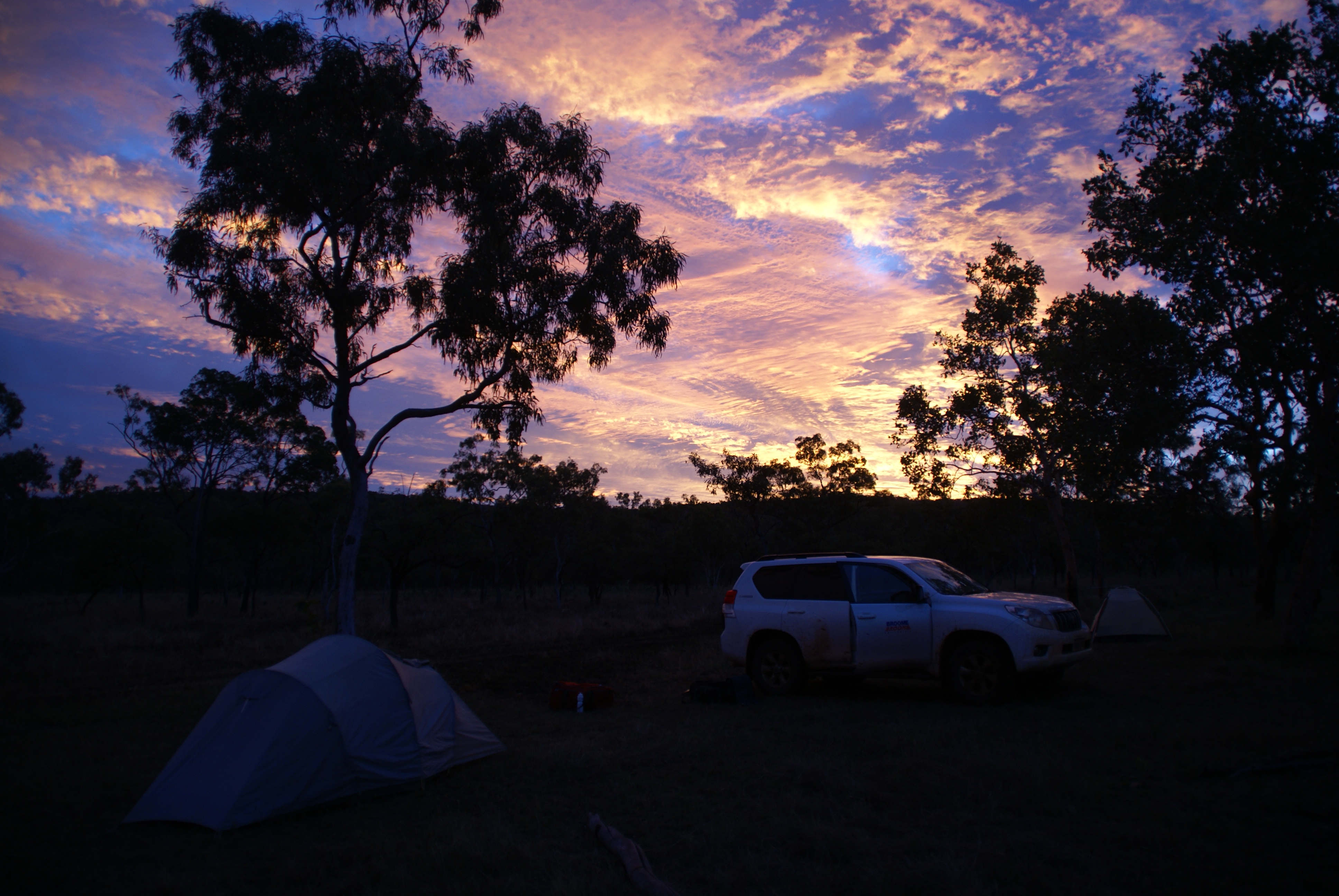
We camped at Turkey Creek, the camp was investigated by a very hungry dingo as soon as we retired.
SONY DSC<NEXT>

Windjana Gorge …

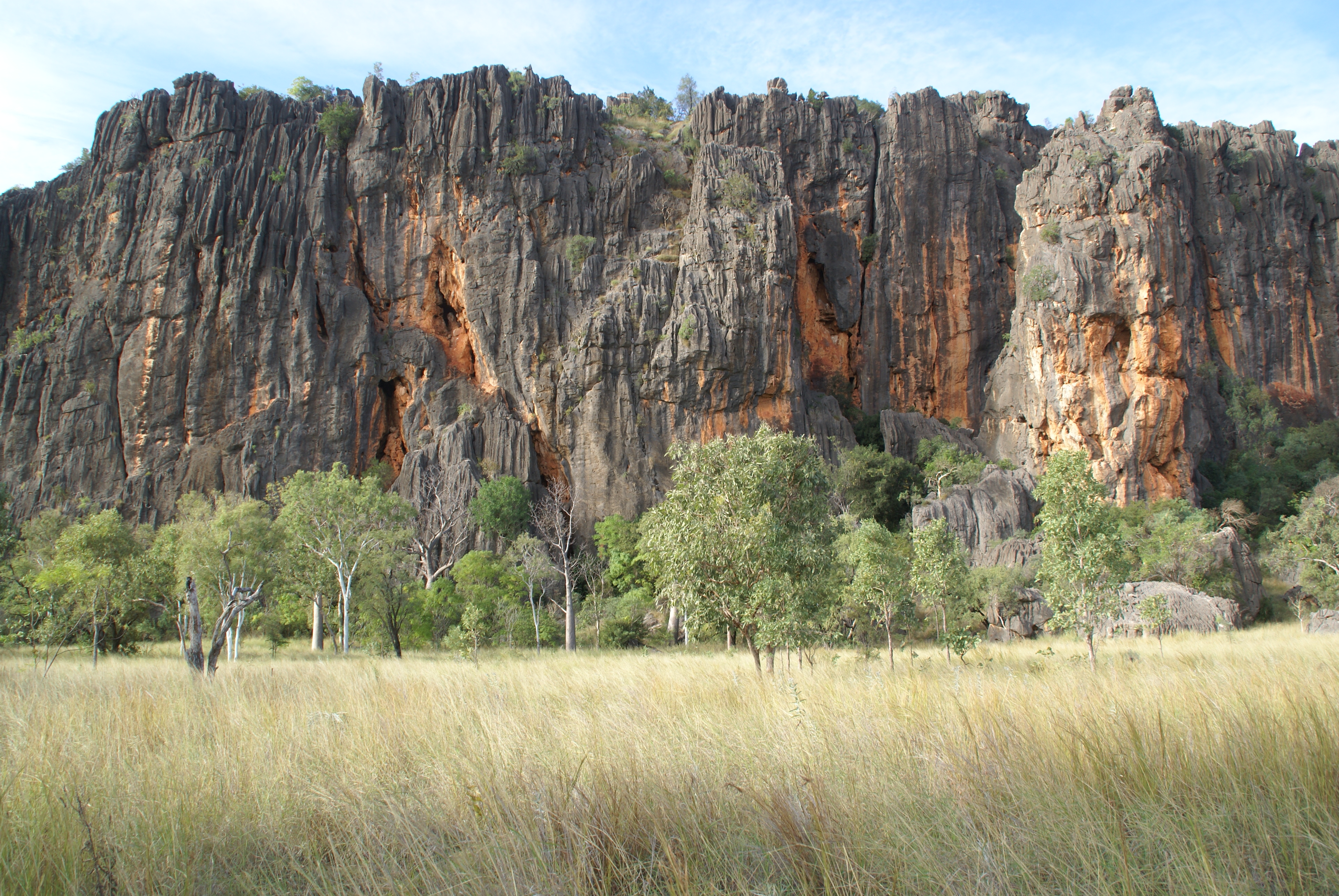
Limestone walls rise starkly from the flood plain of the Lennard river, this is the remnants of the Napier Range formed over 300 million years ago. Windjana Gorge runs through the centre.

It is spectacular and it’s popular, it’s 360 km from Broome and can be reached in about 5 hours. It was the busiest camp site on our Kimberley trip.

SONY DSC

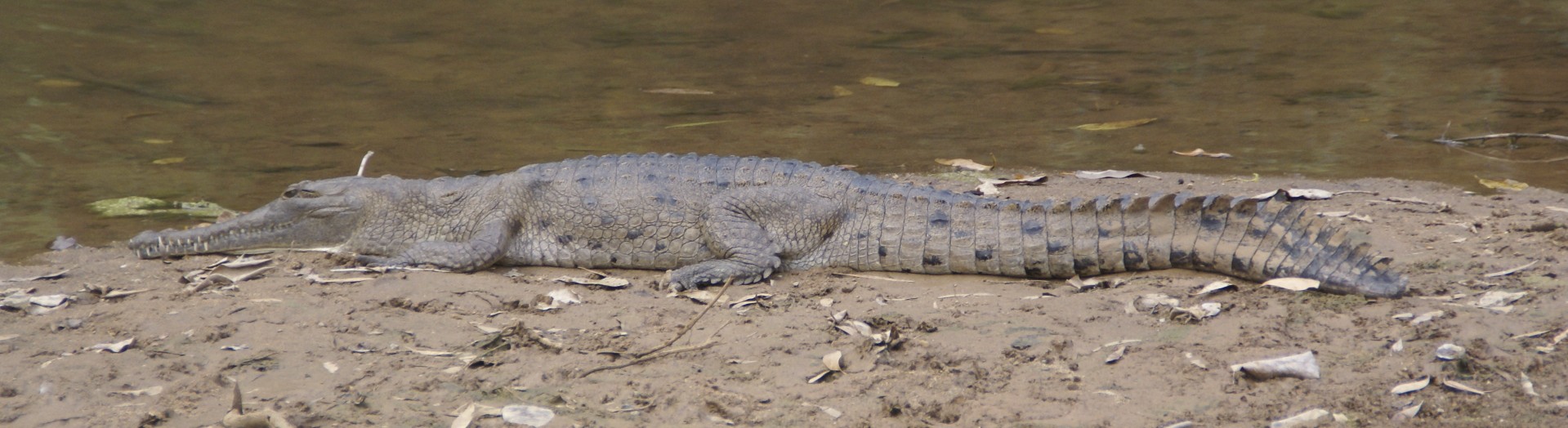
This is crocodile territory although only the fresh water variety. They are happiest when there is a big flying fox camp in the gorge. The bats take to the air at dusk and the first thing they do is take a drink. Flying in circles they dip their mouths to the water. The crocodiles line up across the stream and snap at whatever comes near.

On this visit there were just a couple of small camps but the crocs were still smiling.

SONY DSC

Freshies are not man eaters but can be aggressive especially females guarding their nests. Always take care

SONY DSC<NEXT>.

The Kimberley …

A fabulous and fabulously remote part of Australia.

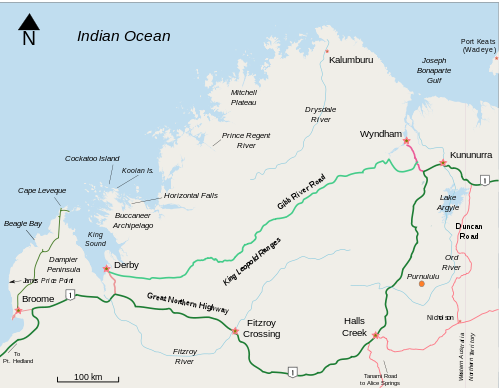
It is the northernmost portion of WA, it is entirely north of the tropic of Capricorn. It has a wet season, the southern hemisphere summer and a dry, the winter. It is scenically splendid, and among many other wonderful creatures it is the home of the Black Grasswren. The McGee Australian birdlist hadn’t had an addition for a couple of years, an expedition was in order. Enquiry revealed that the only “accessible” places where it might be sought with a reasonable chance of success are Bachsten Gorge and the Mitchell Plateau. Early in the dry was tipped as the best time, swollen rivers close many of the roads in the wet. Access to both sites is from the infamous Gibb River Road.


500px-Kimberleys,_Western_Australia_map,_labelled.svg

The western half of the Gibb River Road provided access from Derby to cattle stations as far as, you guessed, the Gibb River. It was completed in 1956. Subsequently it was pushed further east and is now the scenic route from Derby to Kununurra. It is a reasonably well graded dirt road, 4WD is recommended. Almost all the car hire companies prohibit using the Gibb River Road. Broome is a very civilised place to begin and end, a circular tour can be completed via the Great Northern Highway, which is sealed and has the added advantage of taking you past the Purnulu National Park, better known as the Bungle Bungles.

This year has seen very late and heavy rainfall, as the time to go approached none of the roads were open. Two hundred millimetres of rain fell on Broome just before we arrived, but the outlook further west was encouraging. McGee and two intrepid companions left Broome on the 7th of June. The Gibb River Road was open, but for access to the Mitchell Plateau the King Edward River needed to drop a fair bit. It had a few days to do it.

In Derby we visited the wetlands and sewage works, a fair test of the 4WD capability of our Toyota Prado. The covering of red mud that it acquired made us look especially authentic. We headed for Windjana Gorge for our first camp site … <NEXT>.


How to die in the bush …

Mutawintji National Park, NSW.

A 24-year-old woman telephoned emergency services about noon on Tuesday to say the group, from country Victoria, were lost, after the Hyundai Excel the trio were travelling in crashed.

Her Triple-0 call cut out, with little to no reception in the rugged terrain. Emergency crews used GPS co-ordinates to trace the call to inside the national park, but by the time they located the car about 8pm, the group had abandoned it. Police, SES and paramedics called off the search at nightfall and resumed it yesterday morning.

At 9.40am, after walking about 20km, the woman arrived at a sheep station in Acacia Downs and raised the alarm. She appeared to be in “reasonable health” according to police, telling officers she had left the two men at a water hole.

The men were found five hours later about 15 km apart, one was dead the other seriously dehydrated. The dead man was 33.

Remember this … all three were alive when their car was found and would probably have remained so if they had not left it.

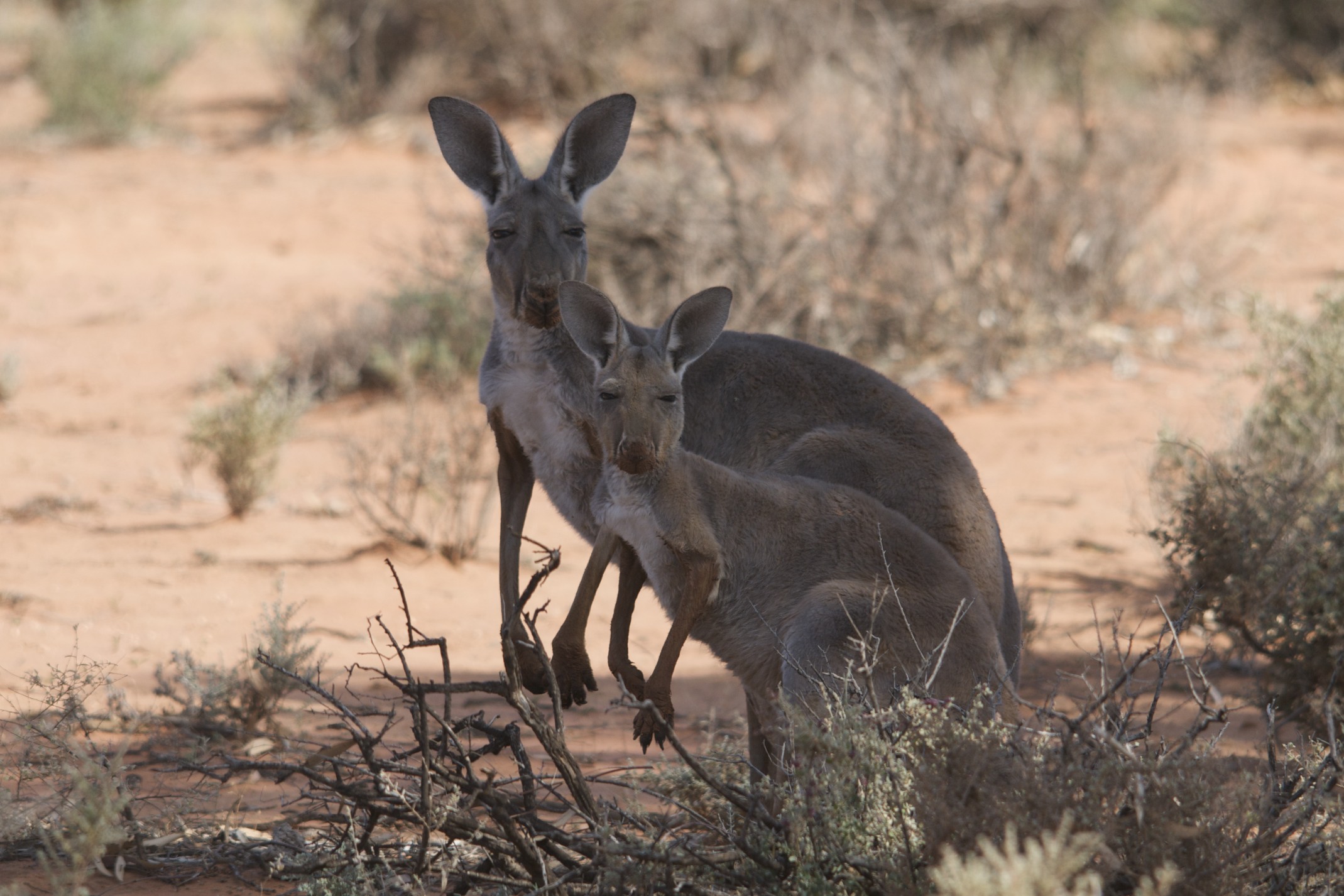
Even the Red Kangaroo must take shelter and conserve moisture during the heat of the day.

Unforgiving …

Australia can be a harsh and unforgiving land.

Mauritz ‘Mo’ Pieterse, 25, died when he and a workmate became stranded while inspecting bores on the Ethabuka nature reserve, in Queensland’s southwest on Monday.

Police say the men tried to walk about 10km back to a house on the reserve in 45-degree heat, but Mr Pieterse couldn’t make the distance. <The Australian>.

Ethabuka is a Bush Heritage property acquired in 2004. It is situated on the northern rim of the Simpson desert.

Mo was experienced in outback conditions but paid the ultimate price anyway. He certainly isn’t the first.

Caroline Grossmueller’s story can be found <HERE>. There are a number of lessons to be learnt from the trail of events that led to her entirely unnecessary death.

Bird watching attracts a few of us to these remote places. Australia’s top twitcher, Mike Carter  and his wife were stranded for 15 days near Jupiter Well on the Gary Junction Highway in 1991 due to vehicle failure. Their plight was compounded by the failure of a responsible local to act on their non-return. They did everything they could to avoid the heat and unnecessary water loss and were rescued alive.

Even well maintained vehicles can get bogged or break down. Be prepared, know how to rescue a bogged vehicle, winch and shovel are essential.

Let someone know where you are going and set a deadline for action if you don’t get back.

Take plenty of water and then some more.

Take a satellite phone or radio … it’s the 21st century.

Stay with the vehicle … it’s way easier to find than a person on foot.

Make shade, rest in it to keep as cool as you can, drink thoughtfully … don’t waste it but remember it’s the water in your body that keeps you alive not the water in your water bottle!

Patience.

Brazil …

The Brazil travel series has been a great success for the blog … traffic has increased dramatically. Thank you to every one that has visited, do come again it ain’t finished yet.

But now seems a good time to say a few thank yous.

A wildlife trip to foreign parts is a complex undertaking. If you were to organise it yourself you’d have to research the places, the animals, the accommodation, connecting travel and more. And you still wouldn’t be as up to speed as the local talent.

Australia is home, here I do my own leg work. Overseas I go to Zegrahm Expeditions, they have taken me to both ends of the earth and many places in between. They deliver a superb product.

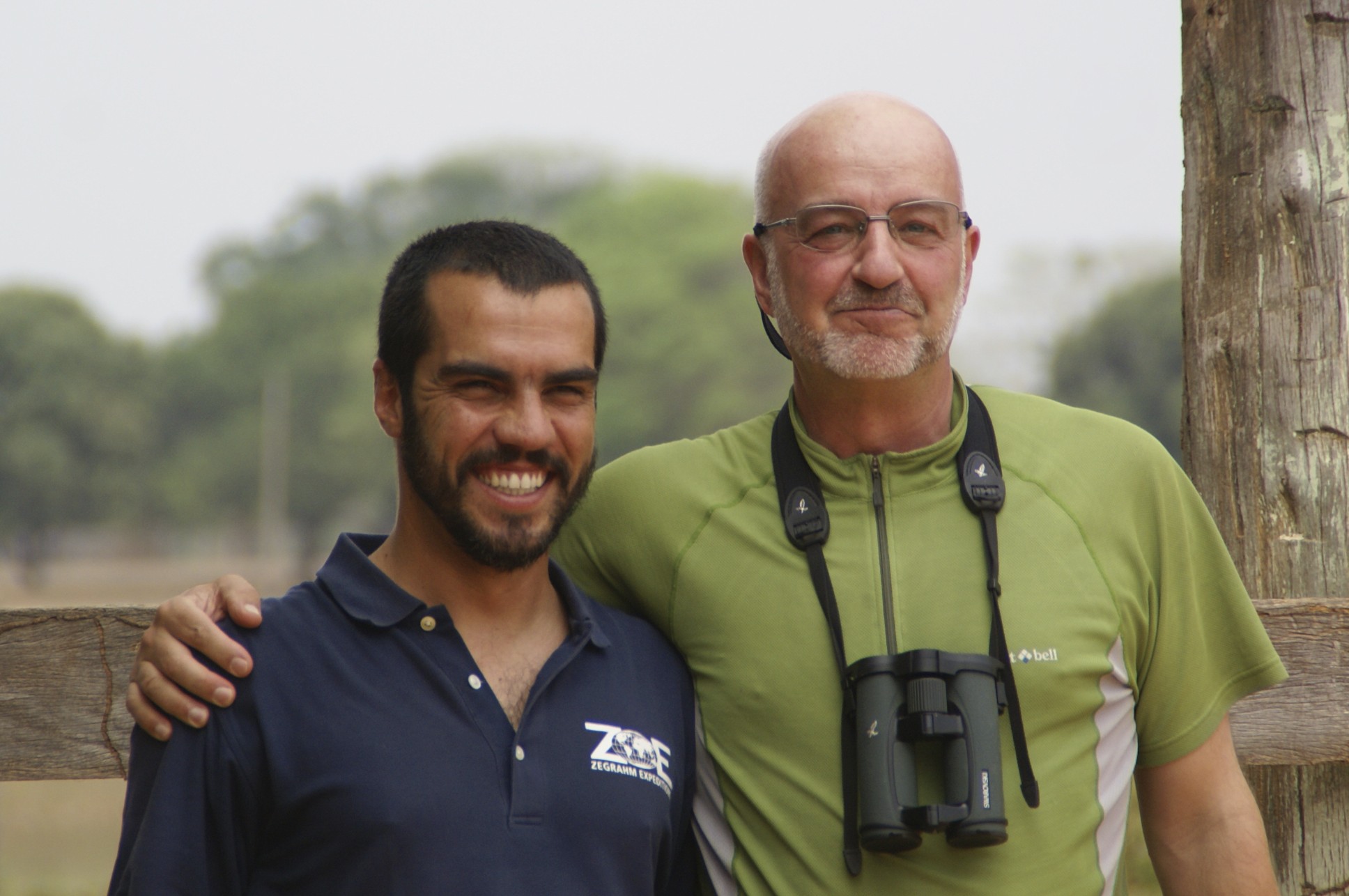
The trip to Brazil was led by Mark Brazil, yeah, really. He is English, lives in Japan and leads trips to some magnificent wild destinations. I first met him on a trip to Iceland. He has a PhD in avian ecology. He is very generous with his knowledge but just as importantly he will look after you while you are his guest.


The local talent was Frederico Tavares cofounder of Brasil Aventuras. Brazilians are an open warmhearted people but Fredge stands out as even more warmhearted than the rest. This man knows his wildlife, shares his knowledge and will shepherd you through airports where English may not be spoken and procedures may be a little different. These two guys have been working together for a few years now and have ironed out most of the wrinkles but they are not resting on their laurels. After our trip was over they were off to research more sites of interest, check out the accommodation and look for ways to make a trip to Brazil even better.

Thanks guys, many thanks.

Away from the river …

After two nights on the Pixaim river we headed to the very lovely Araras Lodge, an absolute jewel in the Pantanal.

There are several lagoons adjacent to the lodge and a boardwalk that takes you through some fine forest to a tower. From the top of the tower you have a view of the surrounding plains as well as the nearby forest canopy. The wildlife abounds.

There is also a bar just a short and pleasant walk from the lodge. A good place to haunt during the hottest part of the day … if you can drag yourself away from the pool.

The forest yielded Olivaceous, Great Rufous, Straight-billed and Planalto Woodcreepers, Cream-coloured Woodpecker, Blue-crowned Motmot, White-wedged Piculet and many more. Plus Capuchins, Marmosets and Azara’s Agouti. Around the lodge it was necessary to keep the birds off your plate!

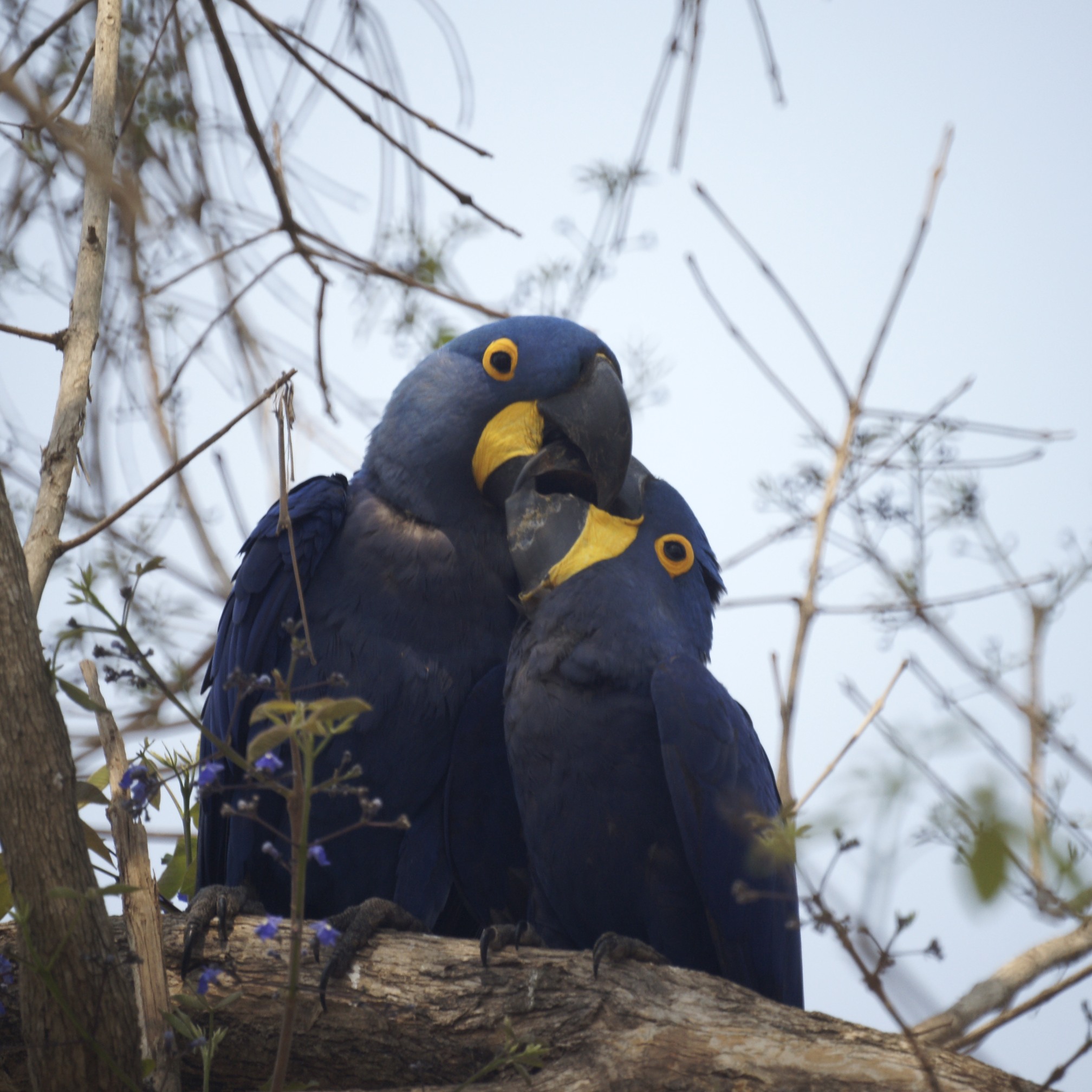
Some of the stars (click on the photos for a better view) …

Chestnut eared Aracari.

Hyacinth Macaw.

And next … to the bar at breakfast time. The best excuse ever!

Pantanal at night …

When darkness falls there is a changing of the shifts. The same habitats are exploited by a different suite of animals, sometimes in a different way.

Over a few nights of spotlighting we compiled quite a list of night birds and mammals.

Birds included the Pauraque, Spot-tailed Nightjar, Nacunda and Band-tailed Nighthawks, Great and Common Potoos, Boat-billed Heron and Great Horned Owl.

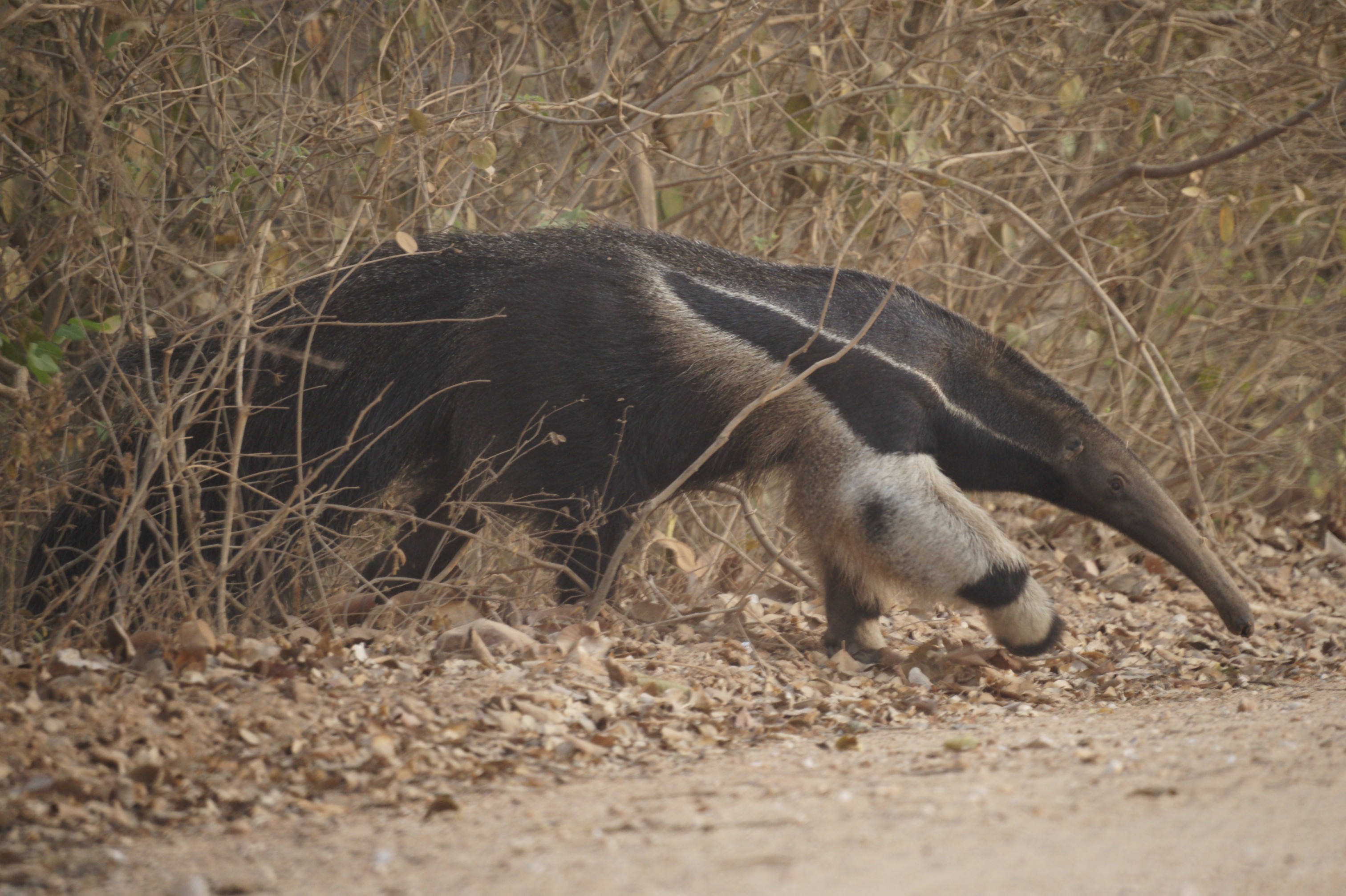
Mammals included Crab-eating Fox, Crab-eating Racoon, White-lipped Peccary, Red Brocket and Marsh Deer, Tapir and Fishing bats.

Of particular note was the Brazilian Rabbit. How do you tell a Brazilian Rabbit from a common rabbit? By careful inspection of its pubic region, of course.

The most spectacular find was on our last evening when we had excellent views of an Ocelot.

Unfortunately, I have no photos taken at night to share but I did come across a Great Horned Owl at its day time roost …