Contingency …

Winton to Roma – 880km
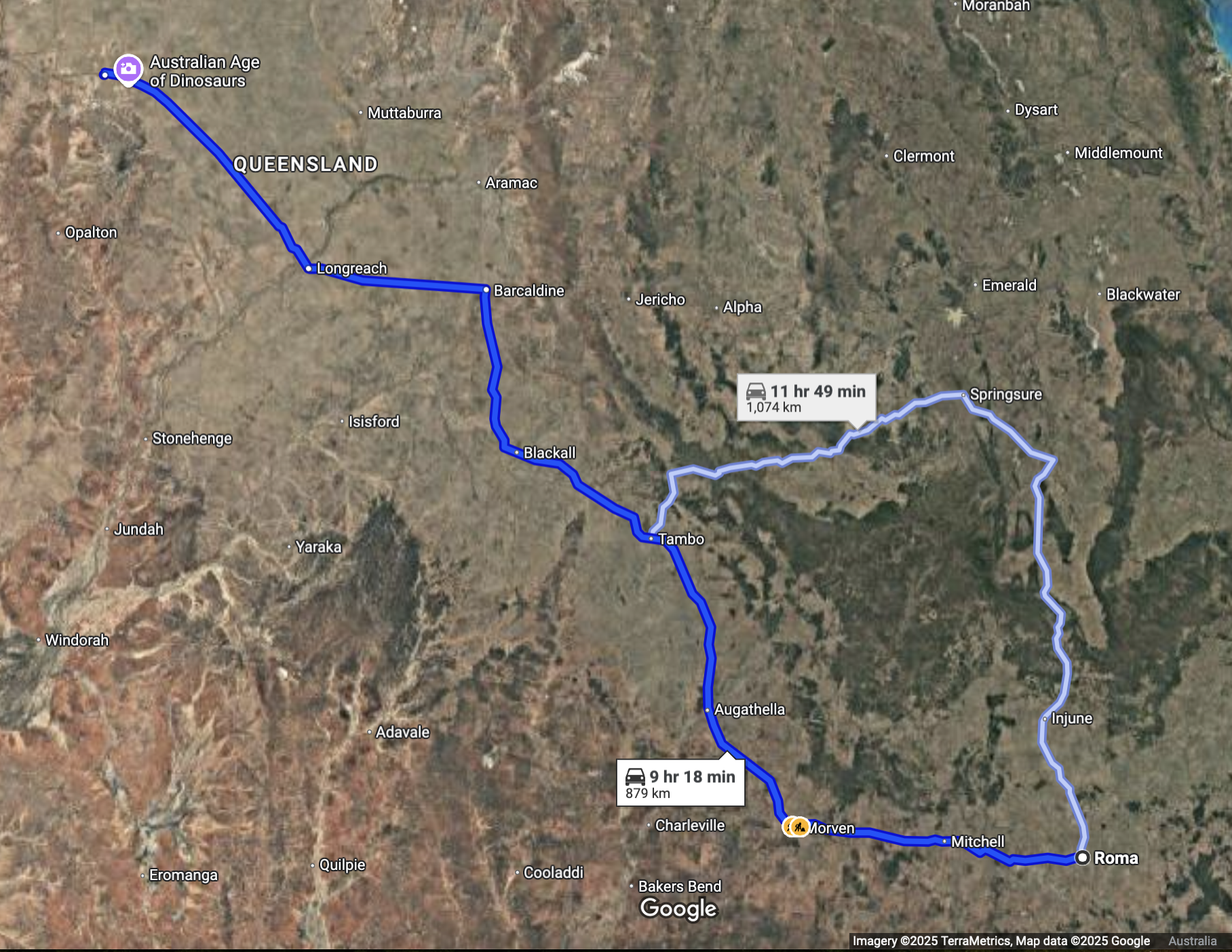
Things have gone very well for us so far. Behind us the route is open but extreme caution is called for because of flooding at the Fitzroy and Victoria Rivers. We have friends stranded in Geraldton trying to get home to Broome. Not only have they been held up for a few days they had to swelter through 49.3°C (120.7°F).

We were well aware of the risk of flooding. Our contingency plan was to give ourselves plenty of time to wait out a road closure or two if need be. Our contingency plan for arriving early is to impose on, sorry I mean catch up with, some dear friends rather than spend a week sitting outside our tent. Tomorrow’s destination is Byron Bay.

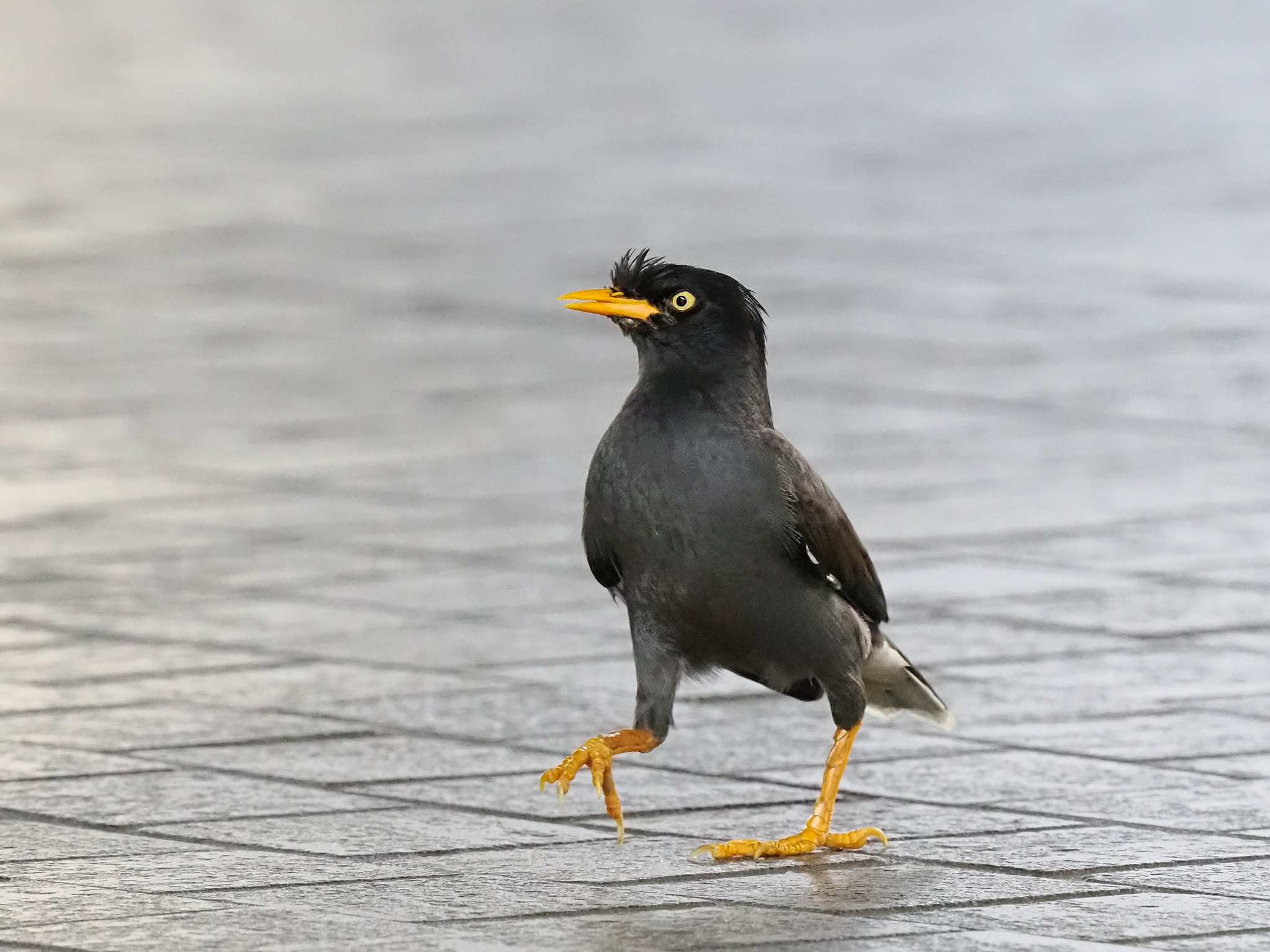
On the birding side of things we have been adding a bunch of species to the trip list. As we fueled up this morning we saw our first House Sparrows for nearly a year. Broome is virtually devoid of introduced species. We added more plastics (twitcher speak for introduced species) at Roma as well as some attractive natives like Pale-headed Rosella and Rainbow Lorikeet.

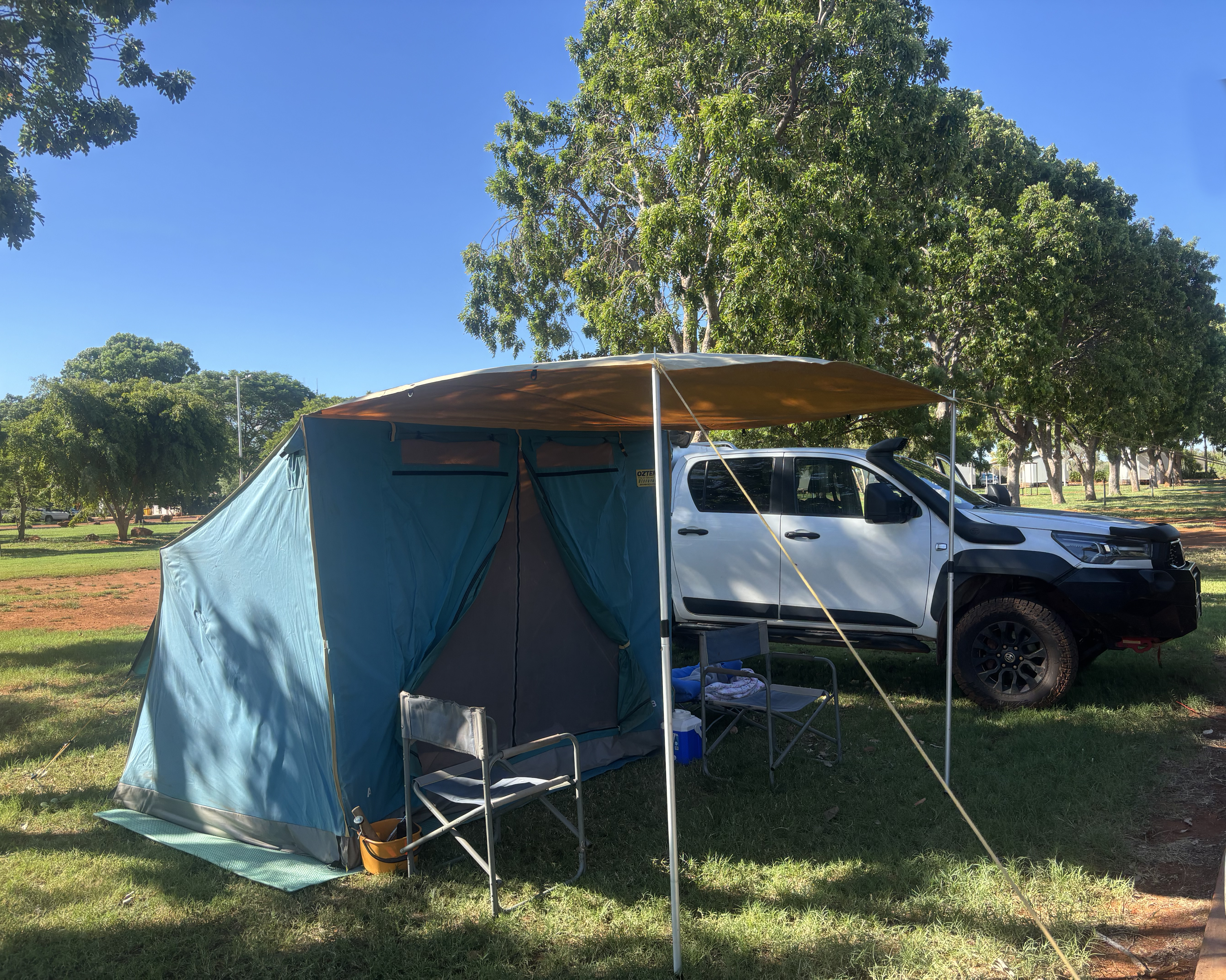
Presently I am sitting outside the tent, the evening is mild, the sky is clear. I am well fed. Life is bloody great.

Queensland …

Barkly Homestead, NT to Winton, Qld – 918km.

A fine morning, the sky is blue with just a few small fluffy cumulus clouds. Sped across the Barkly Tablelands. I have never seen it so green.

Across the border, new state new time zone, clocks forward half an hour. Increasing cumulus. A quick pause at the Georgina River which in a wet year will send its water all the way to Lake Eyre and close the road for extended periods. Through Camooweal and on to Mt Isa for lunch. Mt Isa has a population of about 17,000. We have traveled 2,840km since leaving Broome (population 15,000), Katherine the largest town in between at fewer than 6,000 people. Broome has no traffic lights Mt. Isa has a fetish for them. Cumulus coalescing and beginning to tower.

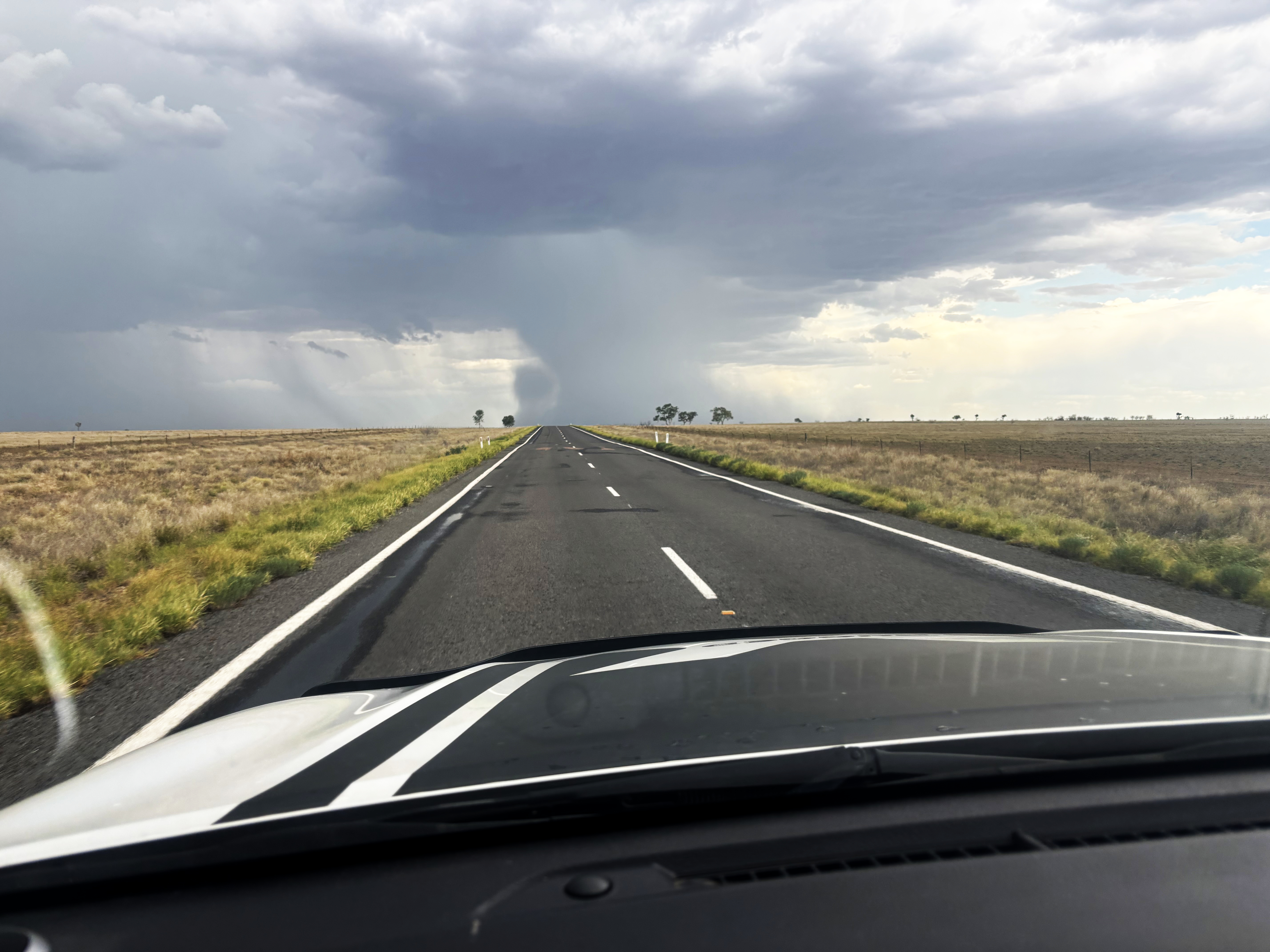
It was about 4pm that the inevitable thunderstorm hit. We saw it coming …

We couldn’t see much at all when it hit. The storm followed us to Winton …

Day 3 …

Manbulloo to Barkly Homestead 865km.

Cyclone Sean is boiling the waters south west of Broome, the Victoria Highway is under water behind us (150mm of rain in 24 hours). There is no retreat! For the moment though there is no need to retreat. Today has been blue sky all day. It seems churlish to complain about the heat … a mere 41ºC (105.8ºF). Just enough to dry out the tent. We are about half way to the east coast.

Day 3 in our lexicon has a specific meaning. Gayle and I have done many a road trip and on the odd occasion harsh words have been spoken. After a while it dawned on us that mostly that would be on day three. We can have a day 3 on day 2 or on day 4 or any day on the journey really.

Barkly Homestead is a pleasant road house in the middle of absolutely nowhere. The surrounding country is a beautiful green at the moment but it won’t be in the dry. There is a bar. Gayle and I are off to have a beer. So far no harsh words but she does get violent after a few drinks. Wish me luck.

One More River …

Kununurra to Manbulloo Homestead – 481km.

It was the Croc Motel in Kununurra that was pet friendly. It was also clean and comfortable although there was a faint aroma of damp. The units are arranged around a courtyard where someone is doing much better with their Heliconias and ferns than I am in Broome.

Given that today would be somewhat shorter we took time to go birding in the Celebrity Tree Park on the banks of Lake Kununurra. Very enjoyable. Best bird goes to Comb-crested Jacana with Tawny Frogmouth a close second.

Then onward ever onward. Still Highway 1 but now called the Victoria Highway. That part of the Great Northern that we traversed yesterday and the Victorian together form part of the Savannah Way – I think we are overdoing the names here. But, anyway a new day, a new state, a new time zone and a new speed limit. Northern Territory, clocks forward one and a half hours (yes, Central Australian time is a bit weird. I haven’t encountered anything but whole hour shifts any where else.) and the beast could now be unleashed at 130kph (80mph) if you dared on a narrow, wet, flood affected surface.

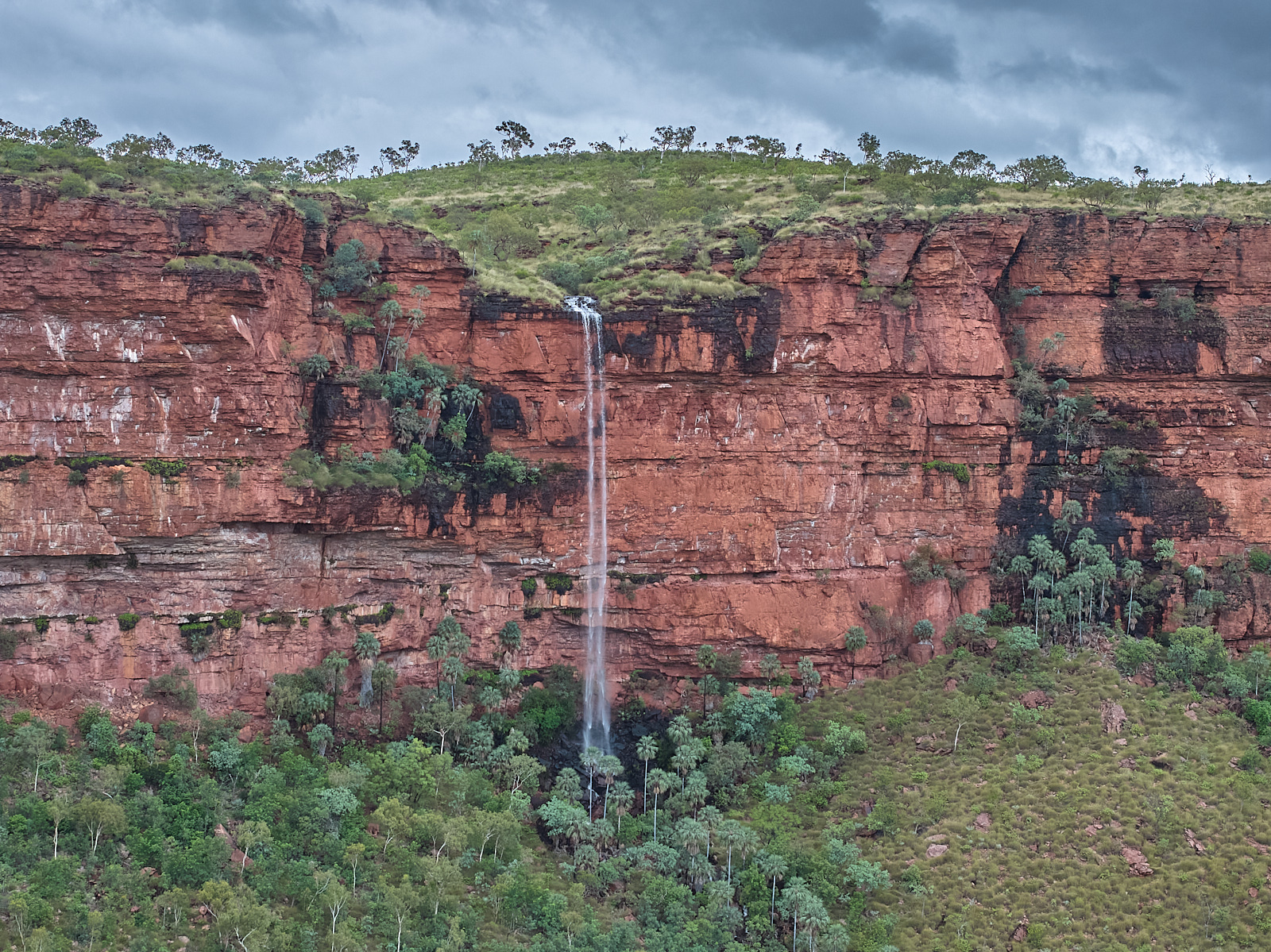
The rain began around lunch time and continued on and off for the rest of the day. There were waterfalls coming off the escarpments in fairly spectacular fashion and the rivers were up. Plenty of water about.

Two important rivers are behind us now, the Fitzroy on day one and the Victoria today. In recent years both of these have flooded causing delays that lasted weeks. It’s good to have seen them in the rear view mirror.

Manbulloo Homestead is on the Katherine River and the birding is good. Tomorrow is a big day, long way to go, so there will be little time to enjoy it here. Must come back.

All is set for a classic day three tomorrow.

Road Trip …

Day 1 – Broome to Kununurra, 1,050km (656 miles) via Highway 1 aka the Great Northern in this neck of the woods. Destination Broome (eventually) via every mainland state. The big loop. Starting in the hottest month of the year and in the wet to boot. Is this madness or is there a motive?

There is a motive. We have bought a new caravan. We have an appointment to pick it up in Caloundra, Queensland 10am January 28. That’s a mere 4,721km via the northern route. Add another 1000km to take the southern route via the Nullarbor. There is no middle way – the Buddha would be disappointed. Either way can be closed by floods and both were open this morning. The whole of the continent seems to be wet and wild at the moment. We are leaving behind an intense low pressure system that may well be the west coast’s first cyclone this year. A flood alert is in force.

We are two days behind schedule because some electrical work on the car couldn’t be completed in the time allowed for it. Our itinerary has some redundancy built in we may still make our appointment.

Until we pick up the van we are a man, a woman and a small dog in a tent. Tonight though we are cheating. The rain has been bucketing down this afternoon and we have been able to find a pet friendly motel. That won’t always be possible. My crystal ball sees a few soggy nights in our future.

Macaque …

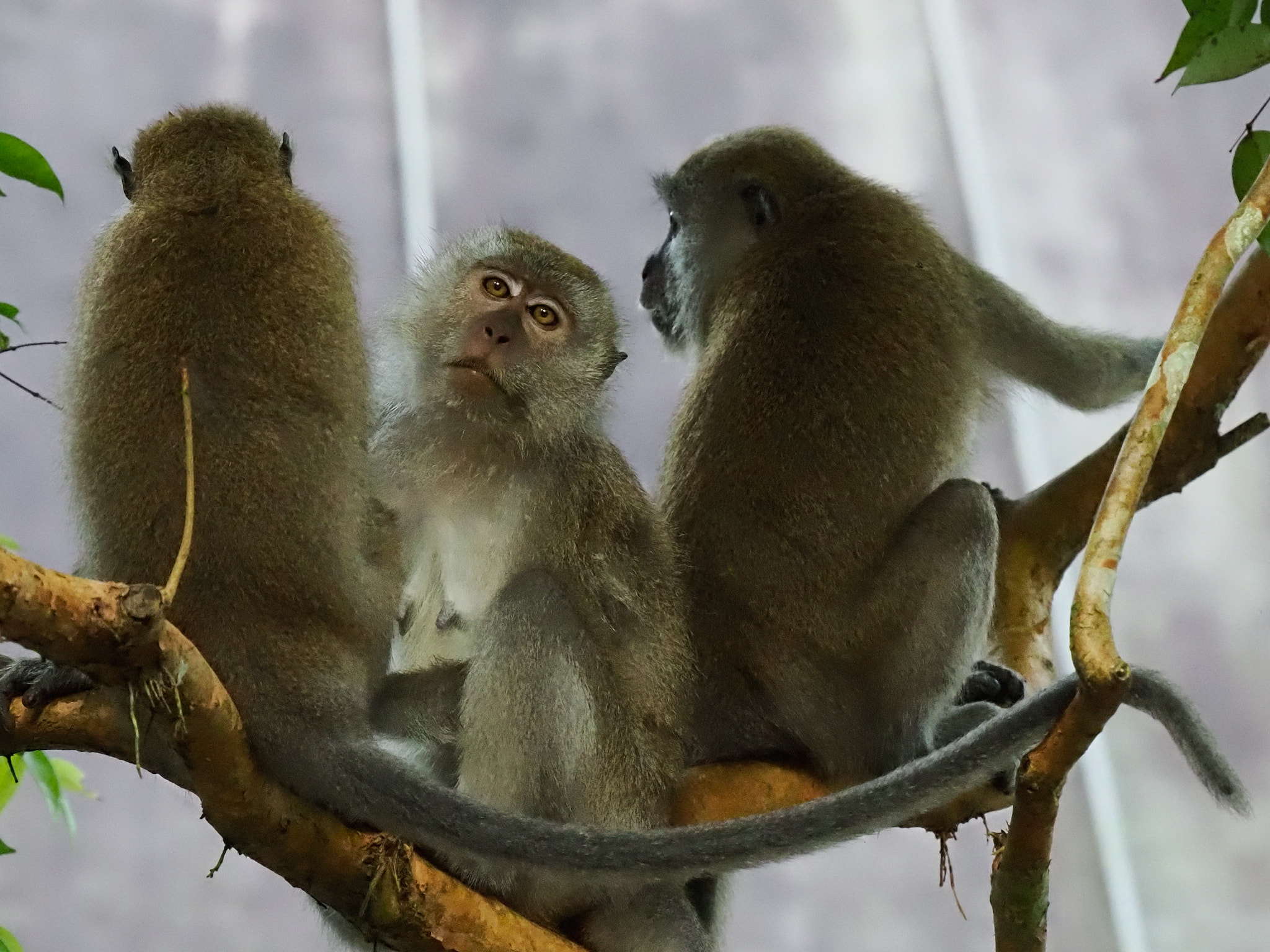
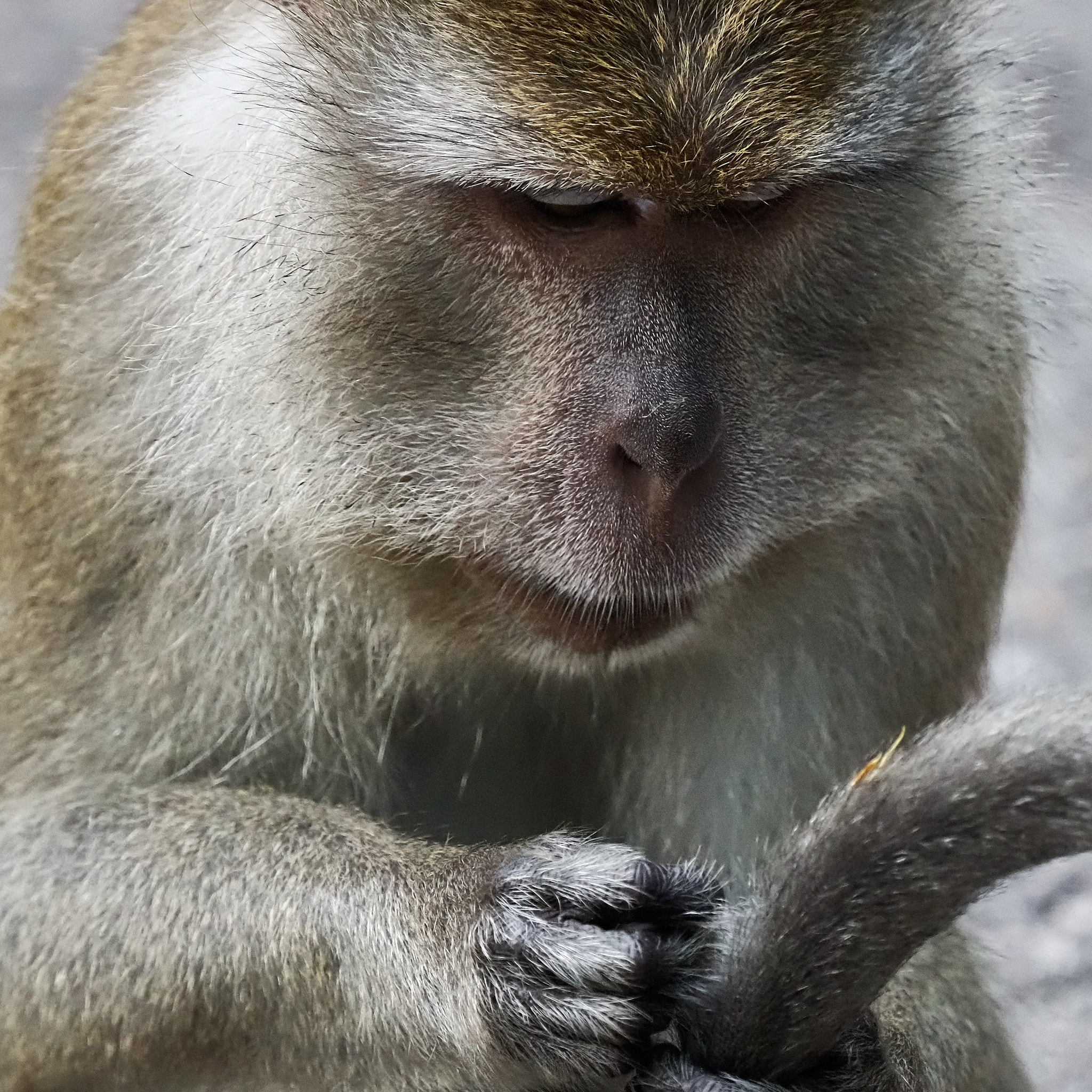
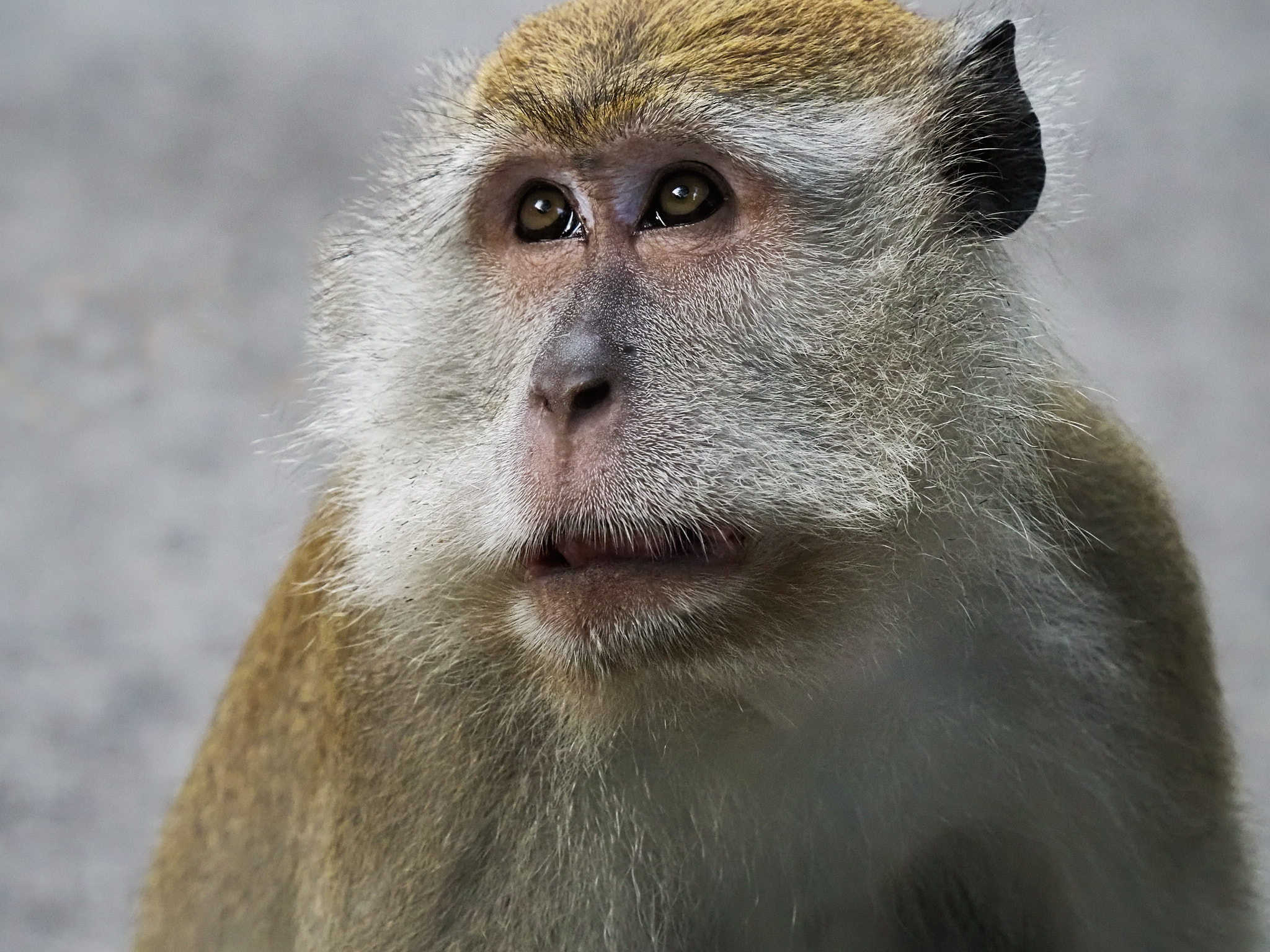
I came across a group of Long-tailed Macaques, Macaca fascicularis at Dairy Farm. This wasn’t the only encounter but it was the only occasion that they consented to a photo shoot. Some were on the footpath, others were in an adjacent tree. Some youngsters were engaged in a rough and tumble game. If otters are largely approved of, with a few detractors, monkeys elicit a much broader range of attitudes. Are they wise, are they mischievous, will they steal my phone or my Mars Bar? I find them very engaging but yes they will steal your Mars Bar. Or steal your phone and barter it for your Mars Bar. A few walkers turned around and went back the way they came, others gave them a wide berth.

Macaques are synanthropous, that is while not domesticated they are well adapted for life around people. So are bedbugs, so are House Sparrows.

There is a second monkey native to Singapore Raffles Banded Langur, Presbytis femoralis. They are not synanthropes. A population of about 70 survive in the central catchment area. I did not get to see them.

The Otter …

I grew up in the East End of London. A family outing once took us to, as I recall, The Owl, a pub in High Beech in Epping Forest. The beer garden had a nice view and a water feature, I’m tempted to say a fake well but it may have been nothing more than a big tub of murky water. If this all seems vague forgive me. It was a long time go. A sign said something along the lines of, “Pull the chain to see the Water Otter” and there was indeed a chain leading into the water. When you pulled the chain a battered old kettle came up out of the murk. It was a major disappointment.

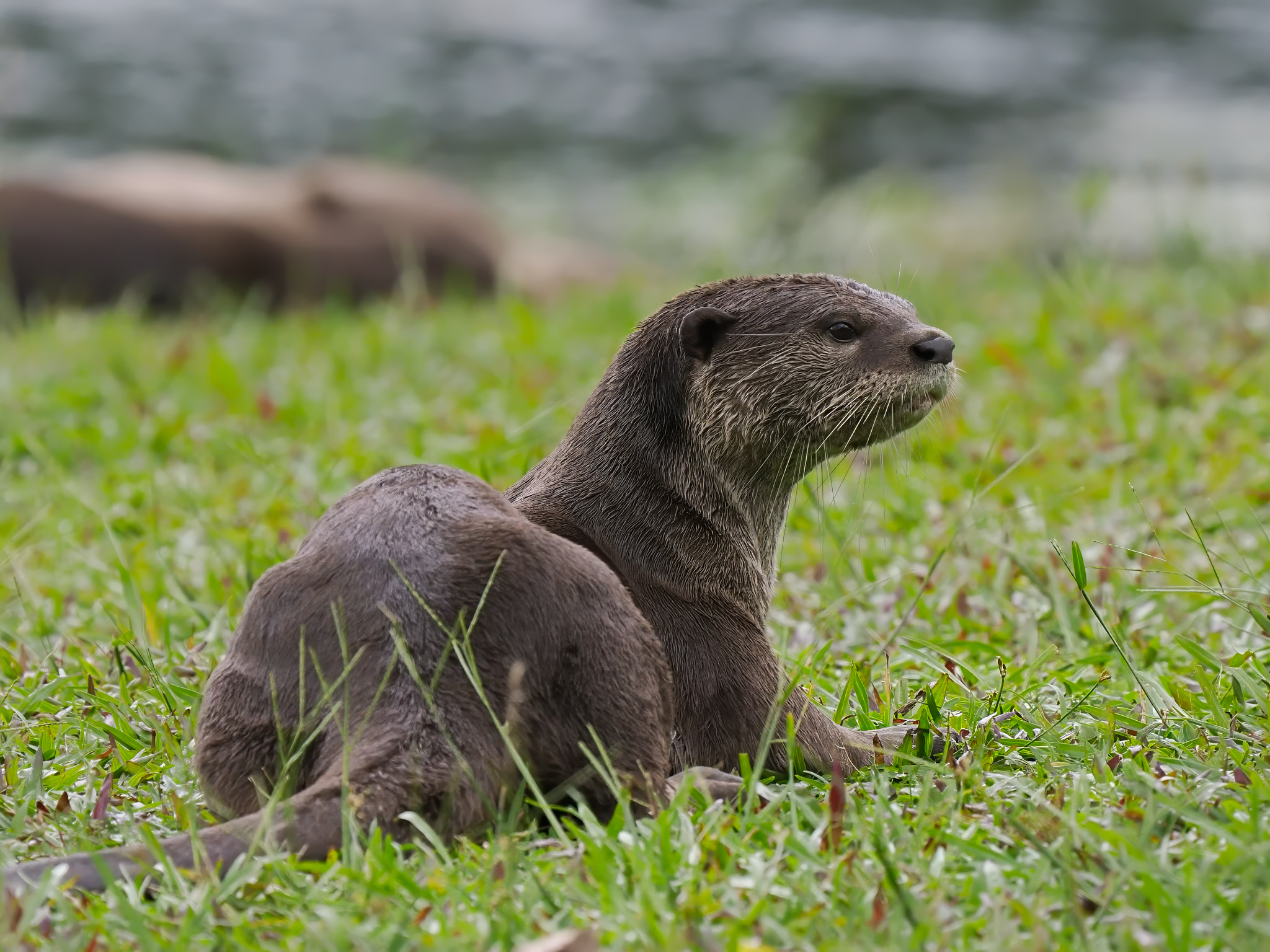
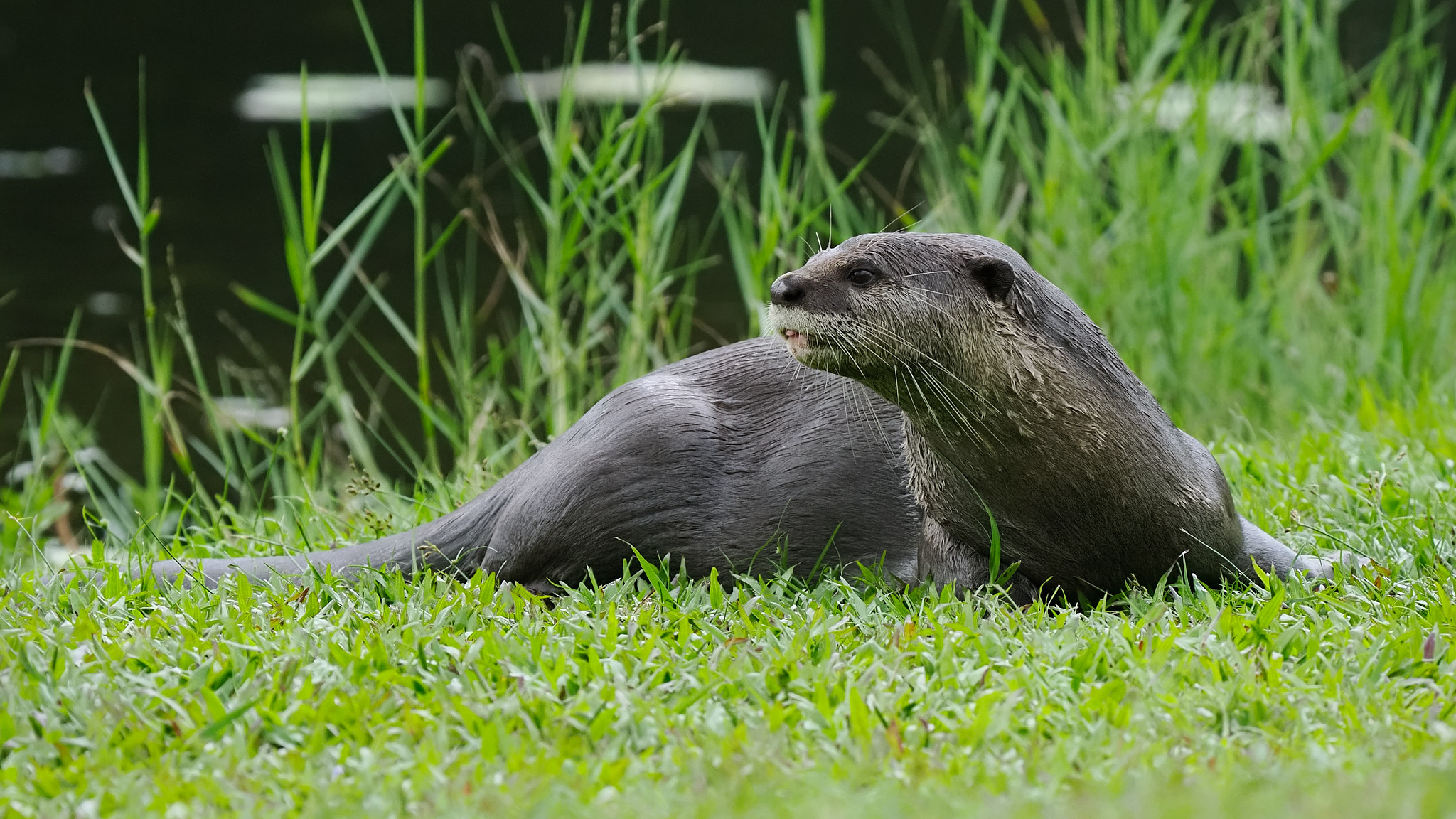
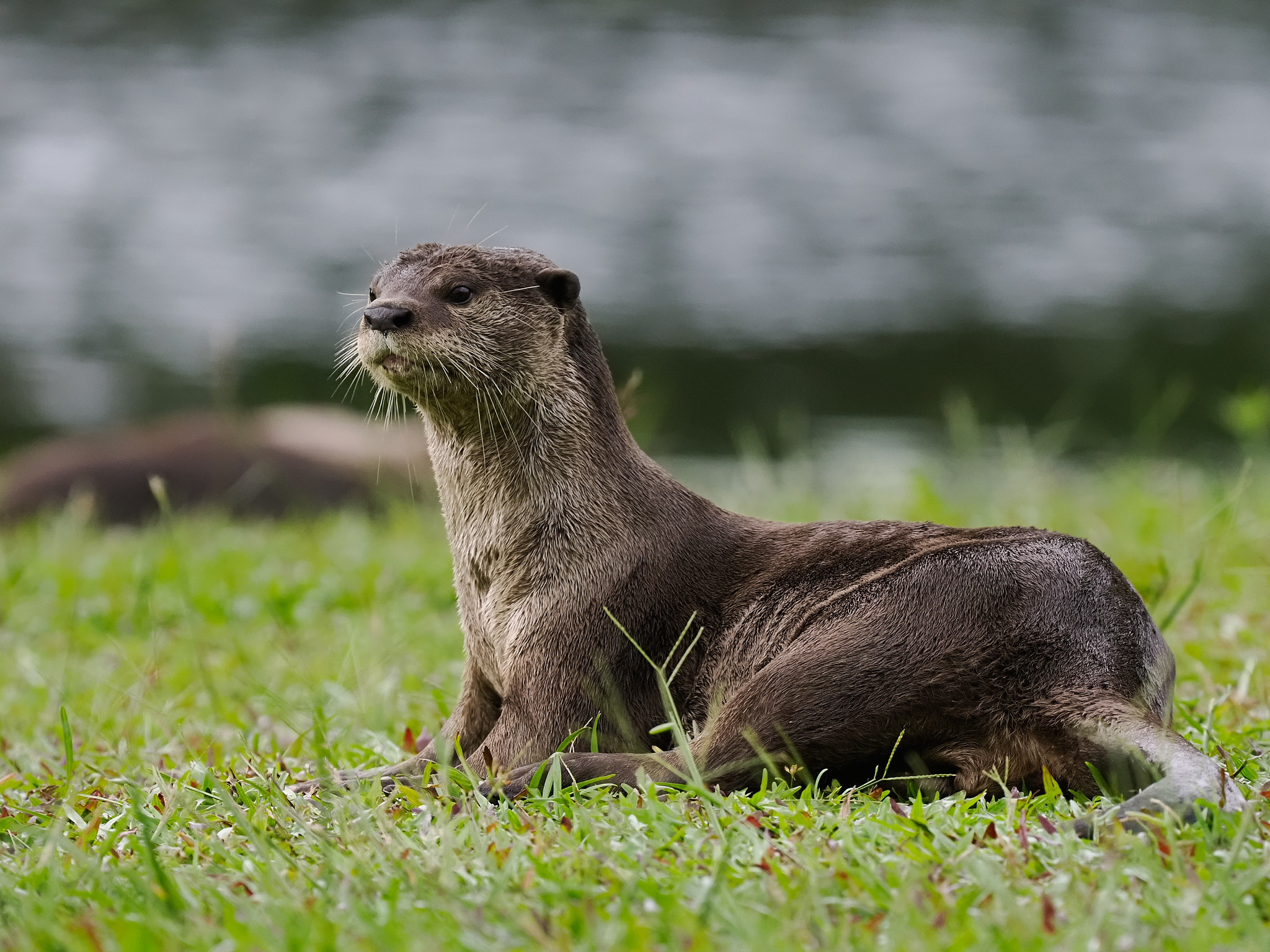
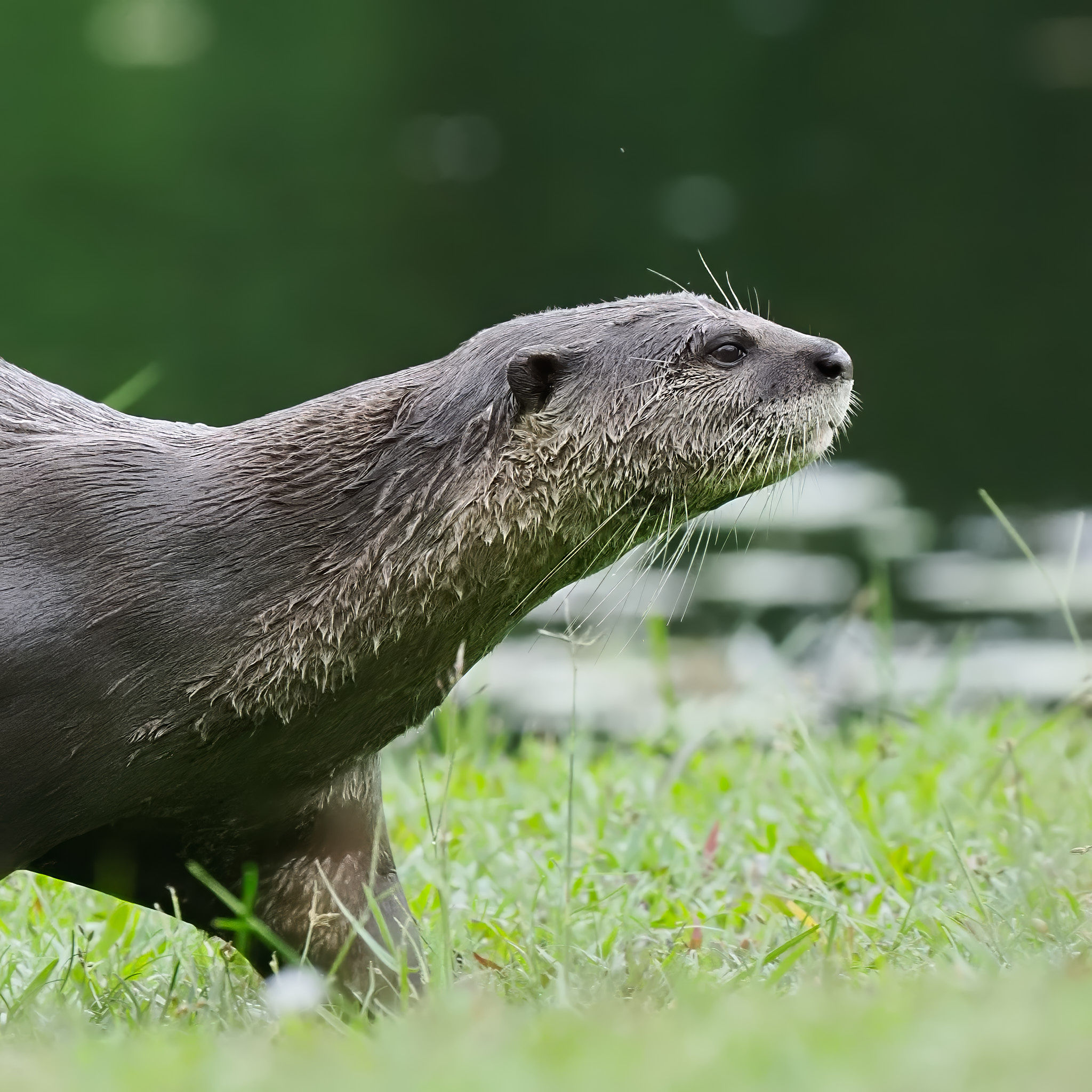
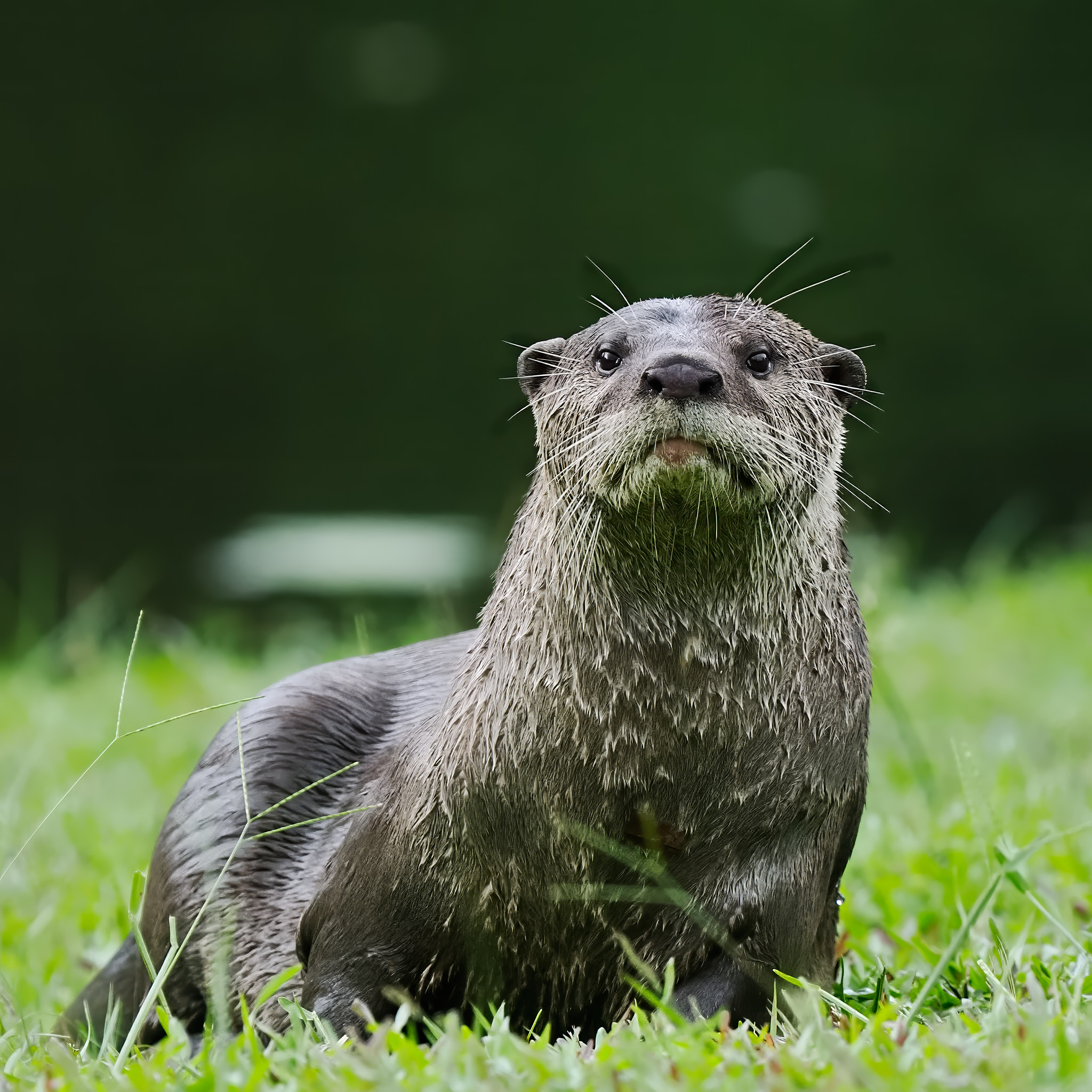
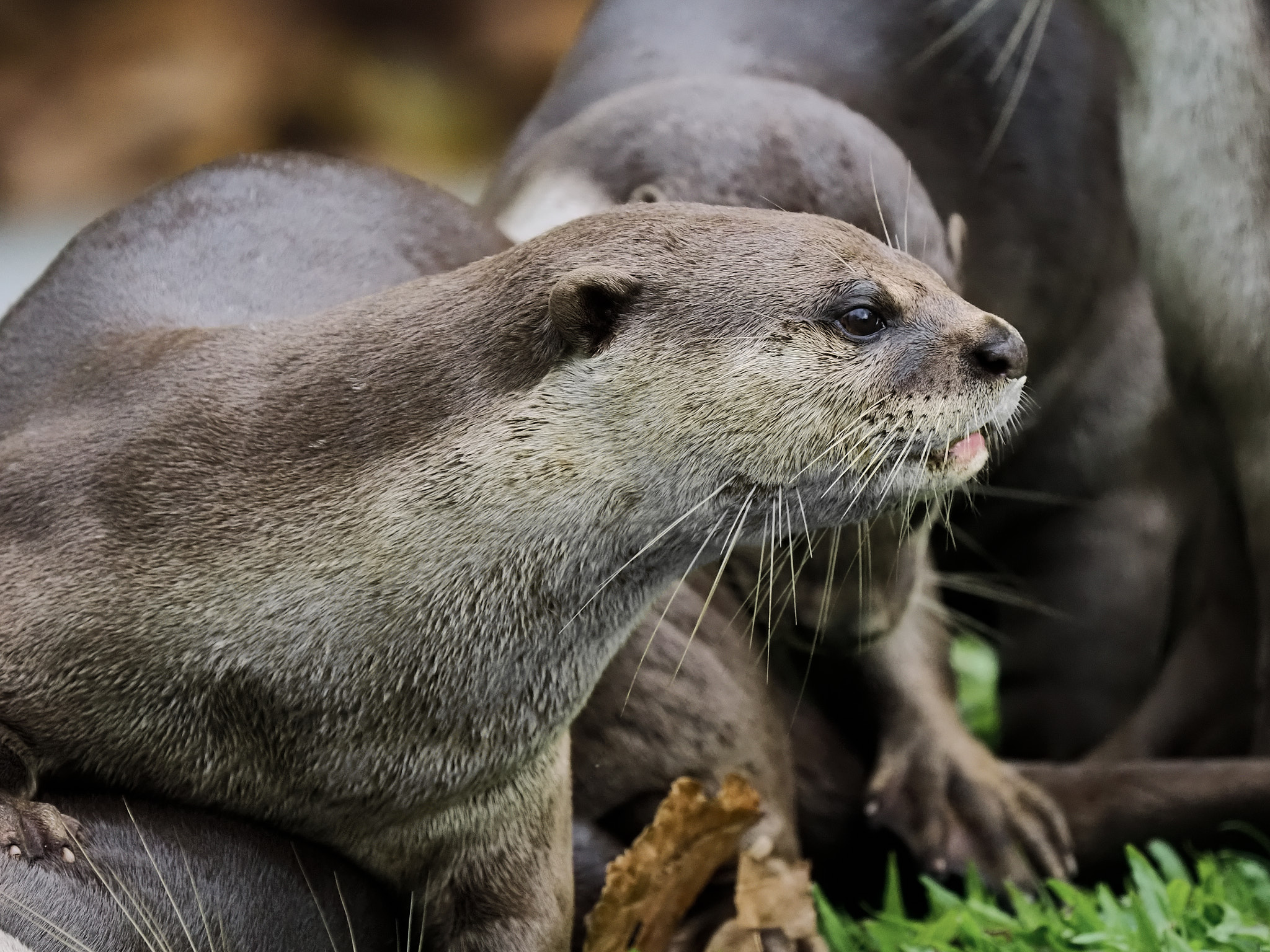
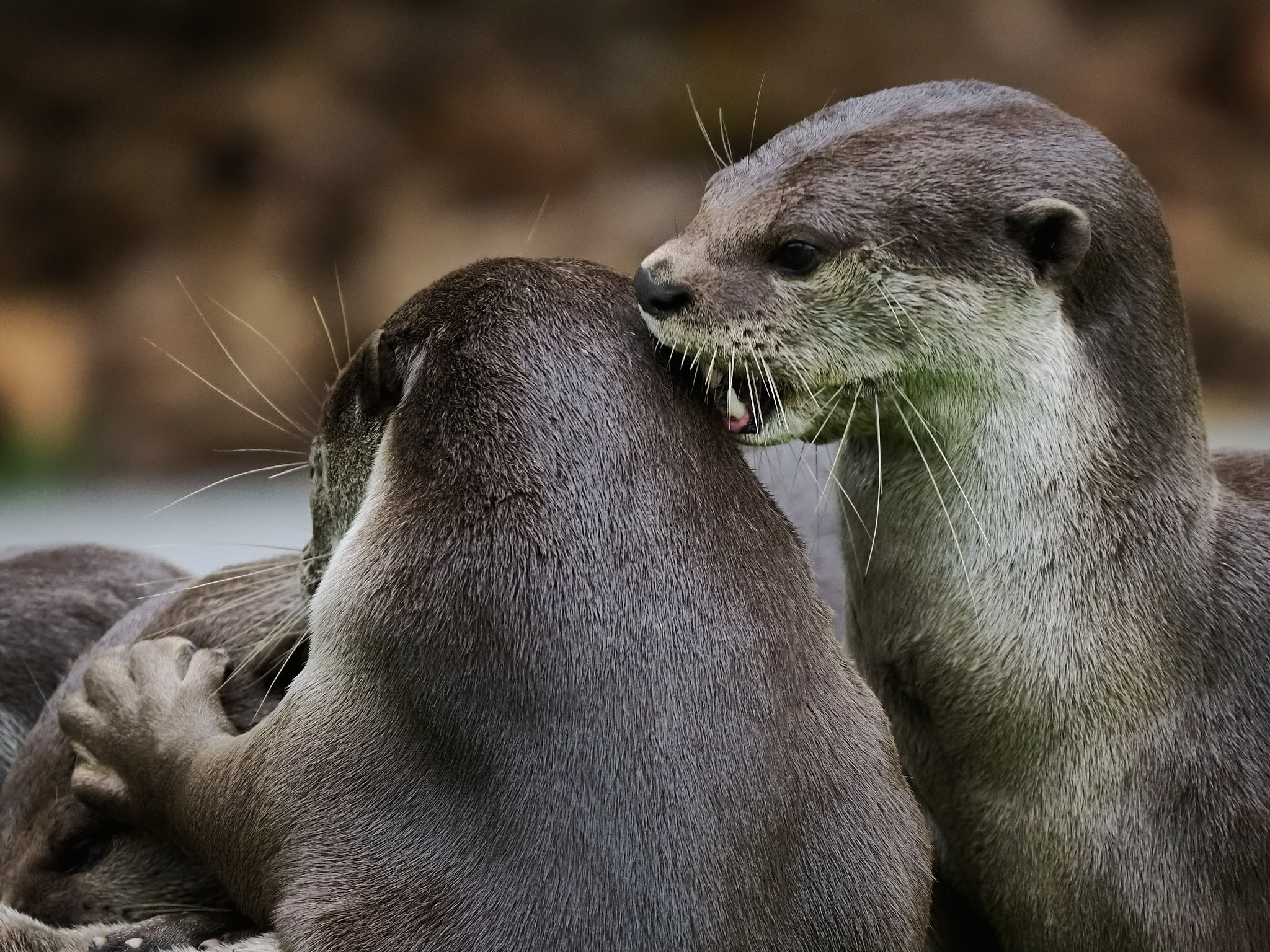
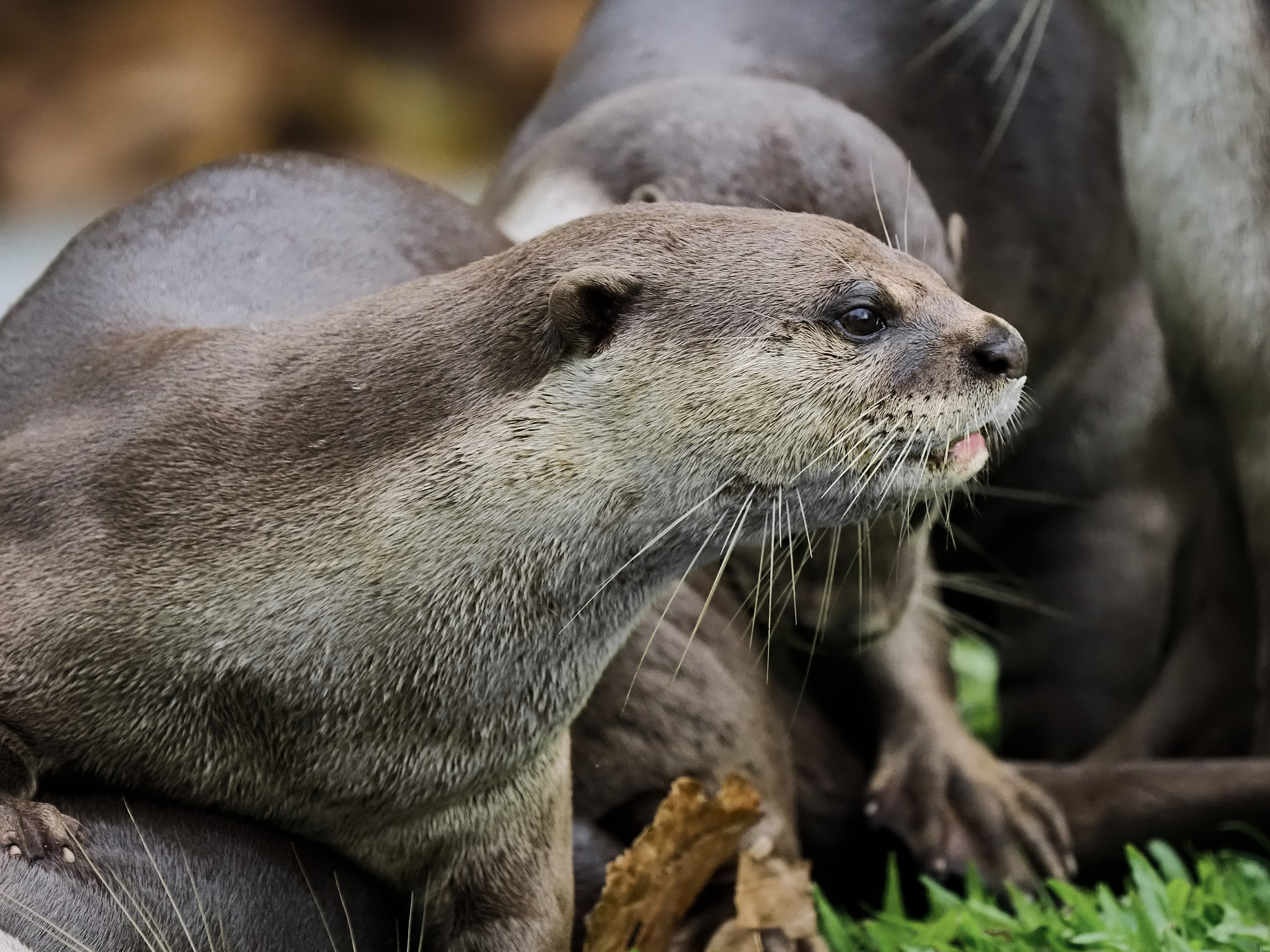
Real live otters are never a disappointment especially when seen in the wild. Singapore is the natural home of two species of otter, the Oriental Small-clawed Otter (Aonyx cinereus), which is rare and the Smooth-coated Otter (Lutrogale perspicillata) which you have a good chance of seeing in a number of places including The Botanical Gardens, Gardens by the Bay and Sungei Buloh.

Otters live in small groups. They eat fish. Their behaviour is very engaging and best enjoyed quietly from a respectful distance especially when they have young ones.

Not everyone in Singapore is a fan of otters. There has been at least one attack on a human requiring hospital treatment. I have seen an interview with the man involved. The otters were upset when a jogger ran through their group. He kept running. They attacked the nearest person who was taken to the ground. He sustained bites to the legs and his face which he described as like having staples punched into his skin. The other group in conflict with otters are those privileged enough to have a koi pond in their back yard. Koi are expensive, long-lived and apparently people become quite attached to them.

Is That a Dragon …

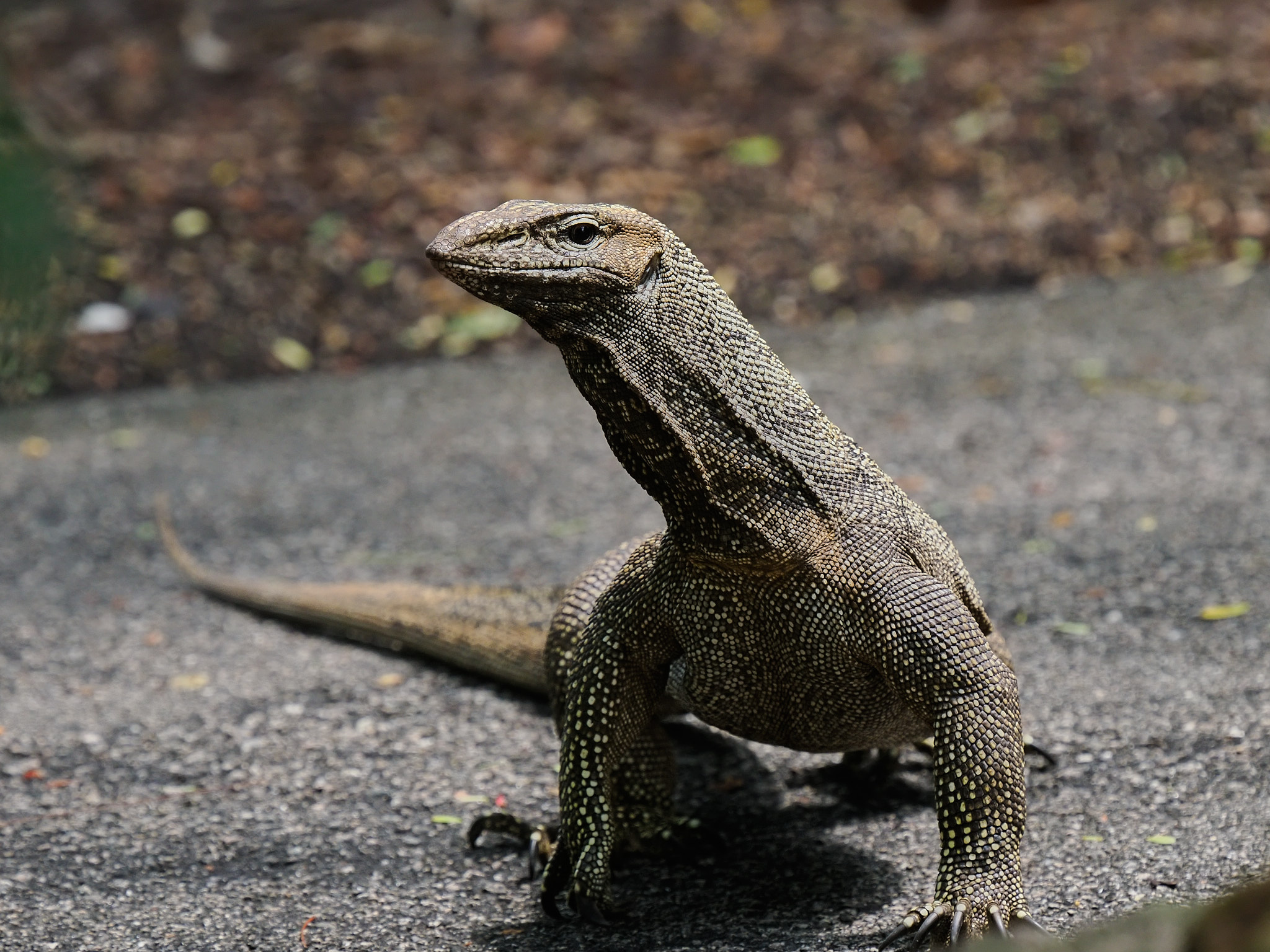
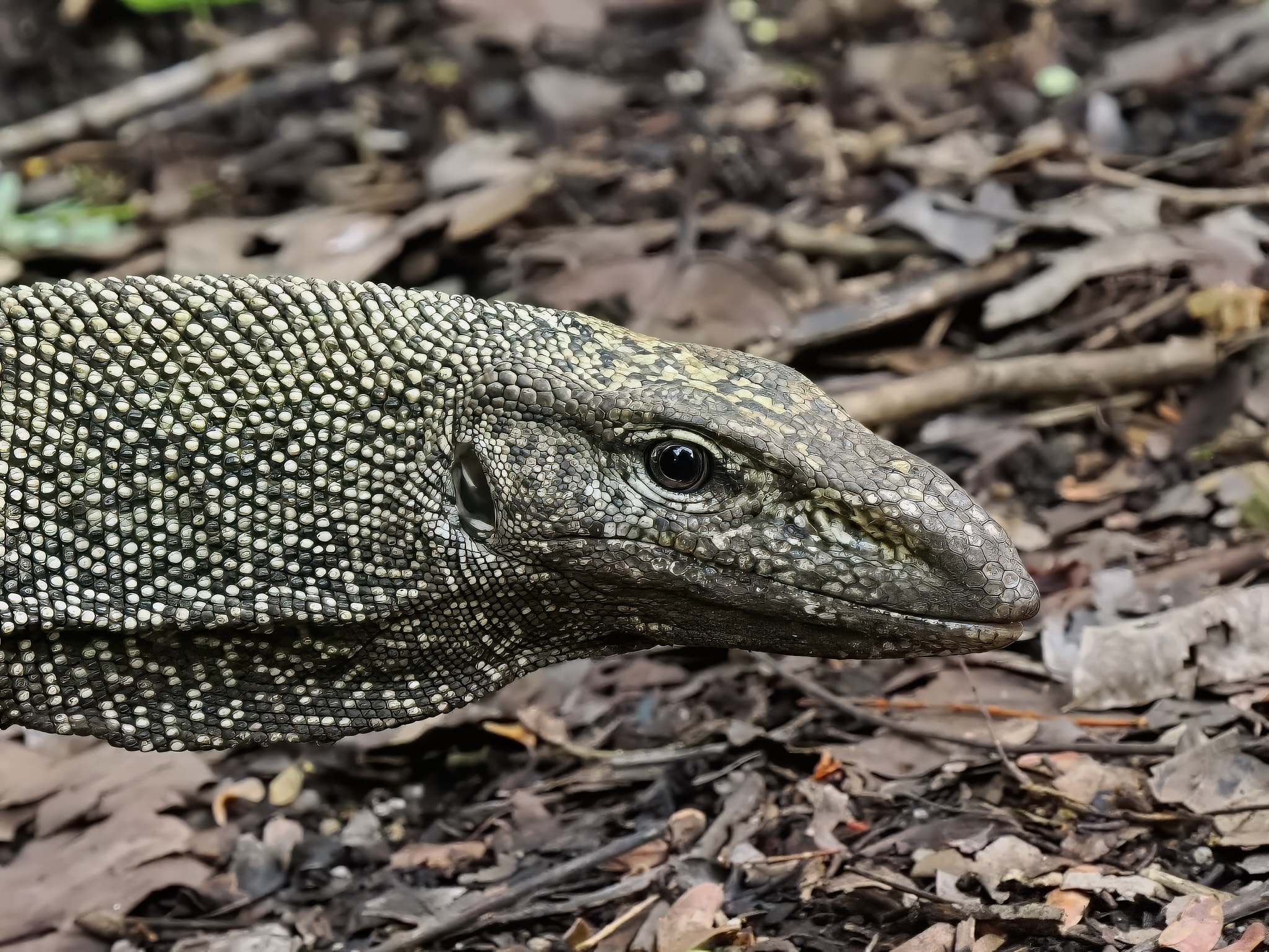
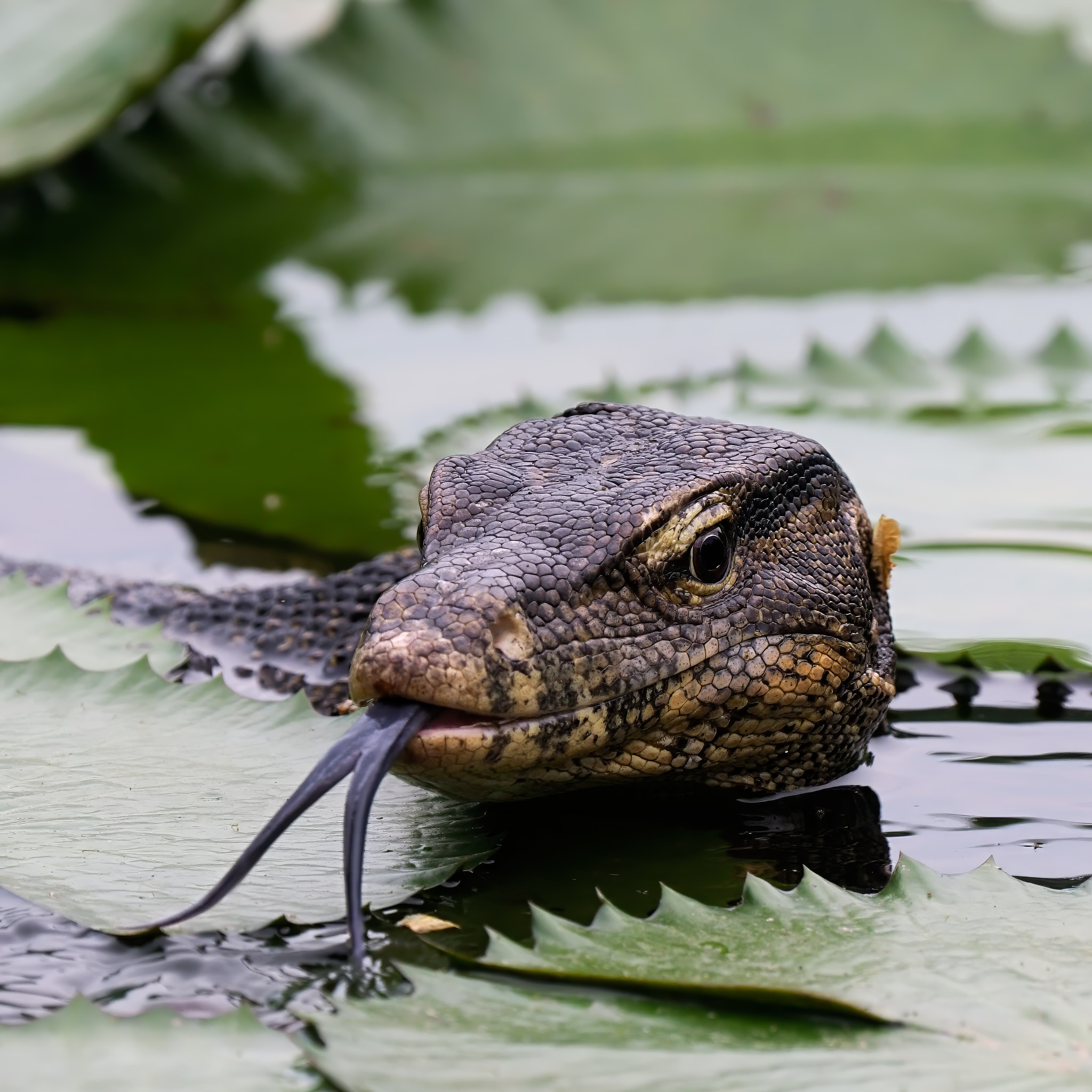
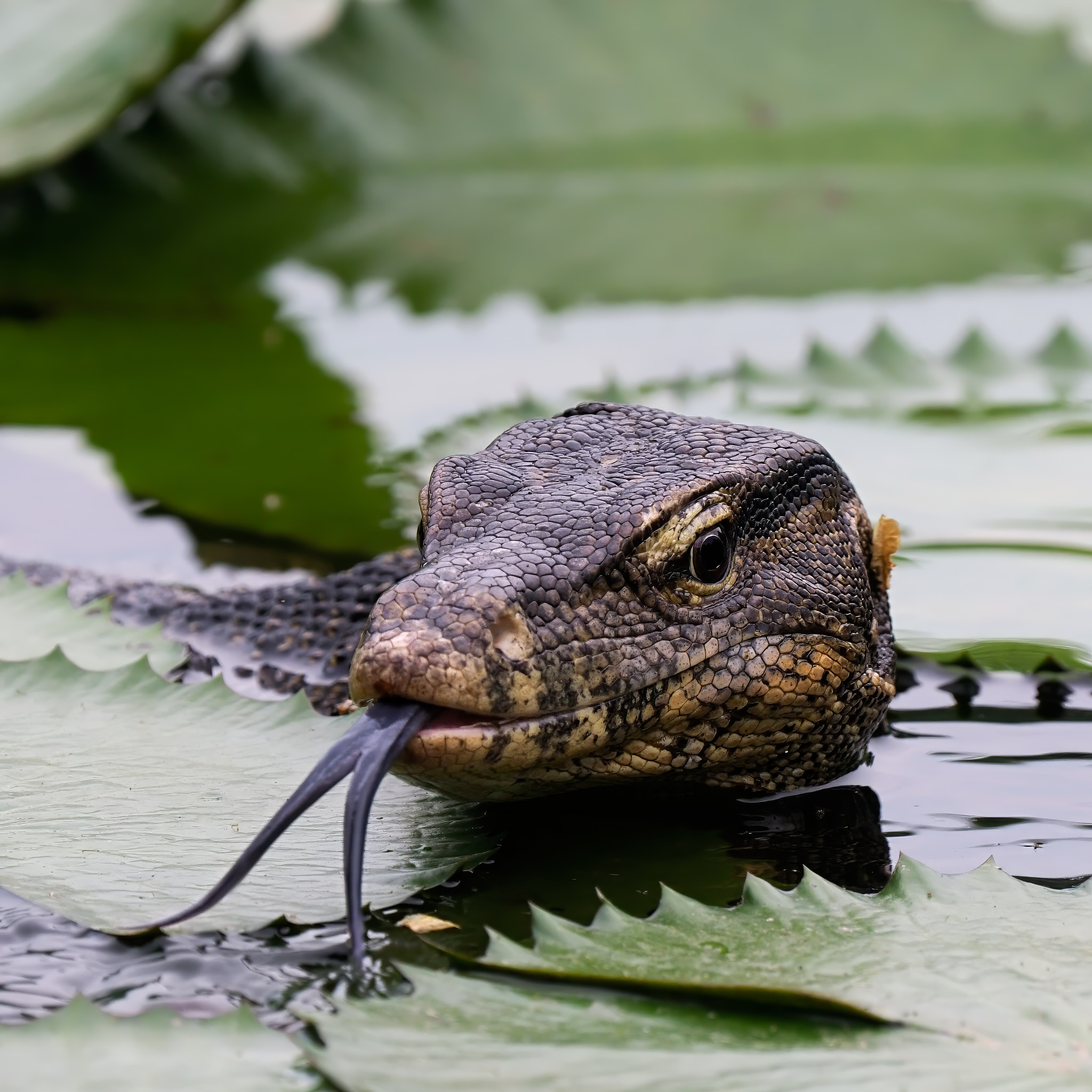
The list of reptiles to be found in Singapore is very extensive. Most are small or shy, unobtrusive creatures. Two that you are likely to see are rather more spectacular. These are both monitor lizards in the genus Varanus. Australia also has a few Varanids including the rather impressive Lace Monitor while the island of Komodo has the biggest and most dangerous of them all, the Komodo Dragon. Singapore has three monitors. Dumeril’s Monitor (Varanus dumerilii) is rare. The other two are quite common and with reasonable luck will be seen in the Singapore Botanic Gardens. They are the Malayan Water Monitor (Varanus salvator) as much as 3 metres long and the Clouded Monitor (Varanus nebulous) which tops out at a mere 1.5m.

Monitors are carnivores that supplement their diet with carrion. Venom helps to kill their prey and the wounds they inflict tend to become infected so an animal that survives an attack now is likely to be carrion later. Don’t let that worry you. They are shy(ish) of people. Leave them alone and they will leave you alone.

Water Monitors are usually seen in the water but can wander about on land. Cloudies are forest dwellers but I bet they can swim when they want. They can be told apart from the front end. Water babies have a blunt snout, the nostrils are close to the tip. Cloudies have a pointier snout, the nostrils are about half way between the tip and he eyes.

Singapore, A Garden City …

For such a densely populated place Singapore is remarkably green. Water and sunshine obviously help, but there has been a deliberate policy that nature should not miss out completely in the scramble for land. And it hasn’t. There are birds, mammals and reptiles in parks and gardens that are big enough parcels to sustain them. Yes, the glass is not full but don’t think of it as half empty.

In six days I visited ten parks and gardens. They were all worth visiting. My main interests are birds and wildlife so let me rate them with that in mind. (Gardens by the Bay is unmissable for different reasons). I’ll list them below the photos for any one planning a visit themselves. There are two groups – my favorites and the merely marvelous.

Favorites

  • Sungei Buloh Wetland Reserve
  • Singapore Botanic Gardens
  • Jurong Lake Gardens
  • Dairy Farm Nature Park

Silver Medalists

  • Fort Canning Park
  • Gardens by the Bay
  • Hindhede Nature Park
  • Pasir Ris Park
  • Mount Faber Park
  • Punggol Waterway Park

Botanical Gardens …

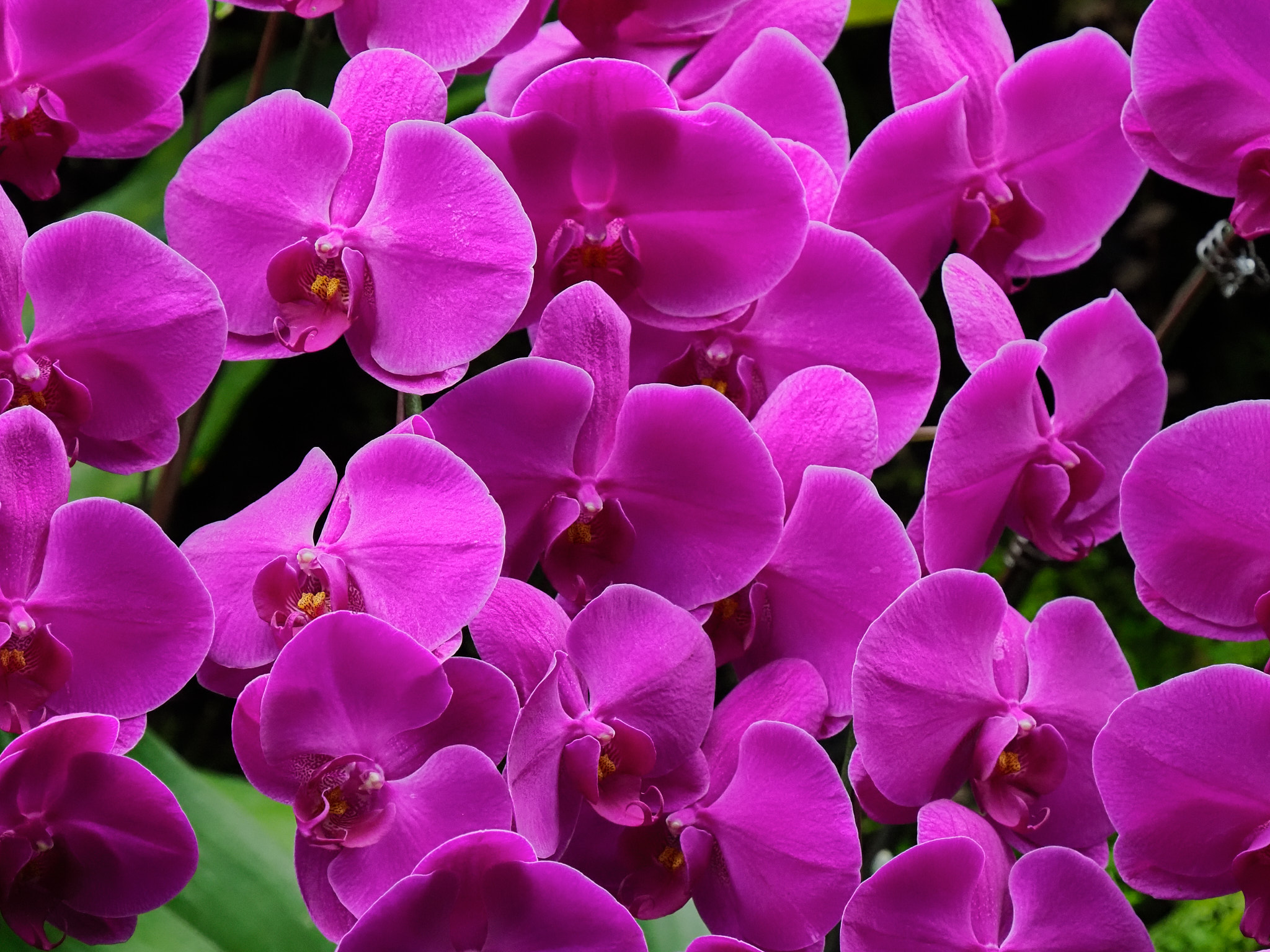
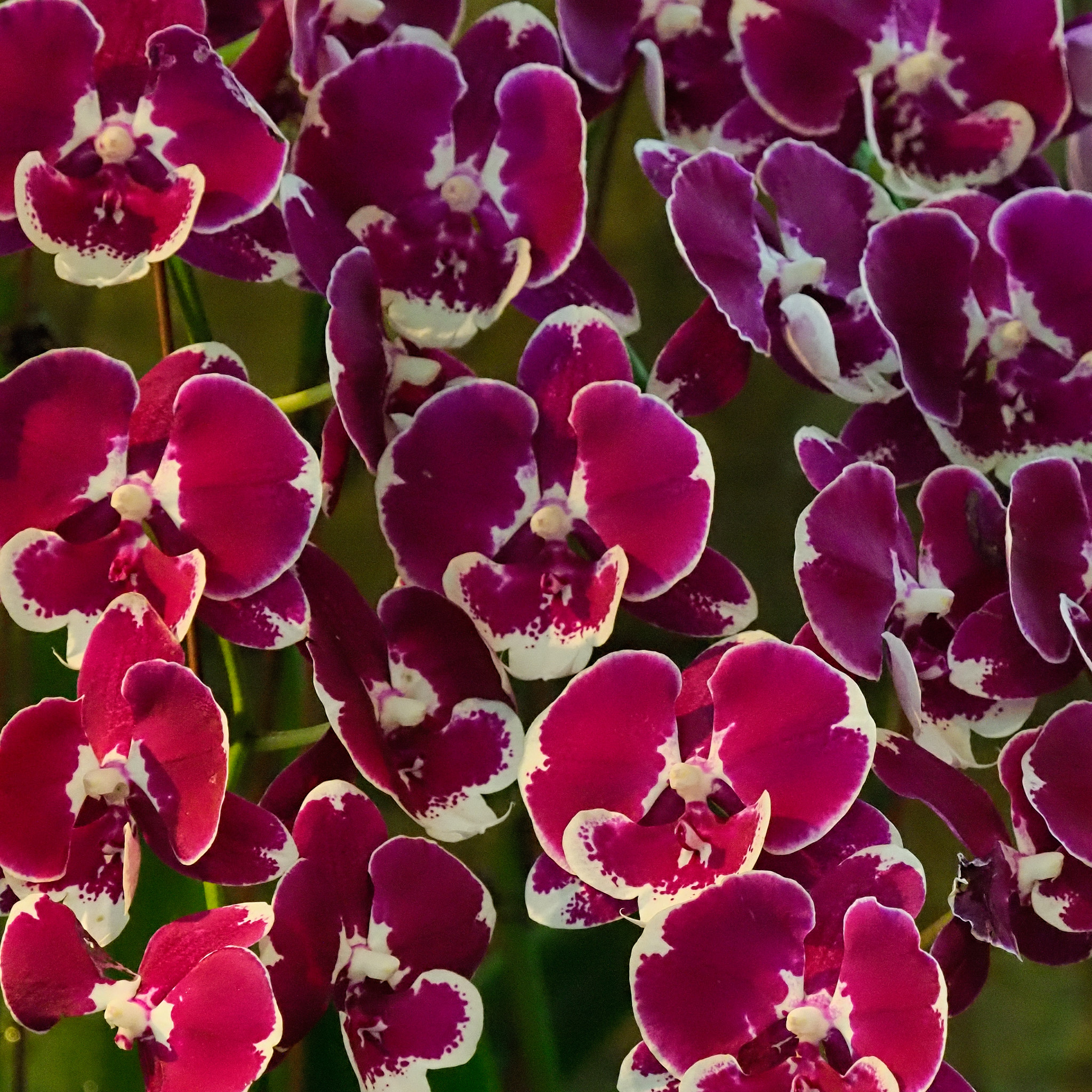
The Singapore Botanic Gardens were founded by the Agri-horticultural Society in 1859 in the days when Singapore was the British administrative centre of Malaya. The first superintendent, Lawrence Niven, laid out a tropical facsimile of an English pleasure garden where bands could play and the gentry stroll. In 1888 a new director, Mad Henry Ridley, took the gardens in a new direction contributing mightily to the development of the rubber industry. Professor Eric Holttam, director of the Gardens from 1925 to 1949 moved the focus to the cultivation and hybridisation of orchids. The gardens are now World Heritage listed, house the National Orchid Garden and continue to provide commercial expertise in Orchid production and much of the expertise valuable in making Singapore the green city which it is.

Admission to the gardens is free. The National Orchid Garden is not. But hey, you got here what’s another $3? Yes, that’s right, a lot less expensive than the Green Houses at Gardens by the Bay and definitely not to be missed. 

Note that north on the map ain’t where it generally is. The Botanic Gardens MRT station is adjacent to the northern entrance. The National Orchid Garden is way down the other end. The walk will bring peace to the psyche.

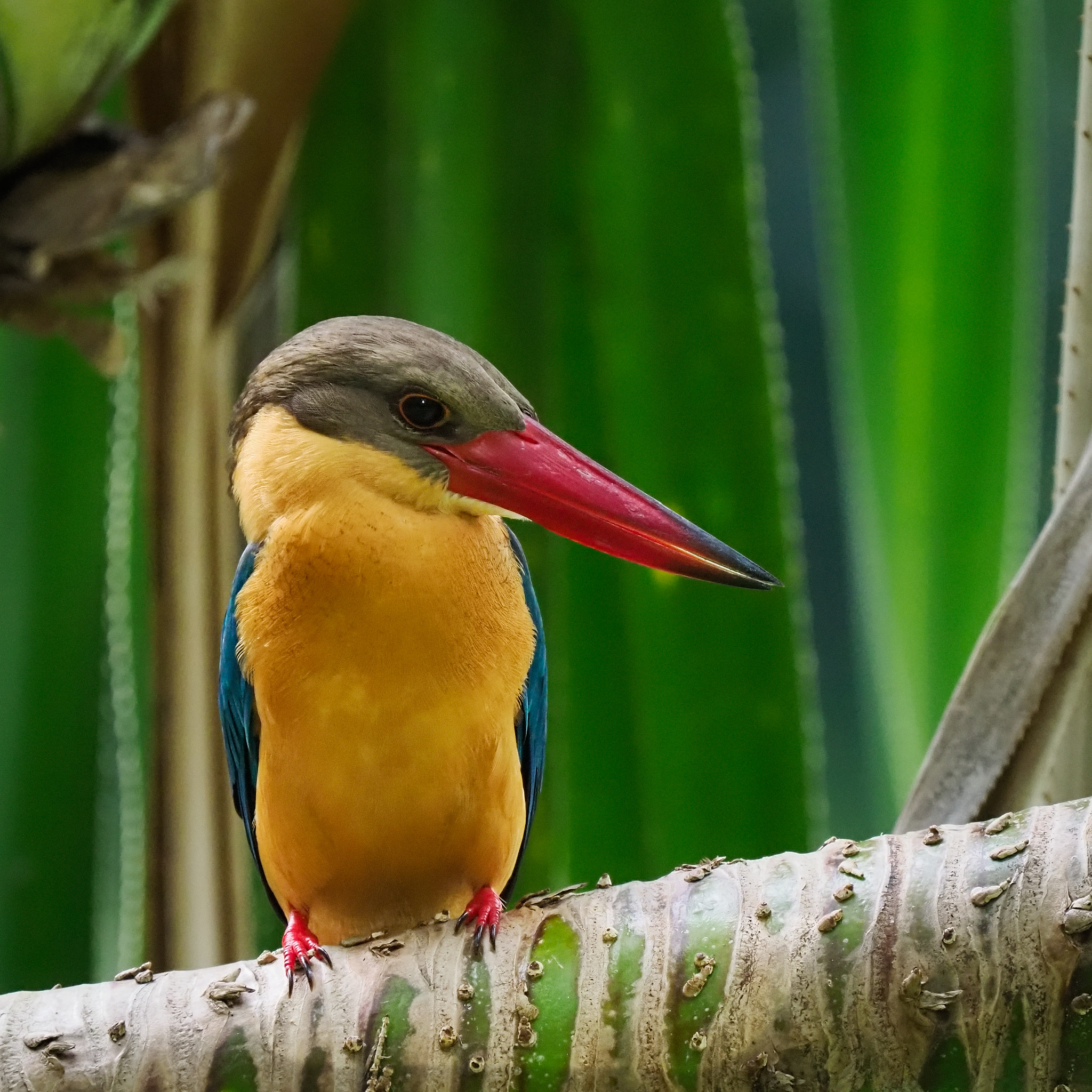
The Eco Lake is a must in both directions. With a few colourful Kingfishers and a family of Otters, some very large lizards, exquisite flowers you have one of the finest gardens in the world. It even has pet swans, black ones and white.