Broome Whale Watching again but this time their dolphins and turtle tour in Roebuck Bay. It was a windy morning which necessitated a change of starting point but didn’t interfere too much with the trip.
Roebuck Bay is about 550 km2 in area and shallow. The tidal range is huge – as much as 10.5m and at low tide exposes as much as 160 km2 of mudflat. Seagrass meadows lie just below the low tide line, Mangroves are inundated by the high tides. The tidal flow stirs up sediment that makes the sea a beautiful turquoise which teamed with the red cliffs and red sand gives Broome its characteristic vibrant palette.
It wasn’t long before we encountered our first Snubfin Dolphins. They are rather sedate as dolphins go, no leaping out of the water or dashing to the boat for a ride on the bow wave. They have heads like a melon and tails like little Humpbacks. They move relatively slowly but tell that to the photographers … the best chance to get a head shot is when they surface. Where will they surface? Good luck with that.


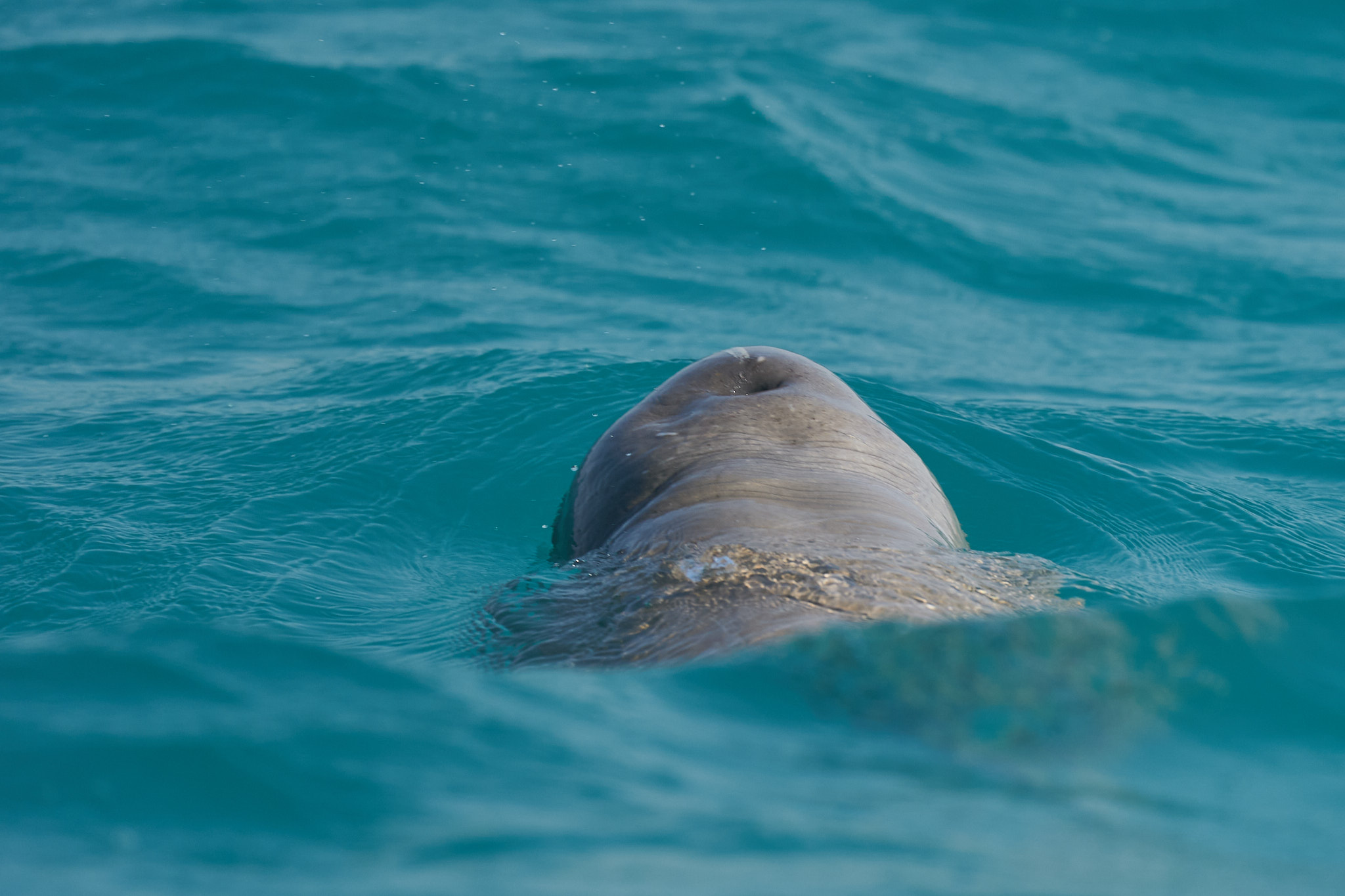


They were lumped with the Irrawaddy Dolphin from the Bay of Bengal until DNA studies earned them an identity of their own in 2005. They are found around the coast of northern Australia and presumably southern New Guinea. They are reliably found in Roebuck Bay but rare elsewhere.
Snubfins grow up to 2.7m and weigh up to 133kg. Males are typically larger than females. They get around in small groups that may join another group at a feeding site. Their diet consists mainly of fish and cephalopods. They have been seen at the surface spitting water over fish to fool them into swimming towards them.
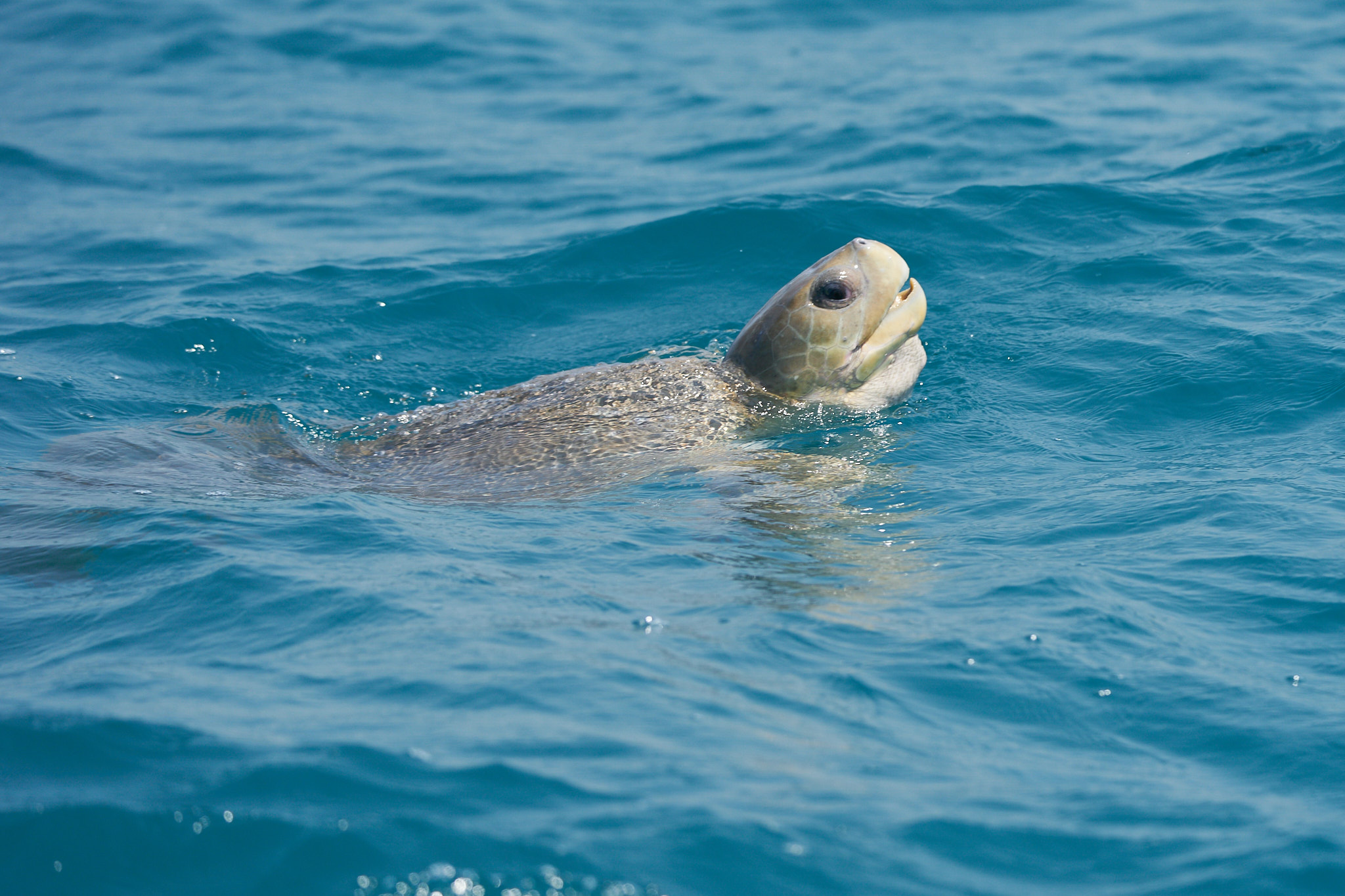
Next on the agenda was the Flatback Turtle. These are another denizen of Australia’s northern waters but wander a little further than the Snubfins. Their carapace gets to about a meter from front to back and adults weigh 60 to 90kg. Females are sexually mature from about seven years of age. Mating takes place at sea, the females come ashore to lay clutches of about 50 eggs in a nest dug in the sand. The sex of the offspring is determined by the ambient temperature – below 29 °C (84 °F), the hatchling will be a male.

 bobmcgee