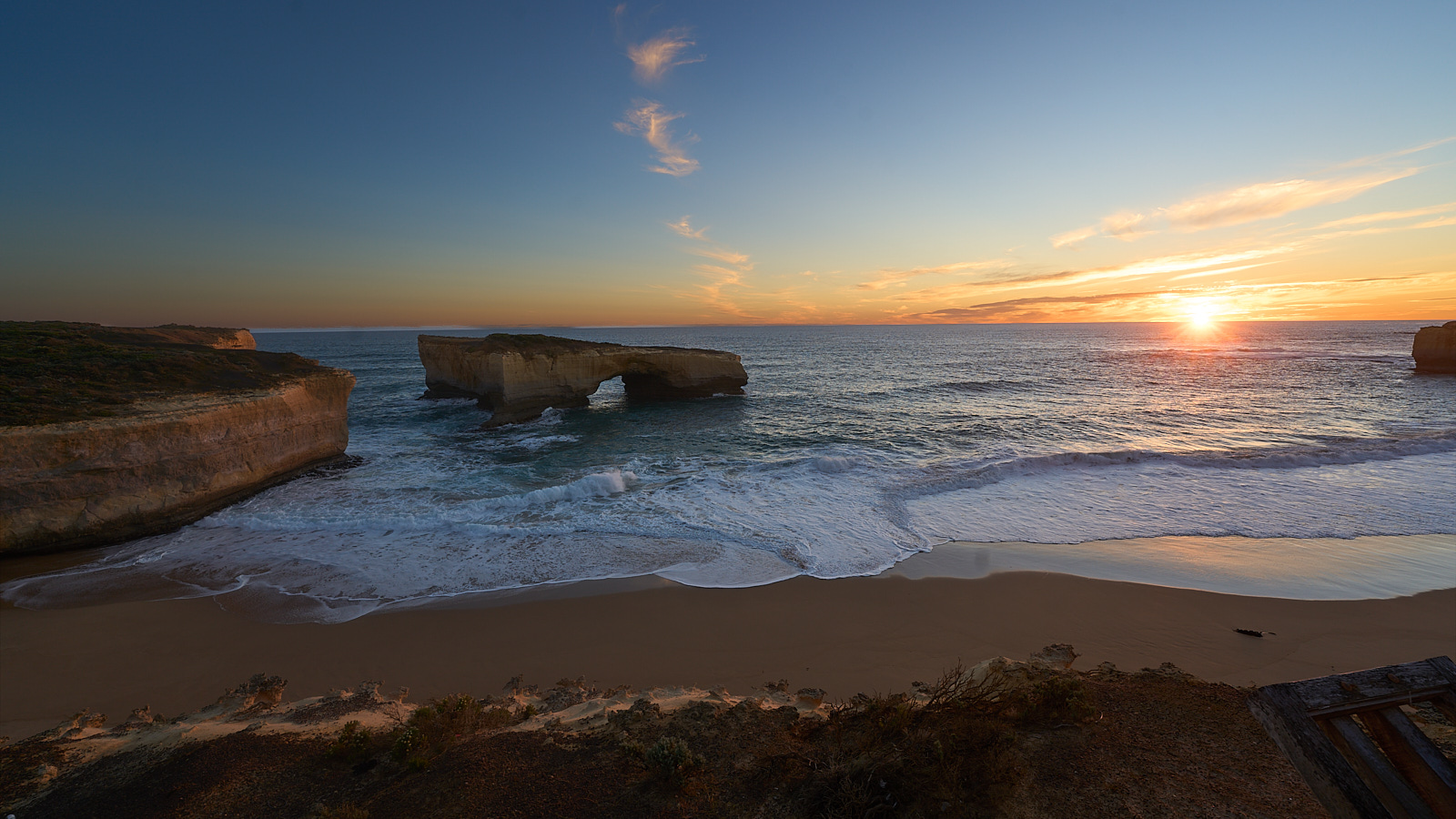
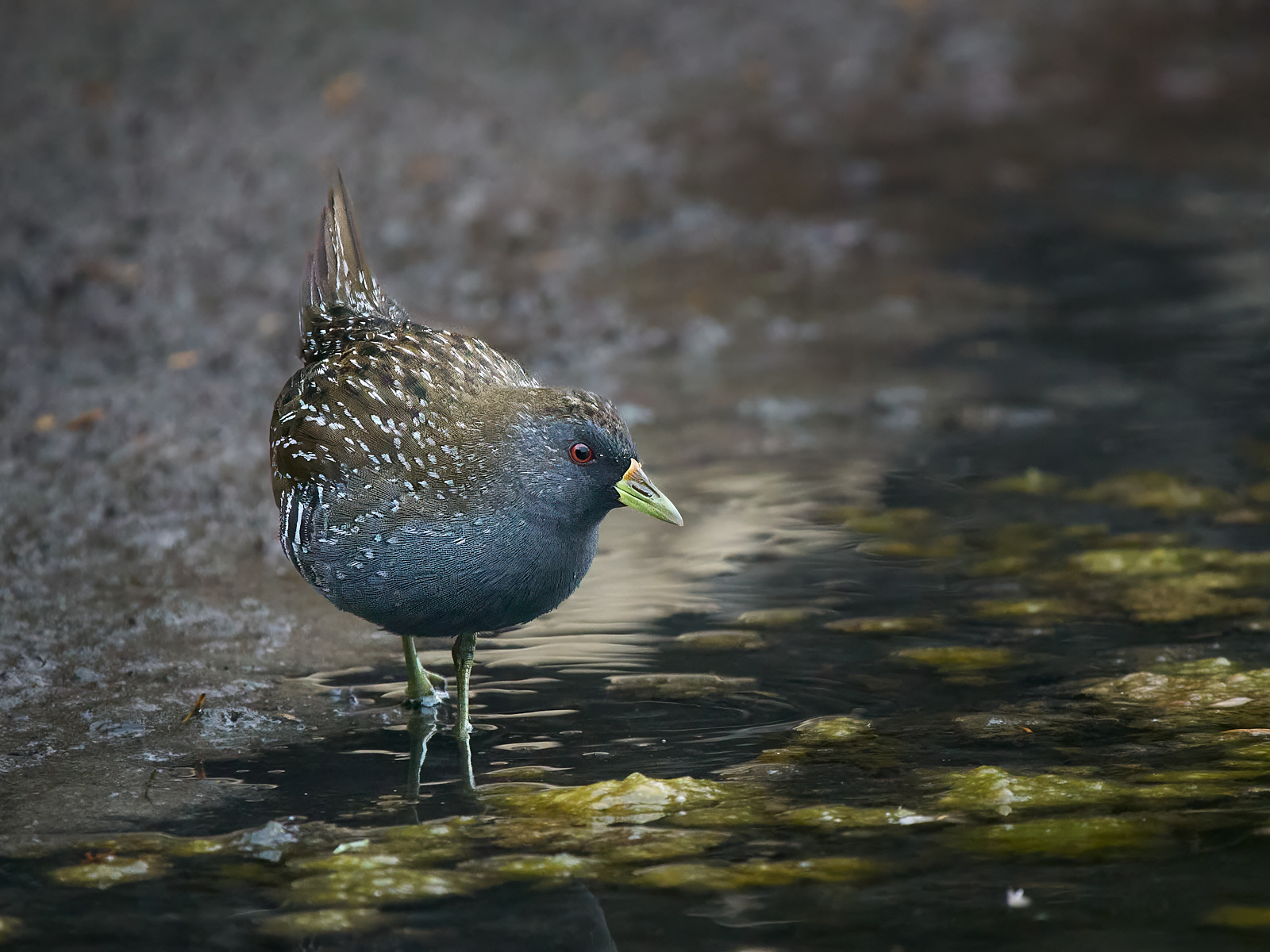
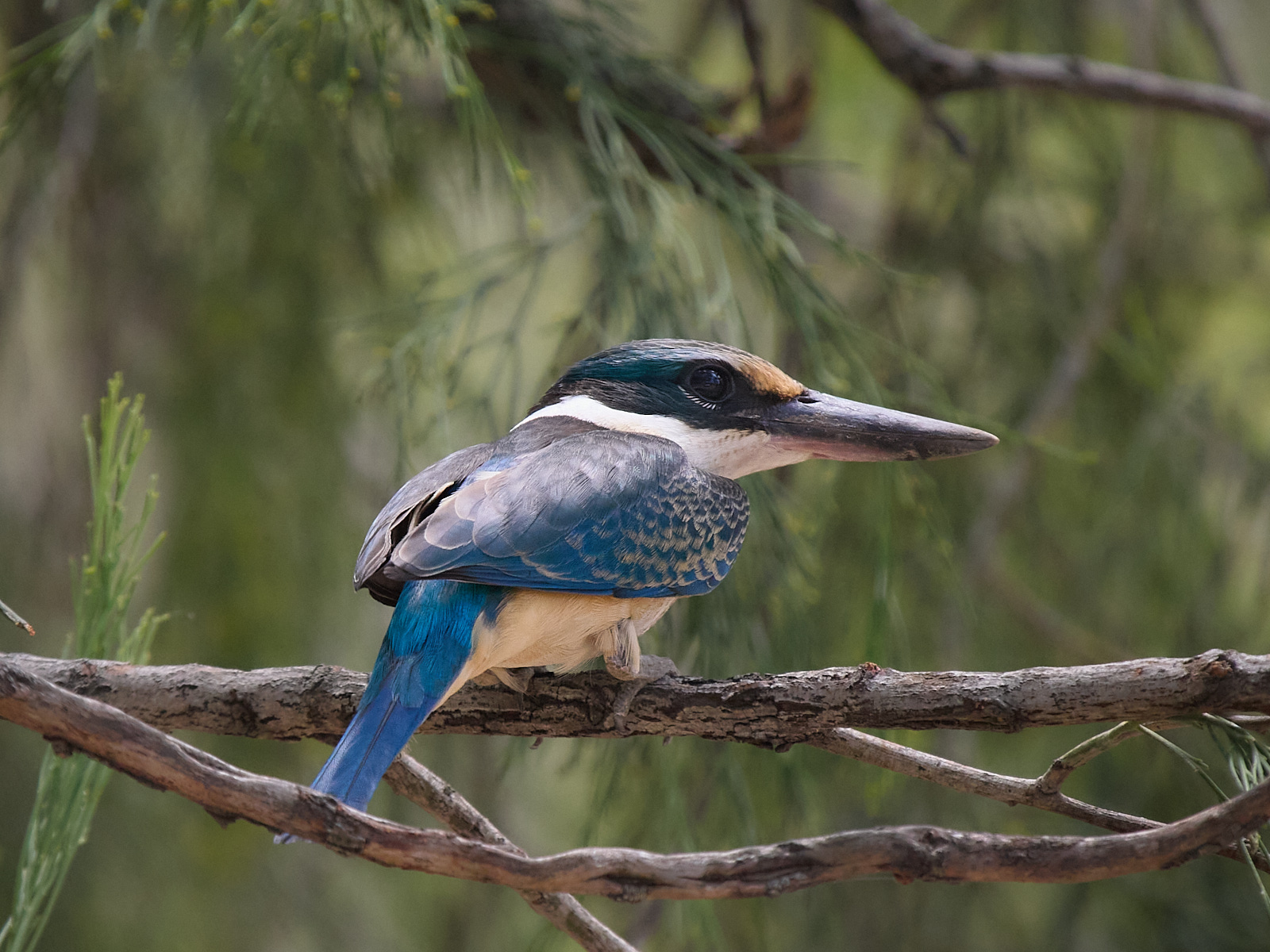
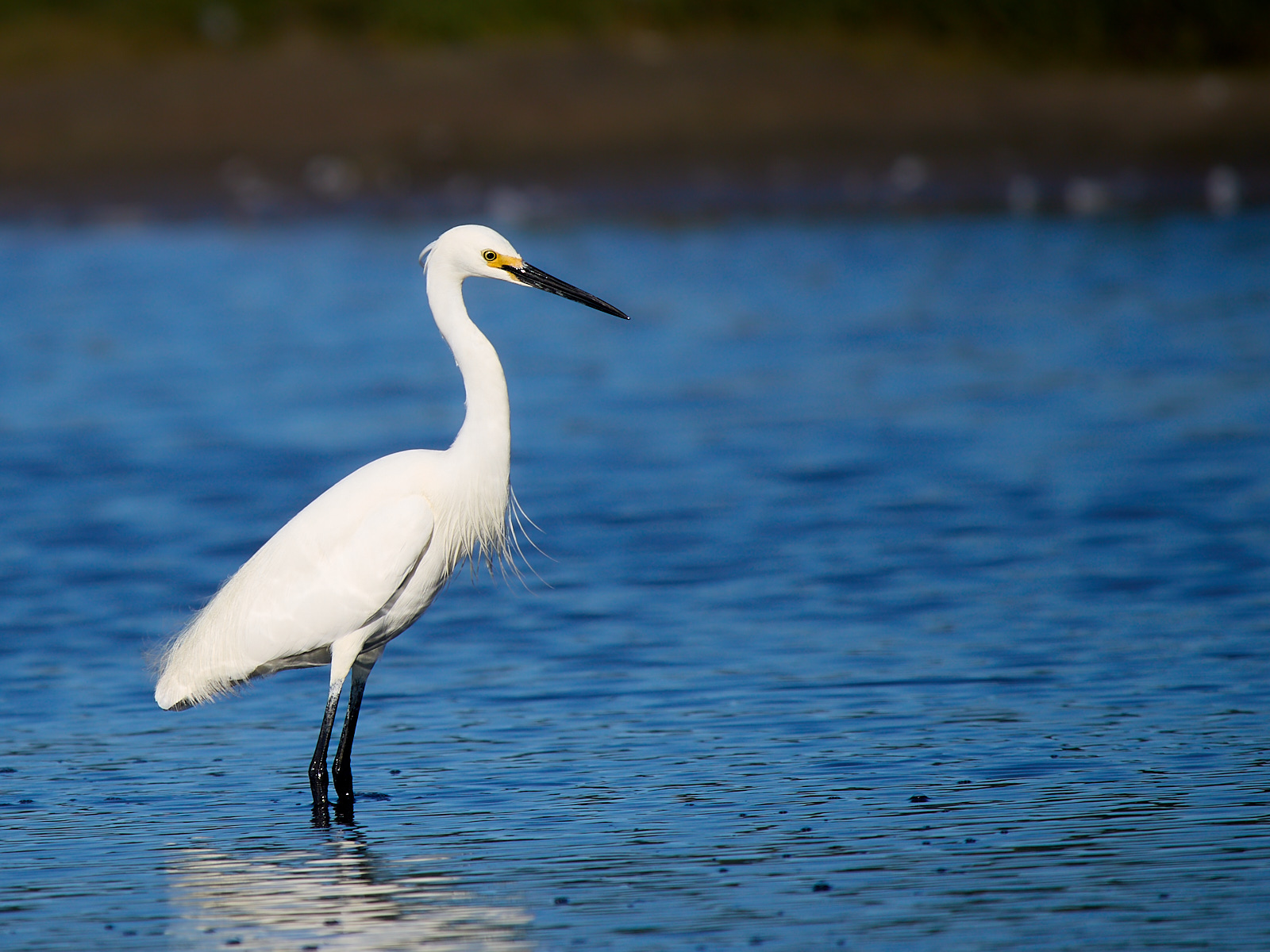
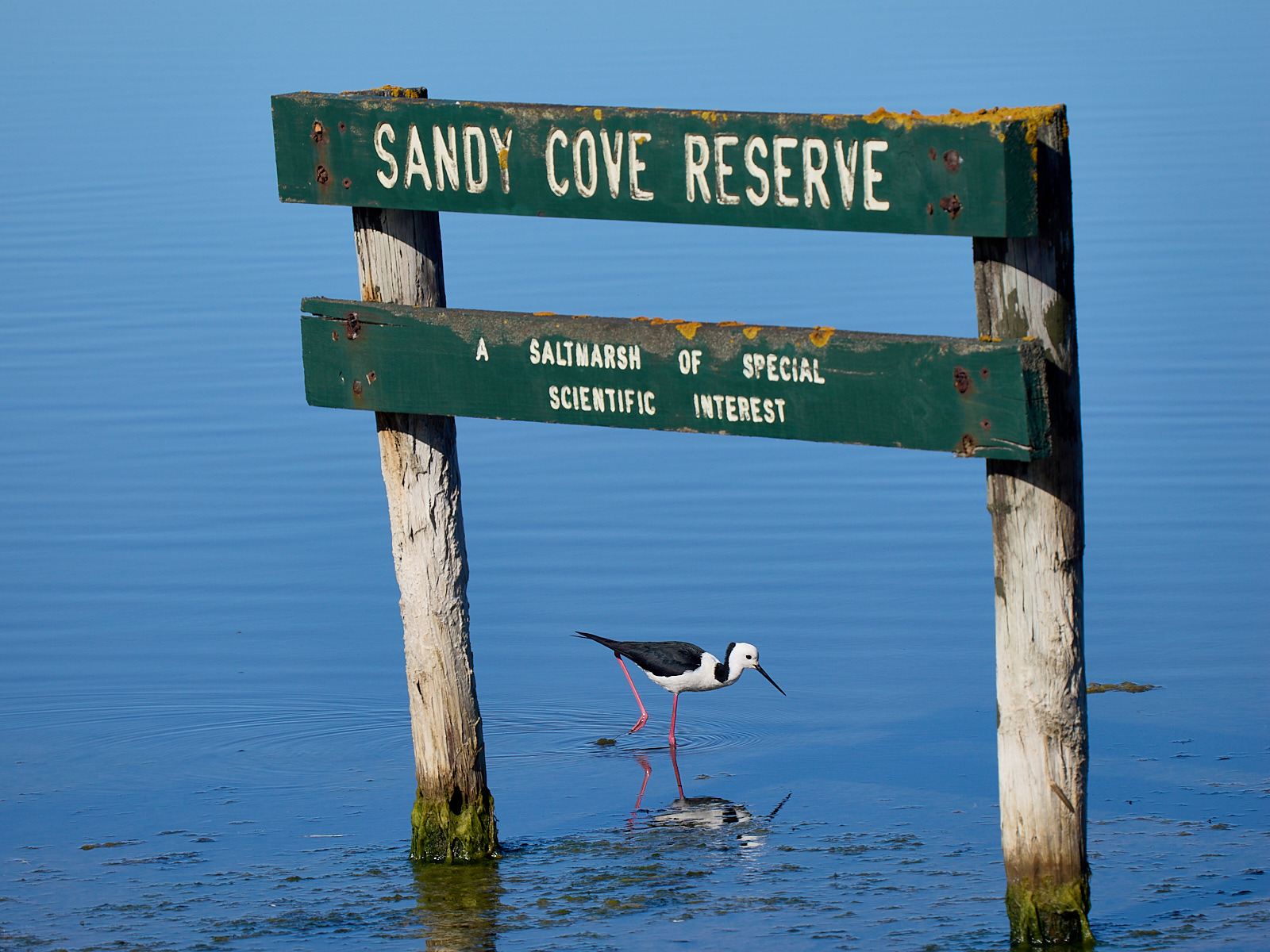
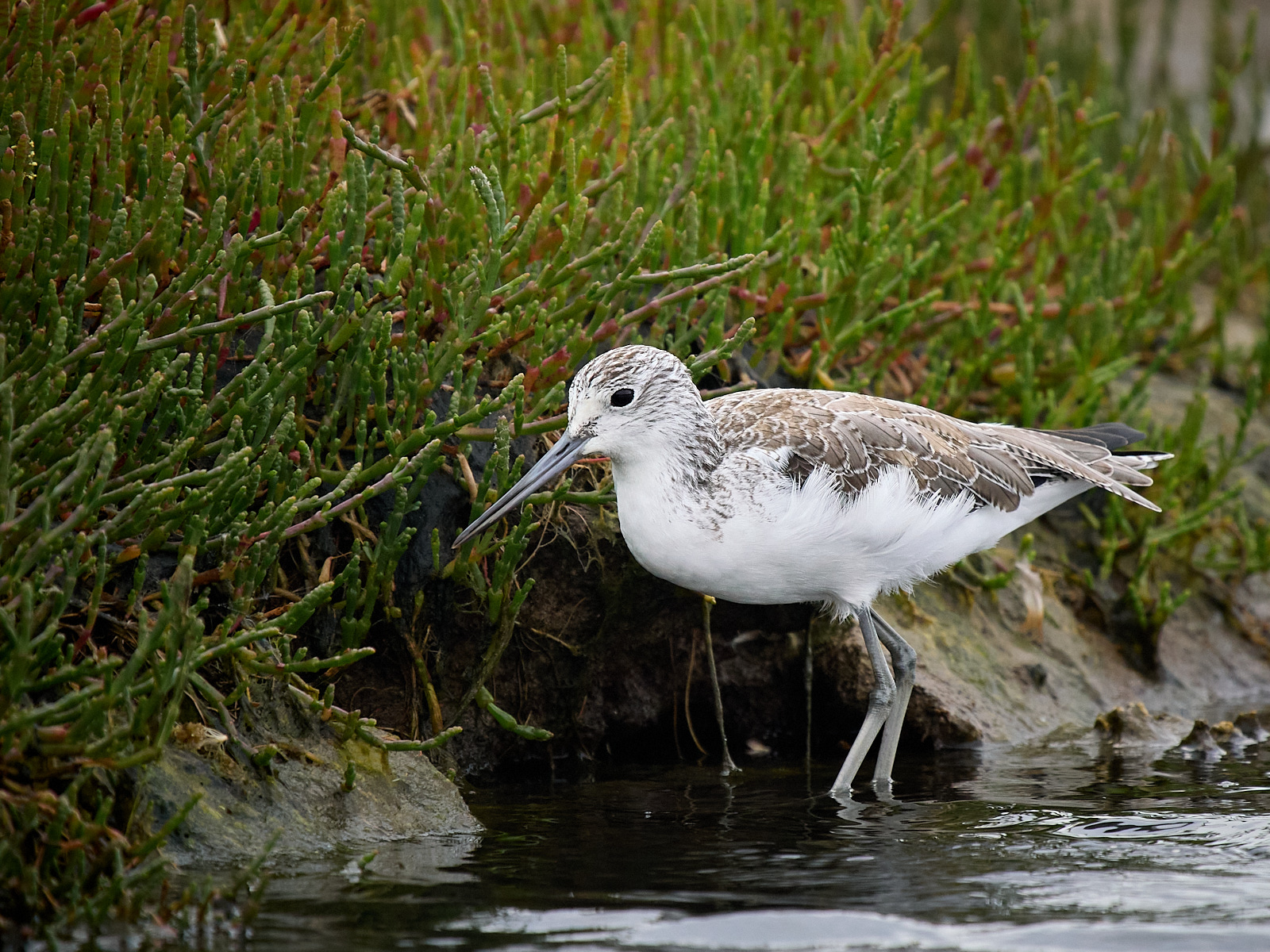
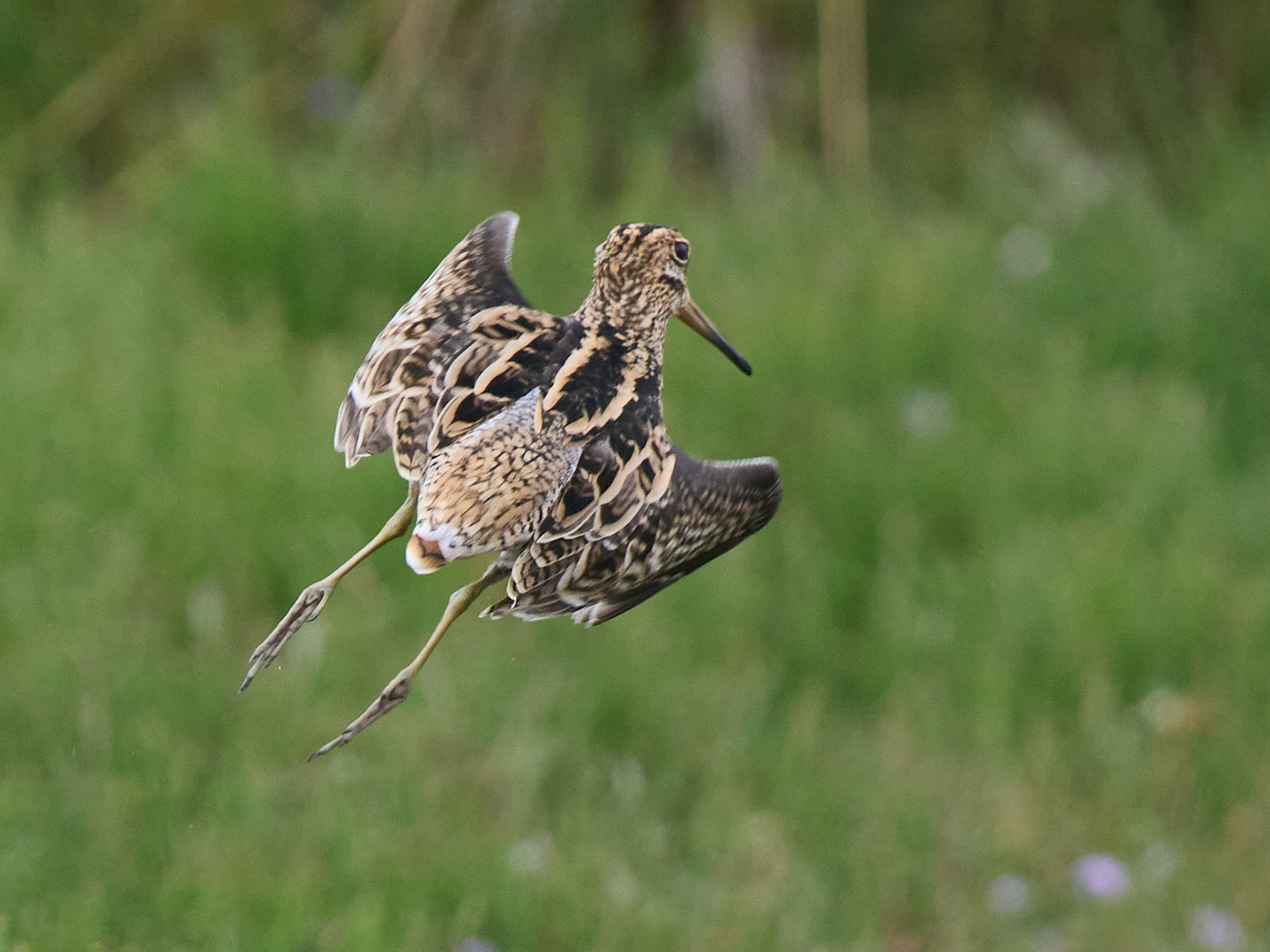
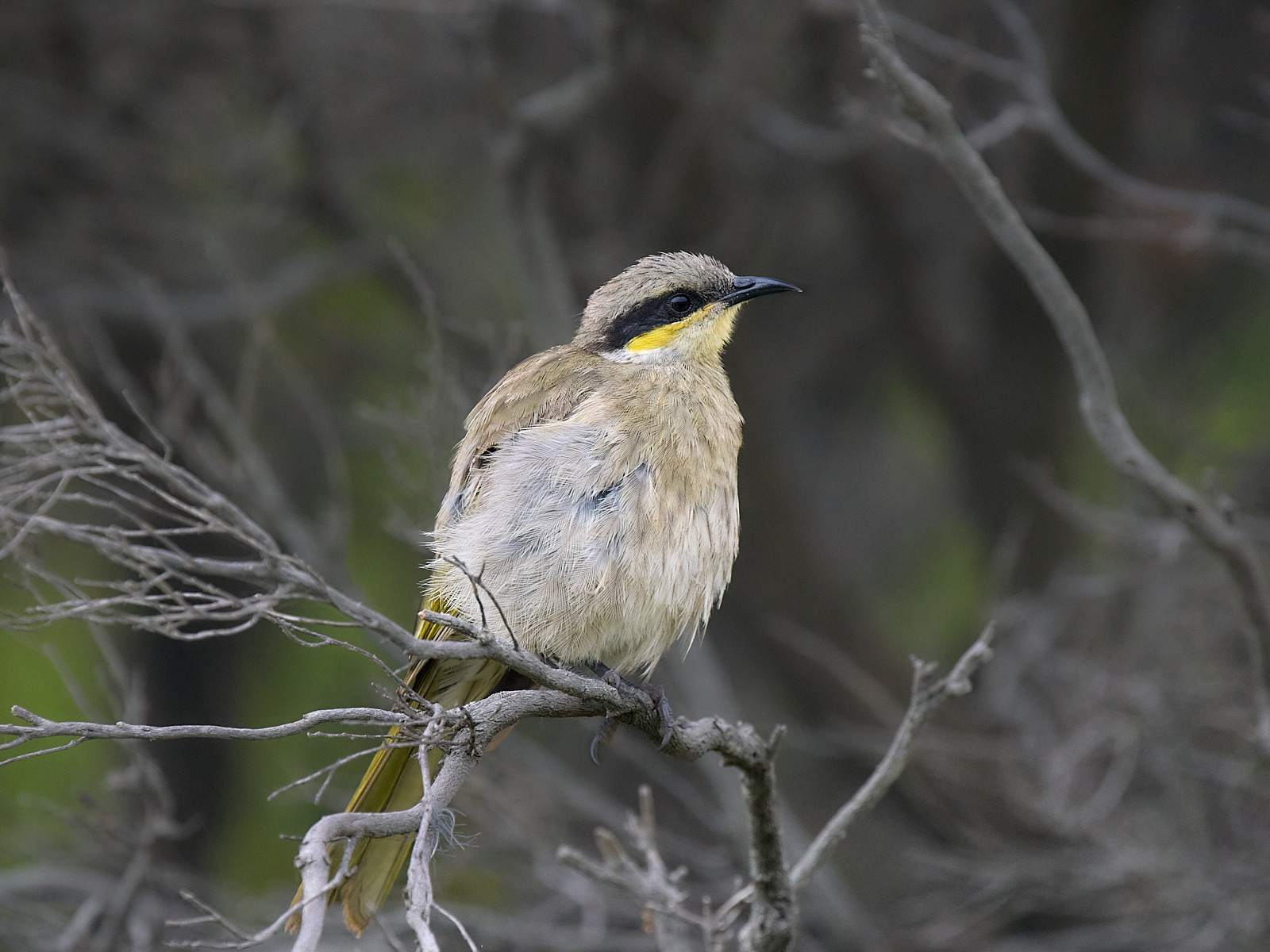
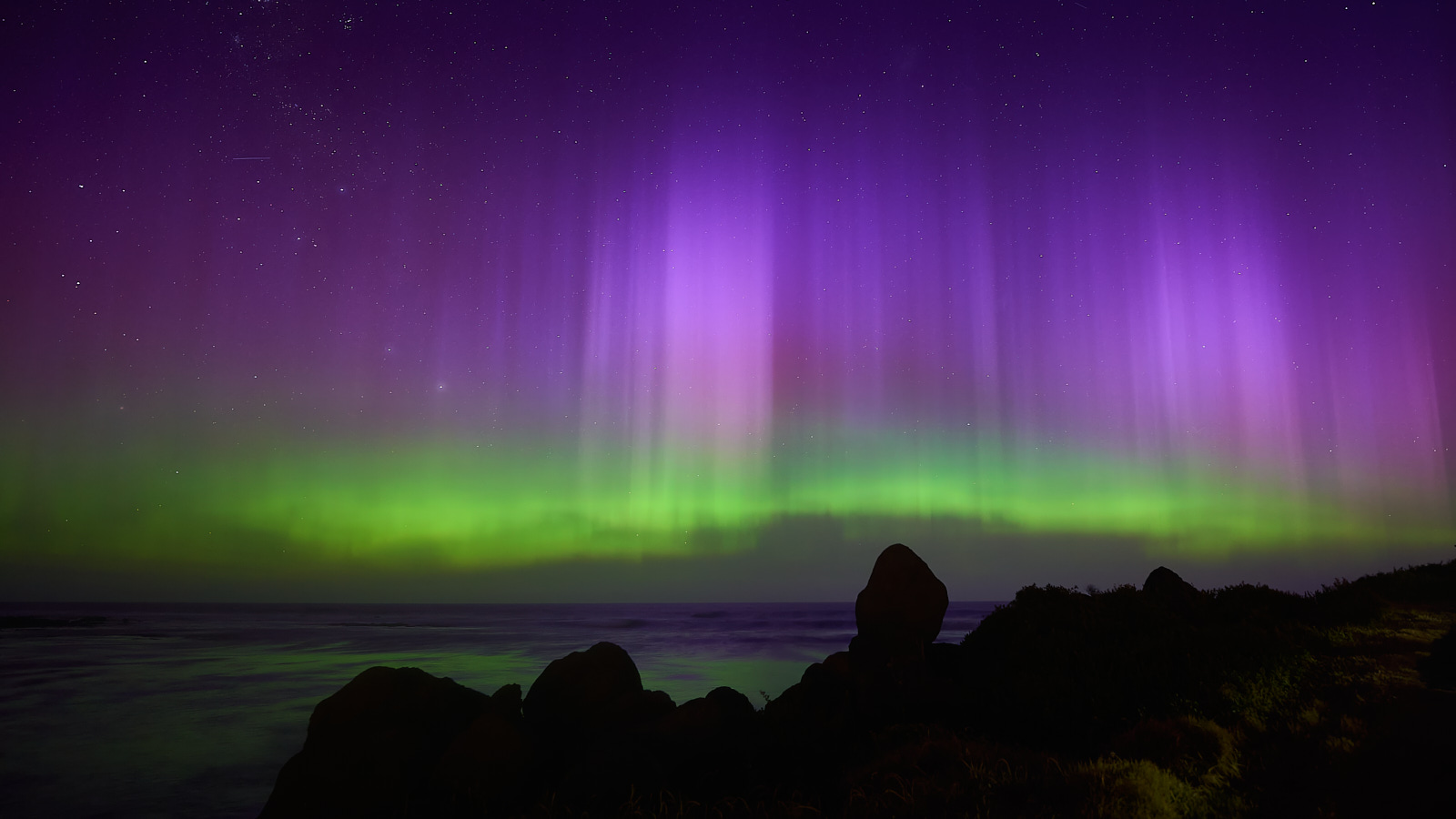
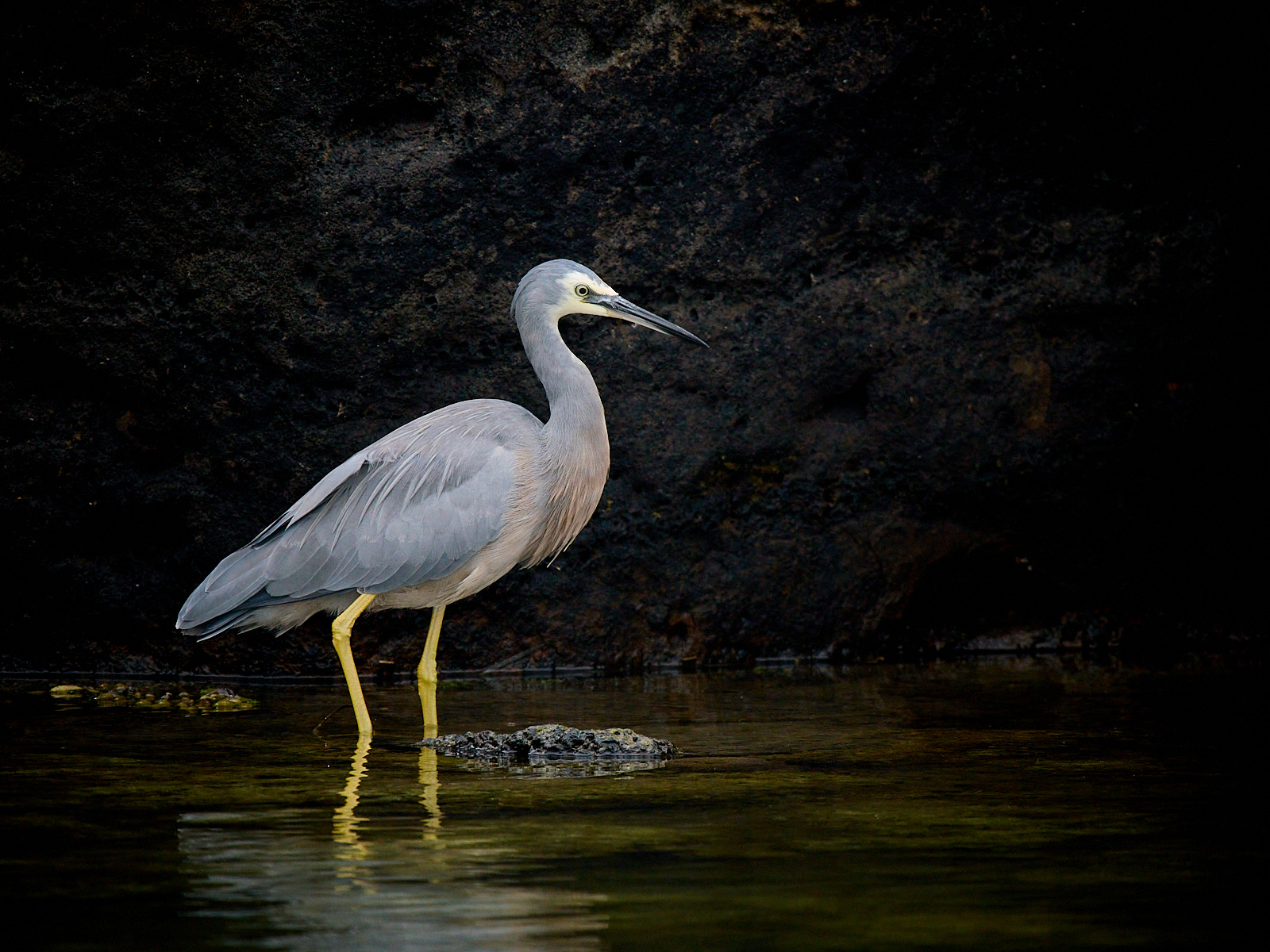
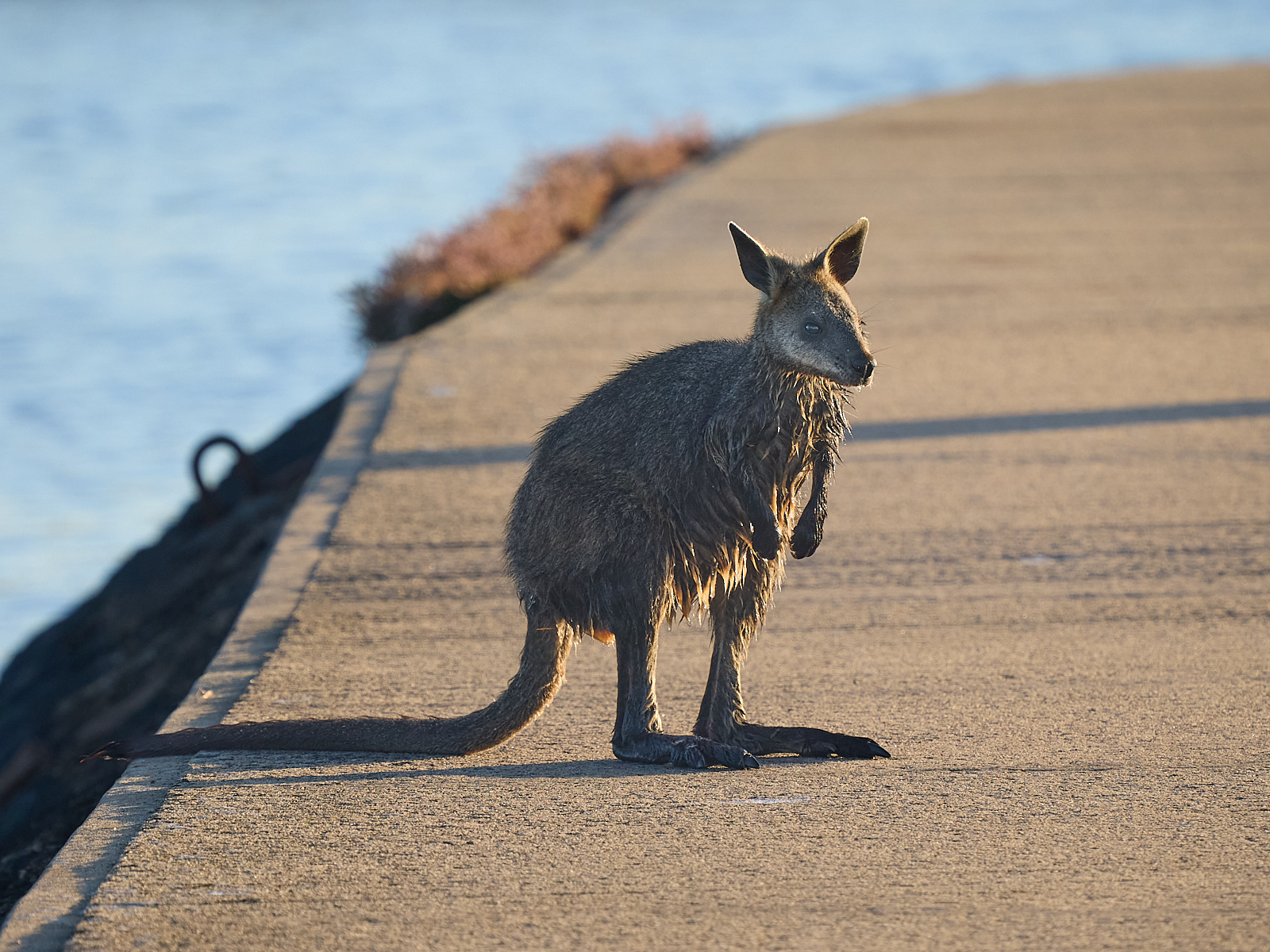
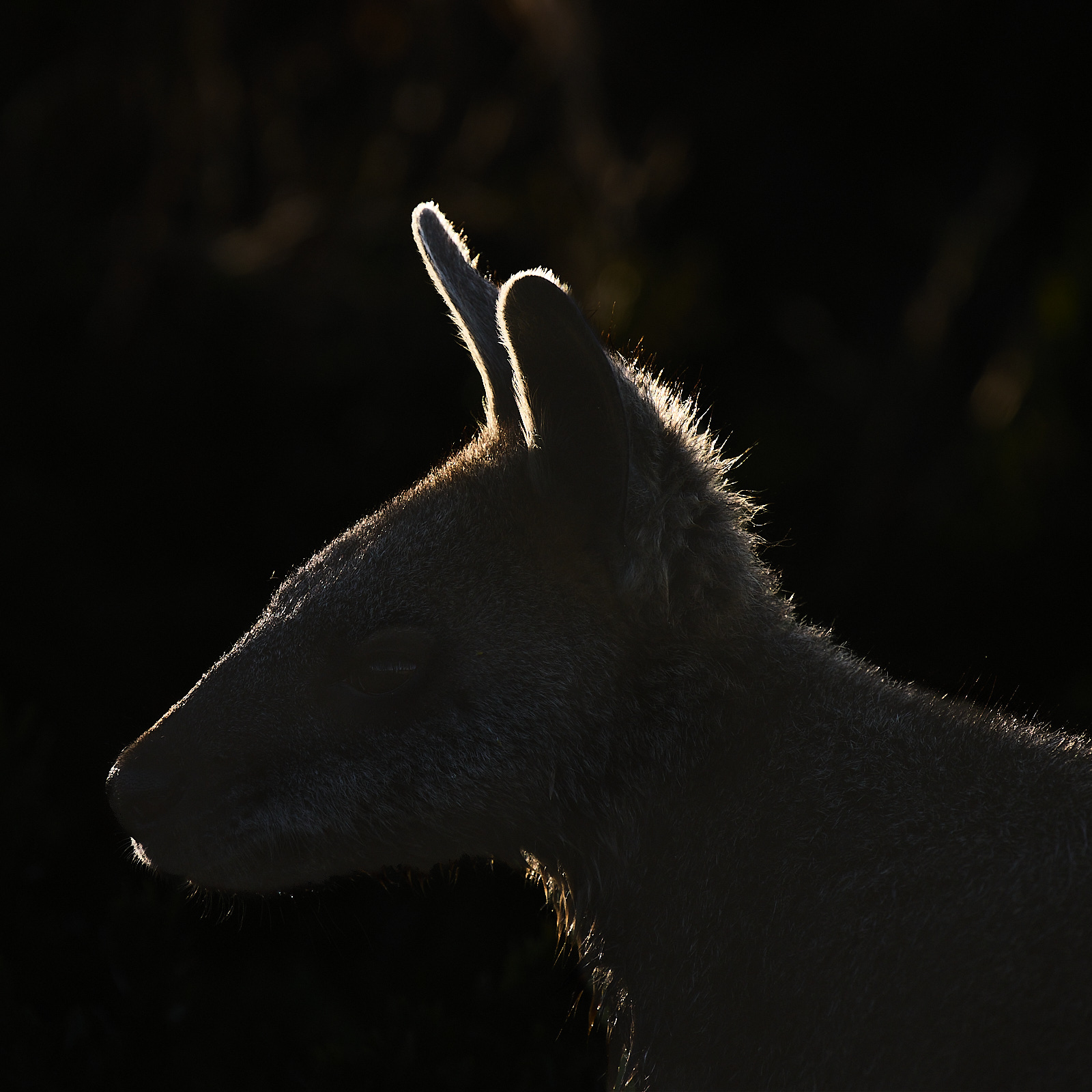
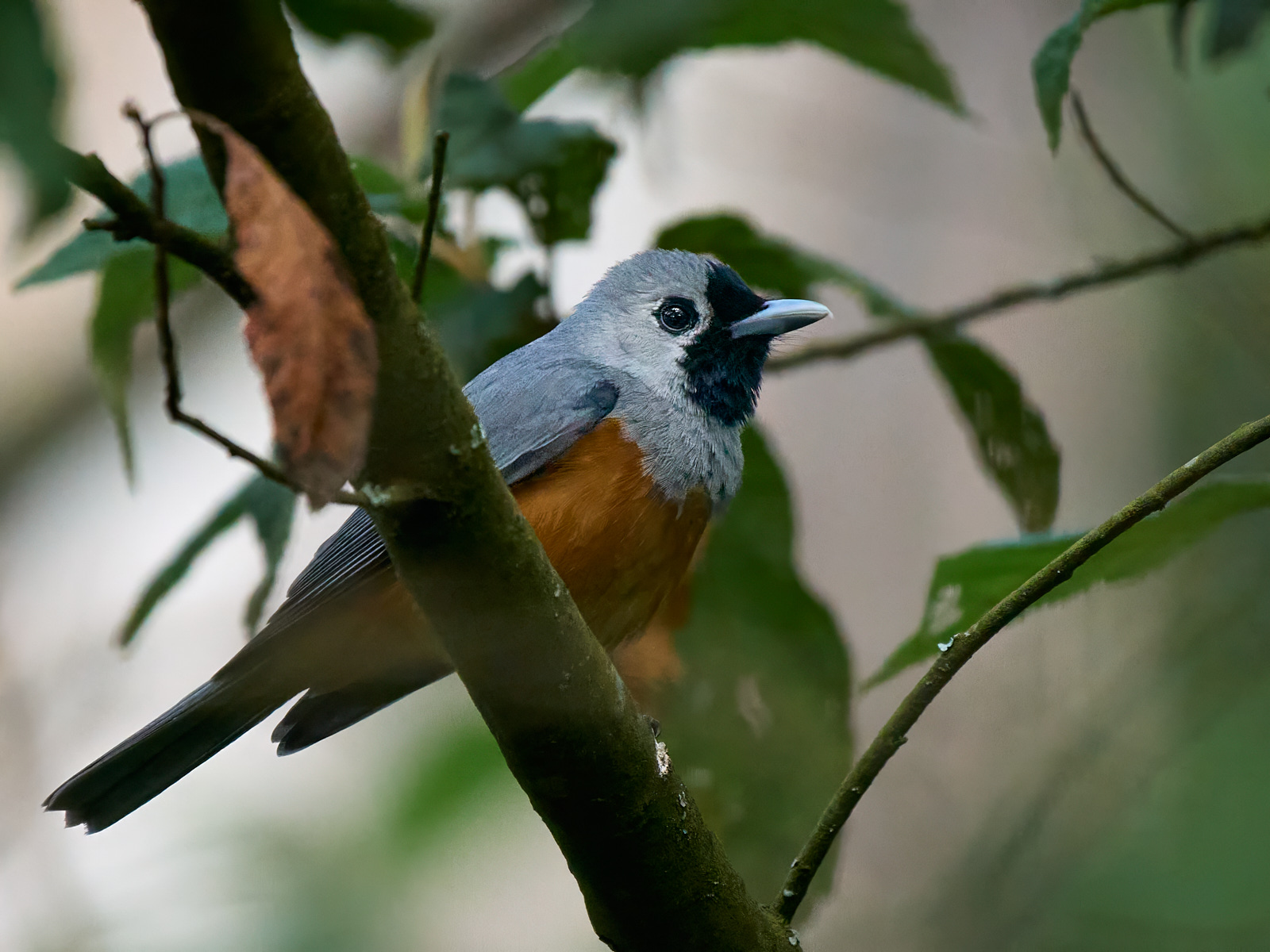
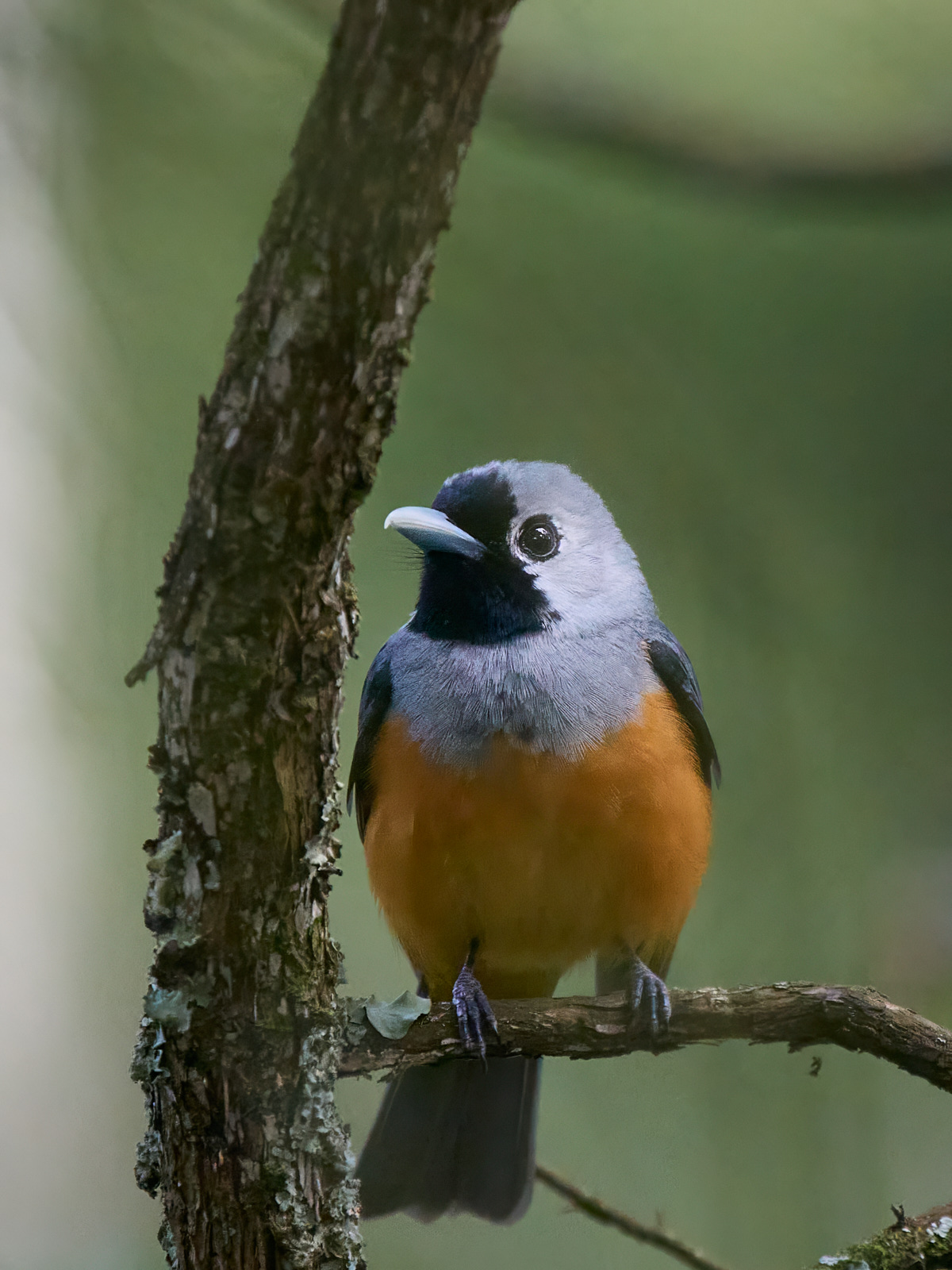
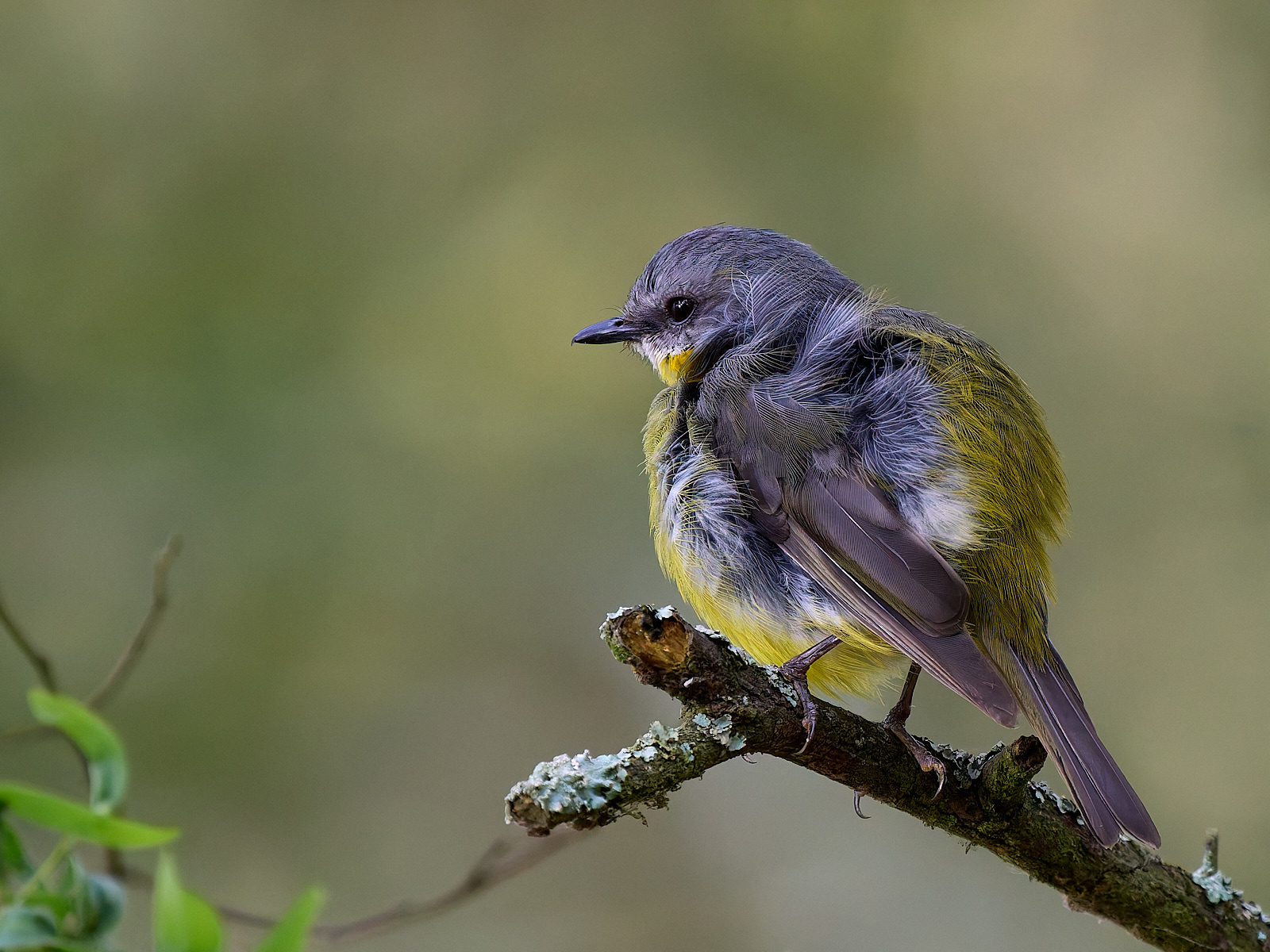
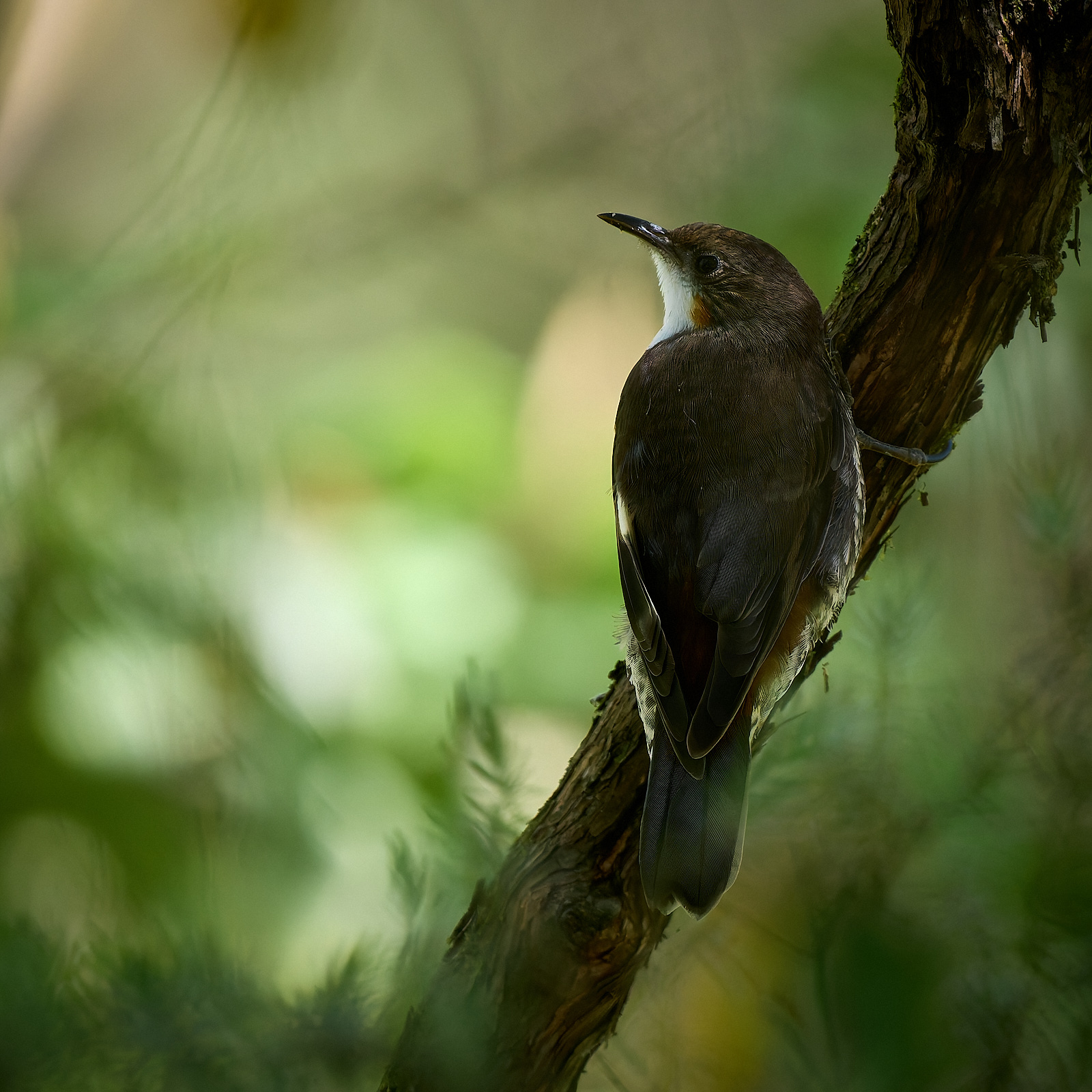
I have become a bit of a fan of dark backgrounds. At Braeside Park the other day found a few opportunities to frame a bird in the light against a background in shadow. That’s not to say I reject all other opportunities.
Australian ReedwarblerNankeen Night HeronSulphur-crested CockatooFreckled DuckPacific Black Duck
At one place I had the sun behind me, brightly lit water to my right and water in shade to my left. A Hoary-headed Grebe swam from the light into the shadow giving me the chance to shoot high key followed by low key. Which do you prefer? Let me know.
A happy and prosperous new year to everyone who deserves it, which is almost everyone after subtracting the despotic, criminal and corrupt.
January the first. A new calendar game. Go for quantity or quality? Early to bed last night up at four this morning. I decided on some forest birding and headed about 90 minutes drive east of Melbourne to Mount Worth State Park. Tall forest of Mountain Ash with Blackwood beneath and Tree Ferns in between. Epiphytic ferns on everything and enough fungi to poison your whole family. Beef Wellington anyone?
The first birds on the list were quintessentially Australian – King Parrot, Laughing Kookaburra and Australian Magpie. First native mammal was a Wombat running for its life. They run with rather more grace than you would expect such a short legged stocky creature.
Laughing KookaburraAustralian King Parrot
The list extended to just 21 bird species but included Lyrebird and Large-billed Scrubwren and it’s unlikely that I’ll see them again until late in the year.
For a nice introduction to the trails in the park click this <LINK> but be aware that the Giants Circuit is currently closed (cos Parks Vic, what can I say).
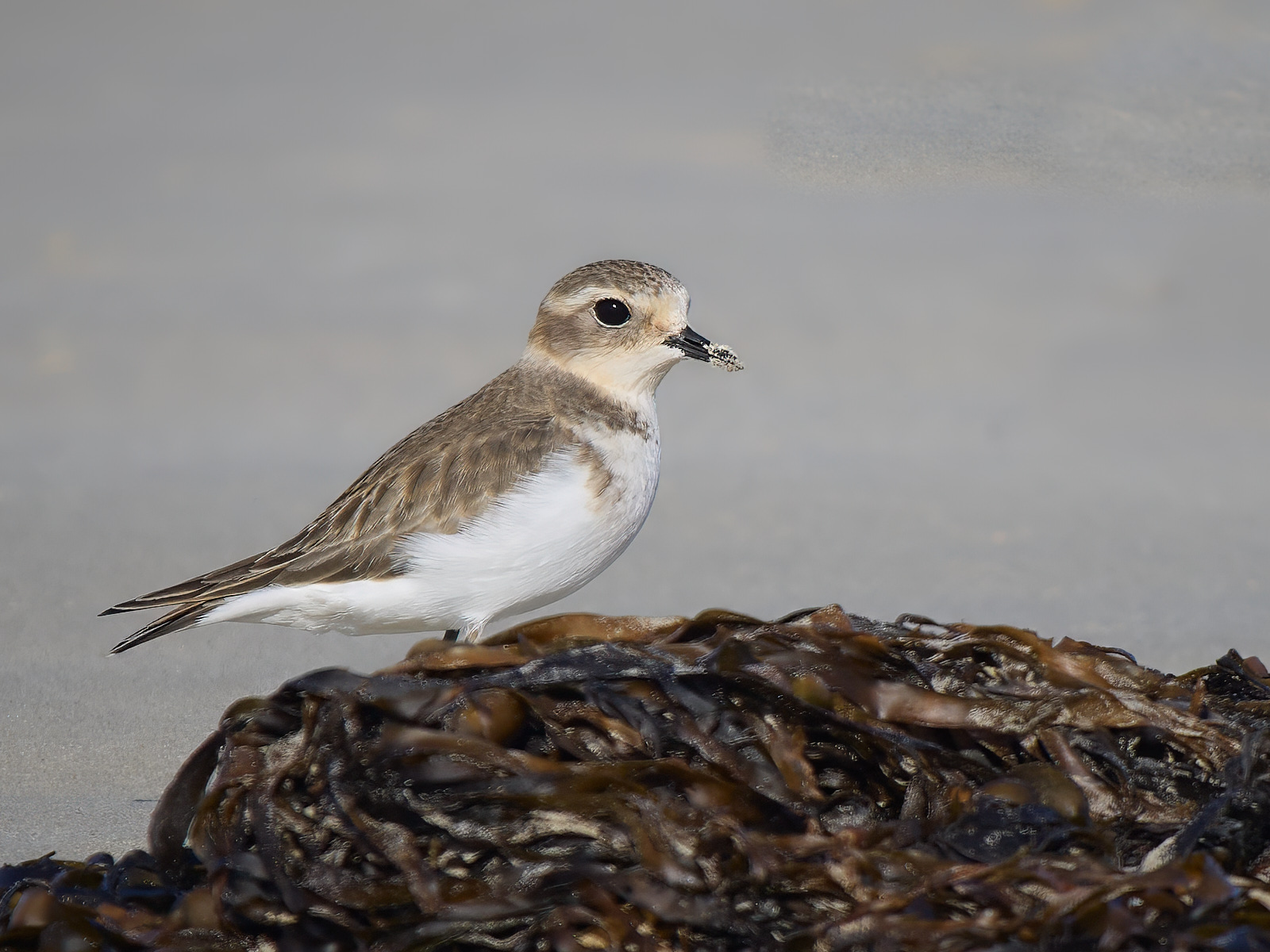
More formally the Hooded Plover, Thinorniscucullatus, surpassed in cuteness only by the Giant Panda (and even then only if the Panda is in a playful mood). There are two populations. In south-eastern Australia they are entirely coastal. The Western Australian population enjoy the coast but also wander inland onto salt lakes. They like broad beaches backed by dunes where they nest on the ground above the high tide mark.
The population is declining, the IUCN lists them as near threatened. The main problem for the Hoodies is that they breed at the same time hordes of people descend on their beaches. The adults are able to look out for themselves but the youngsters are very vulnerable especially to dogs. Very few make it to maturity.
If you come across some of the many volunteers that endeavour to protect the hatchlings do spare them an encouraging word or two. Most will soon need counselling because their charges have come to grief.
In old colonial times there was a cheap cloth imported from China and sold in Oz as Nankeen. You could have any colour you wanted so long as you wanted a reddish brown. In time it became a handy descriptor of reddish brown and found its way into the name of two Ozzie birds, The Nankeen Kestrel and the Nankeen Night Heron. These names have survived the attempts of august committees to erase them and I hope they endure forever.
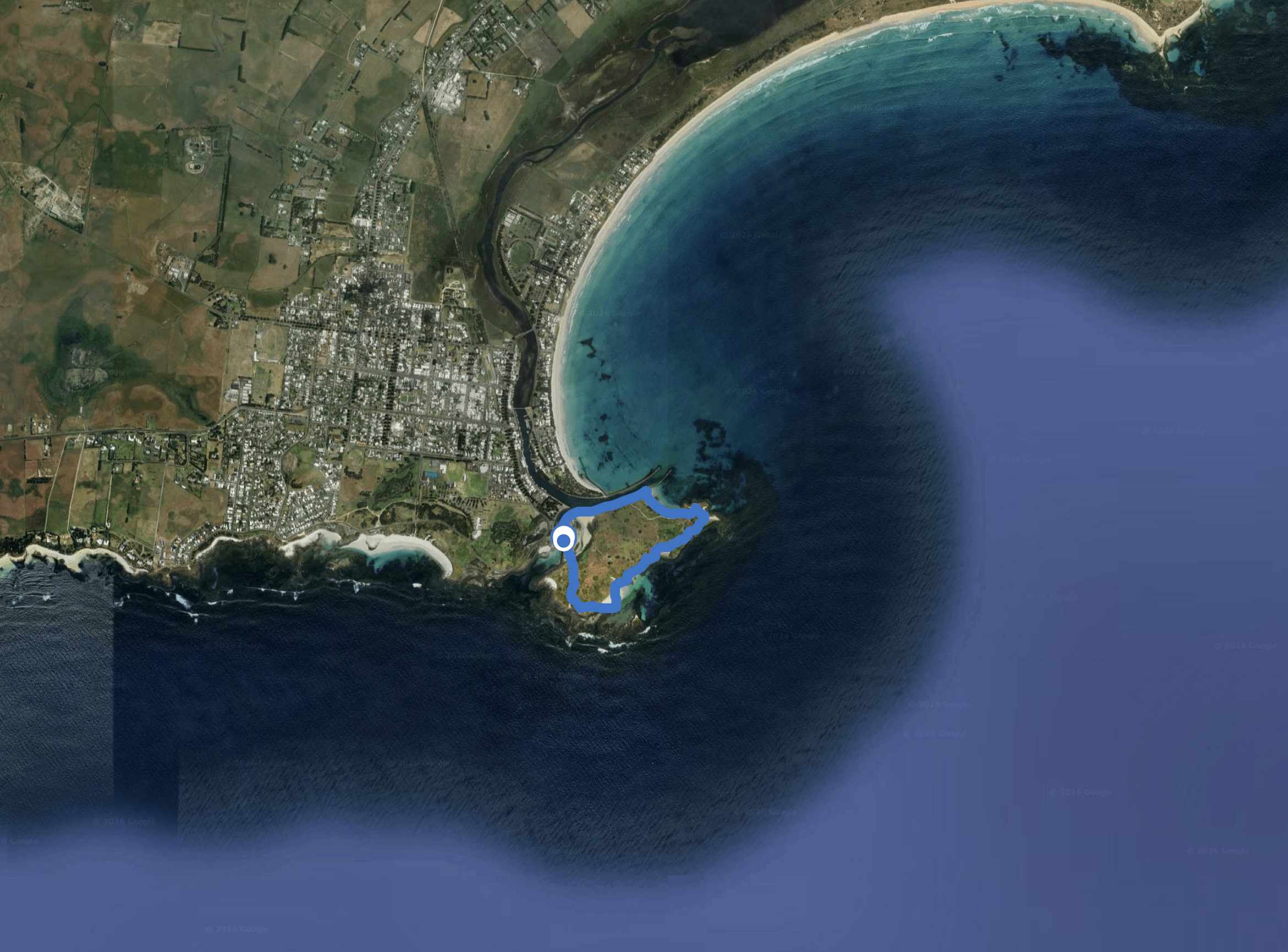
The Nankeen Kestrel is found throughout Australia and further afield in the Pacific. It is one of two Australian raptors that are really proficient at hovering, the other being the Black-shouldered Kite. I encountered this one on Griffiths Island.
Port Fairy is surrounded by volcanoes. The nearest and most recent at about 35,000 years is Tower Hill. To the north a bit further away and older there are Mt Rouse and Mt Eccles. Western Victoria has many other volcanoes which together constitute the Newer Volcanics. They are dormant, which is good, but not necessarily extinct which would be better perhaps.
Mt Rouse has made a major contribution to Port Fairy. It went off about 50,000 years ago and it’s about 60km away as the lava flows. And it flowed in abundance. Many of the older buildings, including our home here, are built of the stuff and the beaches are littered with it.
It comes in really handy for the bird photographer aiming for some low key shots – just frame up your subject against the basalt.
Kelp GullWhite-fronted ChatHooded PloverAustralian White Ibis
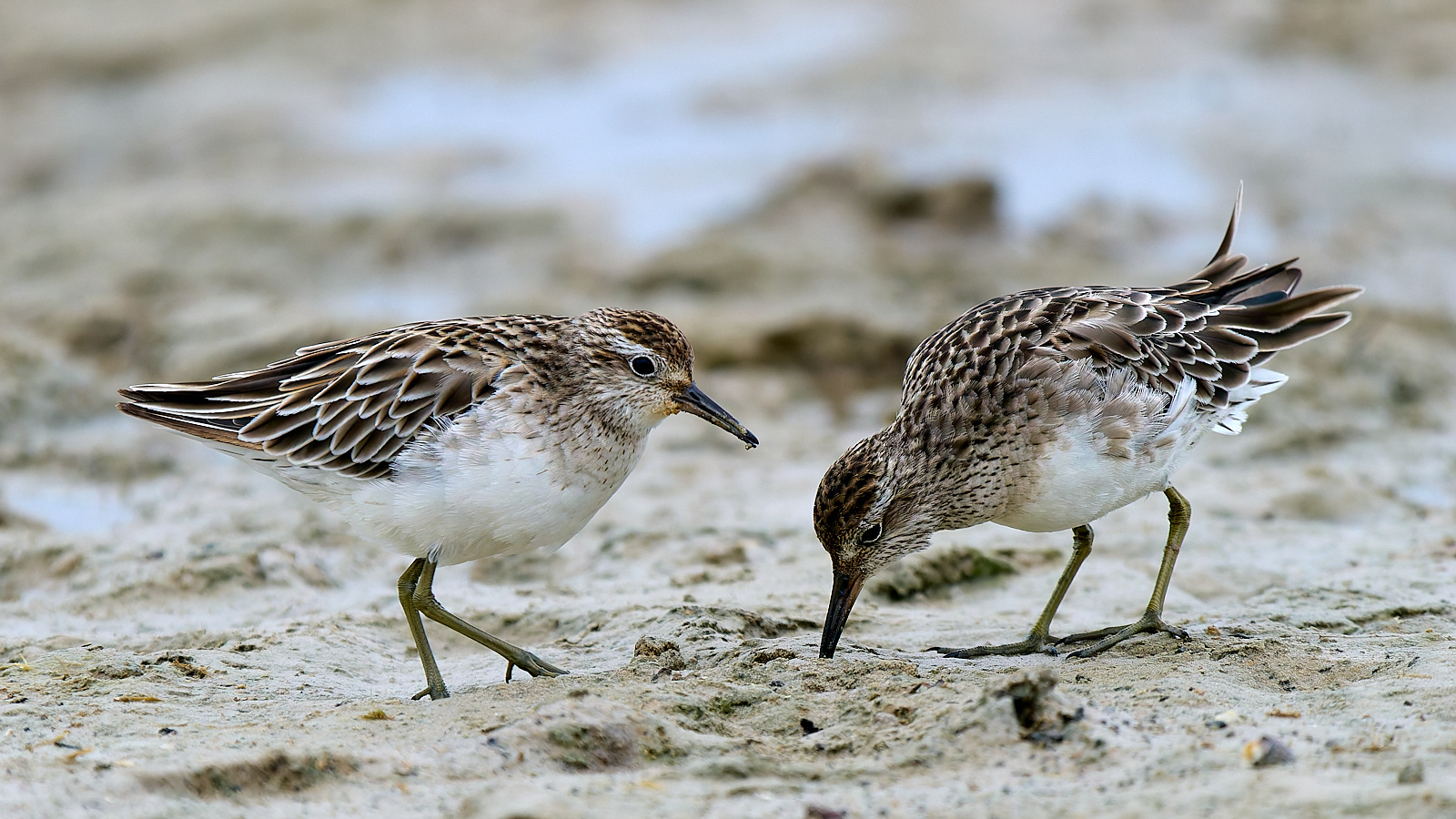
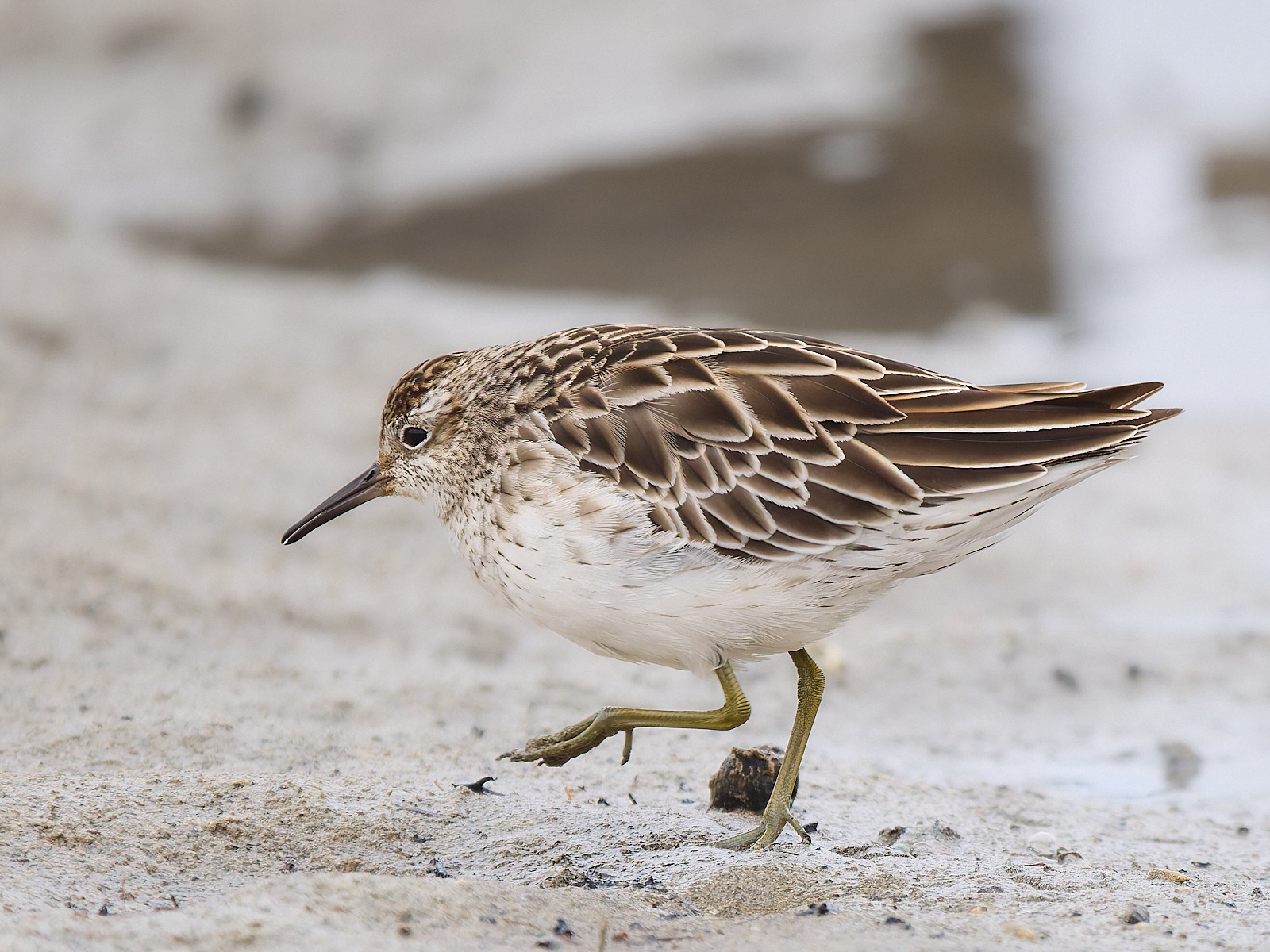
Roebuck Bay is undoubtedly the shorebird capital of Australia but Victoria has sufficient to keep the diagnostic skills in shape. As well, it often seems to me that they are more approachable down here. Summer is the time when the locally breeding species are reinforced by the migrants from the Arctic.
The photo above shows a Common Greenshank (not common around here, mate) that has come up nicely in black and white. Just as well, it was shot in awful light and looked shocking in colour! Below some other waders that I’ve found in the last couple of weeks.
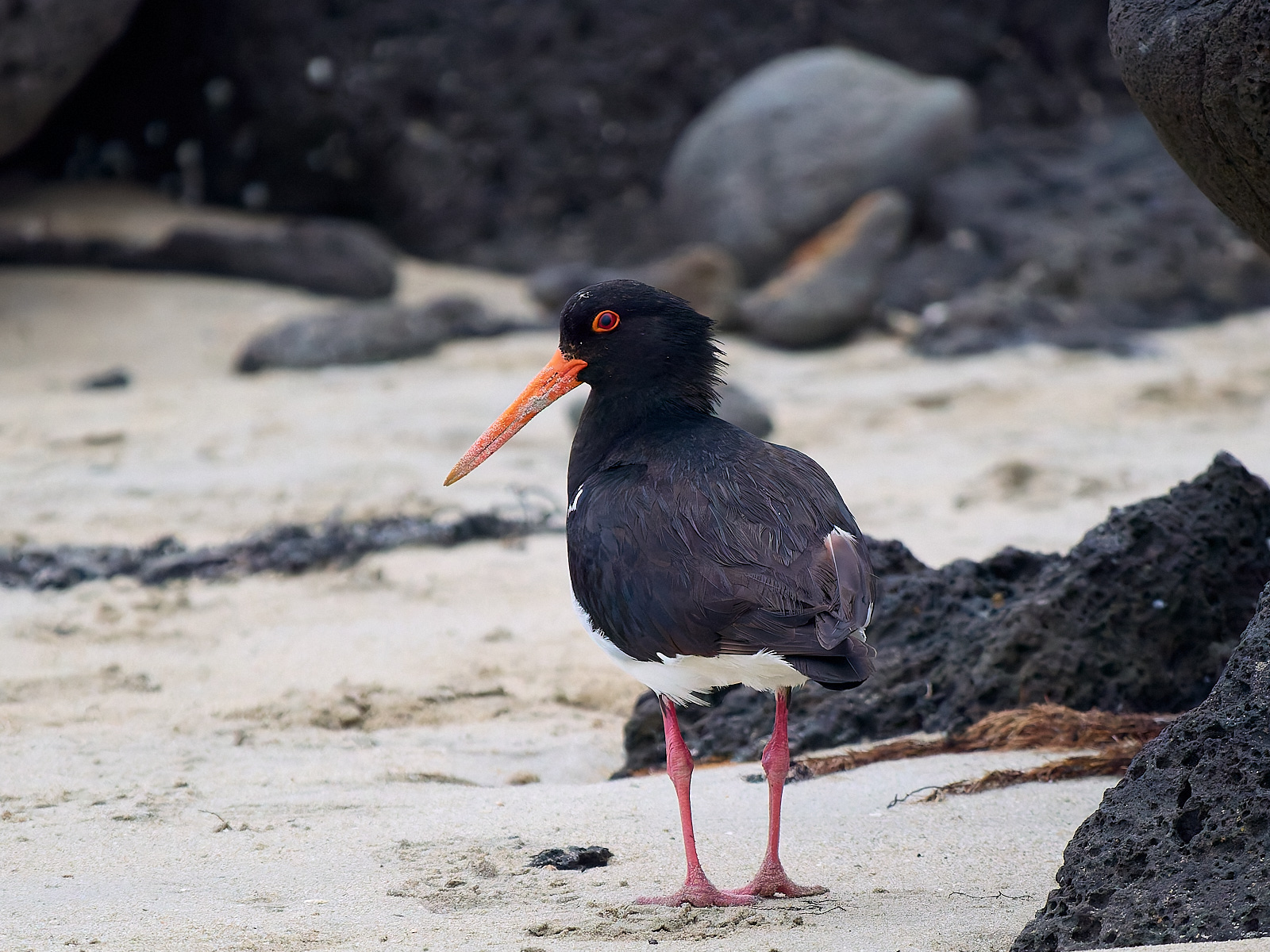
Australian Pied Oystercatcher 5B was in its first year when it was banded in 2013 so is now coming up to its 12th birthday. It has moved 286km from where it was banded and it is in a relationship!
Australian Pied Oystercatcher DV was in its second year when it was banded in 2011 so is now in its 16th year of life. It was foraging by itself 343km from where it was banded.
Sanderling LAX was banded just metres from where I found it 3 years later but far from being lazy it has probably flown further than either of the Oystercatchers because it hatched in the high Arctic and may have been to and from the breeding ground in the interim. That’s more than 11,000 km each way. They run a marathon every day as well. Their foraging style is to chase the waves out, snatch some invertebrates from the sand and run back in front of the next wave.
I found and photographed this trio within a few days of each other on the beaches around Port Fairy. They show the value of using flags that are readable in the field without catching the birds. I just fire away with the long lens as they continue about their business. Clearly the flags are not an impediment. Occasionally you can even read the numbers on the metal band for large birds.
I report the sightings with or without photos to the Australian Bird and Bat Banding Scheme. If you give them your email address they will get back to you and to the bander with the whens and the wheres. Here’s the link ABBBS. If you come across a dead bird with a band you can let them know the number on the band at the same link. It doesn’t matter if you can’t identify the bird – the band will. If you’re not in Australia there will almost certainly be another authority that you can track down on the internet.
The flags do kind of ruin the photos, they are not going to end up on the wall, but when it comes to arguing the case for conservation pretty pictures are trumped by hard data (except maybe for koalas, pandas and polar bears.)
There is a seal colony on Lady Julia Percy Island about 22km from Port Fairy and occasionally a seal or two will pay us a visit. I found one this morning in the mouth of the Moyne River playing with a fish fillet that looked more like it had been donated than caught. The seal was shaking it and throwing it and occasionally chewing on it. It was having a grand old time.
The Australian Fur Seal Arctocephalus pusillusdoriferus is a subspecies of the Brown Fur Seal. It is found around the shores of Bass Strait and Victoria, it breeds colonially on smaller islands. Adult males will weigh between 190 and 280 kg (420–620 lb) the girls are a bit smaller. The nominate subspecies is found around the shores of southern Africa.
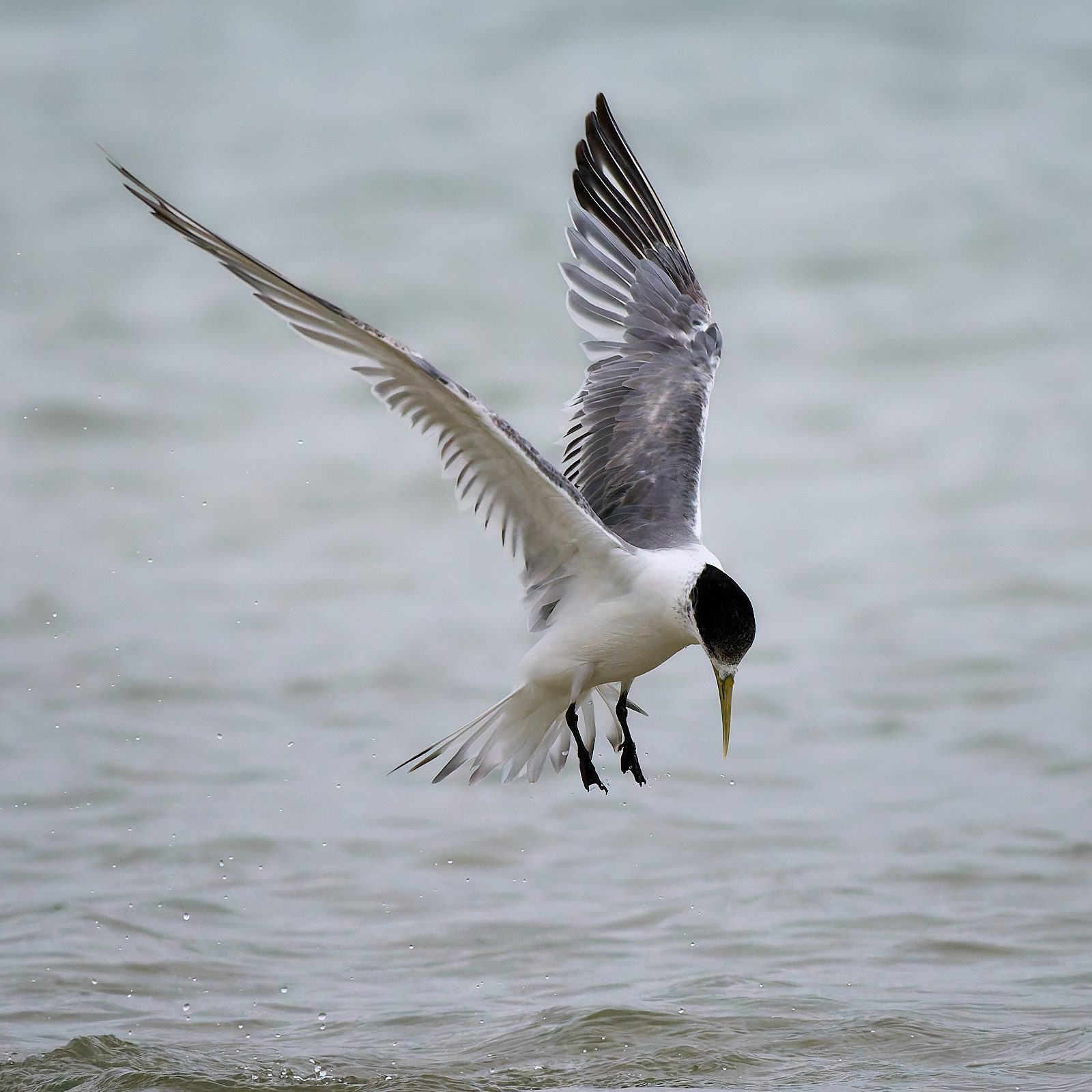
Back in Port Fairy now and one of the first birds I encountered was the other large Gull that is frequently found around Australia’s southern coast. Points of difference from the Pacific Gull in adults include
The bill looks less of a weapon
The bill has a red dot on the lower mandible only
The legs are a different yellow
No black band in the tail
A white margin around the black in the wing
Immature birds of both species have black bands in the tail, bill shape is then your best guide.
This guy had a vigorous bath then flew to the rocks to preen. Birds use their bill to distribute oil from the uropygial gland through their feathers.