A link with my past …

My interest in birds goes way back to primary school in England. The reason for it is totally unfathomable, no one else in the family was so inclined although there were a couple of books about birds in our small collection. At the time I lived in Leyton, London within walking distance of Whipps Cross where there is some residual oak forest and the Hollow Ponds.

I doubt that parents these days would be comfortable with an eight year old wandering off by themselves to go bird watching but it seemed normal enough back then.

There were a couple of birds that I regarded as megastars – the Jay and the Great Crested Grebe. The Jay has a wide distribution across Europe and Asia but doesn’t make it to Australia which is where I now live. The Great Crested Grebe though does.

I went for a walk around Lake Wendouree in Ballarat the other day and there were several pairs swimming about.

We have three species of Grebe in Oz. The Australasian Grebe is the smallest and occurs on shallow freshwater sometimes on surprisingly small ponds. The Hoary-headed Grebe is slightly larger and dives slightly deeper. It occurs on fresh water bodies and is also happy in sheltered salt water. The Great Crested is the largest of the three, dives deeper and is found on lakes rather than ponds.
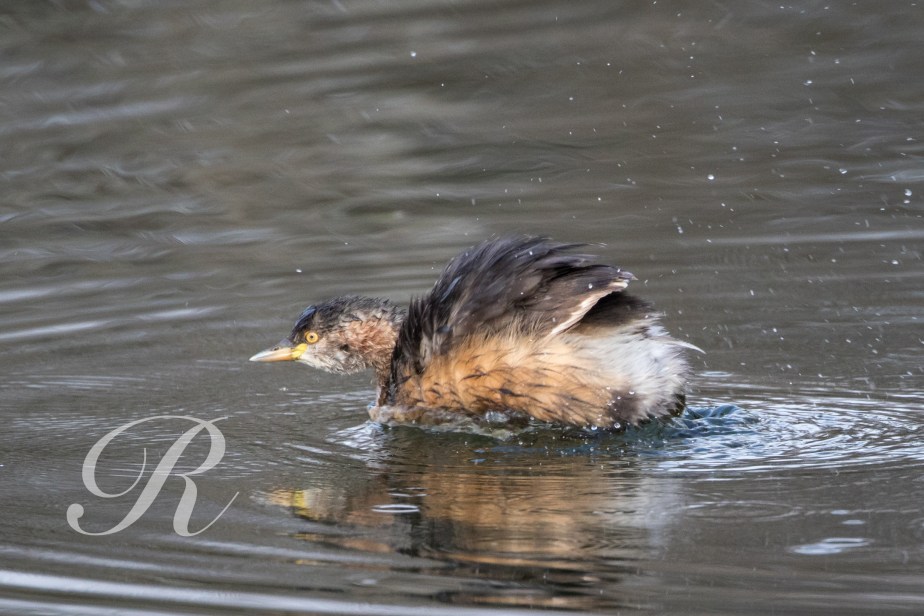
Australasian Grebe
Hoary-headed Grebe

For the photographer none of the grebes are particularly cooperative.  They like a comfortable distance between you and them. When I found myself close to a pair of Great Crested Grebes in some reeds I sat on the bank and waited hoping that they would emerge and give me a shot. Eventually one did …

Great Crested Grebe

In concentrating on the first pair I had failed to notice a second pair coming from my right. They were quite close by the time I saw them, their necks stretched out in aggressive pose. Here’s a close up of one of them …
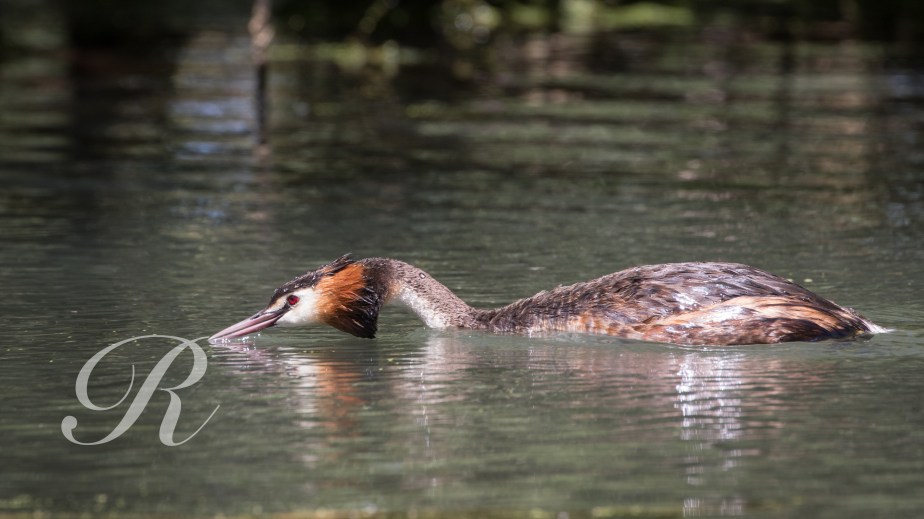
Great Crested Grebe

This was a territorial issue. Pair number one retreated into the reeds. Pair number two went in after them, there was a few moments of splashing, unfortunately hidden from my view. Pair number two re-emerged and stood guard for a couple of minutes. The edge of the reeds was clearly the territory boundary.

It was only then, it seemed, that they realised I was there.

Great Crested Grebe

The scientific name of the Great Crested Grebe is Podiceps cristatus, wherein lies a story …
While I was there …

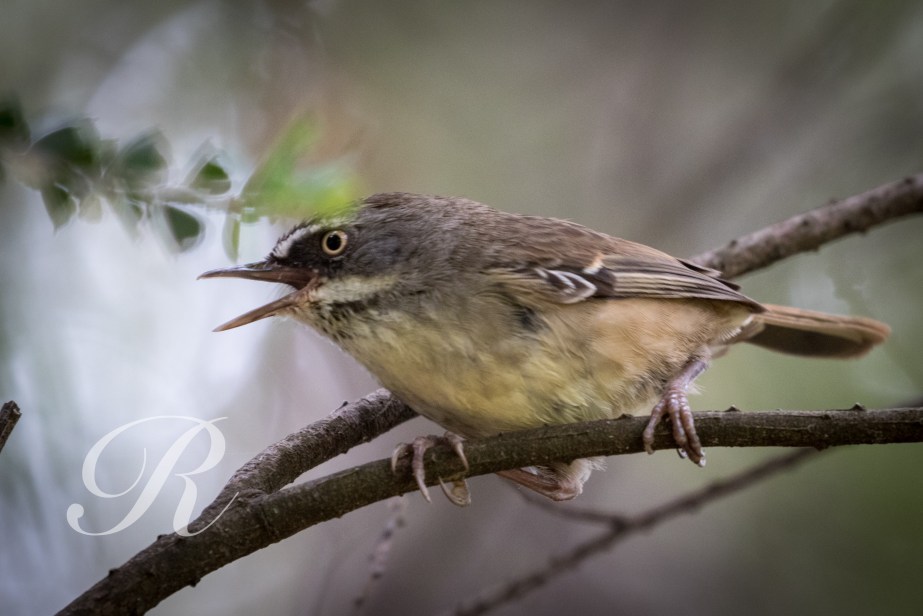
There wasn’t a lot of time in Harrietville for birdwatching but as I moved between my accommodation and rehearsal rooms I often encountered a bunch of Scrubwrens at one particular spot. They clearly resented my intrusion and would gather and scold me. I had to get a photograph.

White-browed Scrubwren

They are denizens of dense vegetation. In eastern Victoria it would be hard to go birding without encountering them. In the drier west of Victoria they are harder to find, streamside vegetation offers the best chance.

They are members of the genus Sericornis named by Gould in 1838. It is from the Greek and means silk bird apparently because of their silky plumage. I have banded many of these birds. Whilst handling  them it never seemed to me that they were silkier than other little birds from similar habitats.

White-browed Scrubwren

Harrietville …

I’ve been away, enjoying the mountain air.

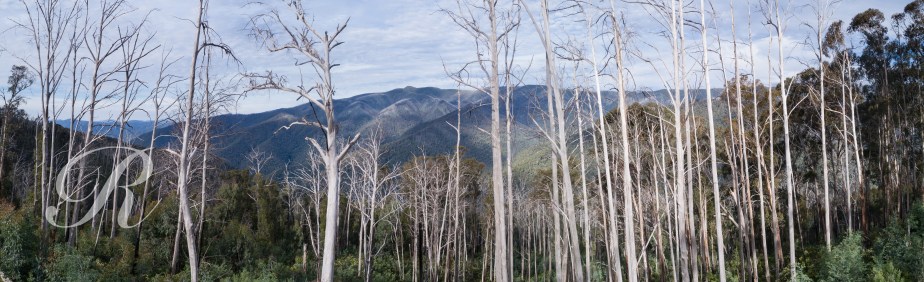
Harrietville lies at the foot of the grandly named Australian Alps in north-east Victoria. It got its start as a gold rush town and there are still a working mine or two. Gold was discovered in 1852, it was enough of a town to deserve a post office by 1865. It has a population of around 400 plus a good contingent of tourists at any season. It is a very beautiful spot.

After the alluvial gold was worked out attention turned to some reefs accessed by deep shafts. Then it was the turn of the Tronoh Dredge. This monster was 167 metres long and weighed 4,813 tonnes. It slowly chewed its way forwards to a depth of 41 metres floating in a lake of its own creation. The dredge dumped its tailings behind it. Operating from 1942 to 1954 it recovered 54,000 oz. of gold from the Ovens River flats. It has left a swimming hole for the citizenry to enjoy – it’s reputed to be somewhat chilly.

In 1883 the local Shire was awarded £1000 pounds to double the width of the existing four foot track enabling coaches to access the township. The old coach road pressed on through Harrietville and up the hill. It would have been a rugged ride. Nowadays the Great Alpine Road goes up to the Mount Hotham ski resort and on over the top to Omeo and then descends to the coast.

I was in Harrietville to take part in the 42nd Harrietville Music Camp. It’s run by the Whitehorse Orchestra and goes for an extremely busy week. Musicians enrol in a tutorial group appropriate to their instrument and have the opportunity to play in various ensembles and sing with the choir. There are performances of one sort or another every day leading up to public concerts at the end of the week.

If you visit the Whitehorse Orchestra home page you could get the impression that it is only for the classical musician but this is far from true. One of the ensembles is The Big Band run brilliantly by Geoff Earle who also takes the Saxophone tutorials. The Big Band takes the community by storm at one of Harrietville’s two pubs on the Friday night. It’s a blast.

The classical musicians get their turn at the Bright Community Hall on the Saturday where more formal standards are upheld.

It is a fabulous institution that has won not one international award, not two international awards, not three international awards … but it does deserve one.


Quality …

On New Year’s Day many a birdwatcher likes to get their list off to a good start.

This year I decided to go for quality rather than quantity. I have in the past rushed around near home amassing a big list of birds. But these are birds I can go and find any time. This year I opted for a longish drive and a shortish list.

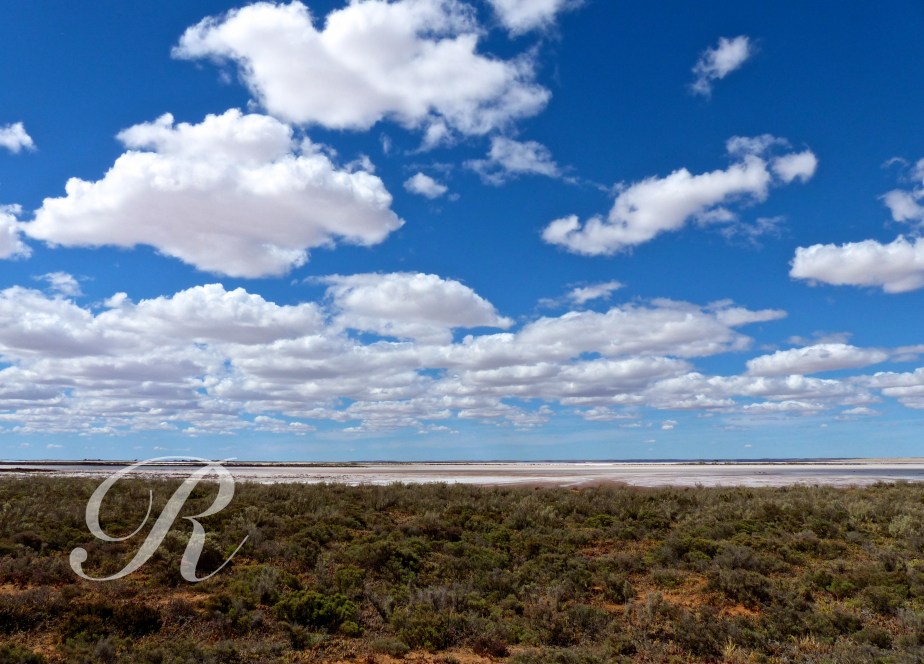
Lake Tyrrell is Victoria’s largest salt lake (20,860 hectares or ~51,550 acres) although there are far larger examples in other states. It is surrounded by saltbush and samphire which provides a home for some birds that are fairly restricted in their requirements. I was pleased to find White-winged Fairywrens, Rufous Fieldwrens and White-backed Swallows.

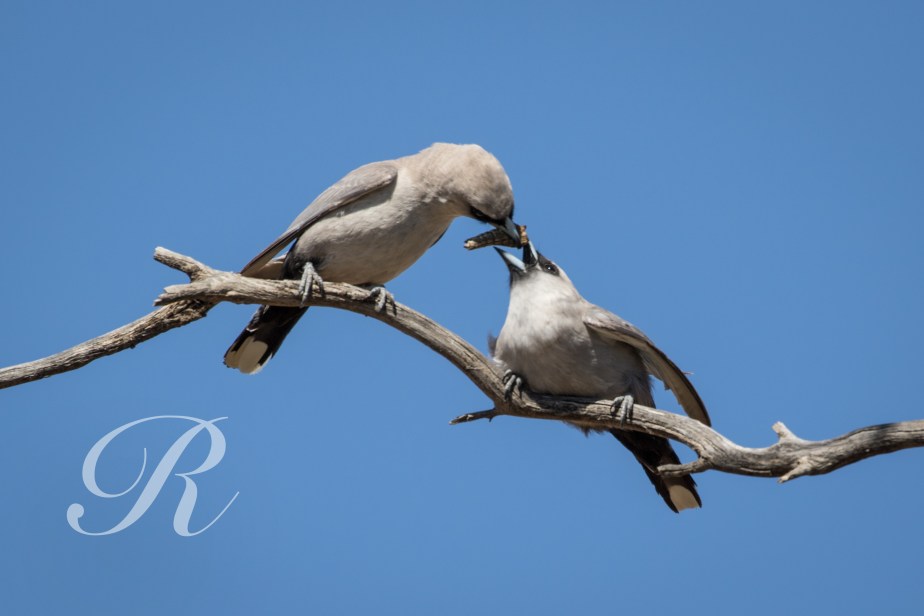
So what is a quality bird? Start with a bit of rarity and add some good looks. In Victoria this is a quality bird …

Black-faced Woodswallow

although further north in Oz Black-faced Woodswallows are commonplace.

If it can be persuaded to pose and maybe do something interesting it is even better.

You can usually find them at Lake Tyrrell and I have rarely seen them anywhere else in Victoria.

Lake Tyrrell is 360km northwest of Melbourne on the Calder Highway. If visiting do not venture onto the tracks around the lake after rain. Gates have been installed recently to help you make a smart decision but if you should find them open and the tracks wet don’t drive off the bitumen unless you want a prolonged stay. And please never drive on the lake bed itself.

Dragonfly …

Today I saw the dragon-fly
Come from the wells where he did lie.
An inner impulse rent the veil
Of his old husk: from head to tail
Came out clear plates of sapphire mail.
He dried his wings: like gauze they grew;
Thro’ crofts and pastures wet with dew
A living flash of light he flew.

Alfred Lord Tennyson

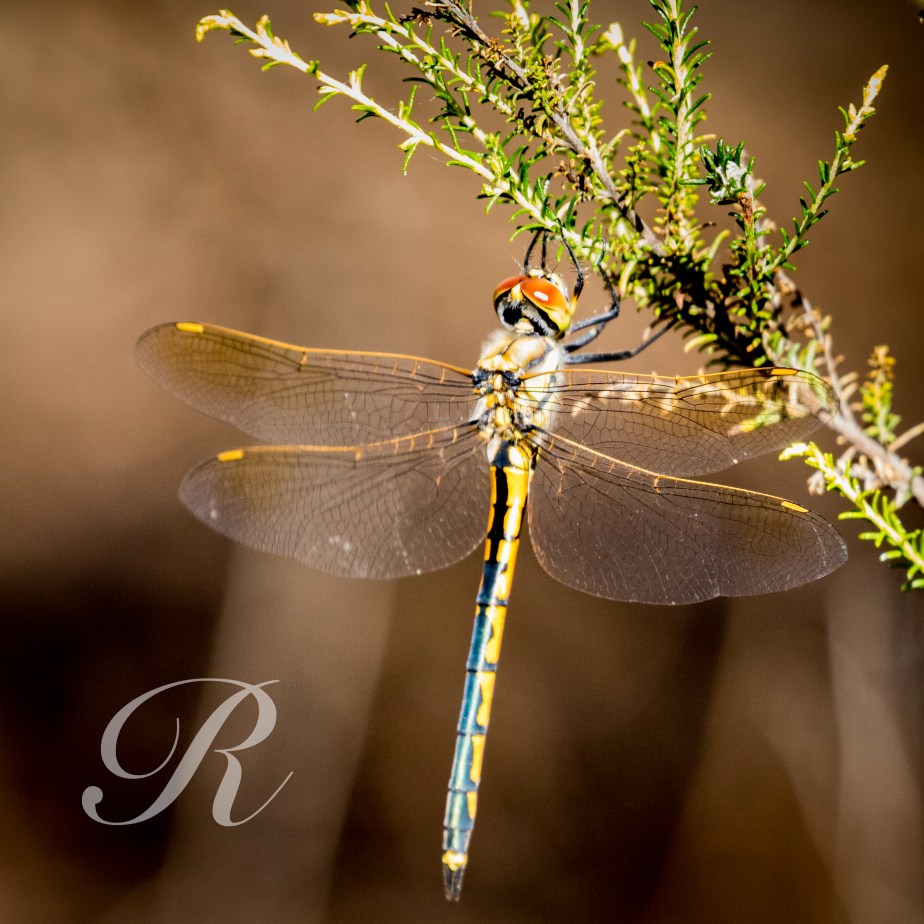
Well something like that although this one was encountered in dry woodland devoid of grass and certainly devoid of dew.

There is a handy key to Australian Dragon and Damselflies <HERE> from which I learnt that this is a Tau Emerald (Hemicordulia tau).

East …

Some birds are residents, some are migrants. Some birds just wander around in response to conditions, none of them care a fig about state boundaries. So if you hang out near the borders of your state or territory your list will grow.

I live in the western half of Victoria where sooner or later you can expect to find Budgerigars, Diamond Doves, Black and Pied Honeyeaters and other occasional visitors. These are birds that spill out of the more arid interior.

Over in the east of the state their counterparts are birds of the east coast forests that wander around the corner from New South Wales, usually in summer. There have been reports recently of a few congregating in one particular front yard in the little town of Metung. It seemed a good time to put in some time in the Gippsland Lakes region. The weather gods thought it might be a good time to visit the same area.

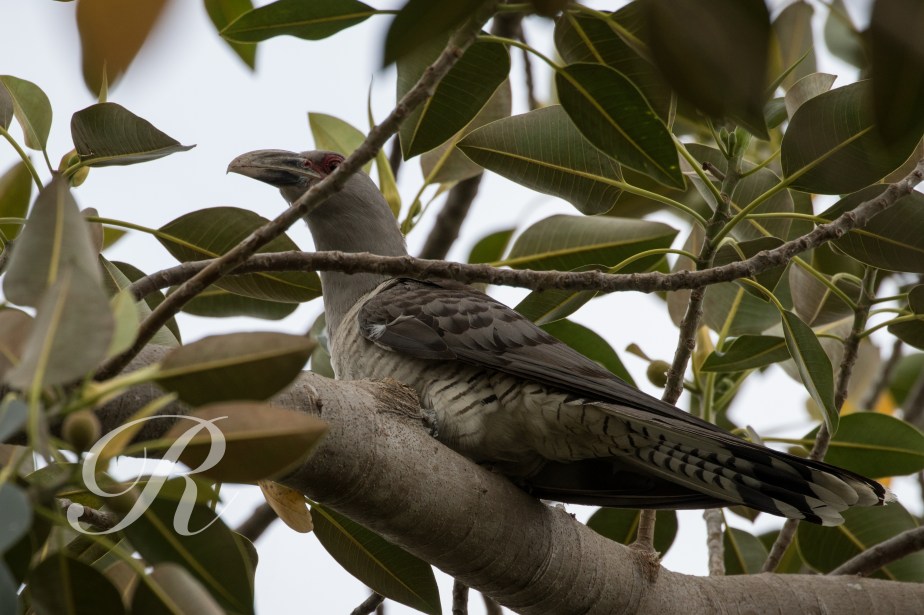
The Fig Trees of Mairburn Road deserve to be as famous as the Flame Trees of Thika. In the space of half an hour I saw Koel, Channelbill Cuckoo, Topknot Pigeon, White-headed Pigeon and Figbird. All in or close to two enormous Morton Bay Figs thoughtfully planted as ornamentals in somebody’s front garden. Thanks, mate.

These three were new to my Victorian list …

Channel-billed Cuckoo
Topknot Pigeon
Figbird

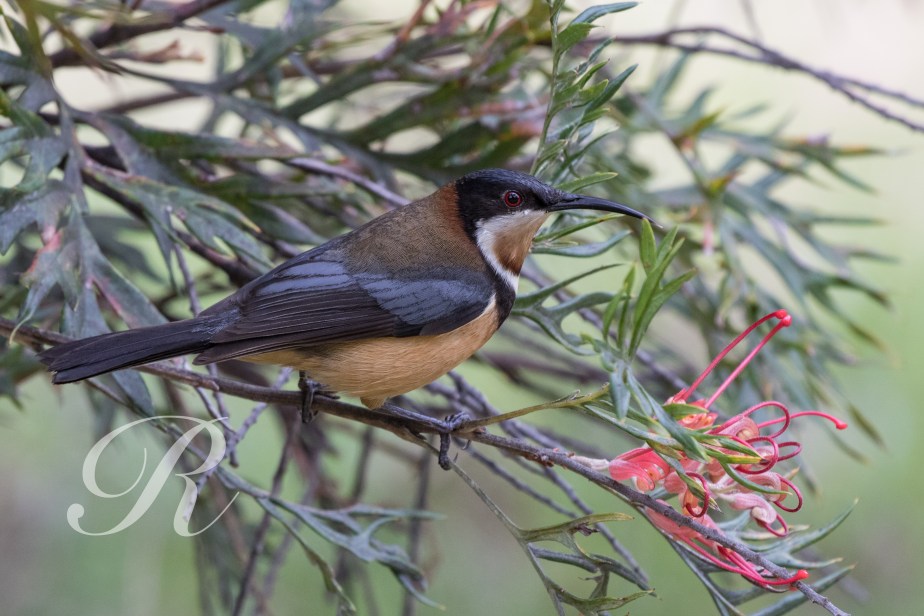
You can’t spend all your time pointing your binoculars and telephoto lens into fig trees in people’s front gardens. You have to consider the Grevilleas in their back gardens …

Eastern Spinebill
Little Wattlebird

and maybe even wander into the forest …

Spotted Pardalote

Lawrence Rocks …

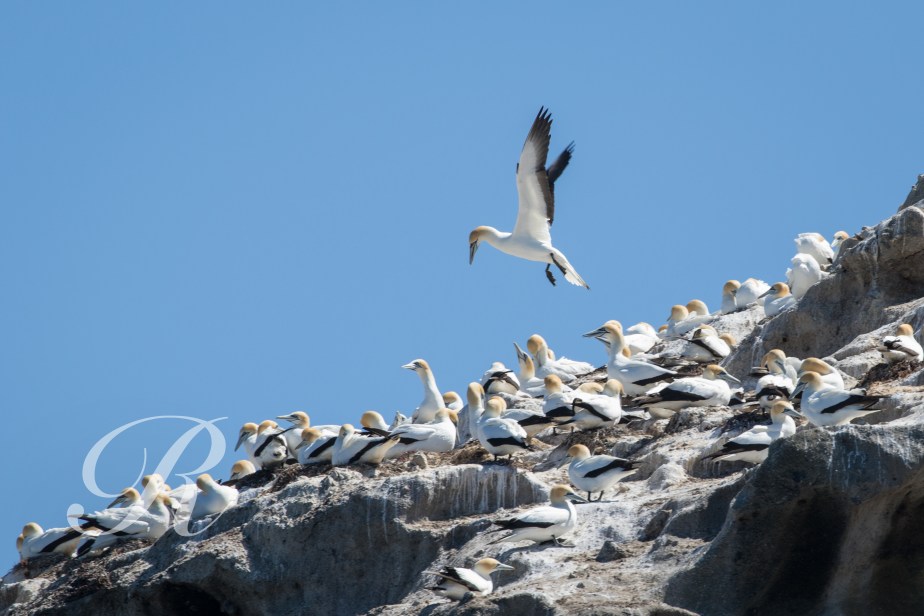
The view from outer space (courtesy of Google Earth) shows the guano on Lawrence Rocks. You can also just make out a tiny spot more on Point Danger, the nearest point on the mainland. The cloacas at work belong to these …

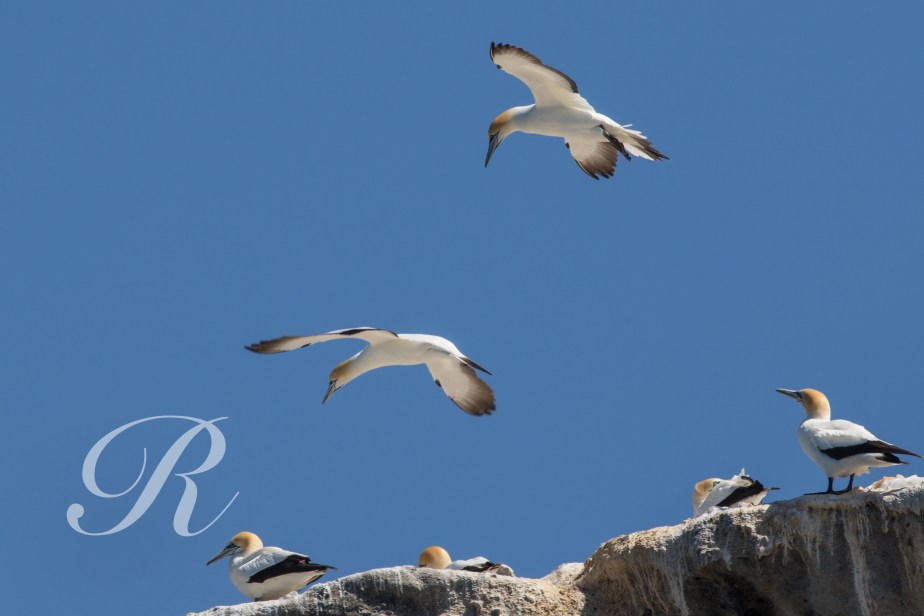
Australasian Gannet

The colony on the rocks spilled over onto Point Danger, the only mainland breeding colony of Australasian Gannets. It’s survival has been greatly assisted by fencing that keeps out foxes and other terrestrial predators.

The rocks also provide a resting place for Black-faced Cormorants and Australian Fur Seals. In winter the White-fronted Terns can usually be seen here. Crested Terns are common all year.

All At Sea …

… again, from Portland this time.

Portland is close to the western extremity of the Victorian coast. It was settled illegally by the Henty brothers back in 1834. It provides a reasonable harbour which has been important in whaling and fishing and these days live meat and woodchip exports.

The attraction for the sea bird enthusiast is its proximity to the edge of the continental shelf, where the lighter blue meets the darker blue in the image above. Most of Victoria’s coast is deep water deprived. Upwelling water at the shelf edge brings in the long distance wanderers of the sea, the true pelagics.

So eight birdos assembled on the dock in the early morning looking like they had been dressed by a Salvation Army Op shop and carrying about 80,000 dollars worth of optics. Tragics in search of pelagics.

The sea was initially a metre plus slop on top of almost no swell whatever, reasonably comfortable for the 50 km ride out to the shelf. Once there the dispensing of handfuls of shark liver soon attracts the birds which are then continuously and thoroughly depixellated to the machine gun like sound of overheating motor drives … for about four hours.

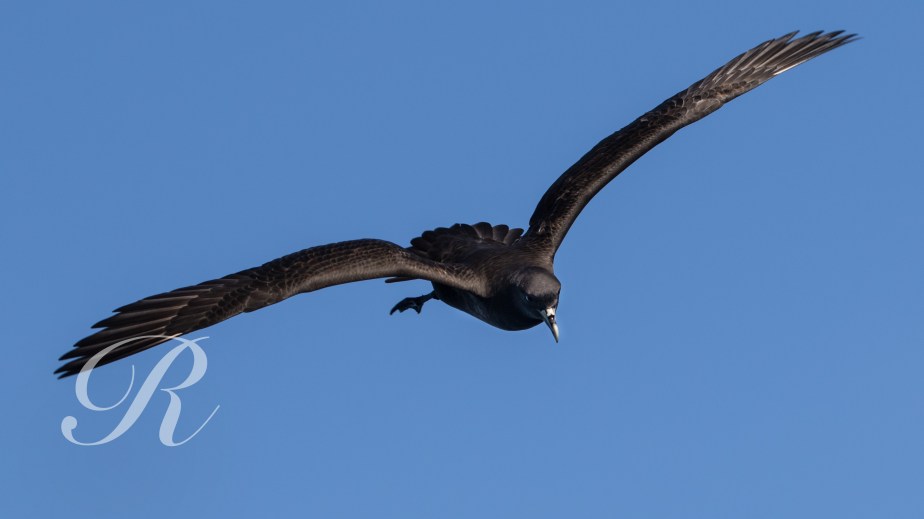
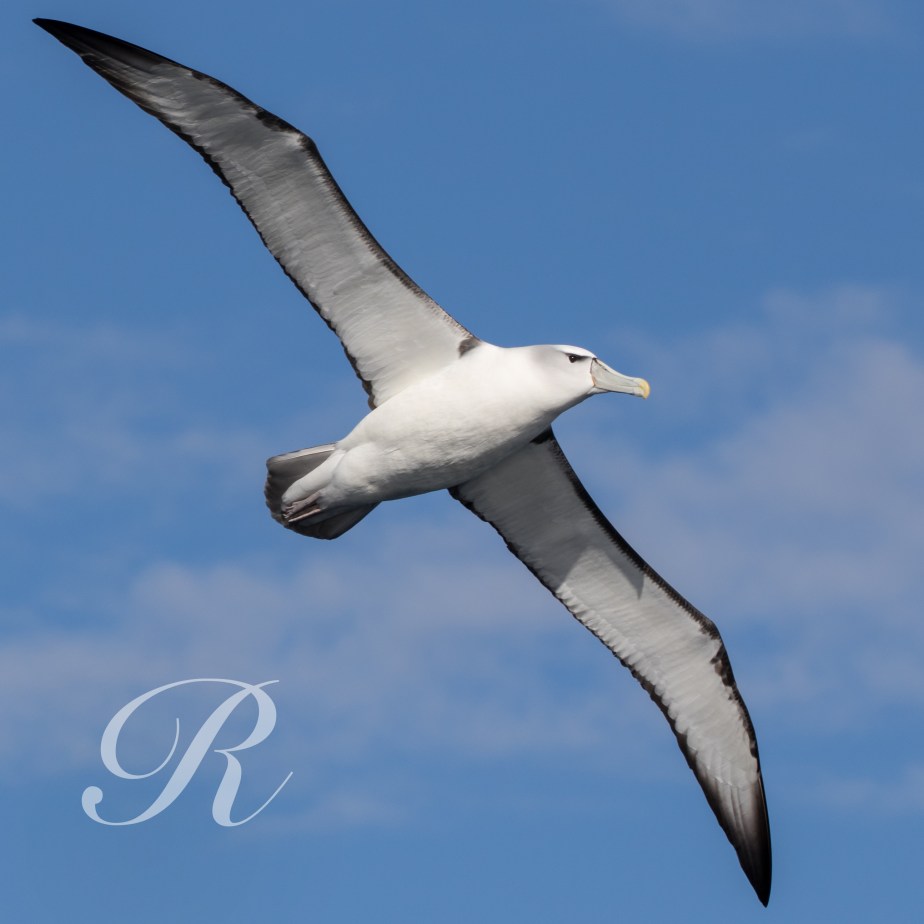
It was not a day of great variety. White-chinned Petrels dominated the scene with Shy Albatrosses running second, two flavours of Shearwater showed themselves at various times along with the odd Fairy Prion and a few also rans.

Shy Albatross
Fairy Prion

The wind and sea picked up as the day wore on heading towards a forecast 30 knots. We had a less comfortable and fairly wet ride home.

On the way we stopped for a look at Lawrence Rocks just off Point Danger at the entrance to Portland Bay. It is home to a massive breeding colony of Australasian Gannets and a good place to rest for a variety of terns, cormorants and fur seals.

Lawrence Rocks
Australasian Gannet

“I now belong to a higher cult of mortals, for I have seen the albatross!” – Robert Cushman Murphy, 1912.

Murphy, ornithologist, ecologist, conservationist, was writing to his wife from the whaling brig Daisy in the vicinity of South Georgia. He describes the Albatrosses “Lying on the invisible currents of the breeze” which beautifully portrays their flight in light airs but it’s when the wind rises to a gale that I find them most impressive. When your hands are clasped tightly on the ship’s rail and you hope your pyloric sphincter will maintain an equally strong grip on your gastric contents, the Albatross passes elegantly by demonstrating a complete mastery of its elements. I saw my first Wandering Albatross just outside Sydney Heads and I remember it well.

The Albatross family is one of the four (extant) families making up the order Procellariiformes. When you go to the seaside you encounter numerous seabirds, gulls, cormorants, and gannets for instance, but most of them don’t venture too far out to sea. The procellariiiforms are true ocean goers, they may spend years at a time without coming ashore something that they usually do only to mate.

To get amongst them you have to go to sea. This weekend I did exactly that sailing about 30 nautical miles south of Port Fairy to the edge of the continental shelf.

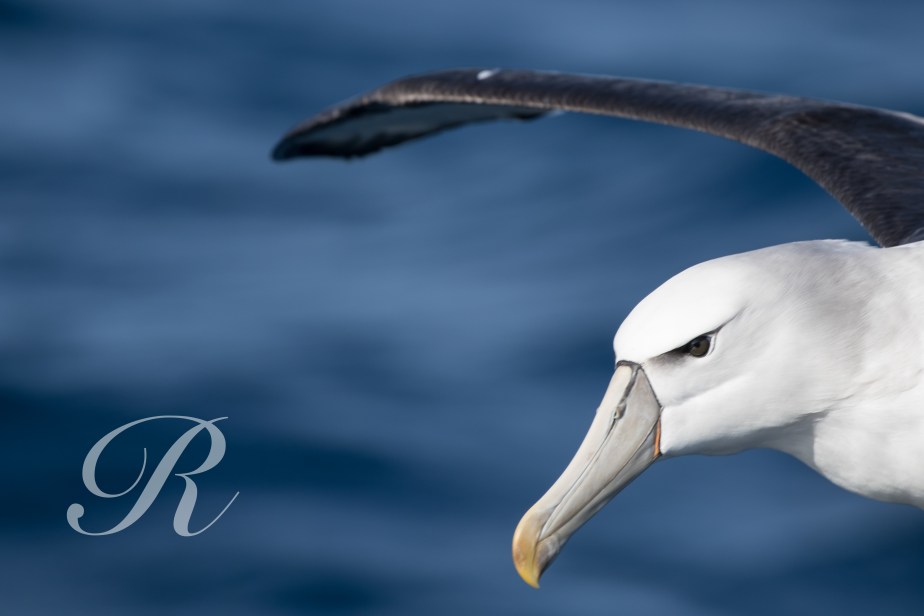
Shy Albatross

The largest albatrosses are the Wanderers and the Royals but they didn’t put in an appearance this time out. The largest on this occasion were the Shy Albatross. They were present in good numbers and not at all shy. Slightly smaller and rather more numerous were the Black-browed Albatross …

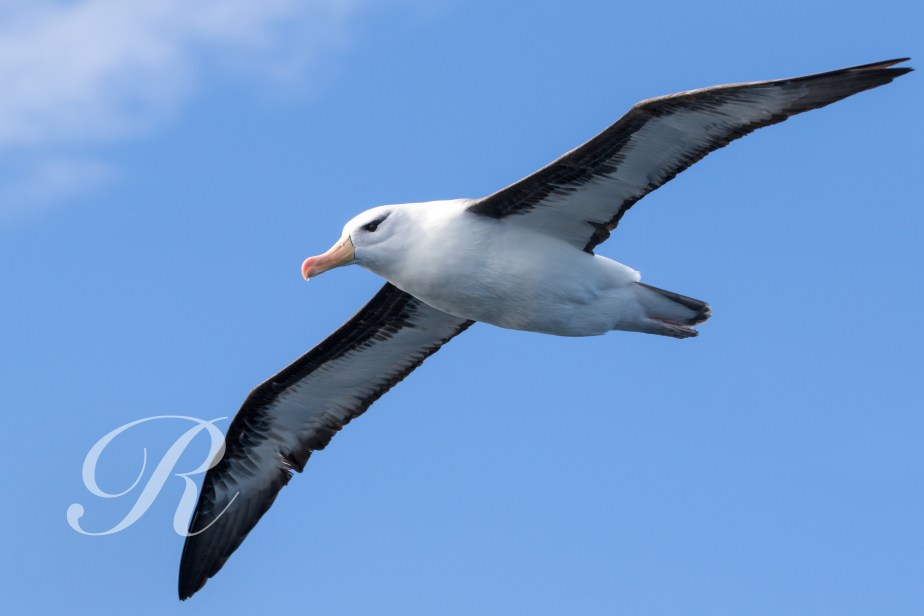
Black-browed Albatross

The black margin on the underwing is broader, the bill a different colour. They come in two subspecies (full species according to some) which can be distinguished by the colour of the iris, yes you do need to get reasonably close. One has a dark eye, the other is honey coloured, both were present.

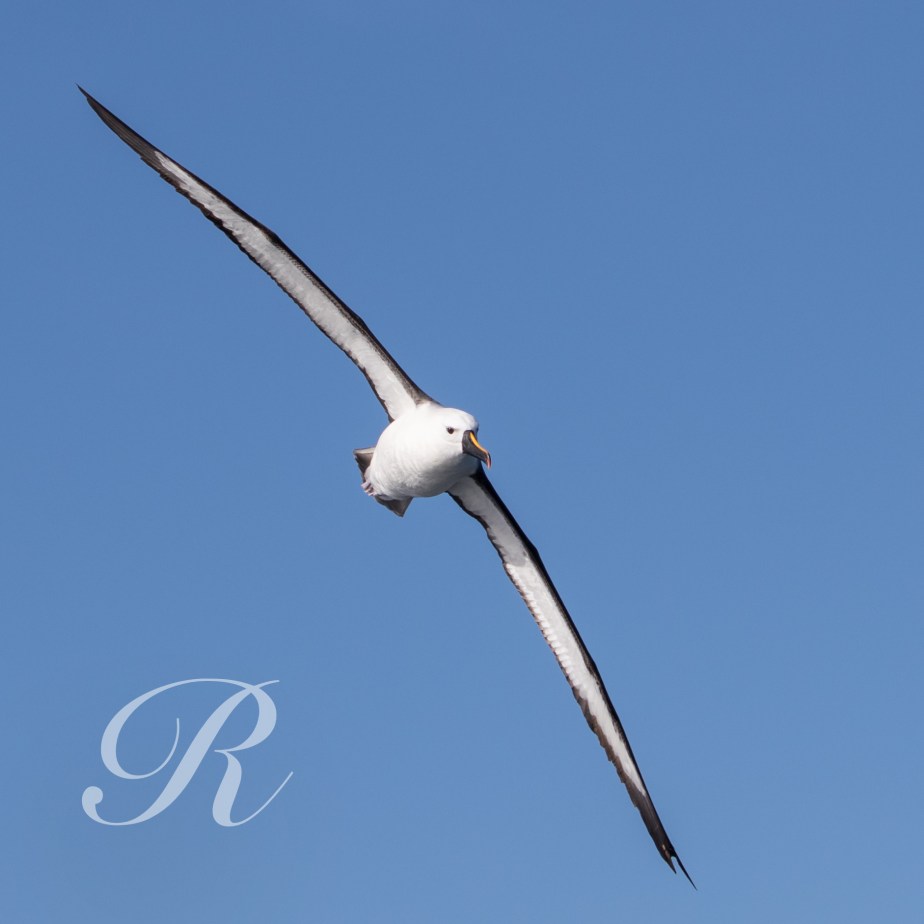
Smaller still is the Yellow-nosed Albatross …

Yellow-nosed Albatross

Sea birds tend to be black, white, gray or combinations of black, white and grey! Diagnosis has its challenges. Albatrosses are actually the easy ones.

All the procellariforms have tubes leading to their external nose. If you look at the top close up of a Shy Albatross you can see that there is a small nostril on the side of its beak. The Albatrosses all have two quite small nostrils, in all the other families that make up the order the tubes merge into a single opening on top of the beak.

The four families are :-

  • Family Procellariidae (shearwaters, fulmarine petrels, gadfly petrels, and prions)
  • Family Diomedeidae (albatrosses)
  • Family Hydrobatidae (storm petrels)
  • Family Pelecanoididae (diving petrels)

and at least one member of each family turned up. Here are a few of them …

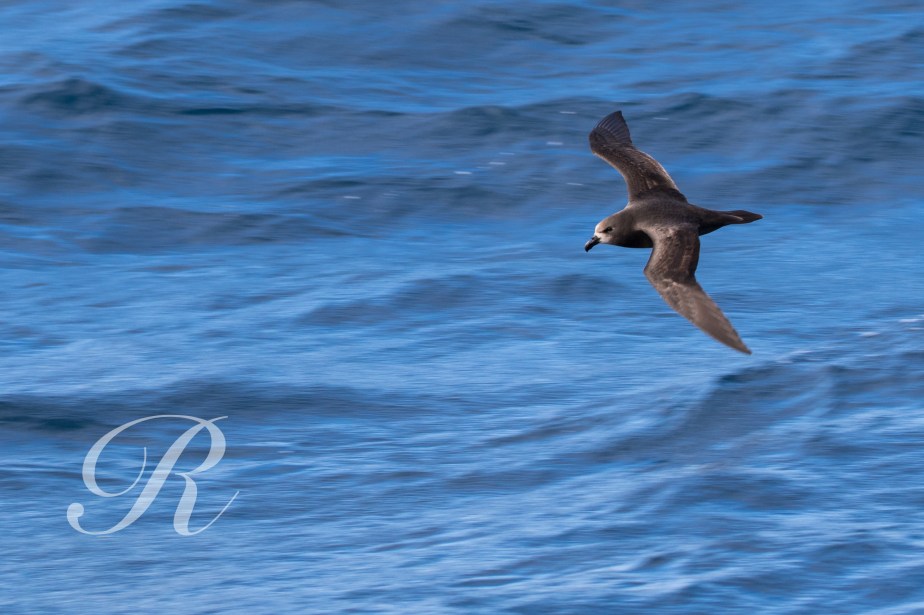
Grey-faced Petrel
Southern Giant Petrel
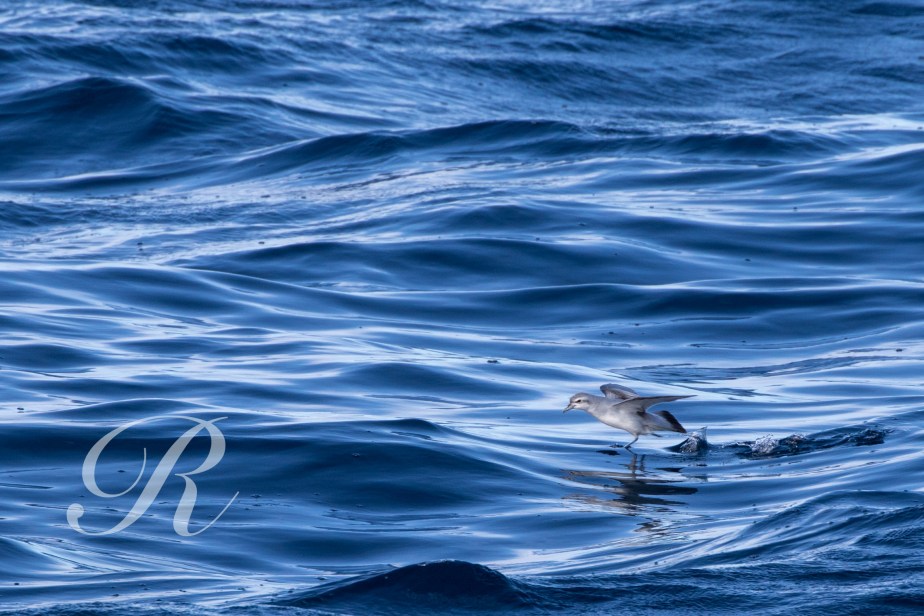
Fairy Prion