Birds of prey make their living in different ways; Kestrels are fond of mice, Peregrines are fond of pigeons, Brown Falcons are fond of snakes. Hunting technique are appropriate to the creatures hunted.
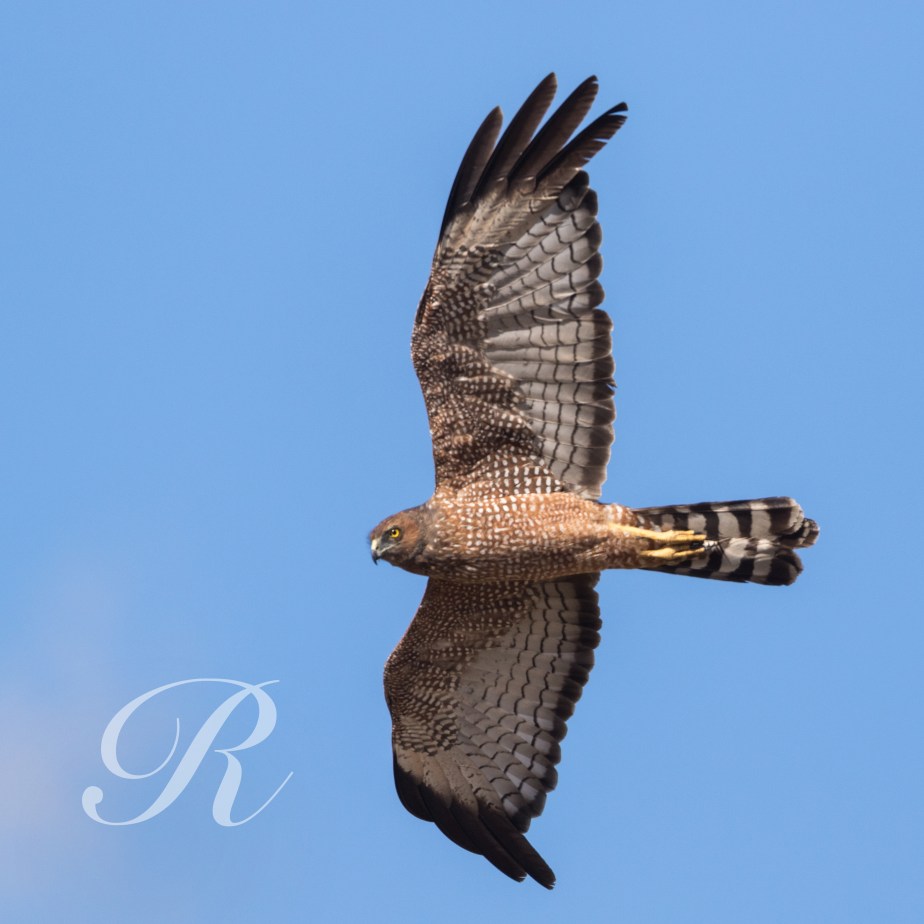
Harriers go about their business fairly low over open country with wings upswept. In Australia we have a couple of members of the guild, Swamp Harrier and Spotted Harrier. One prefers wetter habitats the other drier habitats.
The dry plains around my home seem ideal for Spotted Harrier but for all that they are only occasional visitors. I was looking for quail when I encountered this one, so was he probably.
Spotted Harrier
When looking for mice in the grass slow flight is an advantage. Kestrels and Black-shouldered Kites can hover. They are both smaller birds, there is only so much energy in a mouse and hovering is expensive. The equation works for the small birds but hovering is too expensive for harriers to undertake except very briefly.
So slow flight it is. The upswept wings contribute to lateral stability, very helpful when flying close to stall speeds. If a wing stalls it drops relative to the other wing and the bird as a whole side slips to the affected side. Under these circumstances the lower wing develops more lift than the upper wing and tends to restore the bird to level flight (at a slightly lower altitude).
The upward angulation of the wings is called dihedral and it can be seen in this photo of our gliding harrier …
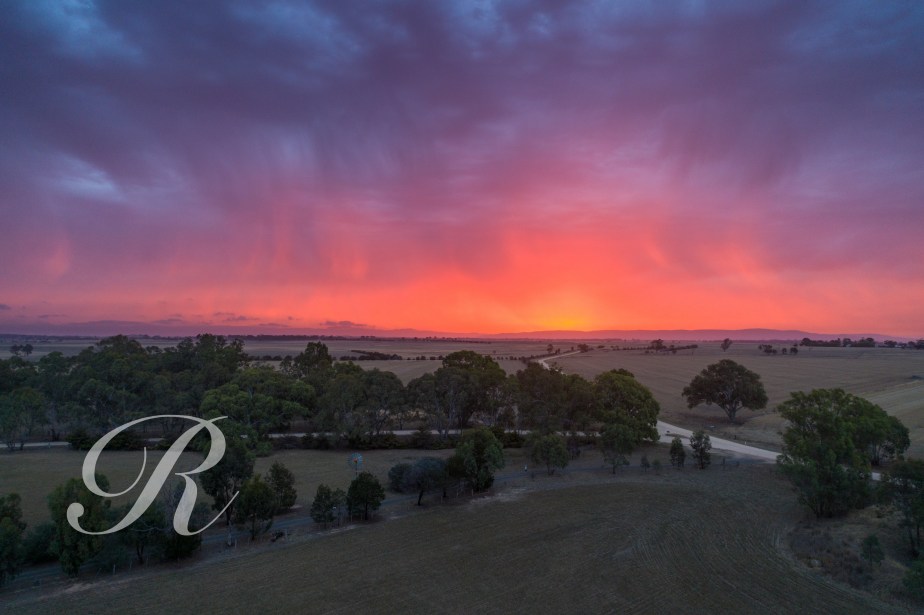
A welcome cool change came along in the afternoon dropping the temperature by 15°C in an hour. Strong winds brought raised dust which presented us with a gorgeous sunset.
Meanwhile 2,600 plus kilometres north-east Cyclone Penny has both cleaned up her image and intensified in strength. It is expected to weaken before making land fall.
Today has been much cooler. But that won’t last long
The last couple of days have been days of laziness and overindulgence. Christmas is like that. They have also been hot … high 30’s. At five thirty last evening it was 38°C (100.4°F). Today we are expecting it to top 40° for the first time this summer.
With that in mind an early walk seemed like a much better idea than a later walk and for my enterprise I was rewarded …
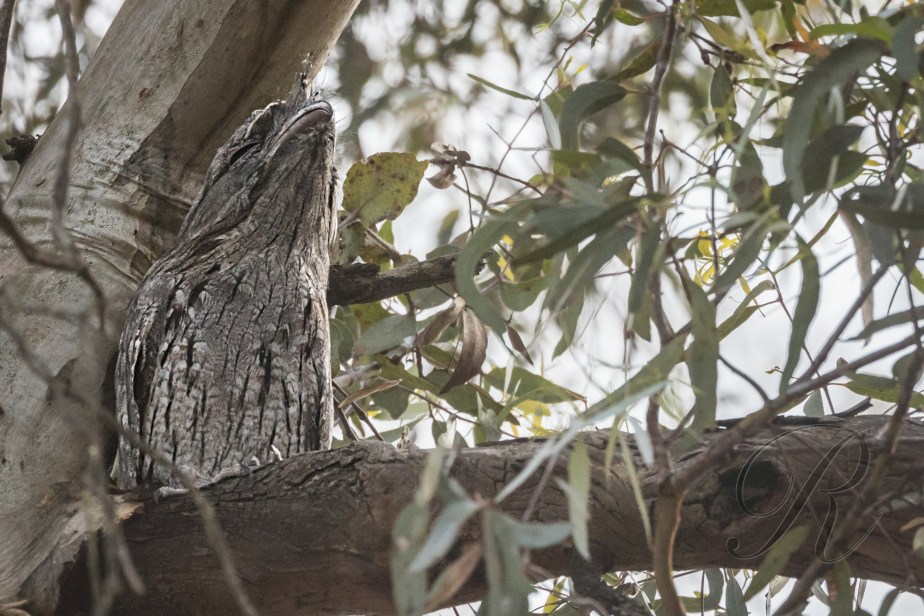
Tawny Frogmouth
Tawny Frogmouths are nocturnal. I quite often see them after dark hunting insects along my driveway.
During the day they roost in a tree and their plumage is so treelike that you can walk past them without a clue that they’re there. They tend to use the same place regularly so once you have a roost you can expect to see them whenever you wish. The only local roost I’ve been aware of is on someone else’s property and although the invitation has been extended I don’t like to visit with a camera in hand so I’ve reserved that for visitors who share my interest.
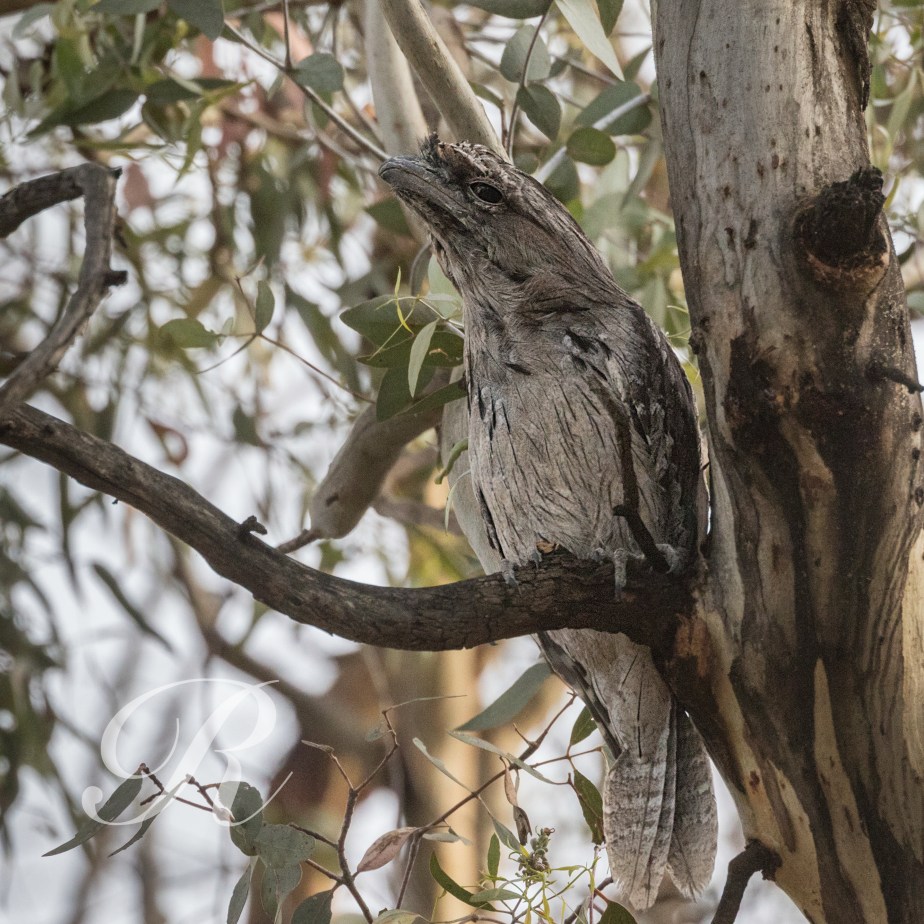
There is a small bushland reserve close to home. I walk through it several times a week. It’s anyone’s guess how many times I haven’t seen these guys but this morning I found them. I’d already thoroughly depixellated the first one before I saw the second one just a few metres away …
Tawny Frogmouth
When they’re relaxed they are rounder and dumpier. When they feel in danger of being discovered they stretch out like these and do their stick imitation.
It will be interesting to see if this is their regular roost.
So this African sojourn comes to an end. As always when I’m writing about travel I have picked up new subscribers. Welcome to you, it’s nice to know that there are people out there, but what have you got in store now?
My neck of the woods is the Goldfields region of Victoria, Australia. It has a rich history and is rich in wildlife. People travel long distances to see Australia so stick around and I’ll show you what I can of it.
This may not be as exciting as an elephant about to charge the side of the vehicle but I took it this morning about 200 metres from my house.
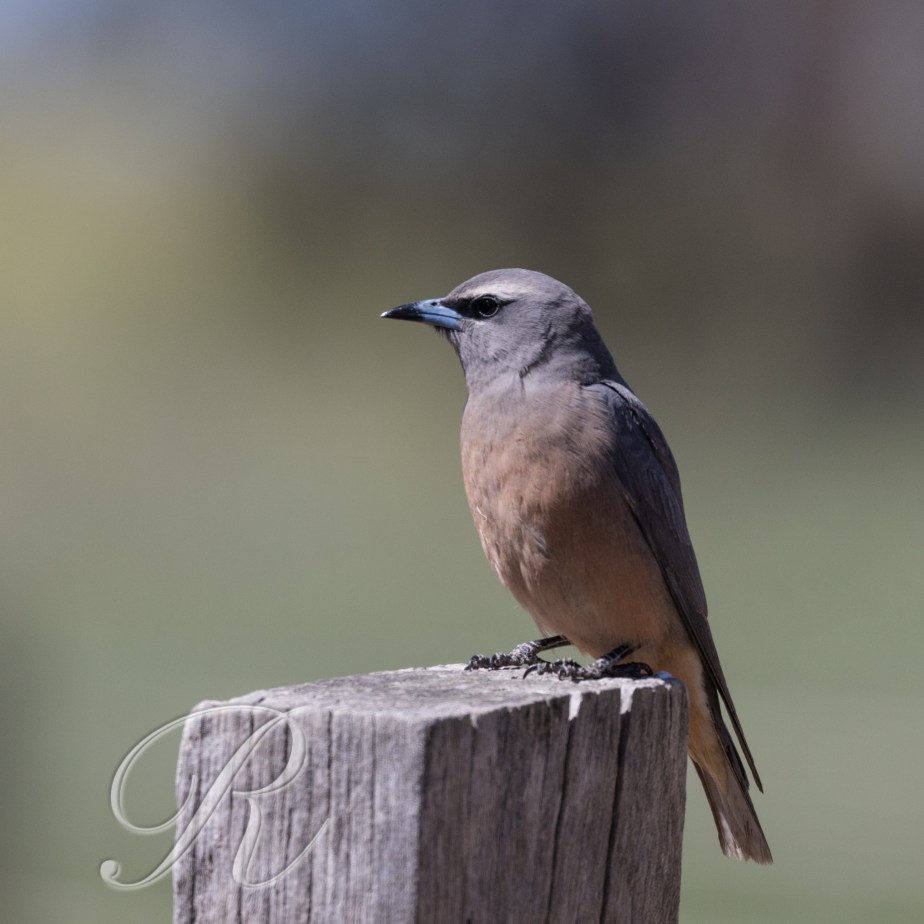
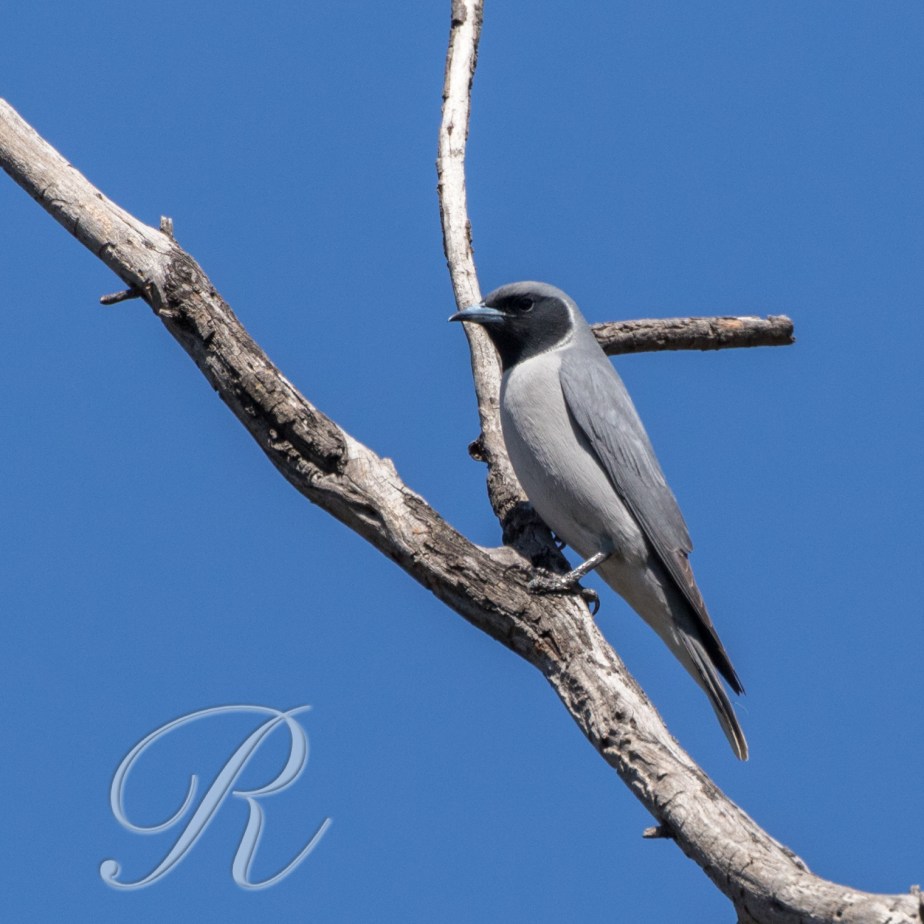
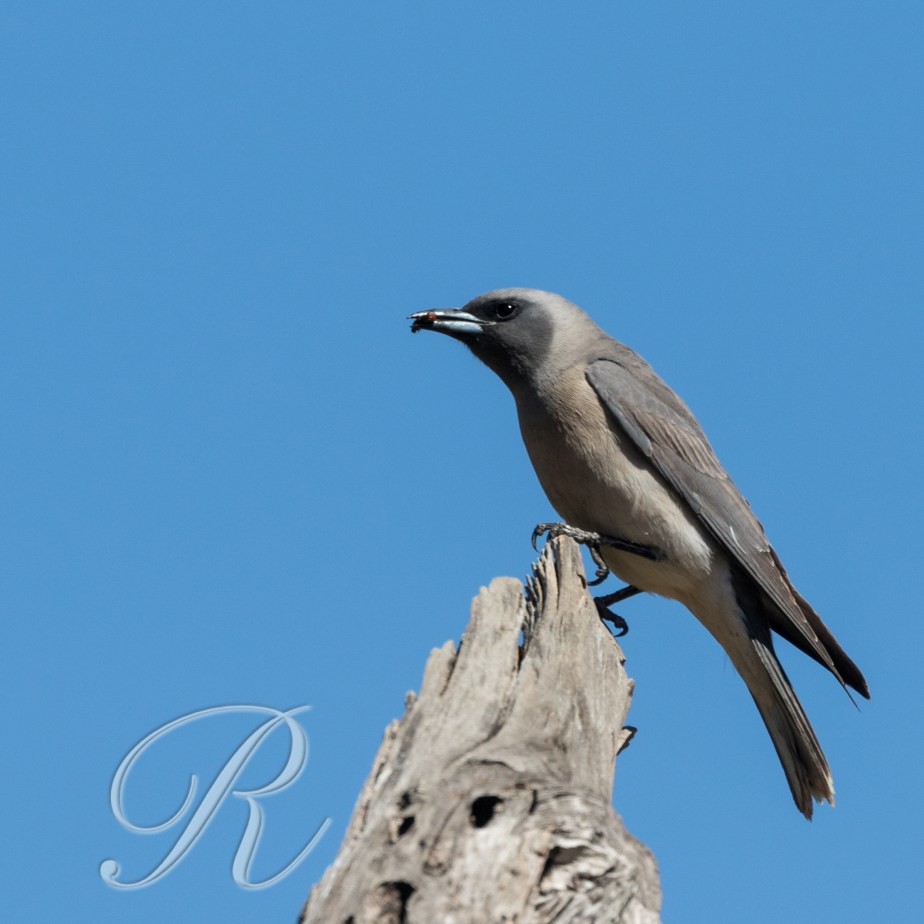
I was just heading off to one of my favourite birding spots, Maryborough sewage treatment plant when I noticed that my driveway was busy with woodswallows. So I changed my plan and grabbed the camera.
These birds are summer visitors and seem to always be on the move. There are plenty about this year probably because of the dry conditions further north. Flocks can be huge, White-browed Woodswallows tend to be the most numerous often accompanied by their masked cousins. They breed in mixed colonies.
The adult males of both species are beautifully marked. The youngsters and females are also attractive but in more muted tones – designer pastels.
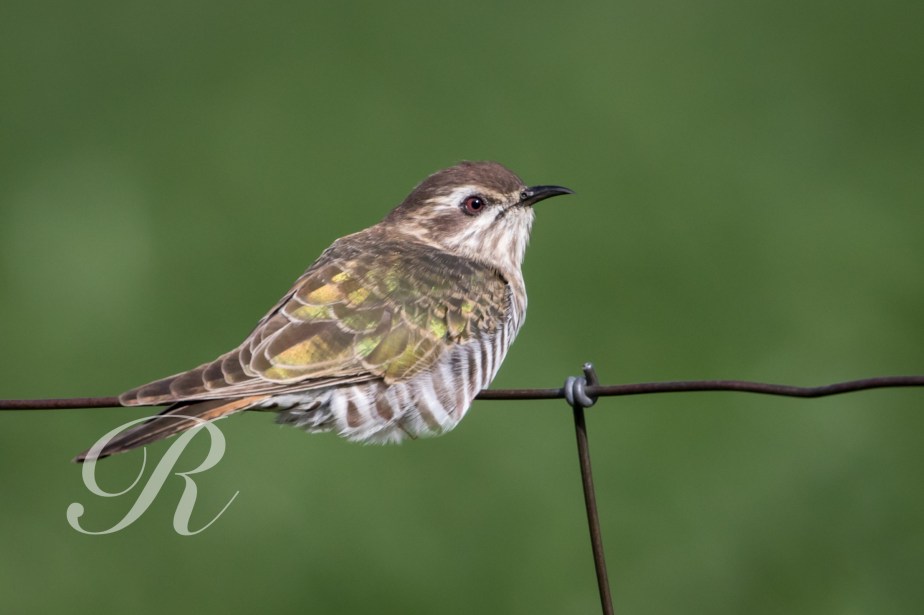
It usually parasitises bird species that build dome nests such as fairy-wrens and thornbills, but may also parasitise the open cup nests of other species, such as the White-fronted Chat.
Around here that means the Superb Fairywrens need to look out.
The odd Wood Duck is wandering around the Victorian Goldfields with a trail of little Wood Ducks in tow. Little Ravens are gathering nesting material. The nice days of late winter really are nice. Spring has served notice of its intentions.
The winter visitors are leaving. Over in Newstead 45km away Geoff Park reports the departure of the Flame Robins. They are heading for the hills now. It was a good year for them over there. We have had none overwinter on the McGee country estate this year and few in the neighbourhood but I did run into a flock on the move through Paddys Ranges State Park the other day.
Other birds are also on the move. It’s a good time to turn up species that are just passing through. They all add to the fun. Cuckoos will soon be here. The bad days are still wintry, however, and the last couple have let us know that it’s too soon to plant anything that is not frost hardy.
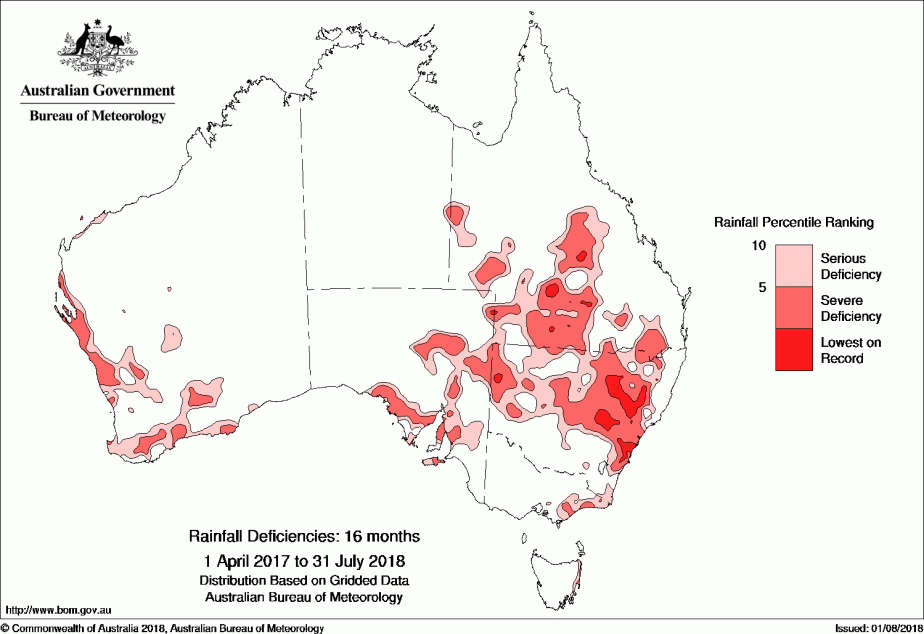
The other day I was surprised to find a solitary Barcoo Bantam rushing past as I worked (no, slaved) in the garden. It was a first for the property list. Their correct name is Black-tailed Native Hen. They are denizens of lignum swamps and have a knack of turning up out of the blue after rain even in places that have been dry for years. One on its own is unusual so I have no idea why it was passing through. Other parts of Australia though are in serious drought so it may not be the only refugee we see. Another influx of Budgerigars would be nice.
And bear in mind that most of the western half of the continent is desert anyway.
Our dryish part of Victoria is in better shape. The estate is pretty much on the average for winter rain, our tanks are full (we can shower and wash our clothes, drink water in stead of wine) and the paddocks are green. If it keeps up there will be a good crop of hay. The view westwards yesterday tells the story …
Was it about to rain? Indeed it was, but only briefly.
In a couple of weeks time I will be driving through the heart of the drought. I’m sure the photos I take there will be in stark contrast to this one.
The driveway on the country estate was lined with wattle trees which gave a splendid display of yellow as winter faded. They are short lived trees and the seasonally gaudy phase of their existence came to an end ten years or so ago.
I replanted with Red Ironbark which are coming along nicely. The wattles were allowed to stand proud but leafless, nice perches and productive of insects. My feathered friends have appreciated them.
It was windy today …
We had a visitor at the time. They discovered the wreckage blocking the drive as they tried to leave.
I heard a standup comedian on the radio the other day. His shtick was essentially based on the notion that men are always flat out busy whilst women just get things done. I doubt his career is going to rocket along, as comedy it was quite unfunny and if it was a snivelling attempt to curry favour with women he’s forgotten that in the new snivellisation it’s at least a micro-aggression to suggest a gender difference.
But let me tell you, I have been flat out busy.
It was the vintage. Time to pick the grapes. The family gathers, the sun shines, the pretty girls ply the workers with their choice of chocolates or fruit, old uncle Joe plays his accordion, a glass of a previous vintage waits at the end of every row. Perfect bunches of fruit bursting with the elixir of life itself drop almost effortlessly into baskets that fill quickly without ever seeming to get heavier. Ah, the romance.
photo GHD
The reality may be a little different. The infinite number of people who will help you drink the wine haven’t turned up for work. You start the day early in the prolonged cold, wet, intimate embrace of dew laden foliage. You cradle a bunch in one hand cut the stalk (occasionally a finger) with secateurs wielded by the other hand, drop the fruit in your bucket and search for the next bunch. Your back is bent for most bunches, you’re on your knees for the low ones.
By 10 am it’s drying out and warming up. That’s when the European wasps arrive. Those bunches that you cradle may now be armed and dangerous. You carry your full buckets to the end of the row where band aids and empty buckets await, samples of previous vintages are nowhere in sight.
photo GHD
At the end of the day the fruit goes through the crusher-destemmer and into the vat. It’s funny how your windscreen wipers only pack up in the rain and your crusher-destemmer only refuses to work when you harvest. The day was extended by the time it took to take it apart, find that the drive chain was rusty, get that cleaned up, freed up and reassembled.
Then the grapes go in the hopper, most of the stems are ejected to one side, the grapes and their juice go through into the vat. A days picking goes through in a couple of minutes.
photo GHD
It was a productive year. It’s the second year that we’ve netted the ripening crop to keep the birds from eating it all. I was dubious but the lovely Gayle insisted and she has been proven right. She gets things done.
We have some white grapes too but my attempts at white wine have been disappointing so we just leave them for the birds. With the nets we can leave the grapes longer to develop a bit more sugar. By the time that they were ready to pick a vine without a net on was a vine without a grape on.
Yeast is added and fermentation begins. The liquid, now called must, ferments on the skins for a week. This will be red wine in due course and that’s how it gets its colour. The berries float on top and need to be pushed into the liquid four or five times a day, a process known as punching the cap.
Then it’s time to transfer the liquid to a variable capacity stainless steel vat and press the skins to get the last few litres.
photo GHD
Nature now takes its course. Time for a few days break at the seaside.









 bobmcgee