The Lakes …

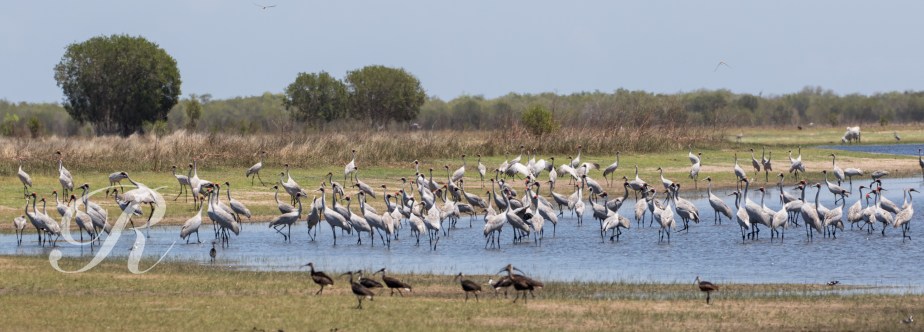
Last year the rain gods were very generous to Broome. The last wet was a big wet. Even after the intervening dry season, lakes out on the Roebuck Plains still hold a good amount of water. The birds are loving it.

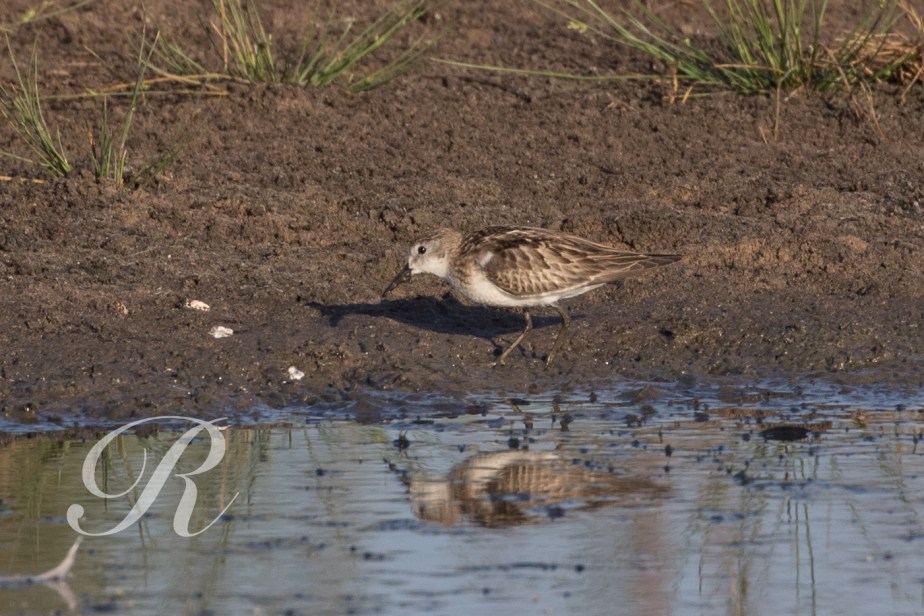
First a couple of photos for the true aficionados, answers at the bottom …

Like the two above, many of our shorebirds are very long distance migrants breeding in the far north of the northern hemisphere and coming to Australia to escape the northern winter. Dual citizens as it were …
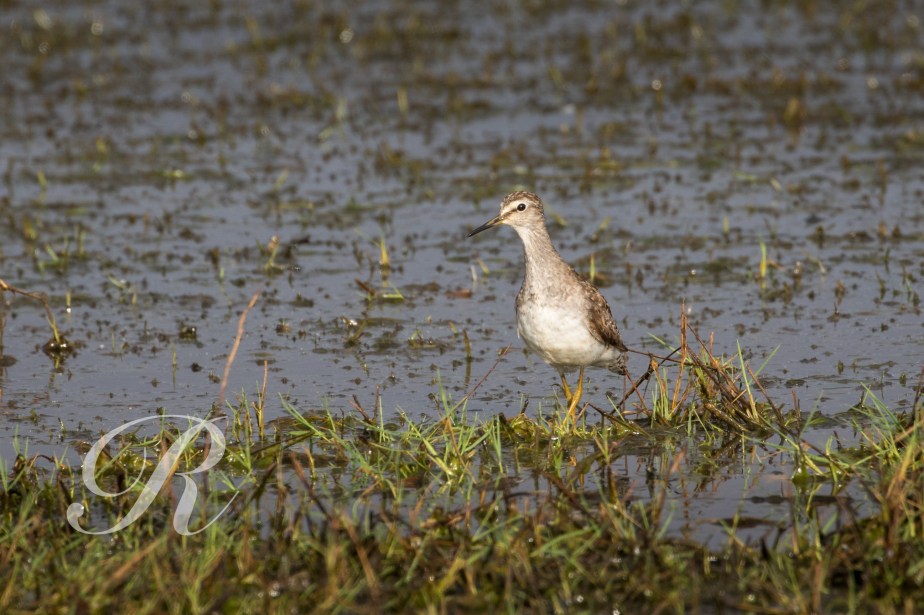
Wood Sandpiper
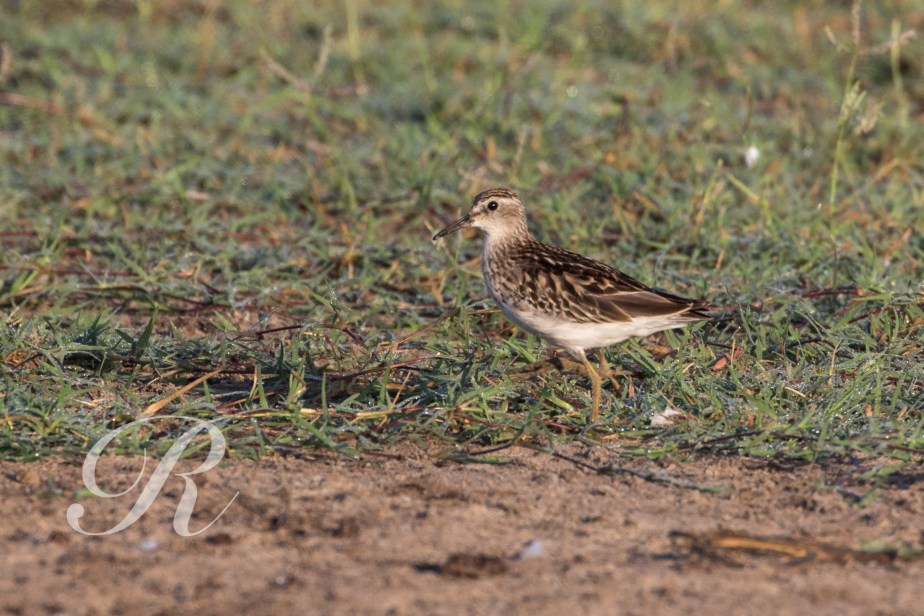
Long-toed Stint

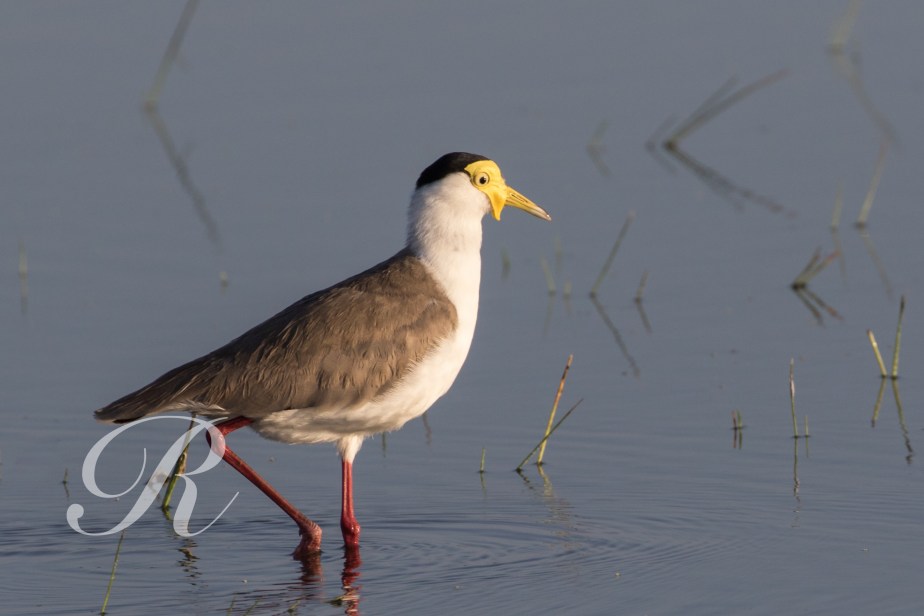
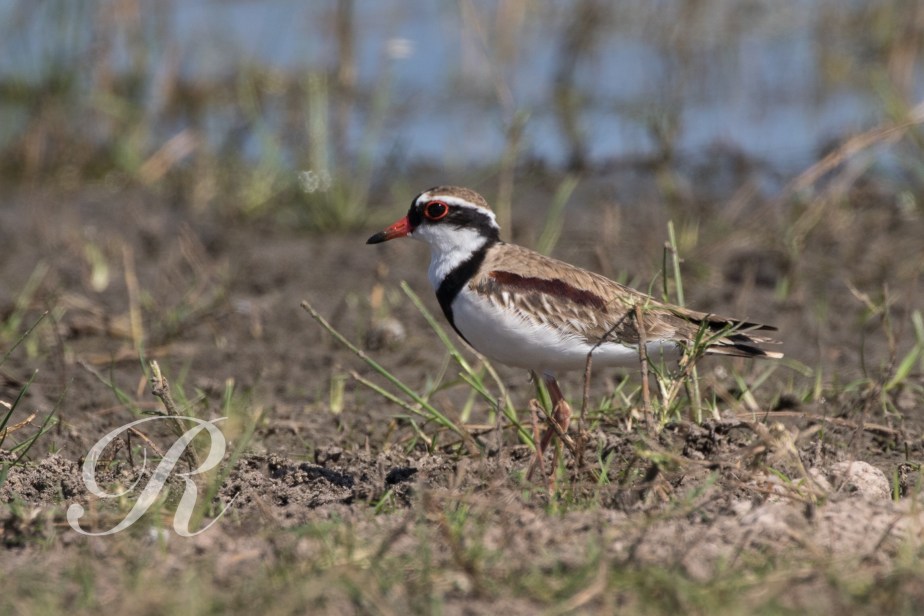
Whilst others are resident.

Masked Lapwing
Black-winged Stilt
Red-kneed Dotterel
Black-fronted Dotterel

Others aren’t shorebirds at all, they just have long legs, well adapted for feeding in shallow water. This would include the Brolgas in the headline photo, herons and Ibises – waders in the American sense.
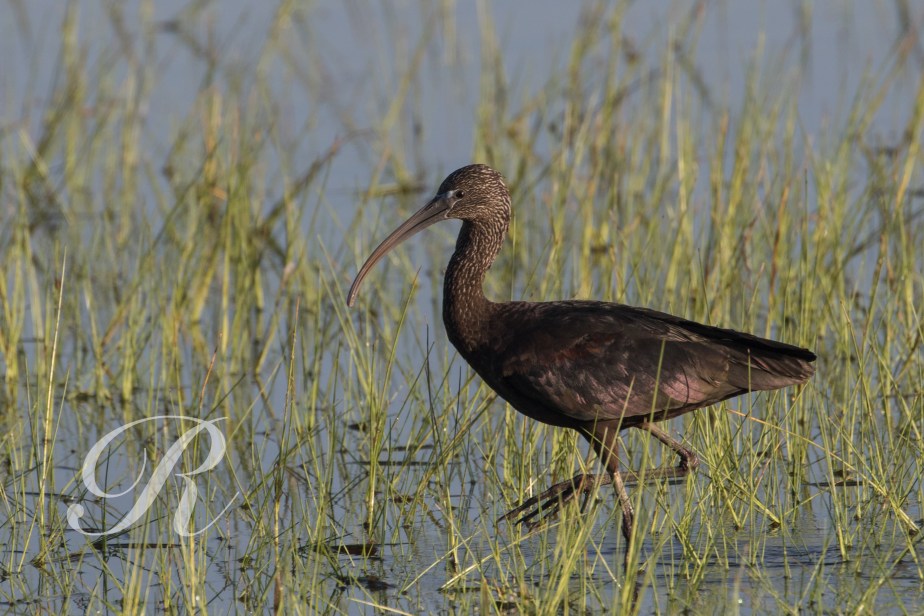
Glossy Ibis

Now the answers, these two individuals have been discovered in the last few days. The upper one is a Pectoral Sandpiper. These breed in Alaska and the Russian far east and most winter in South America. A few join the east Asian flyway and find their way to Australia or New Zealand.

The second bird is a Little Stint. Their breeding ground is in the Eurasian high arctic. Most go to Africa to escape the northern winter. A few find their way further east. It’s only a small minority that find their way to Australia.

In the Mangroves …

There are mangroves aplenty around Broome and plenty of birds that use them. There are about 19 species of mangrove up here so the habitat varies from place to place and to some extent the suite of birds varies, too.

Access to mangroves is often difficult due to deep mud and the density of the vegetation. Mosquitoes can be a little tedious as well. There are a couple of spots that are reasonably easy of access and quite rewarding to visit.

The mangroves that run from Town Beach to Chinatown can be entered in various places and are really good for Red-headed Honeyeater. Streeter’s jetty is the most famous in birding circles and is excellent. Out of town at Little Crab Creek is the place to go for Dusky Gerygone. Between the two you can find just about all of the local mangrove specialists, and it’s not only the birds …

Flame-backed Fiddler Crab

Fiddler crabs and mudskippers abound. they probably make a nice meal for some of the larger denizens. And there is plenty of invertebrate life in the mud.

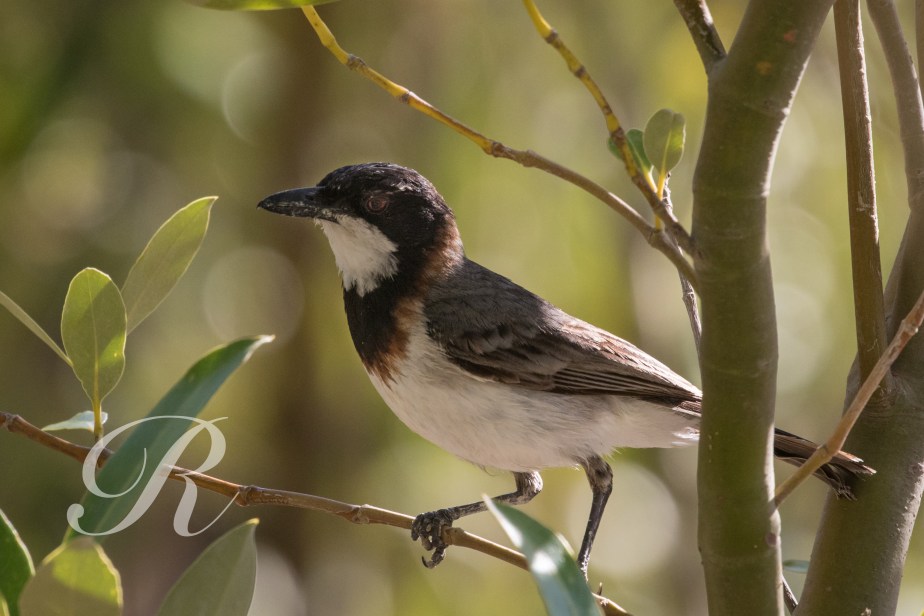
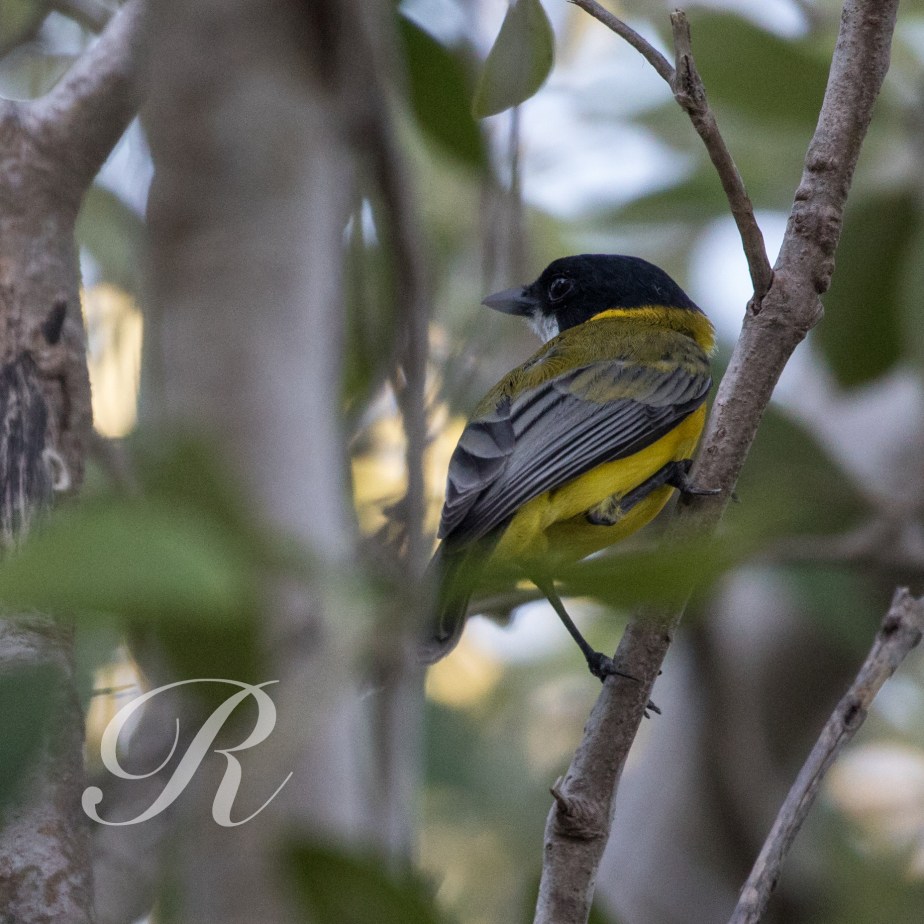
A couple of the Pachycephalidae are mangrove specialists, the Mangrove Golden Whistler and the White-breasted Whistler …

Mangrove Golden Whistler
White-breasted Whistler

Both very handsome birds.

The Honeyeaters are represented by these two …

Red-headed Honeyeater
Brown Honeyeater

The Red-headed is always found in or near mangroves, the Brown is found in a much wider range of habitats but is common in the mangroves.

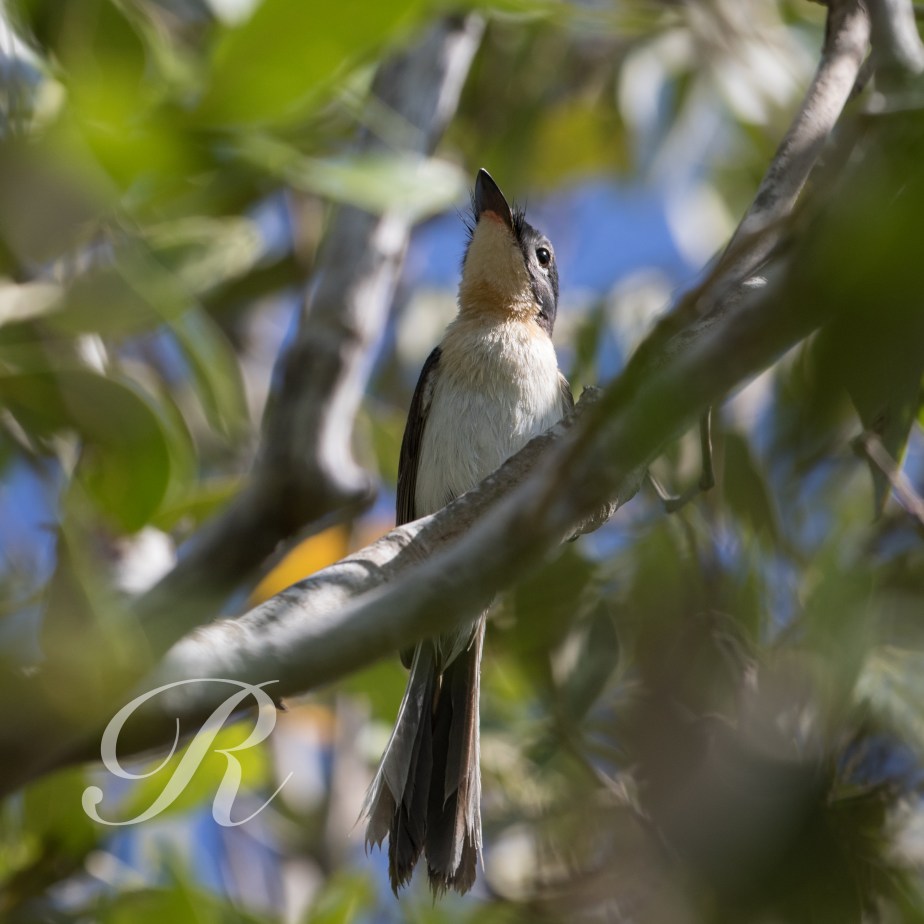
Broad-billed Flycatcher

Nicely posed to show us how it got its name, the Broad-billed Flycatcher will wander into adjacent Melaleuca woodland but is essentially a mangrove species.

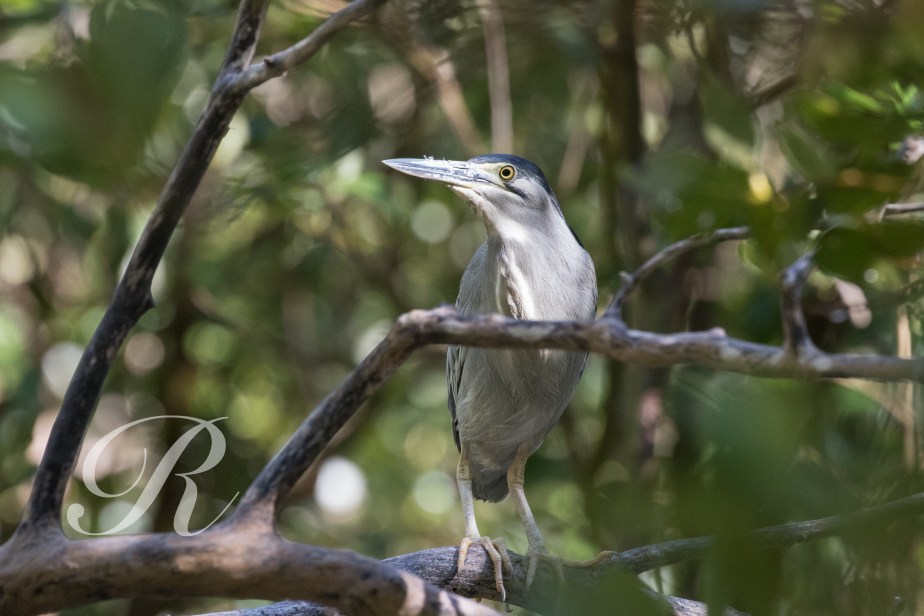
The tidal zone provides a living for the Striated Heron but it nests in the mangroves …

Striated Heron

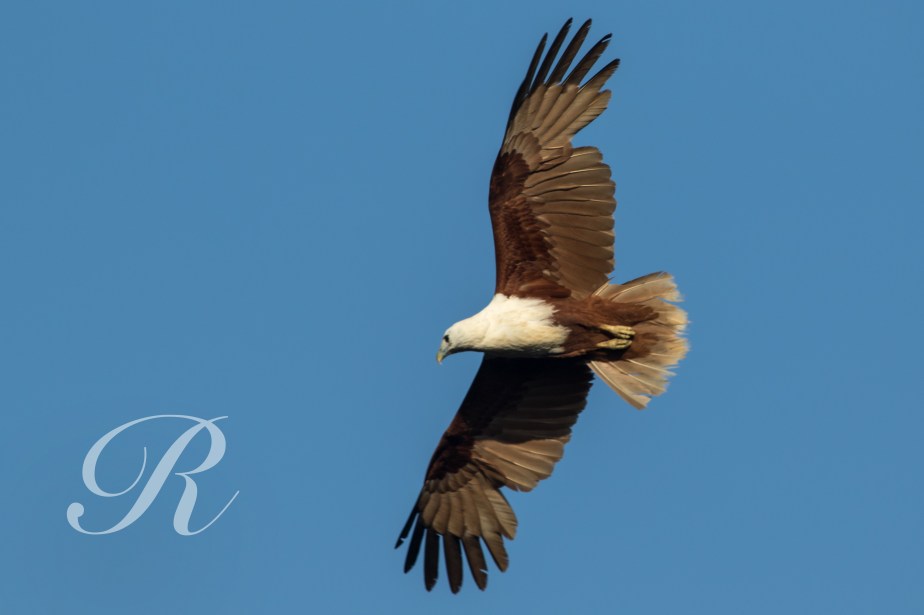
And circling above the mangroves, the Brahminy Kite.

Brahminy Kite

Broome, Here We Are …

It’s warm, currently 37°C at the airport.

We flew Qantas, they boarded on time, took off on time, landed a few minutes early and didn’t lose our luggage. Good job, Qantas.

But … they messed up our veggie breakfast. We got one instead of two. It was an ommlette. Had Gayle needed to do emergency repairs to a shoe it would have come in handy as a temporary sole. We didn’t know whether to complain about not getting a meal or getting a meal.

We’re staying at a house with a large Pulp Fiction poster on the verandah. Very nice accommodation.

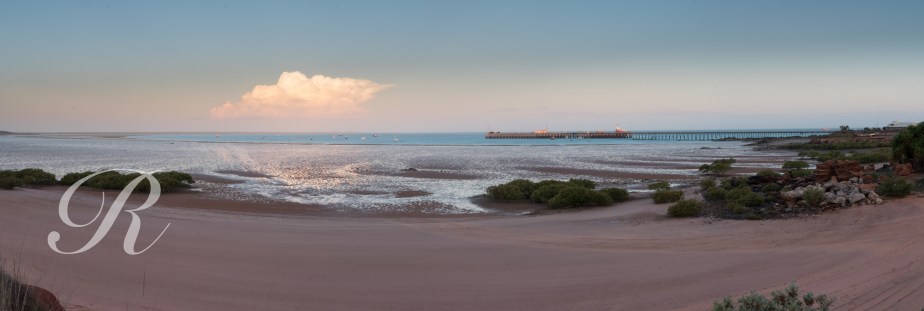
We wasted no time heading for the Port, the Sewage ponds and the town mangroves. Very nice new bird hide at the sewage ponds.

Isn’t that what everyone does when they visit Broome?

Bigger than Texas …

I’m tired out from all this travel. Need a holiday. Where to?

Western Australia perhaps. There are 2.646 million square kilometres to get lost in and just 2.6 million people to share it with. That’s almost three times the size of  Texas which is a mere 696,241 square kilometres. Texas is a little crowded though with more than ten times as many people (nearly 28 million).

So, it’s off to Broome, a favorite stamping ground. You can read about my last visit while you wait for me to share this visit.

Just click <HERE>