I’m not trying to get a good finish. I’m talking about the weather. Broome’s average rainfall in December, January and February is 441mm (a little over 17 inches). We’ve had just under 29mm so far. January was the third lowest rainfall total on record. It’s the slowest start to the Wet season in living memeory (Yes, Dr John, several years at least.)
A cyclone or a decent tropical low can deliver sufficient rain in a single event to put us back on track – we may yet be cut off by flood – it’s just that no such event has hit us yet. My garden plants have their tongues hanging out.
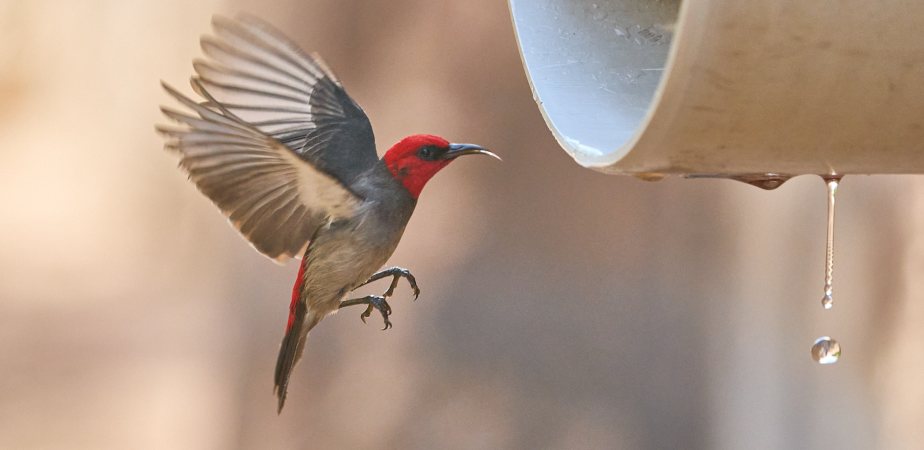
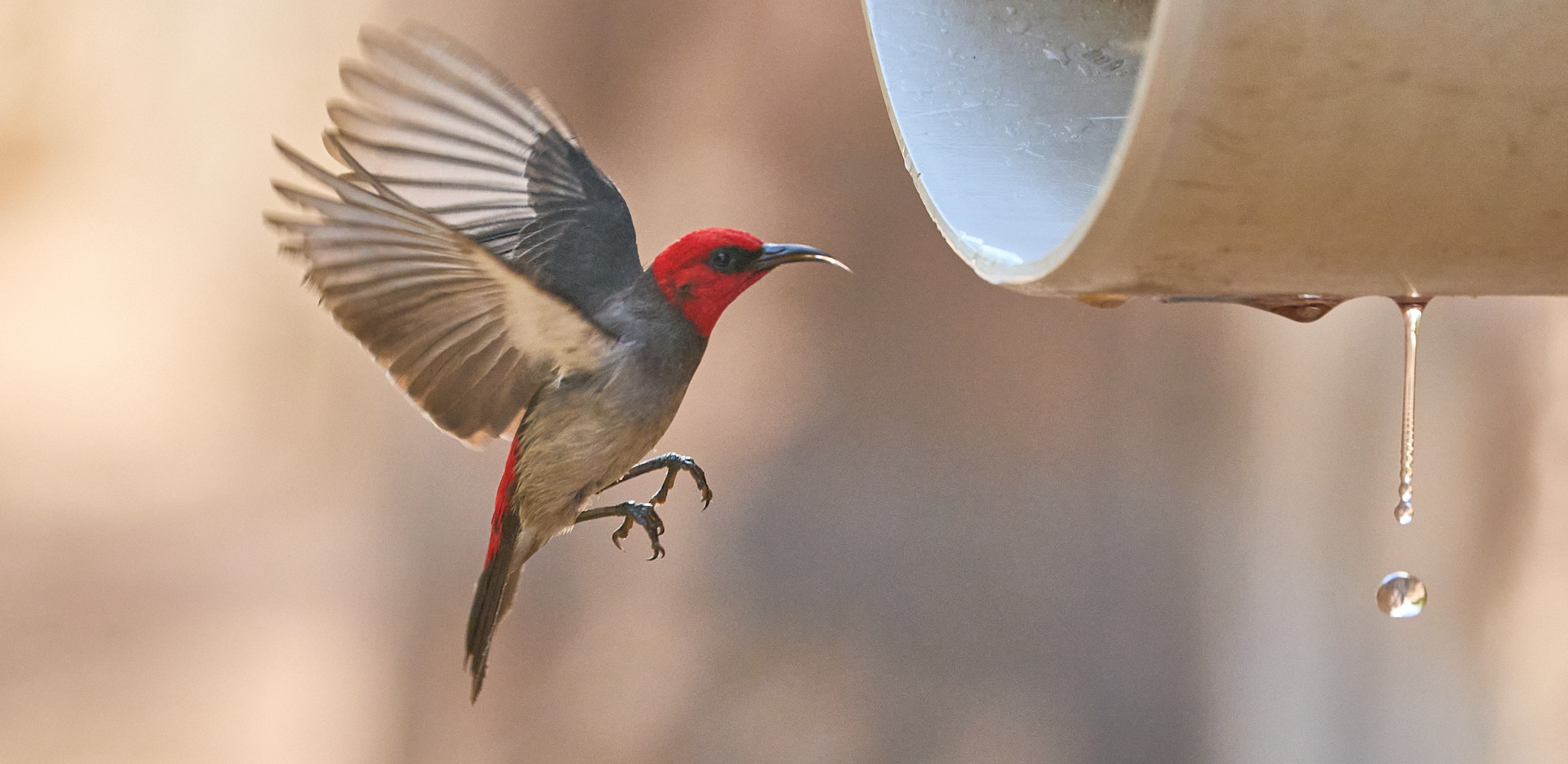
I know a place where an air conditioner serves fresh water straight into the mangroves. I was there this morning. The birds were queuing up.
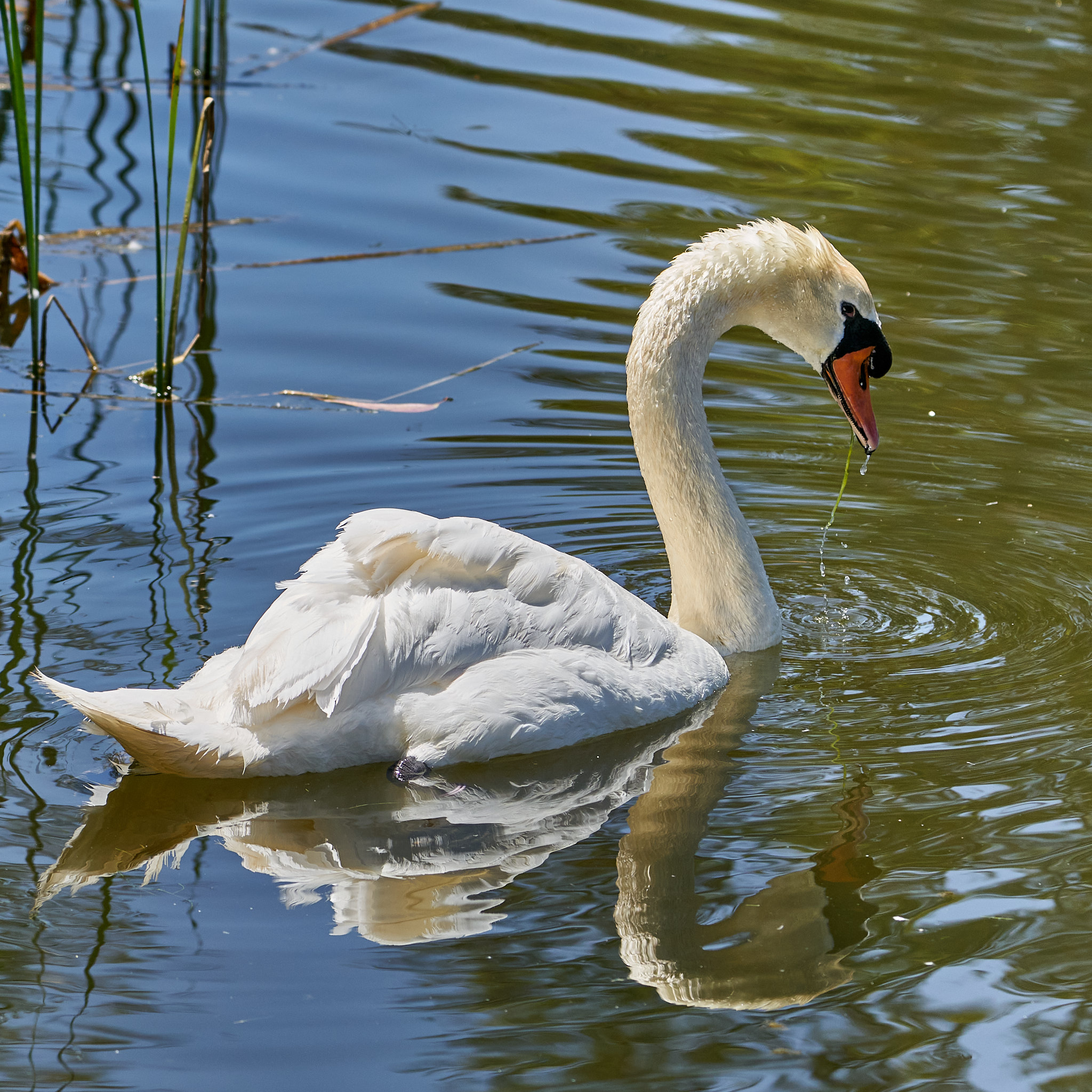
Next stop after the coast was Northam home of the sublime Mute Swan …
and also the decision point. Two roads lead from Perth to Broome, an inland route 1970km or a coastal route 2368km.
The inland route has the advantage of being 400km shorter and in the event of a cyclone there would be a greater chance of the caravan staying on the ground. We’d have chosen the shorter route but it was closed by flood.
In particular, the Fortescue River near Newman was close to setting new records. The coastal route was open but what falls inland then sets off towards the sea. We decided to put in a couple of very long days in order to get north of the Fortescue and the De Grey.
There is a roadhouse overlooking the Fortescue River and we stopped for a yarn. A young lady working there had been looking for the water coming down for a couple of days but not a trickle so far. A local elder was of the view that the desert would swallow it all on the way and there’d be little or none to see. It just hadn’t rained for long enough. A trucky taking a break had caught the arrival of a flood in 2021 and recalled how impressive it was on that occasion. When we crossed the bridge there were just a few puddles to be seen.
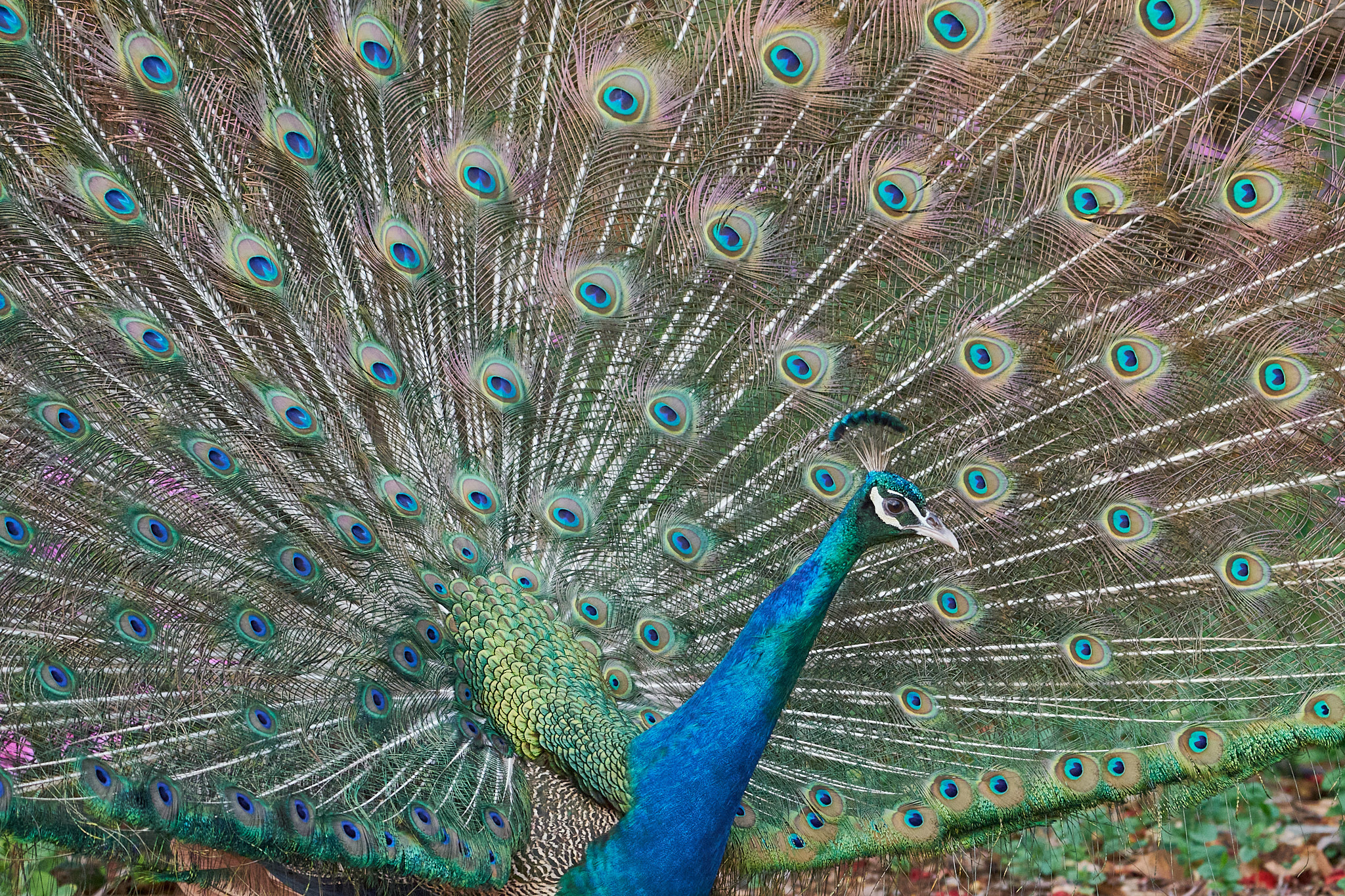
On the second long day we crossed the De Grey. It too was underwhelming. That night we stopped at the Sandfire Roadhouse. Home of the ridiculous Peafowl.
Last night we slept in our own bed. It was a bit on the warm side!
Newman’s Rocks was very kind to me. A parrot flew and landed close by. For a brief moment I was treated to an intoxicating splendour. Small, bright scarlet breast, blue face, green back, a jewelled bird – ruby, sapphire, emerald. A male Scarlet Chested Parrot Neophema splendida. A tick but no photo. It was gone too soon.
Ready to leave Newman’s Rocks
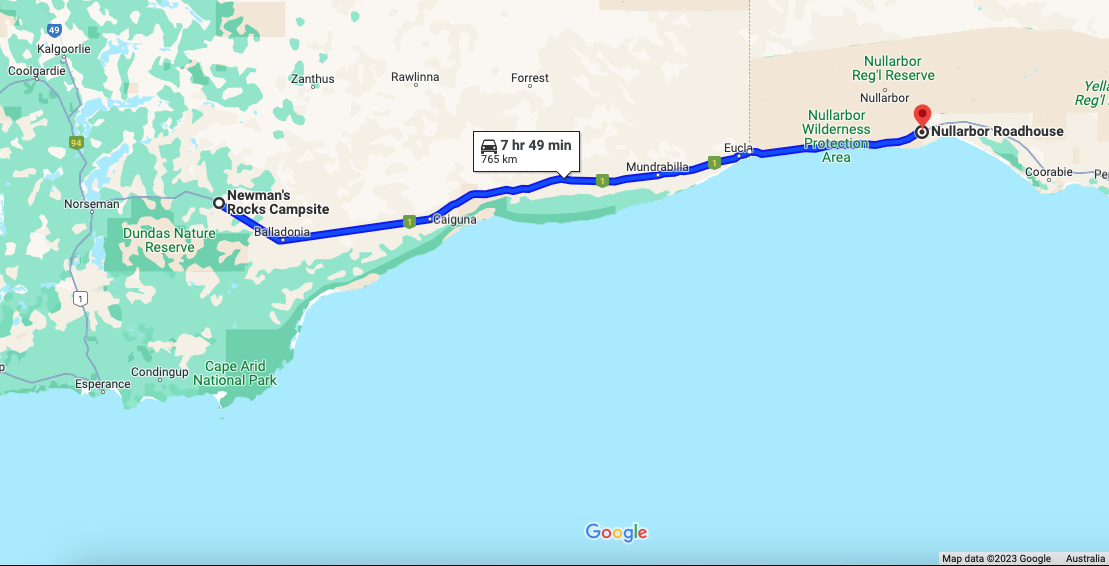
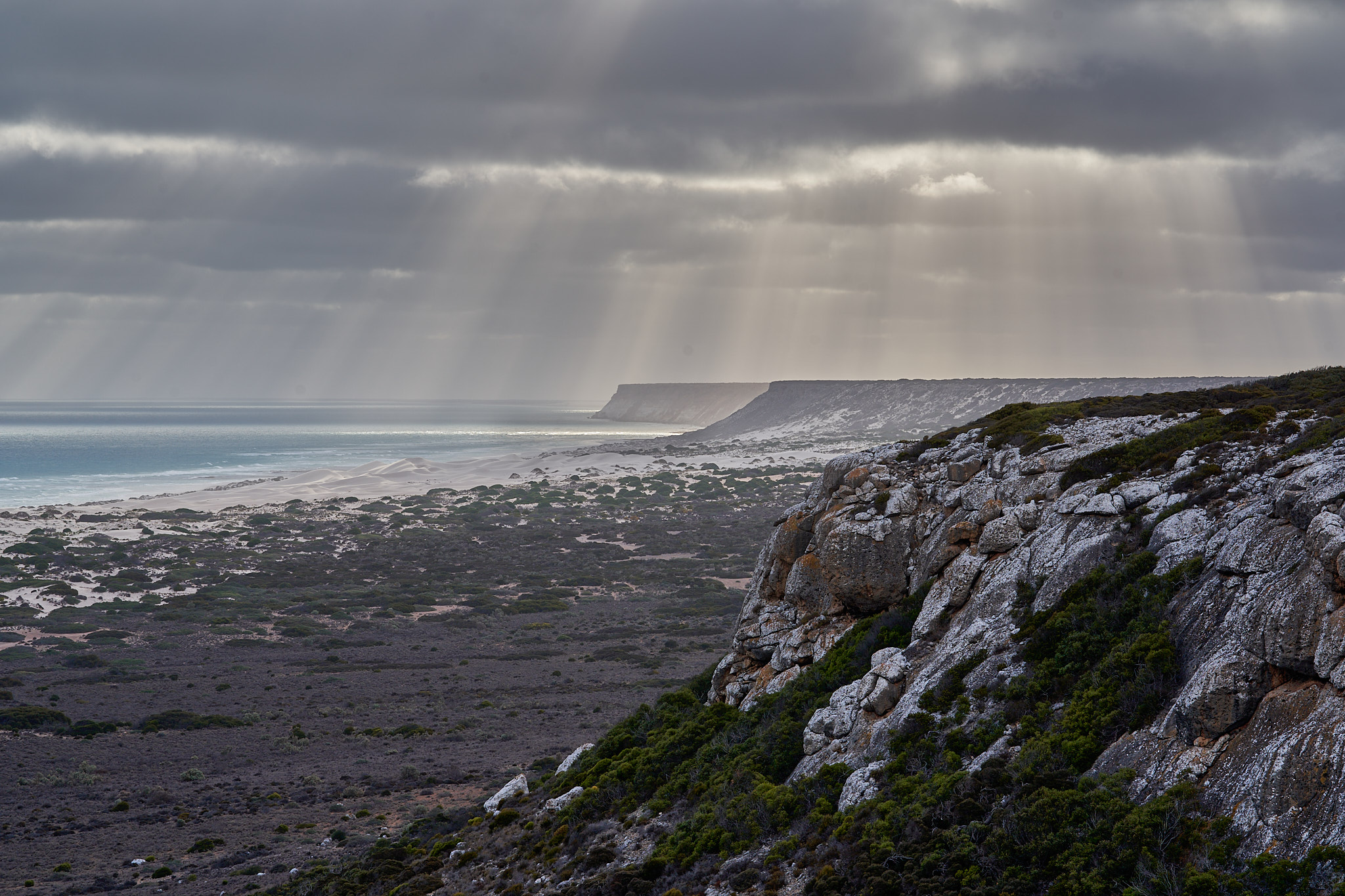
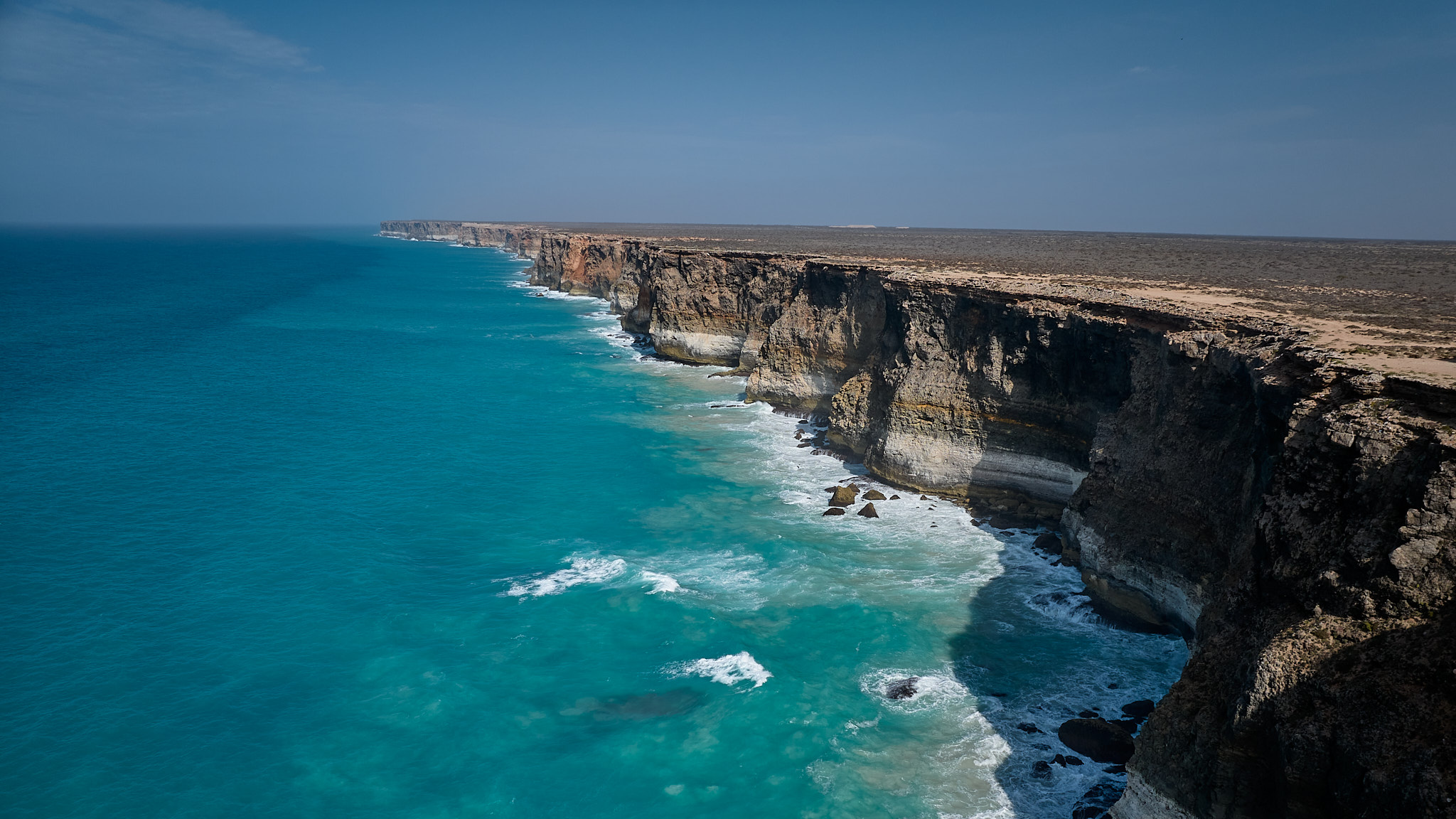
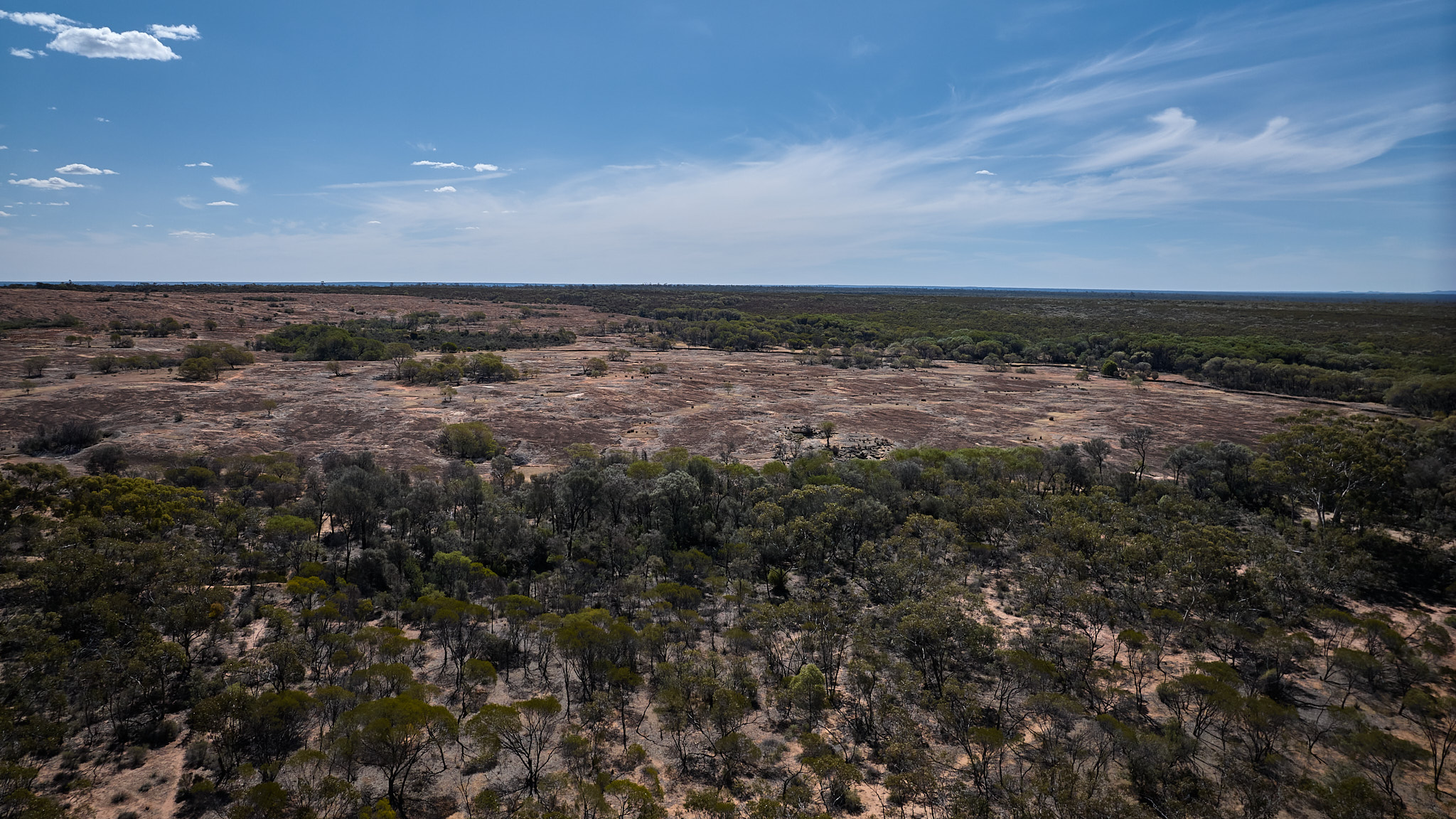
The day started in the Great Western Woodlands, 160,000 square kilometers of mallee and other eucalypts located between Australia’s moist, cooler south-west corner and its desert interior. As we traveled east the woodland was interspersed with open saltbush patches which slowly came to dominate until we were on the Nullarbor Plain. No trees here. Our first camp site was on the cliffs looking out at the Southern Ocean and the Great Australian Byte.
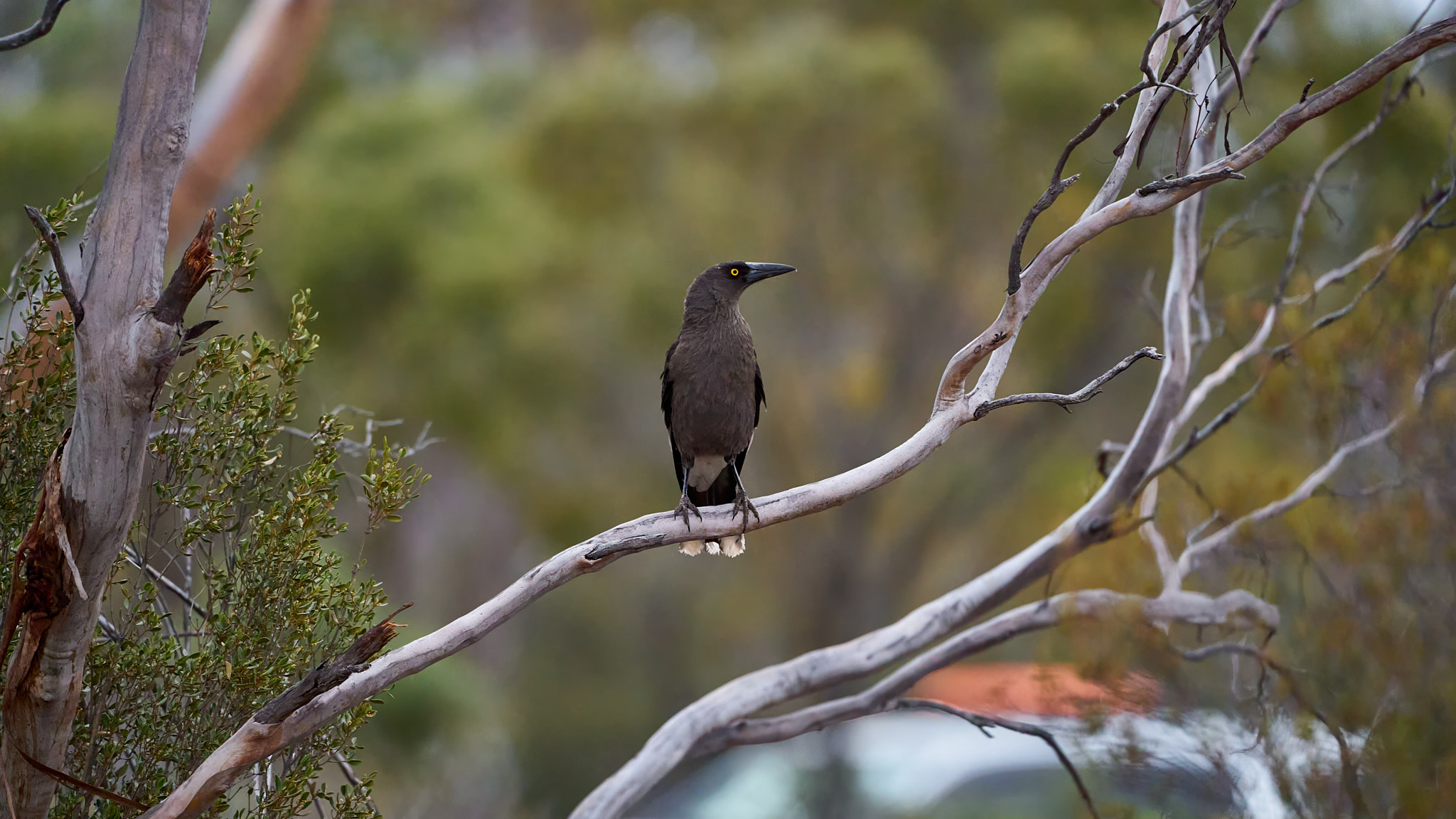
The next day was a short one to camp in the vicinity of the Murrawijinie Caves. The Nullarbor Plain is limestone. There is no surface water but plenty of deep caves. The low scrub around this area is home to the Nullarbor Quail-thrush. Gayle and I have put in quite a few hours on a previous visit trying unsuccessfully to find this bird. So on this occasion we set aside a full afternoon and a full morning the next day. It took about 10 minutes to find the first one and then we found at least five more. Unfortunately they notice you at the same time you notice them and then they’re gone, hiding under bushes or simply flying away.
Our first stop after leaving York was Merredin. Back in 2019 we spent a week here awaiting repairs to our camper trailer. It seemed a long week at the time but we couldn’t resist a short visit.
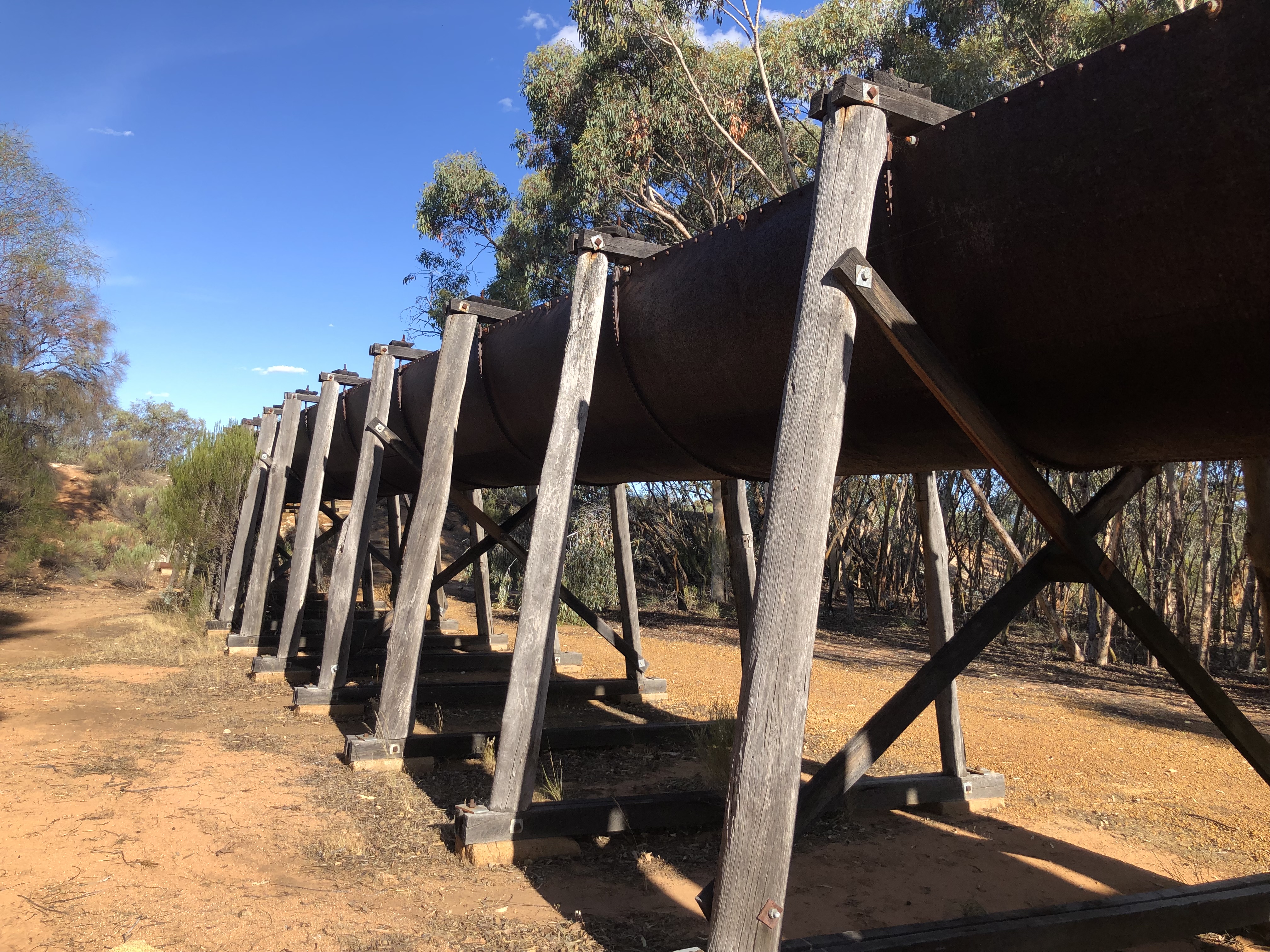
That night we camped at Karalee Rock. In this part of Western Australia harvesting water from large rocks has been elevated to a fine art. Surface water is scarce here. When steam trains were the way to move goods and people water had to be available at many points along the line. At Karalee Rock and many other large rocks water was directed using low walls to a dam. Last time we were here it was pouring with rain which gave me an opportunity to see and film the process in action. You can find the movie <HERE>. This time the weather was fine.
Towards the end of the first century Juvenal, the Roman satirist, was wont to say “Rara avis in terris nigroque simillima cygno.” Which translates as “A rare bird in the lands, and very like a black swan.” which is as polite a way of saying “bullshit” that I have ever come across. Every European knew that all swans are white so someone claiming to have seen something as rare as a black swan was clearly lying.
Willem de Vlamingh put an end to that fallacy in 1697 when he came eye to eye with Black Swans on the river now known as the Swan River in a place now known as Perth, Western Australia. He grabbed a few but sadly they died on the way back to Holland.
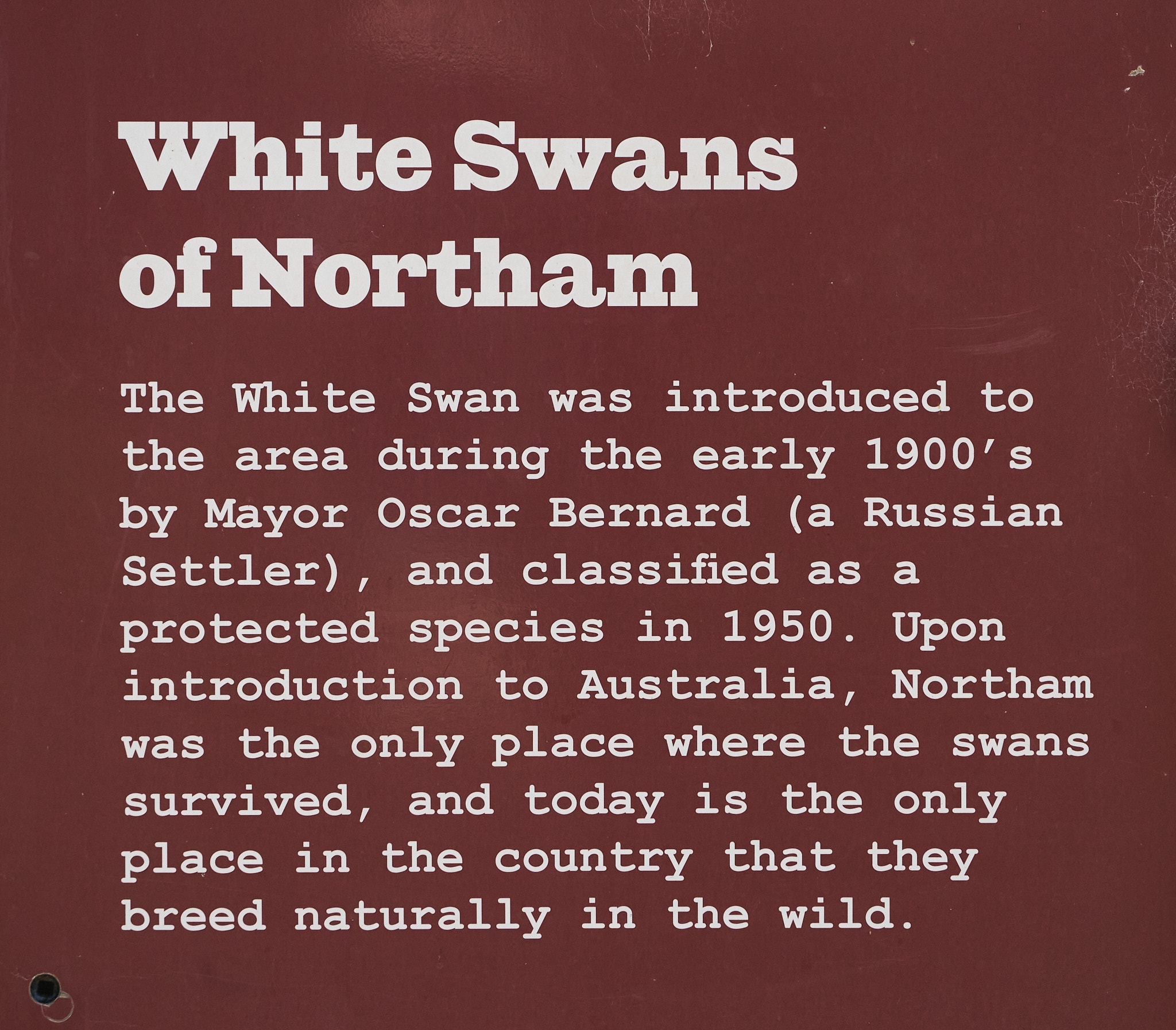
Most Australians grow up seeing only black swans. They might well turn Juvenal’s saying around “A rare bird in the lands, and very like a white swan, mate” but they would probably just say “Bullshit”. However there is in WA not far from Perth a colony of white swans. A brief history can be found on a sign on the banks of the River Avon at Northam …
Mute Swan
Just how naturally they live there is a moot point. The River Avon extends in a very similar fashion up and down stream but for some reason the swans rarely travel far from Northam.
Our journey today took us from Cervantes to York, the oldest inland Town in WA.
That concludes our exploration of the west coast for now. Tomorrow we will bush camp at Karalee Rock then it’s onto the Eyre Highway bound for South Australia. Updates may be scarce for a few days.
Time to leave Shark Bay and continue south along the Western Australia coast.
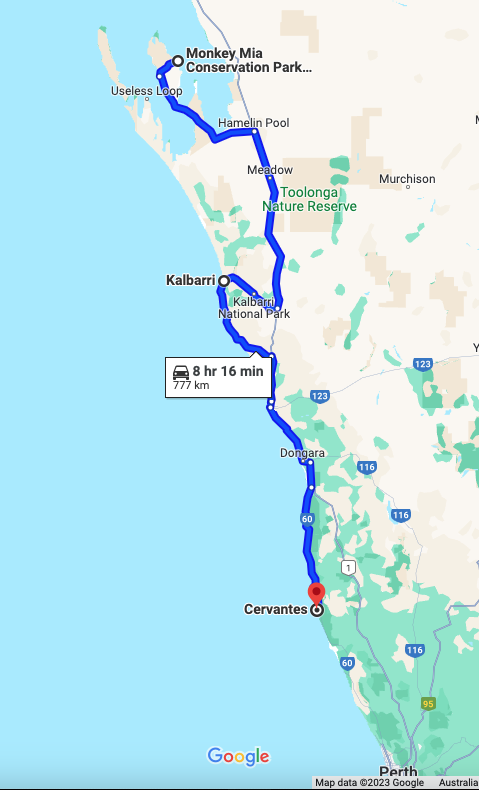
The 8 hours of driving was split into manageable segments by stopping for two nights at Murchison House Station near Kalbarri. The journey took us from coastal heath through arid scrub then trees became taller and more numerous until we reached wheat and sheep country. Not far from a roadhouse called Billabong we traveled through a long section of mallee. For non-Australian readers that’s vegetation dominated by multi-stemmed eucalypts with lignotubers that will survive fire, usually on sandy soil.
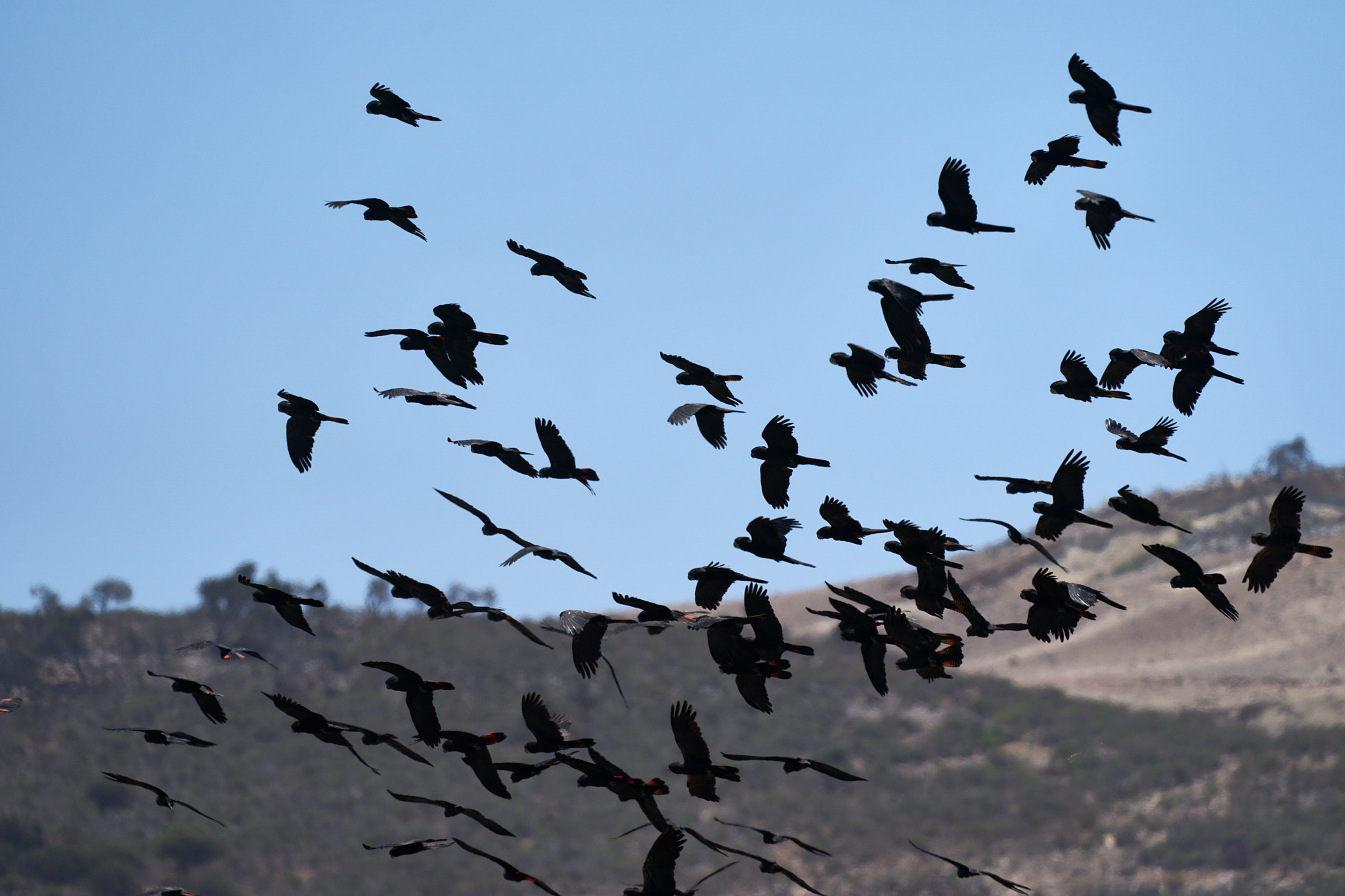
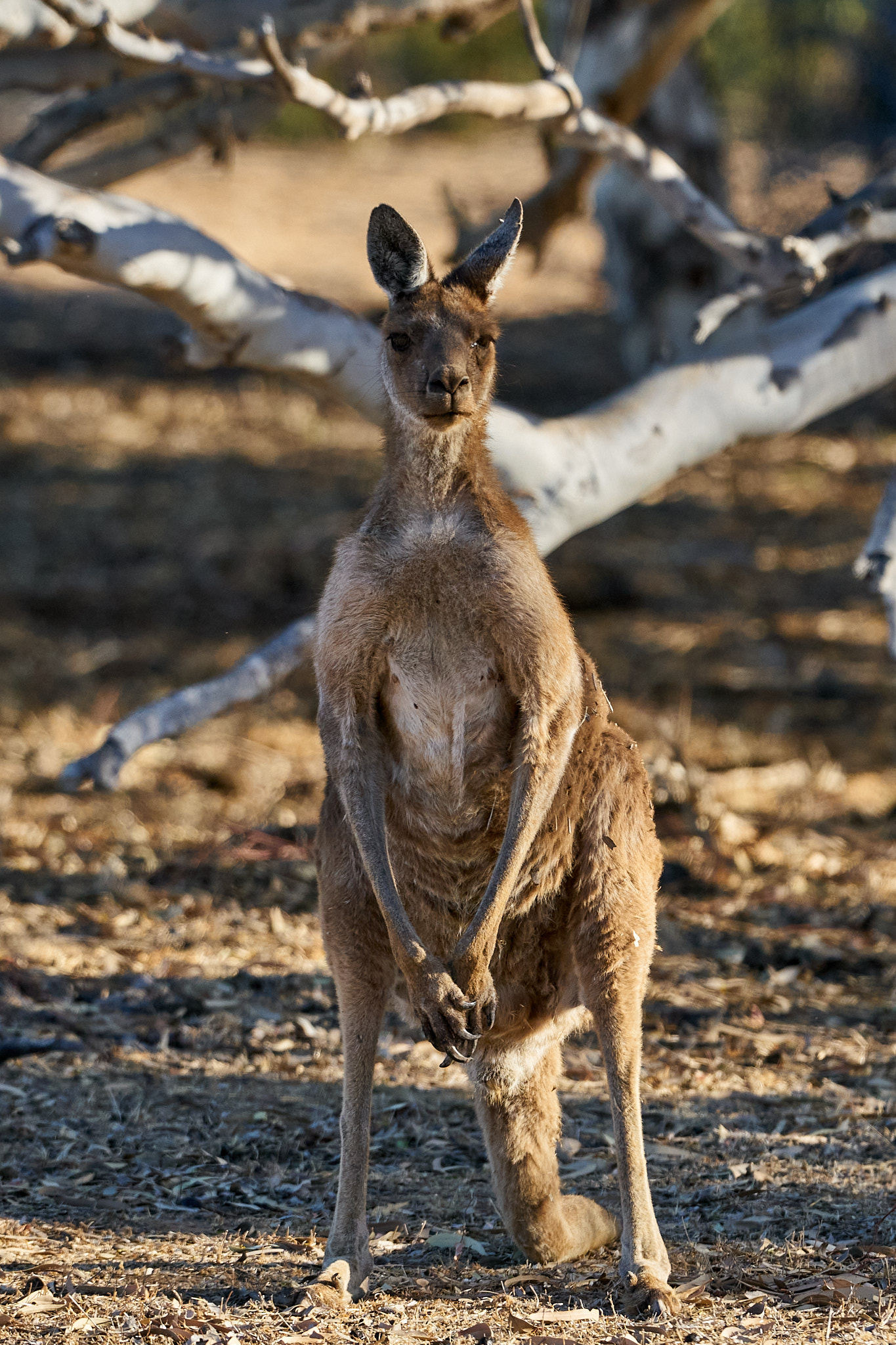
Murchison House Station is a cattle property that also supports, whether they like it or not, a large population of goats. They are just about to commence the muster. The camp site is on the banks of the Murchison River which unlike a lot of rivers in the west has water in it. We enjoyed some four wheel driving and winching ourselves out of some deep sand. There were Red-tailed Black Cockatoos by the hundred and some other rather splendid creatures.
A short drive from the station takes you to Kalbarri a beautiful town on a limestone coast. The rock pools are a haven for small fish and Blue-ringed Octopus. A large lagoon turned up some nice birds for us.
Caspian Tern
Shark Bay and Kalbarri are the absolute jewels of the west coast (along with Broome, of course) but too long in paradise would overpower the senses so it was on to Cervantes, a small coastal town named for a shipwreck. Cervantes was an American whaler that ran aground near here in 1844. The crew were obliged to walk more than 200km to Fremantle.
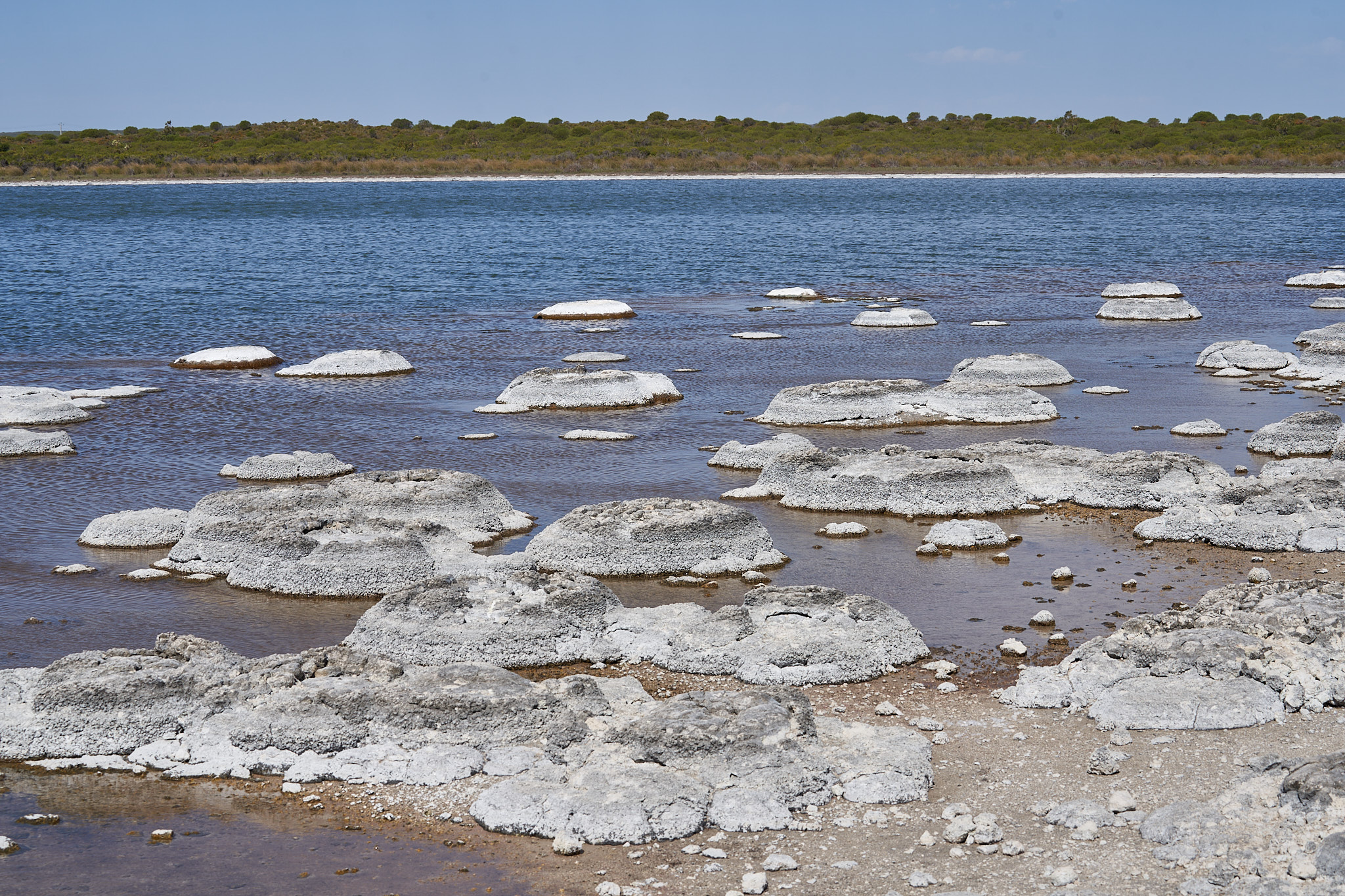
The reason to break the drive at Cervantes was Lake Thetis and its famous stromatolites. The lake is about one and a half times more saline than sea water and without tides or large waves. The structures that form are again the interaction of cyanobacteria and inorganic particles for which conditions must be just right. They are less impressive than the marine stromatolites at Hamelin Pool but hey, you can’t turn your nose up at a stromatolite.
They are modern living examples of an ancient process, Lake Thetis only formed about 3000 years ago. Fossil stromatolites in the Pilbara date back about 3.5 billion years, the oldest known evidence of life on earth. They formed in hot springs.
After the 45°C of the first day out the mercury hasn’t got much above a balmy forty. In fact since we crossed the tropic we have found the mornings and evenings decidedly chilly. Add to that the wind chill, it’s been blowing a gale the last three days. It was a mere 16°C overnight. Life is tough.
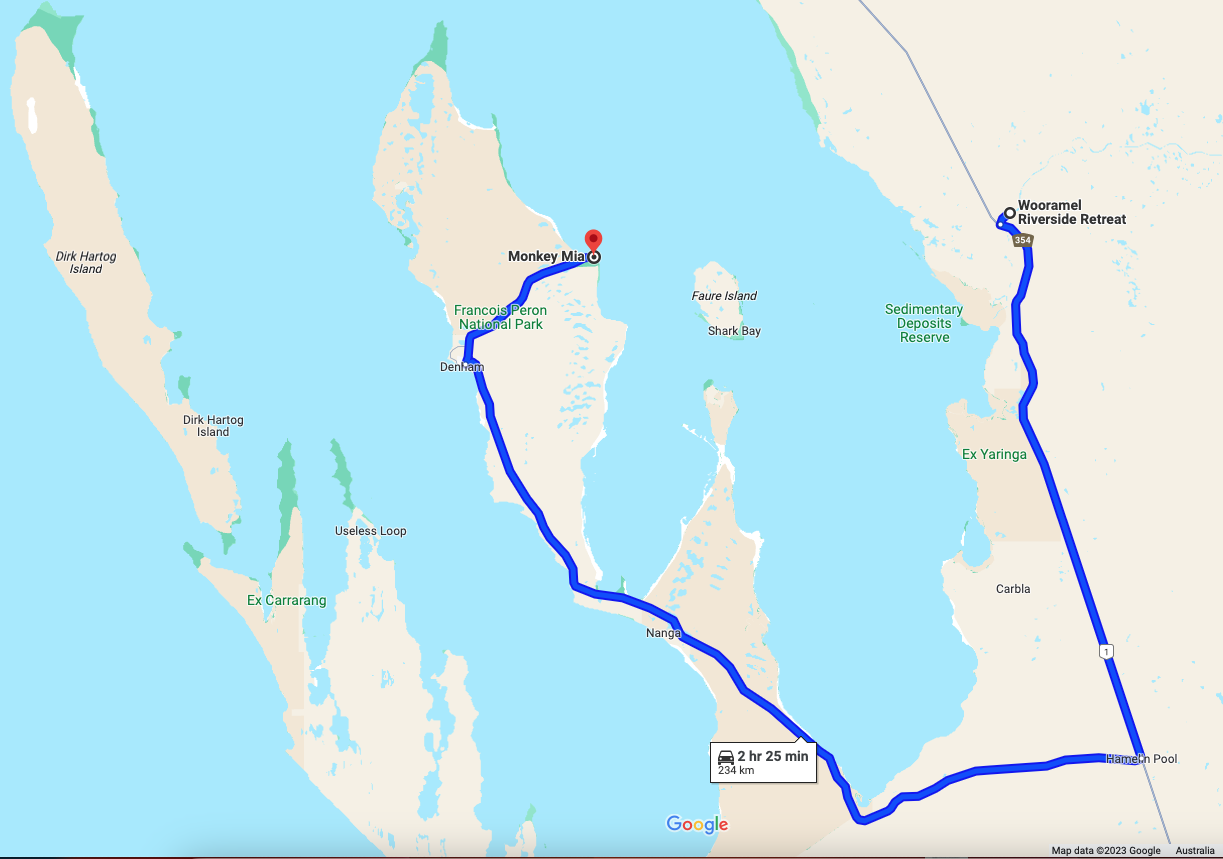
The last two nights have been spent at Denham. Dirk Hartog Island is off to the west, Shark Bay to the east and Monkey Mia a hop step across the peninsula to the northwest.
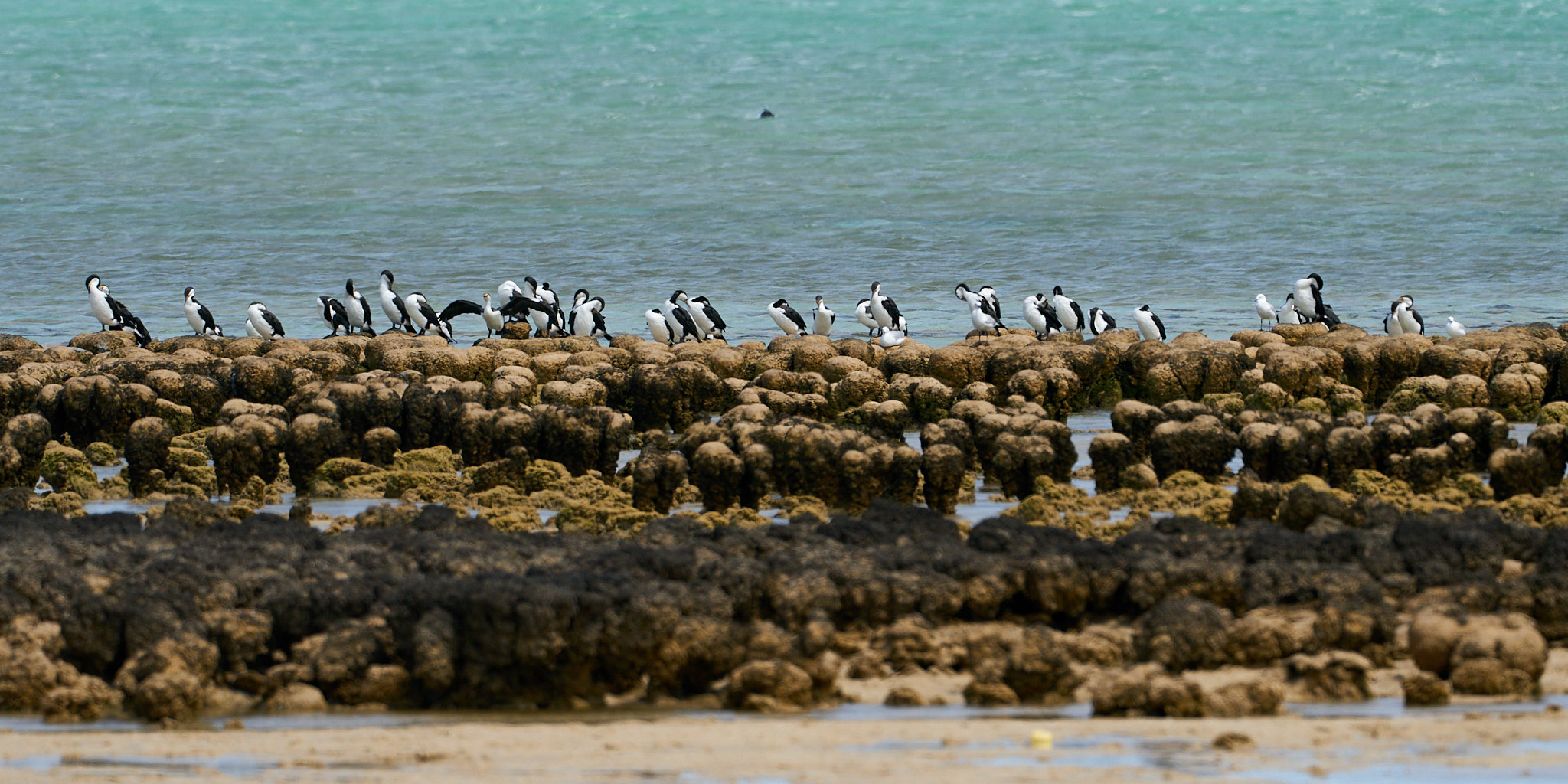
Towards the southern end of Shark Bay is Hamelin Pool home of the stromatolites. They are produced by the interaction of sand and microorganisms and are modern examples of one of the earliest forms of life on Earth – three and a half billion years. In their day that had it all their own way, these days they are found in only two locations in the world. They are protected of course. Given that they are on the bucket list of everyone interested in life on Earth, there is a boardwalk out to see them. And given that the boardwalk is managed by the bureaucracy in charge of Australia’s parks it’s closed. It was damaged by Cyclone Seroja in April 2021 and so far bugger all has been done to fix it. Plans are in hand – give it another couple of years. In the meantime take a very long lens.
Look carefully at the toque shaped structures beneath the Pied Cormorants …
Visitors to Denham should be sure to stop at Eagles Bluff on the way for spectacular views. The aquarium is another must. It is staffed by biologists and by the end of the tour you will be an expert in serial hermaphroditism and Batesian mimicry ready to sit your exam in marine biology. Little Lagoon is also not to be missed.
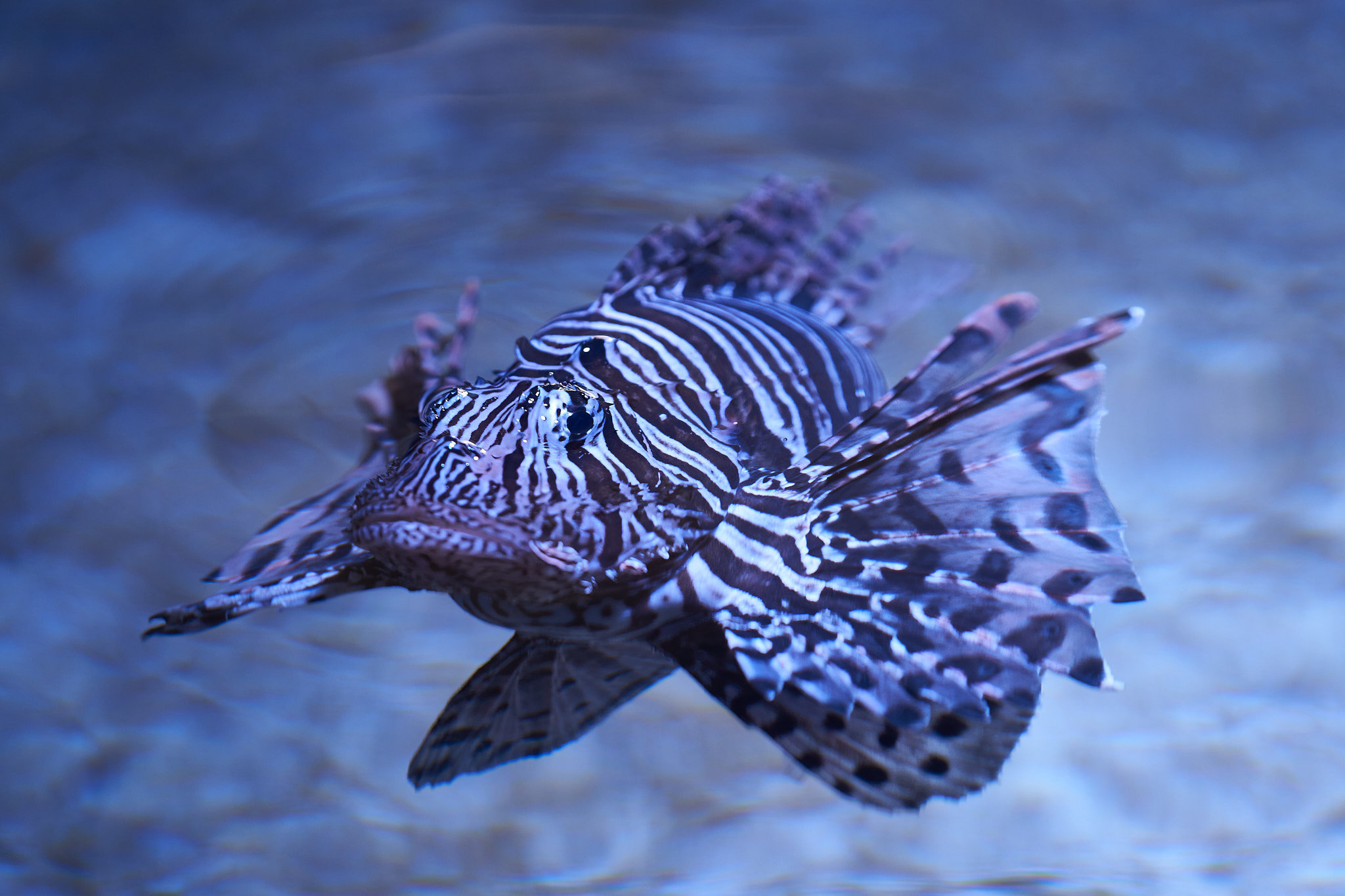
SquidLionfish(photo G H D’A)
Yesterday was Monkey Mia day. The Dolphin Experience starts at 7:45am. A few dolphins will turn up on cue for a handout a meter or so from your feet. But the real stars of Monkey Mia are the Western Grasswrens that hop about in the carpark. We saw our first one within minutes of our arrival and spent several hours later in the day trying to find and hopefully photograph another, to no avail. That is typical Grasswren in my experience.
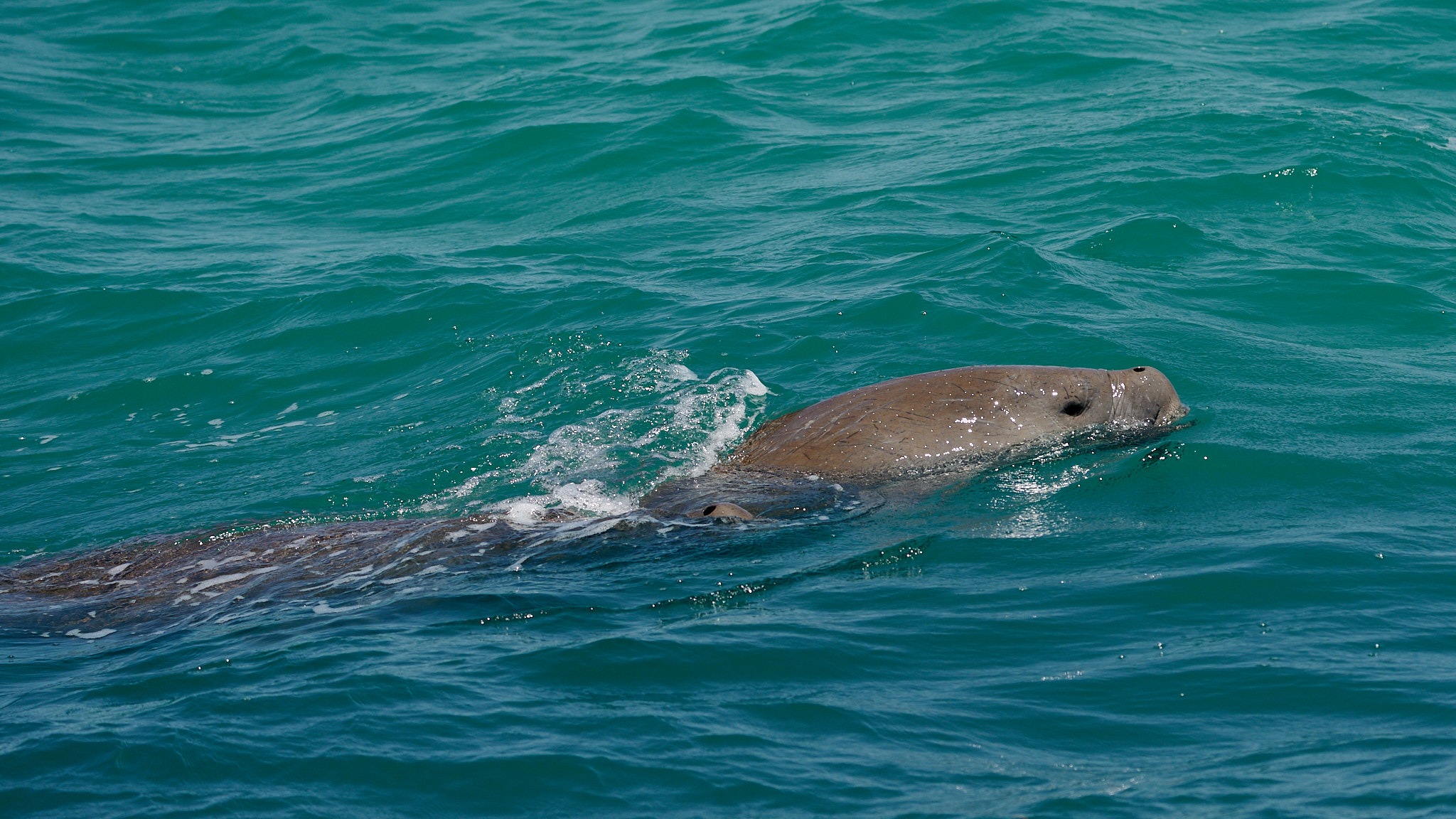
It was a day of highlights. The next was the Aristocat ll cruise in search of dolphins, turtles and dugongs which it delivered in spades.
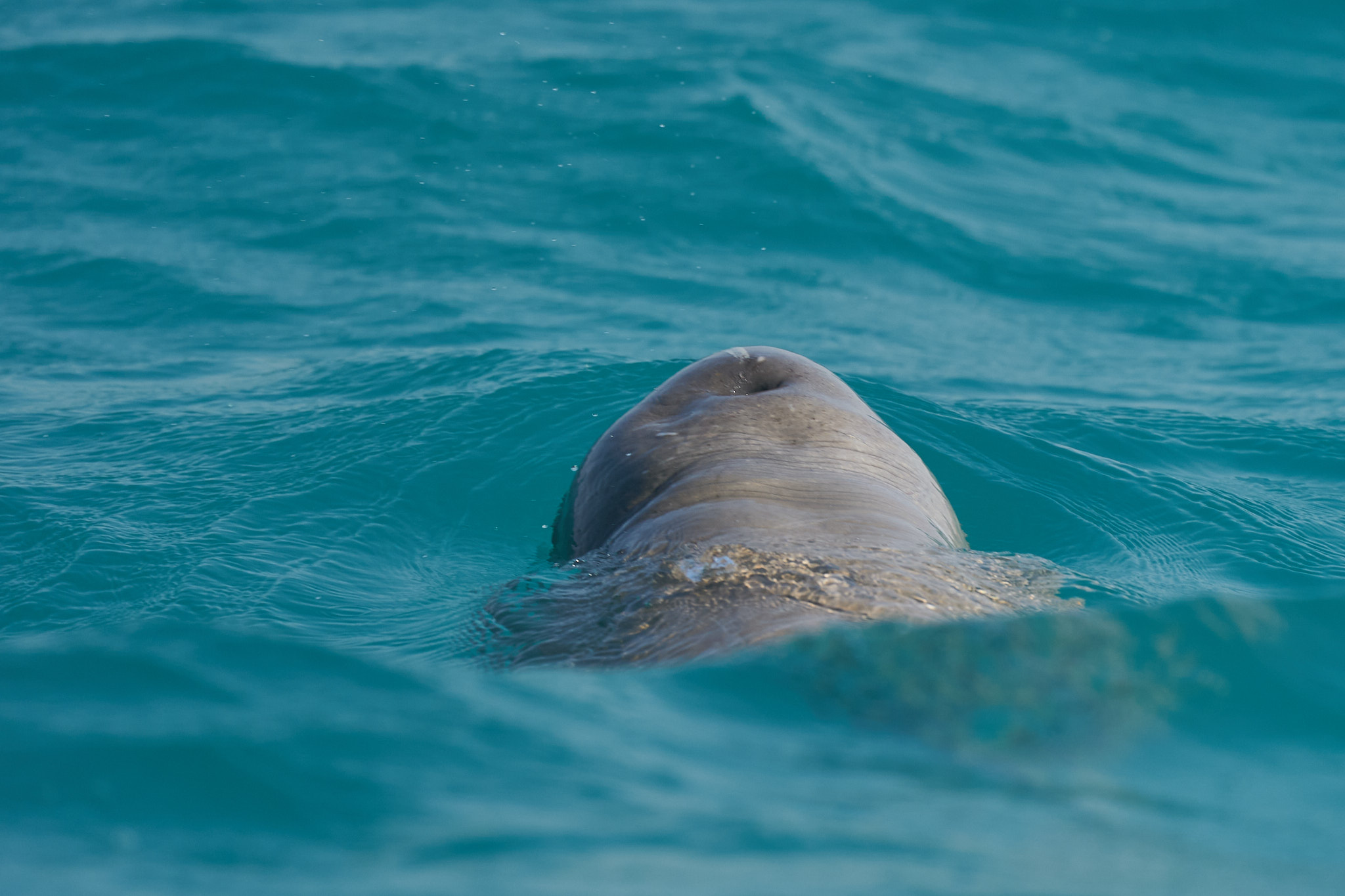
I’ve managed to not see Dugong in the Torres Strait and in Roebuck Bay. Now at last. Their beauty far exceeds any mermaid. Peaceful creatures that browse on seagrass, a dangerously low reproductive rate, hunted for their meat and in the past for their oil. They are given a measure of protection in Oz but next time you hear someone carrying on about Japanese whaling remind them of this. Dugongs can legally be hunted by Aboriginal and Torres Strait Islanders as can turtles.
They are Sirenians not Cetaceans. Their nearest relative was Stellers Sea Cow which had slipped from this mortal coil by 1768, hunted to extinction. The other extant Sirenians are three species of manatee. Dugongs grow to as much as 3m in length and may weigh 500kg or more. Adorable.
Yet another reward on this wonderful day, on the way back to the van a Malleefowl browsing on the edge of the scrub.
This morning I stood on the beach at Denham and watched the full moon sink below the western horizon. Behind me the sky was reddening with a new day ahead. Life is remarkably precious. My cup runneth over.
Anyone visiting Shark Bay should take a cruise on the Aristocat. Not only do they do a remarkably good job on the cruise they are also giving back to the environment by regenerating seagrass meadows. You can watch it below and there is a gofundme link on their home page.
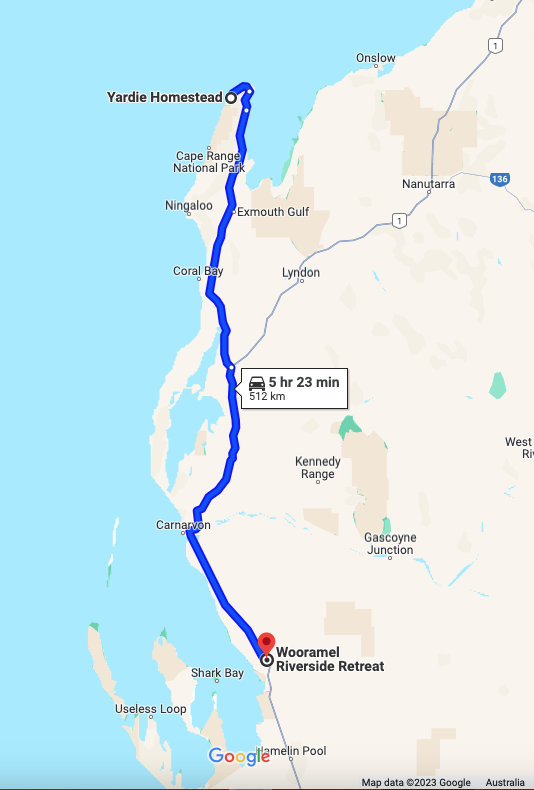
It would have been good to explore the canyons of Cape Range National Park but the dog is not welcome there. So south we go from Yardie Homestead, a fine stopover, to Wooramel Station.
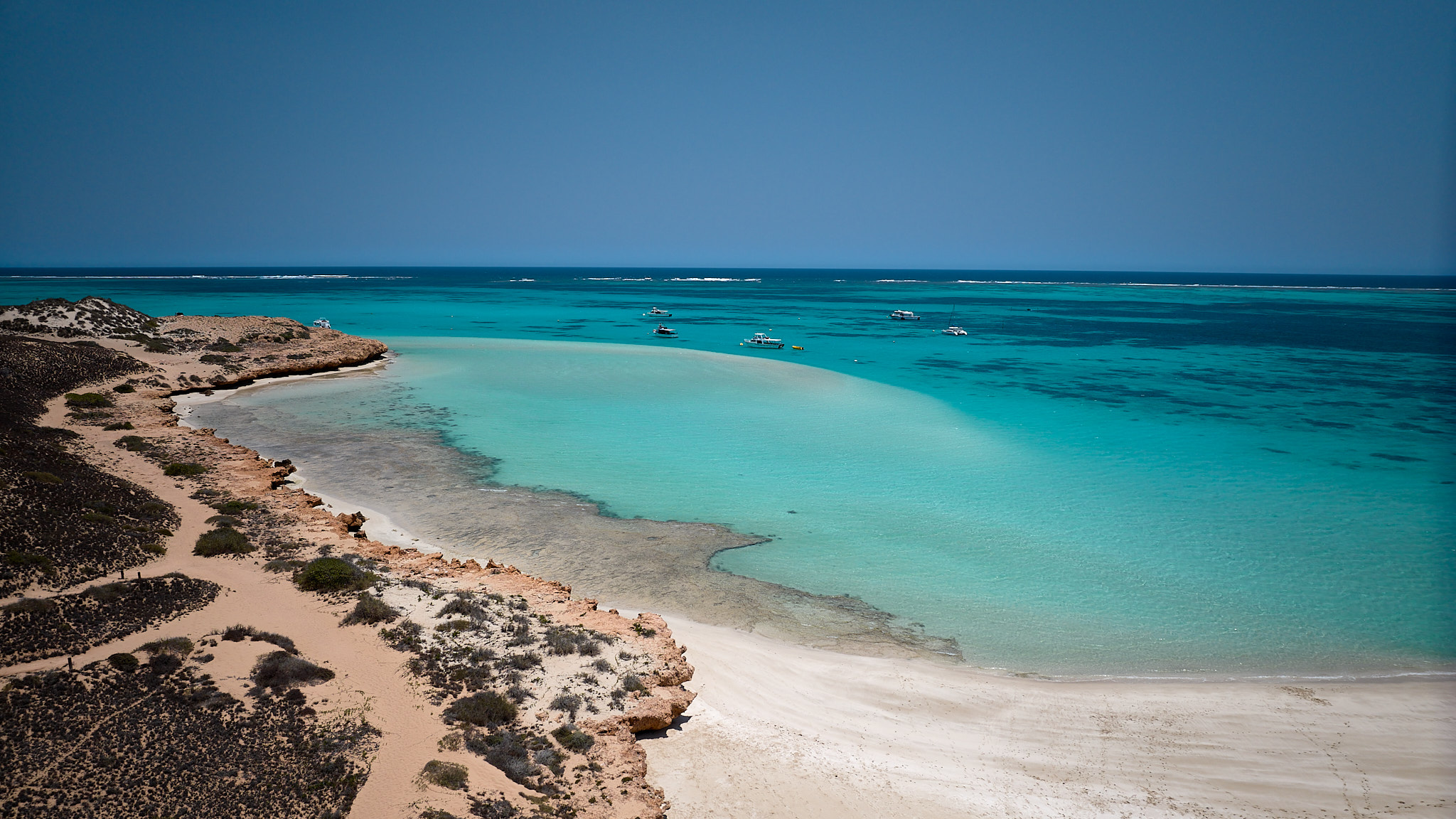
En route we stopped by Coral Bay, a huge caravan park with an arid landscape on one side and an impossibly blue sea on the other. A little too commercial for my liking but I must return in Whale-shark season (April – June).
Coral Bay
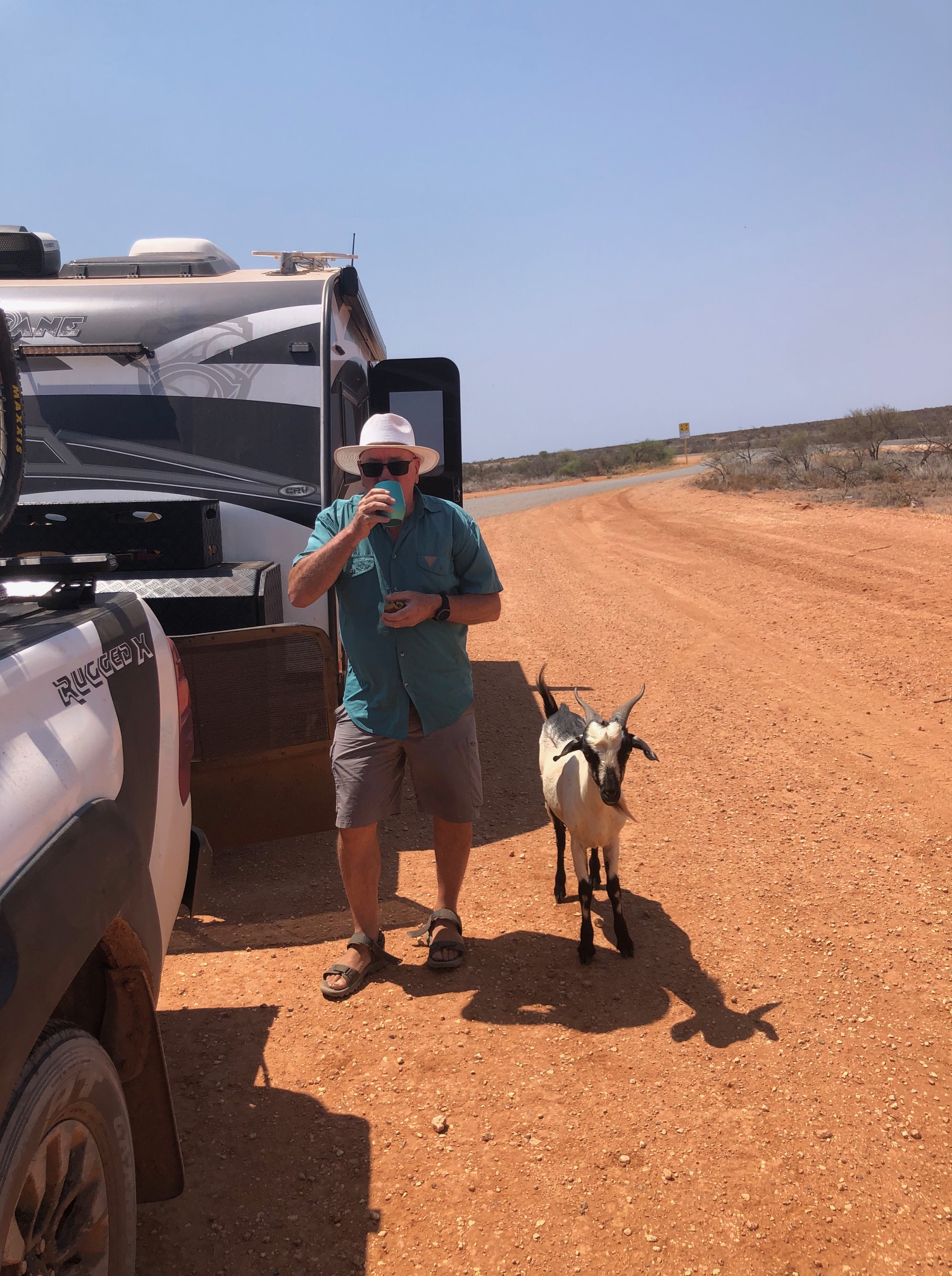
We stopped for lunch where the A1 crosses the Tropic of Capricorn. I was just standing there minding my own business, a muffin in one hand a drink in the other, when my leg was gently nudged … by a goat. How appropriate, an extremely tame goat the totem of Capricorn.
Next came Carnarvon, a town with about 5000 inhabitants. Here we found the first signs of horticulture on our journey south. The fertile soils of the Gascoyne delta with water from aquifers beneath the usually dry river enable production of a wide variety of fruit and vegetables.
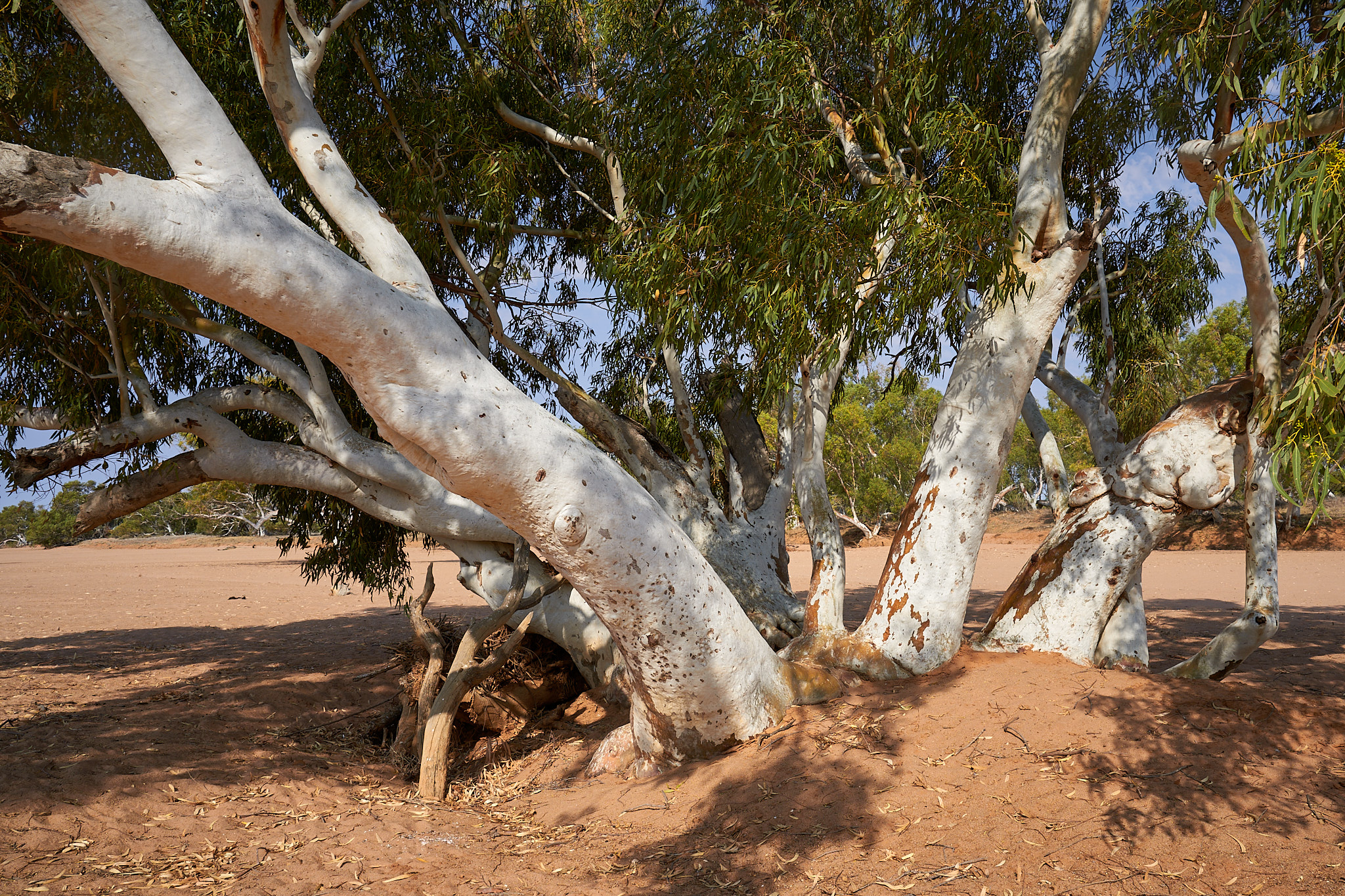
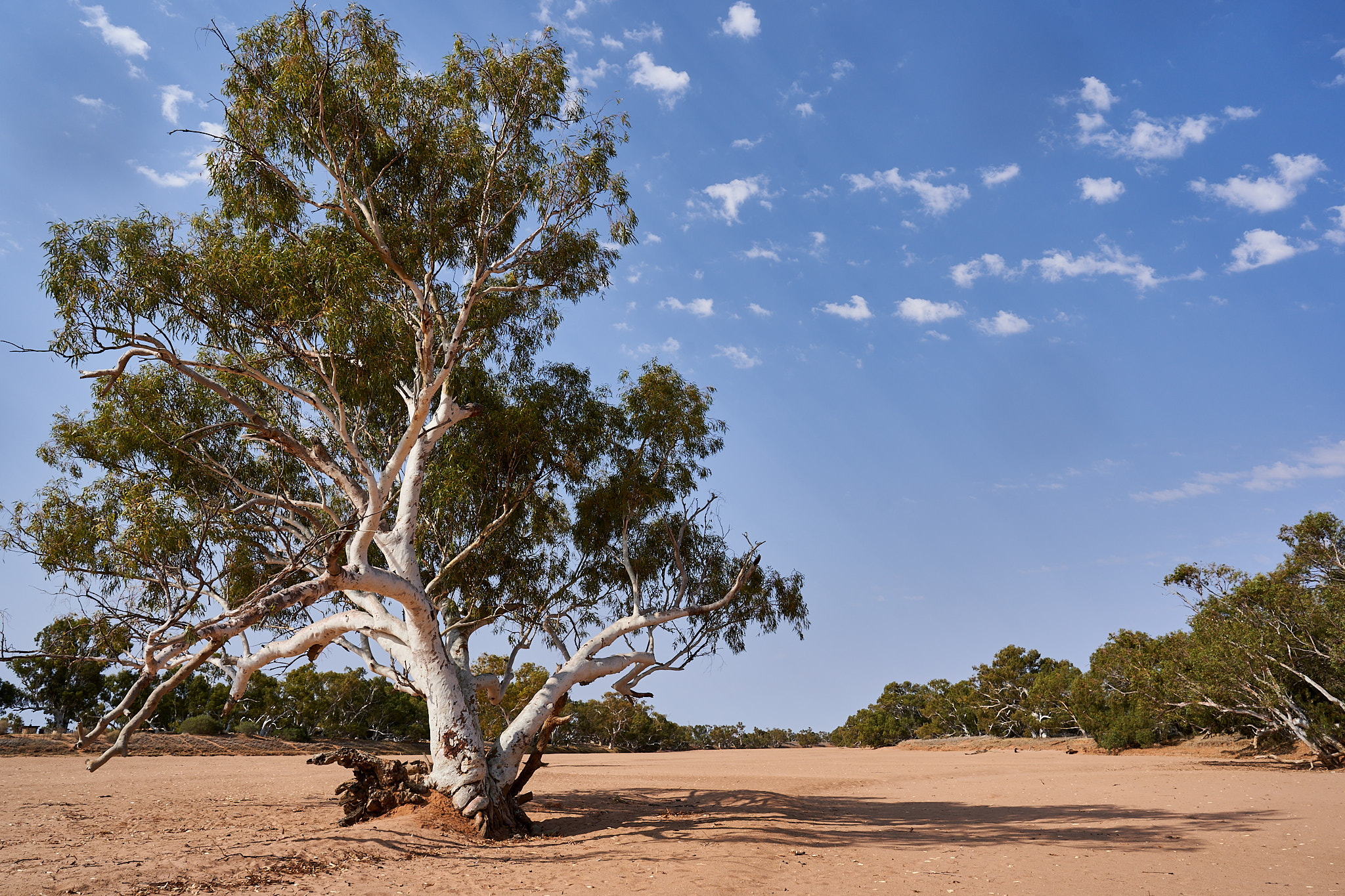
Leaving that oasis behind it was back into the arid zone and on to Wooramel Station 356,000 acres or 1,430 square kilometers in area with 60km of coastline. The camp site is on the banks of the Wooramel river, dry most of the time. There are no powered sites but to compensate for that there is an artesian hot pool open 24hrs a day. There are a couple of 4WD trails on the station and not too far away Shark Bay can be reached at Gladstone.
Arriving at Wooramel we were greeted by the calls of Australian Ravens, the first ravens since leaving Broome. Australia’s corvids are a challenging bunch because they are all much the same size, shape and colour. Fortunately their calls, geographic ranges and a few visual cues help in sorting them out. Crows have white down under their black outer feathers. On a windy day you can get a glimpse especially around the neck. Aussie Raven is the only one of the three native ravens that are present in this region and it differs fro the crows by having a beard. I took these photos today about 30km apart. Click on the gallery for the full picture – it does have a beak.
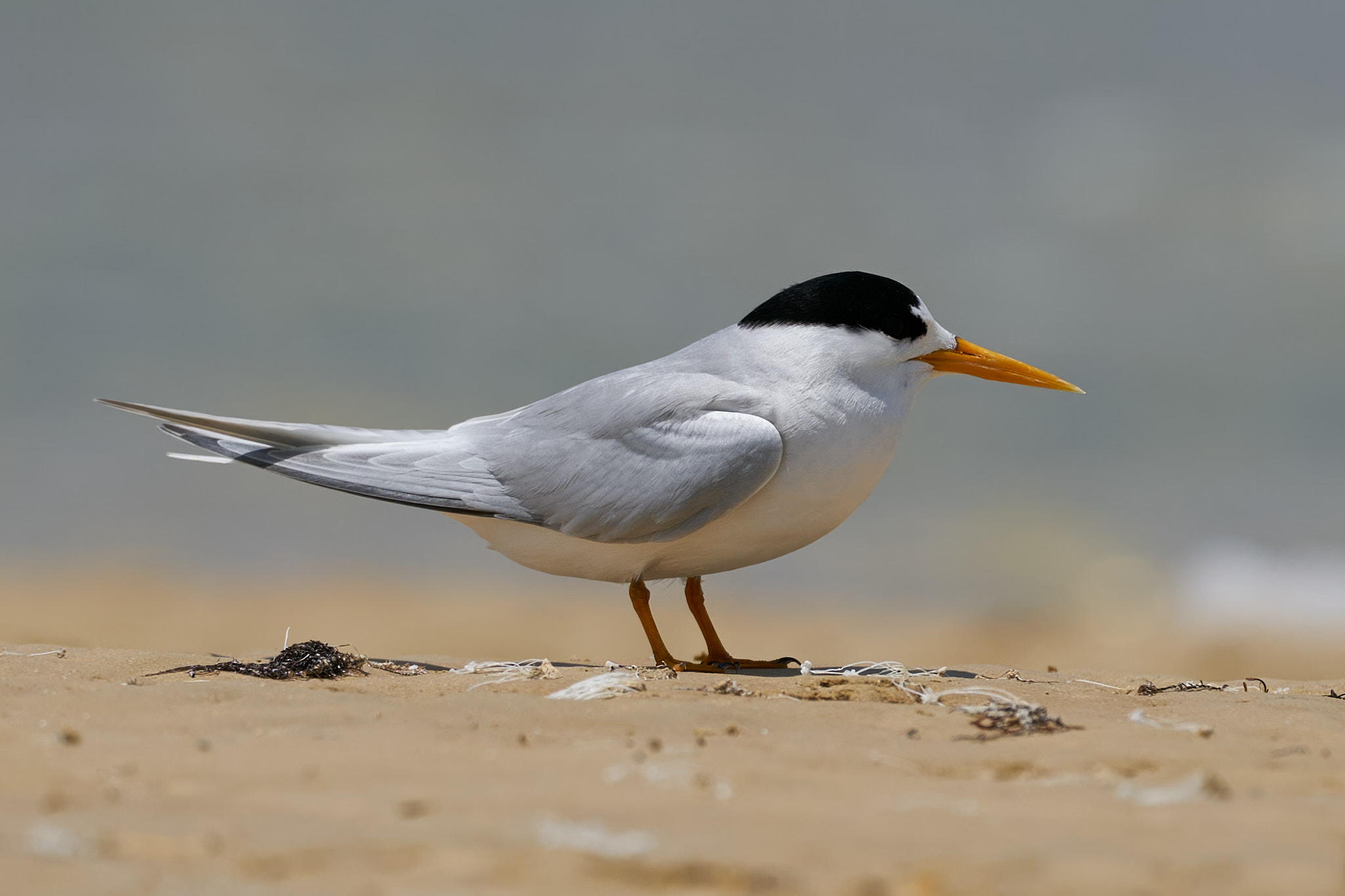
Point Samson has a magnificent beach with some fine reefs. Migratory waders feed along the water’s edge, turtles come ashore to lay their eggs (and to take a rest from the attention of male turtles) and terns roost on the reef and nest above the reach of high tide. It is precious.
In an effort to keep it precious dogs are forbidden on the beach. There is no way to avoid the signs that are at every access point to the beach. It’s an opportunity for the entitled to mount a little act of defiance …
Broome Whale Watching again but this time their dolphins and turtle tour in Roebuck Bay. It was a windy morning which necessitated a change of starting point but didn’t interfere too much with the trip.
Roebuck Bay is about 550 km2 in area and shallow. The tidal range is huge – as much as 10.5m and at low tide exposes as much as 160 km2 of mudflat. Seagrass meadows lie just below the low tide line, Mangroves are inundated by the high tides. The tidal flow stirs up sediment that makes the sea a beautiful turquoise which teamed with the red cliffs and red sand gives Broome its characteristic vibrant palette.
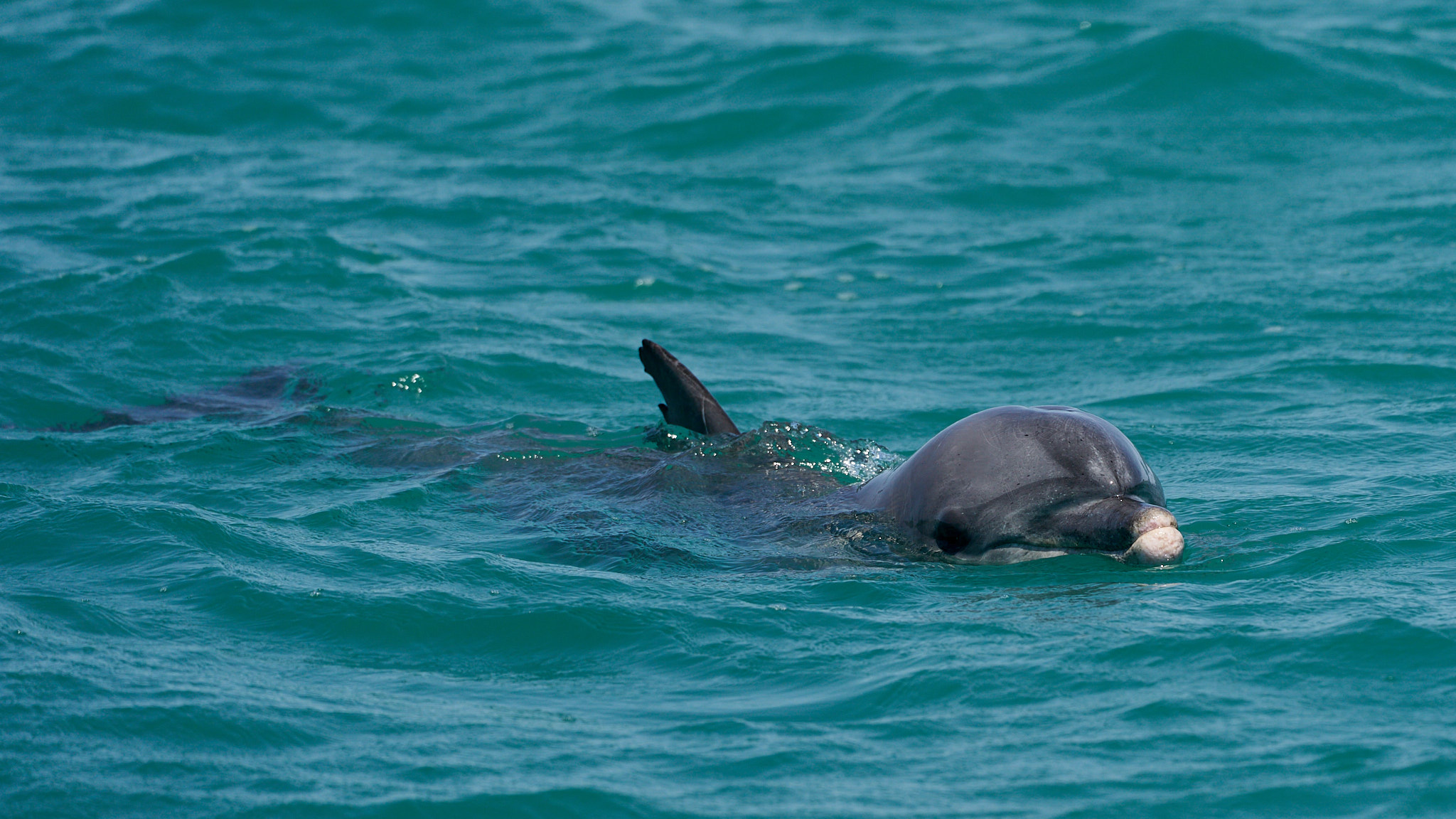
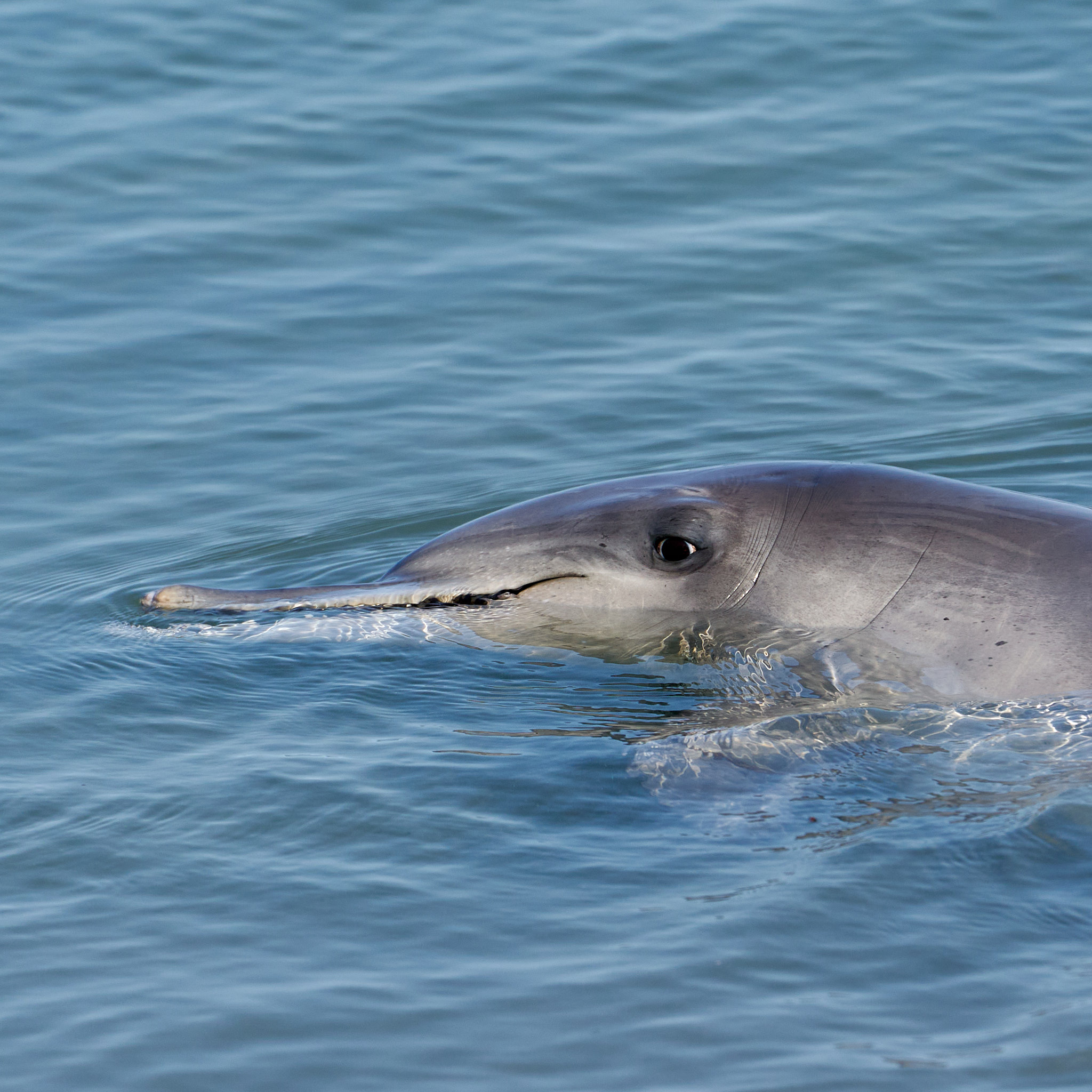
It wasn’t long before we encountered our first Snubfin Dolphins. They are rather sedate as dolphins go, no leaping out of the water or dashing to the boat for a ride on the bow wave. They have heads like a melon and tails like little Humpbacks. They move relatively slowly but tell that to the photographers … the best chance to get a head shot is when they surface. Where will they surface? Good luck with that.
They were lumped with the Irrawaddy Dolphin from the Bay of Bengal until DNA studies earned them an identity of their own in 2005. They are found around the coast of northern Australia and presumably southern New Guinea. They are reliably found in Roebuck Bay but rare elsewhere.
Snubfins grow up to 2.7m and weigh up to 133kg. Males are typically larger than females. They get around in small groups that may join another group at a feeding site. Their diet consists mainly of fish and cephalopods. They have been seen at the surface spitting water over fish to fool them into swimming towards them.
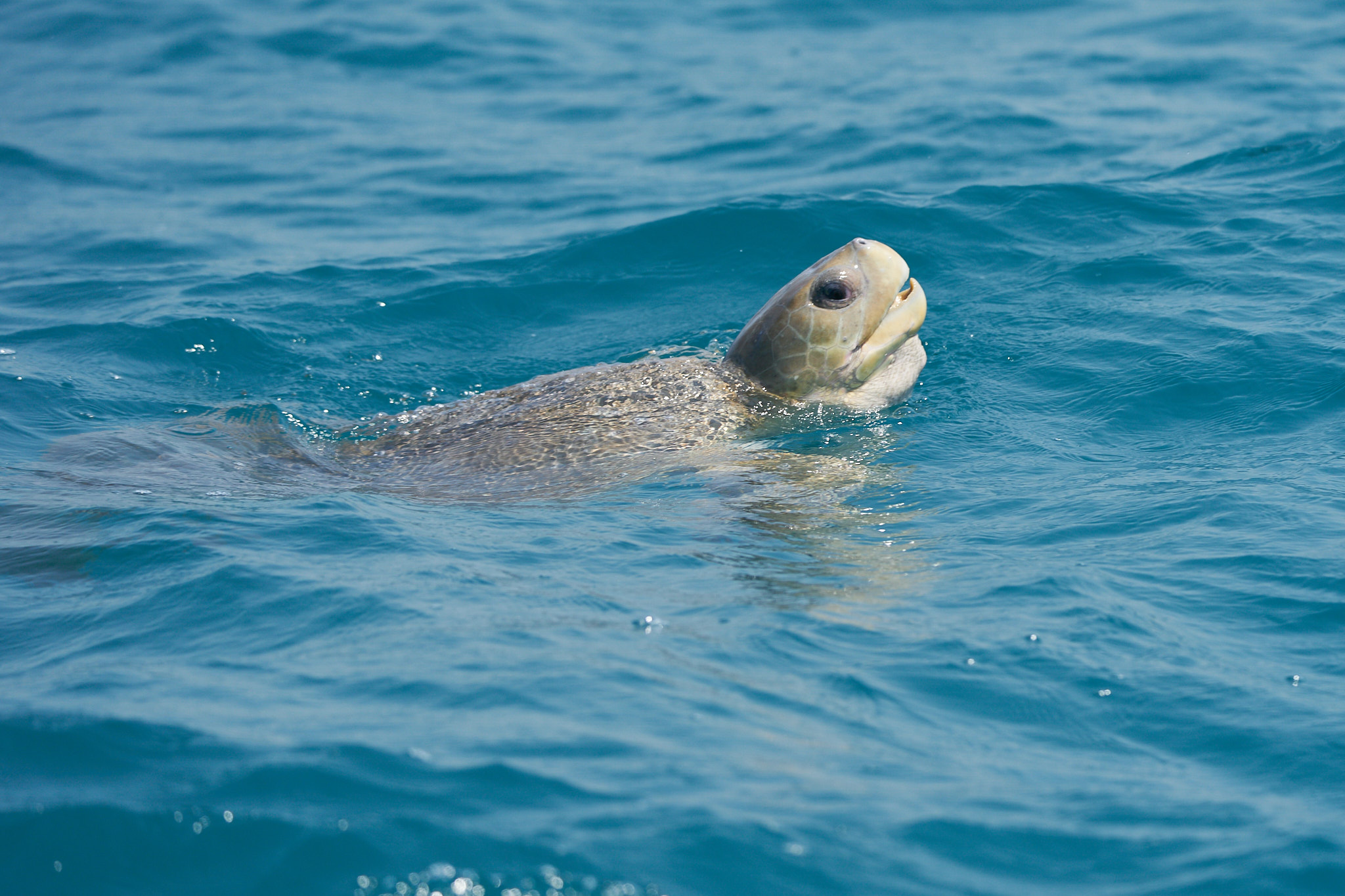
Next on the agenda was the Flatback Turtle. These are another denizen of Australia’s northern waters but wander a little further than the Snubfins. Their carapace gets to about a meter from front to back and adults weigh 60 to 90kg. Females are sexually mature from about seven years of age. Mating takes place at sea, the females come ashore to lay clutches of about 50 eggs in a nest dug in the sand. The sex of the offspring is determined by the ambient temperature – below 29 °C (84 °F), the hatchling will be a male.


























 bobmcgee