Not far from Portland, near the western end of Victoria’s coast, you can find a nesting colony of Australasian Gannets on the mainland. All the others are on offshore islands. This one began in 1996 and is the extension of a large colony on the nearby Lawrence Rocks. Seabirds tend to return to their birthplace to mate and there was simply no more room at the inn.
In its first year the colony failed to get a single chick into the adult population. Foxes, feral cats and human disturbance seemed to be the problem so the colony was fenced off. I’ve heard it said that it’s now grown to about 3000 birds and is fairly successful. I doubt the true figure is that high but here’s what it looks like from the carpark. By my count that’s 257 birds but feel free to count for yourself.
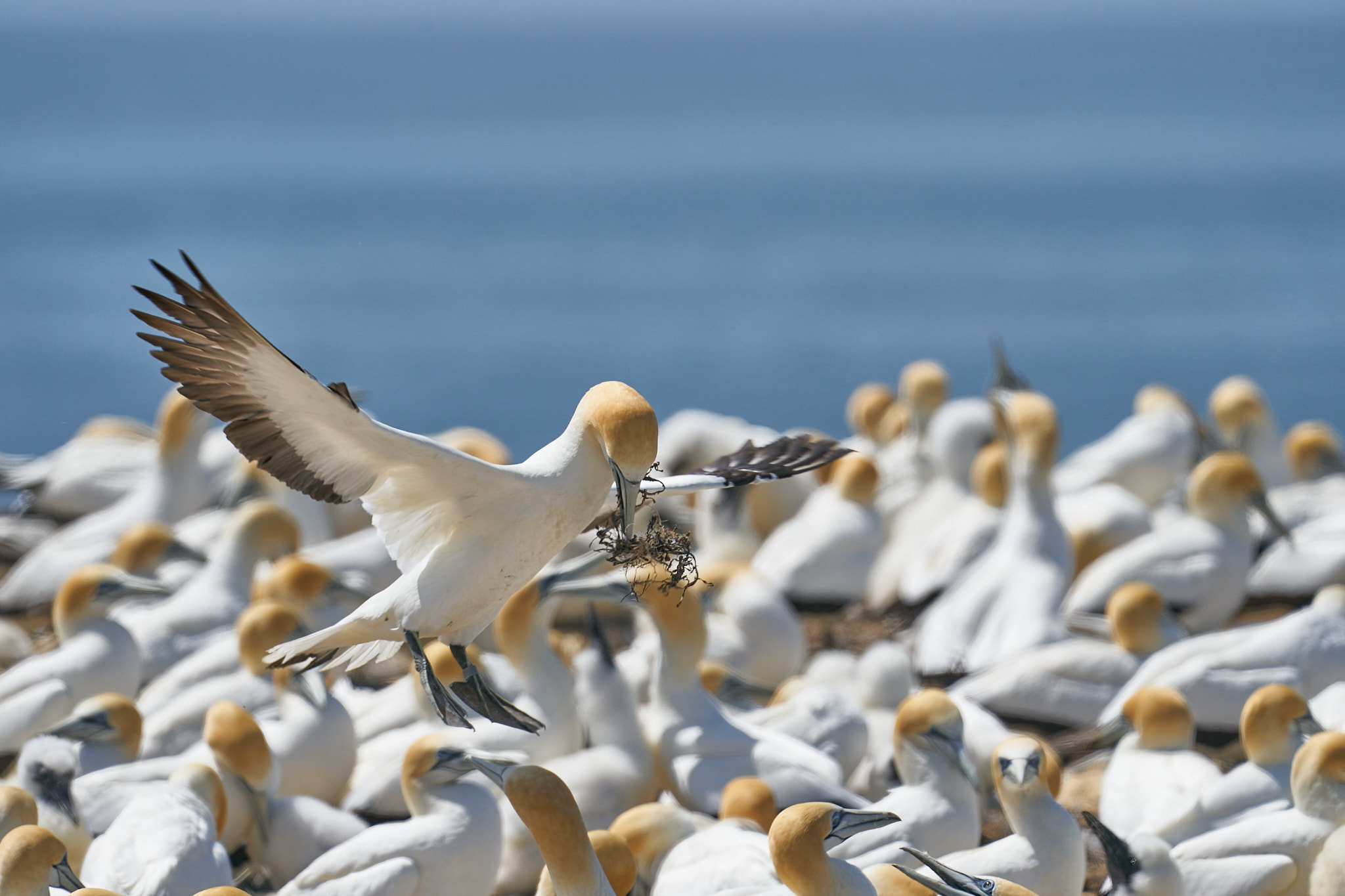
An adult drops Into that crowded space with a beak full of seaweed. Building material for the new nest.
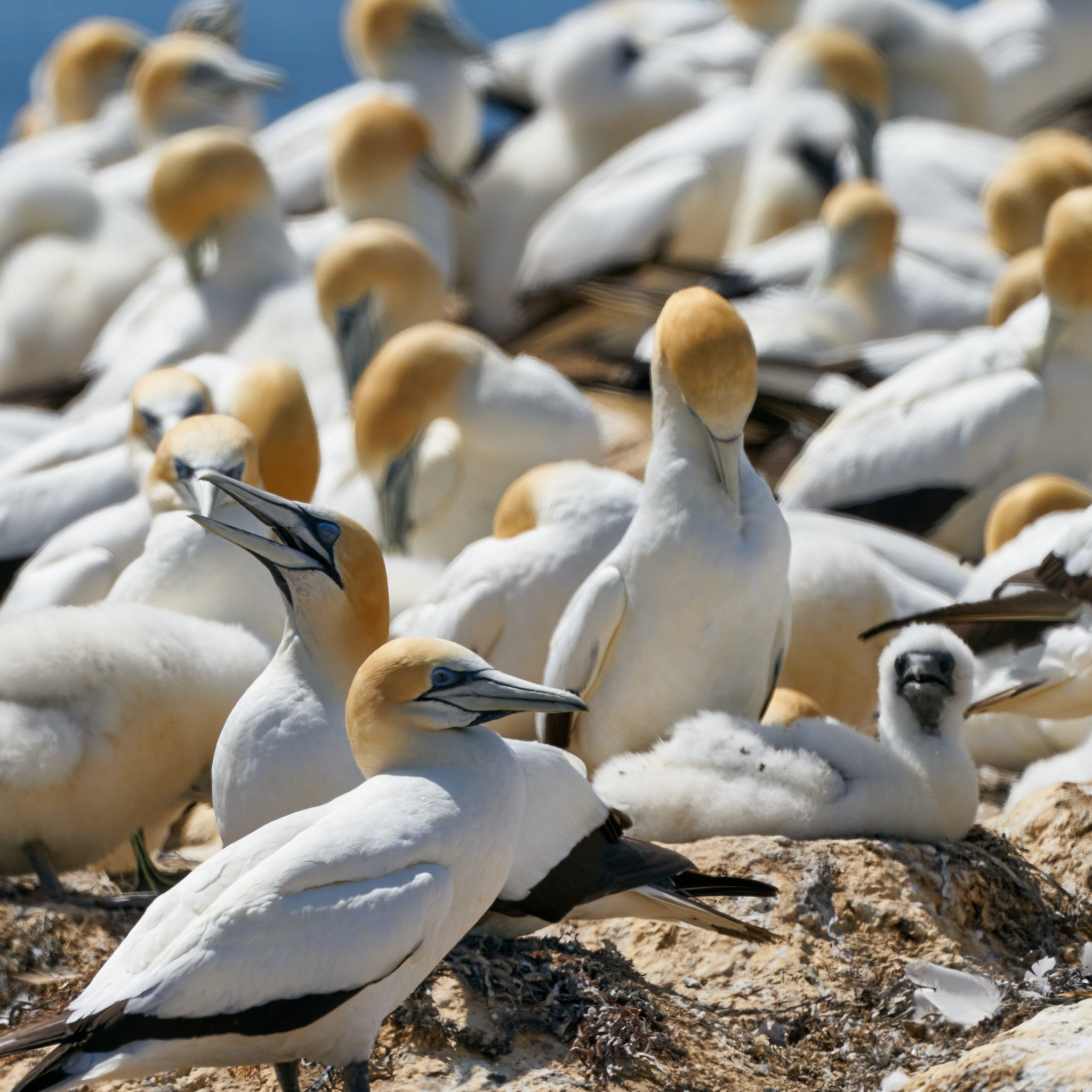
I suspect the cement is simply guano. All going well a big fluffy chick will come into being.
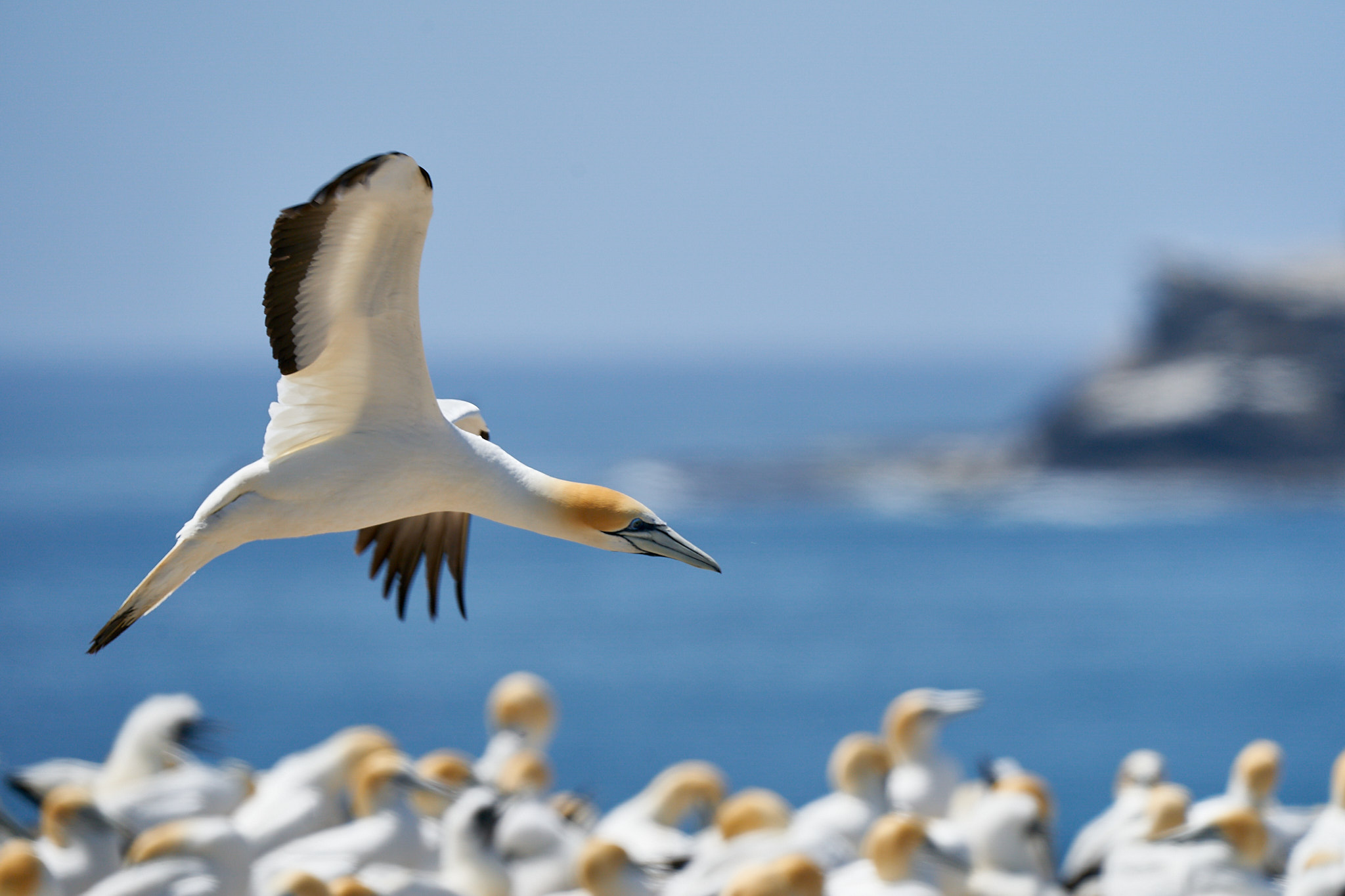
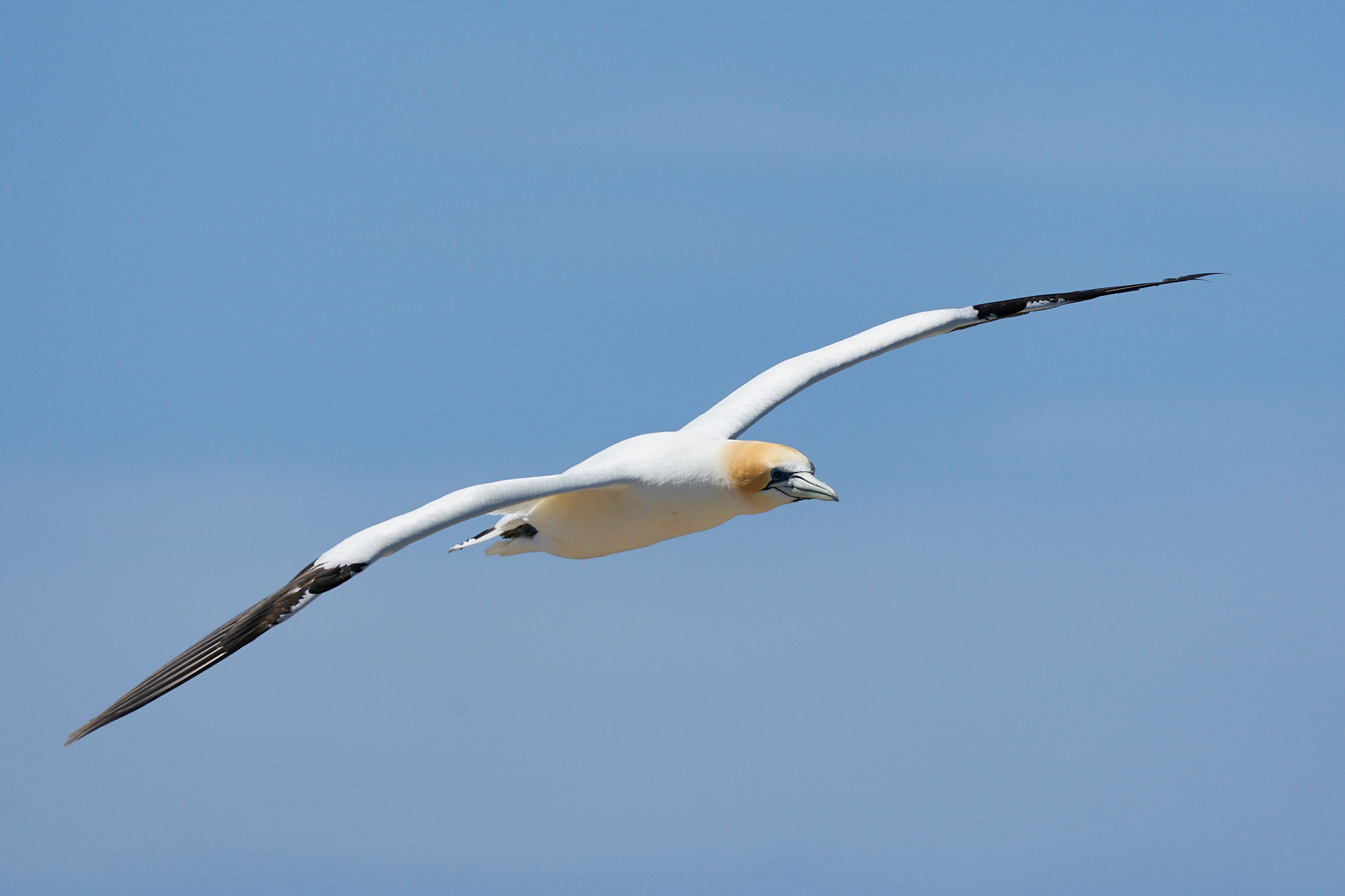
The parents will range up to 50km from the nest to bring back food for the youngster. They are spectacular plunge divers. It’s great entertainment when a squadron of gannets gets onto a school of fish.
Many years ago I made myself a kayak. Dangerous things kayaks. Combine them with swiftly flowing water and a fallen tree and it’s very easy to drown yourself. I came close.
That experience fits in the scope of Murphy’s Law but there is another inescapable law regarding canoes. If you want a fast canoe it will be long. It will not be manouverable. If you want a manouverable canoe it will be short. It will not be fast. You must choose your canoe to suit your intended purpose. The law of canoes has general application.
To make a photograph you need a lightproof box with a hole in the front and a surface at the back that reacts to light. You point the box at the subject, open the hole for a while, store the reaction and transform it into an image. Simple.
There are, however, some technical challenges. Too much light and your image will be white, too little and it will be dark. Getting the correct exposure depends on three things. Each of those things has to obey the law of canoes. A is for Aperture, the size of the hole. S is for Shutter Speed, the length of time that the hole is open and ISO is for the Sensitivity of the reactive surface to light. Balancing these three things will lead to a satisfactory image. Under most circumstances the modern camera can do that for you. It will trip up when the subject is dark and against a bright background, or white against a dark background or at night when light is at a premium. And on that brief and very expensive trip to Antarctica.
The bigger the aperture the more light gets in. Excellent. What’s the trade off? Depth of field. F/2 is a large aperture giving shallow depth of field, half your landscape will be fuzzy. F/16 is a tiny aperture your landscape will be in focus from somewhere near the front all the way to the back.
The longer the shutter is open the more light gets in. The trade off? For a crisp image the camera and the subject must stay still.
ISO represents the sensitivity of the sensor. The higher the number the greater the reaction to the light. The higher the number the greater the noise in the resultant image.
You’d like a sharp image, in focus from front to back and with no noise in the shadows? Sir, can I interest you in this very fast and extremely manouverable canoe?
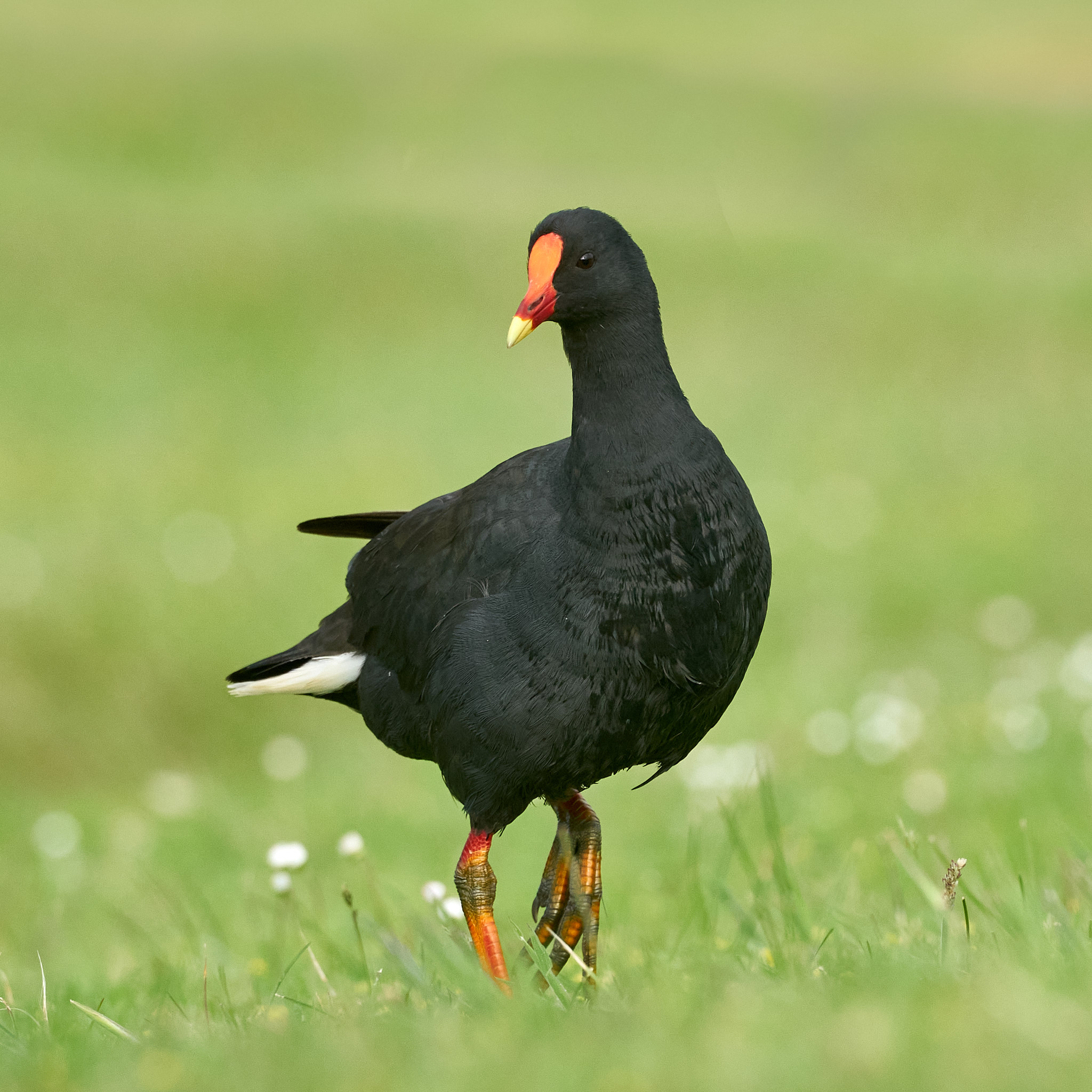
If you’re taking control of the image you will have to decide what to sacrifice. To photograph birds I choose a high shutter speed. This guards against movement of the lens or the bird. To get in the light I have to open up the aperture. This sacrifices the depth of field. On a telephoto lens you soon bump into the limit regarding aperture so ISO will also have to increase …
ISO 2000 1/1600s f/8 600mm
The sacrifice here is depth of field but it’s no sacrifice at all. The out of focus background helps the Dusky Moorhen to stand out. The eye and bill are sharp. A slow shutter speed would likely have resulted in a soft unusable image.
For landscapes I usually keep the ISO low, the aperture small and put the camera on a tripod. The shutter may be open for several seconds. Sharp focus from front to back and low noise are the result. On the other hand the wind in the trees may make the foliage blurry and the sheep and cows will not look too good. Long exposures are the source of dreamy seascapes and creamy waterfalls. As long as the camera and a good proportion of the picture stays still movement in the scene can be put to creative use.
ISO 100 30s f/11 70mm
The 30 second exposure flattens the sea and on a still day you can get away with the foliage. A tripod is essential.
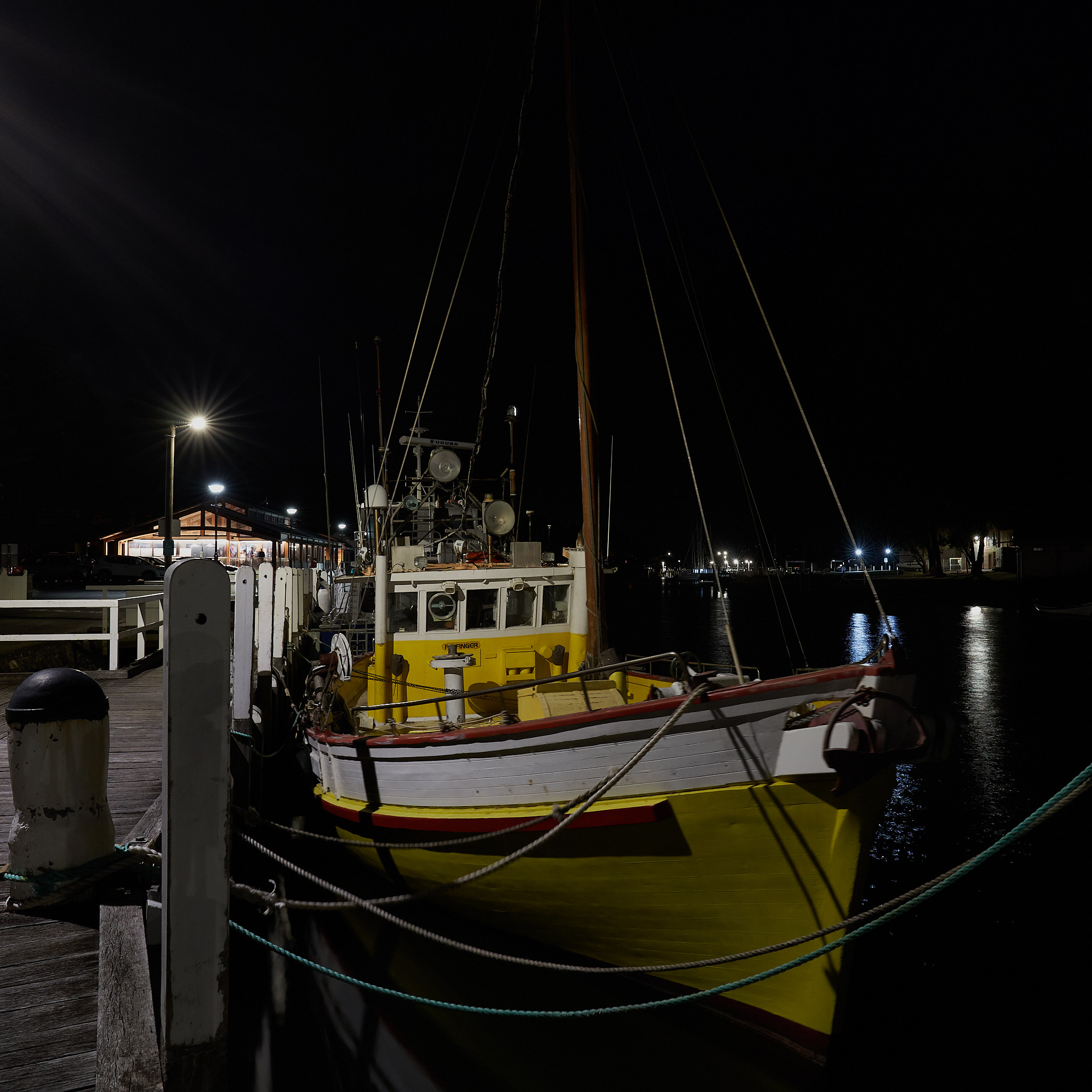
The point of all this is about getting a handle on the compromises made for this next image …
ISO 640 2s f/8 24mm
Boats are a nightmare for long exposure photography. They move. Usually just enough to ruin the image without moving enough to get an “artistic” effect. So a short shutter speed is highly desirable. We have a light source, the dockside lights. The sun flare effect from the lights only happens if the aperture is small f/16 is nice, f/11 works. I was lucky to get it at f/8. The tide wasn’t running hard, boat movement spoilt a couple of attempts but this one is sharp despite a 2 second exposure. ISO 640 doesn’t cause too much noise on the modern sensor especially if you resist the temptation to raise the shadows. I underexposed by a full stop to avoid blowing the highlights.
The subject is a beautiful wooden fishing boat called Putty’s Pride. It’s moored at Port Fairy. Keeping it in good nick must be a labour of love. Its owner has every reason to be proud.
John Griffiths built a house on the island in 1837 as a base for his whaling activities. Port Fairy is in the background with its trademark Norfolk Island Pines. It’s connected to the island by a causeway. On the right of the picture you can see the breakwaters that have improved access to the port, a byproduct of the improvements has been the silting up of shallow waters between three islands, Griffiths, Rabbit and Goat to create the enlarged Griffiths Island we have today.
The lighthouse was built in 1859. The lighthouse keepers cottage has been removed since the light was automated. However the hardier plants in the garden hold on defiantly.
The island is home to a nesting colony of Short-tailed Shearwaters. They return to breed here every spring. They clean up their burrows, usually renew their relationship with their mate of last year and work diligently to raise a single chick. In the autumn they turn their backs on the young shearwater and head for the northern hemisphere to avoid the winter. After a few weeks the chick realises that if it wants to eat it will have to fend for itself and follows.
Along the breakwaters you can often find Ruddy Turnstones and Common Sandpipers that have the same strategy but in reverse, breed in the northern hemisphere and head south for the sunshine (quite why they choose Port Fairy is a mystery).
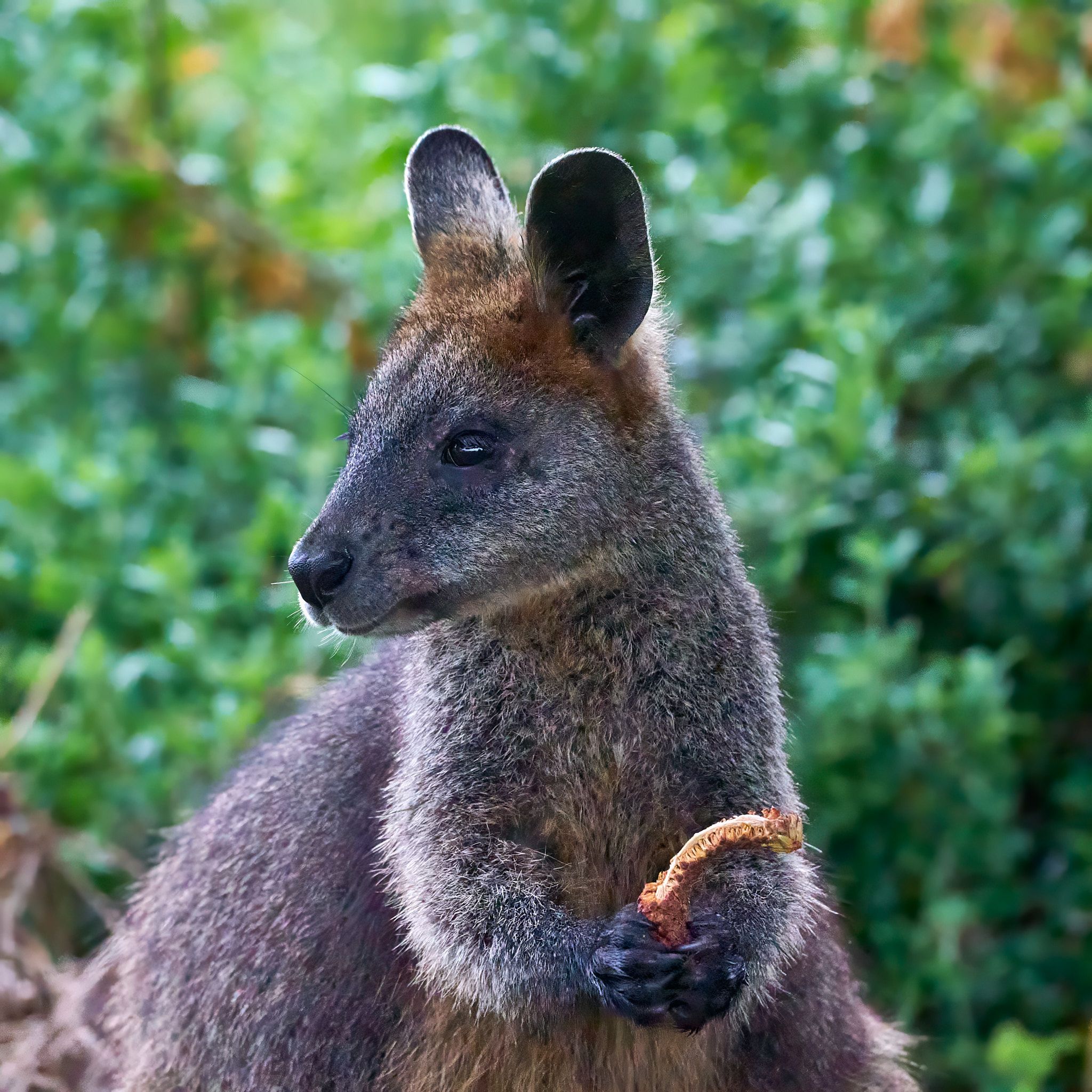
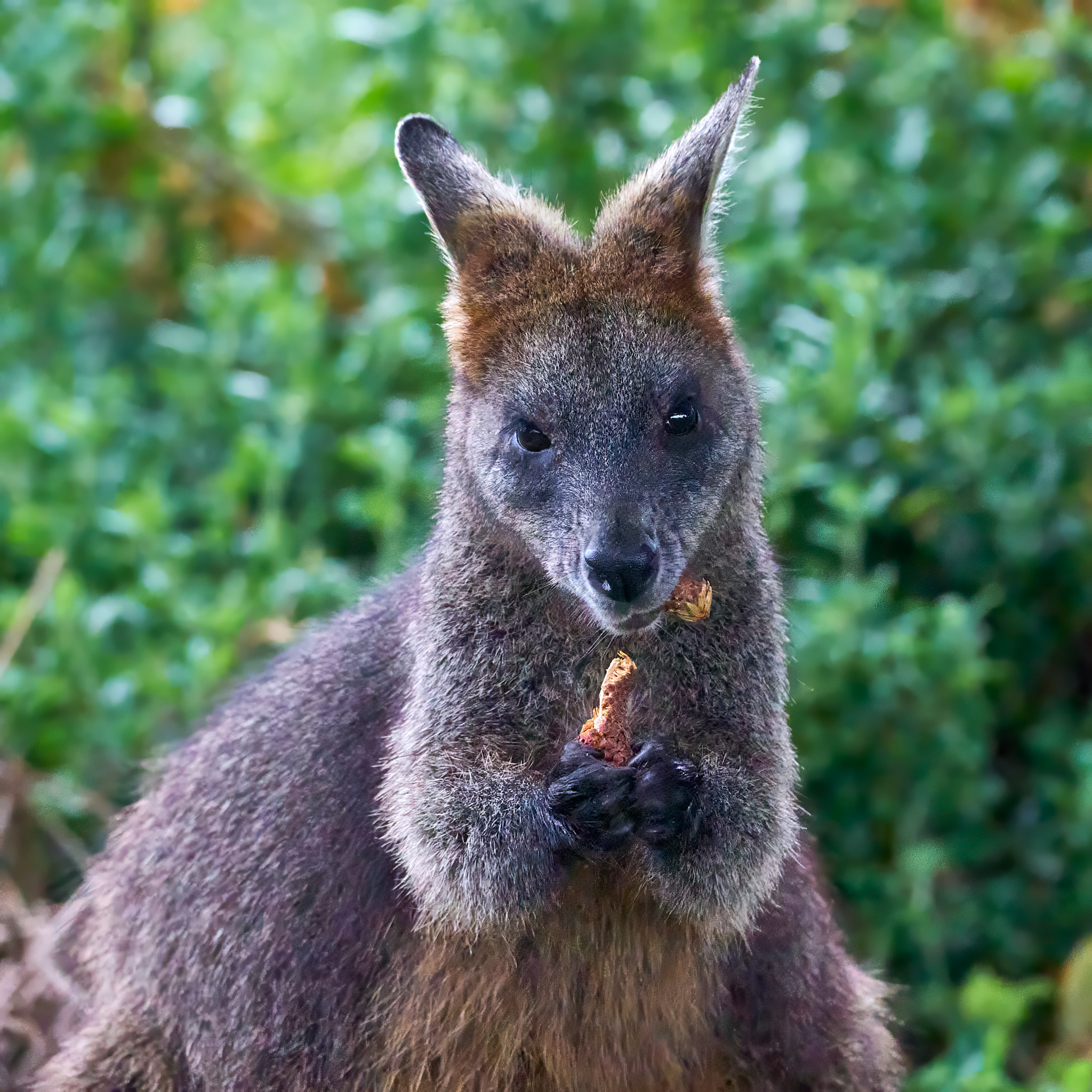
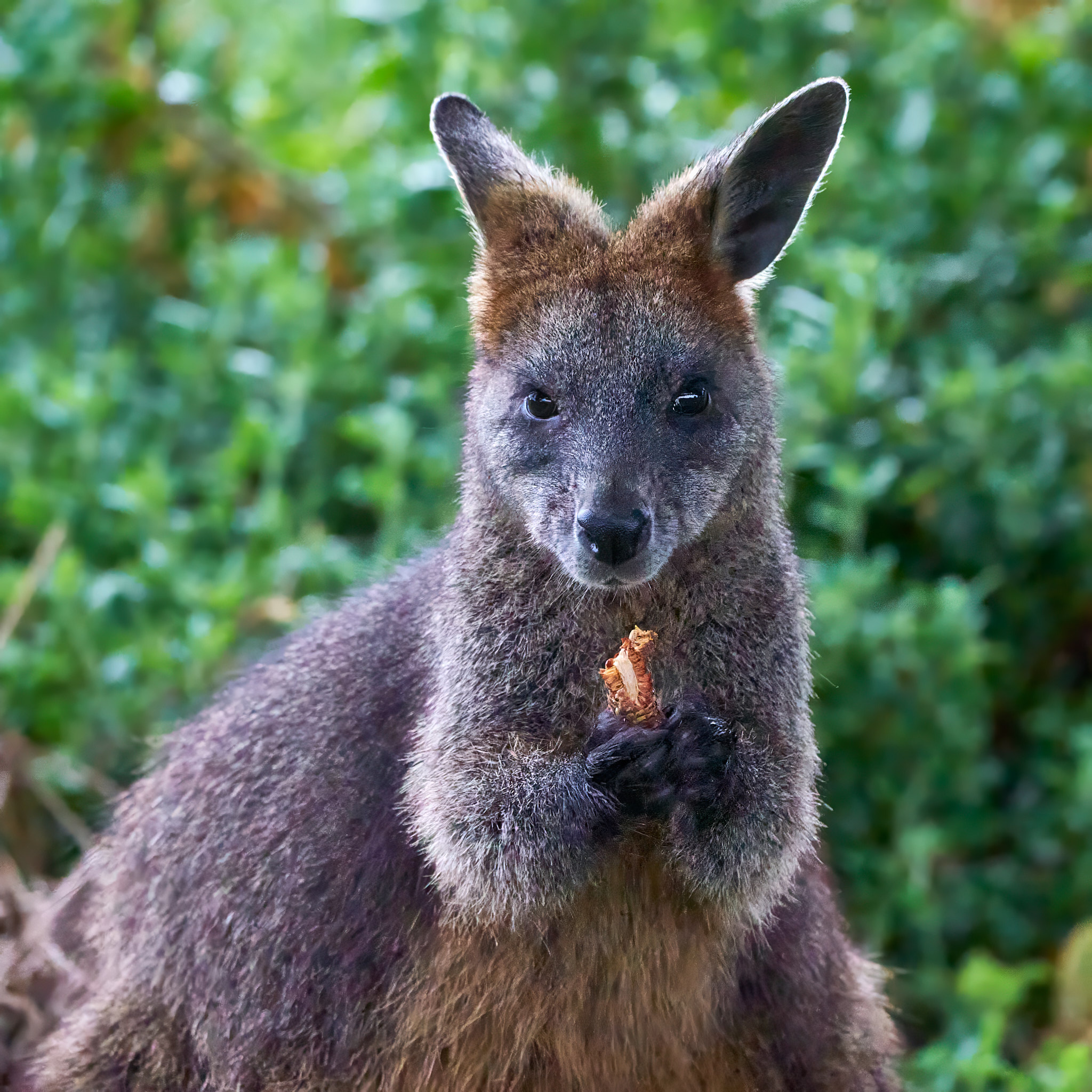
A morning walk will often bring you close to the Swamp Wallabies that live on the island. They are fairly well habituated and will pose for pictures. This one was munching on whatever it is that passes for leaves on Norfolk Island Pines.
Victoria was our home for most of our lives. Our return is mostly about catching up with family and friends. They are well worth traveling 5000km for but are not riveting material for a blog.
After two weeks here I am beginning to cope with the cold. It’s 2:30pm and just 17° (it could be worse, it could be Fahrenheit). We’re in Port Fairy. It’s raining. Of course it’s raining, we’re in Port Fairy. It is one of my most favorite places in all the world despite its weather.
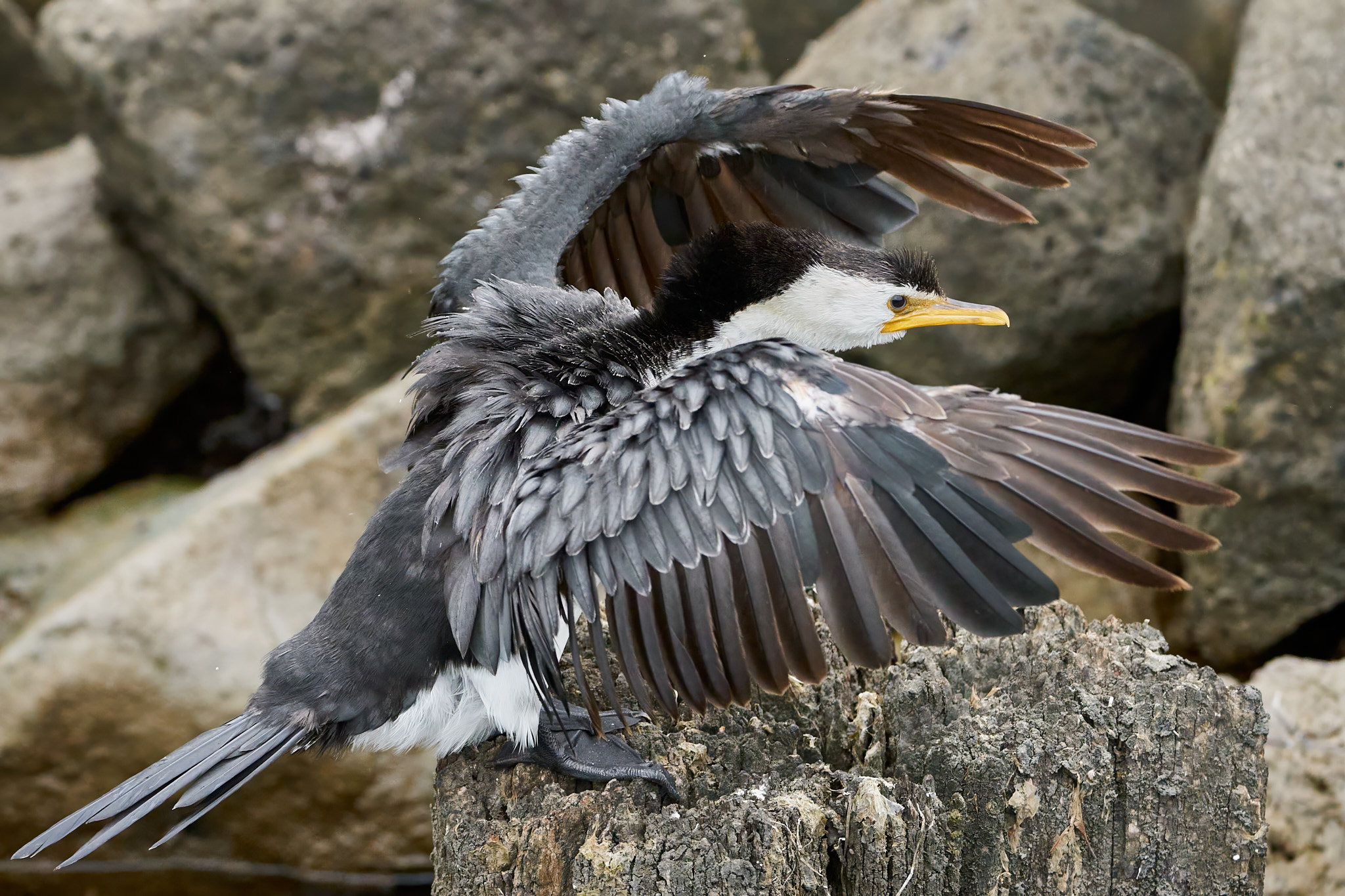
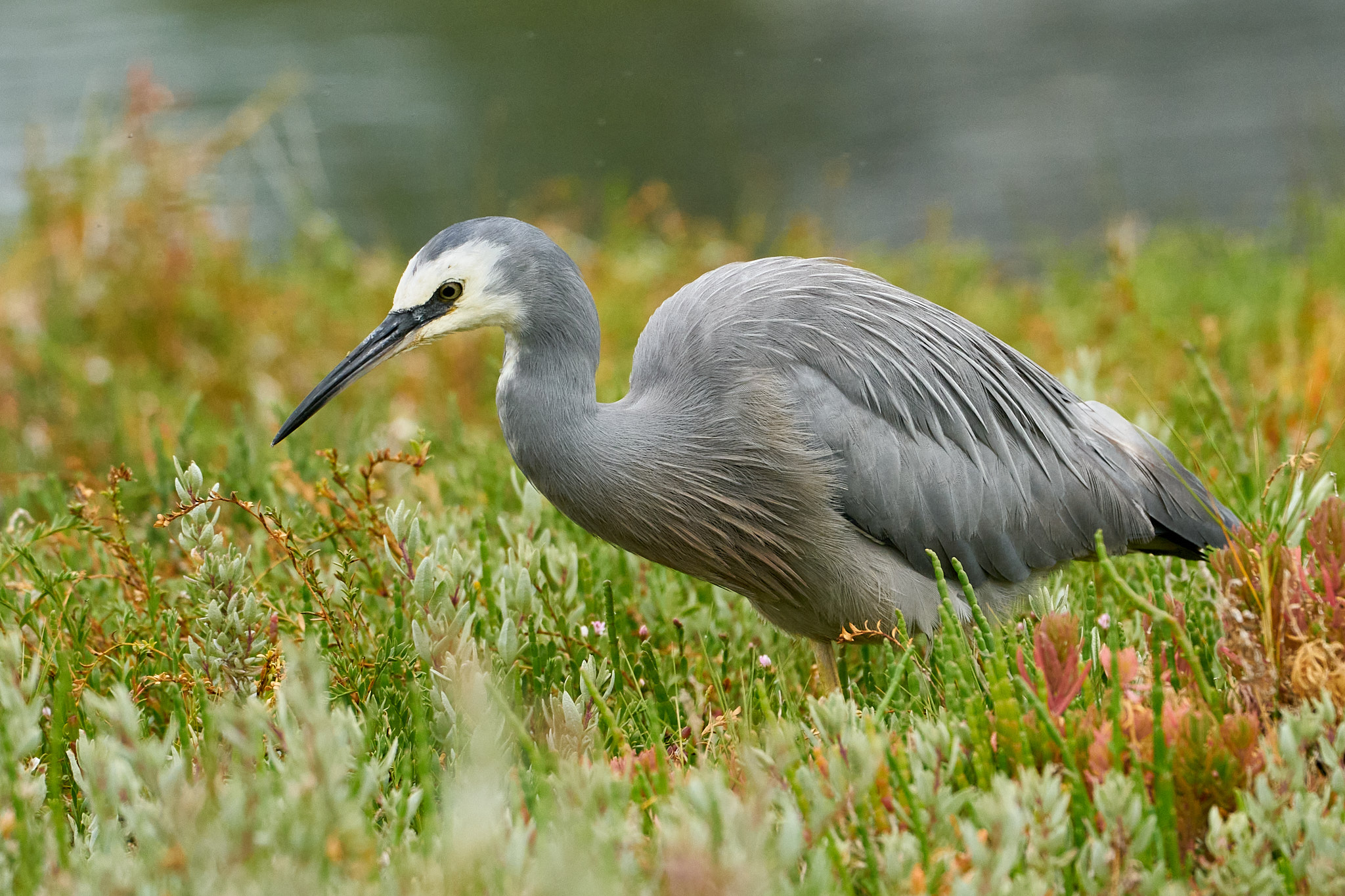
I was out before the rain. An overcast sky is actually very good for the bird photographer. Colours are vivid, there are no harsh shadows. The light is kind. And processing the files is something you can do to pass the time while it’s raining. Did I mention the rain?
Australian MagpieLittle Pied CormorantLittle Pied CormorantWhite-faced Heron
Do click on the gallery.
Friends back in Broome are finding the Build Up a bit oppressive. Between the Dry and the Wet seasons temperatures and humidity soar and begin to wear on you. The nights are uncomfortable. Tempers fray. The Build Up is a season of black eyes and broken jaws . Rain and the relief it brings will be more than welcome when it comes. Meanwhile they have cloudy skies and lightning shows.
The heatwave was a one day affair. A cold change came through overnight bringing a light shower with it. The journey took us to Wirreburra with its beautiful silo art, one of my favorites.
Then on through the South Australian Riverland, irrigated farmland under fruit trees and grapevines to the northwest corner of Victoria and our campsite near Mildura. A couple of pleasant nights on the banks of the Murray then to the Goldfields to catch up with some friends.
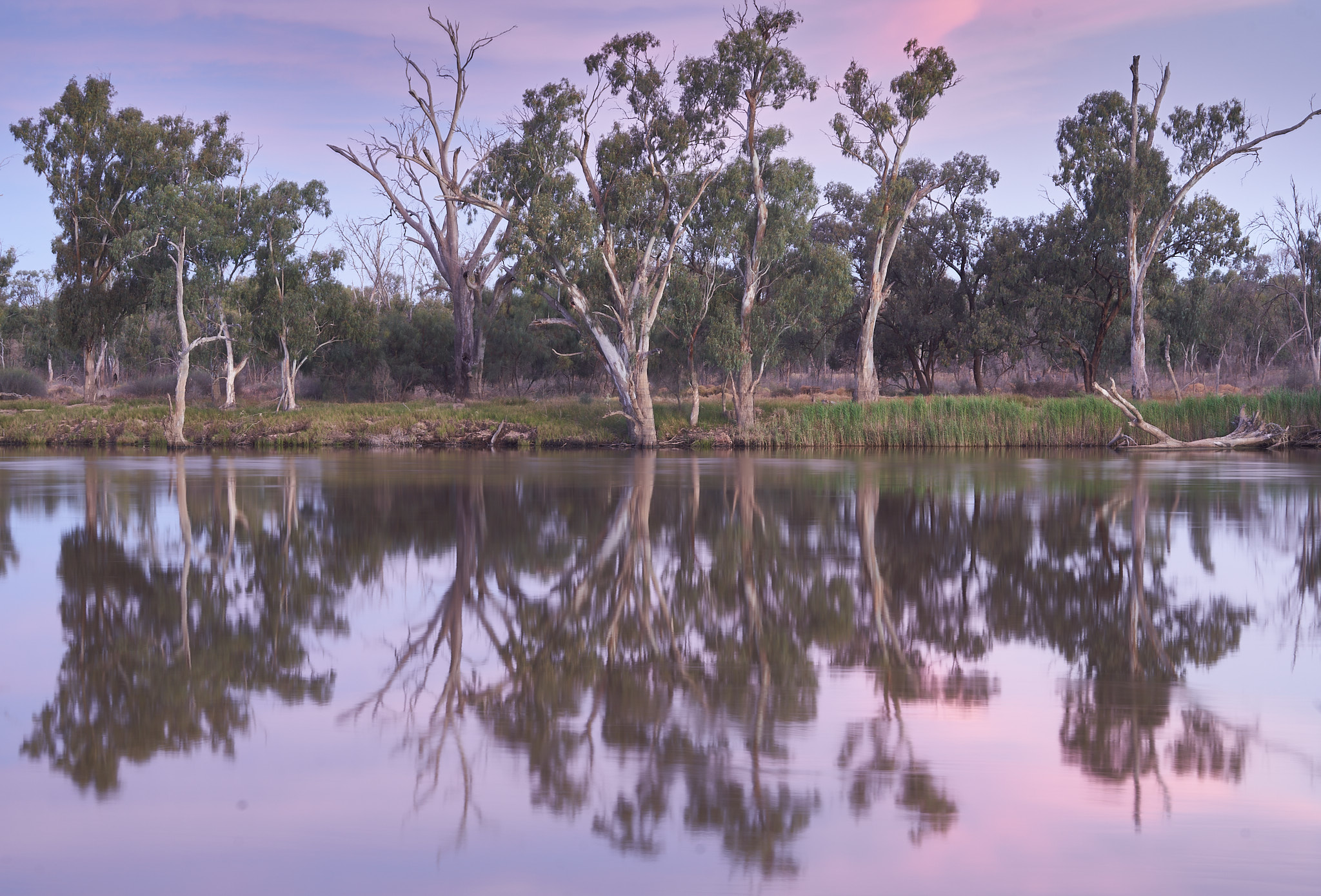
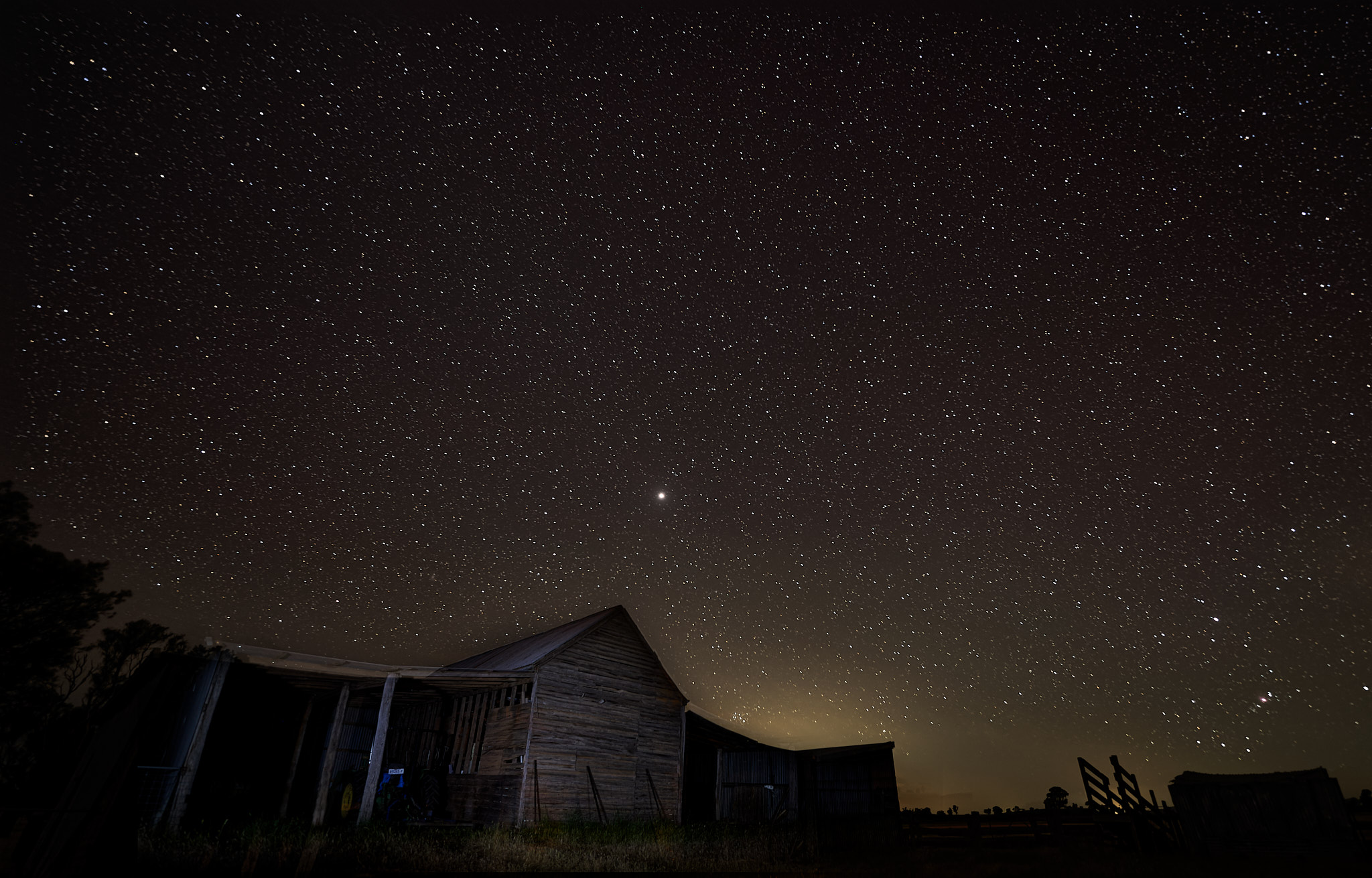
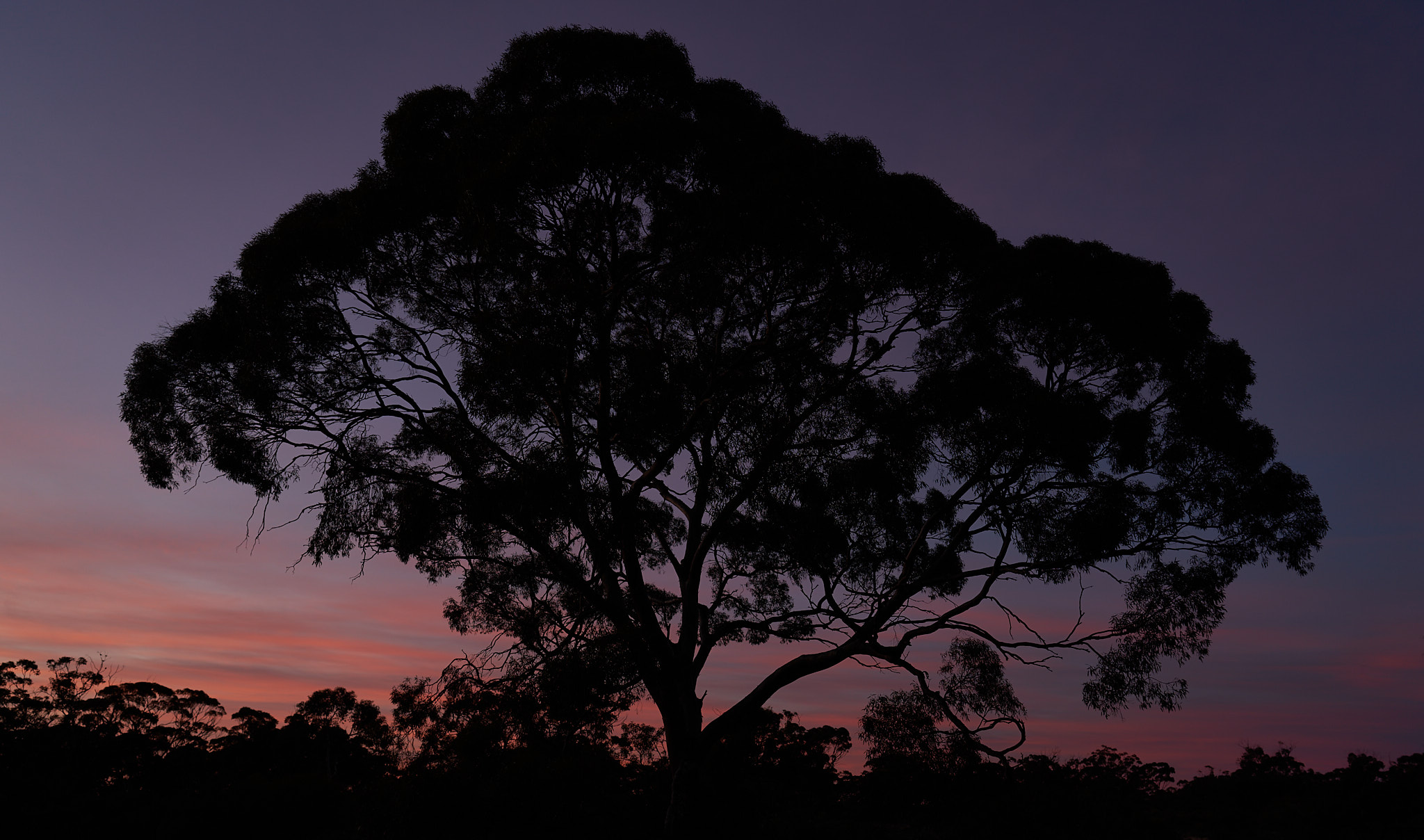
The Victorian Goldfields were as always at this time of the year, the winter crops were coming in, the grass had turned to gold and the sheep were in fine condition. And the night sky was clear.
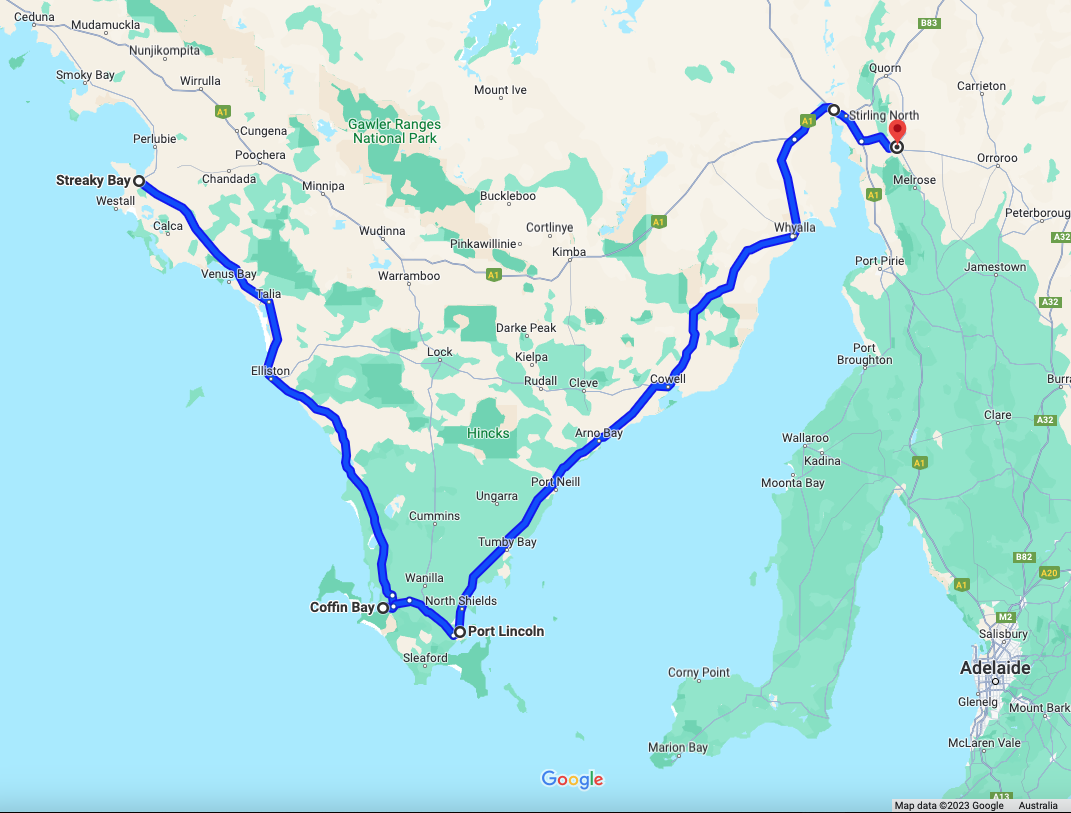
Arid scrub and rich farmland, amazing coastal scenery, mineral wealth, seafood, fascinating ornithology and the occasional ferocious bushfire. It’s interesting. On this occasion our journey took us around the triangle. If we weren’t traveling with a dog it would have included the Lake Gillies conservation park. We spent two nights at Streaky Bay and two at Coffin Bay. Port Lincoln has a population between 16 and 17 thousand, Whyalla is a mining town, the rest of the place is lovely!
No trip to Streaky Bay would be complete without driving the Cape Bauer Loop and another trip to the Sealion colony at Cape Labatt. You could throw in Murphy’s Haystacks if you’re geologically inclined.
White-fronted Chat
A short diversion at Elliston takes you on the Elliston Clifftop loop. If you are impressed by Victoria’s Great Ocean Road prepare yourself for something even more splendid. There are also some sculptures that can be seen along the way … they don’t stand a chance against the scenery.
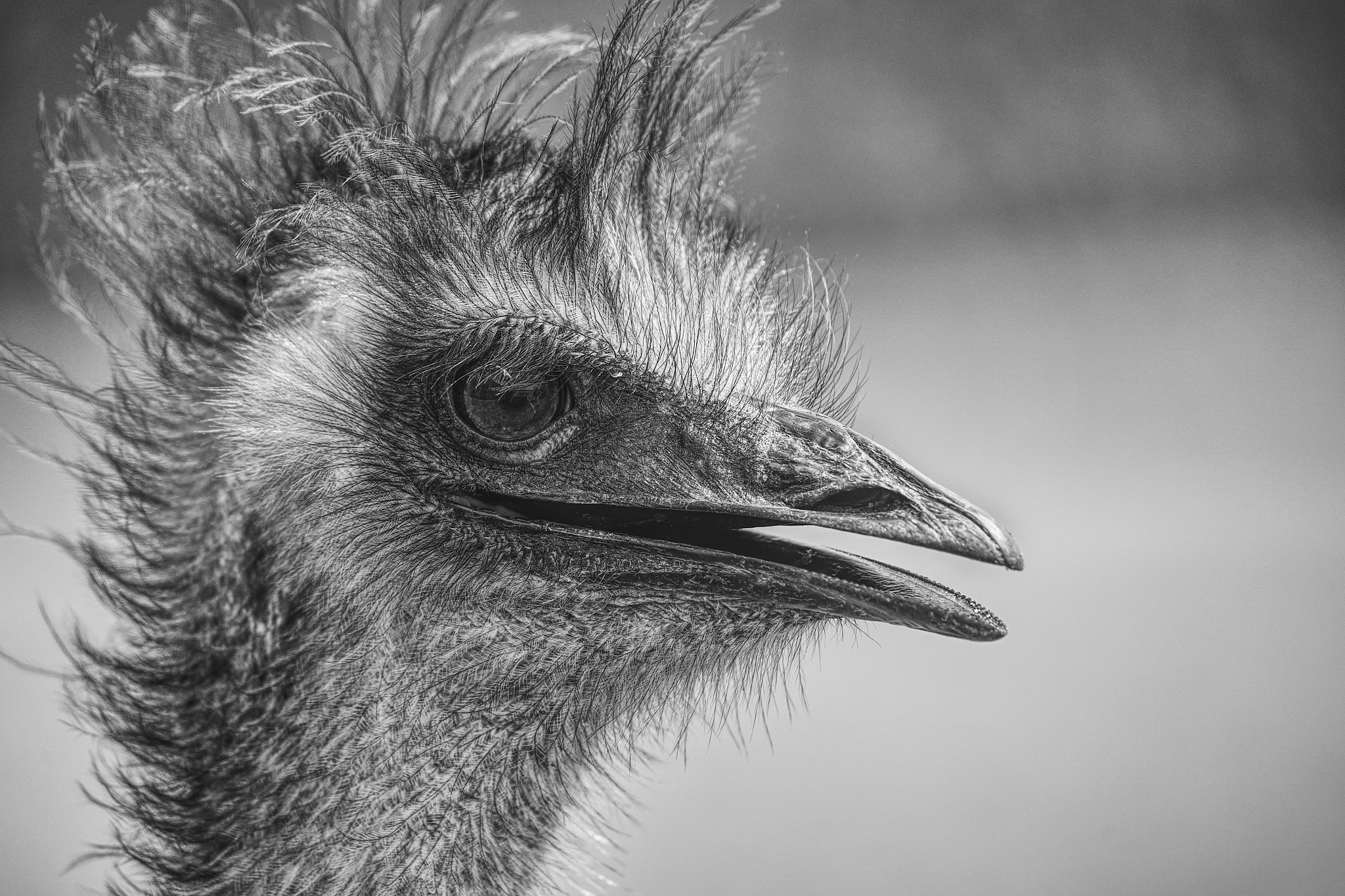
Coffin Bay sounds like a place with a story attached and there is one, but it’s very tame. Matthew Flinders put the bay on the map in 1802 and named it after his friend Sir Isaac Coffin, later a rear admiral. It is famous for its oysters and a wonderful national park. Emus roam the streets and remarkably photogenic they are.
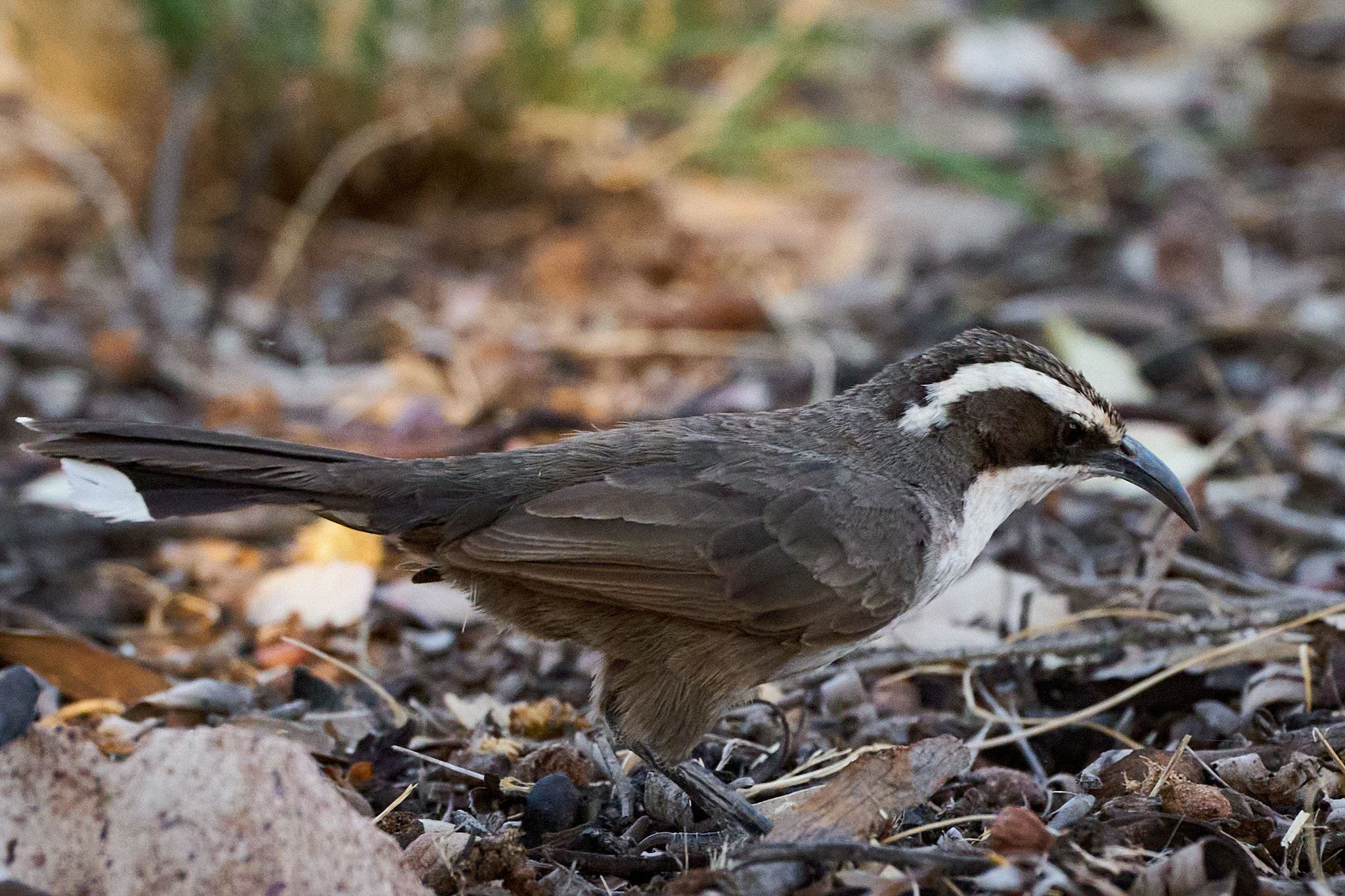
The Eyre Peninsula is very interesting ornithologically. It is a thousand kilometers around the Great Australian Byte to Esperance in Western Australia and there is some very inhospitable country in between yet there are a number of birds that are found in southwest WA and the Eyre Peninsula and not further east. They include birds from quite different genera, the Blue-breasted Fairywren,Rufous Treecreeper and Western Yellow Robin. The Western Whipbird, Western Whistler, Rock Parrot and Elegant Parrot almost qualify but their ranges stretch a little further east. There must have been a time when Australia’s climate permitted suitable habitat for these birds to extend right across the Nullarbor. Somehow the Laughing Kookaburra failed to make that journey. They are common in southwest WA now but were introduced deliberately about 120 years ago. It’s a similar story for Rainbow Lorikeets but they are much more recent aviary escapees.
Birding around Coffin Bay was most productive and some of the wildlife even posed for a photo.
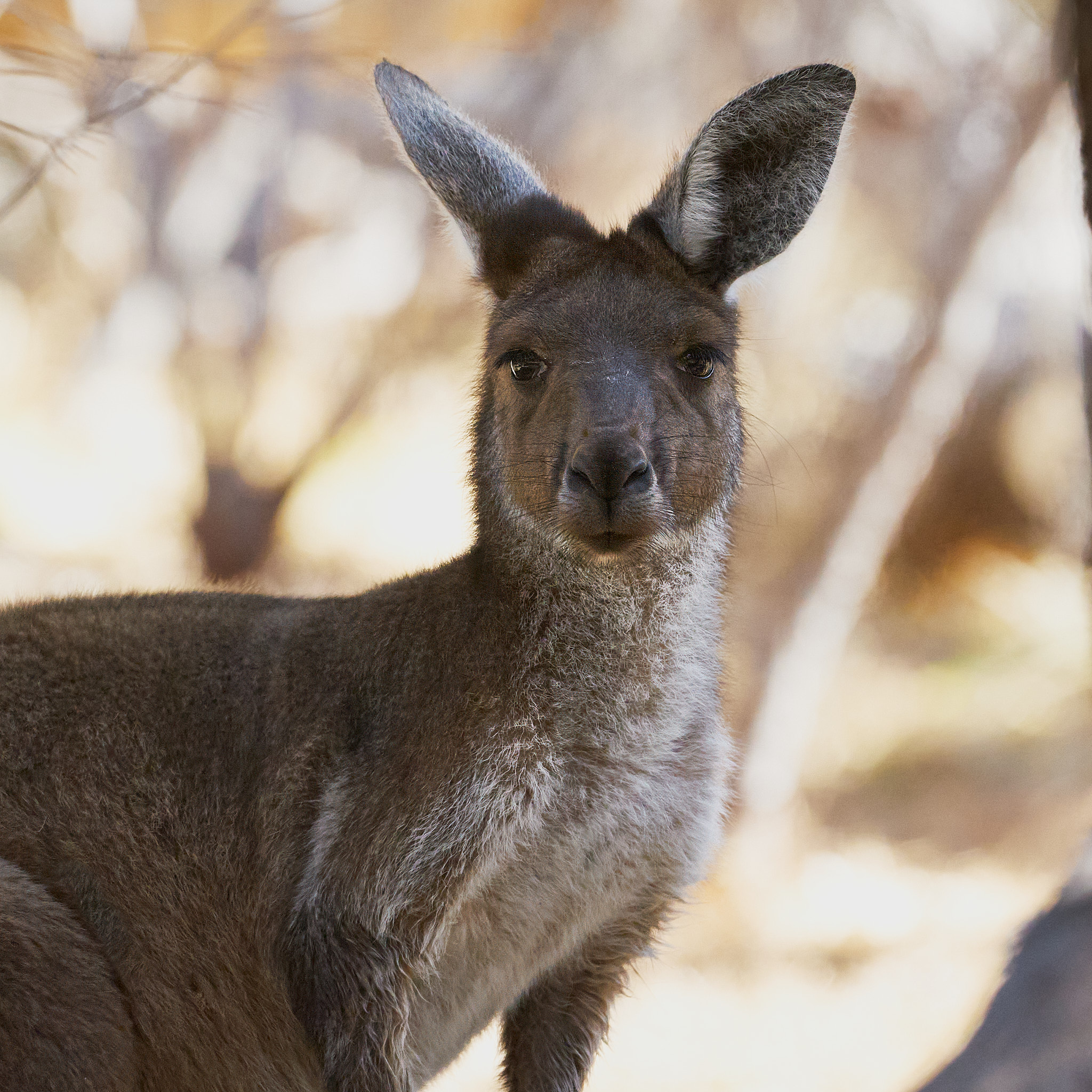
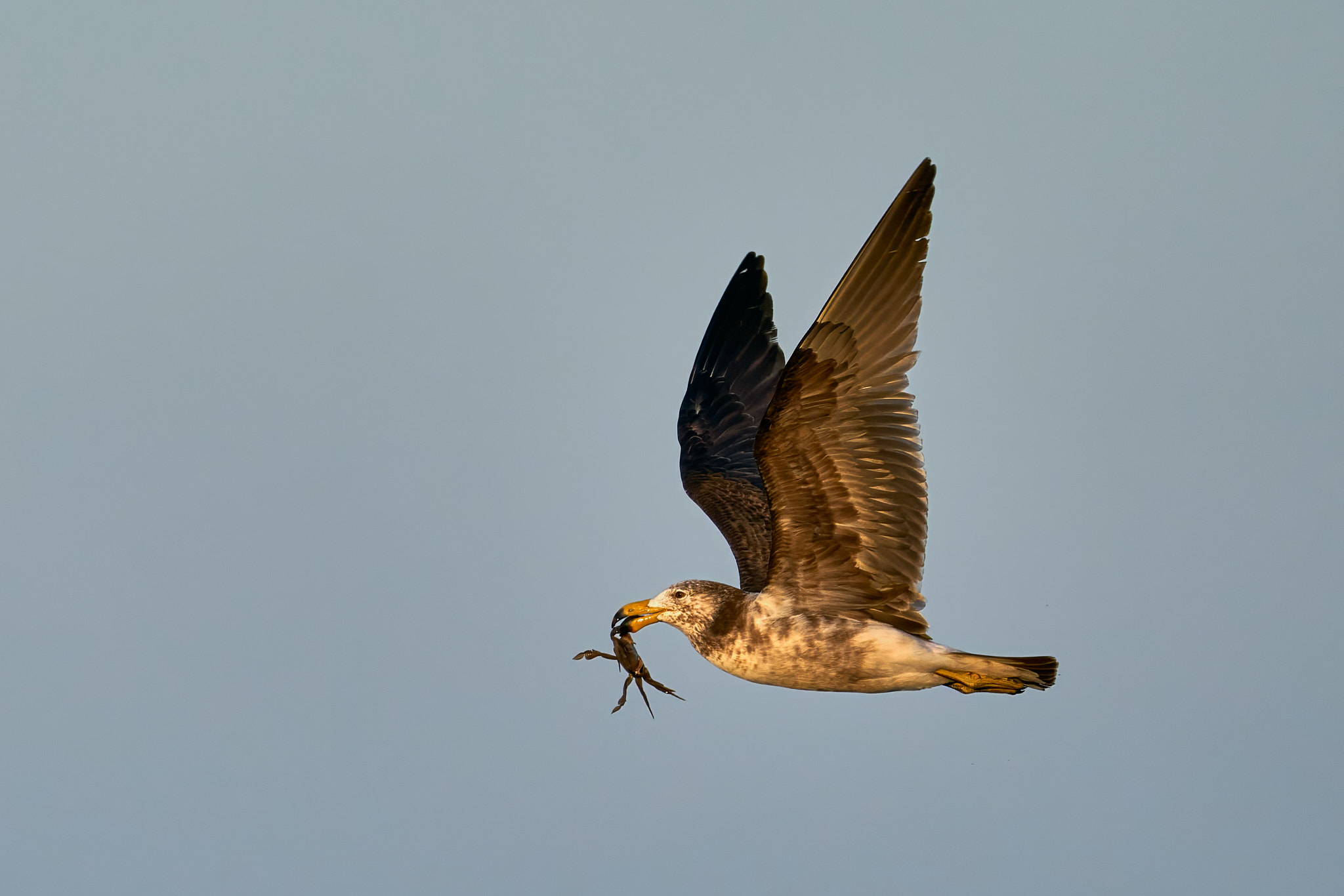
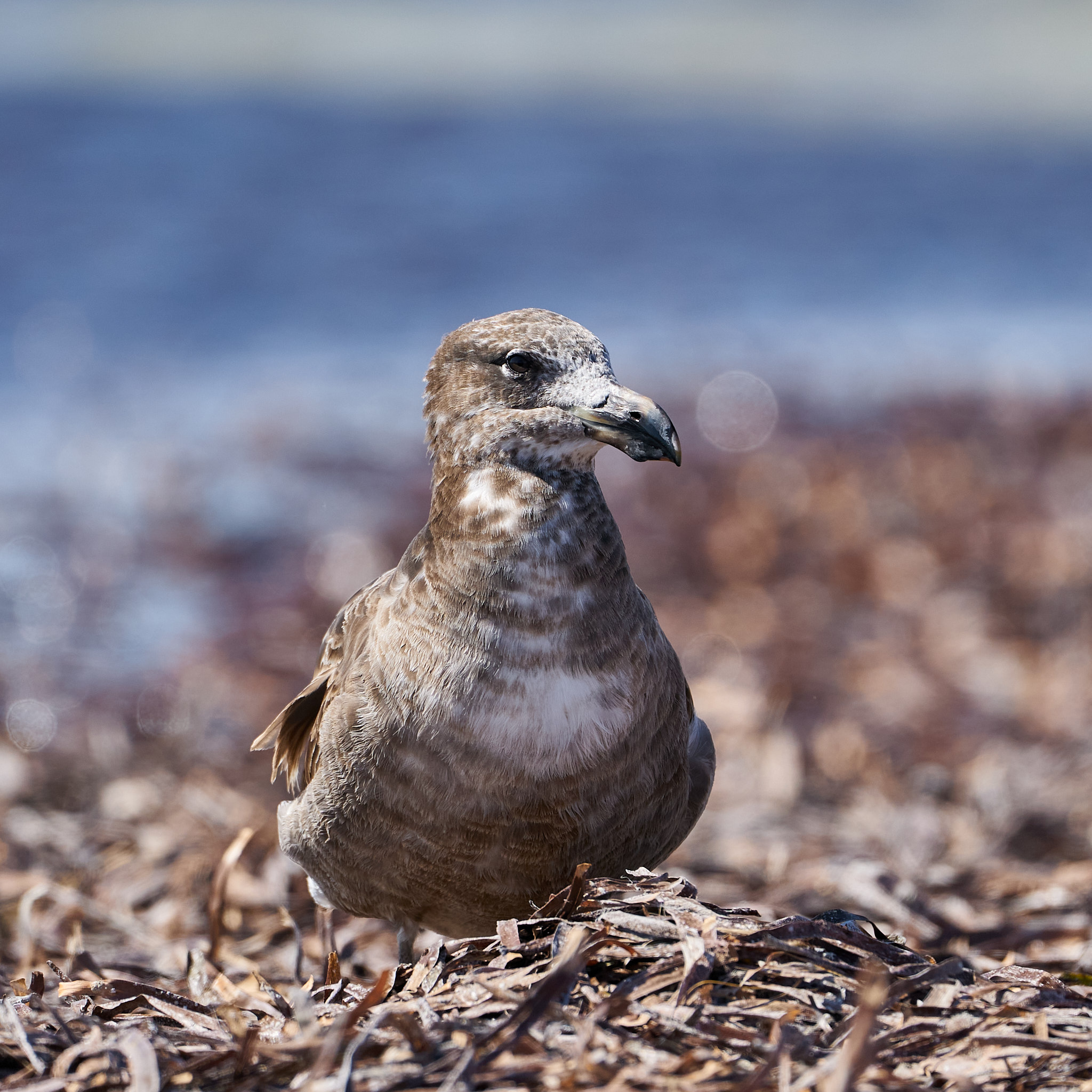
Grey FantailWestern Grey KangarooPacific GullSpotted ScrubwrenPort Lincoln ParrotSouthern Scrubrobin
We left Coffin Bay on a hot and windy day, 43°C, gale force winds, extreme fire danger.
We passed a couple of silo masterpieces on the way north.
Tumby BayCowell (photo G H D’A)
Tonight we are at Wilmington. It was originally called Beautiful Valley. I can understand why they changed the name.
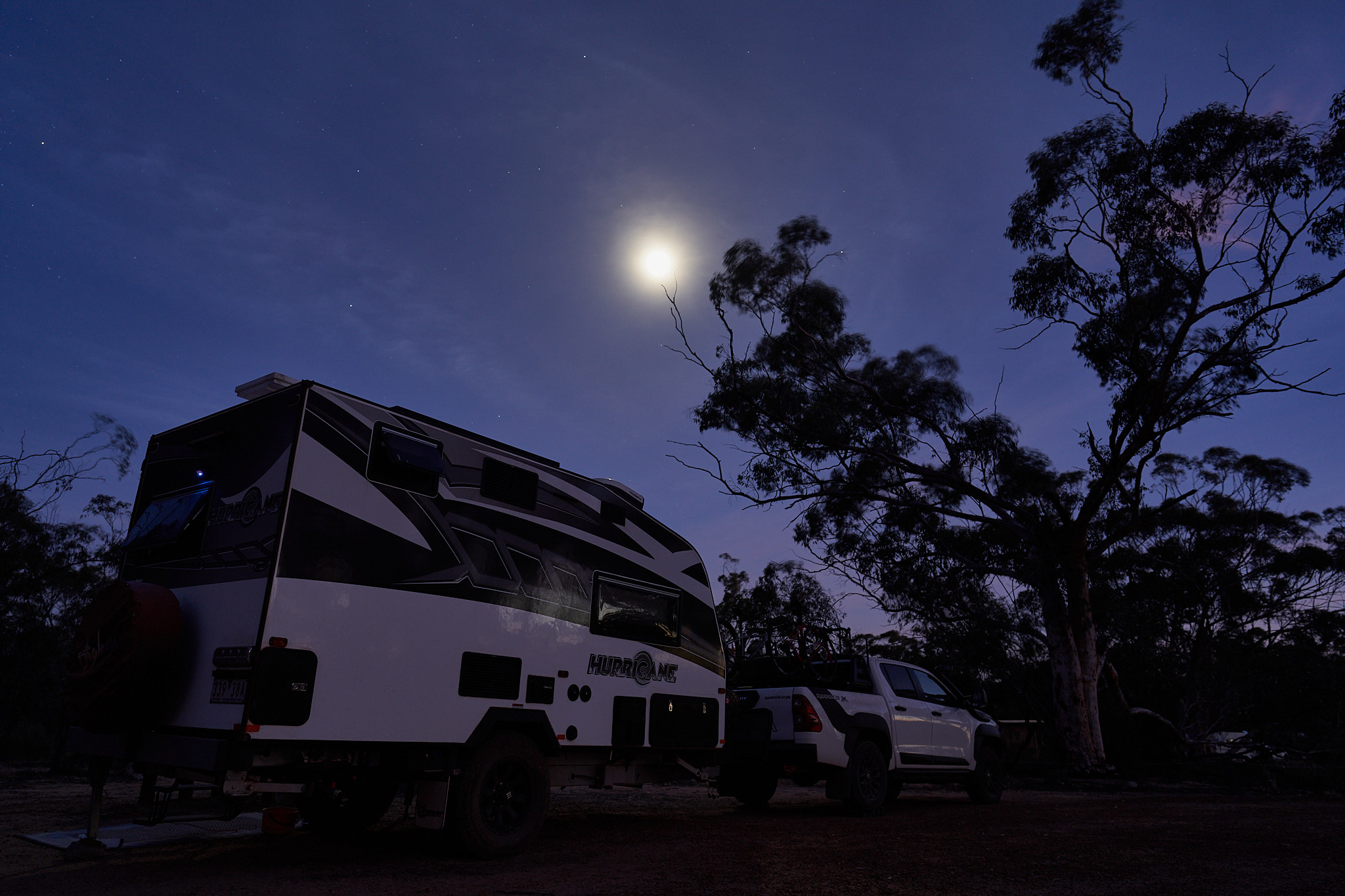
When I emerged from the van there was a last quarter moon high in a cobalt blue sky. You can see for miles across the Nullarbor Plain, the lights of the roadhouse were shining in the distance and there was a red glow on the eastern horizon warning of the day to come. I was but a speck in the universe.
It was 8°C, the van and car were dripping with dew. I was glad that I would not be dealing with wet canvas.
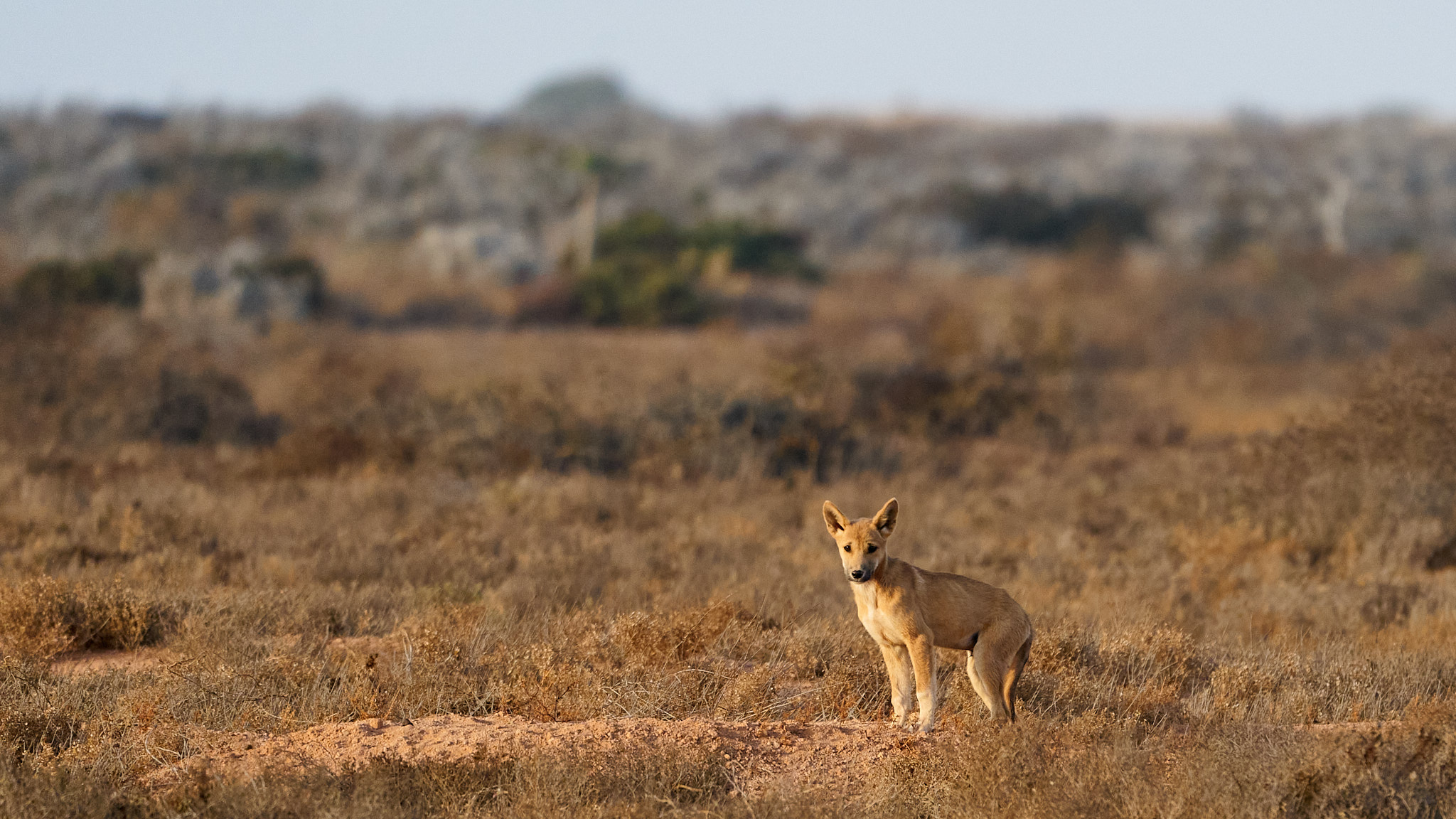
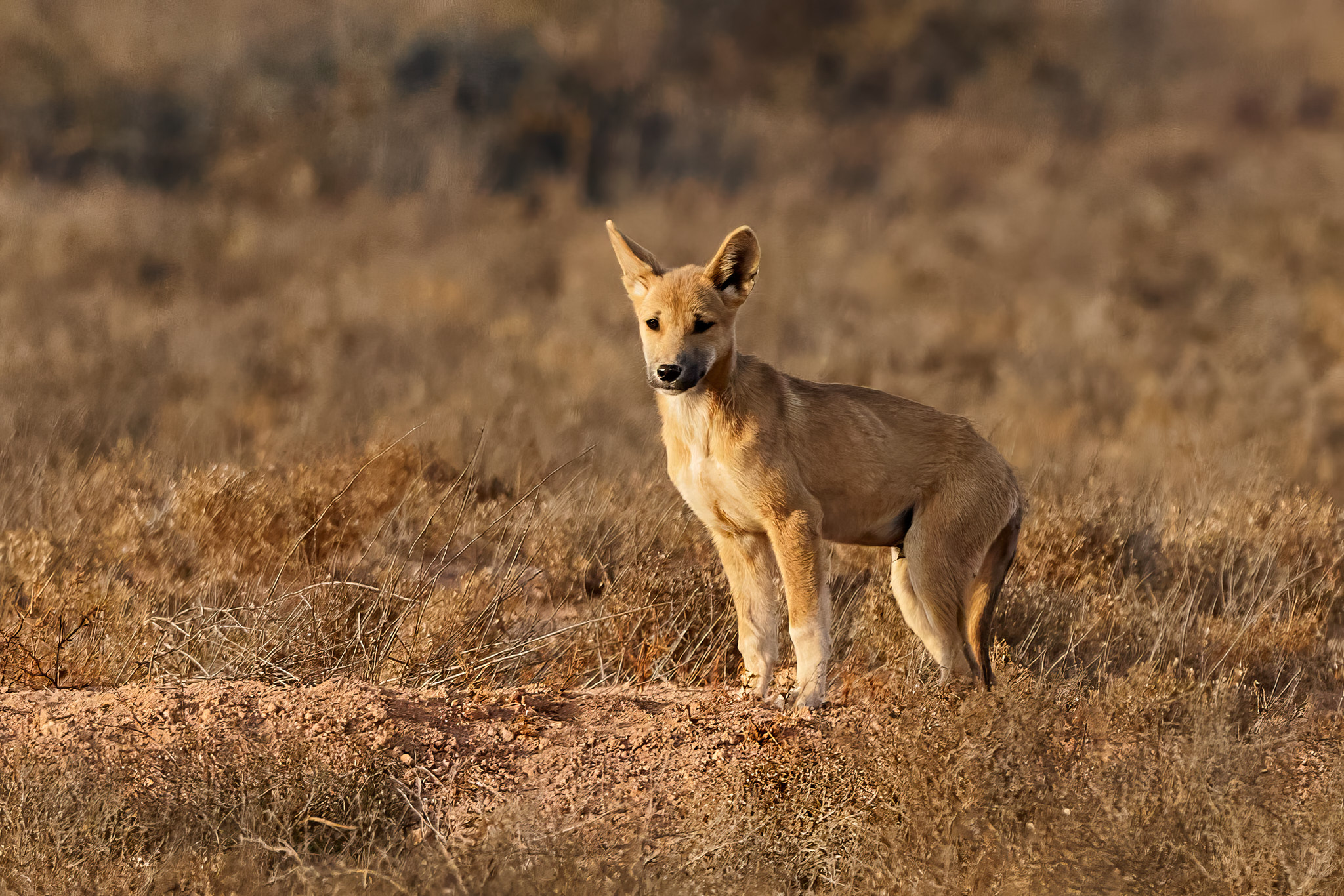
Last evening our little dog had been very restless and overnight some dingoes had been howling. We had been careful not to leave our shoes outside.
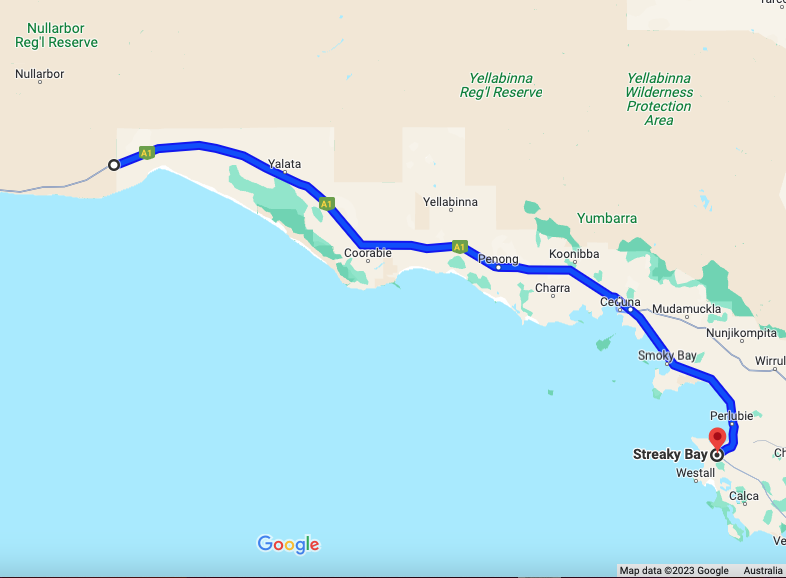
After breakfast we were on our way. It was the reverse process that we’d experienced in the few days prior, Nullarbor Plain giving way to mallee woodland and then wheat fields. The biggest difference was flocks of Starlings once we hit the South Australian wheat belt. Once we reached Ceduna we added House Sparrows and a Blackbird. WA is not entirely without introduced species but around Broome it’s rare to encounter them and it’s never Sparrows and Starlings, it’s the odd Muscovy or Peafowl.
Our destination was Streaky Bay for a couple of nights at the wonderful Islands Caravan Park which is beautifully planted, well maintained and run by some very nice people. It’s right on the beach …
Newman’s Rocks was very kind to me. A parrot flew and landed close by. For a brief moment I was treated to an intoxicating splendour. Small, bright scarlet breast, blue face, green back, a jewelled bird – ruby, sapphire, emerald. A male Scarlet Chested Parrot Neophema splendida. A tick but no photo. It was gone too soon.
Ready to leave Newman’s Rocks
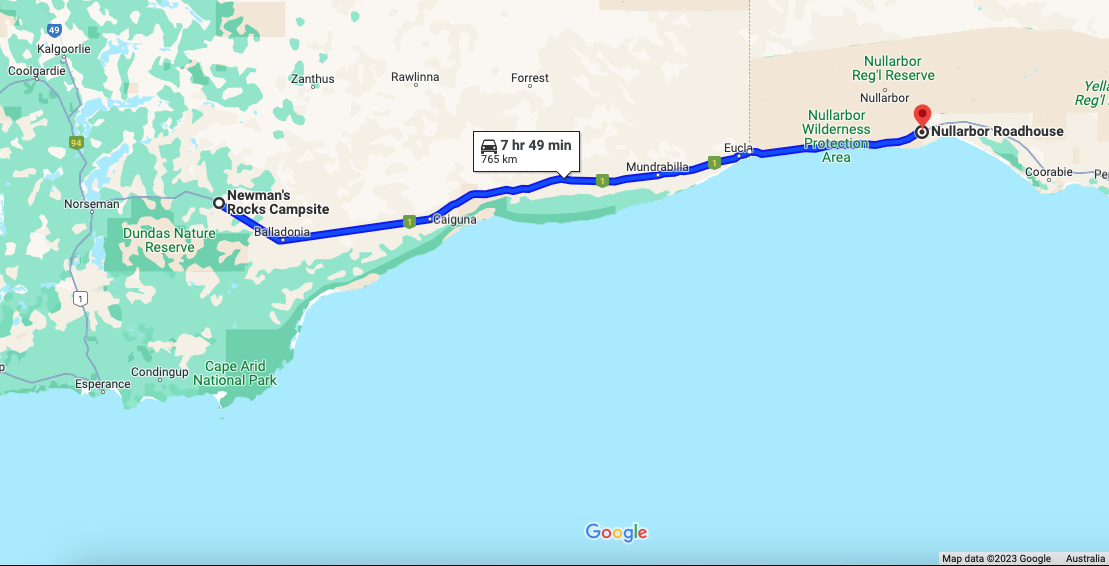
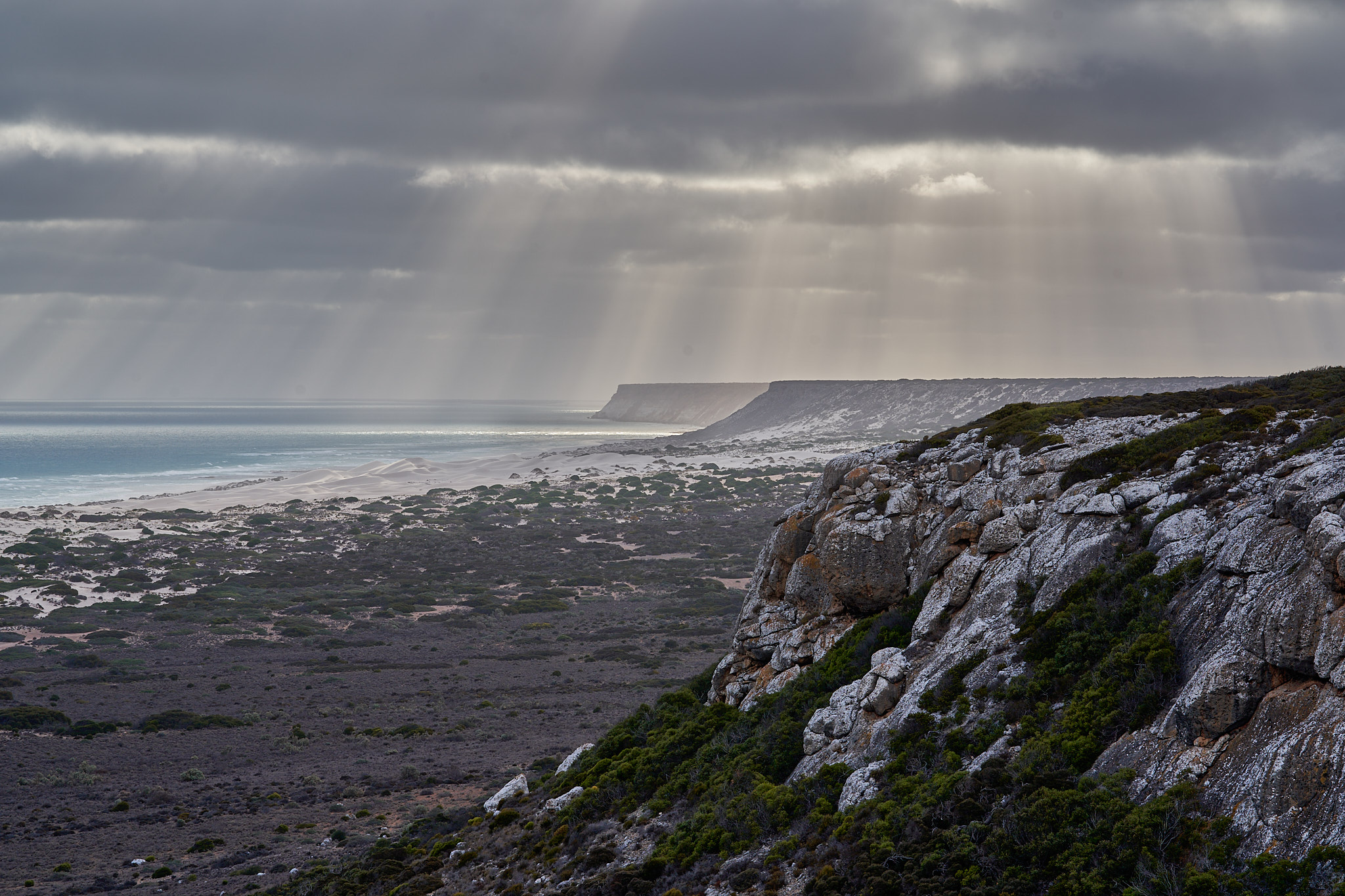
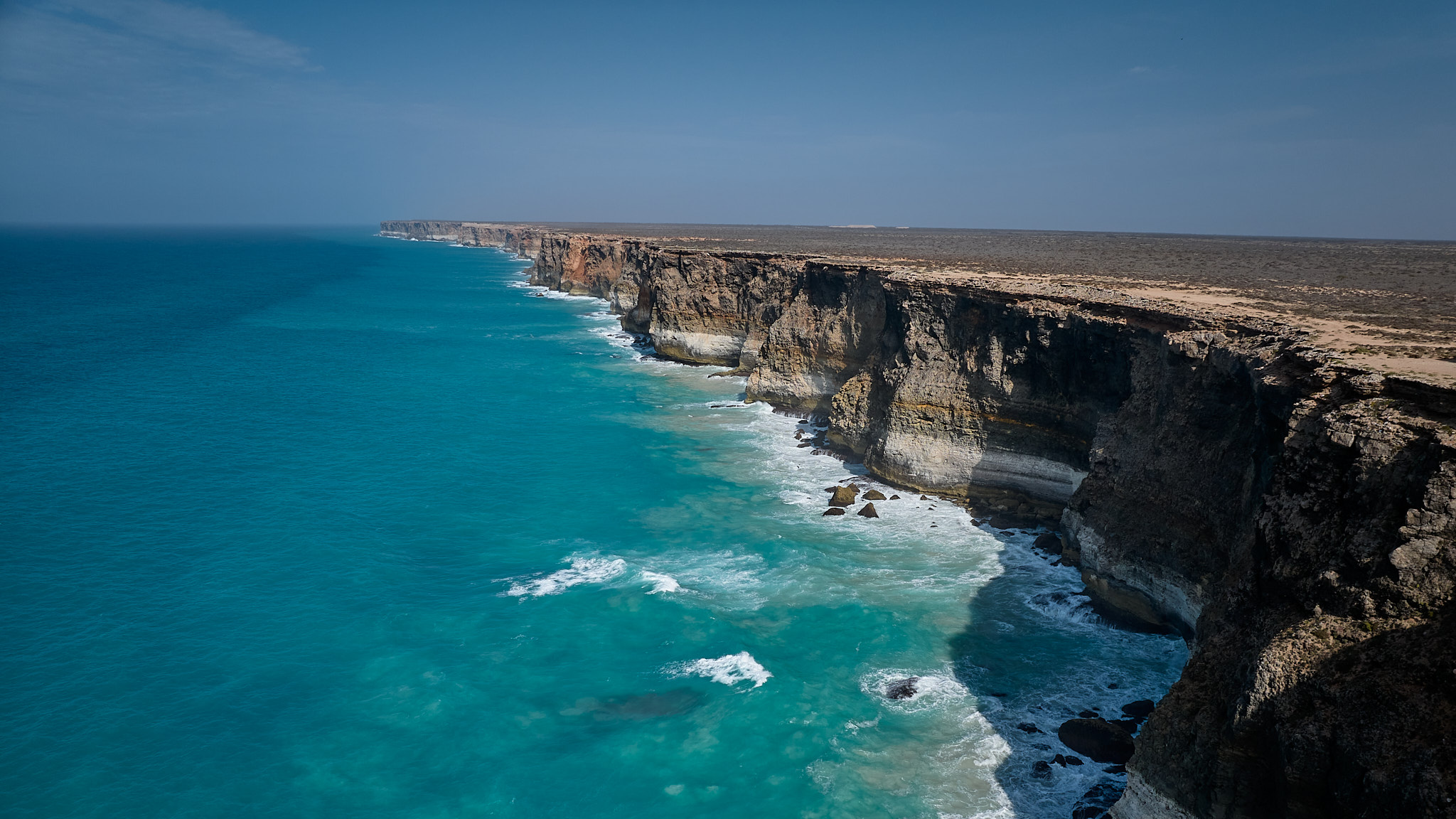
The day started in the Great Western Woodlands, 160,000 square kilometers of mallee and other eucalypts located between Australia’s moist, cooler south-west corner and its desert interior. As we traveled east the woodland was interspersed with open saltbush patches which slowly came to dominate until we were on the Nullarbor Plain. No trees here. Our first camp site was on the cliffs looking out at the Southern Ocean and the Great Australian Byte.
The next day was a short one to camp in the vicinity of the Murrawijinie Caves. The Nullarbor Plain is limestone. There is no surface water but plenty of deep caves. The low scrub around this area is home to the Nullarbor Quail-thrush. Gayle and I have put in quite a few hours on a previous visit trying unsuccessfully to find this bird. So on this occasion we set aside a full afternoon and a full morning the next day. It took about 10 minutes to find the first one and then we found at least five more. Unfortunately they notice you at the same time you notice them and then they’re gone, hiding under bushes or simply flying away.
Our first stop after leaving York was Merredin. Back in 2019 we spent a week here awaiting repairs to our camper trailer. It seemed a long week at the time but we couldn’t resist a short visit.
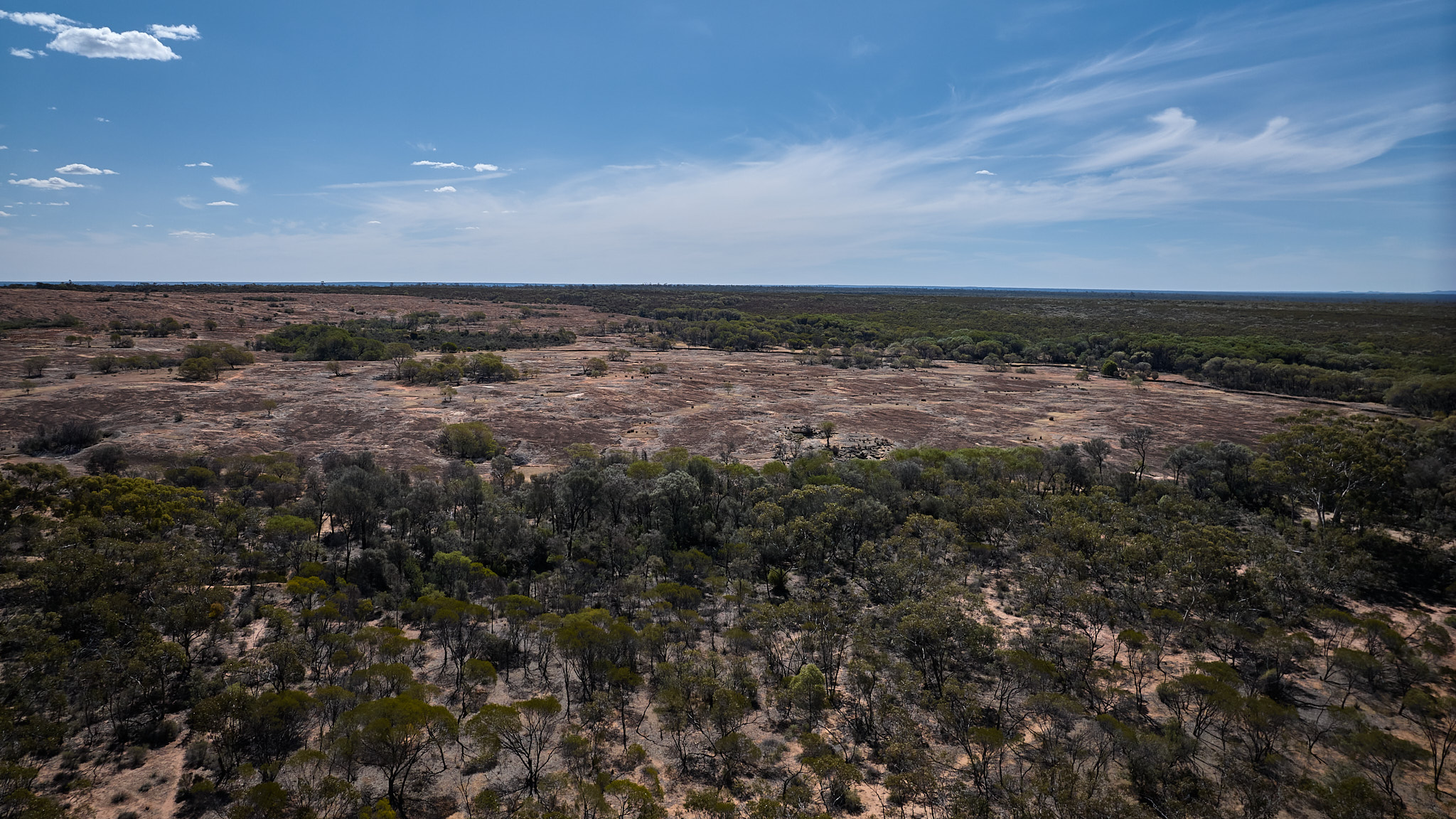
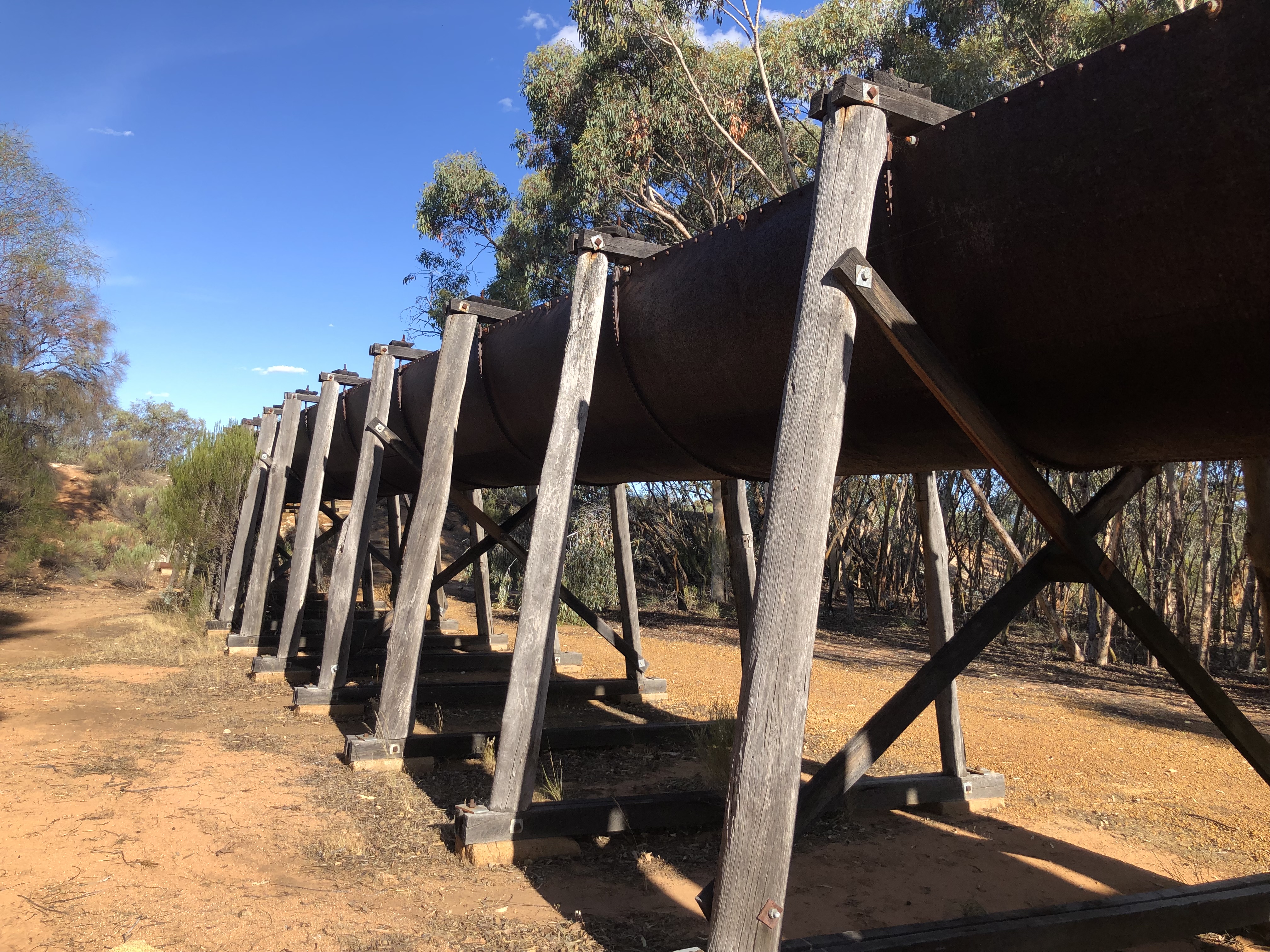
That night we camped at Karalee Rock. In this part of Western Australia harvesting water from large rocks has been elevated to a fine art. Surface water is scarce here. When steam trains were the way to move goods and people water had to be available at many points along the line. At Karalee Rock and many other large rocks water was directed using low walls to a dam. Last time we were here it was pouring with rain which gave me an opportunity to see and film the process in action. You can find the movie <HERE>. This time the weather was fine.
Towards the end of the first century Juvenal, the Roman satirist, was wont to say “Rara avis in terris nigroque simillima cygno.” Which translates as “A rare bird in the lands, and very like a black swan.” which is as polite a way of saying “bullshit” that I have ever come across. Every European knew that all swans are white so someone claiming to have seen something as rare as a black swan was clearly lying.
Willem de Vlamingh put an end to that fallacy in 1697 when he came eye to eye with Black Swans on the river now known as the Swan River in a place now known as Perth, Western Australia. He grabbed a few but sadly they died on the way back to Holland.
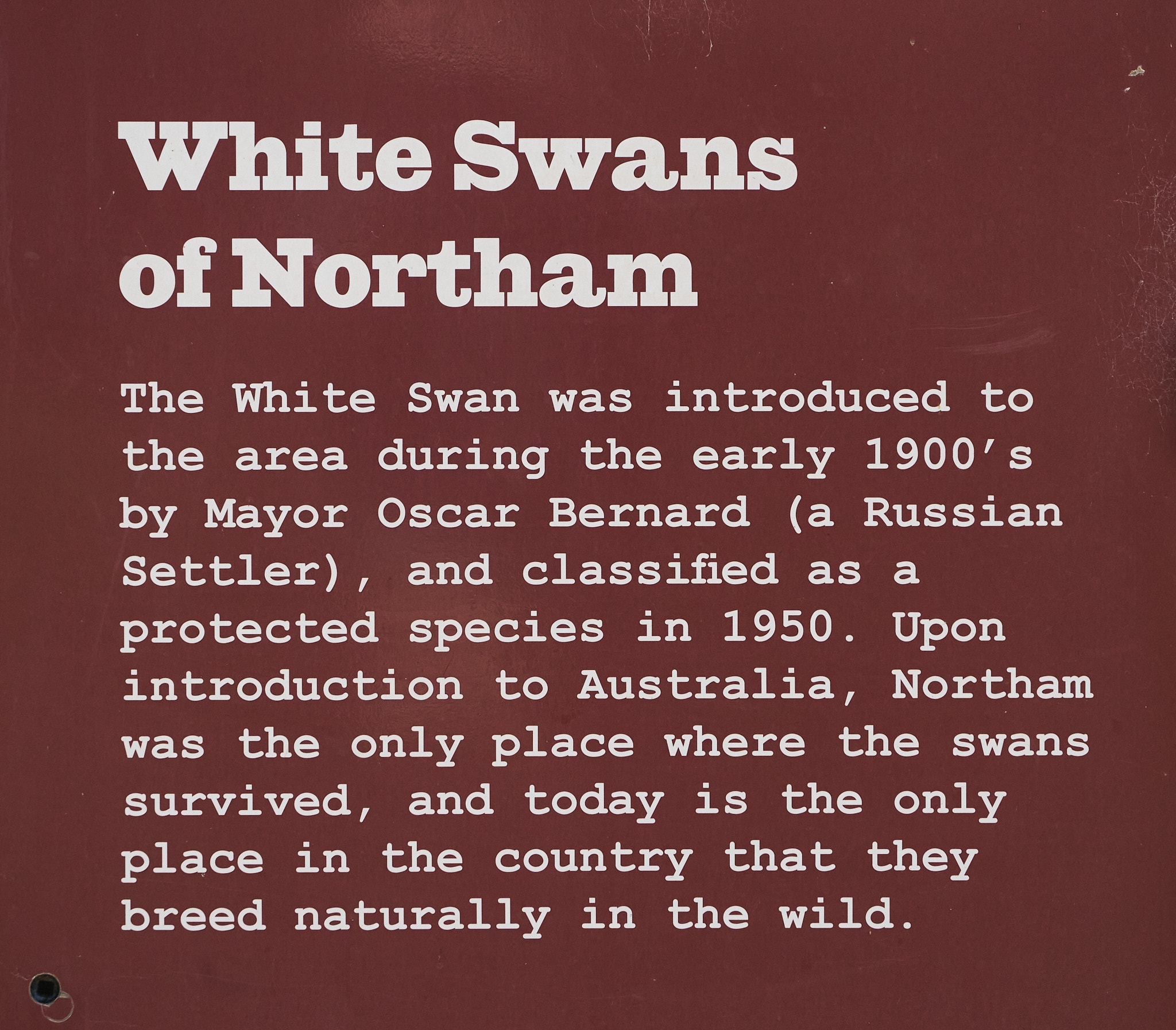
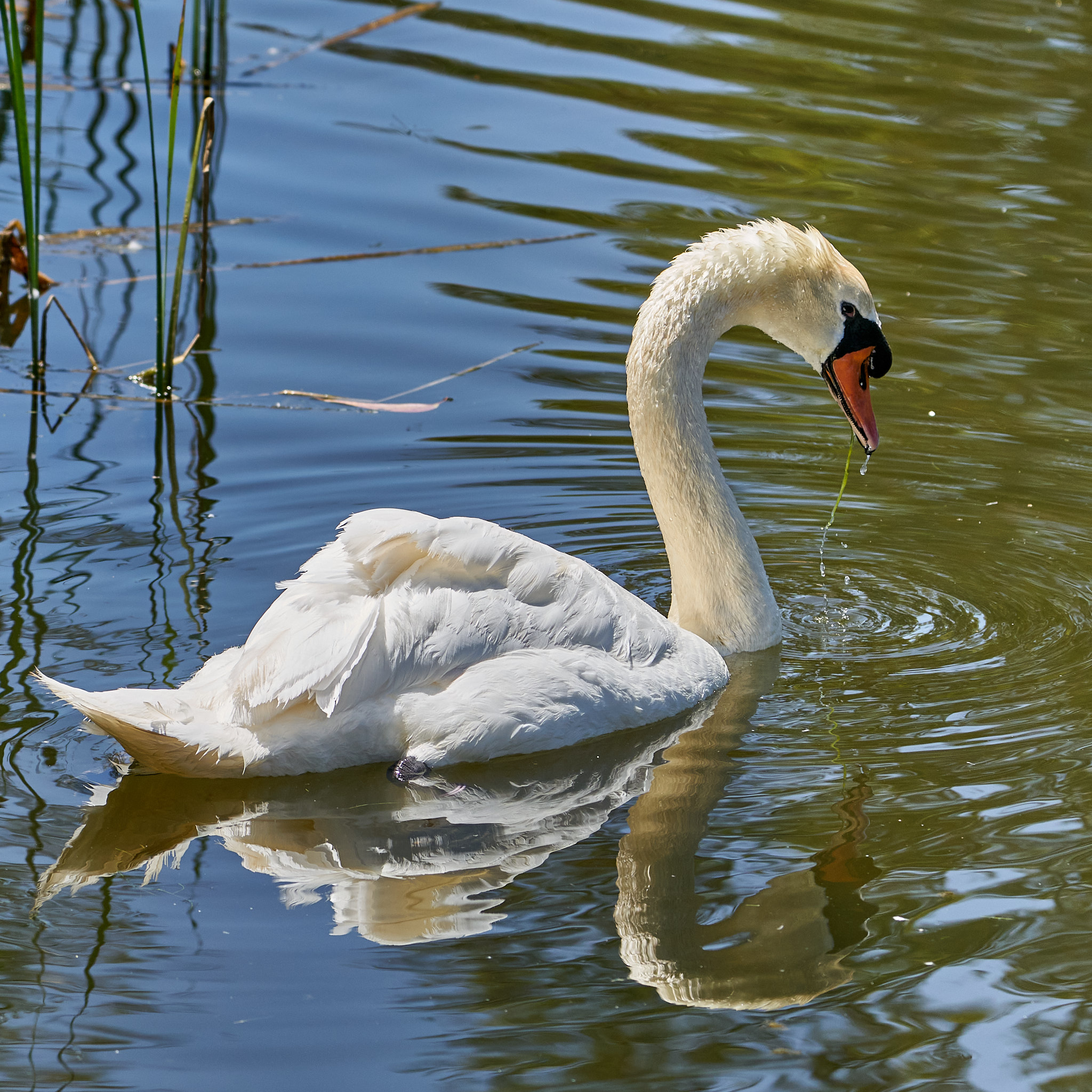
Most Australians grow up seeing only black swans. They might well turn Juvenal’s saying around “A rare bird in the lands, and very like a white swan, mate” but they would probably just say “Bullshit”. However there is in WA not far from Perth a colony of white swans. A brief history can be found on a sign on the banks of the River Avon at Northam …
Mute Swan
Just how naturally they live there is a moot point. The River Avon extends in a very similar fashion up and down stream but for some reason the swans rarely travel far from Northam.
Our journey today took us from Cervantes to York, the oldest inland Town in WA.
That concludes our exploration of the west coast for now. Tomorrow we will bush camp at Karalee Rock then it’s onto the Eyre Highway bound for South Australia. Updates may be scarce for a few days.
























 bobmcgee